Wednesday, April 29, 2026
Home Blog Page 142

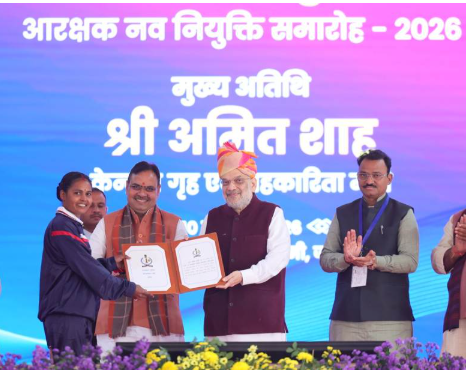
Shri Amit Shah Addresses Appointment Letter Distribution Ceremony for Newly Recruited Rajasthan Police Constables in Jaipur: 2026

Union Home Minister and Minister of Cooperation Shri Amit Shah today addressed the appointment letter distribution ceremony for newly recruited constables of Rajasthan Police in Jaipur. The event was attended by the Chief Minister of Rajasthan Shri Bhajan Lal Sharma and other dignitaries.

More than 8,000 youth joined the Rajasthan Police through this recruitment drive, including over 2,500 women constables, making nearly one-third of the new recruits women.


Merit-Based Recruitment Reflects Transparent Governance

Addressing the gathering, Shri Amit Shah said that the recruitment process was conducted without any bribe or recommendation, purely on the basis of merit and capability. He stated that this reflects:

  • Transparency in governance

  • Elimination of corruption

  • Respect for merit

He added that progress in any state is possible only when recruitment is transparent and merit-driven, and Rajasthan has successfully demonstrated this model.


Paper Leak Problem Completely Eliminated

The Union Home Minister stated that under the leadership of Chief Minister Shri Bhajan Lal Sharma, the Rajasthan Government has completely uprooted the paper leak problem that had emerged during the previous government.

He said the recruitment process was completed using technology-driven and impartial systems, and the issuance of appointment letters marks the successful culmination of a clean and fair selection process.


New Infrastructure and Recognition of Excellence

On the occasion:

  • A Multipurpose Indoor Hall was virtually inaugurated

  • The Ratannagar Police Station (Churu district) was honoured as the best police station in Rajasthan

Shri Shah congratulated the new recruits and reminded them that after training, they will become part of the Rajasthan Police established in March 1949, a force with a proud legacy.


Rajasthan’s Challenging Geography Demands Professional Excellence

Highlighting Rajasthan’s complex security environment, Shri Shah noted that the state faces unique challenges due to:

  • A 1,070 km international border with Pakistan

  • The Chambal ravines

  • The Thar Desert

  • Major tourist hubs, historical forts, and wildlife sanctuaries such as Ranthambore, Sariska and Keoladeo

He urged the recruits to take their training seriously so they can contribute effectively to building a secure Rajasthan.


Significant Reduction in Crime Under New Government

Shri Amit Shah highlighted major improvements in law and order since the formation of the new government:

  • Overall crime reduced by 14%

  • Serious crimes reduced by 19%

  • Murders reduced by 25%

  • Attempts to murder reduced by 19%

  • Crimes against women reduced by 10%

  • Atrocities against SC/ST reduced by 28%

  • Dacoity reduced by 47%

  • Robbery reduced by 51%

He said these outcomes demonstrate that when a government committed to good governance comes to power, positive results inevitably follow.


Modernisation and New Initiatives in Rajasthan Police

Shri Shah highlighted key reforms and initiatives undertaken by Rajasthan Police:

  • Constitution of an Anti-Gangster Task Force

  • Integration of Abhay Command Centre with CCTNS, ERSS-112 and ICJS

  • Launch of Kalika Patrolling Unit

  • Initiation of Anti-Narcotics Task Force structuring

  • Launch of a Cyber Helpline on the lines of I4C (Indian Cyber Crime Coordination Centre)

These initiatives, he said, are aimed at making Rajasthan crime-free and technologically empowered.


First Batch After Implementation of New Criminal Laws

The Union Home Minister said this will be the first batch of Rajasthan Police recruits after the implementation of the three new criminal laws, including the Bharatiya Nyaya Sanhita.

He noted that:

  • The colonial-era laws have been abolished

  • The new laws prioritise citizen rights, dignity, safety and property protection

  • Technology integration connects police, prosecution, jails, forensic labs and courts digitally

  • The reforms strengthen the entire criminal justice system


Rajasthan Emerging as India’s Leading Investment Destination

Shri Amit Shah stated that under the leadership of Prime Minister Shri Narendra Modi and Chief Minister Shri Bhajan Lal Sharma, Rajasthan has emerged as the country’s leading investment destination.

He said investors across India are now keen to invest in Rajasthan, reflecting:

  • Improved law and order

  • Transparent governance

  • Investor confidence

  • Strong development trajectory

He concluded by saying that the future of Rajasthan is extremely bright.


Conclusion: Distribution Ceremony

The ceremony marked not only the induction of over 8,000 new police personnel but also showcased Rajasthan’s broader transformation towards:

  • Transparent governance

  • Merit-based systems

  • Strengthened law and order

  • Modernised policing

  • Youth empowerment

 For more real-time updates, visit Channel 6 Network.

Source: PIB
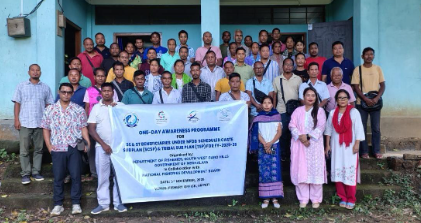
Department of Fisheries Strengthens Capacity Building in Fisheries and Aquaculture Sector Under PMMSY: 2026

The Department of Fisheries, under the Pradhan Mantri Matsya Sampada Yojana (PMMSY), is intensifying its focus on skill development and capacity building as critical enablers for modernising India’s fisheries value chain. The initiative aims to enhance productivity, reduce post-harvest losses, strengthen marketing linkages, and build robust human and institutional capacities across the sector.


Structured National Roadmap for Training (2025–2027)

To advance the objectives of PMMSY and align with the vision of Viksit Bharat @2047 in the fisheries and aquaculture sector, the Union Minister for Fisheries, Animal Husbandry and Dairying and Panchayati Raj, Shri Rajiv Ranjan Singh (Lalan Singh), released two key national calendars on National Fish Farmers Day, July 10, 2025, at ICAR–Central Institute of Freshwater Aquaculture (CIFA), Bhubaneswar, Odisha:

  • “Training & Capacity Building Programme Calendar of Fisheries Institutes of ICAR & its Regional Centres”

  • “Training, Capacity Building and Exposure Visit Calendar by NFDB and ICAR”

These calendars provide a structured roadmap for 2025–2027, detailing training programmes, exposure visits, and knowledge-sharing initiatives to systematically strengthen skills across the fisheries ecosystem.


Comprehensive Curriculum Covering Entire Value Chain

The training programmes are designed to empower fishers and fish farmers by:

  • Enhancing technical skills

  • Promoting adoption of scientific practices

  • Encouraging environmentally responsible operations

Structured training covers the full value chain across pre-production, production, and post-production, including:

  • Hatchery operations

  • Advanced grow-out techniques

  • Integrated/composite fish culture

  • Fish health management

  • Feed formulation

  • Seaweed cultivation

  • Value-added fish processing

Special emphasis is placed on emerging and modern systems such as:

  • Recirculatory Aquaculture Systems (RAS)

  • Biofloc technology

  • Cage culture

  • Ornamental fish breeding

Livelihood-focused programmes have also been designed in areas such as:

  • Ornamental fisheries

  • Fish marketing linkages

  • Women-focused fish value-added product enterprises

The structured exposure visits conducted across India enable farmers to directly observe advanced technologies and strengthen practical knowledge. Promotion of domestic fish and shrimp consumption is also being supported through fish festivals, melas and outreach events.


Diverse Training Formats

The capacity-building framework includes:

  • Short-term and long-duration training courses

  • Exposure visits

  • Workshops and conferences

  • Training of Trainers (ToTs) programmes

These are tailored to equip stakeholders with skills aligned to their respective occupational roles and performance needs.


Budgetary Support and Implementation

The Department of Fisheries, Government of India, has earmarked ₹2.93 crore for training and capacity-building programmes under PMMSY and PM-MKSSY, implemented through the National Fisheries Development Board (NFDB), Hyderabad, the nodal implementing agency. The Department is bearing all training-related expenses for fishermen and fish farmers.

Training programmes are being delivered by a wide network of institutions, including:

  • State and UT Fisheries Departments

  • ICAR Fisheries Research Institutes and Regional Centres

  • Krishi Vigyan Kendras (KVKs)

  • Agriculture Skill Council of India (ASCI)

  • Central Institute of Fisheries Nautical and Engineering Training (CIFNET)

  • National Institute of Fisheries Post Harvest Technology and Training (NIFPHATT)


22,921 Beneficiaries Trained in Six Months

Over the last six months:

  • 499 training programmes have been conducted

  • 22,921 participants have directly benefited

By equipping stakeholders with modern practices and technologies, PMMSY continues to empower fish farmers, entrepreneurs and allied communities, contributing to food security, nutritional well-being, and sustainable livelihood enhancement.


Future Outlook

The Department of Fisherie sustained focus on skilling and capacity building has laid a strong foundation for the future growth and resilience of the fisheries and aquaculture sector. This initiative is expected to:

  • Unlock the sector’s untapped potential

  • Generate employment opportunities

  • Strengthen rural livelihoods

  • Contribute to the broader socio-economic development of the nation

 For more real-time updates, visit Channel 6 Network.

Source: PIB
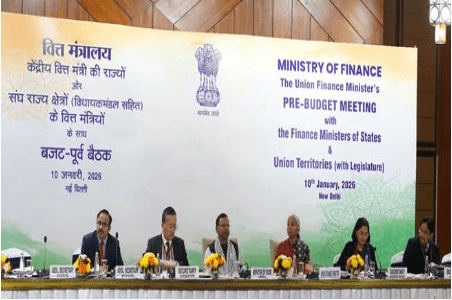
Union Finance Minister Chairs Pre-Budget Strong Consultation with States and UTs (with Legislature): 2026

Union Minister for Finance and Corporate Affairs Smt. Nirmala Sitharaman today chaired the Pre-Budget Consultation Meeting with States and Union Territories (with Legislature) in New Delhi, as part of the Government’s consultative process for preparing the Union Budget 2026–27.


Wide Participation from States and UTs

The meeting was attended by:

  • Minister of State for Finance Shri Pankaj Chaudhary

  • The Governor of Manipur

  • Chief Ministers of Goa, Haryana, Meghalaya, Sikkim, and the UTs of Delhi and Jammu & Kashmir

  • Deputy Chief Ministers of Arunachal Pradesh, Madhya Pradesh, Odisha, Rajasthan and Telangana

  • Finance Ministers and other Ministers representing various States and Union Territories with Legislature

Senior officials, including the Secretaries of the Departments of Economic Affairs, Expenditure and Revenue, along with other senior officers from the Union Ministry of Finance and State/UT Governments, were also present.


Valuable Inputs for Union Budget 2026–27

During the consultation, participants offered several constructive suggestions for consideration in the formulation of the Union Budget for FY 2026–27. A key point highlighted by many participants was the need to continue and enhance the allocation for the Scheme for Special Assistance to States for Capital Investment (SASCI).

The Scheme was widely acknowledged as an effective instrument for:

  • Fast-tracking asset creation

  • Supporting capital investments in States and UTs with Legislature

  • Strengthening infrastructure-led development


Over ₹4.25 Lakh Crore Released Under SASCI Since 2020–21

It was noted during the meeting that since 2020–21, the Union Government has released over ₹4.25 lakh crore to States under SASCI in the form of 50-year interest-free loans, significantly boosting capital expenditure and infrastructure development across the country.


Assurance from the Union Finance Minister

Smt. Nirmala Sitharaman thanked all participating dignitaries for their valuable contributions and assured them that the suggestions and recommendations would be duly examined and suitably considered during the formulation of the Union Budget 2026–27.

 For more real-time updates, visit Channel 6 Network.

Source: PIB
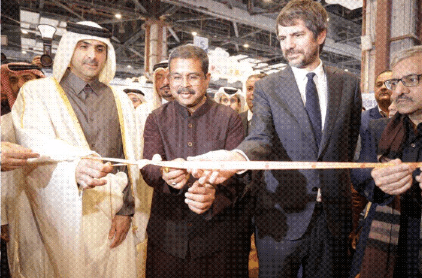
New Delhi World Book Fair 2026 Inaugrated by Shri Dharmendra Pradhan

Union Minister of Education Shri Dharmendra Pradhan today inaugurated the New Delhi World Book Fair (NDWBF) 2026, marking the beginning of one of the world’s largest B2C literary and cultural gatherings. The inauguration ceremony was attended by several eminent dignitaries, including H.E. Abdulrahman Bin Hamad Bin Jassim Bin Al Thani, Minister of Culture of Qatar; H.E. Ernest Urtasun Domènech, Minister of Culture of Spain; Ms. Maria Jose Gálvez, Director General of Books, Ministry of Culture, Spain; Dr. Vineet Joshi, Secretary (Higher Education); Shri Milind Sudhakar Marathe, Chairman, National Book Trust (NBT); Shri Yuvraj Malik, Director, NBT; along with senior officials of the Ministry and distinguished guests from India and abroad.


Release of ‘The Saga of Kudopali’ in Multiple Languages

During the event, Shri Dharmendra Pradhan released the book titled “The Saga of Kudopali: The Unsung Story of 1857”, which brings to light lesser-known chapters of India’s freedom struggle from the land of Sambalpur. The book has been released in nine Indian languages — including Bengali, Assamese, Punjabi, Marathi, Malayalam and Urdu — as well as one international language, Spanish. A video presentation on The Saga of Kudopali was also screened on the occasion.

The Minister noted that the book was earlier released in Hindi, English and Odia, and is now available in 13 languages. He described the publication as a commendable effort to honour the legacy of Veer Surendra Sai and the sacrifices of the martyrs of Kudopali, while also strengthening India’s tradition of multilingualism and global cultural dialogue.


Book Fair as a Celebration of Reading Culture

Addressing the gathering, Shri Pradhan said that NDWBF 2026, the world’s largest business-to-consumer (B2C) book fair, is not merely a marketplace of books but a grand celebration of India’s vibrant reading culture and a confluence of ideas. He highlighted that the theme of this year’s fair, “Indian Military History: Valour and Wisdom @75”, along with the participation of Qatar and Spain, has added greater depth and international significance to the event.

He further observed that the Prime Minister Shri Narendra Modi has transformed the culture of reading into a people’s movement, and that the vision of Viksit Bharat is rooted not only in infrastructure and technology but in building a knowledge-driven, aware and thoughtful generation.

The Union Minister congratulated NBT India and extended his best wishes for the successful organisation of the fair, noting that the event is infusing renewed energy into the nation’s reading ecosystem through books and dialogue.


International Cultural Engagement

Speaking at the event, H.E. Ernest Urtasun Domènech, Minister for Culture of Spain, highlighted Spain’s participation during the Spain–India Dual Year 2026, noting that the Book Fair offers an important platform to promote Spanish writers in India, where interest in Spanish language and literature continues to grow. He also recalled the historic literary connection between Juan Ramón Jiménez and Rabindranath Tagore.

H.E. Abdulrahman Bin Hamad Bin Jassim Bin Hamad Al Thani, Minister of Culture of the State of Qatar, said that Qatar’s participation reflects the depth of bilateral relations between the two countries and reaffirmed the role of culture and knowledge as pillars of people-to-people ties and nation-building.


Scale and Significance of NDWBF 2026

The New Delhi World Book Fair 2026 is being organised by the National Book Trust (NBT), India, under the Ministry of Education, with the India Trade Promotion Organisation (ITPO) as co-organiser. The fair is being held from 10 to 18 January 2026 at Bharat Mandapam, New Delhi, and for the first time, entry has been made free for all visitors.

The nine-day fair will:

  • Host 1,000+ publishers from over 35 countries

  • Feature 600+ events with 1,000+ speakers

  • Attract an estimated 2 million visitors


Theme and Special Exhibitions

The theme of NDWBF 2026 is “Indian Military History: Valour and Wisdom @75”. In addition, the fair will feature special exhibitions celebrating:

  • 150 years of Vande Mataram

  • Sardar Vallabhbhai Patel @150

The central highlight is the Theme Pavilion titled “Indian Military History: Valour and Wisdom @75”, a 1,000 sq. metre immersive space honouring the courage, sacrifice, and nation-building role of the Indian Army, Navy and Air Force since Independence.

Designed as a 360-degree experience, the pavilion will feature:

  • 500+ books

  • Curated exhibits, posters, documentaries and installations

  • Replicas of Arjun Tank, INS Vikrant and LCA Tejas

  • Tributes to 21 Param Vir Chakra awardees

  • Sessions on major wars and military operations from Budgaon 1947 to Operation Sindoor


Conclusion

The inauguration of NDWBF 2026 marks a significant cultural milestone, reaffirming India’s commitment to knowledge, multilingualism, historical consciousness, and global cultural engagement. With its unprecedented scale, inclusive access, and powerful thematic focus, the Book Fair is poised to further strengthen India’s reading culture and intellectual life.

 For more real-time updates, visit Channel 6 Network.

Source: PIB
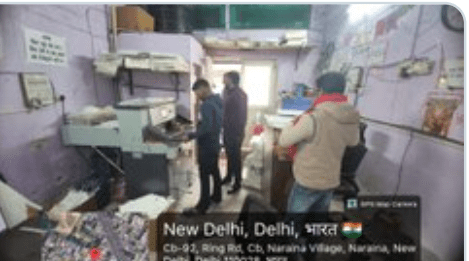
CAQM Conducts Joint Special Inspection of Industrial Units in Naraina Cantonment Area Following Public Complaints: 2026

Pursuant to directions of the Commission for Air Quality Management in NCR and Adjoining Areas (CAQM), a special joint inspection drive was conducted on January 8, 2026 in the Cantonment Board (CB) area of Naraina, Delhi, in response to complaints raised by members of the All Naraina Residents Welfare Samati regarding the operation of polluting industrial units in residential premises.

The inspection was carried out jointly by the Flying Squads of CAQM, the Delhi Pollution Control Committee (DPCC) and the Delhi Cantonment Board, with the objective of verifying compliance with prevailing environmental norms and land-use regulations.


21 Units Inspected Across Naraina Cantonment Area

During the inspection drive, all locations mentioned in the complaints were visited, and every industrial unit found operational at the time was examined. In total, 21 industrial units were inspected across the CB Area of Naraina.

The findings revealed that:

  • 19 out of 21 units fall under the category of “Household Industries” as per the provisions of the Master Plan for Delhi (MPD)-2021, but did not possess the mandatory No Objection Certificate (NOC).

  • The remaining two units were not listed under permissible household industries, making their operations non-compliant with land-use norms.


Mandatory NOC Required for Household Industries

As per the Consent Policy of DPCC and in compliance with the directions of the Hon’ble Supreme Court, household industries operating in residential areas are required to obtain a No Objection Certificate (NOC) from the High Powered Committee constituted under the chairmanship of the Commissioner of Industries, Government of NCT of Delhi.

However, during the inspection, none of the inspected units were able to produce documentary evidence of having obtained the mandatory NOC from the competent authority.


CAQM Advises Delhi Cantonment Board to Take Necessary Action

In view of these findings, CAQM has formally communicated the matter to the Delhi Cantonment Board, advising it to ensure that industrial units in the CB Area of Naraina are allowed to operate only after obtaining due permissions and statutory clearances, including the requisite NOC.

The Commission reiterated its commitment to:

  • Strict enforcement of environmental regulations

  • Coordinated action with concerned agencies

  • Preventing illegal industrial activities in residential areas

  • Strengthening efforts to abate air pollution in the NCR region


Conclusion

The joint inspection drive underscores CAQM’s proactive and responsive approach to public grievances and its zero-tolerance stance on environmental non-compliance. Through coordinated enforcement with local authorities, the Commission continues to prioritise cleaner air and lawful urban development in Delhi and the wider NCR.

 For more real-time updates, visit Channel 6 Network.

Source: PIB
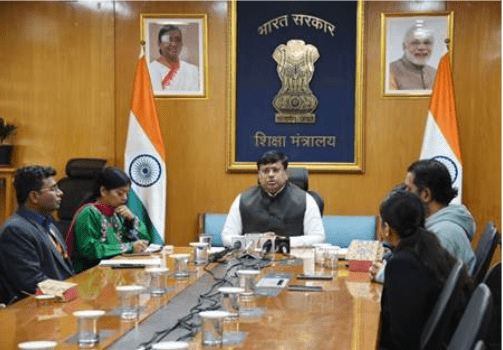
Viksit Bharat–G RAM G Act Aligned with Vision of Viksit Bharat@2047: Dr. Sukanta Majumdar

Union Minister of State for Education and Development of North Eastern Region, Dr. Sukanta Majumdar, today interacted with the media in New Delhi and highlighted the transformative potential of the Viksit Bharat —Guarantee for Rozgar and Ajeevika Mission (Gramin) (VB–G RAM G) Act, 2025 in shaping the future of Rural Bharat.

He stated that the legislation marks a significant milestone in the transformation of rural India, fully aligned with the vision of Viksit Bharat @2047.


125 Days of Statutory Wage Employment for Rural Households

Dr. Majumdar underlined that the Act enhances the statutory wage employment guarantee to 125 days per financial year for rural households. The legislation is anchored in the principles of:

  • Empowerment

  • Inclusive growth

  • Convergence of development initiatives

  • Saturation-based delivery of services

He noted that Parliament has passed the Act, making it a decisive reform in India’s rural employment and development framework. The new framework aims to transform rural employment from a standalone welfare measure into an integrated instrument of development.


Strengthening Rural Income Security and Governance

The Minister stressed that the Act will:

  • Strengthen income security for rural households

  • Modernise governance and accountability mechanisms

  • Link wage employment with the creation of durable and productive rural assets

This integrated approach, he said, lays the foundation for a prosperous, resilient, and self-reliant Rural Bharat.

He also emphasised that planning power will increasingly rest with Gram Sabhas and Panchayats, reinforcing decentralised and participatory development and positioning Panchayati Raj Institutions as key drivers of rural transformation.


Focus on Strengthening Rural Education Infrastructure: Viksit Bharat

Highlighting the education dimension of the VB–G RAM G framework, Dr. Majumdar said the Act enables a wide range of works that can directly strengthen rural education infrastructure and address long-standing gaps in basic facilities.

Key provisions include support for:

  • Construction and maintenance of additional classrooms

  • Development of laboratories and playgrounds

  • Building compound walls, toilets, and kitchen sheds for government schools

  • Construction and upkeep of anganwadi buildings and toilets

These measures will help create safer, more functional, and child-friendly learning environments, while reinforcing the foundations of early childhood education.


Expanding Learning Beyond Formal Schooling

The Minister also highlighted that the inclusion of rural library buildings and training-and-skill development centres under the framework will expand learning opportunities beyond formal schooling. This will support:

  • Youth

  • Women

  • Adult learners

by providing access to knowledge resources and vocational pathways within the village itself.


A Renewed Model for Rural Empowerment

Dr. Majumdar concluded that the passage of the VB–G RAM G Act, 2025 represents a renewal of India’s rural employment guarantee architecture. By expanding statutory employment to 125 days, embedding decentralised planning, strengthening accountability, and institutionalising convergence and saturation-based development, the Act repositions rural employment as a strategic instrument for empowerment and inclusive growth.

He reaffirmed that the framework is fully aligned with the national vision of Viksit Bharat @2047, with Panchayats and Gram Sabhas poised to lead the future of grassroots development.

 For more real-time updates, visit Channel 6 Network.

Source: PIB
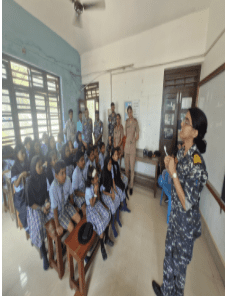
Indian Navy to Conduct Strong Joint Services Multi-Speciality Medical Camp in Lakshadweep from January 12–16

The Indian Navy will organise a Joint Services Multi-Speciality Medical Camp in the Union Territory of Lakshadweep from 12 to 16 January 2026, reaffirming its commitment to healthcare outreach, community welfare, and sustained civil–military cooperation. The five-day camp will be formally inaugurated by Admiral Dinesh K. Tripathi, Chief of the Naval Staff, and aims to deliver comprehensive medical care to island residents through specialist consultations, treatment services, and selected surgical interventions, including cataract surgeries.

This initiative forms part of the Indian Navy’s ongoing efforts to support and augment healthcare services in Lakshadweep through regular medical outreach programmes conducted under Navy Day outreach activities.


Expanded Multi-Speciality Outreach

Over the years, Navy-led medical camps have provided primary care and dental services across most islands of Lakshadweep. With advancements in healthcare delivery, strong support from the Lakshadweep Administration, and an encouraging response from the local population, the initiative has now been upgraded into a full-fledged multi-speciality camp.

Lakshadweep already has an established government healthcare network comprising district hospitals, community health centres, and primary health facilities. The Navy’s multi-speciality camp is designed to complement existing services by providing access to specialist and super-specialist expertise in a coordinated and patient-centric manner.

Emphasis will be placed on:

  • Early diagnosis

  • Timely intervention

  • Appropriate clinical management of common and chronic conditions


Coverage Across Five Islands

The medical camp will cover the islands of:

  • Agatti

  • Kavaratti

  • Androth

  • Amini

  • Minicoy

It will be conducted by a Joint Services Medical Team comprising experienced medical officers and specialists from the Indian Army, Indian Navy, and Indian Air Force, ensuring a broad spectrum of clinical expertise and integrated healthcare delivery.


Wide Range of Specialities and Surgical Procedures

Medical consultations will be provided in several basic specialties, including dental surgery, and select super-specialties such as:

  • Cardiology

  • Endocrinology

  • Nephrology

  • Neurology

  • Gastroenterology

In addition to outpatient consultations, cataract surgeries and selected general surgical procedures will be performed by specialist surgical teams in coordination with local health authorities. These interventions are expected to significantly improve the quality of life for patients requiring operative care. Specialist screening of patients is already underway across the islands.


Focus on Continuity of Care and Preventive Health

Medical teams will also provide guidance on follow-up care to ensure continuity of treatment beyond the camp duration. Alongside curative services, strong emphasis will be placed on preventive healthcare and health awareness.

Medical officers will engage with community members on:

  • Lifestyle-related health conditions

  • Maternal and child health

  • Nutrition

  • General wellness and preventive practices


High-Level Participation at Inauguration

The inauguration ceremony will be attended by senior leadership of the Indian Navy and Armed Forces Medical Services, including:

  • Vice Admiral Sameer Saxena, Flag Officer Commanding-in-Chief, Southern Naval Command

  • Surgeon Vice Admiral Arti Sarin, Director General Armed Forces Medical Services

  • Surgeon Vice Admiral Kavita Sahai, Director General Medical Services (Navy)

The event will also be attended by the Advisor to the Administrator of Lakshadweep, senior officials of the UT Administration, and representatives of the Armed Forces.


Strengthening Trust and Goodwill

The Indian Navy has a long-standing tradition of contributing to humanitarian assistance, disaster relief, and community support initiatives. The Lakshadweep medical camp continues this ethos of service and outreach.

The camp is expected to benefit a large number of residents and further strengthen the bond of trust and goodwill between the Indian Navy and the people of Lakshadweep.

 For more real-time updates, visit Channel 6 Network.

Source: PIB
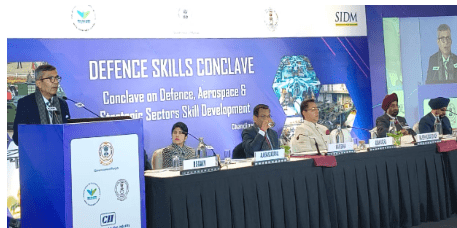
Aatmanirbharta in Defence a National Imperative for a Proud Long-Term Strategic Autonomy: Defence Secretary at Defence Skilling Conclave: 2026

Defence Secretary Shri Rajesh Kumar Singh on Saturday asserted that self-reliance (Aatmanirbharta) in defence is no longer an option but a national imperative, essential for achieving long-term strategic autonomy. He was speaking at the inauguration of the Defence Skilling Conclave on Defence, Aerospace and Strategic Sector Skill Development in Chandigarh.

“India is at a decisive moment in its defence and industrial journey, where self-reliance has emerged as a national imperative,” the Defence Secretary said, highlighting the profound transformation of India’s defence industrial ecosystem over the past decade. Guided by the vision of Aatmanirbhar Bharat, the sector has evolved from import dependence to a robust ecosystem comprising Defence Public Sector Undertakings (DPSUs), private industry, MSMEs, and start-ups.


Policy Reforms Driving Indigenous Manufacturing

Shri Rajesh Kumar Singh noted that sustained policy reforms and initiatives to improve Ease of Doing Business have catalysed a surge in indigenous manufacturing. These efforts have encouraged domestic design and production of platforms ranging from UAVs and sensors to complex systems such as artillery guns, armoured vehicles, and missiles.

He informed that:

  • Over 788 industrial licences have been issued to 462 companies, significantly boosting private sector participation.

  • India’s defence exports crossed ₹23,162 crore in 2025, marking a nearly 35-fold increase since 2014.


Indigenous Platforms Showcase Growing Capabilities

The Defence Secretary cited indigenous platforms such as the Light Combat Aircraft (LCA) Tejas, Astra Beyond Visual Range Missile, Dhanush artillery guns, and INS Vikrant as shining examples of the growing synergy between industry, research institutions, and skilled manpower.

He reiterated that Aatmanirbharta in defence is not merely an economic objective but a strategic necessity, adding that evolving global supply chains and rapid technological advancements present both challenges and unprecedented opportunities for India’s defence sector.


Human Capital Central to Strategic Autonomy

Emphasising the importance of skilled manpower, Shri Rajesh Kumar Singh stated that true strategic autonomy requires not only indigenisation of hardware but also sovereignty over skills, technology, and intellectual capital.

He highlighted Government initiatives under the Skill India Mission, with agencies such as the National Skill Development Corporation (NSDC) and the Directorate General of Training (DGT) actively mapping current capabilities and future skill requirements for the defence and aerospace sectors.


PM-SETU to Bridge Academia–Industry–R&D Gap

Referring to the Prime Minister’s Skilling and Employment through Technology Upgradation (PM-SETU) programme, the Defence Secretary said the initiative has been launched to bridge gaps between academia, industry, and defence R&D.

With a total outlay of ₹60,000 crore over five years, including 50% funding by the Government of India, PM-SETU aims to:

  • Establish Centres of Excellence

  • Promote dual apprenticeships

  • Introduce AI-enabled training tools

  • Integrate Agniveers and veterans into structured skilling pathways

He called upon state governments and industry partners to anchor PM-SETU through an outcome-driven approach, with apprenticeships and on-the-job training forming the backbone of all skilling frameworks.


Punjab’s Potential as a Defence Manufacturing Hub

Highlighting the untapped potential of Punjab in defence manufacturing, Shri Rajesh Kumar Singh stressed the need for:

  • Strong defence ecosystem networks

  • Enhanced MSME linkages with defence R&D institutions

  • Dedicated skill development and testing infrastructure

These measures, he said, could enable Punjab to emerge as a major defence manufacturing hub.


Agniveers as a Skilled National Asset

The Defence Secretary underscored the vital role played by Agniveers, stating that the Agnipath scheme has created a pool of disciplined and technically trained youth. Through National Skill Qualification Framework (NSQF)-aligned certification, these youth can be seamlessly integrated into defence manufacturing and strategic sectors.


Collective Commitment to Defence-Led Growth

The conclave was organised by the Government of Punjab in collaboration with the Society of Indian Defence Manufacturers (SIDM) and the Confederation of Indian Industry (CII). Shri Rajesh Kumar Singh said the event reaffirmed the collective commitment of government, industry, and academia to building a secure, self-reliant, and technologically advanced India.

He expressed confidence that with coordinated efforts, Punjab and the northern region can emerge as key drivers of defence-led economic growth.

The conclave was attended by industry leaders, senior officials, representatives of academia, and members of the Armed Forces.

 For more real-time updates, visit Channel 6 Network.

Source: PIB
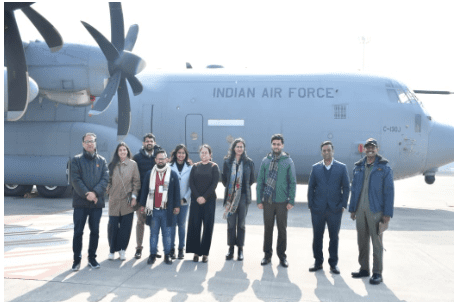
Scholars from Leading Think Tanks Visit Indian Air Force Station Hindon to Enhance Understanding of IAF Operations

A delegation of 57 research scholars from leading national think tanks visited Air Force Station Hindon, a premier base of the Indian Air Force (IAF), on January 10, 2026, as part of an outreach programme aimed at strengthening engagement between the strategic research community and the Armed Forces.

The delegation included scholars from prominent institutions such as the Manohar Parrikar – Institute for Defence Studies and Analyses (MP-IDSA), Observer Research Foundation (ORF), Vivekananda International Foundation (VIF), Centre for Aerospace Power and Strategic Studies (CAPSS), Centre for Land Warfare Studies (CLAWS), National Maritime Foundation (NMF), India Foundation, Centre for Contemporary China Studies (CCCS), United Service Institution of India (USI) and the Centre for Joint Warfare Studies (CENJOWS).


Strengthening Engagement Between IAF and Academic Community

The visit was organised to provide scholars with a valuable opportunity to engage directly with IAF personnel, gain insights into the operational aspects of the Air Force, and explore avenues for collaborative research and knowledge exchange.

The delegation was received by the Air Officer Commanding, Air Force Station Hindon, who welcomed the scholars and expressed keen interest in fostering strong partnerships between the Indian Air Force and academic institutions to promote informed strategic discourse.


Briefings and Interaction with IAF Personnel

During the visit, the scholars were given a comprehensive briefing on key aspects of the Indian Air Force, including its history, operational capabilities, roles, and achievements. The session provided participants with a deeper appreciation of the professionalism, preparedness, and technological sophistication of the IAF.

The delegation also had the opportunity to interact with IAF personnel, who shared first-hand experiences and insights on various dimensions of air operations, strategic challenges, and organisational functioning.


Promoting Mutual Understanding and Future Collaboration

The visit marks a significant step toward strengthening mutual understanding and cooperation between the Indian Air Force and the strategic research community. It also lays the groundwork for future collaborations through joint research projects, academic exchanges, and policy-oriented dialogue.

 For more real-time updates, visit Channel 6 Network.

Source: PIB
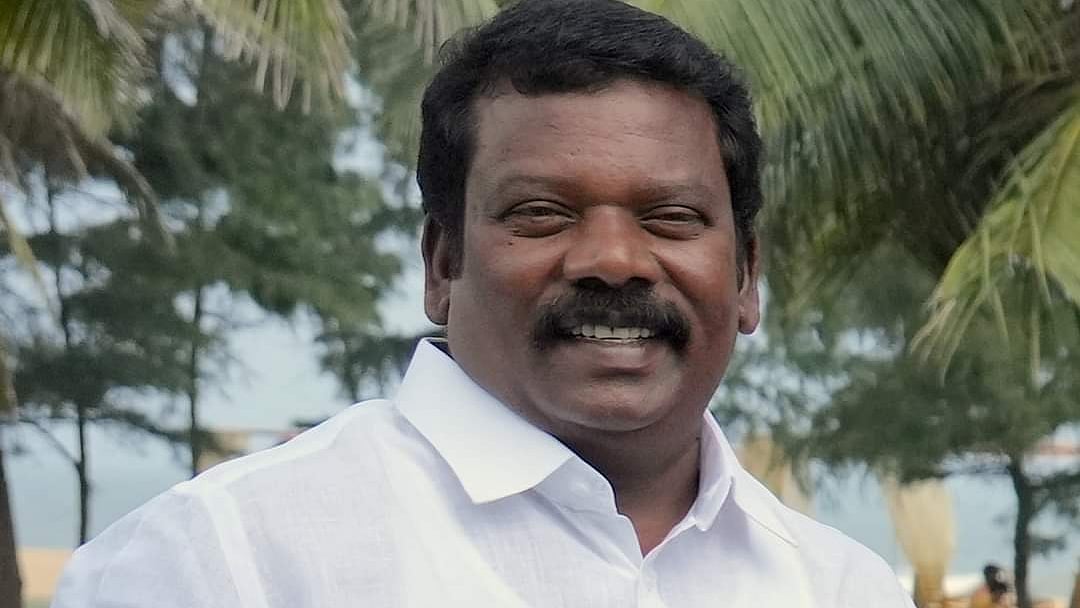
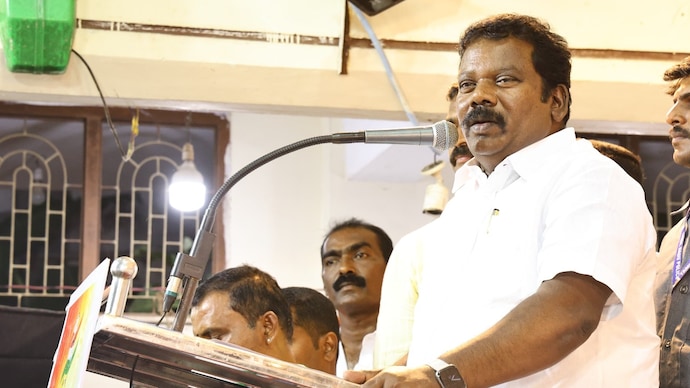
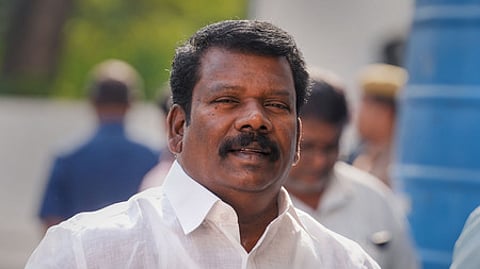
Tamil Nadu Congress tells leaders to stop commenting on alliance amid 2026 poll signals

Tamil Nadu Congress tells leaders to stop commenting on alliance to maintain party discipline

Tamil Nadu Congress tells leaders to stop commenting on alliance matters as internal discussions and media speculation intensify ahead of the 2026 Assembly elections. The party’s state leadership has made it clear that public statements on alliances could harm collective strategy and confuse party workers as well as voters.

The instruction was issued to senior and district-level leaders, stressing that alliance-related decisions must be handled only at the national leadership level. Party officials said the move is aimed at preventing mixed signals at a time when political positioning is becoming sensitive in the state.Stop

Congress leaders acknowledged that alliance discussions naturally gain attention as elections draw closer. However, they underlined that uncoordinated remarks could weaken the party’s standing and disrupt coordination with allies.

Tamil Nadu Congress tells leaders to stop commenting on alliance amid political speculation

Tamil Nadu Congress tells leaders to stop commenting on alliance amid growing speculation about possible political realignments in Tamil Nadu. Recent reports and discussions suggested that several parties are exploring their options ahead of the 2026 polls, leading to intense public debate.

The Congress leadership clarified that any discussion related to alliances must take place internally and only in consultation with the All India Congress Committee. Leaders were reminded that public comments without approval could damage existing understandings within the opposition bloc.

Stop

The state leadership also cautioned that rumours and speculation, if left unchecked, could weaken opposition unity. Party sources said the Congress remains committed to a broader alliance framework and does not want internal voices to dilute that position.

Leaders further pointed out that the Congress has historically relied on collective decision-making and disciplined communication, especially during election periods. Any deviation from this approach, they said, could benefit rival political formations.

Tamil Nadu Congress tells leaders to stop commenting on alliance as opposition unity stressed

Tamil Nadu Congress tells leaders to stop commenting on alliance while emphasising the importance of opposition unity in the state. Party leaders expressed concern that divisions or public disagreements could indirectly strengthen rival alliances.

The Congress leadership accused the ruling party at the Centre of attempting to expand its influence in Tamil Nadu through indirect means. It alleged that pressure tactics are being used against political parties that refuse to align with the national ruling party.

According to the Congress, weakening opposition unity would only help rival alliances gain political advantage. Leaders stressed that maintaining cohesion within the broader opposition grouping is crucial to countering such efforts.Stop

The party also reiterated that alliance decisions are not driven by rumours or short-term political noise. Instead, they are shaped by long-term electoral strategy, ground realities, and discussions with like-minded parties.

Congress insiders said the directive was also meant to reassure alliance partners that the party remains committed to coordinated decision-making. Any suggestion of sudden shifts, they said, could create unnecessary tension among allies. Also Read: TN Congress tells party members to avoid public comments on alliance talks

Conclusion

The Congress leadership in Tamil Nadu has drawn a clear line on alliance-related communication, urging leaders to exercise restraint and discipline. With elections approaching, the party aims to present a united and focused front while keeping strategic decisions within the framework of collective leadership.