Wednesday, April 29, 2026
Home Blog Page 143

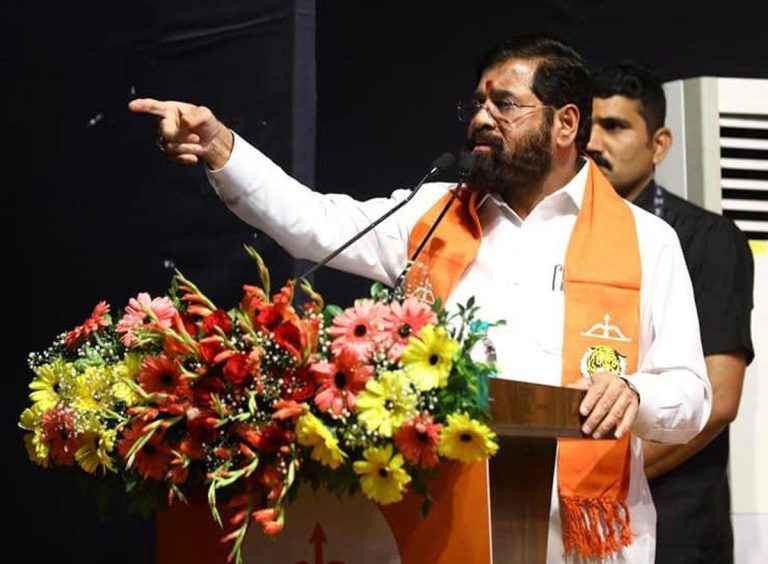
Shinde’s Sharp Attack on Uddhav-Raj: Says People Cannot Be Influenced by Brands Ahead of Maharashtra Civic Polls

In a major rally ahead of the upcoming municipal corporation elections, Maharashtra Deputy Chief Minister Eknath Shinde launched a sharp critique of political rivals, asserting that voters are no longer swayed by political “brands” but instead support leaders who deliver development and growth. His comments, widely seen as a direct reference to the opposition alliance led by Uddhav Thackeray and Raj Thackeray, marked a significant development in the state’s heated civic poll campaign.

Speaking to a large gathering in Thane district, Shinde underscored the importance of performance politics over personality-driven campaigning, saying that voters have become discerning and will base their choices on tangible results rather than historical political identities. This stance comes as the civic polls approach, with key contests in urban centres such as Kalyan-Dombivli Municipal Corporation, Thane, Pune, and the Brihanmumbai Municipal Corporation capturing public attention.

Shinde’s Rally Message: Work Over Brand Identity

Addressing supporters, Shinde reiterated that the ruling Mahayuti alliance’s emphasis on development and governance distinguishes it from opposition parties that rely heavily on political legacy and branding. By emphasising infrastructure projects, service delivery, and visible improvements in public amenities, Shinde argued that his government has earned the trust of the electorate.

He pointed out that the Mahayuti alliance—comprising his faction of Shiv Sena, the Bharatiya Janata Party (BJP), and allies—has a track record of delivering on promises across urban and rural areas. In contrast, he said that political entities heavily focused on brand identity, such as the Uddhav Thackeray and Raj Thackeray factions, have struggled to present a compelling development agenda that resonates with voters’ everyday concerns.

The deputy chief minister also highlighted that in the Kalyan-Dombivli Municipal Corporation elections, 21 candidates aligned with the ruling coalition secured unopposed wins—an indication, he claimed, of strong public confidence in Mahayuti’s leadership and a lack of viable opposition alternatives.

Political Branding vs Development Focus

Shinde’s remarks about voters not being “influenced by brands” directly challenge the narrative presented by political rivals who have campaigned on lineage, legacy, and regional identity. The term “brand” in this context refers to established political names and alliances that have traditionally commanded loyalty based on historical support bases rather than current performance.

Political analysts suggest that this messaging is aimed at reframing the civic poll discourse around practical governance issues such as public infrastructure, sanitation, water supply, housing, and urban planning. By shifting the focus to these concerns, the ruling alliance hopes to appeal to a broader demographic of urban voters who prioritise delivery over rhetoric.
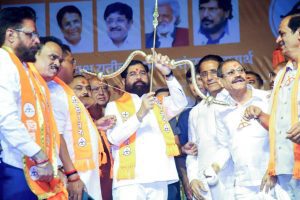
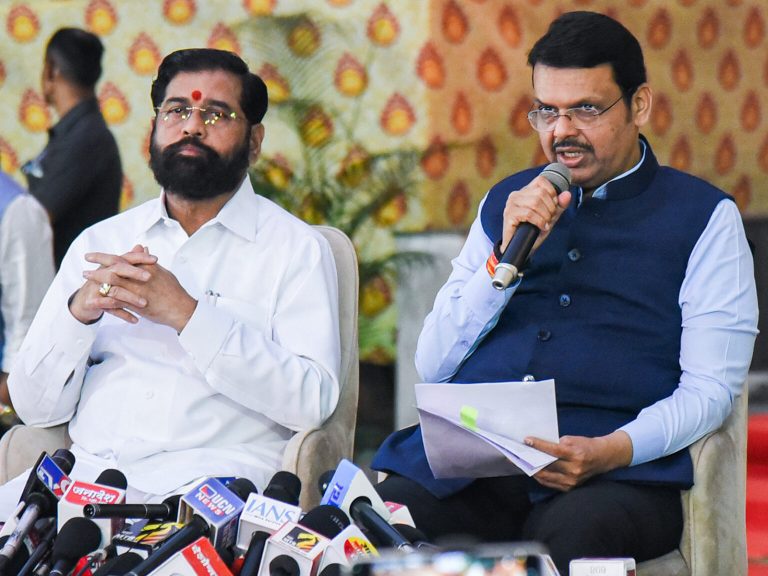
Maharashtra Deputy Chief Minister Eknath Shinde during the meeting organised by the Shiv Sena, in Ulhasnagar on Friday.

Reactions From Opposition Leaders

In response to Shinde’s remarks, opposition leaders have criticised the ruling coalition’s narrative, accusing Mahayuti of diverting attention from pressing civic issues by attacking political rivals’ identities. Leaders aligned with the Uddhav Thackeray and Raj Thackeray factions argue that their political heritage and influence remain deeply rooted in Maharashtra, especially among sections of the electorate with strong regional and cultural ties.

Opposition figures have also pointed to what they describe as gaps in urban governance, including issues related to housing shortages, traffic congestion, public health infrastructure, and equitable access to services. They contend that these matters are more relevant to voters’ daily lives than the debate over political branding. Independent observers have noted that the civic poll landscape is highly competitive, with both sides seeking to sway undecided voters through targeted local campaigning.

The Stakes in Municipal Elections

The municipal elections in Maharashtra are widely regarded as a bellwether for future state and national political trends. With 29 municipal corporations scheduled to go to polls, including major ones like Mumbai, Pune, and Navi Mumbai, the contests will determine control over significant administrative and financial resources.

Control of municipal bodies is seen as critical because these local governments play a direct role in public services and urban development initiatives that affect millions of residents. Winning these elections can provide a party or alliance with the leverage and visibility needed for broader political influence.

Focus on Urban Governance and Public Services

In his campaign speeches, Shinde has stressed the importance of urban governance, citing efforts to improve roads, enhance water infrastructure, modernise public transport, and expand social welfare schemes. Supporters of the Mahayuti alliance have echoed these themes, framing the local polls as a referendum on development and a rejection of what they call “brand politics.”

Additionally, civic infrastructure projects such as sustainable waste management, housing redevelopment, and digital service delivery have been highlighted as priorities for the next term. The ruling coalition asserts that its progress in these areas sets it apart from its political opponents and makes it a preferable choice for urban voters seeking practical solutions to rapidly evolving city challenges.

Municipal elections in Maharashtra are governed by a detailed legal and administrative framework that places responsibility for civic governance, public services and urban development on elected local bodies. These municipal corporations play a crucial role in managing essential services such as water supply, sanitation, roads and public health. The overall structure and functioning of urban local bodies are guided by state policies and constitutional provisions related to decentralised governance. More information on municipal governance in Maharashtra can be found on the official state government portal: https://www.maharashtra.gov.in

Opposition Strategy and Campaign Efforts

Opposition parties, meanwhile, are attempting to consolidate support by focusing on grassroots mobilisation and critiquing the ruling alliance’s performance in areas where challenges persist. Their campaign rhetoric often underscores social welfare concerns, community representation, and public accountability, appealing to segments of voters who feel underserved despite development claims.

Some opposition leaders have also accused Mahayuti of leveraging administrative advantages to influence election outcomes in certain constituencies, although these claims are contested and remain part of the broader political discourse leading up to polling day.

Looking Ahead: Poll Day and Beyond

As the civic elections draw nearer, all political parties are intensifying their campaigning efforts, organising rallies, door-to-door outreach, and community meetings to connect with voters. The debate over political branding versus performance politics is expected to persist as a central theme in public discussions.

Observers believe that voter turnout and engagement levels will offer insights into public sentiment, highlighting whether development-centric appeals resonate more strongly than traditional political loyalties. The results of these elections could influence strategic alignments and policy priorities ahead of future state and national contests.

Read More: https://channel6network.com/nitesh-rane-on-ram-navami-violence/
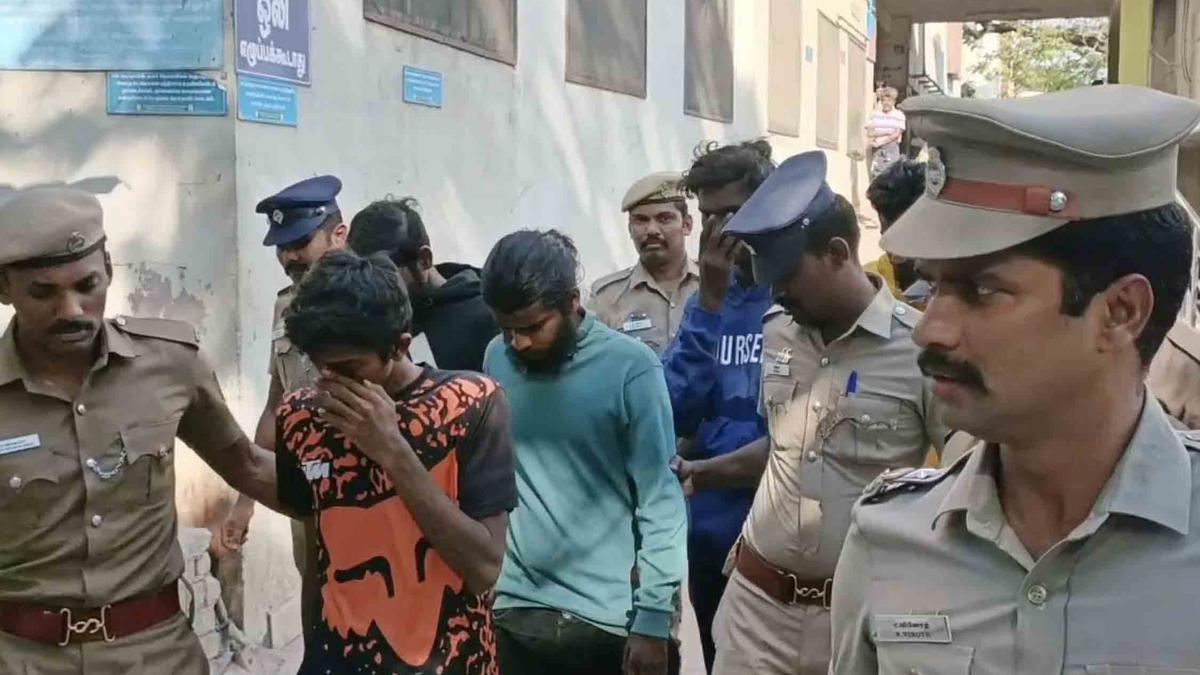
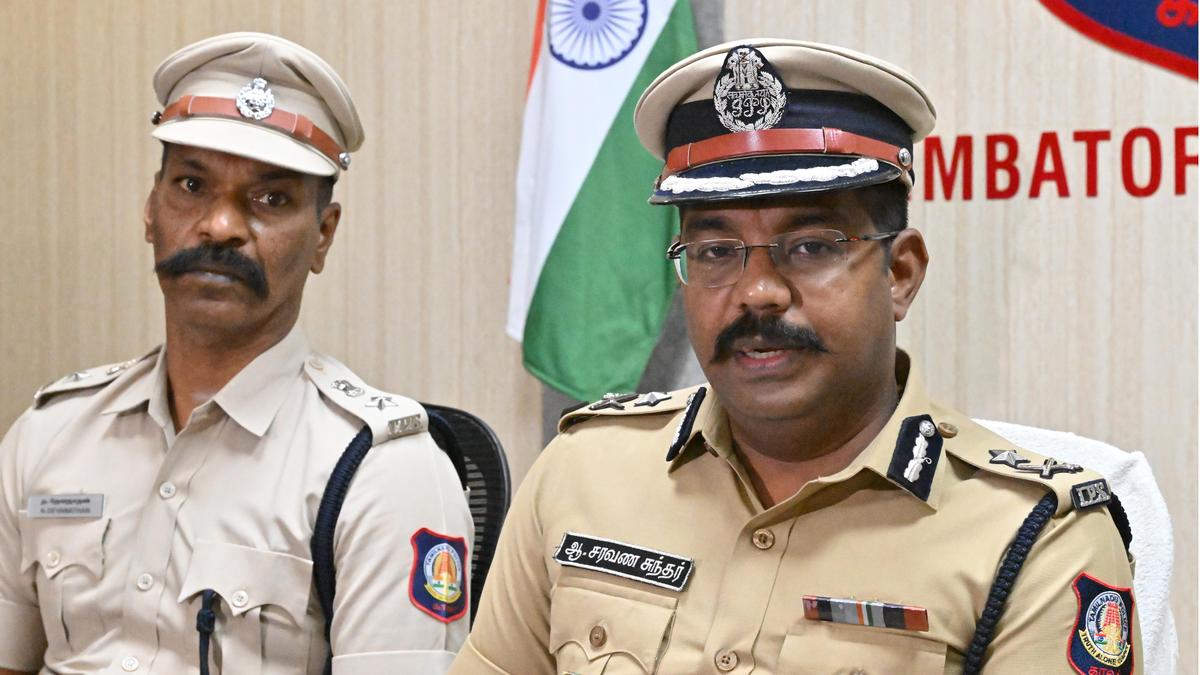
Suspects arrested by Coimbatore police suffer fracture in limbs in 3 crime cases

0

Suspects arrested by Coimbatore police suffer fracture in limbs during tense operations

Suspects arrested by Coimbatore police suffer fracture in limbs after being taken into custody in three different criminal cases reported in the city over the past three days. According to police officials, four suspects sustained injuries to their hands and legs during arrest and custody procedures carried out at different locations in Coimbatore.

All the injured suspects have been admitted to the Coimbatore Medical College Hospital (CMCH) for treatment. Police said that the injuries occurred during attempts by the suspects to escape or resist arrest. Authorities added that medical care was provided immediately and that investigations into all three cases are progressing.

The incidents have brought attention to the challenges faced by police teams while handling arrests related to violent crimes, drug offences, and robbery cases.Coimbatore

Suspects arrested by Coimbatore police suffer fracture in limbs in revenge murder case

Suspects arrested by Coimbatore police suffer fracture in limbs prominently in a revenge murder case reported from Kempatty Colony. Two suspects were traced and arrested by the Selvapuram police in connection with the murder of a 24-year-old man earlier this week.

Police stated that the murder was the result of long-standing rivalry between two local groups. The victim and the accused belonged to different gangs that had been involved in previous violent incidents. Investigators revealed that the killing was carried out as retaliation for a murder that took place in the same locality in September 2024.Coimbatore

Based on collected evidence, the police identified the suspects and conducted a late-night operation to secure their arrest. During the operation, a struggle reportedly broke out as the suspects attempted to evade custody. While trying to flee, they met with an accident that resulted in fractures to their legs.

The injured suspects were immediately shifted to CMCH, where they are currently undergoing treatment under police supervision. Officials confirmed that the suspects will be produced before a court once they are medically fit.Coimbatore

Suspects arrested by Coimbatore police suffer fracture in limbs in drug and robbery cases

Suspects arrested by Coimbatore police suffer fracture in limbs in two other unrelated cases involving ganja peddling and robbery within city limits. Police teams arrested two individuals on separate charges following routine surveillance and investigation.

During the arrest process, both suspects reportedly attempted to escape, leading to injuries to their hands. Police maintained that the injuries were accidental and occurred while preventing the suspects from fleeing. As per procedure, both individuals were taken for medical examination and later admitted to CMCH for further treatment.

Senior police officials stated that in all such cases, standard operating procedures were followed. Medical reports were prepared, and the injuries were documented as part of the investigation records.

Authorities also noted that arrests involving suspects accused of serious offences often involve resistance, increasing the risk of accidental injuries. However, police assured that all necessary safeguards were in place and that each case would be reviewed independently. Also Read: Suspects arrested by Coimbatore police over suffer fracture in limbs

Conclusion

The incidents in which suspects arrested by Coimbatore police suffered fractures highlight the risks involved in law enforcement operations. While investigations into the crimes continue, officials have confirmed that medical care, legal procedures, and internal reviews are being carried out in accordance with the law.

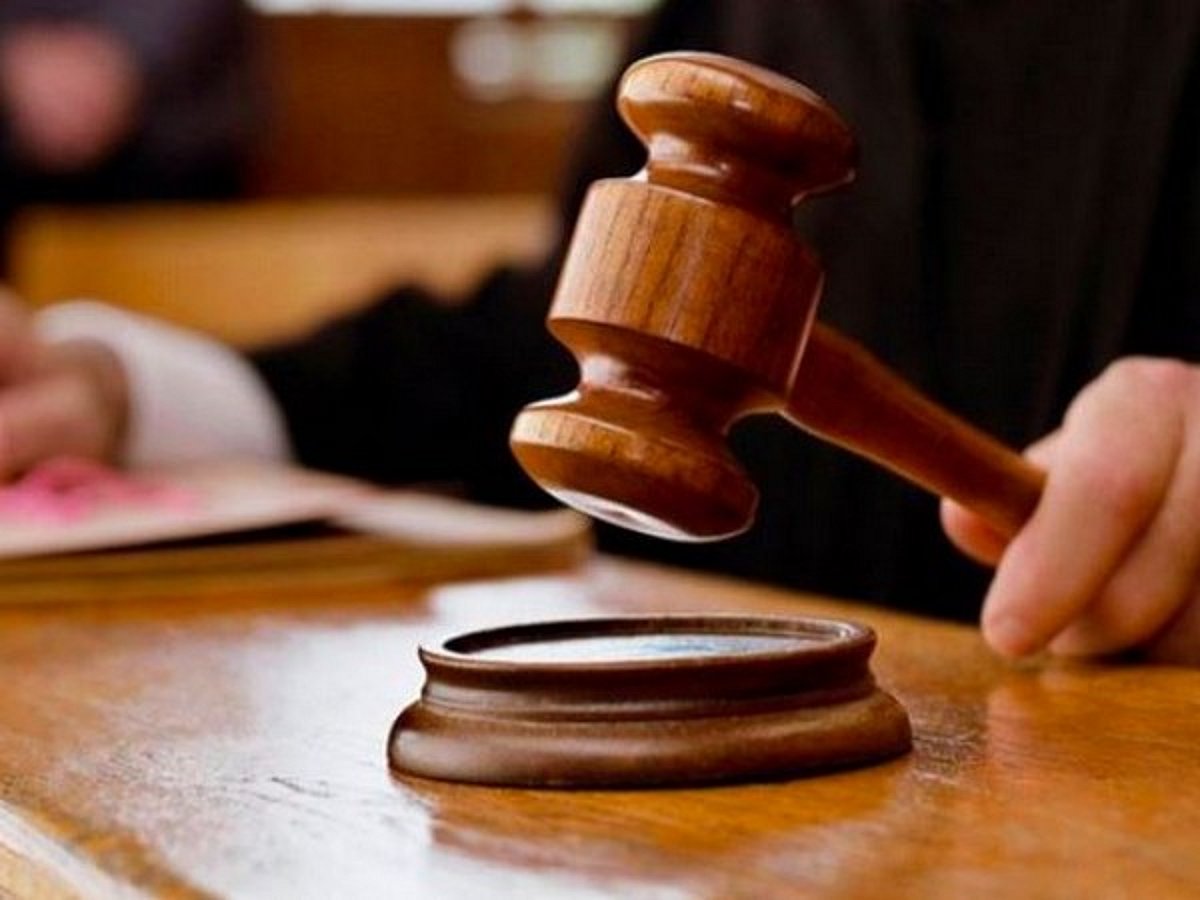
Encroachment case: Madras HC rejects Sastra’s plea against eviction in 31-acre land dispute

0

Encroachment case: Madras HC rejects Sastra’s plea against eviction reaffirming public land protection

Encroachment case: Madras HC rejects Sastra’s plea against eviction in a long-running dispute involving government land in Thanjavur district, delivering a firm message on the protection of public property. The Madras High Court has upheld the state government’s decision to remove encroachments and directed authorities to clear over 31 acres of land within a fixed time frame.

The court made it clear that government land belongs to the public and cannot be occupied or retained without legal authority. Emphasising constitutional responsibility, the bench ruled that courts cannot allow continued possession of public land when the state has decided to use it for official purposes.Madras

The judgment brings to an end nearly three decades of litigation surrounding the land, which has remained under dispute for years due to multiple legal challenges.

Encroachment case: Madras HC rejects Sastra’s plea against eviction after years of litigation

Encroachment case: Madras HC rejects Sastra’s plea against eviction following a detailed examination of the case history and government records. The land in question measures 31.37 acres and is classified as government land. Authorities stated that the area was originally earmarked for public use and later planned for prison-related development.

The High Court observed that once the government takes a policy decision regarding the use of its land, courts should not interfere unless there is a clear violation of law. In this case, the bench found no such violation and upheld the eviction notice issued by the revenue authorities.Madras

The eviction notice, first issued in 2022, directed the university to vacate the land. The institution had challenged both the notice and the rejection of its representation seeking relief. However, the court ruled that the revenue officials acted within their legal powers.

The judges stressed that encroachers cannot claim ownership or permanent rights over government land, regardless of how long the occupation has continued. Length of possession, the court said, does not convert unlawful occupation into a legal right.

Encroachment case: Madras HC rejects Sastra’s plea against eviction setting firm deadline

Encroachment case: Madras HC rejects Sastra’s plea against eviction with clear directions to the authorities to act swiftly. The court instructed the revenue department to proceed with eviction within four weeks from the date of receiving the order. If required, police assistance may be used to ensure the land is cleared peacefully and lawfully.

The court also addressed the issue of alternative land. It clarified that offering substitute land is entirely at the discretion of the government and cannot be demanded as a right by those found to be encroaching. Accepting or rejecting such proposals rests solely with the state.Madras

The ruling underlined that allowing encroachments to continue would set a dangerous precedent and weaken the protection of public assets. The bench noted that repeated litigation over the same issue should not be used as a tool to delay lawful action by authorities.

Officials believe the decision will strengthen future efforts to reclaim government land across the state, especially in cases where disputes have dragged on for years. Also Read: Madras HC rejects Sastra’s plea against eviction

Conclusion

The Madras High Court’s ruling closes a long-standing legal battle and reinforces the principle that government land must remain protected for public use. With a strict timeline for eviction, the judgment sends a clear signal that encroachments, regardless of their duration, will not be legally sustained.

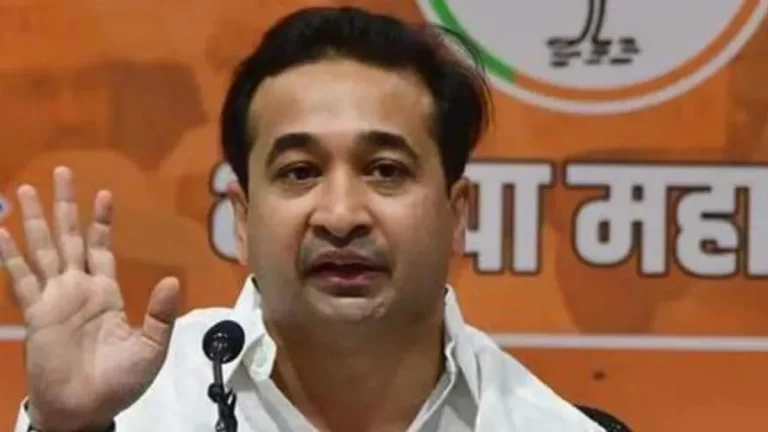
Nitesh Rane’s Sharp Question: If Eid Can Be Peaceful, Why Stone-Pelting on Ram Navami?

As Maharashtra prepares for key municipal elections scheduled later this month, political tensions in the state have significantly intensified. In an interview, Maharashtra minister and Bharatiya Janata Party leader Nitesh Rane raised pointed questions about communal incidents during recent Ram Navami festivities, contrasting them with the largely peaceful observance of Eid. His remarks have sparked widespread discussion and controversy across the political spectrum.

Rane Questions Communal Conduct During Festivals

Nitesh Rane’s comments came amid growing debate over incidents of stone-pelting and clashes associated with some Ram Navami processions in parts of Maharashtra and beyond. In his interview, Rane questioned why certain communities would engage in violent behaviour during a major Hindu festival when celebrations like Eid have remained peaceful, emphasising what he sees as a troubling trend of unrest. He suggested that such disturbances undermine social harmony and must be addressed firmly by both authorities and community leaders.

Rane’s remarks underscored his criticism of political opponents, whom he accused of failing to prevent violence and of exploiting communal issues for political gain. According to the BJP leader, there is a need for consistent law enforcement and unbiased governance to ensure that all festivals are celebrated without fear or conflict.

What Happened During Ram Navami Celebrations

In several cities across India, including some areas of Maharashtra, Ram Navami processions this year saw sporadic instances of stone-pelting and clashes between groups. These incidents, reported by local media and independent outlets, involved altercations between participants in religious processions and opposing groups. In some cases, reports of injuries and arrests emerged as police and local authorities intervened to restore order.

Authorities in affected areas responded by increasing security deployment and implementing crowd control measures to prevent further escalation. Police forces have filed charges where necessary and have urged communities to refrain from violence and cooperate with law enforcement during religious and cultural events.

Public order and the management of religious processions fall under the jurisdiction of state authorities, with clear guidelines issued by the Ministry of Home Affairs to ensure communal harmony and prevent violence. These guidelines outline preventive policing, crowd control measures and coordination with local administrations during sensitive events. The framework is aimed at balancing the right to religious expression with the need to maintain peace and security in diverse societies. More details on the law and order framework can be accessed on the official Ministry of Home Affairs website: https://www.mha.gov.in

Political Context and Elections

Rane’s interview comes at a crucial time as Maharashtra heads into civic polls, including elections for 29 municipal corporations. Political parties are intensifying their campaigns, and issues related to law and order, governance and community relations have become central to electoral discourse.

In his comments, the BJP leader also criticised rival political figures who, according to him, have failed to curb violence or promote peace during important cultural occasions. He stressed the need for political responsibility, urging leaders across the spectrum to prioritise public safety and societal harmony over partisan interests.

Reactions From Other Leaders and Parties

Rane’s statements drew swift reactions from opposition parties and civil society groups. Several critics argued that the interview could fuel further communal tensions and polarise voters ahead of the civic polls. They called for more measured dialogue and for leaders to avoid inflammatory language that could be interpreted as targeting specific communities.

Some opposition figures maintained that while instances of violence should be condemned, attributing them to entire groups or communities is unhelpful and divisive. They urged authorities to focus on unbiased investigations and to hold individuals accountable based on evidence rather than generalisations.

Other political voices emphasised that festivals like Eid and Ram Navami have historically been celebrated peacefully across much of Maharashtra and the country, and that isolated incidents should not overshadow broader inter-community respect and coexistence.

Calls for Law Enforcement and Peaceful Coexistence

Amid the political debate, police officials and community leaders have reiterated their commitment to maintaining law and order. Authorities have highlighted the importance of adequate policing, dialogue with local stakeholders and prompt action against individuals found violating public peace.

Community organisations have also stepped forward to promote messages of unity and mutual respect during religious events. They have urged citizens to participate in festivities without fear and to reject violence in all forms.

Experts in communal harmony emphasise that incidents of unrest during festivals, when they occur, reflect a complex mix of social, political and administrative factors. They stress the need for responsible leadership, community engagement, and rigorous law enforcement to prevent violence and strengthen social cohesion.

Broader Implications for Society and Politics

The interview by Nitesh Rane and the reactions it has elicited highlight the deep interplay between religion, politics and community relations in contemporary Maharashtra. As the civic polls approach, many analysts believe that public discourse on festivals, peace, and communal behaviour will continue to feature prominently in media coverage and political campaigns.

Some observers argue that leaders must exercise caution in their public statements to avoid exacerbating tensions, particularly in a diverse state like Maharashtra where multiple communities celebrate numerous cultural festivals throughout the year.

Others contend that raising tough questions about violence and accountability is necessary to hold both government and society to account, ensuring that religious celebrations do not become flashpoints for conflict.

Looking Ahead

With civic elections drawing near, the issue of communal harmony remains a key concern for voters and policymakers alike. How political parties address questions of public safety, inter-community relations and governance performance could influence electoral outcomes in several urban centres across the state.

Meanwhile, law enforcement agencies have reiterated their readiness to act swiftly and fairly to maintain peace during all major public events and religious celebrations. Authorities continue to monitor developments closely and have called on citizens to cooperate with police and community leaders to preserve the spirit of unity that underpins India’s diverse cultural fabric.

India’s Constitution guarantees the right to freedom of religion while allowing the state to impose reasonable restrictions in the interest of public order, morality and health. Articles 25 to 28 define the scope of religious freedom and the responsibilities of the state in regulating public religious activities. These provisions often form the basis of administrative decisions during festivals and processions, especially in communally sensitive areas. The full constitutional provisions related to religious freedom are available on the Government of India’s official portal: https://www.india.gov.in/my-government/constitution-india

Read More: https://channel6network.com/bjp-suspends-ex-leaders-in-maharashtra/

Poll-bound Tamil Nadu, West Bengal to get 3 Amrit Bharat weekly trains in massive relief push

0

Poll-bound Tamil Nadu, West Bengal to get three Amrit Bharat weekly trains as rail connectivity expands

Poll-bound Tamil Nadu, West Bengal to get three Amrit Bharat weekly trains as the Indian Railways moves to strengthen long-distance rail connectivity between eastern and southern India ahead of the upcoming Assembly elections. The decision comes at a time when passenger demand on these routes has been steadily rising, especially among migrant workers, daily travellers, and families who rely on affordable long-distance train services.

The Railway Board has approved the introduction of three new Amrit Bharat Express trains, which will run weekly and connect key cities in Tamil Nadu with major destinations in West Bengal. These services are expected to begin operations in mid-January, marking a significant step in easing congestion on some of the busiest rail corridors in the country.Poll

The Amrit Bharat Express is a non-air-conditioned train designed to offer modern travel comfort at affordable fares. While it does not have AC coaches, it provides upgraded interiors, better seating, improved safety features, and enhanced passenger amenities, making it a preferred option for long journeys.

Poll-bound Tamil Nadu, West Bengal to get three Amrit Bharat weekly trains bringing relief to passengers

Poll-bound Tamil Nadu, West Bengal to get three Amrit Bharat weekly trains has been a long-standing demand from passengers travelling between the two regions. Tamil Nadu attracts a large number of workers and students from West Bengal, Bihar, Odisha, and the northeastern states. For years, travellers have complained about limited seat availability, long waiting lists, and overcrowded coaches, especially during festival seasons.

With the approval of these new services, Indian Railways aims to reduce pressure on existing trains running on the Chennai Howrah and Chennai–Shalimar routes, which are among the most congested rail sections in India. The addition of new weekly services will offer passengers more travel options and better planning flexibility.Poll

According to official railway sources, the three Amrit Bharat Express trains will operate on the following routes:

Tambaram – Santragachi Amrit Bharat Express

Tiruchirapalli–New Jalpaiguri Amrit Bharat Express

Nagercoil–New Jalpaiguri Amrit Bharat Express

Each train will be equipped with eight sleeper coaches, eleven second-class sitting coaches, a disabled-friendly coach, and a pantry car, ensuring basic comfort for long-distance travellers.

The Tambaram–Santragachi service will connect Chennai’s suburban rail hub with a major rail terminal near Kolkata, improving access for passengers from northern Tamil Nadu. The Tiruchirapalli and Nagercoil services will link central and southern Tamil Nadu directly with northern West Bengal, reducing the need for multiple train changes.

Poll-bound Tamil Nadu, West Bengal to get three Amrit Bharat weekly trains boosting regional links

Poll-bound Tamil Nadu, West Bengal to get three Amrit Bharat weekly trains is also expected to improve connectivity beyond just the two states. The New Jalpaiguri station, which serves as a gateway to the northeastern region, will benefit greatly from the new services. Passengers travelling to Sikkim, which still does not have a railway line, will find it easier to reach their destination through New Jalpaiguri.

These trains are part of a wider railway expansion plan that includes both Vande Bharat and Amrit Bharat services. Several of these new trains are scheduled to originate from Assam and West Bengal, connecting the northeastern and eastern regions with Tamil Nadu, Karnataka, and other southern states.Poll

In Tamil Nadu, rail officials have also confirmed plans for a new Vande Bharat Express between Chennai Egmore and Rameswaram, expected to be launched later in January. This move highlights the Railways’ focus on improving both premium and affordable train services across the state.

The introduction of the Amrit Bharat trains is expected to benefit thousands of passengers, particularly migrant workers who often travel at short notice during holidays and emergencies. With better availability and improved facilities, these services aim to make long-distance train travel more reliable and comfortable. Also Read: Railways Approves Three Amrit Bharat Express Trains from Tamil Nadu

Conclusion

The launch of three new Amrit Bharat Express trains marks a meaningful improvement in rail connectivity between Tamil Nadu and West Bengal. By addressing long-standing passenger concerns and strengthening regional links, the move is expected to ease congestion and support smoother travel across eastern and southern India in the months ahead.

BJP Sends Strong Message, Suspends 58 Ex-Mayors, Corporators and Workers During Maharashtra Civic Polls

The Bharatiya Janata Party has suspended 58 former mayors, corporators and party workers from Mumbai and Nagpur in a significant disciplinary action ahead of the ongoing Maharashtra civic polls. The move comes amid heightened political activity in urban local body elections and reflects the party’s attempt to enforce organisational discipline and curb internal dissent at a crucial juncture.

Why the BJP Took Disciplinary Action

According to party sources, the suspensions were imposed after the leadership found that several party members were either supporting rival candidates, indulging in anti-party activities, or defying official instructions during the civic election process. The BJP leadership has taken a strict stance, stating that indiscipline at a time when the party is fighting crucial local body elections will not be tolerated.

Sources within the party said the action was taken after repeated warnings failed to bring compliance. The suspended leaders allegedly contested elections as independents, backed candidates from opposition parties, or worked against officially nominated BJP candidates. Such actions, the party believes, weaken its electoral prospects and confuse voters at the grassroots level.

Suspended Leaders From Mumbai and Nagpur

The list of suspended members reportedly includes former mayors, ex-corporators and senior party workers from Mumbai and Nagpur, two of Maharashtra’s most politically significant urban centres. Civic elections in these cities are considered prestige battles, as control over municipal corporations has a direct impact on governance, infrastructure projects and political influence.

In Mumbai, the Brihanmumbai Municipal Corporation remains one of the richest civic bodies in Asia, making elections there strategically vital. In Nagpur, which is the home turf of several senior BJP leaders, the party aims to retain its dominance. The leadership is keen to ensure that internal rebellion does not derail its electoral strategy in these key cities.

Some of the suspended leaders are:

  • Mumbai: Divya Dhole (Ward 60, Versova), Nehal Amar Shah (Ward 177, Matunga), Janhavi Rane (Ward 205, Abhyudayanagar), Asawari Patil (Ward 2, Borivli), Mohan Ambekar (Ward 166, Kurla), Dhanashree Baghel (Ward 131, Pantnagar)
  • Nagpur: Vinayak Dehankar (husband of former mayor Archana Dehankar), Sunil Agrawal, and Dheeraj Chavan

Party Leadership Sends a Strong Message

Senior BJP leaders have described the suspensions as a message to party workers across Maharashtra that discipline and loyalty are non-negotiable. The party has emphasised that while internal discussions and differences of opinion are welcome, working against official candidates crosses a red line.

Party insiders revealed that the decision was taken after consultations between state-level leaders and the central leadership. The BJP wants to project unity and organisational strength, particularly as civic polls often test a party’s grassroots machinery more than assembly or parliamentary elections.

BJP has suspended 58 functionaries from Mumbai and Nagpur for six years due to breach of party discipline ahead of the January 15 municipal polls. The suspended leaders include former mayors, corporators, and key workers accused of rebellion against official candidates, attempts to tarnish the party's image, and failure to cooperate with Mahayuti contestants.
BJP has suspended 58 functionaries from Mumbai and Nagpur for six years due to breach of party discipline ahead of the January 15 municipal polls. The suspended leaders include former mayors, corporators, and key workers accused of rebellion against official candidates, attempts to tarnish the party’s image, and failure to cooperate with Mahayuti contestants.Impact on Maharashtra Civic Polls.

Impact on Maharashtra Civic Polls

The suspensions come at a time when Maharashtra’s civic polls are being closely watched, as they are seen as a reflection of public sentiment after recent political realignments in the state. With alliances shifting and new power equations emerging, local body elections are expected to shape the political narrative in the run-up to future state and national polls.

Political analysts believe that the BJP’s move could have a dual impact. On one hand, it may discourage further rebellion and consolidate the party’s vote base. On the other, the removal of experienced local leaders could temporarily weaken booth-level management in some wards. However, the party appears confident that enforcing discipline will ultimately strengthen its organisational structure.

Reactions Within the Party

While the official party line supports the decision, reactions among grassroots workers have been mixed. Some party members have welcomed the action, arguing that indiscipline damages the credibility of the organisation and demoralises loyal workers. Others feel that local grievances should have been addressed through dialogue rather than suspensions, especially given the influence of some of the expelled leaders in their respective areas.

A few suspended members have reportedly claimed that they were sidelined during ticket distribution and were left with no choice but to contest independently or support other candidates. However, the party leadership has rejected such arguments, stating that organisational decisions must be respected even if they are unpopular.

Opposition Party Reactions

Opposition parties have been quick to seize upon the suspensions, portraying them as evidence of internal conflict within the BJP. Leaders from rival parties have alleged that the action highlights dissatisfaction among grassroots BJP workers and a breakdown in internal coordination.

However, BJP leaders have dismissed these claims, stating that strong action against indiscipline demonstrates organisational strength rather than weakness. They have argued that every major political party faces internal challenges during elections and that decisive leadership is necessary to maintain order.

Organisational Discipline and Future Strategy

The suspensions underline the BJP’s broader strategy of maintaining strict organisational discipline, particularly during elections. Over the years, the party has repeatedly taken action against members accused of anti-party activities, even if they held senior positions in the past.

Going forward, party sources say the BJP will intensify monitoring of election-related activities at the ward and booth levels. Additional measures are expected to ensure coordination between candidates, local leaders and workers, especially in urban areas where factionalism often poses challenges.

What Lies Ahead

The suspended leaders have the option to appeal against the decision through internal party mechanisms, though reinstatement is likely to depend on the outcome of the civic polls and their willingness to comply with party discipline. Meanwhile, the BJP is focusing on mobilising its cadre and highlighting governance issues, development work and local concerns to win voter support.

As Maharashtra’s civic elections progress, the impact of these suspensions on electoral outcomes will become clearer. Whether the move strengthens the BJP’s position or creates short-term organisational gaps remains to be seen, but the message from the party leadership is unmistakable.

Read More: https://channel6network.com/sit-report-false-implication-fadnavis-shinde/

The BJP’s decision to suspend 58 former mayors, corporators and workers from Mumbai and Nagpur marks one of the most significant disciplinary actions taken ahead of the Maharashtra civic polls. By cracking down on indiscipline and alleged anti-party activities, the party has signalled its intent to prioritise unity and organisational control over individual influence. As the civic poll battle intensifies, the suspensions add another layer to the evolving political dynamics in Maharashtra.

3 Bills and a Shocking Constitutional Dilemma Stir Unease: Governor’s Firm Pause

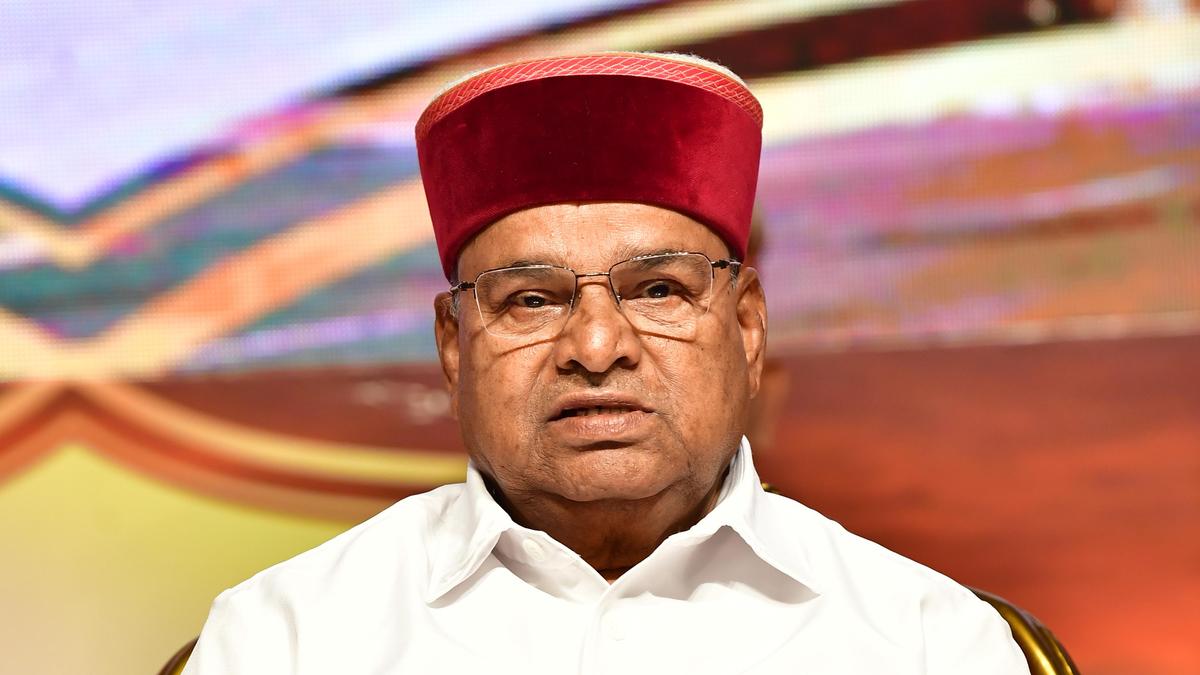
Karnataka Governor Thaawarchand Gehlot has kept the contentious hate speech Bill passed by the State legislature “under consideration” while returning two other Bills to the government seeking clarifications, triggering fresh political debate over the role of the Raj Bhavan and the growing friction between the elected government and the constitutional head. The Governor’s decision, communicated to the State government, has once again brought into focus questions surrounding legislative intent, constitutional scrutiny, and the boundaries of gubernatorial discretion.

According to official sources, the Governor has neither given assent nor outrightly withheld approval to the hate speech Bill, choosing instead to examine it in detail. Meanwhile, two other Bills have been sent back to the government with specific queries, asking the administration to clarify certain provisions and their legal implications. The move has drawn sharp reactions from the ruling Congress, which sees it as an unnecessary delay, while the opposition has defended the Governor’s action as a legitimate constitutional safeguard.

Legal Community Watches Closely

Members of the legal fraternity in Karnataka are closely watching how the situation unfolds, as the Governor’s actions could set an important precedent. Senior advocates have pointed out that keeping a Bill under prolonged consideration without communicating detailed reasons may invite judicial scrutiny. They argue that transparency in the exercise of gubernatorial discretion is essential to maintain public trust. At the same time, they acknowledge that the Governor is duty-bound to ensure that legislation conforms to constitutional principles. The unfolding developments, they say, could further clarify the fine balance between constitutional caution and legislative urgency.Governor keeps hate speech Bill 'under consideration', sends back two for  clarification - The Hindu

Civil Society Voices Concern

Several civil society organisations have expressed concern over both the substance of the hate speech Bill and the delay in its clearance. While some groups support stricter regulation to curb inflammatory speech and protect vulnerable communities, others fear that vague definitions could lead to arbitrary enforcement. These organisations have urged the government to clearly spell out safeguards against misuse. They have also called upon the Governor to communicate his objections in a detailed manner, arguing that an open constitutional dialogue is healthier than prolonged silence or ambiguity.

Opposition Sees Validation

The opposition has seized upon the Governor’s decision as validation of its criticism of the government’s legislative agenda. BJP leaders have said the return of two Bills for clarification indicates flaws that were overlooked during Assembly debates. They have accused the ruling party of pushing through legislation without adequate legal vetting. According to them, the Governor’s intervention reflects the necessity of an independent constitutional authority acting as a corrective mechanism. The opposition has also demanded that the government place the Governor’s queries in the public domain for transparency.

Congress Accuses Political Motive

The ruling Congress, however, has continued to allege political motives behind the Governor’s actions. Party leaders argue that similar Bills passed in BJP-ruled States have not faced such prolonged scrutiny. They claim that the Raj Bhavan is being used to indirectly influence State policy and slow down governance. Congress leaders have warned that repeated delays could erode the spirit of federalism. They insist that disagreements over policy should be resolved on the floor of the legislature, not through extended constitutional holds.

Administrative Uncertainty Persists

From an administrative standpoint, the lack of clarity over the fate of the Bills has created uncertainty within government departments. Officials responsible for implementing provisions linked to the returned Bills say planning remains on hold until a final decision is taken. This has affected timelines and internal coordination, particularly in departments dealing with regulatory and enforcement mechanisms. Bureaucrats note that while constitutional scrutiny is necessary, prolonged indecision disrupts governance and complicates accountability, as officials remain unsure whether to prepare for implementation or revision.

Comparisons With Other States

Political analysts have drawn parallels between Karnataka’s situation and similar standoffs in States such as Tamil Nadu, Kerala, and Telangana. In several instances, delays in gubernatorial assent have led to Supreme Court interventions and sharper guidelines on constitutional conduct. Analysts say Karnataka could be headed towards a similar phase if the impasse continues. They point out that the growing frequency of such disputes reflects deeper structural tensions in India’s federal framework, particularly when different parties rule at the Centre and in the States.Karnataka governor sends SC quota bill back to govt, seeks clarifications;  also stalls assent to hate speech bill | India News - The Times of India

Scope for Reconsideration

There is also discussion within government circles about the option of re-passing the Bills if they are formally returned for reconsideration. Constitutional provisions allow a Bill to be sent back to the Governor after reconsideration, following which assent is generally expected. Ministers say this route may be explored if clarifications sought by the Governor are addressed without altering the core intent of the legislation. Such a move, however, would require renewed debate and political consensus within the Assembly, potentially reopening contentious issues.

Awaiting the Next Move

As matters stand, all eyes are on the next communication from the Raj Bhavan. Whether the Governor provides detailed objections, grants assent, or seeks further explanations will determine the course of action for the government. The episode has already reignited a wider conversation on constitutional roles, democratic mandate, and the limits of discretion. Until a final decision emerges, the Bills remain in limbo, symbolising the continuing tension between elected authority and constitutional oversight in Karnataka’s governance landscape.

Hate Speech Bill Under Scrutiny

The hate speech Bill, which aims to regulate and penalise speech deemed inflammatory or divisive, has been one of the most debated pieces of legislation passed by the current government. The State government has argued that the Bill is necessary to maintain communal harmony and prevent the spread of hatred through public speeches and digital platforms. It has maintained that existing laws are inadequate to deal with the evolving nature of hate speech and misinformation.

However, legal experts and civil liberties groups have raised concerns over potential misuse and the possibility of curbing free speech. These apprehensions appear to have weighed on the Governor’s mind as well. By keeping the Bill under consideration, the Governor has signalled that he intends to carefully assess whether the proposed law aligns with constitutional guarantees, particularly the right to freedom of speech and expression. The absence of a clear timeline for a final decision has added to the uncertainty surrounding the Bill’s future.

Two Bills Returned for Clarification

Alongside the hate speech Bill, the Governor has returned two other Bills passed by the legislature, asking the government to clarify certain aspects. While the Raj Bhavan has not publicly detailed all the objections, sources indicate that the queries relate to the scope of executive power, financial implications, and possible overlap with existing Central laws. The government has been asked to re-examine specific clauses and respond with explanations or modifications.

From the State’s perspective, this is not the first instance of Bills being sent back for reconsideration. Ministers have pointed out that while the Constitution allows the Governor to seek clarifications, repeated delays undermine the legislative authority of an elected government. They argue that once a Bill has been debated and passed by the Assembly, prolonged scrutiny without clear reasons amounts to stalling governance.Karnataka assembly passes hate speech bill amid BJP protests; hate comment  to invite 7-yr jail term - The Economic Times

Political Reactions Intensify

The Governor’s decision has sparked strong political reactions across the spectrum. Senior Congress leaders have accused the Raj Bhavan of selectively delaying Bills passed by non-BJP governments, alleging a pattern of interference that goes beyond constitutional propriety. They have reiterated that the Governor is bound to act on the aid and advice of the Council of Ministers, except in exceptional circumstances.

On the other hand, the Bharatiya Janata Party has welcomed the Governor’s move, stating that constitutional authorities have a duty to ensure that laws do not infringe upon fundamental rights or federal principles. BJP leaders have argued that the hate speech Bill, in particular, requires careful examination as it could be misused to target political opponents and dissenting voices.

Constitutional Space and Governor’s Role

The episode has revived a broader debate on the role of Governors in India’s federal structure. Constitutional experts note that Governors are empowered to either give assent, withhold assent, or return a Bill for reconsideration. However, the Constitution does not prescribe a strict deadline for such decisions, creating scope for prolonged delays.

Legal scholars have pointed out that the Supreme Court has, in several judgments, emphasised that Governors should act within a reasonable timeframe and not sit indefinitely on Bills. The current situation in Karnataka, they say, mirrors similar confrontations in other States, where friction between elected governments and Governors has escalated into constitutional disputes.

Government Weighs Its Options

Within the State government, discussions are reportedly underway on how to respond to the Governor’s queries. Ministers have indicated that detailed replies will be sent to the Raj Bhavan, addressing each clarification sought. At the same time, there is a growing sentiment within the ruling party that repeated delays may require a political and legal response, including the possibility of approaching the courts if the Bills continue to remain in limbo.

The Chief Minister has maintained that the government respects constitutional processes but expects timely decisions. He has reiterated that the hate speech Bill was framed after extensive consultation and debate, and that the government remains confident of its constitutional validity.

Broader Implications for Governance

The delay in clearing Bills has practical implications as well. Several provisions contained in the returned Bills are linked to administrative reforms and policy implementation. Any prolonged uncertainty affects the functioning of departments and the execution of welfare measures, officials have noted. This has added urgency to the government’s efforts to resolve the impasse.

At the same time, the Governor’s stance underscores the importance of constitutional checks and balances. Supporters of the Raj Bhavan’s approach argue that legislative enthusiasm must be tempered with constitutional caution, especially when laws touch upon sensitive issues like free speech and civil liberties.

A Test of Federal Balance

As Karnataka awaits the Governor’s final decision, the situation has become a test case for Centre-State relations and the delicate balance of federal power. The coming weeks are expected to see intense exchanges between the government and the Raj Bhavan, with each side asserting its interpretation of constitutional duty.

Whether the hate speech Bill eventually receives assent, is returned for reconsideration, or is referred for further legal examination will have significant ramifications, not just for Karnataka but also for other States considering similar legislation. For now, the Governor’s decision to keep the Bill under consideration has ensured that the debate over constitutional authority and democratic mandate remains firmly in the public spotlight.

Follow: Karnataka Government

Also read: Home | Channel 6 Network – Latest News, Breaking Updates: Politics, Business, Tech & More

Maharashtra: Conspiracy of Falsely Implicating CM Fadnavis, Dy CM Shinde in 2016 Case, Says SIT Report

A Special Investigation Team (SIT) probing the controversial 2016 case has concluded that there was a deliberate conspiracy to falsely implicate Maharashtra Chief Minister Devendra Fadnavis and Deputy Chief Minister Eknath Shinde. According to the findings of the SIT report, key allegations made against the two senior leaders were not supported by credible evidence and were part of a larger attempt to malign them politically.

SIT Flags Fabricated Evidence and False Narratives

The SIT report states that the allegations levelled in the 2016 case were based on fabricated documents, misleading statements and selective presentation of facts. Investigators found inconsistencies in witness testimonies and noted that several claims were made without corroboration from independent or technical evidence. The report further highlights that electronic records and call data, which were cited as crucial proof earlier, did not substantiate the accusations against Fadnavis and Shinde.

According to the SIT, the manner in which the case was built suggested a predetermined narrative aimed at framing the two leaders rather than uncovering the truth. The investigation also pointed to deliberate suppression of material facts that could have weakened the accusations at the time the case was initially pursued.

Political Motive Behind the 2016 Case Alleged

The SIT has indicated that political rivalry and power struggles played a significant role in the events surrounding the 2016 case. The report suggests that attempts were made to use the case as a tool to damage the political credibility of Fadnavis and Shinde, who were holding influential positions during that period. Investigators observed that the timing of certain complaints and the publicity surrounding them coincided with key political developments in Maharashtra.

The findings emphasise that the alleged conspiracy was not an isolated action but involved coordinated efforts to create public suspicion and legal pressure through false implication. The SIT has reportedly identified individuals who were instrumental in pushing the narrative forward despite the lack of substantive evidence.

Conspiracy of falsely implicating Maharashtra CM Devendra Fadnavis (L) and Deputy CM Eknath Shinde, says SIT report

Relief for CM Fadnavis and Dy CM Shinde

The SIT report is being seen as a major relief for both Chief Minister Devendra Fadnavis and Deputy Chief Minister Eknath Shinde, who have consistently denied all allegations related to the 2016 case. Both leaders have maintained that the case was politically motivated and intended to tarnish their reputations.

Sources close to the government have said that the SIT findings vindicate their long-standing stand and expose the misuse of investigative processes for political ends. The report also strengthens their argument that the allegations were driven more by political vendetta than by facts or law.

Opposition Reaction and Demand for Accountability

The SIT’s conclusions have triggered sharp political reactions across Maharashtra. While leaders from the ruling alliance have welcomed the report and demanded action against those who allegedly orchestrated the conspiracy, opposition parties have questioned the timing and scope of the findings. Some opposition leaders have called for the SIT report to be debated in the legislature and have sought clarity on whether further legal action will be taken against those named in the investigation.

There have also been demands for accountability from officials who handled the case in its initial stages, with questions raised about why allegedly weak or fabricated evidence was allowed to progress through the legal system.

Next Steps After the SIT Findings

According to sources, the SIT has submitted its report to the state government, and further action will be decided after legal scrutiny. The report may form the basis for initiating proceedings against individuals accused of fabricating evidence or misleading investigators. Legal experts believe the findings could lead to fresh cases related to misuse of authority, false complaints or obstruction of justice.

The government is expected to examine the recommendations carefully before taking a final call on prosecution or disciplinary action. The case is likely to remain in focus as political parties continue to trade charges over accountability and misuse of investigative mechanisms.

Read More: https://channel6network.com/maharashtra-cet-2026-exam-schedule-released/

The SIT report concluding a conspiracy to falsely implicate Chief Minister Devendra Fadnavis and Deputy Chief Minister Eknath Shinde in the 2016 case marks a significant development in Maharashtra’s political and legal landscape. As debates intensify over political vendetta, institutional integrity and accountability, the findings have reopened discussions on the misuse of legal processes for political gains and the need for safeguards to prevent such incidents in the future.

Maharashtra CET 2026 Exam Schedule Released For MBA, MMS, Engineering, Pharmacy, Agriculture

The Maharashtra State Common Entrance Test (CET) Cell has officially published the MAH CET 2026 exam schedule for multiple professional courses, providing crucial dates for aspirants seeking admission into management, engineering, agriculture and pharmacy programmes for the academic year 2026-27. The exam calendar outlines registration windows, exam dates and multiple session opportunities for candidates across the state.

Students aspiring for MBA, MMS, Engineering, Pharmacy and Agriculture courses should mark their calendars as the exam timetable has been released to help them plan preparations and submit applications on time. With Maharashtra introducing a dual-attempt structure similar to national exams like JEE Main, this year’s schedule offers greater flexibility for exam-takers.

Registration Begins in January 2026

The Maharashtra CET Cell opened the online application process on January 10, 2026, allowing eligible candidates to begin registering for the entrance tests across various disciplines. The registration period will remain open until February 12, 2026, giving students approximately five weeks to complete their applications and ensure all details are correct. Applications are being accepted through the official CET Cell portal at cetcell.mahacet.org, where students can also access information brochures and eligibility criteria.

Candidates are required to have a valid Aadhaar card and APAAR ID for registration. Students who have not yet generated their APAAR ID are advised to obtain it via DigiLocker before completing their CET forms to avoid delays or discrepancies in the submission process.

The CET Cell has emphasised that all registered candidates must verify their personal details, including name, date of birth, mobile number and address, as per official documentation to avoid potential issues during the application review and examination process.

Candidates are required to have a valid Aadhaar card and APAAR ID for CET registration.

Timeline and Structure for 2026 Entrance Exams

The 2026 Maharashtra CET schedule introduces a structured timetable for different professional streams. According to the official announcement:

MBA and MMS CET will be held in two sessions.

  • The first session for MBA/MMS CET is scheduled from April 6 to April 8, 2026.
  • The second session is planned for May 9, 2026.

This dual-attempt format enables candidates to take the test twice and utilise the higher score from either session for admissions.

For Engineering, Pharmacy and Agriculture CETs (MHT CET), the exams are also set to be conducted in two attempts.

  • The first attempt runs from April 11 to April 26, 2026 for PCM and PCB groups.
  • The second attempt is scheduled between May 10 and May 17, 2026.

This marks a significant change from previous years when the CET was held only once annually. The new format aims to reduce stress on students and provide opportunities to improve performance across sessions.

The implementation of this two-session strategy is designed to mirror successful models seen in national entrance exams, offering candidates more flexibility and a second chance within the same academic year. Officials assert that this move will improve accessibility and enable aspirants to optimise their scores without losing a year due to one poor performance.

What Aspirants Must Know

Students preparing for the 2026 CET cycle should take careful note of several important details:

  • Registration Deadline: February 12, 2026
  • Exam Dates: April to May 2026 (multiple sessions)
  • Mode of Exam: Computer-Based Test (CBT) in various centres across Maharashtra
  • Best Score Policy: For dual attempts, the highest score of the two sessions will be considered for admissions.

In addition to the core MBA, MMS, Engineering and Pharmacy tests, the CET Cell is expected to announce schedules for other professional and postgraduate entrance examinations, including Law, MCA, M.Ed, B.Ed and allied programmes, as part of the broader common entrance framework. Students should regularly visit the official CET Cell website for updates, detailed syllabi, exam patterns and centre information.

Preparation and Examination Strategy

With the release of the exam schedule, coaching institutes and educators have already begun advising students on effective preparation strategies. Given the dual-attempt structure, experts recommend that candidates focus on understanding core concepts early and use the first attempt as a benchmark to refine their preparation for the second session if needed.

Many coaching centres in Maharashtra have launched specialised preparation modules, including mock tests and revision plans, to help students familiarise themselves with the updated examination format and question patterns expected in 2026. Aspirants are encouraged to engage in regular practice tests and time management exercises to boost confidence ahead of the actual exams.

For MBA and MMS aspirants, combining CET preparation with mock group discussions and basic quantitative analysis exercises can also help strengthen performance across various sections of the test. For engineering, pharmacy and agriculture streams, a robust grasp of PCM and PCB fundamentals remains vital to secure competitive scores.

Implications for Admissions and Career Prospects

The revised Maharashtra CET 2026 schedule not only sets a clear timeline for competitive exams but also aligns with broader educational reforms aimed at enhancing fairness and flexibility in state entrance testing. By providing two attempts at both undergraduate and postgraduate levels, students now have better chances to excel academically without the pressure of a single high-stakes test.

Success in these tests opens doors to admissions in prominent colleges and universities across Maharashtra, including government and private institutions offering courses in engineering, management, agriculture, pharmacy and related professional fields. The CET results will play a central role in the Centralised Admission Process (CAP), which allocates seats based on merit and reservation criteria under Maharashtra’s education policies.

Applicants and guardians are urged to keep track of upcoming notifications regarding admit card releases, examination centre allotments and result announcements as dates approach. Staying updated through official channels will ensure a smooth and timely application and examination journey for all candidates.

Read More: https://channel6network.com/maharashtra-public-holiday-for-civic-polls/

The Maharashtra CET 2026 exam schedule announcement marks a pivotal moment for thousands of students planning their higher education paths. With registration open from January 10 to February 12 and exams spread across April and May, the structured timetable and dual-session format offer both opportunity and challenge. As candidates prepare for these crucial entrance tests, the new system aims to balance fairness, accessibility and academic excellence in the state’s higher education landscape.

Read More: https://channel6network.com/maharashtra-ajit-pawar-ladki-bahin-scheme/

Nikhil Kumaraswamy Says 1 Party Still Weighing Solo Run in Local Body Polls: No Final Call Yet

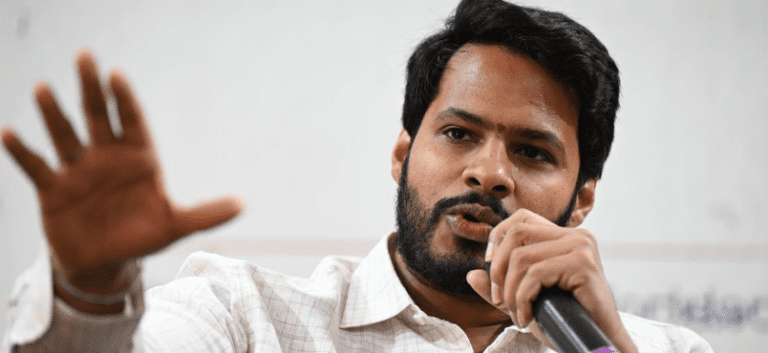
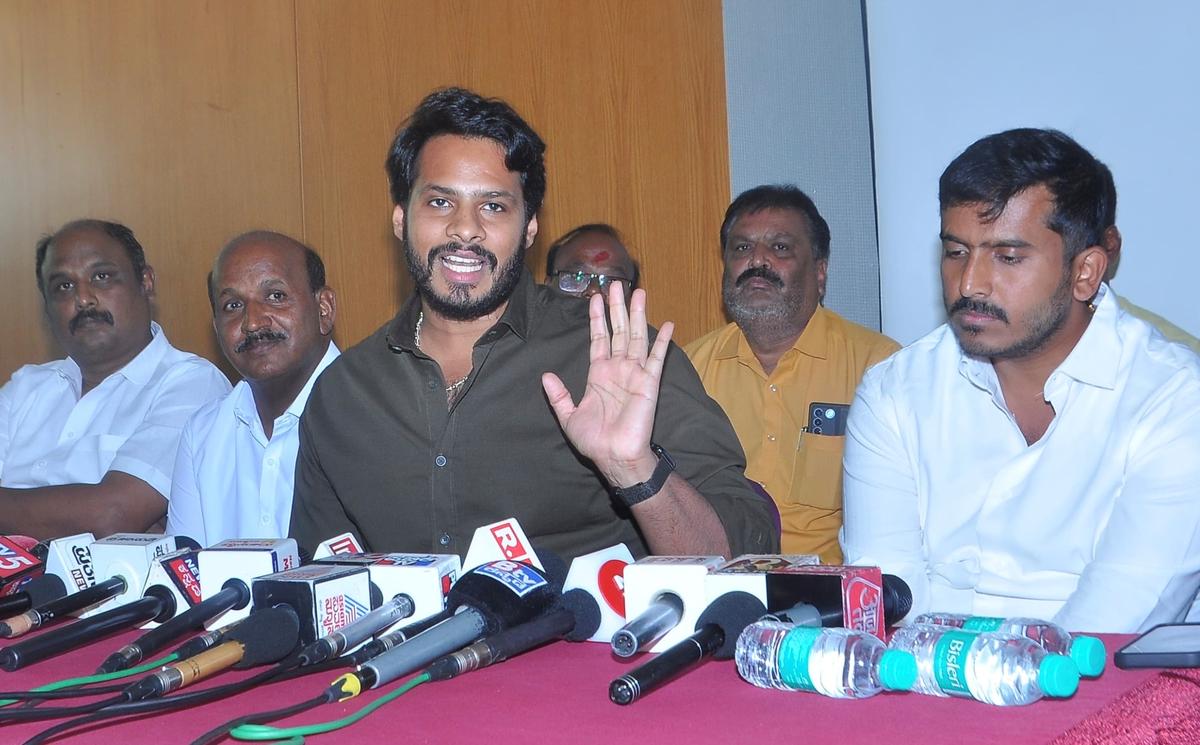
Janata Dal (Secular) leader Nikhil Kumaraswamy on Tuesday said that no final decision had been taken on whether the party would contest the upcoming local body elections on its own or explore electoral understandings. Addressing reporters, he clarified that internal discussions were still underway and that the party leadership would arrive at a decision only after assessing political conditions, organisational preparedness, and grassroots feedback across districts.

Nikhil emphasised that local body elections required a different approach compared to Assembly or Parliamentary polls, as they were deeply rooted in local issues, community dynamics, and candidate credibility. “We are listening to our workers, local leaders, and district units. Their inputs are crucial before taking any major electoral decision,” he said, adding that speculation about a final call was premature.

Grassroots Feedback Drives Strategy

Party insiders say district-level meetings have revealed mixed opinions on contesting alone. While some leaders believe a solo run will help revive the JD(S)’s independent identity, others argue that strategic adjustments are needed in urban centres. Nikhil Kumaraswamy said such differing views were natural in a democratic party and must be respected. He stressed that feedback from ward-level workers, not just senior leaders, would influence the final call. “Local body elections are about proximity to people. Those working on the ground understand voter mood better than anyone else,” he said, underscoring the importance of decentralised decision-making.

Urban Challenge Acknowledged

Nikhil openly acknowledged that urban local bodies remain a challenging terrain for the JD(S). He said the party was aware of its limited presence in big cities and municipal corporations, where politics is often shaped by resource mobilisation and visibility. However, he added that recent civic issues such as water shortages, poor waste management, and rising property taxes had created space for alternative voices. “Urban voters are increasingly issue-conscious. If we present credible candidates and practical solutions, we can slowly rebuild trust,” he said, calling for patience rather than quick electoral fixes.

Youth and Women in Focus

The JD(S) leader said special emphasis would be placed on encouraging youth and women to contest local body polls. According to him, empowering these groups was essential for responsive governance at the grassroots. He said the party was working on identifying potential candidates from self-help groups, student organisations, and farmer collectives. “Local governance should reflect the diversity of society. Women and young people bring new perspectives to civic administration,” Nikhil said, adding that training programmes and mentoring would be part of the party’s preparatory efforts.

Candidate Selection to Be Crucial

Nikhil Kumaraswamy said candidate selection would play a decisive role in local body elections, often more than party affiliations. He stressed that the JD(S) would prioritise clean image, local acceptance, and service record while finalising nominees. “People know their local representatives personally. If the candidate lacks credibility, no alliance or symbol can compensate,” he said. The party, he added, would avoid parachuting candidates from outside wards and would instead rely on individuals with long-standing engagement in community issues and civic initiatives.H D Deve Gowda hints at Nikhil Kumaraswamy taking over as JD(S) Karnataka  president Former prime minister H. D. Deve Gowda, who is also the national  president of JD(S), on Saturday hinted

No Hurry Amid Political Noise

Reacting to speculation from rival parties, Nikhil said the JD(S) would not be pressured into announcing its strategy prematurely. He described the ongoing political commentary as part of election-season noise. “Every party is trying to project confidence. That does not mean we must rush our decisions,” he said. He reiterated that the JD(S) preferred preparedness over announcements and would focus on organisational consolidation until the election notification was issued. “Silence should not be mistaken for indecision,” he added.

Role of Local Bodies Highlighted

Nikhil used the opportunity to stress the importance of local self-governments in Karnataka’s administrative structure. He said prolonged delays in holding elections had weakened civic accountability and affected service delivery. “When elected councils are absent, bureaucracy fills the gap, but democratic representation suffers,” he said. He urged the State government to ensure timely elections and empower local bodies with adequate funds and authority. According to him, strengthening municipalities and panchayats was essential for inclusive development and effective decentralisation.

Balancing Identity and Pragmatism

Political observers note that JD(S) faces a delicate balance between preserving its regional identity and adapting to changing electoral realities. Nikhil acknowledged this tension, saying the party did not want to lose its ideological core while responding to voter expectations. “We are a party rooted in Karnataka’s soil. At the same time, politics is dynamic, and strategies must evolve,” he said. He added that the leadership was conscious of long-term implications, not just immediate electoral outcomes, while weighing its options.

Final Word Awaited

Concluding his remarks, Nikhil Kumaraswamy said the party would communicate its decision clearly and transparently once consultations were complete. He assured workers that their voices would matter in the process and urged them to focus on public outreach in the meantime. “Elections are not just about winning seats, but about building relationships with people,” he said. Until the final call is made, the JD(S) leadership appears intent on keeping all options open while reinforcing its grassroots base ahead of the local body polls.

Focus on Cadre and Ground Strength

The JD(S) leader said the party’s immediate priority was strengthening its organisational structure at the booth and ward levels. According to him, rebuilding cadre confidence and energising workers was essential, irrespective of whether the party chose to go solo or enter into alliances. He noted that local body elections offered an opportunity to reconnect with voters on everyday civic issues such as water supply, sanitation, roads, and basic services.

Nikhil pointed out that JD(S) had traditionally maintained a strong presence in several rural and semi-urban pockets of Karnataka, particularly in the Old Mysuru region. “Our strength lies in our connection with farmers, rural communities, and local leaders. That strength does not disappear overnight,” he said, asserting that the party remained relevant in grassroots politics.

Alliance Question Still Open

Responding to questions about possible tie-ups, Nikhil Kumaraswamy said the party had not closed its doors on any option. However, he made it clear that alliances could not be driven by compulsion or short-term arithmetic. “Any decision on alliances must be based on mutual respect, ideological clarity, and benefit to our cadre. We will not rush into anything,” he said.

He added that local body elections often differed from State-level contests, where broader coalitions played a larger role. At the grassroots level, he said, voter preference was shaped more by individual candidates and local performance than by party symbols alone. This reality, he suggested, required careful thought before committing to either a solo or alliance-based strategy.Decision on BJP-JD(S) alliance for local body polls will be taken by State,  national leaders, says Nikhil Kumaraswamy - The Hindu

Lessons from Recent Elections

Nikhil acknowledged that recent electoral outcomes had prompted introspection within the party. He said the JD(S) leadership was reviewing its performance, identifying organisational gaps, and working on corrective measures. “Every election teaches us something. We are analysing what went wrong and what needs to improve, especially in urban local bodies,” he said.

He also stressed that the party was keen on giving opportunities to young leaders and first-time candidates in local elections. According to him, decentralised governance required representatives who were accessible, accountable, and familiar with local problems. “Local bodies are training grounds for future leadership,” he said.

State Political Context

The statement comes amid intense political activity in Karnataka, with major parties gearing up for elections to municipal corporations, city councils, and other local bodies that have been pending for several years. Delimitation exercises, reservation issues, and legal challenges have delayed polls, but political parties are now preparing for a possible announcement.

Within this context, the JD(S) faces strategic choices as it seeks to retain relevance in a political landscape dominated by the Congress and the BJP. Analysts note that a solo contest could help the party reassert its independent identity, while alliances could offer tactical advantages in urban areas where it has traditionally been weaker.

Emphasis on Issue-Based Politics

Nikhil Kumaraswamy said the party intended to centre its campaign on local governance issues rather than State or national-level political confrontations. He criticised what he described as excessive politicisation of civic bodies, arguing that local institutions should focus on service delivery instead of partisan rivalry.

“People want clean streets, reliable water supply, functioning streetlights, and transparent administration. That is what local body representatives are elected for,” he said, adding that JD(S) would highlight these concerns in its outreach programmes and meetings with residents’ associations.BJP, Congress have aligned together to defeat me in Ramanagara': Nikhil  Kumaraswamy | Elections News - The Indian Express

Decision After Consultations

Reiterating that no final decision had been taken, Nikhil said the party would announce its stand only after completing consultations at all levels. He indicated that senior leaders, including former Chief Minister H.D. Kumaraswamy, would be involved in the decision-making process.

“Our party believes in collective leadership. We will not impose decisions from the top without hearing our workers,” he said. The timing of the announcement, he added, would depend on the election schedule and the completion of organisational reviews.

Looking Ahead

As uncertainty continues over the format and timing of local body elections, Nikhil Kumaraswamy’s remarks underline the JD(S)’s cautious approach. By keeping its options open, the party appears keen to balance electoral pragmatism with organisational rebuilding.

Whether the JD(S) ultimately chooses to go it alone or align with other parties, the decision is likely to shape its future trajectory in Karnataka’s grassroots politics. For now, the leadership maintains that patience, consultation, and preparation will guide its next move rather than haste or external pressure.

Follow: Karnataka Government

Also read: Home | Channel 6 Network – Latest News, Breaking Updates: Politics, Business, Tech & More