Wednesday, April 29, 2026
Home Blog Page 144

Siddaramaiah-Led Karnataka Government in Repeated Bold Clash with the Centre: CONFRONTATION 1-GOVERNMENT, 2-POWER CENTRES, AND A FEDERAL STRAIN

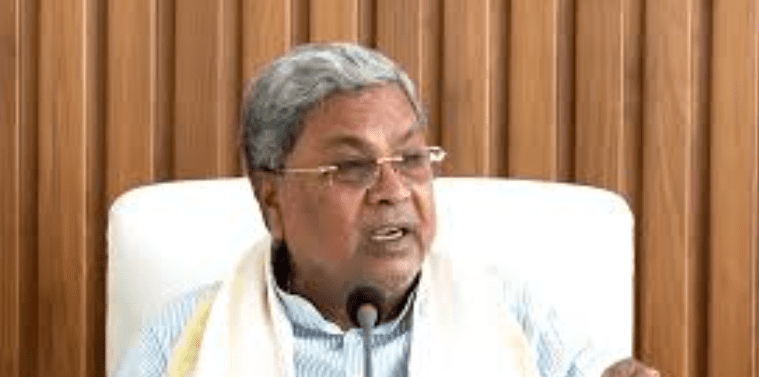
The Siddaramaiah-led Congress government in Karnataka has found itself in a frequent and visible collision course with the Union government, with disagreements spanning fiscal devolution, administrative autonomy, language policy, law and order, and infrastructure projects. What began as routine Centre–State differences has gradually evolved into sustained political confrontation, reflecting deeper tensions over federalism, resource sharing, and governance priorities. The Karnataka government has repeatedly accused the Centre of discrimination against opposition-ruled States, while the Union government maintains that its actions are rule-bound and non-partisan.

Looking ahead, experts believe that sustained confrontation will require careful calibration. While asserting State rights is constitutionally valid, long-term governance depends on cooperation. Both the Centre and Karnataka face the challenge of balancing political rivalry with administrative pragmatism. As welfare demands grow and infrastructure needs expand, effective Centre–State collaboration will be essential. Whether the current collision course evolves into constructive negotiation or deepens into prolonged conflict will significantly shape Karnataka’s governance trajectory in the coming years.

Siddaramaiah on Bengaluru Stampede: 'No Connection, Officials at Fault'

Since assuming office, Chief Minister Siddaramaiah has adopted a firm stance on what he describes as the erosion of States’ rights. The administration has framed its disagreements as a defence of constitutional federalism, positioning Karnataka as a vocal critic of centralised decision-making. This approach has resonated with sections of the electorate but has also intensified political friction, particularly as the State navigates fiscal stress and ambitious welfare commitments.

FISCAL FEDERALISM AT THE HEART OF THE DISPUTE

One of the most persistent flashpoints has been financial devolution and resource allocation. The Karnataka government has alleged that the Centre has reduced its share in tax devolution while increasing the State’s financial burden through centrally sponsored schemes. Siddaramaiah has publicly stated that Karnataka, despite being a major contributor to the national exchequer, has not received its “fair share” in return.

The State has repeatedly raised concerns over delays in the release of GST compensation, disaster relief funds, and grants for infrastructure projects. Ministers argue that these delays constrain Karnataka’s ability to fund welfare schemes such as free electricity, food distribution, and transport subsidies. The Centre, however, has countered that allocations follow Finance Commission recommendations and statutory norms, rejecting accusations of political bias.

POLICY AND ADMINISTRATIVE FRICTION

Beyond finances, policy implementation has emerged as another arena of conflict. The Karnataka government has objected to what it sees as unilateral decisions by the Centre on issues affecting States, including education policies, language matters, and administrative restructuring. Disagreements over the implementation of national education reforms and language-related directives have triggered sharp exchanges, with the State asserting its right to preserve regional priorities.

Administrative autonomy has also become contentious. The State government has criticised central agencies for what it calls selective intervention in matters involving opposition leaders and State officials. These allegations have added a political dimension to administrative disputes, further straining Centre–State relations.Siddaramaiah-led govt. in regular collision course with the Centre - The  Hindu
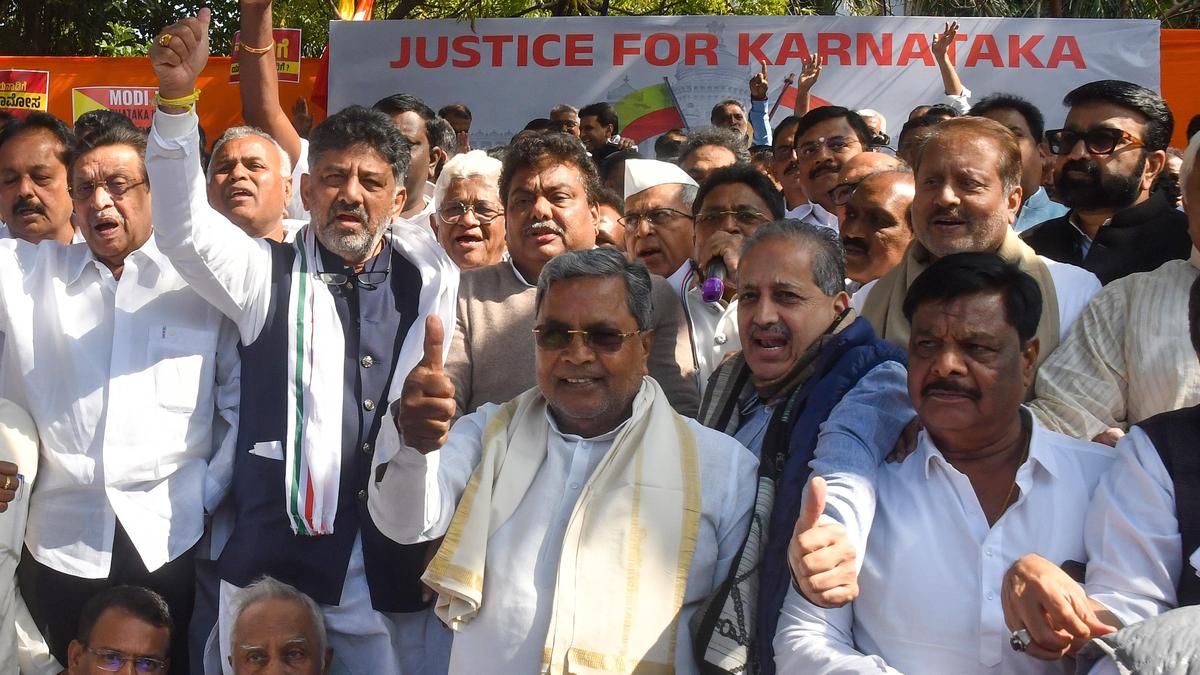
LAW, ORDER, AND GOVERNOR–GOVERNMENT TENSIONS

Another sensitive area has been the role of the Governor and constitutional offices. The Siddaramaiah government has, on multiple occasions, accused the Raj Bhavan of delaying assent to Bills and acting in a manner aligned with the Centre’s political interests. The government argues that such delays undermine the legislative authority of an elected State government.

The Centre has rejected these claims, asserting that Governors act within constitutional limits. However, the recurring friction has reinforced the perception of institutional strain, with Karnataka becoming one of several opposition-ruled States voicing concerns over the evolving role of constitutional authorities.

POLITICAL STRATEGY AND NATIONAL CONTEXT

Political analysts view the confrontational posture as part of a broader national pattern where opposition-ruled States challenge the Centre on federal principles. For the Congress, Karnataka holds strategic importance, and the Siddaramaiah government’s assertive stance helps project the party as a defender of States’ rights ahead of national political contests.

At the same time, critics argue that continuous confrontation risks slowing administrative coordination and policy execution. They caution that while political messaging may benefit the ruling party, prolonged conflict could affect investment sentiment and Centre–State collaboration on large infrastructure and development projects.

IMPACT ON GOVERNANCE AND PUBLIC DISCOURSE

The sustained clashes have shaped public discourse in Karnataka, with federalism emerging as a key political theme. Supporters of the State government see its resistance as necessary to protect constitutional balance, while opponents accuse it of politicising governance challenges to deflect attention from fiscal and administrative constraints.

Despite the confrontations, both governments continue to cooperate on essential services and national programs, underscoring the complexity of Centre–State relations. However, the repeated flashpoints indicate that cooperation often coexists uneasily with confrontation.Don't Get A Rupee From Centre": Siddaramaiah Amid Row Over Infrastructure  bengaluru karnataka

A CONTINUING TUG OF WAR

As Karnataka moves forward with its welfare agenda and development plans, the tug of war with the Centre shows little sign of easing. With fiscal pressures, political rivalries, and constitutional interpretations intersecting, the Siddaramaiah-led government’s relationship with the Union government is likely to remain tense.

The situation reflects a larger debate within Indian federalism—how to balance national coherence with State autonomy. For now, Karnataka stands at the centre of this debate, its government positioning itself as both a stakeholder in national governance and a challenger to what it perceives as excessive centralisation.

The ongoing confrontation has also extended into the arena of welfare policy, where the Karnataka government has accused the Centre of creating fiscal bottlenecks that indirectly affect flagship State schemes. Siddaramaiah has repeatedly stated that welfare guarantees were framed based on constitutional revenue-sharing principles, which he claims are being weakened. State ministers argue that reduced fiscal space forces Karnataka to rely more on borrowing, while the Centre enjoys greater control over resources. This narrative has been consistently used by the State government to justify its aggressive stance, portraying the conflict as one between social justice priorities and centralised fiscal control.

Infrastructure projects have emerged as another contentious front in Centre–State relations. Karnataka leaders have raised concerns over delays in approvals and funding for rail, metro, and highway projects, alleging uneven prioritisation. The State government claims that projects in opposition-ruled States often face procedural hurdles, while others receive faster clearances. The Centre has denied this, asserting that all projects are evaluated on technical and financial viability. However, repeated public statements by Karnataka ministers have kept the issue alive, reinforcing perceptions of strained coordination and political mistrust between the two governments.

The clash has also played out in language and cultural policy debates, where the State has asserted its right to protect regional linguistic identity. Karnataka leaders have opposed any perceived imposition of language policies, framing the issue as an attack on federal diversity. These disagreements have resonated strongly in public discourse, particularly among regional groups. The Centre has maintained that national policies are inclusive and flexible, but the State government continues to project itself as a guardian of linguistic and cultural autonomy, adding an emotional dimension to the political confrontation.

Administrative appointments and transfers have further deepened tensions, with the State accusing central agencies of interference. Karnataka ministers have alleged that investigations and administrative actions disproportionately target opposition-ruled States, undermining cooperative federalism. While the Centre insists that agencies function independently, the perception of selective action has fuelled political rhetoric. Analysts note that such disputes erode trust between institutions, making coordination difficult. The repeated public airing of these grievances suggests that the State government sees political value in highlighting administrative friction as part of its broader federalism narrative.

The judiciary has increasingly become an arena for resolving Centre–State disputes, with Karnataka approaching courts over fiscal and administrative disagreements. Legal challenges related to fund allocation, project approvals, and constitutional interpretation reflect the growing reliance on judicial intervention. Experts warn that excessive litigation between governments can delay policy outcomes and strain institutional relationships. However, the State government argues that legal recourse is necessary when dialogue fails, positioning court intervention as a constitutional safeguard rather than a breakdown of governance mechanisms.

Public opinion in Karnataka remains divided over the confrontational approach. Supporters believe the Siddaramaiah government is standing firm against unfair treatment, while critics argue that constant conflict diverts attention from governance and service delivery. Opposition parties within the State accuse the government of using the Centre as a scapegoat for fiscal challenges. Despite this, federalism has emerged as a strong political theme, shaping debates beyond immediate policy concerns and influencing how citizens perceive the balance of power between the State and the Union.

Political observers point out that the timing of these confrontations is significant, coinciding with broader national political realignments. Karnataka’s role as a major opposition-ruled State gives its leadership greater visibility in national debates. The State government’s assertive posture is seen as an attempt to shape a wider opposition narrative around decentralisation and States’ rights. This strategy may strengthen political positioning nationally, even as it complicates administrative coordination at the State level.

Looking ahead, experts believe that sustained confrontation will require careful calibration. While asserting State rights is constitutionally valid, long-term governance depends on cooperation. Both the Centre and Karnataka face the challenge of balancing political rivalry with administrative pragmatism. As welfare demands grow and infrastructure needs expand, effective Centre–State collaboration will be essential. Whether the current collision course evolves into constructive negotiation or deepens into prolonged conflict will significantly shape Karnataka’s governance trajectory in the coming years.

Follow: Karnataka Government

Also read: Home | Channel 6 Network – Latest News, Breaking Updates: Politics, Business, Tech & More

Vijay’s TVK sets up 12-member team to draft manifesto for 2026 Assembly polls, decisive move ahead of 2026 battle

Vijay’s TVK sets up 12-member team to draft manifesto for 2026 Assembly polls as preparations begin early

Vijay’s TVK sets up 12-member team to draft manifesto for 2026 Assembly polls, marking a major step in the party’s early preparations for the upcoming Tamil Nadu Assembly elections. The decision reflects the party’s intent to present a clear, people-focused vision well ahead of the polls and strengthen its political groundwork across the state.

Tamilaga Vettri Kazhagam (TVK), led by actor-turned-politician Vijay, announced the formation of a dedicated manifesto drafting committee on January 9. The move comes as part of the party’s broader plan to connect with different sections of society and frame policies that address real public concerns rather than short-term promises.

According to the party leadership, the manifesto will focus on public welfare, inclusive development, and long-term progress for Tamil Nadu. The committee has been asked to work closely with citizens and various professional groups to ensure that the document reflects ground realities.TVK

Vijay’s TVK sets up 12-member team to draft manifesto for 2026 Assembly polls with structured leadership

The 12-member committee will be headed by KG Arunraj, the general secretary in charge of policy and propaganda. He will lead the overall drafting process and coordinate with party units across districts. The panel includes experienced political figures as well as professionals with organisational experience.

Among the notable members is former AIADMK MLA JCD Prabhakar, who recently joined TVK, bringing legislative experience to the team. Deputy general secretary A Rajmohan is also part of the committee. Other members include TSK Mayuri, A Sampathkumar, M Arul Prakasam, Vijay R Bharanibalaji, J Mohammed Farvace, TK Prabhu, Christy Prithivi, Thenmozhi Prasanna, and M Sathiyakumar.TVK

The party stated that this mix of members was chosen to balance political experience with grassroots understanding. The leadership believes that such a structure will help the manifesto move beyond theory and reflect practical needs.

Vijay, in his statement, said the formation of a separate committee shows the importance TVK places on its manifesto. He emphasised that the document should not be prepared from offices alone but shaped by voices from across Tamil Nadu.

Vijay’s TVK sets up 12-member team to draft manifesto for 2026 Assembly polls through statewide outreach

A key part of the committee’s work will be extensive travel across the state. The team will hold meetings and discussions with people from various backgrounds to collect opinions, data, and suggestions. This outreach will cover urban and rural areas alike.

The committee plans to engage with small and medium business owners, labour organisations, farmers’ groups, industry experts, chambers of commerce, employee associations, and professionals from sectors such as education and healthcare. Women’s organisations, youth groups, and social bodies will also be consulted during the process.

According to Vijay, these interactions are essential to understand everyday challenges faced by people. He stated that the manifesto should reflect the aspirations of ordinary citizens and not be limited to political rhetoric. The party aims to turn these inputs into clear policy directions that support employment, education, healthcare, and economic stability.

Vijay also appealed to party cadres to cooperate fully with the committee members during district-level visits. He urged local units to assist in organising meetings and ensuring smooth interaction with community groups.

The party leadership believes that early preparation will give TVK an advantage by allowing enough time to refine its ideas and present a clear alternative vision before the 2026 elections. Also Read : Vijay forms 12-member panel to draft TVK’s 2026 election manifesto

Conclusion

With this step, TVK has signalled its serious intent to play a decisive role in the 2026 Assembly polls. The formation of the manifesto committee highlights Vijay’s focus on structured planning and public participation as the party moves forward in Tamil Nadu’s political landscape.

Deepam Dispute: High Court Issues Strong Contempt Warning to Tamil Nadu Officials 2026

0

High Court Warns Of Contempt Charges In Tamil Nadu Deepam Row amid mounting legal tension

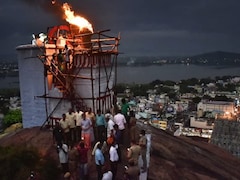
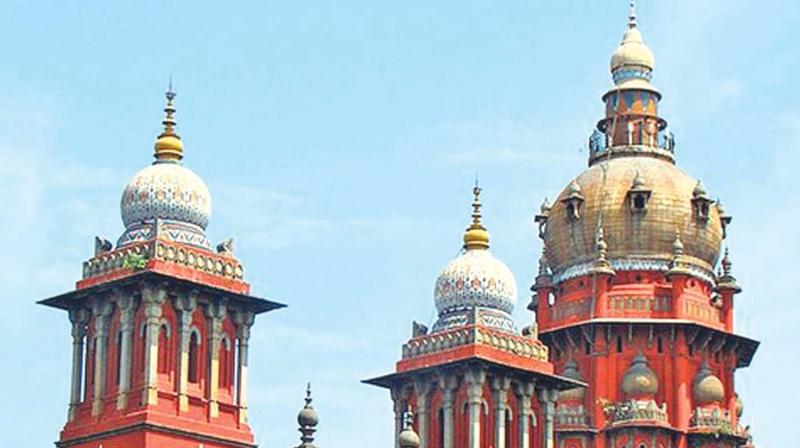
High Court Warns Of Contempt Charges In Tamil Nadu Deepam Row, drawing sharp attention to the prolonged dispute surrounding the lighting of the Karthigai Deepam at the Thirupparankundram hilltop. The Madurai Bench of the Madras High Court has made it clear that senior Tamil Nadu officials may face contempt proceedings if they fail to properly explain why earlier court orders were not carried out.

The warning

Deepam

 came during the hearing of contempt petitions linked to a December order that permitted the lighting of the traditional Deepam on a pillar at the hilltop site. Justice G R Swaminathan observed that despite repeated opportunities, the authorities had not offered a satisfactory explanation for the delay and alleged obstruction in implementing the court’s direction.

The court indicated that it would proceed to frame contempt charges on February 2 if “proper cause” was not shown. The judge also stressed that the judiciary would not indefinitely wait for explanations when its orders were not followed in letter and spirit.

 Administrative actions under scrutiny

The case has placed several senior officials under close judicial scrutiny. The Madurai District Collector, the City Police Commissioner, senior police officers, and the temple administration appeared before the court. The State’s top police official participated through video conferencing.

The court revisited the sequence of events following its earlier order. After permission was granted for the Deepam, a prohibitory order was issued under Section 163 of the Bharatiya Nagarik Suraksha Sanhita. This order was later struck down by the High Court. Despite this, the lighting of the Deepam was allegedly prevented again, leading the court to conclude that its directive was being deliberately frustrated.Deepam

Justice Swaminathan observed that issuing a prohibitory order soon after a judicial direction raised serious concerns about administrative intent. Even after the prohibitory order was quashed, obstacles reportedly remained on the ground, particularly due to police actions.

The court also examined events during the Sandhanakoodu festival, where a flag was reportedly hoisted by dargah authorities on a tree located on land that has since been declared temple property by a Division Bench. This incident prompted sharp observations from the court regarding enforcement and selective permissions.

Allegations of trespass and police inaction

The temple administration informed the court that no permission had been granted for the flag hoisting and described the act as an unauthorised entry onto temple land. The temple’s Executive Officer assured the court that a formal police complaint would be filed regarding the incident.

The judge recorded that such an act could amount to criminal trespass and noted the seriousness of the assurance given to initiate legal action. The court questioned how such activities were allowed while a judicially approved religious practice was allegedly blocked.

Officials present before the court maintained that they acted independently and not under any external pressure. The State government, represented by the Additional Advocate General, sought more time, citing pending appeals related to the contempt proceedings.

While granting time until February 2, the court made it clear that the next hearing would be decisive. It stated that failure to justify the actions taken by the authorities would result in contempt charges being formally framed. Also Read : Thiruparankundram: Madras HC warns contempt, asks why deepam was not lit despite court order

Conclusion

The High Court’s warning in the Tamil Nadu Deepam row underscores the seriousness with which judicial orders must be implemented. As the next hearing approaches, the case is expected to test the accountability of the administration and reaffirm the authority of the court in sensitive religious and land-related disputes.

Kanimozhi Birthday Video Sparks Power Play Buzz Within DMK and Signals a Strong Political Moment 2026

0

Kanimozhi Birthday Video Sparks Power Play Buzz Within DMK ahead of 2026 political shifts

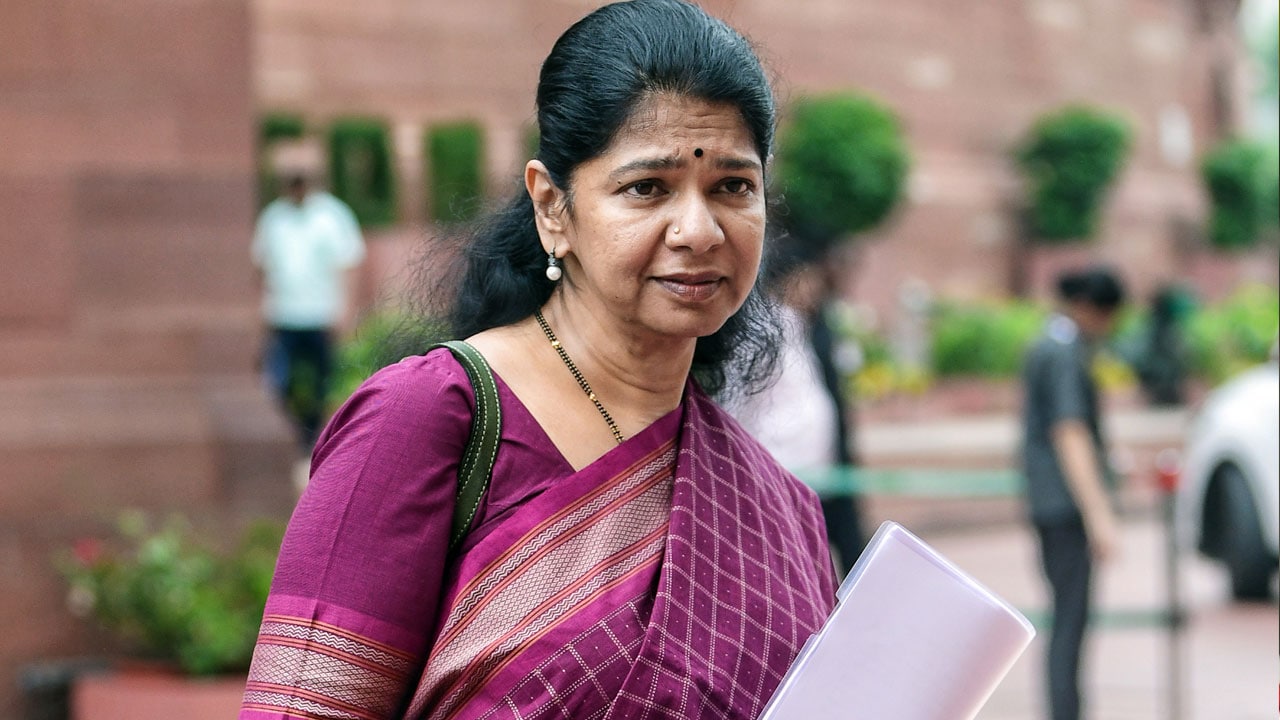
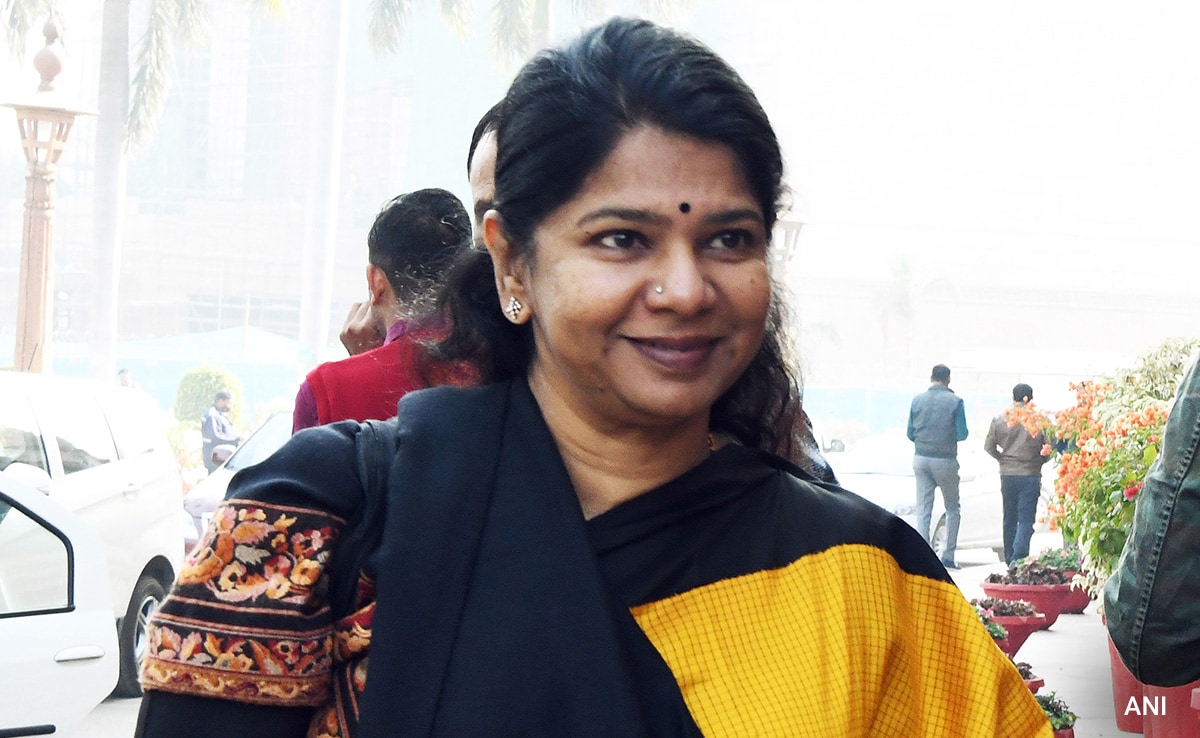
Kanimozhi Birthday Video Sparks Power Play Buzz Within DMK, triggering widespread discussion inside political circles about her future role in Tamil Nadu politics. The release of a professionally produced video on her birthday has drawn attention not only for its messaging but also for its timing, coming as the state prepares for the 2026 Assembly elections.

The video portrays Kanimozhi Karunanidhi as a leader closely connected to people and public issues. Party observers see it as more than a celebratory tribute, reading it as a calculated political statement that highlights her leadership identity within the DMK. The imagery and language used have led to speculation that she may be preparing for a larger role in state-level politics. Birthday

Sources within the party indicate that Kanimozhi is keen on contesting the upcoming Assembly elections, a move that would mark a notable change from her long-standing focus on parliamentary politics. Until now, her political journey has largely unfolded at the national level, where she has emerged as one of the DMK’s most visible voices.

 Growing political visibility within the party structure

Kanimozhi currently holds influential positions within the DMK. She serves as the head of the party’s manifesto committee for the Assembly elections and also leads the DMK parliamentary group in the Lok Sabha. These roles place her at the centre of both policy formulation and parliamentary strategy.

Over the years, she has built a strong reputation as a communicator of the party’s ideology, often representing the DMK on national platforms. Her ability to articulate party positions and engage with diverse audiences has earned her recognition beyond Tamil Nadu.

The birthday video has intensified discussion because it coincides with a phase where leadership succession within the DMK is increasingly being debated. Deputy Chief Minister Udhayanidhi Stalin is widely viewed as the party’s future leader, and any assertion of political space by senior leaders naturally attracts attention.Birthday

Political analysts believe the video’s release reflects a conscious effort to underline Kanimozhi’s relevance in the party’s future. While there has been no official announcement regarding her contesting the Assembly elections, the messaging has been interpreted as a signal of intent.

 Internal dynamics and the road to 2026

Kanimozhi, the daughter of late DMK leader M Karunanidhi and sister of Chief Minister M K Stalin, has long been regarded as an influential yet understated figure within the party. Unlike some of her contemporaries, she has often chosen to operate quietly, focusing on policy, parliamentary work, and organisational responsibilities.

The renewed attention around her political ambitions has added a new layer to discussions about the DMK’s internal dynamics. If she decides to enter the Assembly race, it could reshape the party’s leadership equations and influence future power structures.

However, party insiders stress that all major decisions regarding leadership projection and candidate selection remain with the Chief Minister. They emphasise that the DMK functions through collective decision-making and that speculation should not be mistaken for official positioning.

For now, the focus remains on governance and preparation for the 2026 elections. Whether the video marks the beginning of a more assertive political phase for Kanimozhi or remains a symbolic expression of leadership will become clearer in the months ahead. Also Read :Kanimozhi’s Birthday Video Hints at State Role: ‘MLA’ Sign, Periyar’s Legacy Fuel 2026 Buzz

Conclusion

The attention generated by the birthday video has highlighted Kanimozhi’s growing political visibility within the DMK. As the party moves closer to the 2026 elections, her role and choices could play a significant part in shaping the future political landscape of Tamil Nadu.

CM Stalin launches Pongal gift scheme for 2.2 cr ration cardholders in a major festive relief drive

CM Stalin launches Pongal gift scheme for 2.2 cr ration cardholders to ensure dignified celebrations

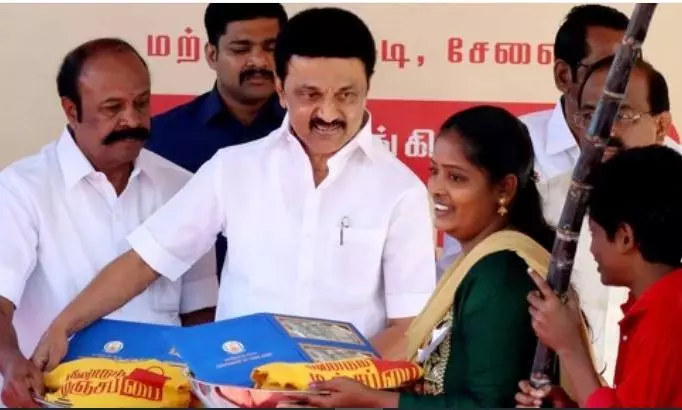
CM Stalin launches Pongal gift scheme for 2.2 cr ration cardholders, marking a significant festive welfare initiative aimed at helping families across Tamil Nadu celebrate the harvest festival with dignity and financial comfort. The scheme was formally launched at a fair price shop in Chennai, setting in motion statewide distribution ahead of Pongal.

Under the programme, eligible households will receive ₹3,000 in cash along with essential food items traditionally associated with the festival. The initiative covers more than 2.22 crore rice ration cardholding families, including Sri Lankan Tamil families residing in rehabilitation camps across the state.Pongal gift: Stalin launching today Rs 3,000 in cash, foodstuff to 2 crore  ration card holders

 Stalin said the scheme reflects the government’s commitment to supporting people during important cultural occasions. Pongal, he noted, is deeply rooted in Tamil tradition and is celebrated as an expression of gratitude to nature, farmers, and cattle. The assistance is intended to ensure that no family is left behind during the festival.

To ensure smooth distribution and avoid overcrowding at ration shops, beneficiaries have been issued tokens mentioning specific dates and time slots for collection. Distribution is being carried out through all fair price shops across Tamil Nadu over a fixed schedule ahead of the festival.

CM emphasises Pongal traditions while rolling out statewide welfare support

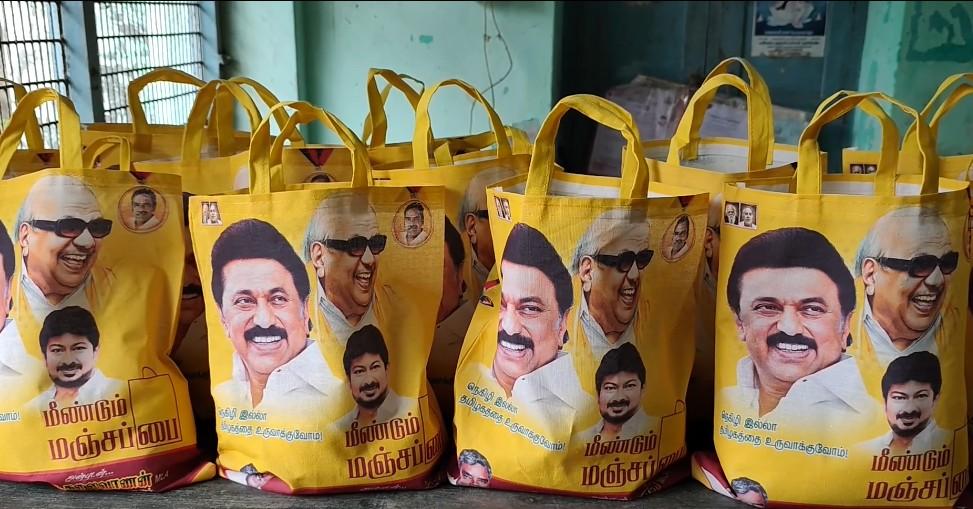
The Pongal gift package includes one kilogram of raw rice, one kilogram of sugar, a full sugarcane, and ₹3,000 in cash per family. In addition to these essentials, the state government has also arranged for the distribution of sarees and dhotis to beneficiaries, further supporting festive needs.

Officials said the initiative is designed to ease household expenses during Pongal, a time when families traditionally incur additional costs for celebrations. The inclusion of both cash support and essential items allows families the flexibility to meet their specific needs while preserving the cultural essence of the festival.CM

The total expenditure for the Pongal gift scheme, including cash assistance, essential commodities, and clothing distribution, runs into several thousand crores, reflecting the scale and reach of the programme. Government representatives highlighted that such large-scale welfare measures are aimed at strengthening social security and festive inclusion.

Ministers, Members of Parliament, and Members of the Legislative Assembly are overseeing the rollout in their respective districts to ensure timely and transparent distribution. Officials at ration shops have been instructed to follow the token system strictly to manage crowds and maintain order. The welfare initiative gained attention after CM Stalin launches Pongal gift scheme for 2.2 cr ration cardholders ahead of the festival season.

 CM-led distribution ensures smooth delivery of cash and essentials before festival

Speaking at the launch, the Chief Minister emphasised that Pongal is more than a festival; it represents Tamil identity, agricultural heritage, and respect for nature. He said welfare schemes linked to such occasions should reflect these values while addressing present-day economic realities.

The government, he added, has taken steps to ensure that all eligible families receive the benefits before the festival begins, allowing them to prepare without stress. Beneficiaries at the launch venue expressed appreciation for the timely assistance, noting that the support would help them celebrate Pongal with joy and confidence.CM

Public response to the scheme has been largely positive, with many families viewing it as meaningful support during a culturally important time. The presence of elected representatives at distribution points is expected to help resolve any issues quickly and ensure smooth implementation.

Officials also stated that the token-based system has reduced waiting times and improved the overall experience for beneficiaries, especially elderly persons and women. Through this measure, CM Stalin launches Pongal gift scheme for 2.2 cr ration cardholders as part of a broader festive support effort. Also Read: TN to launch Rs 3,000-Pongal gift scheme for over two crore ration card holders today

Conclusion

The Pongal gift scheme reflects a strong blend of cultural respect and social welfare, offering timely support to millions of families across Tamil Nadu. By combining financial assistance with essential festive items, the initiative aims to make Pongal celebrations inclusive, dignified, and stress-free for households statewide.

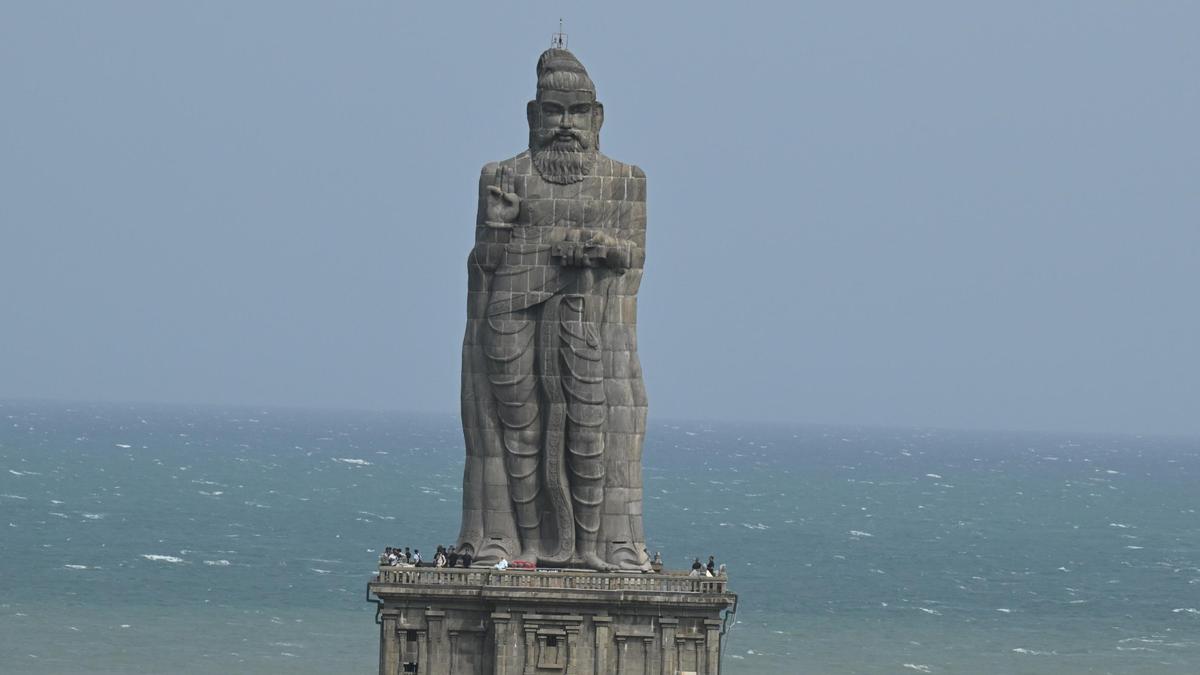
Thirukkural-Themed Music Programme at Marina on January 11 Delivers a Powerful Cultural Experience

0

Thirukkural-themed music programme at Marina on January 11 highlights Tamil literary heritage

Thirukkural-themed music programme at Marina on January 11 will offer Chennai residents a unique cultural evening where classical Tamil wisdom meets live music. The open-air concert, scheduled to begin at 6 pm on Marina Beach, is part of the state-wide observance of Thirukkural Week and is open to the general public.

The programme will feature musical interpretations of select Thirukkural couplets along with verses drawn from other well-known classical Tamil literary works. These compositions have been developed over several years and will be presented in a concert format that blends literature, melody, and tradition.

Organisers say the event aims to make ancient Tamil texts more accessible and engaging, especially for younger audiences, by presenting them through music in a public space. Marina Beach, known for hosting large cultural gatherings, has been chosen to ensure wider participation and visibility.Thirukkural

The initiative reflects the growing effort to bring Tamil classical literature beyond academic circles and into everyday public life through creative formats such as music, drama, and performance arts.

Music as a bridge between ancient texts and modern audiences

The concert will present carefully selected Thirukkural couplets that focus on values such as virtue, discipline, compassion, and social harmony. These timeless ideas, originally written over two millennia ago, continue to hold relevance in today’s world. By setting them to music, the programme seeks to create an emotional connection that goes beyond simple recitation.

Alongside the Thirukkural, the concert will also include songs inspired by classical Tamil literary works, showcasing the depth and richness of Tamil language and thought. The musical arrangements are designed to retain the dignity of the original texts while making them appealing to a diverse audience.

Cultural observers note that music has always played a key role in preserving and transmitting Tamil literature across generations. From temple hymns to folk traditions, musical expression has helped keep literary works alive. This programme continues that tradition in a contemporary public setting.

The choice of a concert format also allows people from different backgrounds to experience classical literature without requiring prior knowledge or study. Families, students, tourists, and senior citizens attending the event can all engage with the content in a relaxed and inclusive environment.Thirukkural

Thirukkural Week celebrations across Tamil Nadu

The music programme forms part of a larger series of events organised across Tamil Nadu to mark Thirukkural Week, which is observed every January. The state government announced the annual observance in December 2024 with the aim of promoting awareness and appreciation of the Thirukkural among all sections of society.

As part of the week-long celebrations, various activities have been organised across districts, including literary conferences, public lectures, debates, and cultural programmes. Competitions have been conducted for government staff and members of the public, while colleges have hosted literary and arts contests for students.

Schools and educational institutions have also been encouraged to organise discussions, essay writing, and creative activities based on the Thirukkural, helping students understand its relevance in daily life. Drama performances and stage programmes based on classical Tamil themes have added a visual and performative element to the celebrations.

Officials involved in organising the events say the goal is not only to honour the Thirukkural as a literary masterpiece but also to highlight its practical value as a guide for ethical living, social responsibility, and personal conduct. Also Read: Tamil Development Department-Thirukkural Week Celebration

Conclusion

The Marina Beach concert stands out as a key public event during Thirukkural Week, bringing classical Tamil literature closer to people through music. By combining timeless verses with live performance in a familiar public space, the programme aims to strengthen cultural connection and keep Tamil literary traditions alive for future generations.

Ladki Bahin Scheme: ‘Lok Sabha Setback Prompted Launch,’ Says Maharashtra Deputy CM Ajit Pawar

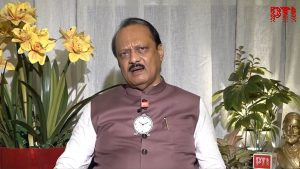
Maharashtra’s flagship welfare initiative, the Mukhyamantri Majhi Ladki Bahin Yojana, has once again become the center of political and policy debates across the state, with Deputy Chief Minister Ajit Pawar recently linking its inception to the performance of the Mahayuti government in the 2024 Lok Sabha elections. In an exclusive interview, Pawar said that the scheme was launched following “a jolt” in the general elections, a candid admission that political calculations played a role in shaping the rollout of this high-profile cash transfer programme targeted at economically vulnerable women.

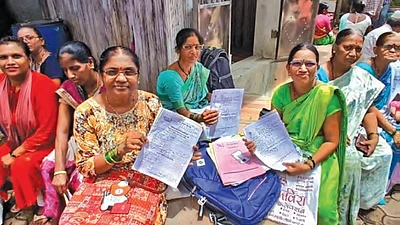
The Ladki Bahin scheme provides a monthly direct cash transfer of ₹1,500 to eligible women between the ages of 21 and 65 whose families earn below a specified income threshold. The government has maintained that the scheme is aimed at empowering women financially and enabling them to participate more actively in household and community economics. However, its introduction and continued expansion have been viewed by many analysts and political opponents as part of an electoral strategy rather than purely a welfare move.

Origins of the Scheme and Political Context

Deputy CM Ajit Pawar explained that after the Mahayuti coalition of the Bharatiya Janata Party, Shiv Sena and his own Nationalist Congress Party secured only 17 out of 48 Lok Sabha seats in Maharashtra, the government reevaluated its approach to governance and voter engagement. Pawar said that the setback prompted discussions on how to regain public trust ahead of subsequent local and state elections. Drawing from similar schemes in other states, such as the Ladli Behna initiative in Madhya Pradesh under then-Chief Minister Shivraj Singh Chouhan, Maharashtra adopted a comparable model to offer regular financial support to women.

“After the Lok Sabha elections, we realised that we had received a setback and needed to reconnect with people, especially women. That is when the Ladki Bahin scheme was introduced.”

Pawar acknowledged that while welfare schemes like Ladki Bahin place strain on state finances, the government remains committed to balancing fiscal responsibilities with the socio-economic needs of its citizens. He pointed to the simultaneous progress of major infrastructure projects—including port construction, metro extensions, and the bullet train corridor—as evidence that development and welfare can proceed in tandem.

The timing of the Ladki Bahin launch in July 2024, months before the state assembly elections later that year, has been a focal point of political debate. The coalition that introduced the scheme went on to secure a landslide victory in the November 2024 elections, winning more than 230 out of 288 seats. Opposition parties and critics have argued that the financial incentive of the cash scheme influenced voter behaviour and contributed significantly to the alliance’s electoral success.

Maharashtra Deputy CM Ajit Pawar on Ladki Bahin scheme

Scheme Implementation and Fiscal Footprint

Since its launch, the Ladki Bahin scheme has aimed to deliver monthly payments directly to beneficiaries’ bank accounts through Aadhaar-linked transfers. The state government reports that millions of women have received the benefit, making it one of the largest cash transfer programmes in Maharashtra’s history. However, the implementation has not been without controversy. Reports and audits have revealed significant irregularities in the beneficiary lists, with tens of lakh accounts flagged for further verification due to eligibility concerns.

A major administrative review found that over 26 lakh ineligible recipients had been temporarily removed from the scheme’s database pending stricter verification, reflecting ongoing challenges in ensuring that the benefits reach their intended targets. The review also underscored the sheer scale of the programme and its impact on the state’s budgetary allocations.

In addition, separate investigations uncovered thousands of cases in which men or government employees were incorrectly recorded as beneficiaries, leading to further scrutiny and corrective actions by authorities. The government has maintained that it will continue to refine eligibility checks and make necessary adjustments to safeguard public funds.

Political Reactions and Opposition Criticism

The revelations concerning the scheme’s origins and execution have drawn sharp reactions from opposition leaders and critics who describe Ladki Bahin as a populist measure that prioritises political gain over sustainable development. Some opposition figures argue that the scheme operates as a form of voter bribe and question its long-term viability given the significant financial burden on the state exchequer. They point to alleged misuse, administrative lapses and the diversion of funds that could otherwise address structural issues like women’s employment, health services, and education.

At the same time, many proponents of the programme stress its role in providing immediate economic relief to women in economically disadvantaged households who might otherwise struggle to meet daily expenses. They argue that direct cash transfers empower women to make independent financial decisions and contribute to improved quality of life for their families. The debate has extended to public forums, legislative sessions, and social media, reflecting the broader national conversation on welfare, governance and electoral strategies.

Chief Minister Devendra Fadnavis has also addressed the scheme in public forums, reaffirming that the government has no intention of discontinuing Ladki Bahin and framing it as a key component of the state’s pro-development agenda. Fadnavis stated that the programme would persist alongside other initiatives aimed at women’s empowerment until his tenure as Chief Minister continues, dismissing opposition claims of imminent withdrawal.

Public Perception and Social Impact

Public response to the Ladki Bahin scheme has been mixed. Beneficiaries and community leaders have publicly welcomed the financial support, noting that the monthly stipend offers a modest but meaningful contribution toward household expenses, education costs, and savings. For many women in rural and urban poor communities, the programme represents a practical step toward financial inclusion. However, critics argue that while the scheme alleviates immediate financial pressure, it does not address deeper systemic challenges such as livelihood opportunities, skill development, and long-term economic security for women.

Some civil society groups have also raised concerns about the administrative process and the need for stronger oversight mechanisms to prevent misuse of funds and ensure transparency. Calls for independent audits and tighter eligibility criteria have gained traction in certain quarters. At the same time, supporters of the government caution against politicising a programme that they view as essential for the welfare of vulnerable populations.

Conclusion: Welfare, Politics and Governance in Focus

The recent remarks by Deputy CM Ajit Pawar acknowledging that the Ladki Bahin scheme was partly shaped by the political realities of the last Lok Sabha elections have intensified public discourse around welfare policy, electoral strategy and fiscal responsibility in Maharashtra. As the state prepares for upcoming municipal, local body and future state elections, the scheme is likely to remain a central issue in political narratives and policy analyses alike.

The Ladki Bahin programme, with its substantial reach and financial implications, continues to highlight the complex interplay between social welfare objectives and political imperatives in contemporary governance. Whether it is celebrated for empowering women or critiqued as an electoral tool, its impact on Maharashtra’s socio-economic landscape will continue to be closely watched in the months and years ahead.

Read More: https://channel6network.com/mumbai-weather-update/

Chennai Weather: Heavy Rain Pours as IMD Issues Yellow Alert; Check Week-Long Forecast with Detailed Day-Wise Outlook 2026

Chennai Weather: Heavy Rain Pours as IMD Issues Yellow Alert; Check Week-Long Forecast as residents brace for storms

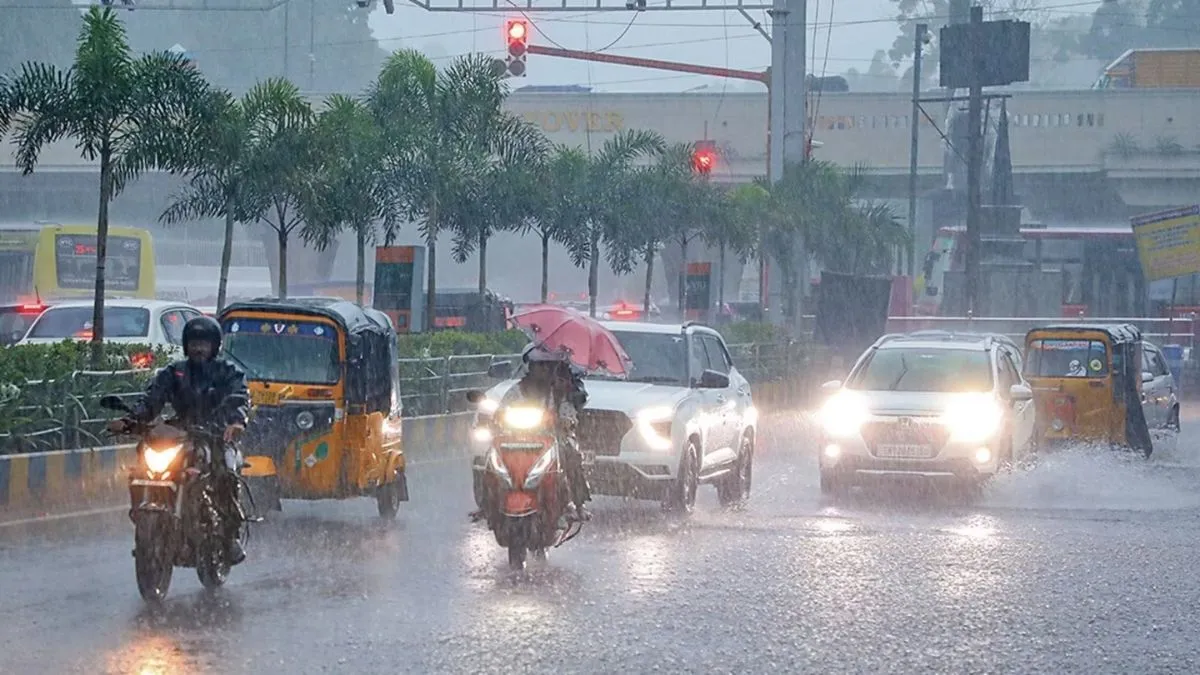
Chennai Weather: Heavy Rain Pours as IMD Issues Yellow Alert; Check Week-Long Forecast as the city prepares for an extended period of rainfall and thunderstorms. The India Meteorological Department (IMD) has issued a yellow alert for Chennai starting January 10, warning residents of heavy rain and possible lightning over the next few days. Several districts across Tamil Nadu are also expected to experience intense rainfall through January 13.

The IMD forecast indicates that the early part of the week will see heavy showers, with skies gradually clearing towards the weekend. Residents are advised to exercise caution and follow safety measures, especially during outdoor activities and while commuting. Authorities have also suggested taking precautions against waterlogging and localized flooding, which could result from continuous rainfall in low-lying areas.Chennai

Chennai Weather: Heavy Rain Pours as IMD Issues Yellow Alert; Check Week-Long Forecast with day-wise details

According to the IMD, January 9 will feature partly cloudy skies with intermittent moderate rain or thunderstorms in Chennai and nearby areas. Residents can expect occasional lightning accompanied by short bursts of rainfall throughout the day. Temperatures will remain moderate, providing some relief from the humid conditions typical of the city during early January.

January 10 marks the start of a more intense phase, with generally cloudy skies and heavy rain forecasted. Thunderstorms accompanied by lightning are expected across the city, prompting the IMD to issue the yellow alert. Authorities have urged schools, offices, and public transport services to prepare for possible disruptions due to water accumulation on roads.

The wet conditions are expected to continue on January 11, with heavy rain and thunderstorms dominating the day. Residents are advised to avoid unnecessary travel, especially in areas prone to waterlogging, and to monitor weather updates from official sources to stay informed about any sudden changes.Chennai

On January 12, skies are predicted to be partly cloudy, with moderate rain or isolated thunderstorms. While the intensity of rainfall may decrease compared to previous days, occasional lightning and wet conditions may persist in some localities. By January 13, rainfall is expected to lighten, with generally cloudy skies and occasional showers. Authorities have indicated that conditions will improve gradually, providing relief from continuous rainfall.

The weather is expected to further clear on January 14 and 15, with partly cloudy skies dominating the outlook. While light showers may still occur in some pockets, the overall intensity of rainfall will reduce, allowing for safer travel and outdoor activities.

Chennai Weather: Heavy Rain Pours as IMD Issues Yellow Alert; Check Week-Long Forecast – safety and preparedness tips

The IMD has emphasized that the yellow alert signifies potential danger from localized flooding and disruption of daily routines. Residents are encouraged to avoid standing water, unplug electrical appliances in areas prone to flooding, and ensure that drainage systems in their homes are not blocked. Motorists are also advised to drive cautiously and avoid roads that are heavily waterlogged.

City officials have been coordinating with emergency services to respond quickly in case of any incidents caused by heavy rain. Hospitals, fire services, and local authorities are on high alert to manage emergencies, including waterlogging, power outages, and minor accidents resulting from slippery roads.Chennai

With the current weather pattern, experts suggest that urban areas with poor drainage infrastructure could face temporary difficulties. Residents in low-lying neighborhoods should remain vigilant and be prepared for emergency evacuation if necessary. Additionally, the public is advised to stay tuned to official weather updates and alerts through radio, television, or government websites for the latest information. Also Read : Chennai weather: Heavy rain pours as IMD issues yellow alert; check week-long forecas

Conclusion

Chennai Weather: Heavy Rain Pours as IMD Issues Yellow Alert; Check Week-Long Forecast, showing that the city will face several days of heavy rain, thunderstorms, and possible lightning. While rains are expected to ease by the weekend, residents are urged to stay cautious, follow safety measures, and keep updated with daily weather reports to navigate the wet conditions safely.

Siddha student found dead at house in Salem; stepfather ‘prime suspect’ as police launch intensive probe 2026

0

Siddha student found dead at house in Salem; stepfather ‘prime suspect’ in shocking case

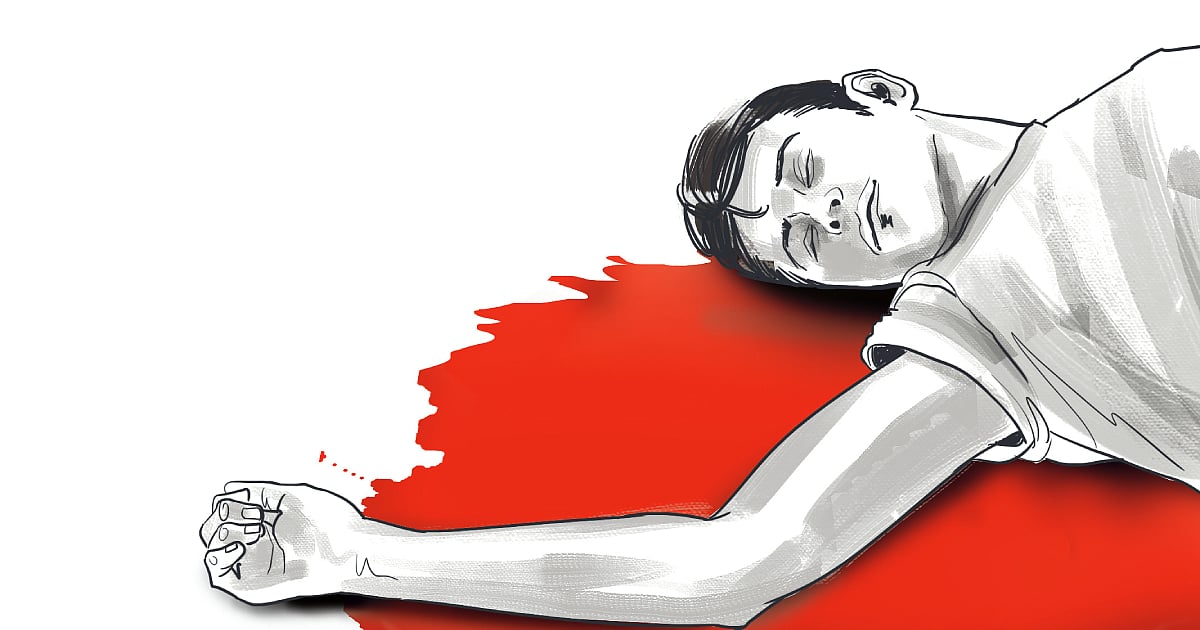
Siddha student found dead at house in Salem; stepfather ‘prime suspect’ after police confirmed that he was the last person to meet the young woman before her death. The incident has sent shockwaves through the student community in Salem, with authorities intensifying efforts to trace the suspect and establish the exact circumstances surrounding the case.

The victim, identified as V Varshini, was 22 years old and a final-year student at a private Siddha medical college in Salem. She hailed from Tirunelveli district and had been staying in a rented house near the Salem Steel Plant along with other students pursuing medical studies. Her sudden death under mysterious circumstances has raised serious concerns and prompted a detailed investigation.

According to police officials, Varshini was alone in the house at the time of the incident as her roommates had left for their native places. On Wednesday, one of the roommates returned and found the house locked from the outside. After gaining entry, she discovered Varshini lying dead inside the room and immediately alerted the police.Student

The Steel Plant police rushed to the spot and registered a case. The body was later sent to the Government Mohan Kumaramangalam Medical College Hospital for a postmortem examination. Medical findings revealed that the cause of death was asphyxiation, further deepening the mystery surrounding the incident.

Siddha student found dead at house in Salem; stepfather ‘prime suspect’ after CCTV review

As part of the investigation, police teams examined CCTV footage from areas surrounding the rented house. The footage revealed that Varshini’s stepfather, Varadarajan, had visited the residence a day before her death. Investigators also found that he was the last known person to have met her.

Police sources stated that Varadarajan allegedly took Varshini’s mobile phone during his visit and went missing shortly after. His sudden disappearance, along with the CCTV evidence, led the police to name him as the prime suspect in the case. Multiple special teams have now been formed to trace his whereabouts. student

Senior police officers said that efforts are underway to reconstruct the sequence of events leading up to the student’s death. Call records, digital evidence, and witness statements are being examined to understand what transpired during the final hours.

Background details add complexity to the investigation

Preliminary inquiries revealed that Varshini had completed her higher secondary education in Tirunelveli before joining the Siddha medical course in Salem. Sources indicated that her family had sent her away from her hometown due to objections over a personal relationship.

It is alleged that Varshini was in contact with a taekwondo instructor from Tirunelveli who is married and has two children. Police said the relationship was opposed by her family, leading to tensions at home. In December, Varshini reportedly visited Tirunelveli but did not meet her parents. Instead, she is said to have met the instructor, which later became a point of conflict.

Investigators believe that this issue may have played a role in the events that followed. Police confirmed that Varadarajan questioned Varshini about the relationship and later travelled to Salem to meet her. His visit is now a key focus of the investigation.student

Police continue search as students demand clarity

With the prime suspect still absconding, Salem City police have intensified search operations across districts. Checkposts have been alerted, and teams are tracking possible locations based on technical inputs.

Meanwhile, fellow students and residents in the area expressed shock and grief over the incident. Many students called for a transparent and swift investigation to ensure justice for Varshini.

Officials assured that the case is being handled with utmost seriousness and that all angles, including personal, academic, and family-related issues, are being examined carefully. Also Read : Siddha student found dead under mysterious circumstances in Tamil Nadu

Conclusion

The death of the Siddha student has raised troubling questions and drawn attention to the pressures faced by young students living away from home. As police continue their investigation and search for the prime suspect, the case remains under close watch, with authorities promising a thorough and impartial probe.

Mumbai Weather Latest Update: Mixed Winter Conditions Grip Maharashtra With Cold Mornings and Warm Days

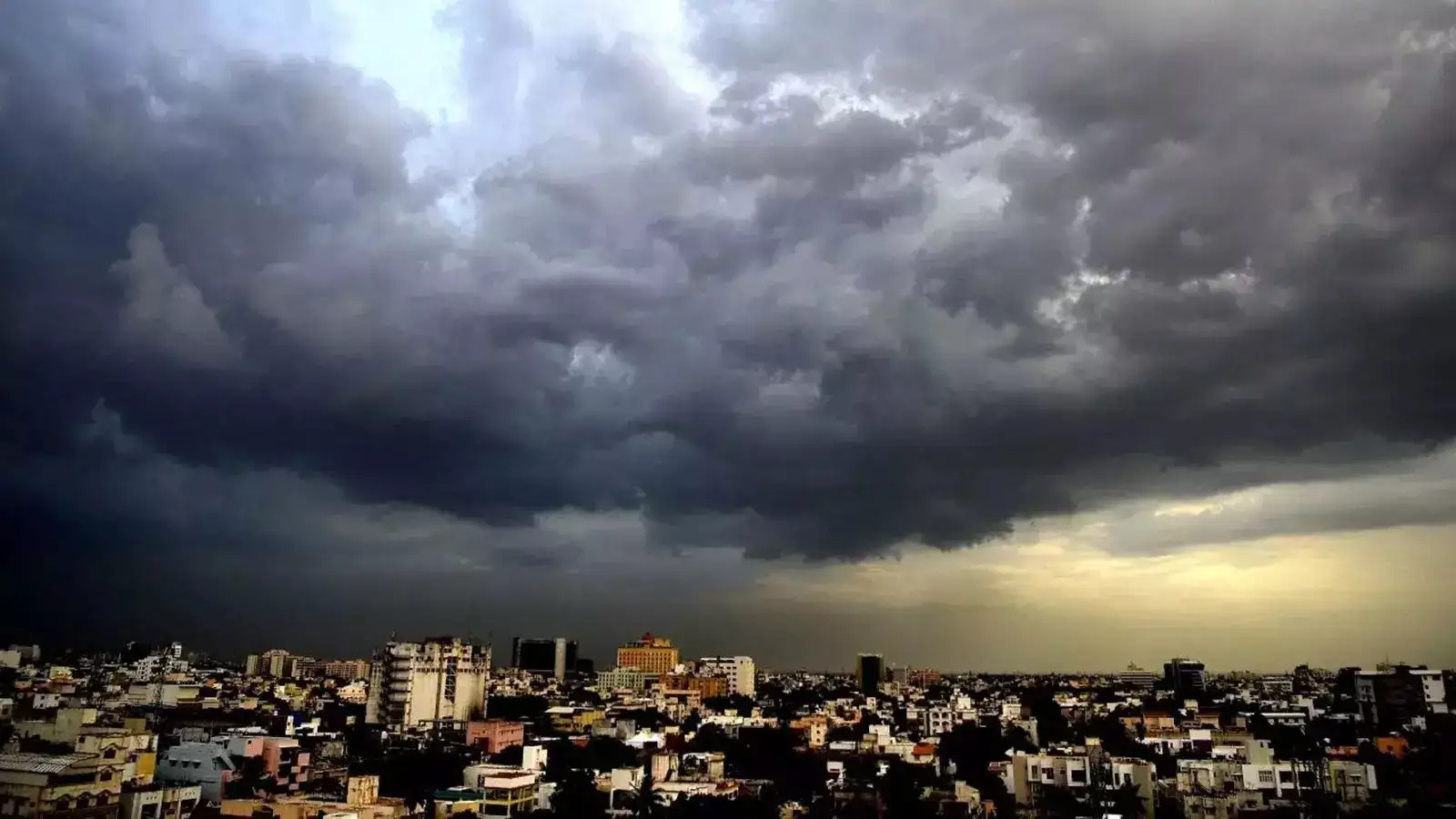
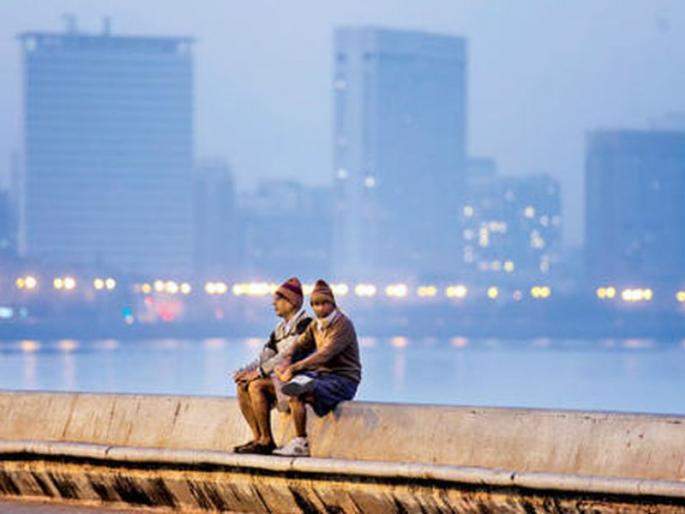
Winter continues to show its mixed face across Maharashtra as cold mornings and warm afternoons define the weather pattern in Mumbai and the surrounding regions. According to the India Meteorological Department (IMD), the state is experiencing dry winter conditions with low humidity, chilly mornings, and fluctuating temperatures, prompting residents and authorities to adapt to the variable climate. Mumbai weather update mixed winter conditions remains a trending topic as the city balances between cool dawns and pleasant afternoons.

Cold Mornings and Winter Chill Affect Daily Life

Across the state, early morning temperatures have been notably low, especially in inland regions like Nagpur, Gondia, Wardha and Nashik where minimums have dipped below 10°C on several nights. In contrast, Mumbai’s minimum temperatures have been mild by winter standards but still cooler than usual, occasionally dropping to the mid-teens. The IMD’s Santacruz observatory recorded a minimum near 15°C on recent mornings, marking one of the coldest starts of the season.

The IMD has also highlighted widespread dry air and low humidity across the state, contributing to significant radiational cooling overnight and trapping pollutants near the surface. This has led to a notable increase in air pollution levels, with the Mumbai Metropolitan Region seeing the Air Quality Index (AQI) rise from satisfactory to moderate or poor in early January 2026, especially in areas like Sanpada and Nerul.

Mumbai experiences mixed winter conditions

Warm Days Despite Winter Chill

Despite cold starts to the day, afternoons in Mumbai have been relatively warm and dry, with sunny skies dominating the forecast. The IMD predicts mostly dry and stable conditions for the next few days, keeping daytime temperatures at comfortable levels ranging between 28°C and 32°C. Mumbai is expected to stay dry with clear skies prevailing, allowing warmth to build by midday even as nights remain chilly.

This pattern of cold mornings followed by warmer afternoons is typical of transitional winter climates in coastal regions but has been more pronounced this season due to persistent high-pressure systems over the Arabian Sea that limit cloud cover.

IMD Forecast: What to Expect in the Next Week

According to the IMD’s latest forecasts, the cold morning conditions are expected to persist for the next several days, though the strength of the chill may vary across districts. While no major rainfall is predicted immediately, isolated showers are possible in parts of Konkan and Western Maharashtra later in the week as humidity increases slightly.

For Mumbai specifically, the IMD anticipates:

  • Minimum temperatures: 15°C to 18°C during mornings
  • Maximum temperatures: 28°C to 32°C during afternoons
  • Rainfall: Mostly dry with low chance of precipitation in the short term
  • Wind conditions: Predominantly mild sea breezes in daytime due to coastal influence

These temperatures are slightly below normal for January in some inland parts of the state, while coastal Mumbai sees typical mild winter ranges.

Mumbai weather

Impact on Health and Daily Activities

Meteorologists and health experts warn that such wide temperature swings between morning and afternoon can affect people’s well-being, especially older adults, children, and those with respiratory issues. Cold early mornings combined with stagnant air often trap pollutants near the ground, contributing to mild to moderate air quality concerns.

Residents are being advised to dress in layers, avoid extended exposure during the coldest hours before sunrise, and monitor air quality reports to reduce the risk of coughs, colds, sore throats and other winter-related health issues.

Read More: https://channel6network.com/maharashtra-public-holiday-for-civic-polls/ 

The Mumbai weather latest update shows a classic winter pattern with cold, dry mornings and warm, sunny afternoons dominating the forecast. With the IMD predicting largely stable weather and limited rain, Mumbaikars may continue experiencing this mixed winter regime throughout the coming week. Staying informed on temperature swings and air quality remains crucial for health and comfort as the season progresses.

Read More: 

https://channel6network.com/raj-thackeray-bombay-dhaba-row/