Wednesday, April 29, 2026
Home Blog Page 145

Karupatti adulteration crackdown: TN seeks FSS Act amendment to protect karkandu 2026

TN sends proposal to amend FSS Act to curb adulteration in karupatti, karkandu after state-level study

TN sends proposal to amend FSS Act to curb adulteration in karupatti, karkandu following concerns that existing food safety regulations are allowing sugar-mixed products to pass off as traditional palm-based sweeteners. The Tamil Nadu Food Safety and Drug Administration has recommended changes to national standards to clearly distinguish authentic products from adulterated alternatives.

According to officials, the current Food Safety and Standards regulations specify only minimum sugar content for palm jaggery and karkandu, without fixing an upper limit. This loophole, the department says, enables manufacturers to blend refined sugar into products while still meeting legal requirements. As a result, genuine producers of traditional karupatti and karkandu are placed at a disadvantage, and consumers are misled.Karupatti

The state government has accepted the proposal and forwarded it to the Union Ministry of Health and Family Welfare for consideration, along with a detailed scientific study supporting the need for regulatory change.

TN sends proposal to amend FSS Act to curb adulteration in karupatti, karkandu based on scientific findings

To strengthen its case, the food safety department conducted an extensive experimental study comparing traditional products with sugar-blended versions available in the market. Samples were collected from multiple locations and tested at accredited food analysis laboratories.

The study found that traditional palm jaggery naturally contains high levels of invert sugar and sucrose, but within a specific range that reflects its traditional preparation process. In contrast, sugar-blended products showed higher sugar concentrations, allowing them to meet current minimum standards while deviating from authentic composition.Karupatti

Based on these findings, the department proposed setting clear upper limits for sugar content. It recommended that the total sugar expressed as invert sugar should not exceed 92% in palm jaggery and 90% in karkandu. For sucrose, it suggested defined ranges that reflect natural processing rather than industrial sugar addition. The proposal also recommends stricter limits on extraneous matter to improve quality and consumer safety.

Officials explained that without such limits, adulterated products continue to flood the market, harming both public trust and the livelihoods of traditional producers who rely on natural palm-based processes.

TN sends proposal to amend FSS Act to curb adulteration in karupatti, karkandu to safeguard consumer trust

The study also examined the transformation of palm sap into jaggery. Raw palm sap was found to have moderate sugar levels, which naturally increase during boiling and processing. However, the sugar levels observed in some market samples exceeded what traditional methods would produce, reinforcing concerns about adulteration.

Food safety officials said that the absence of upper thresholds in current regulations makes enforcement difficult. Even when laboratory tests indicate unusually high sugar levels, action cannot be taken if minimum standards are met. This regulatory gap, they said, undermines food safety oversight.

By introducing upper limits and clearer definitions, authorities believe enforcement will become more effective. It would also help consumers identify genuine products and discourage misleading labelling.Karupatti

The proposed amendment is aimed not only at controlling adulteration but also at preserving traditional food practices associated with palm-based sweeteners. Karupatti and karkandu are widely consumed for their perceived health benefits and cultural importance, particularly in rural and coastal regions of Tamil Nadu.

Officials added that clearer national standards would encourage honest manufacturing practices and restore confidence in traditional products. Also Read: TN sends proposal to amend FSS Act to curb adulteration in karupatti, karkandu

Conclusion

The proposal reflects Tamil Nadu’s effort to strengthen food safety rules through science-backed regulation. If approved, the amendment could play a key role in protecting traditional palm-based products, ensuring fair trade, and safeguarding consumers from adulteration.

Madras HC stays order directing CBFC to grant censor certificate to ‘Jana Nayagan’, casting uncertainty over Pongal release 2026

Madras HC stays order directing CBFC to grant censor certificate to ‘Jana Nayagan’, putting film release on hold

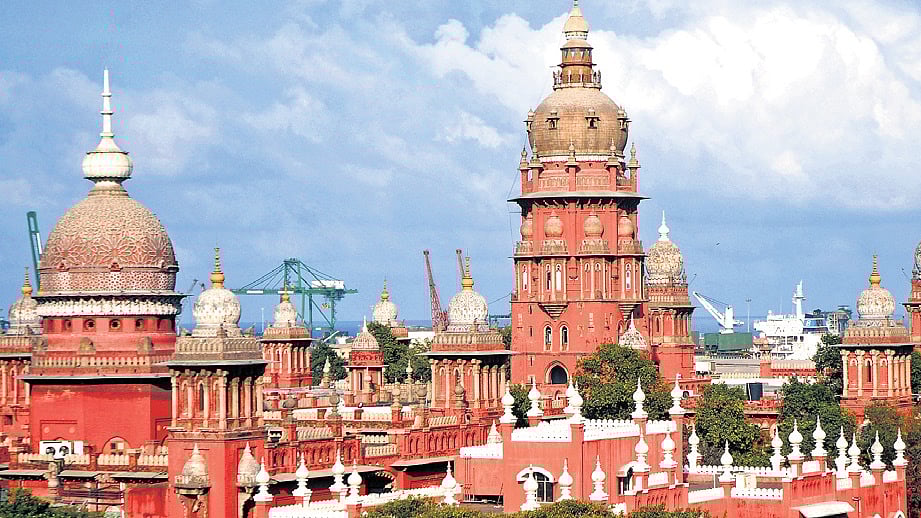
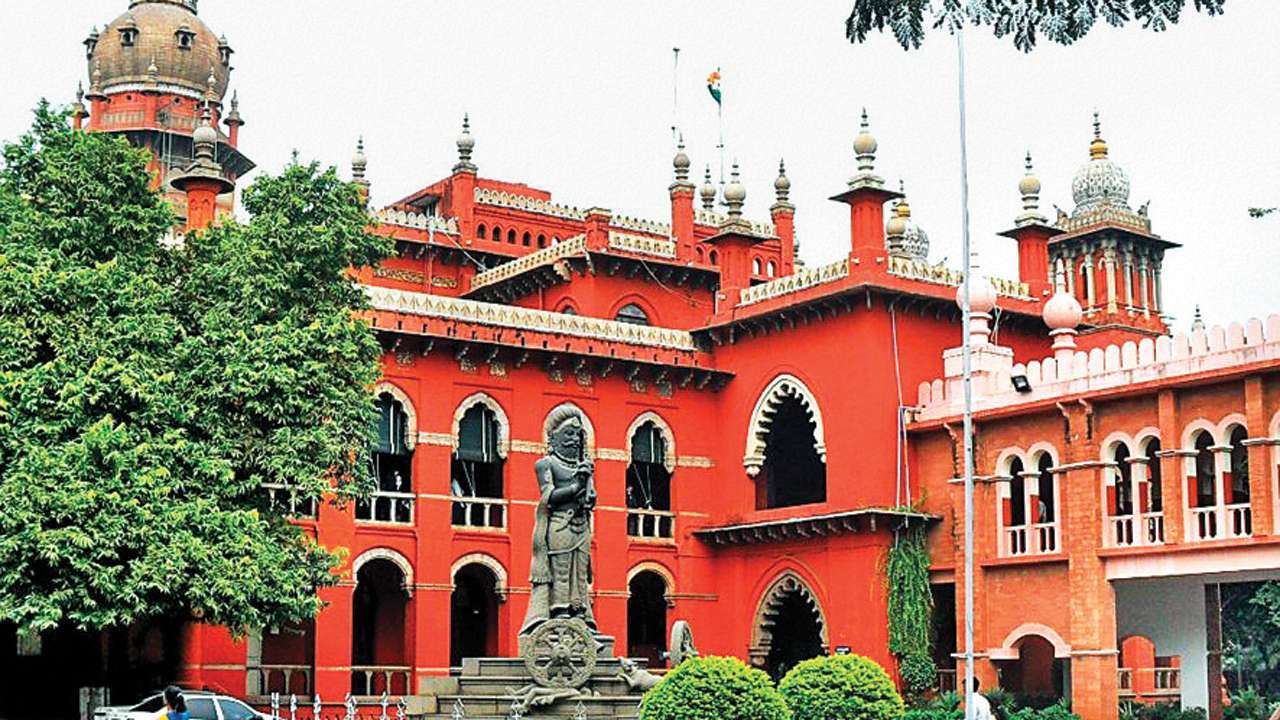
Madras HC stays order directing CBFC to grant censor certificate to ‘Jana Nayagan’; makers likely to move SC, after a division bench of the Madras High Court intervened within hours of a single judge directing the Central Board of Film Certification to issue clearance to the film. The stay has effectively stalled the planned release of the movie, which was expected to reach theatres during the Pongal festival.

The division bench granted interim relief while hearing an urgent appeal filed by the certification board. The court observed that the matter involved important legal questions and that the certification authority should have been given adequate opportunity to present its case before a final direction was issued. The bench also indicated that procedural fairness could not be compromised even in time-sensitive cases like film releases.Madras

As a result of the stay, the earlier direction to grant certification immediately has been kept in abeyance, and the film’s release schedule now remains uncertain. The case has been posted for further hearing later this month, giving both sides time to place their arguments on record.

Madras HC stays order directing CBFC to grant censor certificate to ‘Jana Nayagan’ amid procedural concerns

While passing the interim order, the division bench noted that the certification board had not been given sufficient time to file a formal response before the single judge issued directions. The court expressed concern that the writ petition was decided with urgency despite the presence of substantive legal issues related to the powers of the certification authority.

The judges pointed out that questions had been raised regarding the authority of the CBFC chairperson to refer a film to a revising committee after an examining committee had recommended certification. Such issues, the bench observed, required careful consideration rather than immediate judicial intervention.

The court also issued notice to the film’s production house, directing it to submit its response. Until the matter is heard in detail, the certification process will remain suspended under the interim stay.Madras

During the hearing, the bench made strong observations on the need to respect institutional procedures. It indicated that courts should not be placed under pressure through urgent filings when statutory bodies are yet to complete their processes. The bench underlined that procedural sanctity is essential, especially in matters involving regulatory authorities.

Madras HC stays order directing CBFC to grant censor certificate to ‘Jana Nayagan’ as legal battle deepens

Arguments presented before the court highlighted the contrasting positions of the certification board and the film producers. The certification authority maintained that it was not afforded adequate opportunity to place its stand and that the single judge’s order went beyond the relief sought in the petition.Madras

On the other hand, the producers argued that once the examining committee had indicated a particular certification, further referral was unnecessary and delayed the release unfairly. They also stated that promotional activities and release plans were made only after receiving communication suggesting that certification would be granted.

The division bench, however, refrained from entering into the merits of these claims at this stage. Instead, it focused on ensuring that due process was followed and that all parties were heard before a final decision was taken.

With the interim stay now in place, the makers are expected to explore further legal options, including approaching the Supreme Court, if the delay continues to impact the release. Also Read: Jana Nayagan movie release date: Setback for Vijay; Madras HC stays order directing CBFC to grant censor certificate

Conclusion

The High Court’s intervention has brought the certification dispute into sharper legal focus. By staying the earlier direction, the court has emphasised procedural fairness while leaving the final outcome open, setting the stage for a closely watched hearing in the days ahead.

Madras HC Lays Down Law, Directs Centre to Act Humanely on Sri Lankan Woman’s Citizenship Plea 2026

0

Madras HC to Centre: Consider Sri Lankan woman’s citizenship plea in humane manner to protect family unity

Madras HC to Centre: Consider Sri Lankan woman’s citizenship plea in humane manner after the Madurai Bench of the Madras High Court highlighted the risk of a mother being separated from her Indian husband and children due to visa-related issues. The court stressed that compassion and humanity must guide decisions when family life and children’s welfare are involved.

The case relates to a Sri Lankan woman who has been living in Tamil Nadu with her family since 2019. She married an Indian citizen after a relationship that began in Sri Lanka, and the couple later settled in Pudukkottai district. They now have two young children. Her stay in India became uncertain after her visa expired, even though she had entered the country legally. HC

The woman approached the High Court after her application for Indian citizenship was not forwarded to the Union government. Authorities had taken the stand that she could not be considered as her visa had expired, treating her as an illegal immigrant. This raised concerns about the future of her family life and the emotional impact on her children.

Madras HC to Centre: Consider Sri Lankan woman’s citizenship plea in humane manner amid family concerns

While hearing the matter, the court observed that the woman did not enter India unlawfully. She had a valid passport and visa when she arrived and became undocumented only because her visa expired later. The judge noted that such a situation cannot be equated with illegal entry.

The court underlined that children have a natural right to the care and presence of their mother. Separating a mother from her children due to procedural delays would cause emotional harm and disrupt family life. The judge stressed that constitutional rights related to life and dignity extend not only to citizens but also to non-citizens living lawfully in the country.HC

The judgment also noted that marriage is a personal choice and is not restricted by nationality. The right to marry and live with one’s spouse is part of the right to life under the Constitution. Denying this right without considering humanitarian aspects would be unfair, especially when children are involved.

Although the woman has not yet completed the required period of stay to apply for citizenship under the law, the court pointed out that the government has options to regularise her stay. These include extending her visa or issuing a special travel document so that she can remain in India lawfully until she becomes eligible to apply for citizenship.

Madras HC to Centre: Consider Sri Lankan woman’s citizenship plea in humane manner under existing legal provisions

The court referred to provisions under citizenship and passport laws that allow the government to act in special cases. It observed that the law gives sufficient flexibility to address genuine humanitarian situations without violating statutory requirements.

The judge suggested that once the woman completes the required period of residence, her citizenship application can be examined on merit. Until then, temporary legal arrangements can protect her right to stay with her family.HC

The ruling reflects a balanced approach, recognising the importance of national laws while also protecting human dignity and family unity. It sends a clear message that administrative decisions should not ignore the human consequences involved. Read Also : HC directs Centre to consider application submitted by Sri Lankan Tamil of Indian origin for citizenship

Conclusion

The High Court’s direction highlights the need for compassion in citizenship matters involving families. By urging a humane approach, the court has emphasised that legal processes must also respect human relationships, especially when children and family life are at stake.

TN notifies 100 blocks, reserved forest area increases by 135 sq km, strengthening Tamil Nadu’s green cover

0

Tamil Nadu strengthens forest protection with large-scale legal notification

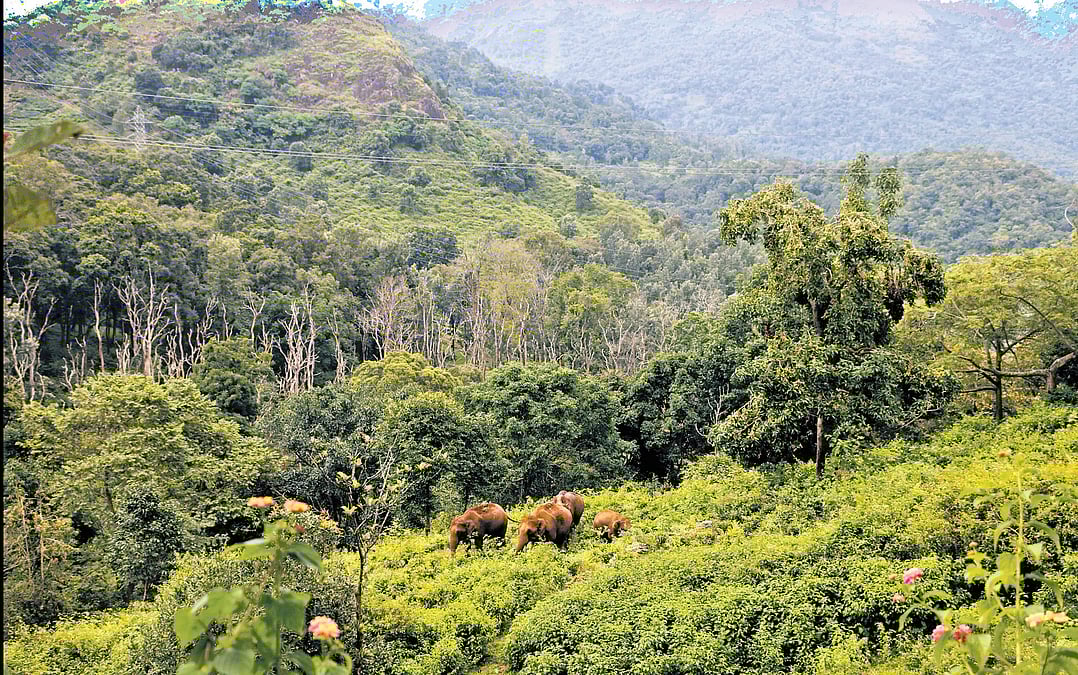
TN notifies 100 blocks, reserved forest area increases by 135 sq km as the Tamil Nadu government expands legal protection for natural landscapes across the state. Over a four-year period, 100 land blocks with dense vegetation have been brought under statutory protection, adding nearly 135 square kilometres to the state’s safeguarded green cover and strengthening long-term ecological stability.

Following the latest notifications, the total area under statutory forest protection in the state has crossed 26,500 square kilometres. The newly included land covers close to 13,500 hectares and is spread across ten districts, showing a broad conservation effort rather than a region-specific initiative.area

Legal notification brings strict safeguards. It limits non-forest activities, prevents illegal occupation, and ensures natural landscapes continue to support wildlife, water systems, and climate regulation.

Protected forest land spans ten districts

The notified forest areas are located in Dindigul, Dharmapuri, Madurai, Kallakurichi, Theni, Sivaganga, Namakkal, the Nilgiris, Salem, and Tenkasi. Dindigul accounts for the highest number of forest parcels, while districts such as Kallakurichi and Theni contribute large stretches of land.

A significant share of the newly secured area lies within the Megamalai–Srivilliputhur landscape in Theni district. This part of the southern Western Ghats is known for dense vegetation, rare plant species, and regular wildlife movement.

In the Nilgiris region, forest tracts located near existing conservation areas have now received permanent legal status. These tracts play a key role in maintaining ecological continuity and allowing animals to move safely between habitats.area

Several of these lands had remained outside formal protection for decades due to unclear boundaries and unresolved survey issues. Recent field verification and settlement efforts helped address these problems, enabling the completion of long-pending cases.

Improved support for wildlife, water systems, and climate stability

Expanding legally protected  land strengthens wildlife conservation by reducing habitat fragmentation and creating natural buffer zones. Landscapes such as Megamalai and the Nilgiris are especially important for elephants and other species that depend on connected forest regions.

Beyond wildlife, protected forests help safeguard water sources, regulate surface runoff, and prevent soil erosion. Healthy tree cover also plays a major role in absorbing carbon, improving climate resilience, and reducing the effects of extreme weather.

Each notification followed established procedures under state forest laws, including surveys and settlement of claims. This process ensures clarity of land boundaries and long-term protection from future development pressure.area

Officials have indicated that more ecologically sensitive forest areas are being reviewed, suggesting that legal protection of forest land will continue in the coming years. Also Read : TN govt notifies 100 new reserve forests

Conclusion

The recent expansion of legally safeguarded forest land reflects Tamil Nadu’s steady focus on environmental conservation. By securing critical natural landscapes, the state is strengthening biodiversity protection, water security, and ecological balance for future generations.

Take Greenland: Explosive Reasons Behind Trump’s Controversial Push

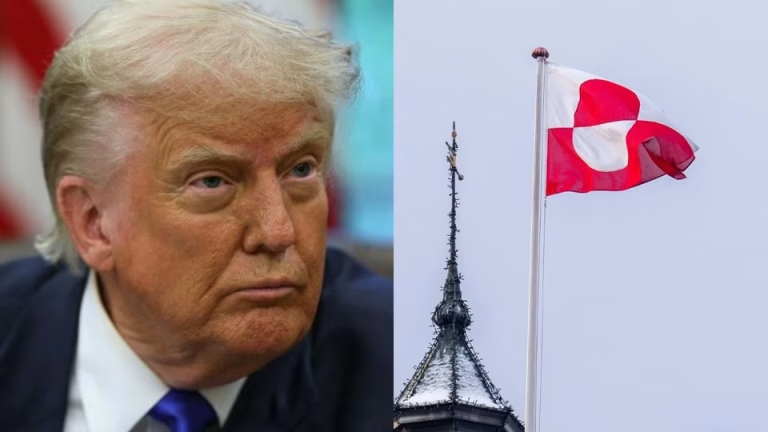
Washington D.C. – The White House confirmed this week that all options were on the table, including use of force, if the United States wanted to take Greenland. This aggressive stance has sent shockwaves through international diplomatic circles and raised serious questions about the future of transatlantic relations and NATO solidarity.

The Trump administration’s intentions to take Greenland come as officials prepare for a high-stakes meeting with Danish representatives next week. The White House has repeatedly spoken about taking over the world’s largest island, particularly following the US capture of Venezuelan President Nicolas Maduro, signaling an increasingly assertive foreign policy approach.

Danish Prime Minister’s Strong Warning

While US President Trump has made public his intentions to take Greenland, Danish Prime Minister Mette Frederiksen has urged him to “stop the threats,” warning that such aggressive posturing would destroy 80 years of transatlantic security links built since World War II.

Frederiksen issued a stern warning about Trump’s plans to take Greenland, stating, “If the United States chooses to attack another NATO country militarily, then everything stops. That is, including our NATO and thus the security that has been provided since the end of the Second World War.” Her statement underscores the gravity of the situation and Denmark’s determination to resist American pressure.

National Security Justification

Trump has repeatedly stated his intentions to take Greenland while citing US national security as the primary reason. The President has insisted that the United States needs the island for “missile defense,” a position that US Vice President JD Vance has urged European leaders to take seriously.

The national security argument for why Trump wants to take Greenland centers on the island’s strategic location for early warning systems. Its position between North America and the Arctic could prove critical for detecting missile attacks and monitoring naval vessels in the region, making it invaluable for American defense infrastructure.

Strategic Geographic Importance

Trump’s push to take Greenland is heavily influenced by the island’s extraordinary geographic position. Located in the Arctic, Greenland is roughly six times the size of Germany and is sparsely populated, with only around 56,000 residents. This vast territory occupies a crucial position in global military strategy.

The island’s location between the United States and Europe, extending across the GIUK gap—a maritime passage between Greenland, Iceland, and the UK—makes Trump’s desire to take Greenland strategically significant. This position could be essential for controlling access to the North Atlantic for both trade and security purposes.

Chinese And Russian Presence Claims

Trump has made alarming claims about foreign presence to justify his plans to take Greenland. “We need Greenland from the standpoint of national security, and Denmark isn’t going to be able to do it,” Trump stated, further claiming that the island territory is “covered with Russian and Chinese ships all over the place.”

These assertions about foreign naval activity provide Trump with additional justification for his campaign to take Greenland, framing the issue as not merely territorial expansion but as a defensive measure against perceived adversarial presence in the Arctic region.

Mineral Wealth And Resources

Beyond security considerations, Trump’s motivation to take Greenland includes the region’s rich mineral deposits. The President has highlighted that Greenland contains minerals needed for advanced military applications, making control of these resources strategically important for American defense industries.

In recent years, renewed interest in Greenland’s natural resources has intensified the desire to take Greenland. The territory holds significant deposits of rare earth minerals, uranium, and iron. Global warming and Arctic ice melting have increased accessibility to these previously unreachable mineral reserves.

Climate Change Impact On Accessibility

The effects of climate change play a crucial role in Trump’s timing to take Greenland. As global warming leads to melting ice in the Arctic, previously inaccessible areas are opening up for exploration and extraction. This environmental transformation makes Greenland’s resources more economically viable and strategically valuable.

The increased accessibility caused by Arctic ice melt adds urgency to Trump’s push to take Greenland, as other nations, particularly China and Russia, are also showing increased interest in Arctic resources and shipping routes that are becoming navigable for longer periods each year.

Geopolitical Influence Strategy

Trump has articulated a broader vision beyond simply wanting to take Greenland. He has stated that the Western Hemisphere broadly needs to be under the geopolitical influence of Washington, positioning Greenland acquisition as part of a larger strategic realignment of global power dynamics.

This expansive vision for why Trump wants to take Greenland reflects an ambitious foreign policy doctrine that seeks to extend American influence throughout the Western hemisphere and Arctic region, potentially reshaping post-World War II international boundaries and alliances.

Greenland’s Firm Rejection

Despite Trump’s persistent efforts to take Greenland, the territory has repeatedly stated it does not want to be part of the United States. Greenland’s leader Jens-Frederik Nielsen has called the notion of US control over the territory a “fantasy,” firmly rejecting American overtures.

Meeting With Danish Officials

As the Trump administration prepares for next week’s high-stakes meeting with Danish officials, the question of whether America will take Greenland remains contentious. The outcome of this diplomatic encounter could determine the future of NATO unity and transatlantic relations for decades to come.

Conclusion

Trump’s determination to take Greenland represents one of the most controversial foreign policy positions of his administration, challenging decades of international norms and alliance structures.

CBP Involved Shooting: Shocking Incident In Portland Leaves 2 Injured

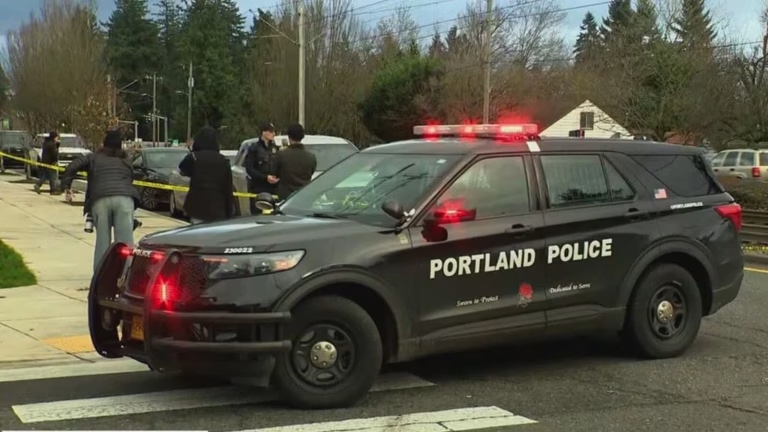
Portland – Two people were shot by US Customs and Border Protection agents in a CBP involved shooting at Portland’s East Burnside and 141st Avenue in Oregon on Thursday. The incident has prompted a major law enforcement response, with FBI and Portland police responding to the scene to investigate the circumstances surrounding this latest CBP involved shooting.

According to local reports, the FBI and Portland police are responding at the scene of the CBP involved shooting. The condition of the two individuals who were shot is currently unclear, and authorities have not released detailed information about their injuries or current medical status.

FBI Leads Investigation Into CBP Involved Shooting

Sources confirmed that the FBI is leading the investigation into this CBP involved shooting incident. As of now, it remains unclear what circumstances led to the shooting, and investigators are working to piece together the sequence of events that resulted in CBP agents discharging their firearms.

The lack of clarity surrounding the CBP involved shooting has raised questions within the community about what transpired and whether proper protocols were followed during the encounter that led to two people being shot by federal agents.

Timing Following Minneapolis ICE Shooting

Notably, this CBP involved shooting comes just a day after an Immigration and Customs Enforcement agent, Jonathan Ross, fatally shot 37-year-old Renee Nicole Good at an anti-ICE demonstration in Minneapolis, Minnesota. The proximity of these two incidents has heightened tensions surrounding federal immigration enforcement activities.

However, the circumstances of this Portland CBP involved shooting remain unclear, and no reports currently suggest that it was related to immigration raids or enforcement activities. Authorities have not established any connection between the two separate incidents involving federal agents.

Police Chief Appeals For Calm

Chief Bob Day of the Portland Police Bureau issued a statement asking the community to remain calm following the CBP involved shooting. Recognizing the sensitive timing and heightened emotions in the community, Day emphasized the need for patience as investigators work to understand what occurred.

“We are still in the early stages of this incident,” Day said in his statement regarding the CBP involved shooting. “We understand the heightened emotion and tension many are feeling in the wake of the shooting in Minneapolis, but I am asking the community to remain calm as we work to learn more.”

Also Read: ICE Agent Fatally Shoots Woman: Shocking Minneapolis Immigration Tragedy

Initial Response Details

Portland city officials issued a statement providing initial details about the CBP involved shooting. They reported receiving calls about a man who had been shot and was calling for help at around 2:24 p.m. on Thursday afternoon in the area of Northeast 146th Avenue and East Burnside.

Responding officers who arrived at the scene of the CBP involved shooting found a male and a female with apparent gunshot wounds. The city’s statement confirmed that a CBP agent was involved in the shooting, establishing federal involvement in the incident.

Road Closures And Scene Management

As officers continue responding to the scene of the CBP involved shooting, East Burnside Street has been closed westbound between Northeast 145th Avenue and Northeast 148th Avenue. Portland police implemented these closures to secure the area and facilitate the ongoing investigation.

The road closures following the CBP involved shooting have impacted traffic flow in the area, with authorities advising community members to avoid the vicinity and seek alternative routes while the investigation continues.

DHS Statement On The Incident

Tricia McLaughlin of the Department of Homeland Security provided additional context regarding the CBP involved shooting. According to her statement, the agent involved in the shooting feared for his life and safety, which prompted the defensive discharge of the firearm.

McLaughlin stated regarding the CBP involved shooting: “Fearing for his life and safety, an agent fired defensive shots. The driver drove off with the passenger, fleeing the scene.” This account suggests the incident involved a vehicle and that the two individuals who were shot subsequently fled before being located by responding officers.

Alleged Gang Connection

The DHS made a significant allegation in connection with the CBP involved shooting, claiming that one of the victims had links to the Venezuelan Tren De Aragua gang. This assertion adds another layer of complexity to the investigation and may provide context for the circumstances leading to the agent’s decision to fire.

However, these allegations regarding the CBP involved shooting have not been independently verified, and it remains unclear how this potential gang connection relates to the encounter between the CBP agent and the two individuals who were shot.

Community Concerns And Questions

The CBP involved shooting has raised numerous questions within the Portland community about the use of force by federal agents and the circumstances that justify such actions. Community members are seeking transparency and answers about what led to this violent encounter.

As the investigation into the CBP involved shooting continues, local officials and federal authorities face pressure to provide clear information about the incident while respecting the integrity of the ongoing investigation and the privacy of those involved.

Ongoing Investigation Status

The investigation into the CBP involved shooting remains in its early stages, with multiple agencies coordinating their efforts to establish a comprehensive understanding of the events. The FBI’s lead role ensures federal oversight of the investigation involving federal agents.

As details continue to emerge about this CBP involved shooting, authorities have pledged to provide updates to the public while maintaining the investigative process’s integrity and ensuring all evidence is properly collected and analyzed.

Turkman Gate Violence: Court Remands 8 Accused To Judicial Custody

0

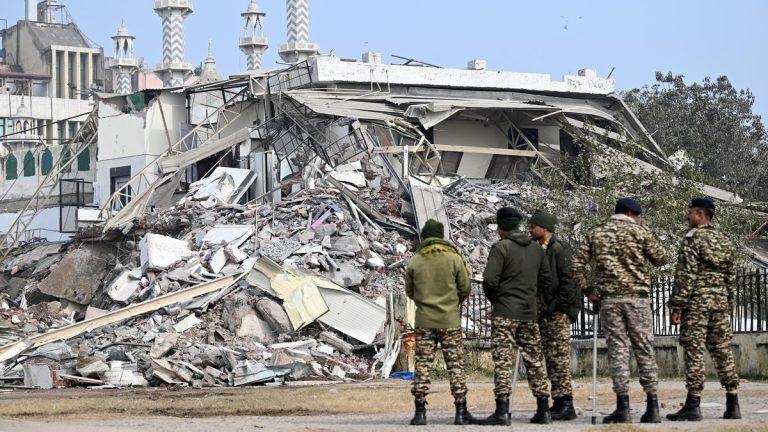
New Delhi – A Delhi court on Friday remanded eight people to 12-day judicial custody for their alleged involvement in the Turkman Gate violence that broke out during a demolition drive near a mosque in the capital. The incident has resulted in 13 arrests so far, including a juvenile, as authorities continue their investigation into the violent confrontation.

The eight accused in the Turkman Gate violence were produced before the magisterial court and remanded to judicial custody till January 21. The court noted that grounds of arrest had been supplied to all accused and that, prima facie, the presence of the accused at the site of violence was apparent.

Five Other Accused Seek Bail

Five others accused of pelting stones near the Faiz-e-Elahi mosque during the Turkman Gate violence sought bail in the court of Judicial Magistrate Sayesha Chada. The defense counsels representing these accused made serious allegations that their clients had been assaulted within jail premises by jail officers.

The court issued a notice to Delhi Police in connection with the bail application filed by the five accused in the Turkman Gate violence case. Additionally, the court issued a notice to the jail superintendent, directing them to furnish medical records of all five accused before the next hearing scheduled for January 13.

Defense Seeks More Time For Arguments

The defense counsels representing Mohammad Arib, Kashif, Adnan, Mohammad Kaif, and Sameer in the Turkman Gate violence case sought more time to prepare their arguments for the bail hearing. This request came in light of a new status report being filed by the prosecution, which the defense needed time to review and respond to adequately.

The court granted the defense counsels time until January 13 to prepare their arguments, ensuring that all parties have sufficient opportunity to present their cases in the Turkman Gate violence proceedings.

Latest Group Of Accused In Turkman Gate Violence

During Friday’s hearing, eight more accused were produced before the magisterial court in connection with the Turkman Gate violence. The accused individuals identified as Afaan, Adil, Shahnawaz, Amir Hamza, Ubadullah, Atharr, Mohammad Imran, and another Mohammad Imran faced charges related to rioting and obstructing public servants.

With these fresh arrests in the Turkman Gate violence case, police have apprehended 13 people, including a juvenile, demonstrating the scale of the investigation into the incident that occurred during the anti-encroachment drive.

Defense Arguments Against Remand

The defense counsel opposed the remand application in the Turkman Gate violence case on grounds that police did not supply any video evidence corroborating their clients’ involvement in the violence. This challenge to the prosecution’s case highlighted the importance of documentary evidence in establishing culpability.

However, Delhi Police asserted that all arrests in the Turkman Gate violence have been made based on identification by their constables and CCTV footage where the accused were clearly visible. The prosecution maintained that sufficient evidence existed to justify the continued custody of the accused.

Serious Charges Invoked

Delhi Police has invoked Section 109 of the Bharatiya Nyaya Sanhita in the fresh arrests related to Turkman Gate violence, among other provisions related to rioting and obstructing public servants. This section deals with organized criminal activity and reflects the serious nature of the charges against the accused.

Police submitted to the court that six police personnel were injured during the stone-pelting incident in the Turkman Gate violence, with some injuries occurring in vital parts of the body like the head. This information was crucial in establishing the severity of the alleged offenses.

Dispute Over Injury Severity

The defense counsel in the Turkman Gate violence case submitted that there was no intention to attempt murder, claiming the injuries sustained by police personnel were minor. This argument sought to reduce the severity of charges against the accused by questioning the gravity of the consequences.

However, the court stated that determining the gravity of injuries sustained during the Turkman Gate violence are subject to trial. This judicial position ensures that proper evaluation of evidence occurs during full trial proceedings rather than at the remand stage.

Legal Representation

Advocate Tushar Kadian has been appointed as the Public Prosecutor in the Turkman Gate violence case and appeared for the State. Advocate Atul Srivastava has been appointed as the Additional Public Prosecutor and appeared specifically for Delhi Police, ensuring robust legal representation for the prosecution.

Background Of The Incident

An anti-encroachment drive near the Faiz-e-Elahi mosque in the Ramlila Maidan area on the intervening night of Tuesday and Wednesday triggered the Turkman Gate violence. Many people pelted stones at police personnel during the operation, injuring six officers including the area’s station house officer.

Police sources indicated that the Turkman Gate violence was likely triggered by a social media post claiming that the mosque, located opposite the Turkman Gate, was being demolished during the anti-encroachment drive. This misinformation caused people to gather at the location, leading to the violent confrontation.

Scale Of Violence And Encroachment Removal

Authorities claimed that 150 to 200 people were involved in pelting stones and glass bottles at police personnel and Municipal Corporation of Delhi workers during the Turkman Gate violence. This large number of participants underscores the scale of the disturbance.

MCD Deputy Commissioner Vivek Kumar stated that around 36,000 square feet of encroached area was cleared during the drive. A diagnostic center, a banquet hall, and two boundary walls were demolished during the operation that continued through the night. Kumar clarified that the mosque was not damaged in any way during the Turkman Gate violence and subsequent anti-encroachment operations.

Capital Expenditure: Massive Rs.2,100 Crore Boost In Revised Delhi Budget

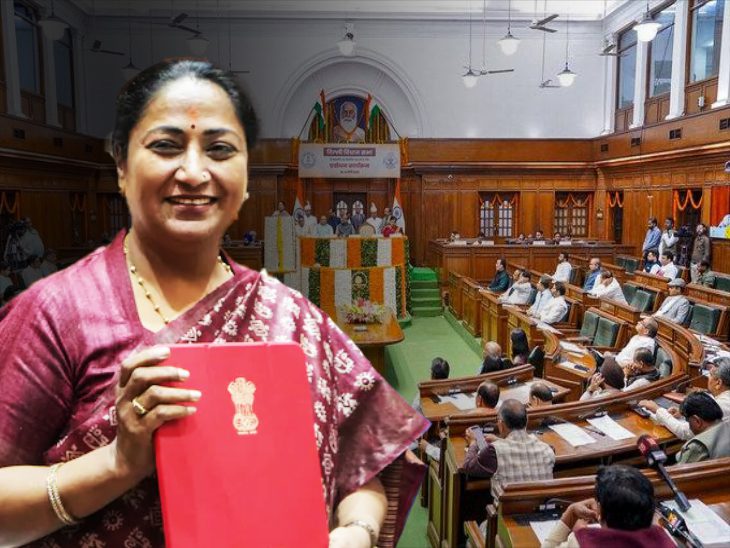
New Delhi – The Delhi Assembly on Friday cleared the revised estimate for capital outlay in the city, raising the capital expenditure from ₹28,115 crore in the Budget Estimates to ₹30,248 crore in the Revised Estimates for 2025-26. This significant increase of over ₹2,100 crore comes even as the overall size of the budget remains unchanged at ₹1 lakh crore.

According to documents tabled in the House, the enhancement in capital expenditure reflects the Bharatiya Janata Party-led government’s stated intent to prioritize long-term asset creation, particularly in transport, education, housing, and urban development sectors.

Record Increase In Capital Expenditure

The government emphasized the scale of the capital expenditure increase in its budget documents, stating, “Capital expenditure is increased from ₹28,115 crore in BE 2025-26 to ₹30,248 crore in RE 2025-26, which is 163% higher than the actual capital expenditure of the previous year.” This dramatic rise underscores the government’s commitment to infrastructure development.

The Delhi Appropriation Bill 2026 was presented by Chief Minister Rekha Gupta, who also holds the finance portfolio, and was passed by voice vote in the Assembly. The revised capital expenditure allocation represents a fundamental shift in the government’s spending priorities toward long-term infrastructure development.

Chief Minister’s Justification For Enhanced Capital Expenditure

CM Gupta defended the increased capital expenditure by highlighting inherited financial challenges. “The previous AAP government left Delhi burdened with massive financial and administrative liabilities. Thousands of crores of rupees were pending across departments including electricity, water, health, transport, education, sports and social welfare, often without any proper accounting,” she stated.

The Chief Minister cited outstanding payments to Delhi Metro Rail Corporation, power distribution companies, Delhi Jal Board, incomplete hospital projects, and schemes launched without budgetary provisions as examples of inherited liabilities. The enhanced capital expenditure aims to address these pending commitments while launching new development initiatives.

Transport Sector Dominates Capital Expenditure Growth

Among the biggest gainers in the revised capital expenditure is the transport sector, including roads and bridges. Its allocation has been raised from ₹12,952 crore in the BE to ₹16,024 crore in the RE. Transport now accounts for about 16% of the total budget, up from 13% earlier, making it one of the government’s primary focus areas for capital expenditure.

A significant portion of this enhanced capital expenditure has gone toward urban mobility projects. The allocation for Delhi Metro Rail Corporation has been increased by ₹2,117 crore, from ₹2,929.66 crore to ₹5,046.66 crore. Officials said the additional funding would help meet equity commitments and support ongoing and future metro projects.

Public Transport Gets Major Capital Expenditure Boost

The capital expenditure for Delhi Transport Corporation has been increased by ₹653 crore, from ₹2,780 crore to ₹3,433 crore—a rise of 23.5%. The government has also nearly doubled the outlay for road strengthening schemes, increasing it from ₹500 crore to ₹996 crore as part of the enhanced capital expenditure plan.

CM Gupta highlighted pollution control initiatives funded through this capital expenditure: “We have already introduced a fleet of 3,500 electric buses that will increase to over 7,500 by the end of this year and 10,000 by end of 2027. We are also revamping all ISBTs.”

Education Receives Largest Share Of Capital Expenditure

Education continued to command the largest share of Delhi’s capital expenditure, with its allocation enhanced from ₹19,291 crore to ₹20,702 crore, increasing its share from 19% to about 21%. Within this capital expenditure allocation, higher education infrastructure saw a sharp rise, with funds for purchasing flats and land for universities increased from ₹500 crore to ₹1,362 crore.

Housing And Urban Development Capital Expenditure

Housing and urban development received increased capital expenditure, rising from ₹10,694 crore to ₹11,754 crore. This includes an increase of ₹128 crore for unauthorized colony development, where capital expenditure will fund basic infrastructure such as roads, drainage, water supply, and street lighting.

The Municipal Corporation of Delhi received an extra ₹1,031 crore in capital expenditure, with its allocation increasing from ₹10,397 crore to ₹11,428 crore. The enhanced funding will strengthen municipal services, including waste management and sanitation infrastructure.

Utility Sector Capital Expenditure Enhancements

In the power sector, subsidies to electricity consumers through discoms increased by ₹400 crore to ₹4,000 crore. Water and sewerage infrastructure received priority in capital expenditure allocation, with loans to Delhi Jal Board raised by ₹1,000 crore to ₹3,500 crore. The state’s share under the Yamuna Action Plan increased by ₹180 crore.

Project-Specific Capital Expenditure Provisions

Several project-specific provisions were included in the capital expenditure plan: ₹500 crore to clear legacy liabilities related to Eastern and Western Peripheral Expressways, ₹825 crore for projects under the Special Assistance to States for Capital Investment scheme, and ₹100 crore to complete the Barapullah Phase-III elevated corridor.

Revenue Expenditure Reduced

Despite the capital expenditure increase, revenue spending was reduced from ₹71,884 crore to ₹69,752 crore. This shift from revenue to capital expenditure reflects the government’s focus on asset creation over operational expenses.

Mahila Samman Scheme Remains Unfunded

Despite broad increases in capital expenditure, the revised budget made no new allocation for the women and child welfare department. A ₹5,100 crore allocation under Mahila Samridhi Yojana remains unused, and officials indicated the promised ₹2,500 monthly payment scheme is unlikely to launch before the next budget, despite being a key electoral pledge.

Pollution Record: Explosive Clash Between BJP And AAP Over Delhi Air

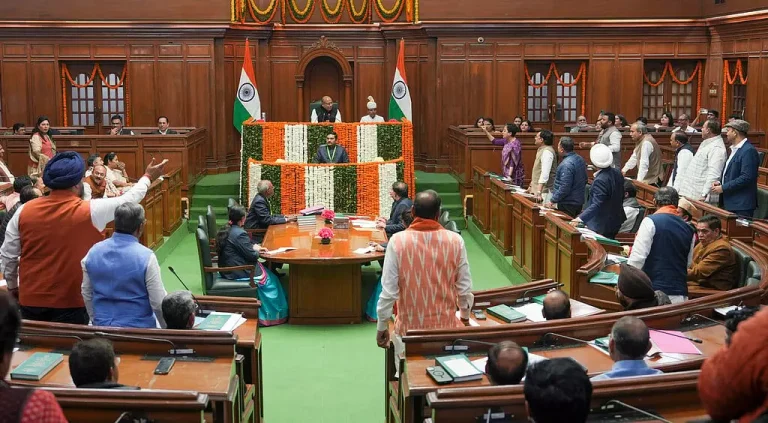
New Delhi – A sharp political exchange marked a marathon discussion spanning over three hours on air pollution in the Delhi Legislative Assembly on Friday, with the Bharatiya Janata Party-led government mounting a data-heavy defense of its pollution record while targeting the Aam Aadmi Party for what it called a decade of inaction.

The heated debate over Delhi’s pollution record saw both sides present competing narratives, with the BJP government defending its 11-month tenure against AAP’s 11-year administration. Chief Minister Rekha Gupta emphasized that tackling pollution was a shared civic responsibility and not a political contest.

Government’s Defense Of Its Pollution Record

Delhi environment minister Manjinder Singh Sirsa set the tone for the debate, asserting that the government would confront the crisis head-on. “We will not run away from pollution. We will fight it, confront it, and eliminate it,” he told the House while defending the government’s pollution record.

Sirsa’s defense of the BJP’s pollution record included allegations that Delhi’s air quality worsened after 2014 even as landmark interventions such as CNG adoption and industrial relocation were already in place. Citing global rankings by WHO and IQAir, the minister said Delhi was repeatedly labeled the world’s most polluted capital between 2014 and 2025.

Five-Pillar Strategy Unveiled

Outlining the government’s approach to improving its pollution record, Sirsa presented a five-pillar strategy under Chief Minister Rekha Gupta. The strategy includes dust and solid waste management, industrial controls, vehicular solutions, green cover expansion, and institutional reforms.

He contrasted this comprehensive pollution record improvement plan with alleged publicity-driven measures like odd-even schemes and smog towers implemented by the previous government. “While hundreds of crores were spent on optics, we are repairing roads, reducing garbage mountains and attacking real sources,” Sirsa said.

Concrete Actions on Ground

Detailing specific actions to improve the pollution record, Sirsa revealed that biomining at Okhla, Bhalswa, and Ghazipur landfills was removing about 35,000 metric tonnes of legacy waste daily, with 45 acres reclaimed so far. These efforts represent tangible steps toward addressing Delhi’s environmental challenges.

On the transport front, he said the year-round ‘No PUC, No Fuel’ rule had shut down fake pollution check centers and penalized non-compliant vehicles. The government’s pollution record also includes a target of 7,500 electric buses by December 2026. Additionally, more than 10,000 acres have been notified as reserve forest for the first time since 1994.

Education Minister Joins Attack

Education minister Ashish Sood criticized what he called symbolism over solutions in AAP’s pollution record. “Wearing masks just to show severity is symbolism, not a solution. The Connaught Place smog tower is a complete failure… its capacity was less than even an exhaust fan,” Sood said, urging that it be preserved as a monument to 11 years of failure.

Also Read: Delhi Assembly Chaos: Dramatic Forensic Probe Ordered Over Atishi Video

Sood also flagged unspent pollution funds and pending electric vehicle subsidies, saying the current government was clearing dues and tightening policy to improve Delhi’s pollution record.

AAP’s Counter-Attack on Pollution Record

Former environment minister Gopal Rai led the Opposition’s response, alleging that pollution levels would fall if the BJP simply continued the AAP’s previous policies instead of deploying “failed attempts” like inducing artificial rain. His defense of AAP’s pollution record included specific data points and policy achievements.

Rai argued that political slogans and personal attacks could not clean Delhi’s air. Citing data to defend AAP’s pollution record, he said Delhi recorded only 109 “good air days” in 2016, which rose to 209 by 2018 due to sustained interventions, including round-the-clock electricity supply that reduced generator emissions.

Artificial Rain Controversy

“Why did none of the BJP leaders talk about the failed artificial rain attempt despite public announcements. They spent three crores on an experiment that had to fail,” said Rai, attacking the government’s pollution record on this specific initiative.

He also rebutted claims over smog towers, stating that on Supreme Court directions, two towers were installed—one by the Centre at Anand Vihar and another by the Delhi government at Connaught Place—and questioned why only one featured in official narratives about the pollution record.

Call For Data Transparency

Calling pollution a matter of governance responsibility, Rai said repeated references to Kejriwal would not substitute for policy action. He urged the government to place complete data from agencies such as CPCB, CAQM, and DPCC before the House, emphasizing that transparency about the pollution record was essential.

Opposition’s Absence Noted

Assembly speaker Vijender Gupta pointed out that while the CM was yet to make her speech around 9pm, none of the opposition leaders were present. “The fact that none of the opposition leaders are present during the discussion on pollution in the Assembly that they repeatedly asked for shows that their concerns are merely for optics,” said Gupta.

Chief Minister’s Concluding Remarks

Concluding the session, CM Rekha Gupta reiterated that tackling pollution was a shared civic responsibility, asserting that her government was focused on solutions rather than blame regarding the pollution record. She criticized previous administrations for relying on symbolic and short-term measures.

“We have started bio-mining of landfills, new biogas and e-waste processing plants will come up for the first time in Delhi, stricter vehicle fitness checks and large-scale road carpeting to control dust is being done. Environmental improvement is a continuous process requiring sustained government action and public participation,” said Gupta, outlining her vision for improving Delhi’s pollution record.

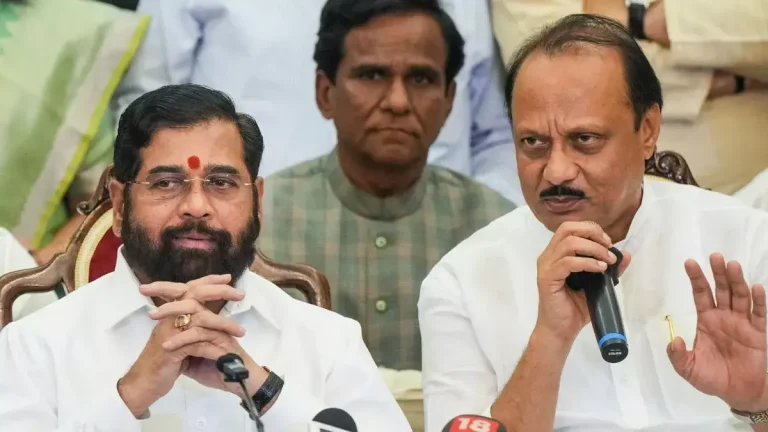
Pact With AIMIM: Shocking Alliance Between NCP And Shiv Sena

Maharashtra – In a surprising political development, the Nationalist Congress Party (NCP) and Shiv Sena have forged a controversial pact with AIMIM in Beed district’s Parli Municipal Council elections. This alliance comes merely two days after the BJP faced severe criticism for similar arrangements with Asaduddin Owaisi-led All India Majlis-e-Ittehadul Muslimeen, raising questions about ideological consistency among Mahayuti coalition partners.

The pact with AIMIM was sealed in the Parli Municipal Council elections, resulting in the election of NCP’s Vaijnath Solankhe as group leader of a panel formed to wrest control of the municipal council. This alignment has sparked intense political debate and drawn sharp reactions from opposition parties across Maharashtra.

Electoral Arithmetic Behind The Pact With AIMIM

The first phase of civic polls resulted in a fractured mandate for the Parli Municipal Council in Beed district. In the 35-member council, the NCP emerged as the single largest party with 16 seats, while Shiv Sena secured 2 seats and AIMIM won 1 seat. The fragmented electoral outcome necessitated coalition-building to achieve a working majority.

To secure a majority in the municipal council, the NCP formed a panel comprising Shiv Sena, AIMIM, and four independent councillors. This strategic pact with AIMIM proved instrumental in establishing control over the municipal council, though it came at the cost of ideological consistency and political credibility.

BJP’s Stand on the Alliance

The BJP notably stayed away from the arrangement involving the pact with AIMIM, maintaining distance from what it had previously criticized. The party had recently drawn sharp criticism after its local unit teamed up with AIMIM in the Akot Municipal Council in Akola district, partnering with an organization the BJP had been actively campaigning against during the polls.

The state leadership of BJP eventually disowned that alliance, making the current pact with AIMIM by its Mahayuti allies even more politically embarrassing. The BJP’s predicament highlights the gap between state-level rhetoric and local-level political pragmatism in Maharashtra politics.

AIMIM’s Position and Subsequent Exit

AIMIM state president Syed Imtiyaz Jaleel clarified that the decision regarding the pact with AIMIM was taken at the local level without state leadership approval. Following the controversy, AIMIM announced its exit from the alliance, distancing itself from the arrangement.

Jaleel raised pointed questions about the ruling parties’ approach, stating, “The real question here is, if we are that communal that you even relate us with Pakistan, why are you approaching us for post-poll elections?” His statement exposed the hypocrisy of parties that publicly denounce AIMIM while privately seeking this pact with AIMIM for political gains.

Shiv Sena’s Defense Mechanism

The Eknath Shinde-led Shiv Sena attempted to clarify its position on the controversial pact with AIMIM, claiming it had extended support to the NCP rather than directly allying with AIMIM. This technical distinction appeared designed to provide political cover while maintaining the benefits of the alliance.

However, this explanation failed to satisfy critics who viewed the pact with AIMIM as a fundamental compromise of Shiv Sena’s Hindutva ideology. The party’s traditional stance against AIMIM made this alliance particularly controversial and difficult to justify to its core voter base.

Opposition’s Scathing Criticism

The Uddhav Thackeray-led Shiv Sena (UBT) launched a blistering attack on the arrangement, calling the move “Dhongi Dharmwaad” (hypocritically religious). Ambadas Danve, senior Sena (UBT) leader, directly challenged Eknath Shinde, remarking, “We have now seen your alliance partner. You have joined hands with those against whom you have won the elections. Is this your new ideological stand?”

The opposition’s criticism of this pact with AIMIM focused on the ideological contradiction inherent in the alliance. Parties that had campaigned on Hindutva platforms and against AIMIM were now embracing the very organization they had vilified during elections.

Justification by Newly Elected Leader

Vaijnath Solankhe, the newly elected group leader who benefited from the pact with AIMIM, defended the arrangement on pragmatic grounds. He stated, “Since we have been elected by the people, we chose to come together to resolve their issues, which is not a crime.”

Solankhe’s defense emphasized governance over ideology, suggesting that delivering on electoral promises justified the controversial pact with AIMIM. However, this pragmatic approach conflicted with the ideological positions these parties had maintained during their election campaigns.

Broader Implications for Maharashtra Politics

The formation of this pact with AIMIM represents a broader pattern in Maharashtra politics where local political considerations often override state-level ideological commitments. The incident exposes the gap between public posturing and private political calculations among parties in the Mahayuti coalition.

This controversial pact with AIMIM raises fundamental questions about political consistency and ideological commitment in contemporary Maharashtra politics. As parties that publicly campaign against AIMIM privately forge alliances with the organization, voters are left questioning the authenticity of political rhetoric and the true priorities of their elected representatives.

Conclusion

The NCP and Shiv Sena’s pact with AIMIM in Beed’s Parli Municipal Council has opened a Pandora’s box of political contradictions within Maharashtra’s ruling coalition, demonstrating how power politics often trumps ideological principles at the local level.