New Delhi – The Ministry of External Affairs has issued a sharp response to newly sworn-in New York City Mayor Zohran Mamdani’s handwritten letter to Umar Khalid, stating that “expressing personal prejudices do not behove those in office.” The response comes days after the Supreme Court denied bail to Umar Khalid and Sharjeel Imam, two main accused in the 2020 Delhi riots case.
MEA spokesperson Randhir Jaiswal addressed the controversy during his weekly press conference on Friday, expressing mild disapproval for Mamdani’s correspondence with Umar Khalid. The diplomatic response underscores India’s sensitivity to international commentary on its judicial proceedings and internal security matters.
Content of Mamdani’s Letter To Umar Khalid
In his note addressed to Umar Khalid, Mayor Zohran Mamdani wrote, “I think of your words on bitterness often, and the importance of not letting it consume one’s self. It was a pleasure to meet your parents. We are all thinking of you.” The personal nature of the letter suggests a relationship between Mamdani and Umar Khalid’s family.
The note was shared on social media by Umar Khalid’s partner, Banojyotsna Lahiri, on January 1, coinciding with Mamdani’s swearing-in as the first Muslim mayor of New York City. Lahiri captioned the photograph of the note: “Zohran Mamdani writes to Umar Khalid. December 2025.”
MEA’s Official Statement on the Matter
During the weekly press conference, MEA spokesperson Randhir Jaiswal emphasized that public representatives are expected to be “respectful of judiciary in other democracies.” His statement regarding Mamdani’s letter to Umar Khalid reflects India’s position that foreign elected officials should not interfere in judicial matters of sovereign nations.
“We expect public representatives to be respectful of the independence of the judiciary in other democracies. Expressing personal prejudices do not behove those in office. Instead of such comments, it would be better to focus on the responsibilities entrusted to them,” Jaiswal stated, directly addressing the controversy surrounding Mamdani’s letter to Umar Khalid.
Supreme Court’s Bail Denial Decision
On Monday, the Supreme Court bench of Justices Aravind Kumar and NV Anjaria denied bail to student activists Umar Khalid and Sharjeel Imam in the alleged larger conspiracy behind the 2020 Delhi riots. The decision came after extensive consideration of the prosecution’s case and the roles allegedly played by both accused.
However, the same bench released five other co-accused, holding that their continued incarceration was not indispensable to the conduct of a fair trial at the present stage. This differential treatment highlights the court’s assessment of varying levels of involvement in the alleged conspiracy.
Five Co-Accused Released on Bail
The five co-accused who received bail were Gulfisha Fatima, Meeran Haider, Shifa Ur Rehman, Mohd. Saleem Khan, and Shadab Ahmad. Their release contrasts sharply with the continued detention of Umar Khalid and Sharjeel Imam, underscoring the Supreme Court’s distinction between different categories of accused.
The court’s decision to grant bail to these five individuals while denying it to Umar Khalid and Imam suggests a hierarchical assessment of alleged involvement in the conspiracy behind the 2020 Delhi riots.
Judicial Reasoning Behind Differential Treatment
The Supreme Court’s refusal to grant bail to Umar Khalid and Sharjeel Imam rests on a key judicial finding that the prosecution material, taken at face value, places the two on a “qualitatively different footing” from other accused. The court attributed to them “central,” “formative,” and “strategic” roles in the alleged conspiracy.
This assessment distinguishes Umar Khalid and Imam’s alleged participation from what the court characterized as “local or episodic participation” by other accused. The judicial reasoning provides the foundation for the differential bail treatment and explains why Umar Khalid remains in custody while others have been released.
International Implications of the Case
The intervention by New York City’s mayor in the case of Umar Khalid creates diplomatic complications for India-US relations at the state level. While federal governments maintain formal diplomatic channels, the involvement of a major American city’s mayor in commenting on Indian judicial proceedings represents an unusual form of international pressure.
India’s response through the MEA indicates its unwillingness to accept external commentary on judicial matters, particularly from foreign elected officials. The case of Umar Khalid has thus become a focal point for discussions about judicial sovereignty and international human rights advocacy.
Background of the 2020 Delhi Riots Case
The charges against Umar Khalid and others stem from allegations of a larger conspiracy behind the 2020 Delhi riots. The prosecution alleges that the accused played various roles in planning and executing activities that led to communal violence in the national capital.
The case against Umar Khalid has attracted significant attention from civil liberties activists and international observers who question the basis of the charges and the length of pre-trial detention. The Supreme Court’s recent decision adds another chapter to this ongoing legal saga.
Conclusion
The MEA’s response to Mayor Mamdani’s letter to Khalid reflects India’s firm stance on protecting judicial independence from international commentary. As Umar Khalid remains in custody following the Supreme Court’s bail denial, the case continues to generate domestic and international attention, highlighting tensions between national sovereignty and global human rights advocacy.
Washington D.C. – The United States has seized another tanker linked to Venezuela in the Caribbean Sea, marking the fifth such operation in recent weeks. The vessel, identified as the Motor Tanker Olina, was intercepted while attempting to evade American forces and break through a US naval blockade designed to prevent sanctioned oil from leaving Venezuelan waters.
The seizure of this tanker linked to Venezuela represents an escalation in Washington’s enforcement of oil sanctions against the South American nation. Homeland Security Chief Kristi Noem announced the operation, signaling that the United States remains committed to disrupting what authorities describe as “ghost fleet” operations carrying embargoed oil.
Details of the Latest Seizure Operation
Early Friday morning, the US Coast Guard executed a boarding and seizure of the tanker linked to Venezuela in international waters east of the Caribbean Sea. Noem revealed the operation through a post on social media platform X, stating, “The world’s criminals are on notice.”
According to Noem, the tanker linked to Venezuela was suspected of carrying embargoed oil and had departed from Venezuelan territory while attempting to evade US forces. The operation required careful coordination among multiple federal agencies to ensure its success and compliance with international law.
The Homeland Security chief emphasized that the US Coast Guard worked closely with the Department of War, Department of State, and Department of Justice to ensure a “safe, effective boarding consistent with law” when seizing this tanker linked to Venezuela.
Video Evidence of the Operation
Kristi Noem shared footage of the operation on social media, providing visual confirmation of the seizure of the tanker linked to Venezuela. The video shows US troops aboard the vessel with weapons in their hands, taking control of the ship in international waters.
The released footage serves multiple purposes: demonstrating American military capability, warning other vessels considering similar actions, and providing transparency about operations targeting tankers linked to Venezuela. The imagery shows the professionalism and coordination of US forces during the boarding operation.
Ghost Fleet Operations Under Scrutiny
The seized tanker linked to Venezuela is part of what American authorities describe as a “ghost fleet” – vessels that operate with obscured ownership, false documentation, and deliberate attempts to evade international sanctions. These ships typically employ various tactics to hide their activities and origins.
Noem declared, “The ghost fleets will not outrun justice. They will not hide under false claims of nationality,” sending a clear message to operators of tankers linked to Venezuela and other sanctioned entities. This statement indicates a zero-tolerance policy toward vessels attempting to circumvent US sanctions through deceptive practices.
Pattern of Recent Seizures
This marks the fifth tanker linked to Venezuela that US forces have seized in recent weeks, indicating a systematic operation to enforce the naval blockade. The frequency of these seizures suggests increased American surveillance and interdiction capabilities in the Caribbean region.
The pattern of seizures targeting tankers linked to Venezuela demonstrates Washington’s commitment to maintaining economic pressure on the Venezuelan government through oil export restrictions. Each successful interdiction disrupts revenue streams that American policymakers view as supporting activities contrary to US interests.
Justification and Future Operations
The Department of Homeland Security indicated that seizures of tankers linked to Venezuela will continue in the future. Officials stated that the US Coast Guard will seize oil tankers carrying sanctioned oil, enforce US and international law, and “eliminate these funding streams for illicit activity including narco-terrorism.”
This justification frames the seizure of tankers linked to Venezuela as part of broader security objectives beyond simple sanctions enforcement. By connecting these operations to counternarcotics and counterterrorism efforts, US authorities broaden the rationale for their actions in the Caribbean.
Interagency Coordination
The operation against this tanker linked to Venezuela required significant interagency coordination. A spokesperson from the US Southern Command confirmed that while the Department of Homeland Security led the operation, it received support from Navy and Marine Corps forces.
This collaborative approach to seizing tankers linked to Venezuela demonstrates the United States’ whole-of-government strategy for sanctions enforcement. The involvement of multiple agencies ensures operations have proper legal authority, military capability, and diplomatic backing.
Maritime Dominance Statement
Kristi Noem concluded her announcement by praising the Coast Guard’s performance, stating, “We are deeply proud of the Coast Guard’s maritime fighting force for their relentless execution of this mission. This is owning the sea.”
This statement regarding operations against tankers linked to Venezuela signals American intent to maintain maritime superiority in the Western Hemisphere. The phrase “owning the sea” suggests comprehensive control over shipping lanes used for sanctioned oil transport.
International Law Considerations
The seizure of tankers linked to Venezuela in international waters raises questions about jurisdictional authority and legal precedent. US officials emphasize that all boarding operations comply with both American and international law, though the specifics of legal justification remain subject to interpretation.
Implications for Venezuela
The continued seizure of tankers linked to Venezuela compounds economic pressures facing the South American nation. Each intercepted vessel represents lost revenue and demonstrates the difficulty of circumventing American sanctions through maritime means.
As the fifth such seizure in recent weeks, this operation against a tanker linked to Venezuela underscores Washington’s determination to maintain its embargo effectiveness despite creative evasion attempts by sanctioned entities and their commercial partners.
Iran – Reza Pahlavi, the exiled son of Iran’s last shah Mohammad Reza Pahlavi, has made a dramatic appeal to United States President Donald Trump, urging immediate intervention in the escalating Iran unrest. The appeal comes as millions of Iranians take to the streets facing violent suppression and a complete communications blackout imposed by the regime.
Through a post on social media platform X (formerly Twitter), Pahlavi issued what he described as an “urgent and immediate call” for Trump’s support and action. His message highlights the critical nature of the Iran unrest and the desperate situation facing protesters who are confronting both bullets and isolation from the world.
The severity of the Iran unrest became evident through Pahlavi’s description of the current situation in the country. He revealed that protesters are not only facing live ammunition but also a total communications shutdown designed to hide regime brutality from international observers.
“Mr. President, this is an urgent and immediate call for your attention, support, and action. Last night you saw the millions of brave Iranians in the streets facing down live bullets. Today, they are facing not just bullets but a total communications blackout. No Internet. No landlines,” Pahlavi wrote in his urgent message.
The communications blackout represents a strategic move by Iranian authorities to suppress information about the Iran unrest from reaching the international community, making it easier for security forces to act without scrutiny.
Khamenei’s Threats Escalate Iran Unrest Tensions
According to Pahlavi’s assessment of the Iran unrest, Supreme Leader Ali Khamenei fears the end of his regime at the hands of the people. The exiled prince stated that Khamenei has threatened protesters with a brutal crackdown, intending to use the communications blackout as cover for violence.
“Ali Khamenei, fearing the end of his criminal regime at the hands of the people and with the help of your powerful promise to support the protesters, has threatened the people on the streets with a brutal crack down. And he wants to use this blackout to murder these young heroes,” Pahlavi explained in his appeal.
This dimension of the Iran unrest reveals the regime’s desperation and willingness to employ extreme measures to maintain control over an increasingly restive population demanding freedom and change.
Time-Sensitive Appeal for Intervention
The urgency of Pahlavi’s message regarding the Iran unrest cannot be overstated. He informed Trump that protesters would return to the streets within an hour of his message, emphasizing that “time is of the essence” for any potential intervention.
“I have called the people to the streets to fight for their freedom and to overwhelm the security forces with sheer numbers. Last night they did that. Your threat to this criminal regime has also kept the regime’s thugs at bay. But time is of the essence. The people will be on the streets again in an hour. I am asking you to help,” Pahlavi stated.
His appeal specifically acknowledged Trump’s previous threats to the Iranian regime, crediting them with temporarily restraining security forces during the Iran unrest.
Personal Appeal to Trump’s Character
Pahlavi’s message about the Iran unrest concluded with a personal appeal to Trump’s character and track record. “You have proven and I know you are a man of peace and a man of your word. Please be prepared to intervene to help the people of Iran,” he wrote, framing the intervention as consistent with Trump’s stated values.
This strategic approach attempts to connect Trump’s self-image as a peacemaker with the need for action during the Iran unrest, suggesting that intervention would align with his principles rather than contradict them.
Iran’s Official Response to Unrest
The Iranian government signaled on Friday that security forces would move to suppress the Iran unrest, directly challenging Trump’s pledge to support demonstrators. Supreme Leader Ayatollah Ali Khamenei accused Trump of having hands “stained with the blood of Iranians,” as crowds chanted “Death to America” in state television footage.
Khamenei’s rhetoric regarding the Iran unrest attempted to frame protesters as foreign agents rather than genuine expressions of popular discontent. “Protesters are ruining their own streets in order to please the president of the United States,” Khamenei claimed, adding that Trump “should pay attention to the state of his own country instead.”
Regime Labels Protesters as Terrorists
Iranian state media repeatedly branded protesters involved in the Iran unrest as “terrorists,” employing language historically associated with violent crackdowns on nationwide demonstrations. This labeling provides the regime with justification for harsh suppression measures against civilians exercising their right to protest.
The terrorist designation in the context of Iran unrest serves multiple purposes: it delegitimizes protesters in the eyes of regime supporters, provides legal cover for violent responses, and attempts to discourage international support for the demonstrators.
International Implications of Iran Unrest
The current Iran unrest represents a critical moment for regional stability and international relations. Pahlavi’s direct appeal to Trump places the United States in a position where its response will significantly impact both the immediate situation and long-term diplomatic dynamics with Iran.
As the Iran unrest continues to develop, the international community watches closely to see whether Trump’s rhetoric translating into concrete action, and whether the communications blackout can be penetrated to verify the situation on the ground. The coming hours and days will prove decisive for the future trajectory of this crisis.
Washington D.C. – US President Donald Trump has once again taken credit for preventing what he describes as an imminent war between nuclear-armed neighbors, making bold assertions about his role in the India Pakistan conflict. The US President claims his intervention saved millions of lives and deserves recognition through a Nobel Peace Prize.
During his recent statements, Trump asserted his involvement in resolving the India Pakistan conflict, describing it as one of eight major wars he claims to have settled during his presidency. His remarks have reignited debate about America’s role in South Asian diplomacy and the validity of third-party mediation claims.
Eight Wars and a Nobel Prize Claim
Trump made sweeping declarations about his diplomatic achievements, stating, “Whether people like Trump or don’t like Trump, I settled eight wars – big ones. Some going on for 36 years, 32, 31, 28, 25 years.” He specifically highlighted the India Pakistan conflict as a crisis that was “just getting ready to start.”
According to Trump, the situation involved eight jets being shot down, and he claims to have resolved the India Pakistan conflict “in rapid order without nuclear weapons.” He boldly declared, “I can’t think of anybody in the history that should get the Nobel Prize more than me and I don’t want to be bragging but nobody else settled wars.”
The Context Behind Trump’s India Pakistan Conflict Claims
The US President’s assertions about the India Pakistan conflict relate to events following the April 2025 Pahalgam terror attack in Jammu and Kashmir, which resulted in 26 casualties. Following this attack, India launched Operation Sindoor, targeting terror bases across the border in Pakistan.
Trump referenced a statement allegedly made by Pakistan’s Prime Minister, saying, “He made a very public statement. He said that President Trump saved minimum ten million lives having to do with Pakistan and India, and that was going to be raging.” This claim forms the cornerstone of his argument about preventing a catastrophic escalation in the India Pakistan conflict.
India’s Official Position on Mediation
However, India has consistently and firmly rejected any claims of third-party mediation in the India Pakistan conflict. New Delhi maintains that the ceasefire understanding reached after Operation Sindoor was a direct bilateral arrangement between India and Pakistan, without external intervention.
Indian officials have repeatedly stated that matters concerning the India Pakistan conflict are handled through direct engagement between the two nations, dismissing suggestions of American or any other international mediation playing a decisive role in de-escalation efforts.
Beyond the India Pakistan conflict, Trump emphasized his broader peacekeeping credentials, stating, “These were major wars, these were wars nobody thought could be stopped… I don’t care about that; I care about saving lives. I’ve saved tens of millions of lives.”
His rhetoric suggests a pattern of claiming credit for diplomatic achievements, with the India Pakistan conflict serving as a prime example of what he describes as unprecedented crisis management. Trump stressed that regarding the India Pakistan conflict and other situations, his intervention prevented nuclear escalation.
Historical Perspective on the India Pakistan Conflict
The India Pakistan conflict has deep historical roots, with the two nations having fought multiple wars since partition in 1947. The nuclear dimension adds extraordinary gravity to any tensions, making claims about preventing war particularly significant. Trump’s assertions about the India Pakistan conflict occurring during his presidency highlight ongoing volatility in South Asian security dynamics.
Remarks on Iran Protests
Trump also addressed the situation in Iran, warning of potential US intervention. He stated that Iran is experiencing significant internal turmoil, with people taking control of certain cities. The President warned that if the Iranian government begins killing protesters, “we will get involved. We will be hitting them hard where it hurts.”
Drawing contrasts with previous administrations, Trump criticized former President Obama’s approach, saying, “There have been cases where President Obama totally backed down.” He emphasized that his administration is monitoring Iran’s treatment of its citizens closely and will respond if violence escalates.
The Nobel Prize Assertion
Trump’s comments included a pointed reference to Nobel Prize recognition, stating he deserves the honor for every war prevented. This claim, particularly regarding the India Pakistan conflict, reflects his assessment of personal diplomatic achievements. He emphasized, “You should get the Nobel Prize for every war you stopped,” positioning himself as deserving of multiple such honors.
Conclusion
Trump’s repeated claims about the India Pakistan conflict continue to generate controversy and skepticism, particularly given India’s rejection of third-party mediation. As tensions in South Asia remain a concern for global security, the accuracy and implications of such claims warrant careful examination by international observers and historians.
The Rajiv Gandhi University of Health Sciences (RGUHS) has announced plans to relocate its main campus to Bengaluru South District by March, in a phased manner. Officials stated that the move aims to improve administrative efficiency, accessibility, and academic coordination. The phased relocation will allow departments, administrative offices, and research facilities to transition systematically, minimising disruption to ongoing academic activities. Authorities indicated that the shift is part of a broader strategy to strengthen health education infrastructure and ensure better integration between academic operations, affiliated colleges, and research initiatives across Karnataka.
The university’s existing campus, located in the city’s central area, has been described as overcrowded and logistically constrained, making administrative operations challenging. The South District site, in contrast, offers expanded space for offices, conference halls, and research facilities. Officials said the new location will accommodate additional departments, digital infrastructure, and training centers, providing a modernised environment for both faculty and students. The move is expected to support streamlined administrative procedures and enhance overall university functioning in line with contemporary educational needs.
Authorities have stressed the importance of continuous monitoring and feedback during the phased relocation. Stakeholders, including students, faculty, and affiliated colleges, will be able to report issues, suggest improvements, and provide feedback on academic and administrative processes. Regular review meetings are planned to ensure that the transition is smooth, and any challenges are promptly addressed. Officials believe that incorporating feedback into the relocation process will ensure efficiency, prevent disruption to academic programs, and maintain high standards of education and administration at RGUHS
STUDENT BENEFITS AND LEARNING ENVIRONMENT
The relocation of RGUHS to Bengaluru South District is expected to enhance the learning environment for students. With modern classrooms, well-equipped labs, and access to digital resources, students can benefit from improved academic facilities. The proximity to hospitals and research centers will provide better opportunities for clinical training, internships, and hands-on learning. Authorities have emphasised that the move aims to bridge gaps between theoretical knowledge and practical exposure, ensuring students receive comprehensive health sciences education. Faculty and student representatives noted that the upgraded campus would foster collaboration, mentorship, and innovation, contributing to overall skill development and academic growth.
FACULTY ADVANTAGES AND RESEARCH OPPORTUNITIES
Faculty members at RGUHS are expected to gain from the enhanced infrastructure and research facilities at the new campus. Modern labs, conference halls, and digital libraries will facilitate academic research and interdisciplinary collaboration. The South District location will enable easier interaction with healthcare professionals and research institutions, expanding opportunities for joint studies, seminars, and workshops. Faculty members anticipate increased access to resources, streamlined administrative support, and improved teaching spaces, which could contribute to higher academic output and professional development. Officials highlighted that the relocation will strengthen RGUHS’s position as a leading hub for health sciences education and research in Karnataka.
IMPACT ON AFFILIATED COLLEGES
With the headquarters relocating to Bengaluru South District, affiliated colleges across Karnataka are likely to experience more efficient communication and administrative processes. The new location provides easier access for principals, staff, and students visiting the university for examinations, approvals, and academic collaborations. Authorities emphasised that streamlined coordination will reduce delays in affiliation procedures, result announcements, and inspection processes. The relocation is expected to enhance engagement between the university and its 600+ affiliated institutions, facilitating better academic standards, monitoring, and support for faculty and students across the state.
ENHANCED TECHNOLOGY AND DIGITAL INTEGRATION
Officials have confirmed that the new campus will feature state-of-the-art digital infrastructure, including high-speed internet, integrated administrative portals, and digital libraries. This will allow faculty and students to access resources, submit documents, and communicate seamlessly with university administration. E-learning platforms, online examination modules, and virtual classrooms are being planned to complement physical infrastructure improvements. Authorities believe that digital integration will improve efficiency, reduce paperwork, and enable remote access for affiliated colleges, ensuring continuity in academic and administrative functions during the transition and beyond.
SAFETY AND CAMPUS SECURITY
Safety measures at the new RGUHS campus will be upgraded to ensure a secure learning environment. Surveillance systems, controlled access points, and on-site security personnel are being planned to safeguard students, faculty, and visitors. Authorities stressed the importance of a secure and disciplined environment to maintain focus on education and research. Student representatives welcomed these measures, noting that safety enhancements would create a more conducive environment for learning, reduce administrative concerns, and support mental wellbeing, particularly for students commuting from other districts or staying on campus for extended periods.
IMPACT ON HEALTH EDUCATION ECOSYSTEM
The relocation is anticipated to strengthen Karnataka’s health education ecosystem by providing a centralized hub for academic coordination, research, and clinical partnerships. Officials noted that the new campus’s proximity to major hospitals and research institutions will foster collaborations, facilitate large-scale studies, and improve public health initiatives. By centralizing operations in Bengaluru South District, RGUHS aims to enhance policy implementation, curriculum development, and student training programs, ensuring the state remains competitive in medical and allied health education nationally and internationally.
COMMUNITY AND ECONOMIC IMPACT
The move of RGUHS is expected to bring economic and social benefits to Bengaluru South District. The influx of students, faculty, and administrative staff will generate demand for housing, transportation, and local services, stimulating economic activity. Additionally, the university plans to engage with the local community through health camps, awareness programs, and outreach initiatives. Officials emphasised that the campus relocation is not only an academic improvement but also a potential catalyst for regional development, benefiting surrounding communities and strengthening town-gown relationships in the district.
MONITORING AND FEEDBACK MECHANISMS
Authorities have stressed the importance of continuous monitoring and feedback during the phased relocation. Stakeholders, including students, faculty, and affiliated colleges, will be able to report issues, suggest improvements, and provide feedback on academic and administrative processes. Regular review meetings are planned to ensure that the transition is smooth, and any challenges are promptly addressed. Officials believe that incorporating feedback into the relocation process will ensure efficiency, prevent disruption to academic programs, and maintain high standards of education and administration at RGUHS.
PHASED RELOCATION PLAN
RGUHS has outlined a phased plan for the relocation, ensuring minimal disruption to academic schedules. Initial phases will focus on shifting administrative offices, examination cells, and key support departments. Subsequent phases will include research facilities, libraries, and technology infrastructure. Authorities emphasised that each phase will be carefully monitored to maintain continuity of academic programs, examinations, and administrative services. Officials also assured that digital systems and online portals will remain fully operational during the transition.
University officials noted that the move to Bengaluru South District will provide enhanced accessibility for affiliated colleges across Karnataka. With improved connectivity, faculty, students, and administrative staff will be able to reach the headquarters more easily. The new location will also facilitate closer collaboration with hospitals, research institutions, and public health agencies, strengthening practical training and research opportunities for health sciences students. The relocation is being positioned as a step toward greater operational efficiency and academic excellence.
INFRASTRUCTURE AND FACILITY ENHANCEMENTS
The South District campus will feature modern classrooms, digital libraries, and research labs designed to meet the growing needs of health sciences education. Officials confirmed that spaces will be designed to support interactive learning, technology-driven research, and faculty development programs. Plans also include conference halls for seminars, workshops, and training sessions. Authorities highlighted that the improved infrastructure will allow the university to expand its programs, accommodate more students, and enhance its reputation as a premier institution for health sciences education.
Students and faculty welcomed the relocation, citing potential benefits in accessibility and learning environment. They noted that the new campus could offer state-of-the-art facilities, better administrative support, and opportunities for research collaborations. Student representatives have also requested that the university provide transparent updates regarding timelines, transport arrangements, and continuity of academic programs to ensure a smooth transition. Officials assured stakeholders that regular updates would be provided throughout the phased relocation process.
The state government has expressed support for the initiative, emphasising that strategic relocation of educational institutions can strengthen governance and operational efficiency. Officials noted that Bengaluru South District offers logistical advantages, including proximity to healthcare institutions, improved connectivity, and opportunities for future expansion. The government highlighted that the move aligns with broader goals of modernising Karnataka’s health education infrastructure and improving coordination among educational institutions, research centers, and clinical facilities.
Authorities have indicated that the relocation will also include digital infrastructure upgrades, including high-speed internet, integrated administrative portals, and online learning platforms. This will facilitate improved communication between the university headquarters and its more than 600 affiliated colleges. Officials stressed that the technological enhancements are aimed at increasing efficiency, supporting academic research, and improving student services. These upgrades will complement the physical infrastructure improvements to create a comprehensive modern campus environment.
The phased relocation is expected to be completed by March, with authorities committed to ensuring minimal disruption to ongoing academic and administrative activities. Officials have also stated that transport arrangements, student support systems, and faculty coordination mechanisms are being planned to facilitate smooth transition. Stakeholders have welcomed the structured approach, which aims to combine infrastructure enhancement with continuity of academic and administrative functions, strengthening RGUHS’s role as a leading health sciences university in Karnataka.
The tragic death of a dental student in Karnataka has triggered widespread protests, with classmates and local residents alleging harassment and negligence. The incident, which occurred on campus, has raised concerns over student safety, mental health support, and administrative accountability in educational institutions. Protesters have demanded a thorough investigation into the circumstances surrounding the death, alleging that systemic issues, including harassment and undue pressure, may have contributed. Police and college authorities have assured that a comprehensive inquiry will be conducted to ascertain facts, identify responsibility, and ensure justice for the deceased student.
Eyewitnesses and fellow students claimed that the victim faced repeated harassment from seniors and staff, including undue pressure related to academics and clinical work. They allege that complaints lodged earlier were ignored or inadequately addressed, exacerbating stress and emotional strain. Demonstrators demanded immediate action against individuals responsible for creating a hostile environment. Student unions and activist groups have joined the protests, calling for a transparent investigation, strict disciplinary measures, and improved grievance redressal mechanisms to prevent similar tragedies in the future.
ONGOING PROTESTS AND STUDENT DEMANDS
Students continued their protests outside the dental college and local administrative offices, demanding a complete and impartial inquiry. They held sit-ins, candlelight vigils, and marches, highlighting alleged harassment and negligence that may have contributed to the tragedy. Protesters called for strict action against senior students or staff accused of mistreatment, demanding accountability and assurance that no other student would face similar pressures. Social media campaigns amplified their voices, drawing attention statewide. Student leaders emphasised that while academic excellence is important, safety, dignity, and mental health support cannot be compromised, and authorities must implement immediate measures to protect students in professional courses.
COLLEGE ADMINISTRATION UNDER SCRUTINY
The college administration faced growing scrutiny over its handling of prior complaints and grievance redressal mechanisms. Authorities admitted that while procedures existed, awareness and enforcement were limited. Officials indicated that training for staff and faculty in handling student complaints, particularly related to harassment, is being strengthened. The administration also committed to establishing a dedicated student support cell, including mental health professionals, to provide counselling and guidance. Experts argue that institutional accountability is essential; failure to address harassment complaints in time can exacerbate stress and lead to tragic outcomes, as observed in this case.
POLICE INVESTIGATION AND EVIDENCE COLLECTION
Local police confirmed that they are collecting testimonies from students, faculty, and staff, reviewing CCTV footage, and documenting prior complaints. Investigators aim to establish the sequence of events and determine whether negligence, harassment, or abuse contributed to the student’s death. Authorities stressed that no assumption of guilt is being made and that the inquiry is evidence-driven. Legal experts noted that establishing a pattern of harassment or failure to act on complaints could lead to charges under IPC provisions related to criminal negligence, abetment, or assault, depending on findings.
ROLE OF MENTAL HEALTH AND COUNSELLING
Psychologists and educators have highlighted that postgraduate and professional students often experience high levels of stress. Coupled with harassment or lack of support, this can have severe psychological consequences. Experts recommend regular counselling sessions, stress management workshops, and peer support networks to mitigate risks. Authorities have now committed to expanding counselling services on campus and implementing early-intervention mechanisms for students exhibiting distress. The tragedy underscores the urgent need to prioritise mental health alongside academic performance in professional educational institutions.
LEGAL CONSEQUENCES AND ACCOUNTABILITY
If harassment is established, legal action may be taken against the individuals responsible, potentially including criminal charges under assault, intimidation, or abetment laws. Institutional accountability may also be invoked for negligence or failure to provide a safe environment. Legal experts emphasised that the case could set a precedent for holding both individuals and institutions responsible for student safety. The ongoing investigation will also clarify whether administrative lapses, inadequate grievance procedures, or staff negligence contributed to the tragic outcome, shaping future regulations for professional colleges in Karnataka.
GOVERNMENT RESPONSE AND OVERSIGHT
The Karnataka Department of Higher Education has issued directives to monitor the investigation and review institutional policies. Officials stressed the importance of ensuring student safety across all colleges, with regular inspections, grievance audits, and mandatory reporting protocols. Authorities indicated that they are considering a state-level task force to oversee harassment complaints in professional institutions, ensuring rapid response, accountability, and transparency. The government aims to prevent recurrence and rebuild confidence in Karnataka’s higher education system.
CIVIL SOCIETY AND PARENTAL CONCERNS
Parents and civil society organisations have voiced concern over systemic issues in professional colleges, including harassment, lack of oversight, and insufficient mental health support. Many parents demanded reforms to ensure that students’ physical, emotional, and psychological wellbeing is prioritised. Activists have called for stricter regulatory frameworks, transparency in complaint handling, and accountability for college administrations failing to act on reports of harassment. Public pressure has added urgency to the inquiry and the implementation of structural reforms across educational institutions.
LONG-TERM REFORMS AND SAFEGUARDS
Experts and authorities agree that long-term reforms are essential, including mandatory anti-harassment committees, student support services, and grievance redressal systems in all professional colleges. Training programs for faculty and staff on mental health, gender sensitivity, and ethical conduct are also being considered. The incident highlights the need for a culture of accountability, awareness, and proactive support. By implementing these measures, institutions can protect students from harassment, reduce stress-related incidents, and foster safer, more supportive learning environments in Karnataka’s higher education system.
ADMINISTRATIVE RESPONSE AND INVESTIGATION
The college administration stated that they have initiated an internal inquiry while cooperating with local police authorities. Officials emphasised that the investigation will be impartial and aimed at uncovering all contributing factors, including institutional, academic, and personal pressures. Authorities also pledged to review campus safety protocols, counselling services, and grievance handling procedures to ensure that students have access to adequate support in stressful circumstances. The investigation seeks to clarify whether negligence or harassment played a role in the student’s death.
Local police have registered a case and are gathering evidence, including testimonies from classmates, faculty, and staff, as well as CCTV footage from campus premises. Investigators indicated that the inquiry will examine the timeline of events, interpersonal interactions, and any prior complaints filed by the student. Officials stressed that ensuring transparency and accountability is crucial for public trust and student confidence. The police have assured that any individuals found culpable will face legal action under relevant provisions of the Indian Penal Code.
STUDENT AND PUBLIC OUTCRY
The incident has led to protests across the city, with students staging sit-ins, rallies, and social media campaigns. Demonstrators have demanded stricter regulations on harassment, better mental health services, and accountability for college authorities. Parents and local residents expressed concern about the safety of students, highlighting that educational institutions must provide supportive and harassment-free environments. Activists have also called for awareness programs and workshops to sensitise students, faculty, and staff about bullying, harassment, and mental health issues.
Experts in education and mental health emphasise the importance of grievance redressal mechanisms and counselling in preventing such incidents. Studies indicate that harassment, academic pressure, and lack of support can have severe psychological consequences, particularly for in high-pressure professional courses. Authorities and institutions are being urged to implement structured counselling services, peer support systems, and clear reporting channels to mitigate stress and prevent future tragedies.
LEGAL AND POLICY IMPLICATIONS
Legal experts note that if harassment is established, individuals responsible may be prosecuted under IPC sections related to assault, criminal intimidation, or abetment to suicide, depending on investigation outcomes. They also emphasise that institutions may be held accountable for negligence under administrative and regulatory frameworks. The incident highlights the need for colleges to comply with statutory obligations related to student welfare, safety, and mental health support, including timely intervention in harassment complaints.
Civil society organisations have called for state-level policy reforms to safeguard students in professional courses. Recommendations include mandatory anti-harassment committees, periodic inspections, mental health resources, and anonymous complaint mechanisms. Advocates argue that institutional accountability is critical to prevent similar tragedies, and educational regulators must ensure that colleges provide safe and supportive environments for . Public pressure is mounting for strict implementation of these measures across the state.
Authorities have pledged to act swiftly on investigation findings, assuring that justice will be delivered to the victim and their family. The college has promised enhanced support systems for remaining , including counselling and awareness programs. Stakeholders stress that while the investigation proceeds, long-term measures must be institutionalised to safeguard welfare, enforce zero-tolerance policies against harassment, and create a culture of accountability in professional education.
Public reaction has been intense, with social media campaigns highlighting the incident and demanding systemic reforms. Student unions, activist groups, and concerned citizens are calling on the government to monitor educational institutions rigorously, implement clear harassment policies, and ensure accessible mental health resources. The protests and public pressure indicate widespread concern about student safety and accountability in Karnataka’s professional education sector. The case is likely to influence policies and institutional practices in dental and other professional colleges across the state.
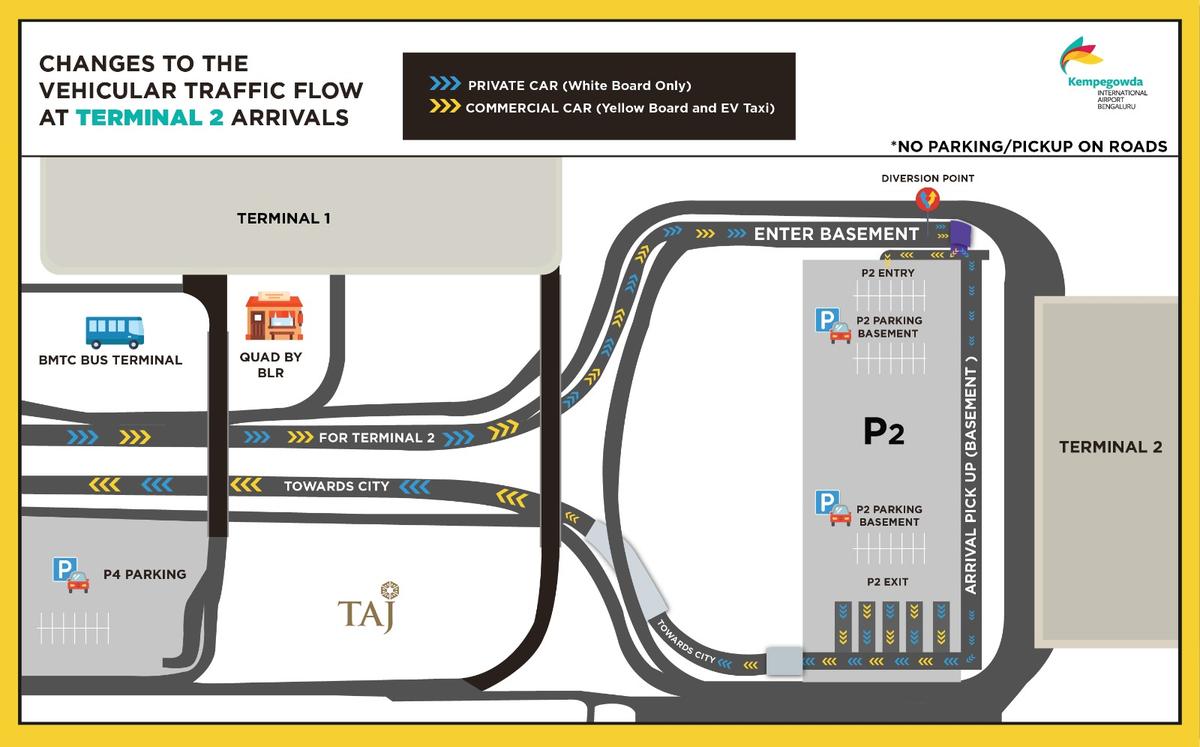
In a detailed review of operational procedures at Bengaluru’s Kempegowda International Airport, the Chief Secretary of Karnataka has examined the newly implemented pick-up and parking regulations, citing concerns over commuter convenience and regulatory clarity. Officials indicated that recent changes, aimed at easing congestion and improving traffic flow, have led to confusion among passengers, drivers, and cab operators. The review underscores the state government’s commitment to ensuring that airport policies are both effective and aligned with public interest, balancing administrative efficiency with the needs of travelers and service providers.
Airport authorities have been asked to improve signage and communication for pick-up and parking zones. Officials noted that many commuters face confusion due to unclear demarcation and inconsistent information. The Chief Secretary recommended installation of digital boards, clear markings on roads, and updates on airport apps to guide both passengers and drivers. This move aims to ensure that travelers can locate designated zones quickly, avoid fines, and reduce unnecessary congestion. Authorities also suggested training staff to assist passengers during peak hours, providing real-time directions, and enhancing coordination with traffic police to maintain smooth movement at entry and exit points.
Cab and app-based drivers have highlighted challenges with strict enforcement of pick-up rules. Several drivers claimed that fines were being imposed for minor deviations, causing frustration and delays. The Chief Secretary acknowledged the concerns and instructed authorities to review enforcement mechanisms. Officials recommended a phased approach, including warnings before fines, to educate drivers on new procedures. By combining guidance, signage, and real-time monitoring, authorities aim to minimise disputes and ensure compliance. The government also emphasised dialogue with driver unions to incorporate feedback, improving operational efficiency while maintaining fairness in enforcing regulations at Bengaluru airport.
Passengers expressed relief that the government is taking proactive steps to address congestion and confusion. Many commuters noted that while traffic management is necessary, unclear rules were causing stress and missed flights. Officials indicated that improving passenger experience is a key focus of the review. Measures such as real-time alerts, digital maps, and designated waiting areas are being considered. Authorities also plan to introduce a helpline for immediate assistance. These steps aim to ensure smoother pick-ups and drop-offs, reduce waiting times, and enhance overall satisfaction for travelers navigating Bengaluru airport’s increasingly busy terminals.
The Chief Secretary also stressed the importance of coordinated planning between airport management and state transport authorities. Coordination ensures that policy changes are enforceable, traffic flows remain smooth, and public complaints are minimised. Officials discussed creating a joint monitoring cell to track compliance, address issues in real time, and provide feedback for policy adjustments. By integrating airport operations with state traffic planning, authorities aim to anticipate congestion points, streamline pick-up and drop-off procedures, and maintain security protocols. The collaborative approach reflects a broader commitment to improving infrastructure efficiency and service quality at Bengaluru’s primary international airport.
Experts have suggested that technology-driven solutions could play a key role in reducing congestion at the airport. Recommendations include mobile apps showing real-time parking availability, QR-coded access for taxis, and automated fee collection systems. Officials indicated that these solutions could complement physical signage and staff guidance, providing commuters with timely and accurate information. The Chief Secretary encouraged exploring such innovations to ensure sustainable traffic management. By leveraging technology, authorities aim to reduce human error, improve efficiency, and provide a seamless experience for both passengers and service providers while maintaining strict adherence to safety and regulatory standards.
Legal observers noted that clear, enforceable guidelines are essential to avoid disputes between authorities and commuters. Ambiguities in regulations can lead to complaints, fines, and public dissatisfaction. The Chief Secretary’s review emphasised ensuring that all rules are legally compliant, publicly communicated, and consistently enforced. Officials plan to issue updated directives to taxi operators, ride-hailing companies, and airport staff to standardise procedures. Ensuring transparency and fairness in enforcement is expected to reduce friction, maintain public trust, and prevent potential legal challenges arising from miscommunication or inconsistent application of pick-up and parking regulations.
The review also addressed long-term planning for peak travel seasons, including festivals, holidays, and business travel spikes. Officials considered temporary measures such as additional pick-up lanes, staggered vehicle entry times, and expanded holding areas for taxis and private vehicles. By anticipating periods of high traffic, authorities aim to prevent bottlenecks and improve efficiency without compromising passenger safety. The Chief Secretary stressed the need for a dynamic, data-driven approach that adapts to changing traffic patterns, ensuring that Bengaluru airport remains navigable, accessible, and safe even during peak operational periods.
Finally, authorities emphasised continuous feedback and monitoring as critical components of successful policy implementation. Travelers, drivers, and airport staff will be encouraged to report issues, provide suggestions, and highlight problem areas. The Chief Secretary proposed monthly reviews to assess effectiveness, address complaints, and update regulations as necessary. By incorporating feedback loops and real-time monitoring, authorities aim to create a responsive, adaptable traffic management system. This approach seeks to balance regulatory compliance, operational efficiency, and passenger convenience, demonstrating Karnataka’s commitment to improving urban infrastructure and public services at one of the country’s busiest international airports.
The airport’s new regulations include designated pick-up zones, time-restricted parking areas, and revised fee structures for commercial vehicles. While the rules were intended to streamline operations, multiple complaints have emerged from passengers and cab operators regarding accessibility and enforcement inconsistencies. Reports suggest that some passengers have faced long waits for pick-up, while taxi and app-based service providers have expressed difficulties in adhering to new zones, leading to friction and operational delays.
CHIEF SECRETARY’S OBSERVATIONS
During the review, the Chief Secretary noted that while congestion mitigation is crucial, regulations must be transparent, enforceable, and user-friendly. Officials emphasised the importance of clearly marked zones, adequate signage, and coordination with airport authorities to prevent confusion. The CS also directed the airport management to assess whether alternative arrangements, such as expanded pick-up areas or dynamic parking fees, could reduce congestion while maintaining safety and order.
Government officials highlighted that coordination between the state transport department, traffic police, and airport administration is essential for the successful implementation of these rules. Effective communication of guidelines to commuters, taxi services, and app-based operators was identified as a priority. Authorities indicated plans to launch awareness campaigns, mobile notifications, and public advisories to ensure travelers are informed about zones, timing restrictions, and penalty clauses.
STAKES FOR COMMUTERS AND SERVICE PROVIDERS
Passengers have reported frustration with longer wait times and lack of clarity regarding pick-up points, while cab and app-based drivers claim that enforcement has sometimes been inconsistent or punitive. Authorities acknowledged these concerns and are exploring flexible solutions to balance operational efficiency with commuter convenience. Suggestions include staggered pick-up scheduling, additional lanes for commercial vehicles, and improved signage at critical points near terminal entrances.
Legal and transport experts noted that airport regulations must comply with both state transport rules and civil aviation guidelines. Enforcement actions, including fines and vehicle removals, need to be consistent, justified, and publicly communicated to avoid disputes. The review is likely to lead to a standardised operational framework that protects passenger convenience, ensures compliance, and reduces friction between airport authorities and service providers.
NEXT STEPS AND GOVERNMENT ACTION
Following the review, the Chief Secretary directed the airport management to submit a detailed report on traffic patterns, congestion hotspots, and compliance issues within a fortnight. Officials will also explore technology-driven solutions, including digital permits, real-time monitoring, and mobile apps to guide drivers and passengers. The goal is to provide a seamless experience for travelers while maintaining strict traffic control and safety standards.
Civil aviation stakeholders have welcomed the review, emphasising the need for policies that facilitate smooth passenger movement without compromising revenue collection or security. Experts stress that iterative reviews, combined with feedback from commuters and operators, are critical to achieving a functional and equitable regulatory framework at a busy international airport.
The Bengaluru airport, handling millions of passengers annually, plays a key role in Karnataka’s connectivity and economic activity. Authorities stressed that balancing operational efficiency, passenger comfort, and regulatory compliance is crucial, particularly during peak travel seasons. The Chief Secretary’s review demonstrates the government’s proactive approach to addressing complaints and improving urban transport infrastructure at critical hubs.
Public response to the review has been largely positive, with passengers expressing hope that clarified guidelines and improved enforcement will reduce confusion and waiting times. Both commuters and transport operators expect actionable recommendations that simplify pick-up procedures, enhance safety, and maintain smooth traffic flow at the airport. The government indicated that further consultations with stakeholders will be held before finalising adjustments to the new regulations.
The Chief Secretary also emphasised that sustained monitoring and evaluation will be critical to the success of airport policies. Authorities plan to establish a feedback mechanism to track the effectiveness of any modifications, enabling periodic review and updates. This structured approach aims to ensure that Bengaluru’s airport remains a model for operational efficiency while safeguarding passenger convenience and service provider compliance.
State officials have reiterated that while congestion management and revenue collection are important, passenger experience and safety remain top priorities. By reviewing regulations, coordinating across departments, and incorporating stakeholder feedback, the government aims to implement policies that are fair, transparent, and sustainable. The ongoing assessment reflects Karnataka’s commitment to improving urban transport management at key infrastructure nodes like Kempegowda International Airport.
Finally, the review is expected to influence future policy-making for urban transport hubs in Karnataka. Lessons learned from Bengaluru’s airport could inform traffic management, parking policies, and commuter guidelines at other major airports and transit centers across the state. The initiative demonstrates a model for evidence-based decision-making, balancing efficiency, safety, and public convenience in complex urban infrastructure environments.
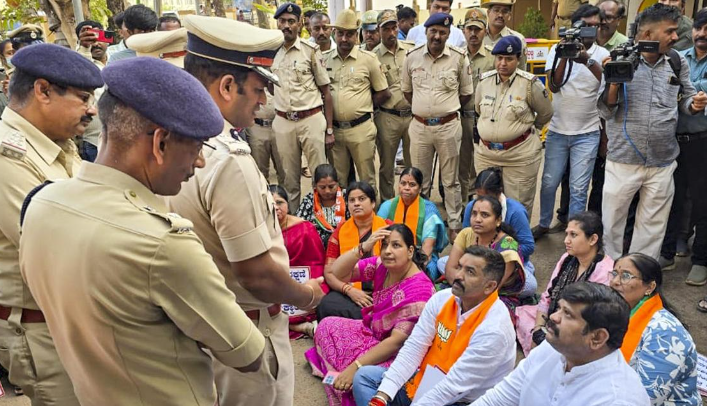
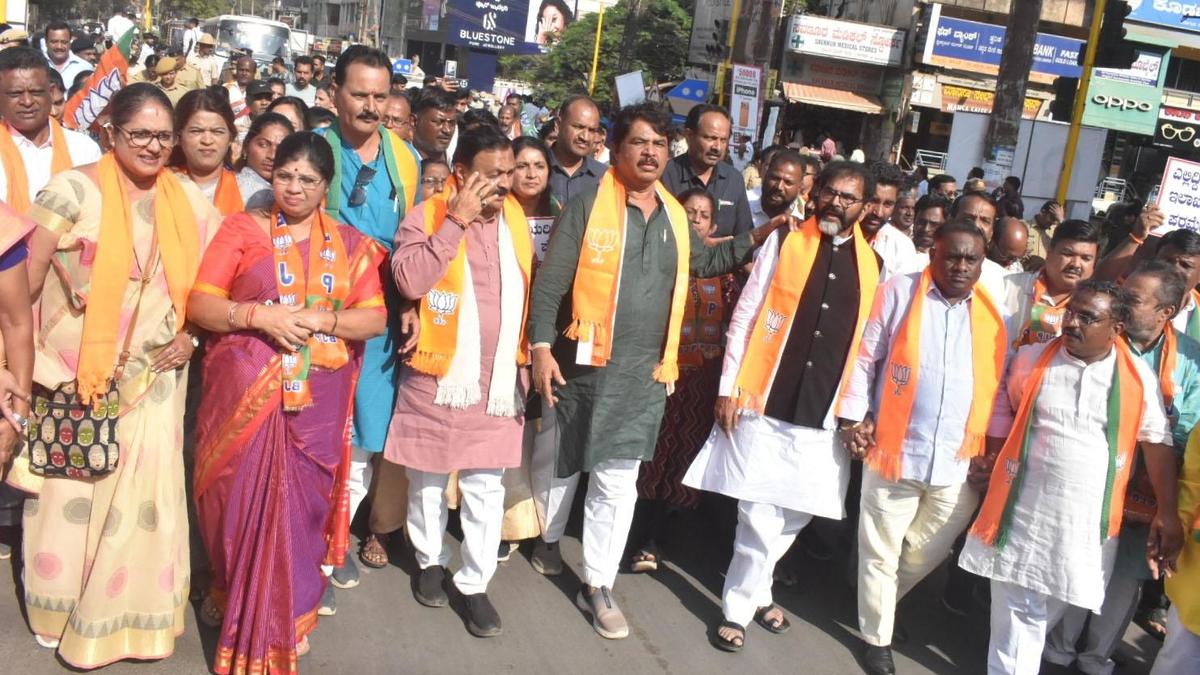
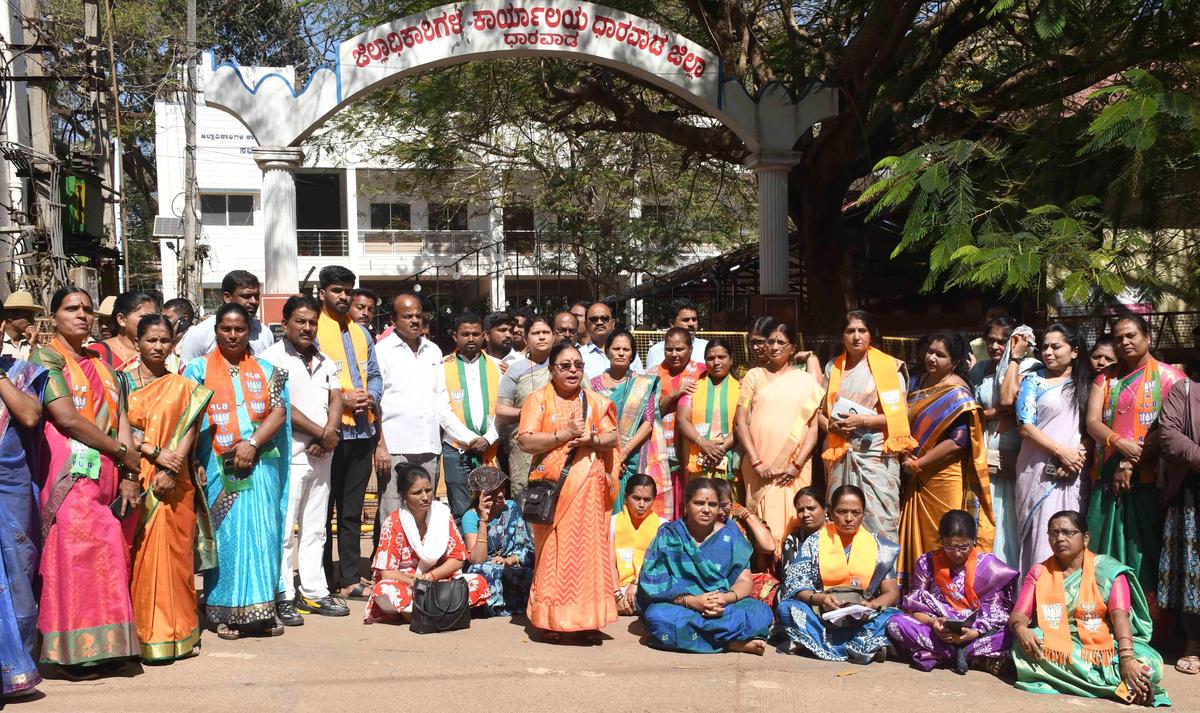
BJP State leaders staged a protest against the alleged disrobing of a woman by police personnel in Hubballi, condemning the incident as a grave violation of human dignity and women’s rights. Party leaders demanded immediate action against the officers involved, calling for suspension, transfer, and a transparent investigation. The protest, held outside the district police headquarters, drew widespread attention from media and civil society groups, highlighting growing public concern over alleged misconduct and the need for accountability in law enforcement practices.
The protest came in the wake of a video circulating on social media that purportedly showed a woman being forcibly disrobed during her arrest. BJP leaders alleged that such acts reflect systemic negligence and a disregard for women’s safety within police operations. Party officials demanded strict punitive measures, stressing that citizens’ trust in law enforcement hinges on adherence to legal and ethical standards, particularly concerning women.
BJP leaders at the protest emphasised that the alleged disrobing of the woman was not only a violation of law but also a blow to societal norms and public trust. They argued that citizens expect the police to act with integrity and uphold human dignity, particularly when handling vulnerable individuals. Party officials stated that mere suspension of officers would not suffice; systemic reforms, including mandatory gender-sensitisation training and accountability audits, are essential. Demonstrators called for clear protocols for handling women in custody, insisting that safeguarding physical and psychological well-being must be a top priority in police operations across the state.
Civil society activists attending the demonstration highlighted the psychological trauma and social stigma faced by victims of custodial misconduct. They stressed that incidents like the Hubballi case have long-term repercussions, affecting the victim’s personal life, social standing, and mental health. Activists called for immediate counselling support, legal assistance, and protection measures for the woman involved. They further urged the Karnataka government to set up independent oversight mechanisms to monitor police behaviour during arrests, emphasizing that structural changes are crucial to prevent future violations and rebuild citizens’ trust in law enforcement institutions.
The Karnataka Home Department has assured the public that the CID probe will be conducted impartially and swiftly. Officials indicated that investigators will scrutinise evidence, including CCTV footage, eyewitness testimonies, and internal police records. The department also stated that all officers involved in the incident have been temporarily suspended pending the inquiry. Authorities highlighted that the investigation aims not only to determine individual accountability but also to review procedural lapses in the handling of female detainees, reinforcing that the police must adhere strictly to established protocols to protect women’s rights during arrests.
Political analysts observe that the BJP protest represents a strategic move to highlight governance lapses and assert moral authority on women’s issues. By staging a public demonstration, party leaders sought to pressure the state government into swift action and appeal to public sentiment. Observers note that such protests, while politically charged, also draw attention to critical social concerns. The incident has sparked debates on ethical policing, gender sensitivity, and accountability, with citizens increasingly demanding transparency and reforms to ensure that women are treated with respect and dignity while in police custody.
Legal experts have clarified that the actions described in the Hubballi case may constitute criminal offences under the Indian Penal Code, including assault, sexual harassment, and abuse of authority. Additionally, violation of CrPC guidelines concerning the arrest of women may result in departmental penalties. Lawyers emphasised that courts have consistently held that human dignity must be protected during detention, and any failure to adhere to protocol could attract both criminal liability and administrative action. The ongoing CID investigation will determine the applicability of these legal provisions and guide future disciplinary measures.
The incident has amplified discussions about the need for structural reforms in police training and oversight. Experts suggest mandatory gender-sensitisation programs, routine audits, and the appointment of independent monitoring officers to ensure compliance with protocols when arresting or handling female suspects. These reforms aim to prevent abuse of power and foster a culture of accountability. Stakeholders argue that proactive measures are critical not only to protect women but also to restore public confidence in law enforcement agencies, ensuring that citizens feel safe and respected during interactions with police personnel.
Social media platforms have seen widespread public outrage and calls for justice following the Hubballi incident. Videos and news reports sparked debates on police accountability, ethical conduct, and women’s safety in custody. Citizens have demanded timely action and systemic reforms to prevent similar incidents in the future. The BJP-led protest, combined with civil society advocacy, has kept the issue in the public eye, amplifying pressure on the state government and law enforcement agencies. Activists stress that heightened public awareness is essential for enforcing change and ensuring that misconduct does not go unpunished.
During the protest, BJP leaders underscored that punitive measures alone are insufficient without broader policy changes. They demanded reforms such as the presence of female officers during arrests of women, regular human rights training, and clear complaint redressal mechanisms. Leaders argued that these structural improvements would reduce instances of custodial misconduct and ensure that law enforcement officers uphold dignity, fairness, and professionalism. They further emphasised that proactive steps are necessary to foster a culture of respect and ethical conduct across the police force, benefiting both victims and officers.
Legal scholars have pointed out that the case could set a precedent for evaluating custodial misconduct involving women. Courts may increasingly scrutinise police actions, assess intent, and examine procedural adherence in determining liability. The Hubballi incident highlights the necessity of clear legal standards for protecting women in custody and ensuring accountability when violations occur. Scholars argue that robust judicial intervention and consistent application of legal principles are essential to safeguard rights, deter misconduct, and maintain public confidence in law enforcement agencies across Karnataka and other states.
Finally, authorities have reiterated their commitment to ensuring justice, accountability, and systemic reforms. The CID investigation aims to establish facts, hold perpetrators responsible, and recommend procedural improvements to prevent recurrence. Officials emphasised that safeguarding women’s dignity during arrests is non-negotiable and that violations will be met with strict action. The ongoing protests, public scrutiny, and civil society advocacy have collectively underscored the importance of institutional accountability, demonstrating that incidents of misconduct cannot be ignored and must be addressed promptly to maintain trust in Karnataka’s law enforcement institutions.
PARTY DEMANDS AND PUBLIC OUTCRY
During the demonstration, BJP leaders presented a memorandum to the Deputy Commissioner of Police, urging immediate investigation and strict action against all personnel responsible. They also called for institutional reforms, including gender-sensitisation training for police officers and the establishment of monitoring mechanisms to prevent recurrence of such incidents. Leaders emphasised that protecting women’s dignity is paramount, and any violation must be met with swift justice.
Civil society organisations and women’s rights groups have joined the chorus, demanding accountability and stronger safeguards for vulnerable citizens. Activists highlighted the psychological trauma and social stigma victims face in cases of police misconduct. They called for a comprehensive review of police procedures, including arrest protocols and the presence of female officers during detention of women, to ensure compliance with national and international human rights standards.
GOVERNMENT RESPONSE AND INVESTIGATION
The Karnataka Home Department has responded by stating that a CID probe has been approved, following the Chief Minister’s directive. Authorities have assured that the investigation will be independent, thorough, and transparent. The police department has also temporarily suspended officials directly involved while inquiry proceedings are ongoing, signaling the administration’s intent to address public outrage and restore confidence in law enforcement.
Legal experts have pointed out that such incidents, if proven, constitute serious violations under Indian Penal Code sections relating to assault, sexual harassment, and abuse of authority. The incident also raises questions about adherence to the CrPC guidelines during arrests, particularly the safeguards for female detainees. Courts have repeatedly emphasised the importance of protecting human dignity in custody, and violations may attract both criminal and departmental penalties.
SOCIAL AND POLITICAL IMPACT
The alleged incident has sparked nationwide debate on police accountability and gender-sensitive policing. Opposition parties and social commentators have criticised the police for alleged negligence and mishandling of the arrest process. Meanwhile, BJP leaders have positioned themselves as advocates for women’s rights, leveraging public sentiment to demand administrative and legal action against those responsible.
The protest also underscores a broader demand for systemic reforms in law enforcement. Observers suggest that gender-sensitisation programs, independent oversight bodies, and clear accountability mechanisms are essential to prevent abuse of power. Experts argue that public confidence in the police depends not only on law enforcement effectiveness but also on respect for human rights and dignity.
Authorities have indicated that the CID investigation will include video evidence analysis, witness statements, and procedural review to determine the chain of events and responsibilities. The findings will guide disciplinary action and potential criminal proceedings. Officials emphasised that any breach of protocol or misconduct will be addressed in accordance with law, ensuring justice for the victim and setting a precedent for accountability.
Public reactions have been intense, with social media campaigns calling for justice and highlighting broader issues of women’s safety in custody. Activists have urged the government to ensure that such incidents are not isolated and that systemic safeguards are implemented across all districts. The BJP-led protest, combined with civil society advocacy, has amplified demands for urgent reform, signalling heightened scrutiny of police practices in Karnataka.
The Karnataka Home Department has assured the public that the CID probe will be conducted impartially and swiftly. Officials indicated that investigators will scrutinise evidence, including CCTV footage, eyewitness testimonies, and internal police records. The department also stated that all officers involved in the incident have been temporarily suspended pending the inquiry. Authorities highlighted that the investigation aims not only to determine individual accountability but also to review procedural lapses in the handling of female detainees, reinforcing that the police must adhere strictly to established protocols to protect women’s rights during arrests.
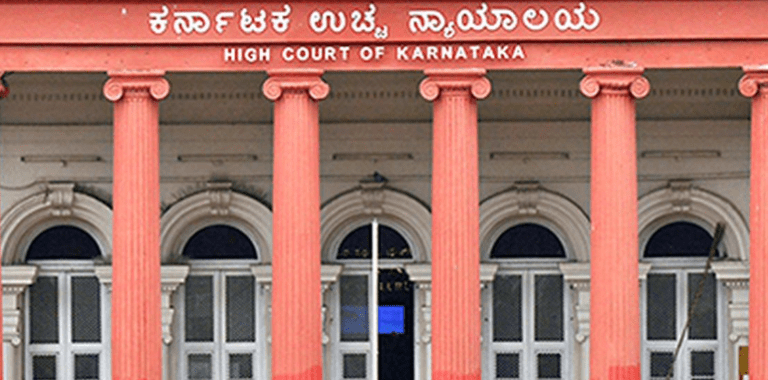
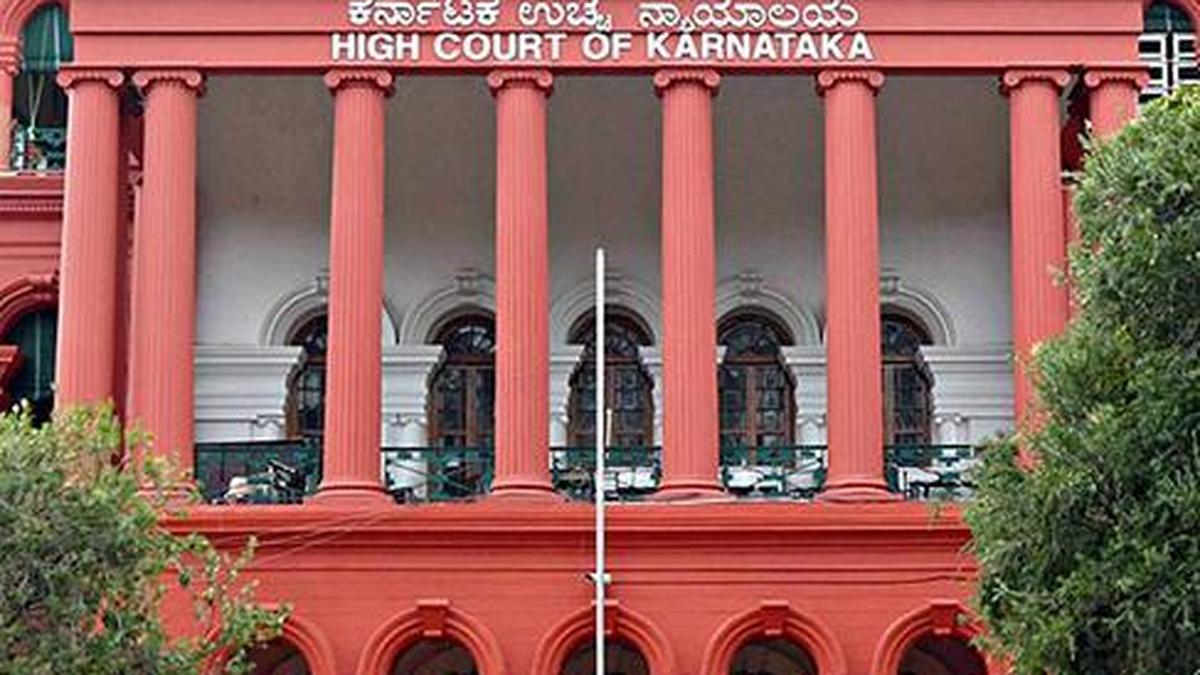
In a surprising judgment, the Karnataka High Court recently quashed a wife’s cruelty complaint against her husband, which alleged mental harassment for not allowing her to eat French fries after childbirth. The court observed that the complaint lacked substantive evidence of cruelty under the Domestic Violence Act, noting that isolated disagreements over food choices did not amount to legal cruelty. The ruling has sparked discussions on the interpretation of “mental cruelty” and the limits of legal intervention in personal marital matters.
The Karnataka High Court also stressed the importance of evidence in cruelty cases. In this instance, the wife’s complaint lacked documentation or proof of sustained psychological harm, leading the court to dismiss the case. Legal experts note that for mental cruelty allegations to succeed, complainants must demonstrate a consistent pattern of behavior intended to harm or humiliate the spouse. The judgment underscores that isolated incidents, even if emotionally upsetting, do not meet the threshold for legal action under domestic violence laws, ensuring that only substantive cases proceed to trial.
The ruling further clarifies the role of judicial discretion in marital disputes. Courts are empowered to evaluate complaints based on severity, context, and intent rather than automatically accepting all allegations. This approach prevents misuse of legal provisions while maintaining protection for genuinely abused spouses. Observers note that careful judicial scrutiny ensures that minor disagreements, health-based guidance, or personal choices do not become grounds for criminal complaints, fostering a more balanced application of family law.
In addition, the High Court highlighted the importance of spousal intent. Actions meant for the wellbeing of the other spouse, such as restricting certain foods after childbirth, cannot be equated with cruelty. Legal scholars emphasize that assessing motive is crucial when determining mental cruelty. The judgment sets a precedent that courts will differentiate between controlling behavior intended to harm and protective guidance motivated by health concerns, providing clarity for future domestic cases involving similar disputes.
Finally, the judgment is likely to influence public perception and legal awareness regarding domestic cruelty claims. By drawing a clear line between minor domestic disagreements and actionable abuse, the court reinforces responsible use of domestic violence laws. Citizens are encouraged to seek mediation or counselling for trivial disputes while reserving legal action for genuine instances of harassment or psychological harm. The ruling is expected to guide families, lawyers, and lower courts in Karnataka in interpreting and applying mental cruelty provisions judiciously.
The case arose when the wife filed a complaint alleging that her husband’s refusal to allow her French fries post-delivery caused her emotional distress and constituted mental harassment. The husband contended that his instructions were motivated by health concerns following childbirth and aimed at safeguarding her wellbeing. He argued that such actions were protective, not abusive, and did not constitute cruelty under law.
HIGH COURT’S OBSERVATIONS
The bench of the Karnataka High Court emphasised that mental cruelty must involve a pattern of conduct that causes severe psychological harm, humiliation, or endangers the health of the spouse. The court noted that occasional disagreements or restrictions based on health considerations, personal choices, or household decisions cannot be construed as cruelty. The ruling clarified that trivial disputes, even if emotionally upsetting, do not fall within the ambit of legal cruelty.
Legal experts pointed out that this case highlights the careful distinction courts must make between genuine abuse and minor domestic disagreements. While the Domestic Violence Act is designed to protect victims from serious harassment, misuse of legal provisions for minor disagreements can lead to unnecessary legal complications. The judgment underscores the need for evidence of sustained, harmful conduct to prove cruelty legally.
IMPACT ON MARITAL DISPUTES
The verdict has generated debate among marital law practitioners and social commentators. Some argue that the ruling sets a precedent for courts to critically assess complaints of mental cruelty, discouraging frivolous or exaggerated claims. Others emphasise the importance of distinguishing between legal protection and personal disagreements in marital relationships, ensuring that the law is not used to penalise normal household decision-making.
The High Court also observed that postnatal health concerns are a legitimate factor for spousal decisions regarding diet and lifestyle. Medical experts noted that certain foods, including high-fat or fried items, may not be advisable immediately after childbirth, and spousal guidance in such contexts may be protective rather than coercive. The court recognised that the husband’s conduct fell within this realm of reasonable care.
LEGAL PRECEDENT AND FUTURE IMPLICATIONS
This judgment may influence future cases where minor domestic disagreements are portrayed as cruelty. Lawyers indicate that courts will likely seek clear evidence of sustained psychological or physical harm before entertaining such complaints. The ruling serves as a reminder that the legal definition of cruelty under Indian law is precise and must reflect substantial, demonstrable distress or harm.
Family law experts note that the case could also prompt couples to seek alternative dispute resolution methods, such as counselling or mediation, rather than immediately resorting to legal action for minor disagreements. Emphasising dialogue, negotiation, and mutual understanding within households may prevent unnecessary litigation while maintaining marital harmony.
Civil society groups have weighed in, stating that while it is critical to protect women from genuine abuse, it is equally important to prevent the dilution of the law through trivial or exaggerated claims. They argue that the judgment strikes a balance between protecting legal rights and recognising everyday domestic realities.
The Karnataka High Court’s ruling has already attracted media attention and sparked social media discussions, with debates on marital rights, legal interpretation of cruelty, and postnatal health considerations. Legal commentators emphasise that while the law provides protection against abuse, courts are likely to continue distinguishing between minor disputes and serious acts of cruelty, ensuring proportionality in legal remedies.
LOOKING AHEAD
While the case may seem unusual, it underscores broader principles of family law in India, including careful evaluation of evidence, respect for health and wellbeing considerations, and avoidance of legal overreach into personal marital matters. The ruling is expected to guide lower courts in future mental cruelty complaints, ensuring that legal protection is reserved for genuine instances of harassment, abuse, or endangerment, rather than trivial domestic disagreements.
The judgment also reinforces the importance of context in assessing domestic disputes. Courts are increasingly considering factors such as health, intent, and frequency of conduct before concluding whether cruelty has occurred. Legal experts believe this balanced approach strengthens family law jurisprudence while protecting individuals from frivolous litigation and unnecessary legal intervention in personal household decisions.
The High Court clarified that the concept of mental cruelty must be evaluated with reference to long-term impact and intent. In this case, the husband’s refusal to allow French fries post-delivery was linked to health and dietary concerns advised by medical professionals. The court observed that single instances of disagreement, even if upsetting, cannot constitute cruelty unless accompanied by repeated humiliation, threats, or psychological harm. The judgment emphasises that courts must assess both the context and severity of the alleged conduct before classifying it as legally actionable mental cruelty.
Family law practitioners noted that this ruling reinforces the principle of proportionality in marital disputes. Minor disagreements or protective restrictions do not automatically translate into legal violations. By distinguishing between health-based guidance and abuse, the court ensures that the legal system focuses on serious, verifiable acts of cruelty. Experts say this helps prevent misuse of domestic violence provisions while protecting genuine victims. The ruling sets an important precedent for evaluating domestic disputes, encouraging courts to apply careful, evidence-based scrutiny rather than reacting to trivial complaints.
The case also sheds light on the role of postnatal care in marital relationships. Courts now recognise that certain restrictions or advice from spouses may be intended for the wellbeing of the mother and child. Medical guidance, such as diet modifications after childbirth, may sometimes appear controlling but is in fact protective. The Karnataka High Court underlined that intent matters: actions motivated by concern for health, rather than to harass or humiliate, do not constitute mental cruelty under law.
Legal analysts highlight that this judgment may influence future domestic violence complaints where minor disputes are exaggerated. Lawyers advise that complainants must present evidence showing a sustained pattern of harmful behaviour, rather than isolated disagreements. The ruling discourages filing complaints based on trivial issues, ensuring that courts focus on cases with substantial psychological or physical impact. This approach preserves judicial resources and prevents misuse of legal protections designed for genuine victims of domestic violence.
The ruling also emphasises the importance of context and cultural understanding in evaluating cruelty claims. Indian courts often navigate sensitive family matters where cultural norms, gender roles, and domestic responsibilities intersect. The High Court acknowledged that decisions related to health, diet, or childcare fall within the domestic sphere and should not be construed as harassment unless they cause severe psychological harm. This nuanced interpretation strengthens judicial clarity on what constitutes cruelty.
Experts have praised the judgment for its balanced approach between protecting women’s rights and preventing overreach. The court recognised that legal definitions must be applied with discretion, avoiding penalisation for reasonable, non-abusive actions within a household. The ruling encourages mediation, discussion, and understanding among spouses rather than automatically resorting to litigation for minor disagreements. This approach is seen as promoting healthier marital relationships while upholding the integrity of domestic violence laws.
Social commentators have noted that the judgment underscores the need for legal literacy among couples. Understanding what constitutes cruelty, harassment, or abuse under the law can help prevent unnecessary legal action. Awareness campaigns and counselling services for newly married couples or parents can reduce frivolous complaints, clarify rights and responsibilities, and promote informed decision-making within households. The High Court ruling may encourage educational initiatives addressing these issues in Karnataka and beyond.
Finally, the case highlights the delicate balance courts maintain between law and family life. The Karnataka High Court demonstrated that not every domestic disagreement merits legal intervention. By quashing the complaint, the court reinforced the principle that the law protects against genuine abuse while respecting the autonomy of families to manage minor disputes privately. The ruling is likely to guide lower courts in carefully distinguishing between actionable mental cruelty and ordinary domestic disagreements in future cases.
In a significant development in medical research, scientists at the Indian Institute of Science (IISc), Bengaluru, have identified a key protein that could play a crucial role in combating tuberculosis (TB). The discovery, made in collaboration with national and international research institutions, offers new insights into how the TB-causing bacterium Mycobacterium tuberculosis survives within the human body. Experts believe that understanding this protein could pave the way for novel therapeutic approaches, potentially improving treatment efficacy and reducing the duration of TB therapy.
Researchers involved in the study emphasised that the protein’s discovery is a result of meticulous laboratory experiments and advanced computational analyses. By examining how Mycobacterium tuberculosis interacts with host cells, the team identified critical survival pathways regulated by the protein. Inhibiting these pathways in laboratory models led to a significant reduction in bacterial growth, demonstrating the protein’s central role in disease progression. Scientists believe that understanding these molecular mechanisms is essential for developing next-generation therapies that can overcome current drug resistance challenges in tuberculosis treatment.
The IISc team has highlighted the potential of this protein as a therapeutic target for drug-resistant TB strains. With multi-drug-resistant and extensively drug-resistant TB cases on the rise, conventional antibiotics are increasingly ineffective. By focusing on bacterial survival mechanisms rather than conventional pathways, therapies targeting this protein could offer an alternative approach to combat resistant infections. Researchers hope that future drug candidates will be more effective, shorter in duration, and less prone to inducing resistance.
International collaborators in the study praised the interdisciplinary approach taken by IISc researchers. Combining expertise in molecular biology, microbiology, bioinformatics, and immunology allowed the team to uncover both the structural characteristics and functional significance of the protein. This collaborative model demonstrates how pooling global expertise can accelerate scientific discoveries, particularly in tackling complex infectious diseases that remain major public health challenges worldwide.
Beyond therapeutic applications, the discovery may also inform vaccine development. Understanding the protein’s role in immune evasion by the TB bacterium could guide the design of vaccines that elicit stronger, targeted immune responses. Researchers are exploring whether components of the protein can be used to train the immune system to recognise and attack the bacterium more effectively, potentially improving the efficacy of future TB vaccines.
The IISc study has already attracted interest from pharmaceutical companies looking to develop small-molecule inhibitors targeting the protein. Preclinical screening of compounds that can selectively block its activity is underway, with the goal of advancing the most promising candidates into clinical trials. This translational focus underscores the potential for laboratory discoveries to move quickly toward real-world impact in patient care.
Health policy experts note that India, being home to a large number of TB cases, stands to benefit enormously from such research breakthroughs. If therapies targeting this protein prove effective, they could reduce the burden on healthcare systems, lower treatment costs, and improve patient outcomes. Widespread adoption of such treatments could contribute significantly to national and global TB elimination targets set for the coming decade.
The discovery also serves as an inspiration for young scientists and research institutions in India, demonstrating the potential for high-impact research within the country. IISc officials highlighted that sustained investment in infrastructure, training, and collaborative networks is key to producing world-class scientific discoveries. Encouraging young researchers to engage in infectious disease research is seen as vital for India’s continued leadership in biomedical innovation.
Finally, the IISc team reiterated that while the discovery of this protein is a major milestone, translating it into practical therapies will require rigorous testing, preclinical validation, and clinical trials. Patience and sustained support from both government and private sectors will be essential to ensure that this breakthrough benefits TB patients. Nevertheless, the identification of a key protein marks a pivotal step forward, offering renewed hope in the fight against one of the world’s deadliest infectious diseases.
The collaborative study focused on the molecular mechanisms that allow Mycobacterium tuberculosis to evade the human immune system. Researchers identified the protein as essential for the bacterium’s survival and replication within host cells. Laboratory experiments demonstrated that inhibiting the protein impaired bacterial growth, highlighting its potential as a drug target. The findings have been published in a reputed international scientific journal, garnering attention from the global research community.
The discovery also opens avenues for drug development and vaccine research. Pharmaceutical companies and research institutions may explore compounds that specifically inhibit the protein, while immunologists consider its role in designing vaccines that enhance host immune response. This dual potential for therapy and prevention underscores the significance of the IISc study.
SCIENTIFIC AND MEDICAL SIGNIFICANCE
Tuberculosis remains a major public health challenge in India and worldwide, with millions of new cases reported annually. The disease’s ability to persist inside immune cells and develop resistance to existing drugs complicates treatment efforts. The IISc discovery is particularly significant because targeting the newly identified protein could disrupt bacterial survival mechanisms, offering an alternative approach to conventional antibiotics.
Researchers emphasised that the protein functions as a critical regulator of bacterial metabolism and virulence. By interfering with this protein, scientists can potentially reduce bacterial resistance, enhance immune clearance, and improve patient outcomes. The collaborative nature of the study, involving molecular biologists, immunologists, and biochemists, was key to understanding the protein’s role and its therapeutic implications.
In a significant development in medical research, scientists at the Indian Institute of Science (IISc), Bengaluru, have identified a key protein that could play a crucial role in combating tuberculosis (TB). The discovery, made in collaboration with national and international research institutions, offers new insights into how the TB-causing bacterium Mycobacterium tuberculosis survives within the human body. Experts believe that understanding this protein could pave the way for novel therapeutic approaches, potentially improving treatment efficacy and reducing the duration of TB therapy.
Researchers involved in the study emphasised that the protein’s discovery is a result of meticulous laboratory experiments and advanced computational analyses. By examining how Mycobacterium tuberculosis interacts with host cells, the team identified critical survival pathways regulated by the protein. Inhibiting these pathways in laboratory models led to a significant reduction in bacterial growth, demonstrating the protein’s central role in disease progression. Scientists believe that understanding these molecular mechanisms is essential for developing next-generation therapies that can overcome current drug resistance challenges in tuberculosis treatment.
POTENTIAL IMPACT ON TREATMENT
Experts believe that targeting the protein could lead to shorter and more effective TB treatment regimens. Current therapies often involve months of antibiotic use, which can be burdensome and lead to incomplete adherence, contributing to the development of drug-resistant strains. A therapy aimed at this protein could enhance treatment efficiency, potentially reducing treatment duration and minimizing side effects.
The discovery also opens avenues for drug development and vaccine research. Pharmaceutical companies and research institutions may explore compounds that specifically inhibit the protein, while immunologists consider its role in designing vaccines that enhance host immune response. This dual potential for therapy and prevention underscores the significance of the IISc study.
COLLABORATIVE EFFORTS
The study was conducted in partnership with multiple institutions, including international universities with expertise in infectious diseases. Such collaboration allowed researchers to combine advanced molecular biology techniques, computational modeling, and experimental immunology. The interdisciplinary approach was essential in identifying the protein’s function and validating its role as a potential therapeutic target.
IISc officials stated that the discovery is a testament to India’s growing capability in cutting-edge biomedical research. By leveraging institutional expertise, modern laboratories, and collaborative networks, Indian scientists are contributing meaningfully to global efforts against infectious diseases like TB. The study also highlights the importance of sustained research funding and capacity building in advanced biomedical fields.
GLOBAL RELEVANCE
Tuberculosis continues to be a leading cause of death in low- and middle-income countries, with drug-resistant strains posing a growing threat. The IISc discovery has implications beyond India, offering a potential universal target for new TB therapies. Global health experts have expressed optimism, noting that innovative approaches are critical to achieving TB elimination goals set by the World Health Organization.
Public health authorities have welcomed the development, emphasising the need for translating research findings into practical applications. While clinical trials and drug development will require time, identifying a critical bacterial protein represents a promising step toward improved disease management. Authorities are hopeful that such advances could strengthen India’s position in the global fight against TB.
NEXT STEPS
Researchers at IISc plan to continue studying the protein’s structure, function, and interactions within the host. The next phase involves screening potential inhibitors, conducting preclinical studies, and collaborating with pharmaceutical partners to develop targeted therapies. Additionally, researchers aim to explore whether the protein could serve as a biomarker for disease progression, aiding in early diagnosis and personalized treatment strategies.
The discovery marks a significant milestone in India’s biomedical research landscape. By identifying a protein critical to TB survival, IISc researchers have opened new avenues for therapeutic interventions, offering hope to millions affected by the disease. Continued research, collaboration, and clinical validation will be key to translating this breakthrough into effective treatments in the coming years.





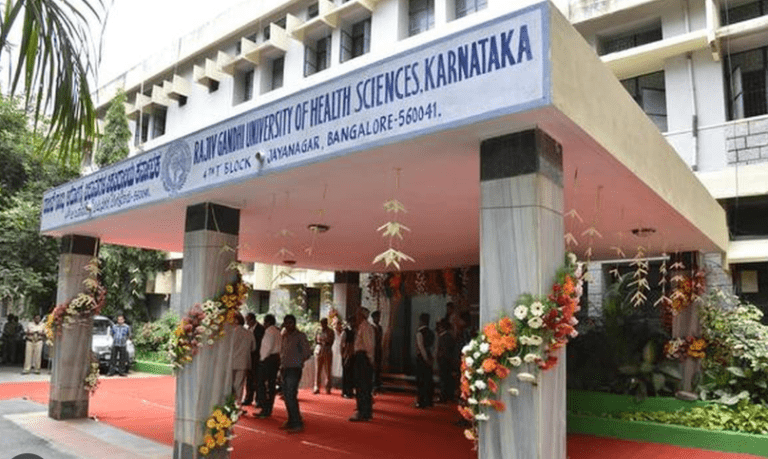
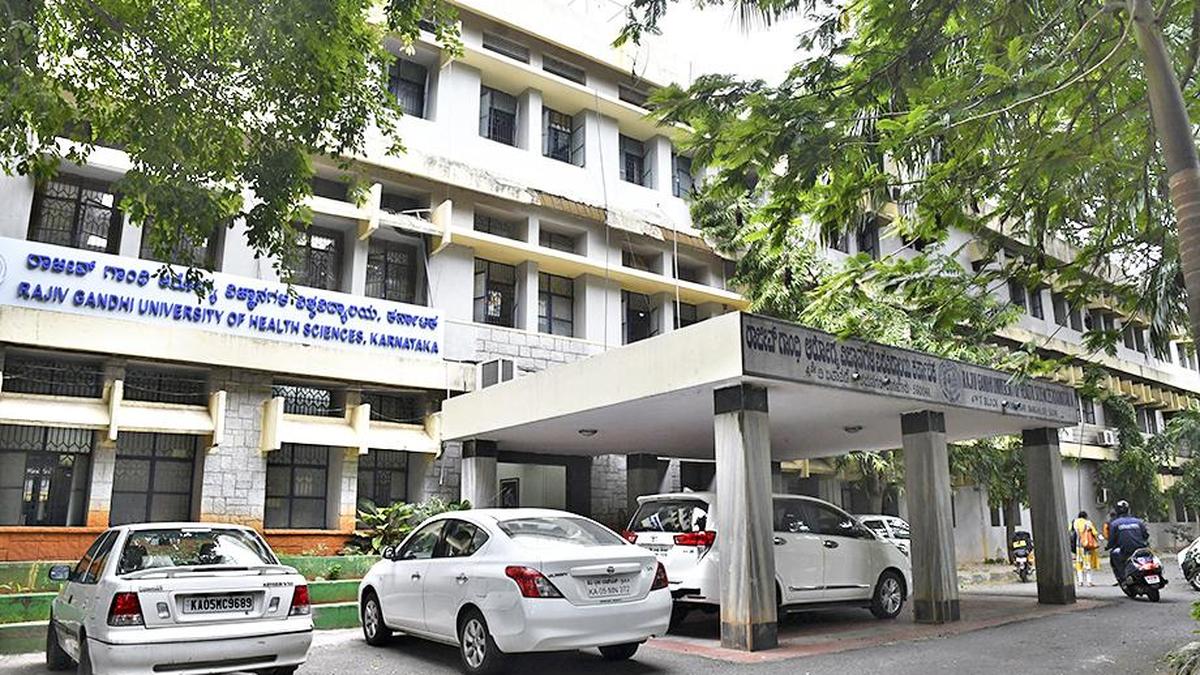

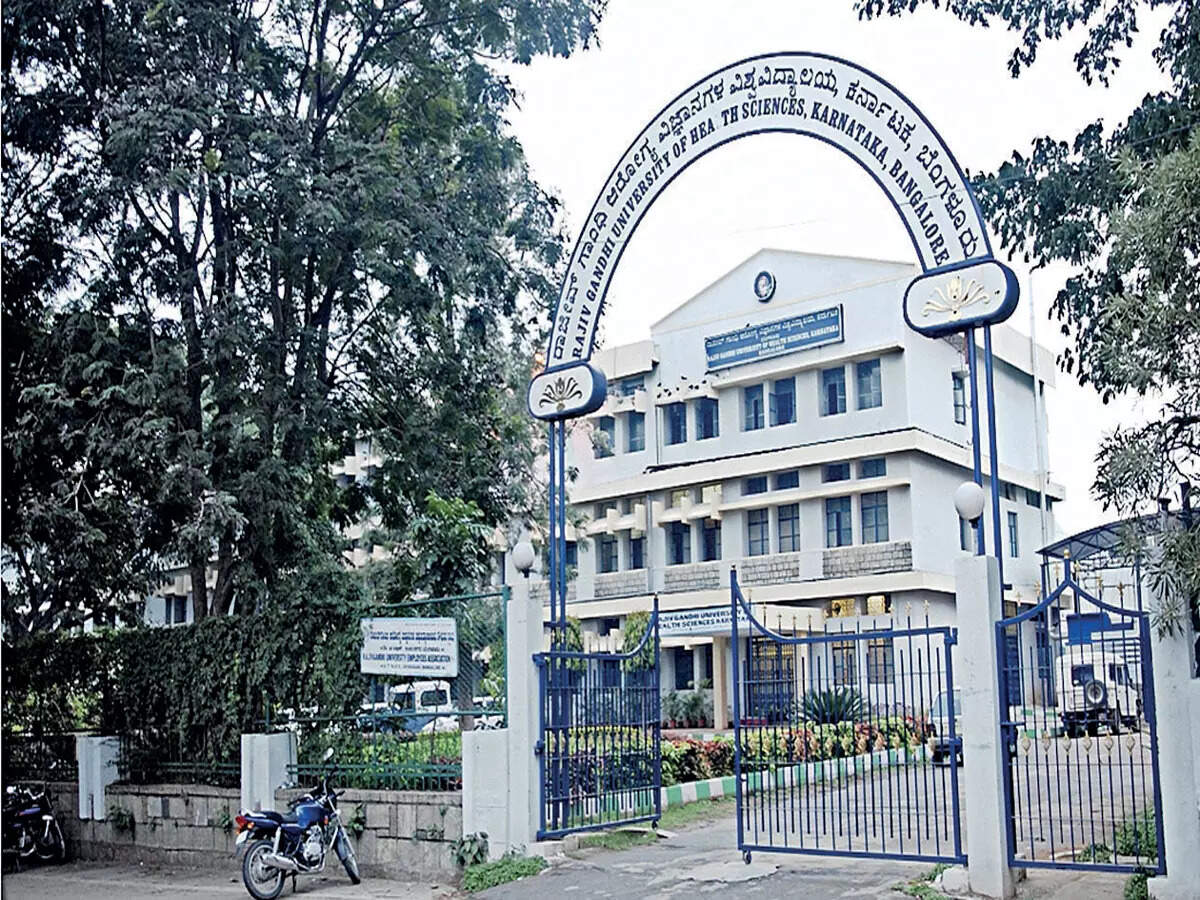

/newsfirstprime/media/media_files/2026/01/09/yashaswini-oxford-dental-college-anekal-2026-01-09-15-34-57.jpg)
/filters:format(webp)/newsfirstprime/media/media_files/2026/01/09/justice-demand-2026-01-09-15-41-11.png)