Wednesday, April 29, 2026
Home Blog Page 147

Karnataka CM Opposes Malayalam Bhasha Bill: BOLD CONSTITUTIONAL CLASH 1-LETTER, 1 BILL, AND RIGHTS ASSERTED

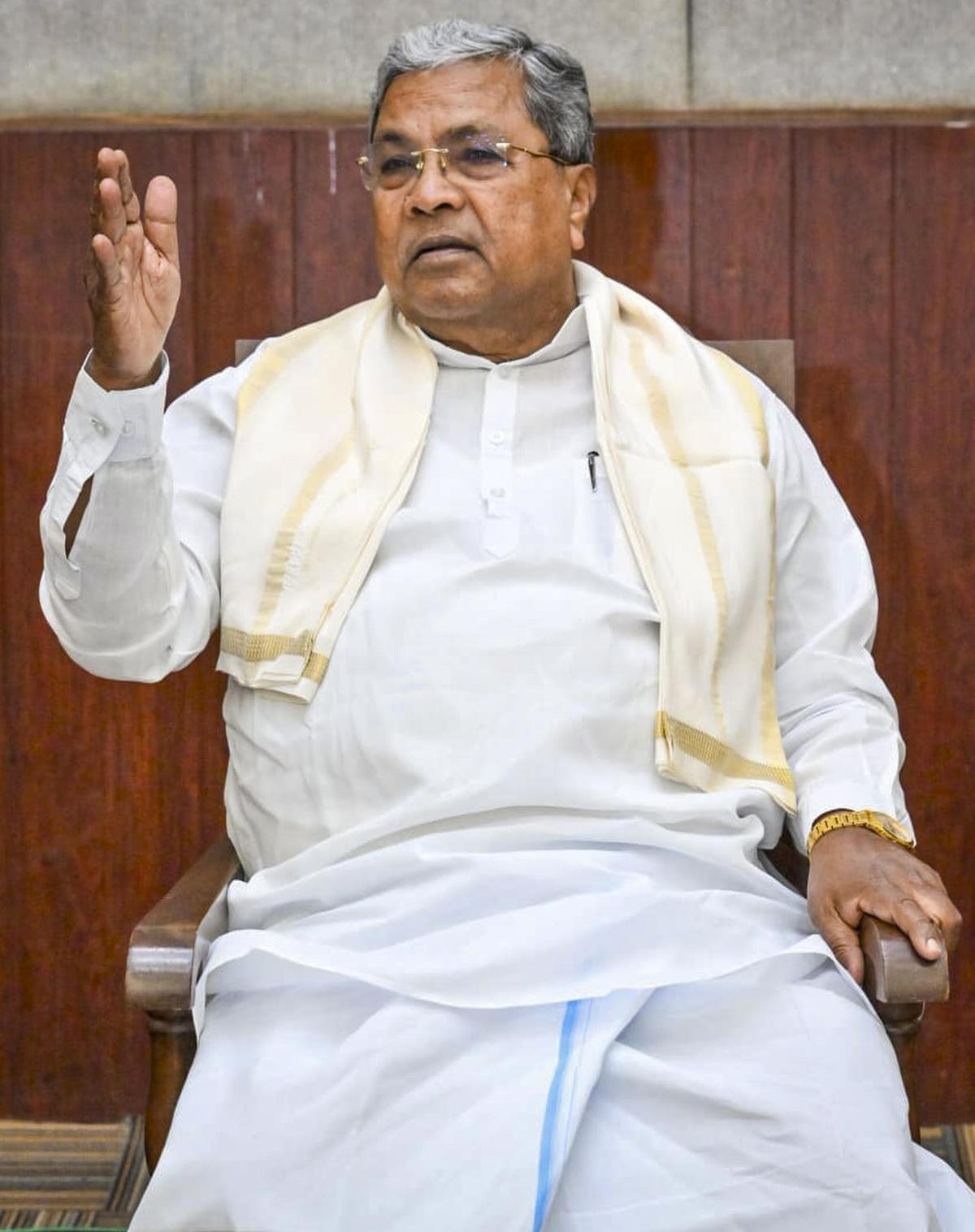
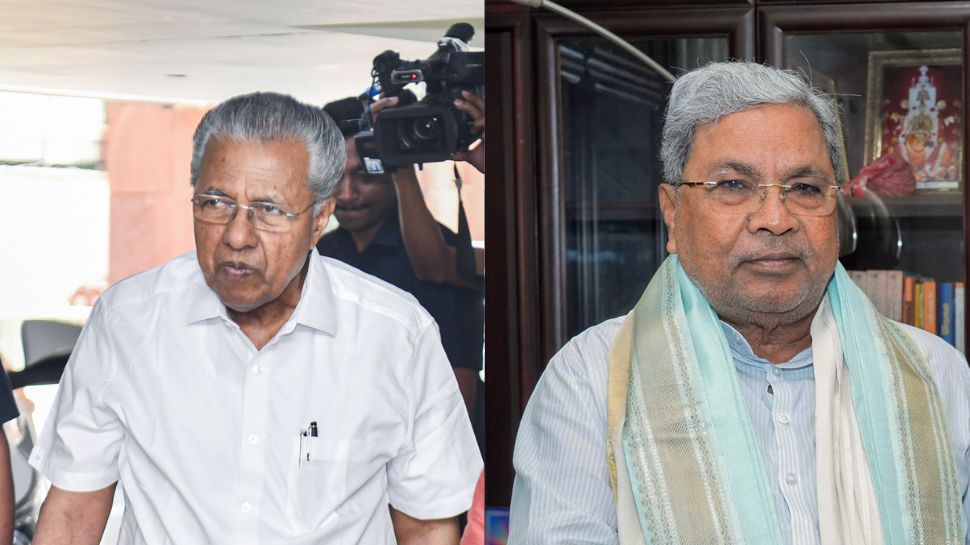
In a strongly worded letter to Kerala Chief Minister Pinarayi Vijayan, Karnataka Chief Minister has declared that the State will exert its constitutional right to oppose the proposed Malayalam Bhasha Bill. The move signals heightened tensions between the neighbouring states over language, administrative autonomy, and cultural identity. The CM emphasised that Karnataka will take all necessary legal and political steps to safeguard its interests, particularly in border districts where Malayalam-speaking populations are concentrated.

The Malayalam Bhasha Bill, currently under consideration in the Kerala Legislative Assembly, seeks to promote the use of Malayalam in official and educational spheres, including border regions. Karnataka authorities contend that certain provisions could adversely affect linguistic minorities in border areas and disrupt established administrative processes. Officials argue that the Bill may undermine the rights of Kannada-speaking populations in districts adjoining Kerala, including Kodagu, Dakshina Kannada, and parts of Chikkamagaluru.Will exert Constitutional right to oppose Malayalam Bhasha Bill, CM tells  Pinarayi in letter - The Hindu
CM’S ASSERTION OF CONSTITUTIONAL RIGHTS

The Karnataka CM’s letter explicitly cites constitutional provisions safeguarding linguistic and cultural rights, asserting that any law affecting inter-state language dynamics must respect these guarantees. Legal experts indicate that the CM’s warning is likely to trigger a formal legal review, potentially involving the Inter-State Council or the Supreme Court, to resolve disputes arising from overlapping cultural and administrative claims.

Political observers note that language-related bills often carry both cultural significance and political ramifications. The letter signals Karnataka’s proactive approach, emphasizing that the State will not hesitate to challenge legislation perceived to infringe upon Kannada language rights. Officials have also indicated plans to engage with local representatives in border districts to prepare for legal and political advocacy if required.Karnataka Objects To Keralas Proposed Malayalam Language Bill 2025 | India  News | Zee News
RESPONSE AND REACTIONS

Kerala government sources, while acknowledging receipt of the letter, stated that the Bill is intended to strengthen Malayalam usage and safeguard cultural heritage. They emphasised that the proposed legislation does not intend to marginalise speakers of other languages but rather promote the regional language in administrative, educational, and cultural spheres.

Language rights activists in Karnataka have welcomed the CM’s stance, highlighting the importance of defending linguistic identity in border regions. They argue that ensuring Kannada remains the primary language of administration, education, and public life in Karnataka’s border districts is crucial for preserving cultural integrity and avoiding potential marginalisation of the local population.

The Karnataka CM’s letter also emphasised the historical coexistence of Kannada and Malayalam-speaking communities in border areas, stressing that any new legislation must not disrupt this delicate balance. Officials highlighted that decades of intermingling have created a multicultural environment, where administrative and educational systems have long accommodated linguistic diversity. The CM warned that the Malayalam Bhasha Bill, in its current form, risks altering this equilibrium, potentially marginalising Kannada speakers. Karnataka has requested Kerala to reconsider or amend the Bill to ensure that the rights of Kannada-speaking residents are fully respected, while still promoting Malayalam language and culture.

Legal experts note that inter-state language disputes often involve nuanced interpretations of constitutional provisions. Articles 29 and 30 of the Constitution safeguard linguistic and cultural rights, allowing states to promote their regional languages. However, these rights must be balanced against the rights of linguistic minorities residing in border districts. The Karnataka CM’s letter indicates that the state is prepared to escalate the matter legally if necessary, potentially involving the Supreme Court. Observers expect detailed arguments around minority protections, administrative convenience, and cultural preservation in any judicial review that may follow.

Political analysts say the letter may also have electoral implications. Border constituencies in Karnataka have sizable populations concerned about the preservation of Kannada language and cultural identity. By taking a firm stance, the CM is signalling commitment to protecting local interests. The move is likely to resonate with voters in districts such as Kodagu, Dakshina Kannada, and parts of Chikkamagaluru, where Malayalam influence has grown. Meanwhile, Kerala’s government may need to balance regional linguistic pride with interstate harmony to avoid escalating political tensions in the southern states.

Officials in Karnataka have begun outreach to local representatives, district administrators, and educational institutions to assess the potential impact of the Bill. Meetings are being planned to understand how administrative procedures, school curricula, and public communication could be affected. This preparatory work aims to gather evidence and community feedback, which could strengthen Karnataka’s legal and political position. Authorities emphasise that proactive engagement with citizens ensures that concerns are documented, articulated clearly, and addressed promptly if negotiations or legal proceedings become necessary.

Kerala government sources have maintained that the Bill is intended to strengthen the use of Malayalam in administration, education, and cultural initiatives without infringing on the rights of other linguistic groups. They argue that promotion of Malayalam is vital for preserving cultural heritage, fostering regional pride, and enhancing local governance. Kerala officials have indicated willingness to discuss concerns with Karnataka, emphasising collaboration and dialogue. However, they have defended the principle of allowing Malayalam to flourish in border districts, particularly in areas where native speakers form a significant population.

Language activists in Karnataka have welcomed the CM’s intervention, stating that strong state advocacy is necessary to protect Kannada identity. They stress that linguistic rights are not merely symbolic but affect education, employment, and administrative access for residents. The activists have called for continued vigilance in border areas, monitoring Malayalam language promotion to ensure it does not compromise Kannada speakers’ opportunities. Several groups have pledged to support the state government in legal and advocacy measures while encouraging dialogue between communities to maintain social harmony.

Observers note that this episode highlights broader challenges of managing linguistic diversity in India’s federal framework. States often need to balance the promotion of regional languages with protection of minority language speakers, particularly in border areas. Karnataka’s proactive stance could set a precedent for other states facing similar situations. Experts emphasise that cooperative mechanisms, such as inter-state language councils or consultation committees, can help mitigate tensions while respecting constitutional rights and cultural sensitivities.

The CM’s letter may also catalyse discussions on policy reforms for border districts. Suggestions include bilingual administrative procedures, optional educational streams in regional languages, and coordinated language promotion campaigns. Such measures aim to ensure that both Kannada and Malayalam communities can thrive without conflict. Authorities in Karnataka are expected to monitor developments closely, maintain communication with Kerala officials, and prepare for potential legal proceedings to safeguard linguistic and cultural interests along the interstate border.

Conversely, some observers have cautioned that aggressive posturing may strain inter-state relations. Kerala and Karnataka share a long history of cooperation and disputes over water, land, and cultural issues. Language, being a sensitive subject, requires careful handling to prevent escalation. Analysts suggest that dialogue, mediation, and constitutional interpretation will be critical in resolving the impasse.

LEGAL AND POLICY IMPLICATIONS

If the conflict escalates, Karnataka may approach the Supreme Court under Article 131, which provides the judiciary with the authority to adjudicate disputes between states. Experts note that courts have historically considered linguistic, cultural, and administrative factors when resolving inter-state disputes. The CM’s letter serves as both a formal warning and a preparatory step for possible legal intervention.

In border districts, the Bill could impact official communication, school instruction mediums, and administrative procedures. Karnataka officials have expressed concern that mandatory Malayalam usage could create confusion, impede local governance, and disadvantage Kannada-speaking residents. Stakeholders have urged both states to engage in consultation and seek a mutually acceptable framework.

CULTURAL AND POLITICAL CONTEXT

Language politics in southern India has historically been intertwined with identity, governance, and regional pride. The Malayalam Bhasha Bill, while aimed at cultural preservation, touches upon sensitive aspects of inter-state relations, particularly in multi-lingual regions. The Karnataka CM’s intervention underscores the significance of linguistic rights as a component of constitutional and political strategy, reflecting broader concerns about protecting minority language speakers.

Political analysts suggest that upcoming debates in the Kerala Assembly and potential legal challenges from Karnataka could dominate media discourse, influence voter sentiment in border areas, and shape regional cooperation policies. Both states are expected to emphasise dialogue channels while preparing for possible judicial scrutiny if disputes cannot be amicably resolved.

MOVING FORWARD

Karnataka’s clear assertion of constitutional rights signals that the issue will remain under close scrutiny in the coming weeks. Authorities in both states are likely to engage legal experts, language committees, and policy advisors to chart a path forward. Observers suggest that negotiation, inter-state councils, and judicial intervention may all play roles in balancing cultural promotion with minority language protections, ensuring peaceful coexistence along the Karnataka-Kerala border.Kerala will not accept Citizenship Amendment Bill: CM Pinarayi Vijayan |  Asianet Newsable
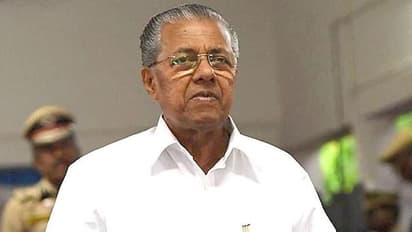
The letter marks a significant moment in inter-state language politics, highlighting the delicate balance between regional identity, constitutional guarantees, and administrative practicalities. As both states navigate this complex issue, careful dialogue and adherence to legal frameworks will be essential to prevent escalation and maintain cooperative relations.

Language politics in southern India has historically been intertwined with identity, governance, and regional pride. The Malayalam Bhasha Bill, while aimed at cultural preservation, touches upon sensitive aspects of inter-state relations, particularly in multi-lingual regions. The Karnataka CM’s intervention underscores the significance of linguistic rights as a component of constitutional and political strategy, reflecting broader concerns about protecting minority language speakers.

Follow: Karnataka Government

Also read: Home | Channel 6 Network – Latest News, Breaking Updates: Politics, Business, Tech & More

Chandapura–Attibele Stretch Choked by Ongoing Roadworks: CRUSHING 1-TRAFFIC, 1 ROAD, AND DAILY HEADACHES

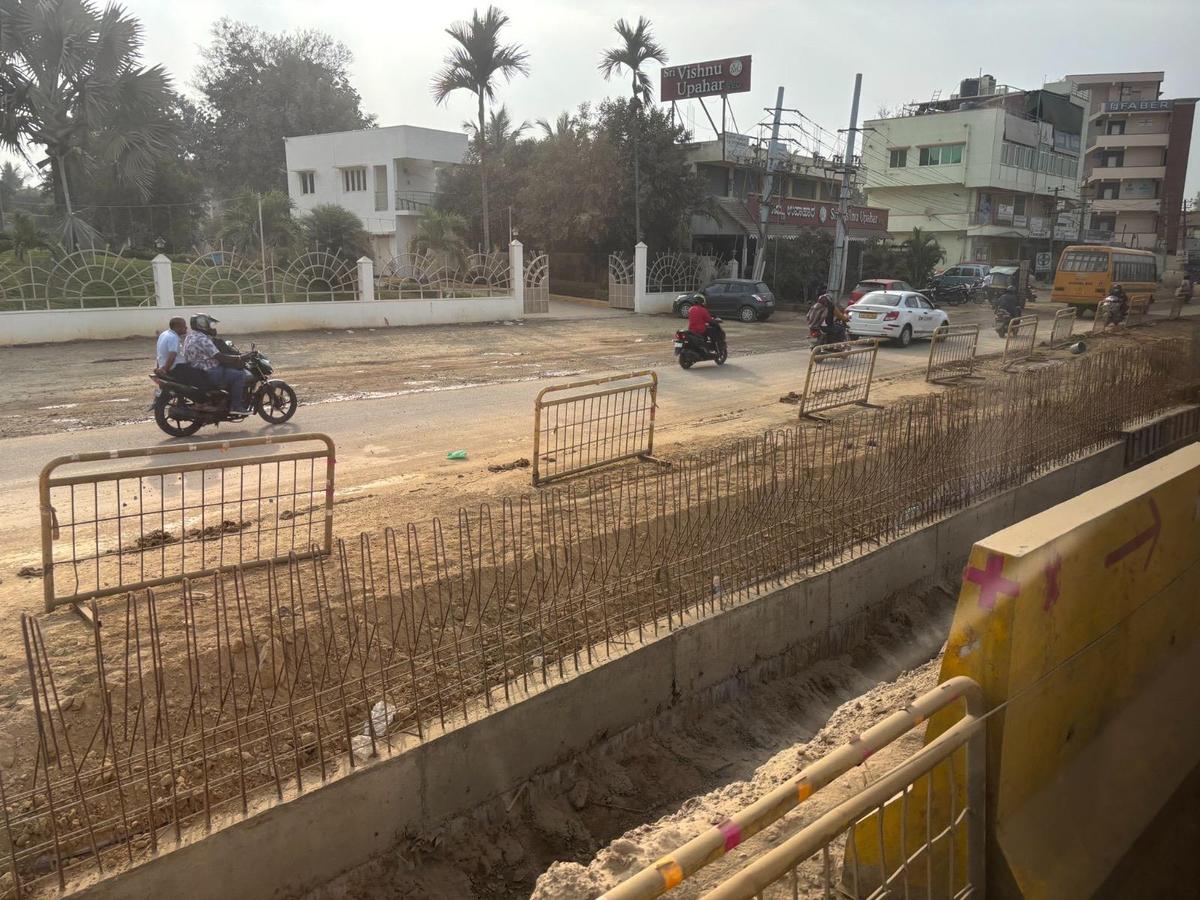
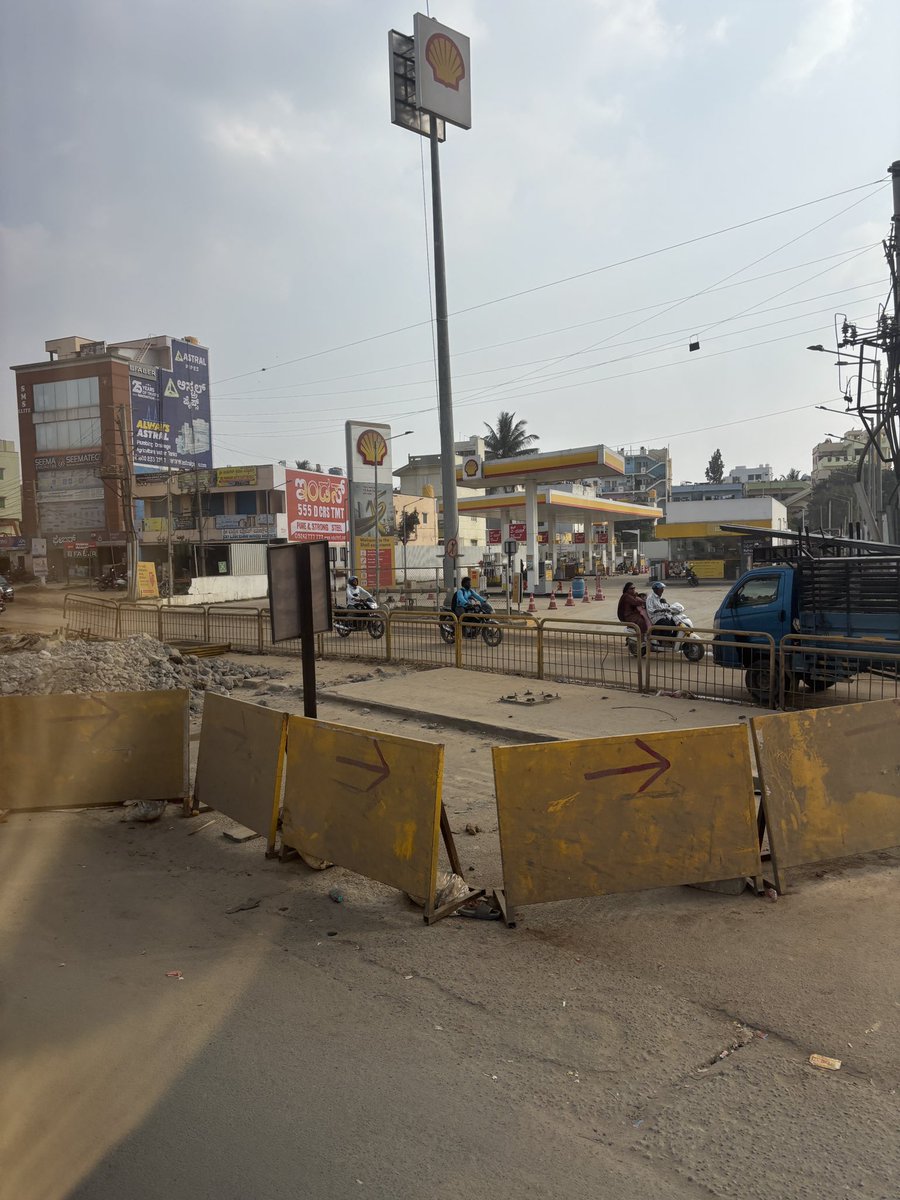
Commuters along the Chandapura–Attibele stretch in Bengaluru are facing severe delays as ongoing roadworks continue to disrupt smooth traffic flow. The construction, aimed at widening the road and improving drainage, has led to bottlenecks during peak hours, turning what is usually a 30-minute commute into a frustrating two-hour ordeal. Residents, office-goers, and logistics operators have expressed growing frustration over the prolonged work and lack of alternate routes.

Officials from the Bengaluru Metropolitan Transport Corporation (BMTC) and local traffic police have noted that the stretch connects key industrial, residential, and commercial areas, making it a critical corridor for daily commuters. The roadworks, which include lane expansion, resurfacing, and installation of safety barriers, have narrowed available lanes, forcing vehicles to merge and slowing traffic considerably. Temporary diversions have been implemented, but congestion remains a major issue.

Traffic congestion along the Chandapura–Attibele stretch has also affected school and college transportation. Parents and students report that school buses are frequently delayed, forcing adjustments to pick-up and drop-off schedules. College-goers commuting to educational institutions in the corridor face similar delays, impacting punctuality for classes and examinations. Authorities are coordinating with educational institutions to stagger timings and ease peak-hour congestion wherever possible.

Logistics and delivery services operating along the stretch have reported significant operational setbacks. Transport operators cite increased fuel consumption, vehicle wear and tear, and delayed deliveries due to prolonged traffic jams. Several companies have sought temporary alternate routes, but the lack of proper feeder roads has limited efficiency. Officials are exploring additional bypasses and temporary service lanes to facilitate commercial movement.

Residents have expressed concern over the health impact of prolonged exposure to dust and noise from construction. Many households in adjoining areas have reported respiratory issues and discomfort due to constant air pollution. The construction team has been asked to step up mitigation measures, including water sprinkling, dust barriers, and scheduling high-noise activities during daytime hours to reduce disturbance to local communities.

Emergency services, including ambulances and fire response units, have faced challenges navigating the congested stretch. Police and traffic officials have coordinated with hospitals and emergency service providers to identify priority lanes and signal adjustments to allow swift passage of essential vehicles. Authorities continue to monitor emergency access and implement measures to prevent delays in critical situations.

Public transport commuters, particularly BMTC bus passengers, have been facing overcrowding and extended travel times. Authorities are reportedly increasing the frequency of buses along affected routes and providing updates on expected delays through digital platforms. Despite these measures, passengers continue to experience frustration due to slow-moving traffic and limited alternate routes.

The construction team has undertaken phased work to manage congestion, with lane closures rotated and work scheduled during non-peak hours where feasible. Officials emphasise that such phased approaches, though not eliminating delays, aim to balance construction efficiency with commuter convenience. Additional signage and temporary traffic diversions have been installed to guide motorists safely through work zones.

Local business owners along the corridor have voiced concerns about reduced customer footfall due to the traffic snarls. Shops and small enterprises reliant on daily commuters have seen a decline in sales, prompting calls for improved traffic management or temporary compensation mechanisms for affected businesses. Authorities are engaging with local business associations to identify solutions and provide timely updates.

Authorities have assured that once the roadworks are completed, the Chandapura–Attibele stretch will feature enhanced lanes, improved drainage, modern signage, and safer pedestrian access. The upgrade is expected to significantly improve traffic flow, reduce travel time, and support industrial and commercial activities in the region. Officials have urged commuters to remain patient and plan their travel while long-term benefits take shape.Ongoing roadworks cripple traffic on Chandapura–Attibele stretch, commuters  face daily delays - The Hindu

COMPLAINING COMMUTERS AND DAILY STRUGGLES

Daily commuters report that travel time has increased exponentially, affecting both personal schedules and professional commitments. Office-goers say they are forced to leave homes much earlier, while transport operators cite delays in deliveries and increased fuel costs. Local residents have also complained about noise, dust, and safety hazards caused by uneven surfaces and construction equipment. Many are urging authorities to expedite the work or provide better alternate routes.

Traffic police have been deployed at key junctions to manage congestion and prevent accidents. Officials have also requested commuters to plan their travel during off-peak hours when possible. Authorities stressed that the project, though causing temporary inconvenience, is expected to significantly improve road capacity, reduce accidents, and facilitate smoother traffic once completed.

INFRASTRUCTURE UPGRADES UNDERWAY

The Chandapura–Attibele stretch is part of a broader urban development plan aimed at decongesting major arterial roads and supporting Bengaluru’s growing vehicular population. Work includes widening lanes, constructing proper footpaths, enhancing drainage systems, and installing signage and safety barriers. Officials said the upgrades will benefit long-term traffic flow, especially for heavy vehicles commuting to industrial hubs and logistics centres in the region.

Civil engineers involved in the project highlighted that unforeseen delays are common in urban roadworks due to land acquisition challenges, utility relocations, and weather conditions. They assured that teams are working around the clock to complete the project while maintaining safety standards. Authorities hope that once finished, the upgraded road will reduce travel time, improve connectivity, and support economic activities in the corridor.

IMPACT ON LOCAL ECONOMY AND TRANSPORT

Small businesses along the stretch have reported reduced footfall due to traffic snarls, affecting daily revenue. Delivery services and public transport operations are similarly affected, with buses running late and schedules disrupted. The Karnataka Road Development Corporation (KRDCL) has said that efforts are underway to coordinate with business owners to ensure minimal disruption while maintaining the pace of construction.

Residents have suggested implementing temporary measures such as dedicated service lanes, better signage for diversions, and traffic signals at congested intersections. Some commuters have turned to digital maps and navigation apps to identify alternative routes, but heavy traffic across adjacent roads has limited their effectiveness. Local authorities are considering adjusting traffic signals and deploying additional police personnel during peak hours.🚨 #Bengaluru #HosurRoad Crisis — Chandapura-Attibele Works Grinding Traffic  to a Halt! A classic example of @NHAI_Official “work” at Chandapura-Attibele  is now crippling traffic for over an hour daily, with jams extending

PUBLIC SAFETY AND CONVENIENCE

Safety concerns have been raised as uneven road surfaces, construction machinery, and heavy vehicle movement create hazardous conditions for motorists, two-wheeler riders, and pedestrians. Traffic police have urged caution and adherence to speed limits, while the construction team has installed barricades and warning signs at critical points. Officials stressed that pedestrian safety and accident prevention remain a top priority during the ongoing works.

Environmental concerns have also been highlighted, particularly dust pollution affecting nearby residential areas. Temporary water sprinkling and dust control measures have been implemented, but residents continue to report health issues, including respiratory discomfort. Authorities said stricter monitoring of pollution levels and mitigation strategies will continue until construction is completed.

EXPECTED COMPLETION AND LONG-TERM BENEFITS

The Chandapura–Attibele road widening and improvement project is expected to be completed within the next few months, according to officials. Once finished, commuters can expect smoother traffic, better connectivity to industrial zones, and improved safety for pedestrians and cyclists. Authorities emphasise that the temporary inconvenience is a trade-off for long-term infrastructure benefits, including reduced congestion and faster travel times for heavy vehicles.

Officials have assured that periodic updates on project progress and traffic advisories will be shared with the public through local media and digital platforms. Residents are encouraged to follow updates to plan travel accordingly. Once operational, the upgraded stretch is expected to significantly improve commuting efficiency, strengthen economic activity along the corridor, and enhance overall urban mobility in southern Bengaluru.

LOOKING AHEAD

While frustration among commuters is palpable, authorities maintain that the Chandapura–Attibele stretch upgrade is a crucial step in modernising Bengaluru’s urban infrastructure. Effective communication, phased traffic management, and safety measures are being prioritised to minimise disruptions. The project exemplifies the challenges of urban expansion and the balancing act between development and daily convenience, highlighting the need for proactive planning and citizen cooperation in a rapidly growing metropolis.

Authorities have also proposed using digital traffic monitoring systems along the Chandapura–Attibele stretch to manage congestion more effectively. Cameras and sensors will track vehicle movement in real time, enabling traffic police to adjust signals, deploy personnel to hotspots, and provide timely alerts to commuters about delays or alternative routes. Officials believe this technology-driven approach can significantly reduce peak-hour congestion once fully implemented.

Residents and commuters have demanded better communication regarding ongoing roadworks. Many expressed frustration over the lack of clear signage and timely updates on lane closures, detours, and expected completion timelines. In response, authorities said they will provide daily advisories through local media, social platforms, and traffic apps to help commuters plan their journeys more efficiently.Bengaluru Post's Video on X

Motorists have also highlighted safety concerns along the stretch, particularly for two-wheelers and pedestrians navigating narrow, partially closed lanes. Traffic police and construction authorities have set up additional barricades, warning signs, and speed restrictions to mitigate accident risks. Authorities stressed that while congestion is temporary, safety remains a top priority during construction.

Public transport operators are exploring flexible scheduling and route adjustments to cope with delays. Some BMTC bus routes have been temporarily rerouted to adjacent roads, while shuttle services are being considered for heavily congested segments. Authorities hope these measures will ease commuter pressure and maintain connectivity despite ongoing construction challenges.

Experts note that the Chandapura–Attibele roadwork project highlights the challenges of urban infrastructure development in rapidly growing cities. Balancing construction efficiency with commuter convenience requires careful planning, phased execution, and proactive communication. While the stretch remains congested, authorities assure that the completed project will deliver long-term improvements in safety, travel time, and economic activity for the region.

Follow: Karnataka Government

Also read: Home | Channel 6 Network – Latest News, Breaking Updates: Politics, Business, Tech & More
Koppal Officials Suspended After Worms Found in Meals: SHOCKING 3-SUSPENSIONS, 1 HEALTH ALERT, AND PUBLIC OUTRAGE

In a startling incident raising serious concerns about food safety and hygiene, three government officials in Koppal have been suspended after worms were discovered in meals served under a government-run scheme. The alarming discovery, reported from a local institution, has triggered immediate administrative action and intensified calls for stringent quality checks in public food programs. Authorities confirmed that an inquiry has been launched to identify lapses in food preparation, storage, and monitoring protocols.

The incident serves as a wake-up call for policymakers and administrators about the critical importance of food safety in public welfare programs. While immediate action has been taken through suspensions and inspections, experts stress that long-term solutions require systemic reforms, stronger supervision, and continuous training. Ensuring that all meals meet safety standards is essential to protect the health and wellbeing of vulnerable populations across Karnataka.

The incident came to light when recipients of the meals, which were part of a public welfare program, noticed worms in the food. Complaints were promptly lodged with the district administration, and officials conducted on-the-spot inspections. Preliminary reports suggest that lapses in hygiene and storage practices may have contributed to the contamination. The government acted swiftly, suspending three officials responsible for overseeing the meals, pending further investigation.Cook Suspended Day After Worms Found In Rice In Karnataka Mid-Day Meal

IMPACT ON PUBLIC TRUST AND GOVERNMENT SCHEMES

The discovery has sparked outrage among local residents and beneficiaries of government meal programs. Questions are being raised about the safety and reliability of food provided through public schemes, which cater to vulnerable populations including schoolchildren, senior citizens, and low-income families. Experts have stressed that maintaining hygiene and monitoring quality are critical to ensure the credibility and effectiveness of such initiatives.

Officials from the Koppal district administration said that immediate corrective measures have been implemented to prevent recurrence. Alternative meal arrangements are being made for beneficiaries while thorough inspections of kitchens, storage facilities, and supply chains are conducted. Authorities emphasised that accountability will be ensured, and any negligence found will be addressed with strict disciplinary action.

ADMINISTRATIVE AND POLICY RESPONSE

The three suspended officials reportedly held key responsibilities in the preparation and distribution of the contaminated meals. The suspensions highlight the government’s zero-tolerance stance on negligence affecting public health. In addition to disciplinary action, officials have been asked to cooperate fully with the ongoing investigation. The district administration is reviewing operational protocols to ensure rigorous oversight in all food programs.

Food safety experts said that this incident underscores the need for systematic monitoring in government-run meal schemes. Regular inspections, temperature-controlled storage, hygienic cooking practices, and prompt reporting of irregularities are essential to prevent contamination. The government is reportedly considering the introduction of more stringent standard operating procedures and training programs for officials handling food services.Worms found in midday meals served at school in Koppal village, parents  outraged by staff negligence - Public TV English

PUBLIC HEALTH AND SAFETY CONCERNS

The presence of worms in meals raises immediate public health concerns. Officials have advised beneficiaries who received contaminated food to seek medical attention if they experience any symptoms such as nausea, abdominal discomfort, or vomiting. Health workers have been deployed to provide guidance, and the local health department is conducting awareness campaigns about safe food handling practices.

Parents and guardians have expressed anger over the lapse, particularly in cases where schoolchildren are recipients of the meals. Many have demanded stronger monitoring systems, including CCTV surveillance of kitchens and periodic quality audits. Civil society groups have urged the government to ensure that hygiene standards are non-negotiable and that accountability mechanisms are transparent.

CALLS FOR LONG-TERM REFORMS

Policy analysts believe that isolated incidents like these point to larger structural challenges in the implementation of public food programs. They recommend creating a comprehensive quality assurance framework, including periodic random testing of food, transparent reporting channels, and robust grievance mechanisms. Experts argue that such measures will not only prevent contamination but also restore public confidence in government initiatives.

The Koppal case also highlights the importance of training and sensitisation for officials handling food programs. Many lapses, experts suggest, stem from inadequate awareness of hygiene protocols and poor supervision. The district administration has reportedly initiated plans for mandatory hygiene training sessions, reinforcing the importance of food safety from preparation to distribution.

COMMUNITY AND MEDIA RESPONSE

The incident has drawn widespread attention in local media and on social platforms, prompting citizens to demand accountability and swift action. Community leaders have called for transparent sharing of the inquiry findings and stronger engagement with beneficiaries to rebuild trust. Residents have also urged government authorities to implement monitoring mechanisms that ensure such violations do not recur in future programs.

As the investigation progresses, authorities have pledged to adopt stricter inspection schedules and reinforce food safety standards. The suspended officials face potential disciplinary proceedings, and corrective measures are expected to include more robust supervision and accountability frameworks. For now, the incident serves as a stark reminder of the critical need for vigilance, hygiene, and strict adherence to protocols in public food distribution systems.Cook Suspended Day After Worms Found In Rice In Karnataka Mid-Day Meal

LOOKING AHEAD

The Koppal food contamination case is likely to trigger state-level reviews of similar programs, with officials examining compliance and quality across districts. While suspensions are an immediate measure, experts stress the need for systemic reforms, including independent audits, routine inspections, and technology-enabled monitoring. The hope is that lessons from this episode will lead to long-term improvements in public food safety, safeguarding the health and trust of vulnerable communities.

The incident underscores the responsibility borne by officials in managing government schemes, particularly those that directly affect the wellbeing of citizens. With immediate actions taken and systemic reforms being considered, authorities aim to restore public confidence and ensure that every meal provided under government programs is safe, nutritious, and hygienically prepared.

Officials have also initiated a review of the supply chain for the meals to identify the point of contamination. Preliminary findings indicate that the issue could have arisen either during storage or transportation before reaching the kitchens. Authorities are scrutinising food suppliers, storage facilities, and transportation vehicles to ensure compliance with hygiene standards. Officials emphasised that strict monitoring will continue until systemic issues are resolved and all beneficiaries can be assured safe meals.

Medical experts have been deployed to Koppal schools and institutions affected by the contaminated meals. They are conducting check-ups for recipients and providing guidance on foodborne illness prevention. Parents and caregivers have been advised to monitor children for symptoms like stomach cramps, vomiting, or diarrhoea. The health department has set up a hotline for reporting any health concerns related to the meals.

Civil society groups have criticised the lack of robust monitoring mechanisms in government-run meal schemes. They pointed out that such lapses are often due to inadequate training, low supervision, and outdated protocols. Activists are calling for independent inspections, mandatory certification of kitchens, and real-time reporting systems to prevent similar incidents in the future.

Local media coverage of the incident has intensified public scrutiny, highlighting the negligence and prompting immediate administrative action. News reports have shared visuals and testimonies from beneficiaries, amplifying demands for accountability and stricter oversight. Authorities have responded by promising transparency in the inquiry and timely updates on disciplinary proceedings.

The Karnataka government is reportedly considering introducing stricter regulatory measures for all government-run food programs across the state. Proposals include standardised quality checks, random inspections, and a centralised monitoring system for tracking compliance. Officials hope these reforms will prevent food safety violations and enhance public confidence in government welfare schemes.

Officials have warned other districts to be vigilant and implement preventive measures proactively. Circulars are being sent to all district administrations, emphasising the importance of regular audits, hygiene checks, and rapid response protocols. Authorities hope that this proactive approach will reduce risks and ensure that such lapses do not recur elsewhere.

Community leaders in Koppal have called for greater citizen involvement in monitoring food programs. They suggested forming committees comprising parents, teachers, and local volunteers to oversee preparation and distribution of meals. Such initiatives, they argue, will create accountability and help build trust between beneficiaries and authorities.

The incident serves as a wake-up call for policymakers and administrators about the critical importance of food safety in public welfare programs. While immediate action has been taken through suspensions and inspections, experts stress that long-term solutions require systemic reforms, stronger supervision, and continuous training. Ensuring that all meals meet safety standards is essential to protect the health and wellbeing of vulnerable populations across Karnataka.

The district administration has also announced plans to install surveillance cameras in all government kitchens to ensure compliance with hygiene standards. Officials said real-time monitoring will allow authorities to detect irregularities promptly and take corrective action before meals are distributed. The initiative is being described as a step toward creating a transparent, accountable system for food preparation and delivery.

Food safety experts have suggested introducing third-party audits of government meal programs. Independent agencies can periodically inspect kitchens, storage areas, and transportation channels, providing unbiased reports on hygiene standards. Authorities believe such audits, combined with internal inspections, will significantly reduce the risk of contamination and improve overall food quality.

Training programs for officials handling meal schemes are being strengthened following the incident. Courses on food safety, hygiene practices, and emergency response are being made mandatory. The government hopes that building awareness and capacity among staff will prevent negligence and ensure that meals are safe, nutritious, and prepared under controlled conditions.

Public advocacy groups have called for clear guidelines on penalties for officials found negligent in similar cases. They argue that accountability must be strict, with consequences proportional to the risk posed to public health. Experts note that consistent enforcement of such penalties is essential to deter future lapses in food safety management.

The Koppal incident has also prompted discussions at the state level about modernising meal programs. Proposals include digitising inventory management, using temperature-controlled vehicles for transportation, and introducing standardised meal preparation protocols. Officials and experts agree that adopting technology-driven solutions will enhance efficiency, transparency, and safety in government-run food distribution schemes across Karnataka.

Follow: Karnataka Government

Also read: Home | Channel 6 Network – Latest News, Breaking Updates: Politics, Business, Tech & More
Quick Commerce Delivery Executive Assaulted in Kaggadasapura: SHOCKING 1-INCIDENT, 1 VIDEO, AND PUBLIC OUTRAGE

Follow: Karnataka Government

Also read: Home | Channel 6 Network – Latest News, Breaking Updates: Politics, Business, Tech & More

Greater Mysuru City Corporation Brings a Shared Civic Dream: HISTORIC 1-STEP UNITY

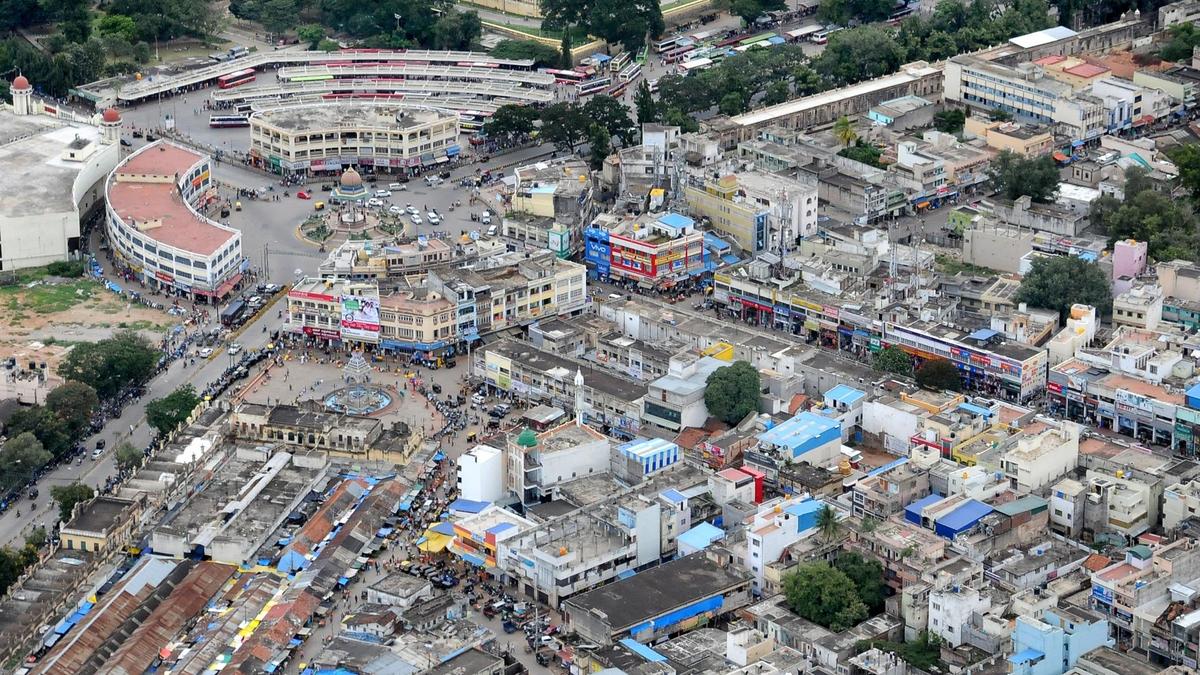
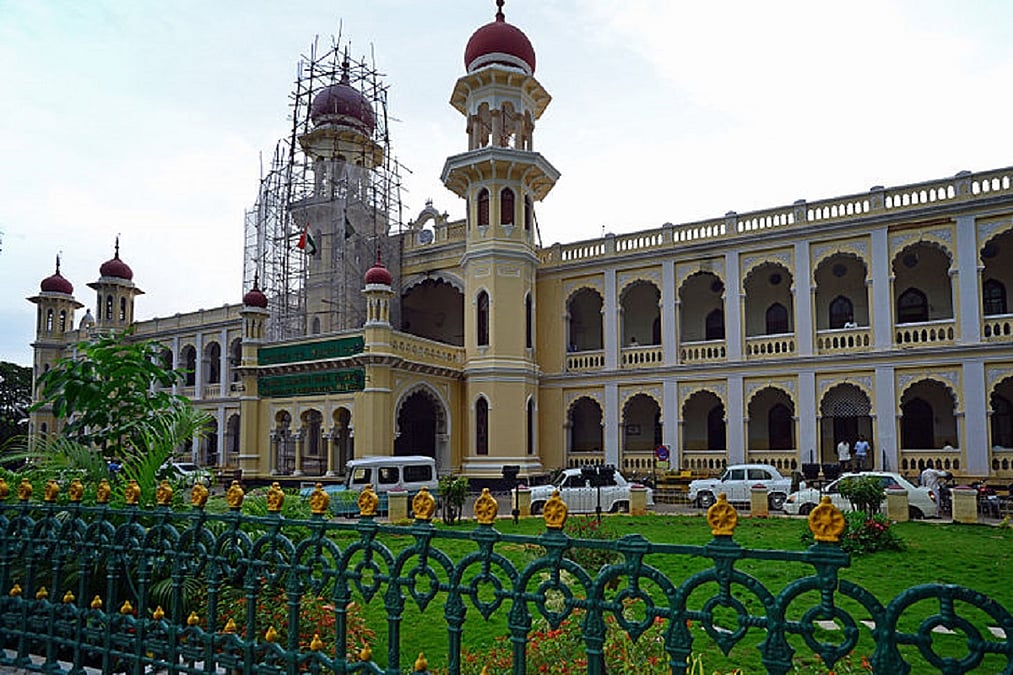
The Karnataka government has officially notified the formation of the Greater Mysuru City Corporation, marking a decisive shift in the urban governance framework of one of the State’s most culturally significant cities. The move is being described by officials as a long-pending administrative reform aimed at aligning Mysuru’s civic structure with its expanding geographical, economic, and demographic realities. With rapid urbanisation spilling beyond traditional city limits, the notification is expected to streamline governance, improve infrastructure delivery, and create a unified development vision for the Mysuru region.

Officials have emphasised that citizen engagement will be a cornerstone of the Greater Mysuru City Corporation’s operations. Public grievance portals, community meetings, and mobile outreach teams are being planned to ensure residents of both the old city and newly integrated areas can report issues and track their resolution. Authorities hope that by incorporating feedback into decision-making, the corporation can build trust and accountability while improving service delivery in a transparent manner.

Infrastructure development is expected to be prioritised in the newly merged zones, where gaps in basic amenities are often more pronounced. Roads, street lighting, sewage systems, and solid waste management facilities are planned for accelerated upgrades. Government sources said special funds may be allocated to ensure these areas reach the service levels of the older city core within a defined timeline. These investments are also expected to stimulate local economic activity and employment opportunities.

Water supply and sanitation management are seen as key areas of focus under the expanded corporation. Several peripheral areas previously struggled with intermittent water supply and unplanned drainage systems. The unified administrative framework will allow city planners to implement integrated water distribution, sewage treatment, and drainage networks. Officials highlighted that addressing these gaps would improve public health outcomes and enhance overall quality of life for residents.

Public transport and traffic management are expected to undergo significant improvements as part of the Greater Mysuru plan. The corporation aims to coordinate bus routes, improve parking infrastructure, and introduce smart traffic solutions. By integrating peripheral localities into the city’s transportation network, authorities hope to reduce congestion in the central areas and make commuting smoother for residents, workers, and visitors alike.

The government has also indicated that urban planning for economic growth will be part of the corporation’s mandate. Industrial zones, IT parks, and commercial hubs in peripheral areas will be better integrated into the city’s development strategy. This coordination will allow more effective infrastructure support, such as power supply, connectivity, and logistics, thereby boosting investment potential and local employment generation in the extended city limits.

Environmental sustainability has been highlighted as a priority for the expanded city. Plans include the preservation of lakes, green belts, and heritage trees, along with improved solid waste management and air quality monitoring. Officials said urban greening programmes, rainwater harvesting, and sustainable construction norms will be actively promoted to ensure that expansion does not compromise Mysuru’s environmental character.

The corporation will also focus on digitisation and smart governance initiatives. Plans include implementing online civic service delivery, real-time monitoring of municipal services, and integration of geographic information systems (GIS) for urban planning. Officials believe that technology-driven management can improve efficiency, reduce corruption, and make services more accessible to all residents, regardless of location.

Finally, authorities stressed that the success of the Greater Mysuru City Corporation depends on continuous coordination between the State government, elected representatives, and citizens. While administrative restructuring is a significant step, effective leadership, adequate resources, and active community participation will determine whether the vision of a modern, inclusive, and well-managed Mysuru can be fully realised. The notification represents a historic opportunity to shape the city’s future while balancing growth, heritage, and sustainability.

Cabinet decision to upgrade MCC into Greater Mysuru City Corporation  welcomed - The Hindu

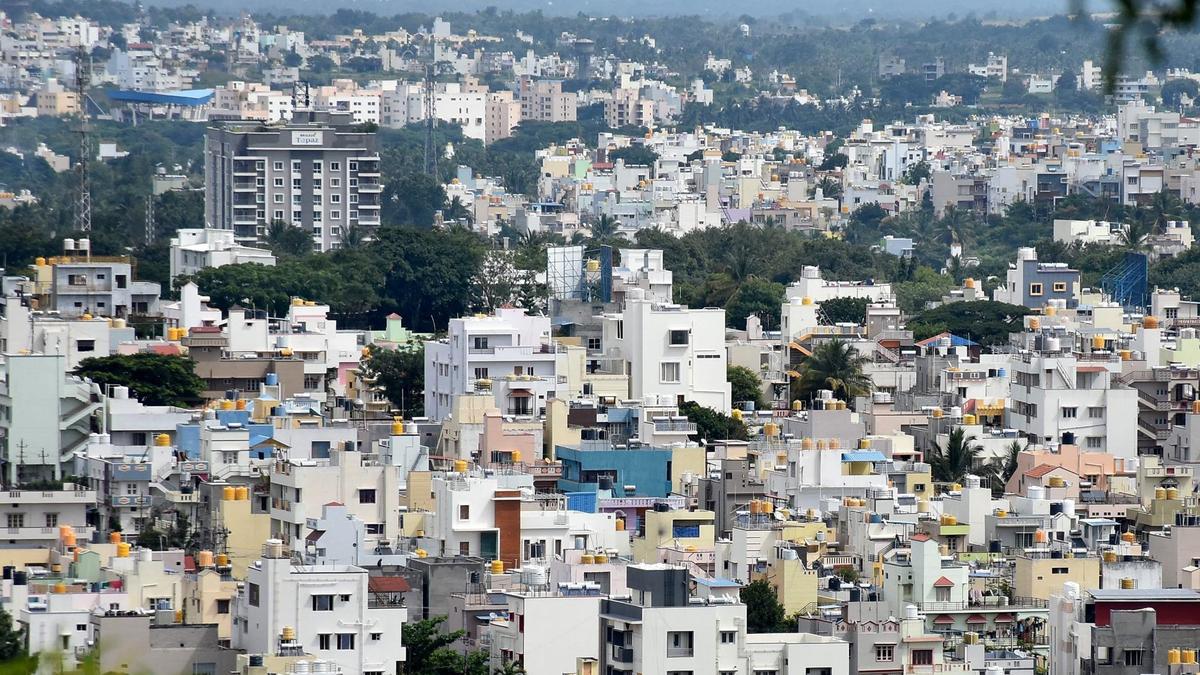
Mysuru, long celebrated for its heritage, planned layout, and quality of life, has in recent years witnessed unprecedented suburban growth. Residential layouts, industrial clusters, educational institutions, and commercial hubs have expanded into surrounding local bodies, creating fragmented governance and uneven access to civic services. The formation of the Greater Mysuru City Corporation seeks to address these challenges by bringing multiple urban local bodies under a single administrative umbrella, enabling coordinated planning and execution.

Government sources said the notification follows extensive deliberations within the Urban Development Department, consultations with elected representatives, and assessments by planning authorities. The objective, officials explained, is not merely territorial expansion but institutional strengthening. By integrating surrounding areas into a single corporation, the State aims to ensure equitable service delivery, uniform taxation norms, and integrated infrastructure planning across the Mysuru urban agglomeration.

The decision has evoked a mix of optimism and cautious scrutiny from stakeholders. Urban planners, civic activists, and economists have largely welcomed the move, arguing that Mysuru’s growth trajectory necessitated such restructuring. At the same time, concerns have been raised regarding administrative readiness, financial sustainability, and the need to preserve the city’s unique cultural and ecological character amid expansion.

A New Civic Map for a Growing Urban Region

The Greater Mysuru City Corporation will subsume several surrounding urban and peri-urban local bodies that have functioned independently until now. These areas, though physically contiguous with Mysuru city, were governed by separate municipal councils or town panchayats, often resulting in overlapping responsibilities and policy inconsistencies. With the new structure, authorities believe urban planning can finally reflect ground realities rather than outdated jurisdictional boundaries.

Officials noted that the expansion will enable comprehensive master planning for transportation, water supply, sewage networks, and solid waste management. For instance, peripheral areas that lacked underground drainage or reliable drinking water connections can now be brought under city-wide infrastructure projects. Similarly, traffic and mobility planning is expected to improve through integrated road networks, public transport expansion, and coordinated land-use regulation.Mysuru City Corporation limits expanded

The government has emphasised that the transition will be phased to minimise disruption. Administrative integration, staff realignment, and harmonisation of bylaws are expected to take place gradually. Revenue systems, including property tax structures, will also be rationalised over time to avoid sudden financial burdens on newly added areas. Officials assured that public consultations would be held before major policy changes are implemented.

Urban development experts pointed out that Mysuru’s inclusion as a greater city is also linked to its regional role. As the economic and educational hub of southern Karnataka, Mysuru attracts daily commuters from neighbouring districts. A unified corporation could improve regional connectivity and support planned satellite townships, reducing unregulated sprawl and pressure on the city core.

Elected representatives from Mysuru have largely supported the notification, describing it as a “forward-looking decision”. They argued that fragmented governance had long hampered development projects, with delays arising from jurisdictional disputes and funding constraints. A single, empowered corporation, they said, would be better positioned to negotiate with State and Central agencies for large-scale infrastructure funding.

However, some local representatives from the newly merged areas expressed apprehension about losing autonomy and local identity. They stressed the need for decentralised decision-making within the larger corporation, possibly through empowered ward committees and zonal offices. Responding to these concerns, officials said the governance model would incorporate decentralisation mechanisms to ensure local issues receive adequate attention.State notifies formation of Greater Mysuru City Corporation - The Hindu

Balancing Heritage, Growth, and Governance

One of the central challenges facing the Greater Mysuru City Corporation will be balancing rapid development with heritage conservation. Mysuru’s identity is deeply rooted in its palaces, traditional neighbourhoods, tree-lined avenues, and cultural institutions. Conservationists have warned that unregulated expansion could dilute this character if not guided by sensitive planning norms.

The government has acknowledged these concerns, stating that heritage zones and environmentally sensitive areas will receive special protection under revised planning regulations. Officials said lessons from other expanded city corporations would be applied to Mysuru, with a focus on sustainable growth rather than unchecked construction. Emphasis is expected to be placed on public spaces, pedestrian-friendly design, and green buffers.

Financial management will be another critical test. While the expanded corporation will have a larger tax base, it will also inherit infrastructure deficits in peripheral areas. Urban finance experts noted that careful fiscal planning would be essential to avoid overstretching resources. They recommended improved revenue mobilisation, transparent budgeting, and efficient expenditure tracking to ensure long-term sustainability.

The notification also has implications for political representation. Ward delimitation and reservation will need to be revisited to reflect the expanded boundaries. This process, while technical, carries political significance as it reshapes electoral dynamics within the city. The government indicated that the State Election Commission would conduct the necessary exercises in accordance with constitutional provisions.

From a citizen’s perspective, expectations are high. Residents of newly added areas hope for better roads, street lighting, waste collection, and access to public health facilities. Long-time Mysuru residents, meanwhile, expect improved traffic management, upgraded public transport, and better maintenance of civic infrastructure. Managing these diverse expectations will require strong administrative leadership and transparent communication.

Urban sociologists observed that the creation of the Greater Mysuru City Corporation represents more than an administrative change; it reflects a broader shift in how Indian cities are being reimagined. As urban areas expand beyond historical cores, governance structures must evolve to remain effective. Mysuru’s transition could serve as a model for medium-sized cities grappling with similar challenges across the country.

In the coming months, attention will focus on implementation. The success of the Greater Mysuru City Corporation will depend on how well policy intent translates into on-ground outcomes. If executed thoughtfully, the reform has the potential to enhance Mysuru’s livability, economic vitality, and administrative efficiency, while preserving the emotional and cultural bonds that residents share with the city.

Follow: Karnataka Government

Also read: Home | Channel 6 Network – Latest News, Breaking Updates: Politics, Business, Tech & More

India’s First Commercial Quantum Computer to Be Deployed at IIIT-Dharwad: TECH BREAKTHROUGH, 1 FIRST, AND A NATIONAL DREAM

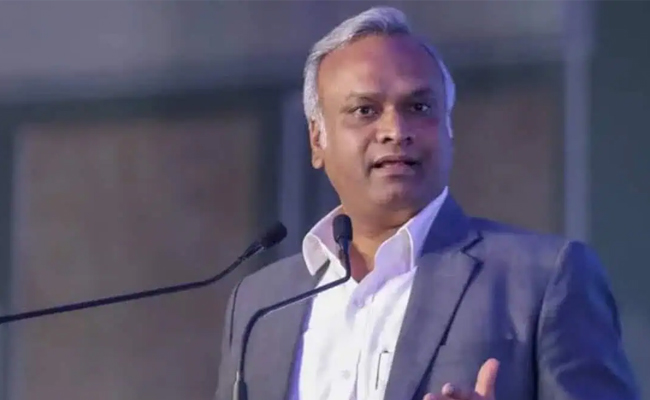
India is set to achieve a major technological milestone with the deployment of the country’s first commercial quantum computer at the Indian Institute of Information Technology, Dharwad. Announcing the development, Minister for Information Technology and Biotechnology Priyank Kharge said the initiative would place Karnataka and India firmly on the global map of next-generation computing. The move is being hailed as a landmark step in India’s journey towards advanced research, deep technology innovation, and strategic technological self-reliance.

The quantum computer, once operational, is expected to significantly enhance India’s capabilities in complex problem-solving areas such as cryptography, material science, drug discovery, climate modelling, financial optimisation, and artificial intelligence. Unlike conventional computers that process information in bits, quantum computers operate using quantum bits or qubits, enabling them to perform calculations at speeds unimaginable with classical systems. Officials said the deployment at IIIT-Dharwad marks the transition of quantum technology in India from experimental research to practical, commercial application.

Speaking on the occasion, the Minister described the initiative as a “defining moment” for India’s digital future. He noted that positioning such advanced infrastructure in Dharwad reflects the State’s commitment to decentralising technological growth and promoting innovation beyond metropolitan cities. The project, he said, aligns with Karnataka’s broader vision of becoming a global technology and innovation hub.IIIT Dharwad to deploy India's first commercial quantum computer, says  Karnataka IT/BT minister Priyank Kharge - The Economic Times

WHY IIIT-DHARWAD MATTERS

The selection of IIIT-Dharwad as the host institution is significant. Located in North Karnataka, the institute has been steadily emerging as a centre for advanced computing research and talent development. By hosting India’s first commercial quantum computer, IIIT-Dharwad is expected to become a focal point for quantum research, skill development, and industry collaboration.

Officials said the facility will not be limited to academic research alone. It will also support startups, industry partners, and government agencies working on real-world applications of quantum computing. Researchers from across the country will be able to access the system, fostering a collaborative ecosystem that accelerates innovation and practical use cases.

The move is also expected to inspire students and researchers in the region, providing them direct exposure to frontier technologies. Academic leaders believe that access to such infrastructure at an early stage will help build a strong domestic talent pipeline in quantum science, an area where global demand for skilled professionals is rapidly growing.

BOOST TO INDIA’S QUANTUM MISSION

The deployment aligns closely with India’s National Quantum Mission, which aims to develop indigenous quantum technologies and applications over the coming years. Experts note that commercial deployment is a crucial step in moving beyond laboratory-scale experiments to scalable, usable systems.

By hosting a commercial quantum computer, India signals its readiness to compete with global leaders in quantum technology. The system is expected to support research in secure communications, optimisation problems, and next-generation algorithms that could have strategic and economic implications.

Officials emphasised that the initiative will also contribute to reducing India’s dependence on foreign quantum infrastructure. Developing domestic expertise and usage capacity is seen as essential for safeguarding national interests in an era where quantum technology could redefine cybersecurity and data protection.

INDUSTRY AND STARTUP OPPORTUNITIES

Industry leaders have welcomed the announcement, describing it as a catalyst for innovation in deep-tech startups. Access to commercial quantum computing infrastructure within India is expected to lower entry barriers for startups experimenting with quantum algorithms and applications.

Startups working in areas such as logistics optimisation, financial modelling, healthcare analytics, and advanced simulations are likely to benefit. The presence of the system at IIIT-Dharwad also opens the door for public-private partnerships, with companies collaborating directly with academic researchers to develop solutions tailored to Indian and global markets.

Officials indicated that incubation and innovation programmes may be linked to the quantum facility, enabling startups to test and validate ideas in a real-world environment. This could position Karnataka as a leading destination for quantum entrepreneurship in Asia.

DECENTRALISING TECHNOLOGY GROWTH

One of the most notable aspects of the announcement is the emphasis on regional development. By choosing Dharwad over established technology hubs, the government aims to demonstrate that cutting-edge innovation can thrive outside major cities.

The Minister said the move would help bridge regional disparities in access to advanced infrastructure. It is expected to attract talent, investment, and academic collaboration to North Karnataka, contributing to balanced economic growth. Local stakeholders believe this could have a multiplier effect, strengthening educational institutions, research culture, and employment opportunities in the region.India's first commercial quantum computer to be deployed at IIIT Dharwad -  The HinduBusinessLine

CHALLENGES AND THE ROAD AHEAD

While the announcement has generated excitement, experts caution that sustaining a quantum ecosystem requires continuous investment in skills, research funding, and industry engagement. Quantum computers demand specialised expertise, robust maintenance, and constant upgrades to remain relevant.

Officials acknowledged these challenges and said plans are in place to train faculty, researchers, and students in quantum programming and hardware concepts. Collaborative programmes with national and international institutions are also being explored to ensure knowledge exchange and best practices.

A DEFINING MOMENT FOR INDIA’S TECH FUTURE

The deployment of India’s first commercial quantum computer at IIIT-Dharwad represents more than a technological achievement. It symbolises a shift in ambition, signalling India’s intent to lead in frontier technologies rather than follow global trends.

For Karnataka, the initiative reinforces its reputation as the country’s technology powerhouse while extending that promise to new regions. For India, it marks a critical step towards mastering technologies that could shape economies, security, and innovation in the decades to come.Karnataka to host India's first commercial quantum computer at IIIT-Dharwad:  Minister Priyank Kharge

As the system becomes operational, expectations are high that it will not only advance research but also inspire a new generation of scientists, engineers, and entrepreneurs. In that sense, the quantum computer at Dharwad is not just a machine, but a statement of India’s readiness to embrace the future.

The deployment of India’s first commercial quantum computer is also expected to reshape academic curricula at IIIT-Dharwad and partner institutions. Faculty members indicated that specialised courses in quantum algorithms, quantum hardware fundamentals, and applied quantum computing will be gradually introduced. This will ensure students are not merely observers of the technology but active participants in its evolution. Exposure to hands-on quantum systems at the undergraduate and postgraduate levels is rare even globally, and such access could give Indian students a decisive edge in higher studies and research careers.

From a research perspective, the quantum computer will allow Indian scientists to tackle problems that were previously computationally impractical. Fields such as molecular modelling, advanced materials research, and energy optimisation stand to benefit significantly. Researchers explained that quantum systems can simulate complex molecular interactions far more efficiently than classical supercomputers. This could accelerate breakthroughs in battery technology, sustainable materials, and pharmaceutical research, reducing development timelines and costs while enhancing India’s innovation competitiveness.

Cybersecurity is another area expected to see major gains from the quantum deployment. As quantum computing evolves, it poses both opportunities and threats to existing encryption systems. Experts believe that having early access to commercial quantum infrastructure will help India prepare for a post-quantum security environment. Research into quantum-resistant encryption and secure communication protocols can be conducted proactively, strengthening national digital security frameworks and protecting sensitive data across government, finance, and critical infrastructure sectors.

The initiative also reflects Karnataka’s long-term policy focus on deep technology investments. Officials said the State has been consciously moving beyond conventional IT services towards emerging areas such as artificial intelligence, semiconductors, biotechnology, and now quantum computing. The quantum computer at IIIT-Dharwad is expected to integrate with existing AI and data science research, enabling hybrid approaches that combine classical and quantum techniques for enhanced performance and innovation.

Economists and policy analysts see the development as a strategic investment rather than a short-term achievement. Quantum technologies are expected to influence global economic power structures over the next few decades. By entering the commercial quantum space early, India positions itself to capture future value in high-impact sectors. Analysts note that countries investing today in quantum research are likely to dominate tomorrow’s intellectual property, standards, and global supply chains.

The presence of such advanced infrastructure is also likely to attract international collaboration. Academic institutions and research organisations from abroad may seek partnerships with IIIT-Dharwad, bringing global expertise into India’s quantum ecosystem. Officials said collaborative research projects, joint workshops, and visiting scholar programmes could follow, enhancing knowledge exchange while showcasing India’s growing capabilities in frontier science and technology.

Local industry stakeholders believe the project will have long-term regional benefits beyond research outcomes. Increased academic prominence could lead to improved infrastructure, higher student intake, and greater private investment in the Dharwad region. Over time, this could stimulate the creation of a technology corridor in North Karnataka, generating employment opportunities and encouraging skilled professionals to work outside traditional metropolitan hubs.

Ultimately, the deployment of the commercial quantum computer represents a convergence of ambition, policy vision, and technological readiness. While challenges remain in scaling applications and nurturing expertise, the initiative signals confidence in India’s scientific talent and institutional capacity. As quantum computing gradually moves from theory to real-world impact, the Dharwad facility is expected to play a defining role in shaping India’s position in the global technology landscape.

Follow: Karnataka Government

Also read: Home | Channel 6 Network – Latest News, Breaking Updates: Politics, Business, Tech & More

Karnataka to Grant A-Khata Status to B-Khata Properties: BIG RELIEF, 1 DECISION, AND URBAN HOPE

In a major relief to thousands of urban property owners, the Karnataka government has decided to offer A-Khata status to eligible B-Khata properties falling under the jurisdiction of urban local bodies. The move is expected to regularise large numbers of properties that were earlier considered unauthorised or semi-legal, providing owners access to civic services, bank loans, and legal safeguards that were previously out of reach. The decision marks a significant shift in urban governance and property regulation across the State.

According to government sources, the proposal aims to resolve long-standing issues faced by property owners who, despite paying taxes, were denied full legal recognition due to technical or procedural lapses during property development. The initiative is being viewed as an attempt to balance regulatory enforcement with ground realities in rapidly expanding urban areas.

Property law experts have cautioned that the success of the A-Khata transition will depend heavily on the clarity of rules framed by the government. In the absence of well-defined eligibility criteria, there is a risk of confusion and inconsistent decisions across urban local bodies. Experts have stressed the need for a transparent checklist-based system that clearly outlines documents required, penalties applicable, and timelines for approval. Such clarity, they argue, will prevent discretionary power at lower levels and reduce allegations of corruption during implementation.

Urban planners have pointed out that the move could also help authorities correct long-standing gaps in city planning data. Many B-Khata properties exist in areas that expanded rapidly without proper integration into master plans. Once regularised, these properties can be formally mapped, allowing better assessment of population density, infrastructure needs, and service delivery. Officials believe this will help cities plan future development in a more scientific manner, rather than relying on outdated or incomplete records.

Banks and financial institutions are expected to be among the major beneficiaries of the policy shift. Currently, many banks hesitate to offer loans for B-Khata properties due to legal uncertainties. Granting A-Khata status would make such properties eligible for home loans, mortgage financing, and redevelopment funding. Industry observers note that this could stimulate economic activity in the housing and construction sectors, particularly in older layouts and peripheral urban areas.

Resident welfare associations have welcomed the announcement but urged the government to ensure that the process remains affordable. Many homeowners fear that high regularisation charges or penalties could defeat the purpose of the scheme. Associations have demanded a graded fee structure based on property size and deviation severity, so that lower-income households are not disproportionately burdened. They have also called for grievance redressal mechanisms to address disputes arising during scrutiny.

Environmental activists, however, have raised concerns that indiscriminate regularisation could legitimise constructions in ecologically sensitive zones. They have urged the government to strictly exclude properties built on lake beds, rajakaluves, green belts, and public land. Officials have reassured that such cases will not be considered and that environmental norms will remain non-negotiable. The policy, they insist, is aimed at correcting procedural lapses, not endorsing environmental violations.

Legal experts have noted that the decision may reduce the burden on courts, where thousands of property-related cases involving B-Khata disputes are pending. By offering a structured pathway to regularisation, the government could resolve disputes that have lingered for years. However, they warned that properties involved in serious litigation or ownership conflicts must be carefully screened to avoid future legal complications.

From a political standpoint, the move is being seen as an attempt to address a widespread urban grievance that cuts across class and constituency lines. Property ownership is a sensitive issue, and successive governments have struggled to offer a lasting solution. Analysts believe the current decision could have significant political resonance, particularly in urban and semi-urban areas, if implemented without delays or ambiguity.

Urban local bodies are expected to face administrative pressure once applications open. Officials anticipate a surge in requests and are preparing for increased workload. There are discussions on strengthening staffing, digitising records, and using online portals to streamline processing. Without adequate preparation, delays could frustrate applicants and undermine confidence in the scheme.

Real estate analysts believe the policy could stabilise property markets in certain localities. B-Khata properties often sold at discounted rates due to legal uncertainty. With the possibility of A-Khata status, property values in these areas may appreciate, benefiting homeowners. However, analysts cautioned that speculative buying should be monitored to prevent artificial inflation driven by expectations rather than actual regularisation.

In the long term, experts say the decision could reshape how urban growth is managed in Karnataka. If combined with stricter enforcement for future developments, the policy could mark a transition from reactive regularisation to proactive planning. The challenge for the government will be to ensure that this one-time corrective measure strengthens rule-based urban development rather than becoming a recurring expectation.

In a major relief to thousands of urban property owners, the Karnataka government has decided to offer A-Khata status to eligible B-Khata properties falling under the jurisdiction of urban local bodies. The move is expected to regularise large numbers of properties that were earlier considered unauthorised or semi-legal, providing owners access to civic services, bank loans, and legal safeguards that were previously out of reach. The decision marks a significant shift in urban governance and property regulation across the State.

WHAT A-KHATA AND B-KHATA MEAN

In Karnataka’s property framework, an A-Khata property is fully compliant with municipal laws, zoning regulations, and planning norms. Such properties are eligible for building approvals, trade licences, bank loans, and resale without legal hurdles. B-Khata properties, on the other hand, are those that pay taxes but do not fully meet statutory requirements, often due to deviations in layout approval, land use conversion, or development permissions.

For years, B-Khata owners have remained in a legal grey area, contributing to civic revenues without enjoying corresponding rights. The government’s decision seeks to address this imbalance by allowing eligible properties to transition to A-Khata status after meeting prescribed conditions.A KHATA vs B KHATA | Difference between A Khata and B Khata in Bangalore BBMP Properties

SCOPE OF THE DECISION

The policy will apply to properties located within the limits of urban local bodies, including city municipal corporations, city municipal councils, and town municipal councils. Officials clarified that not all B-Khata properties will automatically qualify. Eligibility will depend on factors such as land ownership records, adherence to basic planning norms, payment of penalties or regularisation charges, and absence of major legal disputes.

Government departments are working on framing clear guidelines to ensure uniform implementation across the State. A dedicated mechanism is expected to be set up to scrutinise applications and prevent misuse of the scheme.

RELIEF FOR HOMEOWNERS AND MIDDLE CLASS

The announcement has been welcomed by middle-class homeowners, particularly in Bengaluru and other fast-growing cities, where thousands of families live in B-Khata properties purchased in good faith. Many of these owners faced difficulties in securing home loans, selling property, or obtaining building plan approvals.

Real estate experts noted that the move could unlock economic value tied up in such properties and bring them into the formal legal system. It is also expected to reduce litigation related to property titles and municipal permissions.

IMPACT ON URBAN GOVERNANCE

From the government’s perspective, the decision could improve urban governance by bringing more properties under formal regulation. Regularised properties would strengthen municipal records, enhance tax compliance, and improve planning accuracy. Officials believe this will help urban local bodies better plan infrastructure such as roads, drainage, water supply, and waste management.

At the same time, the government has emphasised that the move should not be seen as encouraging illegal construction. Authorities stressed that strict action would continue against future violations, and the regularisation window would be governed by clear cut-off dates and conditions.Good news for Bengaluru! The long wait is over: B Khata properties registered before Sept 30, 2024, are now 'A Khata' This landmark reform ensures legal ownership, access to essential civic services,

POLITICAL AND POLICY CONTEXT

The decision comes amid growing pressure from citizen groups and resident welfare associations demanding a solution to the B-Khata issue. Over the years, several committees and policy proposals examined the matter, but implementation remained elusive due to legal and administrative complexities.

By taking this step, the government signals a more pragmatic approach to urban development, acknowledging past lapses while attempting to restore order and clarity in property regulation.

NEXT STEPS AND IMPLEMENTATION

Officials said detailed rules, timelines, and application procedures will be notified soon. Urban local bodies are likely to be instructed to create dedicated help desks and online systems to manage the transition process transparently. Awareness campaigns may also be launched to guide property owners through eligibility criteria and documentation requirements.Difference between A Khata & B Khata Property in Bangalore & Conversion

For now, the announcement has generated cautious optimism among homeowners. If implemented effectively, the move could transform the lives of thousands of families by granting them legal certainty, financial access, and a stronger sense of ownership.

A TURNING POINT FOR URBAN PROPERTY OWNERS

The decision to offer A-Khata status to B-Khata properties marks a potential turning point in Karnataka’s urban property landscape. By addressing a long-standing grievance, the government has opened the door to greater inclusion, transparency, and trust between citizens and civic institutions. Much will depend on execution, but for many urban residents, the move represents long-awaited recognition and stability in an otherwise uncertain property regime.

Follow: Karnataka Government

Also read: Home | Channel 6 Network – Latest News, Breaking Updates: Politics, Business, Tech & More

Karnataka Mulls Legal Challenge to MGNREGA Repeal: DEFIANT MOVE, 1 LAW, AND MILLIONS AT STAKE

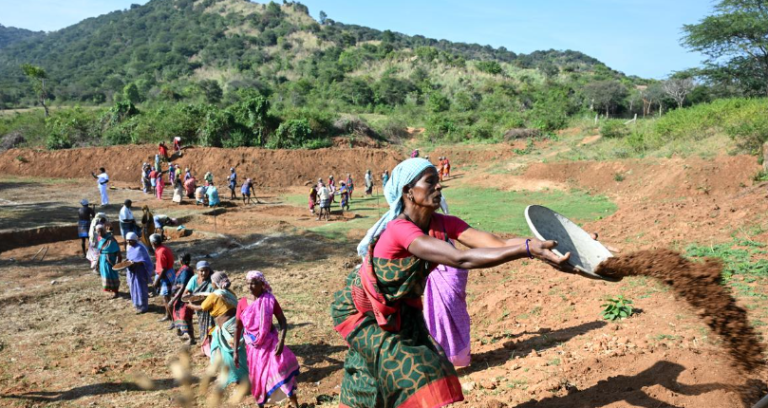
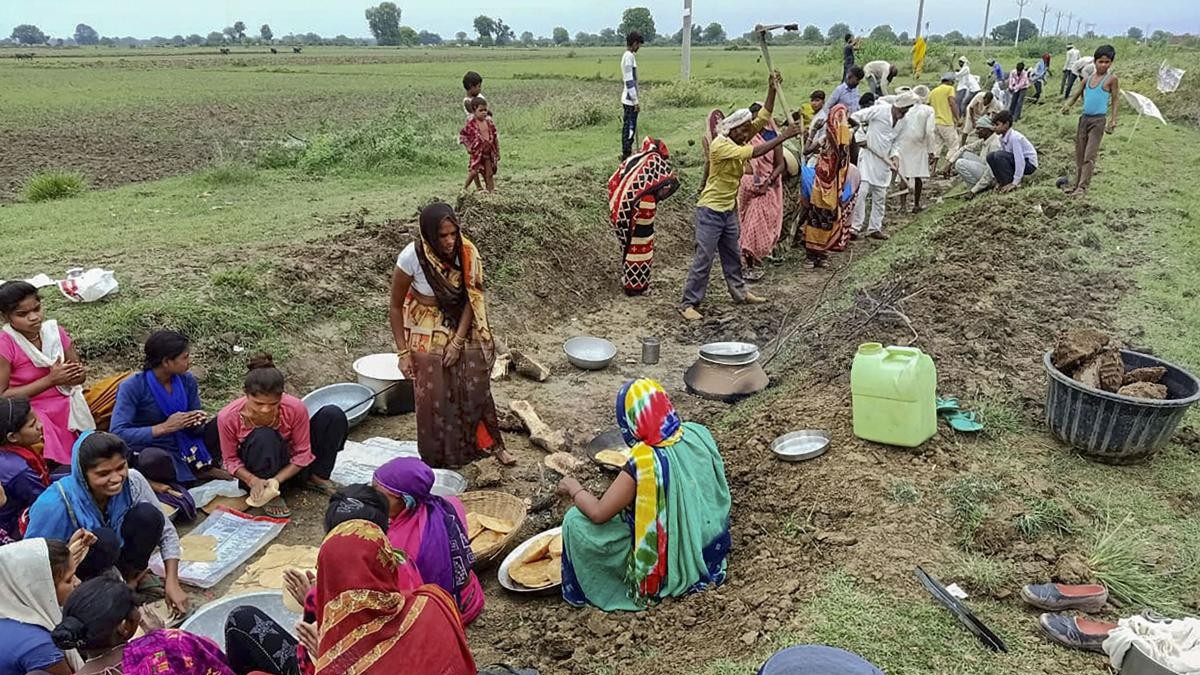
The Karnataka government is considering a range of legal measures to challenge the proposed repeal of the Mahatma Gandhi National Rural Employment Guarantee Act (MGNREGA), a flagship welfare legislation that has been a lifeline for millions of rural households across the country. Senior government sources confirmed that the State is examining constitutional, legal, and federal options to oppose any move that weakens or dismantles the rural employment guarantee framework, which Karnataka believes is central to livelihoods, social security, and rural stability.

The development comes amid growing concern among State governments, civil society organisations, and labour groups over indications that the Centre may dilute or repeal the Act. Karnataka, which has consistently implemented MGNREGA at scale, sees the legislation not merely as a welfare programme but as a statutory right to employment that protects rural families during agrarian distress, droughts, and economic slowdowns. Officials said the State’s legal teams are studying precedents and constitutional provisions to assess the scope for judicial intervention.

According to senior officials in the Rural Development and Panchayat Raj Department, the government is particularly concerned about the federal implications of repealing a centrally sponsored scheme that directly affects States’ constitutional responsibilities towards social welfare. They noted that any unilateral repeal without adequate consultation with States could be challenged as undermining cooperative federalism. The State is also gathering data on the economic and social impact of MGNREGA in Karnataka to strengthen its legal position.Karnataka government mulling measures to legally challenge MGNREGA repeal -  The Hindu

WHY MGNREGA MATTERS DEEPLY TO KARNATAKA

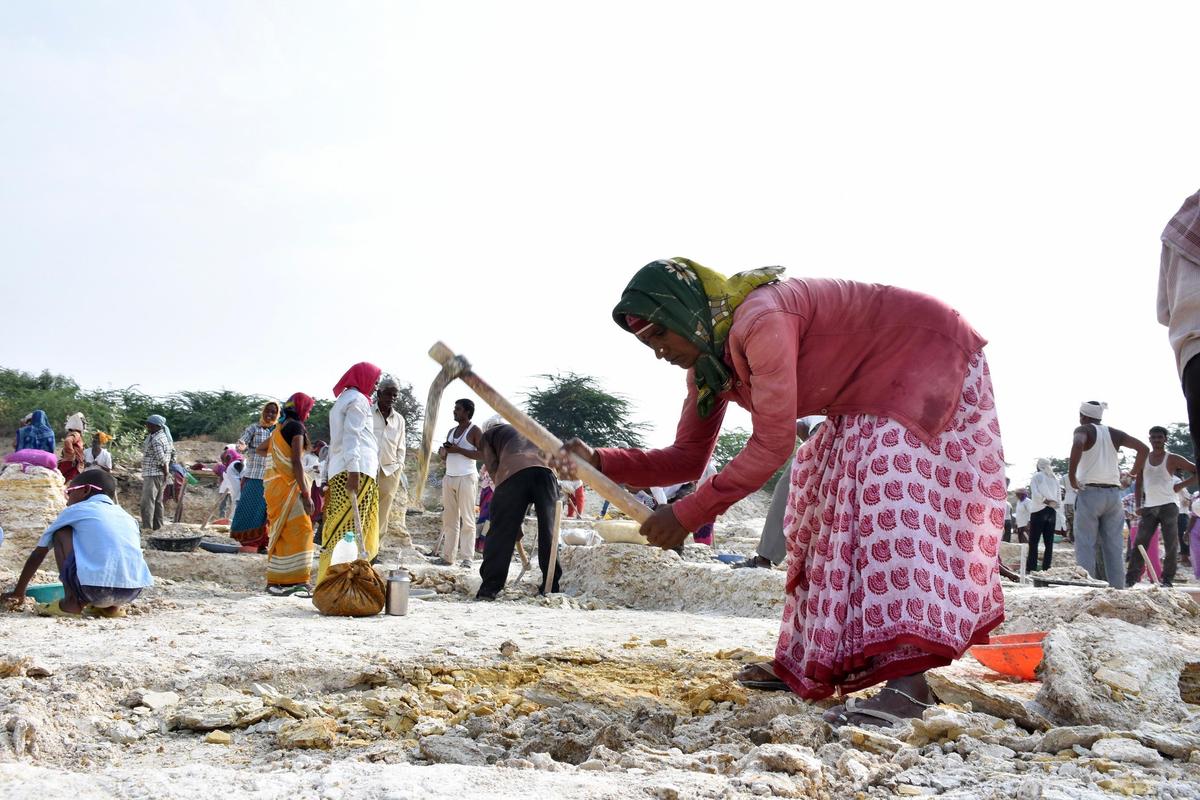
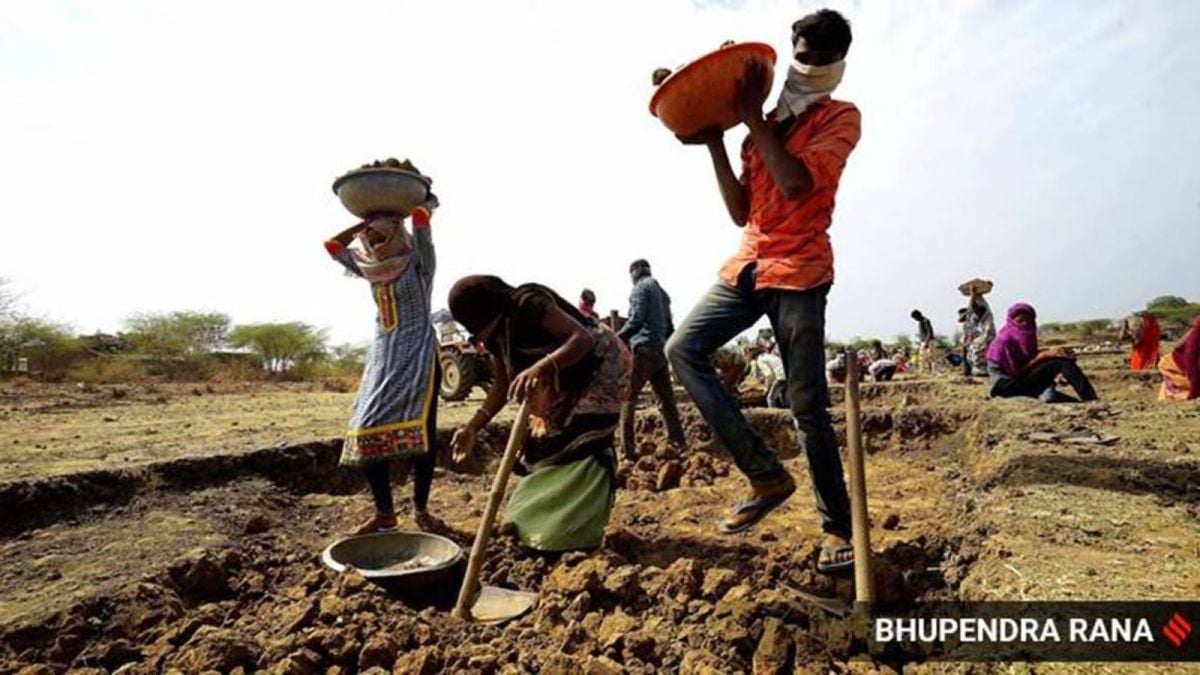
MGNREGA has played a crucial role in Karnataka’s rural economy, especially in drought-prone districts of North and Central Karnataka. The scheme guarantees 100 days of wage employment to rural households, providing income security while creating durable assets such as water conservation structures, roads, and irrigation facilities. Officials pointed out that during years of erratic monsoons and rising input costs, MGNREGA has often been the only assured source of income for landless labourers and marginal farmers.

Data from the State government indicates that women form a significant proportion of MGNREGA workers in Karnataka, making the scheme a critical instrument for women’s economic empowerment. Scheduled Castes, Scheduled Tribes, and other vulnerable communities also account for a large share of beneficiaries. The government fears that repealing the Act would disproportionately affect these groups, widening inequality and pushing more families into distress migration.

Ministers have argued that MGNREGA’s importance extends beyond employment. By strengthening village-level infrastructure and decentralised planning through gram panchayats, the scheme has reinforced local self-governance. Officials stressed that dismantling such a framework would undo years of institutional capacity-building at the grassroots level, weakening rural governance systems.

LEGAL OPTIONS AND CONSTITUTIONAL QUESTIONS

The Karnataka government is reportedly exploring multiple legal routes, including approaching the Supreme Court if the repeal is carried out. Legal experts within the administration are examining whether the right to employment under MGNREGA can be linked to constitutional guarantees such as the right to life and livelihood. They are also assessing whether Parliament can repeal a law that creates enforceable rights without providing an equivalent alternative safety net.Karnataka Govt to challenge MGNREGA repeal in court, says decision  infringed on right to work | Bangalore News - The Indian Express

Another aspect under examination is the financial architecture of the scheme. Karnataka officials noted that delays in wage payments and reductions in central allocations in recent years have already strained implementation. A complete repeal, they argue, would amount to abdication of responsibility towards rural workers. The State may also argue that States have built long-term development plans around MGNREGA, and sudden withdrawal would cause administrative and economic disruption.

Sources indicated that Karnataka is in touch with other States governed by different political parties to explore the possibility of a collective legal or political response. A coordinated stand by multiple States could strengthen the argument that the issue transcends partisan politics and concerns the basic welfare framework of rural India.

POLITICAL AND SOCIAL REACTIONS

The prospect of repealing MGNREGA has triggered strong reactions from opposition parties, trade unions, and farmer organisations in Karnataka. Several groups have warned of protests if the Act is diluted, arguing that it represents one of the few legally enforceable entitlements for rural workers. Political leaders across party lines have acknowledged the scheme’s role in cushioning rural distress, even as debates continue over implementation efficiency.

The State government has sought to frame its response as a defence of rural interests rather than a political confrontation. Ministers have said Karnataka’s stand is guided by ground realities and the lived experiences of rural households. They emphasised that any reform to MGNREGA should focus on strengthening transparency, timely payments, and asset quality, rather than scrapping the law altogether.

WHAT LIES AHEAD

As the Centre’s intentions become clearer, Karnataka is expected to finalise its legal strategy in the coming weeks. Officials said consultations are ongoing with constitutional experts, economists, and rural development practitioners to build a robust case. The State may also pass a resolution in the legislature expressing opposition to the repeal, signalling political consensus on the issue.

For millions of rural families in Karnataka, the debate is not abstract or ideological. It is about daily wages, food security, and the ability to remain in their villages with dignity. As the State weighs its legal options, the outcome of this confrontation could have far-reaching implications for rural employment policy, federal relations, and the future of rights-based welfare legislation in India.

The debate around the proposed repeal has also reopened discussions on the original intent of MGNREGA as a rights-based legislation rather than a discretionary welfare scheme. Senior officials in Karnataka argue that the Act marked a paradigm shift by legally obligating the State to provide employment on demand, failing which unemployment allowance becomes payable. They contend that repealing such a law without a comparable statutory guarantee would dilute the concept of social justice embedded in the Constitution. This, they say, raises serious ethical and legal questions about the State’s responsibility towards its most vulnerable citizens.

Economists advising the Karnataka government have highlighted the counter-cyclical role played by MGNREGA in rural economies. During periods of economic slowdown, drought, or crop failure, the scheme injects purchasing power into villages, sustaining local markets and preventing sharp declines in consumption. Officials fear that removing this stabilising mechanism could deepen rural distress and indirectly impact urban economies through increased migration and pressure on informal labour markets in cities.

The State has also expressed concern about the impact on rural infrastructure development if the Act is repealed. Thousands of small but crucial works, such as check dams, farm ponds, desilting of tanks, and rural connectivity projects, are executed annually under MGNREGA. These assets, officials argue, contribute to long-term agricultural resilience and water security. Without the scheme, gram panchayats may struggle to find alternative funding for such labour-intensive projects that do not easily attract private investment.Karnataka farmers forced to migrate to urban areas, courtesy uncertainty  over MGNREGA employment

Legal advisors to the government are examining whether the repeal could be challenged on the grounds of arbitrariness. They argue that dismantling a long-standing welfare framework without a clear transition plan or substitute could be seen as unreasonable and disproportionate. The State may also question whether adequate impact assessments and stakeholder consultations were conducted before proposing such a significant policy shift that affects millions of workers nationwide.

From an administrative perspective, Karnataka officials point out that the State has invested heavily in building institutional capacity around MGNREGA. Panchayat staff, technical assistants, and social audit mechanisms have been developed over years to ensure transparency and accountability. Repeal of the Act, they say, would render much of this infrastructure redundant, resulting in loss of public investment and weakening grassroots governance systems that rely on participatory planning.

Labour unions in Karnataka have warned that the repeal could reverse hard-won gains in wage parity and bargaining power for rural workers. MGNREGA wages, though modest, often set a benchmark for agricultural labour rates in villages. Without this floor, workers may be forced to accept lower wages or more exploitative conditions. The State government has taken note of these concerns, acknowledging that rural labour markets are deeply intertwined with the scheme’s existence.

There is also apprehension about the gendered impact of a repeal. Officials noted that MGNREGA has been one of the few programmes where women’s participation consistently exceeds 50 percent. The loss of assured local employment could push women back into unpaid domestic labour or force them into unsafe migration. Karnataka sees this as a setback to decades of progress in women’s economic participation and social empowerment in rural areas.

The government is also analysing potential political fallout at the grassroots level. Rural voters, cutting across party lines, have historically viewed MGNREGA as a tangible benefit that directly affects their livelihoods. Any attempt to dismantle it could trigger widespread discontent and unrest. Karnataka leaders believe that defending the scheme aligns not only with social welfare goals but also with democratic accountability to rural constituencies.

Discussions are underway on whether Karnataka can explore State-level alternatives if the central law is repealed. While officials acknowledge the fiscal burden such a move would entail, they argue that the moral and social costs of abandoning rural employment guarantees may be higher. However, they stress that a State-only programme cannot fully replace the scale and shared financial responsibility of a centrally backed law.

As deliberations continue, Karnataka’s stance has positioned it as one of the leading voices resisting the rollback of rights-based welfare legislation. The coming weeks are expected to be crucial in determining whether this resistance translates into a legal challenge, a political coalition of States, or a broader national debate on the future of rural employment policy. For now, the State remains firm in its view that MGNREGA is not just a scheme, but a safeguard for rural dignity and economic survival.

Bold 6-day Sri Mailaralingeshwar Annual Grand Festival to Begin in Mailapur from January 12

Follow: Karnataka Government

Also read: Home | Channel 6 Network – Latest News, Breaking Updates: Politics, Business, Tech & More

Were ‘The Devil’, ‘Mark’ and ‘45’ Really Worth It?: HYPE, 3 BIG RELEASES, AND BROKEN EXPECTATIONS

The Kannada film industry witnessed a surge of anticipation with the release of three heavily promoted films — The Devil, Mark, and 45. Marketed as big-ticket entertainers with star power, technical polish, and bold storytelling, these films carried the weight of high expectations from audiences and trade alike. However, once the initial frenzy settled and the films reached theatres, a crucial question began to surface among viewers and critics: did these much-hyped releases truly deliver on their promise, or did they fall prey to inflated expectations?

One of the key takeaways from the reception of these three films is the growing gap between marketing narratives and audience experience. Promotional campaigns projected these projects as landmark films, often emphasising scale, intensity, and novelty. However, viewers increasingly judge films on content rather than promise. This shift suggests that Kannada audiences are no longer satisfied with spectacle alone and expect coherence, emotional depth, and originality. The muted post-release discussions around these films underline how quickly hype dissipates when storytelling does not match the buildup.

Another factor that worked against these films was uneven pacing. All three suffered, in different ways, from stretches that either dragged or rushed through crucial emotional beats. Modern audiences, accustomed to crisp narratives on streaming platforms, have little patience for indulgent runtime choices. Scenes that existed largely to elevate star image or visual style diluted narrative urgency. This structural imbalance made it difficult for viewers to remain invested, even when individual moments or performances showed promise.

The supporting characters in all three films also emerged as a weak link. While the protagonists were given elaborate arcs, secondary characters often felt like mere plot devices. This limited the emotional universe of the films and reduced the stakes of conflict. In contrast, recent successful Kannada films have demonstrated the power of well-written ensemble casts. The absence of that depth here further contributed to a sense of incompleteness, leaving audiences wanting more substance beyond the central performance.

Music and background scores, traditionally a strong pillar of Kannada cinema, delivered mixed results in these films. While technically polished, the scores often overwhelmed scenes rather than enhancing them. In several instances, loud background music substituted for emotional development, signalling intensity instead of earning it. Songs, too, felt more promotional than narrative-driven, momentarily lifting energy levels but doing little to advance story or character.

The reception of 45 also reignited debate about experimentation versus clarity. While audiences appreciate innovation, they are less forgiving when complexity feels self-indulgent. Experimental storytelling demands precision, and any ambiguity must feel intentional rather than confusing. 45 earned appreciation for its courage but also criticism for underestimating the audience’s need for emotional anchoring. This response highlights the importance of balancing novelty with narrative discipline.

From an industry perspective, the mixed outcome of these films may influence future production decisions. Producers and studios could become more cautious about investing heavily in scale-driven projects without thoroughly developed scripts. There is a growing recognition that mid-budget films with strong writing often outperform larger films burdened by expectations. The lesson appears clear: investment in script development is no longer optional but essential.

Critics have also pointed out that these films reflect a transitional phase for Kannada cinema. As the industry aims for pan-Indian recognition, it is experimenting with darker themes, unconventional structures, and stylised presentation. While this ambition is commendable, the execution must evolve alongside it. Otherwise, films risk becoming imitations of trends rather than authentic expressions rooted in strong local storytelling.

Ultimately, the audience response to The Devil, Mark, and 45 signals a more mature and demanding viewership. Viewers are willing to engage with ambitious cinema but expect honesty, depth, and narrative payoff in return. The hype around these films may not have translated into lasting impact, but the conversations they sparked could shape the next phase of Kannada cinema. In that sense, even disappointment becomes instructive, pushing the industry closer to the kind of storytelling audiences are clearly ready for.

The buzz surrounding all three films was undeniable. From teaser launches to aggressive promotions, social media campaigns, and fan-driven excitement, each project positioned itself as a potential game-changer for Kannada cinema. Yet, box-office numbers and word-of-mouth responses indicate a more complex reality — one where ambition sometimes outpaced execution.Kannada cinema in 2025: Star films a let down in a mixed-bag year - The Hindu

THE DEVIL: STYLE OVER SUBSTANCE?

The Devil arrived with the promise of a dark, intense cinematic experience driven by a powerful central performance and slick visuals. From the opening sequences, the film establishes a brooding tone, supported by striking cinematography and a background score designed to amplify tension. The lead actor’s screen presence is commanding, and in moments, the film hints at depth and psychological complexity.

However, as the narrative unfolds, cracks begin to show. The storyline, while conceptually intriguing, struggles with pacing and coherence. Several sequences feel stretched, while others rush through potentially impactful moments. The film relies heavily on style — slow-motion shots, dramatic lighting, and loud musical cues — but often at the cost of emotional engagement. Characters beyond the protagonist remain underwritten, reducing the stakes of the conflict.

Audiences expecting a tightly woven thriller found themselves divided. While fans appreciated the visual ambition and performances, many felt the screenplay lacked the sharpness needed to sustain its dark premise. The Devil ultimately emerges as a film that looks impressive on the surface but fails to fully capitalise on its narrative potential.

MARK: A MISSED OPPORTUNITY

Mark positioned itself as a mass entertainer with commercial appeal, blending action, emotion, and a socially relevant undertone. The pre-release material suggested a film rooted in realism, with a protagonist navigating moral dilemmas and personal loss. In theory, the ingredients were strong, and early portions of the film show promise.

The film’s biggest strength lies in its performances, particularly the lead actor, who brings sincerity and restraint to the role. Certain emotional sequences resonate, and the film attempts to address contemporary issues with sensitivity. However, these strengths are undermined by a predictable plot structure that offers few surprises.ಸೋಮವಾರವೂ 'ಮಾರ್ಕ್', '45' ಅಬ್ಬರದ ಕಲೆಕ್ಷನ್; 'ಡೆವಿಲ್' ಕಥೆ ಏನು? - Kannada News | Mark, 45 Box Office Collection Devil's Collection Dips After Christmas Releases | TV9 Kannada

The second half, in particular, suffers from repetition and conventional tropes. Action scenes feel formulaic, and the narrative resolution lacks impact. While Mark aspires to be meaningful, it hesitates to fully commit to its themes, resulting in a film that feels safe rather than bold. For audiences hoping for a fresh take on the commercial drama genre, the film delivers competence but not excitement.

45: AMBITION WITHOUT BALANCE

Among the three, 45 perhaps carried the most curiosity due to its unconventional title and conceptual premise. Marketed as a time-driven narrative exploring fate, choices, and consequences, the film aimed to blend philosophical ideas with mainstream storytelling. Its ambition is evident from the outset, with experimental storytelling techniques and non-linear elements.

Yet, ambition alone does not guarantee clarity. 45 struggles to strike a balance between complexity and accessibility. While some viewers appreciated the attempt to push boundaries, others found the narrative confusing and emotionally distant. The screenplay demands patience, but the payoff does not always justify the effort.

Technical aspects such as editing and sound design are commendable, and the film features moments of genuine originality. However, inconsistent tone and uneven character arcs weaken its impact. Instead of drawing the audience deeper into its world, 45 often feels like it is explaining itself rather than allowing emotions to emerge organically.

AUDIENCE RESPONSE AND BOX-OFFICE REALITY

Initial box-office openings for all three films benefited from strong promotions and fan support. However, sustaining momentum proved challenging. Audience feedback, especially from non-fan viewers, played a decisive role in shaping each film’s theatrical run. While none of the films can be termed outright failures, none emerged as the unanimous crowd-pleaser they were projected to be.

Social media reactions reflected this mixed reception. Praise for performances and technical effort was frequently accompanied by criticism of weak scripts and missed storytelling opportunities. For many viewers, the gap between expectation and experience proved difficult to ignore.

WHAT WENT WRONG — AND WHAT IT MEANS

The mixed fate of The Devil, Mark, and 45 points to a larger trend in Kannada cinema: rising ambition without consistent writing depth. While the industry has made visible strides in scale, marketing, and technical quality, strong screenplays remain the defining factor that separates memorable films from forgettable ones.Mark Vs 45 The Movie Box Office Collection Day 1: Both Movies Enter List Of Biggest Sandalwood Openers Of 2025 | Republic World

Audiences today are more discerning, exposed to diverse content across languages and platforms. Star power and hype can bring viewers to theatres, but sustained success depends on storytelling that connects emotionally and intellectually.

FINAL VERDICT: WORTH THE HYPE?

Were The Devil, Mark, and 45 worth the hype? The answer depends on expectations. For fans seeking visual flair, strong performances, or experimental ideas, there are moments to appreciate in all three films. However, for audiences hoping for tightly crafted, emotionally satisfying cinema, the films fall short of the excitement they generated.

Together, these releases serve as a reminder that hype is fleeting, but substance endures. As Kannada cinema continues to evolve, the real challenge lies not in creating buzz, but in delivering stories that truly stay with the audience long after the curtains fall.

Follow: Karnataka Government

Also read: Home | Channel 6 Network – Latest News, Breaking Updates: Politics, Business, Tech & More