Wednesday, April 29, 2026
Home Blog Page 148

CUK’S LANGUAGE LAB EMERGES AS ENGLISH SKILLS HUB:TRANSFORMATIVE LEARNING, 1 CAMPUS, AND RURAL DREAMS

The language laboratory at the Central University of Karnataka has emerged as a crucial platform for strengthening English communication skills among students from rural and semi-urban backgrounds across the State. Designed to bridge linguistic and confidence gaps, the facility has become a cornerstone of academic and professional development for first-generation learners who often enter higher education with limited exposure to spoken English. Faculty members and administrators say the initiative is steadily transforming classroom participation, employability prospects, and self-confidence among students who previously struggled with language barriers.CUK's language lab emerges as key platform for strengthening English skills among rural students in Karnataka - The Hindu

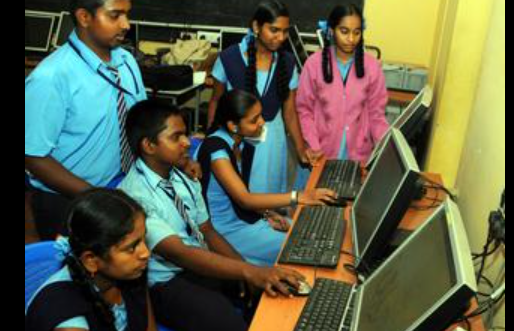
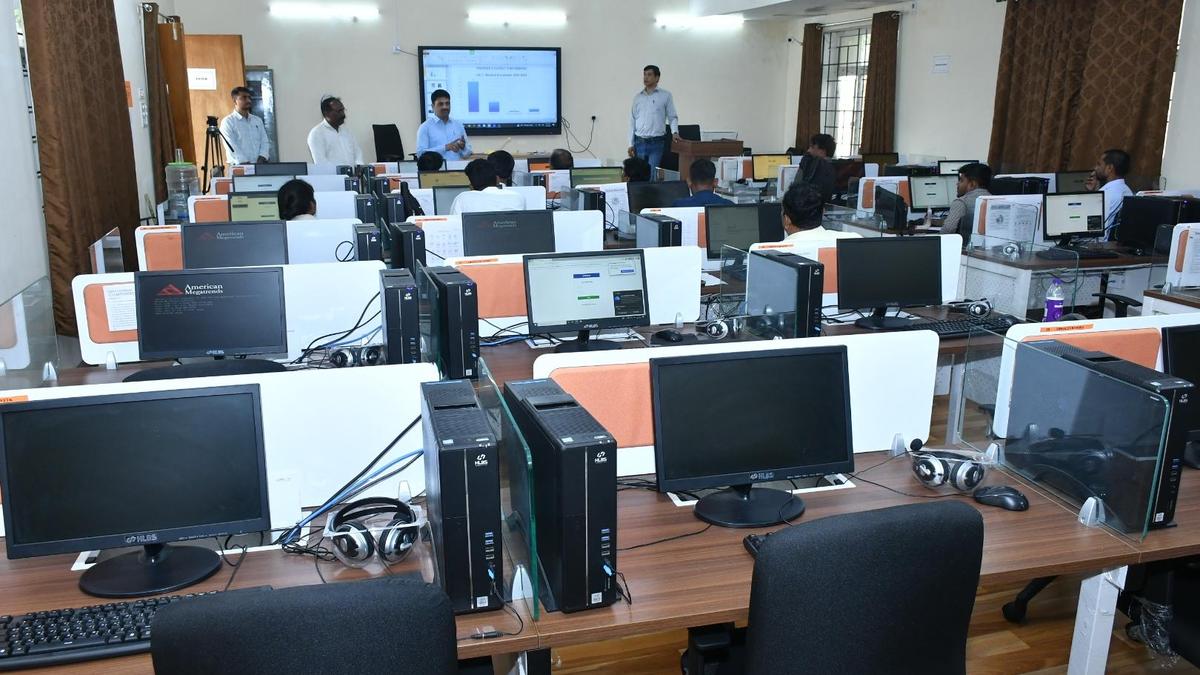
Located on the Kalaburagi campus, the language lab is equipped with modern audio-visual tools, interactive software, and guided modules tailored to varying proficiency levels. Students undergo structured training in listening, speaking, reading, and writing, with a strong emphasis on pronunciation, vocabulary building, and conversational fluency. For many rural students, this marks their first experience of learning English in an immersive and supportive environment rather than through rote classroom methods.

University officials noted that the lab was conceptualised keeping in mind the socio-economic realities of the region. A significant proportion of students enrolled at CUK come from government schools where English exposure is limited. The language lab, therefore, functions not merely as an academic support system but as an equaliser, helping students compete on a more level playing field with peers from urban and English-medium backgrounds.

The impact of the language lab has also extended to improving students’ performance in competitive examinations. Faculty members noted that enhanced reading comprehension and vocabulary skills have helped students better understand exam questions, instructions, and reference materials. Rural students aspiring for civil services, banking, teaching eligibility tests, and postgraduate entrance exams have benefited from structured language exposure. The lab sessions complement academic preparation by strengthening analytical reading and clear expression, which are crucial in both written and interview stages. This indirect academic support has increased students’ confidence to attempt examinations they earlier felt were beyond their reach.

Another significant outcome of the initiative has been the gradual reduction of language-based discrimination on campus. Students who once felt marginalised due to their accent or limited fluency now report a more inclusive academic environment. Faculty members observed that peer interactions have become more balanced, with language differences no longer determining classroom dynamics. The lab’s emphasis on practice rather than perfection has helped normalise mistakes as part of learning, fostering mutual respect. This cultural shift has played an important role in improving students’ mental well-being and sense of belonging within the university ecosystem.

Teachers involved in running the language lab highlighted the importance of contextual learning. Instead of relying solely on standard textbooks, sessions incorporate everyday scenarios relevant to rural life, campus interactions, and professional settings. This approach helps students relate to the language organically rather than viewing it as an abstract or intimidating subject. Educators believe this contextualisation has been key to sustained engagement, as students are able to immediately apply what they learn in real-life conversations, academic discussions, and public speaking activities.

The language lab has also become a space for identifying and nurturing hidden talent among rural students. Faculty members noted that several students who initially struggled with English later emerged as effective speakers and presenters after consistent practice. Some have gone on to anchor university events, participate in inter-university debates, and represent the institution at academic conferences. These achievements have challenged stereotypes about rural students’ capabilities and reinforced the idea that access and opportunity, rather than background, determine language proficiency.

Administrators pointed out that parental attitudes towards English learning have also begun to change. As students return home with improved communication skills and confidence, families increasingly recognise the value of language training in higher education. This has encouraged parents to support continued learning rather than viewing English as unnecessary or elitist. Officials believe this ripple effect can influence younger siblings and communities, gradually creating a more positive environment for language learning in rural areas.

The success of the language lab has prompted discussions on policy-level interventions in higher education. Educationists suggest that structured language support should be embedded into undergraduate curricula, especially in universities serving rural and backward regions. Rather than treating language labs as optional facilities, they argue for making them integral to academic programmes. The CUK model is increasingly being cited in academic forums as evidence that targeted investments in language infrastructure can yield long-term social and educational benefits.

As the programme matures, university officials emphasised the need for continuous evaluation and innovation. Feedback from students is being used to refine modules and introduce new learning techniques. The long-term vision, they said, is to ensure that no student graduates from the university feeling disadvantaged due to language barriers. In doing so, the language lab is not just teaching English, but empowering rural students to claim their space with confidence in academic, professional, and social spheres.

BOOSTING CONFIDENCE AND CLASSROOM PARTICIPATION

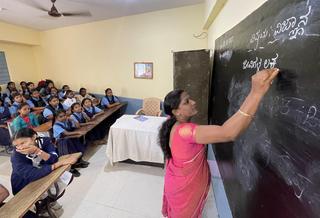
One of the most visible impacts of the language lab has been the change in students’ confidence levels. Faculty members report that students who were initially hesitant to speak in class now actively participate in discussions, presentations, and seminars. The fear of making mistakes, often a major psychological barrier, is gradually being replaced by a willingness to communicate and learn through practice.

Students undergoing regular sessions in the lab say the structured exercises and non-judgmental environment have helped them overcome inhibition. Interactive activities such as role-plays, group discussions, mock interviews, and listening drills allow learners to apply language skills in practical contexts. Many students credit the lab for helping them articulate their ideas clearly, both academically and socially, enhancing their overall campus experience.

Teachers involved in the programme emphasised that language acquisition is closely linked to self-esteem. By creating a space where students can learn at their own pace without stigma, the lab has fostered a culture of encouragement rather than correction. This approach, they say, is particularly effective for rural students who often internalise linguistic disadvantage as personal inadequacy.CUK's language lab emerges as key platform for strengthening English skills among rural students in Karnataka - The Hindu
ENHANCING EMPLOYABILITY AND CAREER READINESS

Beyond academic benefits, the language lab has played a significant role in improving students’ employability. Career guidance and placement cells at CUK have observed that students who regularly attend language lab sessions perform better in interviews, group discussions, and written assessments. Improved communication skills have opened doors to internships, competitive examinations, and private-sector opportunities that previously seemed out of reach for many rural learners.

The curriculum integrates professional communication modules, including resume writing, email etiquette, workplace communication, and interview skills. These components are designed to align with industry expectations, ensuring that students are not disadvantaged due to language limitations despite having subject knowledge. Officials noted that several alumni have acknowledged the lab’s role in helping them secure jobs and adapt to professional environments with confidence.

Recruiters visiting the campus have also responded positively, pointing out noticeable improvements in students’ articulation and interpersonal skills. This feedback has reinforced the university’s belief that language proficiency is a critical component of holistic education, especially for students aspiring to enter national and global job markets.

ADDRESSING REGIONAL AND SOCIAL DISPARITIES

The success of CUK’s language lab has highlighted the broader issue of language inequity in higher education. Students from rural Karnataka often face systemic disadvantages due to uneven schooling standards and lack of exposure to English outside the classroom. By addressing this gap institutionally, the university has taken a step towards inclusive education that recognises diversity in learning backgrounds.

Administrators stressed that the lab is not about promoting elitism through language, but about empowering students to access opportunities that increasingly demand English proficiency. The initiative aligns with the university’s mandate to serve socially and educationally disadvantaged regions, ensuring that talent is not constrained by linguistic limitations.

Education experts observing the programme note that such models can be replicated across universities and colleges in rural India. They argue that language labs, when designed with sensitivity to learners’ backgrounds, can significantly reduce dropout rates, improve academic performance, and enhance social mobility.

STUDENT EXPERIENCES AND PERSONAL TRANSFORMATION

For many students, the language lab experience has been life-changing. Several first-generation learners shared that they initially avoided speaking English due to fear of ridicule, but consistent practice in the lab helped them gain fluency and self-assurance. Students also reported improved comprehension of textbooks, lectures, and reference materials, leading to better academic outcomes.

Peer learning has emerged as another strength of the programme. Mixed-ability groups allow students to learn from each other, creating a collaborative environment that reinforces language use beyond formal sessions. This sense of shared progress has contributed to a supportive campus culture where language learning is seen as a collective journey rather than an individual struggle.CUK's language lab emerges as key platform for strengthening English skills among rural students in Karnataka - The Hindu
FUTURE PLANS AND EXPANSION

Encouraged by the positive response, the Central University of Karnataka is exploring plans to expand the language lab’s reach. Proposals include increasing session frequency, introducing advanced modules, and integrating digital platforms for self-paced learning. There are also plans to extend similar support to research scholars and postgraduate students who require advanced academic writing and presentation skills.

University officials indicated that collaborations with language experts and educational institutions are being considered to further strengthen the programme. Training faculty in innovative language teaching methods is also on the agenda, ensuring sustainability and continuous improvement.

A MODEL FOR INCLUSIVE HIGHER EDUCATION

As CUK’s language lab continues to empower rural students, it stands out as a model for inclusive and responsive higher education. By addressing one of the most persistent barriers faced by students from disadvantaged backgrounds, the initiative demonstrates how targeted institutional support can unlock potential and transform lives.

In a State where educational disparities between urban and rural areas remain stark, the success of this programme sends a clear message: with the right resources and intent, universities can play a pivotal role in bridging gaps, building confidence, and preparing students not just for degrees, but for meaningful participation in a rapidly evolving world.

Follow: Karnataka Government

Also read: Home | Channel 6 Network – Latest News, Breaking Updates: Politics, Business, Tech & More
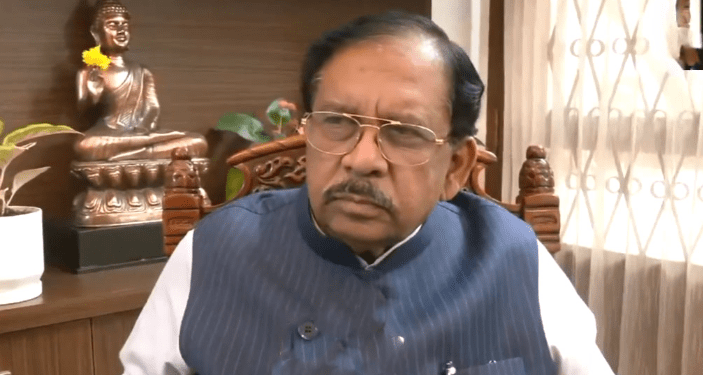
CID PROBE ORDERED INTO HUBBALLI ‘DISROBING’ ALLEGATION: SHOCKING TRUTH, 1 CASE, AND A CITY’S CONSCIENCE

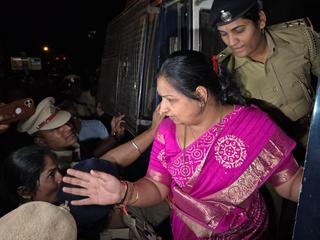
A high-profile and sensitive case alleging the disrobing of a woman during a police arrest in Hubballi has taken a decisive turn, with the Karnataka Home Minister confirming that a Criminal Investigation Department probe has been ordered after receiving approval from the Chief Minister. The development comes amid widespread public outrage, political sparring, and growing concerns over police conduct and accountability. The case, which has triggered intense debate across Karnataka, is now expected to be examined independently, with the CID tasked to ascertain facts, fix responsibility, and determine whether established legal procedures and human rights norms were violated during the arrest.

The decision to order a CID probe has also revived discussions on the implementation of arrest guidelines laid down by the Supreme Court, particularly those concerning women. Legal observers pointed out that the law mandates the presence of women police personnel during arrests and prohibits any form of indignity or humiliation. Any deviation from these norms, if proven, could amount to serious violations warranting criminal prosecution and departmental penalties. The CID inquiry is expected to closely examine whether these safeguards were followed in letter and spirit during the Hubballi incident.

Within police circles, the case has prompted introspection on operational practices and command responsibility. Senior officers have reportedly been asked to ensure stricter supervision during arrests and crowd-control operations. Sources indicated that internal advisories may be issued to reinforce compliance with standard operating procedures, especially in sensitive cases. The outcome of the probe could also influence future training modules at police academies, with a renewed emphasis on human rights, gender sensitivity, and lawful use of authority.

The alleged incident has also resonated beyond Hubballi, triggering conversations across Karnataka about custodial conduct and police-citizen relations. Social activists argue that incidents of alleged excesses erode public confidence in law enforcement and discourage victims from approaching the police. They have urged the government to treat the case as an opportunity to strengthen institutional accountability rather than viewing it as an isolated episode. The CID probe, they say, must be transparent and its findings made public to restore trust.

Political reactions continue to shape the narrative around the case. While opposition parties have vowed to keep the issue alive until justice is delivered, ruling party leaders have insisted that administrative decisions should not be politicised. Some leaders have called for restraint, warning that premature judgments could demoralise the police force. However, there is broad consensus across the political spectrum that any proven misconduct must be dealt with firmly to uphold the credibility of the system.

From a legal standpoint, experts note that the CID’s findings could lead to multiple outcomes, ranging from closure of the case if allegations are found baseless to registration of criminal cases and disciplinary action if wrongdoing is established. The probe may also recommend institutional reforms, including better documentation of arrests and increased use of technology for transparency. Such recommendations, if implemented, could have a lasting impact on policing practices in the State.

The woman at the centre of the controversy has become a symbol in a larger debate about dignity, power, and accountability. Women’s groups have emphasised that regardless of the outcome, the State must ensure support systems for complainants, including legal aid and counselling. They argue that fear of retaliation or social stigma often prevents victims from speaking out, making independent investigations like the CID probe crucial for justice.

As Karnataka awaits the findings of the CID investigation, the Hubballi case stands as a reminder of the fragile balance between authority and accountability. The manner in which the State handles the probe and acts on its conclusions will be closely watched by citizens, rights groups, and legal experts alike. For many, the case is not just about one incident, but about reaffirming the principle that law enforcement must operate within the bounds of law, dignity, and constitutional values at all times.

According to the Home Minister, the decision to hand over the investigation to the CID was taken in the interest of transparency and fairness, given the seriousness of the allegations and the public attention the case has attracted. He said the State government was committed to ensuring that justice is delivered, irrespective of the rank or position of those involved. The minister emphasised that the government would not shield any official if wrongdoing is established, adding that the probe would be conducted in a time-bound and impartial manner.

The alleged incident reportedly occurred during a police operation in Hubballi, where a woman was taken into custody. Soon after, claims emerged that she was disrobed or subjected to humiliating treatment during the arrest process. Visuals and testimonies that surfaced in the aftermath intensified the controversy, prompting opposition parties, civil rights groups, and women’s organisations to demand a high-level, independent inquiry. The police, however, initially denied the allegations, maintaining that standard procedures were followed and that no misconduct took place.

As the issue escalated, the government faced mounting pressure to move the investigation away from the local police machinery. The Home Minister acknowledged that public confidence in the probe was critical, and that transferring the case to the CID would help address doubts and restore trust. He also clarified that the approval of the Chief Minister was obtained before issuing formal orders, underscoring the seriousness with which the government was treating the matter.

POLITICAL STORM AND QUESTIONS OF POLICE ACCOUNTABILITY

The Hubballi disrobing allegation quickly turned into a political flashpoint, with opposition parties accusing the government of attempting to downplay the incident and protect erring officials. Leaders across party lines described the allegations as deeply disturbing, particularly in a State that prides itself on progressive values and strong legal institutions. Several opposition legislators demanded the suspension of the police personnel involved until the completion of the inquiry, arguing that allowing them to continue in service could influence witnesses or compromise the investigation.

In response, the ruling dispensation maintained that due process must be followed and that punitive action could only be taken after establishing facts. The Home Minister reiterated that the CID probe would have full authority to examine all aspects of the case, including the conduct of individual officers, the circumstances of the arrest, and compliance with Supreme Court guidelines on arrest and detention, especially in cases involving women. He also pointed out that the government had a track record of acting against police officials in previous instances where misconduct was proven.CID probe into Hubballi disrobing allegation after approval from CM: Karnataka  Minister - The Hindu

Women’s rights groups and civil liberties organisations have played a key role in keeping the issue in the public domain. They have argued that the case highlights deeper structural problems within policing, including inadequate gender sensitisation, misuse of power, and lack of accountability mechanisms. Activists have called for mandatory body cameras, independent oversight boards, and stricter enforcement of arrest protocols to prevent similar incidents in the future. The CID probe, they say, must go beyond the immediate allegation and examine systemic lapses, if any.

Legal experts note that allegations of disrobing or custodial humiliation are treated with utmost seriousness under Indian law, as they involve violations of personal dignity and fundamental rights. They point out that even procedural lapses, if established, can attract criminal liability and departmental action. The outcome of the CID investigation, therefore, could have far-reaching implications not just for the officers involved but also for policing standards across Karnataka.

GOVERNMENT STAND AND THE ROACID probe into Hubballi disrobing allegation after approval from CM: Karnataka  Minister - The HinduD AHEAD

The State government has sought to strike a balance between responding to public outrage and ensuring procedural fairness. Senior officials said the CID has been instructed to conduct a comprehensive inquiry, record statements from all parties involved, analyse video evidence if available, and submit a detailed report to the government. The Home Minister assured that the findings of the probe would be acted upon without delay, and that corrective measures would be implemented to prevent recurrence of such incidents.

He also appealed to the public to allow the investigation to run its course, cautioning against drawing conclusions before the facts are fully established. At the same time, he acknowledged the emotional and social impact of the allegations, particularly on women, and reiterated the government’s commitment to safeguarding dignity and rights during law enforcement actions. Officials indicated that parallel departmental reviews of arrest procedures and training modules may also be initiated based on the probe’s findings.

In Hubballi, the incident has left a palpable sense of unease, with sections of the public expressing fear and mistrust towards the police, while others urge restraint and faith in the legal process. Community leaders have called for dialogue between the police and citizens to rebuild confidence and ensure that enforcement actions are perceived as lawful and humane. The CID probe is seen as a critical step in this direction, offering the possibility of clarity and closure.BJP worker stripping case: Karnataka govt to hand over case to CID

As the investigation unfolds, all eyes will be on the CID’s findings and the government’s response. The case has once again brought into focus the delicate balance between law enforcement authority and individual rights, especially in situations involving women. Whether the probe leads to accountability, reforms, or systemic changes will determine not just the outcome of this case, but also the broader message the State sends about justice, transparency, and the rule of law.

Follow: Karnataka Government

Also read: Home | Channel 6 Network – Latest News, Breaking Updates: Politics, Business, Tech & More
Shri Dharmendra Pradhan Chairs Stakeholder Consultation on Samagra Shiksha 3.0 to Reimagine Strong School Education

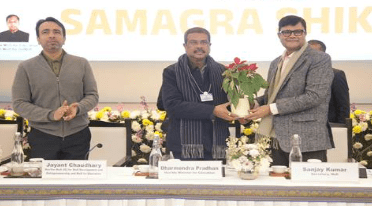
Union Minister for Education, Dharmendra Pradhan, today chaired a day-long Stakeholder consultation meeting on Samagra Shiksha 3.0, titled ‘Reimagining Samagra Shiksha’, at Sushma Swaraj Bhawan, New Delhi. The meeting brought together key stakeholders to shape a strategic, consultative, and implementable roadmap for the next phase of India’s flagship school education scheme.

The consultations aimed to evolve a nationwide, unified plan for Samagra Shiksha 2026–27, aligned with the vision of Viksit Bharat, through collaborative deliberations with States, Union Territories, and sectoral experts.


Building a Clear Roadmap for Samagra Shiksha 3.0

Discussions during the meeting focused on emerging challenges, best practices, and priority interventions required to strengthen governance, infrastructure, teacher training, and student entitlements under Samagra Shiksha 3.0. The deliberations sought to make the scheme more outcome-oriented, inclusive, and responsive to the diverse needs of learners across the country.

The meeting was attended by Jayant Chaudhary, Minister of State (Independent Charge) for Skill Development & Entrepreneurship and Education; Sanjay Kumar, Secretary, School Education and Literacy; Vineet Joshi, Secretary, Higher Education; senior officials of the Ministry; State Education Secretaries and State Project Directors of Samagra Shiksha from 11 States and Union Territories; representatives of various Ministries; and eminent education experts.


Education as the Foundation of Viksit Bharat

Addressing the gathering, Shri Dharmendra Pradhan said that Prime Minister Narendra Modi has articulated the vision of Viksit Bharat by 2047, which can be realised only when every child has access to quality education and the nation achieves 100 per cent enrolment up to Class XII.

He emphasised that bridging learning gaps, reducing dropouts, improving learning and nutrition outcomes, strengthening teacher capacity, fostering critical skills, and moving the ‘Amrit Peedhi’ beyond the Macaulay mindset are collective responsibilities essential for building a strong human capital base.

The Union Minister stressed that to promote holistic student development and expand access to knowledge through the meaningful integration of technology, schools must once again be entrusted to society.


Samagra Shiksha 3.0: A Nationwide Movement

Referring to the next phase of the scheme, Shri Pradhan noted that five years after the implementation of NEP 2020, India is entering a new phase of educational reform aligned with national development goals. He urged all stakeholders to work together to prepare a robust and holistic annual plan for the academic year 2026–27 and take it forward as a nationwide movement, highlighting that convergence of ideas would strengthen collective capacity.

He also appreciated the enthusiastic participation and valuable inputs from academic experts, senior officials of sectoral Ministries, and representatives of the participating States and Union Territories.


Bottom-Up Planning and Skills Integration

Speaking on the occasion, Shri Jayant Chaudhary said that schemes are most successful when designed through a bottom-up approach, grounded in the realities of schools and States. He noted that it represents the operational expression of the National Education Policy 2020, with schools acting as agents of change.

He highlighted that by embedding skilling, vocational pathways, digital learning, and inclusion within a multidisciplinary education framework, Samagra Shiksha goes beyond reform to prepare students for work, life, and a rapidly changing economy.


Focus on Learning Outcomes and Technology

Addressing the gathering, Shri Sanjay Kumar underscored the need to improve learning outcomes as a primary driver of school education. He emphasised age-appropriate learning, curriculum equivalence across State boards, and the importance of leveraging technology—particularly Artificial Intelligence—by integrating it into curricula and making it a core component of Samagra Shiksha.

A detailed presentation was made by Dheeraj Sahu, Additional Secretary, School Education & Literacy, highlighting progress achieved under Samagra Shiksha and NEP 2020, while outlining milestones for the coming years. Key focus areas included access, equity, quality, teacher capacity building, digital education, and outcome-based learning.


About Samagra Shiksha: Stakeholder Consultation

Samagra Shiksha is an integrated, centrally sponsored scheme for school education that adopts a holistic approach, covering the entire continuum from pre-primary to senior secondary level, without segmentation. The scheme represents a paradigm shift towards inclusive, equitable, and quality education for all.

 For more real-time updates, visit Channel 6 Network.

Source: PIB

CAQM Orders Closure of 16 Industrial Units in NCR for Gross and Persistent Environmental Violations

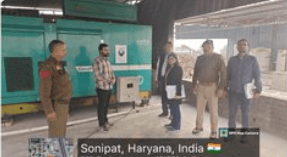
The Commission for Air Quality Management (CAQM) on Friday issued closure directions to 16 industrial units operating across the National Capital Region (NCR) after detailed inspections revealed gross and persistent violations of environmental norms.

The action forms part of CAQM’s continuous and intensified enforcement drive aimed at curbing air pollution and ensuring strict compliance with statutory directions across the NCR and adjoining areas.


Geographical Spread of Defaulting Units

Of the 16 industrial units directed to shut down:

  • One unit is located in Uttar Pradesh (NCR)

  • One unit is located in Rajasthan (NCR)

  • Fourteen units are located in Sonipat district of Haryana


Serious Violations Detected

The inspections revealed multiple serious environmental violations, including:

  • Establishment and operation without mandatory Consent to Establish (CTE) and Consent to Operate (CTO) as required under extant statutes

  • Non-installation or non-functioning of Air Pollution Control Devices (APCDs)

  • Use of unapproved fuels

  • Operation of industrial units during restricted periods under the Graded Response Action Plan (GRAP)

  • Non-compliance of diesel generator (DG) sets with prescribed emission norms

  • Presence of visible smoke and emissions from industrial processes

In several instances, units were found operating in blatant disregard of statutory provisions, environmental regulations, and binding directions issued by competent authorities.


Immediate Closure and Enforcement Action

Taking a serious view of these lapses, CAQM has directed the immediate closure of all defaulting units until full compliance with applicable environmental statutes and statutory directions is achieved.

The Commission reiterated that non-compliance will not be tolerated and warned that stringent enforcement measures, including closure and other penal actions as provided under law, will continue against erring industrial units.


Advisory to Industries

CAQM has once again urged all industries operating in the NCR to:

  • Strictly adhere to prescribed environmental norms

  • Ensure proper installation and continuous operation of APCDs

  • Maintain compliance with statutory requirements at all times


Conclusion

The closure of 16 industrial units underscores CAQM’s zero-tolerance approach towards environmental violations and reinforces its commitment to improving air quality in the NCR through strict enforcement and regulatory oversight.

 For more real-time updates, visit Channel 6 Network.

Source: PIB

Passing Out Parade of 02/25 Proudly Batch Held at INS Chilka, Marking Induction of Over 2,100 Trainees

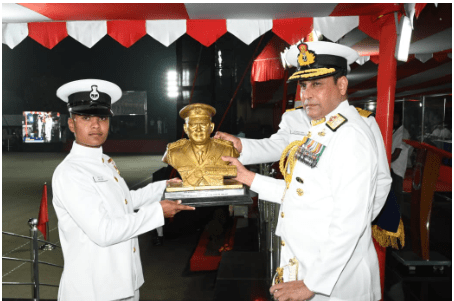
The Passing Out Parade (POP) of the 02/25 batch of trainees was held at INS Chilka on 8 January 2026, marking the successful culmination of 16 weeks of ab-initio training. Conducted as an impressive post-sunset ceremonial parade, the event symbolised the transformation of trainees into disciplined, resilient, and combat-ready naval professionals.

The passing-out batch comprised 2,172 trainees, including 2,103 Agniveers (among them 113 women Agniveers), 270 Sailors (SSR – Medical Assistants), 44 Sports Entry personnel of the Indian Navy, and 295 Naviks of the Indian Coast Guard.


Distinguished Leadership and Ceremony

The parade was reviewed by Sameer Saxena, Vice Admiral and Flag Officer Commanding-in-Chief (FOCinC), Southern Naval Command, who was the Chief Guest and Reviewing Officer. B Deepak Aneel, Commodore and Commanding Officer, INS Chilka, served as the Conducting Officer of the parade.

The ceremony was attended by distinguished veterans, eminent sports personalities, senior naval officers, other dignitaries, and family members of the passing-out trainees.


Showcasing Excellence, Discipline and Inclusivity

The parade showcased the high standards of drill, discipline, and professionalism attained by the trainees during their rigorous training. The participation of women Agniveers alongside their male counterparts reaffirmed the Indian Navy’s commitment to inclusivity and gender neutrality in operational roles.


Address to the Trainees

Addressing the parade, the FOCinC (South) congratulated the trainees on the successful completion of their training. He urged them to continuously hone their professional skills, remain technologically adept, and imbibe the Navy’s core values of Duty, Honour, and Courage. Emphasising their responsibility to the nation, he exhorted the trainees to uphold national honour while charting their professional journeys with courage and determination.

He also expressed appreciation to the parents of the Agniveers, acknowledging their vital contribution to the nation, and commended Team Chilka for its relentless efforts and pivotal role in shaping the transformation of both the Navy and the nation.


Awards and Achievements

During the ceremony, the Chief Guest awarded medals and trophies to meritorious trainees:

  • Sashi B Kenchavagol and Jatin Mishra were awarded the Chief of the Naval Staff Rolling Trophy and Gold Medal for Best Agniveer (SSR) and Best Agniveer (MR) respectively.

  • Anita Yadav received the Gen Bipin Rawat Rolling Trophy for Best Woman Agniveer in overall order of merit.

  • Keshav Suryavanshi and Sonendra were adjudged Best Navik (GD) and Best Navik (DB) respectively.

Earlier, during the Valedictory Function, the Overall Championship Trophy was awarded to Kharavela Division, while Ashok Division secured the Runners-Up position.


Unveiling of Trainees’ Magazine

The occasion also witnessed the unveiling of the second edition of Ankur 2025, the bilingual trainees’ magazine of INS Chilka. The publication highlights the experiences, challenges, and transformative journey of Agniveers during their training period.


Conclusion

The Passing Out Parade of the 02/25 batch at INS Chilka marked a significant milestone in the induction of a new generation of naval personnel, reinforcing the Indian Navy’s commitment to professionalism, inclusivity, and excellence in training as it prepares its manpower for future maritime challenges.

 For more real-time updates, visit Channel 6 Network.

Source: PIB

Chief of the Army Staff Concludes Official Visit to UAE and Sri Lanka, Strengthening Defence Cooperation: 2026

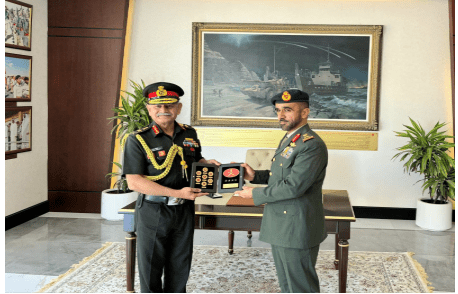
The Chief of the Army Staff (COAS), Upendra Dwivedi, has successfully concluded his official visit to the United Arab Emirates (UAE) and Sri Lanka from 5 to 8 January 2026, reinforcing India’s commitment to deepening defence cooperation, enhancing military-to-military engagement, and strengthening strategic partnerships with friendly nations in West Asia and the Indian Ocean Region.


Visit to the United Arab Emirates

During his visit to the UAE from 5–6 January 2026, the COAS held wide-ranging discussions with senior leadership of the UAE Armed Forces, including the Commander of the UAE Land Forces. The discussions focused on strengthening defence cooperation, enhancing interoperability, and expanding avenues for joint training and professional military exchanges.

General Dwivedi received detailed briefings on the organisational structure, roles, and operational capabilities of the UAE Land Forces and visited key military establishments, where he interacted with officers and troops. These engagements facilitated the exchange of best practices and exploration of collaboration in areas of mutual interest.

The COAS also addressed officers at the UAE National Defence College, underscoring the importance of strategic dialogue, leadership development, and shared perspectives on regional and global security challenges.

As part of defence diplomacy efforts, he interacted with the Indian Ambassador to the UAE, Deepak Mittal, during which key aspects of bilateral defence cooperation were discussed.


Visit to Sri Lanka

From 7–8 January 2026, the COAS visited Sri Lanka, where he held substantive discussions with senior military and civil leadership, including the Commander of the Sri Lanka Army, the Deputy Minister of Defence, and the Defence Secretary. The talks focused on training cooperation, capacity building, defence education, and regional security dynamics.

Reflecting India’s enduring commitment to defence capacity building, General Dwivedi addressed officers at the Defence Services Command and Staff College (DSCSC) and interacted with officers and trainees at the Army War College, Buttala. During his visit to the Army War College, he laid the foundation stone of a Sports Complex, formally handed over Ambulance Vans, and also presented 20 Mahindra Scorpio vehicles and simulators to the Sri Lanka Army, significantly strengthening operational capability and training infrastructure.

The COAS paid homage at the IPKF War Memorial, honouring the supreme sacrifice of Indian soldiers and reaffirming the shared history and deep people-to-people bonds between India and Sri Lanka. He also interacted with the Indian High Commissioner to Sri Lanka, Santosh Jha.


Outcomes and Strategic Significance

The visit significantly advanced defence and military-to-military cooperation with both the UAE and Sri Lanka through enhanced strategic dialogue, expanded professional military education exchanges, and tangible capacity-building initiatives. It reinforced mutual trust, strengthened interoperability, and underscored India’s role as a reliable and trusted defence partner.


Conclusion

The successful engagements reaffirm India’s commitment to fostering peace, stability, and cooperative security in the Indian Ocean Region and West Asia, while deepening longstanding defence partnerships with friendly nations and advancing shared strategic objectives.

 For more real-time updates, visit Channel 6 Network.

Source: PIB

DRDO Conducts Successful Long-Duration Ground Test of Full-Scale Actively Cooled Scramjet Engine for Hypersonic Missile Programme: 2026

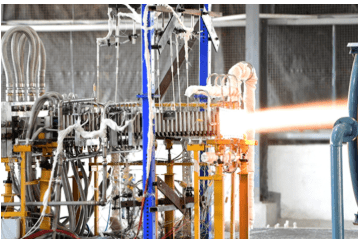
In a major boost to India’s hypersonic weapons capability, the Defence Research and Development Organisation (DRDO) has successfully conducted a long-duration ground test of a full-scale, actively cooled scramjet engine combustor, marking a significant milestone in the Hypersonic Missile Programme.

The test was carried out by the Defence Research & Development Laboratory (DRDL), Hyderabad—one of DRDO’s premier laboratories—at its state-of-the-art Scramjet Connect Pipe Test (SCPT) Facility on January 9, 2026. The scramjet combustor achieved a continuous run time of over 12 minutes, demonstrating sustained hypersonic combustion performance.


Breakthrough in Hypersonic Propulsion Technology

This path-breaking achievement builds upon the earlier subscale long-duration scramjet test conducted on April 25, 2025, and represents a critical advancement towards the realization of operational hypersonic cruise missiles. Both the scramjet combustor and the SCPT test facility were indigenously designed and developed by DRDL, with realization support from Indian industry partners.

The successful validation places India among a select group of nations possessing advanced air-breathing hypersonic propulsion technologies, underscoring the country’s growing capabilities in cutting-edge aerospace and missile systems.


About Hypersonic Cruise Missile Technology

A hypersonic cruise missile is capable of flying at speeds exceeding Mach 5 (over 6,100 km/h) for extended durations. This extraordinary capability is enabled by a scramjet (Supersonic Combustion Ramjet) engine, which uses atmospheric oxygen for combustion, eliminating the need for onboard oxidizers and allowing sustained high-speed flight.

The successful ground tests at the SCPT facility have validated both the advanced scramjet combustor design and the performance of the high-enthalpy test infrastructure, marking a decisive step toward future flight trials.


Leadership Commends Achievement

Raksha Mantri Rajnath Singh congratulated DRDO, industry partners, and academia on the successful ground test. He stated that this achievement provides a strong foundation for India’s Hypersonic Cruise Missile Development Programme and reflects the nation’s growing technological self-reliance in critical defence systems.

Secretary, Department of Defence R&D and Chairman DRDO, Samir V Kamat, also congratulated the teams involved for their commendable accomplishment and dedication.


Conclusion

The successful long-duration ground test of the full-scale actively cooled scramjet engine marks a transformational milestone in India’s hypersonic missile journey. With this achievement, DRDO has significantly advanced the country’s strategic deterrence and aerospace technology base, reinforcing India’s position at the forefront of next-generation defence capabilities.

 For more real-time updates, visit Channel 6 Network.

Source: PIB

“Indian Languages Are Not Contradictory; They Enrich One Another,” Says Vice President at Third International Bharatiya Languages Conference: 2026

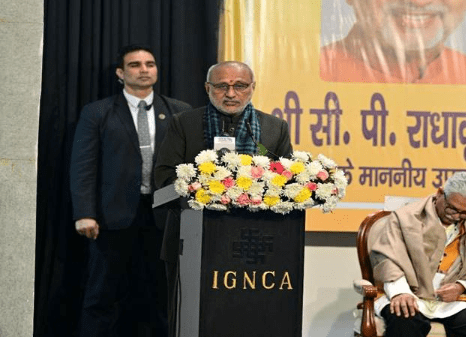
The Third International Indian Languages Conference – 2026 was inaugurated in New Delhi by the Hon’ble Vice President of India, C. P. Radhakrishnan, at the Indira Gandhi National Centre for the Arts (IGNCA), Janpath. The conference is being organised under the joint aegis of IGNCA, the Ministry of Culture, Government of India, Antarashtriya Sahyog Parishad, Vaishwik Hindi Parivar, and the Department of Indian Languages and Literary Studies, University of Delhi.


Languages as Living Carriers of Civilisation

Addressing the inaugural session, the Vice President emphasised that languages are the living conscience of civilisation, serving not merely as tools of communication but as carriers of memory, culture, tradition, and values passed down through generations. He observed that India’s unity has never been based on uniformity but has been sustained through mutual respect among diverse languages, bound together by a shared civilisational ethos and dharma.

“Bharatiya languages are not contradictory; rather, they continuously contribute to one another, enriching philosophy, knowledge, and cultural expression,” the Vice President said.

He further noted that from ancient inscriptions and palm-leaf manuscripts to contemporary digital forms, languages have shaped thought, preserved knowledge, and nurtured collective imagination. Highlighting the global reach of Indian languages, he stressed the responsibility to protect linguistic diversity, support endangered languages, and carry them forward confidently through education and technology. “In celebrating every language, we uphold the dignity of every Indian, for Bharat is one and will remain one forever,” he said.


Distinguished Participation and Academic Leadership

The inaugural session was attended by Ramesh Pokhriyal Nishank, Union Minister of Education (former) and former Chief Minister of Uttarakhand, as a distinguished guest. The session was chaired by the President of IGNCA and eminent scholar, Ram Bahadur Rai.

Special guests included Shyam Parande, Secretary General of Antarashtriya Sahyog Parishad, and renowned Japanese linguist Tomio Mizokami, Padma Shri awardee. Also present were Sachchidanand Joshi, Member Secretary, IGNCA, and Ravi Prakash Tekchandani, Head, Department of Indian Languages and Literary Studies, University of Delhi. The session was conducted by Anil Joshi, Director of the International Bharatiya Languages Conference.


Indian Languages as Vehicles of Knowledge and Harmony

Speaking on the occasion, Dr. Ramesh Pokhriyal ‘Nishank’ highlighted that Indian languages are not merely instruments of communication but repositories of culture, philosophy, knowledge, and social values. He noted that India’s civilisational wisdom—such as yoga, Ayurveda, literature, and philosophy—has travelled across the world through the medium of its languages.

He emphasised that Indian languages promote coexistence, equality, and harmony rather than conflict, and form the foundation for both societal and individual development. “Indian languages foster unity and knowledge, not division—this is their true strength and pride,” he said.


Unity of Indian Languages

In his presidential address, Shri Ram Bahadur Rai reflected on the need to re-examine prevailing linguistic theories. He stated that while some scholars have propagated the idea of Indian languages belonging to four separate families, it has now been established that Indian languages belong to a single family. Recognising this unity, he said, would help dismantle artificial divisions.

He called for increased dialogue among Indian languages, stating that such dialogue would create a “wave of linguistic unity and cultural unity,” bringing language communities closer together.

Addressing the gathering as a special guest, Padma Shri Tomio Mizokami spoke in Hindi, remarking, “People say that I am Indian, though I was mistakenly born in Japan.”


Global Participation and Academic Engagement

The three-day conference will serve as a major academic and cultural platform focusing on the global dissemination of Indian languages, contemporary challenges, and future possibilities. The event has drawn participation from over 100 international delegates representing more than 70 countries, including the United Kingdom, Canada, New Zealand, Australia, Singapore, Sri Lanka, Nepal, the Netherlands, France, Mauritius, Thailand, and Japan.

Additionally, more than 100 eminent scholars, writers, and language activists from various Indian states, languages, and dialects have contributed to enhancing the academic and cultural stature of the conference.

 For more real-time updates, visit Channel 6 Network.

Source: PIB

Agriculture Minister Holds Bilateral Meeting with Fijian Counterpart to Deepen India–Fiji Cooperation in Agriculture: 2026

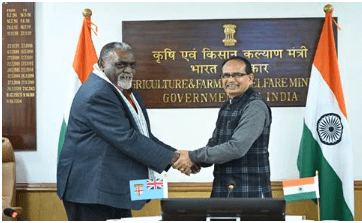
The Union Minister of Agriculture and Farmers Welfare, Shivraj Singh Chouhan, held a bilateral meeting with Tomasi Tunabuna, Minister for Agriculture and Waterways of Fiji, at Krishi Bhawan, New Delhi, to review ongoing cooperation and explore new avenues for strengthening bilateral ties in the agriculture sector.


Strengthening Historical Ties and Food Security Cooperation

During the meeting, the Union Minister highlighted that India shares deep historical relations with Fiji, founded on mutual respect, cooperation, and strong cultural and people-to-people ties. He noted that these relations continue to grow and emphasized that both countries recognize agriculture and food security as key pillars of their bilateral cooperation.


Agreement to Extend MoU and Establish Joint Working Group

The two Ministers held comprehensive discussions on a wide range of issues of mutual interest. It was agreed to extend the existing Memorandum of Understanding (MoU) for a further five years and to establish a Joint Working Group (JWG) to advance structured cooperation between the two countries.

Key areas of collaboration identified during the discussions included:

  • Student exchanges and training programmes

  • Capacity-building initiatives for farmers and agricultural professionals

  • Technology sharing in small-scale agricultural machinery

  • Adoption of digital agriculture tools

  • Strengthening research infrastructure

  • Genetic exchange initiatives

  • Knowledge sharing to reduce food loss and waste

Both sides underscored the importance of research cooperation and innovation-driven solutions to address shared agricultural challenges.


High-Level Participation from Both Sides

The Fijian delegation included CharanJeath Singh, Minister for Multi-Ethnic Affairs and the Sugar Industry; Jagannath Sami, High Commissioner of Fiji; Vinesh Kumar, Permanent Secretary, Ministry of Sugar; Nitya Reddy, Chairman, Fiji Sugar Corporation; and Paulo Daurewa, Counsellor at the High Commission of Fiji.

The Indian side was represented by Devesh Chaturvedi, Secretary, Department of Agriculture & Farmers Welfare; M. L. Jat, Secretary, Department of Agricultural Research and Education (DARE), along with other senior officials.


Conclusion

The meeting reaffirmed the shared commitment of India and Fiji to deepen cooperation in agriculture through capacity building, technology transfer, and research collaboration. Both sides expressed confidence that the extended MoU and institutional mechanisms such as the Joint Working Group would further strengthen bilateral engagement and contribute to sustainable agricultural development and food security in both countries.

 For more real-time updates, visit Channel 6 Network.

Source: PIB

8th Meeting of National Traders’ Welfare Board Reviews Key Initiatives to Strengthen Retail Trade Sector

The 8th meeting of the National Traders’ Welfare Board (NTWB) was held at Vanijya Bhawan, New Delhi, under the chairmanship of Sunil J. Singhi. The meeting reviewed ongoing initiatives and future strategies aimed at strengthening India’s retail trade ecosystem and enhancing traders’ welfare.

Addressing the meeting, Sanjiv, Joint Secretary, Department for Promotion of Industry and Internal Trade (DPIIT), highlighted the crucial role of the retail trade sector in India’s economic growth. He encouraged Members to actively spread awareness about NTWB initiatives, including virtual interactive sessions, and appreciated the leadership of the Chairperson, noting that the Board’s progress reflects strong coordination and a clear strategic vision.


Key Initiatives and Policy Outreach

The Chairperson apprised Members of major initiatives undertaken to achieve the Board’s objectives. He informed that representations received from trade associations and Board Members had been forwarded to the concerned Ministries and Departments for necessary action. Suggestions were invited from Members to further enhance outreach and awareness of welfare schemes for the retail trade sector.


GST Reforms and Traders’ Participation

The Board was briefed on next-generation Goods and Services Tax (GST) reforms and their positive impact on both traders and consumers. Reference was made to the nationwide traders-led campaign “GST Bachat Utsav”, which reflects the trading community’s appreciation of GST reforms implemented under the leadership of Narendra Modi.

The Chairperson reiterated the Government’s commitment to creating a conducive business environment through simplified procedures, reduced compliance burden, financial support, and improved infrastructure.


Vocal for Local and Swadeshi Push

Emphasizing the importance of the ‘Vocal for Local’ initiative, the Board discussed measures to boost indigenous industries and promote locally made products. In this context, Members deliberated on taking the ‘Swadeshi Sankalp Daud’ campaign nationwide from 12 to 23 January, encouraging citizens to embrace Swadeshi values in both production and consumption.


Digital Transformation and ONDC

The Chairperson stressed the importance of digital transformation in the retail sector and urged small traders to leverage platforms such as the Open Network for Digital Commerce (ONDC) to expand market access and enhance income opportunities. It was highlighted that future policies and schemes will continue to prioritize traders’ welfare through capacity building, financial support, social security measures, market linkages, and transparent grievance redressal mechanisms.

Reaffirming the mission and vision of the NTWB, the Chairperson stated that sustained efforts would ensure traders remain competitive, secure, and prosperous in an evolving economic landscape.


Participation in the Meeting

The meeting was attended by non-official Members representing various trade associations, States, and Union Territories, along with ex-officio Members from nine Ministries and Departments of the Government of India.

 For more real-time updates, visit Channel 6 Network.

Source: PIB