Wednesday, April 29, 2026
Home Blog Page 149

Calcutta High Court ED Case 2026 – Detailed Analysis of Mamata Banerjee’s Legal Battle, Courtroom Ruckus, and Governance Lessons for Democracy

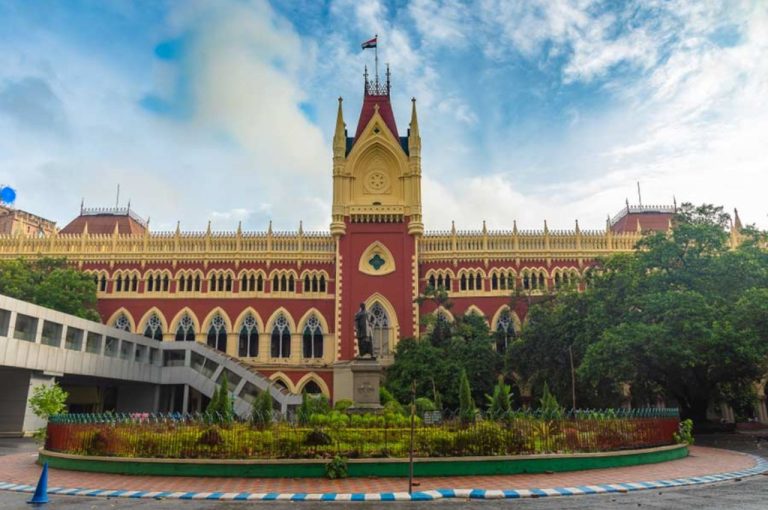
The Calcutta High Court ED case 2026 has become a focal point in Bengal’s political and judicial landscape. On January 9, proceedings in the High Court witnessed ruckus and heated exchanges as lawyers debated Enforcement Directorate (ED) actions linked to Chief Minister Mamata Banerjee and the ongoing controversy surrounding raids on I‑PAC, the political consultancy firm associated with Trinamool Congress (TMC). The matter has now been scheduled for a full hearing on January 14, setting the stage for a high‑stakes confrontation between state politics and central investigative agencies.


2. Calcutta High Court ED Case 2026: The Courtroom Ruckus

  • Proceedings were disrupted by heated arguments between counsels representing different sides.
  • Lawyers accused each other of politicising the judiciary.
  • Judges intervened to restore order, emphasising that the matter would be heard in detail on January 14.
  • The ruckus highlighted the polarised atmosphere surrounding the case.

3. The ED vs Mamata Banerjee Case

  • The ED has been investigating alleged irregularities linked to I‑PAC and TMC’s campaign finances.
  • Mamata Banerjee has accused the Centre of weaponising agencies to intimidate political opponents.
  • The case has become symbolic of the larger battle between federalism and centralisation in Indian politics.
  • The January 14 hearing is expected to address both legal and constitutional questions.

4. Political Context

  • The controversy comes ahead of crucial Assembly elections in Bengal.
  • TMC frames the ED actions as political vendetta.
  • BJP insists the ED is acting within its mandate to investigate corruption.
  • Congress and Left parties criticise both sides, portraying the issue as a power struggle.

5. Governance Challenges

The case reflects broader challenges:

  • Judicial independence in politically sensitive cases.
  • Public perception of bias in enforcement actions.
  • Trust deficit between state and Centre.
  • Need for institutional safeguards to protect democratic processes.

6. Government External Links for Assistance


7. Historical Context of ED Cases in Bengal

  • 2019–2021: ED and CBI raids on TMC leaders during Narada and Saradha scams.
  • 2021: I‑PAC staff detained briefly in Tripura, sparking protests.
  • 2024–25: Multiple raids on opposition leaders across states.
  • 2026: Current case intensifies debate on agency neutrality and judicial oversight.

8. Community Impact

  • Citizens express concern about erosion of democratic norms.
  • TMC cadres mobilise in Kolkata, chanting slogans against BJP.
  • Civil society groups debate the role of agencies in democracy.
  • Opposition parties frame the issue as a larger democratic struggle.

9. Global Comparisons

Similar controversies worldwide:

  • Turkey: Opposition accuses government of using courts and agencies to suppress dissent.
  • USA: Debates over FBI investigations during election cycles.
  • Pakistan: NAB raids often criticised as politically motivated.

Bengal’s case mirrors these global struggles where state power and democratic freedoms collide.


10. Governance Lessons

The Calcutta High Court case teaches:

  • Judicial independence must be safeguarded.
  • Transparency in enforcement actions builds public trust.
  • Federal dialogue can reduce tensions between Centre and states.
  • Civil society vigilance is crucial to protect democratic rights.

11. Future Outlook – Democracy in Bengal

India must move towards:

  • Codified rules for agency raids during election periods.
  • Judicial oversight of politically sensitive investigations.
  • Public dashboards for transparency in enforcement actions.
  • Strengthening federal institutions to balance Centre‑state relations.

12. Conclusion

The Calcutta High Court ED case 2026 is more than a legal dispute—it is a test of India’s democratic resilience. The courtroom ruckus and the upcoming January 14 hearing highlight the fragile balance between agency independence, judicial integrity, and political accountability. For India, the lesson is clear: democracy must be defended not only at the ballot box but also in the courts where its principles are tested.


Also read: Home | Channel 6 Network – Latest News, Breaking Updates: Politics, Business, Tech & More
Calcutta High Court ED Case 2026 – Detailed Analysis of Mamata Banerjee’s Legal Battle, Courtroom Ruckus, and Governance Lessons for Democracy

The Calcutta High Court ED case 2026 has become a focal point in Bengal’s political and judicial landscape. On January 9, proceedings in the High Court witnessed ruckus and heated exchanges as lawyers debated Enforcement Directorate (ED) actions linked to Chief Minister Mamata Banerjee and the ongoing controversy surrounding raids on I‑PAC, the political consultancy firm associated with Trinamool Congress (TMC). The matter has now been scheduled for a full hearing on January 14, setting the stage for a high‑stakes confrontation between state politics and central investigative agencies.


2. The Courtroom Ruckus

  • Proceedings were disrupted by heated arguments between counsels representing different sides.
  • Lawyers accused each other of politicising the judiciary.
  • Judges intervened to restore order, emphasising that the matter would be heard in detail on January 14.
  • The ruckus highlighted the polarised atmosphere surrounding the case.

3. The ED vs Mamata Banerjee Case

  • The ED has been investigating alleged irregularities linked to I‑PAC and TMC’s campaign finances.
  • Mamata Banerjee has accused the Centre of weaponising agencies to intimidate political opponents.
  • The case has become symbolic of the larger battle between federalism and centralisation in Indian politics.
  • The January 14 hearing is expected to address both legal and constitutional questions.

4. Political Context

  • The controversy comes ahead of crucial Assembly elections in Bengal.
  • TMC frames the ED actions as political vendetta.
  • BJP insists the ED is acting within its mandate to investigate corruption.
  • Congress and Left parties criticise both sides, portraying the issue as a power struggle.

5. Governance Challenges

The case reflects broader challenges:

  • Judicial independence in politically sensitive cases.
  • Public perception of bias in enforcement actions.
  • Trust deficit between state and Centre.
  • Need for institutional safeguards to protect democratic processes.

6. Government External Links for Assistance


7. Historical Context of ED Cases in Bengal

  • 2019–2021: ED and CBI raids on TMC leaders during Narada and Saradha scams.
  • 2021: I‑PAC staff detained briefly in Tripura, sparking protests.
  • 2024–25: Multiple raids on opposition leaders across states.
  • 2026: Current case intensifies debate on agency neutrality and judicial oversight.

8. Community Impact

  • Citizens express concern about erosion of democratic norms.
  • TMC cadres mobilise in Kolkata, chanting slogans against BJP.
  • Civil society groups debate the role of agencies in democracy.
  • Opposition parties frame the issue as a larger democratic struggle.

9. Global Comparisons

Similar controversies worldwide:

  • Turkey: Opposition accuses government of using courts and agencies to suppress dissent.
  • USA: Debates over FBI investigations during election cycles.
  • Pakistan: NAB raids often criticised as politically motivated.

Bengal’s case mirrors these global struggles where state power and democratic freedoms collide.


10. Calcutta High Court ED Case 2026: Governance Lessons

The Calcutta High Court case teaches:

  • Judicial independence must be safeguarded.
  • Transparency in enforcement actions builds public trust.
  • Federal dialogue can reduce tensions between Centre and states.
  • Civil society vigilance is crucial to protect democratic rights.

11. Future Outlook – Democracy in Bengal

India must move towards:

  • Codified rules for agency raids during election periods.
  • Judicial oversight of politically sensitive investigations.
  • Public dashboards for transparency in enforcement actions.
  • Strengthening federal institutions to balance Centre‑state relations.

12. Conclusion

The Calcutta High Court ED case 2026 is more than a legal dispute—it is a test of India’s democratic resilience. The courtroom ruckus and the upcoming January 14 hearing highlight the fragile balance between agency independence, judicial integrity, and political accountability. For India, the lesson is clear: democracy must be defended not only at the ballot box but also in the courts where its principles are tested.


Also read: Home | Channel 6 Network – Latest News, Breaking Updates: Politics, Business, Tech & More

January 9, 2026: Markets End Lower for Second Straight Session as Nifty 50 Closes Near Day’s Low at 25,683

Indian equity markets closed lower on Friday, January 9, 2026, extending losses for the second consecutive session amid sustained selling pressure in banking, financial services, and infrastructure stocks. Despite selective buying in FMCG, energy, and IT counters, broader market sentiment remained weak, keeping benchmark indices under pressure through the session.

At the close, markets ended near the day’s lows, reflecting a cautious undertone among investors.

Also Read: January 9, 2026: Markets Trade Lower in Afternoon Session as Nifty 50 Slides Below 25,700; Banking and Financial Stocks Drag


Benchmark Indices Performance

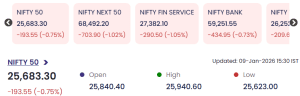
The Nifty 50 closed at 25,683.30, down 193.55 points or 0.75%. The index opened at 25,840.40, moved to an intraday high of 25,940.60, but failed to hold gains and slipped to a low of 25,623.00 before settling lower.

Other key indices also ended in negative territory:

  • Nifty Next 50 declined 703.90 points (-1.02%) to 68,492.20, underperforming the frontline index.

  • January 9, 2026Nifty Financial Services fell 290.50 points (-1.05%) to 27,382.10, dragged down by sustained selling in financial stocks.

  • Nifty Bank slipped 434.95 points (-0.73%) to 59,251.55, weighed down by losses in major private sector banks.


Top Gainers: FMCG, Energy and IT Stocks Provide Limited Support

Despite the overall market weakness, select stocks from FMCG, energy, and IT sectors managed to close higher, offering limited support to the indices.

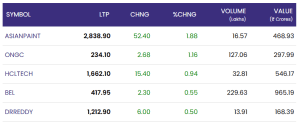
  • Asian Paints gained 1.88% to close at ₹2,838.90, emerging as the top gainer of the session amid buying interest in consumption-driven stocks.

  • Screenshot 2026 01 09 230517ONGC rose 1.16% to ₹234.10, supported by strength in energy counters.

  • HCL Technologies added 0.94% to ₹1,662.10, outperforming the broader IT sector.

  • Bharat Electronics Ltd (BEL) advanced 0.55% to ₹417.95, backed by strong trading volumes.

  • Dr Reddy’s Laboratories edged up 0.50% to ₹1,212.90, offering defensive support.


Top Losers: Banking, Infrastructure and Financial Stocks Drag

Selling pressure remained pronounced in banking, infrastructure, and financial stocks, which dominated the list of top losers.

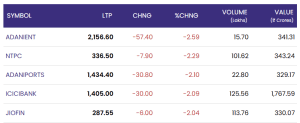
  • Adani Enterprises fell 2.59% to ₹2,156.60, leading losses amid weakness in infrastructure-linked stocks.

  • NTPC declined 2.29% to ₹336.50, reflecting pressure in power sector stocks.

  • Screenshot 2026 01 09 230533Adani Ports slipped 2.10% to ₹1,434.40, adding to sectoral drag.

  • ICICI Bank dropped 2.09% to ₹1,405.00, weighing heavily on the banking index.

  • Jio Financial Services declined 2.04% to ₹287.55, extending losses in financial stocks.


Market Outlook

Market sentiment remains cautious amid persistent selling in financials and broader markets. Analysts expect near-term volatility to continue, with global cues, earnings updates, and sectoral rotation likely to influence market direction in the coming sessions.


Conclusion: January 9, 2026

Indian equity markets ended lower on January 9, with the Nifty 50 closing near the day’s low at 25,683. While selective gains in FMCG, energy, and IT stocks offered limited support, sustained weakness in banking and financial stocks continued to weigh on overall market sentiment.


For real time stock Updates, visit NSE website.

Siliguri SDO Office Fire 2026 – Detailed Analysis of Blaze, SIR Document Safety, and Governance Lessons for Electoral Integrity in Bengal

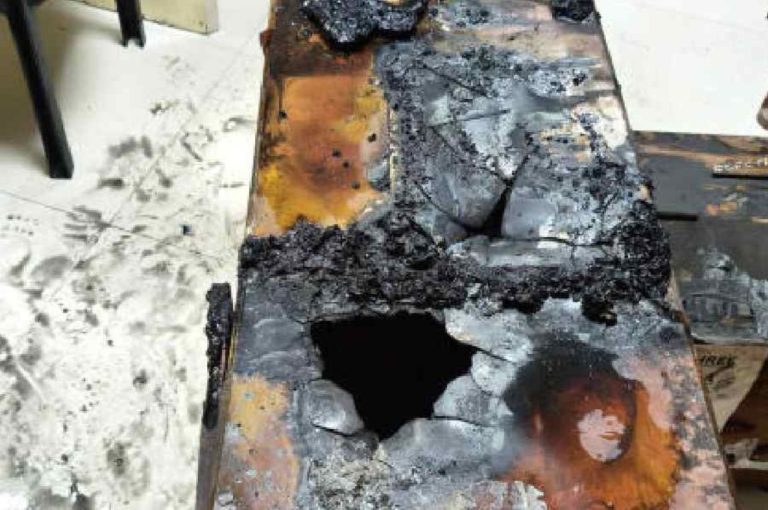
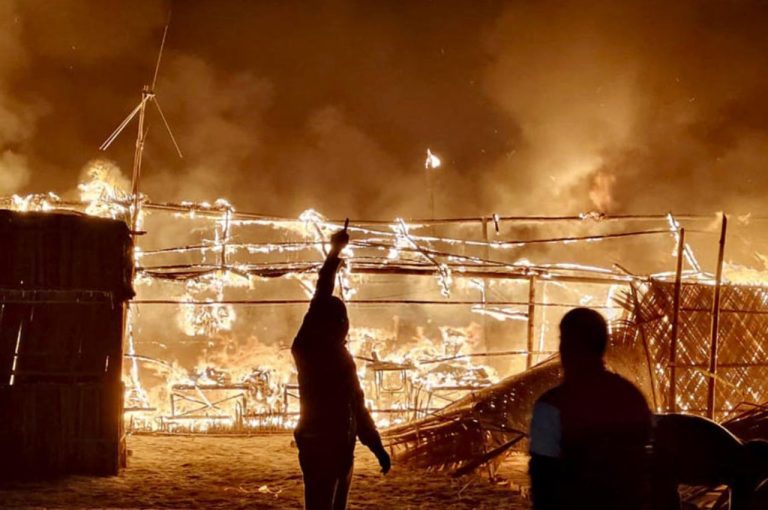
The Siliguri SDO office fire 2026 has become a major talking point in Bengal’s political and administrative circles. On January 9, a blaze broke out at the Sub‑Divisional Officer’s office on Hill Cart Road in Siliguri, sparking panic among staff and raising fears about the safety of sensitive electoral documents. Fortunately, officials confirmed that the Special Intensive Revision (SIR) voter documents remained unharmed, averting what could have been a serious crisis ahead of the Assembly elections.


2. The Incident

  • Location: SDO office, Hill Cart Road, Siliguri.
  • Cause: Preliminary reports suggest an electrical short circuit may have triggered the fire.
  • Response: Firefighters rushed to the scene and contained the blaze.
  • Damage: Office furniture and files were damaged, but SIR voter documents were intact.
  • Relief: Officials reassured the public that no electoral data was lost.

3. Importance of SIR Documents

  • The Special Intensive Revision (SIR) is a critical exercise to update Bengal’s electoral rolls.
  • Documents include:
    • Applications for voter inclusion.
    • Hearings on discrepancies.
    • Records of deletions and corrections.
  • Loss of these documents could have led to mass disenfranchisement and political turmoil.
  • Their safety ensured continuity of the electoral process.

4. Political Context

  • Chief Minister Mamata Banerjee has repeatedly criticised the SIR process as flawed and error‑prone.
  • BJP defends the exercise, claiming it exposes bogus voters.
  • The fire incident added fuel to the debate, with opposition parties questioning administrative preparedness.
  • Civil society groups demanded greater transparency and digital backups.

5. Governance Challenges

The blaze highlights:

  • Infrastructure vulnerabilities in government offices.
  • Fire safety lapses in administrative buildings.
  • Dependence on physical records despite digital alternatives.
  • Need for disaster preparedness in electoral management.

6. Government External Links for Assistance


7. Historical Context of Electoral Document Safety

  • 2000s: Fires in government offices occasionally destroyed land and revenue records.
  • 2011–2019: Electoral roll controversies often linked to missing or damaged files.
  • 2024–25: SIR flagged millions of discrepancies nationwide, increasing sensitivity around document safety.
  • 2026: Current fire underscores the fragility of physical record‑keeping.

8. Siliguri SDO Office Fire 2026: Community Impact

  • Citizens feared wrongful deletions if documents were lost.
  • Elderly voters expressed anxiety about re‑verification.
  • Political parties mobilised cadres to monitor document safety.
  • Civil society groups demanded public dashboards and digital transparency.

9. Global Comparisons

Similar incidents worldwide:

  • USA: Fires in county offices occasionally destroyed voter registration records.
  • Kenya: Electoral documents lost during post‑election violence.
  • Philippines: Floods damaged ballot papers, sparking controversy.

Bengal’s case mirrors these global struggles where document safety is central to electoral integrity.


10. Governance Lessons

The Siliguri fire teaches:

  • Digitisation of records is essential to prevent loss.
  • Fire safety audits must be mandatory in government offices.
  • Community vigilance ensures accountability.
  • Disaster resilience planning is vital for electoral management.

11. Future Outlook – Electoral Integrity in Bengal

India must move towards:

  • Cloud‑based voter databases with secure backups.
  • Smart fire detection systems in administrative offices.
  • Public dashboards showing real‑time status of electoral records.
  • Judicial oversight to ensure transparency in sensitive processes.

12. Conclusion

The Siliguri SDO office fire 2026 is more than a local incident—it is a reminder of the fragility of electoral infrastructure. While the safety of SIR documents provided relief, the blaze underscores the urgent need for digitisation, fire safety, and disaster preparedness. For Bengal, the lesson is clear: protecting democracy requires protecting the records that sustain it.

Also read: Home | Channel 6 Network – Latest News, Breaking Updates: Politics, Business, Tech & More
Alipurduar Rhino Fog Incident 2026 – Detailed Analysis of Jaldapara Wildlife Conflict, Community Panic, and Governance Lessons for Conservation

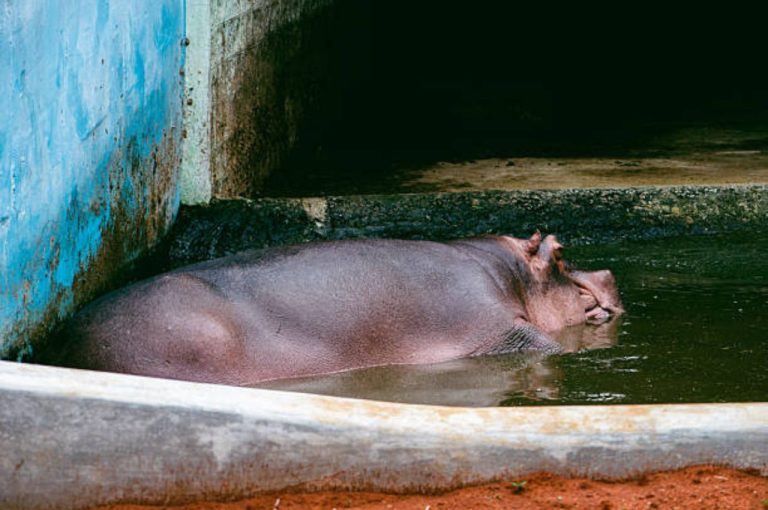
The Alipurduar rhino fog incident 2026 has drawn attention to the fragile balance between wildlife and human settlements in Bengal’s forested districts. On January 9, a one‑horned rhinoceros strayed into Natunpara village in Alipurduar after dense fog disoriented it inside Jaldapara National Park. The sudden appearance of the massive animal triggered panic among villagers, injured a cow, and highlighted the challenges of managing human‑wildlife conflict in foggy winter conditions.


2. Alipurduar Rhino Fog Incident 2026: The Incident

  • Location: Natunpara village, Alipurduar district.
  • Cause: Dense fog reduced visibility in Jaldapara National Park, disorienting the rhino.
  • Consequence: The rhino wandered into human habitation, injuring a cow.
  • Community reaction: Villagers panicked, fearing attacks on humans and livestock.
  • Forest department response: Officials rushed to the site, monitored the rhino, and guided it back toward the forest.

3. Jaldapara National Park – The Rhino’s Habitat

  • Situated in Alipurduar district, Jaldapara is famous for its one‑horned rhinoceros population.
  • Area: 216 sq km, comprising grasslands, riverine forests, and wetlands.
  • Wildlife: Rhinos, elephants, gaurs, leopards, hog deer, and diverse bird species.
  • Conservation status: Rhinos are listed as Vulnerable under IUCN Red List.
  • Seasonal challenges: Fog and floods often push animals toward villages.

4. Community Panic

  • Villagers feared the rhino might attack humans.
  • Shops and schools closed temporarily.
  • Families stayed indoors until forest officials arrived.
  • The injured cow became a symbol of vulnerability of rural livelihoods.
  • Local leaders demanded stronger barriers and monitoring systems.

5. Governance Challenges

The incident reflects:

  • Human‑wildlife conflict in buffer zones.
  • Climate factors like fog and floods increasing animal straying.
  • Weak infrastructure to prevent wildlife from entering villages.
  • Need for awareness campaigns to reduce panic and ensure safety.

6. Government External Links for Assistance


7. Historical Context of Rhino Straying in Bengal

  • 2015: Rhinos strayed into villages during monsoon floods.
  • 2018: A rhino entered tea gardens in Jalpaiguri, causing panic.
  • 2021: Fog led to elephants and rhinos wandering into settlements.
  • 2026: Current incident adds to the pattern of seasonal wildlife straying.

8. Community Impact

  • Livelihoods disrupted by fear of wildlife incursions.
  • Farmers worry about crop damage and livestock safety.
  • Children miss school during such incidents.
  • Civil society groups call for compensation schemes for affected families.

9. Global Comparisons

Similar wildlife straying incidents worldwide:

  • Nepal: Rhinos from Chitwan National Park often wander into villages.
  • Kenya: Elephants stray into farms during droughts.
  • Indonesia: Tigers enter villages in Sumatra due to habitat loss.

Bengal’s case mirrors these global struggles where wildlife conservation collides with human safety.


10. Governance Lessons

The Alipurduar incident teaches:

  • Buffer zone management is critical in wildlife reserves.
  • Community awareness reduces panic during straying events.
  • Rapid response teams must be strengthened.
  • Climate adaptation strategies are needed for fog and flood seasons.

11. Future Outlook – Conservation in Bengal

India must move towards:

  • Smart surveillance systems using drones and sensors.
  • Eco‑friendly barriers to protect villages.
  • Compensation schemes for livestock and crop losses.
  • Cross‑border cooperation with Bhutan for wildlife corridors.

12. Conclusion

The Alipurduar rhino fog incident 2026 is more than a local scare—it is a reminder of the delicate balance between conservation and community safety. As dense fog continues to disorient wildlife, Bengal must strengthen buffer zone management, community awareness, and climate resilience strategies. For Alipurduar, the lesson is clear: protecting rhinos must go hand in hand with protecting rural livelihoods.

Also read: Home | Channel 6 Network – Latest News, Breaking Updates: Politics, Business, Tech & More

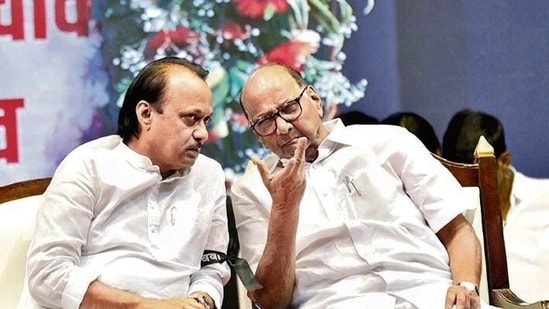
NCP Factions Together: Stunning Reunion Announcement by Ajit Pawar

Maharashtra – In a significant political development days ahead of Maharashtra’s civic body polls, Deputy Chief Minister Ajit Pawar announced that the NCP factions together are now operating in several regions, marking a potential end to the bitter family and political divide that has characterized Maharashtra politics since 2023. “The workers of both parties want to unite. The two NCPs are together now. All tensions in our family have ended,” Ajit Pawar declared, signaling a dramatic shift in the state’s political landscape. This announcement about the NCP factions together comes as a major surprise given the acrimonious split that occurred in July 2023.

Background of NCP Split Before Factions Coming Together

The Nationalist Congress Party split in July 2023 when Ajit Pawar broke away from his uncle Sharad Pawar along with several MLAs and other senior party members. Ajit Pawar joined the Eknath Shinde-led government and aligned with the National Democratic Alliance (NDA), claimed the original party name and symbol, and assumed the position of deputy chief minister of Maharashtra. This split created deep divisions within the Pawar family and the party organization. Now, the development of NCP factions together represents a potential healing of these wounds and a reunification that few political observers anticipated would happen so soon.

Workers’ Demand Brings NCP Factions Together

According to Ajit Pawar, the primary driving force behind bringing the NCP factions together has been the desire of party workers at the grassroots level. “The workers of both parties want to unite,” he emphasized, highlighting that the reunion is not merely a top-down decision but reflects genuine sentiment among party cadres. The coming together of NCP factions together has been particularly welcomed by workers in Pune and Pimpri-Chinchwad, where both factions are jointly contesting the upcoming civic body polls. This worker-driven momentum for unity suggests that the split may have been more unpopular at the grassroots level than the leadership initially realized.

Civic Polls Strategy With NCP Factions Together

The immediate context for bringing NCP factions together is the ongoing municipal elections in Maharashtra. Ajit Pawar explained that both factions of the NCP are fighting together in Pune and Pimpri-Chinchwad in the upcoming civic body polls, a decision that has been enthusiastically welcomed by workers of both parties. “Workers from both factions are happy that we are contesting together in these cities. It is a good thing. We will discuss the larger issue later, as our focus right now is on the elections,” he stated. The strategy of fielding NCP factions together in key urban centers demonstrates a pragmatic approach to electoral politics.

“No Permanent Enemies” Philosophy Behind NCP Factions Together

Earlier on Thursday, Ajit Pawar had signaled while talking to local media that the rival NCP factions together could permanently reunite after the ongoing municipal elections. He emphasized the political maxim that there are no “permanent enemies” in politics, suggesting flexibility in political arrangements. “As municipal elections are underway, we are extremely busy with alliance talks, seat-sharing, campaign planning, and the actual campaigning. There is no time to discuss these issues right now…But since both factions have come together in some places, the workers of both parties are very happy,” he explained, indicating that bringing NCP factions together is an evolving process rather than a single event.

Also Read: BJP in Maharashtra Is a ‘Repackaged Expired Product’, Says Sena Mouthpiece Ahead of Critical 2026 Polls

Family Reconciliation Enables NCP Factions Together

A crucial aspect of bringing the NCP factions together has been the resolution of family tensions within the Pawar clan. “All tensions in our family have ended,” Ajit Pawar declared, suggesting that personal relationships have been mended alongside political rapprochement. The reunion of the Pawar family represents a significant development in Maharashtra politics, as the family’s influence extends far beyond just the Nationalist Congress Party. The resolution of family issues has cleared the path for the NCP factions together to work collaboratively, at least in certain regions and for specific elections.

Regional Focus With NCP Factions Together

When questioned about his extensive presence in Pune and Pimpri-Chinchwad compared to his cousin and MP Supriya Sule, who belongs to Sharad Pawar’s NCP faction, Ajit explained that the focus of leaders varies depending on the region. “Pune and Pimpri-Chinchwad are my home districts and thus, I am spending maximum time there,” he stated. Despite the NCP factions together arrangement, he clarified that different leaders are campaigning in their respective districts. “Sunil Tatkare has also visited Pune, and other leaders are campaigning in their respective districts. I have been informed that Supriya Sule will be visiting the city soon for campaigning,” he added.

Timeline for Permanent Reunion of NCP Factions Together

While the NCP factions together are currently cooperating in specific municipal elections, the question of permanent reunification remains open. Ajit Pawar indicated that discussions about a complete merger would occur after the civic body polls conclude. “We will discuss the larger issue later, as our focus right now is on the elections,” he stated, suggesting that the current arrangement of NCP factions together is somewhat experimental and success in these elections could pave the way for a more permanent reconciliation.

Implications of NCP Factions Together for Maharashtra Politics

The development of NCP factions together has significant implications for Maharashtra’s political landscape. If the reunion becomes permanent, it would restore the Nationalist Congress Party to its pre-split strength and potentially alter power dynamics within the state’s ruling coalition. The arrangement of NCP factions together also raises questions about the future of alliance politics in Maharashtra, particularly regarding the relationship between the united NCP and other coalition partners in both the NDA and opposition camps. As civic body polls approach, all eyes are on how effectively the NCP factions together can translate their newfound unity into electoral success.

Himachal Bus Tragedy: Devastating Accident Kills 14 in Sirmaur Gorge

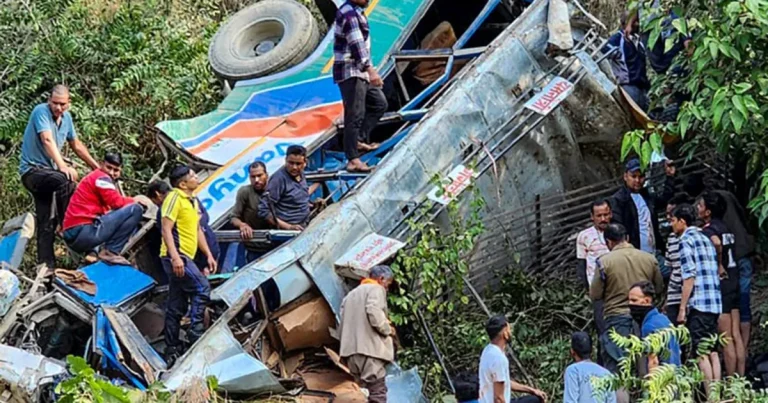
Himachal Pradesh – A devastating Himachal bus tragedy unfolded on Friday afternoon when a private bus plunged nearly 500 feet into a deep gorge in Sirmaur district, killing 14 people and injuring over 30 others. The horrific Himachal bus tragedy occurred when the bus was travelling from Shimla to Kupvi via Rajgarh and went off the road near Haripurdhar village. The vehicle landed upside down at the accident site, which is approximately 95 kilometres from the district headquarters in Nahan. This Himachal bus tragedy has shocked the state and prompted immediate rescue operations and high-level political response.

Details of the Himachal Bus Tragedy Incident

The Himachal bus tragedy took place on a route connecting Shimla to Kupvi, a journey that turned fatal for multiple passengers. Officials confirmed that the private bus had a seating capacity of 39 passengers and was reportedly overloaded at the time of the crash, though the exact number of passengers on board is yet to be confirmed. The bus went off the road near Haripurdhar village and plunged nearly 500 feet into the gorge below. The severity of the Himachal bus tragedy was compounded by the steep terrain and the fact that the vehicle landed upside down, making rescue operations extremely challenging.

Prime Minister’s Response to Himachal Bus Tragedy

Prime Minister Narendra Modi expressed deep condolences following the Himachal bus tragedy and announced financial assistance for the victims’ families. “The loss of lives due to a bus mishap in Sirmaur, Himachal Pradesh, is extremely saddening. Condolences to those who have lost their loved ones. Praying for the speedy recovery of those injured,” PM Modi stated in a post on social media. He announced an ex-gratia payment of ₹2 lakh from the Prime Minister’s National Relief Fund (PMNRF) to the next of kin of each deceased in the Himachal bus tragedy, while the injured would receive ₹50,000 each.

Rescue Operations Following Himachal Bus Tragedy

Sangrah Sub-Divisional Magistrate Sunil Kayath, who is supervising the rescue efforts after the Himachal bus tragedy, confirmed that operations are being carried out on a war footing. He stated that the injured are being shifted to hospitals in Sangrah and Dadahu for immediate medical treatment. Emergency teams, police personnel, and district administration officials rushed to the site of the Himachal bus tragedy, while local residents joined hands to pull survivors out of the wreckage. Videos circulating on social media show residents helping rescuers carry injured passengers up the steep slope, demonstrating community solidarity in the face of disaster.

Medical Preparedness After Himachal Bus Tragedy

In response to the bus tragedy in Himachal, Industry Minister and local MLA from the Shillai assembly segment, Harshwardhan Chauhan, confirmed that the district administration has been put on high alert. Medical teams and doctors at hospitals in Dadahu, Sangrah, and Nahan have been instructed to remain prepared for emergencies. The injured from the Himachal bus tragedy are receiving treatment at multiple medical facilities, with authorities ensuring that adequate medical resources are available to handle the influx of casualties from this devastating accident.

Also Read: ED vs TMC Drama: Explosive Protest at Amit Shah’s Office

Chief Minister’s Directives on Himachal Bus Tragedy

Chief Minister Sukhvinder Singh Sukhu expressed profound sorrow over the Himachal bus tragedy and immediately issued directives to district authorities. In an official statement, he instructed officials to extend all possible assistance to the families of the deceased and ensure proper medical care for those injured in the bus tragedy in Himachal. The Chief Minister’s swift response reflects the gravity of the situation and the state government’s commitment to supporting affected families during this difficult time.

Political Leaders React to Himachal Bus Tragedy

The bus tragedy in Himachal drew condolences from across the political spectrum. BJP national president and Union Health Minister J P Nadda, Leader of the Opposition Jai Ram Thakur, state BJP chief Rajiv Bindal, Shimla MP Suresh Kashyap, and Deputy Chief Minister Mukesh Agnihotri all expressed their grief over the incident. This unified political response to the Himachal bus tragedy underscores the non-partisan nature of such disasters and the collective responsibility felt by leaders to support affected communities.

Suspected Cause of Himachal Bus Tragedy

The exact cause of the bus tragedy in Himachal is yet to be officially determined by investigating authorities. However, locals present at the accident spot have suggested that the driver may have lost control of the vehicle due to frost on the road. The suspected frost conditions could have caused the bus to skid before it plunged into the gorge, leading to the Himachal bus tragedy. Weather conditions and road surface quality often play crucial roles in mountain accidents, and investigators will likely examine these factors thoroughly.

Overloading Factor in Himachal Bus Tragedy

Officials confirmed that the bus involved in the Himachal tragedy had a seating capacity of 39 passengers but was overloaded at the time of the crash. This overloading factor could have contributed to the severity of the accident, as excess weight affects vehicle handling, braking distance, and stability, especially on mountain roads. The practice of overloading buses remains a persistent problem in hilly regions, and this Himachal bus tragedy highlights the potentially fatal consequences of ignoring passenger capacity limits.

Community Response to Himachal Bus Tragedy

The local community’s response to the Himachal bus tragedy has been remarkable, with residents immediately rushing to assist rescue operations. The challenging terrain and 500-feet depth of the gorge made professional rescue efforts difficult, but locals’ knowledge of the area and their willingness to help proved invaluable. Videos showing residents carrying injured passengers up the steep slope demonstrate the crucial role community members play in immediate disaster response, particularly in remote mountainous regions where emergency services may take time to arrive.

Road Safety Concerns Highlighted by Himachal Bus Tragedy

The Himachal tragedy has once again brought attention to road safety concerns in mountainous regions. The combination of narrow roads, sharp curves, steep drops, variable weather conditions, and vehicle overloading creates dangerous conditions for travelers. This latest incident near Haripurdhar village on the Shimla-Kupvi route serves as a tragic reminder of the need for enhanced safety measures, better road infrastructure, stricter enforcement of passenger capacity limits, and improved driver training for mountain routes to prevent future tragedies in Himachal Pradesh’s challenging terrain.

Sikkim Lachen Tourism Reopening 2026 – Detailed Analysis of Restoration Work, Visitor Prospects, and Governance Lessons for Himalayan Eco‑Tourism

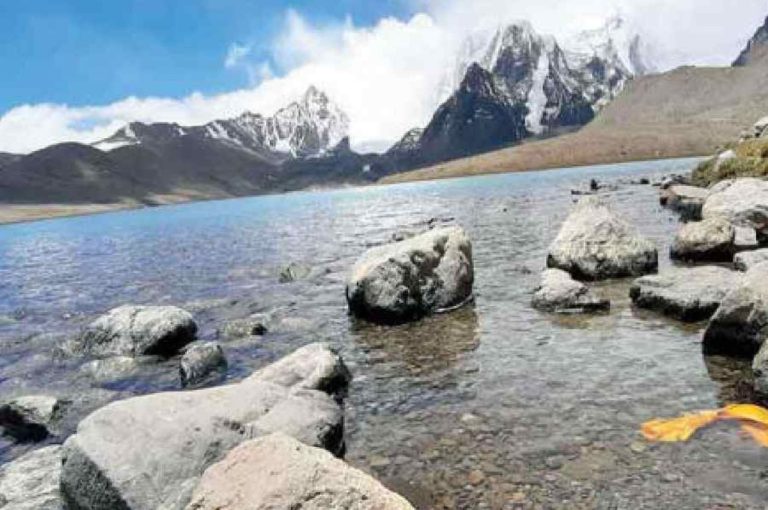
The Sikkim Lachen tourism reopening 2026 is a landmark moment for the Himalayan state. After months of closure due to devastating floods and landslides in October 2025, the picturesque town of Lachen in North Sikkim is set to welcome tourists again from February 2026. Restoration work on roads, bridges, and essential infrastructure is in its final stages, raising hopes for a revival of tourism in one of India’s most breathtaking destinations.


2. Background of the Closure

  • In October 2025, flash floods and landslides damaged roads leading to Lachen.
  • Connectivity to Gurudongmar Lake, Yumthang Valley, and Lachung was disrupted.
  • Tourism, a major livelihood source for locals, came to a standstill.
  • The state government and Border Roads Organisation (BRO) launched extensive restoration work.

3. Restoration Work

  • Roads repaired by BRO and state agencies.
  • Bridges rebuilt to restore connectivity to high‑altitude zones.
  • Homestays and hotels renovated after flood damage.
  • Local communities engaged in clearing debris and rebuilding livelihoods.
  • Officials confirmed that final touches are being completed, ensuring safety for visitors.

4. Tourism Prospects

  • Lachen is gateway to Gurudongmar Lake, one of the world’s highest lakes.
  • Tourists also visit Chopta Valley, Thangu, and Green Lake treks.
  • Reopening expected to boost winter and spring tourism.
  • Travel agencies in Gangtok already reporting surge in bookings.
  • Local businesses anticipate revival of income streams.

5. Governance Challenges

The reopening highlights broader issues:

  • Disaster preparedness in fragile Himalayan ecosystems.
  • Balancing tourism with environmental sustainability.
  • Infrastructure resilience against floods and landslides.
  • Community participation in eco‑tourism planning.

6. Government External Links for Assistance


7. Historical Context of Lachen Tourism

  • Pre‑2010: Lachen was a quiet village known mainly to trekkers.
  • 2010–2015: Tourism expanded with improved road connectivity.
  • 2016–2020: Homestays flourished, promoting community‑based tourism.
  • 2021 pandemic: Tourism halted, but revived in 2022.
  • 2025 floods: Severe setback, forcing closure.
  • 2026 reopening: Marks resilience and revival of Himalayan tourism.

8. Community Impact

  • Local families rely on tourism for income.
  • Closure led to loss of jobs and migration pressures.
  • Reopening brings hope for economic recovery.
  • Youth engaged in eco‑tourism initiatives, guiding treks and birdwatching tours.
  • Women’s self‑help groups involved in handicrafts and homestays.

9. Global Comparisons

Similar mountain tourism reopenings worldwide:

  • Nepal: Reopened trekking routes after 2015 earthquake.
  • Switzerland: Restored Alpine villages after avalanches.
  • Japan: Revived tourism in Hokkaido after volcanic activity.

Sikkim’s case mirrors these global struggles where tourism resilience is key to mountain economies.


10. Governance Lessons

The Lachen reopening teaches:

  • Disaster‑resilient infrastructure is essential in Himalayan states.
  • Eco‑tourism policies must balance conservation and livelihoods.
  • Community involvement ensures sustainable tourism.
  • Cross‑border cooperation with Nepal and Bhutan can strengthen regional tourism circuits.

11. Future Outlook – Himalayan Eco‑Tourism

India must move towards:

  • Smart tourism platforms for real‑time updates on weather and road conditions.
  • Green hotels and homestays to reduce carbon footprint.
  • Integrated waste management systems in tourist zones.
  • Climate resilience planning to protect fragile ecosystems.

12. Sikkim Lachen Tourism Reopening 2026: Conclusion

The Sikkim Lachen tourism reopening 2026 is more than a return of visitors—it is a symbol of resilience, community strength, and ecological responsibility. As restoration work nears completion, Lachen prepares to welcome tourists back to its snow‑capped peaks and pristine valleys. For Sikkim, the lesson is clear: tourism must be nurtured carefully, balancing economic revival with environmental sustainability.


Also read: Home | Channel 6 Network – Latest News, Breaking Updates: Politics, Business, Tech & More

Bengal SIR Voter Stress Suicide 2026 – Detailed Analysis of North Dinajpur Tragedy, Electoral Roll Controversy, and Governance Lessons for Democracy

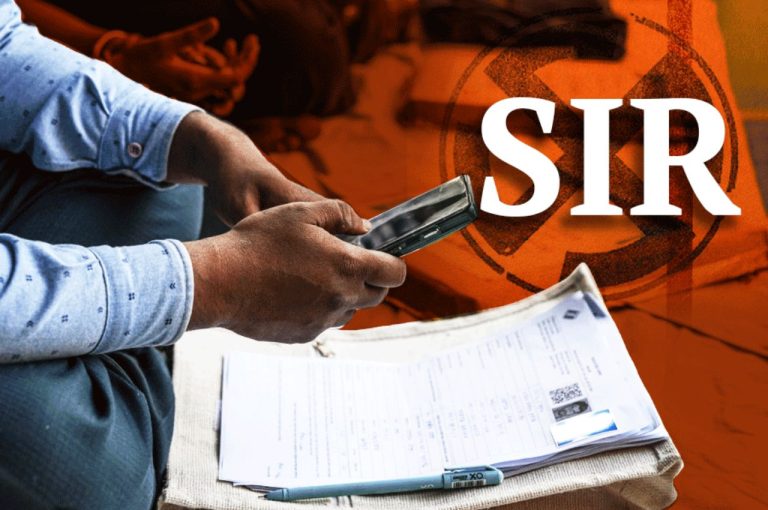
The Bengal SIR voter stress suicide 2026 has shaken the state’s political and social conscience. In North Dinajpur, a 65‑year‑old man reportedly hanged himself outside his home after returning from a Special Intensive Revision (SIR) hearing related to electoral rolls. His death has been linked to the psychological stress and confusion caused by the ongoing voter list revision, which has already drawn sharp criticism from Chief Minister Mamata Banerjee and opposition parties.


2. Bengal SIR Voter Stress Suicide 2026: The Incident

  • Location: North Dinajpur district, West Bengal.
  • Victim: A 65‑year‑old man, recently subjected to voter list scrutiny.
  • Circumstances: He attended a hearing under the SIR process, returned home visibly distressed, and later took his own life.
  • Community reaction: Neighbours and family members blamed the stress of voter hearings and the fear of disenfranchisement.
  • Political fallout: The incident was immediately seized upon by opposition parties as evidence of the flawed SIR exercise.

3. The Special Intensive Revision (SIR) Process

  • Purpose: To update and correct electoral rolls across Bengal.
  • Method: Hearings conducted to verify discrepancies flagged by IT systems.
  • Issues:
    • Elderly and ill voters forced to travel long distances.
    • Confusion over accepted documents.
    • Allegations of backend deletions without transparency.
  • Critics argue the process is hurried, inconsistent, and error‑prone, leading to widespread anxiety.

4. Political Context

  • Chief Minister Mamata Banerjee has repeatedly called the SIR a “farce”.
  • BJP defends the exercise, claiming it exposes fictitious voters and illegal infiltrators.
  • Civil society groups warn of mass disenfranchisement if errors are not corrected.
  • The North Dinajpur suicide adds urgency to the debate, highlighting the human cost of bureaucratic mismanagement.

5. Governance Challenges

The tragedy reflects:

  • Psychological stress caused by bureaucratic processes.
  • Weak grievance redressal mechanisms for voters.
  • Lack of sensitivity in handling elderly and vulnerable citizens.
  • Trust deficit between citizens and institutions.

6. Government External Links for Assistance


7. Historical Context of Electoral Roll Disputes in Bengal

  • 2000s: Allegations of bogus voters became common in Kolkata and border districts.
  • 2011–2019: Electoral roll revisions often coincided with political clashes.
  • 2024–25: SIR flagged millions of discrepancies nationwide.
  • 2026: Current controversy reflects Bengal’s long history of contested voter lists, now with tragic consequences.

8. Community Impact

  • Families fear wrongful deletions of genuine names.
  • Elderly citizens feel humiliated and burdened by hearings.
  • Minority communities express concern about targeted exclusions.
  • Civil society groups demand transparent grievance mechanisms and mental health support during stressful bureaucratic exercises.

9. Global Comparisons

Similar voter roll controversies worldwide:

  • USA: Allegations of voter suppression through purges in Georgia and Florida.
  • UK: Concerns about disenfranchisement under new voter ID laws.
  • Nigeria: Disputes over duplicate registrations and ghost voters.

Bengal’s case mirrors these global struggles where electoral integrity collides with human vulnerability.


10. Governance Lessons

The North Dinajpur tragedy teaches:

  • Human sensitivity must guide bureaucratic processes.
  • Digital tools must be audited to prevent wrongful flagging.
  • Community engagement ensures inclusivity.
  • Mental health awareness is vital during stressful civic exercises.

11. Future Outlook – Democracy in Bengal

India must move towards:

  • Digitised grievance redressal portals for voter roll issues.
  • Periodic audits of electoral rolls by independent agencies.
  • Public dashboards showing deletions and additions transparently.
  • Educational campaigns to help citizens verify their status.

12. Conclusion

The Bengal SIR voter stress suicide 2026 is more than a tragic incident—it is a wake‑up call for India’s democracy. The death of a 65‑year‑old man in North Dinajpur underscores the human cost of flawed bureaucratic processes. For Bengal, the lesson is clear: electoral integrity must never come at the expense of human dignity and mental well‑being.

Also read: Home | Channel 6 Network – Latest News, Breaking Updates: Politics, Business, Tech & More

Bengal Migrant Workers Political Controversy 2026 – Detailed Analysis of Abhishek Banerjee’s Malda Rally, Congress Criticism, and Governance Lessons for Labour Rights

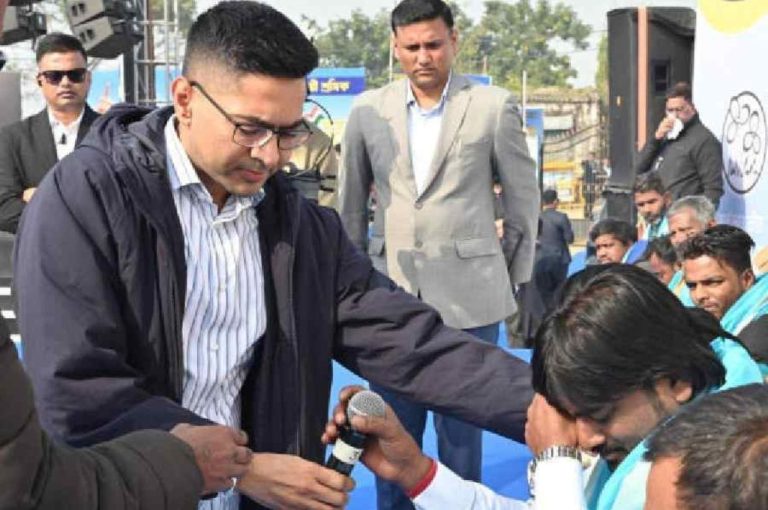
The Bengal migrant workers political controversy 2026 has emerged as a central theme in the run‑up to the Assembly elections. At a rally in Malda, Trinamool Congress (TMC) national general secretary Abhishek Banerjee accused the Congress of failing to protect migrant workers from Bengal who face discrimination and hostility in other states. He also sharpened his attack on the BJP, alleging that the party promotes an anti‑Bengali narrative in states where large numbers of Bengal’s workers migrate for employment.


2. Abhishek Banerjee’s Malda Rally

  • Venue: Malda district, a Congress stronghold in North Bengal.
  • Audience: Thousands of workers, farmers, and youth.
  • Key message: Migrant workers from Bengal are treated unfairly in BJP‑ruled states, and Congress has failed to defend them.
  • Abhishek declared: “When our workers go to other states, they are branded outsiders. Who speaks for them? Not Congress, not BJP. Only Trinamool stands with them.”
  • He linked the issue to identity politics, portraying TMC as the defender of Bengali dignity.

3. Migrant Workers in Bengal’s Politics

  • Bengal has one of the highest rates of out‑migration in eastern India.
  • Workers travel to Kerala, Karnataka, Maharashtra, Delhi, and Gujarat for jobs in construction, textiles, and services.
  • Many face language barriers, wage discrimination, and social hostility.
  • Abhishek’s focus on migrant workers is designed to resonate with families in Malda, Murshidabad, and Uttar Dinajpur, where migration is common.

4. Attack on Congress

  • Malda is historically a Congress bastion, represented by leaders like A.B.A. Ghani Khan Choudhury.
  • Abhishek accused Congress of silence on migrant issues, saying it has abandoned workers.
  • He framed Congress as irrelevant in Bengal’s current political landscape, urging voters to shift allegiance to TMC.

5. Bengal Migrant Workers Political Controversy: Attack on BJP

  • Abhishek alleged that BJP promotes anti‑Bengali sentiment in states where Bengal’s workers migrate.
  • He cited examples of workers being called “outsiders” and denied equal wages.
  • He accused BJP of hypocrisy: seeking votes in Bengal while discriminating against Bengalis elsewhere.

6. Governance Challenges

The controversy reflects:

  • Labour rights gaps in India’s federal system.
  • Weak protection mechanisms for migrant workers.
  • Identity politics shaping electoral strategies.
  • Trust deficit between workers and political parties.

7. Government External Links for Assistance


8. Historical Context of Migration in Bengal

  • Colonial era: Workers migrated to Assam tea gardens and Calcutta mills.
  • Post‑Independence: Migration expanded to industrial hubs in Maharashtra and Gujarat.
  • 1990s–2000s: Economic liberalisation accelerated migration to metros.
  • 2020 pandemic: Migrant workers faced severe hardships during lockdowns, with many walking back to Bengal.
  • 2026: Migration remains a political fault line, with parties competing to address worker grievances.

9. Community Impact

  • Families in Malda and Murshidabad rely on remittances from migrant workers.
  • Discrimination outside Bengal creates psychological stress and economic vulnerability.
  • Abhishek’s speech resonated with families who feel ignored by national parties.
  • Civil society groups demand legal safeguards and welfare schemes for migrants.

10. Global Comparisons

Similar migrant worker controversies worldwide:

  • UAE: South Asian workers face wage discrimination and limited rights.
  • USA: Migrant farm workers struggle with identity politics and labour protections.
  • South Africa: Migrants from neighbouring countries face hostility and xenophobia.

Bengal’s case mirrors these global struggles where migration intersects with identity and politics.


11. Governance Lessons

The Malda rally teaches:

  • Migrant rights must be central to labour policy.
  • Parties must move beyond rhetoric to institutional reforms.
  • Federal coordination is needed to protect workers across states.
  • Community engagement ensures migrant families feel represented.

12. Future Outlook – Labour Rights in Bengal

India must move towards:

  • National migrant worker registry for tracking and protection.
  • Portable social security benefits across states.
  • Language and skill training programmes for migrants.
  • Cross‑state agreements to prevent wage discrimination.

13. Conclusion

The Bengal migrant workers political controversy 2026 is more than a campaign tactic—it is a reflection of deep social and economic realities. Abhishek Banerjee’s Malda rally sharpened attacks on Congress and BJP, positioning TMC as the defender of migrant workers and Bengali identity. For Bengal, the lesson is clear: migration is not just an economic issue, but a political and cultural one that demands urgent governance reforms.

Also read: Home | Channel 6 Network – Latest News, Breaking Updates: Politics, Business, Tech & More