Thursday, April 30, 2026
Home Blog Page 172

1 Early-Morning Mistake Claims a Teacher’s Life Near Doddaballapur: Tragic Turn

A quiet stretch on the outskirts of Doddaballapur turned into the scene of a tragic accident early on Saturday when a 57-year-old teacher lost his life after his car veered off the road and crashed into a roadside tree. The incident, which occurred in the pre-dawn hours, has once again drawn attention to road safety concerns on semi-urban highways, particularly during early morning travel. The deceased, described by colleagues and students as a dedicated educator and a gentle presence, was returning home when he reportedly lost control of the vehicle, leading to a fatal impact.

According to the police, the accident took place when traffic was sparse, and visibility conditions were relatively low. Preliminary investigations suggest that the car was travelling at a moderate speed when it suddenly swerved, hitting a tree with considerable force. The front portion of the vehicle was severely damaged, indicating the intensity of the collision. Passersby alerted the police and emergency services, but by the time help arrived, the victim had succumbed to his injuries.

The teacher, a resident of Doddaballapur taluk, had been working at a government high school for more than three decades. His death has left his family, colleagues, and students in deep shock, with many struggling to come to terms with the sudden loss. Police have registered a case of accidental death and are examining whether fatigue, a mechanical issue, or momentary loss of concentration may have caused the crash.

Residents living near the accident site said that early morning hours often witness speeding vehicles, as drivers tend to underestimate risks on relatively empty roads. They added that the absence of rumble strips or speed-calming measures encourages motorists to drive faster than advisable, increasing the likelihood of losing control, especially on curved or uneven stretches.

Road safety activists stressed that roadside trees, while environmentally important, need proper safety planning when located close to highways. They argued that protective crash barriers or adequate setback distances could significantly reduce fatalities in such incidents. Without these measures, even minor steering errors can turn deadly, they warned.

Police officials also used the incident to reiterate the importance of wearing seat belts at all times, even during short or familiar drives. Though it is not yet confirmed whether the victim was restrained, officers noted that seat belts often reduce the severity of injuries in high-impact crashes and can be the difference between life and death.

As funeral preparations got underway, the mood in the teacher’s neighbourhood remained sombre. Many residents said his death has left them shaken, not only because of the loss of a respected educator but also due to the realisation that routine daily travel carries hidden risks. For the community, the tragedy has become a painful reminder of the fragile line between normalcy and loss.

A Life of Service Cut Short

Friends and colleagues recalled that the deceased was known for his discipline, punctuality, and commitment to his students. Having joined the teaching profession in his early twenties, he had taught generations of children from nearby villages, many of whom credited him for encouraging them to pursue higher education. Former students described him as a teacher who went beyond textbooks, often counselling families on the importance of education.

On Saturday morning, news of the accident spread quickly through the local community, prompting several residents to gather near the accident site and later at the teacher’s residence. Many expressed disbelief, saying he was a cautious driver who preferred early morning travel to avoid traffic. Family members said he had left home before dawn for a personal errand and was expected to return within an hour.

The impact of the crash was such that the vehicle’s airbags deployed, but the injuries sustained were fatal. Police officials said that no other vehicle was involved in the accident, ruling out a hit-and-run scenario. The absence of skid marks on the road has led investigators to consider the possibility of a sudden health episode or momentary disorientation while driving.

Education department officials visited the bereaved family and expressed condolences, describing the loss as not just personal but institutional. They noted that rural and semi-urban schools often depend heavily on experienced teachers like him, whose absence creates both emotional and academic gaps that are difficult to fill.Two including teacher killed in self accident in two separate incidents |  Country and Politics

Road Safety Concerns on the Outskirts

The accident has once again highlighted the risks associated with driving on the outskirts of Bengaluru and its neighbouring towns. Roads in these areas often combine high-speed stretches with poor lighting, unexpected turns, and roadside trees or electric poles placed dangerously close to the carriageway. Early morning drivers, while benefiting from reduced traffic, may face challenges such as drowsiness and low visibility.

Police officials acknowledged that the stretch where the accident occurred has seen similar incidents in the past. While not officially classified as an accident-prone zone, residents have repeatedly raised concerns about inadequate signage and the absence of crash barriers. In this case, the presence of a mature tree close to the road proved fatal when the vehicle lost control.

Traffic experts note that single-vehicle accidents are among the most common yet least discussed road fatalities. Unlike collisions involving multiple vehicles, these crashes often stem from human factors such as fatigue, distraction, or medical emergencies, combined with infrastructural shortcomings. They argue that better road design, including clear shoulders and protective barriers, can significantly reduce the severity of such accidents.

Local authorities said they would inspect the stretch and assess whether additional safety measures are required. However, residents remain sceptical, pointing out that similar assurances are often given only after a tragedy, with little follow-up action.

Police Investigation and Official Response

Doddaballapur rural police registered an accidental death report and sent the body for post-mortem examination to determine the exact cause of death. Officers said the report would help establish whether the teacher suffered internal injuries due to the impact or if a pre-existing medical condition contributed to the accident.

The vehicle involved in the crash has been seized for technical inspection. Officials will examine the brakes, steering, and tyres to rule out mechanical failure. Police also plan to review any available footage from nearby establishments, although the area is not densely covered by surveillance cameras.

A senior police officer said that while early indications point to loss of control, investigations would remain open until all possibilities are examined. He added that drivers should be cautious even on familiar routes, as complacency can sometimes prove fatal.

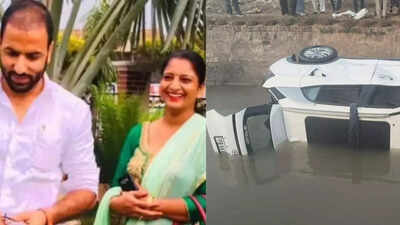
The education department has announced that counselling support will be provided to students at the school where the deceased taught. Teachers said the sudden loss could deeply affect children, especially those who were closely mentored by him.Punjab road tragedy: Teacher couple die as car plunges into drain due to  dense fog | Chandigarh News - The Times of India
Community in Mourning

The teacher’s death has cast a pall of gloom over the local community. Neighbours described him as a soft-spoken individual who actively participated in social and cultural activities. Several local organisations have planned condolence meetings to honour his contribution to education and community life.

Family members said he was looking forward to retirement in a few years and had plans to spend more time with his grandchildren. His untimely death has not only left an emotional void but has also raised concerns about the financial security of the family, prompting some community members to discuss possible support measures.

Former students have taken to informal gatherings to share memories of their mentor, recalling how he often stayed back after school hours to help struggling learners. Many said his teachings shaped their values and outlook on life.

A Larger Pattern of Road Fatalities

According to traffic safety advocates, Karnataka continues to report a high number of road accident fatalities each year, with a significant proportion occurring on highways and semi-urban roads. While major accidents involving buses or trucks often draw attention, single-vehicle crashes like this one quietly add to the toll.

Experts argue that improving driver awareness about fatigue management, especially for early morning and late-night travel, is crucial. They also stress the importance of regular health check-ups for middle-aged drivers, as undiagnosed conditions can sometimes lead to sudden loss of control behind the wheel.

There are renewed calls for integrating road safety education into school curricula, a suggestion that carries added poignancy given the victim’s profession. Advocates say that teaching children about safe driving and responsible road behaviour can have a long-term impact on reducing fatalities.

Awaiting Answers, Seeking Prevention

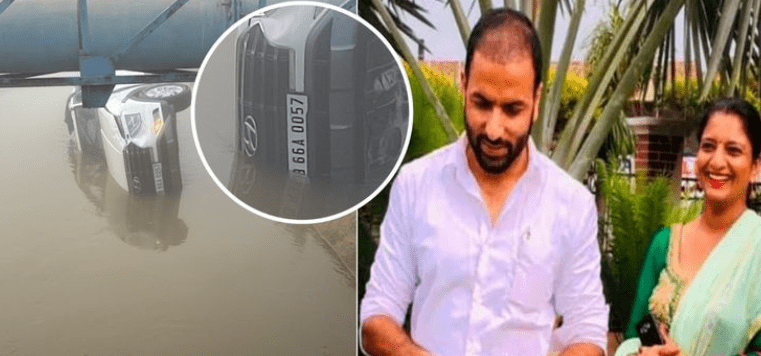
As the investigation continues, the family and community await clarity on what exactly caused the fatal crash. For many, the loss is a stark reminder of how quickly life can change and how vulnerable even experienced drivers can be on the road.MAJOR CAR ACCIDENT ONE SPOT DEAD.... KRISHNAVARAM AKASH IS SPOT AKASH EX  ARMY DIED ON SPOT.... JOHNSON HP NAGAR RESIDENTIAL (CAR OWNER CUM DRIVER) &  NAGARAJ RESIDENT OF KRISHNAVARAM DIED IN SAMBHRAM

Residents hope that the tragedy will prompt authorities to take concrete steps to improve safety on the outskirts of Doddaballapur, from better lighting to protective barriers. They argue that meaningful action, rather than routine assurances, is the only way to honour lives lost in preventable accidents.

The death of the 57-year-old teacher stands as both a personal tragedy and a public warning. While no measure can undo the loss suffered by his family and students, there is a growing sense that each such incident must serve as a catalyst for safer roads and more responsible driving practices, ensuring that fewer families are left grieving in the years to come.

Follow: Karnataka Government

Also read: Home | Channel 6 Network – Latest News, Breaking Updates: Politics, Business, Tech & More
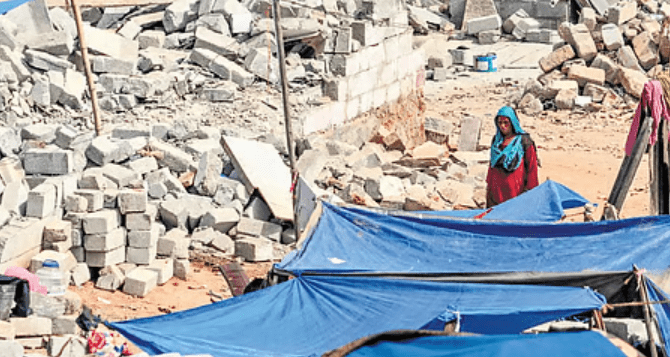
No ‘Good News’ Yet for Kogilu Layout Families as House Allotment Pushed Beyond January 5: WAITING 30-DAY HEARTBREAK

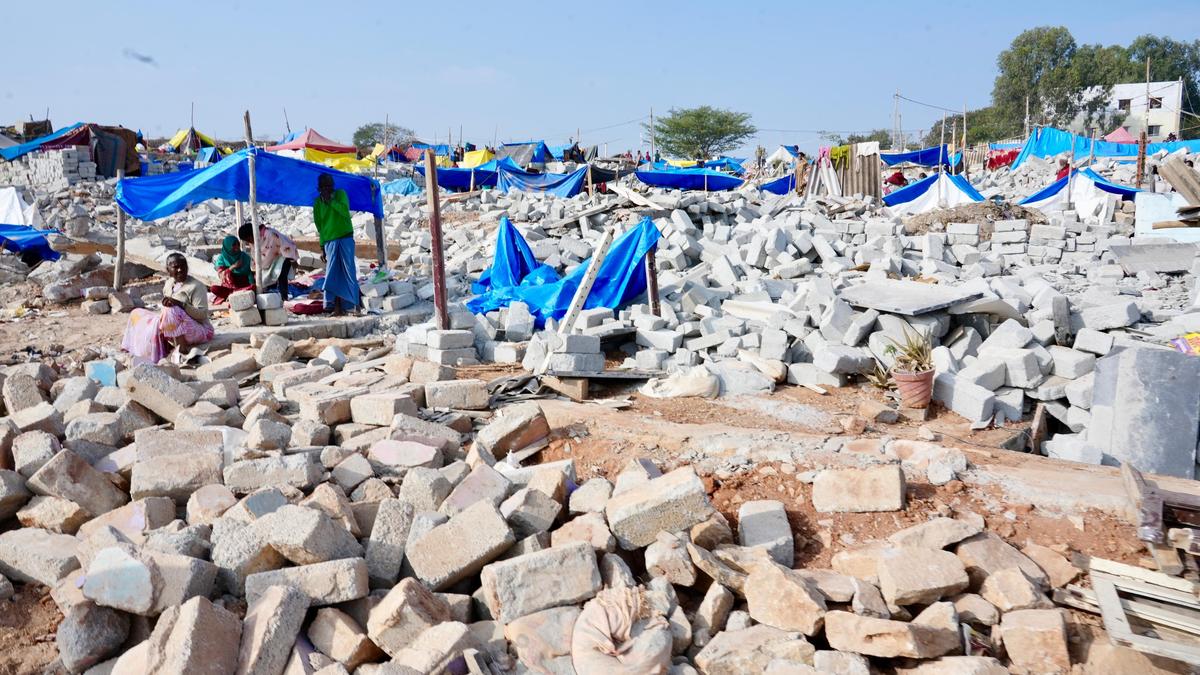
Hundreds of families displaced from Kogilu Layout continue to live in uncertainty, with authorities confirming that houses will be allotted only after January 5, dashing hopes of immediate relief. Despite repeated assurances and announcements over the past months, affected residents say there is still no clear timeline or transparency on when they will finally receive permanent housing. For many families who lost their homes to demolition, the delay has prolonged financial strain, emotional distress, and social instability.

Officials stated that the postponement is due to pending administrative procedures, verification of beneficiary lists, and coordination between departments involved in housing allocation. While authorities maintained that the process is in its final stages, residents argue that similar explanations have been given earlier without tangible outcomes. The continued delay has deepened mistrust between displaced families and the administration.

Kogilu Layout, once home to several low- and middle-income families, has become symbolic of prolonged rehabilitation struggles in urban Bengaluru. Displaced residents have repeatedly demanded clarity, alleging that poor planning and lack of coordination have turned a resettlement exercise into a humanitarian concern. Many families are currently staying in rented accommodations or with relatives, often at high personal cost.

Local residents’ associations have urged the government to set up a dedicated help desk for Kogilu Layout families to address queries related to allotment, documentation, and eligibility. They argue that a single-point contact system would reduce confusion and prevent families from making repeated visits to multiple offices. Several residents said they have spent weeks shuttling between departments, often receiving contradictory information, adding to their frustration and financial burden.

Opposition leaders have also taken up the issue, accusing the government of insensitivity towards displaced families. They alleged that the delay reflects a lack of political will to prioritise rehabilitation once demolitions are completed. Demanding immediate intervention, they called for a public release of the final beneficiary list and a fixed, non-negotiable timeline for allotment, warning that continued uncertainty could trigger larger protests in the coming days.

Urban policy experts say the Kogilu Layout episode highlights the urgent need for stronger rehabilitation frameworks in city planning. They stress that redevelopment and infrastructure projects must integrate resettlement planning from the outset rather than treating it as an afterthought. Without systemic reform, experts warn, similar crises will recur, leaving vulnerable families trapped in cycles of displacement, delay, and broken promises.

Officials reiterated that the government remains committed to rehabilitating all eligible families. However, they conceded that no formal allotment letters would be issued before January 5, effectively ruling out immediate resettlement. For families who had hoped to begin the new year in permanent homes, the announcement has come as a bitter disappointment.No 'good news' yet for Kogilu Layout families, houses to be allotted after  Jan. 5 - The Hindu

DISPLACEMENT, DELAYS, AND GROWING DISTRESS

The Kogilu Layout demolitions uprooted families who had lived in the area for years, some for decades. Many residents claim they had invested their life savings into building homes, only to see them razed with assurances of swift rehabilitation. Months later, the lack of progress has left them grappling with uncertainty and anxiety.

Families report rising expenses due to temporary housing arrangements. Rent, deposits, and daily commuting costs have pushed several households into debt. Daily wage workers and informal sector employees say the instability has affected their ability to earn, as frequent relocations disrupt work routines and childcare arrangements.

Women and elderly residents have been particularly affected. Several families said cramped temporary accommodations have taken a toll on health and well-being. Access to basic services such as sanitation, clean water, and healthcare has become inconsistent, especially for those staying in overcrowded rental spaces or shared accommodations.

Children’s education has also suffered. Parents said frequent moves and lack of stable housing have disrupted schooling, with some children forced to travel long distances to attend their original schools. Others have had to change schools mid-year, affecting academic continuity and emotional stability.

Residents allege that communication from authorities has been sporadic and unclear. Announcements are often made without follow-up details, leaving families dependent on rumours and unofficial updates. Many say they only learn about delays through media reports rather than direct communication from officials.

ADMINISTRATIVE PROCESS AND OFFICIAL STAND

Officials involved in the rehabilitation process said the delay stems from the need to finalise beneficiary eligibility and complete verification procedures. Authorities maintained that allotment must be carried out carefully to avoid errors, duplication, or exclusion of rightful beneficiaries.

According to officials, multiple departments are involved in the process, including urban development, housing, and revenue authorities. Coordination challenges, they said, have contributed to the slow pace of implementation. Authorities insisted that rushing the process could result in legal complications or disputes later.

The government has stated that alternative housing units have been identified and are ready for allotment, but procedural formalities must be completed before keys can be handed over. Officials said allotment lists are being cross-checked to ensure fairness and transparency.

However, residents argue that administrative caution should not come at the cost of prolonged human suffering. They point out that many families were displaced abruptly, with assurances of timely rehabilitation that are yet to be fulfilled.

Officials also said that January 5 is not a final deadline for completion but a tentative timeline after which allotment procedures may begin. This lack of certainty has further frustrated families, who fear additional delays even after the stated date.How many families were affected by the Kogilu demolition? Surveys differ -  The Hindu

PROMISES, PROTESTS, AND PUBLIC PRESSURE

Since the demolitions, Kogilu Layout residents have staged multiple protests demanding immediate rehabilitation. Demonstrations, petitions, and meetings with officials have become routine, but residents say concrete outcomes remain elusive.

Community leaders allege that political assurances have not translated into administrative action. While visits by elected representatives have offered temporary hope, families say these interactions often end with vague promises rather than clear commitments.

Civil society groups and housing rights activists have criticised the handling of the Kogilu rehabilitation, calling it an example of poor urban planning and inadequate resettlement policy. They argue that displacement without prior rehabilitation violates principles of humane governance.

Activists have also questioned why alternative housing was not made ready before demolition. They argue that families should not have been asked to vacate without a guaranteed, immediate resettlement plan.

Officials, however, maintain that the demolitions were carried out as part of a legally mandated process and that rehabilitation is being handled within policy frameworks. They insist that no eligible family will be denied housing.

SOCIAL AND ECONOMIC CONSEQUENCES

The prolonged delay has had ripple effects beyond housing. Many families say social networks built over years in Kogilu Layout have been disrupted. Neighbours who once relied on each other for childcare, emotional support, and financial help are now scattered across the city.

Small businesses that operated within the layout have also suffered. Home-based enterprises, petty shops, and informal services lost their customer base overnight. For many, the absence of a stable location has meant loss of income with no immediate prospects for recovery.

Mental health concerns are emerging as a significant issue. Residents report stress, anxiety, and feelings of helplessness, particularly among elderly members who struggle to adapt to temporary living arrangements. Families say the uncertainty has eroded their sense of dignity and security.

Experts note that delayed rehabilitation often deepens poverty cycles. Without stable housing, access to employment, education, and healthcare becomes fragmented, pushing vulnerable families further to the margins.How many families were affected by the Kogilu demolition? Surveys differ -  The Hindu

LEGAL AND POLICY QUESTIONS

The Kogilu Layout case has raised broader questions about rehabilitation policies in urban redevelopment projects. Legal experts point out that while demolition may be legally justified, rehabilitation must be timely, adequate, and humane.

Questions have also been raised about accountability mechanisms. Residents want clarity on which department bears responsibility for delays and whether officials will be held accountable for missed timelines.

Some displaced families are reportedly exploring legal options to seek faster rehabilitation or compensation for prolonged hardship. Lawyers say courts have increasingly emphasised the need for state agencies to balance development goals with citizens’ rights.

Authorities, however, argue that litigation could further delay the process and have urged residents to cooperate until allotment is completed.

LOOKING AHEAD: HOPE MIXED WITH SCEPTICISM

As January 5 approaches, Kogilu Layout families remain cautiously hopeful but deeply sceptical. Past experiences have taught them that announced timelines do not always translate into action.

Residents say what they need most is clear, written communication detailing the allotment process, timelines, and grievance redress mechanisms. Transparency, they argue, would help rebuild trust and reduce anxiety.

Officials have promised to intensify coordination and ensure that allotments begin as soon as procedural hurdles are cleared. They said efforts are being made to prevent further delays and ensure smooth handover once the process starts.

For displaced families, however, words alone are no longer enough. Many say they will believe the promises only when they hold allotment letters and keys to their new homes.

A TEST OF URBAN GOVERNANCE

The Kogilu Layout rehabilitation has become a test case for Bengaluru’s approach to urban development and resettlement. How authorities handle the coming weeks will shape public perception of governance, accountability, and compassion.

Urban planners warn that failure to deliver timely rehabilitation could undermine future redevelopment projects by eroding public trust. Residents may resist initiatives if past experiences suggest displacement without protection.

As families wait through yet another uncertain period, the delay has underscored the human cost of administrative inefficiency. For Kogilu Layout residents, January 5 is no longer just a date on the calendar but a symbol of hope, patience, and prolonged struggle.

Whether that date brings long-awaited relief or yet another postponement will determine not only the future of these families but also the credibility of promises made in the name of development.

Follow: Karnataka Government

Also read: Home | Channel 6 Network – Latest News, Breaking Updates: Politics, Business, Tech & More
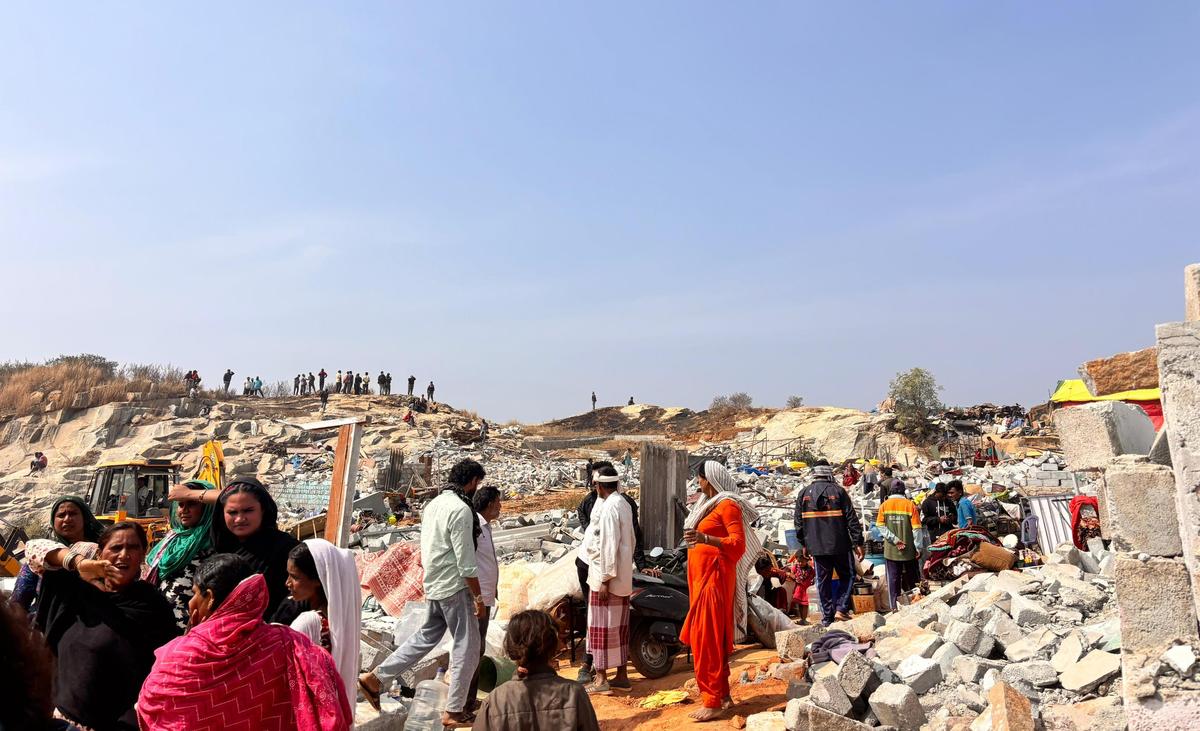
Public Universities on the Brink, Says Mahamaitri: ALARMING 7-POINT WARNING

Follow: Karnataka Government

Also read: Home | Channel 6 Network – Latest News, Breaking Updates: Politics, Business, Tech & More
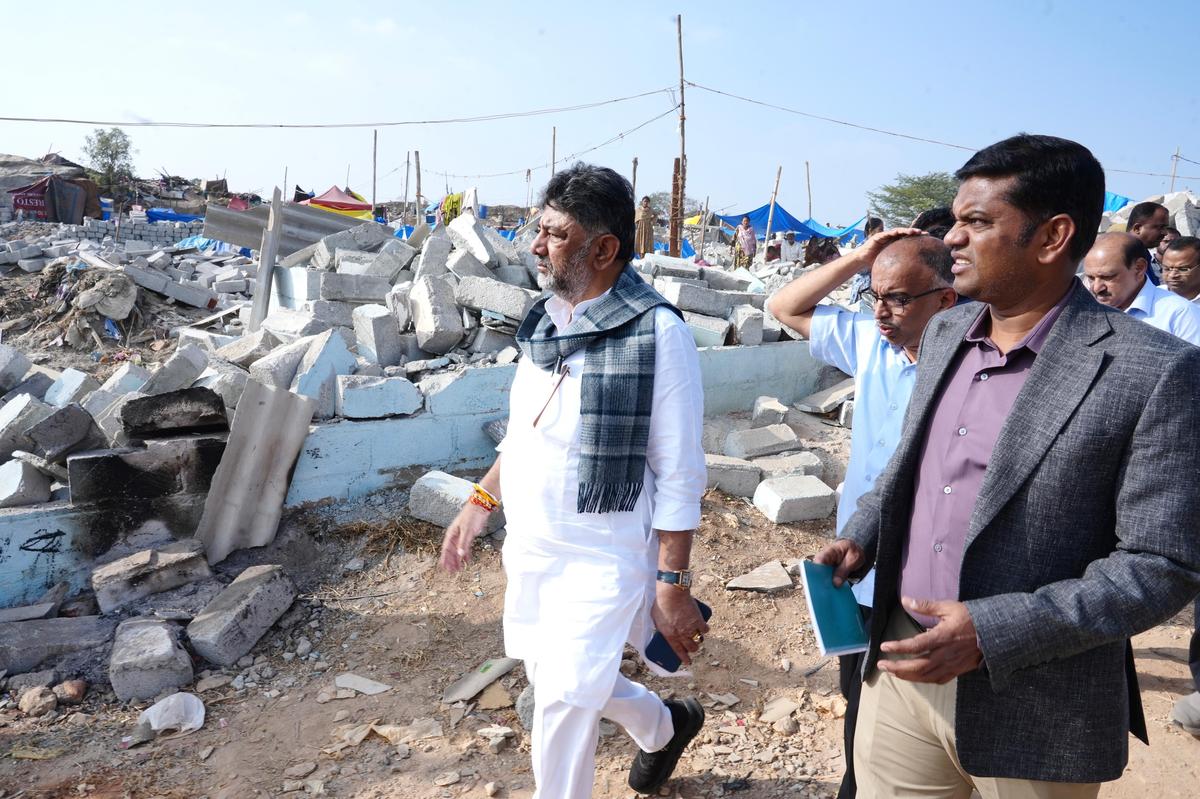
Railways Dispel Confusion Over Mahakalipadpu RuB Opening: BOLD 7-POINT CLARITY

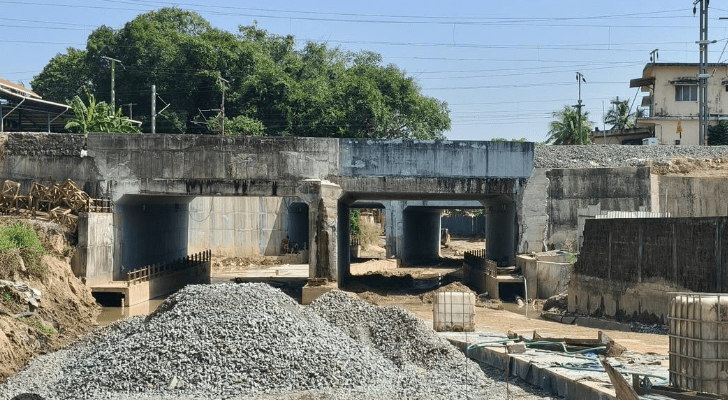
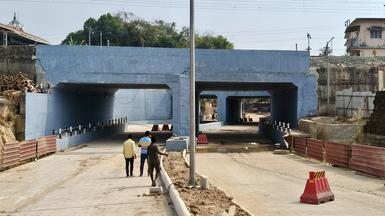
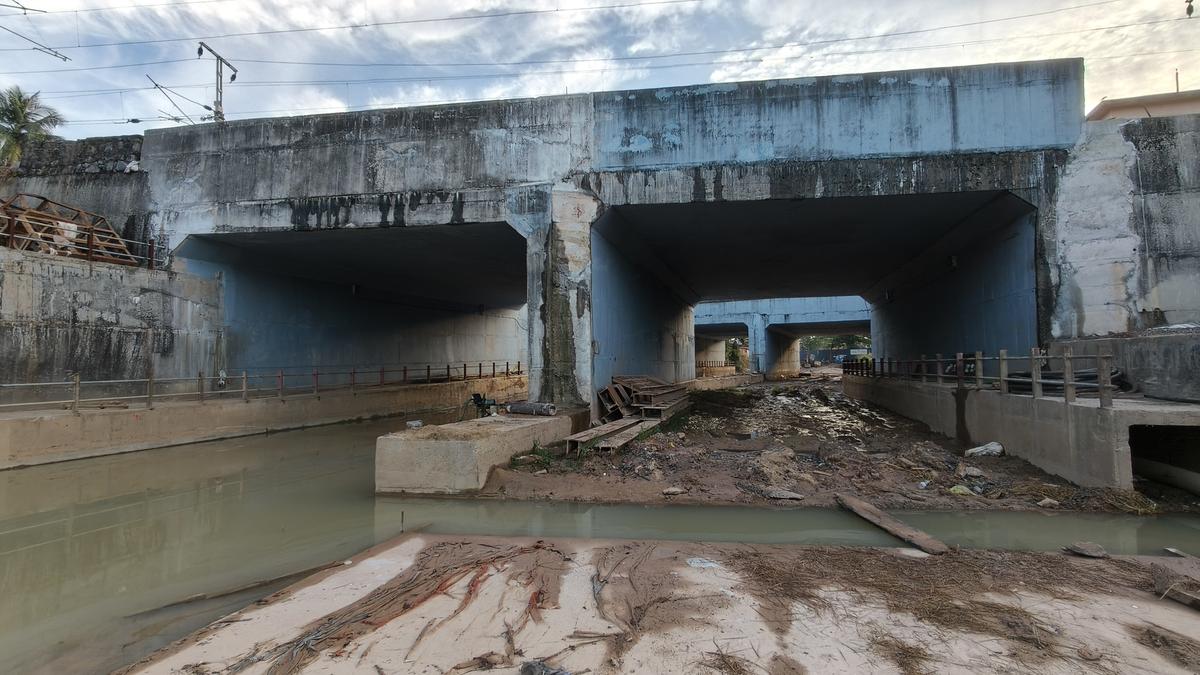
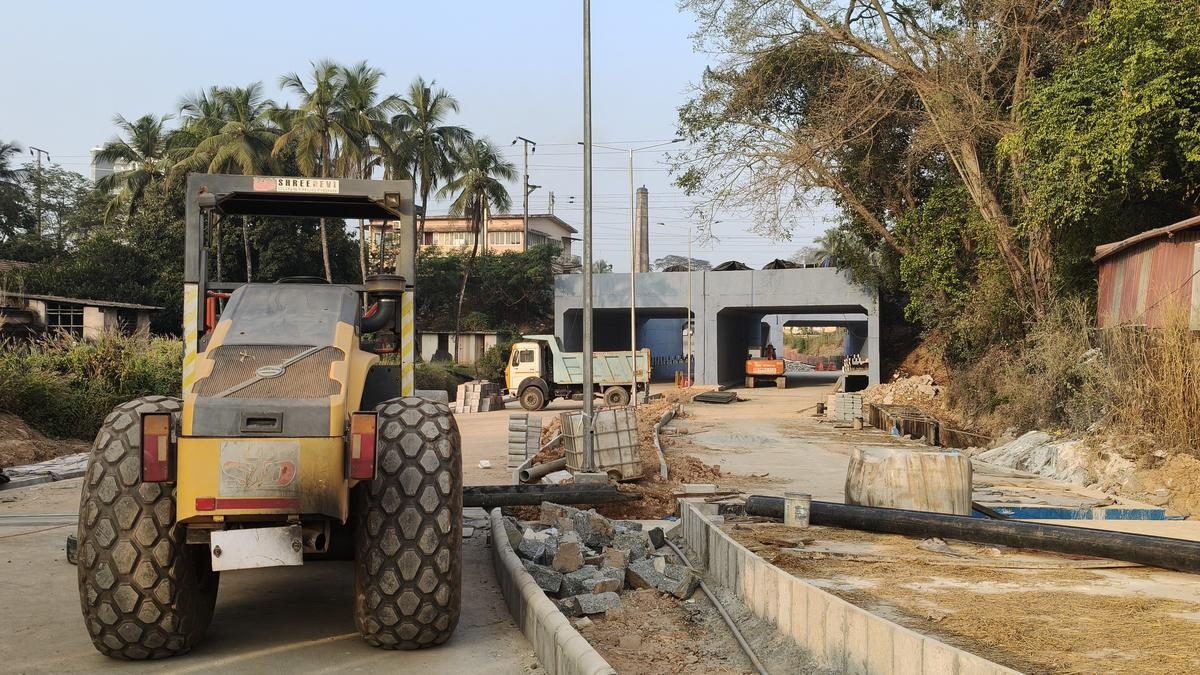
The Railways have categorically stated that a No Objection Certificate (NOC) is not mandatory to open the Mahakalipadpu Road under Bridge (RuB), contradicting claims made earlier by the Mangaluru Smart City Limited (MSCL). The clarification has brought renewed attention to the prolonged delay in opening the RuB, a project that has been eagerly awaited by residents, commuters, and traders in the area. Railway officials asserted that the structure can be opened to traffic once construction is completed as per approved standards, without insisting on a separate NOC from the Railways.

The statement has intensified the ongoing debate over administrative coordination and accountability between multiple agencies involved in urban infrastructure projects. Residents have expressed frustration over conflicting claims, arguing that such contradictions have resulted in unnecessary delays and public inconvenience. The Mahakalipadpu RuB, envisioned as a critical link to ease traffic congestion, has remained closed despite substantial progress, raising questions about governance and inter-departmental communication.

According to Railway authorities, the project was sanctioned with clearly defined technical parameters and safety requirements. Once these conditions are met and certified by the executing agency, the opening of the RuB does not require any additional formal clearance from the Railways. Officials stressed that the responsibility of compliance lies with the implementing agency, not with post-construction permissions.

The clarification comes at a time when public pressure has mounted on civic bodies to ensure timely completion and commissioning of infrastructure works. Daily commuters have complained of extended travel times, traffic bottlenecks, and safety risks due to the continued closure of the RuB. Many residents believe that the lack of clarity over procedural requirements has become an excuse for inaction.

Railway officials further stated that attributing delays to the absence of an NOC creates misinformation and shifts responsibility away from the agencies tasked with execution. They urged civic authorities to address pending technical or administrative issues internally rather than citing procedural hurdles that do not exist.NOC not mandatory to open the Mahakalipadpu RuB as claimed by Mangaluru  Smart City, says Railways - The Hindu

CONTRADICTING CLAIMS AND ADMINISTRATIVE CONFUSION

The controversy began after Mangaluru Smart City Limited reportedly stated that the Mahakalipadpu RuB could not be opened due to the absence of an NOC from the Railways. This claim was widely circulated, leading to public perception that the Railways were holding up the project. However, the Railways’ clarification has directly challenged this narrative, asserting that no such requirement was stipulated.

Officials familiar with the project explained that Railway infrastructure works typically involve clear delineation of responsibilities. The Railways approve the design, safety standards, and construction methodology at the planning stage. Once these are adhered to and certified, the commissioning of the structure falls within the purview of the implementing authority.

The conflicting statements have exposed gaps in coordination between central and local agencies. Urban planners noted that such communication breakdowns often result in stalled projects and erode public trust. They argued that clear documentation and transparent communication are essential to prevent blame-shifting and delays.

Residents of Mahakalipadpu and surrounding localities said they have been caught in the crossfire of bureaucratic contradictions. Traders reported losses due to reduced footfall and disrupted transport routes, while students and office-goers described daily inconvenience caused by detours and congestion.

Local activists demanded that all agencies involved place relevant correspondence and approvals in the public domain to clarify responsibilities. They argued that transparency would help residents understand the true reasons behind the delay and hold the appropriate authority accountable.

Railway officials reiterated that they have not received any pending request that would justify withholding permission to open the RuB. They emphasised that safety inspections, if required, are part of the construction compliance process and not an additional clearance stage.Residents fear Mahakalipadpu twin RuB will not get completed by December 20  as promised - The Hindu

IMPACT ON TRAFFIC AND PUBLIC LIFE

The prolonged closure of the Mahakalipadpu RuB has had a tangible impact on traffic flow in the area. Commuters are forced to take longer routes, leading to increased travel time and fuel consumption. Traffic police officials noted that congestion has worsened during peak hours, putting additional strain on nearby junctions.

Pedestrians and two-wheeler riders have also raised safety concerns, citing narrow alternative roads and increased risk of accidents. Residents said the RuB was expected to significantly improve connectivity and reduce pressure on existing roads, benefits that have yet to materialise.

Public transport operators reported operational challenges due to route diversions. Bus schedules have been affected, causing delays and inconvenience to passengers. Transport experts pointed out that incomplete infrastructure projects often create cascading effects across the mobility network.

The delay has also affected emergency services, with ambulances and fire services facing longer response times due to circuitous routes. Local healthcare providers expressed concern that critical minutes could be lost during emergencies because of the closed RuB.

Business owners in the vicinity said the lack of direct access has reduced customer inflow. Many small traders rely on smooth connectivity for their livelihoods and feel that administrative indecision has directly affected their income.

Citizens’ groups have repeatedly petitioned authorities to resolve the issue urgently. They argue that public infrastructure projects must prioritise usability and timely delivery, especially when they directly affect daily life.

RESPONSIBILITIES AND PROJECT EXECUTION

Experts explained that RuB projects typically involve coordination between Railways, state agencies, and local bodies. While the Railways focus on safety and structural integrity related to rail operations, the executing agency is responsible for construction quality, approach roads, drainage, and lighting.

Authorities said efforts are underway to address remaining technical and administrative tasks. They assured the public that safety and compliance will not be compromised, even as steps are taken to avoid further delays.Mahakalipadpu twin RuB opening caught in bureaucratic hassles - The Hindu

The episode has underscored the importance of accurate communication in public administration. Conflicting claims not only delay projects but also erode public trust, a cost that cities can ill afford.

For now, citizens await concrete action rather than explanations. The opening of the Mahakalipadpu RuB, they say, will be the true test of whether clarity translates into delivery.

As urban centres continue to expand, the lessons from this controversy may shape how future infrastructure projects are managed. Clear roles, transparent processes, and coordinated communication will be crucial to ensuring that development works serve the public without unnecessary delay.

In the case of the Mahakalipadpu RuB, Railway officials said their role was limited to approving the design and ensuring that railway operations are not compromised. They maintained that these conditions were already communicated at the planning stage.

Officials also pointed out that citing the Railways as a bottleneck diverts attention from unresolved issues such as finishing works, signage, or compliance certification that fall under the executing agency’s jurisdiction. They urged civic authorities to complete pending tasks instead of attributing delays to external approvals.

Urban governance experts noted that overlapping responsibilities often create confusion unless clearly defined. They stressed the need for a single nodal agency to coordinate communication and ensure accountability.

The controversy has also raised questions about project management practices under urban development schemes. Analysts suggested that clearer timelines, regular progress updates, and inter-agency review meetings could prevent such situations.

Residents called for an independent review of the project’s status to identify actual bottlenecks. They said clarity is essential to ensure that the RuB is opened without further delay.

POLITICAL AND ADMINISTRATIVE REACTIONS

The Railways’ statement has triggered political reactions, with opposition leaders accusing civic authorities of misleading the public. They demanded an explanation for why the RuB remains closed despite the Railways’ clarification.

Ruling party representatives, meanwhile, said efforts are being made to resolve all outstanding issues and open the RuB at the earliest. They acknowledged communication gaps and promised better coordination among agencies.

Administrators admitted that conflicting statements have caused confusion and said steps would be taken to streamline communication. Officials stressed that public confidence depends on clear and consistent messaging from authorities.

The issue has also been raised in local forums, with calls for accountability and timelines. Residents want assurances that the RuB will not remain a symbol of administrative inertia.

NEED FOR CLEARER GOVERNANCE MECHANISMS

Governance experts observed that the Mahakalipadpu RuB episode reflects broader challenges in urban infrastructure delivery. Multi-agency projects often suffer from diffusion of responsibility, leading to delays and public dissatisfaction.

They recommended establishing clear standard operating procedures that define approval requirements, certification processes, and commissioning protocols. Such clarity, they argued, would reduce ambiguity and prevent agencies from passing the buck.

Transparency advocates suggested that public dashboards tracking project progress and approvals could help citizens monitor infrastructure works. This would also compel agencies to resolve issues promptly.

Railway officials reiterated their willingness to cooperate with local authorities to facilitate the opening of the RuB. They stressed that inter-agency collaboration, rather than blame, is essential to deliver public infrastructure efficiently.

LOOKING AHEAD

As the debate continues, residents remain hopeful that the Railways’ clarification will accelerate the opening of the Mahakalipadpu RuB. Many see this as an opportunity for civic agencies to resolve pending issues swiftly and demonstrate accountability.

Authorities said efforts are underway to address remaining technical and administrative tasks. They assured the public that safety and compliance will not be compromised, even as steps are taken to avoid further delays.

The episode has underscored the importance of accurate communication in public administration. Conflicting claims not only delay projects but also erode public trust, a cost that cities can ill afford.

For now, citizens await concrete action rather than explanations. The opening of the Mahakalipadpu RuB, they say, will be the true test of whether clarity translates into delivery.

As urban centres continue to expand, the lessons from this controversy may shape how future infrastructure projects are managed. Clear roles, transparent processes, and coordinated communication will be crucial to ensuring that development works serve the public without unnecessary delay.

Follow: Karnataka Government

Also read: Home | Channel 6 Network – Latest News, Breaking Updates: Politics, Business, Tech & More
Karnataka Govt Reassures Trust Over NGO’s Election Survey Project: CLEAR 5-STEP DEFENCE

The Karnataka government on Tuesday asserted that an NGO awarded a major election survey project was selected strictly through a competitive bidding process, dismissing allegations of favouritism and political bias. Officials stated that the contract was granted in accordance with established procurement norms, with transparency and procedural compliance at every stage. The clarification comes amid growing political debate and public scrutiny over the role of private and non-governmental entities in election-related data collection.

Addressing concerns raised by opposition parties, the government maintained that the selection process was overseen by a designated committee, evaluated on technical capability, past experience, and financial eligibility. Authorities emphasised that no deviations were made from standard tendering procedures and that the NGO met all stipulated criteria. The administration reiterated that the project’s objective was limited to research and survey purposes and had no influence on electoral outcomes or political decision-making.

Officials also pointed out that the bidding process was conducted through an online tendering platform, ensuring equal access and visibility to all eligible organisations. The use of digital procurement systems, they said, minimised human discretion and reduced the possibility of manipulation, reinforcing the credibility of the selection process.

The government added that periodic progress reviews of the survey project have been built into the contract. These reviews will assess adherence to methodology, field accuracy, and ethical standards. Any deviation from approved protocols could trigger corrective measures, including withholding of payments or termination of the agreement.

Senior bureaucrats said the controversy highlights the need for greater public literacy about government procurement processes. They noted that competitive bidding is a routine administrative mechanism and cautioned against equating contractual engagement with political endorsement.

Political analysts observed that the episode may influence how future governance-related surveys are commissioned, with governments likely to adopt even more stringent disclosure practices. They suggested that clear communication and early transparency could help prevent administrative decisions from becoming flashpoints in the political arena.

Officials said misinformation surrounding the project risked undermining public trust in institutional processes. They urged political stakeholders to avoid politicising administrative decisions, particularly those related to data-driven governance and research initiatives. The government stressed that transparency remains central to its functioning and that all records related to the tender process are available for audit and review.

BACKGROUND OF THE CONTROVERSY

The issue gained prominence after opposition leaders alleged that the NGO was granted the election survey project due to its perceived proximity to the ruling dispensation. Critics claimed that the decision lacked transparency and demanded an independent probe into the tendering process. The allegations quickly escalated into a political flashpoint, with debates centring on data integrity, neutrality, and the ethical boundaries of election-related research.

In response, senior government officials clarified that the project was conceptualised as part of a broader initiative to study voter awareness, participation trends, and the effectiveness of government outreach programmes. They stated that such surveys are routinely conducted to inform policy and improve democratic engagement, not to influence electoral behaviour.

Officials added that the tender was floated publicly, inviting applications from eligible organisations with expertise in large-scale surveys and data analysis. Multiple bidders reportedly participated, and the final selection was made based on objective evaluation parameters. Authorities insisted that political considerations played no role in the process.

TENDERING PROCESS AND COMPETITIVE BIDDING

According to the government, the NGO secured the project after emerging as the most suitable bidder among several contenders. The selection committee assessed proposals based on technical strength, methodological robustness, field experience, manpower capacity, and cost-effectiveness. Officials said the NGO scored highest on combined technical and financial metrics.

The Karnataka government on Tuesday asserted that an NGO awarded a major election survey project was selected strictly through a competitive bidding process, dismissing allegations of favouritism and political bias. Officials stated that the contract was granted in accordance with established procurement norms, with transparency and procedural compliance at every stage. The clarification comes amid growing political debate and public scrutiny over the role of private and non-governmental entities in election-related data collection.

The administration highlighted that competitive bidding is designed precisely to prevent arbitrary decision-making. By adhering to established procurement rules, the government argued that it ensured fairness and accountability. Authorities also noted that all bidders were treated equally and given adequate time to submit proposals and clarifications.

Officials rejected claims that the NGO was handpicked, stating that such assertions ignore the structured evaluation process. They added that minutes of meetings, bid documents, and evaluation reports were maintained meticulously and can withstand scrutiny from auditors or oversight bodies.NGO bagged election survey project through competitive bidding: Karnataka  govt - The Hindu

ROLE AND SCOPE OF THE SURVEY PROJECT

The government clarified that the election survey project focuses on understanding voter behaviour patterns, awareness of electoral processes, and participation levels across regions. The data collected, officials said, is intended to help policymakers identify gaps in voter education and improve administrative outreach.

Authorities stressed that the survey does not involve predicting election results, profiling voters for political campaigns, or sharing data with political parties. Safeguards have been put in place to ensure confidentiality, ethical data handling, and compliance with applicable laws.

Officials also emphasised that similar surveys have been conducted in the past by academic institutions, research organisations, and civil society groups. Such exercises, they argued, are part of democratic strengthening efforts and should not be misconstrued as political manipulation.

OPPOSITION RESPONSE AND DEMANDS

Despite the government’s assurances, opposition parties have continued to question the decision, arguing that perception matters as much as procedure in sensitive matters related to elections. Some leaders demanded that the government make all documents public to dispel doubts and restore confidence.

Opposition representatives claimed that even the appearance of bias could erode trust in democratic institutions. They called for clearer guidelines on the involvement of NGOs in election-related projects and suggested third-party oversight to ensure neutrality.

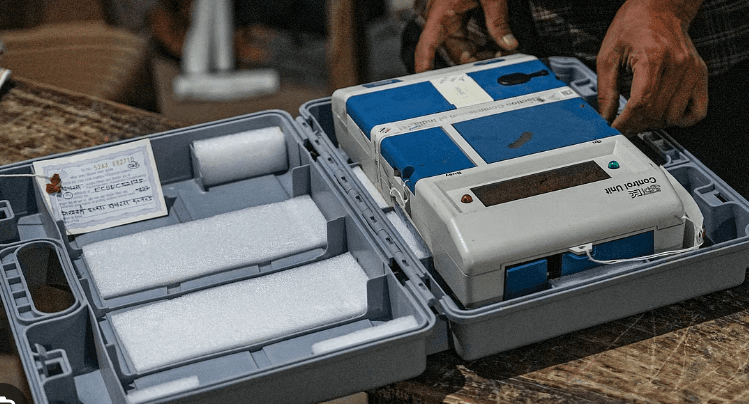
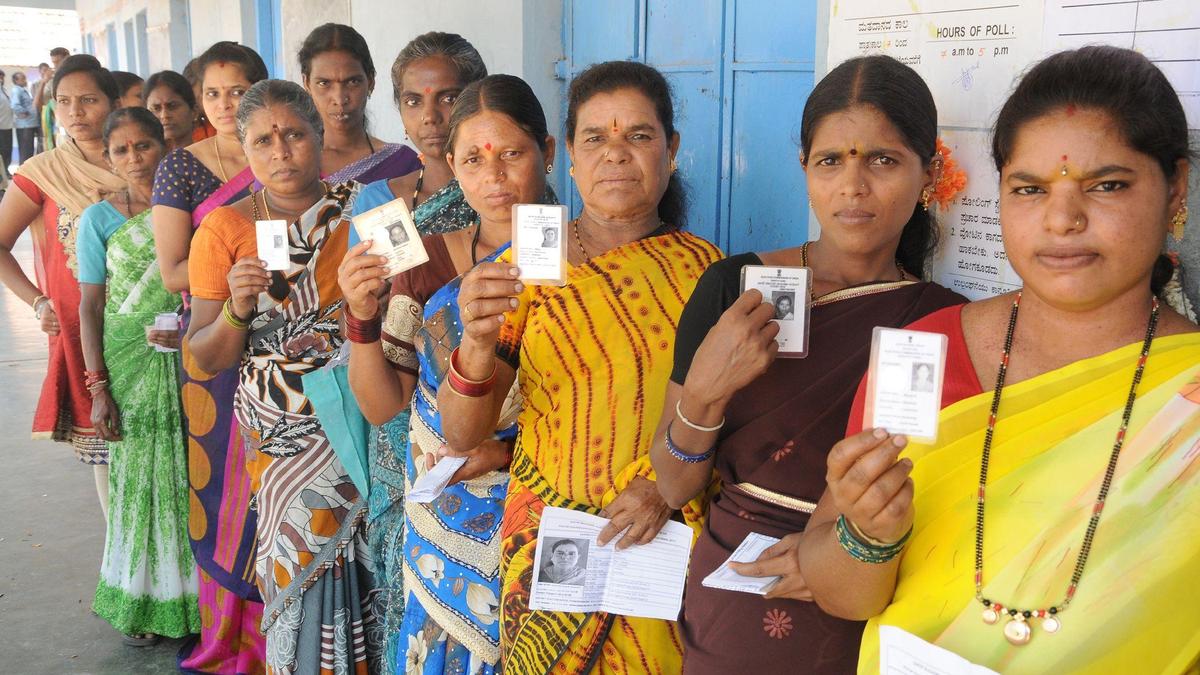
The ruling party, however, countered that the opposition was attempting to manufacture controversy for political gain. Leaders accused critics of undermining legitimate governance processes and discouraging evidence-based policymaking through unfounded allegations.Survey finds 83% of respondents trust EVMs, electoral process - The Hindu

LEGAL AND ADMINISTRATIVE STANDPOINT

Legal experts noted that competitive bidding, if conducted according to established norms, offers strong protection against allegations of arbitrariness. They pointed out that unless procedural violations or conflicts of interest are proven, the government’s decision is unlikely to face legal hurdles.

Officials reiterated that the NGO’s selection complies with procurement rules and that the project’s scope does not infringe upon electoral laws. They added that oversight mechanisms, including audits and performance reviews, are in place to monitor implementation.

The administration also emphasised that public funds are subject to scrutiny by statutory bodies, and any irregularities, if found, would be addressed promptly. This, officials said, reflects the system’s inherent checks and balances.

DATA PRIVACY AND ETHICAL CONCERNS

Amid the debate, questions have also been raised about data privacy and ethical use of information collected during election surveys. The government assured that strict protocols govern data collection, storage, and usage, with anonymity of respondents maintained throughout.

Officials said the NGO is contractually bound to adhere to ethical research standards and data protection norms. Any breach could result in penalties, termination of the contract, and legal action. Authorities emphasised that protecting citizen data is a top priority.

Experts noted that transparency in methodology and disclosure of findings can help address public concerns. They suggested that publishing aggregated results and methodologies would enhance credibility and demonstrate the project’s non-partisan nature.

BROADER IMPLICATIONS FOR GOVERNANCE

The controversy has reignited debate over the role of NGOs and private entities in governance-related research. Supporters argue that such collaborations bring expertise, innovation, and efficiency, while critics caution against potential conflicts of interest.

Officials maintained that excluding non-governmental expertise would limit the state’s ability to undertake large-scale, specialised research. They stressed that competitive bidding and oversight are essential tools to harness external expertise responsibly.

The government said it remains open to refining guidelines and improving communication to prevent misunderstandings in the future. Clearer articulation of project objectives and processes, officials believe, can reduce scope for misinterpretation.Rajasthan bypolls: Voting to be held on Anta Assembly seat tomorrow

POLITICAL CONTEXT AND PUBLIC PERCEPTION

The timing of the controversy, close to election-related activities, has added to its sensitivity. Analysts observed that heightened political polarisation often amplifies scrutiny of administrative decisions, sometimes blurring the line between genuine accountability and political strategy.

Public perception, experts noted, plays a crucial role in democratic governance. Even procedurally sound decisions can face resistance if communication is inadequate. They stressed the importance of proactive disclosure and engagement to maintain trust.

The government acknowledged this challenge and said it would strengthen outreach efforts to explain the rationale and safeguards associated with such projects. Officials emphasised that transparency is not just procedural but also communicative.

LOOKING AHEAD

The Karnataka government reiterated its commitment to transparency, fairness, and democratic values. By defending the NGO’s selection through competitive bidding, authorities aim to reinforce confidence in institutional processes and dispel allegations of impropriety.

Officials said lessons from the controversy would inform future projects, with greater emphasis on clarity, stakeholder engagement, and public disclosure. They stressed that evidence-based governance requires collaboration with credible institutions, guided by robust safeguards.

As the debate continues, the government maintains that the focus should remain on strengthening democratic participation and informed policymaking. Whether the controversy subsides will depend not only on procedural correctness but also on sustained efforts to build and retain public trust in governance decisions.

Follow: Karnataka Government

Also read: Home | Channel 6 Network – Latest News, Breaking Updates: Politics, Business, Tech & More
NTPC Western Region–I Signs MoA with Gujarat Cancer & Research Institute to Upgrade Radiotherapy Services: 2025

In a significant step towards strengthening advanced cancer care infrastructure, NTPC Limited – Western Region–I Headquarters, Mumbai, has signed a Memorandum of Agreement (MoA) with the Gujarat Cancer & Research Institute (GCRI) for the upgradation of radiotherapy services. The agreement, signed under NTPC’s Corporate Social Responsibility (CSR) initiative, underscores the organisation’s continued commitment to inclusive healthcare development.


₹23.16 Crore CSR Support for Advanced Cancer Treatment

Under the MoA, NTPC has sanctioned ₹23.16 crore for upgrading radiotherapy facilities at the Siddhpur Satellite Centre of GCRI, Ahmedabad. The funding will be utilised for the procurement and installation of a high-energy Linear Accelerator (LINAC)—a critical technology for delivering precise and advanced radiotherapy treatments.

The installation of the LINAC is expected to significantly enhance cancer treatment capabilities, improve treatment accuracy, and expand access to quality radiotherapy services for patients across Gujarat and neighbouring regions.


MoA Exchange in Presence of Senior Leadership

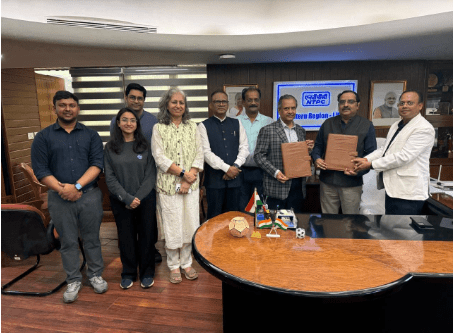
The MoA was formally exchanged between Dr. Shashank Pandya, Director, GCRI, and Shri E. Satya Phani Kumar, Regional Executive Director (West–I), NTPC, in the presence of senior officials from both organisations.

The signing ceremony was held in the august presence of Shri Akhaya Kumar Patra, GM (OS); Shri A. P. Samal, CEO (NPUNL) & CGM (Nuclear); and Smt. Vandana Chaturvedi, Regional Head of HR (West–I), along with other senior officials from NTPC WR–I and members of the CSR team. Senior representatives from GCRI were also present on the occasion.


Strengthening Healthcare Through CSR

This initiative reflects companes strategic focus on strengthening critical healthcare infrastructure through targeted CSR interventions. By supporting advanced oncology equipment at GCRI’s Siddhpur centre, NTPC aims to bridge gaps in access to modern cancer treatment, particularly for patients from semi-urban and rural areas.


Conclusion

The MoA between NTPC Western Region–I and Gujarat Cancer & Research Institute marks a meaningful collaboration in the field of public healthcare. With the installation of a state-of-the-art Linear Accelerator, the project is set to enhance radiotherapy services, improve patient outcomes, and reaffirm it’s role as a responsible public sector enterprise committed to social welfare and inclusive development.


For more real-time updates, visit Channel 6 Network.

Source: PIB

Amit Shah Chairs Parliamentary Consultative Committee Meeting in Andaman and Nicobar, Highlights Forensic-Led Justice Reforms Under New Criminal Laws: 2026

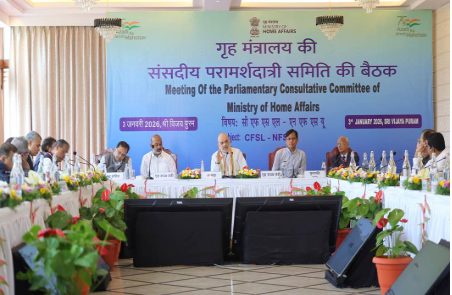
Union Home and Cooperation Minister Amit Shah chaired a meeting of the Parliamentary Consultative Committee of the Ministry of Home Affairs (MHA) at Sri Vijaya Puram on 03 January 2026. The meeting focused on the Central Forensic Science Laboratory (CFSL) and the National Forensic Sciences University (NFSU), underscoring the government’s push to deliver time-bound, technology-driven justice following the enactment of three new criminal laws.


Time-Bound Justice Vision: FIR to Supreme Court in Three Years

Addressing the committee, Amit Shah said the reforms driven by the leadership of Narendra Modi aim to ensure that justice is delivered within three years—from FIR to the Supreme Court—by 2029. He noted that the MHA has been undertaking 360-degree monitoring since 2022 to ensure seamless implementation and to plug gaps across the justice delivery chain.


Forensics at the Core of Criminal Justice Reform

The Home Minister highlighted that although the new criminal laws came into force in July 2024, groundwork for forensic integration began as early as 2020. The results are now visible:

  • Faster investigations and higher conviction rates

  • Sentencing milestones, including death penalty within 62 days in a West Bengal case and sentencing within 50 days in a triple murder case in Bihar

He said these outcomes demonstrate the transformative impact of forensic-led investigations.


₹30,000 Crore Investment for Nationwide Forensic Infrastructure

Amit Shah announced that the Centre and States will invest ₹30,000 crore over the next five years to build a comprehensive network of forensic laboratories. By 2029, every State and Union Territory will have either a forensic university or a CFSL, ensuring uniform standards and nationwide coverage. Grants of nearly ₹1,000 crore have already been provided to strengthen State FSLs, forensic vans, and regional labs.


From Zero Labs to 1,000 Mobile Forensic Units

Highlighting rapid capacity expansion, the Home Minister said that in 2021 there were no mobile forensic labs, whereas today the number has reached 1,000. Forensic reports will now be sent directly to courts, with copies to police—strengthening the Chain of Custody and reducing procedural delays.


Modernising the Five Pillars of Justice

The Modi government has fully modernised all five pillarspolice, courts, prisons, forensics, and prosecution—with an emphasis on digitisation, interoperability, and analytics. Key reforms include:

  • e-FIR and Zero FIR, providing major relief to the poor and women

  • e-Summons and e-Sakshya to support technology-backed proceedings

  • Mandatory forensic visits in crimes punishable with seven years or more

  • Trial in Absentia to curb flight of accused persons

  • Clear legal definitions of cybercrime, organised crime, terrorism, and digital fraud, reducing judicial grey areas


National Databases and Crime Mapping

Amit Shah said that by November 2025, all police stations were brought online via CCTNS, with every FIR available on a central server. He outlined the scale of digital integration:

  • 22,000 courts connected through e-Courts

  • 2.2 crore prisoners’ data on e-Prisons

  • ~2 crore prosecution cases on e-Prosecution

  • 30.54 lakh cases on e-Forensics

  • 1.21 crore fingerprints on NAFIS

  • Separate recording of UAPA terrorism cases in the NIA database

A Modus Operandi Bureau will soon be established for advanced crime mapping.


NFSU: Skills, Innovation and Global Collaboration

The Home Minister said NFSU has achieved 100% placement and will produce 35,000 forensic experts by 2029. The university has:

  • Established 14 campuses

  • Run 100+ training programmes

  • Trained 16,000+ officers in four years, with plans to triple capacity

  • Registered 46 patents (30 in 2024 alone)

  • Signed 103 MoUs with 96 countries and agreements with 117 Indian organisations

Indigenous forensic kits for narcotics, sexual assault, cybercrime, and food testing developed by NFSU are already proving effective.


AI, Mission-Mode Disposal and the Road Ahead

Amit Shah said the government’s next phase focuses on AI-based forensic analysis, mission-mode disposal of pending cases, continuous software upgrades, and the development of forensic intelligence—all aimed at making justice faster, fairer, and more transparent.


Conclusion

The Parliamentary Consultative Committee meeting at Sri Vijaya Puram reaffirmed the government’s resolve to anchor India’s criminal justice system in forensic science, technology, and accountability. With massive investments, nationwide infrastructure, skilled manpower through NFSU, and data-driven policing, the new criminal laws are set to deliver time-bound justice by 2029, marking a paradigm shift in India’s justice delivery architecture.


For more real-time updates, visit Channel 6 Network.

Source: PIB

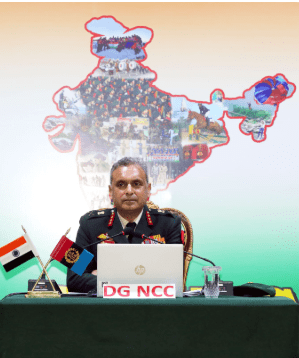
NCC Republic Day Camp 2026 Begins at Delhi Cantt with Strong Vibrancy; DG NCC Highlights Expansion Across Over 90% Districts

The National Cadet Corps (NCC) Republic Day Camp (RDC) 2026 commenced with grandeur and ceremonial splendour at the DG NCC Camp, Delhi Cantt, marking a significant milestone in the run-up to India’s Republic Day celebrations. The camp reflects the scale, diversity, and growing national footprint of the NCC, bringing together cadets from across India and abroad.


Over 2,400 Cadets Participate, Including International Delegations

This year’s Republic Day Camp is witnessing the participation of 2,406 NCC cadets, including 127 cadets from Jammu & Kashmir and Ladakh and 131 cadets from the North East Region, symbolising national unity and inclusiveness.

In addition, cadets and officers from 25 Friendly Foreign Countries are participating under the Youth Exchange Programme (YEP), reinforcing India’s people-to-people diplomacy and global youth engagement.


DG NCC Marks 77 Years of Service and Growth

Addressing the gathering, Virendra Vats, Director General, NCC, congratulated the NCC fraternity on the completion of 77 years of service to the nation. He underlined the importance of the Republic Day Camp as a premier platform that exposes cadets to India’s rich cultural heritage and national traditions during key events held in the national capital ahead of Republic Day.


NCC Presence Now Covers Over 90% of India’s Districts

While interacting with the media, Lt Gen Vats highlighted the rapid expansion of NCC units, stating that the organisation now has a presence in more than 90% of districts across the country. He noted the remarkable growth of NCC cadet strength—from 20,000 at its inception in 1948 to nearly 20 lakh cadets today, with girls constituting around 40% of the total strength.

He emphasised NCC’s role in nation-building by instilling character, discipline, leadership, and social responsibility among the youth through structured training and camps.


Major Activities and National Contributions in 2025

Lt Gen Vats detailed the extensive activities undertaken by NCC during 2025, including:

  • 1,665 Annual Training Camps

  • 6 Special National Integration Camps

  • 33 Ek Bharat Shreshtha Bharat Camps to strengthen cultural bonds

Beyond routine training, NCC cadets made significant national contributions:

  • Special Mountaineering Expedition to Mount Everest

  • Participation of ~75,000 cadets in Operation Sindoor, assisting civil administration and providing medical support, including voluntary blood donation

  • Border outreach under Vibrant Villages Programme

  • Plantation of 8 lakh trees under Ek Ped Maa ke Naam

  • Over 4 lakh cadets in Viksit Bharat Young Leaders Dialogue Quiz

  • Over 8 lakh cadets in International Day of Yoga

  • 50,000+ cadets in Swachhotsav

  • 6 lakh cadets in 150-year celebrations of Vande Mataram

  • Drone flying training at four Remote Pilot Training Organisations (RPTOs)

  • 3,000 cadets trained under Skill Manthan workshops

  • 340 cadets working on 85 start-up ideas during Idea and Innovation Competitions


Ongoing Expeditions and Disaster Preparedness Training

Highlighting ongoing initiatives, Lt Gen Vats said:

  • A Special Sailing Expedition around 21 uninhabited islands of Andaman & Nicobar, dedicated to Param Veer Chakra awardees, is currently underway

  • Two Cycling Expeditions are being conducted to commemorate milestones, social reforms, and the legacy of Veer Birsa Munda and Peshwa Bajirao

  • Around 94,400 NCC cadets from 315 districts have been nominated by the Ministry of Home Affairs to be trained under the Yuva Aapda Mitra Scheme in coordination with the National Disaster Management Authority (NDMA) by March 2026


High-Level Dignitary Visits and PM’s Rally

The Republic Day Camp will be visited by several dignitaries, including the Vice President of India, Raksha Mantri, Raksha Rajya Mantri, Chief Minister of Delhi, Defence Secretary, Chief of Defence Staff, and the Chiefs of the Army, Navy, and Air Force.

The camp’s activities will culminate in the Prime Minister’s Rally on January 28, 2026, one of the most anticipated events of the Republic Day celebrations.


Conclusion

The commencement of the NCC Republic Day Camp 2026 stands as a testament to the organisation’s expanding reach, inclusivity, and unwavering commitment to nation-building. With its presence now spanning over 90% of India’s districts and its cadets actively contributing to national missions, social initiatives, and global engagement, NCC continues to shape disciplined, responsible, and inspired youth ready to serve the nation.


For more real-time updates, visit Channel 6 Network.

Source: PIB

Amit Shah Inaugurates Rs 373-Crore Strong Development Projects in Andaman and Nicobar, Highlights Strategic, Cultural and Economic Transformation

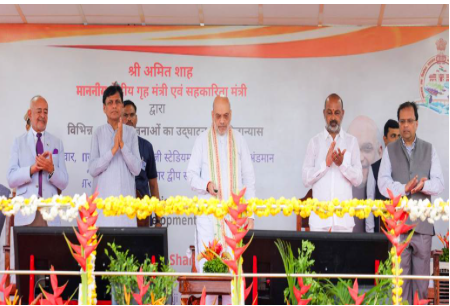
Union Home and Cooperation Minister Amit Shah on 03 January 2026 inaugurated and laid the foundation stone for multiple development projects worth ₹373 crore of the Andaman and Nicobar Union Territory Government at Sri Vijaya Puram. The event marked a significant milestone in the holistic development of the islands, blending infrastructure growth with heritage preservation, environmental protection, and strategic strengthening.


Tribute to Freedom Fighters at Cellular Jail

Addressing the gathering, Amit Shah recalled the immense sacrifices made by India’s freedom fighters at the Cellular Jail, where countless patriots endured imprisonment, torture, and martyrdom. He said the Veer Savarkar memorial and the eternal flame at the Cellular Jail convey a powerful message to the world about India’s struggle, sacrifice, and resolve for independence.

He highlighted that Narendra Modi honoured Netaji Subhas Chandra Bose by renaming islands of the archipelago as Shaheed and Swaraj, reaffirming that Andaman and Nicobar is a sacred pilgrimage site for every Indian.


₹373 Crore Development Push for the Islands

Amit Shah stated that nine major projects were inaugurated and foundation stones for two projects were laid in a single day, reflecting the Modi government’s commitment to island development. Key projects include:

  • Integrated Command and Control Centre – ₹229 crore

  • Phase-I of District Hospital – ₹33 crore

  • Forensic Science Laboratory

  • Six additional development schemes – ₹50 crore

He described these initiatives as the beginning of a new chapter in infrastructure, governance, healthcare, and security for the islands.


From “Burden” to Contributor to National Growth

The Union Home Minister remarked that previous governments viewed Andaman and Nicobar as a burden on the exchequer, whereas under the Modi government, the islands are set to contribute actively to the national treasury. He emphasised that Andaman and Nicobar are emerging as a centre of sovereignty, maritime power, and economic activity, playing a vital role in India’s strategic outlook.


Great Nicobar Project and Strategic Importance

Highlighting future plans, Amit Shah said the Great Nicobar project will transform the region into a global cargo hub, major tourism centre, and a critical pillar of India’s strategic security. He added that within a decade of its completion, the islands are expected to become among the world’s most visited tourist destinations.


Tourism, Blue Economy and Scuba Diving Hub

The Home Minister noted that the Modi government is developing Andaman and Nicobar as an international scuba diving and adventure water sports destination, upgrading facilities as per ISO standards. He underlined the vast potential of the blue economy, fisheries, clean energy, MSMEs, agriculture, and eco-tourism across the islands.


Environment Protection and Swachh Bharat Success

Amit Shah stressed that development is being carried out while safeguarding the fragile ecosystem. Under the ‘Ek Ped Maa Ke Naam’ initiative, 2.4 million trees have been planted across the islands. He also hailed the Sri Vijaya Puram Municipal Council for achieving 98% household waste collection, calling it a historic success of the Swachh Bharat Mission.


Exhibition on New Criminal Laws

The Union Home Minister also inaugurated an exhibition on the three new criminal laws, urging lawyers, students, and citizens—especially women—to visit and understand the transformative changes being introduced in the criminal justice system, including technology-backed legal reforms.


Vision of Developed and Self-Reliant India

Referring to India’s economic rise from the 11th to the 4th largest economy, Amit Shah said the nation is on track to become the 3rd largest economy in the coming years. He reiterated Prime Minister Modi’s resolve that by the centenary of Independence, India will be number one in every field, stressing the importance of Aatmanirbhar Bharat and the use of indigenous products.


Conclusion

The inauguration of ₹373-crore development projects in Andaman and Nicobar reflects the Modi government’s integrated vision of development with heritage, growth with sustainability, and security with prosperity. As the islands evolve into a hub of tourism, maritime power, and strategic importance, they stand as a living symbol of India’s freedom struggle and its aspirations for a developed, self-reliant future.


For more real-time updates, visit Channel 6 Network.

Source: PIB

PM Modi Inaugurates Grand International Exposition on Piprahwa Relics, Marking a Historic Homecoming of India’s Buddhist Heritage: 2026

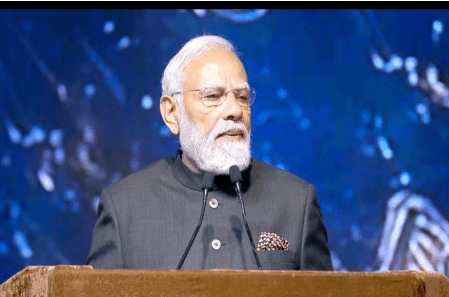
Prime Minister Narendra Modi inaugurated the Grand International Exposition “The Light and the Lotus: Relics of the Awakened One” at the Rai Pithora Cultural Complex on 03 January 2026, marking a defining moment in India’s cultural and spiritual journey. Organised by the Ministry of Culture, the exposition brings together—after more than a century—the most comprehensive assemblage of the sacred Piprahwa relics of Lord Buddha, including relics recently repatriated to India.


‘India’s Treasured Legacy Has Come Back Home’: Prime Minister

Addressing the gathering, Prime Minister Narendra Modi described the occasion as historic, stating that after a wait of 125 years, India’s heritage has returned and the nation’s treasured legacy has come back home. He emphasised that the exposition would enable people across the country to have darshan of the sacred relics of Lord Buddha and receive His blessings, reaffirming India’s deep civilisational connection with the Buddha Dhamma.


Union Culture Minister Highlights Cultural Leadership

Union Minister for Culture and Tourism Gajendra Singh Shekhawat said that the Prime Minister’s presence, marked by his rare ability to translate the spirit of India into governance, is always a moment of inspiration and significance. He noted that welcoming the Prime Minister on this historic occasion was a matter of immense pride and reflected India’s renewed cultural confidence on the global stage.


Historic Reunification of the Piprahwa Relics

The inauguration commemorates the reunification of the Piprahwa relics after nearly 127 years. The collection includes relics from the 1898 excavation at Kapilavastu, findings from the 1972–75 excavations, treasures preserved at the Indian Museum, Kolkata, and the Peppé family collection, which was repatriated to India in July 2025 following decisive intervention by the Government of India that halted their auction abroad.


Prime Minister’s Ceremonial Participation

Upon arrival, the Prime Minister was received by senior dignitaries, including the Chief Minister of Delhi and Union Ministers. During his visit, he undertook a walkthrough of the exhibition and performed several ceremonial acts: offering khataak and rose petals at the sculpture of the Seated Buddha, consecrating an ancient seal excavated from Piprahwa, planting a Bodhi tree sapling, signing the Visitors’ Book, releasing the Exhibition Catalogue, and offering Chivar Daan to the venerable Buddhist monks present.


Exposition Showcases Over 80 Rare Objects

Curated under the theme “The Light and the Lotus: Relics of the Awakened One,” the exposition presents over 80 exceptional artefacts dating from the 6th century BCE to the present day. These include sculptures, manuscripts, thangkas, ritual objects, reliquaries, and jewelled treasures. At the heart of the exhibition lies the monolithic stone coffer in which the sacred relics were originally discovered, offering visitors a rare and immersive encounter with Buddhist heritage.


Cultural Diplomacy and Repatriation Milestone

The Piprahwa relics, unearthed in 1898 by William Claxton Peppé at the ancient stupa site identified with Kapilavastu, rank among the most significant archaeological discoveries associated with the life of the Buddha. Their reunification stands as a powerful testament to India’s commitment to reclaiming, preserving, and honouring its cultural patrimony. Under the leadership of Prime Minister Narendra Modi, 642 antiquities have been repatriated to India to date, with the return of the Piprahwa relics marking a landmark achievement in cultural diplomacy and heritage preservation.


Wide Participation from India and Abroad

The inauguration was attended by Union Ministers, members of the diplomatic corps and ambassadors, venerable Buddhist monks, senior government officials, scholars, heritage experts, members of the art fraternity, students, and followers of Buddhism from India and across the world—reflecting the global resonance of the Buddha’s message.


Conclusion

The inauguration of “The Light and the Lotus: Relics of the Awakened One” reaffirms India’s unique position as the birthplace of the Buddha Dhamma and its enduring dedication to sharing its civilisational legacy with humanity. As the Piprahwa relics return home after more than a century, the exposition stands as a symbol of India’s cultural resurgence, spiritual continuity, and leadership in preserving the shared heritage of the world.


For more real-time updates, visit Channel 6 Network.

Source: PIB