
Thursday, April 30, 2026
Home Blog Page 173

Kolkata Cold Wave 2025 and 2026 – Detailed Analysis of Year‑End Temperature Dip, Meteorological Factors, and Governance Lessons for Urban Climate Resilience

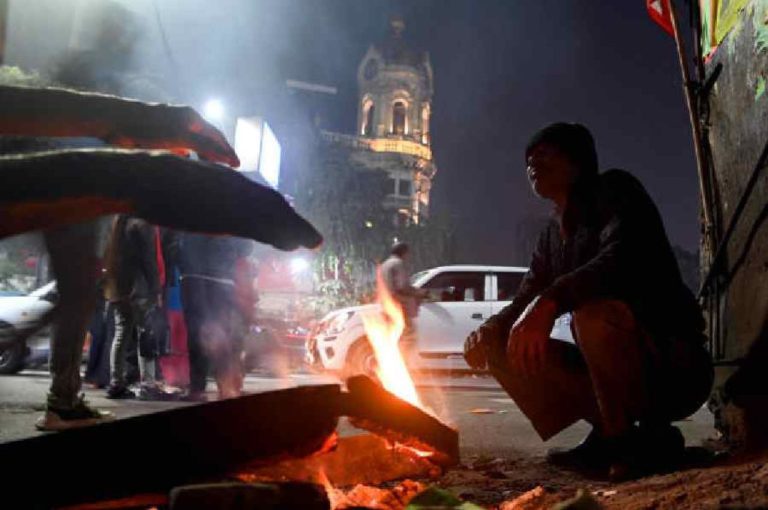
The Kolkata Cold Wave 2025 and 2026 marked the chilliest year‑end in over a decade. As December closed, the city’s maximum temperature dipped significantly below normal, leaving residents shivering through foggy mornings and cloudy afternoons. On December 31, 2025, the maximum temperature was just 20.1°C, while the minimum slid to 11°C, making it the coldest year‑end since 2015. The chill was compounded by easterly winds, fog, and low‑level clouds, which blocked sunlight for hours.


2. Meteorological Highlights

  • Mean maximum temperature for December: 24.1°C (lowest in a decade).
  • Usual December maximum: ~25°C.
  • December 16–31 average maximum: 22.4°C.
  • December 29–30 maximum: below 20°C.
  • December 31 minimum: 11°C (coldest year‑end in 10+ years).
  • January 1 minimum: 11.6°C (coldest New Year’s Day in 15 years).

3. Causes of the Chill

  • Fog and low‑level clouds: Blocked sunlight during mornings.
  • Easterly winds: Helped formation of fog and clouds.
  • Northwesterly winds: Gained strength near the surface, dragging temperatures down.
  • Western Disturbance (WD): Active system over northwest Uttar Pradesh raised temperatures slightly after January 1.

4. Impact on Daily Life

  • Residents lit small fires at Esplanade and other public places.
  • Morning walkers reported numbness in hands and feet.
  • Street vendors struggled with fewer customers in the cold.
  • Schools and offices saw lower attendance during peak chill days.
  • Hospitals reported a rise in cases of respiratory illness and joint pain.

5. Kolkata Cold Wave 2025 and 2026: Governance Challenges

The cold wave reflects:

  • Need for better forecasting and public advisories.
  • Urban vulnerability due to poor housing insulation.
  • Limited preparedness for cold spells compared to heat waves.
  • Public health strain from seasonal illnesses.

6. Government External Links for Assistance


7. Historical Context of Cold Waves in Kolkata

  • 2010: Minimum dipped to 9°C, one of the coldest in recent memory.
  • 2013–14: Successive Western Disturbances kept temperatures fluctuating.
  • 2015: Last comparable cold year‑end before 2025.
  • 2020s: Winters became milder, making the 2025–26 chill more striking.

8. Community Impact

  • Families huddled indoors with heaters and blankets.
  • Street dwellers relied on NGO‑distributed woollens.
  • Tourism in Darjeeling and Sandakphu surged due to snowfall.
  • Farmers in South Bengal reported crop stress from frost.

9. Global Comparisons

Similar cold waves worldwide:

  • London: Fog and frost disrupt transport during year‑end.
  • Tokyo: Cold spells linked to Siberian winds.
  • New York: Arctic blasts cause sub‑zero temperatures.

Kolkata’s case mirrors these global struggles where urban centres adapt to sudden winter extremes.


10. Governance Lessons

The cold wave teaches:

  • Seasonal preparedness must include both heat and cold waves.
  • Public advisories should reach vulnerable groups.
  • Housing upgrades can reduce exposure to extreme temperatures.
  • Climate resilience planning is essential for cities facing unpredictable weather.

11. Future Outlook – Climate Resilience in Bengal

India must move towards:

  • Smart weather monitoring systems in cities.
  • Community shelters for street dwellers during cold waves.
  • Integration of climate data into urban planning.
  • Public health campaigns to mitigate seasonal illness.

12. Conclusion

The Kolkata cold wave 2025–26 was more than a meteorological anomaly—it was a reminder of the city’s vulnerability to climate extremes. With temperatures plunging to decade‑low levels, residents experienced both discomfort and resilience. For Bengal, the lesson is clear: urban governance must prepare for all seasons, ensuring that cold waves are treated with the same seriousness as heat waves.

Also read: Home | Channel 6 Network – Latest News, Breaking Updates: Politics, Business, Tech & More
Kolkata New Year Road Safety 2026 – Detailed Analysis of Traffic Violations Dip, Public Awareness, and Governance Lessons for Urban Mobility

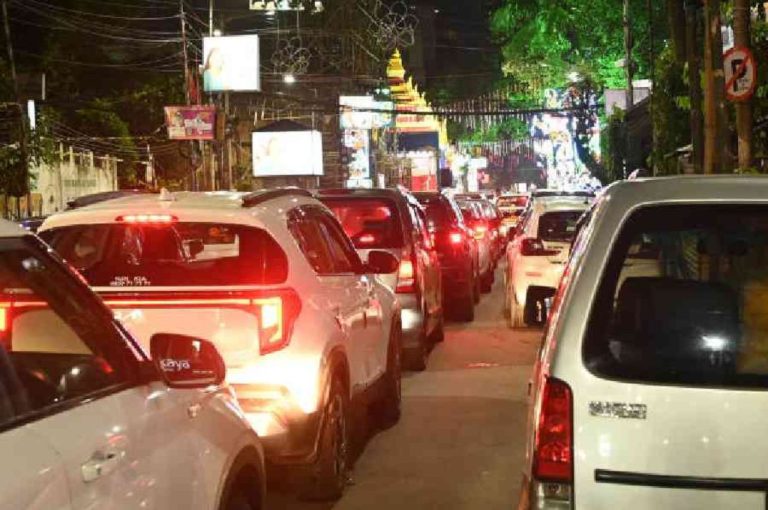
The Kolkata New Year road safety 2026 story is a rare piece of good news in urban governance. On January 1, 2026, traffic violations across the city dropped sharply compared to New Year’s Eve. Police recorded 661 cases on January 1, nearly half of the 1,301 cases on December 31, 2025. The decline reflected fewer vehicles on the road, greater compliance with rules, and heightened awareness about the dangers of drink‑driving.


2. Statistical Highlights

  • Total violations: 661 on January 1 vs. 1,301 on December 31.
  • Excessive riding on two‑wheelers: 88 cases on January 1 vs. 235 on December 31.
  • Helmet violations: 212 cases on January 1 vs. 485 on December 31.
  • Drink‑driving: 95 cases on January 1 vs. 149 on December 31.
  • The figures show a consistent downward trend, not just in one category but across multiple offences.

3. Reasons Behind the Decline

  • Fewer vehicles: Many residents stayed home after late‑night celebrations.
  • Public awareness: Campaigns against drink‑driving gained traction.
  • Police vigilance: Checkpoints and patrols deterred reckless driving.
  • Cultural shift: Families and youth increasingly prefer safer, more responsible celebrations.

4. Governance Challenges

Despite the positive trend, challenges remain:

  • Helmet compliance is still weak, with over 200 violations in a single day.
  • Two‑wheeler overloading continues to endanger riders.
  • Drink‑driving persists, though reduced.
  • Enforcement consistency is needed beyond festive periods.

5. Government External Links for Assistance


6. Historical Context of Road Safety in Kolkata

  • 2010s: Rapid rise in two‑wheelers led to helmet enforcement drives.
  • 2020s: Drink‑driving became a major concern during festive seasons.
  • 2025: Police reported a decline in drink‑driving compared to 2024.
  • 2026: The trend continues, showing gradual improvement in public behaviour.

7. Community Impact

  • Families felt safer celebrating outdoors.
  • Commuters experienced smoother traffic flow on January 1.
  • Public trust in police enforcement increased.
  • The decline in violations contributed to a sense of civic pride.

8. Global Comparisons

Similar festive road safety trends worldwide:

  • London: Drink‑driving campaigns reduce violations during Christmas and New Year.
  • Singapore: Strict fines and awareness drives keep festive traffic orderly.
  • Sydney: Police checkpoints deter reckless driving during New Year’s Eve fireworks.

Kolkata’s case mirrors these global practices where public awareness and enforcement combine to improve safety.


9. Governance Lessons

The New Year road safety dip teaches:

  • Awareness campaigns work when sustained.
  • Data‑driven policing helps identify problem areas.
  • Community engagement builds compliance.
  • Festive enforcement models can be replicated year‑round.

10. Future Outlook – Urban Mobility in Bengal

India must move towards:

  • Smart traffic monitoring systems with AI‑based violation detection.
  • Helmet sensors and stricter penalties for non‑compliance.
  • Expanded public transport to reduce private vehicle dependence.
  • Integration of road safety education into schools and colleges.

11. Kolkata New Year Road Safety 2026: Conclusion

The Kolkata New Year road safety 2026 figures show that public decency and awareness can make a tangible difference. With violations nearly halved compared to New Year’s Eve, the city demonstrated that responsible celebration is possible. For Bengal, the lesson is clear: road safety is not just about enforcement, but about building a culture of responsibility.

Also read: Home | Channel 6 Network – Latest News, Breaking Updates: Politics, Business, Tech & More
Kolkata Metro Pavement Hawker Crisis – Detailed Analysis of Commuter Struggles, Street Vending Rules, and Governance Lessons for Urban Mobility

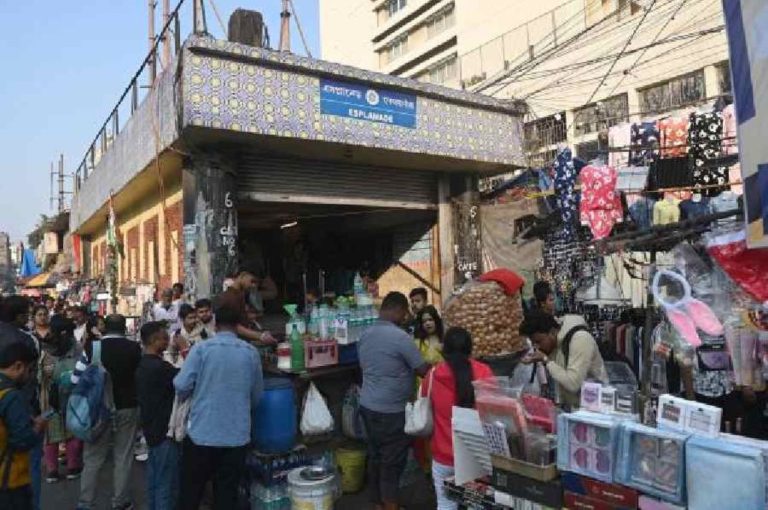
The Kolkata Metro pavement hawker crisis has become a pressing urban issue. Pavements outside major Metro stations such as Kalighat and Esplanade are almost blocked by hawker stalls, leaving commuters with barely a strip of space to walk. During rush hours, passengers jostle through a maze of wares, sellers, and buyers, often colliding with each other. Despite clear rules by the town vending committee and the Street Vendors Act, 2014, enforcement remains weak, creating daily chaos for thousands of commuters.


2. The Situation on the Ground

  • At Kalighat Metro station, stalls line both sides of Rashbehari Avenue.
  • Commuters report that the passage narrows dangerously near the gate.
  • At Esplanade Metro station, kiosks selling fast food and garments occupy opposite sides of the pavement, leaving space for only one person to pass.
  • When customers stand outside stalls, pedestrian movement becomes nearly impossible.
  • Many stalls sell mobile phone covers, electronics, and garments, attracting crowds in the evenings.

3. Kolkata Metro Pavement Hawker Crisis: Commuter Voices

  • A south Kolkata resident described the daily ordeal: “Closer to the station’s gate, the passage gets narrower. There are stalls on both sides of the pavement.”
  • Another commuter at Esplanade said: “In between, there is space for hardly one person to pass. When customers are standing outside, even one person cannot walk comfortably.”
  • These testimonies highlight the loss of pedestrian rights in public spaces.

4. Street Vending Rules

  • The town vending committee of Kolkata passed a resolution prohibiting stalls within 5 ft of Metro gates, schools, colleges, and shopping centres.
  • The Street Vendors (Protection of Livelihood and Regulation of Street Vending) Act, 2014 empowers vending committees to regulate hawkers.
  • State rules (2018) require hawkers to limit stalls to one‑third of pavement width, leaving two‑thirds free for pedestrians.
  • In practice, these rules are flouted across the city, especially outside Metro stations.

5. Governance Challenges

The hawker crisis reflects:

  • Weak enforcement of vending rules.
  • Conflicts between livelihood and commuter rights.
  • Coordination gaps between KMC, police, and Metro authorities.
  • Public frustration over daily inconvenience.

6. Government External Links for Assistance


7. Historical Context of Hawker Regulation in Kolkata

  • 1980s–90s: Hawkers expanded across Gariahat, Esplanade, and Shyambazar.
  • 2000s: Periodic eviction drives failed due to political resistance.
  • 2014: Street Vendors Act introduced a legal framework.
  • 2018: State rules notified, but enforcement remained patchy.
  • The Metro expansion has intensified conflicts, as stations attract high footfall.

8. Community Impact

  • Commuters face daily stress and delays.
  • Elderly and disabled passengers struggle to navigate narrow strips.
  • Hawkers depend on stalls for livelihood, creating a social dilemma.
  • Residents complain of noise, litter, and congestion.

9. Global Comparisons

Similar challenges worldwide:

  • Bangkok: Street food vendors regulated but allowed in designated zones.
  • Singapore: Hawkers moved into structured hawker centres.
  • New York: Street vending limited by strict licensing and zoning.

Kolkata’s case mirrors these global struggles where urban vibrancy collides with pedestrian rights.


10. Governance Lessons

The hawker crisis teaches:

  • Balanced regulation is needed to protect both livelihoods and commuter rights.
  • Designated vending zones near Metro stations can reduce congestion.
  • Community consultation ensures fair solutions.
  • Periodic enforcement drives must be consistent, not sporadic.

11. Future Outlook – Urban Mobility in Bengal

India must move towards:

  • Smart vending systems with digital permits.
  • Pedestrian‑first urban planning around transport hubs.
  • Eco‑friendly stalls with waste management.
  • Integration of hawker zones into Metro station design.

12. Conclusion

The Kolkata Metro pavement hawker crisis is more than a commuter inconvenience—it is a governance challenge at the intersection of livelihood and mobility. While hawkers sustain families, commuters demand safe passage. For Bengal, the lesson is clear: urban planning must balance economic survival with pedestrian dignity, ensuring that public spaces remain accessible to all.

Also read: Home | Channel 6 Network – Latest News, Breaking Updates: Politics, Business, Tech & More
West Bengal Civic Job Scam – Detailed Analysis of CBI Chargesheet, IAS Officer Role, Ayan Sil’s Company, and Governance Lessons for Urban Recruitment

The West Bengal civic job scam has emerged as one of the most significant recruitment scandals in recent memory. On January 2, 2026, the Central Bureau of Investigation (CBI) submitted a chargesheet before the special CBI court in Alipore, naming a senior IAS officer and businessman Ayan Sil for their alleged involvement in over 600 illegal appointments across eight municipalities. The case exposes deep flaws in recruitment systems, governance, and accountability in Bengal’s civic bodies.


2. West Bengal Civic Job Scam: The Allegations

  • More than 600 appointments were allegedly made illegally.
  • The IAS officer was serving as Director of the Directorate of Local Bodies (DLB) at the time.
  • Businessman Ayan Sil, already arrested in connection with irregular school recruitments, was named for his company’s role.
  • Sil’s firm, ABS Infozon, was entrusted with barcoding and evaluating OMR sheets.
  • The company allegedly charged ₹4–7 lakh per candidate for recruitment into posts such as Group D staff, drivers, cleaners, and typists.

3. Recruitment System in Bengal

  • Bengal has 123 municipalities and six municipal corporations, in addition to the Kolkata Municipal Corporation (KMC).
  • Sanctioned staff strength: 79,000+.
  • Current staff strength: around 39,000, highlighting vacancies.
  • Before 2018–19, recruitments were conducted through agencies recommended by the DLB.
  • Later, the West Bengal Municipal Service Commission was entrusted with all recruitments, similar to KMC’s process.

4. CBI Investigation

  • The chargesheet was based on:
    • Documents retrieved from municipalities.
    • Statements of accused persons.
    • Electronic surveillance evidence.
  • CBI alleged that in 2017, Sil’s company won contracts for recruitment in several municipalities.
  • Actual recruitment took place in 2019, with tampering of OMR sheets.
  • Investigators claimed Sil’s company filled blank spaces in answer sheets to reduce marks of deserving candidates, favouring those who paid bribes.

5. Enforcement Directorate (ED) Role

  • ED also probed the scam, focusing on money laundering aspects.
  • Officials alleged that bribe money was routed through shell accounts.
  • The scam links municipal irregularities with the larger school recruitment scandal.

6. Governance Challenges

The civic job scam reflects:

  • Weak recruitment oversight in municipalities.
  • Collusion between officials and private contractors.
  • Exploitation of vacancies to generate illicit revenue.
  • Erosion of public trust in civic institutions.

7. Government External Links for Assistance


8. Historical Context of Recruitment Scandals in Bengal

  • School recruitment scam (2022–25): Thousands of illegal appointments in state‑aided schools.
  • Municipal recruitment irregularities (2017–19): Now linked to the current chargesheet.
  • Past controversies: Allegations of nepotism and bribery in civic hiring.
  • The civic job scam adds to Bengal’s pattern of recruitment scandals undermining governance.

9. Community Impact

  • Genuine candidates lost opportunities despite merit.
  • Families faced financial ruin after paying bribes without securing jobs.
  • Public anger grew over corruption in basic civic services.
  • The scandal damaged confidence in municipal governance.

10. Global Comparisons

Similar recruitment scandals worldwide:

  • China: Ghost jobs and bribery in local government hiring.
  • Nigeria: Bribes for civil service appointments.
  • Italy: Mafia infiltration in municipal contracts.

Kolkata’s case mirrors these global struggles where local governance becomes vulnerable to corruption in recruitment.


11. Governance Lessons

The civic job scam teaches:

  • Transparent recruitment systems are essential.
  • Independent oversight bodies must monitor hiring.
  • Digital OMR evaluation should be tamper‑proof.
  • Strict accountability for officials and contractors is necessary.

12. Future Outlook – Urban Governance in Bengal

India must move towards:

  • Centralised recruitment commissions for all municipalities.
  • Blockchain‑based exam evaluation to prevent tampering.
  • Whistleblower protection for insiders exposing scams.
  • Periodic audits of recruitment processes.

13. Conclusion

The West Bengal civic job scam is more than a recruitment scandal—it is a test of governance integrity. With over 600 illegal appointments, the chargesheet against an IAS officer and businessman Ayan Sil underscores systemic flaws in municipal hiring. For Bengal, the lesson is clear: urban governance must be transparent, accountable, and corruption‑free to restore public trust.

Also read: Home | Channel 6 Network – Latest News, Breaking Updates: Politics, Business, Tech & More
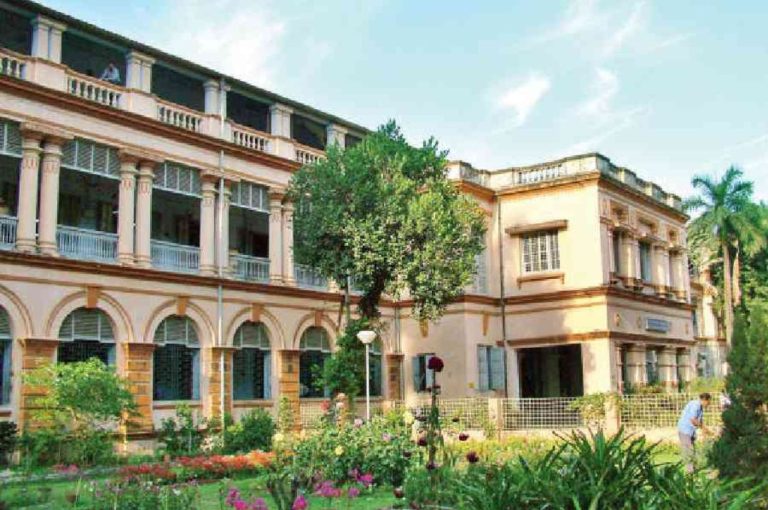
Jadavpur University Constitution Row – Detailed Analysis of NCSC Intervention, Student Allegations, and Governance Lessons for Academic Accountability

The Jadavpur University Constitution row has sparked intense debate in Kolkata’s academic and civic circles. On December 30, 2025, the National Commission for Scheduled Castes (NCSC) issued a notice to the university’s acting registrar, demanding an action‑taken report within seven days. The directive followed a complaint by an undergraduate student of the international relations department, who alleged that a teacher dismissed the importance of the Constitution and B.R. Ambedkar.


2. The Allegations

  • The student claimed that when she sought guidance on studying the Constitution, the teacher told her to “tear apart” the document and “throw it into the water.”
  • She further alleged that the teacher questioned the relevance of Ambedkar’s constitutional debates during a WhatsApp call.
  • The student accused the university of inaction, stating that her complaint was treated with “serious ignorance.”

3. Jadavpur University Constitution Row: University Response

  • Vice‑Chancellor Chiranjib Bhattacharjee denied charges of inaction.
  • He explained that December vacations reduced working days, delaying the departmental committee’s report.
  • The VC assured that the complaint was being pursued seriously and that the university would explain its position to the commission.

4. NCSC’s Directive

  • The NCSC warned that if the university failed to respond within the stipulated time, the acting registrar could be summoned for an in‑person hearing.
  • The commission’s intervention underscores its mandate to protect the rights of Scheduled Castes and ensure accountability in institutions.

5. Governance Challenges

The controversy reflects:

  • Accountability gaps in university grievance redressal.
  • Sensitivity issues around constitutional values and Ambedkar’s legacy.
  • Communication breakdowns between students and administration.
  • Need for external oversight when internal mechanisms falter.

6. Government External Links for Assistance


7. Historical Context of Ambedkar’s Legacy in Academia

  • B.R. Ambedkar, architect of the Indian Constitution, remains a central figure in debates on democracy and social justice.
  • His writings and speeches are part of curricula across Indian universities.
  • Past controversies have arisen when faculty or institutions appeared to undermine his contributions.
  • The JU case adds to this ongoing discourse on academic freedom versus constitutional respect.

8. Community Impact

  • Students expressed concern about the dismissive attitude toward constitutional studies.
  • Civil society groups highlighted the importance of safeguarding Ambedkar’s legacy.
  • The incident reignited debates on caste, representation, and academic accountability in higher education.

9. Global Comparisons

Similar controversies worldwide:

  • USA: Debates over teaching critical race theory in universities.
  • UK: Disputes over colonial history in curricula.
  • South Africa: Student protests demanding decolonisation of education.

Kolkata’s case mirrors these global struggles where academic freedom intersects with social justice and historical responsibility.


10. Governance Lessons

The JU controversy teaches:

  • Grievance committees must act swiftly to maintain trust.
  • External oversight ensures accountability when internal systems fail.
  • Respect for constitutional values is non‑negotiable in academia.
  • Dialogue platforms between students and faculty can prevent escalation.

11. Future Outlook – Academic Accountability in Bengal

India must move towards:

  • Codified grievance redressal mechanisms in universities.
  • Mandatory sensitisation programmes on constitutional values.
  • Periodic audits of university governance by independent bodies.
  • Integration of Ambedkar’s works into broader curricula to strengthen democratic ethos.

12. Conclusion

The Jadavpur University Constitution row is more than a campus controversy—it is a test of India’s commitment to constitutional values and academic accountability. As the NCSC seeks answers, the larger lesson is clear: universities must balance academic freedom with respect for foundational principles, ensuring that students feel heard and justice is delivered.

Also read: Home | Channel 6 Network – Latest News, Breaking Updates: Politics, Business, Tech & More
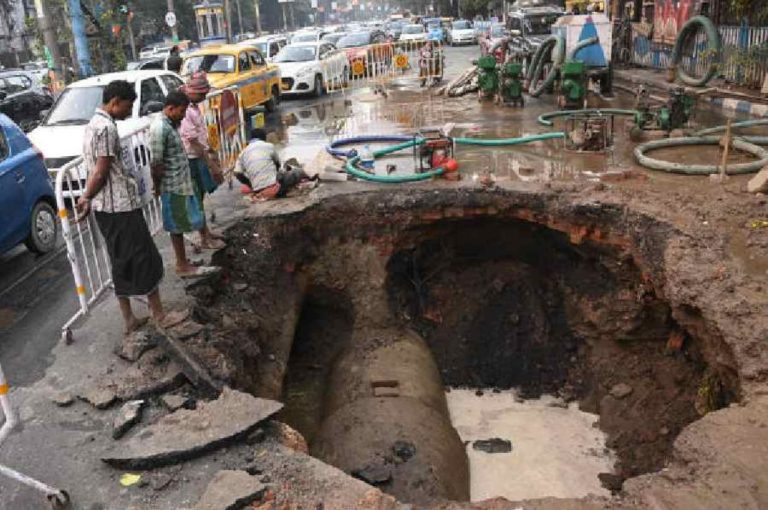
Gariahat Traffic Pipeline Repair 2026 – Detailed Analysis of Ballygunge Phari Slowdown, Water Supply Challenges, and Governance Lessons for Urban Infrastructure

The Gariahat traffic pipeline repair 2026 has become a major talking point in Kolkata’s civic life. On January 2, 2026, the Kolkata Municipal Corporation (KMC) dug open a 12×12 ft portion of Gariahat Road near Ballygunge Phari to repair a leak in a crucial water pipeline. The repair work slowed traffic, blocked two lanes, and forced commuters into single‑file movement. Officials assured completion by Sunday, but the incident highlights the fragility of urban infrastructure and the complex balance between civic repair and traffic management.


2. The Pipeline and Its Importance

  • Diameter: 1,200 mm (46 inches).
  • Supplies potable water to Ballygunge and Gariahat.
  • Replenishes a booster pumping station in Kasba.
  • Operates for 20+ hours daily, leaving only short windows for repair.
  • Leak occurred at the joining of two concrete pipes, requiring sealing with lead wool.

3. Gariahat Traffic Pipeline Repair 2026: Traffic Disruption

  • Two lanes blocked near the park with a replica of Belur Math.
  • Police created a channel for Gariahat‑bound traffic.
  • Vehicles moved in single file, causing delays.
  • Schools like South Point, The BSS, Modern High School for Girls, and Patha Bhavan were closed for winter vacation, reducing traffic load.
  • Repairs scheduled to finish before schools reopen on Monday.

4. Governance Challenges

The repair reflects:

  • Aging infrastructure in Kolkata’s water supply system.
  • Coordination issues between KMC and traffic police.
  • Limited repair windows due to continuous water demand.
  • Public inconvenience during essential civic works.

5. Government External Links for Assistance


6. Historical Context of Kolkata’s Water Infrastructure

  • British era: Pipelines laid to serve colonial Calcutta.
  • Post‑independence: Expansion to Salt Lake, Kasba, and southern suburbs.
  • 2000s: Booster pumping stations added to meet rising demand.
  • 2020s: Frequent leaks and repairs highlight aging systems.
  • The Ballygunge Phari incident is part of a larger pattern of infrastructure stress.

7. Community Impact

  • Commuters faced delays and diversions.
  • Residents worried about water supply interruptions.
  • Shopkeepers near Ballygunge Phari reported reduced footfall.
  • Parents welcomed the timing during school vacation, which minimized chaos.

8. Global Comparisons

Similar urban repair challenges worldwide:

  • London: Thames Water repairs often disrupt traffic.
  • New York: Water main breaks cause road closures and flooding.
  • Tokyo: Advanced scheduling and night repairs reduce disruption.

Kolkata’s case mirrors these global struggles where urban infrastructure maintenance collides with daily mobility needs.


9. Governance Lessons

The Gariahat pipeline repair teaches:

  • Preventive maintenance reduces emergency disruptions.
  • Public communication ensures commuters are prepared.
  • Traffic coordination must be proactive during civic works.
  • Infrastructure modernization is essential for growing cities.

10. Future Outlook – Urban Infrastructure in Bengal

India must move towards:

  • Smart sensors to detect leaks early.
  • Night‑time repair schedules to minimize traffic impact.
  • Upgraded pipelines with modern materials.
  • Integrated planning between civic bodies and traffic police.

11. Conclusion

The Gariahat traffic pipeline repair 2026 is more than a temporary inconvenience—it is a reminder of Kolkata’s aging infrastructure and the need for modernization. While KMC and police managed the crisis with limited disruption, the incident underscores the importance of preventive maintenance, better coordination, and long‑term investment in civic systems. For Bengal, the lesson is clear: urban resilience depends on infrastructure that is both reliable and responsive.

Also read: Home | Channel 6 Network – Latest News, Breaking Updates: Politics, Business, Tech & More
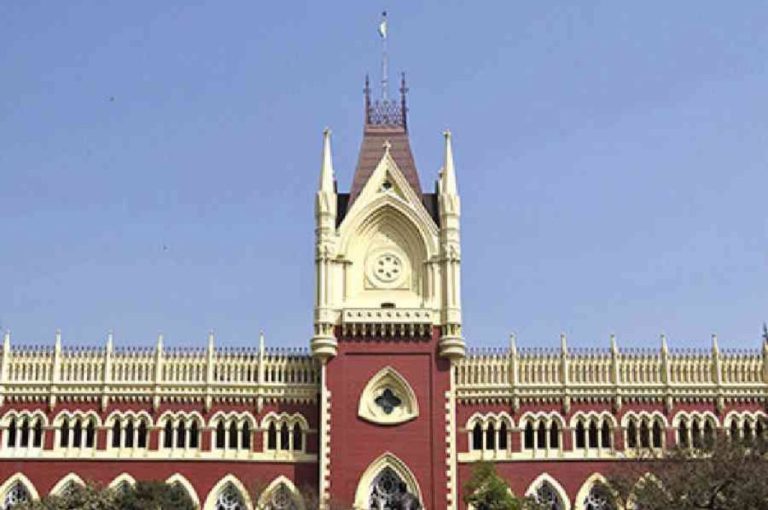
West Bengal Bar Council Electoral Roll Revision – Detailed Analysis of Voter Deletions, Legal Challenges, and Governance Lessons for Professional Democracy

The West Bengal Bar Council electoral roll revision has triggered a storm in Kolkata’s legal circles. With less than two months left before the council elections scheduled for February 19, 2026, the names of over 17,000 members were deleted from the voter list. Prominent figures—including Chief Minister Mamata Banerjee, Minister Chandrima Bhattacharya, MP Saugata Roy, and Speaker Biman Banerjee—were among those excluded. The controversy has led to a Public Interest Litigation (PIL) in the Calcutta High Court, raising questions about fairness, legality, and transparency in professional self‑governance.


2. Bar Council Electoral Roll Revision: What Happened?

  • The Bar Council published a revised electoral roll in late December 2025.
  • Over 17,000 names were deleted, reducing the voter base to around 90,000.
  • Petitioners argued that the deletions were arbitrary and targeted.
  • They pointed out inconsistencies: if non‑practising lawyers were excluded, then the council chairman’s name should also have been removed.
  • The council also increased the deposit fee for candidates from ₹30,000 to ₹1.2 lakh, raising concerns about accessibility.

3. Legal Challenge

  • A group of affected lawyers filed a PIL in the Calcutta High Court.
  • The case is expected to be heard in the first week of January 2026, after the court’s winter recess.
  • Petitioners argue:
    • The deletions violate principles of natural justice.
    • The council acted beyond its powers.
    • The hike in deposit fees discourages participation and favours wealthy candidates.
  • The Bar Council of India (BCI), which monitors state councils, may intervene if irregularities are proven.

4. Governance Challenges

The controversy reflects:

  • Transparency deficit in electoral roll management.
  • Potential politicisation of professional bodies.
  • Financial barriers to democratic participation.
  • Trust deficit among members of the legal fraternity.

5. Government External Links for Assistance


6. Historical Context of Bar Council Elections

  • The Bar Council of West Bengal is one of the largest state councils in India.
  • Elections determine a 21‑member executive committee.
  • Historically, contests have been intense, with factions aligned to political parties.
  • Past controversies include disputes over voter eligibility and fee structures.
  • The current row is among the most significant in recent decades.

7. Community Impact

  • Thousands of lawyers feel disenfranchised.
  • Senior advocates worry about erosion of democratic norms.
  • Younger lawyers fear exclusion from decision‑making.
  • The controversy has created uncertainty about the legitimacy of the upcoming election.

8. Global Comparisons

Similar professional body disputes worldwide:

  • UK: Law Society elections criticised for lack of transparency.
  • USA: State Bar Associations face lawsuits over membership fees and eligibility.
  • Pakistan: Bar Council elections often marred by political interference.

Kolkata’s case mirrors these global struggles where professional democracy collides with politics and governance gaps.


9. Governance Lessons

The Bar Council controversy teaches:

  • Clear criteria for voter eligibility must be established.
  • Independent oversight ensures fairness in professional elections.
  • Financial accessibility is crucial for democratic participation.
  • Judicial intervention remains a safeguard against arbitrary actions.

10. Future Outlook – Professional Democracy in India

India must move towards:

  • Digitised electoral rolls with transparent verification.
  • Affordable candidacy fees to encourage participation.
  • Periodic audits of professional bodies by independent agencies.
  • Dialogue platforms between councils and members to resolve disputes.

11. Conclusion

The West Bengal Bar Council electoral roll revision controversy is more than an internal dispute—it is a test of professional democracy in India. With thousands of lawyers excluded and deposit fees hiked, the legitimacy of the February 2026 elections hangs in the balance. For Bengal and India, the lesson is clear: democratic governance must extend beyond politics into professional institutions, ensuring fairness, transparency, and inclusivity.

Also read: Home | Channel 6 Network – Latest News, Breaking Updates: Politics, Business, Tech & More

North Park Street Cemetery Legacy – Detailed Analysis of Robertson Monument Survival, Jason Walker’s Roots, and Governance Lessons for Heritage Preservation in Kolkata

The North Park Street Cemetery legacy resurfaced in January 2026 when Jason Walker, a lawyer from Melbourne, visited Kolkata to trace his family’s history. In a city where colonial cemeteries have often been erased or repurposed, Walker found himself standing before the Robertson Monument, the lone surviving tomb of the razed cemetery. His journey highlights the fragile balance between urban redevelopment and heritage preservation, and the emotional pull of ancestral memory across continents.


2. The Cemetery’s History

  • Established in the 18th century, North Park Street Cemetery was once a resting place for colonial officials and families.
  • It was levelled in 1953, making way for the Assembly of God Church, its school, and hospital.
  • Among those buried were:
    • Richmond Thackeray, father of novelist William Makepeace Thackeray.
    • James Achilles Kirkpatrick, immortalised in William Dalrymple’s White Mughals.
  • The cemetery symbolised Kolkata’s role as a colonial hub of administration, trade, and culture.

3. North Park Street Cemetery Legacy: The Robertson Monument

  • The sole surviving tomb, known as the Robertson Monument, stands in a quiet corner of the grounds.
  • Its dome is weathered, and its plaque scarred by neglect.
  • Why it survived remains unclear—possibly due to the Robertson family’s police connections or its location in an unused corner.
  • For descendants like Walker, it is a tangible link to a nearly erased past.

4. Jason Walker’s Family Connection

  • Walker’s grandfather’s sister, Dorothy, married into the Robertson family.
  • Many Robertsons served as deputy police commissioners in colonial Calcutta.
  • Some left for Britain around 1947–48, while others stayed.
  • Walker’s mother, Pamela Stock‑Hall, was born in Calcutta in 1947 and left in 1969.
  • His ancestors worked across trades: indigo, tea, military, policing, and public works.
  • One ancestor was a writer at Writers’ Buildings around 1820, marking the family’s first clear connection to Calcutta.

5. Memory and Nostalgia

  • Walker first visited Calcutta in 1981–82 as a child.
  • He has returned nearly ten times, drawn by the city’s energy and heritage.
  • His father, an Australian, was captivated by Kolkata’s intensity.
  • Walker described the city as a “tamasha”—always alive with activity.
  • His nostalgia is tempered by acceptance: “You can’t live in the past; you have to move forward.”

6. Governance Challenges

The cemetery’s erasure and lone survival reflect:

  • Urban redevelopment pressures in post‑independence Kolkata.
  • Neglect of colonial heritage sites not deemed nationally significant.
  • Lack of documentation of graves before demolition.
  • Community disconnection from heritage once tied to colonial families.

7. Government External Links for Assistance


8. Historical Context of Kolkata’s Cemeteries

  • South Park Street Cemetery: Preserved as a heritage site, attracting tourists and researchers.
  • Lower Circular Road Cemetery: Still active, with graves of colonial families.
  • North Park Street Cemetery: Erased, leaving only the Robertson Monument.
  • The contrast shows how heritage preservation has been uneven across Kolkata.

9. Community Impact

  • For descendants abroad, cemeteries are vital links to ancestry.
  • For locals, they are reminders of Kolkata’s layered history.
  • The erasure of cemeteries risks losing collective memory of the city’s multicultural past.
  • Walker’s visit reignited interest in documenting what remains.

10. Global Comparisons

Similar heritage challenges worldwide:

  • London: Many Victorian cemeteries repurposed into parks.
  • Hong Kong: Colonial cemeteries demolished for urban expansion.
  • Singapore: Bukit Brown Cemetery partly erased for highways.

Kolkata’s case mirrors these global struggles where urban growth collides with heritage preservation.


11. Governance Lessons

The Robertson Monument teaches:

  • Documentation before demolition is essential.
  • Community engagement ensures heritage sites remain relevant.
  • Balanced urban planning can integrate heritage with modern needs.
  • International collaboration can preserve ancestry links for diasporas.

12. Future Outlook – Heritage in Bengal

India must move towards:

  • Digital archives of cemeteries and monuments.
  • Public heritage trails linking preserved and erased sites.
  • Educational programmes to connect youth with local history.
  • Partnerships with diaspora communities for heritage funding.

13. Conclusion

The North Park Street Cemetery legacy lives on through the Robertson Monument and visitors like Jason Walker. His journey underscores the emotional power of heritage, the fragility of memory, and the need for governance that respects both urban growth and ancestral ties. For Kolkata, the lesson is clear: heritage preservation is not about living in the past, but ensuring the past remains part of the city’s living story.

Also read: Home | Channel 6 Network – Latest News, Breaking Updates: Politics, Business, Tech & More
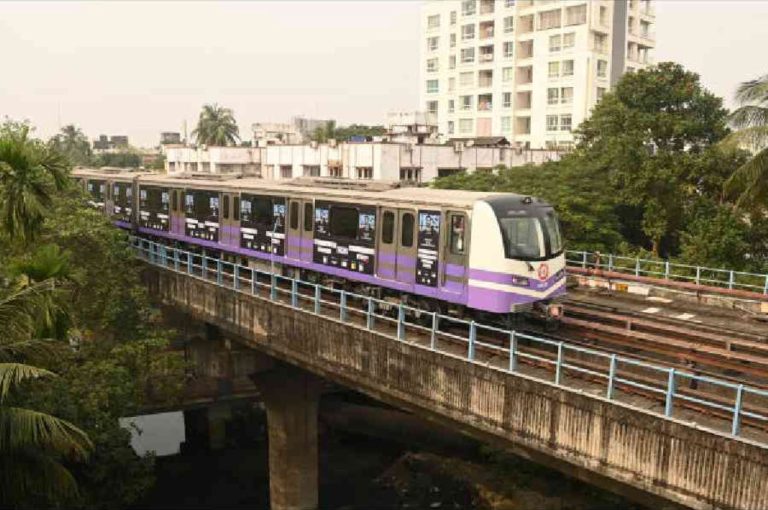
Kolkata Metro Sunday Timetable 2026 – Detailed Analysis of Revised Services, Commuter Benefits, and Governance Lessons for Urban Transport

The Kolkata Metro Sunday timetable 2026 marks a significant upgrade in the city’s transport system. To ease commuter travel during weekends, Metro Railway Kolkata announced additional services across the Blue Line (Dakshineswar–Shahid Khudiram) and the Green Line (Howrah Maidan–Salt Lake Sector V). With more trains, extended timings, and smoother connectivity, the initiative reflects the Metro’s growing role in shaping Kolkata’s urban mobility.


2. Blue Line – Dakshineswar to Shahid Khudiram

  • Total services: 160 (80 up, 80 down).
  • Earlier count: 130 services.
  • First train: 9:00 a.m. from Dakshineswar.
  • Last train:
    • 9:33 p.m. from Shahid Khudiram to Dakshineswar.
    • 9:44 p.m. from Shahid Khudiram to Dum Dum.
  • Impact: Increased frequency reduces waiting time and crowding, especially for weekend shoppers and temple visitors.

3. Green Line – Howrah Maidan to Salt Lake Sector V

  • Total services: 124 (62 up, 62 down).
  • Earlier count: 108 services.
  • First train: 9:00 a.m. from Howrah Maidan.
  • Last train: 9:55 p.m. from Salt Lake Sector V.
  • Impact: Better connectivity for IT professionals, students, and residents of New Town and Salt Lake.

4. Kolkata Metro Sunday Timetable 2026: Governance Challenges

The revised timetable reflects:

  • Rising demand for weekend travel.
  • Need for coordination between Metro authorities and traffic police.
  • Infrastructure strain from expanding ridership.
  • Balancing safety and efficiency in extended hours.

5. Government External Links for Assistance


6. Historical Context of Kolkata Metro

  • 1984: India’s first metro line inaugurated between Esplanade and Bhowanipore.
  • 2000s: Expansion to Dum Dum and Tollygunge.
  • 2010s: Extension to Dakshineswar and New Garia.
  • 2020s: Introduction of East‑West (Green Line) corridor.
  • 2026: Revised Sunday services reflect Metro’s evolution into a city‑wide backbone of transport.

7. Community Impact

  • Families benefit from easier access to malls, parks, and cultural venues.
  • Students and professionals enjoy smoother weekend commutes.
  • Tourists find better connectivity to landmarks like Dakshineswar Temple and Eco Park.
  • Reduced road congestion as more people opt for Metro over cars.

8. Global Comparisons

Similar weekend service upgrades worldwide:

  • London Underground: Extended weekend services on Jubilee Line.
  • New York Subway: 24/7 operations with increased weekend frequency.
  • Tokyo Metro: Special weekend timetables for tourist hotspots.

Kolkata’s revised timetable mirrors these global practices where urban metros adapt to lifestyle changes.


9. Governance Lessons

The Kolkata Metro upgrade teaches:

  • Flexibility in scheduling meets commuter needs.
  • Public communication ensures awareness of new timings.
  • Integration with buses and autos enhances last‑mile connectivity.
  • Continuous monitoring of ridership data guides future expansions.

10. Future Outlook – Urban Transport in Bengal

India must move towards:

  • Smart ticketing systems with mobile apps.
  • AI‑driven scheduling to match demand patterns.
  • Eco‑friendly trains with energy‑efficient designs.
  • Regional integration linking Metro with suburban rail and buses.

11. Conclusion

The Kolkata Metro Sunday timetable 2026 is more than a scheduling change—it is a step toward a more connected, commuter‑friendly city. By adding services and extending timings, Metro Railway Kolkata has responded to the evolving needs of residents. For Bengal, the lesson is clear: urban transport must be dynamic, inclusive, and future‑ready.

Also read: Home | Channel 6 Network – Latest News, Breaking Updates: Politics, Business, Tech & More
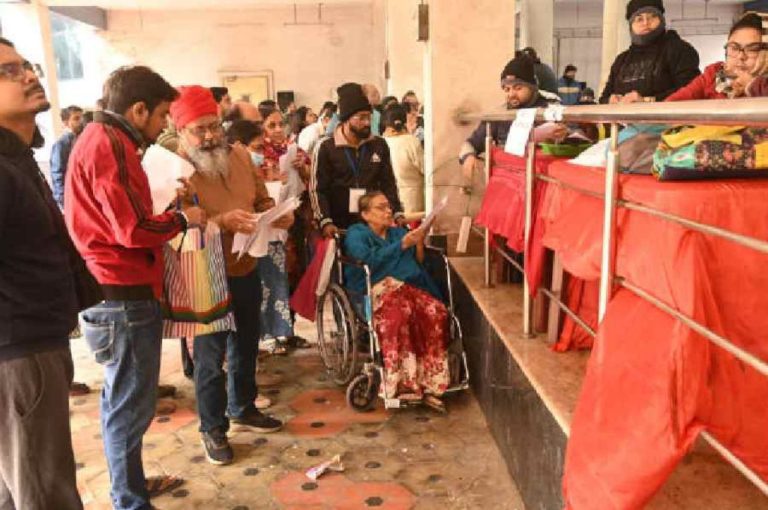
Kolkata SIR Camp Elderly Hardship – Detailed Analysis of Voter Verification Struggles, Election Commission Guidelines, and Governance Lessons for Inclusive Democracy

The Kolkata SIR camp elderly hardship story highlights the human cost of bureaucratic exercises. At the end of 2025, frail senior citizens and ailing voters were compelled to attend Special Intensive Revision (SIR) hearings in person, despite Election Commission (EC) guidelines allowing home hearings for those aged 85 and above, expecting mothers, and seriously ill individuals. The sight of octogenarians arriving in wheelchairs or supported by relatives underscored the gap between policy and ground reality.


2. Election Commission Guidelines

  • On December 29, 2025, the EC issued detailed instructions for home hearings.
  • Target groups:
    • Voters aged 85+.
    • Expecting mothers.
    • Seriously ill patients.
  • Home hearings were to be conducted in the last two weeks of the verification exercise, ending February 7, 2026.
  • Objective: Reduce hardship and ensure inclusivity in voter verification.

3. Ground Reality at SIR Camps

  • Elderly voters like 83‑year‑old Om Prakash Jalan and 85‑year‑old Purnima Roy were forced to attend hearings in Baguiati.
  • Purnima, with a fractured leg, arrived in a rickshaw and was wheeled to the desk.
  • Jalan, unable to stand, was helped by his son and others to reach the hearing.
  • Many others arrived in wheelchairs or with crutches.
  • Their presence revealed that EC’s home‑hearing message had not trickled down to the grassroots.

4. Voices from Families

  • Manish Jalan (son of Om Prakash): “It is a shame that my father has to prove he is a genuine voter after living here for 83 years.”
  • Sandip Roy (son of Purnima): Tried to arrange a doctor’s certificate but failed, fearing rejection if his mother did not appear.
  • Families expressed frustration at the bureaucratic rigidity and lack of compassion.

5. Political and Civic Response

  • Local councillors and party volunteers provided wheelchairs, water, photocopying machines, and printers at camps.
  • Trinamool Congress leader Debraj Chakraborty claimed volunteers were helping elderly voters.
  • Despite these efforts, the burden remained on citizens, not the system.

6. Governance Challenges

The SIR camp hardships reflect:

  • Implementation gap between EC guidelines and local practice.
  • Communication failure in informing voters of home‑hearing options.
  • Rigid bureaucracy that prioritised paperwork over human dignity.
  • Political optics overshadowing genuine welfare.

7. Government External Links for Assistance


8. Historical Context of Voter Verification in Bengal

  • 2002: Electoral rolls became reference points for verification.
  • 2011–2019: Controversies over inclusion/exclusion of refugee communities.
  • 2024–25: Special Intensive Revision flagged millions of discrepancies.
  • Elderly voters have often borne the brunt of repeated verification exercises.

9. Community Impact

  • Elderly citizens felt humiliated at being asked to prove their identity repeatedly.
  • Families faced financial and emotional strain in arranging transport and support.
  • Public trust in the electoral process was shaken.
  • Civil society groups demanded compassionate implementation of EC guidelines.

10. Kolkata SIR Camp Elderly Hardship: Global Comparisons

Similar challenges occur worldwide:

  • USA: Voter ID laws criticised for disenfranchising elderly and disabled voters.
  • UK: Postal voting introduced to ease access for seniors.
  • Australia: Mobile polling stations visit aged‑care facilities.

Kolkata’s case mirrors these global struggles where elderly voters face systemic barriers despite policy safeguards.


11. Governance Lessons

The SIR camp hardships teach:

  • Policy must translate into practice.
  • Grassroots communication is vital to inform citizens of their rights.
  • Compassionate bureaucracy ensures dignity for vulnerable groups.
  • Technology integration (digital verification, mobile apps) can reduce physical strain.

12. Future Outlook – Inclusive Democracy in Bengal

India must move towards:

  • Mobile verification units for elderly and disabled voters.
  • Digital grievance redressal systems to report violations of EC guidelines.
  • Training for local officials in compassionate implementation.
  • Periodic audits to ensure inclusivity in electoral processes.

13. Conclusion

The Kolkata SIR camp elderly hardship story is a reminder that democracy must be inclusive not just in principle but in practice. Forcing frail senior citizens to attend hearings despite clear EC guidelines undermines both dignity and trust. For Bengal and India, the lesson is clear: electoral processes must prioritise human welfare, ensuring that every voter’s voice is respected without unnecessary hardship.


Also read: Home | Channel 6 Network – Latest News, Breaking Updates: Politics, Business, Tech & More