Washington D.C. – The United States Department of Justice announced on Friday that federal authorities successfully prevented a violent ISIS attack thwarted planned for New Year’s Eve in North Carolina. An 18-year-old man allegedly inspired by the Islamic State armed group was arrested after planning to carry out a brutal knife-and-hammer assault at multiple locations in Mint Hill, a town in North Carolina.
Christian Sturdivant was taken into custody on Wednesday following an extensive surveillance operation by federal agents. The ISIS attack thwarted represents another successful counterterrorism effort by law enforcement agencies working to protect American communities from extremist violence.
FBI Director Confirms Successful Prevention
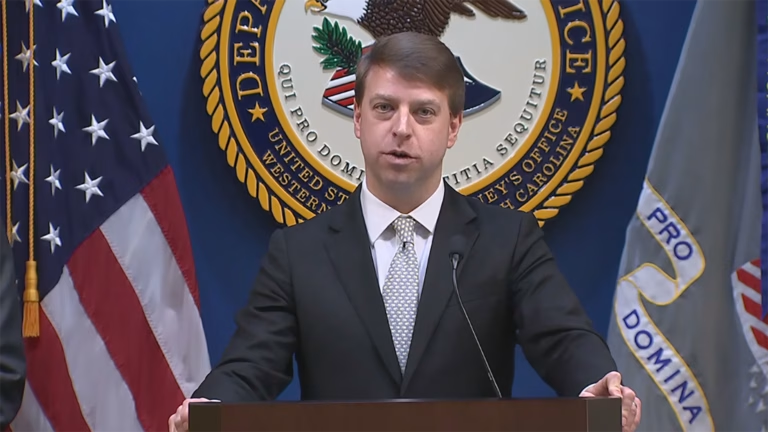
FBI Director Kash Patel confirmed the operation through social media, stating that the FBI and partner agencies foiled another potential New Year’s Eve attack from an individual allegedly inspired by ISIS. The Charlotte division of the FBI held a press conference to provide additional details about the case and the measures taken to prevent the planned assault.
The ISIS attack thwarted came after authorities placed Sturdivant under 24-hour surveillance once it became apparent he was actively planning to execute his violent intentions. A North Carolina judge ordered him to remain in custody until his next court hearing, scheduled for January 7.
Undercover Operation Reveals Disturbing Plans
Federal agents conducted an elaborate undercover operation that proved crucial in preventing the attack. FBI operatives posed as members of the Islamic State group, successfully gaining Sturdivant’s trust. During interactions with these undercover agents, the teenager pledged his allegiance to ISIS and expressed his intention to “do jihad” soon.
According to the US attorney’s office, Sturdivant described himself as “a soldier of the state,” referring to ISIS. The ISIS attack thwarted was made possible through these undercover communications that revealed the full extent of his planned violence.
Details of the Planned Attack
In conversations with another FBI agent, Sturdivant disclosed specific details about his intended targets and methods. He revealed plans to carry out a knife-and-hammer attack at a grocery store and fast-food restaurant in Mint Hill. The teenager admitted he intended to wear a Kevlar vest while attacking innocent people with knives and hammers on New Year’s Eve.
The gravity of the situation became even more apparent when FBI agents searched Sturdivant’s home. Authorities recovered a handwritten note titled “New Years Attack 2026,” which contained detailed plans to stab approximately 20 people. The note also outlined plans to attack responding police officials who would arrive at the scene.
Prior FBI Monitoring and Intervention
This was not the first time Sturdivant had come to the attention of federal authorities. The FBI had been monitoring him since 2022 when he was still a minor. Special Agent James Barnacle revealed that Sturdivant had been in contact with an unidentified ISIS member through social media platforms during that time.
The ISIS attack thwarted demonstrates the importance of long-term monitoring of individuals who exhibit extremist tendencies. Despite being known to authorities for several years, Sturdivant was not charged in 2022. Instead, he received psychological care, and the case was closed after initial intervention.
Law enforcement agencies were alerted once again to Sturdivant’s online activities, prompting renewed surveillance and investigation. The FBI’s vigilance in monitoring his behavior and online communications proved essential in preventing what could have been a tragic incident affecting multiple innocent victims.
The ISIS attack thwarted highlights the ongoing threat posed by individuals radicalized through online propaganda and social media interactions with extremist groups. Federal authorities continue to work diligently to identify and neutralize such threats before they materialize into actual violence.
Counterterrorism Efforts Continue
This successful intervention represents one of several plots that have been disrupted by federal law enforcement agencies in recent years. The ISIS attack thwarted in North Carolina underscores the persistent threat of domestic terrorism inspired by international extremist organizations.
The case also demonstrates the effectiveness of undercover operations and sustained surveillance in identifying individuals who pose credible threats to public safety. By maintaining awareness of potential threats and acting decisively when necessary, federal agencies continue to protect American communities from terrorist violence.
Legal Proceedings and Future Outlook
As Christian Sturdivant remains in custody awaiting his January 7 hearing, the legal process will determine the charges and potential consequences he faces for allegedly planning this attack. The ISIS attack thwarted serves as a reminder of the ongoing work required to maintain national security and protect citizens from extremist violence.
Federal authorities continue to emphasize the importance of community vigilance and reporting suspicious activities to law enforcement. The successful prevention of this ISIS attack thwarted in North Carolina demonstrates that coordinated efforts between intelligence agencies, law enforcement, and judicial systems remain essential in combating domestic terrorism threats.
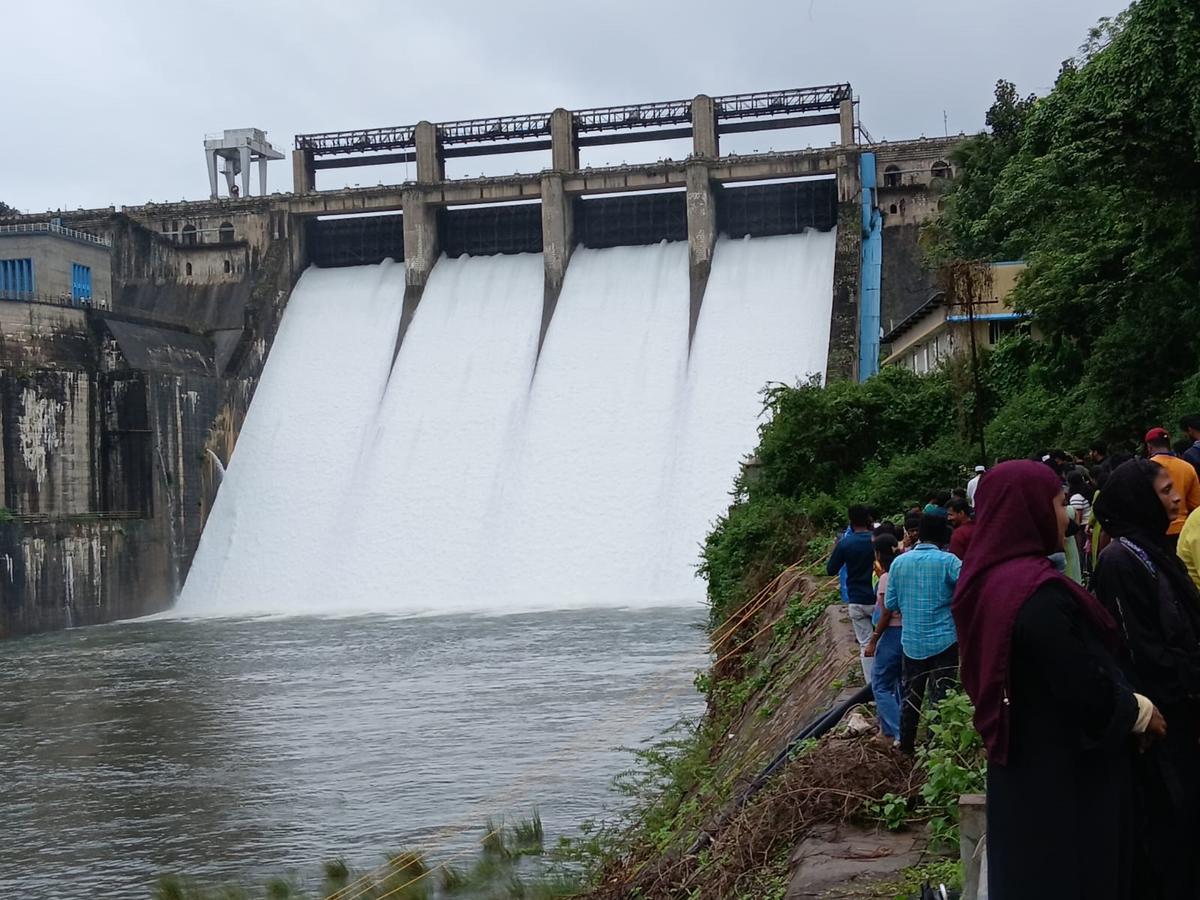
The Karnataka government has announced the release of water from the Bhadra reservoir for summer cultivation starting January 3, bringing much-needed relief to farmers across the command areas dependent on the project. The decision follows sustained demands from farmer groups and careful assessment of reservoir storage levels, rainfall patterns, and drinking water requirements. Officials said the move aims to support standing crops, prevent agricultural distress, and stabilise rural livelihoods during the critical summer season.
Officials noted that weather forecasts for the coming weeks have also influenced the decision to permit summer cultivation. While no significant rainfall is expected, temperatures are likely to rise steadily, increasing evaporation losses from both the reservoir and canals. Authorities said this makes disciplined water use even more critical, and field staff have been instructed to regulate releases strictly according to the approved schedule.
Agriculture department officials have begun advising farmers on crop planning and input management to maximise yields under limited irrigation conditions. Extension officers are encouraging the use of short-duration crop varieties that can mature within the assured water supply period, reducing the risk of crop stress if releases are curtailed later in the season.
There is also renewed emphasis on preventing conflicts between farmers along the canal network. In previous years, disputes over water sharing escalated during peak summer, occasionally requiring police intervention. This year, district administrations have been asked to proactively engage village leaders and water user associations to resolve grievances locally and prevent escalation.
Officials said the irrigation department will deploy additional staff at vulnerable canal stretches to prevent unauthorised pumping and breach of bunds. Surprise inspections and night patrols are planned to ensure that water reaches designated areas without illegal diversion, particularly in head-reach zones where misuse has been reported earlier.
Farmers in tail-end villages said they remain cautiously optimistic but stressed that timely flow, not just announcement of release, will determine success. Several cultivators recalled past instances where water arrived too late to support sowing, leading to partial crop failure. Authorities have assured that real-time adjustments will be made to address such concerns.
Economists observed that successful summer cultivation under the Bhadra project could have a stabilising effect on local markets by ensuring steady supply of vegetables, pulses, and fodder. This, in turn, could help moderate price volatility and support livestock-dependent households during the lean summer months.
Senior officials reiterated that public cooperation will play a decisive role in the outcome of the summer irrigation programme. They appealed to farmers to view water as a shared resource rather than an individual entitlement, stressing that equitable distribution and restraint are essential to safeguarding both current crops and future water security.
Authorities clarified that the water release has been planned after balancing competing needs such as drinking water supply, industrial use, and ecological flow requirements. The irrigation department has assured that water distribution will be closely monitored to ensure equitable access across tail-end and head-reach areas. Farmers have been urged to use water judiciously and adhere to the prescribed cropping patterns to maximise benefits during the limited release period.
RELIEF AFTER MONTHS OF UNCERTAINTY
For several months, uncertainty loomed over summer cultivation in the Bhadra command area due to concerns over reservoir levels and erratic rainfall. Farmers had delayed sowing decisions, fearing water shortages during critical crop growth stages. The announcement of water release has restored confidence among cultivators, many of whom depend entirely on canal irrigation for their livelihoods.
Officials said reservoir storage, though not abundant, was found sufficient to support controlled summer irrigation if managed carefully. Technical teams conducted multiple reviews before recommending the release, factoring in inflows, evaporation rates, and projected demand. Authorities stressed that the decision reflects a cautious yet farmer-centric approach aimed at avoiding crop losses while ensuring long-term water security.
Farmer leaders welcomed the announcement but urged the government to remain vigilant during implementation. They highlighted past instances where uneven distribution left tail-end farmers struggling despite official releases. In response, officials assured strict monitoring of canal flows and field-level supervision to prevent misuse and illegal diversion of water.
DISTRIBUTION PLAN AND CROPPING GUIDELINES
The irrigation department has issued detailed guidelines for summer cultivation, specifying crop types, acreage limits, and water usage norms. Priority has been given to less water-intensive crops to reduce stress on the reservoir. Farmers have been advised to avoid high water-consuming crops and to adopt efficient irrigation practices wherever possible.
Authorities said canal schedules have been prepared to ensure rotational supply, allowing all regions within the command area to benefit. Special attention will be given to tail-end villages, which often face delayed or inadequate supply. Field engineers have been directed to remain stationed at critical points to oversee flow regulation and address grievances promptly.
Officials also emphasised the role of water user associations in managing distribution at the local level. These groups will assist in resolving disputes, ensuring compliance with schedules, and promoting collective responsibility among farmers. The government believes that community participation is key to preventing conflicts and ensuring optimal utilisation of available water.
IMPACT ON FARMERS AND RURAL ECONOMY
The release of Bhadra waters is expected to provide significant relief to thousands of farming families across Shivamogga, Chikkamagaluru, and Davanagere districts. Summer cultivation plays a crucial role in sustaining incomes between major agricultural seasons, particularly for small and marginal farmers.
Economists noted that assured irrigation during summer helps stabilise rural economies by generating employment, sustaining allied activities, and preventing migration to urban areas. Crops grown during this period also contribute to local food supply, helping control price fluctuations in regional markets.
Farmers expressed cautious optimism, stating that timely water availability could help recover losses incurred during previous seasons affected by erratic rainfall. Many cultivators said they plan to adopt conservative cropping strategies to minimise risk and ensure that crops can be sustained with the available water.
CONCERNS OVER WATER MANAGEMENT
Despite the positive response, concerns remain over effective water management and enforcement of guidelines. Environmentalists warned that overuse or mismanagement could deplete reservoir levels, affecting drinking water supply during peak summer months. They urged authorities to prioritise transparency and real-time monitoring.
Officials acknowledged these concerns and said contingency plans are in place to respond to changing conditions. Reservoir levels will be reviewed periodically, and releases may be adjusted if inflows fall short or demand exceeds projections. Authorities stressed that flexibility and responsiveness will be critical to navigating the summer months.
The government also reiterated its commitment to long-term water conservation measures, including desilting, catchment area treatment, and promotion of micro-irrigation. Officials said such efforts are essential to reduce dependence on emergency decisions and ensure sustainable water availability in the future.
POLITICAL AND ADMINISTRATIVE RESPONSE
The decision to release Bhadra waters has drawn reactions across the political spectrum. Ruling party leaders described it as a farmer-friendly move reflecting sensitivity to rural needs. Opposition leaders, while welcoming the relief, called for greater accountability and long-term planning to prevent recurring crises.
Administrators highlighted the complexity of balancing agricultural demands with drinking water priorities, especially in years of uneven rainfall. They said the decision underscores the importance of data-driven governance and stakeholder consultation in managing shared natural resources.
District administrations have been instructed to coordinate closely with irrigation officials, agriculture departments, and local bodies to ensure smooth implementation. Regular review meetings will be held to assess progress, address complaints, and make necessary adjustments.
LESSONS FROM PAST SEASONS
Officials said lessons learned from previous summer releases have informed the current strategy. Past experiences revealed that lack of coordination and delayed interventions often led to disputes and inefficient usage. This time, authorities aim to adopt a proactive approach with clear communication and strict enforcement.
Farmers have been advised to complete sowing within the stipulated window to avoid extending water demand beyond the planned period. Officials warned that deviations could strain the system and affect equitable distribution.
Experts noted that summer irrigation decisions often highlight broader structural issues in water management, including overdependence on reservoirs and insufficient diversification of water sources. They stressed the need for integrated planning that combines surface water, groundwater, and conservation practices.
LOOKING AHEAD: SUSTAINABILITY AND SECURITY
As Bhadra waters flow into canals from January 3, attention will remain focused on ensuring that the relief translates into tangible benefits for farmers without compromising future needs. Authorities said success will depend on discipline, cooperation, and continuous monitoring at all levels.
The government reiterated that the release is a temporary relief measure, not a substitute for long-term solutions. Investments in water-saving technologies, crop diversification, and watershed management are being prioritised to enhance resilience against climate variability.
For now, the decision has brought a sense of hope to farming communities preparing for summer cultivation. As fields are readied and canals come alive, the coming weeks will test the effectiveness of planning, cooperation, and governance in managing one of the region’s most vital resources.
The release of Bhadra waters marks a critical moment in the agricultural calendar, offering farmers a chance to sustain livelihoods through the harsh summer months. Whether this opportunity leads to lasting stability will depend on careful management, responsible use, and continued commitment to sustainable water practices across the command area.
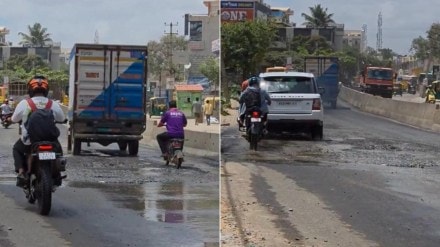
The Greater Bengaluru Authority (GBA) has issued a stern warning to all civic agencies and utility providers against unauthorised road-cutting across the city, citing safety hazards, traffic congestion, and long-term infrastructure damage. Authorities emphasised that any breach of the directive could attract strict penalties, including fines, suspension of work, and legal action, underscoring the administration’s commitment to maintaining Bengaluru’s road infrastructure.
The warning comes after several instances of haphazard road-cutting by multiple civic agencies, including water, electricity, and telecom service providers, which have disrupted traffic flow and delayed commuter movement. The GBA’s directive aims to ensure that road maintenance, utility upgrades, and excavation works are conducted in a coordinated, regulated, and transparent manner.
Urban planners pointed out that repeated unauthorised road-cutting has a cascading effect on city infrastructure, often damaging underground utilities such as sewer lines, stormwater drains, and fibre-optic networks. These secondary damages frequently go unnoticed until they result in flooding, service outages, or road cave-ins, increasing repair costs and public inconvenience. Authorities said coordinated planning is essential to prevent such hidden infrastructure failures.
Officials also acknowledged that citizens often bear the brunt of poor restoration practices following excavation works. In several cases, roads are left uneven or temporarily patched, creating accident-prone stretches for two-wheelers and pedestrians. The GBA has instructed agencies to ensure full restoration within stipulated timelines, failing which contractors may be blacklisted from future projects.
Traffic police officials have stressed that unauthorised road-cutting complicates traffic management, especially during peak hours. Sudden lane closures without prior intimation force last-minute diversions, leading to bottlenecks and increased risk of collisions. Authorities said advance coordination with traffic enforcement is non-negotiable and will be strictly monitored going forward.
Residents’ welfare associations across Bengaluru have welcomed the GBA’s warning, stating that poor coordination among civic agencies has long been a source of frustration. Many associations reported instances where newly asphalted roads were dug up within weeks for unrelated utility work, eroding public confidence in infrastructure planning and governance.
Experts in urban governance suggested that the directive could pave the way for a common utility corridor model, where water, electricity, telecom, and gas lines are placed within designated ducts. Such systems, already adopted in some global cities, significantly reduce the need for repeated road excavation and simplify maintenance without disrupting surface traffic.
The authority also plans to publish periodic compliance reports detailing approved road-cutting works, restoration status, and penalties imposed for violations. Officials said public disclosure would enhance transparency, deter non-compliance, and allow citizens to track infrastructure projects in their neighbourhoods more effectively.
Senior GBA officials reiterated that the warning should not be seen as an obstruction to development but as a necessary measure to ensure responsible urban growth. They emphasised that infrastructure expansion must go hand in hand with accountability, planning, and respect for public spaces, adding that the city’s long-term sustainability depends on disciplined civic coordination.
REASONS BEHIND THE CRACKDOWN
Officials highlighted that unauthorised road-cutting has become a recurring problem in Bengaluru, causing inconvenience to citizens and increasing the city’s maintenance costs. Excavations carried out without prior approval have led to waterlogging during monsoon, damaged roads, and prolonged traffic jams, affecting daily commuters and local businesses.
Authorities emphasised that proper permissions and coordination with civic bodies are essential for maintaining public safety and ensuring timely restoration of roads. Unplanned or unauthorised cutting not only endangers pedestrians and vehicles but also accelerates wear and tear of newly laid roads, undermining infrastructure investments.
The GBA noted that unauthorised works often bypass safety protocols, resulting in accidents and property damage. Officials warned that future violations would be treated as serious offences, with agencies held accountable for both administrative and financial liabilities.
DIRECTIVE AND ENFORCEMENT MEASURES
The authority’s directive mandates that all civic agencies must obtain prior permission before cutting or excavating roads. This includes submitting detailed project plans, duration of work, safety measures, and restoration schedules. Authorities will monitor compliance through inspections, digital tracking, and public reporting mechanisms.
Civic agencies have been instructed to use advanced technology, including GIS mapping and real-time monitoring, to plan and execute road works efficiently. Coordination with traffic police is also required to minimise disruption during excavation or repair activities.
Officials clarified that unauthorised work could result in immediate suspension of ongoing projects, cancellation of future contracts, and financial penalties. In cases of repeated violations, agencies may face stricter administrative or legal consequences, including criminal liability in extreme instances.
IMPACT ON CITIZENS AND TRAFFIC FLOW
The warning comes as a relief for commuters who frequently face delays due to unplanned road-cutting activities. Residents have long complained about potholes, incomplete repairs, and chaotic traffic caused by multiple agencies digging roads simultaneously without coordination.
Traffic management authorities noted that haphazard road-cutting not only disrupts normal traffic but also affects emergency services, school and office commutes, and public transport schedules. Authorities stressed that coordinated planning, adherence to schedules, and timely restoration are critical to ensure smooth traffic flow.
Public awareness campaigns are also being planned to educate citizens about reporting unauthorised road works. Authorities encouraged residents to notify local civic bodies if they observe unapproved digging or excavation, creating a participatory approach to city maintenance.
CIVIC AGENCY RESPONSE
Several civic agencies welcomed the directive, noting that formal coordination helps reduce confusion and ensures safer execution of works. Representatives emphasised that prior approval processes, while sometimes perceived as cumbersome, ultimately benefit agencies by avoiding delays, penalties, and public complaints.
Utility companies acknowledged that lack of communication between departments has historically led to overlapping projects, repeated excavation, and delayed restoration. They assured authorities that updated protocols would be implemented to comply with the GBA’s orders.
Officials from water, electricity, and telecom departments confirmed that they would review internal workflows, allocate dedicated teams for approvals, and adopt digital monitoring systems to ensure adherence to the directive. Coordination with municipal corporations is expected to become more structured to prevent future violations.
LEGAL AND ADMINISTRATIVE FRAMEWORK
The GBA’s warning is backed by existing municipal laws and urban development regulations that govern road cutting and maintenance. Legal experts emphasised that unauthorised excavation is considered a violation of municipal statutes and may involve both civil and criminal penalties.
Authorities cited instances where non-compliant agencies were held liable for restoration costs, fines, and compensation for accidents. Officials stressed that stringent enforcement ensures that public infrastructure investments are protected, reducing the burden on taxpayers and improving overall urban management.
By mandating formal permissions, inspection protocols, and coordinated execution, the GBA seeks to strengthen accountability, maintain service quality, and enhance citizen trust in civic administration.
CHALLENGES IN IMPLEMENTATION
Officials acknowledged challenges in enforcing the directive, including the volume of ongoing road projects, the multiplicity of agencies involved, and gaps in monitoring infrastructure. To overcome these, the GBA is implementing a digital permit system, tracking excavation requests, and deploying field inspectors to verify compliance.
Coordination meetings between civic agencies are being scheduled regularly to align project timelines, reduce overlapping works, and ensure safety measures are in place. Experts noted that such collaborative frameworks are essential in complex urban environments where multiple service providers operate simultaneously.
The authority also stressed the importance of citizen participation. Reporting mechanisms, mobile apps, and hotlines will allow residents to notify authorities of unauthorised work, enabling prompt corrective action and reinforcing civic accountability.
FUTURE OUTLOOK AND INFRASTRUCTURE PROTECTION
The crackdown on unauthorised road-cutting is expected to have long-term benefits for Bengaluru’s infrastructure. Proper planning, monitoring, and coordination will extend the lifespan of roads, reduce maintenance costs, and enhance public safety.
Experts believe that digital tracking, inspection protocols, and strict enforcement will serve as a model for other urban centres facing similar issues. By ensuring accountability and timely restoration, the city can maintain smoother traffic flow and improve quality of life for residents.
Authorities indicated that the directive is part of a larger urban governance strategy focused on integrated infrastructure management, citizen engagement, and sustainable city planning. Successful implementation is expected to strengthen public trust and set a precedent for future urban projects.
CONCLUSION: TOWARD ACCOUNTABLE URBAN MANAGEMENT
The GBA’s warning to civic agencies against unauthorised road-cutting underscores the need for accountability, planning, and collaboration in urban management. By enforcing strict regulations, monitoring compliance, and involving citizens in reporting, authorities aim to protect public infrastructure, ensure safety, and improve traffic management.
Officials emphasised that all civic agencies must adhere to protocols, obtain proper approvals, and coordinate projects efficiently to avoid penalties and legal repercussions. Public cooperation and timely reporting will also be critical in ensuring the directive’s effectiveness.
The initiative reflects a proactive approach to urban governance, combining regulatory enforcement, technological tools, and citizen participation. With these measures, Bengaluru aims to minimise infrastructure damage, reduce traffic disruptions, and create a safer, more organised urban environment.
As the city continues to grow and modernise, strict adherence to road-cutting regulations will play a pivotal role in maintaining the integrity of infrastructure, protecting public investments, and ensuring that residents experience a safer, smoother commute across the metropolitan area.
In a startling incident that has shaken local residents, authorities in Bengaluru are investigating a case in which a domestic worker is suspected of absconding with valuables worth ₹1.37 crore from the employer’s residence. The theft, reported earlier this week, has raised serious concerns about security, trust, and the vetting of household staff in urban households.
Authorities are also investigating whether the suspect had prior knowledge of the household’s security arrangements or if there were lapses that facilitated the theft. Forensic experts are examining the crime scene for fingerprints, footprints, and other clues that could lead to identifying the exact method of entry and escape. Preliminary findings suggest the suspect may have carefully studied the household routine before executing the theft.
The police have alerted nearby residential colonies, hotels, and transport hubs, providing descriptions and photographs of the domestic help. They are also monitoring public and private surveillance cameras in strategic locations to trace the suspect’s movements. Officers emphasised that community cooperation could prove crucial in apprehending the individual quickly.
Experts in urban security recommend that households employing domestic staff implement a system of checks and balances, including dual custody of high-value items, restricted access to sensitive areas, and regular audits. Such practices, while ensuring trust, help minimise the risk of theft and provide clear accountability in case of incidents.
Residents have begun discussing collective measures such as neighbourhood watch programs and information sharing regarding domestic help employment. By coordinating efforts at the community level, they aim to increase vigilance and prevent similar occurrences, creating a safer environment for families and households.
Legal analysts pointed out that the high-value nature of this case may set a precedent for stricter verification and monitoring of domestic staff across the city. Authorities are likely to encourage households to formalise employment agreements, maintain proper documentation, and follow transparent hiring practices to avoid repeat incidents in the future.
The employer, who wishes to remain anonymous, reported the incident to the local police after discovering that expensive jewellery, cash, and other high-value items were missing. According to officials, preliminary investigations suggest that the domestic help may have meticulously planned the theft, taking advantage of moments when the house was unattended.
DETAILS OF THE INCIDENT
The missing valuables reportedly include gold jewellery, luxury watches, cash, and electronic devices. Police sources indicated that the estimated total value of the stolen items amounts to ₹1.37 crore. The employer discovered the theft upon returning home, prompting immediate reporting to authorities.
Investigating officers revealed that the domestic worker had been employed at the residence for several months. While there were no previous complaints or irregularities reported, the suspect reportedly had access to areas where valuables were stored. Police suspect that careful observation of the household routine enabled the suspect to plan and execute the theft without immediate detection.
Authorities confirmed that the suspect is currently untraceable, with indications that they may have fled the city or possibly moved out of Karnataka. Police have appealed to the public and travel hubs to remain alert, providing descriptions and identification details of the missing domestic help.
POLICE INVESTIGATION AND MEASURES
The local police have registered a formal complaint under relevant sections of the Indian Penal Code, including theft and criminal breach of trust. Investigators are conducting thorough inquiries, including examining CCTV footage, tracing digital transactions, and interviewing household staff, neighbours, and relatives to gather evidence.
Police officials emphasised that swift action is being taken to apprehend the suspect. They are coordinating with neighbouring police stations, railway authorities, and airport security to prevent the suspect from evading capture. Additionally, teams are examining whether the theft involved any accomplices or outside help.
Forensic experts are being consulted to assess fingerprints, footprints, and other physical evidence at the crime scene. Authorities indicated that a detailed inventory of missing items has been compiled to aid in recovery efforts. Alerts have been issued to pawn shops, jewellery dealers, and online marketplaces to track any attempt to liquidate the stolen valuables.
IMPACT ON THE LOCAL COMMUNITY
The incident has caused widespread concern among residents, highlighting vulnerabilities associated with employing domestic help. Many households are now reviewing their own security arrangements, including safes, surveillance systems, and employee vetting procedures.
Social organisations and residential associations have urged residents to exercise caution and adopt strict background verification measures before hiring domestic help. Experts suggest that in addition to checking references, households should conduct police verification and maintain digital or written records of employment contracts.
The case has also sparked discussions on ethical employment practices and trust in employer-employee relationships. While most domestic workers are law-abiding, incidents like this underscore the importance of balancing trust with security measures in households employing staff with access to high-value assets.
Authorities are also investigating whether the suspect had prior knowledge of the household’s security arrangements or if there were lapses that facilitated the theft. Forensic experts are examining the crime scene for fingerprints, footprints, and other clues that could lead to identifying the exact method of entry and escape. Preliminary findings suggest the suspect may have carefully studied the household routine before executing the theft.
The police have alerted nearby residential colonies, hotels, and transport hubs, providing descriptions and photographs of the domestic help. They are also monitoring public and private surveillance cameras in strategic locations to trace the suspect’s movements. Officers emphasised that community cooperation could prove crucial in apprehending the individual quickly.
Experts in urban security recommend that households employing domestic staff implement a system of checks and balances, including dual custody of high-value items, restricted access to sensitive areas, and regular audits. Such practices, while ensuring trust, help minimise the risk of theft and provide clear accountability in case of incidents.
Residents have begun discussing collective measures such as neighbourhood watch programs and information sharing regarding domestic help employment. By coordinating efforts at the community level, they aim to increase vigilance and prevent similar occurrences, creating a safer environment for families and households.
Legal analysts pointed out that the high-value nature of this case may set a precedent for stricter verification and monitoring of domestic staff across the city. Authorities are likely to encourage households to formalise employment agreements, maintain proper documentation, and follow transparent hiring practices to avoid repeat incidents in the future.
SECURITY AND PREVENTIVE STRATEGIES
Security consultants recommend installing comprehensive surveillance systems, safes with biometric locks, and routine security audits to reduce the risk of theft. Additionally, keeping detailed inventories of valuable items and regularly updating them can assist authorities in case of theft.
Experts emphasised the importance of digital vigilance as well, including monitoring of bank accounts, online transactions, and suspicious communications. They also recommended training household members to detect unusual behaviour or irregularities, which can be critical in preventing major losses.
Authorities further suggested that maintaining a cordial yet professional relationship with domestic staff, alongside clear rules regarding access to valuables, can help create a transparent work environment and reduce the likelihood of trust breaches.
LEGAL AND POLICE RESPONSE
The police have confirmed that the investigation is being treated as a high-priority case due to the value of the stolen property. Officers are coordinating with legal authorities to ensure swift filing of charges once the suspect is apprehended.
Legal experts noted that under Indian law, theft by domestic employees falls under criminal breach of trust, punishable with rigorous imprisonment and fines depending on the severity of the case. If accomplices or organised elements are involved, charges may extend to criminal conspiracy, further increasing legal consequences.
Authorities also assured the public that efforts are underway to trace and recover the stolen property. Police are employing both traditional investigative methods and modern technology, including social media monitoring and digital forensics, to locate the suspect and secure evidence.
STUDENT AND RESIDENT PERSPECTIVES
Local residents expressed shock and concern following the news. “It’s unnerving to think that someone inside the house could take such valuable items,” said a neighbour. “We are now more careful about who we trust, even with long-standing domestic help.”
Educational institutions and professional bodies have also highlighted the broader implications of such incidents for employment ethics and urban security. Students and young professionals residing independently are being advised to exercise caution and implement personal security measures when hiring household staff or sharing living spaces with service providers.
CHALLENGES IN TRACKING DOMESTIC WORKERS
Police officials acknowledged that tracing domestic help, particularly if they leave the city, can be challenging. Factors such as lack of formal contracts, absence of digital footprints, and the transient nature of employment complicate investigations.
Authorities are therefore urging households to maintain proper documentation, including identification proofs, employment agreements, and references, which can significantly aid in tracking and prosecuting suspects in such cases.
FUTURE PREVENTIVE MEASURES
Following the incident, experts have suggested broader measures for households employing domestic help. These include formal registration of domestic workers, routine verification through local authorities, and maintaining a centralised record system at the residential association level.
Awareness campaigns and workshops on household security, fraud prevention, and safe employment practices are also being proposed. Such initiatives aim to prevent similar incidents and create a safer environment for both employers and employees.
CONCLUSION: A CAUTIONARY TALE
The ₹1.37 crore theft by suspected domestic help in Bengaluru serves as a stark reminder of the importance of vigilance, proper vetting, and robust security measures in urban households. Authorities continue their search for the suspect, coordinating across multiple jurisdictions to ensure recovery of the stolen property and bring the perpetrator to justice.
Residents are urged to remain alert, maintain secure storage for valuables, and adopt preventive measures to reduce the risk of similar incidents. While most domestic workers are trustworthy, this case highlights the critical need for balance between trust and precaution in household employment.
Legal authorities have reiterated that any individual found guilty of theft, particularly involving high-value items, will face stringent punishment under Indian law. Meanwhile, the local police continue their investigation, leaving no stone unturned in tracking the suspect and recovering the missing valuables.
The incident has sparked conversations about urban safety, domestic employment protocols, and the necessity of integrating security consciousness into daily routines. Experts stress that with vigilance, proper documentation, and modern security practices, households can safeguard themselves against potential breaches of trust while maintaining ethical employment practices.
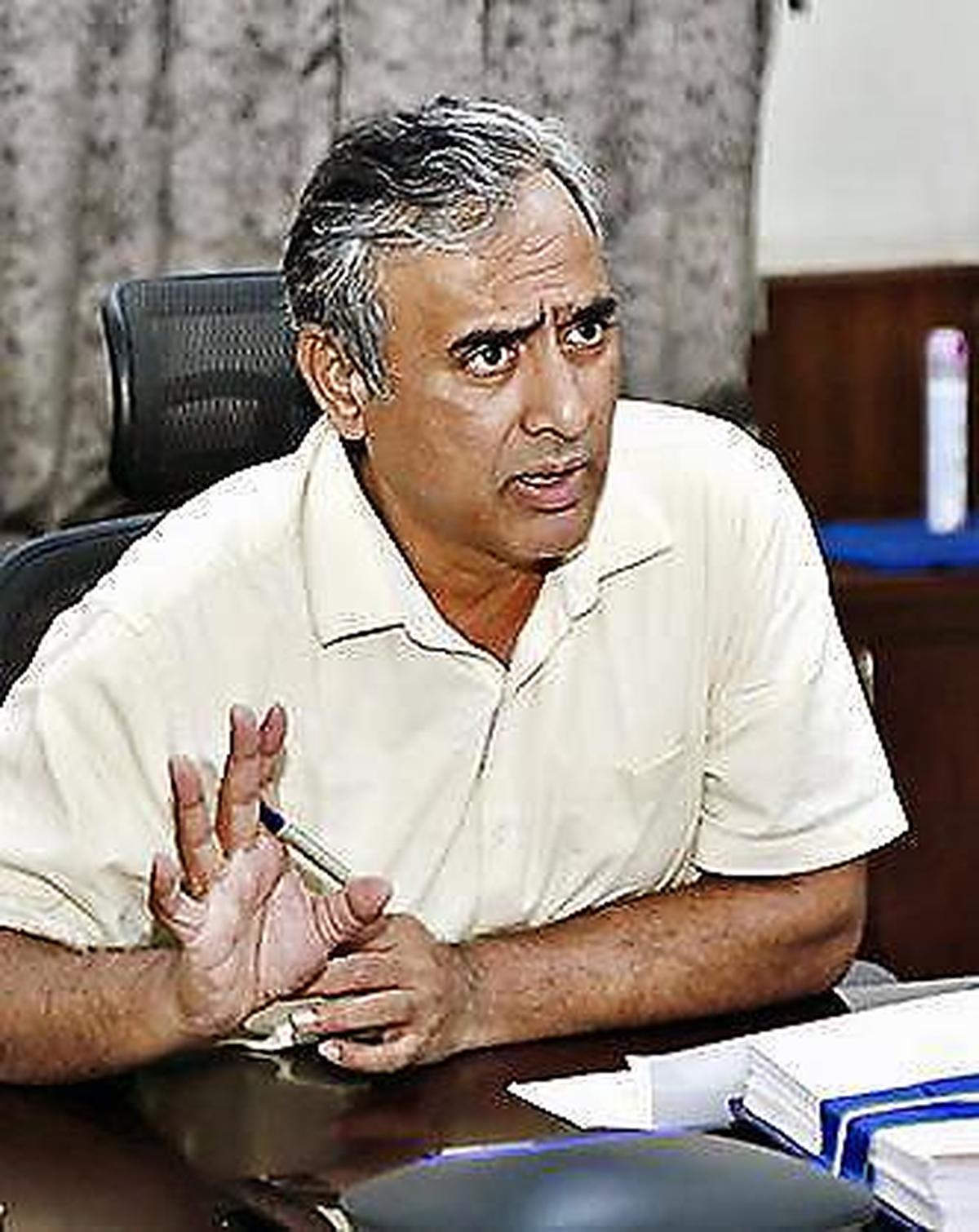
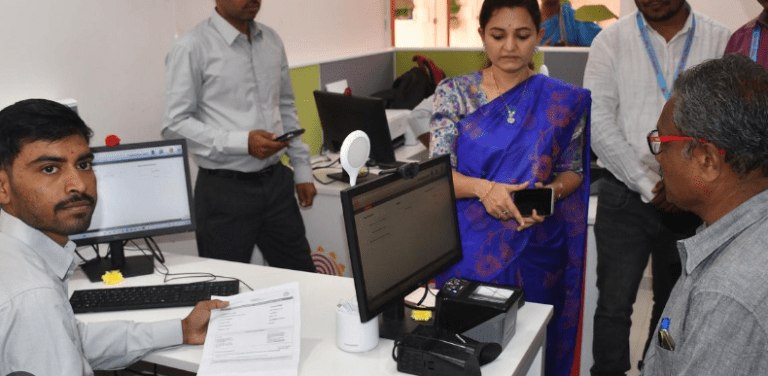
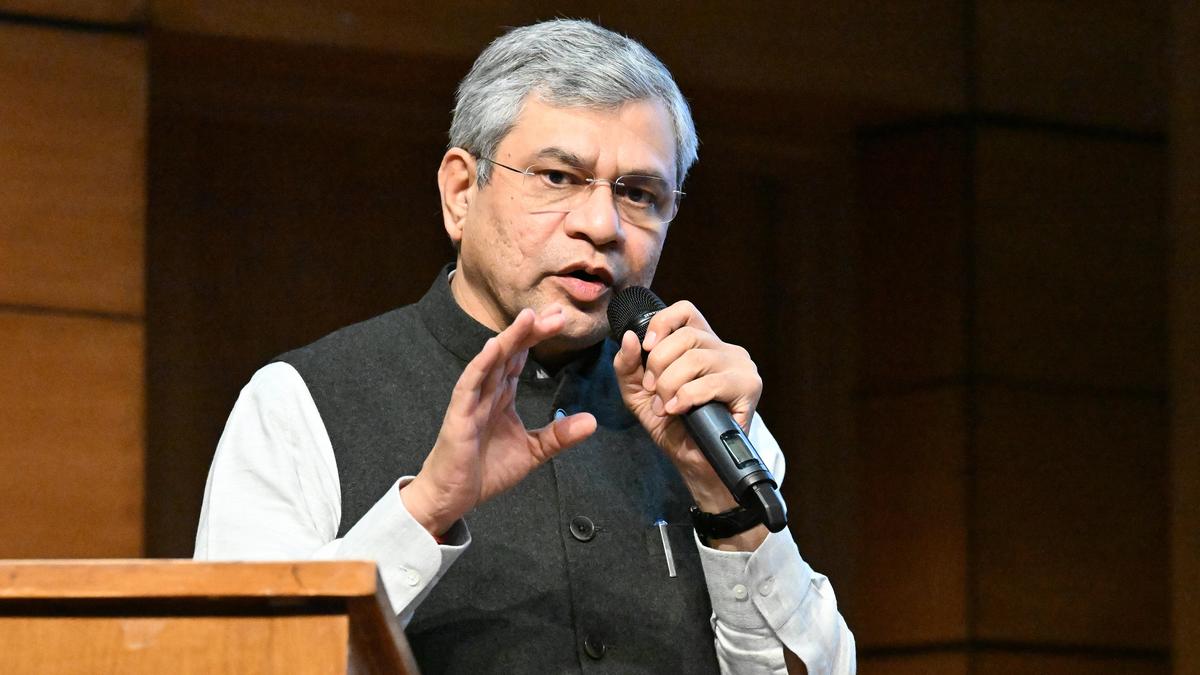
In a significant move aimed at improving citizen services and streamlining Aadhaar-related processes, a dedicated Aadhaar Seva Kendra (ASK) will soon be established in Dharwad, Union Minister for Electronics and Information Technology announced on Thursday. The initiative is part of a broader effort to enhance access to Aadhaar services, reduce bureaucratic delays, and make identity-related services more convenient for residents in the region.
The minister highlighted that Dharwad, being an important administrative and educational hub in Karnataka, has seen a growing demand for Aadhaar enrolment, updates, and related services. Currently, citizens often have to travel to nearby urban centres or wait for mobile camps to complete Aadhaar processes, resulting in time loss and inconvenience. The new facility aims to address these challenges by providing a permanent, easily accessible centre for residents.
OBJECTIVES AND EXPECTED BENEFITS
The dedicated Aadhaar Seva Kendra in Dharwad will cater to a variety of services, including new enrolments, demographic updates, biometric updates, and corrections to existing Aadhaar records. Authorities emphasised that the centre will operate with trained personnel, modern equipment, and digital infrastructure to ensure efficient service delivery.
Union Minister officials noted that one of the key objectives is to reduce long queues, processing delays, and dependency on temporary enrolment drives. The centre will enable residents to complete their Aadhaar-related tasks in a single visit, significantly improving convenience, efficiency, and citizen satisfaction.
The initiative is expected to benefit a wide spectrum of residents, including students, senior citizens, government employees, and beneficiaries of social welfare schemes that require Aadhaar authentication. By establishing a permanent facility, authorities aim to create a sustainable and reliable service infrastructure for the community.
IMPLEMENTATION AND INFRASTRUCTURE
Officials clarified that the Aadhaar Seva Kendra will be equipped with advanced biometric devices, secure data management systems, and trained staff capable of handling high volumes of applicants. The facility will also include waiting areas, online appointment systems, and dedicated counters to ensure smooth service flow.
The Union Ministry has directed the local administration to coordinate with the Unique Identification Authority of India (UIDAI) for timely setup, staffing, and operational readiness. The minister stressed that Dharwad residents should be able to access services without undue delay, and the centre will serve as a model for other tier-2 cities in Karnataka.
Authorities also announced that digital platforms and appointment systems will complement the physical centre. Citizens will have the option to book time slots online, reducing wait times and ensuring orderly service. The combination of digital and in-person infrastructure is expected to streamline Aadhaar operations and improve overall efficiency.
STAKEHOLDER REACTIONS
Residents of Dharwad welcomed the announcement, noting that access to Aadhaar services has long been a challenge. “It is often difficult to travel to other cities for updates or enrolment, especially for elderly citizens and students. Having a dedicated centre here will save us time and effort,” said a local resident.
Local government officials also expressed support, highlighting the positive impact on administrative efficiency. The centre is expected to reduce dependency on temporary camps, mobile units, and external service providers, ensuring consistent service quality. Authorities emphasised that this initiative will strengthen the Aadhaar ecosystem and improve citizen trust in government services.
Officials confirmed that the centre will also cater to citizens requiring Aadhaar authentication for linking with government schemes, banking services, and mobile connections. With the increasing reliance on Aadhaar for e-governance, the dedicated facility will ensure residents can complete such processes quickly, without facing long waits or repeated visits to multiple offices.
Union Ministry representatives highlighted plans for periodic audits and feedback collection to monitor service quality. Residents will be encouraged to provide feedback through digital platforms or on-site kiosks, allowing authorities to address grievances, identify bottlenecks, and continuously improve operational efficiency.
Local civic bodies have pledged to support the initiative by providing infrastructure assistance, ensuring accessibility, and coordinating public awareness campaigns. Authorities emphasised that collaboration between central, state, and local bodies is essential to guarantee smooth operations and maximize the centre’s benefits for citizens.
Experts suggested that the Dharwad centre could become a model for other district-level Aadhaar facilities across India. By integrating technology, efficient management, and citizen-centric design, the facility demonstrates how digital governance initiatives can be scaled effectively, ensuring convenience, transparency, and accountability in public service delivery.
Experts, residents, and civil society groups welcomed the initiative, noting that it sets a precedent for other cities and demonstrates a practical approach to addressing service delivery challenges. By combining technology, administrative efficiency, and citizen engagement, the Aadhaar Seva Kendra in Dharwad is expected to strengthen the Aadhaar ecosystem and support the state’s digital governance objectives.
With the centre slated to begin operations in the coming months, residents of Dharwad can look forward to a seamless, efficient, and citizen-friendly experience for all Aadhaar-related services. Authorities emphasised that the initiative is a step toward more inclusive, accessible, and responsive governance for all.
Civil society groups welcomed the move as a step toward greater inclusivity. By providing permanent access to Aadhaar services, the government ensures that all residents, particularly those in remote or underserved areas, can benefit from identity-related facilities without facing logistical barriers.
POLICY CONTEXT AND NATIONAL INITIATIVE
The establishment of a dedicated Aadhaar Seva Kendra in Dharwad aligns with UIDAI’s national objectives to expand access to Aadhaar services across urban and rural India. The government has prioritised the creation of permanent centres in key locations to ensure that Aadhaar enrolment, updates, and verification services are available consistently.
The Aadhaar initiative serves as a foundational digital identity platform for several government schemes, including direct benefit transfers, welfare program enrolment, and financial inclusion. Ensuring easy access to Aadhaar services is crucial to maintaining the integrity and effectiveness of these programs.
Union Minister officials noted that similar centres have been successfully established in other cities, resulting in reduced wait times, improved service quality, and higher citizen satisfaction. The Dharwad centre is expected to replicate these successes and provide a benchmark for service delivery in tier-2 and tier-3 cities.
TECHNOLOGICAL AND OPERATIONAL FEATURES
The dedicated Aadhaar Seva Kendra will employ advanced biometric authentication devices, secure servers, and cloud-based data management systems. Trained staff will assist citizens with enrolment, demographic updates, and biometric verification, ensuring accurate and timely processing of requests.
The centre will also integrate with UIDAI’s digital platforms, enabling citizens to track applications, receive notifications, and access Aadhaar-related information online. Authorities emphasised that the combination of digital and physical infrastructure will enhance transparency, reduce errors, and ensure compliance with privacy and security standards.
Officials also highlighted the importance of citizen education and awareness. Public outreach programs, workshops, and informational campaigns will guide residents on how to use Aadhaar services efficiently, maintain data accuracy, and understand the role of Aadhaar in accessing government services.
CHALLENGES AND MITIGATION STRATEGIES
While the initiative has been welcomed, authorities acknowledged potential challenges, including high demand during the initial months, maintenance of equipment, and ensuring trained personnel are available at all times. To address these, the centre will adopt an appointment-based system, staggered service hours, and dedicated maintenance teams to ensure uninterrupted operations.
Local administration will monitor performance indicators such as average processing time, error rates, and citizen feedback to continuously improve service quality. Officials stressed that the government remains committed to ensuring that the Aadhaar Seva Kendra in Dharwad meets national service standards and operates efficiently from day one.
FUTURE OUTLOOK AND EXPANSION PLANS
The Union Ministry indicated that the Dharwad Aadhaar Seva Kendra is part of a broader strategy to expand permanent Aadhaar facilities across Karnataka. Similar centres are planned in other tier-2 cities to ensure comprehensive access to enrolment and update services for all residents.
Experts believe that establishing dedicated centres will strengthen digital governance, improve public service delivery, and enhance citizen satisfaction. By providing easy access to Aadhaar services, the government aims to reduce administrative bottlenecks, improve compliance, and support welfare programs that rely on digital identity verification.
The Dharwad centre is expected to handle thousands of applications monthly, providing efficient, accurate, and timely Aadhaar services. Authorities emphasised that the initiative demonstrates the government’s commitment to citizen-centric governance and the effective use of technology to streamline administrative processes.
CONCLUSION: A CITIZEN-CENTRIC INITIATIVE
The announcement of a dedicated Aadhaar Seva Kendra in Dharwad marks a milestone in improving access to essential identity services. With modern infrastructure, trained staff, and integration with digital platforms, the centre is expected to provide efficient, reliable, and convenient Aadhaar services for residents.
Union Minister officials reiterated that citizen convenience, transparency, and service quality remain top priorities. The establishment of the centre reflects the government’s broader vision of enhancing digital governance, promoting inclusivity, and ensuring that all residents can access essential services without undue hardship.
Experts, residents, and civil society groups welcomed the initiative, noting that it sets a precedent for other cities and demonstrates a practical approach to addressing service delivery challenges. By combining technology, administrative efficiency, and citizen engagement, the Aadhaar Seva Kendra in Dharwad is expected to strengthen the Aadhaar ecosystem and support the state’s digital governance objectives.
With the centre slated to begin operations in the coming months, residents of Dharwad can look forward to a seamless, efficient, and citizen-friendly experience for all Aadhaar-related services. Authorities emphasised that the initiative is a step toward more inclusive, accessible, and responsive governance for all.
In a landmark move to address water scarcity and promote sustainable industrial growth, the Bangalore Water Supply and Sewerage Board (BWSSB) has issued tenders to provide tertiary treated water to the Peenya Industrial Area, one of the largest industrial hubs in Bengaluru. The initiative marks a significant step toward resource-efficient water management and reflects the state’s commitment to supporting industries while conserving freshwater resources.
The BWSSB’s tender invites qualified contractors and private partners to supply tertiary treated water to industrial units, aiming to replace a portion of the groundwater and municipal water currently used in Peenya. The move is expected to ease pressure on the city’s freshwater supply and promote the adoption of recycled water for industrial processes, which often consume large volumes of water daily.
RATIONALE AND STRATEGIC OBJECTIVES
Peenya Industrial Area hosts thousands of factories and workshops, spanning sectors such as manufacturing, textiles, electronics, and metal processing. With rapid urbanisation and industrial expansion, water demand in the area has surged, putting immense pressure on groundwater reserves. Authorities noted that the over-extraction of groundwater has led to a decline in water tables, increased pumping costs, and environmental concerns.
By supplying tertiary treated water—water that has undergone extensive purification beyond secondary treatment—BWSSB aims to ensure that industries have a reliable and sustainable water source. Tertiary treated water is suitable for industrial use, cooling, cleaning, and other non-potable purposes, allowing freshwater reserves to be preserved for domestic consumption.
The initiative aligns with Karnataka’s broader water conservation and urban sustainability policies, which prioritise the reuse of treated wastewater to meet industrial and municipal demands. Experts emphasise that such measures are critical in rapidly growing urban centres like Bengaluru, where water scarcity poses a persistent challenge.
TENDER DETAILS AND PROCUREMENT PROCESS
BWSSB officials stated that the tender will be open to private contractors, water utility firms, and public-private partnerships capable of supplying treated water at the scale required for Peenya’s industries. The tender specifies the supply of several million litres per day, with infrastructure, distribution, and maintenance requirements clearly outlined.
Interested parties are expected to demonstrate technical capability, financial stability, and adherence to environmental and safety regulations. Officials emphasised that rigorous evaluation will ensure that only competent organisations are awarded contracts, with strict penalties for non-compliance or service disruptions.
The procurement process includes pre-bid meetings, technical and financial evaluations, and phased implementation plans. BWSSB stressed that transparency and accountability will be maintained throughout, with regular reporting and monitoring of water quality, distribution efficiency, and service continuity.
INDUSTRY IMPACT AND EXPECTATIONS
Industrial stakeholders have welcomed the move, highlighting the potential for reduced operational costs, reliable water supply, and compliance with environmental regulations. Industries in Peenya have long faced challenges due to intermittent municipal water supply and over-reliance on groundwater, which is increasingly unsustainable.
“The availability of tertiary treated water will allow industries to plan production schedules more efficiently, reduce dependency on borewells, and cut costs related to water procurement and treatment,” said a representative of a manufacturing association in Peenya. The initiative is expected to enhance productivity and support the industrial ecosystem by providing a sustainable, cost-effective water solution.
Experts also noted that adopting tertiary treated water aligns with global best practices in industrial water management. Many leading industrial clusters worldwide have implemented wastewater reuse strategies to conserve freshwater and reduce environmental impact, ensuring long-term sustainability.
ENVIRONMENTAL AND SUSTAINABILITY BENEFITS
From an environmental perspective, the project is expected to reduce groundwater depletion, preserve aquatic ecosystems, and decrease the energy required for pumping and treatment of freshwater. Tertiary treated water is often rich in nutrients and safe for non-potable industrial use, reducing the ecological footprint of industrial operations.
Officials emphasised that the initiative is part of Karnataka’s larger commitment to sustainable urban water management. By promoting the reuse of treated wastewater, the government seeks to balance economic growth with ecological responsibility, demonstrating that industrial development and environmental conservation can go hand in hand.
The use of tertiary treated water also mitigates the risk of over-extraction-related land subsidence, reduces contamination of natural water bodies, and fosters awareness among industries regarding responsible water practices. Experts suggest that such projects serve as models for other industrial clusters across the country facing similar water challenges.
INFRASTRUCTURE AND LOGISTICS
BWSSB plans to deploy dedicated pipelines, pumping stations, and storage facilities to transport treated water from sewage treatment plants to Peenya. Authorities confirmed that the project will be implemented in phases, beginning with high-demand zones and gradually expanding to cover the entire industrial area.
Monitoring systems, including flow meters, water quality sensors, and automated reporting tools, will be installed to ensure compliance with contractual obligations and water quality standards. Authorities emphasised that these measures will guarantee consistent supply, prevent leakage, and maintain operational efficiency.
The government has also stressed the importance of stakeholder engagement, with industries expected to collaborate in planning water use, maintaining pipelines, and promoting water conservation practices within their premises. Regular workshops and training sessions will be conducted to ensure that all users understand the protocols for handling tertiary treated water safely and efficiently.
CHALLENGES AND MITIGATION STRATEGIES
While the project offers significant benefits, officials acknowledged potential challenges, including infrastructure costs, maintenance requirements, and the need to ensure uninterrupted supply. To address these, BWSSB plans to implement robust contract management, periodic audits, and contingency measures to prevent service disruption.
Authorities also noted that public awareness and industry cooperation are critical. Educating factory managers, staff, and maintenance teams on proper handling and utilisation of tertiary treated water will help prevent contamination and ensure sustainability of the initiative.
Experts suggest that successful implementation in Peenya could pave the way for replicating similar projects in other industrial clusters across Karnataka, including Whitefield, Bommasandra, and Jigani, supporting the state’s long-term water conservation and industrial growth objectives.
POLICY IMPLICATIONS AND GOVERNMENT STRATEGY
The move is consistent with Karnataka’s broader water policy, which emphasises reuse, conservation, and efficient management of urban water resources. Authorities have identified industrial water demand as a priority area, recognising that sustainable solutions are essential to meet the needs of a growing urban-industrial population.
By formalising tertiary treated water supply through structured contracts, the government aims to create a transparent, accountable, and replicable model for industrial water management. Officials hope that this initiative will also incentivise industries to adopt water-efficient practices, reducing overall consumption and contributing to environmental stewardship.
FUTURE OUTLOOK AND EXPECTATIONS
BWSSB officials indicated that once operational, the project could supply several million litres of tertiary treated water per day, substantially reducing reliance on freshwater sources. The initiative is expected to enhance industrial resilience, provide economic benefits, and strengthen Karnataka’s reputation as a hub for sustainable industrial development.
Stakeholders are optimistic that the project will set a benchmark for public-private collaboration in urban water management. By demonstrating that treated wastewater can be effectively utilised for industrial purposes, Karnataka could inspire similar initiatives in other cities facing water stress.
The tendering process is expected to conclude within the next few months, after which detailed implementation plans, including pipeline routes, storage infrastructure, and operational timelines, will be finalised. Authorities have assured that the project will comply with environmental, safety, and quality standards throughout.
CONCLUSION: A SUSTAINABLE VISION FOR INDUSTRY AND WATER
The BWSSB’s initiative to supply tertiary treated water to Peenya Industrial Area represents a forward-looking approach to urban water management, combining industrial growth with ecological responsibility. By regulating supply, promoting recycling, and engaging stakeholders, the government aims to create a sustainable model that benefits industries, conserves freshwater, and enhances the city’s resilience to water scarcity.
Officials emphasised that long-term success will depend on collaboration between government agencies, industries, and the community. Regular monitoring, adherence to standards, and proactive management will ensure that the project meets both industrial and environmental objectives.
The initiative also underscores the state’s commitment to innovative solutions for urban challenges. By pioneering tertiary treated water supply for industrial use, Karnataka positions itself as a leader in sustainable industrial development and resource management, paving the way for other regions to adopt similar strategies in response to growing water stress.
Officials clarified that the use of tertiary treated water will also support the government’s broader goal of reducing industrial pollution. By diverting treated wastewater for industrial use, less untreated or partially treated effluent is discharged into rivers and lakes, helping improve water quality in Bengaluru’s urban water bodies. Environmentalists have welcomed this aspect, noting that the initiative could significantly reduce the ecological footprint of the city’s industrial zones.
BWSSB also indicated plans to implement a tiered pricing structure for the tertiary treated water supply. Industries with higher consumption may be charged a marginally higher rate, while smaller factories could benefit from subsidised rates to encourage adoption. Officials said this approach balances cost recovery with affordability and ensures that the scheme is financially sustainable over the long term.
In addition to water supply, the project is expected to generate employment opportunities in pipeline construction, water treatment plant maintenance, and monitoring operations. Authorities highlighted that the initiative would not only contribute to industrial efficiency but also provide indirect benefits to local communities by creating jobs and supporting ancillary services.
Experts emphasised that the success of the project will hinge on continuous monitoring and adherence to water quality standards. BWSSB officials have committed to regular testing, real-time reporting, and transparency to ensure that the tertiary treated water meets all safety and industrial specifications. This will also serve as a model for other industrial clusters across Karnataka looking to adopt sustainable water management practices.
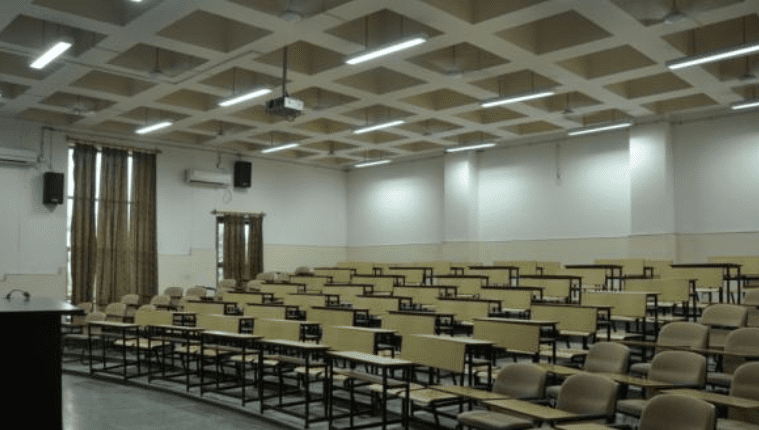
In a decisive move aimed at balancing student demand and industry requirements, the Karnataka government has announced plans to introduce regulations to cap the intake of computer science and related engineering courses in colleges across the state. The decision comes amid concerns over the rapidly increasing number of students enrolling in computer science, information technology, and related engineering streams, often exceeding industry absorption capacity and leading to underemployment among graduates.
Officials clarified that the intake regulations will also consider regional disparities in educational access. Colleges in rural or semi-urban areas that traditionally have fewer students may be allowed slightly higher flexibility to accommodate local demand, provided they meet infrastructure and faculty standards. This approach aims to prevent disadvantaging students in underserved areas while maintaining overall quality standards.
The government has also indicated that the policy will encourage colleges to strengthen research and innovation initiatives. By limiting the number of students, institutions can dedicate more resources toward advanced laboratories, collaborative projects with industry, and skill development programs. This focus is expected to enhance practical exposure and employability of graduates.
Industry experts noted that this move could foster more targeted career guidance for students. By regulating intake, colleges can provide personalised mentorship, counselling, and placement support to ensure that students are aware of emerging fields, skill requirements, and realistic career prospects in the IT and engineering sectors.
Student organisations have welcomed the decision but emphasised that transparency in admission processes and clear communication of intake limits are essential. They suggested that official portals, frequent updates, and student feedback mechanisms be implemented to avoid confusion, ensure fairness, and maintain trust between students, colleges, and authorities.
Finally, policymakers stressed that the regulations are part of a long-term vision to align Karnataka’s higher education system with global standards. By producing fewer but highly skilled graduates, the state aims to meet industry needs, reduce underemployment, and maintain Karnataka’s position as a leading hub for technology and innovation in India. The government plans to review the policy periodically, taking feedback from industry, academia, and students to refine intake limits and ensure the system remains dynamic and responsive.
The announcement was made by the Higher Education Department following consultations with universities, industry representatives, and academic experts. Officials emphasised that while computer science and IT education remain critical to Karnataka’s economic and technological growth, unregulated expansion of student intake could undermine both academic quality and employment prospects for graduates.
RATIONALE FOR THE MOVE AND POLICY CONTEXT
The state government’s decision is based on multiple factors, including rising enrollment numbers, limited faculty availability, infrastructural constraints, and mismatched industry demand. Recent reports indicate that colleges across Karnataka have seen a surge in applications for computer science and related streams, with some institutions admitting students far beyond recommended capacities. This has led to overcrowded classrooms, strained lab facilities, and declining educational standards.
Authorities highlighted that unbalanced enrollment trends have contributed to a growing challenge of underemployed graduates. Despite possessing technical degrees, many students struggle to secure jobs aligned with their skills due to oversupply in certain streams and lack of practical, industry-relevant training. By regulating intake, the government aims to align higher education outputs with the needs of Karnataka’s evolving tech sector.
The Higher Education Department indicated that the policy would focus on both undergraduate and postgraduate courses in computer science, artificial intelligence, data science, and related disciplines. Officials stressed that capping intake would not reduce opportunities for students but rather ensure quality education, adequate infrastructure, and enhanced employability.
STEPS TOWARD IMPLEMENTATION
The government plans to introduce regulations in consultation with the Karnataka Examination Authority, universities, and technical education boards. Key measures under consideration include:
Establishing maximum intake limits for undergraduate and postgraduate computer science courses.
Ensuring adequate faculty-student ratios to maintain high-quality teaching.
Reviewing infrastructure requirements, including labs, libraries, and digital resources.
Monitoring admission processes to prevent over-enrollment and maintain academic standards.
Officials indicated that colleges exceeding recommended intake limits will be required to comply with new regulations within a specified timeline. Failure to adhere to prescribed norms may result in restrictions on admissions, withdrawal of approvals, or other administrative actions.
INDUSTRY PERSPECTIVES AND EMPLOYABILITY
Industry representatives have welcomed the government’s move, noting that aligning educational output with market demand is essential for sustainable economic growth. A leading tech industry analyst said, “We are witnessing a mismatch between the number of computer science graduates and the available opportunities in the industry. Capping intake ensures that students receive quality education while employers gain access to skilled professionals who are truly industry-ready.”
Employers emphasised that quality matters more than quantity when it comes to technical education. Oversized batches, limited hands-on training, and insufficient mentorship often leave graduates underprepared for real-world projects. By regulating student intake, companies can expect graduates who are better equipped with both theoretical knowledge and practical skills.
Additionally, experts suggest that this move will encourage students to consider diverse streams within engineering and technology, rather than concentrating disproportionately on computer science. Fields such as mechanical, civil, electronics, and emerging interdisciplinary areas may receive renewed interest, promoting balanced growth in Karnataka’s technical workforce.
ACADEMIC AND STUDENT RESPONSE
Colleges and universities have expressed cautious optimism, acknowledging the need to maintain academic quality while ensuring equitable access to education. Academic administrators highlighted that intake regulations should be paired with initiatives to improve curriculum, faculty development, and research opportunities.
Student representatives emphasised that clear communication, transitional provisions, and fair admission policies are essential. They noted that while capping intake can enhance quality, it should not unduly limit opportunities for meritorious students. Authorities assured that the policy would be implemented transparently, with periodic reviews to accommodate changing demand patterns.
Experts also suggested complementary measures such as industry internships, skill development programs, and advanced lab facilities. These initiatives can enhance employability even as student intake is capped, ensuring that graduates are not only academically qualified but also ready for professional challenges.
REGULATORY FRAMEWORK AND GOVERNMENT OVERSIGHT
The Higher Education Department plans to frame guidelines under the existing technical education regulations. Universities will be required to monitor compliance, report admission data, and ensure that intake limits are adhered to. Inspections, audits, and performance evaluations will form part of the oversight mechanism, reinforcing accountability.
Officials stressed that these measures are aligned with national policies aimed at improving the quality of technical education. By establishing intake limits, Karnataka hopes to set an example for other states struggling with similar challenges, promoting a balanced approach to technical workforce development.
Legal and regulatory experts have noted that such regulations must be clearly defined to prevent disputes and ensure smooth implementation. Guidelines will include provisions for exceptions, review processes, and dispute resolution, ensuring that colleges can adapt while maintaining academic standards.
FUTURE IMPLICATIONS AND SECTORAL IMPACT
Capping intake in computer science and related courses is expected to have wide-ranging implications. Students may explore interdisciplinary programs, emerging technologies, or skill-based certifications, broadening career opportunities. Colleges may focus more on quality teaching, research, and student support, rather than merely expanding enrollment.
Industry observers believe that this policy could strengthen Karnataka’s reputation as a hub for skilled technical professionals. By producing graduates with both knowledge and practical skills, the state can meet the growing demands of IT, software development, artificial intelligence, and data-driven industries.
The government also indicated plans to monitor employment trends and graduate performance post-implementation. Feedback from industry, alumni, and academic institutions will guide periodic revisions of intake limits, ensuring that regulations remain relevant and effective over time.
CHALLENGES AND MITIGATION STRATEGIES
Authorities acknowledge potential challenges in enforcing intake limits, including resistance from private colleges, transitional issues for current students, and ensuring fair admission practices. To address these concerns, the government plans extensive consultations with stakeholders, transparent communication, and phased implementation to minimise disruption.
Monitoring mechanisms will include digital reporting of admission data, regular inspections, and evaluation of faculty and infrastructure. Colleges will be provided guidance and support to meet requirements, ensuring compliance while maintaining operational flexibility.
Stakeholders also emphasised the need for complementary skill development programs, industry linkages, and research initiatives. By integrating practical training, internships, and innovation-focused projects, colleges can enhance student employability even with controlled intake.
LOOKING AHEAD
The Karnataka government’s decision to regulate computer science and related engineering courses reflects a broader commitment to sustainable, quality-driven higher education. Ministerial officials stressed that the policy seeks to balance student aspirations, industry requirements, and institutional capacities.
Experts note that careful implementation, ongoing monitoring, and stakeholder collaboration will be key to achieving desired outcomes. By prioritising quality over quantity, Karnataka hopes to produce graduates who are academically competent, industry-ready, and capable of contributing meaningfully to the state’s knowledge economy.
The initiative also aligns with national efforts to strengthen technical education, improve employability, and ensure that higher education investments yield tangible outcomes. By addressing oversupply in popular streams, the state can redirect resources toward emerging fields, research, and innovation.
Finally, the move is expected to foster a culture of responsible academic planning, encouraging students to consider career prospects, practical skills, and holistic development when choosing courses. Authorities reiterated that the primary objective is to empower students while maintaining the integrity, relevance, and quality of technical education in Karnataka.
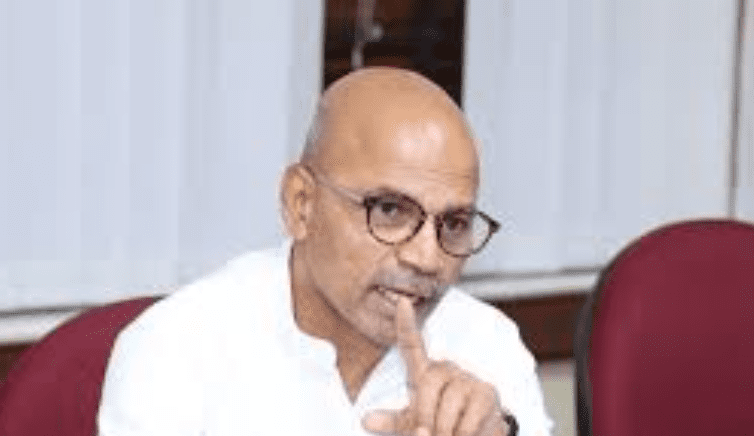
Karnataka’s Higher Education Minister Sharan Prakash Patil has announced that there is a clear intention to conduct student elections in colleges across the state, marking a significant step toward strengthening student representation and democratic engagement within educational institutions. The announcement comes after months of deliberation, with stakeholders emphasising the importance of reviving campus-level democracy that had been on hold due to administrative and pandemic-related delays.
Speaking at a press briefing, Minister Patil highlighted that college elections provide students with a platform to voice their concerns, develop leadership skills, and actively participate in decision-making processes. “Our focus is to ensure that students have a democratic environment where they can elect their representatives freely and responsibly. These elections are crucial for building awareness about civic duties among young adults,” he said.
PLANS FOR IMPLEMENTATION AND SAFETY MEASURES
The minister confirmed that the state government is in the process of finalising guidelines to ensure smooth conduct of elections, including adherence to COVID-19 protocols where necessary, monitoring by college authorities, and strict compliance with election codes of conduct. Officials stated that comprehensive measures will be taken to prevent malpractice, maintain fairness, and safeguard students’ interests throughout the process.
Education department officials indicated that elections are expected to be conducted in phases, beginning with larger universities and colleges in urban areas before extending to smaller institutions in rural regions. Preparatory steps include voter registration verification, awareness campaigns, and training for polling officers to ensure transparency and accountability.
Karnataka’s Higher Education Minister Sharan Prakash Patil has announced the state government’s intention to conduct student elections across colleges, marking a significant step in restoring campus-level democracy that had been on hold in many institutions. The initiative aims to strengthen student participation in governance, enhance leadership development, and ensure that young adults have a platform to voice their concerns and actively engage in institutional decision-making.
Minister Patil emphasised that student elections are a vital component of democratic education. “Our focus is to ensure that students have a democratic environment where they can elect their representatives freely and responsibly. These elections are crucial for building awareness about civic duties among young adults,” he said. The move has been welcomed by educators, student organisations, and civil society groups as a positive effort to reinvigorate campus democracy.
PLANS FOR IMPLEMENTATION AND LOGISTICAL PREPARATIONS
The government has outlined plans to ensure that the elections are conducted smoothly, transparently, and fairly. College administrations, in coordination with the Higher Education Department, will oversee the preparation and execution of the electoral process. Guidelines being finalised include voter registration verification, nomination procedures, campaign rules, polling processes, and grievance redressal mechanisms.
Election procedures are expected to follow strict codes of conduct to prevent malpractice and maintain fairness. Officials confirmed that observers will be appointed to monitor compliance with electoral rules and ensure impartiality. Preparations also include sensitisation of polling staff, training for security personnel, and deployment of electronic voting mechanisms in select colleges to streamline the process.
Authorities are considering phased implementation, beginning with urban colleges and universities before extending to smaller and rural institutions. This approach is intended to allow authorities to monitor challenges, gather feedback, and fine-tune procedures for subsequent phases. Minister Patil emphasised that student safety, transparency, and credibility will be central to all stages of the elections.
REVIVING CAMPUS DEMOCRACY AND STUDENT VOICE
The announcement comes at a time when student representation in governance has been limited due to administrative delays and pandemic-related restrictions. Student unions, faculty members, and alumni associations have long advocated for the revival of elections, arguing that campus democracy is essential for nurturing leadership, accountability, and civic responsibility.
Educators have highlighted that active participation in student governance allows students to address campus-level issues, including infrastructure, academic concerns, extracurricular activities, and welfare measures. Such involvement also encourages collaborative problem-solving and dialogue between students, faculty, and administration. Experts argue that practical exposure to governance at the college level equips students with skills that are valuable for professional and political careers.
Student leaders expressed optimism about the government’s move. Many believe that elections will provide an opportunity to raise awareness about student rights, promote inclusivity, and advocate for underrepresented groups. Campaigns for student elections often become platforms for policy discussions on topics ranging from campus safety and environmental initiatives to digital learning and cultural programs.
CHALLENGES AND SAFEGUARDS
While the announcement has been widely welcomed, authorities acknowledge potential challenges in conducting large-scale elections. Ensuring fairness, preventing coercion, and avoiding disruption of academic activities remain key concerns. Minister Patil assured that the administration would take strict measures against malpractice and that violations of electoral norms would be met with immediate action.
Security arrangements will include deployment of trained personnel at polling booths, monitoring of campaign activities, and strict enforcement of codes of conduct. College authorities are also working on strategies to address student grievances and complaints effectively. Officials emphasised that any attempts to intimidate voters or manipulate results would be treated as serious offences under existing laws.
The Higher Education Department is also considering digital initiatives to support the electoral process, including online voter verification, complaint registration portals, and awareness campaigns on social media. These measures aim to increase participation, reduce logistical hurdles, and make the process more accessible to students in remote or smaller institutions.
EXPERT OPINIONS AND STAKEHOLDER VIEWS
Legal and educational experts have welcomed the initiative, noting that student elections serve as a training ground for democracy. “Participating in campus governance teaches students about accountability, leadership, negotiation, and conflict resolution. These are essential skills for responsible citizenship,” said an academic expert from Bengaluru.
Parents and educators have also expressed support for the elections, highlighting their role in fostering discipline, responsibility, and civic awareness among students. College administrations are reportedly preparing to conduct awareness drives, workshops, and mock polls to familiarise students with the electoral process and encourage informed voting.
Student organisations emphasised that elections are not merely about leadership positions but about creating platforms for dialogue and collective decision-making. They expressed hope that the government’s proactive measures, including training, monitoring, and grievance mechanisms, will ensure a credible and meaningful electoral exercise.
BACKGROUND AND CONTEXT
Karnataka has a long history of college elections, which have traditionally played a central role in shaping campus life and leadership. However, in recent years, elections in many institutions were suspended due to administrative delays, security concerns, and the COVID-19 pandemic. The decision to resume elections reflects the government’s recognition of the importance of student engagement in institutional governance.
Previous student elections in Karnataka have often been marked by spirited debates, active campaigning, and high voter turnout. They have provided opportunities for students to address campus issues, influence policy decisions, and participate in cultural, social, and academic planning. Reviving these elections is seen as an essential step toward strengthening democratic practices at the grassroots level.
The Higher Education Department has also initiated consultations with university administrators, student representatives, and legal advisors to ensure that the upcoming elections are conducted smoothly. Recommendations include clear guidelines on campaign durations, polling schedules, eligibility criteria, and dispute resolution mechanisms. Authorities aim to create a framework that is fair, inclusive, and transparent.
LOOKING AHEAD
Minister Patil underscored that the initiative to hold college elections reflects the government’s broader commitment to youth empowerment, democratic values, and participatory governance. “Students are the future of our state and nation. Ensuring they have a voice in their institutions is not just a responsibility; it is an investment in strengthening democratic culture at the grassroots level,” he said.
The upcoming elections are expected to engage tens of thousands of students across Karnataka. Authorities hope that active participation will promote inclusivity, fairness, and accountability, while providing students with firsthand experience in governance and civic responsibility. Officials stressed that a successful electoral exercise could serve as a model for other states and encourage similar initiatives nationwide.
Experts believe that the initiative could also have long-term benefits for Karnataka’s educational landscape. By fostering student participation and leadership, colleges can create a more dynamic academic environment, encourage debate and discussion, and strengthen connections between students, faculty, and administration. Stakeholders emphasised that reviving campus democracy is a critical step in shaping responsible and active citizens for the future.
Finally, the announcement has generated widespread optimism among students, educators, and civil society groups. Preparations are underway, and authorities are confident that with careful planning, robust monitoring, and community engagement, the elections will be conducted successfully, reinstating a culture of democratic participation in Karnataka’s colleges.
Stakeholders have welcomed the announcement, noting that student elections are an essential part of democratic education. Campus leaders and student unions have expressed optimism, emphasising that elections provide a platform to address local issues, promote inclusivity, and engage students in governance. Many believe that this move will also encourage active participation in wider political and social affairs beyond college campuses.
Minister Patil also highlighted the importance of maintaining neutrality and independence during the election process. He assured that the administration will not interfere in student political activities and that mechanisms will be in place to address complaints promptly. Authorities emphasised that fairness and transparency will remain central to the exercise, with observers appointed to monitor compliance with electoral norms.
The announcement has also sparked discussions on the role of student elections in shaping future leaders. Experts note that active involvement in campus governance can nurture leadership skills, decision-making abilities, and public accountability, which are valuable attributes for students as they transition into professional and political life.
Parents and educators have expressed support for the initiative, stating that participation in elections helps students learn practical lessons in responsibility, negotiation, and civic engagement. College administrations are reportedly preparing to organise debates, awareness drives, and campaigns to educate students about the voting process and the importance of informed decision-making.
Authorities have indicated that final dates for the elections will be announced after consultations with university administrators, student representatives, and legal advisors. The government plans to release official guidelines covering nominations, campaigning rules, voting procedures, and grievance redressal mechanisms to ensure a smooth and credible process.
Finally, Minister Patil underscored that the intention to hold college elections reflects the government’s commitment to democratic values, youth empowerment, and participatory governance. “Students are the future of our state and nation. Ensuring they have a voice in their institutions is not just a responsibility; it is an investment in strengthening democratic culture at the grassroots level,” he said.
In a series of unfortunate incidents on Bengaluru roads, one person was killed and two others injured after an SUV allegedly knocked them down near Ulsoor on Tuesday evening. In separate incidents across the city, three additional fatalities were reported, highlighting ongoing concerns over road safety in the metropolitan area. Police and emergency services rushed to the sites to provide medical assistance and conduct investigations into the circumstances surrounding the accidents.
The SUV accident near Ulsoor occurred around 7:30 pm, when a vehicle reportedly lost control while navigating a busy street. Eyewitnesses said the SUV struck a group of pedestrians, leaving one individual dead at the scene and critically injuring two others. The injured were immediately transported to a nearby hospital for treatment, with authorities confirming that their condition is currently stable.
Authorities are investigating the circumstances that led to the SUV striking pedestrians near Ulsoor. Early indications suggest that the driver may have been attempting to overtake other vehicles while approaching a busy junction. Investigators are examining whether road conditions, visibility, or vehicle malfunction contributed to the crash. Officials emphasised that establishing the sequence of events is critical for determining accountability and preventing similar accidents.
Eyewitnesses described a chaotic scene as the SUV collided with the pedestrians. Some commuters attempted to pull the victims out from under the vehicle, while others flagged down nearby motorists to assist in clearing the roadway. Emergency services arrived within minutes, providing first aid and arranging transport for the injured to nearby hospitals. Police noted that the prompt intervention likely prevented further casualties at the scene.
The injured individuals sustained a variety of injuries, including fractures, abrasions, and head trauma. Doctors at the hospital treating the victims confirmed that both are in stable condition, though they require ongoing monitoring. Medical personnel also emphasised the psychological impact of such accidents on victims and witnesses, highlighting the need for counselling and support services following traumatic incidents.
In parallel, the three other road fatalities reported across Bengaluru indicate systemic issues with traffic safety in the city. One motorcyclist collided with a car near Whitefield, while a pedestrian was fatally hit on Outer Ring Road. A third incident involved a vehicle losing control and striking a roadside barrier, leading to the driver’s death. Authorities stated that urban traffic congestion, high speeds, and poor street lighting are contributing factors.
Traffic police have initiated a city-wide review of accident-prone areas, focusing on road design, signage, and lighting conditions. Officials are coordinating with municipal authorities to identify high-risk zones and implement measures such as speed limit signage, reflective markers, and traffic calming devices. They also plan to deploy additional officers at critical intersections to monitor compliance and prevent reckless driving.
Local residents have expressed concern over the increasing number of accidents, particularly during evening and night hours. Many pointed out that poorly lit roads, lack of pedestrian crossings, and insufficient warning signs make navigating city streets dangerous. Civic groups have demanded the implementation of long-term infrastructure improvements and stricter enforcement of traffic laws.
Transport authorities have called on drivers to exercise caution, especially when driving near congested or pedestrian-heavy areas. Overspeeding, distracted driving, and negligence remain primary causes of urban accidents. Officials stressed the importance of defensive driving, maintaining proper vehicle maintenance, and adhering to traffic regulations to reduce the risk of collisions.
Public awareness campaigns are being considered to educate citizens about road safety. Experts advocate for workshops, media campaigns, and school-based programs that focus on safe driving habits, pedestrian awareness, and responsible behaviour on roads. Authorities emphasised that public cooperation is essential for reducing accidents and promoting a culture of road safety.
The Ulsoor accident has also drawn attention to the need for emergency preparedness. Police and hospital officials noted that rapid response, timely first aid, and efficient transport to medical facilities are crucial in preventing fatalities. Authorities plan to review emergency protocols and improve coordination between traffic police, ambulance services, and hospitals for faster response times.
Finally, the recent spate of accidents underscores the ongoing challenges faced by Bengaluru as a rapidly urbanising city. Officials stressed that addressing road safety requires a multi-faceted approach combining infrastructure development, law enforcement, driver education, and public participation. They urged citizens to remain vigilant, follow traffic rules, and report unsafe conditions to authorities promptly.
INVESTIGATION AND POLICE RESPONSE
Bengaluru police confirmed that the driver of the SUV has been taken into custody for questioning. Preliminary reports indicate that overspeeding or negligence may have contributed to the incident, although officials emphasised that the investigation is ongoing. Traffic was temporarily diverted in the area as authorities assessed the scene and cleared the wreckage to restore normal flow.
CCTV footage from nearby establishments is being reviewed to determine the precise sequence of events leading up to the accident. Police officials also spoke with eyewitnesses to corroborate reports and gather information on vehicle speed, driver behaviour, and pedestrian movement. Authorities stated that strict action will be taken if any traffic violations or negligence is confirmed.
The three other road fatalities were reported across separate locations in Bengaluru, including accidents involving two-wheelers and cars. In one incident, a motorcyclist collided with a car near Whitefield, sustaining fatal injuries. In another, a pedestrian was hit by a speeding vehicle on Outer Ring Road. A third accident involved a car losing control and hitting a roadside barricade, causing the driver’s death.
Authorities noted that the combination of heavy traffic, poorly lit streets, and high vehicle speeds often contributes to accidents in the city. Police officials reiterated the need for drivers to adhere to speed limits, use seat belts, and avoid distractions while driving. Pedestrians are also urged to exercise caution, particularly in high-traffic zones.
Medical teams responding to the Ulsoor accident confirmed that the deceased was pronounced dead at the scene. The injured, a man and a woman, were admitted to a nearby hospital where they are receiving treatment for fractures and internal injuries. Doctors emphasised that prompt first aid and quick transportation likely prevented more severe outcomes.
Witnesses described scenes of chaos following the Ulsoor incident, noting the panic among pedestrians and motorists. “It was sudden, the SUV came fast and struck the people on the side. There was shouting and people ran for cover. The victims were trapped for a few minutes until help arrived,” said a local resident. Authorities praised the quick response of bystanders and traffic police who assisted in clearing the scene and ensuring safety.
In a series of unfortunate incidents on Bengaluru roads, one person was killed and two others injured after an SUV allegedly knocked them down near Ulsoor on Tuesday evening. In separate incidents across the city, three additional fatalities were reported, highlighting ongoing concerns over road safety in the metropolitan area. Police and emergency services rushed to the sites to provide medical assistance and conduct investigations into the circumstances surrounding the accidents.
ROAD SAFETY AND PREVENTIVE MEASURES
These incidents have once again brought attention to road safety in Bengaluru, where rapid urbanisation, high traffic volumes, and poorly maintained roads contribute to frequent accidents. Experts recommend stricter enforcement of traffic laws, enhanced road infrastructure, and public awareness campaigns to mitigate risks. Authorities also emphasised the importance of responsible driving, particularly during peak hours and in crowded urban areas.
Officials are conducting a review of accident-prone zones, including Outer Ring Road, Ulsoor, and Whitefield, to implement additional safety measures. Plans include better street lighting, installation of speed breakers, and increased deployment of traffic police to monitor compliance. Public advocacy groups have also called for digital monitoring and stricter penalties for traffic violations to reduce road fatalities.
Traffic authorities stressed that driver training programs and vehicle maintenance checks are essential to prevent accidents. Overspeeding, distracted driving, and violation of traffic rules are major contributors to urban accidents, and strict compliance is necessary to ensure public safety. Authorities also encouraged citizens to report reckless driving and unsafe conditions to authorities promptly.
The Ulsoor SUV incident, along with other recent road fatalities, underscores the urgent need for systemic improvements in Bengaluru’s road safety framework. Officials emphasised that a combination of legal enforcement, infrastructure development, and public awareness is necessary to prevent further loss of life on city roads.
Bengaluru police have pledged a thorough investigation into all incidents, assuring the public that responsible parties will be held accountable. Authorities also stressed the importance of following traffic regulations, maintaining vigilance while driving, and taking precautions as pedestrians, especially during night hours.
Local media and civic groups have called for immediate action to enhance road safety measures, citing the rising number of fatalities as a serious concern. Proposals include pedestrian-friendly zones, improved traffic signaling, and public campaigns promoting safe driving habits. Experts argue that sustained efforts in these areas can significantly reduce the frequency of accidents and protect lives.
Finally, the recent spate of accidents serves as a grim reminder of the risks associated with urban commuting in Bengaluru. Authorities reiterated that collective responsibility—on the part of drivers, pedestrians, and law enforcement—is crucial to preventing such tragedies. Citizens are urged to remain vigilant, follow safety guidelines, and report unsafe conditions promptly to authorities.
In a recent development that has drawn widespread attention across Karnataka’s entertainment and social media circles, police have arrested two individuals for allegedly posting defamatory and obscene content targeting actress and social media personality, the wife of popular Kannada actor Darshan. The arrests come amid rising concerns over online harassment, cyberbullying, and the legal responsibility of social media users. Authorities emphasised that such behaviour will not be tolerated and that strict action is being taken under relevant sections of the Indian Penal Code (IPC) and the Information Technology Act.
The investigation revealed that the defamatory posts had gained traction quickly, being shared across multiple social media platforms, including Facebook, Instagram, and Twitter. Cybercrime officials explained that the viral nature of such content amplifies harm to the victim’s reputation and emotional well-being. Authorities stressed that rapid reporting and digital evidence preservation are critical for swift legal action in such cases.
Police officers also highlighted the psychological impact on the victim and her family. In addition to the public humiliation caused by the posts, the harassment resulted in significant emotional distress. Experts emphasised that cyber harassment can have long-term mental health consequences, making timely intervention and legal protection essential. Authorities assured that victim support measures, including counselling and legal guidance, are being provided.
The accused are currently in police custody, where they are being interrogated regarding the creation and dissemination of the defamatory posts. Investigators are exploring whether they acted independently or as part of a coordinated effort. Early indications suggest that the motive may have been personal animosity, social media trolling, or an attempt to gain attention by targeting a high-profile public figure.
Legal experts note that cases involving defamation against celebrities often serve as a benchmark for enforcing cyber laws. Section 499 of the IPC, combined with provisions of the IT Act, provides the legal framework for prosecuting such offences. Authorities emphasised that the penalties for posting obscene or defamatory content online include fines and potential imprisonment, highlighting the seriousness of the offence.
Social media platforms have also come under scrutiny in such incidents. Cybercrime officials acknowledged that platform cooperation was critical in tracing the accused and removing offensive content. Officials called on companies to strengthen monitoring mechanisms, improve reporting protocols, and take prompt action against accounts that violate user policies or promote harassment.
The arrest has drawn reactions from the public and fan communities, many of whom praised law enforcement for taking prompt action. Supporters of the actor and his family highlighted the need for stricter measures against online trolling and harassment, arguing that celebrities and their families should be protected from abusive and obscene content that spreads rapidly on digital platforms.
Authorities are exploring additional measures to prevent similar incidents in the future. Suggestions include digital literacy campaigns, workshops on responsible social media usage, and increased awareness of legal consequences for online harassment. Police officials emphasised that educating citizens about ethical online behaviour is as important as enforcing laws.
The case has sparked a broader conversation about the boundaries of freedom of expression online. Legal experts stressed that while social media provides a platform for free speech, it does not grant immunity from accountability. Publishing obscene or defamatory content targeting individuals crosses legal boundaries, and authorities have reiterated that such actions will not be tolerated under any circumstances.
The accused, whose identities have been withheld pending further investigation, reportedly circulated abusive posts, including images and text that defamed and humiliated the actor’s spouse. Police said the content went viral across multiple social media platforms, prompting complaints from family representatives and concerned citizens. The posts allegedly included obscene language and personal attacks, causing significant distress to the victim and her family.
LEGAL ACTION AND POLICE RESPONSE
Bengaluru cybercrime authorities confirmed that the arrests were made following a detailed investigation into complaints lodged by the victim. Officials stated that the accused were traced using digital forensics, social media monitoring tools, and coordination with platform administrators. Cybercrime teams emphasised that the investigation is ongoing and that further legal action, including potential charges under Section 499 (defamation) and Section 67 of the IT Act (publishing obscene material online), is being pursued.
Authorities highlighted that online harassment against women, particularly high-profile individuals, has become a growing concern. Police officials warned that posting defamatory, obscene, or threatening content online carries severe legal consequences. “We urge citizens to exercise caution and responsibility while using social media platforms. Actions that harm the dignity or reputation of others will face stringent legal action,” said a senior police official involved in the case.
In a recent development that has drawn widespread attention across Karnataka’s entertainment and social media circles, police have arrested two individuals for allegedly posting defamatory and obscene content targeting actress and social media personality, the wife of popular Kannada actor Darshan. The arrests come amid rising concerns over online harassment, cyberbullying, and the legal responsibility of social media users. Authorities emphasised that such behaviour will not be tolerated and that strict action is being taken under relevant sections of the Indian Penal Code (IPC) and the Information Technology Act.
Public response to the arrests has been largely supportive, with citizens calling for stricter monitoring of social media content. Advocates for women’s safety and digital ethics have emphasised the need for awareness campaigns to educate users about the consequences of cyber harassment. Experts argue that timely legal action, such as these arrests, can act as a deterrent against online abuse.
The case has also reignited debate over the role of social media platforms in controlling harmful content. Cybercrime specialists have urged companies to strengthen reporting mechanisms, improve content moderation, and collaborate with law enforcement to prevent the spread of defamatory or obscene posts. Authorities have indicated that cooperation from social media companies was crucial in identifying and apprehending the accused.
Legal experts note that cases of online defamation, particularly involving public figures, often balance freedom of expression with the right to privacy and reputation. They highlight that sections of the IPC and the IT Act provide clear guidelines on prosecuting individuals responsible for posting obscene or harmful content, while also setting precedents for digital accountability in India.
While the victim and her family have not publicly commented on the arrests, sources close to them have stated that the legal action provides some relief and reassurance. The family emphasised the emotional distress caused by online harassment and expressed hope that authorities will continue to take strong measures against such misconduct.
The arrests have also drawn attention to similar incidents in Karnataka and across India, where cyber harassment and defamatory posts have targeted public figures and ordinary citizens alike. Police officials stressed the importance of reporting abusive content promptly and pursuing legal remedies rather than attempting to address such issues informally on social media platforms.
FUTURE MEASURES AND PUBLIC SAFETY
Authorities are considering additional measures to prevent similar incidents, including digital literacy campaigns, awareness drives, and workshops on safe social media practices. Police have also recommended that victims of online harassment document all evidence and report immediately to cybercrime cells to ensure timely action. Cyber experts suggest that robust monitoring, legal awareness, and community vigilance are key to reducing the prevalence of defamatory and obscene content online.
Officials have warned that social media users must recognise their legal responsibilities. Posting content that harms the dignity or privacy of individuals, spreads false information, or contains explicit material can result in arrest, fines, and imprisonment. The arrests serve as a stern reminder that cyber harassment is a serious offence and will be dealt with firmly under Indian law.
Law enforcement agencies reaffirmed their commitment to protecting victims of online abuse and ensuring that perpetrators are brought to justice. They stressed that timely legal intervention, coupled with public awareness, can foster safer online spaces and prevent misuse of digital platforms for harassment or defamation.
The case has also sparked wider discussion about ethical online behaviour, the impact of social media on public life, and the responsibility of users to maintain respect and civility online. Experts emphasise that education, enforcement, and accountability are critical to combating cyber harassment, particularly against women and public figures.
Authorities have indicated that the investigation will continue to examine whether other individuals were involved in amplifying or sharing the defamatory content. Cybercrime officials cautioned that anyone found complicit in disseminating obscene posts could face similar legal consequences, reinforcing the message that online misconduct will not be tolerated.
The arrests of the two individuals mark a significant step in holding perpetrators accountable for online harassment. Police officials hope that this action will send a strong signal to users about the consequences of cyber defamation and encourage responsible behaviour on social media platforms.
Finally, legal and cyber experts agree that combining strict enforcement with awareness and education is essential for creating a safer online environment. The case serves as a cautionary tale about the potential legal repercussions of posting defamatory or obscene content and underscores the importance of ethical conduct in the digital space.