Friday, May 1, 2026
Home Blog Page 176

Sleeper Bus Crashes Into Devanahalli Toll Booth, Chaos Unfolds: SHOCKING 5 INJURED

In a dramatic incident near Devanahalli on the outskirts of Bengaluru, a sleeper bus crashed into a toll booth late on Tuesday night, leaving five passengers injured and prompting a swift emergency response. Eyewitnesses described scenes of chaos as the bus collided with the barrier at high speed, damaging the booth infrastructure and causing panic among toll staff and commuters. Authorities immediately cordoned off the area, while police and medical teams rushed to the site to provide assistance to the injured.

Authorities are also reviewing the training and licensing of long-distance bus drivers in light of the crash. Experts point out that driver fatigue, particularly during overnight journeys, is a major contributor to accidents on highways. Officials have suggested stricter enforcement of mandatory rest periods, regular health check-ups for drivers, and the use of co-drivers on night routes to ensure vigilance and reduce the risk of collisions near toll plazas.

Local residents and commuters living near the Devanahalli stretch have called for improved safety measures beyond the toll plaza itself. They cited poor lighting, lack of reflective signage, and insufficient warning markers as contributing factors that may have exacerbated the severity of the collision. Authorities have assured that a comprehensive road safety audit will be conducted, focusing on high-risk zones to prevent future incidents.

The bus operator has issued a statement expressing regret over the incident and confirming full cooperation with authorities. They emphasised that passenger safety is a top priority and pledged to review operational protocols, conduct internal safety audits, and implement stricter monitoring measures for all long-distance services. Industry representatives have highlighted that proactive measures such as vehicle maintenance checks, GPS monitoring, and speed limit enforcement are critical to preventing similar accidents.

Emergency medical teams involved in the rescue highlighted the importance of rapid first aid at the site. The timely intervention of paramedics, police, and toll booth staff ensured that the injured received immediate care, likely preventing more serious outcomes. Authorities have stressed the need to replicate this level of preparedness at all major toll plazas and highway stretches, ensuring that emergency response is quick, coordinated, and efficient.

The accident occurred on the Bengaluru–Hyderabad highway near the Devanahalli toll plaza, a busy stretch of road known for heavy traffic, particularly during late-night hours. According to preliminary reports, the bus, which was heading towards Hyderabad, appeared to have lost control while approaching the toll plaza. Emergency responders and highway patrol teams quickly arrived to secure the scene, assist victims, and manage the growing traffic congestion.

Eyewitnesses stated that the bus struck the toll barrier with considerable force, partially damaging the structure and shattering glass panels. The sudden impact threw several passengers from their seats, leading to injuries ranging from minor bruises to fractures. Five passengers were identified as seriously hurt and were immediately transported to nearby hospitals for treatment. Officials confirmed that all five are stable, although two remain under observation due to the severity of their injuries.Sleeper coach bus crashes into toll booth near Devanahalli, drivers injured  - Public TV English

INVESTIGATION UNDERWAY AND SAFETY CONCERNS

Authorities have launched an investigation to determine the cause of the crash, focusing on factors such as driver fatigue, vehicle speed, and mechanical issues. Preliminary assessments suggest that the bus may have been travelling at excessive speed, though officials emphasised that the investigation is ongoing. Toll booth staff, who were inside the structure at the time, were shaken but escaped major injuries thanks to protective barriers and quick action.

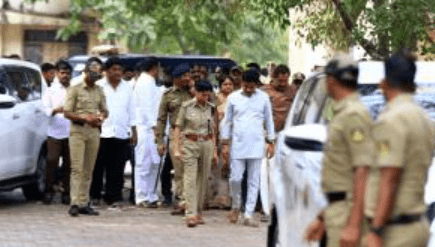
Police officials confirmed that the bus driver and co-driver were taken into custody for questioning. Investigators are reviewing toll plaza CCTV footage and eyewitness accounts to reconstruct the sequence of events leading up to the collision. Highway authorities are also inspecting the bus for mechanical failures, including brake or steering malfunctions, as part of the standard accident assessment protocol.

This incident has reignited public concerns over road safety on highways near Bengaluru, particularly at toll plazas where vehicles decelerate rapidly. Safety experts note that heavy vehicles, including sleeper buses, often face challenges in stopping safely due to their size, weight, and the condition of roads. The incident underscores the importance of strict adherence to speed limits, driver training, and enhanced safety measures at toll plazas to prevent similar accidents in the future.

Several commuters and motorists who witnessed the crash shared their accounts, describing how the bus appeared to swerve slightly before colliding with the toll barrier. One eyewitness said, “It happened so quickly. The bus was moving fast, and suddenly it just hit the booth. People were screaming, and it took a few moments for everyone to react.” Authorities have thanked these witnesses for their prompt reporting, which helped ensure timely medical assistance for the injured.

Traffic management teams worked throughout the night to clear the wreckage and restore normal flow on the highway. The damaged bus was removed using heavy-duty tow trucks, and the toll booth was temporarily closed for repairs. Authorities diverted vehicles through alternative lanes to prevent major congestion, although delays were reported during peak night hours.Sleeper coach bus crashes into toll booth near Devanahalli, drivers injured  - Public TV English

IMPACT ON COMMUTERS AND HIGHWAY SAFETY MEASURES

The crash has drawn attention to the safety of toll plazas across Karnataka, with several commuters highlighting the need for better structural protection and warning systems. Road safety experts suggest that the installation of speed breakers, reinforced barriers, and digital alert systems can significantly reduce the risk of high-impact collisions involving heavy vehicles. Authorities have indicated plans to review existing toll plaza infrastructure in light of this incident.

Officials also emphasised the importance of driver awareness and adherence to safety norms. Sleeper bus operators are being urged to implement strict protocols, including monitoring driver working hours, conducting pre-departure vehicle inspections, and using GPS-based speed monitoring systems. The Karnataka State Road Transport Authority (KSRTC) and private bus operators are expected to collaborate on a detailed review of safety measures for overnight long-distance services.

Hospitals treating the injured passengers have confirmed that medical care is progressing smoothly. Doctors reported that while some passengers suffered fractures and contusions, no life-threatening injuries have been reported. Psychological support has also been offered to both passengers and toll booth staff, recognising the traumatic impact of witnessing such a sudden and violent accident.

Officials plan to issue a detailed report once the investigation concludes. It is expected to cover the sequence of events, contributing factors, and recommendations for preventing similar incidents in the future. Authorities are also considering the implementation of additional signage, road markings, and public awareness campaigns focused on toll plaza safety.

STAKEHOLDER REACTIONS AND POLICY IMPLICATIONS

The incident has prompted reactions from local leaders, transport authorities, and safety advocacy groups. Many have emphasised the need for stricter enforcement of speed regulations, mandatory rest periods for long-distance drivers, and technological interventions such as automatic braking systems for heavy vehicles. Advocates argue that such measures could save lives and reduce the frequency of highway accidents.Sleeper coach bus crashes into toll booth near Devanahalli, drivers injured  - Public TV English

Transport operators have also been urged to conduct regular safety audits and ensure that buses are maintained to the highest standards. Industry representatives highlighted the need for coordinated training programs for drivers, particularly for night services and routes with frequent toll plazas or sharp bends. They emphasised that proactive measures can prevent accidents and protect both passengers and infrastructure.

The crash also raises questions about toll plaza design and visibility. Safety engineers suggest that some toll booths may require structural enhancements, including reinforced walls and protective buffers, to withstand collisions without causing injury. Additionally, reflective signage, advance warning boards, and automated traffic signals could alert drivers to deceleration zones and reduce impact risks.

Local authorities have pledged to work with state transport and highway departments to implement corrective measures. Plans include upgrading road markings, enhancing lighting near toll booths, and installing emergency response equipment at strategic locations. These steps are intended to improve safety for both motorists and toll staff, ensuring that critical highway infrastructure is protected while maintaining efficient traffic flow.

The Karnataka State Transport Department has announced a special committee to review overnight bus operations, assess driver readiness, and identify systemic gaps in safety protocols. This initiative aligns with broader road safety campaigns aimed at reducing highway accidents, particularly in high-traffic corridors such as the Bengaluru–Hyderabad highway.

Authorities emphasised that public cooperation will be essential in enforcing safety measures. Drivers are being reminded to maintain speed limits, avoid distractions, and follow toll plaza protocols diligently. Highway police are expected to increase patrolling and monitoring to ensure compliance and prevent overspeeding or reckless driving.

Civil society organisations have also called for increased public awareness campaigns, including education on road etiquette, defensive driving techniques, and safety around toll plazas. Experts argue that informed drivers, combined with robust infrastructure and regulatory oversight, can significantly reduce the occurrence of accidents like the Devanahalli bus crash.

Emergency preparedness was highlighted as another area for improvement. The swift response by police, highway patrol, and medical teams at the Devanahalli site was widely praised, demonstrating the importance of coordinated action. Officials have stressed that similar readiness protocols will be reviewed and reinforced at other toll plazas and high-traffic zones across the state.

Finally, the Devanahalli bus crash serves as a sobering reminder of the risks associated with high-speed travel on heavily trafficked highways. While infrastructure, enforcement, and technology play critical roles in safety, public awareness and responsible driving remain indispensable. Authorities reaffirmed their commitment to investigating the incident thoroughly, implementing preventive measures, and ensuring that passengers and staff are protected in future.

Follow: Karnataka Government

Also read: Home | Channel 6 Network – Latest News, Breaking Updates: Politics, Business, Tech & More

Karnataka Sees Shocking ₹1,669 Crore Liquor Sales in December’s Final Week

Karnataka witnessed staggering liquor sales in the last week of December, with total revenue reportedly reaching ₹1,669 crore, highlighting both the state’s robust alcohol market and the festive season’s consumption patterns. The figure, confirmed by the Excise Department, reflects a surge in purchases across retail outlets, bars, and restaurants, marking one of the highest weekly collections in recent years. Officials say the spike is typical of year-end celebrations, holiday gatherings, and seasonal demand, but the scale of revenue has drawn attention from policymakers and analysts alike.

The sales figures include both Indian-made foreign liquor (IMFL) and beer, with urban centres such as Bengaluru, Mysuru, and Hubballi contributing significantly to the total. Retailers reported high footfall during the week, particularly around Christmas and New Year festivities, with some outlets operating at full capacity to meet demand. Officials note that the state’s Excise policy and controlled pricing have helped streamline distribution and maximise revenue collection.

Government sources highlight that the ₹1,669 crore collection is not merely a reflection of consumption but also an important contributor to the state exchequer, funding welfare schemes and infrastructure development. The revenue from liquor sales forms a substantial portion of Karnataka’s annual budget, making seasonal spikes like December particularly significant for fiscal planning.

The surge has also prompted discussions around responsible consumption and public health. While the government benefits from excise revenue, experts caution that high sales volumes correlate with increased instances of alcohol-related health issues, accidents, and public disturbances. Authorities are emphasising awareness campaigns and strict enforcement of legal drinking ages, especially during peak seasons.Liquor worth ₹1,669 crore sold in the last week of December - The Hindu

Retailers and distributors reported brisk sales of premium and mid-range brands, suggesting a shift in consumer preferences towards higher-quality products. Many attributed the increase to festive gifting trends and the return of social gatherings after periods of restrained celebrations. Small-scale local breweries and distilleries also saw improved sales, reflecting a broader trend of diversified consumption beyond mainstream liquor brands.

Urban policing and excise authorities intensified surveillance during the high-sales week to prevent illegal sales, overpricing, and the circulation of spurious liquor. According to officials, measures included frequent inspections, monitoring of online orders, and coordination with local police to maintain compliance with excise laws. These steps aim to balance robust sales with safety and legality.

Analysts view the December spike as part of a recurring trend in Karnataka’s liquor market, with end-of-year collections often exceeding normal weeks by 40–50 percent. While this contributes significantly to state revenue, it also raises questions about sustainability, the societal impact of alcohol consumption, and the balance between fiscal gains and public health considerations.

KARNATAKA ECONOMIC IMPACT AND SOCIAL CONCERNS

The revenue surge highlights the dual nature of alcohol sales in Karnataka’s economy. On one hand, the government’s excise collection supports a range of developmental initiatives, from urban infrastructure projects to social welfare schemes. On the other, high consumption levels bring challenges in terms of health care, law enforcement, and social responsibility. Experts stress the importance of public awareness campaigns, counselling services, and stricter regulation of drinking establishments to mitigate potential harms.

Seasonal spikes also create logistical pressures for distributors and retail outlets. Warehousing, transport, and staff management must be carefully coordinated to meet demand without creating shortages or black-market activity. The Excise Department has been working on digital inventory monitoring and real-time tracking systems to streamline supply and prevent misuse.

Public reaction to the sales figures has been mixed. While some view the revenue as a positive indicator of economic activity and consumer confidence, others express concern about the scale of alcohol consumption and its broader societal impact. Health professionals caution that excessive drinking, particularly during festive periods, can strain medical facilities and contribute to accidents, domestic issues, and chronic illnesses.

The government, while acknowledging these concerns, maintains that revenue from alcohol sales is vital for funding essential services. Officials emphasise that a balance must be struck between financial benefits and promoting responsible consumption, with targeted interventions during high-sales periods such as festivals and year-end celebrations.

The record collection in December serves as a reminder of the significant role liquor sales play in Karnataka’s economy. Policymakers, industry stakeholders, and social welfare experts now face the challenge of leveraging these revenues responsibly while minimising negative health and social outcomes. The trend sets the stage for future policy discussions on excise regulation, consumption patterns, and fiscal strategy.

The final week of December, with its ₹1,669 crore in liquor sales, stands as a benchmark for both revenue generation and the challenges of managing high-volume alcohol consumption. As Karnataka moves into the new year, authorities are expected to closely monitor sales trends, evaluate public health impacts, and refine strategies to ensure that economic gains do not come at the cost of societal well-being.Delhi records 'highest liquor sales' during New Year week | Today News

Authorities have indicated that similar monitoring and reporting will continue throughout the year, with special attention to festive peaks. By tracking trends and implementing proactive measures, the state aims to maintain strong excise revenue while promoting responsible drinking and community safety.

The December sales milestone is likely to influence budget planning, allocation of resources, and policy decisions for the coming fiscal year. While the figures demonstrate the economic weight of Karnataka’s liquor market, they also underscore the responsibility of both the state and citizens in balancing revenue with health, safety, and social welfare considerations.KSBC records Rs 332.62 crore liquor sales in first four days of  Christmas-New Year season

The last week of December also highlighted stark urban-rural differences in consumption patterns. While metropolitan areas like Bengaluru and Mysuru accounted for a large chunk of premium liquor sales, smaller towns and semi-urban areas witnessed a notable increase in beer and locally produced spirits. Analysts suggest that rising disposable incomes and exposure to social media trends have contributed to a gradual shift in drinking preferences, with more residents willing to spend on branded products during festive seasons.

Retailers reported unprecedented crowds in stores, with some outlets imposing temporary purchase limits to manage demand and avoid stock depletion. Digital orders through online delivery platforms also surged, prompting authorities to monitor compliance with licensing laws for online sales. Officials noted that ensuring age verification and preventing black-market distribution remained key challenges during this high-consumption week.

The spike in sales has had a direct economic impact beyond state revenue. Supply chains, including packaging, transportation, and warehousing, experienced a surge in demand, creating temporary employment opportunities. Distributors and logistic firms reported higher operational costs due to the need for expedited deliveries, night shifts, and additional manpower to handle the influx of orders, reflecting the ripple effect of liquor consumption on the broader economy.

Bars, pubs, and restaurants, many of which were fully booked during the holiday week, contributed significantly to the total sales. Observers noted that social gatherings, private parties, and corporate celebrations played a critical role in boosting liquor consumption. Many hospitality businesses reported a mix of local residents and tourists, with New Year celebrations amplifying demand for premium spirits and champagne.

Health experts caution that such concentrated periods of high alcohol consumption can have short- and long-term public health consequences. Emergency departments in urban hospitals often see an uptick in alcohol-related cases during the festive season, including accidents, acute intoxication, and incidents of violence. The surge underscores the need for awareness campaigns and preventive measures alongside economic incentives for liquor sales.

Excise officials indicated that compliance checks were intensified during the last week of December. Authorities monitored pricing, stock limits, and licensing adherence to curb illegal sales and prevent adulteration. While the high revenue figures are celebrated by policymakers, they simultaneously reflect the potential risks of overconsumption and the challenges of enforcing regulatory oversight during peak periods.

Some economists have highlighted the dependency of Karnataka’s budget on liquor revenues. The state relies heavily on excise collections, which can constitute a significant portion of discretionary spending funds. While high sales weeks like the last week of December boost revenue inflows, they also raise questions about sustainability, public health costs, and the need to diversify state revenue sources to avoid over-reliance on alcohol taxation.

Social workers have pointed out that alcohol-related social issues often accompany high consumption periods. Family disputes, domestic violence, and public disturbances see a measurable rise, particularly during festival weeks. Local NGOs and community groups have called for a combination of awareness programs, counselling services, and stricter monitoring to ensure that revenue gains do not exacerbate social harm.

The liquor market’s performance also signals changing consumer behaviour. Experts suggest that premiumisation trends, with increased sales of branded whisky, wine, and imported spirits, indicate that consumers are willing to spend more on quality. This shift could influence pricing strategies, production planning, and market segmentation for distributors in the coming years, reshaping Karnataka’s alcohol industry landscape.

Looking ahead, the state government faces the dual challenge of maintaining robust revenue inflows while ensuring social responsibility. Policymakers are exploring measures such as staggered sales timings, stricter monitoring during peak seasons, and educational campaigns targeting responsible drinking. The December figures serve as both a financial boon and a reminder of the societal costs associated with high alcohol consumption, making careful management essential for sustainable governance.

Follow: Karnataka Government

Also read: Home | Channel 6 Network – Latest News, Breaking Updates: Politics, Business, Tech & More
Kogilu Families Await 6 Hopes After Demolition Shock

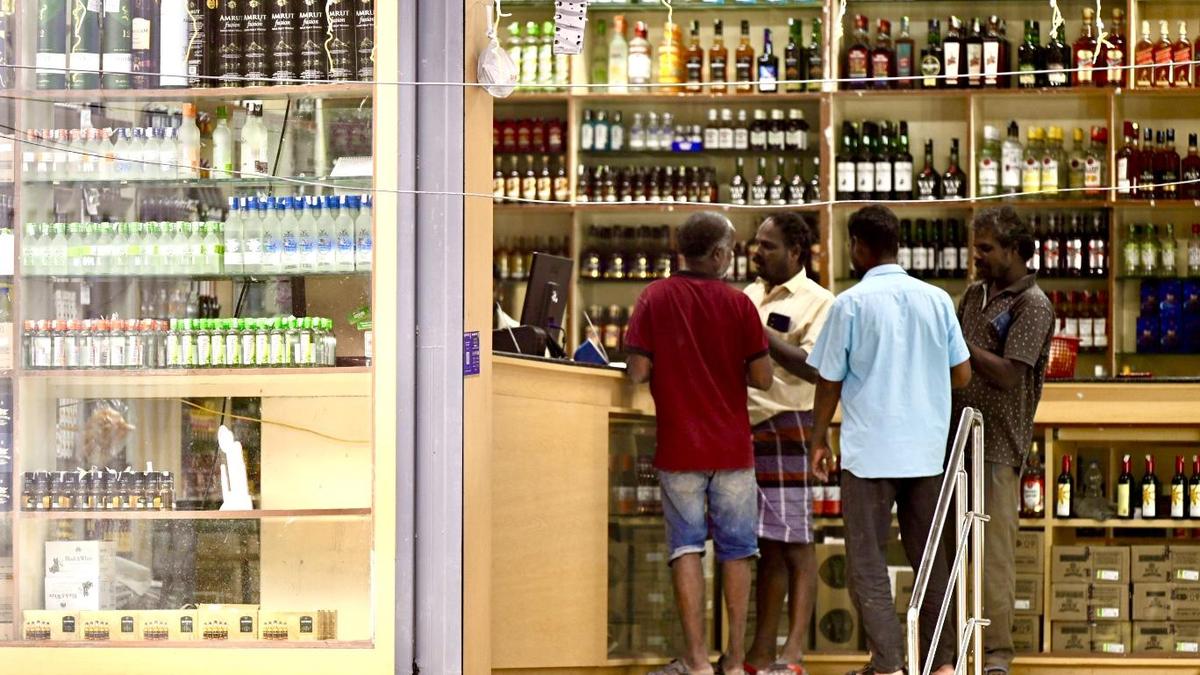
The Karnataka government has announced that alternative housing for eligible families affected by the Kogilu demolition drive will be distributed on January 2, offering a measure of relief to residents displaced from the northern outskirts of Bengaluru. The announcement comes after days of uncertainty, distress, and public criticism following the demolition of alleged unauthorised structures in Kogilu village. For hundreds of families who suddenly found themselves without shelter, the government’s assurance marks a critical moment in an unfolding humanitarian and administrative crisis.

The demolition at Kogilu, carried out as part of an enforcement drive, triggered widespread outrage as residents claimed they were not given adequate notice or rehabilitation plans. Many affected families said they had lived in the area for years, investing their savings into homes they believed were secure. Images of flattened houses and displaced residents sparked intense debate about urban development, legality, and the responsibility of the state toward vulnerable communities.

Government officials have stated that the demolition was conducted following legal orders and after identifying structures built on encroached land. However, they acknowledged that the displacement of families required immediate corrective action. The decision to distribute alternative housing to eligible families on January 2 is being presented as part of that response, aimed at balancing enforcement with welfare.

According to officials, surveys were conducted to identify families eligible for rehabilitation based on residency status, documentation, and compliance with prescribed criteria. Only those found eligible will receive alternative housing, a point that has already generated concern among residents who fear exclusion due to paperwork gaps. Authorities insist that the verification process was necessary to ensure fairness and prevent misuse.

The lead-up to January 2 has already seen authorities making logistical arrangements to ensure an orderly distribution process. Officials have indicated that verification teams will be stationed at the housing sites to cross-check documents, assist residents with paperwork, and address queries on the spot. Temporary help desks are being set up to guide beneficiaries, ensuring that confusion or delays are minimised during the handover of keys and official documents.

Community leaders have also stepped in to coordinate with residents, particularly vulnerable groups such as women-headed households, the elderly, and differently-abled individuals. Their involvement aims to prevent exclusion and ensure that eligible families receive their allotted homes without unnecessary bureaucratic hurdles. Many view this collaborative approach as a positive step toward building trust between the administration and residents.

While relief is anticipated, concerns remain about the long-term sustainability of rehabilitation. Experts stress that relocating families is only part of the solution; access to utilities, health care, schools, and livelihood opportunities is essential for meaningful resettlement. Without these measures, relocated residents may face new hardships, potentially undermining the objective of rehabilitation.

Finally, the Kogilu case serves as a reminder of the broader urban planning challenges facing Bengaluru. As the city expands rapidly, balancing enforcement with humane solutions is critical. How the January 2 distribution unfolds will not only affect the immediate lives of displaced families but also set a precedent for handling similar urban housing crises in the future.

No 'good news' yet for Kogilu Layout families, houses to be allotted after  Jan. 5 - The Hindu

For families awaiting rehabilitation, the days following the demolition have been marked by hardship. Many have been staying in temporary shelters, with relatives, or in makeshift arrangements near the demolished sites. Parents expressed anxiety over children’s schooling, while elderly residents struggled with health issues exacerbated by displacement. The promise of alternative housing, though welcome, is being viewed cautiously by those who have experienced similar assurances in the past.

The government has said that the housing units to be distributed are part of existing rehabilitation schemes and are located in designated areas with access to basic amenities. Officials claim that efforts have been made to ensure that beneficiaries are not relocated to areas far removed from livelihoods and schools. Whether this assurance translates into reality will be closely watched.

Political reactions to the Kogilu demolition have been sharp. Opposition parties accused the government of insensitivity and poor planning, arguing that enforcement without rehabilitation undermines trust in governance. The ruling establishment, however, has defended its actions, stating that illegal constructions cannot be allowed to proliferate, but that genuine residents will not be left without support.

DEMOLITION, DISPLACEMENT, AND QUESTIONS OF DUE PROCESS

The Kogilu demolition has reopened long-standing debates about urban expansion and the treatment of informal settlements. As Bengaluru continues to grow outward, land values have soared, and conflicts over ownership and legality have become increasingly common. Informal housing clusters often emerge in these transitional zones, occupied by working-class families who serve the city but lack secure housing options.

Residents affected by the demolition argue that they were victims of administrative ambiguity. Many claim they possessed electricity connections, water supply, and other civic services, which they believed legitimised their occupation. The sudden declaration of illegality, followed by demolition, has left them questioning how responsibility is shared between citizens and the state.

Legal experts note that while demolitions may be legally justified, the manner of execution matters. Due process, adequate notice, and rehabilitation are essential to ensure that enforcement does not become punitive. In the Kogilu case, the speed of the demolition and the initial lack of clarity on rehabilitation have been criticised as avoidable failures.

The government maintains that notices were issued and that residents were aware of the illegality of the structures. Officials argue that repeated warnings were ignored, leaving authorities with no option but to proceed. However, the emotional testimonies of displaced families have complicated this narrative, highlighting the gap between legal compliance and lived reality.

Civil society organisations have stepped in to provide temporary relief, distributing food, blankets, and legal assistance. Activists argue that the state must adopt a more humane approach to urban governance, recognising that informal settlements are often the result of systemic housing shortages rather than deliberate lawbreaking. They warn that demolitions without robust rehabilitation deepen social inequality.How many families were affected by the Kogilu demolition? Surveys differ -  The Hindu

The announcement of alternative housing distribution on January 2 has been framed by the government as evidence of responsiveness. Yet, scepticism remains. Previous experiences of delayed or inadequate rehabilitation have left many residents wary. The key concern is whether the housing provided will be timely, adequate, and truly accessible to those most in need.

The eligibility criteria have emerged as a flashpoint. Families lacking formal documents, despite long-term residence, fear exclusion. Women-headed households and migrant workers are particularly vulnerable in such processes. Officials have said that grievance redressal mechanisms will be available, but details remain unclear.

Urban planners observing the episode argue that Kogilu reflects a broader failure to integrate affordable housing into city planning. When low-income workers are pushed to the margins without legal options, informal settlements become inevitable. Demolitions, they say, address symptoms rather than causes.

REHABILITATION PROMISES AND THE TEST AHEAD

As January 2 approaches, attention is firmly on how the alternative housing distribution will be executed. Officials have stated that beneficiaries will be handed allotment documents and given access to housing units equipped with basic infrastructure. The process, they say, will be overseen by senior administrators to ensure transparency and order.

For displaced families, the day represents both hope and anxiety. Many worry about last-minute exclusions, delays, or inadequate facilities. Mothers have voiced concerns about sanitation and safety, while workers are anxious about commuting distances that could affect livelihoods. These practical considerations will shape how the rehabilitation is ultimately judged.

Political leaders have indicated that they will monitor the process closely. Some have promised to be present during the distribution to ensure accountability. Opposition parties, meanwhile, have warned that any failure to deliver on promises will be raised aggressively in public forums. The Kogilu issue has thus become a litmus test for the government’s approach to urban justice.

Experts emphasise that rehabilitation should not be seen as a one-time gesture but as part of a sustained policy framework. Providing a house is only the first step; access to services, employment opportunities, and social integration are equally important. Without these, relocation risks becoming another form of marginalisation.

The administration has also hinted at reviewing its communication strategies to prevent similar backlash in the future. Officials acknowledge that clearer engagement with communities prior to enforcement could reduce conflict and build trust. Whether these lessons are institutionalised remains to be seen.

For Bengaluru, the Kogilu demolition is a reminder of the human cost of rapid urbanisation. As infrastructure projects and land enforcement intensify, more such confrontations may emerge unless housing policy keeps pace with growth. The city’s global aspirations, observers argue, must be matched by inclusive planning.

Residents not directly affected by the demolition have also been watching developments closely. Many empathise with displaced families but also express concern about unauthorised constructions and infrastructure strain. This tension reflects a broader urban dilemma: how to balance legality, development, and compassion.Kogilu demolition: Alternative housing for eligible families to be  distributed on Jan. 2 - The Hindu

Social workers stress that children are among the most affected in such crises. Displacement disrupts education, healthcare access, and emotional stability. They urge authorities to prioritise schooling continuity and psychosocial support alongside housing distribution.

As the government prepares for the January 2 distribution, the credibility of its assurances hangs in the balance. A smooth, fair process could help restore trust and offer a model for handling similar situations. Conversely, missteps could deepen resentment and prolong suffering.

Ultimately, the Kogilu episode forces a reckoning with how cities treat their most vulnerable residents. Enforcement of law is essential, but so is empathy. The alternative housing distribution is not just an administrative exercise; it is a statement about the kind of urban future Karnataka envisions.

For the families waiting to rebuild their lives, January 2 is more than a date on the calendar. It is a moment that could determine whether loss gives way to recovery, or whether displacement becomes another unresolved chapter in the city’s relentless expansion.

Follow: Karnataka Government

Also read: Home | Channel 6 Network – Latest News, Breaking Updates: Politics, Business, Tech & More

Parameshwara’s Open Ambition Rekindles Hope and Tension in Karnataka Politics: BOLD 1 DREAM OF POWER

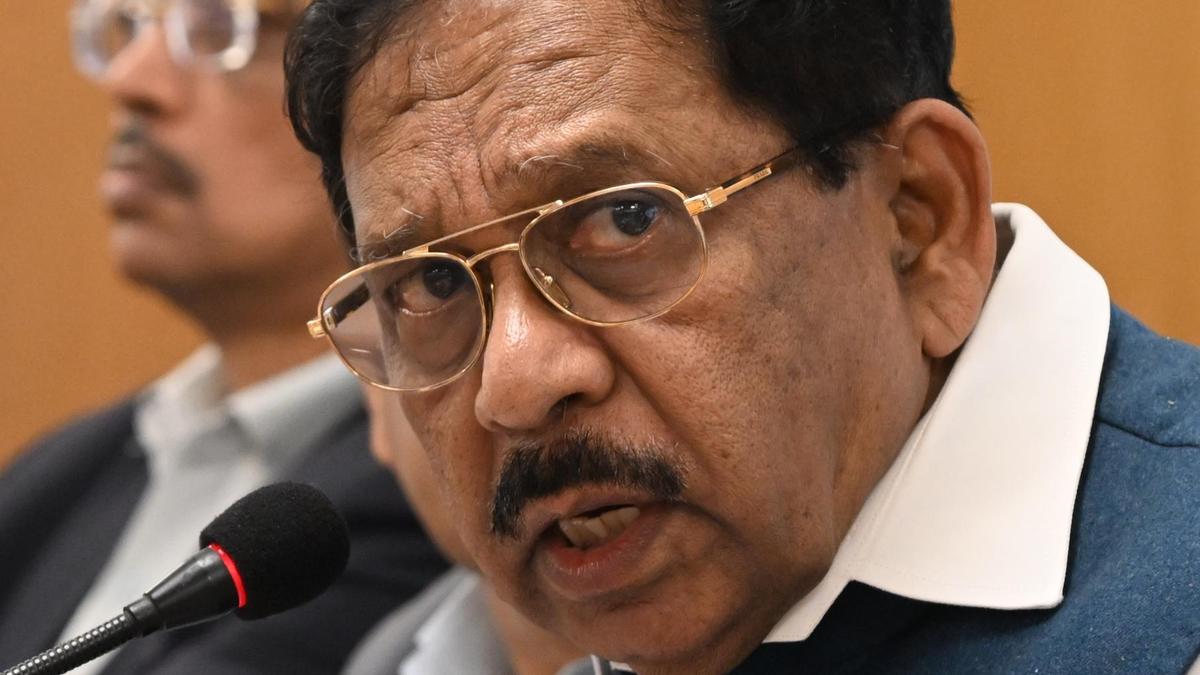
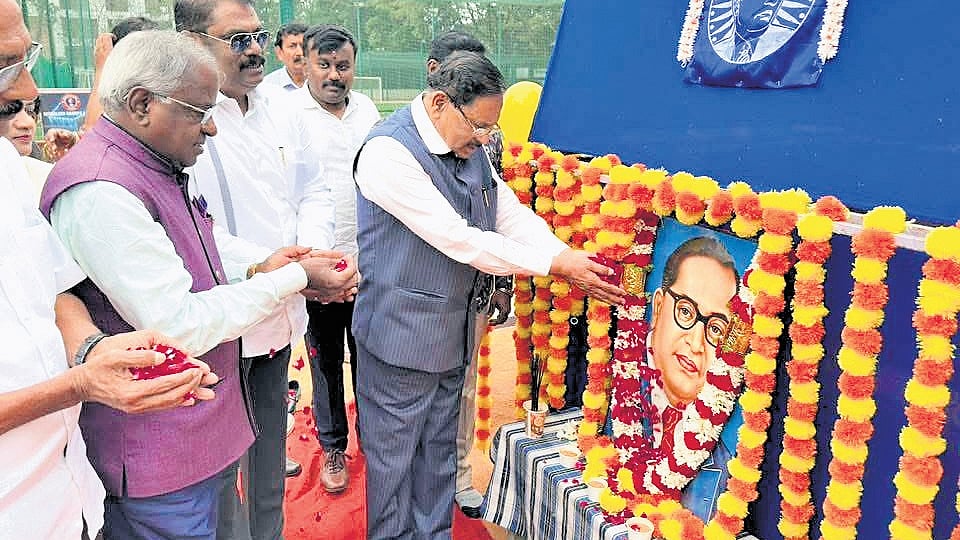
Senior Congress leader and Home Minister G. Parameshwara’s public expression of ambition to become Chief Minister this year has sent ripples across Karnataka’s political landscape, triggering intense discussion within party circles and beyond. Known for his measured tone and long political career, Parameshwara’s statement is being seen as more than a personal aspiration. It is being interpreted as a calculated political signal at a time when leadership dynamics within the ruling Congress remain fluid and closely watched.

Parameshwara’s remarks came during an interaction with party workers, where he stated that aspiring for the top post was natural for any senior leader who had devoted decades to public life. He emphasised that ambition should not be mistaken for disloyalty and added that his commitment to the party and the state remained paramount. The statement, while carefully worded, marked one of the clearest acknowledgements yet of his desire to occupy the chief minister’s chair.

The timing of the declaration is significant. Karnataka’s Congress government, though stable on the surface, continues to navigate internal power-sharing equations, expectations of senior leaders, and regional aspirations. Parameshwara, a Dalit leader with deep roots in the party’s organisational structure, is seen by many as a strong claimant should leadership transition discussions gain momentum. His articulation of ambition has reignited debates about representation, merit, and succession within the party.

Within Congress ranks, reactions have been mixed but measured. Some leaders have publicly downplayed the statement, describing it as a personal sentiment rather than a formal claim. Others have privately acknowledged that Parameshwara’s experience, administrative background, and mass base make him a credible contender. However, there is also recognition that leadership decisions are influenced by a complex interplay of high command strategy, electoral calculations, and coalition management within the party.Parameshwara expresses ambition of becoming CM this year - The Hindu

Opposition parties were quick to seize on the development, portraying it as a sign of internal disquiet within the ruling Congress. Leaders from rival camps suggested that open expressions of ambition could destabilise governance and distract the government from addressing public issues. Congress leaders, however, dismissed these claims, asserting that democratic expression within the party should not be misconstrued as factionalism.

For Parameshwara, the statement has placed him firmly in the political spotlight. As Home Minister, he currently oversees a critical portfolio that demands constant engagement with law and order, internal security, and administrative coordination. Supporters argue that his performance in this role strengthens his claim to higher responsibility, while critics insist that ambition must be matched by broader political consensus.

The response from party workers at the grassroots level has been notably enthusiastic. Many see Parameshwara’s rise as symbolic, reflecting the aspirations of communities that have historically sought greater representation in leadership roles. For them, his ambition is not merely personal but collective, representing a possibility of social and political empowerment.

POWER, REPRESENTATION, AND THE CONGRESS EQUATION

Parameshwara’s ambition cannot be viewed in isolation from Karnataka’s complex political and social fabric. As one of the most prominent Dalit leaders in the state, his potential elevation carries significance beyond individual leadership. Congress has long positioned itself as a party committed to social justice, and leadership choices are often scrutinised through that lens. A Parameshwara-led government, supporters argue, would reinforce that ideological commitment.

Within the Congress organisation, Parameshwara is known as a disciplined leader who has served the party in various capacities, including as state party president. His journey from student politics to senior ministerial roles is often cited as evidence of perseverance and organisational loyalty. These credentials strengthen his standing among party cadres who value internal experience over populist appeal alone.

However, leadership transitions in Karnataka have historically been sensitive. The state has witnessed frequent changes in chief ministers, often driven by internal negotiations rather than electoral mandates alone. This history adds caution to any open ambition, as leaders are aware of the risks of appearing overly assertive. Parameshwara’s careful framing of his statement reflects this awareness, balancing aspiration with deference to party processes.

Political analysts note that the Congress high command plays a decisive role in leadership matters. While state-level dynamics are important, national leadership considerations often shape final decisions. Parameshwara’s public expression of ambition may therefore be aimed as much at signalling readiness to the central leadership as at mobilising local support. By articulating his aspiration openly, he positions himself as a legitimate option rather than a silent contender.

The issue of power-sharing within the Congress government also looms large. Senior leaders with strong regional bases and ministerial influence are part of an intricate balance that keeps the government stable. Any shift in leadership would require careful negotiation to avoid alienating key stakeholders. In this context, Parameshwara’s ambition adds another variable to an already complex equation.I too want to become CM: Karnataka Home Minister Dr G Parameshwara

Opposition leaders argue that such ambitions reflect unresolved leadership questions within the ruling party. They claim that governance could suffer if leaders focus on internal jockeying rather than policy delivery. Congress leaders counter this narrative by insisting that ambition and governance are not mutually exclusive and that healthy internal democracy strengthens the party rather than weakens it.

Public perception remains divided. Some citizens view Parameshwara’s statement as refreshingly honest, breaking away from the tradition of denying ambition while quietly nurturing it. Others worry that such declarations could fuel speculation and political instability. For many, however, the question is less about ambition and more about performance and vision.

POLITICAL CALCULUS AND THE ROAD AHEAD

As the debate unfolds, the immediate impact of Parameshwara’s statement will likely be subtle rather than dramatic. The Congress leadership has not indicated any imminent change, and governance continues as usual. Yet, political observers agree that the statement has shifted the tone of internal discussions, making leadership aspirations more explicit and open to debate.

In the coming months, Parameshwara’s actions as Home Minister will be closely scrutinised. Any major administrative success or controversy could significantly influence perceptions of his suitability for higher office. Supporters believe that strong performance will reinforce his claim, while detractors may seize on any shortcomings to question his readiness.

The Congress high command’s response will be crucial. Whether it chooses to encourage open discussion of leadership ambitions or prefers to keep succession plans opaque will shape the party’s internal dynamics. Parameshwara’s long-standing loyalty to the party may work in his favour, but final decisions will depend on broader political calculations, including electoral prospects and alliance management.

For Karnataka’s political landscape, the episode highlights an enduring reality: leadership is as much about timing and consensus as it is about capability. Parameshwara’s ambition has surfaced at a moment when the party is balancing governance responsibilities with future strategy. How this balance is managed will determine whether ambition becomes a catalyst for renewal or a source of friction.Why should I not become CM, asks Home Minister Parameshwara, saying Dalits  should assert themselves | Bangalore News - The Indian Express

Grassroots mobilisation could play an important role in shaping outcomes. If party workers and supporters rally behind Parameshwara’s leadership vision, it could strengthen his position within internal deliberations. At the same time, overt factionalism could prompt the leadership to adopt a more cautious approach.

Civil society voices have also weighed in, calling for stability and focus on governance. They argue that while leadership discussions are inevitable, the government must prioritise policy implementation, economic development, and social welfare. For them, ambition must translate into tangible outcomes for citizens rather than remaining confined to political discourse.

Ultimately, Parameshwara’s statement has achieved one undeniable outcome: it has brought leadership aspirations into the open. In a political culture where ambition is often cloaked in ambiguity, this candour has sparked conversation and reflection. Whether it leads to a change in leadership this year or simply reshapes internal equations, its impact will be felt across Karnataka’s political spectrum.

As the year progresses, the state will watch closely how the Congress navigates this moment. Parameshwara’s ambition represents hope for some, uncertainty for others, and a test of internal democracy for the party. In the interplay between aspiration and authority, Karnataka’s next political chapter is quietly being written, with every statement, silence, and strategic move adding to its unfolding narrative.

The development has also revived conversations around leadership pathways within the Congress, particularly for leaders who have built their careers through organisational work rather than electoral charisma alone. Parameshwara’s trajectory is often cited as an example of steady ascent through party structures, making his ambition resonate with workers who see longevity and discipline as qualifications for top office. This sentiment could subtly influence internal discussions about how the party rewards commitment and experience.

Caste representation has inevitably entered the public discourse, though party leaders have been careful to frame the issue in inclusive terms. Supporters argue that Parameshwara’s potential elevation would reflect Congress’s stated commitment to social justice and inclusive leadership. Critics caution against reducing leadership debates to identity alone, stressing that governance capability and consensus-building must remain central. The interplay of these perspectives adds another layer of complexity to the unfolding political narrative.

Within the legislature, colleagues are expected to observe Parameshwara’s moves with heightened attention. His interactions, policy positions, and responses to crises may now be interpreted through the prism of leadership ambition. Political observers note that such scrutiny can either elevate a leader’s stature or expose vulnerabilities, making the coming months particularly consequential for his political standing.

As Karnataka navigates this phase, the larger question extends beyond one individual’s ambition. It touches on how parties manage aspirations without undermining stability, and how leaders balance personal goals with collective responsibility. Parameshwara’s statement has opened that conversation decisively. Whether it culminates in a leadership transition or reinforces the existing order, it has already reshaped the contours of political debate in the state.

Follow: Karnataka Government

Also read: Home | Channel 6 Network – Latest News, Breaking Updates: Politics, Business, Tech & More

Karnataka Reinvents Justice with Digital Revenue Courts: BOLD 8 STEPS OF HOPE

Karnataka is set to take a significant leap toward modernising its justice delivery system by piloting live streaming and video hearings in revenue courts, a move aimed at improving transparency, accessibility, and efficiency in land and revenue-related मामलों. The initiative, announced by the state government, marks a decisive shift from conventional, paper-heavy court processes to a technology-driven model that seeks to reduce delays and bring the administration of justice closer to citizens. For thousands who regularly engage with revenue courts over land ownership, inheritance, and tenancy disputes, the reform promises a more accountable and citizen-friendly system.

Revenue courts play a crucial role in Karnataka’s governance framework, dealing with some of the most sensitive and high-stakes disputes involving land, which remains a deeply emotional and economic issue across the state. However, these courts have long been criticised for procedural delays, lack of transparency, and the physical hardships faced by litigants who must repeatedly travel long distances to attend hearings. By introducing live streaming and video hearings, the government aims to address these chronic issues while aligning revenue administration with broader digital governance goals.

According to officials, the pilot project will initially be rolled out in select districts, where infrastructure readiness and case volume make them suitable for testing the new system. Live streaming will allow proceedings to be viewed in real time, ensuring transparency and reducing allegations of arbitrariness. Video hearings, meanwhile, will enable parties, lawyers, and officials to participate remotely, cutting down travel time and associated costs. The government believes that this dual approach can significantly ease the burden on citizens and improve case disposal rates.

The decision comes against the backdrop of increasing digitisation across Karnataka’s public services. From online property registration to digital land records, the state has steadily expanded its e-governance footprint. Officials argue that extending this momentum to revenue courts is both logical and necessary. They stress that land disputes often drag on for years, not because of legal complexity alone, but due to procedural inefficiencies that technology can help resolve.Quasi-judicial hearings in revenue department to be live streamed in  Karnataka

For many citizens, particularly those from rural areas, revenue courts are often perceived as intimidating spaces dominated by paperwork and prolonged adjournments. Video hearings could transform this experience by allowing farmers, senior citizens, and women to participate from nearby government offices or designated facilitation centres. The government has indicated that assistance will be provided to those unfamiliar with digital tools, ensuring that the reform does not inadvertently exclude vulnerable groups.

Legal experts have cautiously welcomed the move, noting that transparency through live streaming could act as a deterrent against malpractice. When proceedings are open to scrutiny, they argue, decision-making becomes more disciplined and consistent. At the same time, experts stress the importance of data security and clear guidelines to protect sensitive information. Land disputes often involve personal and financial details, making robust safeguards essential.

DIGITAL REFORMS AND THE PROMISE OF TRANSPARENCY

The introduction of live streaming in revenue courts represents a cultural shift in how administrative justice is perceived. Traditionally, revenue proceedings have been opaque, with limited public visibility into how decisions are made. This opacity has fuelled allegations of favouritism and corruption over the years. By opening proceedings to public viewing, the government hopes to foster trust and demonstrate its commitment to clean governance.

Officials involved in designing the pilot say that live streaming will follow strict protocols. Not all cases may be streamed in full, particularly those involving sensitive personal matters. However, routine hearings and orders will be accessible, allowing citizens to observe procedures and understand how revenue laws are applied. This, officials believe, will also serve an educational purpose, demystifying legal processes for the public.

Video hearings are expected to be particularly transformative in a state as geographically diverse as Karnataka. Litigants from remote villages often spend entire days travelling to district headquarters for hearings that may last only a few minutes. Such journeys come with economic costs and lost wages, disproportionately affecting marginalised communities. Remote participation could dramatically reduce this burden, making justice more equitable.

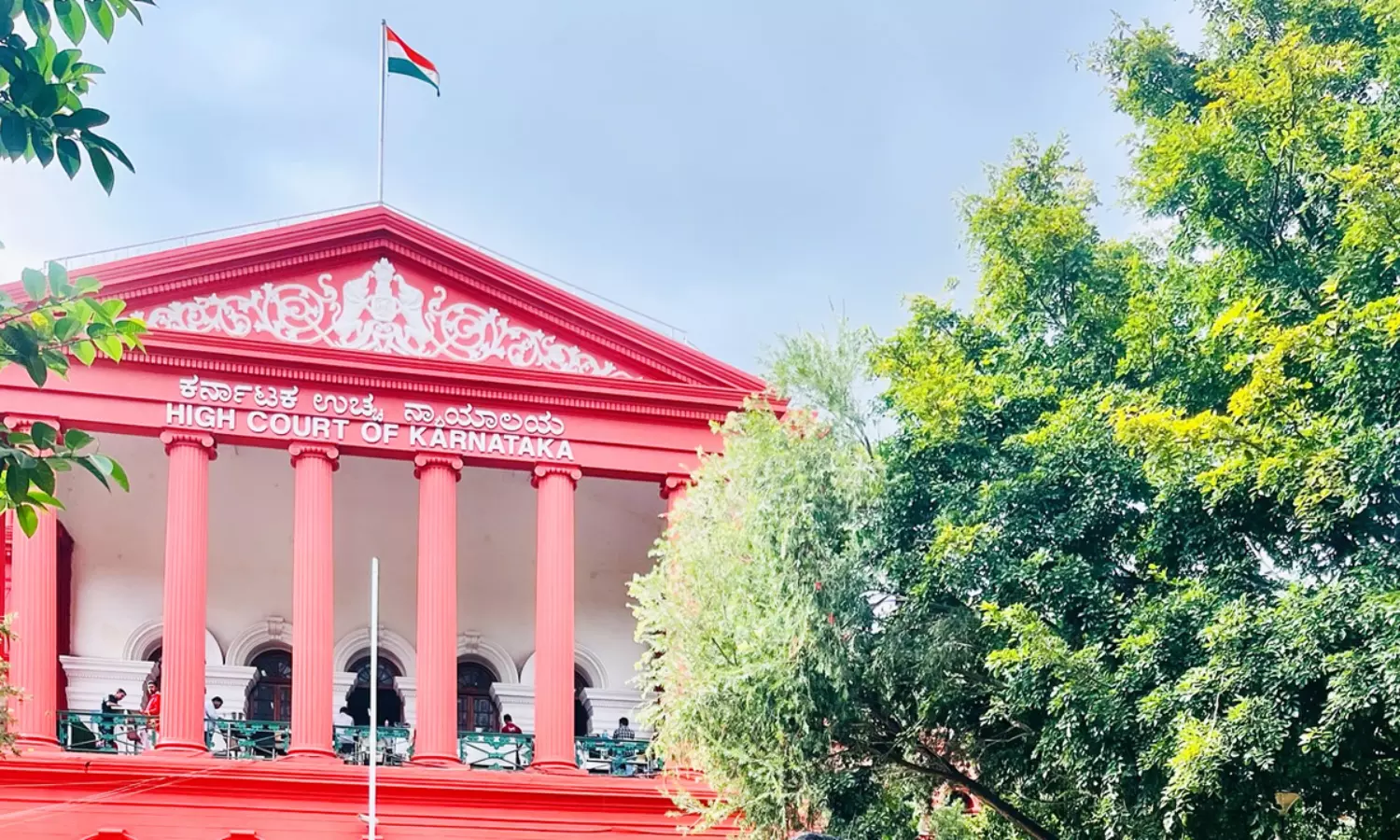
The reform is also likely to benefit government officials. Revenue officers, who juggle administrative duties alongside quasi-judicial responsibilities, often struggle with crowded court schedules. Digital hearings can enable better time management and reduce adjournments caused by logistical issues. Officials argue that when hearings are easier to schedule and attend, cases can move forward more predictably.Karnataka High Court to resume video streaming of hearings on pilot basis  after cybersecurity breach

However, the success of the initiative will depend heavily on infrastructure. Reliable internet connectivity, quality audio-visual equipment, and trained personnel are non-negotiable requirements. The government has acknowledged these challenges and stated that the pilot phase will focus on ironing out technical glitches. Lessons learned from the pilot will inform a broader rollout across the state.

Civil society organisations have welcomed the focus on transparency but urged caution in implementation. They warn that digital systems can sometimes replicate existing power imbalances if not designed inclusively. For instance, if only lawyers or officials have easy access to technology, ordinary litigants may feel sidelined. To counter this, activists are calling for publicly accessible kiosks and clear user support mechanisms.

There is also the question of legal validity. While higher courts have already embraced virtual hearings, revenue courts operate under a different administrative framework. The government has clarified that necessary legal provisions and procedural guidelines will be put in place to ensure that orders passed through video hearings have full legal standing. This clarity is crucial to avoid future disputes over the legitimacy of decisions.

CHALLENGES, SAFEGUARDS, AND THE ROAD AHEAD

Despite the optimism surrounding the initiative, experts caution that technology alone cannot solve systemic issues. Revenue disputes are often entangled with local power dynamics, political influence, and complex land histories. Digital hearings may streamline procedures, but they cannot replace the need for fair and impartial decision-making. Ensuring accountability among officials remains a critical challenge.

Data privacy has emerged as another area of concern. Live streaming, if not carefully regulated, could expose sensitive information to misuse. The government has stated that access controls, anonymisation where necessary, and clear consent protocols will be implemented. Observers stress that these safeguards must be rigorously enforced to prevent unintended consequences.

Training is equally important. Revenue officials, lawyers, and support staff must be adequately trained to use new systems effectively. Without proper capacity-building, there is a risk that technical issues could frustrate users and undermine confidence in the reform. The government has indicated that training modules and standard operating procedures are being developed as part of the pilot.

Political reactions to the initiative have largely been positive, with leaders across parties acknowledging the need to modernise revenue administration. Some, however, have raised concerns about whether digital hearings could be misused to centralise control or reduce local accountability. These voices argue that technology should empower citizens, not distance decision-makers from ground realities.

For litigants, the reform brings cautious hope. Farmers involved in long-pending land disputes see video hearings as a chance to reduce delays that have plagued their cases for years. Urban property owners, too, welcome the possibility of faster resolution and fewer bureaucratic hurdles. At the same time, there is apprehension about adapting to new systems, particularly among older litigants.

The judiciary’s experience during the pandemic has shown that virtual hearings can work, but only with constant refinement. Karnataka’s move to pilot similar systems in revenue courts reflects lessons learned during that period. Officials emphasise that the initiative is not about replacing physical courts entirely but about offering flexible options that suit diverse needs.Karnataka High Court Issues Guidelines For Resumption Of Video Conference  Hearings On A Pilot Basis From December 11

As the pilot unfolds, metrics such as case disposal rates, user satisfaction, and technical reliability will be closely monitored. The government has promised to consult stakeholders and make course corrections where necessary. Transparency in evaluating the pilot’s outcomes will be crucial to building public trust.

Ultimately, the move to live streaming and video hearings in revenue courts signals a broader shift in governance philosophy. It reflects an acknowledgment that justice must evolve with technology to remain accessible and credible. For Karnataka, a state with a complex land history and high litigation burden, the reform carries both promise and responsibility.

If implemented thoughtfully, the initiative could redefine how citizens experience administrative justice, turning revenue courts from symbols of delay into platforms of efficiency and openness. Whether this bold experiment becomes a model for other states will depend on its execution. For now, it stands as a hopeful step toward a system where justice is not just delivered, but seen to be delivered, in real time and without barriers.

The initiative has also prompted discussion on how technology could reshape the relationship between citizens and the state. By allowing proceedings to be viewed and accessed remotely, revenue courts may become less intimidating and more participatory. Experts believe this visibility could encourage citizens to better understand land laws and procedures, reducing dependence on intermediaries who often exploit lack of awareness. Over time, this could foster a more informed public that engages with the system confidently rather than fearfully.

There are also expectations that the reform could indirectly reduce corruption. Transparency through live streaming makes discretionary decisions more visible, limiting scope for arbitrary actions. While technology cannot eliminate malpractice on its own, governance specialists argue that openness changes institutional behaviour. When proceedings are subject to observation, even if limited, officials are more likely to adhere strictly to procedure, documentation, and reasoned orders.

As Karnataka prepares to test this digital transition, the success of the pilot will ultimately rest on political will and sustained oversight. Short-term enthusiasm must be matched with long-term commitment to maintenance, upgrades, and inclusivity. If these elements align, live streaming and video hearings in revenue courts could mark a quiet but profound shift in administrative justice, one that prioritises access, dignity, and trust for citizens navigating some of the most personal and contested legal disputes in the state.

Follow: Karnataka Government

Also read: Home | Channel 6 Network – Latest News, Breaking Updates: Politics, Business, Tech & More
Cec Member Visits Bannerghatta, Connects With Farmers: Bold 5 Engagements

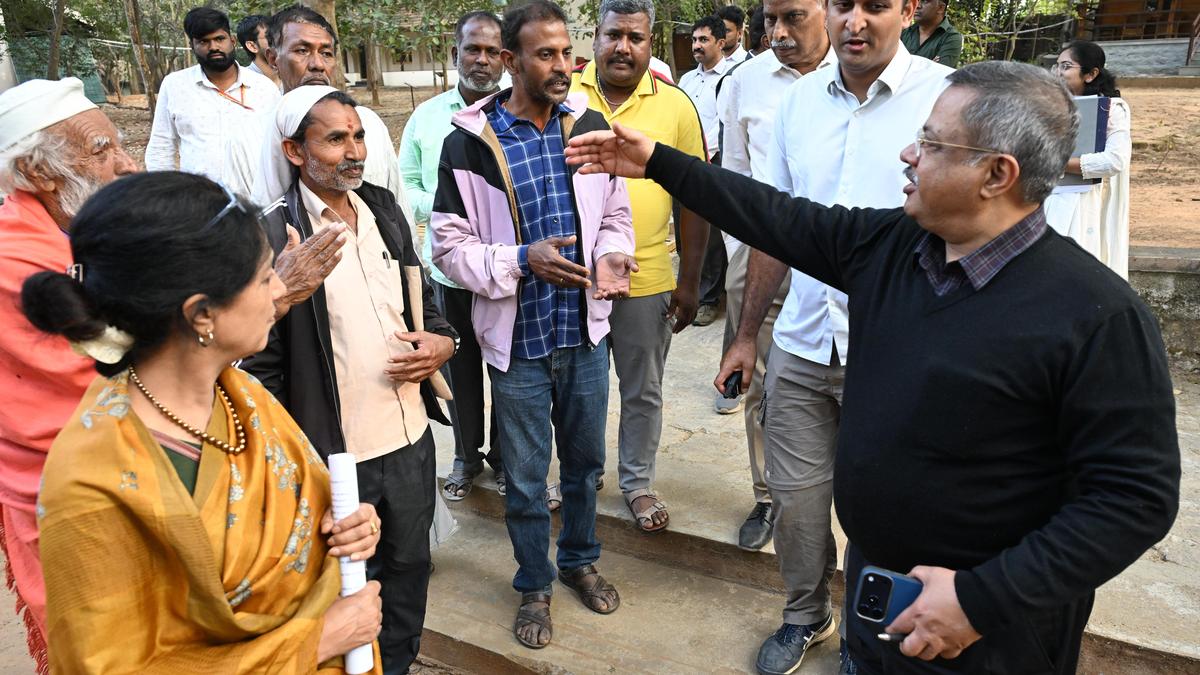
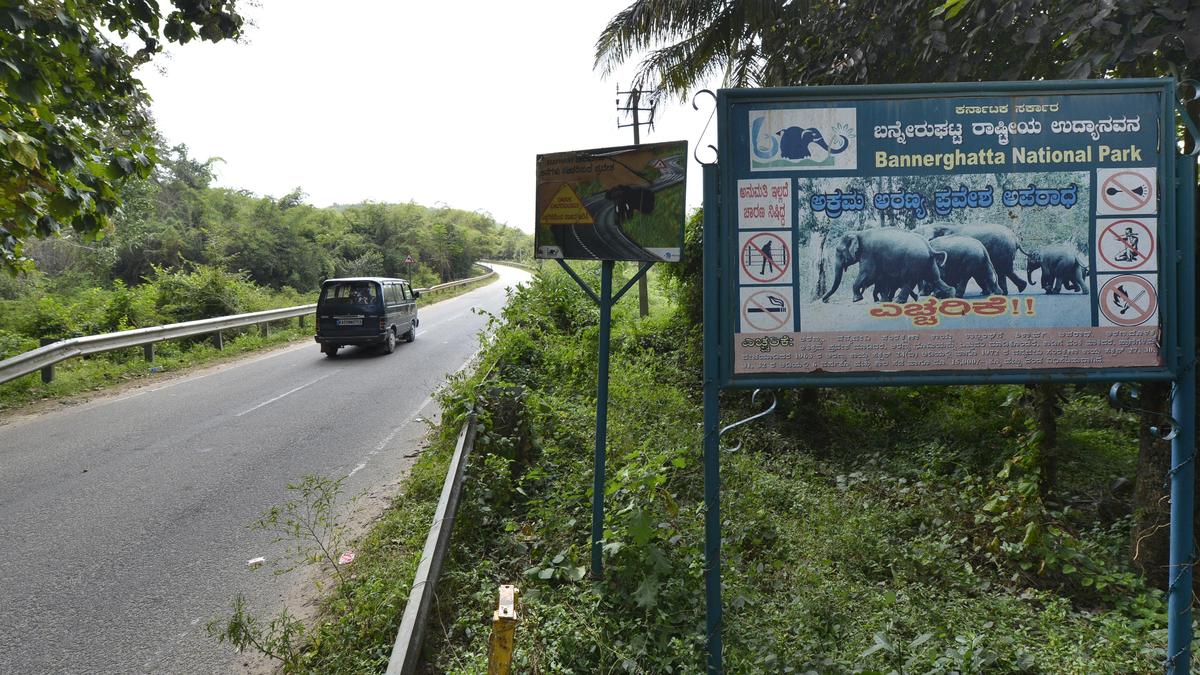
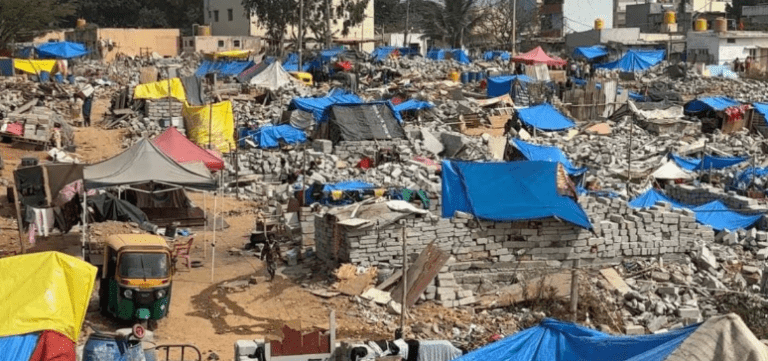
A member of the Central Empowerment Committee (CEC) visited Bannerghatta National Park recently, engaging directly with local farmers and stakeholders to address ongoing human-wildlife conflicts and conservation challenges. The visit, part of a broader initiative to foster collaboration between authorities and communities near protected areas, involved field interactions, community meetings, and on-site assessments. Officials emphasised that the engagement aimed to balance ecological preservation with the livelihoods of farmers residing near the park’s boundaries.

During the visit, the CEC member conducted detailed discussions with farmers whose lands border the national park. Concerns raised included crop damage from wild animals, livestock predation, and restrictions on land use due to conservation regulations. The member assured farmers that their grievances would be taken seriously and that efforts are underway to develop sustainable mitigation measures, including compensation mechanisms and preventive strategies.

Park authorities highlighted the importance of such interactions for fostering mutual understanding between conservation efforts and community needs. Farmers, in turn, expressed a willingness to collaborate on wildlife management initiatives provided their concerns are addressed adequately. The CEC member also emphasised that participatory approaches, combining scientific research and local knowledge, would be central to future policy recommendations.

The CEC member also visited farms on the periphery of the park to observe firsthand the impact of wildlife on agriculture. Farmers demonstrated areas damaged by elephants and wild boars, pointing out vulnerable crops such as paddy, maize, and vegetables. Officials took note of soil erosion, broken fencing, and other vulnerabilities, emphasizing that infrastructure support like reinforced boundaries, trenches, and community-managed watch groups could reduce losses while minimising conflict.

Local women’s groups, who play a key role in farming and household management, highlighted the additional burden posed by human-wildlife conflict. They explained how repeated crop damage affects household nutrition, income, and daily routines, particularly when male members migrate for work. The CEC member acknowledged these concerns and promised to integrate gender-sensitive measures into policy planning, ensuring that relief and mitigation strategies address the needs of all community members.

Discussions during the visit also touched upon wildlife corridors and animal migration patterns. Park officials explained that deforestation and encroachment have forced animals to seek food outside the forest boundaries, inadvertently creating conflict with human settlements. The CEC member recommended scientific studies to identify corridors and habitat zones that could be protected or restored, ensuring safe movement for wildlife while reducing interactions with farmlands.

The visit concluded with a community meeting where residents were briefed on immediate measures to protect crops and livestock, including the use of deterrent devices, lighting systems, and cooperative patrolling. Farmers expressed cautious optimism, noting that the government’s willingness to engage directly signals a commitment to long-term solutions rather than temporary fixes. Authorities assured that regular follow-ups and feedback mechanisms would be established to track progress and adjust interventions as needed.

CEC member visits Bannerghatta National Park, interacts with farmers - The  Hindu

HUMAN-WILDLIFE CONFLICT AND SUSTAINABLE SOLUTIONS: Member

Human-wildlife conflict has been a persistent challenge in areas surrounding Bannerghatta National Park. Crop raids by elephants, wild boars, and herbivores, along with occasional encounters with predators, have caused economic losses and heightened safety concerns for residents. Officials noted that monitoring, early-warning systems, and buffer zones are being explored as tools to mitigate such conflicts without compromising wildlife conservation.

The CEC member also visited areas identified as high-risk zones, engaging with forest staff and local communities to assess the effectiveness of current mitigation measures. Discussions included potential initiatives such as insurance schemes for crop damage, construction of deterrent infrastructure, and awareness campaigns to educate communities about wildlife behaviour. Experts believe that combining administrative support with community participation is crucial to reducing conflict and promoting coexistence.

Community leaders appreciated the CEC’s proactive engagement, highlighting that past complaints were often delayed or inadequately addressed. They emphasised that regular interactions with policymakers and conservation authorities are vital for building trust and ensuring that both farmers’ rights and environmental priorities are respected.

A member of the Central Empowerment Committee (CEC) visited Bannerghatta National Park recently, engaging directly with local farmers and stakeholders to address ongoing human-wildlife conflicts and conservation challenges. The visit, part of a broader initiative to foster collaboration between authorities and communities near protected areas, involved field interactions, community meetings, and on-site assessments. Officials emphasised that the engagement aimed to balance ecological preservation with the livelihoods of farmers residing near the park’s boundaries.

CEC member to visit Bannerghatta National Park following petition against  reduction of buffer zone - The Hindu

Officials clarified that the visit was also intended to facilitate dialogue between multiple stakeholders, including forest officials, local governing bodies, and civil society organisations. By creating an open forum for discussion, the CEC aims to identify practical, context-specific strategies that can be scaled to other regions experiencing similar challenges.

The CEC member concluded the visit by committing to follow-up actions, including detailed field reports, recommendations for improved compensation schemes, and proposals for infrastructure support to safeguard crops and livestock. Authorities assured farmers that their input would directly inform policy adjustments and future planning for human-wildlife conflict management.

In the coming months, Bannerghatta National Park is expected to pilot some of these interventions, combining technological solutions, community participation, and administrative oversight. Officials hope that such measures will reduce losses, improve farmer-wildlife coexistence, and serve as a model for sustainable management in other protected areas across Karnataka.

The engagement highlights a broader trend in conservation policy: recognising that effective wildlife protection must integrate the needs and voices of local communities. By bridging the gap between ecological objectives and human livelihoods, initiatives like the CEC visit aim to promote harmony between conservation imperatives and socio-economic realities.

The visit has been widely reported in local media and has sparked discussions about participatory governance and the role of community input in environmental management. Observers note that sustained attention from high-level committees such as the CEC can significantly enhance the credibility and effectiveness of conservation strategies.

Ultimately, the CEC member’s visit to Bannerghatta National Park reflects a shift toward inclusive policy-making in conservation. By listening to farmers, understanding their challenges, and incorporating their perspectives into planning, authorities hope to ensure that environmental preservation goes hand in hand with community welfare, creating a model of coexistence that balances nature and livelihoods in Karnataka.CEC member visits Bannerghatta National Park, interacts with farmers - The  Hindu

The CEC member’s visit comes amid growing concerns about the increasing interface between human settlements and forested areas near Bannerghatta National Park. Over the years, encroachment, agricultural expansion, and urban development have brought residents closer to wildlife habitats, escalating the risk of crop damage and livestock predation. Forest officials highlighted that careful zoning, awareness drives, and mitigation measures are essential to ensure both ecological protection and community safety.

During field interactions, several farmers narrated incidents of elephant raids, wild boar damage, and leopard sightings near village boundaries. Many reported repeated losses during the monsoon season when animals frequently venture out of the park in search of food. The CEC member assured residents that a comprehensive assessment of these high-risk zones would be undertaken, with recommendations for preventive measures, including fencing, early warning systems, and compensation mechanisms.

Officials indicated that mitigation strategies will include technological interventions such as sensor-based monitoring, mobile alert systems, and drone surveillance in critical zones. These tools are expected to enable timely alerts to villagers, reducing the likelihood of encounters that endanger both humans and wildlife. Additionally, forest personnel will be trained to use these technologies effectively while maintaining minimal disturbance to animal habitats.

The visit also focused on the economic impact of human-wildlife conflict. Losses from crop damage, livestock predation, and property destruction have placed significant financial strain on households, particularly those relying solely on agriculture for income. The CEC member stressed the need for state-backed insurance schemes, direct compensation mechanisms, and support for alternative livelihoods, such as eco-tourism initiatives or forest-based employment programs, to offset these losses.

Community representatives highlighted that past compensation measures were often delayed or inadequate, leading to frustration and a sense of neglect. The CEC member committed to streamlining these processes, advocating for quicker assessment protocols, transparent disbursal of funds, and clear communication channels so that affected families are not left waiting for extended periods. This emphasis on efficiency is intended to restore trust between residents and authorities.

In addition to addressing human-wildlife conflict, the visit served as an opportunity to educate communities about wildlife conservation and environmental stewardship. Awareness sessions were conducted, explaining animal behaviour, the ecological importance of the park, and safe practices to minimise encounters. Farmers were encouraged to adopt preventive strategies, including secure livestock enclosures, crop protection techniques, and controlled access to forest edges.

The CEC member also engaged with forest staff stationed at Bannerghatta National Park, discussing operational challenges such as patrolling, habitat management, and community engagement. Officials emphasised that adequate staffing, resource allocation, and logistical support are critical to implementing effective human-wildlife conflict mitigation measures. The member assured the park authorities of central oversight and support for capacity-building initiatives.

Discussions extended to long-term planning, including afforestation drives, habitat restoration, and buffer zone development. Authorities stressed that a holistic approach is necessary, combining ecological restoration with socio-economic interventions to ensure sustainable coexistence. Community participation is expected to be central, with local residents involved in tree planting, monitoring, and eco-tourism activities that generate income while preserving biodiversity.

The visit underscored the role of policy integration, highlighting the need for coordination between forestry departments, local governance bodies, agricultural agencies, and civil society organisations. By fostering multi-stakeholder collaboration, Karnataka aims to create models for participatory conservation that balance ecological goals with the livelihoods and safety of residents near protected areas.

Finally, the CEC member concluded the engagement by promising follow-up actions, including a comprehensive report detailing findings, proposed interventions, and a roadmap for implementation. Officials assured that recommendations would inform state-level policy and guide future initiatives, ensuring that Bannerghatta National Park continues to thrive as a protected ecosystem while enabling residents to live safely and sustainably alongside wildlife.

Follow: Karnataka Government

Also read: Home | Channel 6 Network – Latest News, Breaking Updates: Politics, Business, Tech & More
Karnataka Eyes Independent Path Against VB-G RAM G Act: BOLD 7 STRATEGIC MOVES

Karnataka is reportedly considering a major policy pivot as it prepares to challenge the central government’s VB-G RAM G Act while simultaneously rolling out its own state-level schemes aimed at similar objectives. The move signals a rare assertion of state autonomy in the face of federal legislation and reflects growing discontent among policymakers and citizens about the applicability and impact of the VB-G RAM G Act in Karnataka. Government sources indicate that discussions are underway to craft a multi-pronged strategy that combines legal, administrative, and welfare measures to safeguard the interests of residents while pursuing independent development priorities.

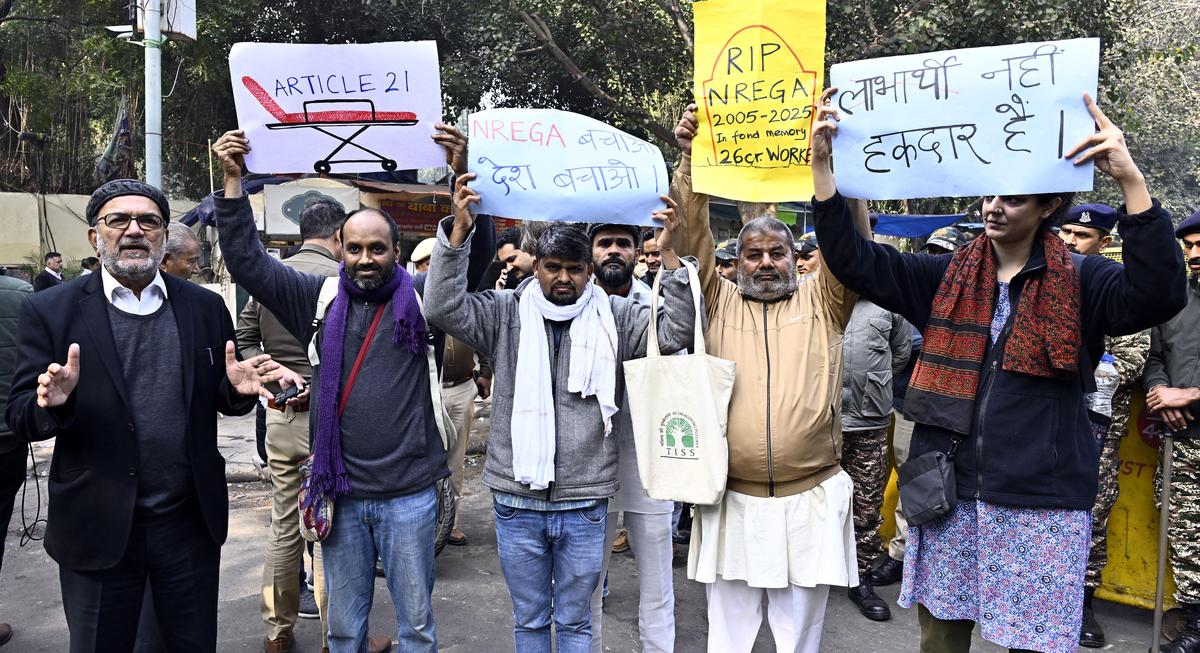
The VB-G RAM G Act, enacted by the central government, aims to regulate certain sectors across the country, introducing uniform standards and compliance protocols. While its proponents argue that it is intended to streamline governance and bring consistency, critics in Karnataka claim that it may overlook state-specific conditions, local socio-economic realities, and administrative challenges unique to the region. This perception has fuelled political debates and prompted the state to explore alternative approaches.Govt. to launch nationwide awareness campaign on VB-G RAM G scheme - The Hindu

Officials in Karnataka argue that, in several areas, the VB-G RAM G Act conflicts with existing state policies and schemes. The Act, they contend, centralises authority in a way that could limit the state’s flexibility in addressing local priorities, particularly in rural development, resource allocation, and welfare schemes tailored for Karnataka’s diverse communities. By starting its own state-specific schemes, the government seeks to bridge gaps left by the central legislation while reinforcing its commitment to citizens.

POLITICAL AND ADMINISTRATIVE SIGNALS

Sources within the state government suggest that legal experts have been tasked with examining the VB-G RAM G Act’s provisions in detail, identifying clauses that may be challenged under the constitutional framework of federalism. The emphasis is on ensuring that Karnataka retains decision-making powers in sectors where the state has traditionally exercised jurisdiction. Officials believe that a combination of legal scrutiny and independent policy action will allow the state to assert its autonomy without entirely rejecting the Act’s objectives.

Political analysts note that Karnataka’s move is also designed to send a clear signal to both the central government and the public. By publicly considering independent schemes, the state demonstrates responsiveness to citizen concerns and positions itself as a proactive administrator rather than a reactive implementer of central directives. This approach, they argue, may have electoral implications, enhancing the ruling party’s image as a defender of state rights and local interests.

Within bureaucratic circles, discussions have focused on the administrative feasibility of launching parallel state-level initiatives. Officials emphasise that these schemes will leverage existing infrastructure, local governance networks, and technological platforms to ensure efficiency. By aligning with ongoing state priorities, the government hopes to deliver tangible benefits to citizens while maintaining compliance with overarching legal frameworks.

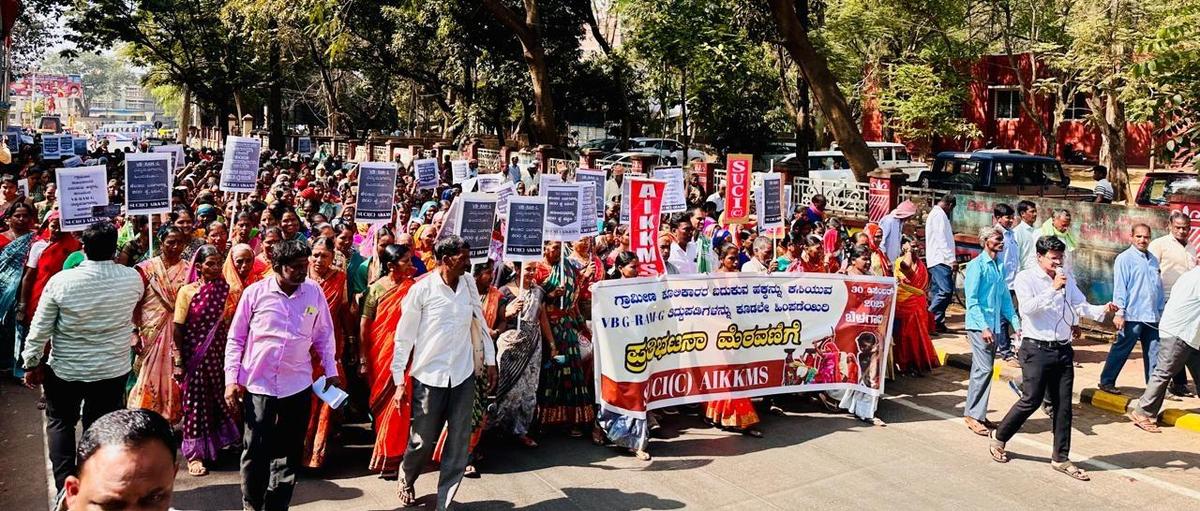
Critics of the central Act argue that its uniform application risks marginalising regional identities and priorities. Karnataka, with its diverse socio-economic landscape, faces unique challenges in sectors such as agriculture, water management, and local governance. State leaders maintain that their schemes will be tailored to these realities, providing more practical solutions than the one-size-fits-all provisions of the VB-G RAM G Act.Activists stage protests in Belagavi against VB-G RAM G Act - The Hindu

STATE SCHEMES AND DEVELOPMENT PRIORITIES

While details of the proposed state-level schemes remain under discussion, insiders indicate that they will focus on key sectors such as rural development, employment generation, infrastructure improvement, and welfare for vulnerable communities. By designing programs specifically for Karnataka, the government aims to fill gaps left by central regulations, ensuring that residents do not face delays or obstacles in accessing benefits.

Officials highlight that these schemes will incorporate feedback from local representatives, Panchayati Raj institutions, and civil society groups. This participatory approach is intended to ensure that programs are inclusive, context-sensitive, and directly address citizen needs. Observers suggest that such engagement could improve governance outcomes, enhance citizen satisfaction, and strengthen accountability mechanisms.

Legal experts note that Karnataka’s approach—challenging certain provisions while simultaneously rolling out state initiatives—is not unprecedented. Several states have historically adopted similar strategies when central legislation conflicted with regional priorities. The key challenge lies in ensuring that state schemes complement rather than contradict central mandates, avoiding legal ambiguities and administrative confusion.

By framing its strategy as both defensive and proactive, Karnataka hopes to balance legal compliance with innovative governance. Officials emphasise that the goal is not to undermine central authority but to assert state discretion in areas where local realities demand tailored solutions. This balancing act will be critical in ensuring that the state’s approach withstands scrutiny and delivers meaningful benefits to citizens.

LEGAL AND CONSTITUTIONAL CHALLENGES

The potential legal challenge to the VB-G RAM G Act centers on the constitutional division of powers between the state and the center. Article 246 and the Seventh Schedule of the Indian Constitution outline the distribution of legislative powers, which Karnataka’s legal team is scrutinising for possible overreach. Officials suggest that certain provisions of the Act may encroach upon state subjects, providing grounds for judicial review if necessary.

Political observers note that any legal confrontation would be closely watched across India, given its implications for federalism and state autonomy. A successful challenge could set a precedent for other states seeking to assert regional priorities in the face of uniform central legislation. Conversely, failure could reaffirm central authority, potentially influencing policy approaches in multiple states.

Karnataka’s approach also raises questions about administrative coordination. Implementing state-specific schemes while a central Act remains in effect requires careful alignment of guidelines, reporting structures, and resource allocation. Government officials have indicated that inter-departmental task forces will be established to manage these complexities, ensuring that citizens receive benefits seamlessly and without duplication.

Legal analysts highlight the importance of clarity in communication during such a policy initiative. Misunderstandings or perceived conflicts between state and central authorities could generate confusion among beneficiaries. Therefore, the state plans to issue detailed advisories and conduct awareness campaigns to inform citizens about eligibility criteria, application procedures, and grievance redressal mechanisms under its independent schemes.

POLITICAL IMPLICATIONS AND CITIZEN EXPECTATIONS

The VB-G RAM G Act controversy comes at a time of heightened political sensitivity in Karnataka. Opposition parties have criticised the central legislation, citing concerns about uniformity versus state-specific needs, while also questioning the timing and intent of the Act. The ruling state government’s decision to explore independent schemes allows it to address citizen concerns, maintain political credibility, and strengthen its standing ahead of future electoral contests.Like farm laws, VB- G RAM G Act too will be withdrawn: Karnataka minister

Citizens, particularly in rural areas and sectors affected by the Act, are closely monitoring developments. Many view Karnataka’s initiative as a proactive measure to protect local interests, ensuring that benefits reach intended recipients without bureaucratic hurdles. Observers suggest that transparent communication and timely implementation of state schemes will be crucial in shaping public perception and trust.

Community leaders have welcomed the state’s move but emphasised that success depends on execution. They argue that legal challenges and scheme design must go hand in hand with robust monitoring, grievance redressal, and participatory governance. Without these measures, even well-intentioned programs risk being ineffective or inaccessible to those who need them most.

The opposition has signalled cautious support, framing Karnataka’s initiative as a responsible assertion of state rights. However, political debates are likely to intensify as the state moves from discussion to implementation, with scrutiny of both the legal strategy and the design of independent schemes. Analysts predict that public messaging and stakeholder engagement will play a key role in shaping the narrative.

IMPLEMENTATION STRATEGIES AND MONITORING

Officials have indicated that the rollout of Karnataka-specific schemes will be phased, prioritising sectors where the VB-G RAM G Act has the most significant impact. This phased approach allows the government to test administrative processes, identify potential gaps, and make adjustments before wider implementation. By ensuring operational readiness, the state hopes to minimise disruption and maximise benefits.

Digital tools are expected to play a central role in the administration of independent schemes. Government portals, mobile applications, and local governance networks will be leveraged for beneficiary registration, fund disbursal, and progress monitoring. This approach aims to reduce corruption, ensure accountability, and provide real-time tracking of outcomes.

Monitoring committees comprising officials, civil society representatives, and independent experts are likely to be set up to oversee both the legal and administrative aspects of Karnataka’s strategy. These committees will evaluate the effectiveness of state schemes, assess compliance with existing laws, and recommend corrective measures as needed. Experts note that such oversight mechanisms are essential for maintaining transparency and ensuring public trust.

The government has also stressed the importance of communication with central authorities. Officials maintain that Karnataka’s strategy is not confrontational but seeks cooperative engagement wherever possible. By negotiating administrative alignment and clarifying the state’s unique circumstances, the government hopes to prevent conflicts while asserting its autonomy in policy implementation.

SOCIO-ECONOMIC IMPACT AND CITIZEN BENEFITS

The independent schemes proposed by Karnataka aim to have wide-ranging socio-economic impact. Officials suggest that they will address local employment, skill development, rural infrastructure, and welfare initiatives, particularly for marginalised communities. By focusing on local needs, the state hopes to achieve higher participation, improve livelihoods, and ensure equitable access to resources.

Follow: Karnataka Government

Also read: Home | Channel 6 Network – Latest News, Breaking Updates: Politics, Business, Tech & More
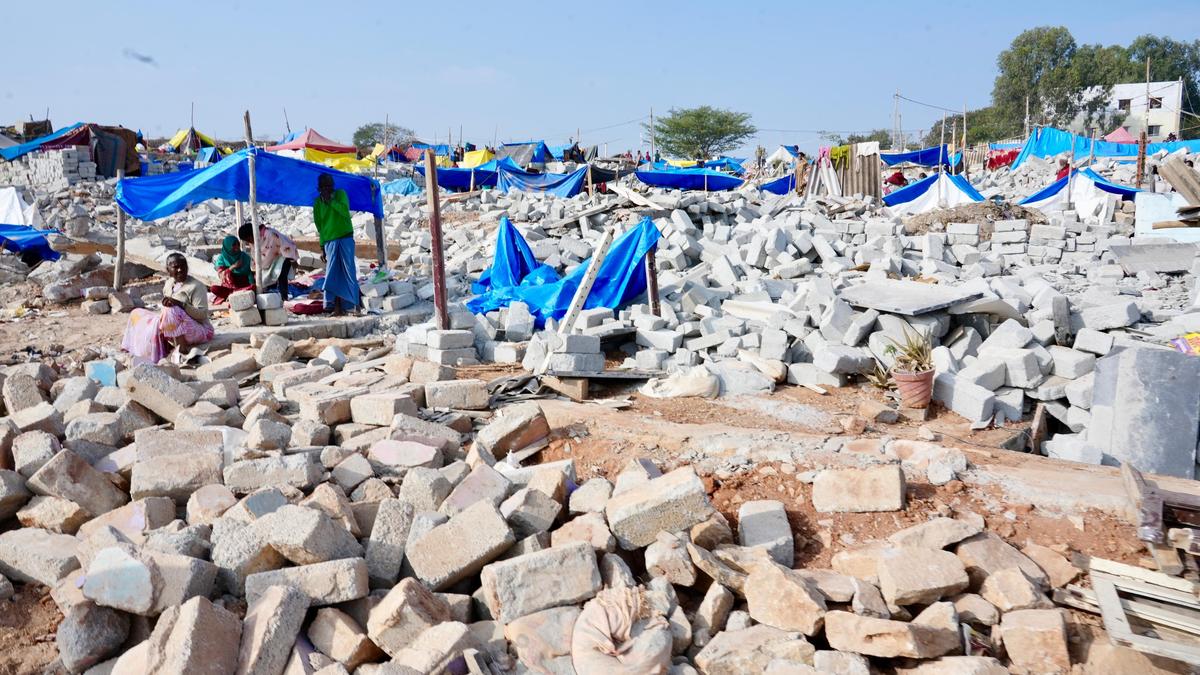
Timeless Hobby Revival 2026 – Detailed Analysis of Stamp Collecting, Numismatics, Book Collecting, Bird Watching, and Phillumeny

The timeless hobby revival 2026 reflects a growing desire among people to reconnect with slower, more meaningful pursuits. In an age dominated by digital screens, hobbies like philately, numismatics, book collecting, bird watching, and phillumeny offer joy, learning, and discovery. Kolkata, with its rich cultural heritage, has become a hub for these pursuits, inspiring residents to begin the new year with creative resolutions.


2. Philately – Stamp Collecting

  • Getting started: A basic stamp album, stamp tongs, and magnifying glass.
  • Sources: Local post offices, philatelic bureaus, and India Post’s deposit accounts.
  • Themes: Nature, heritage, sports, personalities.
  • Community: Stamp clubs and online forums keep enthusiasts connected.
  • Learning value: Each stamp tells a story about history, culture, and politics.

🔗 Government resource: India Post Philately


3. Numismatics – Coins and Currency

  • Definition: Study and collection of coins, tokens, and paper money.
  • Indian context: From Mauryan punch‑marked coins to Mughal rupees and modern commemoratives.
  • Foreign coins: Offer insights into monarchy, geography, and governance.
  • Museums: RBI Monetary Museum in Dalhousie Square showcases India’s coinage journey.
  • Tips: Handle coins by edges, store in albums, learn mint marks (diamond for Mumbai, star for Hyderabad, dot for Noida, blank for Kolkata).

🔗 Government resource: RBI Monetary Museum


4. Timeless Hobby Revival 2026: Book Collecting

  • Focus areas: Autobiographies, sports memoirs, classic literature.
  • Examples: Sunny Days by Sunil Gavaskar, Playing It My Way by Sachin Tendulkar, Open by Andre Agassi.
  • Value factors: First editions, signed copies, condition of dust jackets.
  • Venues: College Street, Gol Park, and the Kolkata Book Fair.
  • Care: Protect books from dust, moisture, and sunlight; catalogue collections.

🔗 Government resource: Ministry of Culture


5. Bird Watching

  • Locations: Central Park, Eco Park, Santragachhi Jheel, Bharatpur Sanctuary, Chilika Lake.
  • Gear: Binoculars, field guides, cameras with zoom.
  • Best times: Early mornings and late afternoons.
  • Species: Kingfishers, storks, ducks, passerines, raptors.
  • Documentation: Journals and checklists from Birdwatchers’ Society.

🔗 Resource: Birdwatchers’ Society


6. Phillumeny – Matchbox Collecting

  • Definition: Collecting matchboxes and labels.
  • Themes: Hotels, animals, transport, artistic designs.
  • Sources: Kitchens, street shops, online auctions.
  • Preservation: Remove matches, flatten covers, store in acid‑free sleeves.
  • Community: British Matchbox Label and Bookmatch Society offers global connections.

7. Governance Challenges

Reviving hobbies requires:

  • Institutional support (India Post, RBI, museums).
  • Community spaces for exhibitions and fairs.
  • Awareness campaigns to attract younger generations.
  • Integration with education to make hobbies part of learning.

8. Government External Links for Assistance


9. Historical Context of Hobby Culture in Bengal

  • Philately: Flourished during colonial times with British India stamps.
  • Numismatics: Bengal Presidency coins remain prized collectibles.
  • Book collecting: College Street has been Asia’s largest second‑hand book market for decades.
  • Bird watching: Bengal’s wetlands have long attracted migratory species.
  • Phillumeny: Popular in the mid‑20th century when matchboxes carried unique designs.

10. Community Impact

  • Encourages intergenerational bonding.
  • Provides mental relaxation and stress relief.
  • Builds knowledge networks through clubs and fairs.
  • Strengthens cultural identity by preserving heritage.

11. Global Comparisons

  • UK: Royal Philatelic Society promotes stamp collecting.
  • USA: American Numismatic Association supports coin study.
  • Japan: Bird watching integrated into school curricula.
  • Sweden: Phillumeny clubs thrive with artistic matchbox designs.

Kolkata’s revival mirrors these global trends where hobbies enrich both personal lives and cultural heritage.


12. Governance Lessons

The hobby revival teaches:

  • Balance between tradition and modernity.
  • Digital platforms can support hobby communities.
  • Museums and fairs must be accessible to all.
  • Policy support ensures hobbies remain sustainable.

13. Future Outlook – Hobby Culture in India

India must move towards:

  • Hybrid exhibitions combining physical and digital showcases.
  • School hobby clubs to nurture young collectors.
  • Tourism integration with hobby fairs.
  • International collaborations to showcase Indian hobby culture globally.

14. Conclusion

The timeless hobby revival 2026 is more than nostalgia—it is a movement to reclaim leisure, learning, and creativity. From stamps and coins to birds and books, these pursuits remind us that life’s richest joys often lie in simple, enduring passions.

Also read: Home | Channel 6 Network – Latest News, Breaking Updates: Politics, Business, Tech & More
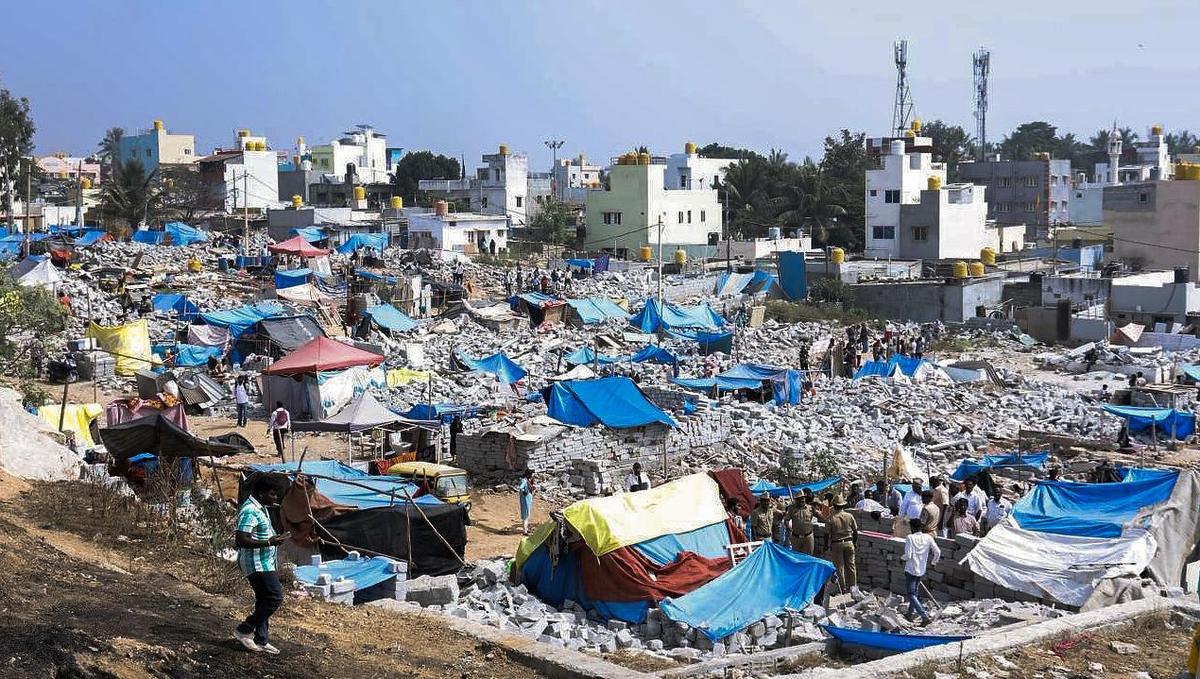
Ballari Seethes as BJP Alleges Goondaism and Seeks Justice: Bold 9 DAYS OF OUTRAGE

The political temperature in Ballari rose sharply as the Bharatiya Janata Party alleged “goondaism” in the recent clashes that rocked the district and demanded a judicial probe into the sequence of events that led to violence and loss of public order. The party’s accusation has intensified an already volatile situation, transforming a local law-and-order incident into a full-fledged political confrontation with statewide implications. As Ballari struggles to regain normalcy, competing narratives are emerging, each attempting to define who bears responsibility for the unrest.

The BJP, addressing the media, claimed that organised violence was unleashed under political patronage and that ordinary citizens were terrorised during the clashes. Party leaders alleged that the administration failed to act impartially and allowed lawlessness to prevail, forcing people to live in fear. They argued that the incident was not spontaneous but the result of deliberate mobilisation, calling it a clear case of goondaism that warranted an independent judicial inquiry rather than an internal or executive-led probe.

The clashes erupted following tensions linked to political symbolism and public displays, which quickly escalated into stone-pelting, damage to property, and confrontations with the police. What began as a dispute over banners soon spiralled into widespread unrest, drawing large crowds and paralysing parts of the city. Police were forced to deploy additional forces and impose preventive measures to bring the situation under control. However, the violence left behind deep political scars and public anxiety.

BJP leaders alleged that their workers and supporters were specifically targeted during the violence, accusing rival political groups of orchestrating attacks. They claimed that several party workers were injured and that vehicles and offices associated with the party were damaged. According to them, complaints filed by BJP members were either delayed or inadequately addressed, further reinforcing their claim of administrative bias.

The demand for a judicial probe, the BJP said, was rooted in the need for credibility and transparency. Party leaders argued that only an independent judicial authority could examine the roles of political actors, police officials, and administrators without fear or favour. They warned that failure to order such a probe would deepen mistrust and fuel further unrest, not just in Ballari but across other politically sensitive districts.Ballari clash: BJP alleges 'goondaism', seeks judicial probe - The Hindu

Meanwhile, the state government has maintained that law and order is under control and that appropriate inquiries are already underway. Officials have reiterated that the police acted according to standard procedures under challenging circumstances. However, the BJP has dismissed these assurances as insufficient, insisting that executive-controlled inquiries cannot inspire public confidence in such a charged atmosphere.

For residents of Ballari, the political war of words has done little to ease lingering fear. Many areas that witnessed violence remain tense, with a visible police presence and heightened vigilance. Shopkeepers and daily wage earners have spoken of economic losses due to disruptions, while families worry about the safety of their children amid recurring political confrontations.

POLITICAL BLAME GAME AND THE QUESTION OF ACCOUNTABILITY

The BJP’s allegation of goondaism has added a sharp edge to the political blame game surrounding the Ballari clashes. Party leaders accused the ruling establishment of either shielding those responsible or failing to act decisively against violent elements. They argued that when political violence is normalised or ignored, it erodes the very foundations of democracy and rule of law.

Senior BJP leaders claimed that Ballari has become a testing ground for aggressive political tactics, where power is asserted through intimidation rather than democratic engagement. They alleged that supporters of rival factions were allowed to act with impunity, creating an environment where violence was used as a tool to silence opposition. Such practices, they warned, could set a dangerous precedent if left unchecked.

The ruling side, however, has rejected these allegations, accusing the BJP of politicising a sensitive law-and-order issue. Government representatives argued that violence erupted due to provocation and that the police were compelled to act swiftly to prevent a larger breakdown. They insisted that inquiries already ordered would examine all aspects of the incident, including any lapses by officials.

Political analysts note that Ballari’s history makes it particularly susceptible to such confrontations. The district has long been shaped by strong personalities, intense rivalries, and symbolic assertions of dominance. In this context, even minor disputes can escalate rapidly, especially when amplified by political mobilisation and social media messaging.

The BJP’s call for a judicial probe has also been framed as a fight for justice for victims of violence. Party leaders highlighted testimonies of residents who allegedly faced threats and vandalism. They argued that these voices risk being drowned out unless an independent authority documents and addresses their grievances.

Civil society organisations have expressed concern over the recurring cycle of violence and inquiry. While acknowledging the need for accountability, activists argue that repeated probes have failed to address underlying causes such as unchecked political symbolism, weak enforcement of permissions, and inadequate conflict-prevention mechanisms. Without systemic reform, they warn, judicial probes may offer momentary relief but little long-term change.

Legal experts point out that judicial probes, while powerful, are not a panacea. Their effectiveness depends on scope, cooperation from authorities, and the willingness of the political class to accept findings. In politically charged cases, even judicial inquiries can become contested spaces, with competing interpretations of conclusions.

For Ballari’s residents, the core issue remains safety and stability. Many express fatigue over political rivalries that spill into streets and disrupt everyday life. They question whether leaders truly represent public interests when confrontations repeatedly endanger ordinary citizens.Ballari clash: Sriramulu seeks High Court or CBI probe into firing that  killed youth - The Hindu

IMPACT ON GOVERNANCE AND THE ROAD AHEAD

The BJP’s demand for a judicial probe has placed the state government at a crossroads. Acceding to the demand could signal a commitment to transparency but might also be perceived as conceding administrative failure. Rejecting it, on the other hand, risks intensifying opposition protests and prolonging political instability in Ballari.

Governance experts suggest that beyond deciding on the probe, the government must focus on restoring trust. This includes clear communication, swift action against proven wrongdoing, and visible efforts to prevent recurrence. Failure to do so could deepen cynicism toward institutions meant to protect citizens.

The clashes have also highlighted gaps in crowd control and intelligence gathering. Analysts argue that early warning signs were ignored and that preventive measures could have defused tensions before they turned violent. Strengthening coordination between local administration, police, and community leaders is being seen as essential to avoid future flashpoints.

Political observers believe the Ballari episode will reverberate in upcoming political debates. Law and order, political violence, and accountability are likely to become central themes, with parties using the incident to frame broader narratives about governance and democracy. For the BJP, the allegation of goondaism aligns with its attempt to project itself as a defender of law and order.

At the grassroots level, community leaders are calling for dialogue and reconciliation. Some have initiated peace meetings to bridge divides and discourage provocative actions. They stress that while political disagreements are inevitable, violence undermines collective well-being and development.

The economic cost of the clashes is another concern. Disruptions to trade, transport, and daily work have hurt livelihoods, particularly among informal workers. Prolonged instability could deter investment and development in a district already grappling with socio-economic challenges.

As investigations continue and political rhetoric intensifies, Ballari stands at a critical juncture. The demand for a judicial probe reflects deeper anxieties about power, accountability, and justice. Whether these anxieties are addressed through transparent action or prolonged confrontation will shape the district’s immediate future.Karnataka Home Minister Parameshwara orders inquiry into Ballari clash,  says will share information once report comes

The episode has also triggered introspection within administrative circles about the limits of reactive governance. Senior officials privately acknowledge that recurring political clashes point to a deeper failure in anticipating conflict and enforcing preventive regulations. Experts argue that unless permissions for rallies, banners, and public displays are strictly regulated and violations penalised consistently, Ballari will remain vulnerable to sudden eruptions of violence driven by symbolism rather than substance.

Public trust in institutions has emerged as a central casualty of the clash. Many residents feel that repeated assurances of inquiry and action have yielded little visible change over the years. This erosion of trust, analysts warn, is dangerous in a democratic setup, as it fuels cynicism and disengagement. Rebuilding confidence will require not just probes, but demonstrable accountability and a commitment to protect citizens irrespective of political affiliations.

The role of youth in such politically charged environments has also come under focus. With limited employment opportunities and strong political mobilisation, young people often become the most visible participants in street-level confrontations. Social workers stress the need for constructive engagement through education, employment, and civic initiatives to prevent political actors from exploiting youthful energy for confrontational ends.

As Ballari moves forward, the broader lesson emerging from the clash is the urgent need to redefine political expression. Symbols, slogans, and shows of strength, critics argue, cannot replace dialogue, governance, and service delivery. Whether the demand for a judicial probe translates into systemic reform or fades into partisan memory will determine if Ballari breaks free from its cycle of unrest or continues to relive it in different forms.

Ultimately, the BJP’s allegation of goondaism has forced a broader reckoning. It has raised uncomfortable questions about how political competition is conducted and at what cost. For Ballari, the hope is that this moment leads not just to another probe, but to meaningful reform that prioritises peace, dignity, and democratic values over spectacle and force.

Follow: Karnataka Government

Also read: Home | Channel 6 Network – Latest News, Breaking Updates: Politics, Business, Tech & More
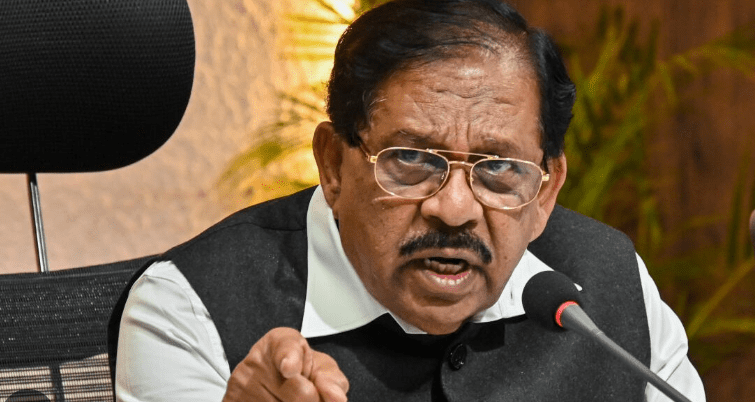
Salt Lake Civic Wish List 2026 – Detailed Analysis of Resident Demands for Safer Roads, Cleaner Living, and Governance Lessons for Urban Bengal

The Salt Lake Civic Wish List 2026 reflects the growing concerns of residents in Kolkata’s planned township. From broken roads near Tank 13 to cable clutter, flooding, and indiscriminate parking, citizens have voiced their priorities for the new year. Their demands highlight the need for better urban governance, sustainable infrastructure, and community‑centric planning.


2. Key Resident Demands

🚫 Ban on Pigeon Feeding

  • Residents flagged health hazards from pigeon droppings and feathers.
  • Dried droppings can turn into dust, lodge in lungs, and even prove fatal.
  • Ornithologists are being urged to design humane population control measures.

🚦 Traffic Safety

  • Non‑motorised vehicles like cycles and rickshaws often flout traffic rules.
  • Violations include jumping red lights and driving on the wrong side.
  • Residents demand stricter enforcement despite lack of licence plates on these vehicles.

🛣️ Broken Roads near Tank 13

  • The stretch around Tank 13 has been in disrepair for two years.
  • Heavy traffic from IA Market, stadium visitors, and garbage trucks worsens the situation.
  • Accidents have been reported due to potholes and parked cars outside shops.

🔌 Cable Clutter

  • Hanging cables across skylines pose risks to pedestrians and bikers.
  • Some accidents have been fatal, with cables wound around lamp posts and trees.
  • Residents want redundant cables removed and existing ones shifted underground, as in New Town.

🧱 Footpath Height

  • Excessively high kerbstones make pavements inaccessible for elderly and children.
  • Pedestrians often avoid footpaths, walking on roads instead, increasing accident risks.

💡 Street Lighting

  • Long, sparsely populated roads in Action Area III lack adequate lighting.
  • Residents demand better illumination and visible police presence for night‑time safety.

🚲 Cycling Lanes

  • Calls for shaded footpaths and regulated crossings along Salt Lake Bypass and Sector V Ring Road.
  • Cycling lanes near IT hubs would encourage eco‑friendly commuting.

🌧️ Water‑Logging

  • Monsoon flooding remains a major issue in Sector V, Chinar Park, and Ultadanga.
  • Residents want drainage upgrades to prevent seasonal chaos.

🚗 Parking Space

  • Indiscriminate car parking blocks gates and encroaches on footpaths.
  • Authorities identified fee‑parking zones in August 2025 but failed to act.
  • Residents demand designated parking to reduce congestion.

3. Salt Lake Civic Wish List 2026: Governance Challenges

The Salt Lake wish list reflects:

  • Weak enforcement of traffic and civic rules.
  • Delayed infrastructure repairs despite repeated complaints.
  • Lack of coordination between municipal bodies and police.
  • Public frustration over promises without follow‑through.

4. Government External Links for Assistance


5. Historical Context of Salt Lake Township

  • Developed in the 1960s–70s as Kolkata’s first planned satellite township.
  • Initially designed with wide roads, parks, and residential blocks.
  • Over time, rapid urbanisation and IT hub expansion in Sector V strained infrastructure.
  • Today, Salt Lake faces challenges similar to older parts of Kolkata.

6. Community Impact

  • Families worry about safety due to poor lighting and broken roads.
  • Elderly residents struggle with high footpaths and flooding.
  • Businesses suffer from traffic chaos and parking shortages.
  • The wish list reflects collective frustration and hope for change.

7. Global Comparisons

Similar urban issues worldwide:

  • London: Cable clutter replaced with underground wiring.
  • Singapore: Strict traffic enforcement for non‑motorised vehicles.
  • Tokyo: Pedestrian‑friendly pavements with rationalised kerbstones.
  • New York: Fee‑parking zones reduce congestion in residential areas.

Salt Lake’s problems mirror these global challenges, showing the need for international best practices in urban governance.


8. Governance Lessons

The Salt Lake wish list teaches:

  • Community consultation is vital for prioritising civic projects.
  • Transparent timelines for repairs build public trust.
  • Integrated planning between police, municipal bodies, and residents ensures smoother implementation.
  • Sustainability focus (cycling lanes, underground cables) future‑proofs urban living.

9. Future Outlook – Urban Bengal

India must move towards:

  • Smart traffic systems to monitor violations.
  • Eco‑friendly drainage upgrades to tackle flooding.
  • Universal design pavements accessible to all age groups.
  • Digitised parking management with mobile apps for residents.

10. Conclusion

The Salt Lake civic wish list 2026 is more than a set of complaints—it is a roadmap for better urban living. From safer roads to cleaner skylines, residents have articulated clear priorities. For Bengal, the lesson is simple: urban governance must evolve to match the aspirations of its citizens, ensuring that planned townships remain liveable, safe, and sustainable.

Also read: Home | Channel 6 Network – Latest News, Breaking Updates: Politics, Business, Tech & More