Friday, May 1, 2026
Home Blog Page 177

Bengaluru Shaken by Death of a Pregnant Leopard: HAUNTING 5 QUESTIONS OF LOSS

The discovery of the carcass of a pregnant leopard on the outskirts of Bengaluru has sent shockwaves through conservation circles, forest officials, and nearby communities, raising troubling questions about wildlife safety amid rapid urban expansion. The deceased animal, found in a semi-forested patch bordering human settlements, underscores the fragile coexistence between expanding cities and shrinking natural habitats. The incident has triggered concern not only because a leopard died, but because an unborn life was lost alongside it, intensifying the emotional and ecological weight of the tragedy.

Forest department officials confirmed that the carcass was spotted by local residents early in the morning, who alerted authorities after noticing scavenger birds circling the area. Upon inspection, officials found that the leopard was female and pregnant, indicating that the loss extended beyond a single animal. Preliminary assessments suggested no visible external injuries, prompting officials to send the carcass for post-mortem examination to determine the exact cause of death. The area was immediately cordoned off to prevent public interference and ensure a proper investigation.

The location of the discovery lies close to expanding residential layouts, agricultural fields, and fragmented green corridors that once served as safe passageways for wildlife. Over the past few years, this region has witnessed increasing human activity, with roads, fencing, and construction gradually encroaching into forest edges. Conservationists argue that such changes disrupt animal movement patterns, forcing wildlife into dangerous proximity with humans, vehicles, and stray dogs.

Local residents expressed a mix of shock and sorrow at the sight. Many said that leopard sightings had increased in recent months, often during early morning or late-night hours. While fear has accompanied these sightings, some residents acknowledged that the animals were likely straying out due to loss of habitat and prey. The death of a pregnant leopard has deepened the sense of unease, transforming fear into grief and introspection about the cost of unchecked urban growth.

Forest officials have assured the public that there is no immediate threat to human safety and that patrols have been intensified in the surrounding areas. Camera traps are being reviewed to trace the leopard’s movement prior to death, and veterinarians have been tasked with conducting a detailed post-mortem. Authorities emphasised that conclusions would only be drawn after scientific analysis, urging people not to speculate or spread misinformation.Calf carcass found in Bengaluru outskirts, leopard activity suspected:  Report | Bengaluru

URBAN EXPANSION AND A SHRINKING WILDLIFE SPACE

The death of the leopard has reignited debates around Bengaluru’s rapid urbanisation and its impact on wildlife. Once surrounded by dense forests and interconnected green belts, the city’s periphery has transformed into a mosaic of gated communities, industrial zones, and highways. These developments often slice through natural habitats, leaving animals with limited options for movement and survival. Leopards, known for their adaptability, have increasingly been forced to navigate these altered landscapes.

Wildlife experts point out that leopards are territorial animals with established movement routes. When these routes are disrupted, animals may venture into unfamiliar and hazardous areas. In such environments, risks range from accidental poisoning and electrocution to road accidents and stress-induced health complications. The discovery of a pregnant leopard’s carcass highlights how vulnerable animals become during critical biological phases such as gestation.

Conservationists also stress that prey depletion plays a significant role in such incidents. As forests shrink, herbivore populations decline, pushing predators closer to human settlements in search of food. Stray dogs and livestock become easy targets, which in turn heightens human-leopard conflict. While there is no indication that this particular leopard was involved in conflict, its presence near human habitation reflects broader ecological imbalances.

The forest department has faced criticism in the past for reactive rather than preventive measures. Activists argue that while rescue operations and patrols are necessary, long-term solutions lie in protecting corridors, regulating construction near forest boundaries, and strengthening community awareness. The loss of a pregnant leopard, they say, is not merely an isolated incident but a symptom of systemic neglect.

Residents living near forest fringes are often caught between fear for their safety and empathy for wildlife. Some have called for better communication from authorities, including clear guidelines on how to respond to animal sightings. Others believe that relocating animals is not a sustainable solution, as it often leads to stress and territorial conflicts elsewhere. Instead, they advocate coexistence models that prioritise habitat protection and responsible urban planning.Karnataka | A carcass of a pregnant leopardess, about 4 years, was  discovered near Basavanapura forest area of Kaggalipura range of Bengaluru  on December 27 and the necropsy on the carcass revealed

The emotional response to the incident has been significant, with social organisations and wildlife enthusiasts expressing grief over the loss. Many view the death of a pregnant animal as particularly distressing, symbolising the loss of future generations and the narrowing window for biodiversity conservation. The incident has also sparked discussions in academic circles about the cumulative impact of small, everyday decisions on larger ecological outcomes.

INVESTIGATION, ACCOUNTABILITY, AND THE WAY FORWARD

As the investigation continues, forest officials have stated that multiple possibilities are being examined, including poisoning, disease, vehicular impact, and environmental stress. Tissue samples have been sent for laboratory analysis to rule out toxic substances, while veterinarians are studying internal organs for signs of illness. Officials have maintained that transparency will be ensured once the post-mortem report is finalised.

If foul play or human negligence is established, legal action may follow under wildlife protection laws. Authorities have reminded the public that harming protected species is a serious offence, carrying stringent penalties. At the same time, they have urged residents to report injured or dead wildlife immediately rather than attempting to intervene themselves. Early reporting, officials say, can sometimes make the difference between life and death for animals in distress.

Experts argue that accountability must go beyond identifying the immediate cause of death. They stress the need for institutional responsibility in safeguarding wildlife habitats. This includes enforcing buffer zones around forests, monitoring land-use changes, and integrating ecological considerations into urban development plans. Without such measures, they warn, similar incidents will continue to occur, each eroding the region’s biodiversity.

The death has also prompted calls for improved data collection and monitoring. Regular wildlife censuses, movement tracking, and health assessments can provide early warning signs of stress within animal populations. Conservationists believe that investing in such scientific approaches is essential for balancing development with ecological preservation. Bengaluru, as a rapidly growing metropolis, faces a unique challenge in this regard.

For many citizens, the incident has served as a wake-up call. Discussions about wildlife are no longer confined to forests far from the city but are now part of everyday urban reality. Schools, resident welfare associations, and local groups have begun conversations about coexistence, emphasising responsible waste management, reduced use of harmful chemicals, and respect for natural spaces.Blast Suspected To Have Killed A Pregnant Leopard In Bengaluru, Mla Claims  4 Leopards Deaths From Blasts

The forest department has indicated that awareness drives may be intensified in fringe areas, focusing on practical steps residents can take to minimise conflict. These include securing livestock, avoiding feeding stray animals near forest edges, and maintaining clear communication channels with authorities. Such measures, while seemingly small, can collectively reduce risks to both humans and wildlife.

As Bengaluru grapples with the implications of this loss, the image of the pregnant leopard remains a powerful symbol. It represents not only the vulnerability of wildlife but also the moral responsibility of a society that benefits from development. The unanswered questions surrounding the death demand reflection, empathy, and action.

Ultimately, the carcass found on the city’s outskirts tells a larger story of imbalance. It challenges policymakers, planners, and citizens to reconsider how progress is defined and at what cost it comes. Whether this incident leads to meaningful change or fades into memory will depend on the choices made now. For the unborn cubs that never saw the world, the hope is that their loss will not be in vain, but a turning point toward more compassionate coexistence.

The incident has also drawn attention to the psychological stress wildlife endures in rapidly changing landscapes. Veterinarians and animal behaviour experts note that chronic stress caused by noise, light pollution, and constant human movement can weaken an animal’s immune system. In pregnant animals, such stress can be particularly damaging, increasing the risk of complications or sudden death. While post-mortem results will clarify medical causes, experts caution that stress-related factors are often invisible yet deadly.

Environmentalists argue that Bengaluru’s outskirts have become silent battlegrounds where wildlife struggles to adapt to relentless development. Lakes are fenced off, tree cover is reduced, and traditional animal trails are blocked by walls and highways. Leopards, despite their adaptability, rely on continuity of space. When that continuity is broken, survival becomes a gamble. The death of a pregnant leopard is being cited as evidence that adaptation has limits, and that resilience should not be mistaken for invincibility.

The role of local governance has also come under scrutiny following the discovery. Activists question whether environmental impact assessments are being meaningfully enforced before approving new layouts near forested zones. They argue that permissions are often granted in isolation, without considering cumulative ecological damage. The leopard’s death, they say, is a consequence of fragmented decision-making that prioritises short-term growth over long-term sustainability.

For forest staff on the ground, the incident has highlighted the challenges of limited manpower and resources. Officers tasked with monitoring vast fringe areas often struggle to respond proactively to threats. While technology such as camera traps and tracking systems has improved surveillance, officials admit that it cannot substitute for protected, uninterrupted habitats. Strengthening frontline forest infrastructure, they argue, is as critical as policy reform.

As public discourse around the incident continues, many citizens are calling for empathy-driven conservation rather than reactionary responses. The image of a pregnant leopard lying lifeless at the city’s edge has resonated deeply, cutting across fear and indifference. For Bengaluru, a city that prides itself on progress and innovation, the tragedy poses a difficult question: can development move forward without leaving irreversible losses in its wake?

Follow: Karnataka Government

Also read: Home | Channel 6 Network – Latest News, Breaking Updates: Politics, Business, Tech & More

Ballari Mourns a Youth as Probe Demands Shake the State: SEARING 7 QUESTIONS OF JUSTICE

Ballari once again finds itself at the centre of a storm as the death of a young man in police firing during a recent clash has ignited sharp political reactions and deep public anguish. Former minister and senior leader B. Sriramulu has demanded a High Court–monitored or Central Bureau of Investigation probe into the incident, intensifying pressure on the state government and law enforcement agencies. The demand comes amid growing unrest, grief, and unanswered questions surrounding the circumstances that led to the firing and the tragic loss of life.

Public sentiment in Ballari has increasingly tilted toward a demand for institutional reform rather than episodic inquiries. Many residents believe that repeated clashes and subsequent probes have failed to produce lasting change on the ground. They argue that unless responsibility is fixed at both administrative and political levels, similar incidents will recur. Voices from local trade unions, student groups, and neighbourhood associations have converged on the idea that accountability must extend beyond individual officers to include those whose actions or rhetoric contribute to volatile situations.

The role of political symbolism in triggering unrest has also come under renewed scrutiny. Analysts note that banners, rallies, and displays are often treated as instruments of dominance rather than communication. In a city like Ballari, where political loyalties are deeply entrenched, such symbolism can easily ignite confrontation. Observers suggest that stricter enforcement of permissions and penalties for violations could reduce flashpoints, but only if applied uniformly and without fear or favour.

Within the police force, the incident has reportedly sparked internal reflection. Senior officers are said to be reviewing operational decisions made during the clash, particularly the sequence of events that led to the firing. While official statements maintain that protocol was followed, there is an acknowledgment that public trust hinges on transparency. Experts argue that releasing clear timelines and findings, without compromising the investigation, could help bridge the widening trust deficit between citizens and the state.

The political fallout from Sriramulu’s demand is expected to extend beyond Ballari. Opposition leaders have indicated that they may raise the issue in legislative forums, framing it as a question of governance and civil liberties. The ruling side, meanwhile, is preparing to defend its response, emphasising the challenges faced by law enforcement during violent outbreaks. This standoff is likely to shape political discourse in the coming weeks, particularly around law and order.

For Ballari’s youth, the incident has become a sobering reminder of vulnerability amid political turbulence. Many young residents have expressed fear that ordinary participation in public life can suddenly turn dangerous. Community leaders stress that restoring confidence among young people is critical for long-term stability. Whether through an independent probe or systemic reforms, they argue, the state must send a clear message that human life will never be collateral damage in political conflict.

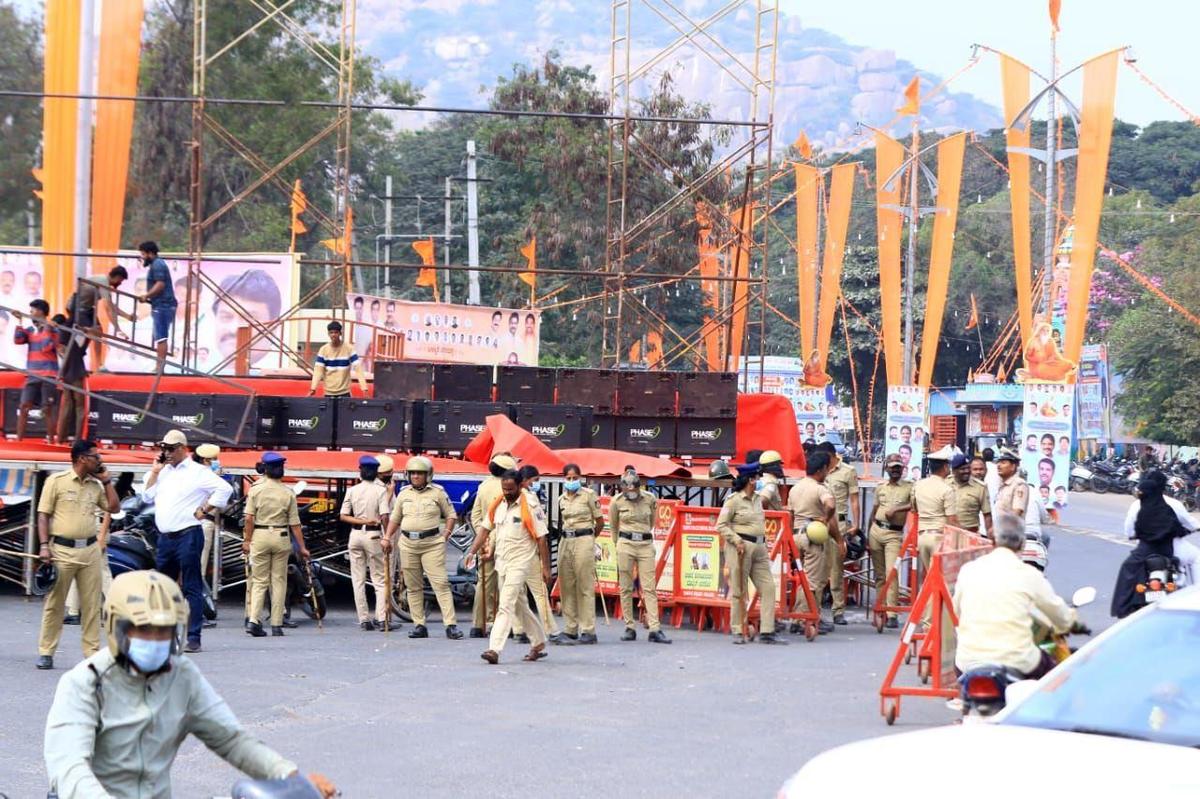
The youth was killed during police action aimed at controlling violence that erupted in Ballari following a banner-related dispute. What began as a conflict over political displays quickly escalated into stone-pelting and street-level clashes, forcing the police to resort to force. According to official accounts, the firing was conducted to disperse the crowd and prevent further damage to public property. However, the death has transformed the narrative from crowd control to accountability, with political leaders, civil rights groups, and citizens seeking clarity and justice.

Sriramulu, addressing reporters, said the incident reflected a serious failure of the administration and raised doubts about whether standard operating procedures were followed. He argued that an independent probe was essential to restore public confidence, stating that inquiries conducted by the same system involved in the incident would not satisfy the victim’s family or the public. His demand has found resonance among sections of the local population who believe the truth can only emerge through an impartial investigation.

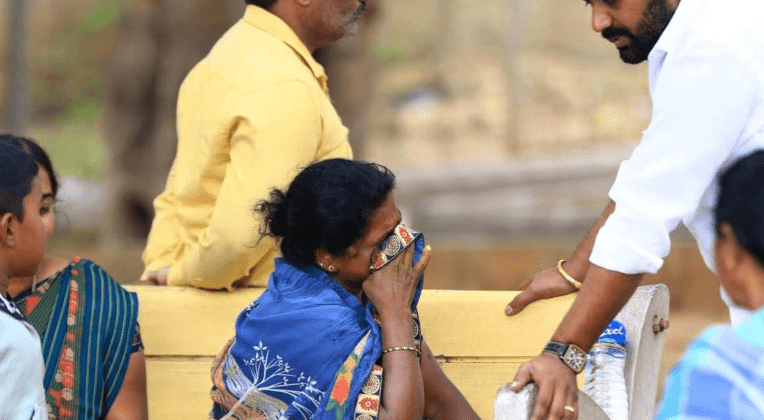
The victim’s death has cast a pall over Ballari, with tension palpable across neighbourhoods. Shops remained partially shut in some areas, and police patrols were intensified to prevent further flare-ups. The family of the deceased youth, overwhelmed by grief, has demanded accountability, insisting that their son was not involved in violent activities. Their emotional appeals have struck a chord with many residents, turning the incident into a symbol of alleged excesses and the human cost of political and administrative failures.

Political reactions have been swift and divided. While some leaders have defended the police action as necessary under difficult circumstances, others have echoed Sriramulu’s call for an external probe. The state government has so far maintained that a magisterial inquiry has been ordered and that due process will be followed. However, critics argue that such inquiries often lack transparency and fail to fix responsibility in a manner that brings closure.Ballari clash: Sriramulu seeks High Court or CBI probe into firing that killed  youth - The Hindu

DEATH, DISSENT, AND DEMANDS FOR ACCOUNTABILITY

The firing incident has reopened long-standing debates about the use of lethal force in crowd control situations. Legal experts point out that police are expected to follow a graduated response, using firing only as a last resort when there is an imminent threat to life. Questions are now being raised about whether alternative measures were exhausted before bullets were fired. The absence of clear and consistent public communication from authorities has further fuelled suspicion and anger.

Sriramulu has alleged that the firing reflected deeper administrative lapses and political interference. He claimed that the situation was mishandled from the outset and that timely intervention could have prevented escalation. Emphasising the youth’s death, he said the issue was not about politics but about the value of human life. His demand for a High Court or CBI probe, he argued, was rooted in the need for credibility and fairness.

Civil rights organisations have also weighed in, calling for transparency and accountability. Activists argue that Ballari has witnessed repeated episodes of unrest linked to political rivalry, and that ordinary citizens often bear the brunt of such confrontations. They contend that without an independent probe, systemic issues such as inadequate crowd management training and political pressure on the police will remain unaddressed.

Meanwhile, police officials have defended their actions, stating that the situation had spiralled out of control and that personnel were attacked with stones and sharp objects. According to them, the firing was aimed at dispersing the mob and preventing loss of life and property. Senior officers have said that all relevant protocols were followed and that the truth would emerge through the inquiry process. However, the lack of publicly released evidence has kept doubts alive.

The incident has also triggered protests in parts of Ballari, with demonstrators demanding justice for the deceased. While most protests have remained peaceful, authorities remain on alert, fearing that emotions could once again boil over. The administration has appealed for calm, urging people not to politicise the tragedy. Yet, for many residents, the death represents more than a law-and-order issue; it is seen as a reflection of governance failures.

Families across Ballari have expressed fear and frustration, worried about safety amid political clashes. Parents have voiced concerns about young people being caught in the crossfire of power struggles. For them, the firing underscores how quickly everyday life can be disrupted when tensions escalate unchecked. The emotional weight of the incident has turned public attention toward the broader question of how dissent and disorder are managed in the city.Ballari clash: Sriramulu seeks High Court or CBI probe into firing that killed  youth - The Hindu

POLITICAL PRESSURE AND THE PATH FORWARD

As calls for an independent probe grow louder, the state government faces a delicate balancing act. Granting a High Court–monitored or CBI inquiry could be seen as a commitment to transparency, but it could also set a precedent that the administration may find difficult to manage in future incidents. On the other hand, resisting such demands risks further erosion of public trust and prolonged unrest in Ballari.

Political analysts note that Sriramulu’s demand carries weight given his influence in the region and his ability to mobilise support. His intervention has transformed the issue from a local tragedy into a state-level political challenge. Rival parties have seized the moment to criticise the government, accusing it of shielding those responsible and failing to protect citizens. The ruling establishment, however, insists that due process must be allowed to run its course.

Experts suggest that beyond the immediate probe, the incident should prompt a serious review of crowd control strategies and political conduct. They argue that repeated clashes over banners and symbolic displays point to a deeper malaise where political assertion takes precedence over civic responsibility. Without addressing these root causes, they warn, Ballari risks slipping into a cycle of unrest and reactive policing.

For the victim’s family, political debates offer little solace. Their demand is simple: accountability and assurance that such a tragedy will not be repeated. Community elders have attempted to mediate, urging leaders to lower the temperature and focus on healing. Religious and social organisations have called for peace meetings, highlighting the need for unity in the face of loss.

As Ballari navigates the aftermath of the firing, the coming days will be crucial. Whether the government agrees to an independent probe or stands by its current course, the decision will shape public perception and political discourse. More importantly, it will determine whether the death of a young man becomes another statistic or a turning point in how authority, protest, and human life are valued in the state.Ballari violence: Gunshots fired at Janardhana Reddy; Ex-K'taka Minister Sriramulu  seeks probe into Cong worker's death

The city remains tense but watchful, caught between grief and hope. For many, the demand for a High Court or CBI probe is not merely a political statement but a plea for dignity and justice. As Ballari waits, the questions raised by the firing continue to echo, demanding answers that go beyond official statements and reach the core of accountability itself.

Follow: Karnataka Government

Also read: Home | Channel 6 Network – Latest News, Breaking Updates: Politics, Business, Tech & More
Ballari Holds Its Breath Amid Banner Clash Shock: EXPLOSIVE 12 HOURS OF FEAR

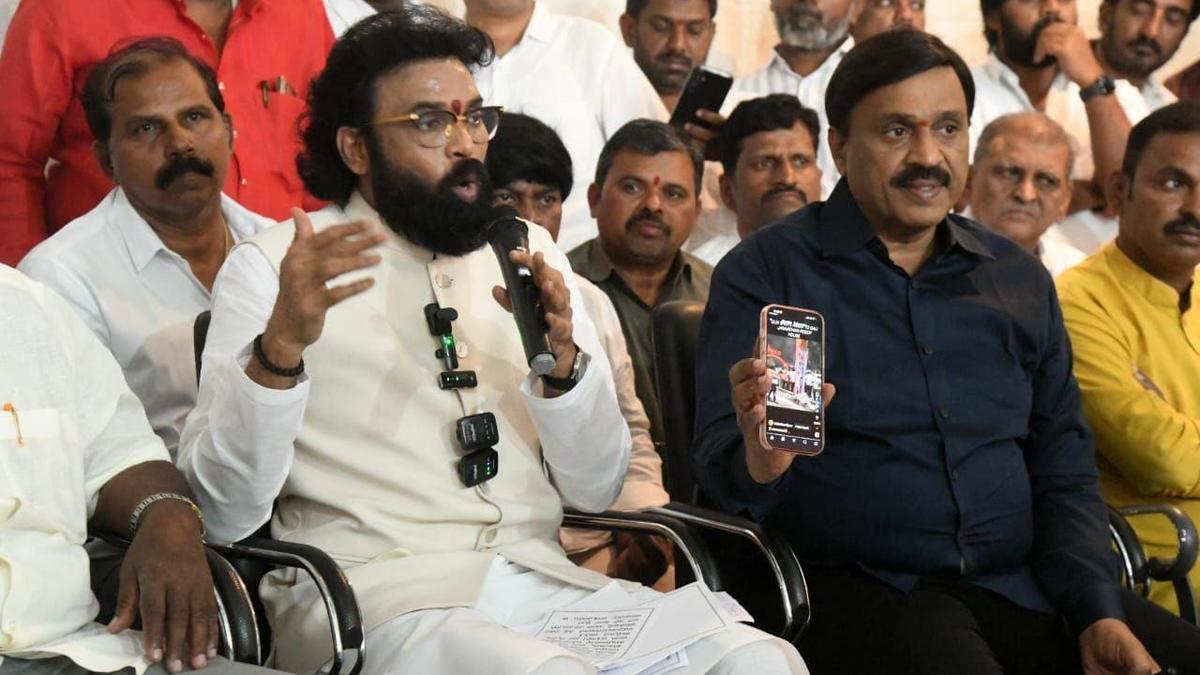
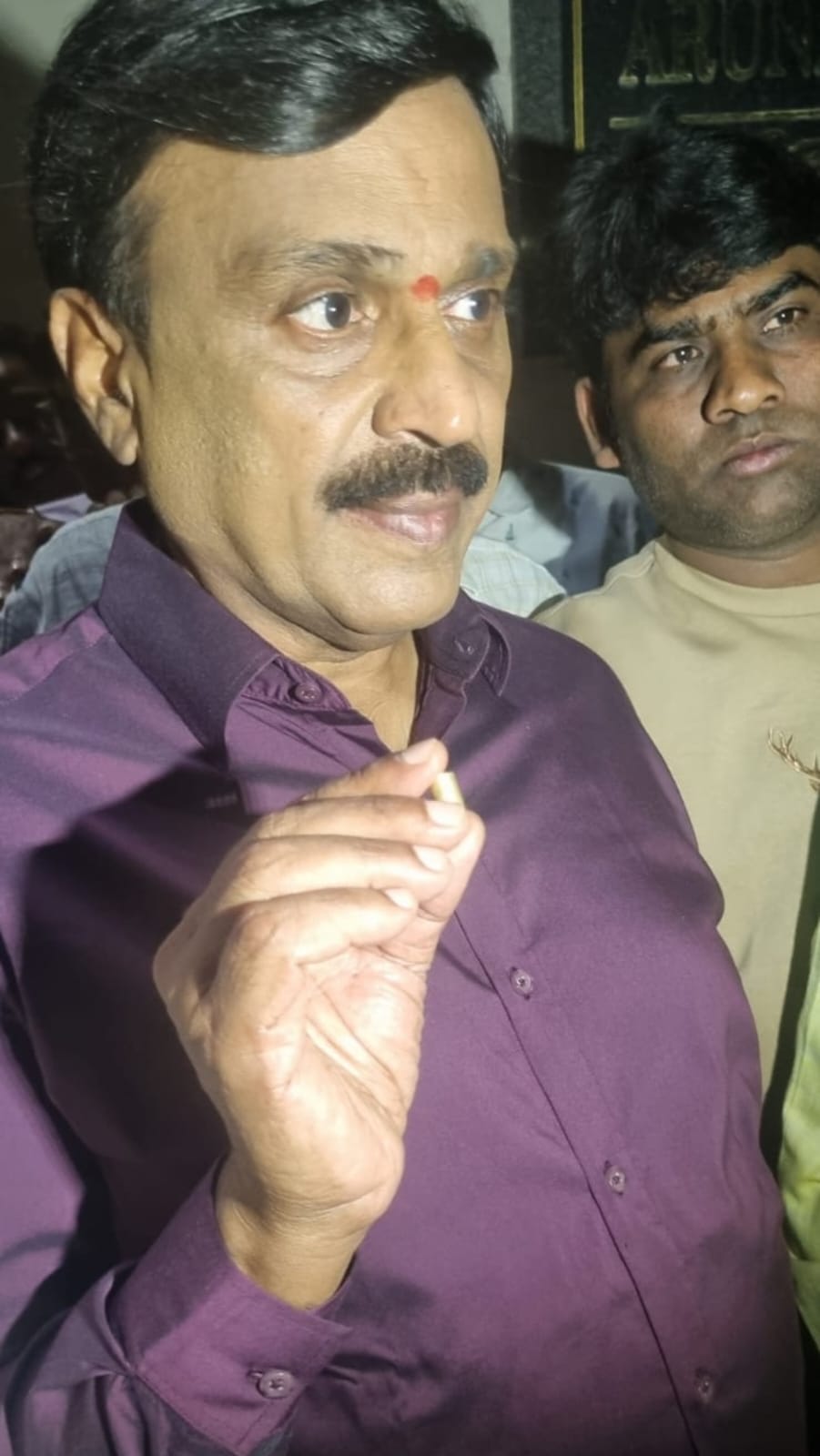
The industrial city of Ballari witnessed a sudden eruption of political tension and public anxiety following a clash linked to a banner dispute, prompting police to book a case against mining baron and former minister G. Janardhan Reddy along with ten others. What began as a seemingly routine political display escalated into a law-and-order situation, forcing authorities to deploy heavy security across sensitive parts of the city. The incident has once again placed Ballari at the centre of Karnataka’s volatile political narrative, reviving memories of past unrest and raising serious questions about the intersection of power, symbolism, and public safety.

Even as investigations continue, the incident has sparked a wider conversation within Ballari about political accountability and civic discipline. Academics and social commentators have pointed out that repeated clashes over symbolic displays indicate a deeper issue of competitive politics overshadowing governance. They argue that when political presence is measured through banners and visual dominance, it shifts focus away from policy, development, and public welfare. For a district grappling with economic disparities and employment concerns, such confrontations are seen as distractions that erode public trust in leadership and institutions.

Looking ahead, the administration faces the challenge of ensuring that the current calm is sustained beyond the immediate security deployment. Officials have hinted at reviewing existing permissions and surveillance mechanisms related to public displays, while urging political parties to exercise self-regulation. For Ballari’s residents, the hope is that this episode serves as a cautionary moment rather than a recurring pattern. Whether lessons are learned will depend on how decisively laws are enforced and how responsibly political influence is exercised in the days to come.

According to police sources, the clash occurred after banners bearing political messages and images were installed at prominent locations without official permission. Objections raised by rival groups quickly snowballed into heated arguments, which soon turned physical. Eyewitnesses described scenes of chaos, with slogans shouted, banners torn down, and traffic disrupted as crowds gathered. The situation deteriorated rapidly, compelling the police to intervene and disperse those involved. In the aftermath, the police registered a case naming Janardhan Reddy and ten others for allegedly instigating the incident and disturbing public peace.

The registration of the case marks a significant development, given Janardhan Reddy’s political influence and long-standing association with Ballari. For many residents, his name is inseparable from the district’s modern political and economic history. The banner row, therefore, is not being viewed as an isolated episode but as part of a larger pattern of confrontations rooted in political rivalry and the assertion of dominance in public spaces. Law enforcement officials have emphasised that the case was filed based on preliminary evidence and witness statements, and that further investigation is underway.

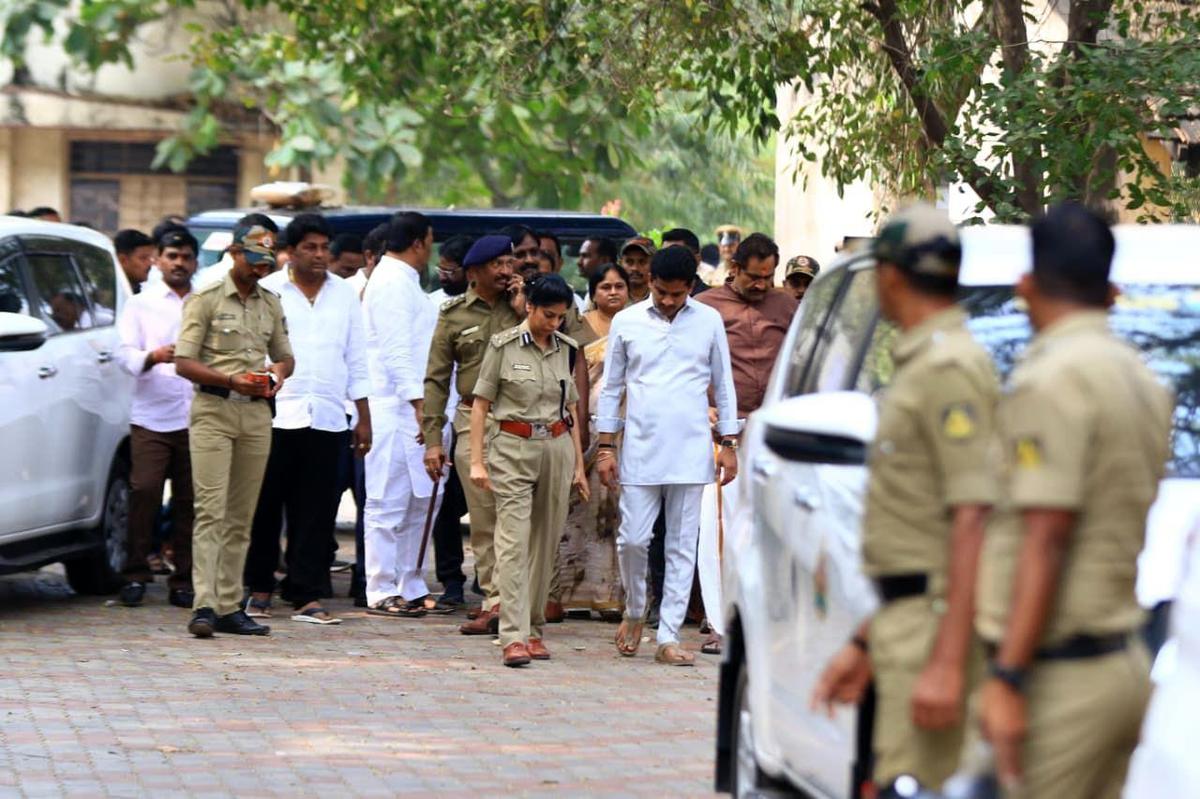
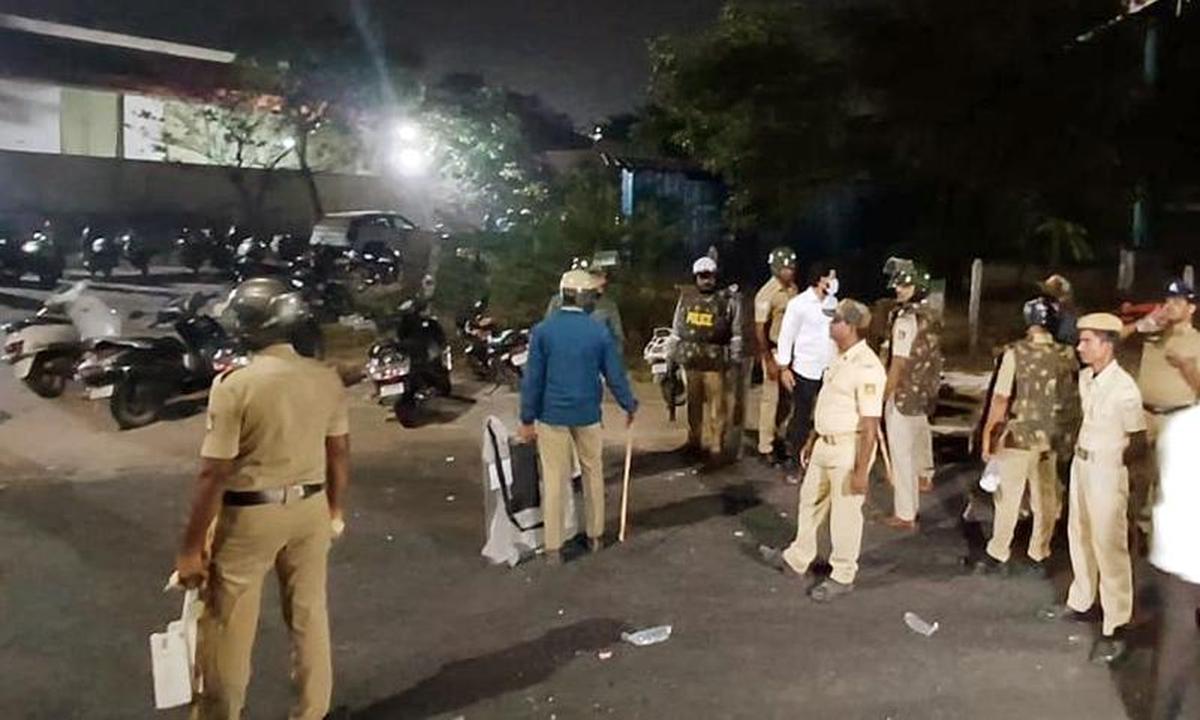
In response to the clash, the district administration ordered heightened security across Ballari city. Additional police personnel were deployed at major junctions, government offices, and politically sensitive areas. Flag marches were conducted to reassure residents and deter further disturbances. Senior police officers remained on the ground, monitoring developments and coordinating with local intelligence units. Authorities made it clear that any attempt to provoke unrest would be dealt with firmly, regardless of the individuals involved.

Residents of Ballari woke up the next morning to an atmosphere of unease. While daily life continued, there was a visible police presence on the streets, and conversations in tea shops and markets revolved around the incident. Many expressed concern over how quickly a banner dispute had spiralled into violence, questioning whether political messaging had begun to outweigh public safety considerations. For shopkeepers and daily wage workers, even brief disruptions can have economic consequences, adding another layer of anxiety to the situation.Ballari clash: Case booked against Janardhan Reddy, 10 others in banner row;  heavy security deployed - The Hindu

Political reactions to the incident were swift and predictably polarised. Leaders from rival parties accused each other of deliberately stoking tensions for political mileage. Some alleged that the banners were meant to assert territorial dominance ahead of future political moves, while others claimed the opposition had overreacted to provoke a confrontation. Amid the blame game, calls were made for restraint and adherence to the rule of law. A few senior leaders urged their supporters to maintain peace and allow the authorities to carry out their duties without interference.

BANNER POLITICS AND THE ROOTS OF THE CONFLICT

The clash has once again highlighted the contentious role of banners, hoardings, and cut-outs in Karnataka’s political culture. In many parts of the state, public displays bearing the images of political leaders are treated as symbols of strength and presence. While legally regulated, such displays often appear overnight, occupying public spaces and asserting influence. In Ballari, where political loyalties run deep and rivalries are intense, these visual symbols carry particular weight.

According to police officials familiar with the investigation, the banners at the centre of the dispute were installed without prior permission from civic authorities. When objections were raised by another group, tempers flared. What might have otherwise remained a verbal disagreement escalated as supporters from both sides gathered. The police noted that social media messages and phone calls helped mobilise people quickly, turning a local disagreement into a larger confrontation within hours.

The decision to name Janardhan Reddy in the case has drawn significant attention. Supporters of the former minister have described the move as politically motivated, arguing that he was being targeted because of his influence. They insist that he had no direct role in the physical clash and that his name was included due to his association with those involved. On the other hand, critics argue that influential leaders must be held accountable for the actions of their supporters, especially when public order is compromised.

Legal experts point out that cases related to unlawful assembly and disturbance of peace often involve complex questions of intent and responsibility. Merely being named in a case does not imply guilt, but it does subject the accused to investigation and potential legal proceedings. In this instance, the police are expected to examine CCTV footage, mobile videos, and call records to establish the sequence of events and identify who instigated the violence.

Beyond the immediate legal implications, the banner row has reopened debates about the need for stricter enforcement of regulations governing political displays. Civic activists in Ballari have long complained about the unchecked proliferation of banners, which they say not only deface public spaces but also create flashpoints for conflict. They argue that unless authorities act decisively against unauthorised displays, similar incidents are likely to recur.

For ordinary citizens, the episode has reinforced a sense of frustration. Many feel caught between competing political forces that prioritise visibility and dominance over civic harmony. Parents expressed concern about children witnessing aggressive political behaviour, while elderly residents recalled past periods of unrest that had disrupted life in the city. The consensus among many was that political expression should not come at the cost of public peace.Ballari clash: Case booked against Janardhan Reddy, 10 others in banner row;  heavy security deployed - The Hindu

SECURITY CLAMPDOWN AND THE ROAD AHEAD

In the wake of the clash, the Ballari police initiated a comprehensive security clampdown aimed at preventing any further escalation. Sectioned patrols were intensified, with rapid response teams stationed at strategic locations. Authorities also held meetings with community leaders and representatives of political groups, urging them to cooperate and discourage provocative actions. The message from the administration was clear: maintaining law and order would take precedence over all other considerations.

Senior district officials stated that the situation was under control but remained sensitive. They emphasised that preventive measures, including the detention of known troublemakers if necessary, would be employed to ensure peace. Intelligence units were instructed to keep a close watch on social media platforms for any inflammatory content or calls for mobilisation. In recent years, online messaging has played a significant role in amplifying local disputes, and authorities are keen to prevent misinformation from fuelling tensions.

The case against Janardhan Reddy and the others is expected to progress in the coming days, with notices likely to be issued for questioning. Legal proceedings could take time, but the immediate focus remains on restoring normalcy. Political observers note that how the case is handled will have broader implications for perceptions of fairness and accountability in the state. Any perception of selective action could deepen existing divides, while transparent procedures may help rebuild trust.

This incident also comes at a time when Karnataka’s political climate is particularly charged. With shifting alliances and emerging ambitions, public displays of strength have become more frequent. Ballari, given its history and strategic importance, often becomes a stage for such assertions. Analysts caution that without clear boundaries and consistent enforcement of rules, political competition can easily spill over into confrontation.

Civil society groups have called for dialogue and restraint, urging leaders to set an example for their supporters. They argue that leadership is not only about visibility but also about responsibility. Ensuring that supporters adhere to the law, they say, is a crucial test of genuine leadership. Some have suggested the creation of designated zones for political displays to minimise conflict, though such proposals would require broad consensus and effective implementation.

As the city gradually returns to routine, the memory of the clash lingers. For many in Ballari, the episode serves as a reminder of how fragile public peace can be when political passions run high. The heavy security presence, while reassuring to some, is also a visible sign of underlying tensions. Whether this incident becomes a turning point for stricter regulation and responsible political behaviour, or fades into yet another chapter of unresolved rivalry, remains to be seen.Ballari clash: Case booked against Janardhan Reddy, 10 others in banner row;  heavy security deployed - The Hindu

Ultimately, the banner row and its fallout underscore a larger truth about democratic expression. Symbols and slogans may inspire loyalty, but they also carry the potential to divide. In a diverse and politically aware society like Ballari’s, balancing expression with restraint is essential. The coming days will test not only the legal system but also the collective willingness of leaders and citizens to prioritise peace over provocation.

Follow: Karnataka Government

Also read: Home | Channel 6 Network – Latest News, Breaking Updates: Politics, Business, Tech & More

Kolkata Christmas Carnival Celebrations – Detailed Analysis of Township Festivities, Community Spirit, and Governance Lessons for Urban Culture

The Kolkata Christmas carnival celebrations of 2025–26 showcased how township blocks and housing complexes have become vibrant cultural hubs. From Rail Vihar Phase III B to GC Block and Rotary Club initiatives, residents came together to create festive atmospheres filled with music, food, art, and community bonding. These carnivals reflect the city’s evolving urban culture, where neighbourhoods take ownership of celebrations once confined to Park Street or central Kolkata.


2. Rail Vihar Phase III B Carnival

  • Celebrated for the third consecutive year.
  • Attractions included:
    • Exhibition area with models of Jesus’s birth, a church, and Santa Claus on a train.
    • Photobooth designed by in‑house artists.
    • Snowman made of recycled tyres, blending creativity with sustainability.
  • Food counters offered phuchka, momos, pudding, egg devil, fish fries, fried rice, chilli chicken, and koraishutir kochuri.
  • Children enjoyed trampolines and balloon‑shooting ranges.
  • Santa Claus arrived with candies, drawing cheers from kids.
  • The evening ended with dance sessions for families, reinforcing community joy.

3. GC Block Festivities

  • First‑ever Christmas celebration in 2025.
  • Residents decorated the park with a Christmas tree and crib for Jesus.
  • Organised a cake‑mixing ceremony weeks before, guided by a hotel management institute.
  • On Christmas Day:
    • Children sang carols.
    • Residents enjoyed snacks and games.
    • A 20‑pound cake, mixed earlier, was shared among all.
  • The event symbolised collective effort and culinary tradition.

4. Rotary Club of Calcutta Initiative

  • Took 1,500 children to Nicco Park for the 100th edition of their annual treat.
  • Originated in 1926 as a picnic for street children.
  • Now includes:
    • Games, amusement rides, music, and magic shows.
    • Breakfast, lunch, and goody bags for all children.
  • Even during the pandemic, the tradition continued.
  • This year, 20 buses ferried children from across the city to the East Side Pavilion of Nicco Park.
  • The initiative reflects continuity of philanthropy and civic responsibility.

5. Governance Challenges

These carnivals highlight:

  • Need for traffic management around township events.
  • Waste disposal and recycling during large gatherings.
  • Safety protocols for children’s rides and food stalls.
  • Coordination between residents’ associations and municipal bodies.

6. Government External Links for Assistance


7. Historical Context of Kolkata’s Christmas Culture

  • Colonial era: Park Street became the epicentre of Christmas celebrations.
  • Post‑independence: Anglo‑Indian and Christian communities kept traditions alive.
  • 2000s: Township blocks began organising their own carnivals.
  • 2025–26: Marked by widespread participation across Salt Lake and New Town.

8. Community Impact

  • Strengthened neighbourhood bonds.
  • Provided platforms for local artists and chefs.
  • Offered children safe spaces for fun and creativity.
  • Enhanced civic pride in township living.

9. Kolkata Christmas Carnival Celebrations: Global Comparisons

Similar community carnivals worldwide:

  • London: Borough councils organise local Christmas fairs.
  • New York: Neighbourhood block parties complement Times Square festivities.
  • Manila: Barangay‑level celebrations blend local culture with global Christmas traditions.

Kolkata’s township carnivals mirror these global practices where local communities reclaim festive culture.


10. Governance Lessons

The Kolkata carnivals teach:

  • Community‑driven events can complement city‑level celebrations.
  • Public‑private partnerships enhance resources for township carnivals.
  • Sustainability practices (like recycled snowmen) should be encouraged.
  • Documentation and promotion can attract tourism beyond Park Street.

11. Future Outlook – Urban Culture in Bengal

India must move towards:

  • Smart township planning with designated carnival spaces.
  • Digital platforms for residents to coordinate events.
  • Eco‑friendly infrastructure for large gatherings.
  • Integration of township carnivals into official tourism calendars.

12. Conclusion

The Kolkata Christmas carnival celebrations across township blocks and housing complexes reflect the city’s evolving cultural geography. From Rail Vihar’s creative snowman to GC Block’s cake‑mixing and Rotary Club’s century‑old tradition, these events highlight the resilience and creativity of communities. For Bengal, the lesson is clear: urban culture thrives when neighbourhoods take ownership of festivities, blending tradition with innovation.

Also read: Home | Channel 6 Network – Latest News, Breaking Updates: Politics, Business, Tech & More
Kolkata Christmas Carnival Celebrations – Detailed Analysis of Township Festivities, Community Spirit, and Governance Lessons for Urban Culture

The Kolkata Christmas carnival celebrations of 2025–26 showcased how township blocks and housing complexes have become vibrant cultural hubs. From Rail Vihar Phase III B to GC Block and Rotary Club initiatives, residents came together to create festive atmospheres filled with music, food, art, and community bonding. These carnivals reflect the city’s evolving urban culture, where neighbourhoods take ownership of celebrations once confined to Park Street or central Kolkata.


2. Rail Vihar Phase III B Carnival

  • Celebrated for the third consecutive year.
  • Attractions included:
    • Exhibition area with models of Jesus’s birth, a church, and Santa Claus on a train.
    • Photobooth designed by in‑house artists.
    • Snowman made of recycled tyres, blending creativity with sustainability.
  • Food counters offered phuchka, momos, pudding, egg devil, fish fries, fried rice, chilli chicken, and koraishutir kochuri.
  • Children enjoyed trampolines and balloon‑shooting ranges.
  • Santa Claus arrived with candies, drawing cheers from kids.
  • The evening ended with dance sessions for families, reinforcing community joy.

3. Kolkata Christmas Carnival Celebrations: GC Block Festivities

  • First‑ever Christmas celebration in 2025.
  • Residents decorated the park with a Christmas tree and crib for Jesus.
  • Organised a cake‑mixing ceremony weeks before, guided by a hotel management institute.
  • On Christmas Day:
    • Children sang carols.
    • Residents enjoyed snacks and games.
    • A 20‑pound cake, mixed earlier, was shared among all.
  • The event symbolised collective effort and culinary tradition.

4. Rotary Club of Calcutta Initiative

  • Took 1,500 children to Nicco Park for the 100th edition of their annual treat.
  • Originated in 1926 as a picnic for street children.
  • Now includes:
    • Games, amusement rides, music, and magic shows.
    • Breakfast, lunch, and goody bags for all children.
  • Even during the pandemic, the tradition continued.
  • This year, 20 buses ferried children from across the city to the East Side Pavilion of Nicco Park.
  • The initiative reflects continuity of philanthropy and civic responsibility.

5. Governance Challenges

These carnivals highlight:

  • Need for traffic management around township events.
  • Waste disposal and recycling during large gatherings.
  • Safety protocols for children’s rides and food stalls.
  • Coordination between residents’ associations and municipal bodies.

6. Government External Links for Assistance


7. Historical Context of Kolkata’s Christmas Culture

  • Colonial era: Park Street became the epicentre of Christmas celebrations.
  • Post‑independence: Anglo‑Indian and Christian communities kept traditions alive.
  • 2000s: Township blocks began organising their own carnivals.
  • 2025–26: Marked by widespread participation across Salt Lake and New Town.

8. Community Impact

  • Strengthened neighbourhood bonds.
  • Provided platforms for local artists and chefs.
  • Offered children safe spaces for fun and creativity.
  • Enhanced civic pride in township living.

9. Global Comparisons

Similar community carnivals worldwide:

  • London: Borough councils organise local Christmas fairs.
  • New York: Neighbourhood block parties complement Times Square festivities.
  • Manila: Barangay‑level celebrations blend local culture with global Christmas traditions.

Kolkata’s township carnivals mirror these global practices where local communities reclaim festive culture.


10. Governance Lessons

The Kolkata carnivals teach:

  • Community‑driven events can complement city‑level celebrations.
  • Public‑private partnerships enhance resources for township carnivals.
  • Sustainability practices (like recycled snowmen) should be encouraged.
  • Documentation and promotion can attract tourism beyond Park Street.

11. Future Outlook – Urban Culture in Bengal

India must move towards:

  • Smart township planning with designated carnival spaces.
  • Digital platforms for residents to coordinate events.
  • Eco‑friendly infrastructure for large gatherings.
  • Integration of township carnivals into official tourism calendars.

12. Conclusion

The Kolkata Christmas carnival celebrations across township blocks and housing complexes reflect the city’s evolving cultural geography. From Rail Vihar’s creative snowman to GC Block’s cake‑mixing and Rotary Club’s century‑old tradition, these events highlight the resilience and creativity of communities. For Bengal, the lesson is clear: urban culture thrives when neighbourhoods take ownership of festivities, blending tradition with innovation.

Also read: Home | Channel 6 Network – Latest News, Breaking Updates: Politics, Business, Tech & More
Durga Angan Temple Project – Detailed Analysis of New Town Fallout, Resident Concerns, and Governance Lessons for Urban Planning in Bengal

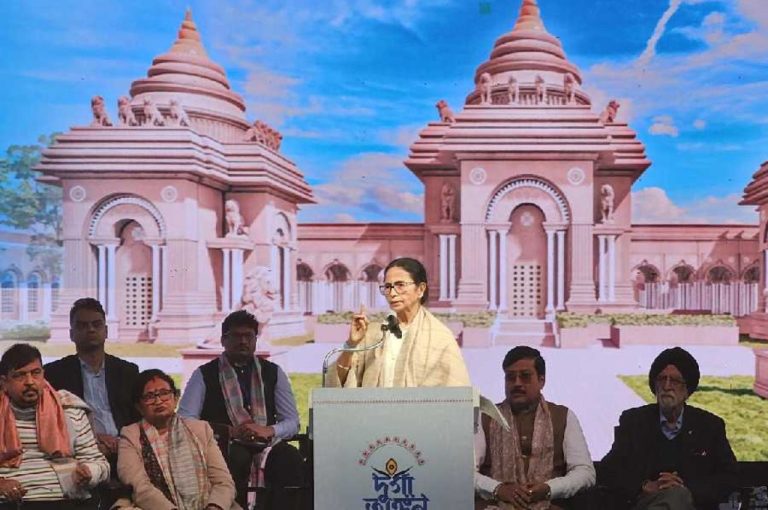
The Durga Angan temple project in New Town has sparked both excitement and anxiety. Touted as the world’s largest Durga temple, the complex is being built on a 17.28‑acre plot along the Major Arterial Road (MAR) in Action Area 1A. While Chief Minister Mamata Banerjee has described it as a cultural landmark showcasing Bengal’s art and unity, residents of nearby blocks fear traffic chaos, noise pollution, and restricted access to their homes. The debate encapsulates the tension between heritage creation and urban liveability.


2. Durga Angan Temple Project: Project Highlights

  • Spread over two lakh square feet, capable of accommodating one lakh visitors daily.
  • Supported by 1,008 pillars and carved arches.
  • Sanctum sanctorum height: 54 metres.
  • Features:
    • 108 idols of gods and goddesses.
    • 64 lion statues.
    • Separate mandaps for Shiva, Lakshmi, Saraswati, Kartik, and Ganesh.
    • A kitchen for prasad preparation.
    • A cultural museum.
  • Designed as a Gold‑certified green building, with emphasis on natural light and air.

3. Political and Cultural Significance

  • Mamata Banerjee unveiled the foundation stone in January 2026, calling it a spiritual and cultural meeting ground.
  • Contractors who built Jagannath Dham in Digha are executing the project.
  • The temple is positioned as a global showcase of Bengal’s culture, intended to attract tourists and devotees.

4. Resident Concerns

  • Traffic congestion: MAR, Street 24, and Street 175 already face bottlenecks. Residents fear gridlock once temple crowds arrive.
  • VIP movement: Frequent visits by dignitaries could lead to road closures and police restrictions.
  • Pollution: Dust and noise from construction, plus future crowd management, worry residents.
  • Access issues: Housing complexes like NBCC Vibgyor Towers face blocked gates and limited parking.
  • Civic neglect: Residents argue that hospitals, schools, and markets are more urgent needs than a mega temple.

5. Voices from the Community

  • Gargi Sanyal (New Town Forum & News): Called the location “a very wrong choice.”
  • Ahana Dasgupta (resident): Feared losing the peace she sought in New Town.
  • Samir Saha (Citizens’ Welfare Fraternity): Planning a signature campaign to shift the temple’s location.
  • Alok Das (CE Block): Highlighted lack of affordable healthcare in the area.
  • Avik Sinha Roy (NBCC Vibgyor Towers): Worried about guesthouses mushrooming and pollution from stone‑cutting units.

6. Police Perspective

  • Kolkata Police officials expressed concern about traffic management.
  • Suggested building a traffic underpass or flyover near the New Town bus stand.
  • Estimated need for parking for 1,500–2,000 cars.
  • Warned of spillover into adjacent blocks, similar to Axis Mall’s overflow.

7. Governance Challenges

The Durga Angan project highlights:

  • Urban planning gaps in balancing cultural landmarks with residential needs.
  • Coordination issues between HIDCO, police, and residents.
  • Infrastructure strain from rising car ownership (18–20% annual growth).
  • Public trust deficit due to unmet demands for schools and hospitals.

8. Government External Links for Assistance


9. Historical Context of Temples in Urban Spaces

  • Kalighat Temple: Integrated into Kolkata’s dense neighbourhoods, often causing traffic snarls.
  • Dakshineswar Temple: Initially peripheral, now surrounded by urban sprawl.
  • Birla Mandir: Built as a modern landmark but faced similar debates over traffic and access.
  • Durga Angan continues this tradition of religious landmarks reshaping urban geography.

10. Community Impact

  • Positive: Cultural pride, tourism potential, beautification of surroundings.
  • Negative: Daily inconvenience, restricted mobility, rising property prices, and commercialization.
  • Residents remain divided between spiritual excitement and civic anxiety.

11. Global Comparisons

Similar projects worldwide:

  • Bangkok: Temples integrated into congested cityscapes, requiring strict traffic management.
  • Rome: Religious landmarks coexist with modern infrastructure but rely on zoning laws.
  • Singapore: Balances heritage temples with urban planning through designated cultural districts.

Kolkata’s case mirrors these global struggles where religious heritage collides with urban liveability.


12. Governance Lessons

The Durga Angan debate teaches:

  • Location matters: Cultural landmarks must be planned with traffic and civic needs in mind.
  • Community consultation: Residents must be engaged before finalizing mega projects.
  • Infrastructure upgrades: Temples and tourist spots require parallel investment in roads, parking, and healthcare.
  • Balanced priorities: Spiritual projects should not overshadow essential civic infrastructure.

13. Future Outlook – Urban Planning in Bengal

India must move towards:

  • Smart traffic systems around cultural landmarks.
  • Integrated zoning laws for religious and civic projects.
  • Eco‑friendly construction to minimize pollution.
  • Public‑private partnerships for funding infrastructure upgrades.

14. Conclusion

The Durga Angan temple project in New Town is both a cultural milestone and a governance challenge. While it promises to showcase Bengal’s heritage on a global stage, residents fear daily disruptions and neglect of essential civic needs. For policymakers, the lesson is clear: urban planning must balance spiritual pride with liveability, ensuring that cultural landmarks enrich rather than burden communities.


Also read: Home | Channel 6 Network – Latest News, Breaking Updates: Politics, Business, Tech & More
East Kolkata Infrastructure Projects 2026 – Detailed Analysis of Debi Ghat Renovation, Bailey Bridge Opening, and Airport–New Garia Metro Line

The East Kolkata infrastructure projects 2026 represent a transformative moment for the city’s urban landscape. With the reopening of the Debi Ghat immersion site, the inauguration of a new Bailey bridge over the Kestopur Canal, and the anticipated launch of the Airport–New Garia Metro line, residents of Salt Lake, Lake Town, and Dakshindari are set to experience improved connectivity, reduced congestion, and enhanced civic amenities. These projects, delayed for years, are finally reaching completion, offering hope for smoother commutes and better urban living.


2. Debi Ghat Renovation

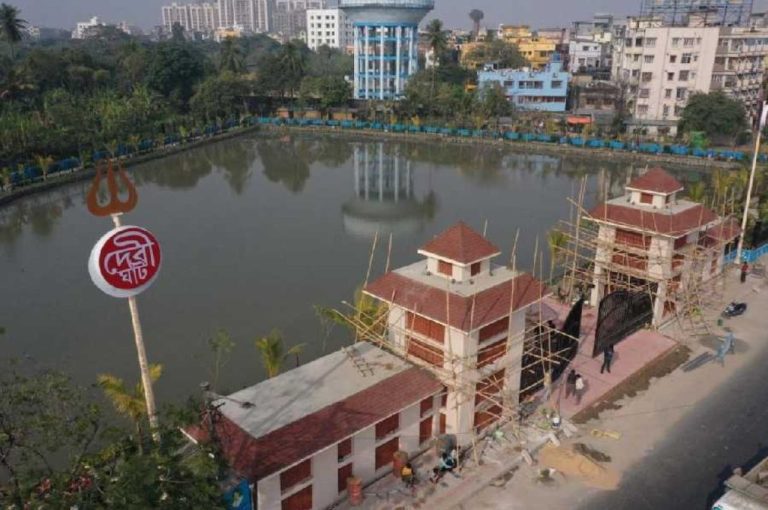
  • Located in Dakshindari, the Debi Ghat immersion site has been renovated at a cost of ₹4.5 crore.
  • Works included:
    • Dredging of the water body.
    • Construction of an earthen embankment.
    • Installation of decorative fencing.
    • Creation of a walkway.
    • Plantation of 43 varieties of flowering and fruit trees.
  • The site will reopen in the first week of January 2026, providing a modern, eco‑friendly space for community rituals and recreation.

3. Bailey Bridge over Kestopur Canal

  • A new two‑way Bailey bridge connects AA Block to Dakshindari, complementing the earlier bridge linking AE Block to Lake Town.
  • Benefits:
    • Allows drivers to bypass the Hudco crossing and Ultadanga flyover, notorious bottlenecks during peak hours.
    • Reduces travel time between Salt Lake and northern suburbs.
    • Enhances connectivity for emergency services and public transport.
  • The bridge is expected to ease congestion significantly, especially for office commuters.

4. Airport–New Garia Metro Line

  • The Orange Line is scheduled to open by late 2026.
  • Key stations include:
    • Airport, VIP Road (Haldiram), Chinar Park, City Centre 2, Akankha More, Eco Park, Biswa Bangla Convention Centre, Swapnabhor, Nazrul Tirtha, Technopolis, Wipro, Nicco Park, Chingrighata, ITC Sonar Bangla, Ruby General Hospital crossing, and New Garia.
  • The line will intersect with the Green Line (Sector V–Howrah Maidan) at Wipro Station in Sector V, creating a crucial interchange.
  • Current challenge: Construction of the 366‑metre viaduct at Chingrighata crossing awaits traffic block permission from the state government.
  • The Calcutta High Court has directed completion by February 15, 2026, urging authorities to expedite permissions.

5. East Kolkata Infrastructure Projects 2026: Governance Challenges

These projects highlight:

  • Coordination issues between police, state government, and Metro authorities.
  • Funding delays that slowed progress.
  • Traffic management hurdles during construction.
  • Public impatience with long‑pending projects.

6. Government External Links for Assistance


7. Historical Context of East Kolkata Infrastructure

  • 2000s: Rapid urbanisation in Salt Lake and Rajarhat created demand for better connectivity.
  • 2010s: Flyovers and bridges attempted to ease congestion but bottlenecks persisted.
  • 2020s: Metro expansion projects faced repeated delays due to land acquisition and permissions.
  • 2026: Marks a turning point with multiple projects finally nearing completion.

8. Community Impact

  • Residents expect reduced travel times and smoother commutes.
  • Businesses anticipate better access to convention centres and IT hubs.
  • Eco Park and cultural venues will benefit from increased footfall.
  • Ritual spaces like Debi Ghat provide improved facilities for community gatherings.

9. Global Comparisons

Similar urban infrastructure upgrades worldwide:

  • Singapore: Integrated MRT lines with eco‑friendly urban spaces.
  • London: Crossrail project linking suburbs to city centre.
  • Shanghai: Expansion of metro lines to reduce congestion in fast‑growing districts.

Kolkata’s case mirrors these global efforts where transport and civic projects reshape urban life.


10. Governance Lessons

The East Kolkata projects teach:

  • Timely permissions are crucial to avoid delays.
  • Community engagement ensures smoother implementation.
  • Integrated planning between transport and civic amenities enhances impact.
  • Judicial oversight can accelerate stalled projects.

11. Future Outlook – Urban Mobility in Bengal

India must move towards:

  • Smart traffic systems to complement new infrastructure.
  • Eco‑friendly urban planning with green walkways and tree plantations.
  • Digital ticketing and real‑time Metro updates for commuters.
  • Regional planning to integrate Salt Lake, Rajarhat, and New Town seamlessly.

12. Conclusion

The East Kolkata infrastructure projects 2026—Debi Ghat renovation, Bailey bridge inauguration, and Airport–New Garia Metro line—represent a long‑awaited transformation. For residents, the projects promise smoother commutes, better civic amenities, and enhanced connectivity. For policymakers, the lesson is clear: urban growth must be matched by timely, transparent, and coordinated infrastructure development.


Also read: Home | Channel 6 Network – Latest News, Breaking Updates: Politics, Business, Tech & More
Fake IAS Officer Profile Case – Detailed Analysis of Kolkata Police Arrest, Social Media Fraud, and Governance Lessons for Digital Security

The fake IAS officer profile case in Kolkata highlights the growing menace of impersonation and fraud on social media. On January 1, 2026, Kolkata Police arrested Bijay Sahu, a man from Rajasthan, for allegedly creating a fake Facebook profile of a senior bureaucrat in West Bengal. By impersonating the officer, Sahu approached people on the officer’s friend list and demanded money. The arrest underscores the urgent need for stronger digital safeguards and public awareness about online fraud.


2. Fake IAS Officer Profile Case: Details of the Arrest

  • Accused: Bijay Sahu, resident of Rajasthan.
  • Modus operandi: Created a fake Facebook account impersonating a principal secretary‑rank IAS officer in Kolkata.
  • Fraud: Approached several individuals on the officer’s friend list, asking for money.
  • Investigation: Police tracked Sahu using the phone number linked to the fake account.
  • Legal action: He was arrested in Rajasthan, brought to Kolkata on transit remand, and produced before the Bankshal Court, which remanded him in police custody.

3. Defence vs. Prosecution

  • Defence lawyer: Claimed Sahu was innocent and merely worked at a shop frying fritters.
  • Prosecution lawyer: Countered that police had ample proof of his involvement in impersonation and fraud.
  • The case will now proceed through judicial hearings, with police presenting digital evidence.

4. Fake IAS Officer Profile Case: Governance Challenges

The case reflects:

  • Weak verification systems on social media platforms.
  • Public vulnerability to impersonation scams.
  • Need for digital literacy among citizens to identify fake profiles.
  • Judicial delays in prosecuting cybercrime cases.

5. Government External Links for Assistance


6. Historical Context of Impersonation Cases in India

  • 2018: Fake profiles of Bollywood celebrities used to solicit money.
  • 2021: Fraudsters posed as government officials to dupe job seekers.
  • 2023: Several cases of fake police officer accounts reported in Delhi and Mumbai.
  • The 2026 Kolkata case adds to this growing list, showing how impersonation has become a pan‑India cybercrime trend.

7. Community Impact

  • Victims often feel betrayed when approached by fake accounts of trusted officials.
  • Fear spreads across social media networks, reducing trust in digital communication.
  • Families worry about financial losses and reputational damage.
  • The case has sparked calls for greater accountability from social media companies.

8. Global Comparisons

Similar impersonation scams occur worldwide:

  • USA: Fraudsters impersonate IRS officials to extort money.
  • UK: Fake police officer profiles used in phishing scams.
  • Nigeria: “419 scams” often involve impersonation of officials or businessmen.

The Kolkata case mirrors these global struggles where digital impersonation undermines trust in institutions and communities.


9. Governance Lessons

The fake IAS officer case teaches:

  • Mandatory verification for official accounts on social media.
  • Public awareness campaigns to educate citizens about online fraud.
  • Stronger cybercrime units within police forces.
  • Judicial fast‑track mechanisms for digital fraud cases.

10. Future Outlook – Digital Security in India

India must move towards:

  • AI‑driven detection systems to flag suspicious accounts.
  • Collaboration between police and social media companies for faster takedowns.
  • Digital literacy programmes in schools and communities.
  • Legislative reforms to strengthen cybercrime laws.

11. Conclusion

The fake IAS officer profile case in Kolkata is more than an isolated fraud. It reflects systemic vulnerabilities in digital governance, the growing sophistication of impersonation scams, and the urgent need for stronger safeguards. As Bijay Sahu faces trial, the larger lesson is clear: digital trust must be protected through vigilance, awareness, and robust governance.

Also read: Home | Channel 6 Network – Latest News, Breaking Updates: Politics, Business, Tech & More
Katayun Saklat Artistic Legacy – Detailed Analysis of Stained Glass Mastery, Kolkata Memories, and Governance Lessons for Cultural Preservation

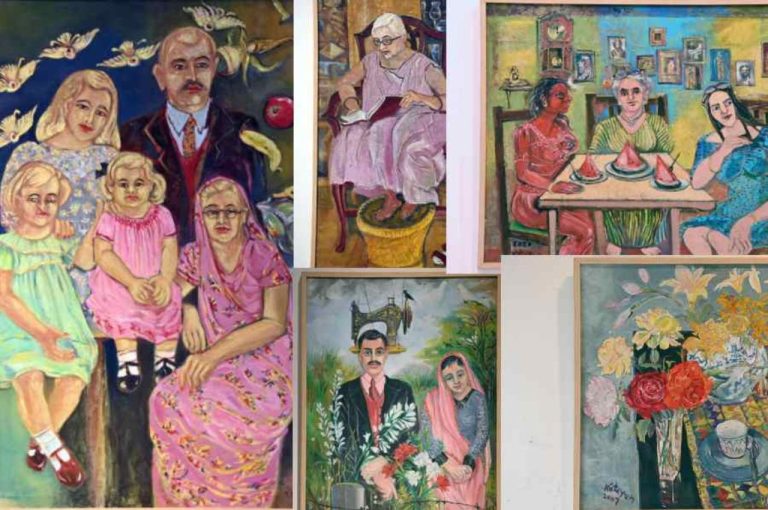
The Katayun Saklat artistic legacy is a luminous chapter in Bengal’s cultural history. Born in 1938, Saklat grew up in Kolkata’s Grant Lane, surrounded by diverse communities and traditions. Her works—paintings, stained‑glass windows, and illustrations—capture the interplay of light, memory, and mortality, weaving together personal experiences and collective heritage. Despite battling illness in recent years, she continued to paint, proving that art can transcend physical limitations.


2. Early Life and Influences

  • Childhood home at 9 Grant Lane near Lalbazar, with a terrace that became a recurring motif in her art.
  • Grew up amidst Parsis, Jews, Bohra Muslims, Mangalorean Christians, and Chinese families, reflecting Kolkata’s cosmopolitan fabric.
  • Her uncle was the first priest of the Parsi fire temple at Metcalfe Street, where she later designed stained‑glass windows.
  • Exposure to temples, synagogues, and churches nurtured her spiritual imagination.

3. Education and Training

  • Studied at the Government College of Art & Craft and later the Indian College of Art & Draughtsmanship.
  • Taught herself Bengali by listening to radio plays, befriending local students.
  • Mentored by Arun Bose, a US‑based artist who taught at the college.
  • In 1973, received a grant from the British Council to train under Patrick Reyntiens, UK’s leading stained‑glass artist.
  • Learned to use light as pigment, a transformative experience that shaped her later works.

4. Katayun Saklat Artistic Legacy: Artistic Style

  • Known for gauzy radiance and mystical undertones.
  • Themes include:
    • Ageing and mortality.
    • Endangered species, particularly Parsis.
    • Dreams and reverie, balanced with grounded realism.
  • Illustrated Edward Lear’s limericks with her own drawings.
  • Her stained‑glass lamps once lit up many Calcutta homes, blending utility with artistry.

5. Exhibitions and Contributions

  • Founded Gallery Katayun in 1989, one of Kolkata’s earliest private galleries.
  • Helped launch careers of artists like Bikash Bhattacharjee and Paresh Maity.
  • Held exhibitions in Mumbai, Delhi, and London.
  • Latest exhibition: “Abol Tabol and Other Paintings” at Arts Acre, New Town, showcasing 29 works.

6. Personal Struggles and Resilience

  • Battled cancer after three decades of remission.
  • Required stents for blocked arteries but continued painting.
  • Used a walker to move between rooms, yet remained creatively active.
  • Her resilience embodies the spirit of an “invulnerable species.”

7. Governance Challenges in Cultural Preservation

Her story highlights:

  • Need for institutional support for ageing artists.
  • Preservation of stained‑glass heritage in Kolkata’s temples and homes.
  • Recognition of women artists often overshadowed in mainstream narratives.
  • Integration of art education with community engagement.

8. Government External Links for Assistance


9. Historical Context of Stained Glass in India

  • Introduced during colonial times in churches and public buildings.
  • Parsis adapted stained glass for fire temples, blending Zoroastrian motifs with modern design.
  • Saklat’s work represents a rare Indian contribution to this global art form.

10. Community Impact

  • Her gallery and home became meeting places for artists.
  • Inspired younger generations to experiment with stained glass.
  • Her works preserve the multicultural tapestry of Kolkata, from Jewish neighbours to Chinese classmates.

11. Global Comparisons

Similar stained‑glass traditions worldwide:

  • France: Gothic cathedrals with biblical motifs.
  • UK: Modern stained‑glass innovations by Patrick Reyntiens.
  • Japan: Fusion of stained glass with contemporary architecture.

Saklat’s art mirrors these traditions while embedding Kolkata’s unique cultural identity.


12. Governance Lessons

Her legacy teaches:

  • Documentation of heritage art is essential.
  • Public‑private partnerships can sustain galleries.
  • Healthcare support for artists ensures continuity of creativity.
  • Cross‑cultural collaborations enrich artistic traditions.

13. Future Outlook – Preserving Artistic Legacies

India must move towards:

  • Digital archives of stained‑glass and heritage art.
  • Artist welfare schemes for medical and financial support.
  • Community art centres to nurture young talent.
  • International exhibitions showcasing Indian stained‑glass traditions.

14. Conclusion

The Katayun Saklat artistic legacy is a luminous reminder of how art can embody memory, identity, and resilience. Her stained‑glass works and paintings reflect Kolkata’s multicultural soul, while her personal struggles highlight the need for stronger institutional support for artists. For Bengal and India, the lesson is clear: preserving artistic legacies is as vital as creating new ones.


Also read: Home | Channel 6 Network – Latest News, Breaking Updates: Politics, Business, Tech & More

JP Nadda Releases 10th Edition of Indian Pharmacopoeia, Strengthening India’s Global Pharmaceutical Standing

Union Minister for Health and Family Welfare and Chemicals and Fertilizers, Shri J. P. Nadda, on January 2, 2026, released the Indian Pharmacopoeia 2026 (IP 2026)—the 10th edition of India’s official book of drug standards—at the Dr. Ambedkar International Centre, New Delhi. The release marks a major milestone in India’s efforts to enhance the quality, safety, and efficacy of medicines, while reinforcing the country’s growing leadership in pharmaceutical regulation and manufacturing.


Indian Pharmacopoeia: A Cornerstone of Drug Regulation

Releasing the new edition, Shri Nadda underscored that the Indian Pharmacopoeia serves as the authoritative legal standard for drugs in India and forms the backbone of the country’s pharmaceutical regulatory framework. He noted that IP 2026 reflects scientific advancements, global best practices, and India’s expanding role as a trusted pharmaceutical producer.


Expanded Coverage with 121 New Monographs

A key highlight of Indian Pharmacopoeia 2026 is the inclusion of 121 new monographs, taking the total number of monographs to 3,340. Shri Nadda stated that the expanded coverage significantly strengthens standardisation across critical therapeutic areas, including:

  • Anti-tubercular medicines

  • Anti-diabetic medicines

  • Anti-cancer medicines

  • Iron supplements

This expansion ensures greater quality assurance for medicines used under various National Health Programmes.


First-Time Inclusion of Blood Component Monographs

Marking an important regulatory advancement, the Minister highlighted the first-time inclusion of 20 blood component monographs related to transfusion medicine in IP 2026. This step, aligned with the Drugs and Cosmetics (Second Amendment) Rules, 2020, strengthens standards for blood safety and transfusion practices across the country.


Global Recognition and Health Diplomacy

Shri Nadda noted that the Indian Pharmacopoeia has gained international acceptance, becoming a key pillar of India’s health diplomacy. He highlighted that IP standards are now recognised in 19 countries of the Global South, reflecting India’s growing influence in shaping global pharmaceutical quality norms.


India’s Rise in Global Pharmacovigilance

Highlighting India’s progress in patient safety, the Union Health Minister praised the achievements of the Pharmacovigilance Programme of India (PvPI) under the Indian Pharmacopoeia Commission (IPC). He noted that India has risen from 123rd position globally (2009–2014) to 8th position worldwide in 2025 in contributions to the WHO pharmacovigilance database. This milestone underscores India’s strengthened regulatory vigilance and commitment to medicine safety.


Government’s Vision for Quality and Transparency

In his concluding remarks, Shri Nadda stated that under the leadership of Prime Minister Shri Narendra Modi, the Government has consistently focused on strengthening healthcare systems and regulatory institutions. He said Indian Pharmacopoeia 2026 reflects this commitment to quality, transparency, and public welfare, and will further elevate India’s standing in the global pharmaceutical sector.

He congratulated the Indian Pharmacopoeia Commission and all stakeholders involved, expressing confidence that the new edition would enhance pharmaceutical quality standards and regulatory excellence.


Strengthening the Regulatory Ecosystem

Speaking on the occasion, Union Health Secretary Smt. Punya Salila Srivastava said that the release of IP 2026 is a significant step towards strengthening India’s pharmaceutical regulatory ecosystem. She emphasised that a robust, science-based pharmacopoeia is essential for ensuring safe, effective, and quality-assured medicines, while supporting India’s expanding role in the global pharmaceutical supply chain.


About the Indian Pharmacopoeia

The Indian Pharmacopoeia (IP) is published by the Indian Pharmacopoeia Commission (IPC) on behalf of the Ministry of Health & Family Welfare, under the Drugs and Cosmetics Act, 1940. Its standards are legally enforceable and guide drug manufacturing, licensing, inspection, and distribution in India.

As a member of the Pharmacopoeial Discussion Group (PDG), India collaborates with the European, Japanese, and United States Pharmacopoeias to harmonise standards. The IP’s general requirements are aligned with International Council for Harmonisation (ICH) norms, reinforcing India’s commitment to globally benchmarked pharmaceutical quality.


Conclusion
The release of Indian Pharmacopoeia 2026 marks a transformative step in India’s pharmaceutical journey. With expanded drug coverage, strengthened pharmacovigilance, global recognition, and enhanced regulatory standards, the 10th edition reinforces India’s position as a global leader in pharmaceutical quality, safety, and regulatory excellence.


For more real-time updates, visit Channel 6 Network.

Source: PIB