Friday, May 1, 2026
Home Blog Page 190

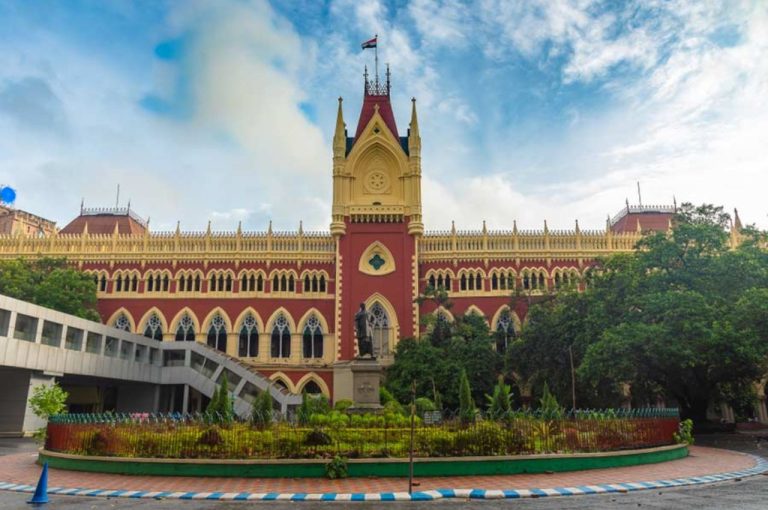
GTA Teachers Termination Stay – Detailed Analysis of Calcutta High Court Order, Recruitment Controversy, and Governance Lessons for Education in Bengal

The GTA teachers termination stay has become a landmark development in Bengal’s education and legal landscape. On December 24, 2025, a division bench of the Calcutta High Court comprising Justice Tapabrata Chakraborty and Justice Biswaroop Chowdhury granted a 12‑week stay on the single‑bench order that had cancelled the appointments of 313 teachers in the Gorkhaland Territorial Administration (GTA) area. The ruling brought temporary relief to hundreds of families and reignited debates about recruitment transparency, governance, and the future of hill education.


2. Background of the Case

  • The recruitment of 313 teachers took place in 2019 under GTA administration.
  • Allegations surfaced that the process was illegal and irregular, prompting petitions in the High Court.
  • On December 17, 2025, Justice Biswajit Basu of the single bench ordered termination of services after hearing both sides.
  • Teachers and GTA challenged the verdict, leading to the division bench’s intervention.

3. The Division Bench Order

  • The bench granted a 12‑week stay on the termination order.
  • Directed all parties (petitioners, state government, GTA, teachers’ representatives) to file affidavits within four weeks of January 5, 2026.
  • Emphasized that removing 313 teachers at once could have a serious adverse impact on hill education.
  • Reserved further hearings until affidavits are submitted.

4. Teachers’ Response

  • Teachers expressed relief and happiness at the stay order.
  • Dolma Lama, a teacher from Gairibas High School, said: “All of us were appointed by following government rules. A conspiracy has been created against us. We are happy with today’s court order.”
  • Many gathered outside the Jalpaiguri circuit bench premises, celebrating the ruling.

5. GTA’s Position

  • GTA counsel Regen Lama argued that mass termination would destabilize the education system in the hills.
  • GTA chief executive Anit Thapa welcomed the order, assuring teachers about salaries and job security.
  • GTA has consistently backed the teachers, framing the issue as one of community stability and governance fairness.

6. Governance Challenges

The case reflects:

  • Recruitment transparency issues in semi‑autonomous bodies like GTA.
  • Judicial intervention as a corrective mechanism.
  • Fragile education infrastructure in hill regions.
  • Political sensitivities surrounding GTA and its governance.

7. Government External Links for Assistance


8. Historical Context of GTA and Education

  • GTA was formed in 2011 as a semi‑autonomous body to administer Darjeeling hills.
  • Recruitment controversies have plagued GTA since inception.
  • Teachers’ appointments often become flashpoints for political battles between GTA leadership and state government.
  • The 2025 case adds to this history, highlighting the intersection of autonomy, governance, and education rights.

9. Community Impact

  • Students and parents feared disruption of classes if teachers were terminated.
  • The stay order reassured communities about continuity of education.
  • The case has become symbolic of hill identity and governance struggles.

10. Global Comparisons

Similar disputes occur worldwide:

  • Hong Kong: Teacher recruitment controversies linked to political autonomy.
  • Scotland: Education governance disputes between local councils and central government.
  • Nepal: Hill region schools face challenges in recruitment transparency.

The GTA case mirrors these global struggles where education governance intersects with regional autonomy and political sensitivities.


11. Governance Lessons

The GTA teachers case teaches:

  • Transparent recruitment processes are essential to avoid litigation.
  • Judicial oversight ensures fairness in governance.
  • Community engagement strengthens trust in institutions.
  • Balanced autonomy is key to effective regional governance.

12. Future Outlook – Education in the Hills

India must move towards:

  • Digitized recruitment systems to ensure transparency.
  • Capacity building for GTA to manage education autonomously.
  • Periodic audits of recruitment and governance practices.
  • Dialogue between state and GTA to reduce political friction.

13. GTA Teachers Termination Stay: Conclusion

The GTA teachers termination stay is more than a legal reprieve. It reflects the complexities of governance in semi‑autonomous regions, the fragility of education systems in the hills, and the importance of judicial intervention in safeguarding rights. For Bengal, the case is a reminder that education must remain above politics, and governance must prioritize transparency and community welfare.


Also read: Home | Channel 6 Network – Latest News, Breaking Updates: Politics, Business, Tech & More
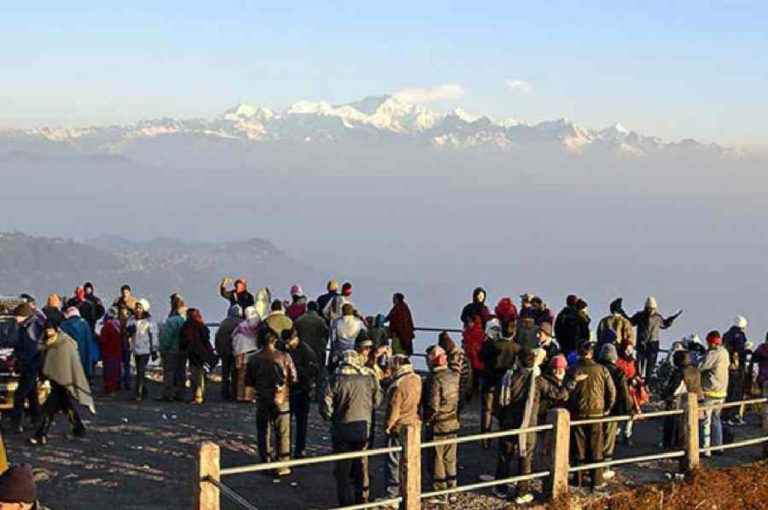
Tiger Hill Tourism Truce – Detailed Analysis of Driver Agreement, Festive Travel, and Governance Lessons for Darjeeling Mobility

The Tiger Hill tourism truce has brought relief to thousands of visitors in Darjeeling during the festive season. On December 25, 2025, after days of tension between hill and plains drivers, the Gorkhaland Territorial Administration (GTA) brokered a settlement that allowed vehicles to resume trips to Tiger Hill, the iconic sunrise viewpoint overlooking Kanchenjunga. The decision came just in time for Christmas, ensuring tourists could enjoy one of the region’s most celebrated experiences.


2. Background of the Impasse

  • Since December 19, hill drivers had stopped taking tourists to Tiger Hill, citing infrastructure issues such as inadequate parking.
  • Plains drivers demanded equal rights to conduct sightseeing tours, while hill drivers opposed, arguing that local livelihoods depended on tourism.
  • The standoff escalated when plains drivers threatened to block hill vehicles from picking up tourists at transit points like Siliguri and New Jalpaiguri.
  • The GTA convened a Traffic Advisory Committee (TAC) meeting at Lal Kothi, Darjeeling, to resolve the dispute.

3. The Truce Agreement

  • Hill drivers agreed to resume trips to Tiger Hill starting Christmas morning.
  • Plains drivers softened their stance, refraining from blocking hill vehicles.
  • GTA deputy chairman Rajesh Chouhan emphasized that only experienced hill drivers should conduct sightseeing tours due to steep and risky roads.
  • Another TAC meeting was scheduled for January 16, 2026, to review the situation.

4. Political and Administrative Role

  • The truce was brokered under instructions from GTA chief executive Anit Thapa.
  • The Joint Forum, representing 10 organizations of plains drivers and transporters, agreed to cooperate for the sake of tourism.
  • Local leaders stressed the importance of brotherhood and camaraderie between hill and plains communities.

5. Tiger Hill Tourism Truce: Governance Challenges

The Tiger Hill dispute reflects:

  • Infrastructure gaps in parking and road safety.
  • Competition for tourist earnings between hill and plains drivers.
  • Need for coordinated tourism policies across districts.
  • Fragile trust between different driver associations.

6. Government External Links for Assistance


7. Historical Context of Tiger Hill Tourism

  • Tiger Hill has been a premier sunrise destination for decades.
  • Tourists flock to see the first rays of the sun on Kanchenjunga.
  • Past disputes between driver groups have occasionally disrupted tourism.
  • The 2025 truce highlights the recurring tension between livelihood and infrastructure capacity.

8. Community Impact

  • Tourists expressed relief at being able to visit Tiger Hill during Christmas.
  • Local hotels and homestays benefited from restored sightseeing tours.
  • Families dependent on tourism regained income stability.
  • The truce reinforced the importance of dialogue and compromise in community governance.

9. Global Comparisons

Similar tourism disputes occur worldwide:

  • Nepal: Guides and drivers often clash over trekking permits.
  • Kenya: Safari operators compete for access to national parks.
  • Italy (Venice): Local vs. external operators dispute over gondola services.

Darjeeling’s case mirrors these global struggles where tourism livelihoods intersect with infrastructure and regulation.


10. Governance Lessons

The Tiger Hill truce teaches:

  • Infrastructure investment is essential to prevent disputes.
  • Clear regulations on driver rights can reduce conflict.
  • Community forums foster dialogue between stakeholders.
  • Periodic reviews ensure sustainable tourism management.

11. Future Outlook – Sustainable Tourism in Darjeeling

India must move towards:

  • Multi‑level parking facilities near Tiger Hill.
  • Digital booking systems for sightseeing tours.
  • Eco‑friendly transport options to reduce congestion.
  • Joint tourism councils involving both hill and plains stakeholders.

12. Conclusion

The Tiger Hill tourism truce is more than a temporary settlement. It reflects the challenges of balancing livelihoods, infrastructure, and visitor experience in Darjeeling. As vehicles resume trips on Christmas, the incident underscores the need for sustainable tourism governance. For Bengal, the lesson is clear: tourism thrives when communities cooperate, infrastructure supports growth, and governance ensures fairness.

Also read: Home | Channel 6 Network – Latest News, Breaking Updates: Politics, Business, Tech & More
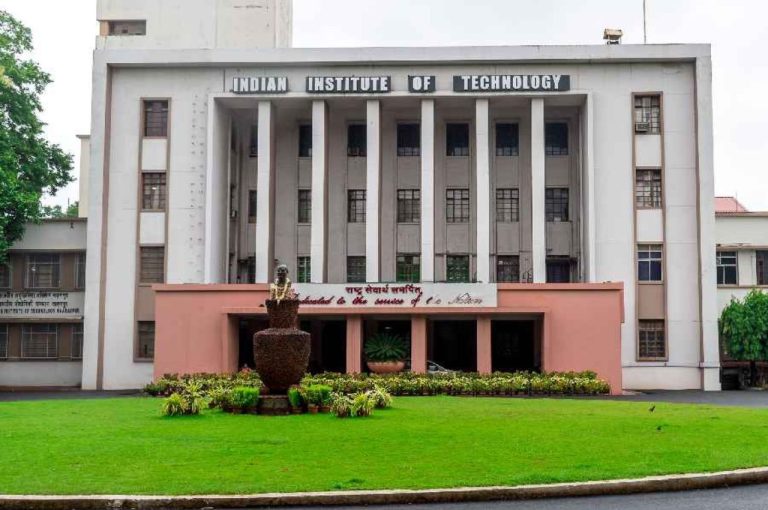
Siliguri Traffic Management Survey – Detailed Analysis of IIT Kharagpur’s Proposals, Governance Challenges, and Lessons for Urban Mobility in Bengal

The Siliguri traffic management survey conducted by IIT Kharagpur marks a turning point in North Bengal’s urban planning. Commissioned by the Siliguri Jalpaiguri Development Authority (SJDA), the survey aims to provide a comprehensive traffic management plan for Siliguri, a city plagued by congestion, inadequate parking, and chaotic road conditions. The proposals include new traffic outposts, expanded digital surveillance, centralized control rooms, and multi‑level parking facilities.


2. Background of the Survey

  • SJDA partnered with IIT Kharagpur to leverage academic expertise in traffic engineering.
  • The survey is being conducted in collaboration with the Siliguri Municipal Corporation (SMC) and the Siliguri Metropolitan Police.
  • The goal is to prepare a Detailed Project Report (DPR) for long‑term traffic solutions.
  • Mayor Gautam Deb emphasized that the initiative reflects a commitment to modernizing Siliguri’s transport infrastructure.

3. Current Traffic Challenges in Siliguri

  • Congestion: Daily traffic jams on arterial roads like Hill Cart Road, Sevoke Road, and Bidhan Road.
  • Parking shortage: Only 20 designated parking lots currently operational.
  • Surveillance gaps: Around 400 CCTV cameras installed, but coverage remains inadequate.
  • Urban sprawl: Rapid growth of residential and commercial areas without matching infrastructure.
  • Tourism pressure: As the gateway to Darjeeling, Sikkim, and Bhutan, Siliguri faces seasonal traffic surges.

4. Key Proposals by IIT Kharagpur

  • Digital surveillance expansion: Installation of more high‑resolution cameras across the city.
  • New traffic outposts: At least 10 additional outposts, mostly on the outskirts, to decentralize control.
  • Centralized traffic control room: To coordinate real‑time monitoring and enforcement.
  • Multi‑level parking facilities: Plans underway to construct vertical parking structures.
  • Coordination with police: Surveys to be conducted jointly for effective implementation.

5. Siliguri Traffic Management Survey: Governance Challenges

The survey highlights:

  • Coordination gaps between SJDA, SMC, and police.
  • Funding constraints for large‑scale infrastructure projects.
  • Resistance from local businesses to stricter parking regulations.
  • Need for public awareness on traffic discipline.

6. Government External Links for Assistance


7. Historical Context of Traffic in Siliguri

  • 1990s: Rapid urbanization began straining road networks.
  • 2000s: Expansion of commercial hubs worsened congestion.
  • 2010s: Attempts at flyovers and bypass roads provided partial relief.
  • 2025: IIT survey represents the first systematic, scientific approach to traffic planning in the city.

8. Community Impact

  • Residents hope for smoother commutes and reduced pollution.
  • Shopkeepers worry about stricter parking enforcement affecting business.
  • Tourists expect better traffic management to ease travel to hill stations.
  • Civic groups demand transparency in project implementation.

9. Global Comparisons

Similar traffic management initiatives worldwide:

  • Singapore: Smart traffic systems with AI‑driven surveillance.
  • London: Congestion charges and centralized monitoring.
  • Tokyo: Multi‑level parking and strict enforcement.

Siliguri’s case mirrors these global efforts where technology and infrastructure combine to tackle urban congestion.


10. Governance Lessons

The Siliguri survey teaches:

  • Scientific planning must guide urban mobility.
  • Public‑private partnerships can fund parking facilities.
  • Community engagement ensures smoother implementation.
  • Technology integration strengthens enforcement and monitoring.

11. Future Outlook – Building Smart Cities in Bengal

India must move towards:

  • Smart traffic lights responsive to real‑time conditions.
  • Integrated transport hubs linking buses, autos, and rail.
  • Eco‑friendly mobility solutions like cycling lanes and electric buses.
  • Regional planning to manage traffic spillovers from tourism.

12. Conclusion

The Siliguri traffic management survey by IIT Kharagpur is more than an academic exercise. It reflects Bengal’s commitment to modernizing urban infrastructure and addressing long‑standing traffic woes. With proposals for new outposts, expanded surveillance, and multi‑level parking, the initiative promises a safer, smoother, and more sustainable future for Siliguri. For policymakers, the lesson is clear: urban growth must be matched by scientific planning and governance reforms.


Also read: Home | Channel 6 Network – Latest News, Breaking Updates: Politics, Business, Tech & More

Cooch Behar TMC Leader Shooting – Detailed Analysis of Political Violence, Governance Challenges, and Lessons for Electoral Security in Bengal

The Cooch Behar TMC leader shooting has once again highlighted the volatile political climate in Bengal. On December 24, 2025, a local Trinamool Congress leader was critically injured after being shot by unidentified assailants in Cooch Behar district. The incident has sparked outrage, political blame games, and renewed concerns about law and order in the run‑up to the 2026 Assembly elections.


2. Incident Details

  • Location: Cooch Behar district, North Bengal.
  • Victim: A local Trinamool Congress leader, reportedly active in grassroots politics.
  • Attack: Unidentified assailants opened fire, leaving him critically injured.
  • Response: He was rushed to a nearby hospital and later shifted to a larger medical facility for treatment.
  • Police: Launched an investigation, but no arrests were reported immediately.

3. Cooch Behar TMC Leader Shooting: Political Fallout

  • Trinamool Congress (TMC): Condemned the attack, alleging opposition involvement.
  • BJP: Denied allegations, accusing TMC of failing to maintain law and order.
  • Civil society groups: Expressed concern about rising political violence in Bengal.
  • The incident has become a campaign issue, with both parties trading accusations.

4. Governance Challenges

The shooting reflects:

  • Weak law enforcement in politically sensitive districts.
  • Escalating violence ahead of elections.
  • Community polarization fueled by political rivalry.
  • Delayed justice in cases of political attacks.

5. Government External Links for Assistance


6. Historical Context of Political Violence in Bengal

  • 1970s–80s: Violent clashes between Left Front and Congress supporters.
  • 2011 onwards: TMC vs. Left and later TMC vs. BJP rivalries often turned violent.
  • 2021 Assembly elections: Multiple incidents of shootings, arson, and clashes reported.
  • The 2025 Cooch Behar shooting adds to this long history of political bloodshed in Bengal.

7. Community Impact

  • Local residents expressed fear, saying political rivalry often spills into everyday life.
  • Families worry about safety during election season.
  • Businesses and schools in the area were temporarily disrupted.
  • The incident has deepened mistrust between communities aligned with different parties.

8. Global Comparisons

Similar political violence occurs worldwide:

  • Pakistan: Frequent attacks on local political leaders.
  • Nigeria: Electoral violence often targets grassroots leaders.
  • Latin America: Local politicians face threats from rival groups and criminal networks.

The Bengal case mirrors these global struggles where grassroots leaders are vulnerable to targeted attacks in polarized democracies.


9. Governance Lessons

The shooting teaches:

  • Stronger police presence is needed in politically sensitive districts.
  • Community policing can reduce tensions.
  • Election Commission oversight must be strengthened.
  • Swift justice is essential to deter future attacks.

10. Future Outlook – Electoral Security in Bengal

India must move towards:

  • Deployment of central forces during elections in sensitive districts.
  • Digital surveillance systems to monitor political hotspots.
  • Awareness campaigns to promote peaceful political participation.
  • Judicial fast‑track mechanisms for cases of political violence.

11. Conclusion

The Cooch Behar TMC leader shooting is more than an isolated incident. It reflects systemic failures in law enforcement, the persistence of political violence, and the fragility of democratic processes in Bengal. As the victim fights for his life, the larger question remains: can Bengal ensure free, fair, and peaceful elections in 2026?


Also read: Home | Channel 6 Network – Latest News, Breaking Updates: Politics, Business, Tech & More
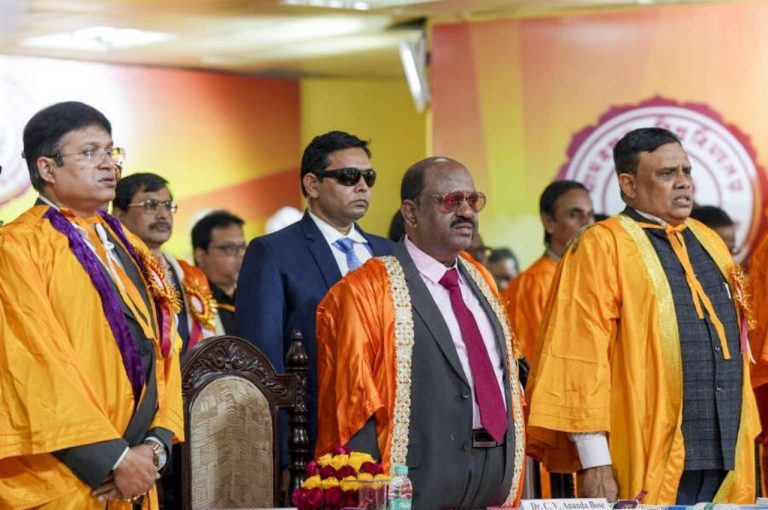
Jadavpur University Islamophobia Row – Detailed Analysis of Convocation Protest, Exam Incident, and Governance Lessons for Campus Inclusivity

The Jadavpur University Islamophobia row has sparked debate about inclusivity, academic vigilance, and student rights. On December 24, 2025, during the university’s annual convocation, two undergraduate students held a poster reading “There is no place for Islamophobia at Jadavpur University” while receiving their degrees. Their protest was linked to an incident earlier that week, when a female student wearing a hijab was asked to partially remove it during an exam to check for hidden headphones.


2. The Exam Incident

  • Date: December 22, 2025, during an English semester exam.
  • A third‑year undergraduate student wearing a headscarf was asked by an invigilator to adjust her hijab to ensure she was not using wireless headphones.
  • The check revealed nothing suspicious.
  • Students later said the act hurt sentiments and was “unthinkable” in a liberal campus like JU.

3. The Convocation Protest

  • Two senior students held a poster during the convocation ceremony.
  • They clarified: “We did not create a ruckus but thought such conduct was unthinkable. So we only held a poster while receiving UG degrees.”
  • Their act drew attention to the alleged Islamophobia and sparked media coverage.

4. Jadavpur University Islamophobia Row: Faculty Response

  • A senior English department professor denied the allegations:
    • Claimed vigilance was tightened after several students were caught cheating with headphones.
    • Said at least four examinees were caught using headphones the previous week, none from minority communities.
    • Noted that two other hijab‑wearing students, including one differently abled, were not checked.
    • Emphasized: “JU will be the last place to be levelled with such charges as Islamophobia.”

5. Student Federation’s Position

  • The Students’ Federation of India (SFI) distanced itself from the protest.
  • Leaders said the act was the students’ personal decision, not part of SFI’s demonstration.
  • SFI’s focus during convocation was on student union polls, campus security, and representation in the Internal Complaints Committee.

6. Vice‑Chancellor’s Statement

  • Chiranjib Bhattacharjee, JU Vice‑Chancellor, said: “Students have submitted a letter to me and I am looking into it.”
  • The university has not issued an official statement yet.

7. Governance Challenges

This controversy highlights:

  • Balancing vigilance with sensitivity in exam settings.
  • Ensuring minority rights are respected in academic institutions.
  • Avoiding miscommunication that can escalate into charges of discrimination.
  • Maintaining trust between faculty and students.

8. Historical Context of Campus Protests

  • JU has a long tradition of student activism, from political movements to cultural protests.
  • Past incidents include debates over gender rights, campus security, and academic freedom.
  • The Islamophobia row fits into this broader legacy of student dissent and institutional accountability.

9. Global Comparisons

Similar controversies have occurred worldwide:

  • France: Hijab bans in schools sparked protests over religious freedom.
  • USA: Muslim students raised concerns about profiling during exams and security checks.
  • UK: Universities debated policies on religious attire during assessments.

JU’s case mirrors these global struggles where academic vigilance intersects with religious identity.


10. Governance Lessons

The incident teaches:

  • Clear guidelines on exam attire and checks are needed.
  • Sensitivity training for invigilators can prevent misunderstandings.
  • Dialogue platforms between students and faculty can resolve grievances.
  • Transparent communication builds trust and avoids escalation.

11. Conclusion

The Jadavpur University Islamophobia row is more than a campus protest. It reflects the challenges of balancing exam vigilance with inclusivity, and the importance of respecting student identities. While faculty deny discrimination, the students’ protest underscores the need for dialogue and sensitivity. For JU, the incident is a reminder that academic excellence must go hand in hand with cultural respect and inclusivity.

Here are some relevant external links you can use for deeper context and official information related to the Jadavpur University Islamophobia row and broader issues of campus governance, inclusivity, and student rights:

  • Jadavpur University Official Website – for updates, notices, and official statements: https://jaduniv.edu.in
  • University Grants Commission (UGC) – guidelines on inclusivity and student rights in higher education: https://ugc.ac.in
  • Ministry of Education, Government of India – policies on higher education and campus governance: https://education.gov.in
  • National Commission for Minorities (NCM) – official body addressing minority concerns, including Islamophobia: https://ncm.nic.in
  • Supreme Court of India – for landmark judgments on student rights and religious freedom: https://main.sci.gov.in
  • National Human Rights Commission (NHRC) – for complaints and reports on discrimination in institutions: https://nhrc.nic.in

Also read: Home | Channel 6 Network – Latest News, Breaking Updates: Politics, Business, Tech & More
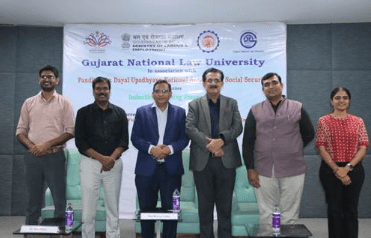
Gujarat National Law University Proudly Hosts Valedictory Session of Induction Training Programme for Sixth Batch of EPFO Enforcement and Accounts Officers: 2025

Gujarat National Law University (GNLU), Gandhinagar, in collaboration with the Pandit Deen Dayal Upadhyaya National Academy of Social Security (PDUNASS), successfully hosted the valedictory session of the four-week Induction Training Programme for the sixth batch of Enforcement Officers/Accounts Officers of the Employees’ Provident Fund Organisation (EPFO) on 26 December 2025. The programme was organised under the aegis of the Ministry of Labour and Employment, Government of India, with a focus on strengthening legal, administrative, and ethical competencies of newly inducted officers.


Capacity Building for EPFO Officers through Structured Legal Training

The four-week induction programme commenced on 1 December 2025 and was attended by 62 Enforcement and Accounts Officers. Over the course of 26 days, the trainees underwent 81 intensive sessions, amounting to 121.5 hours of structured training, delivered by 26 resource persons, including experienced EPFO officers and legal experts.

The programme was designed to equip officers with a strong foundation in law, governance, and service delivery, ensuring they are well-prepared to discharge quasi-judicial and enforcement responsibilities in a complex regulatory environment.


Wide-Ranging Curriculum Covering Law, Governance and Ethics

The training curriculum covered a broad spectrum of critical subjects, including:

  • Criminal Law and Civil Law

  • Indian Evidence Act and Constitutional Provisions

  • Principles of Natural Justice and Quasi-Judicial Functions

  • Labour Laws and New Labour Codes

  • POSH Act and Cyber Laws

  • Contract Law and Rules of Interpretation

  • Procurement Management and Rajbhasha

  • Professional Etiquette, Personal Grooming, and Administrative Ethics

This comprehensive approach aimed at developing legally sound, ethically driven, and professionally competent officers.


Special Session on Motivation and Goal Setting at NID Gandhinagar

As part of the broader learning engagement, National Institute of Design (NID), Gandhinagar, organised a special interactive session on “Motivation Through Goal Setting” for postgraduate students on the same day.

The session focused on themes of success and failure, challenging goals, personal roadmaps, discipline, willpower, attitude, belief, coordination, and consistency. The talk was facilitated by Dr. Bhavin Kothari, with Shri Rizwan Uddin, Regional Provident Fund Commissioner-I and Chief Learning Officer (CLO), PDUNASS, appreciating the enthusiasm and goal-oriented mindset demonstrated by the scholars.


Valedictory Session and Key Addresses

The valedictory ceremony at GNLU was attended by Shri Rizwan Uddin, RPFC-I and CLO, PDUNASS, and Dr. Nitin Malik, Registrar, GNLU.

On the final day, Shri Rizwan Uddin addressed the trainees in two detailed sessions, elaborating on the roles and responsibilities of Principal Employers towards contractual employees, supported by landmark judicial pronouncements such as:

  • HSWCL vs RPFC (Calcutta High Court)

  • FCI vs RPFC (Delhi High Court)

These case studies provided practical insights into compliance, accountability, and legal interpretation in EPFO operations.


Emphasis on Discipline, Service Orientation and Public Interest

Dr. Nitin Malik, Registrar, GNLU, acknowledged the meticulous coordination of the programme and appreciated the discipline and commitment shown by the trainees. Shri Hardik Parikh, Course Coordinator, presented a detailed report of the 26-day training programme, while trainee officers shared their feedback in an open and interactive environment.

During the valedictory session, officers were encouraged to apply the knowledge gained in the national interest, with emphasis on customer-centric service delivery, decisiveness, responsiveness, collaboration, and deep legal understanding. The importance of law as a cornerstone of public service and the need to secure optimum benefits for stakeholders in the interest of justice were strongly underlined.


Conclusion
The successful completion of the four-week Induction Training Programme at GNLU, Gandhinagar, marks a significant step in strengthening the institutional capacity of EPFO. By combining rigorous legal education, practical case-based learning, and a strong emphasis on ethics and public service, the programme has laid a robust foundation for the newly inducted Enforcement and Accounts Officers to serve with competence, integrity, and citizen-centricity in India’s social security framework.


For more real-time updates, visit Channel 6 Network.

Source: PIB

SHANTI Bill to Go Down in History as One of Modi Government’s Biggest Science Reforms: Dr Jitendra Singh: 2025

Union Minister for Science & Technology, Dr Jitendra Singh, has described the SHANTI Bill as one of the most far-reaching and historic science reforms undertaken by the Modi Government, stating that it will fundamentally reshape India’s future socio-economic order. Speaking in a media interaction on December 28, 2025, the Minister said that the third term of Prime Minister Shri Narendra Modi (Modi 3.0) is distinctly marked by bold, structural reforms with a strong and unprecedented focus on science, innovation, and entrepreneurship.


Science-Led Reforms at the Core of Modi 3.0

Dr Jitendra Singh observed that while public discourse on reforms has traditionally centred around welfare schemes and governance mechanisms, the long-term trajectory of nations is increasingly determined by science and technology-driven reforms. He said Modi 3.0 represents a decisive shift where science is no longer peripheral but central to national transformation.

According to the Minister, earlier reform phases in India were often associated with political or strategic milestones, but Modi 3.0 will be remembered for breaking entrenched barriers in sectors that define technological leadership, energy security, and economic competitiveness.


SHANTI Bill: A Defining Departure from Convention

Calling the SHANTI Bill a defining departure from convention, Dr Jitendra Singh said the legislation places science-driven reform at the heart of India’s development narrative. He emphasised that despite science having a decisive impact on growth and global standing, it had historically not been framed as a reform domain.

“The SHANTI Bill corrects this historic oversight by explicitly linking science, economy, industry, and business into a unified reform framework,” the Minister said, adding that the Bill reflects a new policy mindset where scientific capability becomes an engine of economic and industrial transformation.


Breaking a Six-Decade Stalemate in the Nuclear Sector

The Minister highlighted that the SHANTI Bill marks a historic reform in India’s nuclear sector, breaking a stalemate that persisted for over six decades. He said the reform unlocks the full potential of nuclear energy for peaceful, clean, and sustainable growth, while strictly upholding India’s principles of safety, sovereignty, and public interest.

Dr Jitendra Singh noted that such a reform was long considered politically and institutionally impossible, and has only become feasible due to Prime Minister Modi’s ability to challenge legacy taboos and align India’s nuclear framework with global best practices.


Peaceful Nuclear Use Rooted in India’s Foundational Vision

Reiterating India’s long-standing commitment to peaceful nuclear applications, the Minister recalled the vision of Dr Homi Jehangir Bhabha, who envisaged nuclear science as a tool for development, healthcare, and energy security.

He said the SHANTI Bill strengthens this foundational philosophy by expanding civilian nuclear applications—clean power generation, advanced research, and medical uses—while firmly excluding any deviation from peaceful intent.


Nuclear Energy as a Backbone of the Future Economy

Highlighting the demands of the AI-driven, quantum-enabled, and data-intensive economy, Dr Jitendra Singh said nuclear energy is indispensable due to its ability to provide reliable, round-the-clock power, unlike intermittent renewable sources.

As India progressively transitions away from fossil fuels and coal, nuclear energy will play a critical qualitative role in supporting advanced technologies, digital infrastructure, strategic industries, and national Net Zero commitments, he added.


Capacity Expansion and the 2047 Vision

Dr Jitendra Singh informed that India’s nuclear power capacity has already doubled from about 4.4 GW in 2014 to nearly 8.7 GW today. He outlined the government’s long-term roadmap to scale nuclear capacity to around 100 GW by 2047, enabling nuclear power to contribute nearly 10 percent of India’s electricity requirements.

This expansion, he said, will be a cornerstone of India’s journey towards becoming a developed nation by 2047.


Advancing Healthcare Through Nuclear Science

The Minister also drew attention to the growing role of nuclear science in healthcare, particularly in cancer diagnosis and treatment through nuclear medicine and isotopes. He said atomic science has evolved into a powerful instrument of human welfare and life-saving medical interventions, further strengthening public trust in peaceful nuclear applications.


Small Modular Reactors and Future Readiness

Looking ahead, Dr Jitendra Singh said India is moving towards the adoption of Small Modular Reactors (SMRs), which are well-suited for dense urban clusters, industrial corridors, and emerging economic zones. These reactors, he noted, will enhance energy security while maintaining high standards of environmental responsibility and safety.


Broad National Consensus on SHANTI Bill

The Minister said the SHANTI Bill has received wide acceptance across the scientific community, industry, startups, and the innovation ecosystem, reflecting a strong national consensus on the need to modernise India’s nuclear and science policy framework.

He described the Bill as a hallmark of Modi 3.0’s reform-first governance approach, where science-led policy decisions are shaping India’s future economic, industrial, and technological order.


Conclusion
Dr Jitendra Singh concluded that the SHANTI Bill exemplifies a transformative moment in India’s reform journey—one where science becomes a central pillar of governance and growth. By breaking long-standing barriers in the nuclear sector and aligning innovation with national development goals, the Bill is poised to redefine India’s energy security, technological sovereignty, and socio-economic future, firmly placing the country on the path to Viksit Bharat by 2047.

For more real-time updates, visit Channel 6 Network.

Source: PIB

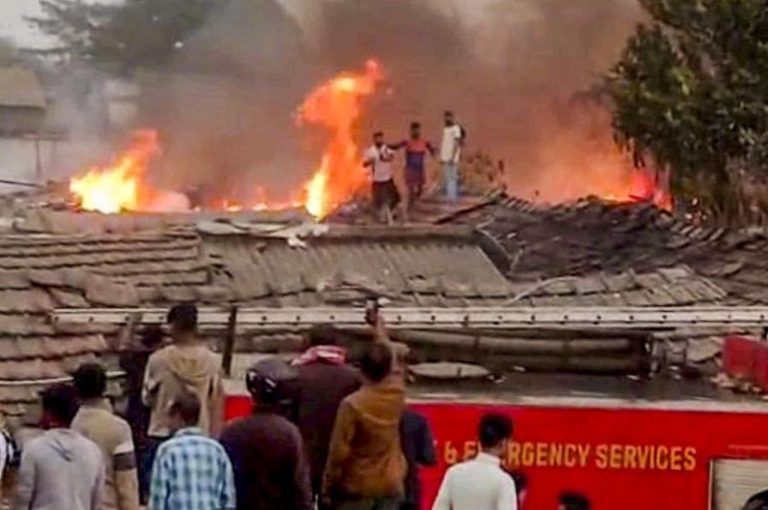
Maheshtala Fire Kolkata 2025 – Detailed Analysis of Shanty Blaze, Emergency Response, and Governance Lessons for Urban Safety

The Maheshtala fire Kolkata 2025 has once again exposed the vulnerabilities of urban slum settlements in Bengal. On December 25, 2025, a massive blaze broke out in the Maheshtala area of South 24 Parganas district, near Kolkata. Several shanties were gutted, leaving families homeless. Seven fire tenders battled the flames for three hours, finally bringing the situation under control. Fortunately, there were no casualties, but the incident highlights the precarious living conditions of thousands of urban poor.


2. Incident Details

  • The fire started around 4:30 pm and raged until 7:30 pm.
  • Location: Maheshtala, a densely populated area near Kolkata.
  • Seven fire tenders were deployed to contain the blaze.
  • Multiple shanties were destroyed, leaving families without shelter.
  • Officials confirmed there were no injuries or deaths.
  • The cause of the fire is still being investigated.

3. Maheshtala Fire Kolkata 2025: Human Impact

  • Families lost their homes and belongings within minutes.
  • Many residents were daily wage earners, now left without shelter or resources.
  • Children and elderly were seen crying as flames engulfed their huts.
  • Community members rushed to help, but the fire spread too quickly.
  • Relief camps are expected to be set up by local authorities.

4. Governance Challenges

The Maheshtala fire reflects:

  • Unsafe housing structures made of bamboo, plastic sheets, and tin.
  • Lack of fire safety awareness among slum residents.
  • Delayed emergency response due to congested lanes.
  • Absence of rehabilitation policies for displaced families.

5. Government External Links for Assistance


6. Historical Context of Fires in Bengal

  • 2011 AMRI Hospital fire (Kolkata): 90 patients died due to negligence.
  • 2019 Burrabazar warehouse fire: Highlighted poor enforcement of safety norms.
  • 2023 Howrah slum fire: Hundreds displaced, raising questions about urban fire safety.
  • The 2025 Maheshtala fire adds to this tragic list, showing that both urban and rural areas remain vulnerable.

7. Community Response

  • Neighbours rushed to evacuate families.
  • Local NGOs distributed food and blankets.
  • Residents demanded government compensation and rehabilitation.
  • The incident has sparked debates about urban poverty and housing rights.

8. Global Comparisons

Similar tragedies occur worldwide:

  • Dhaka, Bangladesh: Frequent slum fires due to unsafe housing.
  • Nairobi, Kenya: Informal settlements often devastated by fires.
  • Brazil: Favelas face recurring fire hazards linked to poor infrastructure.

The Maheshtala case mirrors these global struggles where poverty and unsafe housing amplify disaster risks.


9. Governance Lessons

The tragedy teaches:

  • Need for slum redevelopment projects.
  • Community awareness campaigns on fire safety.
  • Compensation schemes for victims.
  • Integration of fire safety into housing policies.

10. Future Outlook – Building Safer Communities

India must move towards:

  • Affordable housing schemes with fire‑resistant materials.
  • Community fire brigades for faster response.
  • Digital alert systems for emergencies.
  • Collaboration between NGOs and government to train communities.

11. Conclusion

The Maheshtala fire Kolkata 2025 is more than a local accident. It reflects systemic failures in housing, fire safety, and governance. Several lives were spared, but families lost everything. As Bengal mourns, the incident should serve as a wake‑up call for policymakers to prioritize fire safety in both urban and rural development. In a democracy, no family should lose its home simply because their shelter was too fragile to withstand a blaze.

Also read: Home | Channel 6 Network – Latest News, Breaking Updates: Politics, Business, Tech & More

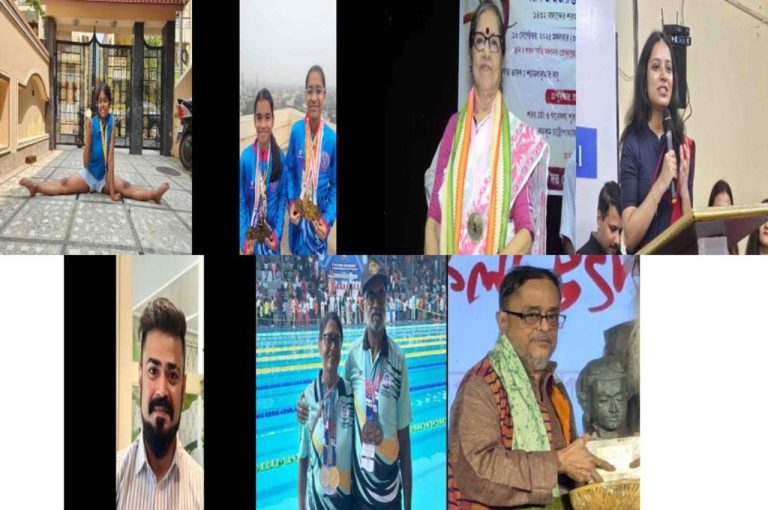
New Town Achievers 2025 – Detailed Analysis of Sports Triumphs, Academic Excellence, Artistic Recognition, and Governance Lessons for Talent Development

The New Town achievers 2025 story is a celebration of human potential across diverse fields. From international sports medals to UPSC ranks, from skating championships to literary awards, residents of New Town and Salt Lake showcased extraordinary talent this year. Their achievements highlight the growing role of Bengal’s urban neighbourhoods as incubators of excellence.


2. Sports Achievements

  • Adriyan Karmakar (Rishi Eco View, New Town):
    • Won silver and bronze at the ISSF Junior World Cup in Suhl, Germany.
    • Set a new junior national record in 50m rifle prone (score: 626.7).
    • Clinched gold at the Asian Championships in Kazakhstan, setting a new Asian Junior record (463.8).
    • Son of Olympian Joydeep Karmakar, proving sporting legacy and new talent can coexist.
  • Drishti and Chahek Malpani (CE Block):
    • Skater sisters trained at Bidhan Sishu Udyan Academy.
    • Chahek won bronze at the 63rd National Skating Championship.
    • Drishti secured two golds at the CBSE Far East Zone Skating Championship.
    • Jointly awarded Best Athlete of the Meet at their school.
  • Raunak Jana (AD Block):
    • Won the Indian National Autocross Championship in Chennai.
    • First driver from eastern India to win this premium high‑speed race.
  • Tripti and Arup Sundar Pal (CB Block):
    • Elderly couple competing in National Finswimming Championships, Mangalore.
    • Tripti won gold and silver; Arup won three bronze medals.
    • Their late‑life sporting journey inspires inclusivity in athletics.
  • Suvankar Basu & Sudip Pandit (BJ & CG Block):
    • Bridge players who finished runners‑up at the EA International Bridge Championships 2025 in Chennai.

3. New Town Achievers 2025: Academic Excellence

  • Meghna Chakravorty (AK Block):
    • Secured 79th rank in UPSC 2025.
    • Undergoing training at Lal Bahadur Shastri National Academy of Administration.
    • Only local candidate among 12 IAS officers assigned to Bengal cadre.
  • Rachit Sinha Chaudhuri (Salua, Rajarhat):
    • Achieved All India Rank 16 in NEET UG 2025.
    • Student of Hariyana Vidya Mandir, with a lifelong dream of becoming a doctor.

4. Arts and Literature

  • Kumkum Chattopadhyay (East Enclave, New Town):
    • Retired political science teacher from Bethune College.
    • Received the Sarat Charcha O Gabeshona Puroshkar for research on Saratchandra Chattopadhyay.
    • Published Saratchandra: Anweshone Bisleshone, analyzing novels from socio‑political perspectives.
  • Ashoke Mullick (Utsa, Action Area 1):
    • Veteran artist honoured with Silpi Samman by the West Bengal government.
    • Recognized for lifetime contribution to visual arts.
  • Anindita Das (CJ Block):
    • Won silver at the All Age Group National Championship for Trampoline, Tumbling, and Acrobatic Gymnastics.
    • Overcame socio‑economic hardships, living in a garage with grandparents.

5. Governance Challenges

The achievements reflect:

  • Need for infrastructure in sports and arts at the local level.
  • Support for marginalized achievers like Anindita Das.
  • Recognition of elderly athletes to promote inclusivity.
  • Integration of academic excellence into state development plans.

6. Government External Links for Assistance


7. Historical Context of New Town & Salt Lake Achievements

  • Both neighbourhoods were planned as modern urban hubs in Bengal.
  • Over the past decade, they have produced national‑level athletes, scholars, and artists.
  • The 2025 achievements mark a new peak in community excellence.

8. Global Comparisons

Similar urban talent clusters exist worldwide:

  • Silicon Valley (USA): Produces tech innovators.
  • Seoul (South Korea): Known for academic and artistic excellence.
  • Nairobi (Kenya): Emerging hub for athletics.

New Town mirrors these global hubs where urban planning and community support foster talent.


9. Governance Lessons

The New Town achievers teach:

  • Community‑level investment in sports academies and cultural centres.
  • Scholarship schemes for economically disadvantaged achievers.
  • Recognition platforms for elderly and unconventional achievers.
  • Integration of achievements into state branding for Bengal’s global image.

10. Future Outlook – Building Talent Ecosystems

India must move towards:

  • Neighbourhood‑based talent incubators.
  • Digital platforms to showcase local achievers.
  • Cross‑disciplinary mentorship linking sports, arts, and academics.
  • International collaborations to give achievers global exposure.

11. Conclusion

The New Town achievers 2025 story is not just about medals, ranks, or awards. It is about resilience, community spirit, and the power of dreams. From young shooters to elderly swimmers, from UPSC toppers to artists, the residents of New Town and Salt Lake embody Bengal’s diverse excellence. Their journey underscores a vital lesson: talent thrives when communities nurture it, governments support it, and society celebrates it.


Also read: Home | Channel 6 Network – Latest News, Breaking Updates: Politics, Business, Tech & More
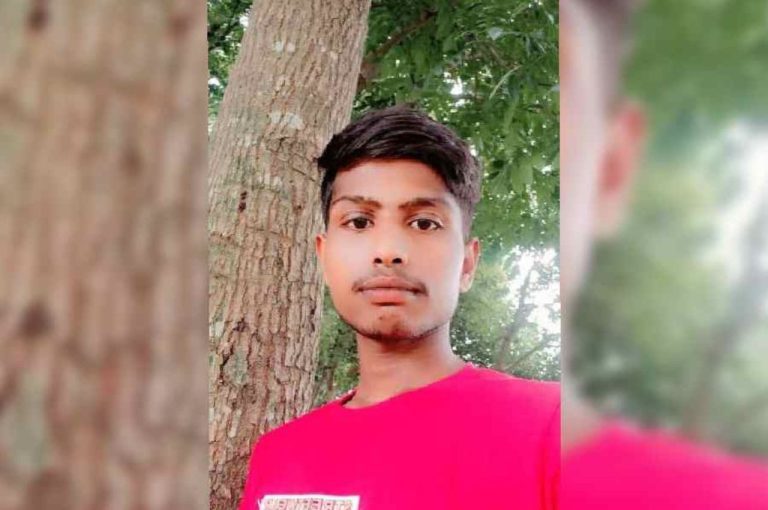
Bengal Migrant Labourer Death – Detailed Analysis of Juel Rana’s Killing, Family Struggles, and Governance Lessons for Worker Safety

The Bengal migrant labourer death in Odisha has shaken Murshidabad and reignited debates about migrant worker safety in India. On December 22, 2025, Juel Rana, a 21‑year‑old mason from Chak Bahadurpur village in Suti, Murshidabad, was allegedly beaten to death in Sambalpur, Odisha. His mother, Najema Biwi, recalled his last phone call, where he spoke of repairing their dilapidated house and marrying once the roof was rebuilt. Hours later, he was gone.


2. Incident Details

  • Juel had reached Sambalpur on December 21 to work as a mason.
  • On December 22 night, men in saffron attire allegedly attacked his rented house after earlier threats to vacate.
  • He was brutally beaten and succumbed to injuries.
  • His body was returned to Murshidabad, where his grieving parents awaited.
  • His father, Jiyal Haque, a bidi worker, questioned: “My son was not a criminal. He never did any illegal work. Then why was he beaten so brutally?”

3. Bengal Migrant Labourer Death: Family Struggles

  • Najema described Juel as the family’s sole breadwinner.
  • He wanted to rebuild their crumbling mud house with a concrete roof.
  • He dreamed of marriage after securing stability.
  • His death has left the family in economic and emotional ruin.
  • Najema appealed to Chief Minister Mamata Banerjee for justice and financial aid.

4. Governance Challenges

The tragedy reflects:

  • Vulnerability of migrant workers in unfamiliar states.
  • Communal tensions exploited to target labourers.
  • Weak enforcement of worker protection laws.
  • Lack of compensation mechanisms for families of deceased migrant workers.

5. Government External Links for Assistance


6. Historical Context of Migrant Worker Deaths

  • 2020 COVID‑19 lockdown: Thousands of migrant workers walked home, many dying en route.
  • 2022 Kerala migrant worker attacks: Highlighted xenophobia against outsiders.
  • 2023 Bihar migrant deaths in Tamil Nadu: Sparked political controversy.
  • Juel’s death adds to this tragic list, showing systemic neglect of migrant safety.

7. Community Impact

  • Murshidabad villagers mourned Juel as a symbol of youth aspirations cut short.
  • His death has created fear among other migrant workers.
  • Families worry about sending sons to distant states for work.
  • Local leaders demanded state intervention and stricter protection for migrants.

8. Global Comparisons

Similar tragedies occur worldwide:

  • Middle East: Migrant workers from South Asia face abuse and unsafe conditions.
  • USA: Undocumented workers often exploited and attacked.
  • South Africa: Xenophobic violence against migrant labourers is common.

The Bengal case mirrors these global struggles where migrant workers are vulnerable to exploitation, violence, and neglect.


9. Governance Lessons

The tragedy teaches:

  • Inter‑state coordination is vital for migrant safety.
  • Legal safeguards must be enforced against communal targeting.
  • Compensation schemes should be automatic for families of deceased workers.
  • Awareness campaigns can reduce xenophobia and protect vulnerable groups.

10. Future Outlook – Protecting Migrant Workers

India must move towards:

  • National migrant worker registry for tracking and protection.
  • Portable social security benefits across states.
  • Dedicated helplines for migrant distress calls.
  • Community policing to prevent targeted attacks.

11. Conclusion

The Bengal migrant labourer death of Juel Rana is more than a personal tragedy. It reflects systemic failures in worker protection, inter‑state governance, and communal harmony. His dreams of repairing his home and marrying were shattered by violence. For Bengal and India, the incident is a wake‑up call: migrant workers must not remain invisible citizens, vulnerable to exploitation and brutality.

Also read: Home | Channel 6 Network – Latest News, Breaking Updates: Politics, Business, Tech & More