Saturday, May 2, 2026
Home Blog Page 191

SIR Bengal Bureaucracy Controversy – Detailed Analysis of Suvendu Adhikari’s Allegations, Mamata Banerjee’s Letter, and Governance Lessons for Electoral Neutrality

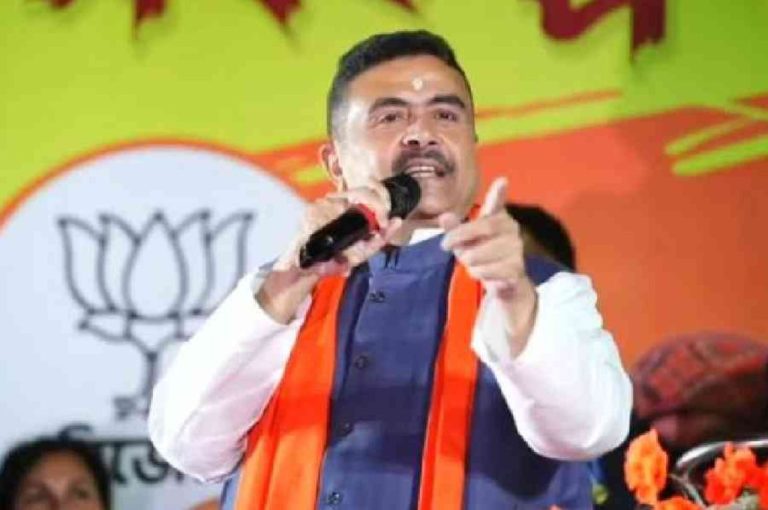
The SIR Bengal bureaucracy controversy has become a defining moment in West Bengal’s pre‑election atmosphere. On December 26, 2025, BJP leader and Leader of the Opposition Suvendu Adhikari accused Chief Minister Mamata Banerjee of attempting to influence bureaucrats through a letter addressed to West Bengal Civil Service (WBCS) officers. The letter coincided with the ongoing Special Intensive Revision (SIR) of electoral rolls, a process overseen by these officers. Adhikari claimed Mamata’s message was a veiled attempt to secure loyalty ahead of the 2026 Assembly elections.


2. Mamata Banerjee’s Letter to WBCS Officers

  • The CM praised WBCS officers for their contributions to governance.
  • Promised benefits such as:
    • Separate pay rules.
    • Increase in higher‑level posts (from 163 to 350).
    • More promotion opportunities.
    • Two extra increments at certain career levels.
    • Annual health check‑ups.
    • Housing plots at the Aitika project in New Town.
    • Online submission of suspicious activity reports and asset statements.
  • She assured: “I promise that I will definitely sit with you again in the future… I know that the WBCS officers have to work under many difficulties in the work of Special Intensive Revision (SIR)… the state government is with you in this difficult time.”

3. Suvendu Adhikari’s Allegations

  • Claimed Mamata’s letter was patronizing and intended to intimidate officers.
  • Alleged bias towards West Bengal Police Service (WBPS) over WBCS cadre.
  • Highlighted four grievances:
    • Arbitrary and politically motivated transfers.
    • Unequal promotion opportunities.
    • Disparity in DA (Dearness Allowance) rates.
    • Substandard housing and accommodation.
  • Accused Mamata’s government of creating a two‑tier system, with WBCS officers on a “lower pedestal” compared to WBPS officers.

4. SIR Bengal Bureaucracy Controversy: Governance Challenges

The controversy reflects:

  • Electoral neutrality concerns during SIR.
  • Tension between bureaucracy and political leadership.
  • Perceived favoritism between different cadres.
  • Public trust issues in electoral processes.

5. Government External Links for Assistance


6. Historical Context of Bureaucratic Politics in Bengal

  • 1970s–80s: Bureaucrats often accused of political bias under Left Front rule.
  • 2011 onwards: Mamata’s government faced criticism for politicizing transfers.
  • 2021 Assembly elections: Allegations of administrative bias resurfaced.
  • The 2025 SIR controversy continues this long tradition of bureaucracy caught in political crossfire.

7. Electoral Impact

  • WBCS officers play a crucial role in electoral roll verification.
  • Their neutrality is essential for free and fair elections.
  • Allegations of bias can undermine public confidence in the electoral process.
  • The controversy may influence voter perceptions ahead of 2026 polls.

8. Global Comparisons

Similar controversies occur worldwide:

  • USA: Allegations of partisan influence on election officials.
  • Pakistan: Bureaucrats accused of bias during voter roll revisions.
  • Kenya: Electoral commissions criticized for political manipulation.

The Bengal case mirrors these global struggles where administrative neutrality is contested in polarized democracies.


9. Governance Lessons

The SIR Bengal controversy teaches:

  • Clear boundaries between political leadership and bureaucracy are essential.
  • Transparency in benefits and promotions can reduce perceptions of bias.
  • Independent oversight of electoral processes strengthens credibility.
  • Dialogue between cadres and leadership can ease tensions.

10. Future Outlook – Electoral Neutrality in Bengal

India must move towards:

  • Strengthening Election Commission oversight during SIR.
  • Digital monitoring systems for transfers and promotions.
  • Awareness campaigns to reassure citizens about electoral integrity.
  • Judicial safeguards to prevent misuse of administrative authority.

11. Conclusion

The SIR Bengal bureaucracy controversy surrounding Mamata Banerjee’s letter and Suvendu Adhikari’s allegations underscores the fragility of electoral neutrality in West Bengal. While Mamata’s government insists the letter was meant to encourage officers, Adhikari views it as intimidation. For Bengal, the challenge is to ensure that bureaucrats remain impartial, electoral rolls remain credible, and democracy remains resilient.

Also read: Home | Channel 6 Network – Latest News, Breaking Updates: Politics, Business, Tech & More
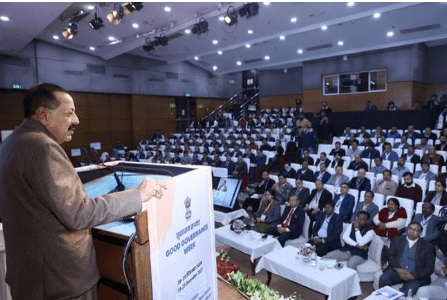
‘Prashashan Gaon Ki Ore’ 2025 Campaign Concludes Successfully, Delivering Landmark Outcomes During Good Governance Week

The nationwide ‘Prashashan Gaon Ki Ore’ 2025 campaign, organised under Good Governance Week (19–25 December 2025), concluded successfully on 25 December 2025, marking a significant milestone in India’s journey towards people-centric, transparent, and responsive governance. Inspired by Prime Minister Shri Narendra Modi’s call to transform governance into a Jan Andolan for Viksit Bharat 2047, the campaign witnessed unprecedented participation across the country and delivered measurable improvements in service delivery and grievance redressal.


Good Governance Week: A Nationwide People-Centric Movement

Organised by the Department of Administrative Reforms and Public Grievances (DARPG), Good Governance Week 2025 was implemented across all 36 States and Union Territories, spanning districts and tehsil levels. The campaign focused on:

  • Expedited disposal of service delivery applications

  • Redressal of public grievances through CPGRAMS and State portals

  • Organisation of special governance camps

  • Documentation and sharing of successful grievance redressal stories

  • Updating and dissemination of best governance practices through dedicated portals

The initiative recorded extensive grassroots engagement, reinforcing the ethos of “Prashashan Gaon Ki Ore”—taking administration closer to the people.


National Workshop on Good Governance Held in New Delhi

As part of the concluding events, a National Workshop on Good Governance Practices was held on 25 December 2025 at the Civil Services Officers’ Institute (CSOI), New Delhi. The workshop commenced with a welcome address by Ms. Rachna Shah, Secretary, DoPT, DARPG & DPPW, who highlighted the observance of Good Governance Day, commemorating the birth anniversary of Bharat Ratna Late Shri Atal Bihari Vajpayee. She recalled his enduring legacy of transparency, accountability, and citizen-centric administration.


Dr Jitendra Singh Releases Key Reports and Launches Digital Initiatives

The workshop was chaired by the Hon’ble Minister of State for Personnel, Public Grievances and Pensions, Dr Jitendra Singh, who underscored the role of technology-driven and inclusive governance in strengthening public service delivery.

During the event, the Minister released three major reports/compendiums:

  • Assessment Report on Special Campaign 5.0, capturing achievements and institutional learnings

  • Annual CPGRAMS Report, highlighting initiatives for timely and quality grievance redressal, inclusivity, outreach, and capacity building

  • Compendium of Guidelines on Reservation for Ex-Servicemen, consolidating instructions into a single, updated reference to ensure clarity, dignity, and uniform implementation

In addition, four new digital initiatives were launched to further modernise governance:

  • AI-powered Recruitment Rules Generator Tool, simplifying and accelerating formulation of recruitment rules

  • e-HRMS 2.0 Mobile Application, a key Mission Karmayogi initiative bringing HR services to employees’ mobile devices

  • AI-enabled enhancements on the iGOT Karmayogi platform, including AI Sarthi, AI Tutor, structured specialisation programmes, and capacity-building planning tools

  • Karmayogi Digital Learning Lab 2.0, enabling creation of advanced e-learning content using AR, VR, simulations, and gamification


Outstanding Achievements of Good Governance Week 2025

The outcomes of Good Governance Week 2025 highlight its scale and impact:

  • Service Delivery Applications Disposed: 3,13,64,909

  • Grievances Redressed on State Portals: 41,68,023

  • Grievances Redressed on CPGRAMS: 3,53,607

  • District Workshops/Camps Organised: 57,184

  • Best Governance Practices Documented: 770

  • Public Grievance Success Stories Shared: 596

  • Vision Documents for District@100 Submitted: 254

These figures underscore the campaign’s success in translating governance reforms into tangible outcomes for citizens.


Sharing Best Practices for Wider Impact

Selected best practices submitted by districts and states will be uploaded on the Abhinav Pahal Portal, ensuring wider dissemination and replication of innovative governance models across the country.


Conclusion

The successful conclusion of ‘Prashashan Gaon Ki Ore’ 2025 and Good Governance Week 2025 reflects the Government of India’s unwavering commitment to responsive, inclusive, and technology-enabled governance. With record-breaking service delivery, large-scale grievance redressal, and the launch of transformative digital initiatives, the campaign has reinforced cooperative federalism and laid a strong foundation for achieving the vision of Viksit Bharat 2047.


For more real-time updates, visit Channel 6 Network.

Source: PIB

Dr Jitendra Singh Calls for Faster Technology Transfer to Boost Industry Engagement; Highlights CSIR’s Role in Atmanirbhar Bharat: 2025

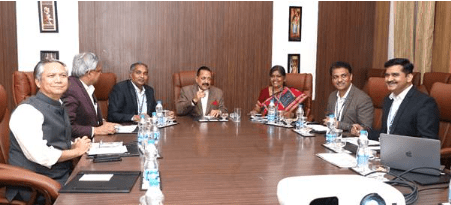
Union Minister of State (Independent Charge) for Science & Technology Dr Jitendra Singh on Thursday underscored the need to accelerate technology transfer to deepen India’s industrial engagement and maximise the societal and commercial impact of scientific research. Reviewing the work of Chennai- and Hyderabad-based CSIR laboratories at a meeting in Tirupati, the Minister said that stronger industry partnerships and faster translation of laboratory innovations are central to building an Atmanirbhar Bharat.


Mission-Oriented Push for Industry–Science Integration

Dr Jitendra Singh emphasised that India’s expanding scientific ecosystem—strengthened by sustained policy support from the Government of India—must now focus sharply on industry alignment and real-world applications. He noted that laboratories should increasingly adopt need-based research, ensuring that innovations address national priorities while creating scalable industrial solutions.


CSIR Labs Align Research with National Priorities

The review meeting assessed recent achievements of CSIR laboratories and their alignment with India’s strategic goals. Directors from six premier CSIR institutes—CSIR-CECRI, CSIR-NGRI, CSIR-CLRI, CSIR-SERC, CSIR-CCMB, and CSIR-IICT—presented their progress and outlined future roadmaps for impactful research, innovation, and collaboration with industry.


Key Scientific and Technological Contributions

  • CSIR-Central Electrochemical Research Institute (CECRI), Karaikudi
    Director Dr K. Ramesha highlighted advances in electrochemical technologies, including sodium-ion batteries, metal recovery from spent batteries, green hydrogen production, and CO₂ capture, strengthening India’s clean-energy and energy-storage ecosystem.

  • CSIR-National Geophysical Research Institute (NGRI), Hyderabad
    Director Dr Prakash outlined geophysical studies in Ladakh, geothermal energy exploration, critical minerals mapping, and the development of a strain map of the Indian Plate. He also detailed mission-mode programmes on Himalayan geo-hazards and heliborne surveys for the SLBC Tunnel project.

  • CSIR-Central Leather Research Institute (CLRI), Chennai
    Director Dr P. Thanikaivelan presented innovations such as the indigenous ‘Bha’ footwear sizing system, advanced defence gloves, touch-sensitive gloves for the Indian Air Force, pan-India gait studies, and conversion of leather waste into value-added products.

  • CSIR-Structural Engineering Research Centre (SERC), Chennai
    Director Dr N. Anandavalli highlighted work on offshore renewable energy infrastructure, structural health monitoring, sustainable construction materials, and disaster-resilient technologies, including ERS systems, blast-resistant LSCC, and bullet-proof security booths.

  • CSIR-Centre for Cellular and Molecular Biology (CCMB), Hyderabad
    Director Dr Vinay Nandicoori showcased advances in genomics, diagnostics, and biotechnology, contributing to human health, animal welfare, and plant sciences.

  • CSIR-Indian Institute of Chemical Technology (IICT), Hyderabad
    Director Dr D. Srinivasa Reddy briefed on innovations in pharmaceuticals, vaccine adjuvants, new-generation refrigerants (HFOs), and CSIR-IICT’s strong focus on translational research and industry collaboration.


Focus on Technology Transfer and Industry Acknowledgement

Appreciating the collective efforts of CSIR laboratories, Dr Jitendra Singh stressed the importance of accelerated technology transfer, robust industry partnerships, and wider societal deployment of scientific outputs. He also emphasised that industries must provide due acknowledgement when commercialising CSIR-developed technologies, ensuring fair recognition of public-funded research.


CSIR’s Central Role in Atmanirbhar Bharat

The Minister reiterated that CSIR remains a pillar of India’s scientific and innovation ecosystem, playing a decisive role in strengthening indigenous technologies, supporting clean energy, healthcare, defence, and industrial competitiveness. He called upon CSIR laboratories to continue driving innovation that is industry-ready, socially relevant, and nationally impactful.


Conclusion

Dr Jitendra Singh’s review highlighted the critical transition from laboratory excellence to large-scale industrial application. By accelerating technology transfer and reinforcing industry collaboration, CSIR laboratories are poised to play a transformative role in India’s journey towards Atmanirbhar Bharat, ensuring that science-driven innovation translates into economic growth, self-reliance, and societal benefit.


For more real-time updates, visit Channel 6 Network.

Source: PIB

India Proudly Bridges Tradition with Modernity to Emerge as a Global Science and Technology Leader: Dr Jitendra Singh: 2025

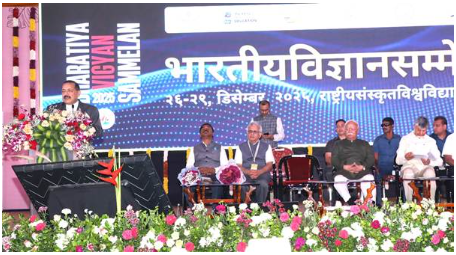
Tradition with Modernity: Union Minister of State (Independent Charge) for Science & Technology and Earth Sciences, Dr Jitendra Singh, on Thursday highlighted India’s remarkable transformation into a global science and technology powerhouse, stating that the country has successfully preserved its civilisational values while embracing cutting-edge technologies. Addressing the inaugural session of the Bharatiya Vigyan Sammelan 2025 at the National Sanskrit University, Tirupati, the Minister underlined that this balanced approach lies at the heart of India’s journey towards Viksit Bharat 2047.


Decisive Political Support Fuels Scientific Transformation

Dr Jitendra Singh said India’s rise as a global science and technology leader over the past decade has been enabled by strong policy support and decisive leadership under Prime Minister Narendra Modi. He noted that since 2014, science, technology, and innovation have received unprecedented attention, with increased budgetary allocations and removal of long-standing bottlenecks that earlier restricted India’s scientific potential.

He emphasised that India has always had a vast talent pool, but the creation of a supportive ecosystem and political will has been the defining factor behind the country’s recent breakthroughs.


Innovation Surge and Startup Revolution

Highlighting India’s innovation momentum, the Minister pointed out that the number of startups has grown from 300–400 in 2014 to nearly 2 lakh today, positioning India among the top three startup ecosystems globally. He added that India’s ranking in the Global Innovation Index has improved significantly—from 81st to 38th place.

Dr Singh further noted that India now ranks sixth globally in patent filings, with over 50 per cent of patents filed by resident Indians, reflecting a strong shift towards indigenous innovation and intellectual property creation.


Global Leadership in Space and Defence Technologies

Dr Jitendra Singh highlighted India’s globally acclaimed achievements in space and strategic technologies, citing landmark lunar missions that delivered the first confirmed evidence of water on the Moon and achieved the world’s first landing near the lunar south pole.

He also underlined the growing strength of India’s indigenous defence manufacturing ecosystem, noting that defence exports have reached ₹23,662 crore, with Indian-made systems now supplied to nearly 100 countries. Recent demonstrations of indigenous missile and defence technologies, he said, have further reinforced global confidence in India’s capabilities.


Healthcare Innovation and Global Trust

On healthcare, the Minister said India has emerged as a global leader in preventive healthcare and affordable medical solutions. From developing and sharing COVID-19 vaccines with the world to exporting medical devices and implants worth billions of dollars annually, India’s healthcare innovation ecosystem has earned widespread international trust and recognition.


Rising Global Footprint in Research and Publications

Dr Jitendra Singh noted that India now ranks fourth globally in scientific paper output and third in citation impact, underscoring not just the scale but also the quality of India’s scientific research. This, he said, reflects India’s growing influence in shaping global scientific discourse.


Science for Ease of Living and National Missions

Emphasising that science in India is no longer confined to laboratories, the Minister said technological advancements are now directly enhancing ease of living through initiatives such as smart cities, telemedicine, satellite-based communication, geotagging, and digital governance platforms.

He highlighted major national missions—including space, atomic energy, deep ocean exploration, Himalayan research, and the Aroma Mission—as new frontiers for economic growth, employment generation, and youth entrepreneurship.


Democratising Science Through Regional Languages

Dr Jitendra Singh stressed that democratising science through regional languages is essential to ensure inclusive national development. He announced that large-scale translation of science textbooks and curricula into Indian languages has been undertaken over the past decade, enabling wider access to scientific education and empowering every citizen to contribute to the vision of Viksit Bharat 2047.


Bharatiya Vigyan Sammelan 2025: Tradition with Modernity

The inaugural session was attended by RSS Chief Shri Mohan Bhagwat, Andhra Pradesh Chief Minister Shri Nara Chandrababu Naidu, senior scientists, academicians, and representatives from leading scientific institutions. The Bharatiya Vigyan Sammelan 2025, being held from December 26 to 29, aims to chart a future roadmap for India’s science, technology, and innovation ecosystem.


Conclusion

Dr Jitendra Singh’s address at the Bharatiya Vigyan Sammelan 2025 reaffirmed India’s emergence as a global benchmark in science, technology, and innovation, achieved through a unique synthesis of tradition and modernity. With inclusive policies, strong political leadership, and democratisation of scientific knowledge, India is firmly positioned to lead the world in innovation while advancing towards the goal of Viksit Bharat 2047.


For more real-time updates, visit Channel 6 Network.

Source: PIB

Proudly Powering India’s Next Tech Leap Through a Domestic Rare Earth Permanent Magnet Manufacturing Ecosystem: 2025

In a major step towards strengthening India’s technological self-reliance, the Government has approved a ₹7,280 crore scheme to establish a domestic, integrated Rare Earth Permanent Magnet (REPM) manufacturing ecosystem. The initiative aims to build 6,000 metric tonnes per annum (MTPA) of end-to-end manufacturing capacity—from rare-earth oxides to finished magnets—positioning India as a key player in global advanced-materials value chains while reducing import dependence in strategic sectors.


Key Highlights of the REPM Manufacturing Scheme

The approved scheme lays the foundation for a robust and future-ready REPM ecosystem with the following core features:

  • Creation of 6,000 MTPA domestic REPM capacity covering the full value chain

  • Financial outlay of ₹7,280 crore, including ₹6,450 crore in sales-linked incentives over five years

  • ₹750 crore capital subsidy to support advanced manufacturing facilities

  • Capacity allocation to up to five beneficiaries, with a cap of 1,200 MTPA per entity through global competitive bidding

  • Seven-year implementation period, comprising two years of gestation and five years of incentive-linked production

This structure ensures scale, diversification, and long-term commercial viability.


Why Rare Earth Permanent Magnets Matter

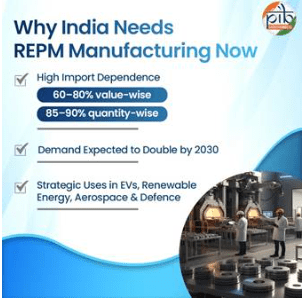
Rare Earth Permanent Magnets are among the strongest and most efficient permanent magnets, making them indispensable for high-performance and compact engineering applications. REPMs are critical inputs for:

  • Electric vehicle motors

  • Wind turbine generators

  • Consumer and industrial electronics

  • Aerospace and defence systems

  • Precision sensors and actuators

As India accelerates growth in electric mobility, renewable energy, electronics manufacturing, and defence indigenisation, a secure domestic supply of REPMs becomes vital for competitiveness and strategic autonomy.


India’s Resource Base and the Need for Domestic Manufacturing

India possesses a strong rare-earth mineral base, particularly monazite deposits spread across coastal and inland regions. The country holds:

  • 13.15 million tonnes of monazite, containing about 7.23 million tonnes of rare-earth oxides (REO)

  • Additional 1.29 million tonnes of in-situ REO resources in Gujarat and Rajasthan

  • 482.6 million tonnes of rare-earth ore resources identified by the Geological Survey of India

Despite this resource advantage, domestic REPM manufacturing remains limited, leading to high import dependence—primarily from China. Between 2022–23 and 2024–25, imports accounted for 59.6%–81.3% by value and 84.8%–90.4% by quantity. With REPM demand projected to double by 2030, the scheme addresses a critical gap in India’s industrial ecosystem.


Strategic Alignment with National Priorities

The REPM manufacturing initiative aligns closely with India’s broader development and sustainability goals:

  • Atmanirbhar Bharat: Strengthening domestic manufacturing and reducing strategic import dependence

  • Net Zero 2070: Supporting clean-energy technologies such as EVs and wind power

  • National Security: Ensuring secure access to critical components for defence and aerospace

  • Advanced Manufacturing: Enabling high-value, technology-intensive industrial growth

The scheme also complements the National Critical Minerals Mission (NCMM), which focuses on securing and strengthening critical mineral value chains across exploration, mining, processing, and recycling.


Policy Reforms Enabling the Ecosystem

Recent reforms under the Mines and Minerals (Development and Regulation) Amendment Act, 2023 have created an enabling environment by:

  • Introducing a dedicated list of critical and strategic minerals

  • Allowing private-sector participation across exploration and mining

  • Empowering the Government to auction mineral concessions

  • Establishing a new exploration licence regime for deep-seated and critical minerals

These reforms, combined with the REPM scheme, provide a strong regulatory and policy backbone for long-term industrial investment.


Global Context and India’s Emerging Opportunity

Global rare-earth supply chains have faced repeated disruptions, highlighting the importance of diversified and resilient sourcing. India has proactively responded through:

  • Bilateral mineral partnerships with countries such as Australia, Argentina, Zambia, Mozambique, and others

  • Participation in multilateral platforms including the Minerals Security Partnership (MSP), IPEF, and iCET

  • Overseas mineral acquisition efforts led by Khanij Bidesh India Limited (KABIL), a joint venture under the Ministry of Mines

These initiatives, together with domestic capacity creation, strengthen India’s position in global advanced-materials supply chains.


Conclusion

The Scheme to Promote Manufacturing of Sintered Rare Earth Permanent Magnets marks a decisive step in India’s journey towards technological self-reliance and industrial transformation. By building integrated domestic capacity, attracting advanced manufacturing investment, and aligning with clean-energy and strategic priorities, the initiative will generate employment, deepen industrial capabilities, and support the vision of Atmanirbhar Bharat and Viksit Bharat @2047. The REPM ecosystem is poised to power India’s next leap in advanced manufacturing and global competitiveness.


For more real-time updates, visit Channel 6 Network.

Source: PIB

15th Pension Adalat Proudly Resolves Over 800 Long-Pending Grievances, Reinforcing Government’s Commitment to Pensioners’ Welfare

The 15th Pension Adalat was successfully conducted on 24 December 2025 at the Indian Institute of Public Administration (IIPA), New Delhi, under the chairpersonship of Ms. Rachana Shah, Secretary, Department of Personnel & Training (DoPT), Department of Administrative Reforms & Public Grievances (DARPG), and Department of Pension & Pensioners’ Welfare (DoPPW). The Adalat marked a significant step toward ensuring timely justice, dignity, and financial security for pensioners, with focused redressal of long-pending grievances.


1,087 Long-Pending Grievances Taken Up

A total of 1,087 long-standing pension-related grievances pertaining to 30 Ministries and Departments, including Defence, Home Affairs, Finance, Posts, Housing & Urban Affairs, Civil Aviation, and others, were taken up during the Adalat. Of these, 815 grievances were resolved on the spot, underscoring the efficiency and responsiveness of the Pension Adalat mechanism.


‘Jan Samvad’ Highlights Human-Centric Governance

The Pension Adalat featured ‘Jan Samvad’ success stories, offering direct interaction between pensioners and authorities. These narratives reflected the Government’s commitment to empathetic governance, faster grievance resolution, and restoring trust among pensioners by addressing issues that had remained unresolved for years.


Key Success Stories from the Pension Adalat

Shri Satyam Mishra (Prayagraj, Uttar Pradesh)

With a grievance pending for over 114 days regarding non-release of Extra Ordinary Pension since July 2024, Shri Mishra personally joined via video conference. Officers from the Border Security Force (BSF) informed that his case had been settled, with arrears of ₹5,73,728 (including ex-gratia) already paid. His Extra Ordinary Pension will commence from 1 December 2025.

Shri Daljit Singh (Rewari, Haryana)

Shri Singh’s grievance, pending for more than 150 days, concerned non-payment of commutation amount and disability-related benefits. The PCDA(P), Prayagraj, Ministry of Defence confirmed that the commuted amount of ₹12,02,656 had been credited on 10 November 2025, resolving the issue.

Shri Nasim Akhtar (Srinagar, Jammu & Kashmir)

Pending since August 2020, Shri Akhtar’s family pension case was taken up during the Adalat. Authorities from CC(P), CPAO informed that the pension authority was issued on 24 December 2025, and arrears would be released without further delay.

Ms. Kanchan Bala (Una, Himachal Pradesh)

Facing delays since January 2021 in the grant of family pension as an unmarried daughter of a deceased BSF employee, Ms. Bala personally shared her financial hardships via VC. BSF officials assured that her case had been processed and would be reviewed and resolved within ten days.

Ms. Mukta Chakraborty (Guwahati, Assam)

Her grievance regarding family pension, pending since October 2020, was reviewed despite earlier submissions and a CPGRAMS complaint. Authorities from PAO-CBDT and CPAO were directed to review and resolve the case within ten days, ensuring expedited follow-up.

Ms. Manika Das (Darjeeling, West Bengal)

With a grievance pending for over 229 days concerning non-payment of remaining 50% family pension arrears (2017–2024), the Adalat confirmed that arrears amounting to ₹18 lakh would be credited shortly, and her pension would commence from 31 December 2025.


Conclusion

The 15th Pension Adalat stands as a powerful example of citizen-centric grievance redressal, combining administrative efficiency with compassion. By resolving a majority of long-pending cases and addressing deeply personal struggles through direct dialogue, the initiative reinforces the Government’s resolve to uphold the dignity, rights, and financial security of pensioners, while strengthening trust in public service delivery mechanisms.


For more real-time updates, visit Channel 6 Network.

Source: PIB

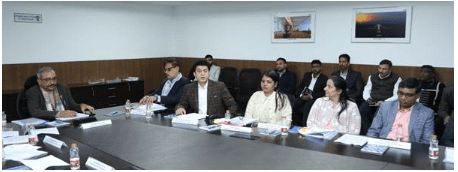
Customs Clearance Facilitation Committee Meet Reinforces Stakeholder Confidence at Delhi Customs: 2025

The Customs Clearance Facilitation Committee (CCFC) meeting, convened by Delhi Customs at the Kalpana Chawla Conference Hall, IGI Airport, brought together key government agencies, trade bodies, and industry stakeholders to strengthen coordination and enhance trade facilitation. Chaired by the Chief Commissioner of Customs, Delhi Zone, the meeting reaffirmed Customs’ commitment to transparency, efficiency, and ease of doing business.


Wide Participation Reflects Collaborative Ecosystem

The meeting witnessed broad-based participation from partner government agencies including FSSAI, Plant Quarantine, and the Drug Controller, along with leading trade associations such as the Customs Broker Fraternity, ASSOCHAM, and GJEPC. Custodians, importers, exporters, and departmental officers also attended, underscoring the inclusive approach adopted to address end-to-end issues across the Customs clearance value chain.


Focus on Policy and Digital Initiatives

During the deliberations, recent policy and digital initiatives of the Central Board of Indirect Taxes and Customs (CBIC) were highlighted, with a particular focus on their implementation within the Delhi Customs Zone. These initiatives aim to streamline procedures, reduce dwell time, and improve predictability for the EXIM community.


Constructive Dialogue and Actionable Outcomes

Stakeholders raised key operational challenges, which were discussed in a transparent and solution-oriented manner. The exchanges resulted in actionable outcomes designed to strengthen facilitation, improve inter-agency coordination, and enhance overall efficiency. Participants widely appreciated the collaborative conduct of the meeting, which reinforced confidence in Customs processes.


Commitment to Ease of Doing Business

The Delhi Customs Zone reiterated its commitment to advancing ease of doing business within the framework of law. The Zone emphasized that its guiding principles—Transparency, Accessibility, and Efficiency—form the cornerstone of its engagement with stakeholders, empowering them to interact openly and effectively with the administration.


A Continuous Journey of Trade Facilitation

Looking ahead, Delhi Customs highlighted that trade facilitation is a continuous journey requiring sustained collaboration among Customs, partner agencies, custodians, and the trading community. By embedding transparency in decision-making, accessibility in processes, and maintaining an open-door approach for dialogue and problem-solving, Delhi Customs aims to foster a culture of trust, efficiency, and shared responsibility.


Conclusion

The CCFC meeting marked another significant step in institutionalizing collaborative governance in Customs administration. Through constructive engagement and actionable follow-through, Delhi Customs continues to build stakeholder confidence and ensure that the EXIM community benefits from a facilitation framework that is transparent, efficient, and responsive.


For more real-time updates, visit Channel 6 Network.

Source: PIB

Matua Community Violence Bengal – Detailed Analysis of Shantanu Thakur Aide’s Arrest, Political Fallout, and Governance Lessons for Social Harmony

The Matua community violence Bengal incident has reignited tensions in West Bengal’s political landscape. On December 25, 2025, police arrested Barun Biswas, a close aide of BJP MP and Union Minister of State Shantanu Thakur, in connection with violent clashes between rival factions of the All India Matua Mahasangha at Thakurnagar, the spiritual headquarters of the Matua community.


2. Background of the Clashes

  • Violence erupted between groups reportedly aligned to Shantanu Thakur and Trinamool Congress (TMC) Rajya Sabha MP Mamatabala Thakur.
  • The clash followed Shantanu’s remarks in Gyarapota, Nadia district, where he acknowledged that around one lakh Matua voters might be excluded from the electoral roll after the Special Intensive Revision (SIR).
  • He described the exclusion as a temporary “sacrifice” justified to identify illegal voters.
  • Supporters of Mamatabala sought clarification at Shantanu’s residence, leading to a violent confrontation.

3. Arrest and Police Action

  • Following the assault on Mamatabala’s supporters, her aide Uttam Bayan lodged a complaint with Gaighata police, naming 13 persons.
  • Of them, Barun Biswas was arrested on Thursday morning.
  • Shantanu Thakur filed a counter‑complaint against eight persons close to Mamatabala, accusing them of provocation and threats.
  • Police are investigating both complaints, highlighting the deep factional divide within the Matua community.

4. Matua Community Violence Bengal: Political Fallout

  • BJP: Defended Shantanu, claiming the arrest was politically motivated.
  • TMC: Accused BJP of exploiting the Matua community for electoral gains.
  • Civil society groups: Expressed concern about the community being caught in political crossfire.
  • The incident has become a campaign issue ahead of the 2026 Assembly elections, with both parties vying for Matua support.

5. Governance Challenges

The incident reflects:

  • Fragile community relations in Bengal’s polarized environment.
  • Electoral roll controversies fueling mistrust among voters.
  • Weak conflict resolution mechanisms within socio‑religious organizations.
  • Political exploitation of marginalized communities for vote banks.

6. Government External Links for Assistance


7. Historical Context of Matua Politics

  • The Matua community, originally refugees from Bangladesh, has long been a significant vote bank in Bengal.
  • 2019 Lok Sabha elections: BJP gained support by promising citizenship rights under the CAA.
  • 2021 Assembly elections: TMC countered by emphasizing welfare schemes for Matuas.
  • The 2025 clashes highlight the continuing politicization of refugee identities.

8. Global Comparisons

Similar refugee community disputes occur worldwide:

  • Rohingyas in Myanmar and Bangladesh: Politicized identities leading to violence.
  • Palestinian refugee camps: Factional clashes influenced by political parties.
  • Sudanese refugees in Chad: Exploited by local politics.

The Matua case mirrors these global struggles where refugee communities become pawns in political battles.


9. Governance Lessons

The Matua violence teaches:

  • Electoral transparency is essential to prevent mistrust.
  • Community dialogue platforms can reduce factionalism.
  • Political parties must avoid exploiting refugee identities.
  • Law enforcement neutrality is vital in sensitive disputes.

10. Future Outlook – Social Harmony in Bengal

India must move towards:

  • Inclusive policies for refugee communities.
  • Awareness campaigns to reduce misinformation about electoral rolls.
  • Strengthening grassroots institutions to mediate disputes.
  • Judicial oversight to ensure fairness in politically sensitive cases.

11. Conclusion

The Matua community violence Bengal incident and the arrest of Shantanu Thakur’s aide underscore the fragility of social harmony in politically polarized Bengal. While police investigate both sides, the larger issue remains: how refugee communities like the Matuas are repeatedly drawn into electoral battles. For Bengal, the challenge is to ensure that community identities are respected, not exploited, and that democracy is strengthened through transparency and inclusivity.

Also read: Home | Channel 6 Network – Latest News, Breaking Updates: Politics, Business, Tech & More
ECINet Voter Document Verification – Detailed Analysis of Election Commission Deadline, Bengal Challenges, and Governance Lessons for Electoral Integrity

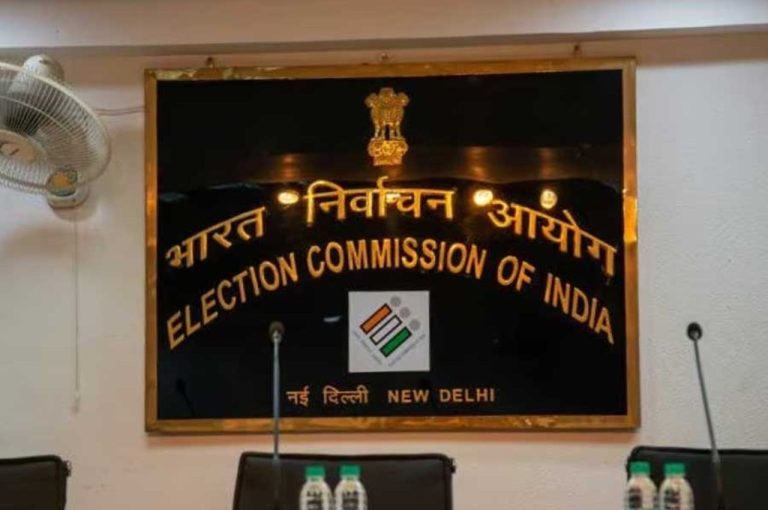
The ECINet voter document verification directive has become a crucial step in ensuring transparency and accuracy in India’s electoral rolls. On December 24, 2025, the Election Commission of India (ECI) issued instructions to Electoral Registration Officers (EROs) across 12 states, including West Bengal, mandating that all voter documents uploaded on ECINet must be verified within five days. The directive comes amid the ongoing Special Intensive Revision (SIR) of electoral rolls, a process designed to eliminate discrepancies and ensure error‑free voter lists ahead of upcoming elections.


2. What is ECINet?

  • ECINet is a centralized mobile app and digital platform developed by the Election Commission.
  • It allows citizens to upload documents for voter registration, correction, or verification.
  • It enables real‑time coordination between district election officers, issuing authorities, and state CEOs.
  • The platform is designed to reduce manual errors and speed up verification.

3. The Five‑Day Deadline

  • EROs must verify documents within five days of upload.
  • Documents issued within the same state but from another district must be referred through ECINet to the respective District Election Officer (DEO).
  • Documents issued from another state must be sent to the concerned Chief Electoral Officer (CEO) for verification.
  • The directive emphasizes error‑free rolls and accountability of issuing authorities.

4. Bengal’s Unique Challenges

  • Bengal has over 32 lakh voters who could not link themselves with the 2002 rolls through self or progeny mapping.
  • More than one crore voters may be called for hearings due to discrepancies in enumeration forms.
  • Around 85 lakh voters have serious doubts in their forms, raising concerns about ineligible entries.
  • Opposition parties, especially the BJP, allege that the ruling Trinamool Congress is helping ineligible voters obtain documents unfairly.
  • Verification of over a crore documents is expected to be a massive logistical challenge.

5. ECINet Voter Document Verification: Governance Concerns

Officials highlighted:

  • Forgery risks in birth certificates and school leaving certificates.
  • Issuing authorities (local bodies, health departments, education departments) must be monitored.
  • Political resistance from ruling parties complicates the SIR process.
  • Public trust in electoral rolls depends on strict verification.

6. Government External Links for Assistance


7. Historical Context of Electoral Roll Disputes in Bengal

  • 2019 Lok Sabha elections: Allegations of missing names in North 24‑Parganas.
  • 2021 Assembly elections: Complaints of voter deletions in Kolkata constituencies.
  • 2025 SIR exercise: Largest controversy yet, with claims of systematic errors and manipulation.
  • Electoral roll disputes have long been a political flashpoint in Bengal.

8. Global Comparisons

Similar voter roll controversies occur worldwide:

  • USA: Allegations of voter suppression in minority communities.
  • UK: Debates over voter ID laws and disenfranchisement.
  • Kenya: Electoral roll disputes leading to violent protests.

Bengal’s case mirrors these global struggles where electoral integrity becomes contested in polarized environments.


9. Governance Lessons

The ECINet directive teaches:

  • Digital platforms can improve transparency but require strict monitoring.
  • Deadlines enforce accountability among officials.
  • Community engagement builds trust in verification processes.
  • Independent oversight strengthens credibility of electoral institutions.

10. Future Outlook – Electoral Integrity in India

India must move towards:

  • Digitized voter verification linked to Aadhaar.
  • Special provisions for refugees and migrant communities.
  • Awareness campaigns to guide citizens through hearings.
  • Judicial oversight to prevent arbitrary deletions or inclusions.

11. Conclusion

The ECINet voter document verification directive is more than a bureaucratic order. It reflects the Election Commission’s effort to strengthen electoral integrity in a politically charged environment. For Bengal, where millions of voters face scrutiny, the five‑day deadline underscores the urgency of building error‑free rolls. Ultimately, the credibility of India’s democracy depends on ensuring that every eligible voter is included and every ineligible entry is excluded.

Also read: Home | Channel 6 Network – Latest News, Breaking Updates: Politics, Business, Tech & More
Jalpaiguri Circuit Bench Inauguration – Detailed Analysis of Calcutta High Court Inspection, Regional Justice Access, and Governance Lessons for Bengal Judiciary

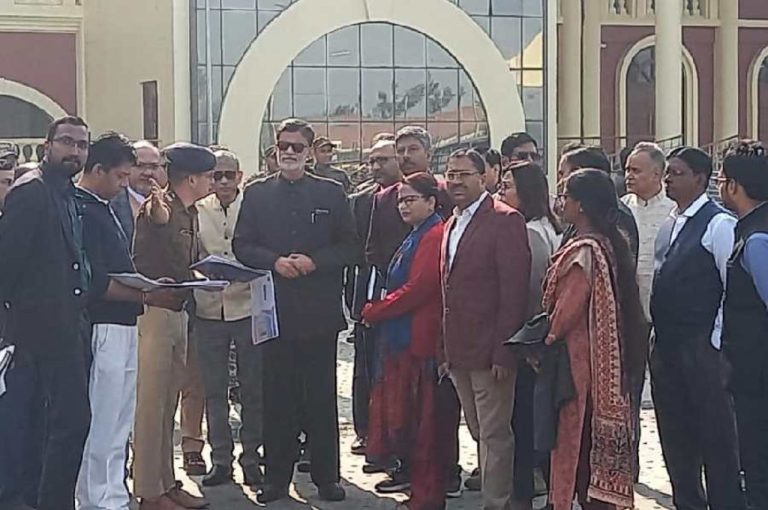
The Jalpaiguri Circuit Bench inauguration has become a landmark development in Bengal’s judicial landscape. On December 21, 2025, acting Chief Justice Sujoy Paul of the Calcutta High Court, accompanied by four other judges, inspected the newly constructed permanent complex of the Jalpaiguri Circuit Bench. Built on a sprawling 40‑acre plot near Paharpur More in Jalpaiguri town, the complex is scheduled for inauguration on January 17, 2026.


2. Background of the Circuit Bench

  • Since 2019, the Jalpaiguri Circuit Bench has been functioning from a temporary building — a bungalow of the Zilla Parishad on Station Road.
  • The state government planned a permanent complex to strengthen judicial infrastructure in North Bengal.
  • The new complex includes modern courtrooms, administrative offices, and facilities for lawyers and litigants.

3. Inspection by Judges

  • Justice Sujoy Paul reviewed the infrastructure and facilities of the new building.
  • Senior district officials accompanied the inspection.
  • A meeting was held to finalize arrangements for the upcoming inauguration ceremony.
  • The event is expected to be attended by the Chief Justice of India, chief justices of different High Courts, the chief minister, and other eminent personalities.

4. Bar Association’s Demands

  • Members of the Jalpaiguri Circuit Bench Bar Association urged Justice Paul to grant permanent status to the bench.
  • They also requested inclusion of Malda, North Dinajpur, and South Dinajpur districts under the jurisdiction of the Jalpaiguri Circuit Bench.
  • President Kamal Krishna Bandopadhyay emphasized that expanding jurisdiction would ease the burden on litigants from distant districts.

5. Governance Challenges

The inspection highlights:

  • Need for decentralization of judicial services in Bengal.
  • Accessibility issues faced by litigants traveling to Kolkata.
  • Demand for permanent status to ensure stability and efficiency.
  • Coordination between judiciary and state government for infrastructure development.

6. Government External Links for Assistance


7. Historical Context of Circuit Benches in India

  • Circuit benches are established to decentralize justice delivery.
  • Bombay High Court has benches in Nagpur, Aurangabad, and Goa.
  • Karnataka High Court has a bench in Dharwad.
  • The Jalpaiguri Circuit Bench reflects this tradition of extending judicial access to remote regions.

8. Jalpaiguri Circuit Bench Inauguration: Regional Impact

  • Litigants from North Bengal will save time and money by avoiding travel to Kolkata.
  • Lawyers in Jalpaiguri gain opportunities to practice in a High Court setting.
  • Local economy benefits from increased footfall of litigants, lawyers, and officials.
  • Symbolic importance: Strengthens the sense of inclusion for North Bengal in state governance.

9. Global Comparisons

Similar judicial decentralization exists worldwide:

  • UK: Crown Courts established in regional towns to reduce London’s burden.
  • USA: Federal courts spread across districts to ensure accessibility.
  • Australia: Circuit courts travel to remote areas to deliver justice.

The Jalpaiguri case mirrors these global efforts where justice delivery is brought closer to citizens.


10. Governance Lessons

The Jalpaiguri inspection teaches:

  • Infrastructure investment is crucial for judicial efficiency.
  • Permanent status ensures stability and confidence among litigants.
  • Jurisdictional expansion can reduce congestion in metropolitan courts.
  • Community engagement strengthens trust in judicial institutions.

11. Future Outlook – Judiciary in Bengal

India must move towards:

  • Digitization of court records to complement physical infrastructure.
  • Video‑conferencing facilities for remote hearings.
  • Expansion of circuit benches in other regions of Bengal.
  • Integration of legal aid services to support marginalized communities.

12. Conclusion

The Jalpaiguri Circuit Bench inauguration is more than a ceremonial event. It reflects Bengal’s commitment to decentralizing justice, empowering regional litigants, and strengthening judicial infrastructure. As the Calcutta High Court judges inspected the new complex, the demands for permanent status and expanded jurisdiction highlight the aspirations of North Bengal’s legal community. For India, the Jalpaiguri initiative is a reminder that justice must not only be done but must be accessible to all citizens, regardless of geography.

Also read: Home | Channel 6 Network – Latest News, Breaking Updates: Politics, Business, Tech & More