Sunday, May 3, 2026
Home Blog Page 192

Jalpaiguri Youths Suicide Suspected – Detailed Analysis of Malbazar Tragedy, Police Probe, and Governance Lessons for Mental Health Awareness in Bengal

The Jalpaiguri youths suicide suspected case has shocked residents of Malbazar town and raised urgent questions about youth vulnerability, mental health, and community support in Bengal. On December 21, 2025, two young men were found dead in a rented room in Boyerbusty, ward six of Malbazar town. Police suspect suicide by hanging, though investigations are ongoing.


2. Incident Details

  • Victims: Sanjib Barman (20) from Chhoto Salkumar village in Alipurduar district, and Anup Roy (21) from Dhupjhora village in Jalpaiguri district.
  • They had rented a room at Joy Prakash Pandit’s house three days earlier.
  • Around 10:30 pm on Friday, locals informed police after discovering the bodies.
  • Police recovered the bodies and sent them for post‑mortem.
  • Barman’s family had filed a missing person report earlier in December, with his last location traced to Malbazar.

3. Police Response

  • A team from Malbazar police station reached the spot immediately.
  • Officers said: “We are waiting for the post‑mortem report. Investigations are on.”
  • Police are probing possible causes, including personal distress, financial issues, or other circumstances.

4. Community Impact

  • Locals expressed shock, saying the youths had seemed normal in recent days.
  • Families are devastated, struggling to understand the reasons.
  • The incident has sparked conversations about mental health awareness in rural Bengal.

5. Governance Challenges

The tragedy reflects:

  • Limited mental health infrastructure in small towns.
  • Social stigma around discussing depression or suicidal thoughts.
  • Weak support systems for migrant or missing youths.
  • Need for better coordination between police and families in missing person cases.

6. Government External Links for Assistance


7. Historical Context of Youth Suicides in Bengal

  • 2010s: Rising cases linked to exam stress and unemployment.
  • 2020s: Social media pressures and migration challenges added new dimensions.
  • 2025 Jalpaiguri case: Highlights vulnerabilities in semi‑urban and rural areas.
  • Past incidents show the need for systemic mental health interventions.

8. Jalpaiguri Youths Suicide Suspected: Global Comparisons

Similar youth suicide crises occur worldwide:

  • Japan: High rates linked to academic and social pressures.
  • USA: Rising suicides among young adults due to mental health stigma.
  • South Korea: Youth suicides tied to economic stress and cultural expectations.

The Jalpaiguri case mirrors these global struggles where young people face immense pressures without adequate support systems.


9. Governance Lessons

The tragedy teaches:

  • Mental health must be prioritized in public policy.
  • Community awareness campaigns can reduce stigma.
  • Police training should include sensitivity to mental health issues.
  • Collaboration with NGOs can provide counseling and support.

10. Future Outlook – Building Resilient Communities

India must move towards:

  • Expanding mental health services in rural and semi‑urban areas.
  • Helplines and digital platforms for youth counseling.
  • School and college programs on stress management.
  • Family support initiatives to strengthen bonds and communication.

11. Conclusion

The Jalpaiguri youths suicide suspected case is more than a local tragedy. It reflects systemic gaps in mental health awareness, youth support, and governance. While police await the post‑mortem report, the incident underscores the urgent need for Bengal to invest in mental health infrastructure and community resilience. For families and communities, the loss is immeasurable, but for policymakers, it must serve as a wake‑up call: no youth should feel so alone that death seems the only option.

Also read: Home | Channel 6 Network – Latest News, Breaking Updates: Politics, Business, Tech & More
Kankurgachi Oxygen Cylinder Blasts – Detailed Analysis of Godown Fire, Licensing Probe, and Governance Lessons for Urban Safety in Bengal

The Kankurgachi oxygen cylinder blasts have shaken Kolkata’s urban safety framework. On December 19, 2025, a fire broke out at a godown in Ghoshbagan Lane, Kankurgachi, leading to multiple explosions of oxygen and LPG cylinders. The blasts damaged nearby buildings and terrified residents as cylinders shot up like missiles, landing on terraces and streets. Police and fire officials are now probing whether the godown had the required licenses and permissions to store such hazardous materials.


2. Kankurgachi Oxygen Cylinder Blasts: Incident Details

  • The fire started in the early hours of Thursday.
  • Several oxygen cylinders exploded, some flying into neighboring houses.
  • At least six LPG cylinders were also stored in the godown, reportedly scrap but still dangerous.
  • Windows and terraces of nearby buildings were damaged.
  • Fire tenders rushed to the spot, but the cause of the fire remains unascertained.

3. Licensing Probe

  • Police sought details from the Kolkata Municipal Corporation (KMC) and the state fire and emergency services department.
  • Officials admitted they had not yet confirmed whether the godown had a valid fire license.
  • Fire licenses are granted only after physical inspection to ensure non‑combustible storage.
  • Officials noted that some godown owners empty their warehouses during inspection and restock combustible materials later.
  • The owners of the Kankurgachi godown had not been arrested as of Friday evening.

4. Governance Challenges

The incident reflects:

  • Weak enforcement of licensing norms.
  • Loopholes in inspection processes, exploited by godown owners.
  • Urban vulnerability due to hazardous storage in residential areas.
  • Delayed accountability, with owners not immediately arrested.

5. Government External Links for Assistance


6. Historical Context of Urban Fires in Kolkata

  • 2011 AMRI Hospital fire: 90 patients died due to negligence.
  • 2019 Burrabazar warehouse fire: Highlighted poor enforcement of safety norms.
  • 2023 Howrah slum fire: Hundreds displaced, raising questions about urban fire safety.
  • The 2025 Kankurgachi blasts add to this tragic list, showing that both commercial and residential areas remain vulnerable.

7. Community Impact

  • Residents described the explosions as sounding like “missiles.”
  • Families rushed out of their homes in panic.
  • Damage to property included broken windows, cracked walls, and scorched terraces.
  • Fear persists among locals about hidden godowns storing hazardous materials in residential neighborhoods.

8. Global Comparisons

Similar tragedies occur worldwide:

  • Beirut 2020 port blast: Improper storage of ammonium nitrate devastated the city.
  • Tianjin 2015 warehouse explosions (China): Highlighted failures in licensing and inspection.
  • Dhaka 2022 chemical warehouse fire: Exposed vulnerabilities in densely populated urban areas.

The Kankurgachi case mirrors these global struggles where urban safety collapses under weak regulation and enforcement.


9. Governance Lessons

The blasts teach:

  • Licensing must be transparent and enforceable.
  • Surprise inspections are necessary to prevent manipulation.
  • Community awareness can help identify illegal godowns.
  • Accountability mechanisms must ensure swift action against violators.

10. Future Outlook – Building Safer Cities

India must move towards:

  • Digitized licensing systems with real‑time monitoring.
  • GIS mapping of hazardous storage units in urban areas.
  • Integration of disaster management protocols into municipal governance.
  • Public reporting platforms for citizens to flag unsafe godowns.

11. Conclusion

The Kankurgachi oxygen cylinder blasts are more than an isolated fire. They reflect systemic failures in licensing, inspection, and urban safety governance. As police and fire officials probe the legality of the godown, the incident underscores the urgent need for stricter enforcement and community vigilance. For Kolkata, the tragedy is a reminder that urban safety must be prioritized alongside development, ensuring that no neighborhood becomes a ticking time bomb.

Also read: Home | Channel 6 Network – Latest News, Breaking Updates: Politics, Business, Tech & More

Lagnajita Chakraborty Secular Song Attack – Detailed Analysis of Concert Incident, Political Fallout, and Governance Lessons for Cultural Freedom in Bengal

The Lagnajita Chakraborty secular song attack has become a flashpoint in Bengal’s socio‑political climate. On December 21, 2025, the popular playback singer was allegedly heckled and assaulted during a concert in Bhagabanpur, East Midnapore. A man identified as Mehaboob Mallik, co‑owner of South Point Public School and described as a Trinamool worker, stormed the stage demanding she stop singing devotional songs and switch to “secular” music. The incident triggered outrage, police action, and political controversy.


2. Lagnajita Chakraborty Secular Song Attack: Incident Details

  • Lagnajita had just finished singing “Jago Maa” from the film Devi Chowdhurani.
  • Mallik allegedly tried to snatch her microphone, shouting: “Enough of Jago Maa, now sing something secular!”
  • Fellow organizers intervened and dragged him off stage.
  • A shaken Lagnajita stopped her performance, apologized to the audience, and left the venue.
  • She lodged a complaint at Bhagabanpur police station.
  • Mallik was arrested the next day after BJP held a press conference condemning the incident.

3. Political Fallout

  • BJP: Accused Trinamool of encouraging “jihadists” and claimed Bengal was being turned into “Bangalistan.”
  • Trinamool Congress (TMC): Distanced itself from Mallik, saying he had no official post.
  • Congress and CPM: Criticized both BJP and TMC for injecting communal poison into Bengal’s cultural space.
  • Civil society voices: Expressed concern about rising intolerance and politicization of art.

4. Lagnajita’s Response

  • She told reporters: “I cannot imagine that a song like this can be labelled along religious lines. This has happened for the first time in my 11‑year career.”
  • She reaffirmed her faith in Bengal’s syncretic traditions and India’s secular democracy.
  • She announced she would sing “Jago Maa” again at her next concert in Arambagh, saying: “I’m not afraid. This has made me more resolute about speaking out against divisiveness.”

5. Governance Challenges

The incident reflects:

  • Weak enforcement of cultural freedom at public events.
  • Delayed police response (officer in charge allegedly hesitated to accept her complaint).
  • Political exploitation of cultural controversies.
  • Need for stronger protection of artists and performers.

6. Government External Links for Assistance


7. Historical Context of Cultural Freedom in Bengal

  • Bengal has a long tradition of syncretic music and literature, blending Hindu, Muslim, and folk traditions.
  • Rabindranath Tagore and Kazi Nazrul Islam both championed secular cultural expression.
  • Political interference in art has periodically surfaced, from censorship debates to communal controversies.
  • The Lagnajita incident adds to this history, highlighting the fragility of cultural freedom in polarized times.

8. Global Comparisons

Similar controversies occur worldwide:

  • Turkey: Musicians targeted for singing Kurdish songs.
  • Iran: Artists censored for performing Western music.
  • USA: Debates over political correctness in concerts and festivals.

The Bengal case mirrors these global struggles where art becomes a battleground for politics and identity.


9. Governance Lessons

The incident teaches:

  • Artists must be protected from harassment at public events.
  • Police accountability is crucial in handling complaints swiftly.
  • Political parties should avoid exploiting cultural controversies.
  • Public awareness campaigns can reinforce secular traditions.

10. Future Outlook – Safeguarding Cultural Freedom

India must move towards:

  • Stronger legal frameworks protecting performers.
  • Community policing at cultural events.
  • Dialogue between artists and policymakers to safeguard freedom of expression.
  • Educational initiatives promoting secularism and tolerance.

11. Conclusion

The Lagnajita Chakraborty secular song attack is more than a concert disruption. It reflects deeper tensions in Bengal’s socio‑political climate, where art and culture are increasingly politicized. While police action and political statements followed, the incident underscores the urgent need to protect artists and reaffirm secular traditions. For Bengal, the episode is a reminder that music must remain a bridge, not a battleground.

Also read: Home | Channel 6 Network – Latest News, Breaking Updates: Politics, Business, Tech & More
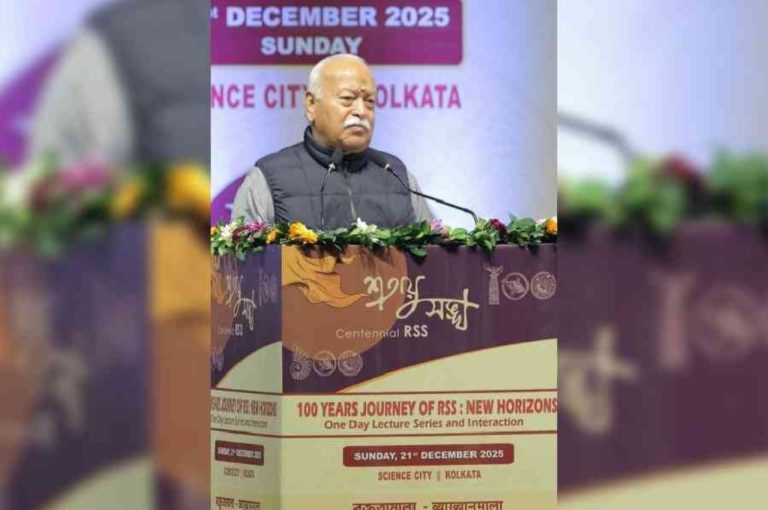
Bangla Hindus Religious Unity Appeal – Detailed Analysis of Bhagwat’s Call, India–Bangladesh Relations, and Governance Lessons for Minority Protection

The Bangla Hindus religious unity appeal made by RSS chief Mohan Bhagwat has stirred political and social debate across India and Bengal. Speaking at the Baktritamala lecture series in Calcutta’s Science City Auditorium on December 21, 2025, Bhagwat urged the Indian government to stand firmly beside Hindus in Bangladesh amid reports of torture and killings. He emphasized that Hindus worldwide must unite to support their brethren and that religious unity was the only way to end suffering.


2. Key Highlights of Bhagwat’s Speech

  • Bhagwat said: “Hindus have only one country — India. The government of India must take steps in this matter.”
  • He referred to the lynching of Dipu Chandra Das, a Hindu factory worker in Mymensingh, Bangladesh, on December 20, as evidence of worsening conditions.
  • He stressed that society‑to‑society contact was vital, as peace in neighboring countries benefits India.
  • He called for global Hindu solidarity, urging communities abroad to help according to their capacity.
  • He declined to comment on Bengal’s 2026 Assembly elections, saying political change was not his subject.

3. Bangla Hindus Religious Unity Appeal: Government Response

  • The Ministry of External Affairs (MEA) urged Bangladesh to bring perpetrators of Das’s murder to justice.
  • The Ministry of Home Affairs (MHA) conveyed concerns to Dhaka about attacks on minorities.
  • Officials noted that some government actions are public, while others remain confidential due to diplomatic sensitivities.

4. Political Fallout

  • Opposition leader Suvendu Adhikari asked about RSS’s stance on saving Hindus in Bangladesh.
  • Trinamool Congress (TMC) leaders accused RSS of politicizing minority suffering.
  • Civil society groups expressed concern about rising communal rhetoric.
  • The issue has become a campaign theme in Bengal, where cross‑border developments often influence local politics.

5. Governance Challenges

The appeal reflects:

  • Diplomatic balancing between India and Bangladesh.
  • Protection of minorities without escalating tensions.
  • Managing domestic political narratives around cross‑border issues.
  • Ensuring unity among Hindus without alienating other communities.

6. Government External Links for Assistance


7. Historical Context of Minority Protection

  • 1971 Bangladesh Liberation War: India opened its borders to millions of refugees, including Hindus.
  • 1990s: Reports of attacks on Hindus during political unrest in Bangladesh.
  • 2010s–2020s: Sporadic violence against minorities continued, often linked to blasphemy allegations.
  • Bhagwat’s appeal echoes India’s historical role as a refuge for persecuted communities.

8. Global Comparisons

Similar minority protection debates occur worldwide:

  • Myanmar Rohingya crisis: Bangladesh sheltered refugees despite resource strain.
  • Middle East: Global calls to protect Yazidis from ISIS persecution.
  • Africa: International appeals to safeguard Christian minorities in conflict zones.

Bhagwat’s appeal mirrors these global efforts where religious solidarity intersects with diplomacy.


9. Governance Lessons

The appeal teaches:

  • Religious unity must complement diplomatic strategy.
  • Minority protection requires both domestic and international action.
  • Civil society engagement strengthens humanitarian responses.
  • Transparency in government communication builds public trust.

10. Future Outlook – India’s Role in Minority Protection

India must move towards:

  • Strengthening refugee policies for persecuted minorities.
  • Enhancing diplomatic dialogue with Bangladesh on minority rights.
  • Promoting interfaith harmony to avoid domestic polarization.
  • Leveraging diaspora networks for global Hindu solidarity.

11. Conclusion

The Bangla Hindus religious unity appeal by Mohan Bhagwat is more than a speech. It reflects the intersection of faith, politics, and diplomacy in South Asia. While the Indian government has conveyed concerns to Dhaka, Bhagwat’s call for unity underscores the urgency of protecting vulnerable minorities. For Bengal, the issue resonates deeply, as cross‑border developments often shape local politics. Ultimately, safeguarding minority rights requires a blend of religious solidarity, diplomatic engagement, and governance reforms.

Also read: Home | Channel 6 Network – Latest News, Breaking Updates: Politics, Business, Tech & More
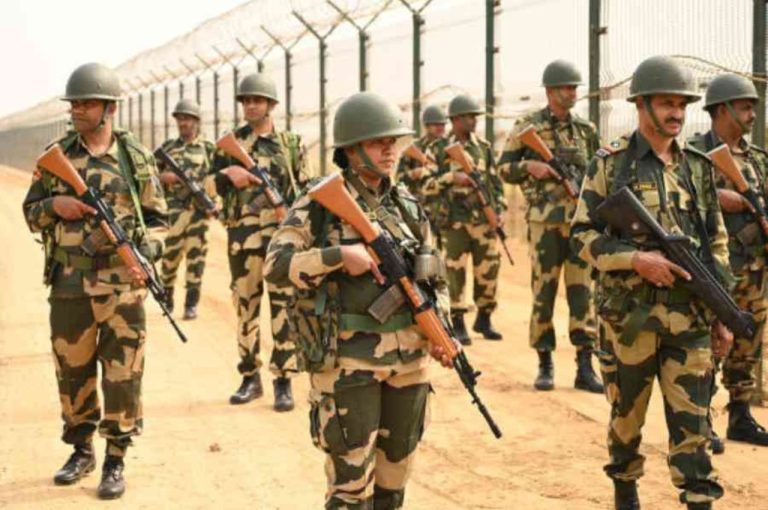
BSF Jawan Abduction Bengal Border – Detailed Analysis of Cattle Smuggling, India–Bangladesh Relations, and Governance Lessons for Border Security

The BSF jawan abduction Bengal border incident has reignited concerns about border security and cattle smuggling in West Bengal. On December 21, 2025, constable Ved Prakash of the 174th Battalion was allegedly abducted by Bangladeshi criminals while chasing smugglers near Kuchlibari in Cooch Behar district. Though police confirmed the abduction and release, the BSF officially denied it, calling the episode routine winter patrol activity.


2. Incident Details

  • Location: Arjun Camp, Kuchlibari police station area, Mekhliganj subdivision, Cooch Behar district.
  • Time: Early morning, under dense fog conditions.
  • Sequence:
    • Jawan chased smugglers after receiving intelligence.
    • Surrounded and forcibly taken across the border.
    • Later handed over to Bangladesh Border Guard (BGB).
    • Returned to India by evening after a flag meeting between BSF and BGB.
  • Police confirmed the incident but noted BSF did not lodge a formal complaint.

3. BSF Jawan Abduction Bengal Border: Conflicting Accounts

  • Police: Confirmed abduction and release.
  • BSF: Denied abduction, claiming chasing smugglers in fog is routine and all personnel are safe.
  • This contradiction highlights institutional reluctance to acknowledge vulnerabilities.

4. Broader Context – India–Bangladesh Relations

  • Incident comes amid strained ties due to political unrest in Bangladesh.
  • Cattle smuggling remains a major flashpoint along the Bengal border.
  • Smugglers exploit foggy winter mornings to cross with stolen cattle.
  • Such incidents undermine trust between border forces and local communities.

5. Governance Challenges

The incident reflects:

  • Border security gaps in foggy conditions.
  • Coordination issues between BSF and local police.
  • Diplomatic sensitivities in acknowledging cross‑border incidents.
  • Community mistrust when official accounts contradict local reports.

6. Historical Context of Cattle Smuggling in Bengal

  • Bengal’s porous border has long been a hub for cattle smuggling.
  • 2015–2020: Multiple violent clashes between smugglers and BSF.
  • 2021 onwards: BSF increased fencing and surveillance, but fog and terrain remain challenges.
  • The 2025 incident adds to this history of recurring border vulnerabilities.

7. Global Comparisons

Border security challenges are not unique to India:

  • USA–Mexico border: Drug cartels exploit weather and terrain.
  • Kenya–Somalia border: Smuggling and abductions common in rural zones.
  • Europe: Migrant smuggling networks exploit fog and night conditions.

The Bengal case mirrors these global struggles where criminal networks exploit natural conditions and weak enforcement.


8. Governance Lessons

The incident teaches:

  • Enhanced surveillance (thermal cameras, drones) needed in foggy zones.
  • Joint patrols with local police can improve response.
  • Transparent communication builds public trust.
  • Diplomatic coordination with Bangladesh is vital to prevent escalation.

9. Government External Links for Assistance


10. Future Outlook – Strengthening Border Security

India must move towards:

  • Smart fencing projects with sensors and alarms.
  • Fog‑resistant surveillance technologies.
  • Community awareness programmes to reduce local support for smugglers.
  • Confidence‑building measures with BGB to handle incidents peacefully.

11. Conclusion

The BSF jawan abduction Bengal border incident is more than a routine clash. It reflects systemic vulnerabilities in border security, the persistence of cattle smuggling, and the fragility of India–Bangladesh relations. While BSF’s denial may be diplomatically motivated, the police confirmation underscores the seriousness of the issue. For Bengal, the incident is a reminder that border security must evolve with technology, diplomacy, and community engagement.

Also read: Home | Channel 6 Network – Latest News, Breaking Updates: Politics, Business, Tech & More

Shruti Haasan Recently Chose Simplicity Over Grand Marriage Traditions

0

Shruti Haasan Recently Shares a Practical View on Marriage and Independence

Shruti Haasan recently spoke openly about her thoughts on marriage and why she does not believe in grand wedding celebrations. The actress made it clear that for her, marriage is a legal and emotional commitment, not a public event meant to impress others. She expressed that spending large amounts of money on weddings feels unnecessary and does not match her personal values.Shruti Haasan recently opened up about her views on marriage, sharing that she finds grand weddings an unnecessary expense and believes in keeping things simple. The actress said she would prefer a

At 39, Shruti Haasan remains single by choice and is comfortable with where she stands in life. She believes happiness does not depend on marriage or age and that people should stop following timelines created by society. Her views have sparked conversations, especially among those who feel pressured to settle down because of age or expectations.

Shruti’s statements reflect a growing shift in thinking, where personal peace and financial sense matter more than traditions driven by social display.

Shruti Haasan Recently Emphasised Simplicity Over Social Expectations

Shruti Haasan recently explained that she would prefer a registered marriage rather than a large, expensive wedding. According to her, a simple legal ceremony makes more sense than spending money on decorations, guest lists, and rituals that often have little personal meaning.मैं किसी के साथ रिश्ते में...' शादी पर क्या है श्रुति हासन की राय? एक्ट्रेस ने किया हैरान करने वाला खुलासा | Shruti Haasan marriage rumours relationship experiences dating ...

She pointed out that weddings today have become more about performance than commitment. For her, love and respect between two people matter far more than how grand the celebration looks. She believes that a relationship should be built on understanding and shared values, not on how much money is spent on a single day.

Shruti also highlighted how societal pressure often forces people to make life decisions before they are ready. She feels many individuals rush into marriage to meet expectations rather than personal readiness. By choosing a practical approach, she is openly rejecting the idea that happiness must follow a fixed structure.

Her opinion is not about rejecting marriage itself, but about removing unnecessary drama and financial burden from it. She believes simplicity brings clarity and allows people to focus on what truly matters in a partnership.

Shruti Haasan Recently Stands Firm on Living Life on Her Own Terms

Shruti Haasan recently reaffirmed that she is content being single and does not view marriage as a requirement for a fulfilled life. She spoke about how independence has helped her grow emotionally and mentally. For her, being comfortable alone is a strength, not a flaw.Shruti Haasan Recently

She also addressed the constant attention given to women’s age and marital status, calling it outdated and limiting. Shruti believes that every individual moves at their own pace and that comparing lives only creates unnecessary pressure and dissatisfaction.

Her confidence comes from knowing herself well and choosing peace over validation. She does not feel the need to prove anything to society and is clear about what she wants and does not want. This mindset, she says, allows her to live honestly and without regret.

In an industry where personal choices are often judged harshly, Shruti’s calm and straightforward approach stands out. She continues to focus on her work, creativity, and personal well-being rather than conforming to expectations placed on her. Also Read: Star Lee Je Hoon Reflects on Indian Cinema With Warmth and Openness

Conclusion

Shruti Haasan recently showed that choosing simplicity, independence, and clarity over tradition and pressure is not a weakness but a conscious decision. Her views reflect a practical approach to life, where happiness is defined personally, not socially.

Pakistani Girl Afsheen Gul Finds a New Life After a Rare Medical Recovery

Pakistani Girl Afsheen Gul Recovers Fully After Complex Spine Surgery

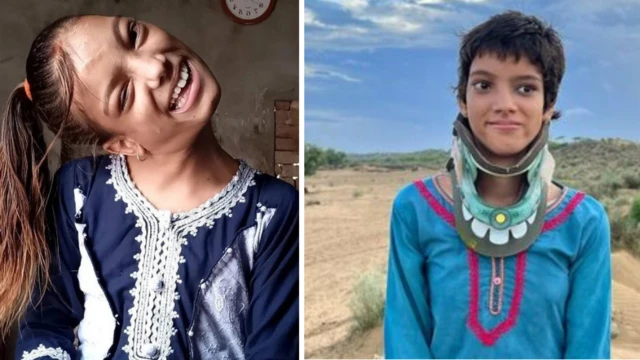
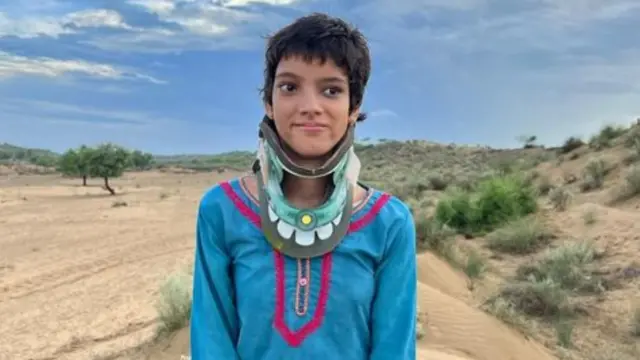
Pakistani girl Afsheen Gul has made a full recovery after undergoing complex and free medical treatment in India for a rare and severe neck condition. Hailing from Sindh, her life had been heavily restricted for years due to atlanto-axial rotatory dislocation, a condition that caused her neck to twist nearly 90 degrees and made even basic daily activities extremely difficult.Afsheen Gul: How a kind Indian doctor saved a Pakistani teen's life

Pakistani girl Afsheen Gul’s condition was first noticed in early childhood, but limited medical options and the complexity of the disorder made treatment difficult. As her condition progressed, her head remained permanently tilted, affecting her balance, mobility, and independence. Simple tasks such as sitting, walking, and maintaining posture became painful and exhausting.

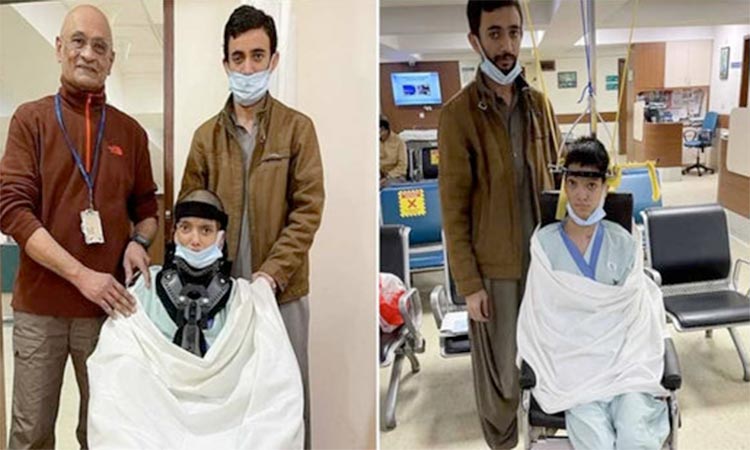
In 2017, her case gained wider attention and eventually reached Indian spine specialist Dr. Rajagopalan Krishnan of Apollo Hospital, Delhi. After reviewing her medical reports, Dr. Krishnan offered to treat her without any cost, recognizing both the medical challenge and the family’s inability to afford such advanced care.

Pakistani Girl Afsheen Gul Undergoes Multi-Stage Surgical Treatment

Pakistani girl Afsheen Gul’s treatment required careful planning and multiple procedures spread over time. The condition she suffered from involved misalignment between the skull and the upper cervical spine, making surgery highly risky. Any error could have affected vital nerves and movement.Humanity Beyond Borders: Indian Doctors Give New Life to Pakistani Teen Afsheen Gul A Pakistani teenager, Afsheen Gul, has made a remarkable recovery after undergoing life-saving surgery in Delhi, India, to correct

Doctors began with gradual traction to slowly correct the position of her neck before moving on to surgical intervention. In 2022, surgeons successfully realigned her skull and cervical spine using rods and screws to stabilize the corrected position. This step was crucial in allowing her to hold her head straight for the first time in years.

The surgery marked a turning point in her life. Post-operative rehabilitation focused on rebuilding strength, balance, and confidence. Medical teams monitored her recovery closely to ensure the spine remained stable and that no neurological complications developed.

Over time, Afsheen regained the ability to sit upright, walk independently, and move without constant pain. The transformation was not immediate, but steady progress showed that the treatment had achieved its goal.

Doctors involved in the case described it as one of the more challenging procedures due to the long-standing nature of the deformity. However, they also noted that her recovery exceeded expectations, highlighting the importance of timely and skilled intervention even in complex cases.

Pakistani Girl Afsheen Gul’s Recovery Becomes a Story of CompassionPakistani Girl Afsheen Gul

Pakistani girl Afsheen Gul’s recovery has been described by her family as nothing short of life-changing. For years, they had watched her struggle with physical limitations and social isolation caused by her condition. Following the treatment, she is now able to live independently and take part in everyday activities that were once impossible.

Her family referred to Dr. Rajagopalan Krishnan as an “angel,” expressing gratitude for the care that went beyond professional obligation. They emphasized that the support they received was rooted in compassion rather than nationality or borders.

The case has drawn attention for showing how medical cooperation and humanity can rise above political divisions. While the focus remains on Afsheen’s health, the story has resonated with many as an example of how access to care can change lives.


View this post on Instagram


A post shared by Newsline Pakistan (@newsline.pk)

Medical professionals have also pointed out that atlanto-axial rotatory dislocation is rare and often misdiagnosed, especially in regions with limited specialized facilities. Afsheen’s case has helped raise awareness about the importance of early diagnosis and referral for such conditions.

Her journey from severe disability to independent living stands as a reminder of what is possible when medical expertise, empathy, and opportunity come together. Also Read: Star Lee Je Hoon Reflects on Indian Cinema With Warmth and Openness

Conclusion
Pakistani girl Afsheen Gul’s recovery marks the end of a long medical struggle and the beginning of an independent life. Her story reflects the power of skilled treatment and compassion, showing how care without borders can restore dignity and hope.

Actress Imani Smith at 25 Leaves a Quiet Legacy Cut Short

0

Actress Imani Smith Passes Away at the Age of 25

Actress Imani Smith has passed away at the age of 25, leaving behind a career that began early and a life that ended far too soon. She was widely known for portraying young Nala in The Lion King musical, a role that introduced her talent to audiences at a young age. News of her death has brought sorrow and renewed attention to the issue of domestic violence.Dia Smith Death News: 'The Lion King' child actress Imani Dia Smith found dead at 25; cops arrest her boyfriend for fatal stabbing - All about you need to know | -

Actress Imani Smith’s death has been confirmed following an incident involving her boyfriend, who has since been arrested by authorities. Officials have stated that the case is being treated as domestic violence. No further legal details have been disclosed at this stage as the investigation continues.

The loss has sent shockwaves through theatre communities and among those who followed her early work. While she was no longer constantly in the public eye, her contribution as a child performer remained significant to many who watched her grow on stage.

Her passing is being mourned not only as the loss of a performer, but as the loss of a young woman whose life was cut short under tragic circumstances.

Actress Imani Smith’s Early Career and Stage PresenceImani Smith Dies at 26: 'The Lion King' Child Star's Boyfriend Is Charged With Murder

Actress Imani Smith began her career at a young age, earning recognition for her role as young Nala in The Lion King musical. The production is known for demanding discipline, emotional expression, and consistency, especially from child performers. Her ability to meet those expectations highlighted her natural talent and dedication.

Performing in such a globally recognized production placed her among a small group of young artists who experienced professional theatre early in life. Those who worked with her during that time remembered her as focused and committed to her craft.

Although she did not maintain a constant public profile in later years, her early performances continued to resonate with audiences familiar with the stage version of The Lion King. For many, her role formed part of their theatre memories.

Her journey reflects the reality that not all early performers remain in the spotlight, yet their work continues to hold meaning long after the curtain falls.

Actress Imani Smith’s Death Highlights a Harsh RealityImani Dia Smith Dies at 25; Lion King Actress Case Explained

Actress Imani Smith’s death has drawn attention to the serious and ongoing issue of domestic violence. Authorities have confirmed that her boyfriend was arrested in connection with the case, reinforcing the gravity of the situation. The incident has prompted conversations about safety, accountability, and the need for awareness.

Domestic violence remains a widespread issue that affects individuals across age, profession, and background. Smith’s case is a reminder that public recognition does not protect individuals from private harm.

Many supporters and observers have expressed grief while also calling for stronger attention to warning signs and support systems. Her death has become part of a broader discussion on how violence within personal relationships often goes unnoticed until it is too late.

The response to her passing has been marked by quiet reflection rather than public spectacle, with emphasis placed on remembering her life rather than sensationalizing her death.

Actress Imani Smith Remembered Beyond the Tragedy

Actress Imani Smith is being remembered for her work, her youth, and the promise she once carried. While the circumstances of her death are painful, those who speak about her often return to memories of her presence on stage and the joy she brought to audiences.

Her story has also become a point of reflection for communities within and beyond the entertainment industry. It has reinforced the importance of listening, believing, and supporting individuals who may be facing harm behind closed doors.

As tributes continue, many have stressed the need to focus on prevention and awareness so that similar tragedies can be avoided in the future. Also Read: Star Lee Je Hoon Reflects on Indian Cinema With Warmth and Openness

Conclusion
Actress Imani Smith’s passing at 25 is a profound loss marked by both talent and tragedy. Remembered for her early work and mourned for the life she was unable to live fully, her story stands as a quiet reminder of the urgent need to confront domestic violence with seriousness and care.

Sikkim Farmers Mela Gender Parity – Detailed Analysis of Women’s Access to Resources, Rural Livelihoods, and Governance Lessons for Inclusive Development

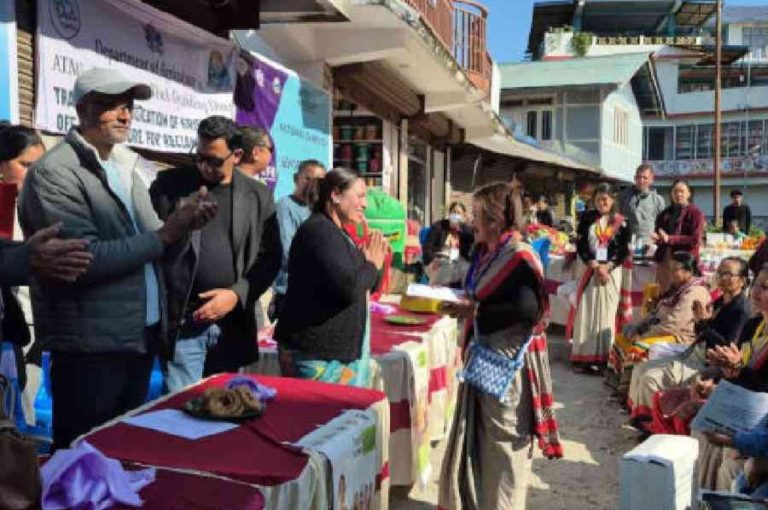
The Sikkim Farmers’ Mela gender parity initiative has become a landmark in rural empowerment. Organized by the Sikkim Rural Livelihood Mission (SRLM) in collaboration with the departments of agriculture, horticulture, and animal husbandry, the mela was held at Bermiok Bazar in Gyalshing district. The central theme was “Women’s Access to Resources”, aiming to bridge resource gaps for rural women and equip them with technical knowledge for sustainable livelihoods.


2. Objectives of the Mela

  • Promote gender parity in rural communities.
  • Provide technical training to women farmers.
  • Showcase organic produce and entrepreneurship by self‑help groups (SHGs).
  • Distribute agricultural tools to support farming activities.
  • Encourage active participation of women in farming and commerce.

3. Sikkim Farmers Mela Gender Parity: Key Highlights

  • A specialized training session on soil reclamation was conducted by the agriculture department of Hee Martam block.
  • Bivek Sharma, block technology manager, emphasized soil health in organic farming and urged SHGs to focus on value addition for better market prices.
  • Yam Prasad Mishra, chairman of the milk union, lauded rural women’s resilience and stressed empowerment through active participation in commerce.
  • SHGs set up stalls showcasing fresh mountain vegetables, decorative items, and organic products, reflecting the success of local entrepreneurship.
  • Essential tools like tetra bags, polypipes, and spray machines were distributed to SHGs.

4. Community Impact

  • Women gained confidence and visibility in agricultural decision‑making.
  • SHGs strengthened their role in local markets.
  • The mela created a festive atmosphere, reinforcing community solidarity.
  • Rural women saw direct benefits in terms of tools, training, and networking.

5. Government External Links for Assistance


6. Historical Context of Gender Parity in Agriculture

  • Traditionally, women in rural India have been invisible contributors to agriculture.
  • In Sikkim, women have long played a role in organic farming and dairy cooperatives.
  • The National Rural Livelihood Mission (NRLM) has emphasized women’s SHGs since 2011.
  • The Sikkim mela reflects a continuity of grassroots empowerment efforts.

7. Governance Challenges

The mela highlights:

  • Resource gaps between men and women in agriculture.
  • Limited access to credit for rural women.
  • Need for technical training tailored to women farmers.
  • Market linkages to ensure fair prices for women’s produce.

8. Global Comparisons

Similar initiatives worldwide:

  • Kenya: Women’s cooperatives in coffee farming.
  • Nepal: Community forest user groups led by women.
  • Peru: Women artisans empowered through agricultural fairs.

Sikkim’s mela mirrors these global efforts where gender parity is linked to sustainable livelihoods.


9. Governance Lessons

The Sikkim mela teaches:

  • Empowerment must be rooted in participation.
  • Tools and training are as important as policy.
  • Community fairs can be powerful platforms for awareness.
  • Value addition and entrepreneurship are key to women’s economic independence.

10. Future Outlook – Inclusive Rural Development

India must move towards:

  • Scaling up women‑centric agricultural fairs.
  • Digital platforms for SHGs to access markets.
  • Gender‑sensitive credit schemes.
  • Integration of women’s voices in agricultural policy.

11. Conclusion

The Sikkim Farmers’ Mela gender parity initiative is more than a local event. It reflects a broader movement towards inclusive development, where women’s access to resources is seen as central to sustainability. By combining training, entrepreneurship, and community participation, the mela sets a model for other states. For India, empowering rural women is not just about parity—it is about building resilient communities and sustainable futures.

Also read: Home | Channel 6 Network – Latest News, Breaking Updates: Politics, Business, Tech & More

Rajani Ganguly Brings a Family Moment Into the Spotlight

0

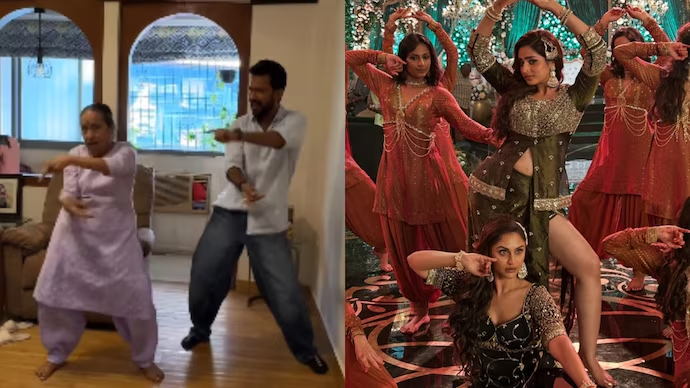
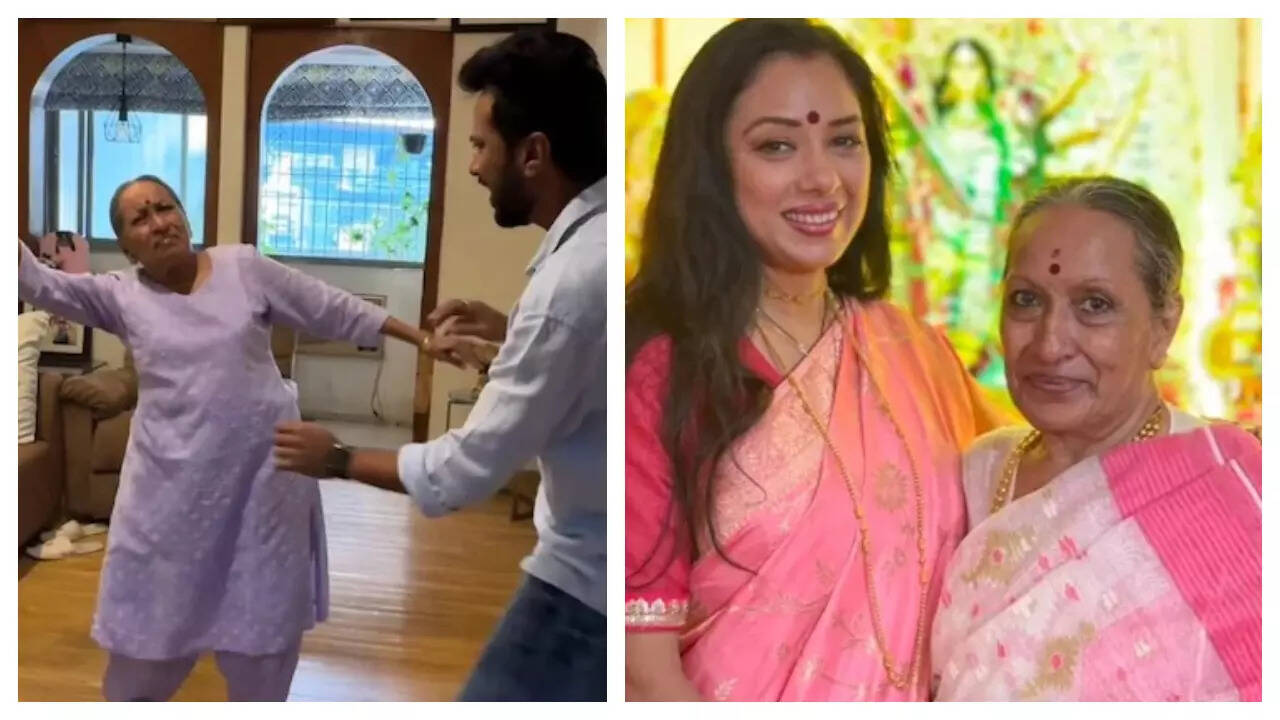
Rajani Ganguly Captures Attention With a Dance Linked to Dhurandhar

Rajani Ganguly has recently drawn attention after a video of her dancing to the song Shararat began circulating online. The moment stood out not because of scale or promotion, but because of the personal connection behind it. The song was choreographed by her son, Vijay Ganguly, for the film Dhurandhar, making the video a quiet reflection of how creativity can pass naturally through generations.Rupali Ganguly's Mom Steals The Show With Dhurandhar Dance; Ranveer Singh Reacts

Rajani Ganguly’s performance was marked by ease and confidence, reflecting familiarity with rhythm rather than rehearsed spectacle. Viewers responded positively, noting the warmth and sincerity in her movements. The video quickly found appreciation among audiences who saw it as more than just a dance clip. It represented a shared bond between a mother and son rooted in music and performance.

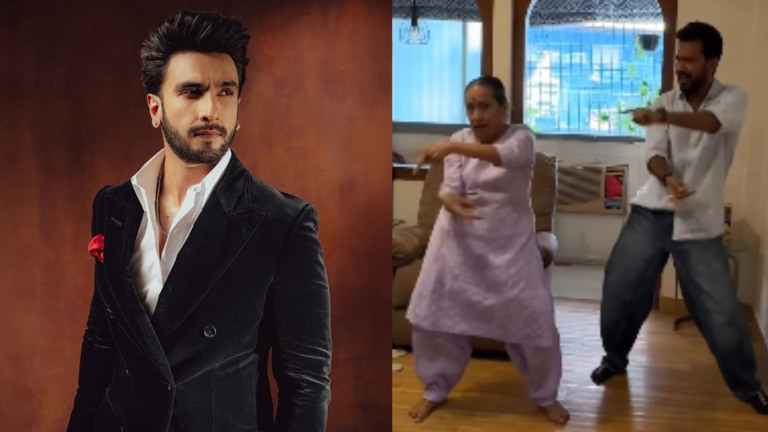
The clip also reached members of the film industry. Actor Ranveer Singh and filmmaker Aditya Dhar acknowledged the video, further amplifying its reach. Their reactions brought additional attention, but the focus remained on the personal nature of the moment rather than celebrity endorsement.

Rajani Ganguly’s Dance Reflects a Creative Family Bond

Rajani Ganguly’s dance gained significance because of its connection to Dhurandhar, where Vijay Ganguly served as the choreographer for Shararat. While Vijay is known for his professional work in cinema, this moment shifted attention to the family environment that shaped his artistic sensibility.Rupali Ganguly's mother dances to Shararat from Dhurandhar, leaves Ranveer Singh and Farah Khan amazed - The Times of India

The video did not aim to recreate the film choreography exactly. Instead, it reflected a natural engagement with the music. Rajani Ganguly appeared comfortable, expressive, and relaxed, qualities that resonated strongly with viewers. Many commented that the clip felt genuine rather than staged, which added to its appeal.

Industry observers often speak about talent being influenced by environment rather than lineage alone. In this case, the video served as a simple example of how exposure to music and movement within a family can shape creative expression over time.

The attention from Ranveer Singh and Aditya Dhar brought the moment into a wider professional context. Their acknowledgment was seen as appreciation for both the choreography and the personal joy captured in the clip. However, the video’s popularity was already growing organically before that recognition.

Rajani Ganguly’s Moment Highlights Shared Joy in PerformanceRanveer Singh hypes Rupali Ganguly's mother's viral Dhurandhar dance video

Rajani Ganguly’s appearance in the video also highlighted a broader theme of shared joy in performance. Unlike promotional content designed for visibility, this clip carried a sense of spontaneity. It reminded viewers that dance and music are often first learned and enjoyed within personal spaces before reaching public platforms.

The response online reflected this sentiment. Many viewers appreciated the absence of exaggeration or presentation. The focus stayed on expression, rhythm, and connection to the music. This reaction suggested that audiences continue to value authenticity, even in an era dominated by curated content.


View this post on Instagram


A post shared by Times Now (@timesnow)

The moment also subtly reflected the collaborative spirit behind Dhurandhar. While the film itself is a large-scale project, this small, personal clip offered a different perspective on the people involved, showing the quieter influences behind professional success. Also Read: Samantha Has Thankful Moments That Defined a Turning Point in 2025

Conclusion
Rajani Ganguly’s dance to Shararat stood out for its simplicity and emotional connection rather than spectacle. Linked closely to her son’s work in Dhurandhar, the moment highlighted how creativity often begins at home, shaped by shared experiences and genuine enjoyment.