Sunday, May 3, 2026
Home Blog Page 193

Star Lee Je Hoon Reflects on Indian Cinema With Warmth and Openness

0

Star Lee Je Hoon Shares His Positive Connection With Indian Films

Star Lee Je Hoon has spoken openly about his long-standing admiration for Indian cinema, revealing that films from India played a meaningful role during his younger years. Known globally for his performances in Signal and Taxi Driver, the South Korean actor described Indian films as a source of joy, warmth, and emotional comfort that left a lasting impression on him.Exclusive | Lee Je Hoon : Indian films uplift me | Hindustan Times

Star Lee Je Hoon recalled watching Indian movies while growing up and associating them with laughter and emotional upliftment. According to him, these films created a sense of happiness that stayed with him even after the viewing experience ended. Rather than focusing on technical elements, he emphasized the emotional energy that Indian cinema carried, describing it as bright and positive.

His comments have drawn attention because they reflect a personal connection rather than a promotional statement. The actor did not refer to specific titles but spoke about the general feeling Indian films gave him during his formative years. This emotional memory, he said, continues to shape how he perceives Indian cinema today.

The remarks have resonated with audiences across countries, especially at a time when cross-cultural appreciation in cinema is gaining visibility. His words also highlight how films travel beyond language and geography, creating shared emotional experiences.

Star Lee Je Hoon Expresses Interest Beyond Korean CinemaExclusive | Lee Je Hoon : Indian films uplift me | Hindustan Times

Star Lee Je Hoon also shared that he remains open to opportunities outside the Korean film industry. While his career has been firmly rooted in South Korea, he expressed genuine interest in being part of an Indian project if the right opportunity arises.

He explained that if he were to work in Indian cinema, he would want to be involved in a film that reflects the same uplifting spirit he remembers from his childhood. Rather than focusing on scale or genre, he spoke about emotional tone, stating that he would like to be part of a story that leaves audiences feeling lighter and happier.

This openness reflects a broader trend of actors looking beyond national industries and exploring global storytelling. However, Star Lee Je Hoon’s comments remained grounded, with no indication of immediate plans. His interest appeared to be rooted in respect for the emotional style of Indian cinema rather than career expansion alone.

Industry observers noted that such statements reflect growing mutual curiosity between Asian film industries. As audiences become more receptive to international content, actors expressing cross-border interest adds to ongoing conversations about collaboration and creative exchange.

Star Lee Je Hoon’s Words Highlight Cinema’s Shared Emotional LanguageStar Lee Je Hoon

Star Lee Je Hoon’s reflections underline a simple idea: cinema connects people through emotion before anything else. His description of Indian films focused on feelings rather than spectacle, pointing to laughter, warmth, and positivity as lasting impressions.

His appreciation also challenges the notion that cinema must be understood linguistically to be enjoyed. Instead, his experience suggests that tone, colour, music, and emotional intent can communicate across cultures. This perspective aligns with why Indian cinema has found audiences in diverse regions over the years.

The response to his comments has been largely positive, with many viewers appreciating his respectful and sincere tone. Rather than framing Indian cinema as an exotic influence, he spoke about it as a familiar and comforting presence from his past.


View this post on Instagram


A post shared by Hallyutalk (@hallyutalk)

While no collaboration has been announced, his words alone have sparked interest and discussion. They serve as a reminder that global cinema is increasingly shaped by shared emotional values rather than rigid industry boundaries. Also Read: Samantha Has Thankful Moments That Defined a Turning Point in 2025

Conclusion
Star Lee Je Hoon’s reflections on Indian cinema reveal a personal connection built on joy and emotional warmth. His openness to future collaboration highlights how cinema continues to bridge cultures, leaving space for meaningful exchange beyond borders.


India Bhutan Border Road Project – Detailed Analysis of Kalimpong Connectivity, Bista’s Inspection, and Governance Lessons for Strategic Infrastructure

The India Bhutan border road project in Kalimpong district has emerged as a critical piece of infrastructure for both national security and regional development. On December 21, 2025, Darjeeling MP Raju Bista inspected the ongoing construction of the Chalsa–Jaldhaka–Bindu Barrage Road, a 35 km route along the India–Bhutan border. While 25 km has already been completed, the remaining 14 km awaits forest clearance and land‑related formalities.


2. Strategic Importance of the Road

  • Enhances border security in the sensitive tri‑junction region near Doklam.
  • Improves connectivity for remote villages in Kalimpong and Jalpaiguri districts.
  • Facilitates economic exchange between India and Bhutan.
  • Provides alternative routes for military logistics in case of emergencies.

3. India Bhutan Border Road Project: Project Details

  • Built by the Border Roads Organisation (BRO).
  • Runs along the Jhaldhaka river, separating India and Bhutan.
  • Funded with ₹200 crore allocated by the Centre.
  • Implemented in four phases:
    • Phase 1: Khunia More to Kumani More (11.86 km) – completed.
    • Phase 2: Kumani More to Gairibas (9 km) – inaugurated by Defence Minister Rajnath Singh on December 7, 2025.
    • Phase 3: Gairibas to Paren (6 km) – pending clearance.
    • Phase 4: Paren to Bindu Barrage (8 km) – pending clearance.

4. Historical Context

  • The route was historically used by Bhutanese nationals before Bhutan’s internal road network expanded.
  • The Doklam standoff in 2017 highlighted the strategic vulnerability of the region.
  • India and Bhutan have long cooperated on border infrastructure to counter Chinese influence.

5. Governance Challenges

The project reflects:

  • Delays due to forest clearance and land acquisition.
  • Balancing development with environmental protection.
  • Coordination between central agencies and state authorities.
  • Managing local community expectations.

6. Government External Links for Assistance


7. Regional Impact

  • Economic: Boosts trade and tourism in Kalimpong and Jalpaiguri.
  • Social: Provides better access to healthcare and education for border villages.
  • Strategic: Strengthens India’s position in the eastern Himalayas.
  • Environmental: Raises concerns about deforestation and biodiversity loss.

8. Global Comparisons

Similar border infrastructure projects exist worldwide:

  • USA–Mexico border roads: Built for patrol and trade facilitation.
  • China–Pakistan Karakoram Highway: Strategic route through Gilgit‑Baltistan.
  • Nepal–India border roads: Enhance connectivity but face clearance delays.

The India–Bhutan project mirrors these global efforts where border roads serve both strategic and developmental purposes.


9. Governance Lessons

The Kalimpong road project teaches:

  • Clearance processes must be streamlined to avoid delays.
  • Environmental safeguards should be integrated into planning.
  • Community engagement builds trust and reduces resistance.
  • Strategic foresight ensures infrastructure serves both civilian and military needs.

10. Future Outlook – Border Infrastructure in Bengal

India must move towards:

  • Integrated border area development plans.
  • Eco‑friendly construction technologies.
  • Digital monitoring systems for project progress.
  • Cross‑border cooperation with Bhutan for sustainable development.

11. Conclusion

The India Bhutan border road project in Kalimpong is more than a construction effort. It symbolizes India’s commitment to strengthening border security, enhancing connectivity, and fostering regional development. While delays due to forest clearance remain, the project’s completion will mark a significant milestone in India’s eastern frontier strategy. For Bengal, it represents both opportunity and responsibility: to balance growth with sustainability, and security with community welfare.


Also read: Home | Channel 6 Network – Latest News, Breaking Updates: Politics, Business, Tech & More

Dhurandhar Has Officially Reached a Rare 1,000-Crore Mark in Just 21 Days

0

Dhurandhar Has Officially Entered the 1,000-Crore Club Worldwide

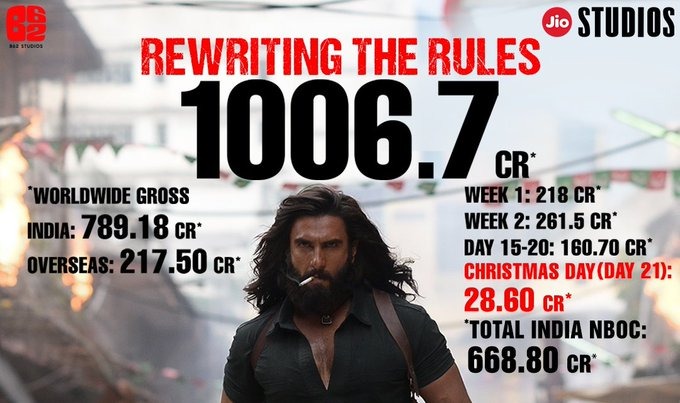
Dhurandhar has officially crossed the ₹1,000-crore mark worldwide within just 21 days of its release, marking a major milestone for Bollywood this year. The Ranveer Singh–led film has shown strong and steady performance both in India and overseas, placing it among a small group of films that have achieved such numbers in a short time frame.Dhurandhar officially enters the ₹1000 CRORE CLUB 💥🔥

According to trade figures, the film has earned ₹668.80 crore at the Indian box office, while its global collection has reached ₹1,006.7 crore. These numbers confirm Dhurandhar’s position as one of the biggest commercial successes of the year. What makes this achievement notable is not just the total revenue, but the film’s ability to sustain audience interest well beyond its opening week.

Industry observers noted a significant rise in footfalls on Day 21. The collection on that day came close to the film’s opening-day numbers, an uncommon trend for large-scale releases. This pattern indicates that the film has benefited from strong word of mouth and repeat audiences rather than relying only on initial hype.

The film’s performance reflects a balance between mass appeal and sustained theatrical engagement, something that has been difficult to achieve consistently in recent years.

Dhurandhar Has Officially Maintained Strong Momentum Across Markets

Dhurandhar has officially shown resilience at the box office across multiple regions. In India, the film remained stable through its third week, with collections holding firm in major cities as well as smaller centres. This broad acceptance helped it maintain steady daily earnings even after the initial rush had settled.Dhurandhar crosses Rs 1,000 crore: Biggest Bollywood movies of all time that are part of the club - Entertainment News | The Financial Express

Internationally, the film performed strongly in key overseas markets, contributing significantly to its global total. Trade analysts pointed out that overseas collections played a crucial role in pushing the film past the ₹1,000-crore mark. The global response suggested that the film connected with audiences beyond language and regional boundaries.

Another factor contributing to the sustained run was the lack of a sharp drop after the second weekend. Unlike many big releases that see a steep decline after the first ten days, Dhurandhar managed to hold screens and attract audiences consistently. This stability is often seen as a sign of long-term acceptance rather than short-term excitement.

The Day 21 surge further reinforced this view. Footfalls nearly matched the opening-day response, a rare occurrence that highlighted the film’s continuing draw. Theatre owners reported steady occupancy, especially during evening and weekend shows, even three weeks after release.

Dhurandhar Has Officially Set a Benchmark for the Year

Dhurandhar has officially emerged as a benchmark film for 2025 in terms of box office performance. Its success has sparked discussions within the industry about changing audience behaviour and the renewed importance of theatrical experience. The film’s run suggests that audiences are willing to return to cinemas when content and scale align effectively.Dhurandhar Has Officially

For Ranveer Singh, the film marks another major commercial milestone in his career. His performance, combined with the film’s scale and execution, contributed to its wide appeal. While star power played a role, trade experts agree that the film’s sustained earnings were driven more by audience response than promotional push.

The film’s journey to the ₹1,000-crore club also reflects a shift in how success is measured. Rather than focusing solely on opening-day numbers, the industry is increasingly looking at consistency and longevity. Dhurandhar’s performance across three weeks fits this evolving metric.


View this post on Instagram


A post shared by India Today (@indiatoday)

As the film continues its theatrical run, its final numbers are expected to grow further. However, even at this stage, its place among the year’s most successful releases is firmly secured. Also Read: Samantha Has Thankful Moments That Defined a Turning Point in 2025

Conclusion
Dhurandhar has officially crossed a significant global milestone through steady performance and sustained audience support. By entering the ₹1,000-crore club in just 21 days, the film has reinforced the value of consistency at the box office and set a high standard for Bollywood releases this year.

Samantha Has Thankful Moments That Defined a Turning Point in 2025

0

Samantha Has Thankful Reasons as 2025 Comes to a Close

Samantha has thankful reflections as 2025 nears its end, marking a year filled with steady progress and meaningful change in her life. The actor experienced important milestones both professionally and personally, making the year one of growth rather than noise. From taking control of her creative journey to beginning a new chapter in her personal life, Samantha’s journey in 2025 stood out for its balance and clarity.Samantha reflects on a special 2025 with wedding, career & fitness - NTV ENGLISH

Professionally, the year signaled a shift toward independence. Samantha launched her own production house, a move that reflected her intention to shape stories from behind the camera as well. This step was not sudden but appeared to be the result of careful planning and long-term vision. By backing her first film, Subham, she entered a new phase where she was not only an actor but also a decision-maker.

The film marked her first project as a producer and represented trust in new ideas and creative voices. Industry observers noted that this move placed her among actors who are expanding their roles beyond performance. The response to her production debut brought attention to her evolving position in the industry.

As the months passed, Samantha remained consistent in her work choices. Instead of chasing volume, she focused on projects aligned with her interests. This approach helped her maintain a steady presence without oversaturation, reinforcing her reputation for thoughtful career decisions.

Samantha Has Thankful Career Progress Built on Independence Samantha reflects on 2025 with gratitude, shares wedding memories | News Karnataka

Samantha has thankful career achievements that reflect control rather than coincidence. The launch of her production house was widely seen as a defining professional moment. It signaled her readiness to take responsibility not just for her performances, but for storytelling as a whole.

Backing Subham was a calculated step. It allowed her to support content she believed in while understanding the risks involved in film production. This move also demonstrated confidence gained through years of experience in the industry. Rather than relying solely on established banners, she chose to invest in her own vision.

Throughout the year, Samantha maintained a measured public presence. She avoided unnecessary attention and allowed her work to speak for itself. This restraint contributed to a positive professional image focused on longevity rather than momentary trends.

Colleagues and audiences acknowledged her consistency, noting that her career path in 2025 reflected stability. The year showed that professional success does not always come from constant visibility but from clear direction and patience.

Samantha Has Thankful Personal Moments That Completed the Year

As the year reached its final weeks, Samantha has thankful personal reasons that completed what was already a significant year. In December, she married filmmaker Raj Nidimoru, adding a deeply personal milestone to her journey.Samantha Has Thankful

The wedding was kept private, reflecting her preference for maintaining boundaries between public life and personal moments. The decision to celebrate quietly aligned with her recent approach to life, focusing on meaning rather than display.


View this post on Instagram


A post shared by Instant Bollywood (@instantbollywood)

The marriage marked a new beginning rather than a public statement. For many followers, it represented closure to a long phase of personal rebuilding and a step forward rooted in stability and mutual respect. The timing, at the end of a productive year, symbolically tied together professional fulfillment and personal contentment.

The announcement was met with supportive messages, with many acknowledging how the year had unfolded positively for her. Unlike dramatic narratives often attached to celebrity lives, this chapter was defined by calm and certainty. Also Read: Superstar Salman Khan at 60 Reflects on Life, Family, and Personal Choice

Conclusion
Samantha has thankful memories of 2025 that reflect steady growth, independence, and personal clarity. The year brought meaningful progress in her career and a significant personal milestone, making it a quiet but defining period in her life.

Superstar Salman Khan at 60 Reflects on Life, Family, and Personal Choice

0

Superstar Salman Khan Shares Honest Views on Fatherhood and Independence

Superstar Salman Khan is nearing the age of 60, a milestone that has once again brought attention to his personal life. While he remains one of Bollywood’s most successful and influential figures, he has never married. Over the years, this choice has often been questioned, speculated upon, and discussed publicly. Recently, the actor openly shared that he still wishes to experience fatherhood, even if marriage is not part of that journey.Bollywood superstar Salman Khan is about to turn 60, yet he has never married. Despite this, Salman has openly shared that he wishes to experience fatherhood. He believes that becoming a parent

Superstar Salman Khan’s statement has drawn attention because it challenges long-held social expectations. According to him, becoming a parent is not strictly tied to marriage. He believes that love, responsibility, and the willingness to care for a child matter more than traditional structures. His words were not framed as a rejection of marriage but as a reflection of his personal beliefs and life choices.

The actor’s views quickly spread across social media, where fans and observers reacted in different ways. Some praised his honesty and openness, calling his thoughts mature and realistic. Others expressed surprise, as his views differ from conventional expectations often associated with family life in Indian society. Regardless of opinion, the statement reignited discussion around evolving definitions of family and parenthood.

Superstar Salman Khan’s Perspective on Parenthood and Responsibility

Superstar Salman Khan has often spoken about responsibility in different contexts, whether related to his work, his family, or his charitable activities. In this case, he emphasized that parenting is not defined by legal or social labels alone. He pointed out that raising a child requires emotional availability, stability, and long-term commitment.Salman Khan posts a note about life lessons from his father

His comments suggest that he views fatherhood as a role built on daily involvement rather than social approval. By focusing on care and accountability, he shifted attention away from marital status and toward the real demands of parenting. This perspective resonated with many who believe that traditional models of family are changing with time.

At the same time, his views also sparked debate. Some questioned whether such an approach is practical within the cultural framework of Indian society. Others argued that his privilege as a celebrity allows him freedoms not easily available to ordinary people. Still, supporters countered that the core of his message was not about convenience but about emotional readiness and responsibility.

Superstar Salman Khan did not present his thoughts as advice or instruction. Instead, he shared them as a personal reflection shaped by his own life experiences. This distinction mattered to many listeners, as it framed the discussion around individual choice rather than social rule-breaking.

Superstar Salman Khan Continues to Live by His Own Rules

Throughout his career, Superstar Salman Khan has been known for living life on his own terms. From his professional decisions to his personal boundaries, he has rarely followed expectations simply to satisfy public opinion. His latest remarks align with this long-standing pattern.Salman Khan says he wants to be a dad but 'Indian law doesn't allow it' | Bollywood

Even as he approaches 60, the actor remains active in films, television, and philanthropy. His personal life, though often scrutinized, appears guided by clarity about what he wants and what he does not. By speaking openly about fatherhood without marriage, he once again highlighted his refusal to conform to timelines or traditions imposed by society.


View this post on Instagram


A post shared by Bolly Masala (@bollymasala63)

The public response shows that audiences are increasingly willing to engage with such conversations. While opinions remain divided, the discussion itself reflects changing attitudes toward marriage, parenting, and personal fulfillment. Salman Khan’s statement became a catalyst for these conversations, not because of controversy, but because of its simplicity and honesty. Also Read: China Sanctions US Defence Firms: Bold Retaliation Over Taiwan Arms Deal

Conclusion
Superstar Salman Khan’s reflections on fatherhood offer a glimpse into a personal philosophy shaped by independence and responsibility. As he approaches 60, his views continue to challenge traditional norms and encourage conversation, reinforcing that life choices do not follow a single path for everyone.

Janhvi Kapoor Took a Strong Stand That Sparked Widespread Attention

0

Janhvi Kapoor Took a Public Stand on a Brutal Killing

Janhvi Kapoor took to social media to speak out against the brutal lynching of Dipu Chandra Das in Bangladesh, using direct and firm language that quickly drew public attention. Instead of limiting her response to a brief condolence message, the actor addressed the larger issue of communal violence and intolerance. Her post reflected anger, concern, and a demand for accountability, marking one of her strongest public statements on a social issue so far.Ashok Pandit thanks Janhvi Kapoor for speaking out against Dipu Das killing

The incident, which involved the killing of Dipu Chandra Das by a mob, triggered outrage across social media platforms. As videos and reports circulated, many public figures remained silent or issued neutral reactions. Janhvi Kapoor’s response stood out because of its tone. She described the act as barbaric and inhumane, making it clear that such violence cannot be justified under any belief, ideology, or political excuse.

Her message did not focus on one community or country alone. Instead, she framed the issue as a human rights concern, stressing that violence driven by hatred is a global problem. By doing so, she avoided narrowing the discussion and pushed readers to look beyond borders and personal biases.

Janhvi Kapoor Took a Firm Tone Against Communal Violence

In her post, Janhvi Kapoor took a strong position against communal hatred and selective outrage. She urged people to confront violence honestly rather than reacting only when it suits their personal or political comfort. One of the central points of her message was the rejection of hypocrisy. She called out the tendency to stay silent when violence affects certain groups while demanding justice loudly in other cases.Janhvi Kapoor raises voice against barbaric killing of Dipu Chandra Das in Bangladesh

The actor also emphasized the importance of education and awareness. According to her, ignorance plays a major role in allowing extremism to grow. She encouraged people to educate themselves before forming opinions and sharing misinformation. Her words suggested that silence and lack of understanding indirectly support discrimination and brutality.

What made the post resonate was its straightforward language. There were no slogans or indirect references. She named the problem clearly and stated that discrimination and extremism, in any form, must be opposed. This clarity led to wide engagement, with many users praising her courage, while others debated the role of celebrities in political and social discussions.

As expected, the post also attracted criticism. Some questioned why actors speak on international issues, while others accused her of selective activism. However, supporters argued that public figures have a platform that can amplify ignored issues, and remaining silent is also a choice with consequences.

Janhvi Kapoor Took a Step That Sparked Wider DiscussionJanhvi Kapoor Took

Beyond immediate reactions, Janhvi Kapoor took a step that reopened conversations about responsibility in the digital age. Her post highlighted how quickly violent incidents fade from public memory once the news cycle moves on. By speaking up, she forced attention back onto the victim and the larger pattern of mob violence.


View this post on Instagram


A post shared by Times Now (@timesnow)

The response also showed how celebrity voices influence public discourse. While her statement alone cannot change policy or deliver justice, it helped sustain attention on the issue. Discussions around communal harmony, misinformation, and moral consistency gained renewed visibility after her post.

Importantly, her message did not position her as a savior or authority. Instead, it challenged ordinary people to reflect on their own reactions to violence. The focus remained on human dignity rather than personal branding, which is why the post carried weight despite mixed reactions. Also Read: China Sanctions US Defence Firms: Bold Retaliation Over Taiwan Arms Deal

Conclusion
Janhvi Kapoor took a clear and uncompromising stand on a disturbing incident, reminding the public that violence rooted in hatred cannot be ignored or normalized. Her words added pressure to confront uncomfortable truths and reinf

10 Year Old Girl’s Life Changed by One Kerala Family’s Quiet Decision

0

10 Year Old Girl Finds Stability After Losing Everything

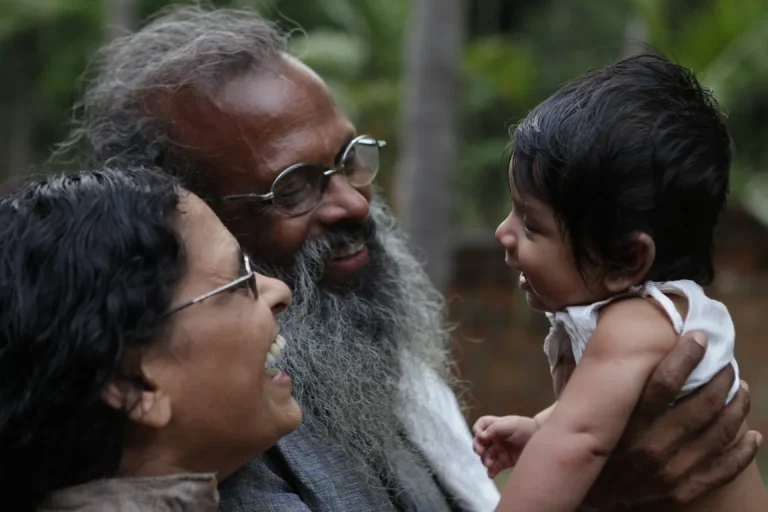
10 year old girl was left with nothing when her world collapsed at a very young age. With no family support and no clear future ahead, her life could have easily slipped into neglect or institutional care. Instead, an ordinary couple from Kerala stepped forward and chose responsibility over hesitation. Their decision did not make headlines at the time, but it quietly changed the course of a child’s life. A Kerala couple opened their hearts to a 10-year-old girl who had lost everything. They raised her with love, protected her identity, and later arranged her marriage exactly as her traditions required.

The couple welcomed the child into their home when she was still trying to understand loss. They did not attempt to replace her past or erase her identity. They focused on giving her what she lacked most: safety, routine, education, and emotional balance. The child was raised as a family member, not as a charity case. Over the years, this consistent care became the foundation that allowed her to grow without fear.

What stands out in this case is not just adoption or guardianship, but the deliberate respect shown toward the child’s background. The family ensured she remained connected to her cultural roots. There was no pressure to forget where she came from or who she was before she entered their home. This approach helped the child build confidence rather than confusion about her identity.

As the years passed, the 10 year old girl grew into a young woman who understood both loss and belonging. She was educated, supported, and given freedom to express her thoughts. The family treated her future as something worth planning carefully, not rushing or controlling.

10 Year Old Girl’s Upbringing Focused on Respect and Choice

The couple’s approach was simple but firm. They believed that raising a child meant more than providing food and shelter. It meant listening, guiding, and allowing space for growth. The 10 year old girl was encouraged to study, ask questions, and make decisions appropriate for her age. She was not reminded of her past as a burden. Instead, it was acknowledged as part of her story.

When the time came to discuss marriage, the family again chose respect over convenience. Rather than forcing their own beliefs, they ensured the marriage was arranged according to the girl’s traditions. This decision reflected years of consistent values rather than a symbolic gesture. It showed that acceptance does not require control.A couple from Kerala gave a new life to a 10-year-old girl who had lost everything. They raised her with care, respected her identity, and later arranged her marriage according to her

The marriage was conducted with dignity, following customs familiar to the young woman. For her, it was not just a ceremony but confirmation that her identity had always been valued. The couple remained involved not as decision-makers, but as supporters who respected her independence.

In a society often divided by labels, this story stands apart because it avoids spectacle. There were no public statements or campaigns. The couple did not seek recognition. Their actions were rooted in daily responsibility, not public approval.

10 Year Old Girl’s Story Highlights Humanity Beyond Labels

This case from Kerala serves as a reminder that meaningful change often happens quietly. The 10 year old girl did not receive a second chance through policy or publicity. She received it through consistency, patience, and respect inside a home.


View this post on Instagram


A post shared by Tark india 🇮🇳 (@tark.india)

Stories like this matter because they challenge common assumptions. They show that care does not require shared bloodlines or identical beliefs. It requires commitment and clarity of values. By prioritizing the child’s well-being over social expectations, the couple demonstrated what responsible guardianship looks like in practice. Also Read: China Sanctions US Defence Firms: Bold Retaliation Over Taiwan Arms Deal

Conclusion
The journey of this 10 year old girl proves that humanity is strongest when actions speak without noise. A single family’s steady choices transformed a lost childhood into a stable future, offering a rare example of compassion guided by respect rather than labels.

North Bengal Migratory Bird Decline – Detailed Analysis of Flood Impact, Avian Count Survey, and Governance Lessons for Wetland Conservation

The North Bengal migratory bird decline has become a pressing concern for environmentalists and ornithologists. Following devastating floods in October 2025, experts fear that siltation and habitat destruction in wetlands across Jalpaiguri, Alipurduar, and Cooch Behar districts may reduce the number of migratory birds arriving this winter. The Himalayan Nature & Adventure Foundation (HNAF) has announced a month‑long Annual Waterfowl Count (AWC) beginning January 4, 2026, to scientifically assess the situation.


2. Migratory Birds in North Bengal

  • Every winter, species such as Brown Shrike, Bar‑headed Goose, Northern Pintail, Gadwall, Common Teal, herons, and storks (like Asian Openbill) migrate from Central Asia and Siberia.
  • Wetlands like Gajoldoba, Fulbari, Rasik Beel, Nararthali Beel, and Jaldapara Wildlife Sanctuary serve as critical stopovers.
  • These birds depend on aquatic vegetation, fish, and insects for survival.

3. Impact of October Floods

  • Floods on October 4–5, 2025 devastated large parts of Alipurduar, Jalpaiguri, and Cooch Behar.
  • Massive siltation deposited in wetlands disrupted aquatic ecosystems.
  • Food availability for migratory birds has sharply declined.
  • Environmentalists fear a lower turnout of avian species compared to last year.

4. North Bengal Migratory Bird Decline: Annual Waterfowl Count (AWC)

  • Organized by HNAF in association with forest divisions.
  • Covers major wetlands and riverine stretches across three districts.
  • Last year’s AWC recorded 35,000 birds, with Fulbari (6,554 birds, 68 species) and Rasik Beel (6,418 birds, 55 species) showing the highest counts.
  • Findings will be forwarded to the International Wetlands Bureau (IWB) through the state biodiversity board.

5. Government External Links for Assistance


6. Historical Context of Avian Counts in Bengal

  • 1990s: Early surveys documented steady arrivals of migratory geese and ducks.
  • 2010s: Climate change began altering migration patterns.
  • 2020s: Floods and urbanization increasingly disrupted wetland ecosystems.
  • The 2025 floods represent one of the most severe threats in recent memory.

7. Governance Challenges

The migratory bird decline reflects:

  • Weak wetland management and lack of silt removal infrastructure.
  • Encroachment and pollution from urban expansion.
  • Insufficient coordination between forest, irrigation, and disaster management departments.
  • Limited awareness among local communities about ecological importance.

8. Global Comparisons

Similar crises occur worldwide:

  • China’s Poyang Lake: Siltation reduced numbers of Siberian cranes.
  • USA’s Mississippi Flyway: Habitat loss disrupted waterfowl migration.
  • Kenya’s Rift Valley lakes: Pollution and flooding affected flamingo populations.

North Bengal’s situation mirrors these global struggles where climate events and human activity threaten migratory routes.


9. Governance Lessons

The avian decline teaches:

  • Scientific monitoring like AWC is essential for policy decisions.
  • Wetland restoration projects must be prioritized.
  • Community involvement can reduce encroachment and pollution.
  • Integration of climate resilience into conservation planning.

10. Future Outlook – Wetland Conservation in Bengal

India must move towards:

  • Eco‑restoration of flood‑affected wetlands.
  • Digital monitoring systems for bird counts.
  • Cross‑border cooperation with Central Asian countries on migratory routes.
  • Eco‑tourism initiatives that balance conservation with livelihoods.

11. Conclusion

The North Bengal migratory bird decline is more than an ecological concern. It reflects the fragility of wetlands under climate stress and governance gaps. The upcoming AWC will provide crucial data, but long‑term solutions require coordinated action between government, NGOs, and communities. For Bengal, protecting wetlands is not just about birds—it is about safeguarding biodiversity, livelihoods, and resilience against climate change.

Also read: Home | Channel 6 Network – Latest News, Breaking Updates: Politics, Business, Tech & More

Forest Crime Awareness Bengal – Detailed Analysis of Jaldapara Youth Programme, Community Engagement, and Governance Lessons for Conservation

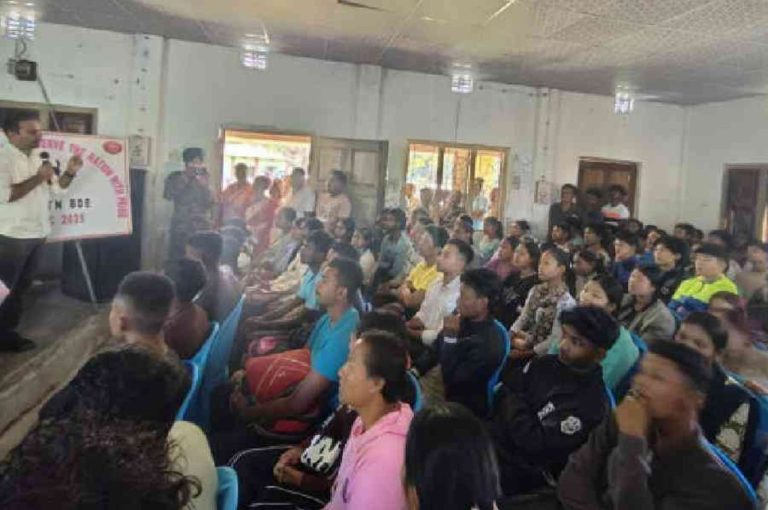
The forest crime awareness Bengal initiative has emerged as a pioneering effort in community‑based conservation. On December 19, 2025, the Jaldapara Wildlife Division in Alipurduar district organized a special awareness and motivational programme at Kodal Basti, near Jaldapara National Park. The event drew around 80 enthusiastic youths, including girls, from forest and fringe‑forest villages. The programme aimed to prevent crimes such as poaching, smuggling of animal parts, and illegal logging, while simultaneously addressing employment concerns among rural youths.


2. Objectives of the Programme

  • Alerting youths to the dangers of wildlife crimes.
  • Educating communities about how organized networks exploit locals.
  • Highlighting legal consequences of poaching and smuggling.
  • Encouraging cooperation between villagers and forest officials.
  • Motivating youths to pursue careers in the army, police, and paramilitary forces.

3. Forest Crime Awareness Bengal: Key Highlights

  • Divisional Forest Officer Parveen Kaswan delivered a detailed presentation on wildlife crimes.
  • He explained how criminal gangs mislead local youths into illegal activities.
  • Kaswan emphasized successful convictions achieved through strong legal follow‑up.
  • Representatives from the police and army attended, inspiring youths to choose disciplined careers.
  • The forest department announced plans for coaching camps to prepare youths for recruitment exams.

4. Community Engagement

  • Participants interacted with officials, appreciating the initiative.
  • Villagers were encouraged to share information about suspicious activities.
  • Officials stressed that criminal gangs cannot succeed without local support.
  • Employment generation was highlighted as equally vital to conservation.

5. Government External Links for Assistance


6. Historical Context of Forest Crimes in Bengal

  • Jaldapara National Park is famous for its one‑horned rhinoceros population.
  • Poaching of rhinos and elephants has been a persistent threat.
  • Smuggling of timber and medicinal plants also occurs in fringe areas.
  • Past efforts often focused on enforcement, but community engagement is a newer strategy.

7. Governance Challenges

The initiative reflects:

  • Need for livelihood opportunities to prevent youth involvement in crime.
  • Coordination between departments (forest, police, army).
  • Awareness gaps in rural communities.
  • Balancing conservation with development.

8. Global Comparisons

Similar community‑based conservation efforts exist worldwide:

  • Kenya: Maasai youths trained as wildlife rangers to protect lions.
  • Nepal: Community forest user groups reduce poaching in Chitwan.
  • Brazil: Indigenous communities engaged in Amazon rainforest protection.

The Jaldapara programme mirrors these global trends of empowering local communities for conservation success.


9. Governance Lessons

The Bengal forest crime awareness programme teaches:

  • Community participation is essential for conservation.
  • Employment generation reduces vulnerability to exploitation.
  • Legal awareness deters involvement in crime.
  • Multi‑agency collaboration strengthens enforcement.

10. Future Outlook – Conservation and Youth Empowerment

India must move towards:

  • Scaling up awareness programmes across vulnerable forest areas.
  • Integrating conservation education into school curricula.
  • Providing skill training for eco‑tourism and sustainable livelihoods.
  • Strengthening legal frameworks against wildlife crime.

11. Conclusion

The forest crime awareness Bengal initiative is more than a local programme. It reflects a shift towards community‑driven conservation, where youths are empowered to resist exploitation and contribute to protecting biodiversity. By combining awareness, employment, and cooperation, the Jaldapara Wildlife Division has set a model for other regions. In a state where forests are both ecological treasures and vulnerable frontiers, such initiatives are vital to ensuring that conservation and community development go hand in hand.

Also read: Home | Channel 6 Network – Latest News, Breaking Updates: Politics, Business, Tech & More

Howrah House Fire Tragedy – Detailed Analysis of Family Deaths, Community Impact, and Governance Lessons for Fire Safety in Bengal

The Howrah house fire tragedy has shaken Bengal’s conscience. On December 22, 2025, four members of a poor family were charred to death when their kuchcha house caught fire in Sauria village, under Joypur police station in Howrah district. The victims included an elderly man, his son, daughter‑in‑law, and teenage granddaughter. The incident highlights the vulnerability of marginalized families living in unsafe housing conditions and raises urgent questions about fire safety, governance, and community resilience.


2. THowrah House Fire Tragedy: he Incident

  • The fire broke out around midnight in a kuchcha house made of mud and bamboo.
  • Victims: Durjodhan Dolui (72), Dudhkumar Dolui (45), Shibani Dolui (40), and Shampa Dolui (15).
  • Two fire tenders were deployed to douse the blaze.
  • The bodies were sent to Uluberia government hospital for post‑mortem.
  • Officials confirmed the family was extremely poor, with Dudhkumar’s son working as a migrant labourer outside the state.

3. Human Impact

  • The tragedy devastated the Dolui family, leaving only one surviving son who works away from home.
  • Neighbours described the victims as hardworking but struggling with poverty.
  • The incident underscores how poverty, unsafe housing, and lack of awareness combine to create fatal risks.
  • Community members gathered to mourn, demanding government support.

4. Governance Challenges

The incident reflects:

  • Unsafe housing structures in rural Bengal.
  • Limited fire safety awareness among poor families.
  • Delayed emergency response in remote villages.
  • Lack of compensation mechanisms for victims of accidental fires.

5. Government External Links for Assistance


6. Historical Context of Fires in Bengal

  • 2011 AMRI Hospital fire (Kolkata): 90 patients died due to negligence.
  • 2019 Burrabazar warehouse fire: Highlighted poor enforcement of safety norms.
  • 2023 Howrah slum fire: Hundreds displaced, raising questions about urban fire safety.
  • The 2025 Howrah house fire adds to this tragic list, showing that both urban and rural areas remain vulnerable.

7. Global Comparisons

Similar tragedies occur worldwide:

  • Bangladesh: Frequent fires in Dhaka slums due to unsafe housing.
  • Kenya: Informal settlements often face devastating fires.
  • Brazil: Poor communities in favelas suffer from fire hazards linked to unsafe wiring.

The Howrah case mirrors these global struggles where poverty and unsafe housing amplify disaster risks.


8. Governance Lessons

The tragedy teaches:

  • Need for rural fire safety programs.
  • Community awareness campaigns on safe cooking and electrical practices.
  • Compensation schemes for victims’ families.
  • Integration of fire safety into housing policies.

9. Future Outlook – Building Safer Communities

India must move towards:

  • Affordable housing schemes with fire‑resistant materials.
  • Village‑level fire brigades for faster response.
  • Digital alert systems for emergencies.
  • Collaboration between NGOs and government to train communities.

10. Conclusion

The Howrah house fire tragedy is more than a local accident. It reflects systemic failures in housing, fire safety, and governance. Four lives were lost not only to flames but to poverty and neglect. As Bengal mourns, the incident should serve as a wake‑up call for policymakers to prioritize fire safety in both urban and rural development. In a democracy, no family should lose its members simply because their home was too fragile to withstand a midnight blaze.

Also read: Home | Channel 6 Network – Latest News, Breaking Updates: Politics, Business, Tech & More