Sunday, May 3, 2026
Home Blog Page 194

3 Bold Signals as Janata Dal(S) Chooses Solo Path in Local Polls: Defiant Stand

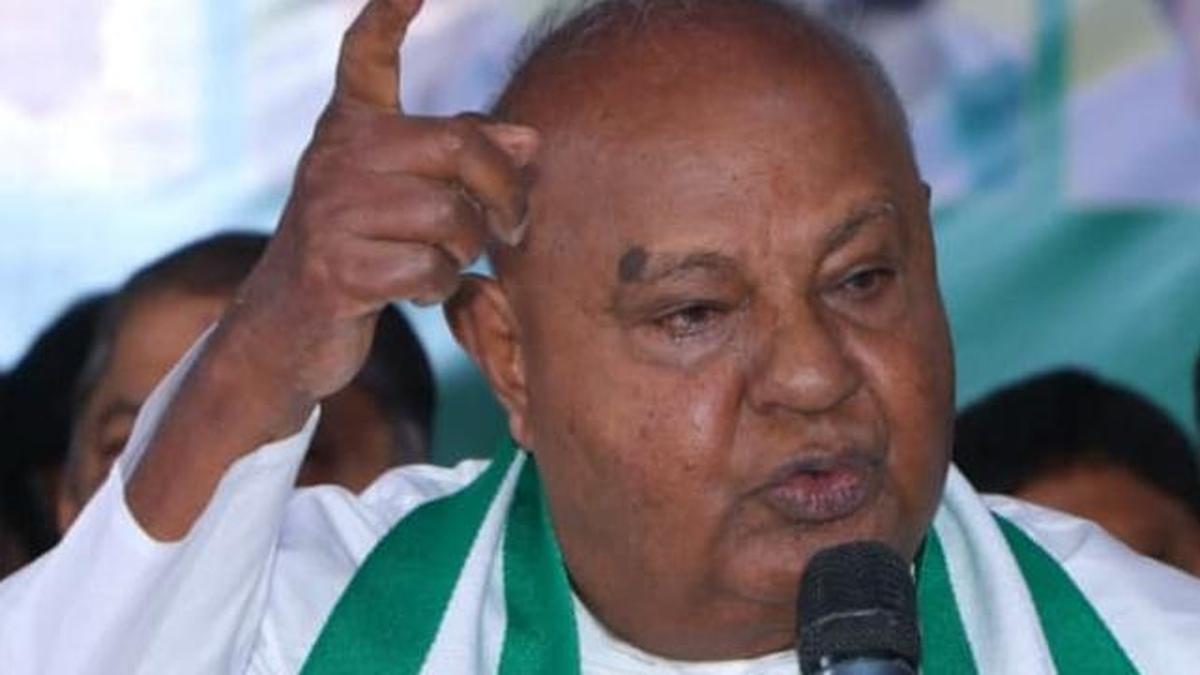
Janata Dal (Secular) will contest the upcoming local bodies elections independently, party patriarch and former Prime Minister H.D. Deve Gowda (HDD) announced on Tuesday, marking a significant political statement ahead of grassroots-level polls in Karnataka. The declaration underscores the party’s intent to reassert its independent political identity and reconnect directly with voters, even as alliance politics continue to reshape the state’s political landscape.

The announcement has triggered a flurry of activity within the JD(S) organisation, with district and taluk-level units beginning preparations for an independent campaign. Party offices across the state have been asked to compile detailed reports on local issues, potential candidates, and booth-level strengths and weaknesses. Leaders say this exercise will help the party tailor its campaign to the specific needs and concerns of each constituency rather than relying on broad, alliance-driven narratives.

Candidate selection is expected to be a critical factor in determining the party’s performance. Senior leaders indicated that preference would be given to individuals with strong local credibility, clean public images, and a proven record of community engagement. The leadership is also considering measures to ensure adequate representation for women, youth, and marginalised communities, viewing the local polls as an opportunity to promote inclusive leadership within the party structure.

The party’s decision has also sparked reactions from rival political formations. While some leaders from other parties downplayed JD(S)’s move as symbolic, others privately acknowledged that an independent contest could complicate electoral calculations, especially in closely fought regions. Political strategists note that even a modest vote share secured by JD(S) candidates could influence outcomes in multi-cornered contests.

Within JD(S), the move is being framed as a corrective step after years of alliance politics that, according to some party veterans, diluted its ideological identity. Leaders argue that constant adjustments to accommodate larger allies have often confused voters and weakened the party’s grassroots machinery. Contesting alone, they believe, offers a chance to reassert clarity and rebuild trust among traditional supporters.

H.D. Deve Gowda’s role in shaping the decision has also drawn attention. Despite his advanced age, the former Prime Minister continues to exert significant influence over the party’s strategic direction. His emphasis on grassroots democracy and local governance resonates strongly with long-time supporters, many of whom credit him with building the party’s rural base over decades.

Youth leaders within the party have welcomed the announcement, seeing it as an opportunity to emerge from the shadows of senior leadership. Several young functionaries said that local body elections provide a platform to prove their organisational skills and connect directly with voters. The leadership’s willingness to field fresh faces is being viewed as a positive signal for generational renewal within JD(S).

The decision could also have implications for post-election governance at the local level. In the event of fractured mandates, JD(S) representatives may hold the balance of power in several councils and panchayats. Party leaders have indicated that while they will contest independently, they are open to post-poll cooperation based on development priorities rather than rigid political alignments.HD Deve Gowda Says His Party JD(S) Will Contest Lok Sabha Polls  Independently

Observers note that the success of the strategy will depend heavily on messaging and campaign execution. JD(S) will need to clearly articulate why an independent contest benefits local governance and how it differs from the approaches of rival parties. Effective communication at the grassroots, particularly in rural areas, will be key to mobilising voters.

The broader political context also adds complexity. With state and national elections on the horizon in the coming years, the local body polls are being seen as a testing ground for parties to assess organisational strength and voter mood. For JD(S), the results could influence future decisions on alliances and negotiations at higher levels.

As preparations move into full swing, the party leadership has called for unity and discipline among workers. Internal differences, leaders warned, must be set aside to present a cohesive front to voters. Training programmes, review meetings, and outreach initiatives are being planned to ensure that the organisation is election-ready.

Ultimately, the choice to contest local body elections independently represents both a challenge and an opportunity for JD(S). It offers a chance to reconnect with its roots, energise its cadre, and demonstrate relevance in a competitive political environment. At the same time, it will test the party’s organisational resilience and electoral appeal. The coming months will reveal whether this solo path leads to renewed strength or exposes the hurdles the party must overcome to remain a significant force in Karnataka politics.

Speaking to party leaders and the media, Deve Gowda said the decision was taken after detailed consultations within the party, keeping in mind the long-term interests of JD(S) and the importance of strengthening its base at the local level. He stressed that local body elections are fundamentally different from Assembly or Parliamentary contests and should focus on grassroots leadership, local governance, and people-centric development rather than broader alliance compulsions.

The announcement has sparked fresh political debate, with analysts interpreting it as a strategic move aimed at revitalising the party’s organisational strength and testing its independent appeal among voters, particularly in its traditional strongholds.


Emphasis on Grassroots Identity and Cadre Strength

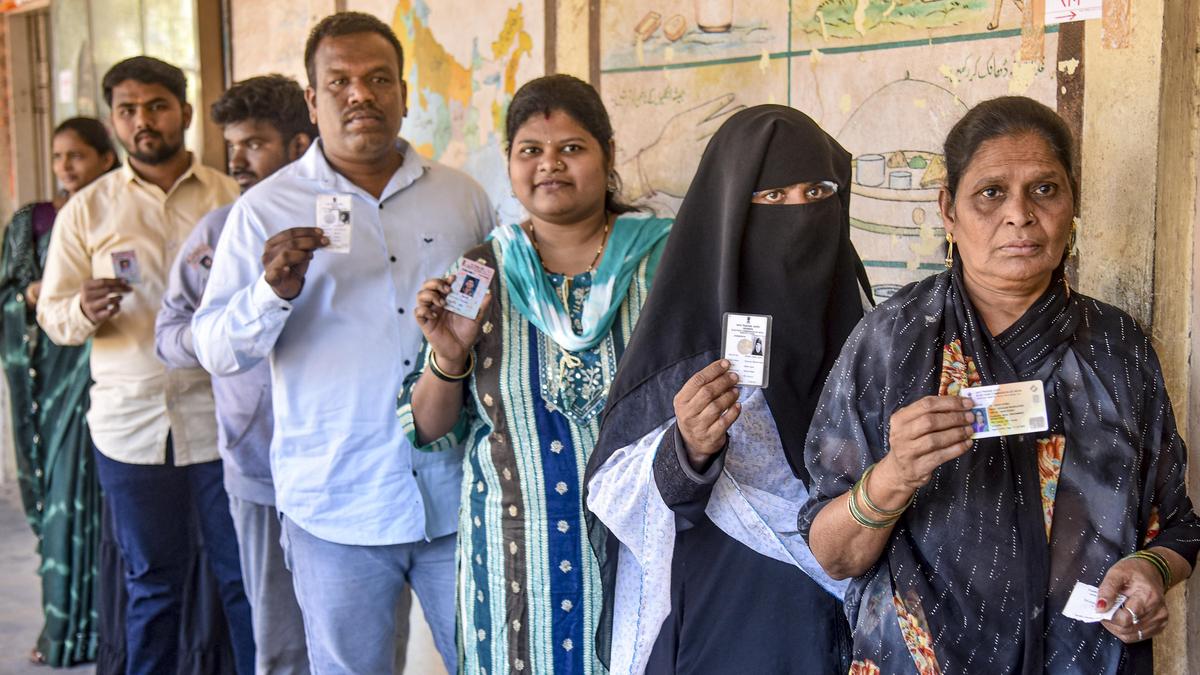
H.D. Deve Gowda emphasised that local bodies such as gram panchayats, taluk panchayats, and zilla panchayats form the backbone of democracy and should not be treated merely as extensions of state- or national-level political alignments. According to him, JD(S) has a strong history of nurturing grassroots leaders who understand local issues and are capable of delivering results without depending on alliances.Claims of fake votes, fraud mar local body polls in Maharashtra - The Hindu
He noted that contesting independently would allow the party to give opportunities to committed workers who may otherwise be sidelined in alliance arrangements. By fielding its own candidates, JD(S) aims to energise its cadre, strengthen booth-level organisation, and rebuild direct engagement with voters across rural and semi-urban areas.

Senior party leaders echoed this sentiment, stating that alliances at the local level often create confusion among voters and workers alike. An independent contest, they argued, would provide clarity of purpose and messaging, helping JD(S) re-establish its ideological and organisational distinctiveness.

The leadership also highlighted that local elections are an opportunity to identify and groom future leaders. Winning or losing aside, the process of contesting independently is seen as crucial for assessing ground realities, understanding voter expectations, and preparing the party for future electoral battles.


Political Calculations and Alliance Dynamics: Janata Dal

The decision to go solo comes amid evolving alliance equations in Karnataka politics. While JD(S) has, at various times, aligned with both national parties at higher levels, Deve Gowda made it clear that such arrangements do not necessarily translate well to local governance structures.

Political observers believe the move reflects a careful balancing act. On one hand, JD(S) seeks to preserve flexibility in state and national politics; on the other, it wants to avoid being perceived as overly dependent on larger parties. Contesting local body elections independently allows the party to demonstrate relevance and bargaining power rooted in actual electoral performance rather than negotiated alliances.

There is also a strategic element tied to regional influence. JD(S) has traditionally enjoyed support in certain districts and regions, where local leaders wield significant influence irrespective of broader political trends. An independent contest could help consolidate these pockets of strength and potentially expand them if the party’s messaging resonates with voters dissatisfied with mainstream politics.

However, analysts caution that the decision is not without risks. Multi-cornered contests could split votes and benefit rival parties, especially in areas where JD(S) support has weakened in recent years. Much will depend on candidate selection, campaign coherence, and the party’s ability to mobilise its organisation effectively on the ground.


Message to Workers, Voters, and the Political Arena

For party workers, Deve Gowda’s announcement is being seen as a morale booster. Many at the grassroots level have long argued that local elections should prioritise committed workers with deep community ties rather than alliance-driven compromises. The decision reassures them that the leadership is willing to invest in rebuilding the party from the bottom up.JD (S) will contest local bodies elections independently, says HDD - The  Hindu
The message to voters is equally significant. By choosing to contest independently, JD(S) is positioning itself as a party focused on local governance issues such as drinking water, sanitation, rural roads, agriculture support, and employment generation. Leaders have indicated that the campaign will centre on practical solutions and accountability rather than high-pitched ideological rhetoric.

From a broader political perspective, the announcement adds a new layer of complexity to Karnataka’s electoral landscape. Other parties will now have to recalibrate their strategies, particularly in regions where JD(S) retains influence. The possibility of triangular or multi-cornered contests could alter traditional voting patterns and outcomes.

Deve Gowda also made it clear that the party remains open to issue-based cooperation in governance bodies after the elections, if required in the interest of development. However, he stressed that electoral independence is essential to protect the party’s core values and long-term vision.

As preparations for the local bodies elections gather pace, JD(S)’s decision to go it alone will be closely watched. Whether it leads to a resurgence of the party’s grassroots strength or exposes organisational challenges, the move marks a decisive moment in its political journey. For now, the message from the veteran leader is unmistakable: JD(S) intends to chart its own course at the local level, placing faith in its workers, its legacy, and the voters it seeks to serve.

Follow: Karnataka Government

Also read: Home | Channel 6 Network – Latest News, Breaking Updates: Politics, Business, Tech & More
2 Lives Lost in Cylinder Blast Near Mysuru Palace: Tragic Turn

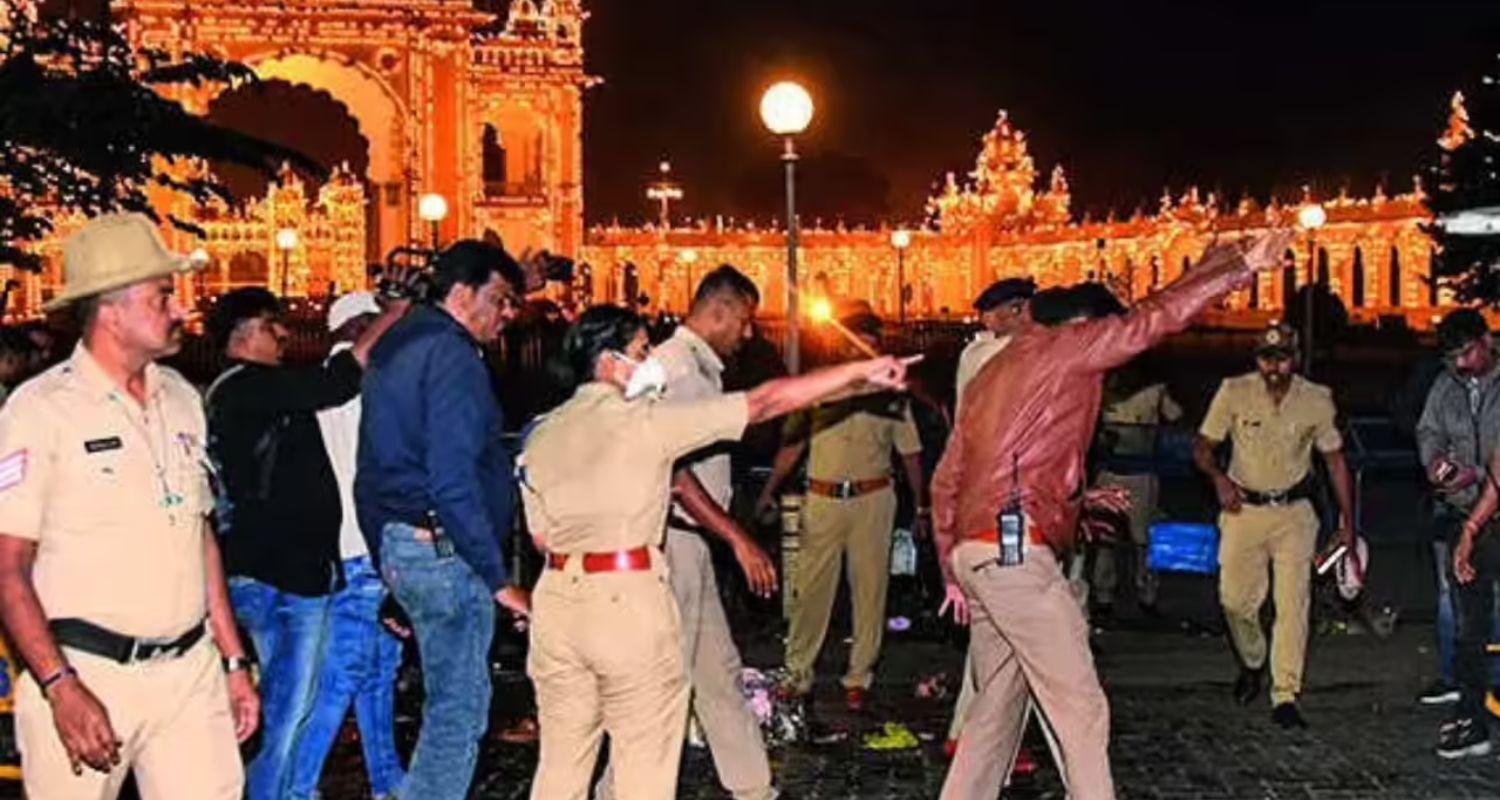
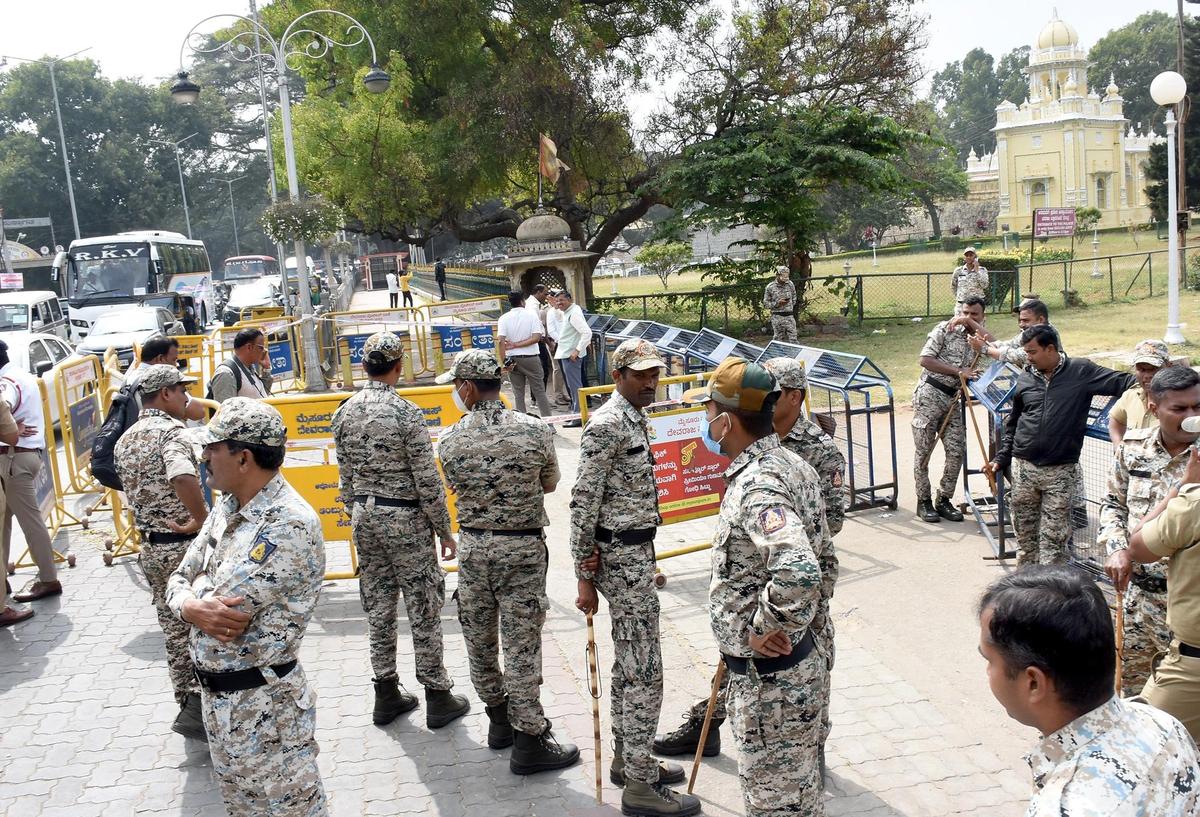
The death toll in the cylinder blast that occurred near the iconic Mysuru Palace has risen to two, deepening shock and grief across the city. The incident, which took place in a densely populated area close to the heritage site, has raised serious concerns about public safety, handling of gas cylinders, and emergency preparedness in busy urban zones. Authorities confirmed that one more victim succumbed to injuries while undergoing treatment at a hospital, taking the total number of fatalities to two.

The blast, reportedly caused by a gas cylinder explosion, occurred amid regular activity in the area, triggering panic among residents, shopkeepers, and tourists. Emergency services rushed to the spot soon after the explosion, evacuating the injured and securing the area to prevent further damage. The incident has prompted a detailed investigation by police and fire department officials to determine the exact cause and fix accountability.

As Mysuru mourns the loss of two lives, the cylinder blast near the palace stands as a stark reminder of the dangers posed by lapses in safety. Officials emphasise that strict compliance with safety regulations, regular inspections, and public awareness are crucial to preventing such tragic incidents in the future.

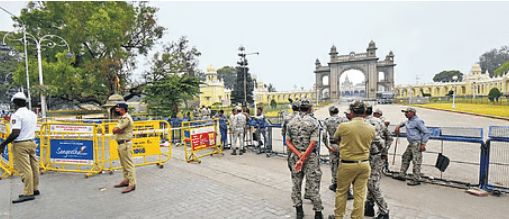
Local authorities have assured that all necessary steps are being taken to support the affected families while also reviewing safety measures to prevent similar incidents in the future.Death toll in cylinder blast near Mysuru palace rises to two - The Hindu


Authorities have intensified monitoring in and around the Mysuru Palace area following the blast, given its status as a major tourist attraction and a high-security zone. Police patrols have been increased, and civic officials have begun inspecting nearby commercial establishments to ensure that no hazardous materials are being stored illegally or without proper safeguards. The aim, officials said, is to restore public confidence and ensure that visitors and residents feel safe in the vicinity.

Hospital authorities treating the injured revealed that several victims are still under observation, with some suffering from serious burn injuries and trauma-related complications. Doctors noted that gas cylinder blasts often cause complex injuries due to a combination of fire, pressure waves, and flying debris. Medical teams are providing specialised care, including burn management and psychological counselling, as families anxiously await updates on their loved ones’ recovery.

The incident has also prompted the city administration to review emergency response mechanisms. Senior officials acknowledged that while first responders reached the site quickly, there is room for improvement in crowd management, access for ambulances, and coordination between departments. Plans are being discussed to conduct mock drills in busy areas, especially near heritage and tourist locations, to improve preparedness for fire and explosion-related emergencies.

Urban safety experts have pointed out that rapid commercialisation around heritage zones often leads to safety compromises. Temporary stalls, eateries, and storage units frequently operate in confined spaces with limited oversight. Experts argue that stricter zoning regulations and periodic audits are necessary to ensure that economic activity does not come at the cost of public safety, particularly in areas that attract large crowds daily.

The blast has reignited debate over the use of domestic and commercial gas cylinders in public spaces. While regulations mandate specific standards for storage, ventilation, and handling, enforcement remains inconsistent. Safety advocates are calling for mandatory training for workers who handle cylinders, clear labelling of expiry dates, and harsher penalties for unauthorised refilling or misuse.

Residents living near the blast site described lingering fear and anxiety even hours after the explosion. Many said the loud sound and sudden chaos reminded them of the potential dangers of living or working near crowded commercial hubs. Some families temporarily moved children and elderly members away from the area, underscoring the psychological impact such incidents have on communities.

Political leaders across party lines expressed condolences to the bereaved families and urged the government to take firm action. Several representatives demanded a detailed public report on the causes of the blast and the steps being taken to prevent recurrence. They emphasised that accountability must be fixed if negligence or regulatory failure is established.

Civic authorities have also appealed to the public to cooperate during inspections and to report any unsafe practices they observe. Helpline numbers are being circulated for citizens to flag concerns related to gas storage, illegal refilling units, or unsafe commercial setups. Officials stressed that public vigilance is a critical component of urban safety and can help authorities act before accidents occur.

From an economic perspective, local shopkeepers and vendors expressed concern that stricter enforcement could disrupt livelihoods. However, many also acknowledged that safety lapses put everyone at risk. Trade associations have suggested that the government provide guidance and support to small businesses to help them comply with safety norms without undue financial burden.

As investigations continue, forensic teams are expected to submit their findings in the coming days, which will determine the course of legal action. The final report is likely to address not only the immediate cause of the explosion but also systemic gaps in regulation and enforcement. For Mysuru, a city steeped in history and culture, the tragedy serves as a sobering reminder that safety must remain a priority amid growth and activity.

The district administration has assured assistance to the families of the victims, including compensation as per government norms. Officials have also stated that counselling and support will be provided to those affected by the blast, especially witnesses and injured individuals coping with trauma.

In the aftermath, authorities are considering intensified safety drives, including inspections of gas cylinders in hotels, roadside eateries, shops, and temporary establishments. Awareness campaigns on safe handling and storage of cylinders are also being discussed to minimise risks.

The rising death toll has transformed what initially appeared to be a local accident into a moment of collective introspection for the city. Authorities, residents, and policymakers now face the challenge of ensuring that lessons from this incident lead to concrete changes. Only sustained action, experts warn, can prevent such heartbreaking losses from repeating in the future.

Incident Details and Emergency Response

According to initial reports, the explosion occurred when a gas cylinder suddenly burst, causing a loud blast that was heard across nearby localities. Debris was scattered over a wide area, damaging surrounding structures and leaving several people injured. Eyewitnesses described scenes of chaos as thick smoke enveloped the area and people rushed to help those trapped or injured.

Fire and emergency services responded swiftly, extinguishing residual flames and conducting search operations to ensure no one was trapped under debris. The injured were immediately shifted to nearby hospitals, where doctors treated them for burns and impact-related injuries. Despite medical intervention, two victims could not be saved due to the severity of their injuries.

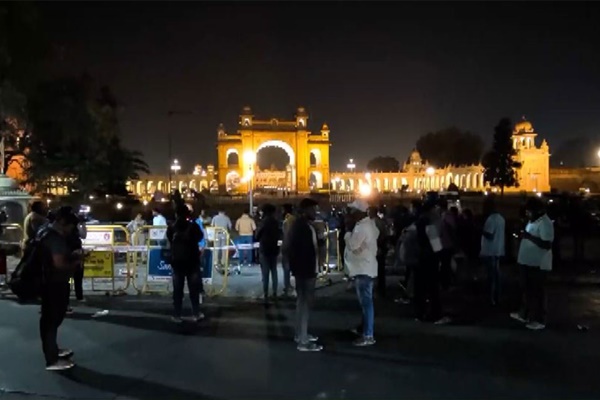
Police officials cordoned off the area as a precautionary measure and temporarily restricted movement near the site, considering the proximity to Mysuru Palace, a major tourist and security-sensitive location. Bomb disposal and forensic teams were also called in to rule out any other hazards and to assist in the investigation.


Investigation Into Cause and Safety Lapses

Authorities have launched a comprehensive investigation to determine what led to the cylinder blast. Preliminary assessments suggest improper handling, leakage, or faulty equipment may have caused the explosion, though officials have not ruled out other possibilities. The police are questioning individuals associated with the premises where the cylinder was stored or used, and records related to procurement and maintenance are being examined.

Safety experts have pointed out that gas cylinders, if not stored and handled according to prescribed norms, can pose serious risks, especially in crowded areas. Factors such as expired cylinders, defective valves, exposure to heat, or unauthorised refilling practices are known to increase the likelihood of explosions. Investigators are expected to submit a detailed report once forensic analysis is complete.

The incident has also drawn attention to regulatory oversight and enforcement. Officials from civic and safety departments are reviewing whether existing guidelines were followed and if regular inspections were conducted. Any lapses identified could lead to legal action under relevant safety and negligence laws.Mysuru Palace Helium Cylinder Blast: Death Toll Rises to Two, Probe Ordered  | DD News On Air


Public Reaction, Support Measures, and Way Forward

The deaths have triggered widespread sorrow and concern among residents of Mysuru, particularly given the location’s prominence and daily footfall. Community members and local leaders have expressed condolences to the families of the deceased and urged authorities to take strict action against negligence. The incident has also sparked discussions on social media, with many calling for tighter safety checks in commercial and residential areas.

The district administration has assured assistance to the families of the victims, including compensation as per government norms. Officials have also stated that counselling and support will be provided to those affected by the blast, especially witnesses and injured individuals coping with trauma.

In the aftermath, authorities are considering intensified safety drives, including inspections of gas cylinders in hotels, roadside eateries, shops, and temporary establishments. Awareness campaigns on safe handling and storage of cylinders are also being discussed to minimise risks.Death toll in helium cylinder blast near Mysuru Palace rises to 3

As Mysuru mourns the loss of two lives, the cylinder blast near the palace stands as a stark reminder of the dangers posed by lapses in safety. Officials emphasise that strict compliance with safety regulations, regular inspections, and public awareness are crucial to preventing such tragic incidents in the future.

Follow: Karnataka Government

Also read: Home | Channel 6 Network – Latest News, Breaking Updates: Politics, Business, Tech & More
5 Hopeful Signals as CM Seeks Blessing for Cabinet Reset: Decisive Moment

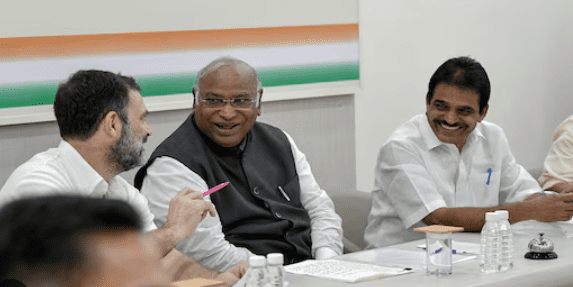
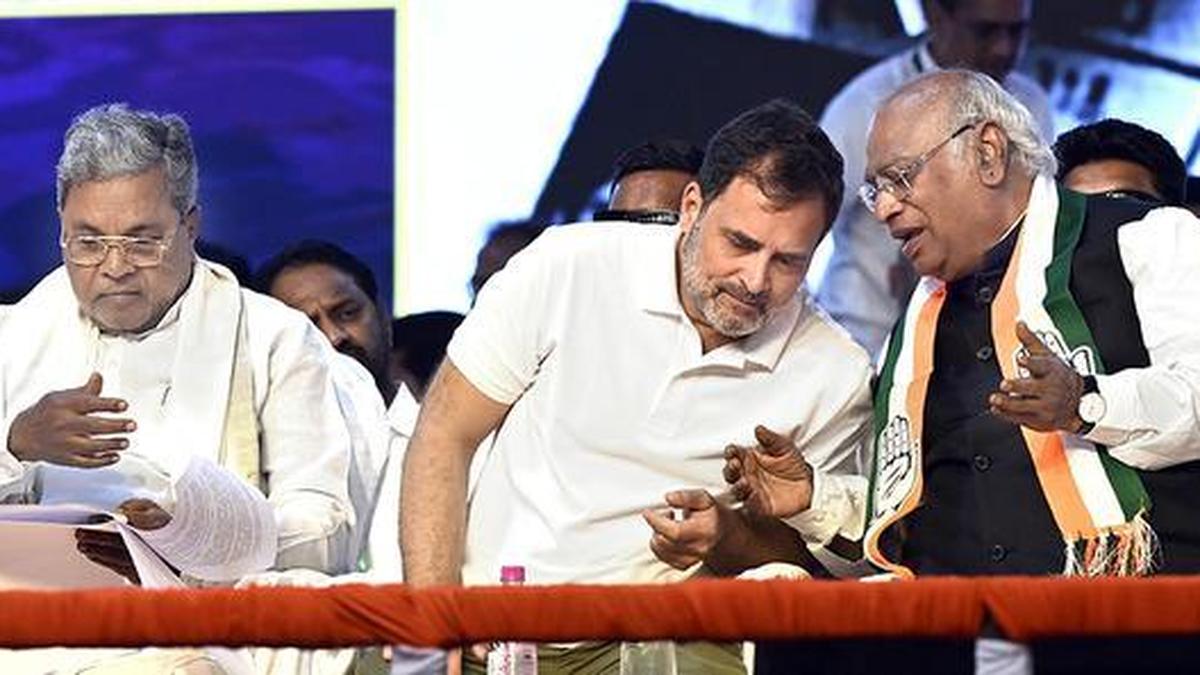
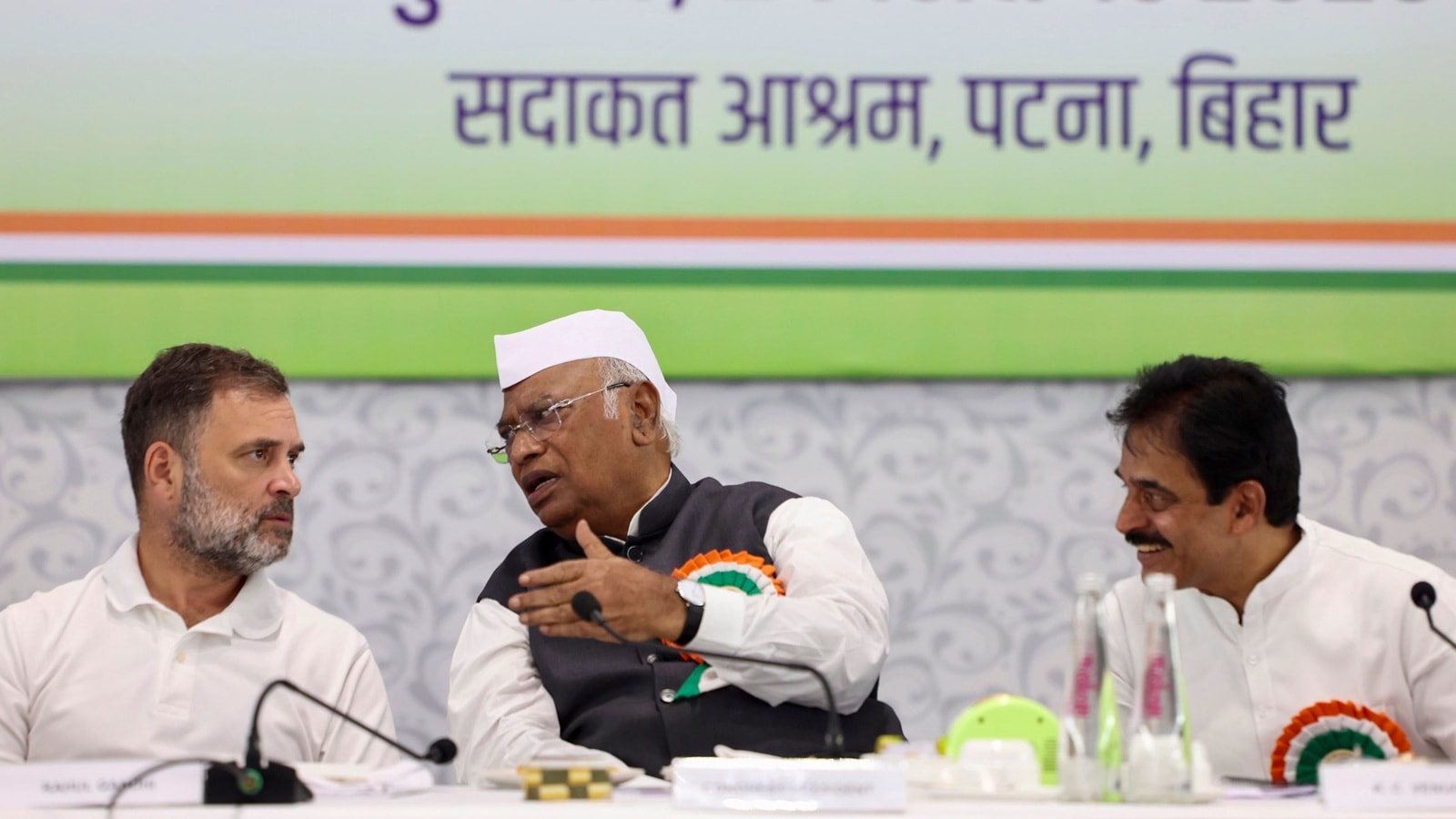
The Chief Minister CM is set to participate in the Congress Working Committee (CWC) meeting today, a development that has intensified political speculation within the party and beyond. Highly placed sources indicate that the Chief Minister is likely to seek the high command’s approval for a long-anticipated Cabinet reshuffle, a move that could significantly reshape the state’s political and administrative landscape. The meeting is being closely watched by party leaders, legislators, and political observers, as it may determine the future course of governance and internal party balance in the months ahead.

The proposed Cabinet reshuffle comes at a critical juncture for the state government. With the administration nearing the midpoint of its term, the leadership is under pressure to address governance challenges, public expectations, and internal dissatisfaction within the ruling party. The Chief Minister’s presence at the CWC meeting is being interpreted as an effort to align state-level decisions with the party’s national leadership, ensuring political backing and organisational cohesion before taking any major step.

Party insiders suggest that the Chief Minister may present a detailed assessment of the government’s performance so far, highlighting achievements while also acknowledging areas that require corrective measures. The reshuffle, if approved, is expected to focus on improving administrative efficiency, accommodating senior leaders who are currently dissatisfied, and rewarding legislators who have demonstrated strong performance or loyalty to the party.CM to participate in CWC meeting today, likely to seek high command's nod  for Cabinet reshuffle - The Hindu

The CWC, as the highest decision-making body of the Congress, plays a crucial role in approving or advising on such significant political moves. The Chief Minister’s outreach to the high command underscores the importance of consensus-building within the party, especially at a time when unity and stability are seen as essential for sustaining public confidence and electoral strength.


Strategic Calculations Behind the Cabinet Reshuffle: CM

The possibility of a Cabinet reshuffle has been the subject of intense discussion within political circles for several weeks. Multiple factors are believed to be driving the move, including governance feedback, regional representation, caste and community balance, and the need to inject fresh energy into the administration. Sources within the party indicate that the Chief Minister has received mixed feedback on the performance of certain ministers, prompting a review of portfolios and responsibilities.

One of the key objectives of the reshuffle is expected to be course correction. While the government has rolled out several welfare schemes and policy initiatives, there have been concerns about delays in implementation, coordination gaps between departments, and communication failures at the grassroots level. A reallocation of portfolios or induction of new faces could help address these issues and project an image of responsiveness and accountability.

Political considerations are also central to the reshuffle calculus. Several legislators who played a significant role in the party’s electoral victory are said to be aspiring for ministerial berths. At the same time, there are reports of dissatisfaction among some senior leaders who feel marginalised within the current Cabinet. Balancing these competing interests without triggering internal dissent is one of the biggest challenges facing the Chief Minister.

The high command’s approval is seen as crucial in this context. By seeking the CWC’s nod, the Chief Minister aims to ensure that the reshuffle is viewed as a collective party decision rather than a unilateral move. This approach could help mitigate backlash from leaders who may be dropped or reassigned and reinforce the message that the changes are being made in the larger interest of governance and party unity.

Observers also point out that the reshuffle may be used to strengthen the party’s organisational base. Inducting leaders with strong grassroots connect or administrative experience could improve coordination between the government and the party organisation, a factor considered vital ahead of upcoming elections and political challenges.On hiatus for a long time': At Congress CWC Patna meeting, Mallikarjun  Kharge launches double attack on BJP, Nitish | Patna News - The Indian  Express


High Command’s Role and Internal Party Dynamics

The Congress high command’s role in state-level decisions has always been a defining feature of the party’s organisational structure. The CWC meeting provides a platform for senior leaders to deliberate on political strategy, governance issues, and organisational matters across states. The Chief Minister’s participation today is expected to include detailed discussions not only on the Cabinet reshuffle but also on the broader political situation in the state.

Sources suggest that the high command may seek assurances on several fronts before giving its approval. These include maintaining social and regional balance in the Cabinet, ensuring representation for key communities, and avoiding moves that could destabilise the government or weaken the party’s internal cohesion. The leadership is also likely to assess how the reshuffle could impact the party’s public image and electoral prospects.

Internal party dynamics will play a significant role in shaping the final decision. While some leaders have been openly advocating for change, others are reportedly wary of a reshuffle, fearing loss of influence or uncertainty. The high command’s intervention is expected to act as a balancing force, mediating between competing factions and ensuring that no single group feels disproportionately disadvantaged.

The Chief Minister’s relationship with the central leadership is also under scrutiny. By proactively engaging with the CWC, the Chief Minister is seen as reaffirming loyalty to the party’s collective leadership and willingness to work within its framework. This gesture is likely to be viewed positively, especially in a party that places a premium on consultation and consensus.

At the same time, political analysts caution that expectations within the party are high. Any delay or perceived indecision following the CWC meeting could fuel speculation and discontent. Conversely, a swift and well-calibrated reshuffle, backed by the high command, could help the government regain momentum and project stability.


Political Implications and What Lies Ahead

The outcome of today’s CWC meeting could have far-reaching implications for the state’s political landscape. If the high command gives its nod, the Cabinet reshuffle could be announced in the coming days, setting the stage for a renewed push on governance and policy delivery. Such a move would signal that the leadership is responsive to feedback and willing to make tough decisions to improve performance.

For the opposition, the developments present both a challenge and an opportunity. A reshuffle could blunt criticism of the government by addressing perceived weaknesses, but it could also open up new lines of attack if the changes are seen as cosmetic or driven purely by political compulsions. Opposition leaders are expected to closely scrutinise the reshuffle, questioning the rationale behind inclusions and exclusions.

From a governance perspective, citizens and civil society groups will be watching whether the reshuffle leads to tangible improvements in service delivery, transparency, and responsiveness. Ultimately, the success of any Cabinet reconfiguration will be judged not by political equations alone but by its impact on everyday administration and public welfare.

As the Chief Minister heads into the CWC meeting, the atmosphere is one of cautious anticipation. The decisions taken today could define the next phase of the government’s journey, shaping not only internal party dynamics but also the broader narrative around leadership, accountability, and reform. Whether the reshuffle becomes a turning point or merely a political adjustment will depend on how decisively and thoughtfully it is executed in the days ahead.Congress Working Committee to decide future course of action on VB-G RAM G:  Kannan Gopinathan - The Hindu

In parallel, senior bureaucrats are also closely tracking the developments, as a Cabinet reshuffle often brings significant administrative realignments. Changes in ministerial portfolios can influence policy priorities, funding decisions, and the pace of ongoing projects. Officials are preparing contingency plans to ensure continuity of governance in case key departments see new leadership, underscoring the far-reaching impact such political decisions have beyond party circles.

Within the ruling party’s legislative wing, anticipation is palpable. Lawmakers who have been lobbying for ministerial positions are hopeful that the reshuffle will open doors for elevation, while those currently holding portfolios are anxious about their political future. Informal meetings and consultations have reportedly intensified in recent days, reflecting the delicate balancing act the leadership must perform to prevent factionalism or resentment.

The timing of the possible reshuffle is also significant from an electoral standpoint. With local body elections and other political milestones on the horizon, the party leadership is keen to ensure that the government projects unity, competence, and renewed energy. Analysts believe that refreshing the Cabinet now could help the party recalibrate its messaging and reconnect with key voter segments before entering a more politically sensitive phase.

Meanwhile, public perception remains a crucial factor. Citizens grappling with everyday issues such as inflation, employment, and service delivery are less concerned with internal party dynamics and more focused on outcomes. Political observers note that a reshuffle will only gain public approval if it translates into visible improvements on the ground, rather than being perceived as an exercise in political accommodation.

As the day progresses, attention remains firmly fixed on the deliberations of the Congress Working Committee. The Chief Minister’s discussions with the high command are expected to shape not only the immediate question of a Cabinet reshuffle but also the broader roadmap for governance and party strategy. The coming days will reveal whether today’s meeting marks the beginning of a decisive reset or merely another chapter in the ongoing process of political fine-tuning.

Follow: Karnataka Government

Also read: Home | Channel 6 Network – Latest News, Breaking Updates: Politics, Business, Tech & More
Thailand Cambodia Ceasefire: Big Agreement Ends Deadly Border Conflict

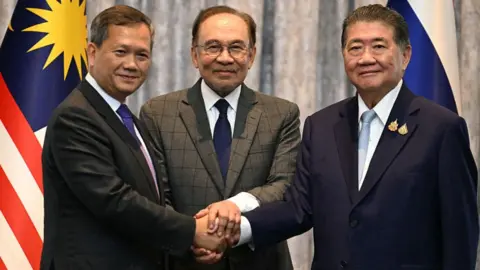
Thailand – Thailand and Cambodia have reached a landmark Thailand Cambodia ceasefire agreement to end weeks of devastating fighting along their shared border. The conflict, which has claimed more than 100 lives and displaced over half a million civilians in both countries, came to a halt on Saturday following intensive negotiations between the two Southeast Asian neighbors.

Joint Statement and Immediate Implementation

The Thailand Cambodia ceasefire was formalized through a joint statement signed by defense ministers from both nations on Saturday. Thai Defence Minister Natthaphon Narkphanit and his Cambodian counterpart Tea Seiha signed the historic agreement, marking the end of 20 days of fierce fighting—the worst between the two countries in years.

“Both sides agree to an immediate ceasefire after the time of signature of this Joint Statement,” the defense ministers declared in their joint announcement, establishing the framework for the Thailand Cambodia ceasefire.

The Thailand Cambodia ceasefire officially took effect at noon local time (05:00 GMT) on Saturday, bringing relief to hundreds of thousands of civilians who have endured weeks of bombardment and military operations along the border region.

Comprehensive Terms of Agreement

The Thailand Cambodia ceasefire extends to “all types of weapons” and prohibits “attacks on civilians, civilian objects and infrastructures, and military objectives of either side, in all cases and all areas.” This comprehensive coverage aims to ensure complete cessation of hostilities across the entire border region.

Under the terms of the Thailand Cambodia ceasefire, both sides have agreed to maintain current troop deployments without further movement. This provision prevents any military repositioning that could be interpreted as threatening or provocative by either party.

The agreement includes specific provisions for de-escalation, with both countries committing to refrain from taking “provocative actions that may escalate tensions” and avoiding “disseminating false information” that could undermine the fragile peace.

Prisoner Exchange Provision

An important component of the Thailand Cambodia ceasefire involves the return of captured soldiers. Thailand has agreed to release 18 Cambodian soldiers captured in previous clashes within 72 hours after the ceasefire “has been fully maintained.”

This prisoner exchange represents a significant confidence-building measure within the Thailand Cambodia ceasefire framework, demonstrating both nations’ commitment to normalizing relations and addressing humanitarian concerns arising from the conflict.

Ground Reality and Implementation Challenges

Reports from the Cambodian border city of Poipet indicate that the “guns have fallen silent” as both sides adhered to the Thailand Cambodia ceasefire. However, observers noted that intense firing continued right up until the moment the ceasefire took effect at noon.

“Right up until the point of that ceasefire being implemented, there was some intense firing going on… really, really intense – right up until that moment. And it kind of gives you the idea of how fragile this actually is,” according to reports from the border region.

This last-minute intensity of combat raises questions about the durability of the Thailand Cambodia ceasefire and whether both sides will maintain their commitment to peace as tensions remain high along the disputed border.

ASEAN Monitoring Mechanism

To ensure proper implementation of the Thailand Cambodia ceasefire, the agreement establishes a monitoring mechanism involving the Association of Southeast Asian Nations (ASEAN). A team of ASEAN observers will oversee compliance with the ceasefire terms and verify that both parties adhere to their commitments.

The involvement of ASEAN in monitoring the Thailand Cambodia ceasefire provides an important multilateral dimension to the peace process, offering an impartial mechanism for resolving disputes and verifying compliance with ceasefire terms.

Both countries have also agreed to maintain open communication channels “to resolve” any possible issues that may arise on the ground during implementation of the Thailand Cambodia ceasefire.

Humanitarian Crisis and Displacement

The conflict that the Thailand Cambodia ceasefire aims to end has created a massive humanitarian crisis. More than half a million civilians—approximately 500,000 people—have been displaced from their homes in both countries due to the fighting.

The December 15 air strikes in Cambodia’s Siem Reap province resulted in mass evacuations as residents fled bombardment. These civilians now face the difficult decision of when to return home, with many likely waiting to ensure the Thailand Cambodia ceasefire holds before making any moves.

Critical 72-Hour Period

The next 72 hours represent a crucial test for the Thailand Cambodia ceasefire’s viability. Observers emphasize that hundreds of thousands of displaced civilians will not make any move to return home until their safety is ensured and the ceasefire demonstrates stability.

Also Read: Trump Zelensky Meeting: Critical Peace Talks Set for Florida Summit

The 72-hour period also marks the deadline for Thailand to return the 18 captured Cambodian soldiers, making this timeframe doubly significant for building trust and demonstrating both nations’ commitment to the Thailand Cambodia ceasefire agreement.

Looking Forward

The Thailand Cambodia ceasefire represents a significant diplomatic achievement for both nations and ASEAN as a regional organization. However, the underlying border disputes that sparked the conflict remain unresolved, raising questions about long-term stability.

The success of the Thailand Cambodia ceasefire will depend on both countries’ willingness to engage in meaningful dialogue about territorial issues while maintaining their commitment to peace. The involvement of ASEAN observers and the establishment of communication channels provide mechanisms for addressing challenges as they arise, offering hope that this ceasefire can transition into lasting peace.

CBI Challenges Sengar Sentence Suspension: Critical Supreme Court Appeal Filed

0

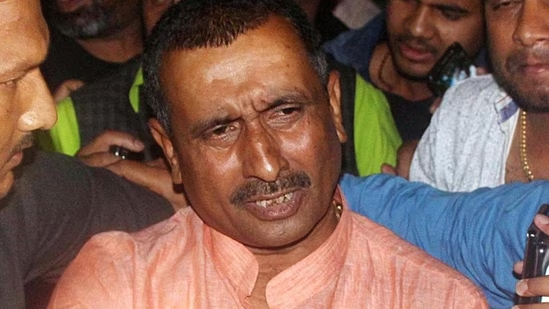
New Delhi – The Central Bureau of Investigation has taken decisive legal action as CBI challenges Sengar sentence suspension before the Supreme Court. The agency filed a Special Leave Petition on Friday against the Delhi High Court’s controversial decision to suspend the life imprisonment sentence of expelled Bharatiya Janata Party leader Kuldeep Singh Sengar in the 2017 Unnao rape case.

Special Leave Petition Filed

The move where CBI challenges Sengar sentence suspension came through an official filing titled “CBI Vs Kuldeep Singh Senger” before the Supreme Court. An official spokesperson of the agency confirmed the filing, emphasizing the gravity of the case and the importance of ensuring justice for the victim.

“Special leave petition filed on Friday before the Supreme Court against the orders of Delhi high court which suspended the sentence and granted bail to accused K S Senger in Unnao rape case,” the CBI spokesperson stated, outlining the agency’s formal challenge to the high court’s decision.

This legal action where CBI challenges Sengar sentence suspension represents the agency’s commitment to pursuing justice in one of India’s most prominent sexual assault cases involving a political figure.

Background of Original Conviction

The context in which CBI challenges Sengar sentence suspension involves Sengar’s December 2019 conviction to life imprisonment along with a fine of ₹25 lakh. This conviction came after a thorough investigation and trial that examined evidence of sexual assault against a minor victim.

Following his conviction, Sengar filed an appeal against the conviction before the Delhi High Court in January 2020. Subsequently, he filed a petition for suspension of sentence in March 2022, which became the subject of prolonged legal proceedings.

The CBI spokesperson recalled that this suspension petition was “vehemently opposed by CBI and the victim through their counsels,” indicating the agency’s consistent position against any leniency in the case. The fact that CBI challenges Sengar sentence suspension demonstrates continuity in this opposition.

Delhi High Court’s Controversial Decision

The December 23 order that prompted CBI challenges Sengar sentence suspension came from a bench comprising Justices Subramonium Prasad and Harish Vaidynathan Shankar. The high court noted that Sengar had already undergone the minimum punishment prescribed under Section 4 of the Protection of Children from Sexual Offences (POCSO) Act before its 2019 amendment.

“The appellant was sentenced for the remainder of his life, and as on November 30, 2025, he has spent about 7 years and 5 months under incarceration, which is more than the minimum punishment prescribed under Section 4 of the Pocso Act, as it existed at the time when the offence was committed,” the high court observed.

Importantly, Sengar remains incarcerated as he is serving a separate 10-year imprisonment sentence in another CBI case for murder, a fact that adds complexity to the situation where CBI challenges Sengar sentence suspension.

CBI’s Legal Arguments

According to an officer familiar with the case who spoke on condition of anonymity, the grounds on which CBI challenges Sengar sentence suspension center on the strength of evidence and testimony. The agency contends that the high court erred in suspending the sentence, as the rape survivor’s testimony and collected evidence conclusively established Sengar’s role.

Also Read: Atal Canteens Delhi Launch: Revolutionary Rs. 5 Meals for Urban Poor

The trial court judge’s December 2019 conviction order had specifically noted that “the evidence given by the victim that she was assaulted is unblemished, truthful and of sterling quality to arrive at the conclusion that she was sexually assaulted by accused Kuldeep Singh Senger,” a second officer confirmed.

This assessment of evidence quality forms a crucial part of why CBI challenges Sengar sentence suspension, arguing that such compelling testimony warrants the original life sentence.

Technical Legal Question at Heart

The reason CBI challenges Sengar sentence suspension involves a complex statutory interpretation issue: whether a legislator qualifies as a “public servant” under the POCSO Act. The Delhi High Court’s prima facie finding suggested that Sengar, despite being an elected MLA at the time of the offence, does not fall within the “public servant” category under Section 5(c) of POCSO or Section 376(2)(b) of the Indian Penal Code.

This classification carries enormous legal consequences. A public servant receives a higher sentence than someone who is not a public servant. If the accused is not deemed a “public servant,” the offence falls under Section 4 of POCSO, prescribing a minimum of 7 years’ rigorous imprisonment (10 years under the 2019 amendment), extendable to life.

In contrast, if classified as a public servant, the minimum sentence ranges from 20 years to life imprisonment under Section 5. The distinction explains why CBI challenges Sengar sentence suspension so vigorously—the classification fundamentally alters the severity of punishment.

Implications for Justice System

The case where CBI challenges Sengar sentence suspension raises broader questions about accountability for elected officials accused of serious crimes. The determination of whether legislators constitute “public servants” under sexual assault laws has far-reaching implications for similar future cases.

The Supreme Court’s eventual ruling on this matter where CBI challenges Sengar sentence suspension will likely establish important precedent regarding statutory interpretation of public servant definitions and appropriate sentencing for elected officials convicted of sexual offences against minors.

As the legal battle continues, the victim and advocacy groups await the Supreme Court’s decision, hoping for justice and deterrence against powerful individuals who abuse their positions.

Delhi 13 Districts: Revolutionary Administrative Restructuring From January 2026

0

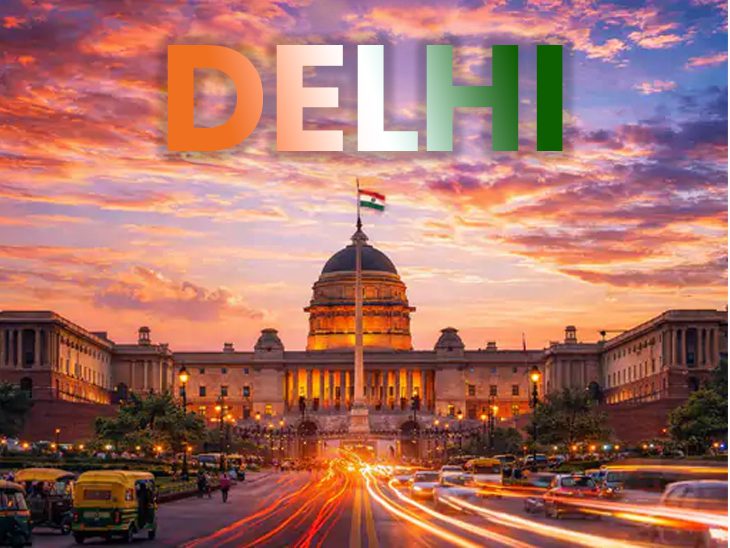
New Delhi – The Delhi government has officially notified a comprehensive administrative restructuring that will transform the Capital’s district framework. The Delhi 13 districts system will replace the existing 11 revenue districts, representing a major overhaul designed to streamline service delivery, eliminate jurisdictional overlaps, and enhance coordination with civic agencies. This transformative change takes effect on January 1, 2026.

Cabinet Approval and Official Notification

The reorganization creating Delhi 13 districts received approval from the Delhi cabinet on December 11 and was formally notified on Thursday after receiving the lieutenant governor’s assent. This restructuring represents one of the most significant administrative reforms undertaken by the Capital in recent years.

The primary objective behind establishing Delhi 13 districts involves aligning revenue district boundaries with those of the Municipal Corporation of Delhi (MCD). This alignment addresses long-standing administrative challenges that have plagued efficient governance and service delivery across the Capital.

Historical Challenges Addressed

Officials emphasized that mismatched boundaries have historically caused substantial delays in grievance redressal, enforcement actions, land record management, and disaster planning activities. The Delhi 13 districts framework directly tackles these operational inefficiencies that have frustrated both administrators and citizens.

The previous system created situations where residents of certain colonies fell under one revenue district but were linked to a different municipal zone. This jurisdictional confusion frequently delayed complaint resolution and complicated disaster management planning, creating unnecessary bureaucratic obstacles for Delhi’s residents.

New District Configuration

Under the Delhi 13 districts structure, the revenue districts will be: South East, Old Delhi, North, New Delhi, Central, Central North, South West, Outer North, North West, North East, East, South, and West. This represents a strategic reorganization that considers population density, geographic coverage, and administrative efficiency.

The former Shahdara district has been removed from the Delhi 13 districts configuration, while three entirely new districts have been created: Old Delhi, Central North, and Outer North. These additions reflect demographic changes and the need for more focused administrative attention in high-density areas.

The number of sub-divisions and sub-registrar offices will increase substantially from 22 to 39 under the Delhi 13 districts system, ensuring more localized service delivery and reducing the distance citizens must travel to access government services.

Composition of New Districts

The three new districts within the Delhi 13 districts framework have clearly defined jurisdictions. Old Delhi will encompass Sadar Bazar and Chandni Chowk, two historically significant and densely populated areas requiring dedicated administrative focus.

Central North under the Delhi 13 districts system will cover Shakur Basti, Shalimar Bagh, and Model Town, combining residential neighborhoods that share common developmental needs and challenges.

Outer North in the Delhi 13 districts configuration will include Mundka, Narela, and Bawana, focusing on areas that have experienced rapid urbanization and require enhanced administrative infrastructure.

Workload Balancing and Efficiency

A senior official explained that several districts had become excessively large and congested over time, leading to significant backlogs in routine revenue services. “The redistribution is aimed at balancing workloads and ensuring quicker response times, particularly in high-density areas,” the official stated regarding the Delhi 13 districts reorganization.

Also Read: Atal Canteens Delhi Launch: Revolutionary Rs. 5 Meals for Urban Poor

This rebalancing represents a proactive approach to managing Delhi’s growing population and increasing demands for government services, ensuring that no single district becomes overwhelmed with administrative responsibilities.

Mini Secretariats: One-Stop Service Hubs

A revolutionary feature of the Delhi 13 districts restructuring involves creating district-level Mini Secretariats in each district. These integrated hubs will house Revenue, SDM (Sub-Divisional Magistrate), ADM (Additional District Magistrate), Tehsil, and Sub-Registrar offices, along with other public-facing departments—all under one roof.

Currently, citizens must visit multiple offices across different locations for services like property registration, affidavits, and certificates. The Delhi 13 districts Mini Secretariats will eliminate this inconvenience, providing comprehensive services at single locations.

Until these Mini Secretariats become operational, the government has designated existing SRO and SDM offices to function as interim service points in each district under the Delhi 13 districts framework, ensuring continuity during the transition period.

Improved Coordination Benefits

Officials highlighted that one of the key drivers behind establishing Delhi 13 districts was addressing the persistent mismatch between revenue and municipal boundaries. Aligning these boundaries is expected to significantly improve coordination during inspections, enforcement drives, and urban planning exercises.

“The aim is to make district administration more accessible. Citizens should not have to travel between offices for closely linked services,” a senior government official explained regarding the Delhi 13 districts initiative.

Financial Commitment and Timeline

The government has sanctioned ₹25 crore in the current financial year for the first phase of the Delhi 13 districts transition. This substantial investment demonstrates the administration’s commitment to ensuring smooth implementation of the restructuring.

Officials expect the Delhi 13 districts framework and associated sub-divisions to be fully operational by the end of December 2025, just before the official January 1, 2026 implementation date.

The restructuring will be closely monitored to ensure that routine services are not disrupted during the transition, with contingency plans in place to address any implementation challenges that may arise as Delhi 13 districts becomes operational.

CM Testimony Assault Case: Court Orders Critical In-Camera Proceedings

0

New Delhi – A Delhi court has issued significant orders regarding the CM testimony assault case, directing that Chief Minister Rekha Gupta‘s statements be recorded privately in “in-camera” proceedings. This decision aims to prevent overcrowding and protect the privacy of the high-profile public figure while ensuring justice in the August attack case.

Court Orders Private Testimony Recording

Additional Sessions Judge Ekta Gauba Mann of Tis Hazari Courts passed directions on Friday regarding the CM testimony assault case, ordering that the chief minister’s statements be recorded in private proceedings. The decision recognizes Gupta’s status as a public figure and addresses concerns about potential overcrowding and privacy breaches during court proceedings.

The court’s order in the CM testimony assault case came after special public prosecutor Pradeep Rana filed a plea requesting that CM Gupta be called at 2pm for her “in-camera” testimony. This timing was specifically chosen to minimize disruptions and ensure a controlled environment for the sensitive proceedings.

Importantly, the accused’s counsel did not oppose the plea for private proceedings in the CM testimony assault case, indicating agreement on the need for special arrangements given the high-profile nature of the incident and the witness.

Understanding In-Camera Proceedings

In the context of the CM testimony assault case, “in-camera proceedings” refer to court sessions held privately with the bench, specifically excluding the public and the press. This legal mechanism ensures that sensitive testimony can be recorded without external pressures or disruptions that might occur in open court settings.

Such proceedings are typically reserved for cases involving public figures, sensitive information, or situations where privacy concerns outweigh the general principle of open court proceedings. The CM testimony assault case clearly meets these criteria given the chief minister’s prominent position.

Formal Charges Framed Against Accused

Beyond the procedural orders for recording testimony, the court also formally framed charges in the CM testimony assault case against two individuals: Sakriya Rajeshbhai Khimjibhai and co-accused Tehseen Raza. This represents a significant step forward in the legal proceedings against those allegedly responsible for the attack.

The charges framed in the CM testimony assault case include attempt to murder and criminal conspiracy, reflecting the serious nature of the August 20 incident and the potential consequences faced by the accused if convicted.

Also Read: Atal Canteens Delhi Launch: Revolutionary Rs. 5 Meals for Urban Poor

Details of the August Attack

The CM testimony assault case stems from an incident on August 20, when Chief Minister Rekha Gupta was attacked while attending a weekly public hearing meeting at her camp office in Civil Lines. The attack occurred during a routine engagement where the chief minister meets with constituents to hear their grievances and concerns.

Rajeshbhai, an auto driver from Rajkot in Gujarat, allegedly posed as a complainant seeking to present issues at the public hearing. Using this deception, he gained entry to the venue where the CM testimony assault case would later originate.

However, security personnel overpowered Rajeshbhai before he could cause serious harm, and he was immediately taken into custody. This swift action by security forces prevented what could have been a far more tragic outcome.

Court’s Assessment of Criminal Intent

In earlier proceedings related to the CM testimony assault case, the Delhi court had framed charges of attempt to murder and criminal conspiracy against both accused, providing detailed reasoning for these serious charges.

The court stated that Rajeshbhai managed to break into the security ring of the chief minister and attacked her, demonstrating calculated planning. “This prima facie shows that the accused Rajesh has come in a very calculated and well-prepared manner to attack the victim with an intention to kill,” the court observed in the CM testimony assault case.

This assessment suggests the court views the incident not as a spontaneous act but as a premeditated attack with potentially lethal intent.

Co-Accused’s Role in Conspiracy

The CM testimony assault case extends beyond the primary attacker to include co-accused Tahseen Raza, who faces charges of conspiring with Rajeshbhai and providing financial assistance for the attack. According to prosecutors, Raza gave Rajeshbhai money to travel to the Capital to carry out the assault.

The court framed criminal charges against Raza in the CM testimony assault case after rejecting his plea for discharge. The court determined that Raza had hatched the conspiracy in secrecy, making him liable for prosecution for the same offences as the primary attacker.

Rejection of Discharge Plea

Raza’s attempt to secure discharge from the CM testimony assault case was unsuccessful, with the court finding sufficient evidence of his involvement in the conspiracy. The secretive nature of the planning and his alleged financial contribution to facilitate Rajeshbhai’s travel to Delhi formed the basis for continuing prosecution.

Significance of Privacy Protection

The decision to conduct the CM testimony assault case proceedings in-camera reflects judicial recognition of the unique challenges faced by public figures serving as witnesses. Overcrowding in courtrooms can create security concerns, compromise the dignity of proceedings, and potentially influence testimony through external pressure.

By ordering private proceedings for the CM testimony assault case, the court balances the need for justice with practical considerations of security, privacy, and the efficient administration of justice. This approach allows Chief Minister Gupta to provide her testimony in a controlled environment where she can speak freely about the traumatic incident without concerns about public spectacle or potential security risks from supporters or opponents gathering outside the courtroom.

Kyiv Russian Assault: Devastating Missile Attack Before Peace Talks

Kyiv, Ukraine – Ukraine’s capital faced a severe Kyiv Russian assault on Saturday morning as multiple powerful explosions rocked the city, prompting authorities to warn residents of imminent missile threats. The timing of this attack, occurring just hours before a crucial meeting between Ukrainian President Volodymyr Zelensky and US President Donald Trump, underscores the precarious security situation as peace negotiations advance.

Explosions Rock Ukrainian Capital

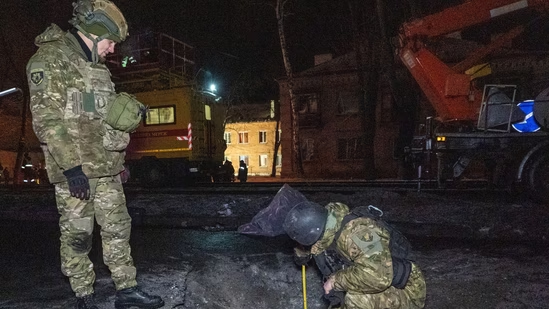
The Kyiv Russian assault began in the early hours of Saturday with several powerful explosions reverberating throughout the capital city. Air defence systems immediately sprang into action as military personnel worked to intercept incoming threats and protect civilian populations.

Kyiv’s mayor Vitali Klitschko issued urgent warnings via social media platform Telegram, stating: “Explosions in the capital. Air defence forces are operating. Stay in shelters!” His message reflected the immediate danger posed by the Kyiv Russian assault and the need for residents to seek protection.

The mayor’s alert emphasized the active response from Ukraine’s air defence forces, which have been working continuously to defend the capital against Russian missile and drone attacks throughout the nearly four-year conflict.

Countrywide Air Alert Declared

Ukraine’s air force responded to the Kyiv Russian assault by announcing a countrywide air alert in the early morning hours of Saturday. Military officials used social media channels to communicate the severity and scope of the threat facing multiple regions across the nation.

According to the air force’s statement, drones and missiles were detected moving over several Ukrainian regions, including the capital. This widespread threat pattern suggests the Kyiv Russian assault was part of a larger coordinated strike against multiple targets across Ukraine.

The countrywide alert system has become a familiar but unwelcome feature of daily life for Ukrainians since Russia launched its full-scale invasion. These warnings enable civilians to seek shelter and allow military forces to prepare defensive responses.

Critical Timing Ahead of Peace Talks

The Kyiv Russian assault occurs at a particularly significant moment, coming just one day before Ukrainian President Volodymyr Zelensky’s scheduled meeting with US President Donald Trump in Florida on Sunday. This timing raises questions about Moscow’s intentions and whether the attack aims to influence the upcoming discussions.

Also Read: Trump Zelensky Meeting: Critical Peace Talks Set for Florida Summit

The Sunday meeting between Zelensky and Trump will focus on efforts to end the war between Kyiv and Moscow. Zelensky is expected to discuss territorial issues, which remain the main stumbling block in talks to end Russia’s war in Ukraine.

The Kyiv Russian assault may represent Moscow’s attempt to demonstrate military strength and pressure Ukraine’s negotiating position before these critical peace discussions commence.

Peace Framework Nears Completion

Despite the Kyiv Russian assault, diplomatic efforts continue as a 20-point peace framework and a security guarantee deal near completion. These agreements represent months of intensive negotiations and Washington’s leadership in driving efforts to end Europe’s deadliest conflict since World War Two.

Announcing the Sunday meeting on Friday, Zelensky expressed optimism, stating that “a lot can be decided before the New Year.” His comments suggest significant progress has been made in peace negotiations, despite ongoing military hostilities like the Kyiv Russian assault.

“As for the sensitive issues, we will discuss both Donbas and the Zaporizhzhia nuclear power plant. We will certainly discuss other issues as well,” Zelensky told reporters in a WhatsApp chat, outlining the agenda for his meeting with Trump.

Russian Accusations and Territorial Claims

Russia accused Zelensky and his European Union backers on Friday of seeking to “torpedo” the US-brokered peace plan. These accusations came just hours before the Kyiv Russian assault, suggesting Moscow’s frustration with the negotiation process.

Russia’s defence ministry claimed on Friday that it had captured a new village in the southeastern Zaporizhzhia region. Ukraine’s military acknowledged errors but maintained it was defending a larger town in the area, highlighting the ongoing ground combat despite peace negotiations.

Fundamental Territorial Disputes

The Kyiv Russian assault occurs against the backdrop of fundamental disagreements over territorial control. Moscow wants Ukraine to withdraw from parts of the eastern Donetsk region that Russian troops have failed to occupy during almost four years of war, as it seeks full control of the Donbas, comprising the Donetsk and Luhansk regions.

Conversely, Kyiv wants the fighting to be halted at the current battle lines, effectively freezing the territorial status quo. This represents a significant gap between the two sides’ positions that negotiators must bridge.

Impact on Peace Negotiations

The Kyiv Russian assault demonstrates the challenges facing peace negotiators. While diplomatic efforts progress toward a comprehensive framework, military operations continue unabated, creating uncertainty about whether both sides genuinely commit to ending hostilities.

The attack on Ukraine’s capital just before the Trump-Zelensky meeting may complicate discussions and test the resolve of negotiators seeking a peaceful resolution.

Humanitarian Concerns

The Kyiv Russian assault has once again exposed millions of Ukrainian civilians to danger. Residents seeking shelter in the early morning hours face the psychological and physical toll of repeated attacks on their homes and communities.

As air defence forces work to protect civilian populations, the human cost of the conflict remains evident. The Sunday meeting between Zelensky and Trump carries the hopes of millions seeking an end to the devastating war that has transformed Ukraine and Europe since Russia’s invasion began.

H-1B Visa Delays: India Urges US to Address Critical Disruptions

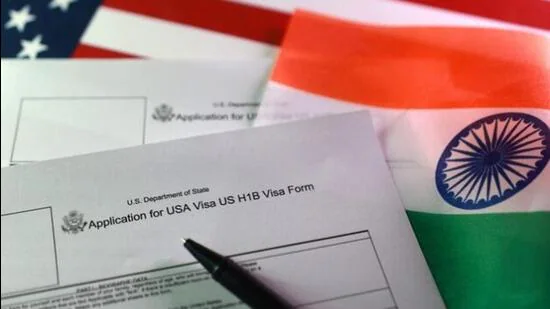
New Delhi – India has formally conveyed its concerns to the United States regarding significant H-1B visa delays affecting thousands of Indian nationals. The Ministry of External Affairs confirmed on Friday that it has raised issues related to the cancellation and rescheduling of visa appointments as the Trump administration implements stricter regulations for hiring skilled professionals from abroad.

Government Receives Multiple Representations

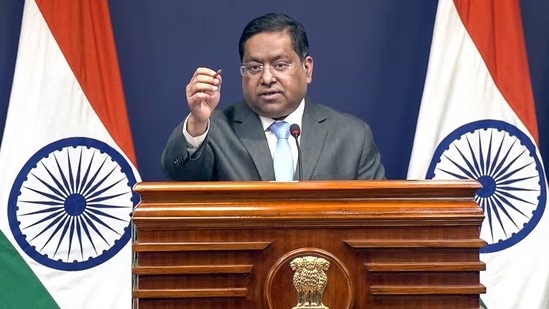
The Indian government has received numerous representations from citizens facing H-1B visa delays and complications with rescheduling their visa appointments. External Affairs Ministry spokesperson Randhir Jaiswal addressed these concerns during a weekly media briefing in New Delhi, acknowledging the widespread impact on Indian applicants.

“On H-1B visas, the Government of India has received several representations from Indian nationals who are facing delays or problems with the rescheduling of their visa appointments,” Jaiswal stated, confirming the government’s awareness of the growing problem.

These H-1B visa delays have created substantial uncertainty for Indian professionals seeking to work in specialized sectors such as technology, engineering, and medicine in the United States.

Diplomatic Engagement on Multiple Levels

While respecting the sovereign nature of visa-related decisions, India has actively flagged concerns about H-1B visa delays to American officials through multiple diplomatic channels. The government has raised these issues both in New Delhi and in Washington, demonstrating a comprehensive approach to addressing the problem.

“While we do understand that visa-related issues pertain to the sovereign domain of any country, we have flagged these issues and concerns of our nationals to the US side, both here in New Delhi and in Washington,” Jaiswal explained during the briefing.

The Ministry of External Affairs emphasized that it remains actively engaged with the US side to address and minimize the disruptions caused by H-1B visa delays to Indian nationals.

New Regulations Causing Disruptions

The H-1B visa delays stem from several recent policy changes implemented by the Trump administration. Starting December 15, the US expanded the vetting of social media accounts to all applicants for H-1B and H-4 visas, a change that has resulted in abrupt appointment cancellations and rescheduling months later.

The US administration communicated its decision to expand review processes to include vetting of the online presence of applications from December 15 onward. This particular change applies not only to H-1B visa applicants but also to H-4 visa applicants, who are dependents of H-1B visa holders.

Additionally, the administration levied a steep fee of $100,000 for first-time H-1B visa applicants and replaced the random lottery system for selecting recipients with a merit-based approach that gives greater weight to people with higher skills.

Impact on Indian Nationals

While official figures remain unavailable, reports suggest that H-1B visa delays have affected thousands of Indian nationals, including those who traveled to India specifically to renew their H-1B visas. These individuals now face extended waiting periods due to appointment cancellations and rescheduling issues.

Also Read: India Bring Fugitives Back: Strong Commitment After Mallya Video Controversy

“There are several people who have been stranded for an extended period of time because of scheduling or rescheduling of consular appointments and these have also caused a lot of hardship to their families, as also to the education of their children,” Jaiswal noted, highlighting the human cost of these H-1B visa delays.

The disruptions have created particular hardship for families, affecting not only the visa applicants but also their dependents’ access to education and stability.

Declining Approval Numbers

The H-1B visa delays occur against a backdrop of already declining approval rates for Indian applicants. The National Foundation for American Policy recently reported that the number of first-time H-1B visa applications approved for Indian IT companies fell to 4,573 in 2025, representing the lowest figure in a decade.

This number represents a 70 percent decrease from 2015 figures and a 37 percent drop compared to 2024. These statistics are particularly significant considering that more than 70 percent of H-1B applications approved since 2010 have gone to Indian workers.

President Trump’s Stance

The changes in the H-1B visa regime come as President Donald Trump has described the abuse of the program as a “national security threat.” The administration’s stricter approach reflects broader concerns about immigration and skilled worker programs.

These H-1B visa delays and policy changes have emerged alongside other immigration rule modifications and occur against a backdrop of strained India-US relations over the imposition of 50 percent tariffs on Indian goods, including punitive levies over Russian oil purchases.

Previous Concerns Raised

India’s concerns about H-1B visa delays extend beyond just appointment scheduling. In September, India had raised issues with the US regarding the $100,000 fee for H-1B visas, arguing that the mobility of skilled Indian talent contributes to innovation and economic growth in both countries.

India’s Hope for Resolution

The MEA spokesperson expressed hope that H-1B visa delays and disruptions in the application process will be addressed by the United States. Jaiswal emphasized the government’s expectation that American authorities will work to minimize the impact on Indian nationals and their families.

As both nations navigate these visa-related challenges, India continues its diplomatic efforts to ensure that skilled professionals can pursue opportunities while maintaining compliance with evolving US immigration policies.

India Bring Fugitives Back: Strong Commitment After Mallya Video Controversy

New Delhi – India has reaffirmed its unwavering commitment to ensuring that fugitives and individuals wanted by law return to face trial in Indian courts. This declaration by the Ministry of External Affairs comes days after controversial videos surfaced showing liquor baron Vijay Mallya celebrating his 70th birthday in London with fellow fugitive Lalit Modi.

MEA’s Strong Stance on Fugitive Returns

Ministry of External Affairs spokesperson Randhir Jaiswal made emphatic statements during a press briefing on Friday, underlining that India bring fugitives back remains a top priority for the government. Speaking in New Delhi, Jaiswal emphasized the administration’s dedication to pursuing all legal avenues to achieve this objective.

“We remain fully committed that people who are fugitive and wanted by law in India, return to the country. For this, we are in talks with several governments and processes are on,” Jaiswal stated, highlighting the diplomatic efforts underway to secure the return of economic offenders.

The spokesperson’s comments reflect the government’s determination to demonstrate that fleeing the country does not provide immunity from facing justice in Indian courts.

Complex Legal Frameworks and International Cooperation

While reiterating the commitment to India bring fugitives back, Jaiswal acknowledged the intricate legal challenges involved in extradition proceedings. International law and bilateral treaties create multiple layers of complexity that must be navigated carefully.

“There are several layers of legalities involved but we remain committed to bring them back to the country so they can face trial before the courts here,” the MEA spokesperson explained, providing transparency about the obstacles faced in such cases.

The government is actively engaged in discussions with several countries where fugitives have sought refuge. These diplomatic conversations involve coordinating legal frameworks, sharing evidence, and ensuring that extradition requests meet all international standards and requirements.

Minister’s Call for Swift Action

The MEA’s statement to India bring fugitives back came one day after Union Minister of State in the Ministry of External Affairs Kirti Vardhan Singh called for the expedited return of businessman and liquor baron Vijay Mallya on Thursday.

“Action will be taken. Such people flee the country out of fear,” Singh declared, sending a clear message that the government considers flight from justice as an admission of guilt rather than a successful escape strategy.

The minister drew parallels to successful extradition cases, specifically referencing the return of terrorists to illustrate that even the most challenging extradition cases can succeed. Singh mentioned Tahawwur Rana, a key accused in the 2008 Mumbai terror attacks, as an example.

“No one would have imagined that even terrorists could be extradited, but one of them was brought back,” he stated, suggesting that if terrorism suspects can be successfully extradited, economic fugitives should also be returnable through proper legal channels.

Also Read: Tarique Rahman Homecoming: BNP Leader Returns After 17 Years in Exile

Bombay High Court’s Stern Warning

The judicial system has also taken decisive action regarding efforts to India bring fugitives back. On Tuesday, the Bombay High Court issued a stern warning to Vijay Mallya, stating it would not hear his plea challenging the Fugitive Economic Offenders Act unless he returns to India.

This judicial ultimatum represents a significant development in Mallya’s case, effectively putting pressure on the businessman to return voluntarily if he wishes to contest the legal proceedings against him. The court’s position strengthens the government’s hand in pursuing fugitive returns.

Controversial Birthday Video Sparks Outrage

The renewed focus on efforts to India bring fugitives back intensified after a video emerged on Monday showing Vijay Mallya’s 70th birthday celebration in London. The footage, shared by Lalit Modi himself, showed the two prominent fugitives together at the party.

In the controversial video, Lalit Modi, along with Vijay Mallya, appeared to mock their fugitive status openly. “We are the two fugitives, the biggest fugitives of India,” Modi is heard saying in the recording, displaying what many perceived as contemptuous disregard for Indian law.

This public display of defiance has galvanized public opinion and increased pressure on the government to demonstrate tangible progress in extradition efforts.

Multiple Fugitives Under Pursuit

While Vijay Mallya and Lalit Modi remain high-profile cases, the government’s commitment to India bring fugitives back extends to numerous individuals wanted by Indian law enforcement agencies. These cases span various categories of offenses, from economic crimes to terrorism-related charges.

The MEA’s comprehensive approach involves coordinating with multiple government departments, including the Ministry of Home Affairs, the Central Bureau of Investigation, and the Enforcement Directorate, to build strong cases for extradition requests.

Legal Framework and Future Prospects

The Fugitive Economic Offenders Act provides the legal foundation for efforts to India bring fugitives back. This legislation allows authorities to confiscate properties of economic offenders who have fled India to avoid criminal prosecution.

As India continues strengthening its diplomatic relationships and legal cooperation frameworks with countries hosting fugitives, the government remains optimistic about achieving successful extraditions. The commitment to India bring fugitives back represents not just a legal pursuit but a demonstration of the rule of law’s supremacy.

The coming months will test whether diplomatic efforts and legal proceedings can translate into actual returns of high-profile fugitives to face justice in Indian courts.