Sunday, May 3, 2026
Home Blog Page 197

Alarming Tragedy 64: Bus Fires Claim Lives Nationwide Since 2021

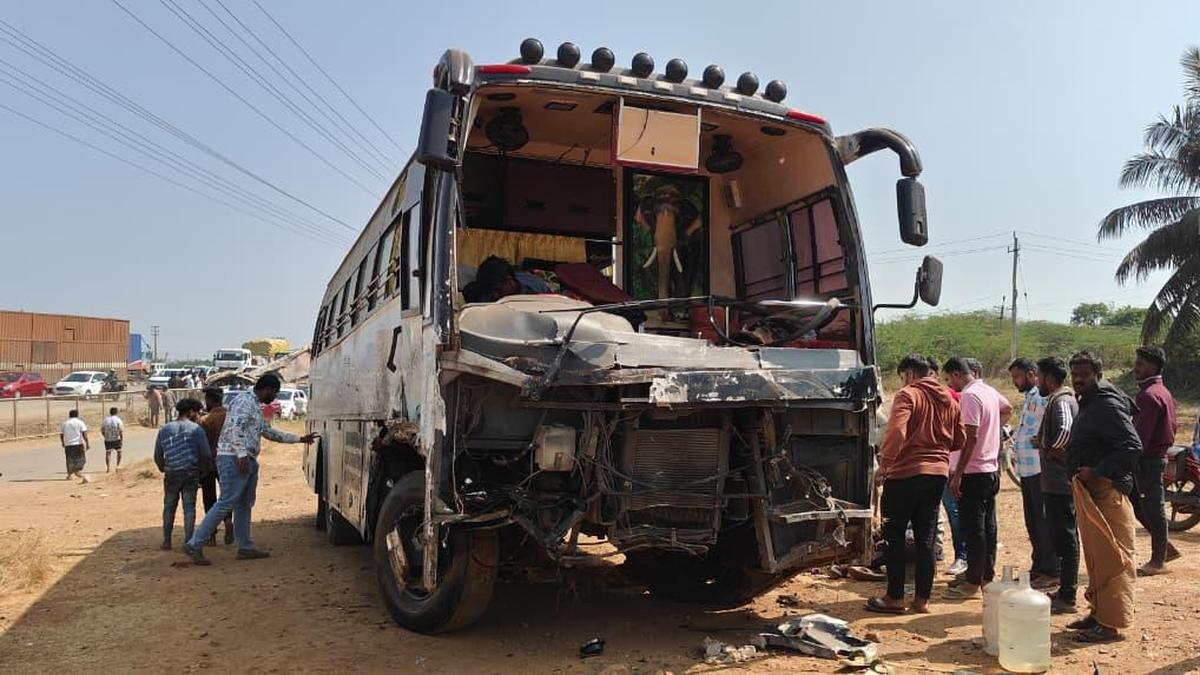
Bus fires have emerged as a persistent public safety concern in India, claiming 64 lives across the country since 2021, with Karnataka accounting for three separate incidents during this period. Authorities, safety experts, and transport officials have highlighted the urgency of implementing stricter safety protocols, upgrading vehicle infrastructure, and ensuring emergency preparedness to prevent further loss of life. The recent spate of incidents has raised questions about compliance with safety standards, maintenance practices, and regulatory oversight in both public and private transport sectors.

The incidents in Karnataka, coupled with similar tragedies nationwide, underscore the vulnerability of passengers in high-capacity buses, particularly those operating on long-distance or rural routes. Reports suggest that many of these fires result from electrical faults, fuel leakage, or mechanical failures, compounded by delayed emergency response and inadequate fire-safety equipment on board. Officials stress that preventive measures, regular inspections, and public awareness campaigns are critical to averting future tragedies.

Karnataka Incidents: Details and Immediate Response

In Karnataka, three bus fire incidents since 2021 have been documented, resulting in multiple fatalities and injuries. Each incident has highlighted gaps in safety compliance and emergency preparedness. For instance, in one case, an intercity bus caught fire in a remote area, trapping passengers due to malfunctioning emergency exits. Firefighters and local authorities managed to rescue several individuals, but fatalities were unavoidable due to the intensity and speed of the blaze.

Following each incident, state authorities launched investigations to identify the causes and assign responsibility. Transport officials emphasised the need for immediate corrective action, including stricter vehicle inspections, mandatory fire extinguishers, and regular maintenance checks. Local administrations have also been urged to improve emergency response infrastructure, including faster access to fire services along major highways and bus routes.Bus fires kill 64 nationwide since 2021; Karnataka sees three incidents -  The Hindu
National Overview: Trends and Statistics

Across India, bus fires have been recorded in multiple states, with tragic outcomes. Between 2021 and 2025, 64 fatalities have been attributed to such incidents, highlighting the persistent risks faced by passengers. Certain states, particularly those with extensive rural networks and older bus fleets, have reported higher frequencies of fires. Electrical short-circuits, fuel tank ruptures, and engine malfunctions remain the primary causes cited by investigators.

Transport analysts have noted that older buses, insufficient maintenance, and overloading contribute significantly to the hazard. In some cases, operators failed to install or maintain mandatory fire-safety equipment, exacerbating the consequences when fires occurred. These trends have prompted calls for a national review of bus safety protocols, including stricter enforcement of the Motor Vehicles Act and adherence to safety standards for both private and public operators.

Insurance and Compensation Challenges

While government schemes provide compensation to victims and families affected by bus fires, officials admit that many claims face delays due to procedural bottlenecks. Families of the deceased often struggle to access timely financial support, while injured passengers may encounter challenges in covering medical expenses. Experts recommend streamlining insurance procedures, ensuring immediate relief for victims, and introducing standardized compensation guidelines that hold bus operators and insurers accountable. This approach could mitigate the socio-economic impact of such tragedies and provide relief to vulnerable households.

Training and Capacity Building for Bus Staff

Driver and staff training has emerged as a critical factor in preventing and managing bus fires. Authorities have highlighted the need for specialized training programs that educate drivers, conductors, and support staff on fire prevention, early detection, and emergency evacuation procedures. Simulation exercises, fire-drill workshops, and periodic refresher courses are being considered to enhance preparedness. Experts emphasise that human factors, including quick decision-making and passenger guidance during emergencies, can significantly reduce fatalities.

Urban-Rural Disparities in Safety Standards

Analysts point out that bus fire incidents disproportionately affect routes connecting rural and semi-urban areas, where older buses, irregular inspections, and limited emergency infrastructure are common. In contrast, metropolitan routes often feature newer fleets, better maintenance, and faster access to firefighting services. Addressing this disparity requires targeted investment in rural transport infrastructure, regular monitoring of private operators, and ensuring that even remote regions have access to timely emergency support.

Community Awareness and Passenger Responsibility

Community engagement is also a crucial element in reducing the impact of bus fires. Authorities have emphasised that passengers should be aware of emergency exits, fire extinguishers, and basic fire-safety practices. Awareness campaigns, instructional signage, and pre-departure briefings can enhance passenger readiness during emergencies. Experts argue that safety is a shared responsibility between operators, regulators, and passengers, and fostering a culture of vigilance can save lives.

Policy Reforms and Long-Term Safety Strategy

Long-term prevention of bus fires requires integrated policy reforms combining regulation, technology, and public awareness. Transport departments are considering mandatory adoption of fire-safety technology in all new buses, stricter penalties for safety violations, and regular independent audits of fleets. Additionally, a national-level monitoring system for bus safety incidents could help identify high-risk routes, assess operator compliance, and guide resource allocation. By institutionalising these measures, India can significantly reduce fatalities and set a benchmark for passenger safety in mass transport.

Safety Measures and Regulatory Gaps

Despite existing regulations, experts point out that enforcement remains inconsistent. Buses are required to carry fire extinguishers, maintain electrical and fuel systems, and ensure that emergency exits are functional. However, inspections are often irregular, and accountability for lapses is limited. Officials acknowledge that while safety guidelines exist, compliance monitoring is sporadic, particularly in smaller towns and rural areas.

Authorities have proposed measures such as mandatory fire-safety training for drivers, installation of fire suppression systems in new buses, and routine safety audits. However, implementation remains uneven, with financial and operational constraints cited as barriers. Transport unions and operators have raised concerns about additional costs, while safety experts argue that investment in preventive measures is far less costly than the human and societal toll of bus fires.

Emergency Response and Rescue Preparedness

Effective emergency response has emerged as a critical factor in mitigating fatalities during bus fires. In several Karnataka incidents, delays in reporting, difficult terrain, and lack of firefighting equipment contributed to higher casualties. State authorities have initiated programs to enhance preparedness, including pre-positioning fire units near major highways, training local volunteers, and equipping buses with emergency escape tools such as hammers and fire blankets.

Public safety campaigns have also been emphasised, encouraging passengers to remain alert, identify emergency exits, and report hazards promptly. Experts stress that a combination of preventive measures, rapid response, and passenger awareness can significantly reduce fatalities and injuries in future incidents.

Technological Solutions and Innovations

Recent advancements in bus safety technology have shown potential to prevent or contain fires. Smoke detectors, automatic fire suppression systems, and real-time monitoring of electrical and fuel systems can alert drivers and authorities to potential hazards before they escalate. Some transport operators in metropolitan regions have begun piloting such systems, but adoption remains limited in smaller towns and rural routes.

Analysts suggest that government incentives, subsidies, and regulatory mandates could accelerate the adoption of these technologies. Integrating IoT-enabled safety systems into buses would allow authorities to monitor fleets in real time, identify risks early, and dispatch emergency services promptly, potentially saving lives.Karnataka bus fire: 9 killed as bus catches fire after collision with truck  in Chitradurga

Public and Political Reaction

Public outrage following each bus fire incident has been significant, with demands for accountability and stricter safety enforcement. Families of victims have called for transparent investigations, compensation, and long-term reforms to prevent recurrence. Political parties have also highlighted the issue in state assemblies and parliamentary discussions, urging both state and central authorities to prioritise transport safety as a matter of public concern.

Civil society organisations have joined the dialogue, emphasising the importance of systemic reform rather than ad hoc responses. They advocate for independent safety audits, stringent licensing norms for bus operators, and better integration of emergency services along transport corridors. Public sentiment strongly favours proactive measures to protect passengers and ensure safer travel nationwide.

Socio-Economic Implications

Bus fires have broader socio-economic consequences beyond immediate casualties. Many victims belong to working-class communities, and fatalities or injuries often leave families financially vulnerable. Long-term disability resulting from burns or smoke inhalation further exacerbates economic hardships. Additionally, public trust in bus travel diminishes, affecting passenger volumes and livelihood opportunities for operators and ancillary service providers.

Insurance mechanisms and government compensation schemes have been implemented to some extent, but critics argue that they are often insufficient or delayed. Addressing the root causes of bus fires, including maintenance, safety equipment, and emergency preparedness, is essential to reducing both human and economic costs.

International Comparisons and Best Practices

Globally, countries with strong transport safety records have mandated comprehensive fire-safety standards for buses, including automatic suppression systems, regular inspections, and strict enforcement mechanisms. South Korea, Japan, and European nations have demonstrated that regulatory vigilance, technological investment, and public awareness campaigns significantly reduce the risk of bus fires.

Experts suggest that India could benefit from adopting similar practices, tailored to local conditions. Mandatory safety certifications, rigorous training for drivers, and integration of technology into fleet management could help prevent future tragedies. Karnataka and other states are exploring such approaches, though widespread implementation will require policy support, funding, and coordination among multiple agencies.

Future Outlook and Recommendations

The recurrence of bus fires nationwide highlights an urgent need for systemic reform. Authorities must prioritise regular inspections, enforce compliance with fire-safety norms, invest in emergency response infrastructure, and promote technological solutions to reduce risks. Passenger education, community engagement, and public reporting mechanisms can further strengthen safety culture.

For Karnataka, addressing the three documented incidents with concrete reforms could set a precedent for other states. By implementing robust preventive measures, ensuring accountability, and fostering coordination among operators, government departments, and emergency services, the state can significantly improve passenger safety and restore public confidence in bus travel.9 killed as private bus catches fire after accident in Karnataka

In conclusion, while bus fires continue to claim lives and raise concerns across India, a combination of stringent regulation, technological innovation, proactive emergency preparedness, and public awareness has the potential to curb the frequency and severity of such tragedies. By prioritising passenger safety and accountability, Karnataka and other states can turn lessons from past incidents into actionable reforms, ultimately saving lives and strengthening the nation’s transport infrastructure.

Follow: Karnataka Government

Also read: Home | Channel 6 Network – Latest News, Breaking Updates: Politics, Business, Tech & More
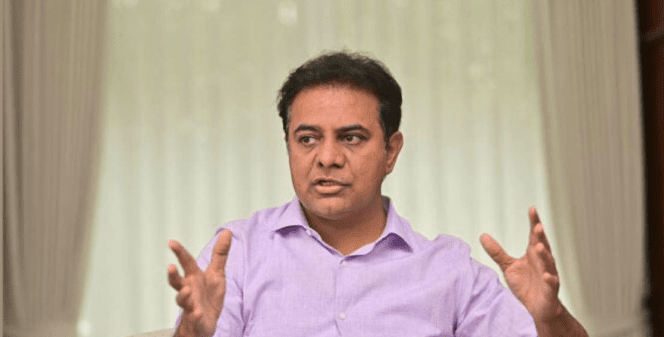
Shocking 1 Concerns: Doubts Cast Shadow Over KTR Relocation Project

The ambitious KTR relocation project, aimed at transforming urban living and easing congestion in Telangana’s capital, has come under scrutiny as multiple doubts and concerns surface regarding its implementation. Designed to relocate thousands of residents from crowded areas to newly developed housing complexes, the project has been heralded as a key initiative for urban renewal. However, recent reports, stakeholder feedback, and administrative assessments have raised questions about feasibility, planning, and long-term sustainability. Authorities insist that the project remains a priority, but the emerging concerns have prompted calls for reassessment and enhanced transparency.

Public Transport and Connectivity Concerns

One of the key aspects under scrutiny is the adequacy of public transport and connectivity to the new relocation sites. Residents have expressed concerns that the proposed housing complexes may be situated far from their workplaces, schools, and essential services. Urban planners emphasise that seamless connectivity, including bus routes, metro links, and last-mile transport solutions, is essential to prevent isolation and maintain residents’ quality of life. The government has assured that transport planning will be integrated into the project’s design, but detailed proposals are still awaited.

Healthcare and Educational Infrastructure

Healthcare and educational facilities at the relocation sites are another area of concern. Many residents rely on nearby clinics, hospitals, and schools in their current localities. Relocation without adequate provision for these critical services could disrupt daily life and create long-term social challenges. Officials have indicated plans to develop community health centres, primary schools, and vocational training institutes within or near the housing complexes, but implementation details remain unclear.

Economic Rehabilitation and Livelihood Support

Economic rehabilitation for affected families is seen as central to the project’s success. Many relocated residents work in small businesses, daily-wage jobs, or informal sectors linked to their current neighbourhoods. Without proper support, relocation could disrupt incomes and increase economic vulnerability. Experts suggest that the government consider livelihood assistance, skills training, and microfinance initiatives to ensure economic stability for relocated families, thereby enhancing the overall effectiveness of the project.

Community Feedback and Participatory Planning

Civil society organisations continue to advocate for a participatory approach in planning and executing the KTR relocation project. Engaging residents, local businesses, and community leaders in decision-making can help address concerns early, increase transparency, and foster community ownership. Authorities have acknowledged this need and are reportedly exploring mechanisms such as public hearings, surveys, and citizen advisory committees to ensure that the voices of affected communities are adequately represented in the project’s design and execution.

Officials involved in the project emphasised that the initiative is intended to address longstanding issues of overcrowding, unplanned urbanisation, and inadequate housing. By providing structured housing and infrastructure facilities, the KTR relocation project aims to create a model urban environment with access to clean water, electricity, healthcare, education, and public amenities. Yet, as detailed project plans come under public and political scrutiny, doubts have emerged regarding timelines, funding allocations, and execution strategies.KTR takes a dig at Centre for sluggish pace in executing projects -  Telangana Today

Financial and Administrative Hurdles

One of the primary concerns raised relates to the financial viability of the KTR relocation project. Initial estimates indicated significant government expenditure on land acquisition, construction, and public utilities. Analysts have suggested that cost overruns could become a major hurdle, particularly given the scale of the project, which involves relocating tens of thousands of families. Questions have also been raised regarding the transparency of budget allocations, procurement procedures, and potential delays in releasing funds.

Administrative challenges have compounded these financial concerns. Coordinating multiple departments, including urban development, housing, public works, and municipal authorities, has proven complex. Officials highlighted that while interdepartmental committees have been set up to monitor progress, bureaucratic inefficiencies and delays in approvals for land acquisition and environmental clearances have slowed the project’s momentum. Critics have called for a more streamlined decision-making process to ensure timely execution.

The relocation project’s complexity is further amplified by the need to manage social and economic considerations. Many residents slated for relocation have long-standing ties to their current neighbourhoods, with livelihoods, social networks, and access to services deeply integrated into the urban fabric. Ensuring that the new housing complexes offer comparable, if not improved, quality of life is essential to the project’s success. Yet surveys indicate that some proposed sites may lack adequate access to employment hubs, healthcare facilities, and educational institutions, raising concerns about long-term viability.

Stakeholder Perspectives and Public Sentiment

Local residents and community leaders have expressed mixed reactions to the relocation plan. While some welcome the prospect of improved living conditions, others are apprehensive about the potential disruption to social and economic routines. Small business owners, in particular, fear that relocation could disrupt customer bases and reduce income, highlighting the need for comprehensive rehabilitation measures and economic support.KTR rings alarms as Telangana loses Rs 2,800 cr Kaynes Tech project to  Gujarat

Civil society organisations and urban planners have stressed the importance of participatory planning. They argue that effective relocation requires extensive consultation with affected residents, detailed assessments of site suitability, and robust grievance redressal mechanisms. Critics also point out that previous urban relocation projects in the state have faced challenges related to incomplete infrastructure, inadequate public transport, and social dislocation, making careful planning essential.

Political stakeholders have also entered the debate, with opposition leaders questioning the government’s readiness to execute a project of this magnitude. They have cited previous urban projects that faced delays, cost escalations, and limited success in improving living conditions. Government officials have responded by asserting that lessons from past projects have informed the current plan, and that additional measures are being implemented to mitigate risks and ensure accountability.

Technical and Environmental Challenges

From a technical perspective, the KTR relocation project involves extensive civil engineering, urban planning, and environmental management. The construction of multi-storey housing complexes, road networks, drainage systems, and public utilities requires careful integration with existing infrastructure. Any lapses in design, materials, or execution could result in long-term issues, including structural instability, waterlogging, and inadequate service delivery.

Environmental experts have raised additional concerns regarding the ecological impact of large-scale construction. Proposed relocation sites often intersect with green belts, water bodies, and sensitive ecosystems. Authorities have acknowledged the need for comprehensive environmental impact assessments and sustainable construction practices to minimise ecological disruption. Urban planners have also suggested incorporating green spaces, renewable energy solutions, and rainwater harvesting to make the relocation complexes environmentally sustainable.

Legal and Land Acquisition Issues

Another significant source of uncertainty relates to land acquisition and legal clearances. Securing land for large-scale relocation involves negotiation with multiple landowners, resolution of property disputes, and compliance with statutory regulations. Delays in acquiring land or legal challenges could substantially impact project timelines and escalate costs. Officials have indicated that legal teams are actively engaged in ensuring that land acquisition follows due process, with compensation and rehabilitation measures in place for affected families.Future City project has no future, says KTR - Telangana Today

Land acquisition issues are further complicated by the socio-economic profile of residents. Many are part of vulnerable communities, including low-income households and daily-wage earners, whose relocation requires careful planning to avoid social distress. NGOs and community representatives have emphasised that relocation should prioritise social equity, with clear communication, fair compensation, and support for livelihood continuity.

Long-Term Sustainability and Urban Planning Implications

Beyond immediate logistical and administrative concerns, experts stress the need to assess the long-term sustainability of the KTR relocation project. Effective urban planning requires integrating housing, transport, employment, healthcare, education, and recreation in a coherent framework. If the project fails to address these interconnected elements, relocated residents may face persistent challenges that undermine the initiative’s objectives.

Urban planners suggest that the success of the relocation project depends not only on infrastructure delivery but also on creating inclusive and vibrant communities. This includes designing public spaces, promoting social interaction, ensuring accessibility for the elderly and differently-abled, and fostering local economic opportunities. Failure to incorporate these elements could lead to social fragmentation and dissatisfaction among relocated residents.

Governance, Oversight, and Accountability

The government has highlighted the establishment of monitoring committees, regular progress reviews, and audit mechanisms to maintain transparency and accountability in the relocation project. These measures are intended to track construction progress, budget utilisation, and grievance redressal, while providing periodic updates to policymakers and the public.

However, civil society representatives argue that independent oversight is essential to prevent mismanagement, corruption, and delays. They suggest involving academic institutions, urban policy experts, and citizen committees to provide impartial evaluations and recommendations. Enhancing transparency through public dashboards and community consultations could also increase public trust in the project’s execution.

Opportunities and Potential Benefits

Despite the challenges and doubts, the KTR relocation project presents significant opportunities for Telangana’s urban development. If executed effectively, it could alleviate overcrowding in dense city centres, improve living conditions, and create modern, well-planned urban spaces. The project also has the potential to stimulate local economies by creating construction jobs, boosting real estate development, and attracting ancillary services and businesses.

Additionally, successful relocation could provide a model for other cities in India facing similar urban congestion and housing shortages. By demonstrating the feasibility of large-scale urban renewal initiatives that combine infrastructure, social equity, and environmental sustainability, Telangana could set a benchmark for replicable urban solutions nationwide.

Future Outlook and Strategic Recommendations

Looking ahead, government officials have reiterated their commitment to addressing concerns and ensuring the successful implementation of the KTR relocation project. Measures under consideration include phased relocation, enhanced communication with residents, infrastructure upgrades, and robust grievance redressal mechanisms.

Experts recommend conducting detailed feasibility studies, strengthening interdepartmental coordination, and incorporating lessons from previous urban relocation initiatives. Ensuring social, economic, and environmental sustainability will be critical to the project’s long-term success and acceptance by the communities involved.

In conclusion, while doubts and challenges currently cast a shadow over the KTR relocation project, proactive planning, stakeholder engagement, and effective governance could transform it into a landmark initiative in Telangana’s urban development journey. By addressing financial, technical, social, and environmental concerns, the state has an opportunity to create a model for inclusive, sustainable, and modern urban living, benefiting thousands of residents while setting a precedent for future initiatives across India.

Follow: Karnataka Government

Also read: Home | Channel 6 Network – Latest News, Breaking Updates: Politics, Business, Tech & More

Karnataka Eyes 100 Acres in Mandya for U.S.-Based Semiconductor Firm: Bold Opportunity 1

Karnataka is taking decisive steps to attract high-end technology investments, with the state government expressing keen interest in allotting 100 acres of land in Mandya district to a U.S.-based semiconductor manufacturer. The proposal, formalised in a letter from Industries Minister M B Patil to Union Minister H. D. Kumaraswamy, underscores the state’s intent to expand industrial development beyond its traditional urban hubs and position Mandya as a potential centre for advanced manufacturing. Officials have emphasised that the move is part of Karnataka’s broader strategy to strengthen economic growth, create employment opportunities, and bolster the state’s presence in critical technology sectors.

Patil’s letter follows earlier correspondence from HDK outlining interest from the U.S.-based Sanson Group in establishing a semiconductor fabrication unit in Karnataka. Responding positively, the state government has communicated its readiness to provide the necessary land and facilitate infrastructure support, while urging the company to engage formally with officials to finalise project specifics. The state also clarified that the required utilities, including electricity, water, and road connectivity, would be made available to ensure operational viability.

Officials have stressed that there are no impediments to allotting the 100-acre parcel in Mandya, and that formal approvals, clearances, and land allocation procedures can proceed swiftly once a formal application is submitted. The industrial commissioner has been tasked with coordinating all procedural aspects to maintain transparency and efficiency.State keen to allot 100 acres in Mandya to U.S.-based firm, says M B Patil  in a letter to HDK - The Hindu

Environmental and Regulatory Considerations

State authorities have emphasised that any industrial project, including the proposed semiconductor facility, will adhere strictly to environmental regulations. Karnataka has a framework for industrial environmental compliance, requiring assessments on water usage, emissions, and waste management. Officials have highlighted that the allotment process will ensure that environmental safeguards are built into the project from the outset, reflecting the government’s commitment to sustainable development while attracting high-tech investment.

The state government has also indicated that local environmental bodies and district authorities will be involved in monitoring compliance. By integrating environmental oversight into the planning and execution phases, Karnataka aims to balance industrial growth with ecological preservation, ensuring long-term benefits for both investors and the local community.

Skill Development and Educational Linkages

To maximise the socioeconomic benefits of the Mandya project, the government is exploring partnerships with technical institutions, engineering colleges, and vocational training centres. These initiatives aim to create a pipeline of skilled professionals ready to work in semiconductor fabrication and related sectors. State officials have underlined that such collaborations would not only address immediate workforce requirements but also foster a culture of innovation and research in the region.

Educational linkages are expected to extend beyond skill training to include research and development initiatives. By encouraging students and local talent to engage with advanced manufacturing, the project has the potential to stimulate innovation clusters in Mandya, strengthening Karnataka’s position in the national and global technology ecosystem.

Community Engagement and Social Benefits

Recognising the impact of industrial projects on local communities, the Karnataka government has emphasised inclusive planning. Local stakeholders, including residents, farmers, and small business owners, are expected to be consulted regarding land use, employment opportunities, and ancillary services. Authorities have highlighted that this participatory approach will ensure that the benefits of the semiconductor facility extend to the wider community, providing sustainable economic upliftment alongside industrial development.

Community engagement initiatives may also include corporate social responsibility (CSR) programs tailored to Mandya’s needs. These could encompass educational scholarships, skill development programs, healthcare initiatives, and local infrastructure improvements. By integrating social development goals with industrial planning, the state aims to foster goodwill and long-term collaboration between investors and local residents.ಸ್ಯಾನ್ಸನ್ ಗ್ರೂಪ್‌ಗೆ ಮಂಡ್ಯ ಜಿಲ್ಲೆಯಲ್ಲಿ 100 ಎಕರೆ ಜಾಗ: ಎಚ್‌.ಡಿ. ಕುಮಾರಸ್ವಾಮಿಗೆ  ಎಂ.ಬಿ. ಪಾಟೀಲ್‌ ಪತ್ರ Kannada News | 100 acres of land in Mandya district for  Sanson Group MB Patil letter ...

Long-Term Vision and Strategic Impact

The proposed semiconductor facility in Mandya represents more than a single investment; it is part of Karnataka’s long-term vision for technological and economic advancement. State officials have highlighted that attracting global high-tech firms aligns with broader objectives such as industrial diversification, job creation, and strengthening India’s semiconductor capabilities.

If successfully implemented, the Mandya project could serve as a model for future industrial initiatives in other districts, demonstrating how infrastructure readiness, policy support, workforce development, and community engagement can work together to attract strategic investments. Karnataka’s proactive approach is designed to position the state as a leader in advanced manufacturing, fostering sustainable economic growth while enhancing its global competitiveness.

Economic Significance and Strategic Context

The semiconductor sector holds immense strategic significance, not only for Karnataka but for India as a whole. Semiconductor manufacturing is central to national ambitions of technological self-reliance, economic competitiveness, and global supply chain integration. By courting a U.S.-based company to establish a fabrication facility, Karnataka is positioning itself as a preferred destination for foreign direct investment in high-technology industries.

Mandya, traditionally known for its agricultural base, especially sugarcane cultivation, has been actively diversifying its industrial landscape in recent years. Allocating land for a semiconductor project is seen as a major step toward integrating advanced manufacturing into districts that have historically seen limited heavy-industry development. This initiative aligns with broader goals of balanced regional development, rural-urban integration, and job creation in non-metropolitan areas.

Economists have noted that proactive land allocation is a clear signal to global investors that Karnataka is ready to support complex, capital-intensive industries. In an era where countries and states compete aggressively for high-tech projects, early commitment to land, infrastructure, and policy support strengthens the state’s competitive advantage.

Political and Administrative Dynamics

The announcement comes amid growing political pressure regarding industrial investment facilitation. Opposition parties have raised concerns in the state assembly about delays in land allotment and potential bureaucratic inertia, suggesting that Karnataka risks losing significant investment opportunities. Patil’s letter serves both as an official statement of intent and a political reassurance that the state is actively engaged and prepared to provide necessary support once the investor formalises interest.

The Janata Dal (Secular) highlighted that approval for land allocation, capable of generating thousands of direct and indirect jobs, had not progressed at the expected pace. The state government, however, maintained that procedural readiness is in place and that no formal application from the prospective investor has been received to trigger the next steps.

Political analysts suggest that the correspondence reflects the intersection of economic planning and political narrative. High-profile investment proposals, especially in advanced manufacturing, inevitably attract scrutiny from both political and public stakeholders due to their potential economic and social impact.Govt can take back land allotted to organisations, if unused': Industries  Minister M B Patil

Infrastructure Readiness and Local Advantages

Mandya’s selection as the site for a semiconductor facility is based on several strategic advantages. The district boasts reliable electricity supply, access to water resources, and connectivity to regional transport networks. Officials have emphasised that these existing resources make Mandya suitable for technology-intensive industries requiring uninterrupted power and logistics support.

The state government has pledged to ensure that all infrastructure requirements are met, including road improvements, utilities, and communication networks. Industrial officials are coordinating with local authorities to ensure smooth implementation once the project is formally sanctioned.

Local stakeholders have expressed optimism about potential benefits, highlighting employment generation and the broader economic stimulus that accompanies large-scale industrial projects. Even a single semiconductor facility is expected to create thousands of direct jobs, including positions in engineering, operations, and administrative support, while generating indirect employment across supply chains and ancillary services.

Employment and Socio-Economic Implications

The potential socio-economic impact of the project is substantial. By providing high-quality jobs, the semiconductor facility could help retain skilled talent within the state, reducing outmigration to other regions. Ancillary industries, including logistics, maintenance, hospitality, and retail, are likely to benefit, creating a multiplier effect in local economies.

The government has also emphasised the importance of workforce training. Initiatives in collaboration with educational institutions and skill-development programs are being considered to ensure that local youth can access the opportunities created by the semiconductor project. By building a pipeline of trained professionals, Karnataka aims to ensure that the benefits of investment reach the wider community.

Civil society organisations, while welcoming industrial investment, have urged that land use and environmental considerations be managed responsibly. Ensuring sustainable development, respecting local land rights, and balancing industrial growth with ecological preservation are considered critical for the long-term success of such initiatives.

Global Semiconductor Context

Globally, semiconductor manufacturing has become a cornerstone of technological and economic policy. Nations are competing to attract fabrication units, design centres, and ancillary production facilities to strengthen domestic supply chains and reduce dependence on imports. India’s national semiconductor mission aims to bring significant foreign investment into the sector, and Karnataka’s proactive engagement reflects alignment with these national priorities.

Industry analysts have highlighted that Karnataka’s offer of 100 acres, along with assurance of infrastructure and policy support, strengthens the state’s appeal to investors seeking stable, growth-oriented environments. The project in Mandya is seen as a potential catalyst for future semiconductor investments, signaling the state’s capability to handle complex, capital-intensive industrial projects.

Challenges and Next Steps

Despite the enthusiasm, several challenges remain. Engagement with the prospective U.S.-based company has been slow, with state officials unable to secure direct communication with key executives. The success of the project will depend on timely submission of formal applications, regulatory clearances, and alignment on incentives and project timelines.

The government has reiterated its commitment to facilitating the investment, ensuring that all procedural, regulatory, and infrastructure-related issues are addressed efficiently. The industrial commissioner is coordinating closely with departments responsible for land, power, water, and transport to ensure readiness once the proposal moves forward.

Political Significance and Future Outlook

The Mandya project has also become politically significant, with multiple parties emphasising the need to attract strategic investments to boost employment and regional development. The state government’s proactive stance is intended to reassure both investors and citizens that Karnataka remains committed to industrial growth and high-technology sector development.

Looking forward, the successful establishment of a semiconductor facility in Mandya could set a precedent for future investments in other districts. By demonstrating procedural efficiency, infrastructure readiness, and policy support, Karnataka aims to become a preferred destination for advanced manufacturing and innovation-driven industries.

The project also aligns with long-term economic objectives, including reducing regional disparities, integrating rural districts into industrial networks, and fostering technological advancement. State planners have highlighted that such initiatives contribute not only to economic growth but also to skill development, innovation, and socio-economic upliftment.

Conclusion

Karnataka’s keenness to allot 100 acres in Mandya to a U.S.-based semiconductor firm reflects a strategic approach to industrial development, high-technology investment, and regional growth. The letter from M B Patil to HDK formalises the state’s intent and communicates readiness to support critical infrastructure and administrative requirements.

While the project remains in a preliminary stage, its successful implementation could transform Mandya into a hub for advanced manufacturing, create thousands of jobs, and catalyse ancillary economic activities. It represents a forward-looking policy initiative, aligning local, state, and national interests in technology-driven growth. With sustained engagement, transparent processes, and careful planning, Karnataka is positioning itself to become a key player in India’s semiconductor ecosystem, demonstrating its capability to attract global investment while fostering regional socio-economic development.

Follow: Karnataka Government

Also read: Home | Channel 6 Network – Latest News, Breaking Updates: Politics, Business, Tech & More

HDK Says Karnataka on the Downslide Under Congress Rule: Alarming Decline 3

Former Chief Minister H. D. Kumaraswamy (HDK) has sharply criticised the Congress-led government in Karnataka, claiming that the state is on a “downslide” under its administration. Speaking at a public event in Bengaluru, HDK alleged that governance issues, policy mismanagement, and corruption have collectively undermined development efforts across sectors. He asserted that the state’s economic growth, infrastructure development, and public service delivery have all suffered during the current tenure, creating widespread discontent among citizens.

HDK highlighted what he called “systemic administrative shortcomings” within the Congress government, pointing to delays in project approvals and inadequate implementation of welfare schemes. He cited instances where infrastructure projects, such as road construction and irrigation initiatives, have lagged behind schedule, causing inconvenience to citizens and affecting economic activity. According to him, these delays reflect inefficiencies at multiple levels of governance, from bureaucratic red tape to political indecision.

He also raised concerns about the state’s financial management, arguing that resources are not being optimally allocated to priority sectors. HDK claimed that while the government announces multiple schemes, lack of monitoring and follow-up often reduces their effectiveness. He stressed the need for transparent audits and strict accountability to ensure that funds reach intended beneficiaries and developmental targets are achieved.

Impact on Rural and Agricultural Sectors

Kumaraswamy drew attention to the hardships faced by farmers and rural communities under the current administration. He argued that inconsistent irrigation policies, delayed crop insurance payouts, and inadequate support for agricultural inputs have compounded rural distress. Citing rising farmer suicides and migration to urban areas, he warned that neglecting rural issues could have long-term socio-economic consequences for the state.

He also criticised the government for insufficient support to allied sectors like dairy, horticulture, and fisheries. According to HDK, lack of infrastructure, low market access, and delayed subsidies have left many small-scale producers struggling, undermining livelihoods and contributing to economic instability in rural areas.

Urban Development Concerns

On the urban front, HDK criticised the handling of traffic congestion, waste management, and civic amenities in Bengaluru and other major cities. He pointed out that despite rapid urbanisation and increasing population, city planning and public transport projects have not kept pace, causing daily inconvenience for residents. HDK called for stronger municipal governance and improved coordination between state and city authorities to address these challenges.

He also flagged issues related to housing, water supply, and sanitation, arguing that citizens in both urban and peri-urban areas are affected by inadequate service delivery. He emphasised that urban development cannot be separated from economic growth, as cities are the hubs for industry, technology, and employment generation.

Employment and Industrial Growth

HDK’s critique extended to employment generation and industrial development, highlighting that job creation has not matched the needs of Karnataka’s growing workforce. He argued that industrial policy under the current government has been inconsistent, with insufficient incentives for investment in manufacturing and skill development. According to him, this has led to reduced opportunities for youth and increased migration to other states for employment.

He also raised concerns about startups and small enterprises, suggesting that bureaucratic hurdles and limited access to finance have stifled innovation. HDK called for policy reforms that simplify procedures, encourage entrepreneurship, and provide targeted support to emerging sectors to boost economic growth.

Education and Healthcare Challenges

Kumaraswamy criticised the government’s performance in education and healthcare, stating that inadequate infrastructure, teacher shortages, and uneven access to quality education have impacted student outcomes. He emphasised that rural and semi-urban areas are particularly affected, with children struggling to obtain proper learning opportunities.

In healthcare, he highlighted shortages of medical staff, delayed implementation of public health initiatives, and limited access to quality facilities in smaller towns and villages. HDK argued that improving health and education services is critical for overall human development and long-term state prosperity.

Corruption and Governance Issues

Another key aspect of HDK’s critique was corruption and lack of transparency in governance. He alleged that favoritism in project approvals and irregularities in fund allocation have eroded public trust. He urged stronger anti-corruption measures, transparent bidding processes, and independent monitoring to ensure accountability at all levels of government.

He also stressed the importance of citizen engagement in governance, suggesting that public feedback mechanisms, grievance redressal systems, and participatory planning could enhance trust and efficiency in administration.

Public Perception and Political Strategy

Political analysts note that HDK’s statements are designed to resonate with voters frustrated with governance inefficiencies and policy delays. By highlighting tangible issues such as unemployment, urban congestion, and rural distress, he seeks to strengthen his party’s narrative as a credible alternative to the ruling government.

HDK’s approach also appears aimed at consolidating support among key voter segments, including farmers, urban youth, and middle-class citizens affected by rising costs and service gaps. Analysts suggest that such messaging is particularly relevant in constituencies where local grievances have a direct impact on daily life.

Opposition Reactions and Government Response

In response to HDK’s remarks, Congress leaders defended their administration, citing policy successes, social welfare initiatives, and infrastructure projects. They emphasised that while challenges exist, the government has taken significant steps to promote inclusive development, provide financial support to farmers, and improve urban amenities.

Government spokespersons also accused HDK of exaggerating issues for political gain and warned against undermining public confidence. Officials reiterated that development is an ongoing process, and challenges in execution are being addressed systematically.

Economic Indicators and Governance Metrics

Experts analysing Karnataka’s governance indicators point out mixed trends. While sectors like IT and services continue to perform well, indicators such as agricultural productivity, rural employment, and infrastructure completion rates show room for improvement. Economists suggest that addressing these gaps is critical for maintaining investor confidence and ensuring equitable growth across the state.

HDK’s critique draws attention to these disparities, highlighting areas where citizens feel underserved. Analysts note that future political discourse is likely to focus on tangible development outcomes, with governance performance becoming a key determinant of electoral success.

Future Outlook and Political Implications

The former Chief Minister’s comments signal heightened political debate ahead of upcoming elections, with governance performance taking centre stage. HDK’s focus on administrative inefficiency, rural distress, and urban challenges underscores the strategic importance of public perception in shaping electoral outcomes.

As the debate unfolds, both the ruling Congress and opposition parties are expected to intensify outreach efforts, focusing on tangible improvements in service delivery and policy implementation. Observers note that how effectively the government addresses these criticisms could significantly influence voter sentiment and Karnataka’s political landscape in the near term.

HDK pointed out specific challenges, including rising unemployment, delays in infrastructure projects, and inflationary pressures affecting essential commodities. According to him, inadequate attention to agricultural distress, water management, and industrial investment has contributed to the state’s stagnation. He stressed that ordinary citizens are bearing the brunt of administrative inefficiencies, with farmers, students, and small businesses experiencing heightened difficulties.

The former Chief Minister also criticised the Congress government for what he described as “lack of proactive governance” and delayed decision-making in critical areas. He highlighted that various welfare schemes and developmental projects announced by the state have either been poorly implemented or remain incomplete. HDK argued that this trend reflects both mismanagement and a lack of political will to address pressing issues effectively.

Political analysts note that HDK’s comments appear to be part of a broader effort to consolidate opposition voices ahead of upcoming elections. By framing the narrative around governance failure and public dissatisfaction, HDK aims to position his party as a credible alternative capable of delivering better administration and development outcomes.HDK says Karnataka on the downslide under Congress rule - The Hindu

Impact on Governance and Public Perception

HDK’s remarks have sparked debate across political circles, with Congress leaders defending the government’s record and citing several initiatives undertaken in sectors such as education, health, and rural development. The ruling party has pointed to increased investment in infrastructure, expansion of social welfare schemes, and proactive disaster management efforts as evidence of its performance. Party officials accused HDK of exaggeration and warned against politicising administrative challenges for electoral gain.

Despite these counterclaims, public perception appears mixed. Urban residents have expressed frustration over traffic congestion, delays in civic services, and rising fuel costs, while rural communities cite issues such as erratic power supply, water scarcity, and crop distress. HDK’s critique resonates with sections of the electorate concerned about tangible governance failures rather than political rhetoric.

Economic experts have also weighed in, noting that Karnataka faces structural challenges including uneven industrial growth, disparities in rural-urban development, and dependence on certain sectors like IT for revenue. They suggest that while criticism from political opponents is expected, the government must focus on actionable policy measures to restore confidence among investors, farmers, and ordinary citizens.

Political Ramifications and Opposition Strategy

HDK’s public statements are being interpreted as a strategic move to galvanise opposition unity and highlight perceived shortcomings of the Congress administration. Analysts suggest that such remarks could influence voter sentiment, particularly in districts facing developmental bottlenecks or governance gaps. By emphasising administrative inefficiencies, HDK is positioning his party to appeal to both urban and rural constituencies dissatisfied with current governance.

Party insiders have indicated that HDK plans to continue highlighting these issues through public rallies, media interactions, and grassroots outreach. They stress that sustained focus on governance and accountability could enhance the party’s credibility and visibility ahead of electoral contests. Opposition strategists also view this as an opportunity to forge alliances based on shared criticism of the ruling government.

Furthermore, HDK’s critique draws attention to internal accountability within the Congress government. By exposing areas where service delivery and policy execution lag, he underscores the need for performance audits, transparency, and responsiveness to public grievances. Analysts note that the effectiveness of such critique depends on the ability to present constructive alternatives and solutions, rather than solely highlighting shortcomings.H.D. Kumaraswamy rules out 'November Revolution' in Congress govt in  Karnataka - The Hindu

Future Outlook and Governance Challenges

Looking ahead, Karnataka faces multiple governance challenges that require coordinated action and proactive policy intervention. Issues such as unemployment, infrastructure development, agricultural distress, and public health require urgent attention to prevent further erosion of public trust. HDK’s comments may intensify political pressure on the Congress government to deliver visible results and address citizen concerns more effectively.

Political observers suggest that the coming months will be critical in shaping voter perception and the state’s political landscape. If governance deficiencies persist, HDK and other opposition leaders could leverage public discontent to gain traction in key constituencies. Conversely, effective implementation of developmental initiatives could counter criticism and reinforce the government’s credibility.Happy to continue as deputy CM": DK Shivakumar as Karnataka Congress  leadership row drags on - The Economic Times

In conclusion, HDK’s assertion that Karnataka is on a “downslide” under Congress rule has highlighted ongoing governance concerns and intensified political discourse in the state. While the ruling party defends its record, the criticism underscores the importance of responsive administration, transparent policy-making, and tangible outcomes for citizens. How the government addresses these challenges will likely influence both public sentiment and Karnataka’s political trajectory in the months ahead.

Follow: Karnataka Government

Also read: Home | Channel 6 Network – Latest News, Breaking Updates: Politics, Business, Tech & More
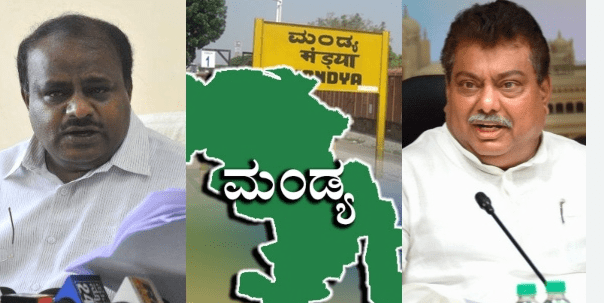
Outrageous Grief 1: SC/ST Commission Chairman Condemns Killing of Pregnant Woman Over Inter-Caste Marriage in Dharwad

The Chairman of the Karnataka State Scheduled Castes and Scheduled Tribes Commission has strongly condemned the killing of a pregnant woman in Dharwad, allegedly linked to opposition to her inter-caste marriage. The incident has sent shockwaves across the state, reigniting debates around caste-based discrimination, honour-related violence, and the continued vulnerability of women who defy entrenched social hierarchies. Describing the crime as “deeply disturbing and unacceptable in a constitutional democracy,” the Commission chairman said the incident reflects the urgent need for stricter enforcement of laws meant to protect marginalised communities.

According to official sources, the victim, who was several months pregnant, had married a man from a different caste against the wishes of her family. The marriage reportedly led to sustained hostility and pressure, culminating in the alleged killing. Police have registered a case and initiated an investigation, while arrests have been made based on preliminary evidence. Authorities stated that the case is being treated with utmost seriousness, given its social implications and the vulnerability of the victim.

The SC/ST Commission chairman, while reacting to the incident, stated that crimes rooted in caste prejudice strike at the very foundation of equality and social justice guaranteed by the Constitution. He emphasised that inter-caste marriages are legally protected and socially essential for dismantling caste barriers, and any act of violence against couples exercising this right must be met with zero tolerance.

The Commission chairman also called upon educational institutions and community organisations to actively engage in dialogue around caste equality and constitutional values. He stressed that long-term change depends on sustained education, awareness, and the collective rejection of practices that perpetuate discrimination and violence. Officials noted that sensitisation initiatives targeting youth could play a critical role in reshaping attitudes toward inter-caste relationships.

As investigations continue, authorities have reiterated that the case will be closely monitored at multiple levels to prevent any dilution of justice. The incident, they said, serves as a stark reminder of the consequences of intolerance and the urgent need for coordinated action by the state and society. Ensuring accountability, protecting fundamental rights, and reaffirming the rule of law remain central to the response in the aftermath of the Dharwad tragedy.

The incident has sparked widespread condemnation from political leaders, civil society organisations, and rights activists, many of whom have termed the killing an “honour crime.” They have urged the state government to ensure swift justice and provide comprehensive support to the victim’s family. Activists noted that despite progressive laws, social resistance to inter-caste unions remains strong in several parts of the state.

Police officials stated that the investigation is progressing and that all angles, including conspiracy and prior threats, are being examined. Statements from family members, neighbours, and acquaintances are being recorded to establish the sequence of events. Officials also confirmed that relevant provisions of the Scheduled Castes and Scheduled Tribes (Prevention of Atrocities) Act have been invoked, given the circumstances of the case.

The Commission chairman announced that he would consider recommending a detailed inquiry and monitoring the investigation to ensure accountability. He also stressed the importance of protecting witnesses and ensuring that the case is not weakened by social pressure or intimidation.

Caste, Honour Crimes, and Social Realities

The killing has once again brought to the forefront the persistent issue of honour-based violence linked to caste identity. Experts point out that while urbanisation and education have contributed to changing social attitudes, deeply rooted caste prejudices continue to influence family and community responses to inter-caste relationships. Women, in particular, remain vulnerable when asserting autonomy over marriage choices.

Legal experts have noted that honour crimes, though not recognised as a separate category under Indian law, are prosecuted under existing criminal provisions. In cases involving caste-based violence, additional safeguards are provided under special legislations. However, activists argue that enforcement gaps and delayed justice often embolden perpetrators.Karnataka inter-caste shocker: 7-months pregnant woman killed by father, kin; assaulted with sprinkler pipes | Hubballi News - The Times of India

The SC/ST Commission chairman highlighted that inter-caste marriages are encouraged under various government schemes precisely because they challenge discriminatory practices. He warned that failure to protect such couples undermines not only individual rights but also broader social reform efforts. The chairman urged district administrations to proactively identify and support at-risk couples.

Sociologists have observed that resistance to inter-caste marriages is often justified under the guise of tradition or family honour, masking underlying power structures. They stressed that sustained awareness campaigns and community-level engagement are essential to change mindsets and prevent violence.

Civil society groups working on women’s rights and caste equity have called for fast-track courts to handle cases involving honour-based violence. They argue that prolonged trials exacerbate trauma for victims’ families and send a message of impunity. The Dharwad incident, they said, should serve as a wake-up call for systemic reform.

Official Response and Investigation

Senior police officials in Dharwad district stated that immediate action was taken following the discovery of the crime. A special investigation team has been constituted to ensure a thorough and impartial probe. Authorities confirmed that forensic evidence is being collected and that digital records, including phone data, are being examined to trace communication and intent.

The district administration has also stepped in to assess the need for additional security for the victim’s husband and other vulnerable individuals connected to the case. Officials emphasised that preventing retaliatory violence or intimidation is a priority, given the sensitive nature of the incident.

The SC/ST Commission chairman noted that the Commission would seek a detailed report from the police and district authorities. He reiterated that any lapse in investigation or attempt to dilute charges would be viewed seriously. The Commission, he said, is empowered to recommend disciplinary action against officials if negligence is established.

State government representatives expressed condolences to the victim’s family and assured that justice would be delivered. They stated that the government remains committed to eradicating caste-based violence and protecting women’s rights. Officials highlighted existing welfare and legal aid mechanisms available to affected families.

Legal aid authorities have reportedly reached out to the victim’s family to offer assistance. Counselling support is also being considered, given the trauma associated with the loss and the circumstances surrounding the crime. Officials stressed that comprehensive support is crucial in cases involving social stigma and fear.Karnataka Man Beats To Death Pregnant Teen Daughter For Inter-Caste Marriage

Public Reaction and Political Discourse

The killing has generated strong reactions across the political spectrum. Leaders from various parties condemned the incident and called for stringent punishment for those responsible. Some leaders demanded that the case be tried in a fast-track court to ensure timely justice and deterrence.

Student groups and rights organisations organised protests and candlelight vigils, expressing solidarity with the victim and her family. Demonstrators called for stronger safeguards for inter-caste couples and better implementation of existing laws. They also urged political leaders to move beyond rhetoric and ensure concrete action.

On social media, the incident has sparked widespread debate on caste, patriarchy, and women’s autonomy. Many users highlighted the contradiction between constitutional values and ground realities, questioning why such incidents continue despite legal protections. Others called for education reforms to address caste prejudice from an early age.

The SC/ST Commission chairman acknowledged the public outrage and stated that societal vigilance is essential in combating caste-based violence. He urged citizens to report threats or harassment faced by inter-caste couples and to support victims rather than isolating them.

Institutional Accountability and Preventive Measures

Experts have stressed that preventing honour-based crimes requires coordinated action across institutions. This includes proactive policing, responsive local administrations, and accessible support systems for couples facing opposition. The Dharwad incident, they said, underscores the consequences of delayed intervention.

The Commission chairman reiterated the need for district-level monitoring committees to track cases involving caste-based threats and violence. He suggested that local officials, police, and social welfare departments work together to identify warning signs and intervene early.

Awareness programs highlighting the legality and social importance of inter-caste marriages have been recommended as a preventive measure. Officials noted that community leaders, educators, and religious figures can play a role in challenging harmful norms and promoting acceptance.SC/ST Commission chairman condemns killing of pregnant woman over inter-caste marriage in Dharwad - The Hindu

Future Outlook and the Road Ahead

The killing of a pregnant woman over an inter-caste marriage has left a deep scar on the conscience of the state. While the investigation continues, the incident has renewed calls for stronger institutional resolve and societal introspection. Authorities have acknowledged that legal action alone is insufficient without sustained efforts to change attitudes.

The SC/ST Commission chairman stated that the Commission would continue to monitor similar cases and advocate for policy reforms where necessary. He emphasised that protecting the dignity, life, and choices of individuals from marginalised communities is a constitutional obligation that must be upheld without compromise.

As the Dharwad case moves through the justice system, its outcome is likely to influence future approaches to honour-based violence in Karnataka. Observers noted that swift and decisive action could send a powerful message against caste-based crimes, while delays could reinforce fear and mistrust.

In conclusion, the condemnation by the SC/ST Commission chairman reflects not only outrage over a single incident but also a broader demand for accountability and reform. The killing has exposed persistent social fault lines and the urgent need to bridge the gap between law and lived reality. Ensuring justice for the victim, protecting vulnerable couples, and fostering a culture of equality remain critical challenges that the state must confront with determination and empathy.

Follow: Karnataka Government

Also read: Home | Channel 6 Network – Latest News, Breaking Updates: Politics, Business, Tech & More
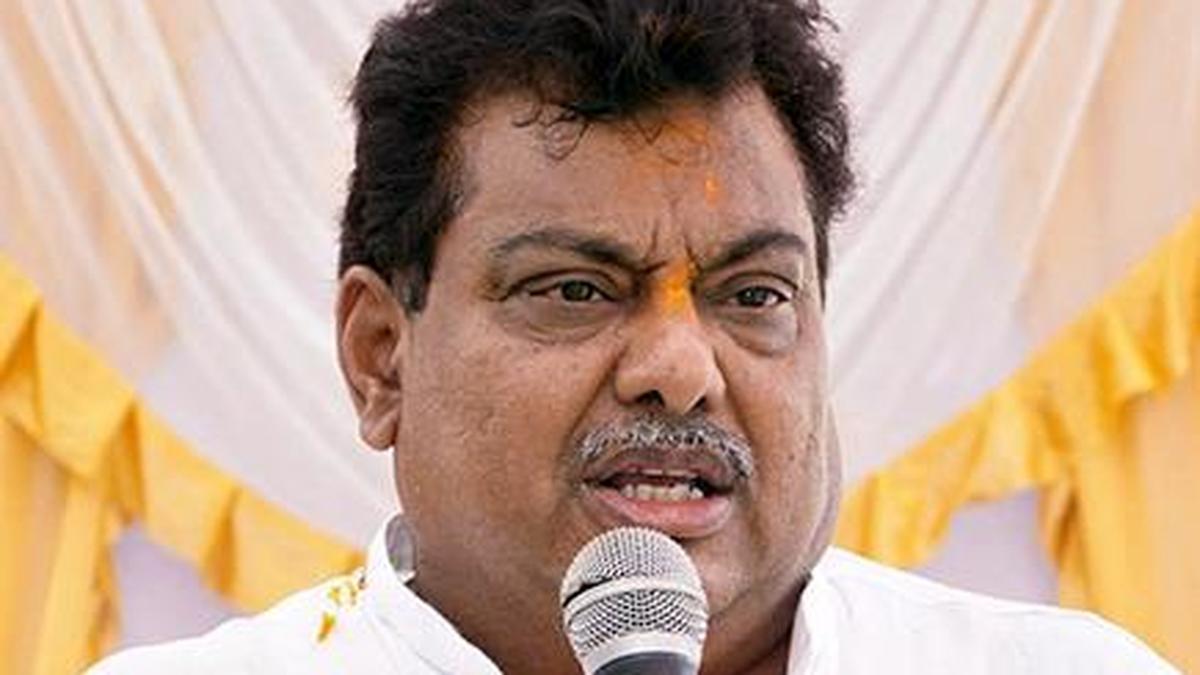
Resilient Hope 1: Tigress Trapped and Captured in Bandipur Buffer Zone

A tigress that had strayed into the buffer zone of Bandipur Tiger Reserve was successfully trapped and captured by forest department officials after an intensive operation, bringing relief to local residents and highlighting the ongoing challenges of human-wildlife interaction in the region. The operation, carried out after days of monitoring and planning, followed reports of the big cat’s movement close to human habitations, triggering concern among villagers and authorities alike. Forest officials described the capture as a necessary intervention to ensure the safety of both people and the animal.

The tigress was first spotted in the buffer zone areas adjoining forest boundaries, where agricultural fields and settlements overlap with wildlife corridors. Officials noted that the animal’s presence had led to heightened fear among residents, particularly farmers and daily wage workers who venture out early in the morning or late in the evening. While no human casualties were reported, authorities stated that preventive measures were essential given the potential risk posed by the situation.

Forest officials have also announced that a detailed post-operation review will be conducted to evaluate the effectiveness of the response and identify areas for improvement. The review will examine coordination among field staff, response time, equipment readiness, and communication with local communities. Authorities stated avoiding similar situations in the future requires constant refinement of protocols and capacity-building at the ground level.

Environmental groups have reiterated that incidents involving large carnivores should be addressed through science-based conservation strategies rather than ad hoc measures. They emphasised that long-term solutions must include safeguarding wildlife corridors beyond protected areas and regulating land-use changes around forest boundaries. Experts noted that unplanned development in buffer zones often exacerbates conflict by disrupting traditional movement paths of animals.

Officials also indicated that data collected during the operation, including camera trap images and movement patterns, will be added to the reserve’s wildlife database. This information will be used to better understand dispersal behaviour and inform future management decisions. Authorities stressed that such documentation plays a crucial role in strengthening conservation planning and response preparedness.

As normalcy gradually returns to villages around the Bandipur buffer zone, authorities have urged residents to remain cautious and continue following safety advisories. Forest officials reiterated that coexistence with wildlife is a shared responsibility and that timely reporting, awareness, and cooperation are essential. The incident, they noted, serves as an important reminder of the need for sustained vigilance and collaborative conservation efforts in ecologically sensitive regions.

According to senior forest officials, camera traps and pugmark analysis confirmed the tigress’s repeated movement in the buffer zone. Based on these inputs, a decision was taken to trap the animal using a specially designed cage. The operation involved veterinarians, trained forest staff, and support teams, who worked in coordination to minimise stress to the tigress and avoid any harm during the capture process.

Villagers were advised to remain indoors during night hours, and forest staff conducted regular patrols to track the tigress’s movement. Temporary restrictions were placed on grazing and collection of forest produce in the affected areas. Officials emphasised that these measures were precautionary and aimed at preventing accidental encounters while preparations for the capture were underway.

The trapping operation was conducted following established wildlife protocols. Bait was placed strategically, and the cage was monitored continuously using surveillance equipment. Forest officials confirmed that the tigress entered the trap late at night, after which the cage was secured and the animal was sedated by a veterinary team to facilitate safe handling and transport.

Once sedated, the tigress underwent a preliminary health examination to assess her physical condition. Veterinarians reported that the animal appeared healthy, with no visible injuries, though further observation would be conducted to rule out any underlying issues. Officials noted that health assessment is a critical step in determining the next course of action, including release or relocation.Tigress trapped, captured in Bandipur buffer zone - The Hindu

Human-Wildlife Conflict and Conservation Challenges

Bandipur Tiger Reserve is one of India’s most significant wildlife habitats and forms part of the Nilgiri Biosphere Reserve. The buffer zone, which serves as a transitional area between core forest regions and human settlements, often becomes a flashpoint for human-wildlife conflict. Officials stated that increased wildlife movement into buffer zones can be attributed to factors such as habitat pressure, prey movement, and seasonal changes.

Forest department officials emphasised that the capture of the tigress should be viewed within the broader context of conservation management rather than as a punitive measure. They reiterated that buffer zones are designed to absorb such interactions and provide a controlled space for intervention when wildlife strays too close to human activity. The objective, they said, is to reduce conflict while maintaining ecological balance.

Local residents expressed mixed reactions to the capture. While many welcomed the move as a relief from fear and uncertainty, some voiced concerns about recurring wildlife intrusions. Farmers pointed out that crop damage and livestock loss remain persistent issues in villages bordering the reserve. They urged authorities to strengthen preventive infrastructure such as solar fencing and early warning systems.

Conservation experts noted that tiger populations in protected areas like Bandipur have shown steady growth due to sustained conservation efforts. While this is a positive indicator, it also increases the likelihood of tigers dispersing into peripheral areas in search of territory. Experts stressed the need for landscape-level planning to ensure connectivity between habitats and reduce pressure on buffer zones.

Officials highlighted that awareness programs have been conducted in villages surrounding Bandipur to educate residents on safety measures and appropriate responses during wildlife encounters. Such initiatives, they said, play a crucial role in minimising panic and preventing retaliatory actions against animals.

The Capture Operation and Official Response

Forest department officials described the capture operation as a carefully coordinated effort involving multiple teams. Personnel were deployed in shifts to monitor the trap round-the-clock, and contingency plans were put in place to respond to unexpected developments. Officials emphasised that the safety of the tigress was prioritised throughout the operation.

After the capture, the tigress was transported to a secure holding facility within the reserve for observation. Officials stated that she would remain under veterinary supervision for a few days to monitor her recovery from sedation and assess behavioural patterns. Based on these observations, a decision would be taken regarding her release into a suitable habitat.

Authorities clarified that relocation is considered only after thorough evaluation, as translocation can sometimes lead to territorial conflicts with resident tigers. Releasing the animal back into a secure forest area with adequate prey base and minimal human disturbance is often preferred. Officials stressed that each case is assessed individually to ensure the best outcome for both wildlife and local communities.

Senior forest officials also addressed concerns raised by villagers, assuring them that additional patrols would continue even after the capture. They stated that the department remains vigilant and prepared to respond swiftly to any further wildlife movement in the buffer zone. Officials reiterated that coexistence remains a guiding principle of conservation policy.

The operation drew attention from wildlife enthusiasts and conservation groups, many of whom commended the forest department’s approach. They noted that timely intervention, adherence to protocol, and transparency in communication helped prevent escalation and maintained public trust.Tigress And Her 3 Cubs Captured In Bandipur Buffer Zone

Community Impact and Local Concerns

For residents living near the Bandipur buffer zone, the tigress’s presence had been a source of anxiety. Many households altered daily routines, avoiding outdoor activities after dusk and accompanying children to school. The successful capture was seen as a temporary return to normalcy, though concerns about future incidents persist.

Village leaders acknowledged the forest department’s efforts but reiterated demands for long-term solutions. They called for enhanced compensation mechanisms for crop and livestock losses and faster response systems to address wildlife-related emergencies. Officials noted that such feedback is being taken into account in ongoing policy reviews.

Women and elderly residents, in particular, expressed relief following the capture, citing fear of unexpected encounters. Community members also highlighted the importance of regular communication from authorities, stating that timely updates help prevent rumours and panic.

Forest officials emphasised that community cooperation is vital in managing buffer zone challenges. They urged residents to report wildlife sightings promptly and avoid provocative actions such as chasing or attempting to photograph animals at close range. Officials stated that responsible behaviour significantly reduces risk.

Future Outlook and Conservation Strategy

The capture of the tigress has once again underscored the complexities of wildlife management in regions where human settlements intersect with protected forests. Officials acknowledged that as conservation successes lead to growing wildlife populations, proactive strategies must evolve to address emerging challenges.

The forest department has indicated plans to strengthen monitoring in buffer zones using technology such as GPS tracking, camera traps, and drone surveillance. These tools, officials said, can provide early warnings and enable timely interventions before situations escalate.

Long-term measures being considered include habitat enrichment within core forest areas to reduce outward movement of wildlife, improved corridor connectivity, and increased investment in community-based conservation initiatives. Officials emphasised that involving local communities as stakeholders is essential for sustainable coexistence.Irate Karnataka villagers lock up forest staff inside tiger trap cage in  Bandipur - The Hindu

Conservationists also stressed the importance of continued research and data-driven decision-making. Understanding movement patterns, prey availability, and behavioural factors can help design more effective management strategies. They noted that incidents like this provide valuable insights into wildlife dynamics.

In conclusion, the trapping and capture of the tigress in the Bandipur buffer zone reflects both the challenges and responsibilities inherent in wildlife conservation. While the immediate risk has been mitigated, the incident serves as a reminder of the delicate balance between protecting endangered species and ensuring human safety. Authorities expressed hope that continued cooperation, informed policy, and adaptive management will strengthen coexistence and preserve the ecological integrity of one of Karnataka’s most vital wildlife landscapes.

Follow: Karnataka Government

Also read: Home | Channel 6 Network – Latest News, Breaking Updates: Politics, Business, Tech & More
Proposed AHINDA Convention May Add to Leadership Tussle: Shocking Sentiment 1

The proposed AHINDA convention has triggered renewed political debate in Karnataka, with party insiders and observers suggesting that the event could intensify the ongoing leadership tussle within the ruling establishment. While officially projected as a platform to consolidate support among AHINDA communities—an acronym representing minorities, backward classes, and Dalits—the proposed convention is increasingly being viewed through the prism of internal power dynamics and emerging leadership ambitions. Political analysts note that the timing and scale of the convention have added a new layer of complexity to an already delicate balance within the party.

Senior leaders have maintained that the proposed convention is aimed at strengthening social justice discourse and reinforcing the party’s ideological commitment to inclusive governance. However, multiple factions within the party appear to be interpreting the move differently, with some viewing it as an attempt to project a particular leader as the principal face of AHINDA politics in the state. Officials familiar with internal discussions stated that such perceptions have led to unease among other aspirants, who fear marginalisation in the evolving political narrative.

The proposed convention is expected to draw representatives, community leaders, and party workers from across Karnataka, making it a high-visibility event with potential political implications. While party leadership has not officially announced dates or venues, preparatory meetings and informal mobilisation efforts have already begun in several districts. Observers note that these early signals have sparked speculation about the political messaging and leadership positioning that may emerge from the convention.

Party leaders have publicly downplayed suggestions of internal discord, emphasising that AHINDA has long been a collective ideological plank rather than an individual-centric initiative. They have reiterated that the convention, if held, would focus on policy discussions, social empowerment, and organisational strengthening. Despite these assurances, internal conversations suggest that differences over leadership projection and credit-sharing remain unresolved.

Sources within the party indicated that some senior leaders have expressed concern that the convention could be perceived as favouring one faction over others. They argue that while AHINDA remains a powerful social coalition, its political mobilisation must be carefully managed to avoid alienating leaders who command influence in other social segments. Officials noted that maintaining unity ahead of future electoral challenges is a key priority, and any initiative that risks deepening internal divides is being closely scrutinised.Proposed AHINDA convention may add to leadership tussle - The Hindu

The political context surrounding the proposed convention has further heightened sensitivities. With local body elections and organisational restructuring on the horizon, leadership visibility and grassroots outreach have assumed greater importance. Analysts point out that platforms such as large-scale conventions often serve as informal indicators of political clout, making them focal points for competition within parties.

AHINDA Politics and Strategic Significance

AHINDA as a political concept has played a significant role in shaping Karnataka’s electoral landscape over the years. By bringing together minorities, backward classes, and Dalits, the coalition has been demonstrated to be electorally influential when effectively mobilised. Party strategists have often credited AHINDA-centric outreach for consolidating vote banks and shaping governance priorities focused on social welfare and equity.

The proposed convention is being positioned by its proponents as a continuation of this legacy. Leaders advocating for the event argue that changing socio-economic conditions and emerging challenges necessitate renewed engagement with AHINDA communities. They contend that a convention would provide a structured forum to discuss issues such as education, employment, political representation, and access to government schemes.

However, critics within the party caution that AHINDA politics must evolve beyond symbolic gatherings. They stress that tangible policy outcomes and sustained engagement matter more than high-profile events. Some leaders have privately questioned whether the convention is being driven more by political optics than by genuine consultative intent, adding to internal scepticism.

Political observers also note that AHINDA is not a monolithic bloc and encompasses diverse interests and priorities. Successfully navigating these differences requires careful leadership coordination and inclusive messaging. Any perception that one leader is seeking to dominate the AHINDA narrative could risk fragmenting support and undermining collective strength.

The broader opposition has been watching developments closely, interpreting the proposed convention as a sign of internal recalibration within the ruling party. Opposition leaders have suggested that the leadership tussle could weaken governance focus, though ruling party officials have dismissed such claims as politically motivated speculation.

Leadership Aspirations and Internal Dynamics

The leadership tussle within the party has been an undercurrent in recent months, marked by subtle signals, strategic statements, and competing public appearances. While the party officially maintains a united front, insiders acknowledge that ambitions for greater influence and future leadership roles are shaping internal alignments.

The proposed AHINDA convention has become intertwined with these ambitions. Analysts suggest that whoever takes the lead in organising and addressing the convention could gain enhanced visibility among key social groups, potentially strengthening their claim to leadership prominence. This has reportedly made other leaders wary, particularly those who fear being overshadowed.Mega AHINDA Convention Planned in Mysuru to Back Siddaramaiah

Senior leaders have attempted to manage these dynamics by emphasising collective leadership and shared responsibility. They have reiterated that any major organisational event would be conducted under the guidance of the party’s high command, with representation from all factions. Despite this, the absence of clear communication on the convention’s structure has allowed speculation to persist.

Party functionaries at the district level have expressed mixed reactions. Some see the proposed convention as an opportunity to energise cadres and reconnect with grassroots supporters. Others worry that unclear leadership messaging could confuse workers and create parallel lines of loyalty, complicating organisational coherence.

The role of the party’s central leadership has also come into focus. Observers note that decisions on large-scale conventions often require approval from the high command, particularly when they carry potential implications for state-level leadership equations. The delay in formal announcement is being interpreted by some as a sign of ongoing deliberations at higher levels.

Organisational Implications and Cadre Response

At the organisational level, the proposed convention has prompted discussions on mobilisation, resource allocation, and messaging. Party workers have reportedly begun informal outreach in anticipation, even as official directives remain pending. This has created a sense of uncertainty among cadres regarding priorities and timelines.

Some party workers have welcomed the prospect of a convention, viewing it as a morale-boosting exercise that could reinvigorate grassroots networks. They argue that large gatherings help reaffirm ideological commitments and provide clarity on policy direction. Others caution that without clear objectives, such events risk becoming platforms for factional showmanship.

District leaders have emphasised the need for inclusive planning to ensure that all segments feel represented. They have suggested forming coordination committees comprising leaders from different factions to avoid perceptions of bias. Party officials noted that such measures could help mitigate internal tensions and ensure smoother execution if the convention proceeds.

The financial and logistical aspects of organising a state-level convention have also been discussed. Leaders have highlighted the importance of transparency and accountability in funding and decision-making to prevent internal disputes. Observers note that organisational discipline during such events often reflects broader party health.

Political Messaging and Public Perception

Public perception is another critical factor shaping the debate around the proposed AHINDA convention. While internal leadership dynamics may dominate behind-the-scenes discussions, outward messaging will influence how voters interpret the initiative. Party leaders have stressed the need to frame the convention around governance achievements and future policy commitments rather than individual leadership narratives.

Communication strategists within the party have reportedly advised caution, noting that overt displays of internal competition could undermine public confidence. They argue that unity and clarity are essential, particularly in a politically competitive environment where opponents are quick to exploit perceived divisions.

Media coverage of preparatory activities has already fuelled speculation, with reports highlighting contrasting statements from different leaders. Party spokespersons have attempted to project coherence, reiterating that discussions are ongoing and that no final decision has been taken. Nevertheless, the steady stream of commentary has kept the issue in the public eye.Karnataka Politics: Plans for Dalit Convention Amidst Leadership Tussle

Civil society observers have pointed out that AHINDA politics resonates strongly when linked to concrete outcomes such as welfare delivery and social mobility. They suggest that any convention should prioritise actionable resolutions and follow-up mechanisms to maintain credibility.

Future Outlook and Political Calculations

Looking ahead, the fate of the proposed AHINDA convention is likely to depend on how effectively party leadership navigates internal sensitivities. Analysts suggest that a carefully structured, inclusive event could strengthen organisational unity and reinforce ideological commitments. Conversely, a poorly managed initiative could exacerbate leadership rivalries and complicate governance focus.

Party officials have indicated that consultations are ongoing and that a final decision will be taken after considering organisational readiness and political implications. They emphasised that unity remains paramount and that any initiative would be aligned with broader party interests.

The proposed convention has thus become a litmus test for internal coordination and leadership management. Its outcome may offer insights into how the party balances ambition with cohesion, and ideology with pragmatism, in the evolving political landscape of Karnataka.

In conclusion, while the proposed AHINDA convention is officially framed as an ideological and organisational exercise, it has inevitably become entangled with leadership tussles and internal power equations. As deliberations continue, the manner in which the party resolves these dynamics will shape not only the fate of the convention but also the broader trajectory of its leadership and political strategy in the state.

Follow: Karnataka Government

Also read: Home | Channel 6 Network – Latest News, Breaking Updates: Politics, Business, Tech & More
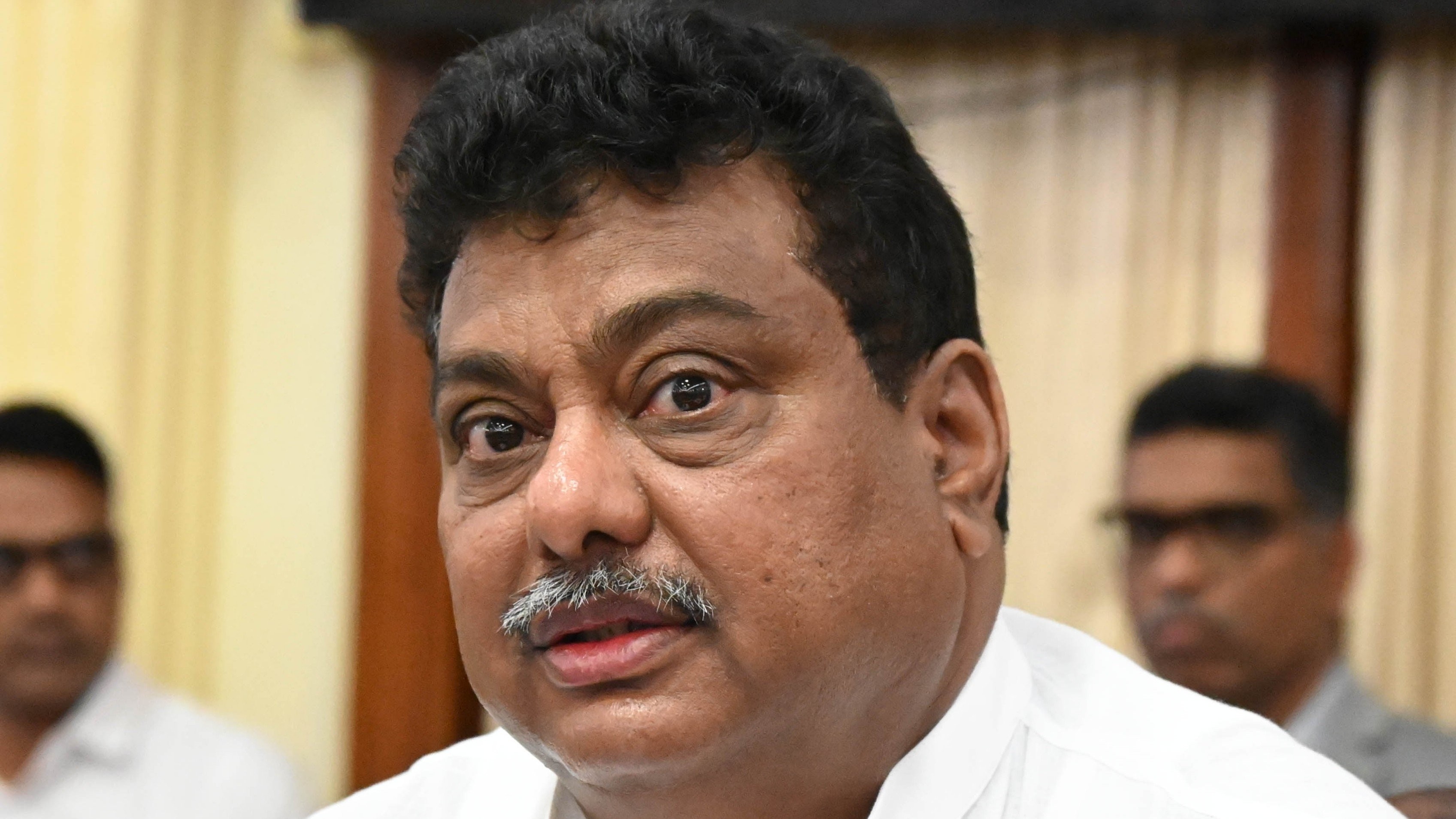
Deadly Blast Near Mysuru Palace: Tragic Loss Shakes 1

One person was killed and four others sustained injuries after a gas cylinder explosion occurred near one of the main gates of the historic Mysuru Palace on Tuesday, triggering panic among locals, tourists, and vendors in the area. The incident, which took place during peak visiting hours, disrupted normal movement around the palace premises and prompted an immediate response from police, fire services, and emergency medical teams. Authorities described the explosion as a tragic accident that has raised concerns over safety measures in high-footfall heritage zones.

Authorities have also instructed local police stations to conduct periodic checks on commercial gas cylinder usage, especially in areas with dense pedestrian movement. Officials stated that surprise inspections will be intensified to identify unsafe practices such as refilling domestic cylinders for commercial use, improper storage, and lack of fire safety equipment. The administration emphasised that enforcement actions will be coupled with awareness initiatives to ensure compliance without disrupting livelihoods.

Tourism officials acknowledged that the incident could temporarily affect visitor confidence but assured that corrective steps are being taken swiftly. They stated that coordination between the tourism department, palace board, and district administration will be strengthened to enhance safety protocols around the monument. Officials reiterated that Mysuru Palace remains safe for visitors and that additional security and safety personnel will be deployed in the coming days as a precautionary measure.

Families of the injured and the deceased have appealed for timely assistance and long-term support. Authorities confirmed that immediate relief will be provided under existing government schemes and that further compensation will be considered after a detailed assessment. Social welfare department officials have been directed to extend counselling and rehabilitation support, particularly to those whose livelihoods have been affected by the incident.

The tragic explosion has once again highlighted the challenges of managing urban safety in rapidly growing tourist hubs. Officials noted that balancing economic activity, heritage conservation, and public safety requires continuous monitoring and policy refinement. As Mysuru continues to attract large numbers of visitors, authorities stressed that lessons from this incident will play a crucial role in shaping safer, more regulated public spaces in the future.One killed, four injured as gas cylinder explodes near Mysuru palace gate -  The Hindu

According to police officials, the explosion occurred near a temporary vendor area close to the palace gate, where a gas cylinder was reportedly being used for cooking purposes. The impact of the blast was strong enough to throw debris several metres away, damaging nearby structures and vehicles. The deceased, believed to be a vendor working in the vicinity, succumbed to injuries at the spot, while four others were rushed to a nearby hospital with burn injuries and trauma.

Eyewitnesses recounted hearing a loud blast followed by screams and confusion as people ran for safety. Many tourists who were visiting the palace at the time were escorted away from the site by security personnel to prevent further injuries. Officials confirmed that there was no damage to the palace structure itself, but the incident caused temporary disruption to entry and exit at the affected gate.

Emergency services reached the location within minutes of the explosion. Fire and rescue personnel worked to douse flames and secure the area, while police cordoned off the site to facilitate rescue operations and investigation. Ambulances transported the injured to government and private hospitals, where doctors stated that their condition is currently stable, though some have sustained serious burns requiring specialised care.

Authorities have initiated a detailed investigation to determine the exact cause of the explosion. Preliminary findings suggest that a gas leak may have triggered the blast, but officials emphasised that technical inspection and forensic analysis are underway to establish accountability. Police have registered a case and are questioning witnesses, vendors, and nearby shop owners as part of the probe.

Emergency Response and Safety Measures

Following the incident, district administration officials visited the site to assess the situation and review existing safety arrangements around the palace area. Senior police officers stated that crowd control measures were immediately strengthened to prevent panic and ensure the safety of visitors. Entry to the palace was briefly restricted before being partially restored after authorities confirmed that there was no ongoing threat.

Fire department officials highlighted that gas cylinders used by roadside vendors pose a significant risk if safety norms are not strictly followed. They noted that improper storage, damaged regulators, or faulty connections can lead to dangerous situations, especially in crowded public spaces. Officials stressed the need for regular inspections and awareness programs to educate vendors about safe handling of cooking gas.

The district administration has ordered a review of all temporary stalls and vending units operating near major public and heritage sites in Mysuru. Officials stated that a joint inspection by the municipal corporation, police, and fire department will be conducted to identify unauthorised vendors and ensure compliance with safety regulations. Authorities emphasised that public safety remains a top priority, particularly in areas that attract large numbers of tourists daily.

Medical officials at the hospital treating the injured said that burn victims are receiving specialised treatment and are being closely monitored. Counselling support has also been extended to affected families. Authorities noted that compensation procedures for the deceased and injured will be initiated as per government norms, following verification of details.Karnataka: One killed, four injured as balloon gas cylinder explodes near  Mysuru Palace | Karnataka News – India TV

Impact on Public and Heritage Area

Mysuru Palace, one of Karnataka’s most prominent tourist attractions, witnesses thousands of visitors each day. The explosion near its gate has raised concerns among the public regarding safety arrangements around heritage monuments. Tourists present at the site expressed shock over the incident, stating that the blast occurred without warning and caused widespread fear.

Officials from the Department of Tourism clarified that the palace itself remains structurally safe and that the incident occurred outside the core heritage premises. They added that coordination with local authorities will be strengthened to ensure safer surroundings for visitors. Temporary signage and barricades have been placed around the affected area to restrict access until investigations are completed.

Local residents and shopkeepers in the vicinity described the incident as deeply unsettling. Many noted that gas cylinders are commonly used by vendors operating near busy tourist spots and called for stricter monitoring by authorities. Some residents urged the administration to designate specific zones for vendors, equipped with basic safety infrastructure, to prevent similar incidents in the future.

Police officials reiterated that no foul play is suspected at this stage, and the explosion appears to be accidental. However, they emphasised that negligence, if established, will invite strict action under relevant laws. Authorities have also begun verifying whether the gas cylinder involved was legally procured and maintained according to safety standards.

Administrative Review and Investigation

Senior district officials held a review meeting soon after the incident to assess emergency preparedness and response mechanisms. They noted that while the quick arrival of emergency services helped prevent further casualties, preventive measures must be strengthened to avoid such tragedies. Officials stressed the importance of coordination between departments responsible for public safety, urban management, and tourism.

The investigation team is examining the remains of the gas cylinder, regulator, and stove to identify technical faults. Forensic experts have been called in to assist with the analysis. Police have also sought CCTV footage from nearby establishments to reconstruct the sequence of events leading up to the explosion.

Authorities stated that statements from injured persons will be recorded once their medical condition permits. The investigation will also examine whether safety guidelines issued by the municipal corporation for street vendors were followed. Officials noted that findings from the probe will inform future policy decisions aimed at improving safety in crowded public spaces.One Dead And Four Injured In Mysuru Palace Gas Cylinder Explosion

Public Reaction and Calls for Safety Reforms

The incident has sparked widespread discussion on social media and among civic groups, with many calling for stricter enforcement of safety regulations for vendors using gas cylinders. Citizens’ groups emphasised that while street vending provides livelihoods to many, it must be regulated to ensure public safety, especially near heritage and high-traffic areas.

Experts in urban safety highlighted that similar incidents have occurred in other cities, often due to lack of awareness and oversight. They recommended regular training programs for vendors, mandatory safety audits, and the use of safer alternatives where possible. Authorities acknowledged these concerns and stated that policy-level discussions will be initiated to address the issue comprehensively.

Future Outlook and Preventive Measures

The district administration has announced plans to conduct awareness drives focusing on safe usage of cooking gas and fire safety for vendors operating in Mysuru. Officials stated that these programs will be conducted in coordination with the fire department and gas distribution agencies. They added that licensing procedures for vendors may be reviewed to include mandatory safety compliance checks.

Authorities also indicated that heritage zones like Mysuru Palace may see revised guidelines restricting the use of gas cylinders in immediate surroundings. Alternative arrangements, such as designated food courts with regulated infrastructure, are being considered to balance livelihood concerns with public safety.

In conclusion, the gas cylinder explosion near Mysuru Palace gate that claimed one life and injured four others stands as a grim reminder of the importance of safety in crowded public spaces. While emergency response helped contain the situation, the incident has underscored the need for stricter monitoring, better awareness, and proactive administrative action. As investigations continue, authorities hope that lessons learned from this tragedy will lead to stronger preventive measures, ensuring the safety of citizens, tourists, and workers in one of Karnataka’s most iconic locations.

Follow: Karnataka Government

Also read: Home | Channel 6 Network – Latest News, Breaking Updates: Politics, Business, Tech & More
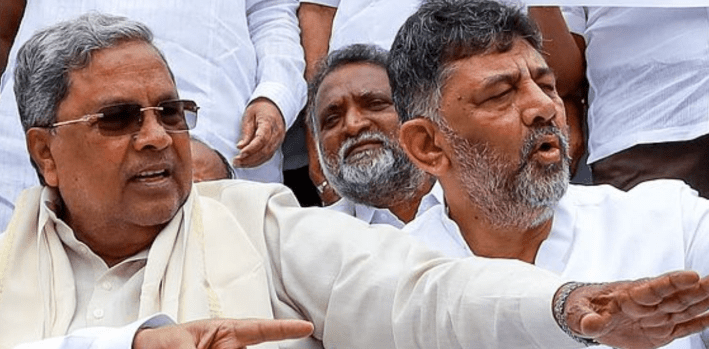
Sarbananda Sonowal at Dibrugarh Khel Mahotsav: PM Modi Proudly Transformed Sports into a Nationwide People’s Movement: 2025

Union Minister of Ports, Shipping & Waterways and Dibrugarh Khel Lok Sabha MP, Sarbananda Sonowal, on December 25, 2025, said that Narendra Modi has transformed sports in India from a niche activity into a nationwide mass movement. Addressing athletes, students, and local residents at the Sansad Khel Mahotsav in Dibrugarh, Assam, Sonowal highlighted how sports are now central to youth empowerment, fitness, and nation-building.


Sports as a Pillar of Nation-Building

Speaking at the event, Sonowal said the Prime Minister’s vision places fitness, discipline, and athletic excellence at the heart of India’s development journey.
“Prime Minister Narendra Modi ji has given sports a central place in India’s growth by turning fitness and athletic excellence into a people’s movement,” he said, calling upon youth to build a healthy, sports-oriented India guided by the spirit of Khelo India – Khelo Desh.


Sansad Khel Mahotsav Strengthens Grassroots Sports

Sonowal noted that the Sansad Khel Mahotsav has become a powerful platform for early talent identification and community participation.
“This initiative is nurturing grassroots talent, strengthening community bonds, and instilling discipline, confidence, and character among our youth,” he said, adding that such local platforms are vital for building a sustainable sporting ecosystem.


Targeted Incentives for Emerging Athletes in Dibrugarh

Announcing constituency-level support, Sonowal said promising sportspersons from Dibrugarh would soon receive targeted incentives and institutional support.
“Talented athletes from Dibrugarh will be given special assistance to enhance training and performance so they can compete at higher levels and bring recognition to Assam and the nation,” he stated.


National Sports Reforms Since 2014

Referring to Good Governance Day, observed on the birth anniversary of Atal Bihari Vajpayee, Sonowal highlighted the far-reaching sports reforms undertaken since 2014.
“Under Prime Minister Modi’s leadership, India has witnessed unprecedented expansion of sports infrastructure, wider participation, and systematic talent identification from every corner of the country,” he said.

He cited flagship initiatives such as Khelo India, Fit India, and the Target Olympic Podium Scheme (TOPS), which have created structured pathways, world-class facilities, and professional training environments—enabling young Indians to pursue sports as a serious career.


Assam’s Alignment with the National Vision

Sonowal said Assam has aligned closely with the national sports vision through initiatives like Khel Mahotsav, which identify talent from villages, tea garden areas, and remote regions, preparing athletes for national and international competitions.
He added that improved indoor and outdoor stadium infrastructure in Dibrugarh has increased parental confidence in sports as a viable career option.


Dignitaries Present at Dibrugarh Khel

The event was attended by several prominent dignitaries, including Assam Minister Prashanta Phukan, Dibrugarh Municipal Corporation Mayor and Deputy Mayor Ujjal Phukan, Chairman of Assam Petrochemicals Limited Bikul Deka, BJP District President Dulal Bora, Chairman of Dibrugarh Development Authority Asim Hazarika, Managing Director of Brahmaputra Valley Fertilizer Corporation Limited Pranjal Barman, Vice Chancellor of Sri Sri Aniruddhadeva University Prof. Narendra Nath Sarma, President of Dibrugarh District Sports Association Niranjan Saikia, Secretary Kamakhya Saikia, District Commissioner Bikram Kairi, and other distinguished guests and citizens.


Conclusion
The Dibrugarh Khel Mahotsav underscored how sports-led development is emerging as a powerful tool for youth empowerment and social cohesion. With strong national policies, grassroots platforms, and targeted local support, Assam—particularly Dibrugarh—is positioning itself as a nurturing ground for sporting talent, reinforcing India’s journey toward becoming a fit, confident, and globally competitive sporting nation.


For more real-time updates, visit Channel 6 Network.

Source: PIB

Constitution of India Released in Santhali Language for the First Time, Marking a Historic Milestone in Linguistic Inclusion: 2025

In a landmark step towards linguistic inclusion and constitutional accessibility, the Constitution of India translated into the Santhali language was released for the first time on December 25, 2025, by the Hon’ble President of India, Draupadi Murmu, at Rashtrapati Bhawan, New Delhi. The historic publication has been brought out by the Legislative Department, Ministry of Law and Justice.

The release coincided with Good Governance Day and the Birth Centenary Year of the Ol Chiki script, developed in 1925 by Raghunath Murmu, making the occasion deeply significant for the Santhali-speaking community and India’s constitutional journey.


A First-of-Its-Kind Constitutional Translation

The publication marks the first-ever official translation of the Constitution of India into Santhali, reinforcing the Government’s commitment to making constitutional values and rights accessible to citizens in their mother tongue.

By translating the Constitution into Santhali—written in the Ol Chiki script—the initiative bridges the gap between constitutional governance and tribal communities, enabling greater awareness, participation, and empowerment.


Santhali: An Ancient Language with Constitutional Recognition

Santhali is one of India’s most ancient living languages and is spoken by a large tribal population across Jharkhand, Odisha, West Bengal, and Bihar. The language received constitutional recognition when it was included in the Eighth Schedule of the Constitution through the 92nd Constitutional Amendment Act, 2003.

The release of the Constitution in Santhali further strengthens the status of the language and acknowledges the cultural and linguistic heritage of the Santhal community.


Celebrating Ol Chiki Script’s Centenary

The release gains added importance as 2025 marks 100 years of the Ol Chiki script, developed by Pandit Raghunath Murmu to preserve and promote Santhali language and identity. The script has played a vital role in the literary, educational, and cultural development of Santhali-speaking regions.

Publishing the Constitution in Ol Chiki is both symbolic and substantive, affirming respect for indigenous knowledge systems and linguistic self-expression.


Dignitaries Present at the Release

The event was graced by several dignitaries, including:

  • C. P. Radhakrishnan, Vice-President of India

  • Arjun Ram Meghwal, Minister of State (Independent Charge), Ministry of Law and Justice

Members of the Santhali-speaking community and other distinguished invitees were also present, making the occasion a moment of pride and collective celebration.


Strengthening Good Governance and Constitutional Awareness

Releasing the Constitution on Good Governance Day underscores the principle that good governance begins with understanding and accessibility. The initiative empowers Santhali-speaking citizens to directly engage with constitutional rights, duties, and democratic values without linguistic barriers.

It also reflects the broader vision of inclusive governance, where diversity of language and culture is recognised as a strength of Indian democracy.


Conclusion
The release of the Constitution of India in Santhali language is a historic and transformative step in India’s democratic journey. It not only honours the linguistic and cultural legacy of the Santhal community but also reinforces the ideals of inclusion, accessibility, and equality before law. By bringing the Constitution closer to the people in their own language, India continues to strengthen the foundations of participatory democracy and good governance.


For more real-time updates, visit Channel 6 Network.

Source: PIB