Monday, May 4, 2026
Home Blog Page 199

Messi the Younger Sister Faces Long Recovery After Miami Road Accident

0

Messi the Younger Sister Hospitalised After Serious Accident in the US

Messi the younger sister Maria Sol Messi has been hospitalised following a serious road accident in Miami, an incident that has deeply concerned the football star’s family and supporters. The accident occurred when Maria Sol reportedly lost consciousness while driving, causing her vehicle to crash into a wall. Though her condition is now stable and she is out of immediate danger, doctors have confirmed that the injuries are severe and will require long-term medical care.Lionel Messi's sister wedding postponed after she is rushed to hospital following car crash

Family sources confirmed that Maria Sol, who is 32 years old, sustained multiple injuries in the crash. These include fractures to two vertebrae, her heel, and her wrist, along with burn injuries. Emergency services responded quickly, and she was admitted to a hospital in Miami, where she received initial treatment. Medical professionals later advised an extended period of rehabilitation.

Despite the seriousness of the accident, the family has reassured well-wishers that her life is not at risk. Her mother confirmed that Maria Sol is conscious, stable, and responding well to treatment. However, the injuries have significantly disrupted her personal and professional plans.

Messi the Younger Sister Returns to Argentina for Rehabilitation

After receiving emergency medical care in the United States, Messi the younger sister has now returned to Rosario, Argentina, her hometown, to begin a long recovery process. Doctors recommended that rehabilitation closer to family support would aid both physical healing and emotional well-being. The recovery is expected to take several months due to spinal injuries and fractures.Messi the Younger Sister

Medical experts familiar with similar cases note that vertebral fractures require careful monitoring and gradual rehabilitation. Mobility restrictions, physiotherapy, and long-term follow-up are standard procedures in such cases. Family members are reportedly preparing for an extended period of care, ensuring that Maria Sol can focus entirely on recovery without external pressure.

The accident has also forced the postponement of her wedding, which was scheduled to take place in early January in Rosario. The event was expected to be a private but significant family gathering, with close relatives and friends in attendance. The decision to postpone was made on medical advice, as travel and physical strain could worsen her condition.

Messi the Younger Sister’s Wedding Plans Put on Hold

The wedding to her fiancé, Julian Tuli Arellano, who is associated with the Inter Miami football setup at the youth level, has been indefinitely postponed. Family members confirmed that the decision was difficult but necessary, given the seriousness of the injuries and the uncertain recovery timeline.Lionel Messi's Sister Hospitalized Following Serious Accident, Wedding Plans Delayed | Yardbarker

Relatives stated that the focus is now entirely on health and healing rather than celebrations. The wedding was expected to bring together the Messi family after a long time, including Lionel Messi and his wife. However, the family has chosen privacy during this period and has asked for understanding from the public.

Messi the Younger Sister Remains Under Close Family Care

Family members have remained by Maria Sol’s side since the accident. Sources close to the family indicated that the emotional impact of the crash was significant, but strong family support has helped her remain positive. Doctors have emphasized that mental strength will play a crucial role in recovery, especially during long rehabilitation phases.


View this post on Instagram


A post shared by Nutshell Today (@nutshell_today)

The Messi family has not released frequent public updates, choosing instead to keep communication limited. This approach reflects their intent to protect privacy while ensuring accurate information is shared to prevent speculation. Also Read: Bangladesh summon envoys as diplomatic tension grows between Delhi and Dhaka

Conclusion

Messi the younger sister is safe but faces a long and careful recovery following the Miami accident. With serious injuries requiring extended rehabilitation, personal milestones have been postponed as health takes priority. Supported by her family in Argentina, the coming months will focus on healing, stability, and gradual recovery.
Shipping Adviser Brigadier General Highlights a 54-Year Milestone for Bangladesh Shipping

Shipping Adviser Brigadier General Oversees Historic Profit Surge at BSC

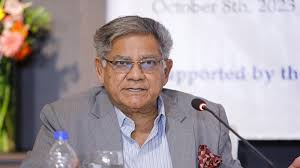
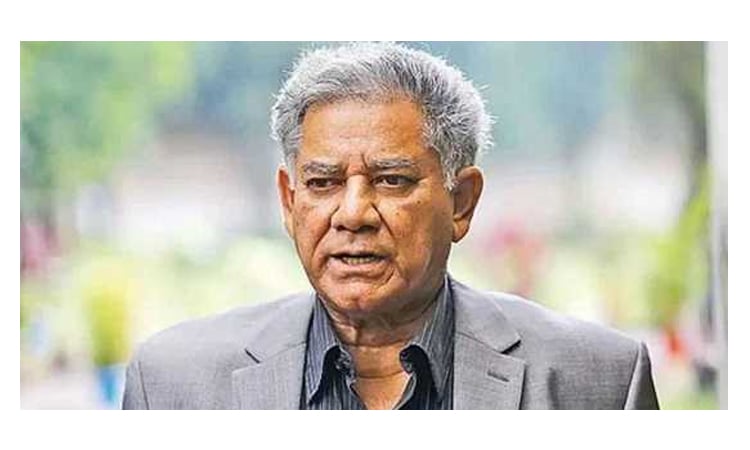
Shipping Adviser Brigadier General (Retd.) Dr. M. Sakhawat Hossain announced a landmark financial achievement for the Bangladesh Shipping Corporation, stating that the state-owned entity recorded its highest-ever net profit in the 2024–25 fiscal year. The earnings marked a major turning point in the organisation’s 54-year journey, reflecting improved management, operational discipline, and renewed focus on long-term growth.BSC achieves highest profit in its 54-year history: Shipping Adviser | News | Bangladesh Sangbad Sangstha (BSS)

During the annual general meeting of the corporation, it was disclosed that BSC earned a net profit of Tk 306.56 crore, surpassing all previous records. Total income for the fiscal year stood at Tk 798.28 crore, signaling a strong recovery and a stable revenue base for the national carrier. Officials described the performance as a sign of renewed confidence in Bangladesh’s maritime sector.

The adviser noted that these results did not come by chance. He attributed the success to stricter oversight, better fleet utilisation, and a focus on transparency. According to him, the shipping sector has long suffered from inefficiencies that limited growth despite strong trade demand. The latest figures suggest that meaningful reforms are beginning to show results.

Shipping Adviser Brigadier General Flags Structural Issues at Chattogram Port

Alongside financial success, the Shipping Adviser Brigadier General drew attention to long-standing structural problems surrounding Chattogram Port. He stated that control over port operations had remained concentrated within the same institutional framework for decades, creating what he described as a closed cycle of influence. This situation, he said, restricted fair competition and slowed modernization efforts.Shipping Adviser Brigadier General (Retd) M Sakhawat Hussain formally inaugurated century-old paddle steamer PS Mahsud, set to resume operations this month, this morning (15 November), marking the revival of a historic chapter

The adviser emphasized that reforming port governance is essential for sustaining growth in shipping and trade. He pointed out that inefficiencies at the port level directly affect freight costs, turnaround time, and the global competitiveness of Bangladeshi exports. Addressing these issues, he added, requires political will, administrative reform, and strong monitoring mechanisms.

In response, the government has moved forward with a major development initiative for Chattogram Port. Officials confirmed that foreign investment worth $1 billion has been secured to support infrastructure upgrades, capacity expansion, and operational efficiency. These changes are expected to ease congestion and strengthen Bangladesh’s position as a regional maritime hub.

Shipping Adviser Brigadier General Supports Shareholder Returns and Fleet Growth

The meeting also approved a 25 percent cash dividend for shareholders, reflecting the corporation’s improved financial health. This decision was welcomed as a positive signal for public-sector accountability and performance-based returns. Management representatives stated that maintaining profitability while rewarding shareholders remains a core priority.Shipping Adviser Brigadier General (Retd) M Sakhawat Hussain formally inaugurated century-old paddle steamer PS Mahsud, set to resume operations this month, this morning (15 November), marking the revival of a historic chapter

BSC’s fleet expansion plans were also outlined during the session. At present, the corporation operates several vessels acquired through foreign financing, along with a self-funded bulk carrier. Another vessel is scheduled to join the fleet in early 2026, further strengthening cargo capacity. Officials confirmed that long-term planning includes acquiring up to 12 container ships to meet rising trade demands.

This expansion is aimed at reducing dependence on foreign carriers and retaining freight earnings within the country. By increasing national shipping capacity, BSC hopes to play a more active role in handling Bangladesh’s growing import and export volumes.

Shipping Adviser Brigadier General Links Maritime Strength to Economic Stability

The adviser highlighted that a strong national shipping line is not just a commercial asset but a strategic economic tool. He noted that disruptions in global shipping often expose vulnerabilities in trade-dependent economies. Strengthening domestic shipping capacity, he said, improves resilience during global crises and supports national economic security.


View this post on Instagram


A post shared by Nutshell Today (@nutshell_today)

He also stressed the need for consistent policy support and institutional reform to sustain momentum. According to him, financial success must be backed by governance reforms to ensure that gains are not reversed. Also Read: Bangladesh summon envoys as diplomatic tension grows between Delhi and Dhaka

Conclusion

The announcement by the Shipping Adviser Brigadier General marks a significant moment for Bangladesh Shipping Corporation. Record profits, dividend payouts, fleet expansion, and port development plans together signal a shift toward stability and growth, with long-term reforms now becoming the real test ahead.

Assailants set fire as a Pattern of Targeted Night Attacks Shakes Raozan

Assailants set fire to Homes in Raozan, Triggering Fear Among Minority Families

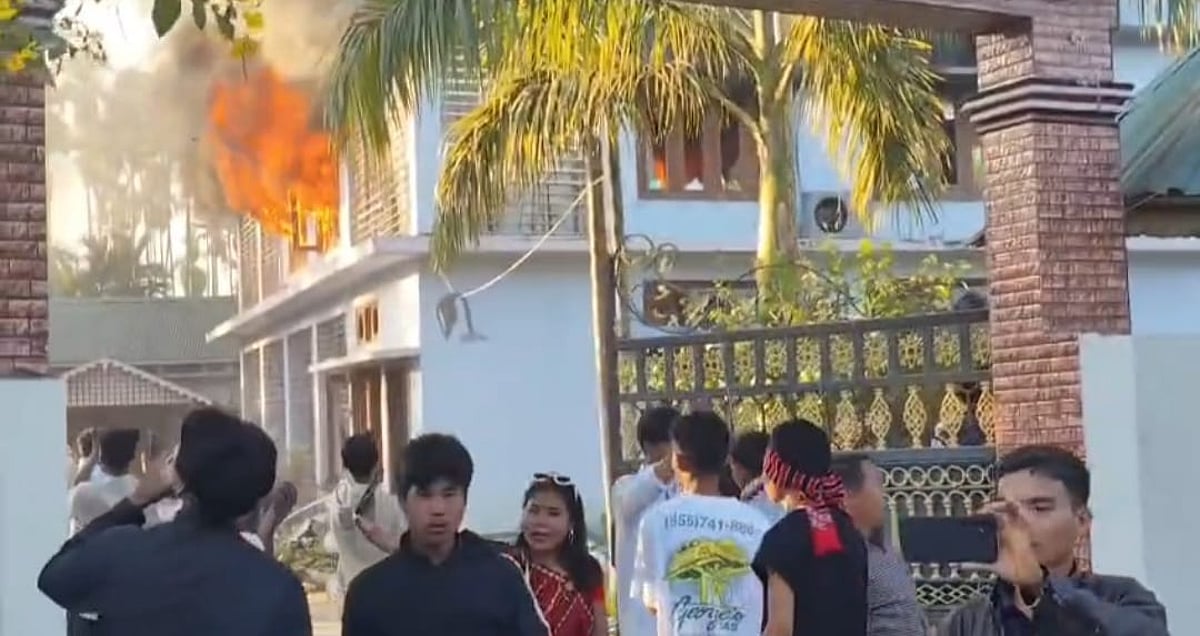
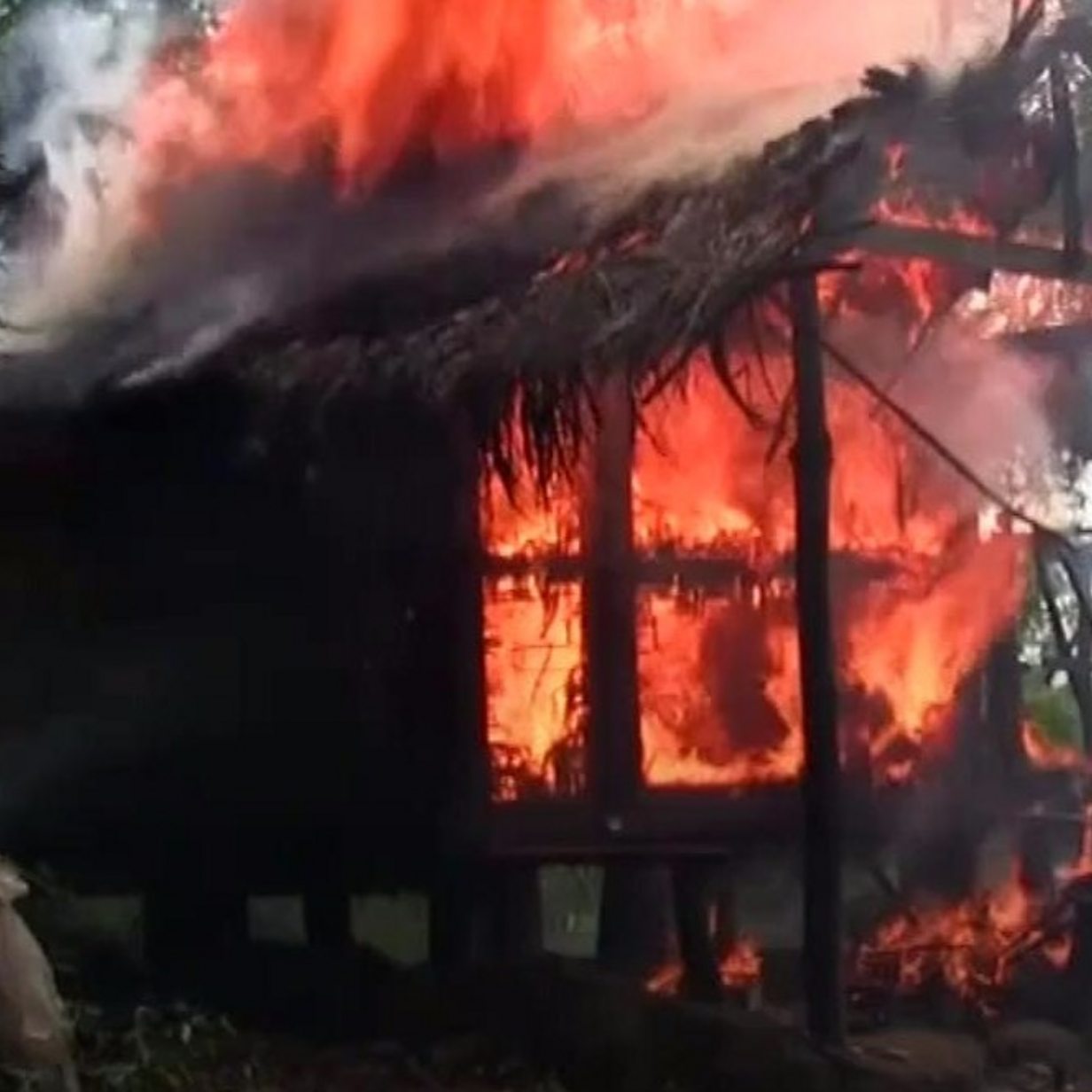
Assailants set fire to the houses of two Hindu families in Raozan upazila in the early hours of Tuesday, continuing a disturbing series of nighttime arson attacks in the area. The incident took place in Sultanpur village when the attackers allegedly locked the families inside their homes before setting the structures ablaze. The targeted houses belonged to expatriate workers, highlighting a troubling trend of selective attacks.Assailants set fire

According to local accounts, the fire broke out between 3:15 am and 4:00 am while the families were asleep. Eight members trapped inside the burning houses managed to escape by cutting through tin roofing and bamboo fencing. Although no fatalities were reported, the destruction was severe, with seven rooms completely damaged along with furniture, household items, and stored cash. The incident left the families traumatized and temporarily displaced.

Police officials confirmed that the nature of the attack closely resembled previous incidents in the same region. Law enforcement has begun active operations to identify and arrest those responsible, noting that the repeated method suggests coordination rather than isolated criminal acts.

Assailants set fire Repeatedly as Similar Attacks Surface Across Nearby Villages

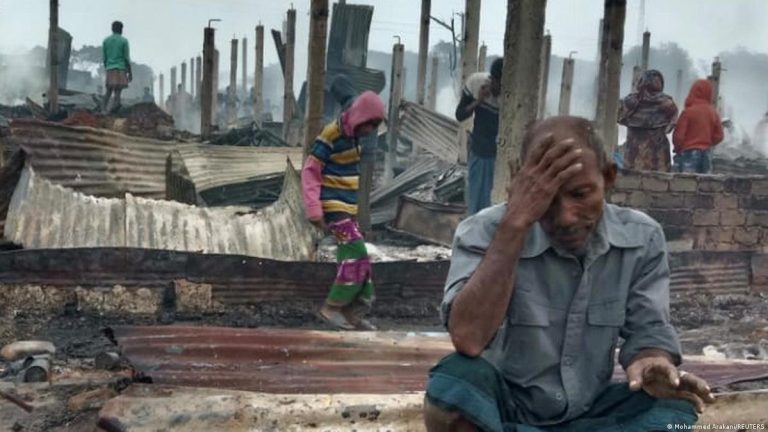
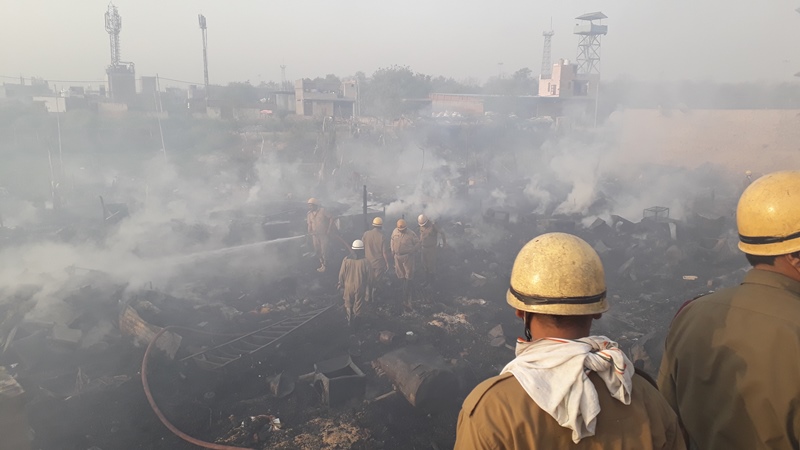
The latest attack marks the third such incident in Raozan within a span of five days. Earlier incidents followed the same pattern, with houses being locked from the outside before being set on fire during late-night hours. On Saturday, the homes of two other families were torched in Dheuapara village. A day earlier, three houses were burned in the Keotia area, all under similar circumstances.Fire Reduces Rohingya Camp To Ashes, Exposing India's Refugee — Refugees Deeply

The repetition has raised serious concerns among residents, particularly among minority communities who fear further attacks. The consistency in timing, method, and targets has led authorities to treat the incidents as deliberate sabotage rather than accidental or spontaneous acts. Police sources stated that these attacks appear to be planned and executed with intent to cause fear and displacement.

Local administration officials have acknowledged the growing anxiety in the region. In response, security committees have been activated and night patrols increased to prevent further incidents. Authorities have also assured residents that investigations are ongoing and that the motive behind the attacks will be clarified once formal reports are completed.

Assailants set fire as Authorities Step Up Security and Relief Measures

Following the most recent incident, local officials visited the affected families to assess the damage and provide immediate assistance. Relief in the form of cash support and food supplies was distributed to help the victims manage the immediate aftermath. Officials emphasized that the administration would continue to monitor the situation closely and extend further support if required.Rohingya Muslims respond to claims they set fire to their homes

Police confirmed that special drives are underway to identify suspects and prevent repeat incidents. Surveillance has been increased in vulnerable areas, and community members have been advised to report suspicious activity immediately. Authorities also indicated that intelligence inputs are being reviewed to understand whether the attacks are linked to personal disputes, organized sabotage, or broader social tensions.

Assailants set fire Incidents Expose Ongoing Gaps in Rural Night Security

The repeated nature of these attacks has exposed weaknesses in nighttime security arrangements in rural areas. Residents have questioned how attackers were able to carry out multiple incidents without being detected. Community leaders have urged stronger preventive measures rather than reactive responses after damage has already occurred.


View this post on Instagram


A post shared by Nutshell Today (@nutshell_today)

While officials have promised accountability, trust will depend on visible arrests and concrete findings. For affected families, rebuilding homes is only part of the challenge. Restoring a sense of safety remains the larger concern as fear continues to spread across nearby villages. Also Read: Bangladesh summon envoys as diplomatic tension grows between Delhi and Dhaka

Conclusion

The incidents where assailants set fire to homes in Raozan reflect a serious security concern that goes beyond property damage. With repeated attacks following the same pattern, swift investigation and decisive action will be critical to prevent further violence and restore confidence among residents.

National Citizen Party Signals a New Political Reset Amid Debate on Rights and Accountability

0

National Citizen Party and the Question of Political Rights After the July Uprising

National Citizen Party has taken a firm yet cautious position on the future of civic and political rights in Bangladesh, especially concerning ordinary supporters of the Awami League who were not directly involved in violence during the July Uprising. Speaking at a public political dialogue in Dhaka, party convener Nahid Islam made it clear that ignoring this unresolved issue would only allow the crisis to return in another form.The Rise Of The Ncp And Bangladesh S Descent Into Chaotic Politics - Expert Speak | ORF

Rather than pushing collective punishment, the National Citizen Party emphasized the need for a structured political resolution. Nahid Islam stated that while supporting an authoritarian or fascist political force may carry moral responsibility, the long-term stability of the country depends on separating violent accountability from ordinary political affiliation. According to him, restoring rights should not be automatic but conditional, tied to public acknowledgment and forgiveness.

The core message from the National Citizen Party was simple: unresolved political exclusion creates instability. If the problem is buried instead of addressed, it will reappear during future elections and power transitions. The party framed reconciliation not as weakness, but as a political necessity.

National Citizen Party Pushes Reconciliation Alongside Institutional Accountability

The National Citizen Party proposed the formation of a Truth and Reconciliation Commission to examine the status of ordinary party supporters. This mechanism, according to Nahid Islam, would allow the state to distinguish between those who actively participated in violence and those who were merely part of a political structure. The aim is not to erase wrongdoing but to prevent endless political revenge cycles.How a new political party has Dhaka divided further - India Today

At the same time, the National Citizen Party did not soften its stance on state institutions accused of abuse. Nahid openly called for the immediate dissolution of the Rapid Action Battalion, arguing that accountability cannot exist while controversial forces continue to operate without structural reform. He also raised concerns about oversight within intelligence and security bodies, stating that democratic recovery requires transparency across institutions.

This dual approach reveals the party’s broader political strategy. Reconciliation without justice would lack credibility, while punishment without resolution would deepen divisions. The National Citizen Party appears to be positioning itself between these extremes, offering a framework that addresses both responsibility and reintegration.

National Citizen Party Views the Election as More Than a Vote

The National Citizen Party also reframed the upcoming national election as something larger than a routine political contest. According to Nahid Islam, the election should be understood as a continuation of the July Uprising itself. In this view, voting is not just about choosing leaders but about confirming whether the public still stands by the demands and sacrifices of that movement.India's Muslims: An Increasingly Marginalized Population | Council on Foreign Relations

He acknowledged that compromises were made in parts of the proposed political charter due to ground realities. However, he stressed that the core principles of the July Charter must remain untouched. Any deviation, he warned, would weaken public trust and reduce the uprising to a symbolic event rather than a meaningful political shift.


View this post on Instagram


A post shared by Nutshell Today (@nutshell_today)

The National Citizen Party further criticized other political groups for attempting to absorb the displaced vote base of the former ruling party without offering real solutions. According to Nahid, competing for votes without addressing the root political crisis only postpones instability rather than resolving it. Also Read: Bangladesh summon envoys as diplomatic tension grows between Delhi and Dhaka

Conclusion

The National Citizen Party is attempting to redefine post-uprising politics by combining reconciliation, accountability, and electoral responsibility. Its position reflects a calculated effort to prevent political repetition while keeping democratic principles intact. Whether this approach gains public confidence will depend on how clearly these ideas translate into action in the coming months.

Adviser of the interim government sets timeline for July massacre trial

0

Adviser of the interim government confirms deadline for July massacre trial

Adviser of the interim government Dr. Asif Nazrul has stated that the trial related to the July massacre will be completed before Victory Day in 2025, setting a clear judicial timeline under Bangladesh’s interim administration. Speaking on December 28, 2024, during a national dialogue on unity, reform, and elections, Nazrul underlined that addressing the genocide cases remains one of the most critical responsibilities of the current government.Interim govt to ensure globally acceptable July massacre trial: Asif Nazrul | News Flash | Bangladesh Sangbad Sangstha (BSS)

The remarks were made on the second day of the dialogue held at the Krishibid Institute, where senior officials, political voices, and civil society representatives gathered to discuss the country’s immediate political and legal roadmap. According to Nazrul, the interim government is currently focused on three main duties: ensuring justice for the July violence, implementing necessary reforms, and preparing the ground for a credible election.

Nazrul, who serves as the Law Adviser, said that overseeing the legal process related to the July massacre is his primary responsibility. He stressed that the victims and their families deserve a judicial outcome that is both timely and credible, adding that the government is committed to handling the cases with seriousness and accountability.

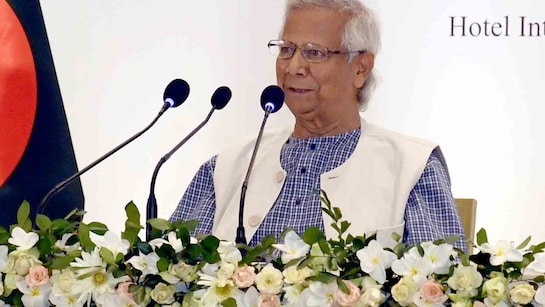
Adviser of the interim government stresses balance between speed and credibilityBangladesh's Interim Government To Announce 'Proclamation Of July Uprising'

Adviser of the interim government Dr. Asif Nazrul emphasized that while the trial process would move forward without unnecessary delay, it would not be rushed at the cost of judicial integrity. He acknowledged public expectations for swift justice but warned that shortcuts in legal proceedings could weaken confidence in the system.

According to Nazrul, the judiciary must remain beyond question, especially in cases involving mass violence and alleged genocide. He stated that the legal process would be conducted carefully, with full respect for established procedures, evidence evaluation, and due process. Any attempt to hasten verdicts without proper examination, he said, could undermine the credibility of the courts and the legitimacy of the final outcome.

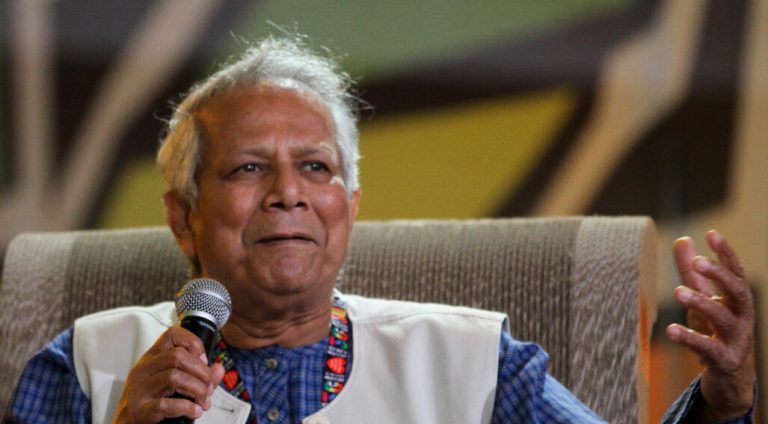
Nazrul assured that there would be no negligence in handling the cases and no intentional delays in judicial proceedings. He reiterated that the interim government understands the emotional weight of the July events and the responsibility it carries in delivering justice that is fair, transparent, and legally sound.Muhammad Yunus: Who is the Nobel laureate chosen to lead Bangladesh after protests? | AP News

Adviser of the interim government links justice to reform and elections

Adviser of the interim government also linked the completion of the July massacre trial to the broader political transition underway in Bangladesh. He explained that justice, institutional reform, and elections are interconnected goals that must progress together to restore public trust.Adviser of the interim government

Nazrul noted that addressing past violence is essential for creating a stable environment for future democratic processes. Without accountability, he said, reforms would lack credibility and elections would struggle to gain public confidence. The interim government, therefore, views the genocide trials not as isolated legal cases but as part of a wider effort to rebuild governance and political legitimacy.

Victory Day 2025 has been identified as a symbolic and practical milestone for concluding the trial process. Completing the cases before that date, Nazrul suggested, would signal the government’s commitment to justice while allowing the nation to move forward with reforms and electoral preparations.


View this post on Instagram


A post shared by Nutshell Today (@nutshell_today)

He also indicated that coordination between legal institutions, investigators, and prosecutors is ongoing to ensure that the cases proceed efficiently. While specific details of the trial timeline were not disclosed, Nazrul made it clear that the government is actively managing the process rather than allowing it to stagnate. Also Read: Bangladesh summon envoys as diplomatic tension grows between Delhi and Dhaka

Conclusion

The statement by the adviser of the interim government sets a clear expectation for the completion of the July massacre trial before Victory Day 2025. By stressing judicial credibility alongside urgency, the interim administration has positioned justice as the foundation for reform and future elections. How effectively this balance is maintained will play a crucial role in shaping public confidence during Bangladesh’s political transition.

Bangladesh summon envoys as diplomatic tension grows between Delhi and Dhaka

0

Bangladesh summon envoys amid rising diplomatic unease

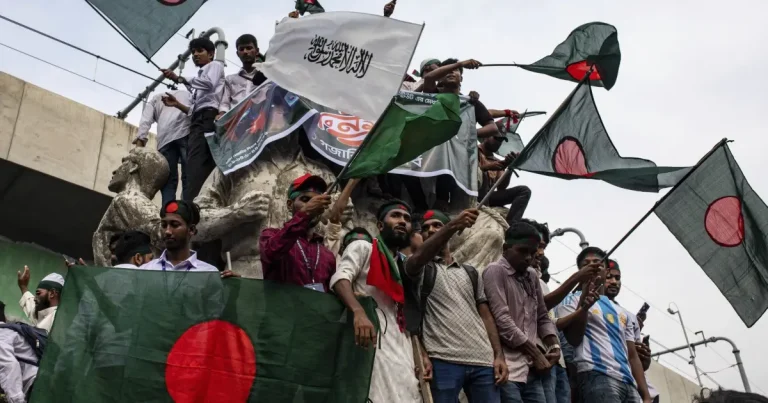
Bangladesh summon envoys became the latest sign of strain in India–Bangladesh relations as both countries called in each other’s diplomats to express concern over protests, violence, and security incidents linked to recent deaths on both sides of the border. The developments reflect a sharp escalation in diplomatic communication following unrest in Bangladesh and demonstrations in India.Bangladesh summon envoys

On Tuesday morning, Dhaka summoned Indian High Commissioner Pranay Verma to convey what it described as deep concern over protests outside Bangladeshi diplomatic missions in India. Bangladeshi authorities alleged that extremist elements were involved in violent demonstrations targeting their High Commission and visa facilities after the lynching of a Hindu youth in Bangladesh last week.

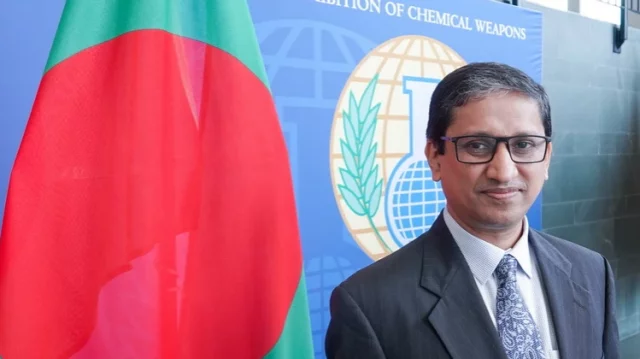
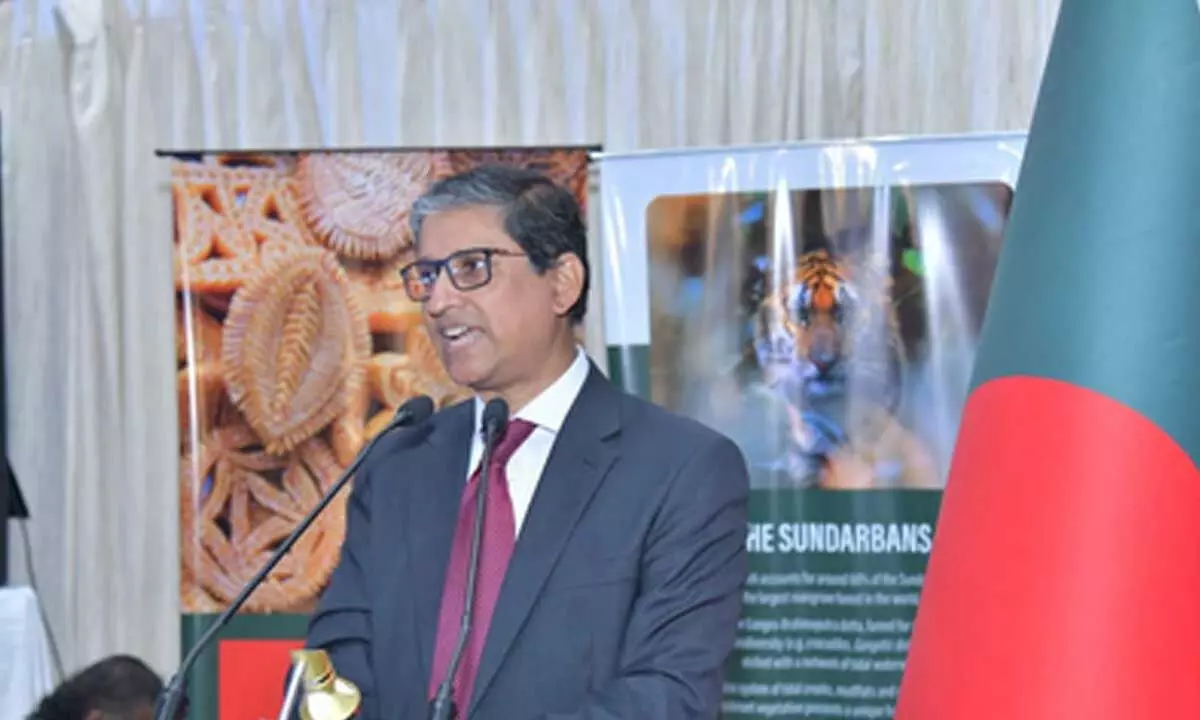
Later the same day, New Delhi also summoned Bangladesh’s envoy Riaz Hamidullah to the Ministry of External Affairs. While no official statement was issued by India, sources confirmed that the meeting reflected reciprocal concern over recent developments and the overall impact on bilateral ties.

Bangladesh summon envoys after protests and visa disruptions

Bangladesh summon envoys followed a series of protest-related incidents that led to disruptions in diplomatic and consular services. A day before the diplomatic exchanges, the Bangladesh High Commission temporarily suspended visa and consular operations in New Delhi and Agartala, citing unavoidable circumstances. India had earlier halted visa services in Chittagong as unrest spread within Bangladesh.Dhaka summons Indian envoy after protests at Bangladesh High Commission - The Hindu

According to Bangladeshi officials, protests outside their diplomatic premises in India crossed acceptable limits. Authorities highlighted incidents near the Bangladesh High Commission and the official residence in New Delhi, as well as vandalism reported at a visa centre in Siliguri. Dhaka urged India to take immediate steps to ensure the safety and dignity of diplomatic establishments, in line with international obligations.

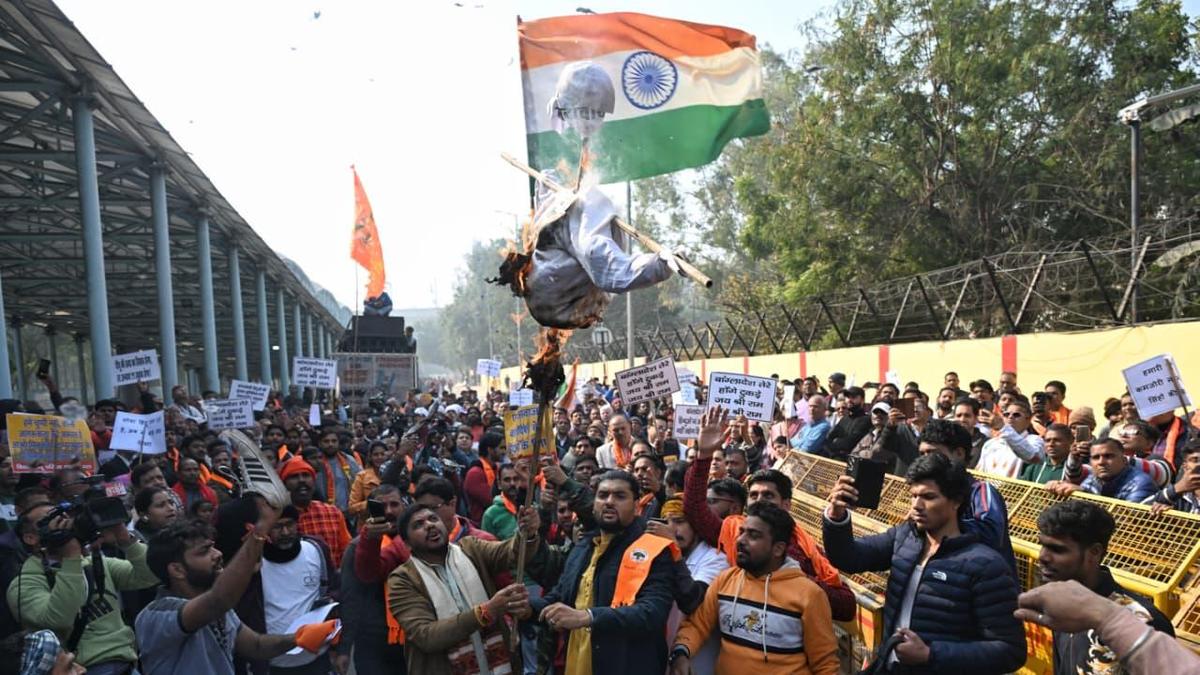
In New Delhi, protests were held near the Bangladesh High Commission by groups demanding justice for Dipu Chandra Das, a factory worker who was lynched in Bangladesh’s Mymensingh district over alleged blasphemy. Demonstrators reportedly breached police barricades, raising concerns over security in the high-security diplomatic zone.

India summons Bangladesh envoy over deteriorating security environment in DhakaIndia has maintained that there was no breach of diplomatic security, a claim that Bangladesh has publicly rejected. Dhaka has called for a thorough investigation into the incidents and accountability for those responsible.



Bangladesh summon envoys as political violence fuels concern

Bangladesh summon envoys also reflects broader instability within Bangladesh following the killing of youth leader Sharif Osman Hadi. Hadi was shot by masked attackers in Dhaka after leaving a mosque and later died while undergoing treatment abroad. His death triggered protests across the country and intensified political tensions.India summons envoy as Bangladesh tension rises | India News - The Times of India

The killing came shortly after Bangladeshi authorities announced a timeline for the first national elections since the 2024 uprising. Hadi had reportedly planned to contest the elections as an independent candidate, adding a political dimension to the unrest.

In an effort to address public outrage, Bangladesh’s Education Adviser visited the family of Dipu Chandra Das to convey sympathy and assure them that justice would be delivered. Authorities have stated that multiple arrests have already been made in connection with the lynching, and investigations are ongoing.


View this post on Instagram


A post shared by Nutshell Today (@nutshell_today)

Meanwhile, India has repeatedly raised concerns over the safety of minorities in Bangladesh, summoning Dhaka’s envoy multiple times in recent weeks. Bangladesh, in turn, has summoned India’s envoy at least twice over what it views as failures to control protests and protect diplomatic premises. Also Read: National Herald Case: Critical High Court Notice to Gandhi Leaders

Conclusion

The episode where Bangladesh summon envoys underscores a fragile phase in India–Bangladesh relations, shaped by internal unrest, cross-border sensitivities, and competing narratives around security and responsibility. While diplomatic channels remain open, the situation highlights the need for restraint and dialogue to prevent further strain on a relationship that has long been considered strategically important for both nations.

100 m Aravalli rule draws attention after Supreme Court decision

100 m Aravalli rule accepted by Supreme Court amid differing expert views

100 m Aravalli rule became the centre of national attention after the Supreme Court accepted the government’s proposed definition for identifying Aravalli hills, a move that has raised questions within environmental and legal circles. The decision came even though the court’s own monitoring body had earlier indicated concerns over the limited scope of the definition.100 m Aravalli rule

The issue relates to how the Aravalli range should be officially identified for the purpose of environmental protection, particularly to control mining and construction activities. The Ministry of Environment, Forest and Climate Change proposed defining Aravalli hills as land rising 100 metres above the surrounding area. This proposal was placed before the Supreme Court in mid-October and was accepted by the court in November.

However, documents reviewed later showed that the Central Empowered Committee, a body created by the Supreme Court to oversee forest and environmental matters, had not formally examined or approved this definition before it was accepted.

100 m Aravalli rule contrasts with Forest Survey of India findings

100 m Aravalli rule differs significantly from an earlier technical definition prepared by the Forest Survey of India. The FSI had mapped the Aravalli range using elevation and slope criteria, identifying areas with a minimum slope of three degrees as part of the hills. This method covered a much larger geographical area, including lower hill formations that are now excluded under the 100-metre approach.Aravallis back in Supreme Court spotlight as activist seeks review of '100-metre rule'- The Week

The FSI mapping exercise was carried out after it was engaged by the Central Empowered Committee under a Supreme Court order issued in 2010. According to this assessment, more than 40,000 square kilometres across several districts of Rajasthan were classified as Aravalli terrain. Environmental experts have argued that this broader definition is more effective in protecting the ecological continuity of the range.

In a written communication dated October 14, the Central Empowered Committee stated that the FSI definition should be adopted to ensure proper conservation of the Aravalli ecosystem. The committee also clarified that it had not examined the ministry’s new proposal before it was submitted to the court.

100 m Aravalli rule raises concerns over ecological protection

100 m Aravalli rule has sparked concern because environmental oversight bodies believe it may weaken long-term conservation efforts. The committee pointed out that defining hills only by a fixed height could fragment the geographical identity of the Aravallis and leave lower hill formations vulnerable to development and mining.90% of Aravallis protected', govt clarifies amid mining criticism - The Economic Times

During court proceedings, the amicus curiae assisting the bench reportedly relied on the Forest Survey of India’s findings to highlight the limitations of the 100-metre definition. The presentation submitted to the court warned that the new approach could result in the loss of ecological integrity and make conservation enforcement more difficult.

Earlier in 2024, the Supreme Court had directed the environment ministry to form a committee to develop a uniform definition for the Aravalli range. While a representative from the Central Empowered Committee was part of this group, the committee later clarified that its collective view was not reflected in the ministry’s final submission.

The Central Empowered Committee also stated that draft minutes of discussions were not shared with it before the ministry filed its affidavit, leading to confusion over whether the committee supported the proposal. Also Read: Craig McCracken and Lauren Faust shaped modern animation in a quiet powerful way

Conclusion

The acceptance of the 100 m Aravalli rule by the Supreme Court marks a key moment in environmental governance, but it also highlights gaps between technical assessments and policy decisions. As concerns continue over long-term ecological impact, the definition’s effectiveness in protecting the Aravalli range is likely to remain under close public and legal scrutiny.

Civic Polls Alliance Announced: Legendary Thackeray Reunion Confirmed

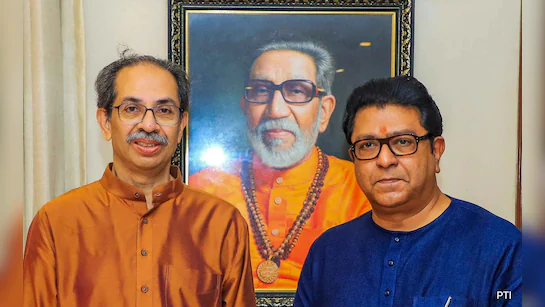
Maharashtra – The Uddhav Thackeray-led Shiv Sena (UBT) and Raj Thackeray’s Maharashtra Navnirman Sena are set to announce today their historic civic polls alliance for the January 15 elections. This unprecedented political reunion between the estranged Thackeray cousins marks a significant shift in Maharashtra’s political landscape.

Marathon Negotiations Conclude

The announcement of the civic polls alliance follows marathon meetings between the two sides over the past few weeks to finalize the seat-sharing arrangement for elections to 29 municipal corporations in Maharashtra, including the prestigious Brihanmumbai Municipal Corporation. The extensive negotiations demonstrate the complexity of bringing together two parties that have been adversaries for nearly two decades.

People familiar with the matter confirmed that the civic polls alliance would be formally announced at a joint press conference, marking a watershed moment in Maharashtra politics.

Formal Announcement Scheduled

Shiv Sena (UBT) leader Sanjay Raut alluded to the proposed joint press conference in a post on social media, sharing a throwback photo of the two Thackeray cousins from July 27 when Raj visited Uddhav at his Bandra residence to wish him on his birthday. In an accompanying caption, Raut indicated that the civic polls alliance announcement would take place at 12 o’clock today.

Leaders from both parties confirmed that Raj Thackeray had been keen to complete the seat-sharing talks before announcing the formal civic polls alliance, which delayed the formal announcement until all details were finalized.

Seat Sharing Challenges Resolved

The civic polls alliance negotiations encountered differences between the two sides in seat allocation in several key Mumbai areas. These included the Dadar, Mahim, Borivali, Vikhroli, Bhandup, and Sewri areas, where both parties have traditional strongholds and loyal voter bases.

Although the two parties are primarily focusing on Mumbai for the civic polls alliance, they are also likely to contest elections in Thane, Kalyan-Dombivli, Nashik, and other cities across Maharashtra. In total, 29 cities in the state will go to the polls on January 15.

Also Read: National Herald Case: Critical High Court Notice to Gandhi Leaders

Electoral Context and Motivation

The civic polls alliance comes against the backdrop of the 2024 assembly election when both parties underperformed significantly. The Shiv Sena (UBT) won just 20 seats in the state assembly, while the MNS drew a complete blank, failing to secure even a single seat.

This poor performance created the political imperative for the civic polls alliance, as both parties recognized the need to consolidate Marathi votes and present a united front against their common rivals.

Journey Toward Reconciliation

An effort to bring the two estranged cousins together for the civic polls alliance began soon after the assembly election setback. On July 5, the two brothers shared a stage in public for the first time in nearly two decades at a rally in Worli. The event celebrated the Mahayuti government’s decision to roll back its controversial order introducing Hindi as a third language in primary schools across Maharashtra.

On July 27, Raj visited Uddhav to wish him on his birthday, marking another step toward the civic polls alliance that is being announced today.

Historical Context of the Split

Raj quit the undivided Shiv Sena in 2005 over apparent differences with Uddhav and formed the MNS. The relationship grew increasingly bitter over the years, with both parties competing for the same Marathi voter base and often attacking each other publicly.

However, the political realities in Maharashtra forced them to set aside their differences for the civic polls alliance, recognizing that cooperation offered better prospects than continued competition.

Coalition Coordination Complexities

Shiv Sena (UBT) leader Anil Parab explained that the two parties scheduled the civic polls alliance announcement for today because the Uddhav-led Sena expected to finalize its pact with the Sharad Pawar-led Nationalist Congress Party (SP) by Tuesday evening.

The Congress has refused to join the civic polls alliance due to MNS’s past anti-migrant agitations, which targeted North Indian migrants in Maharashtra and created significant controversy.

Strategic Seat Distribution

Sena (UBT) leaders involved in the civic polls alliance indicated there were 40 BMC seats where neither party had strong candidates. A decision on who would contest these seats and which candidates to field would be made through mutual consultation and strategic assessment.

This collaborative approach in the civic polls alliance demonstrates both parties’ commitment to maximizing their combined electoral prospects rather than competing against each other.

Opposition Criticism

BJP spokesperson Navnath Ban criticized the civic polls alliance, stating it was not born out of people’s trust but out of fear of defeat. He characterized the arrangement as a reflection of deep differences rather than a genuine meeting of minds.

Ban argued that the civic polls alliance represented an act of coming together only for elections by drawing a curtain over ideological disagreements, leadership egos, and past bitterness. He predicted that Mumbai voters would reject what he called political drama.

Looking Ahead

The civic polls alliance announcement today represents a historic moment in Maharashtra politics. The reunion of the Thackeray cousins, motivated by electoral necessity and changing political dynamics, will test whether their combined strength can challenge the ruling Mahayuti alliance in the upcoming municipal elections across 29 cities in the state.

Sambhal Murder Case Solved: Shocking Details of Brutal Killing

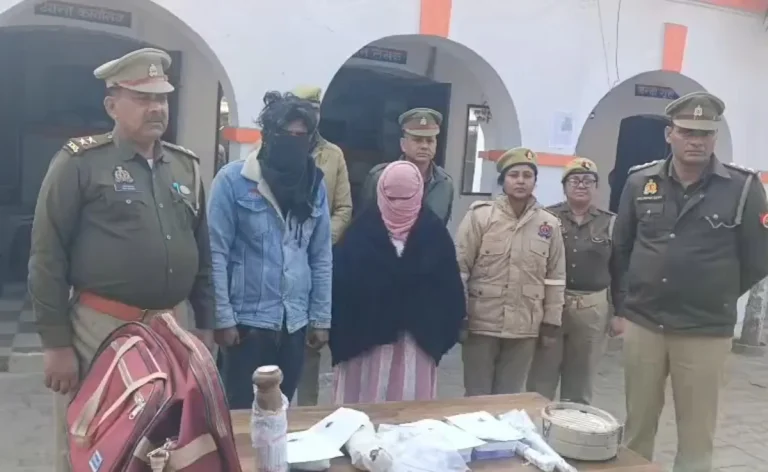
Sambhal, Uttar Pradesh – The Uttar Pradesh Police successfully solved a shocking Sambhal murder case on Friday, revealing a brutal crime where a man was killed by his wife and her alleged partner. The headless and dismembered body of the victim was discovered in a drain near the Eidgah on Patraua Road in Sambhal approximately a week ago, sparking an intensive investigation.

Discovery of Dismembered Body

The Sambhal murder case came to light when locals informed police about a body floating in a drain near the Eidgah around 9 am on September 15. According to SP City Krishan Kumar Bishnoi, the body was found without a head and limbs, presenting a gruesome scene that immediately suggested foul play.

A bag lying nearby contained polythene sheets and pieces of flesh, providing crucial evidence in the Sambhal murder case. The shocking discovery prompted immediate investigative action by law enforcement authorities.

Critical Tattoo Leads to Breakthrough

During the inspection of the remains in the Sambhal murder case, police noticed the name “Rahul” tattooed on the deceased’s left arm. This critical detail led to a major breakthrough in the case, providing investigators with their first concrete lead to identify the victim.

The tattoo became the cornerstone of the investigation in the Sambhal murder case, enabling police to trace the identity of the deceased and connect the crime to specific individuals.

Victim Identification Through Missing Person Report

Police successfully traced the identity of the deceased in the Sambhal murder case to Rahul after discovering that his wife Ruby, a resident of Chunni locality, had filed a missing person report about a month earlier. The victim had been missing since November 18, setting the timeline for the investigation.

Following confirmation of the identity in the Sambhal murder case, police converted the missing complaint into a murder case and registered a First Information Report against Ruby and a local youth named Gaurav.

Motive: Extramarital Affair Exposed

According to police investigations in the Sambhal murder case, the victim’s wife, along with her alleged partner, murdered her husband after he discovered their alleged extramarital affair. During interrogation, Ruby and Gaurav confessed to the crime, revealing how Rahul came to know about their relationship on November 18.

The discovery of the extramarital affair in the Sambhal murder case led to an altercation between Rahul and the accused, which ultimately resulted in the deadly conspiracy. The couple then hatched a plan to eliminate Rahul permanently.

Brutal Execution of Murder

According to the police probe in the Sambhal murder case, Gaurav struck Rahul on the head with an iron rod and a cobbler’s hammer, killing him on the spot. The violence used in the crime demonstrates the calculated nature of the attack and the determination of the accused to carry out their plan.

The method of killing in the Sambhal murder case showed premeditation, with the accused using readily available weapons to commit the heinous crime.

Systematic Body Dismemberment

The day after the murder in the Sambhal murder case, the accused purchased plastic sheets and two bags from Ghantaghar market. They also rented a cutter machine, commonly known as a grinder, from a person identified as Jitu Mistri specifically to dismember the body.

Using the cutter machine in the Sambhal murder case, they severed Rahul’s neck and legs in a methodical attempt to dispose of the evidence. The head and severed limbs were wrapped in polythene and packed in a red bag, while the torso was placed in another bag.

Strategic Body Disposal Plan

The accused in the Sambhal murder case then hired a vehicle to execute their disposal plan. The torso was dumped in a drain near the Eidgah on Patraua Road, while the severed head and limbs were thrown into the Ganga river from the Rajghat bridge.

This strategic disposal in the Sambhal murder case was designed to prevent identification and scatter evidence across multiple locations. The bag containing the head, limbs, and Rahul’s mobile phone was specifically thrown into the river to destroy crucial evidence.

Also Read: Karbi Anglong Protests Explode: Deadly Violence Rocks Assam District

Attempts to Destroy Evidence

After committing the murder in the Sambhal murder case, the accused took additional steps to cover their tracks. Rahul’s lower garment and the bloodstained clothes of both accused were burnt at a deserted spot behind Chunni locality in a deliberate attempt to destroy incriminating evidence.

These actions in the Sambhal murder case demonstrate the calculated nature of the crime and the accused’s awareness of forensic investigation techniques.

Confession and Evidence Collection

During interrogation in the Sambhal murder case, both Ruby and Gaurav confessed to the crime, providing detailed information about the sequence of events. Their confession included details about purchasing materials, renting the cutting equipment, and the specific locations where body parts were disposed.

SP City Bishnoi confirmed that police have collected substantial evidence against the accused in the Sambhal murder case. The evidence includes physical materials, witness statements, and the confessions of the accused.

Legal Proceedings Underway

The Sambhal murder case has now entered the legal phase, with authorities preparing to present their evidence before the court. The comprehensive investigation and substantial evidence collected are expected to support strong prosecution in this brutal crime.

The successful resolution of the Sambhal murder case demonstrates effective police work in identifying the victim through the tattoo, tracing connections through the missing person report, and ultimately securing confessions from the accused. Further legal proceedings are underway as justice moves forward for the victim.

CGST Official Bribe Case: Shocking CBI Arrest in Mumbai

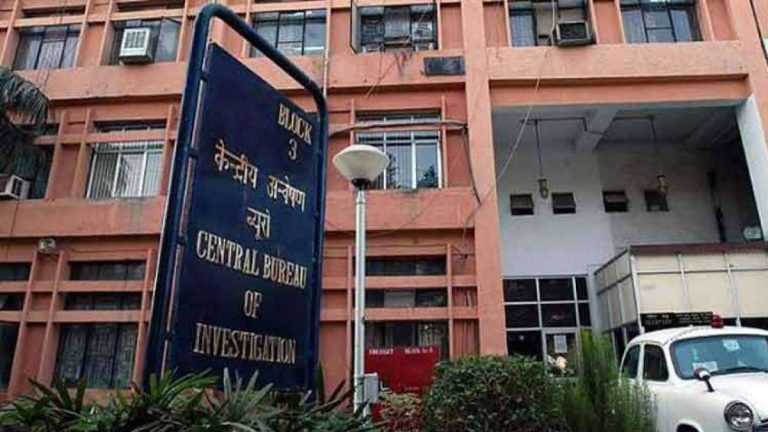
Mumbai – The Central Bureau of Investigation conducted a major anti-corruption operation in Mumbai on Monday, arresting a superintendent of the Central Goods and Services Tax department after catching him red-handed accepting a bribe. The CGST official bribe case has exposed serious allegations of tax fraud and extortion within the tax administration system.

Red-Handed Arrest in Mumbai

The CBI arrested Ankit Aggarwal, superintendent of CGST Audit-1 in Mumbai, in a CGST official bribe case that involved the acceptance of ₹5 lakh as part payment of a larger demanded sum. The sum was allegedly part of a total payoff of ₹17 lakh that Aggarwal had demanded from a firm’s representative in lieu of not fabricating a tax demand of ₹98 lakh against the company.

The CGST official bribe incident occurred when the accused allegedly agreed to reduce the firm’s tax liability in exchange for the illegal gratification. The arrest represents a significant breakthrough in combating corruption within the tax administration system.

Substantial Cash and Assets Recovered

During searches carried out at the premises of the accused in the CGST official bribe case, CBI officials recovered unaccounted cash amounting to ₹18.30 lakh. Additionally, property-related documents worth approximately ₹72 lakh were seized, raising questions about the source of these assets on a government official’s salary.

CBI officials reported on Tuesday that deeds for purchase of a property worth ₹40.31 lakh dated April 2025, and another property worth ₹32.10 lakh dated June 2024, were found during the search. These discoveries suggest a pattern of unexplained wealth accumulation by the accused official in the CGST official bribe case.

Digital Evidence Seized

The CBI also searched Aggarwal’s official premises as part of the CGST official bribe investigation and seized crucial digital evidence related to the audit report that was being prepared by him for the private company. This electronic evidence is expected to provide further insights into the modus operandi of the alleged extortion scheme.

The firm’s director, who filed the complaint that led to the CGST official bribe case, provided detailed information about the demands made by the accused official and the threats used to coerce payment.

Background of the Complaint

The CBI registered the CGST official bribe case on Monday based on a written complaint from the firm’s director. The complaint alleged that Aggarwal had demanded illegal gratification after carrying out an audit of the firm on November 26 this year, setting in motion the chain of events that led to his eventual arrest.

Also Read: Maharashtra Local Body Election Results 2025: BJP Dominates Stunning Mahayuti Sweep

According to the complainant in the CGST official bribe case, the accused public servant had threatened to fabricate a tax demand of ₹98 lakh against his company. This threat formed the basis of the extortion attempt that culminated in the demand for a ₹20 lakh bribe to settle the issue.

Negotiation and Reduced Demand

In the course of the CGST official bribe case, Aggarwal allegedly entered into negotiations with the complainant. After discussions, the accused official reportedly agreed to accept ₹17 lakh in exchange for reducing the tax liability of the complainant’s company, down from the original demand of ₹20 lakh.

The part-payment of the bribe in the CGST official bribe case, amounting to ₹5 lakh, was specifically demanded to be delivered on Monday. This scheduled payment provided the CBI with the opportunity to conduct a trap and catch the accused official in the act of accepting the illegal gratification.

Modus Operandi Exposed

The CGST official bribe case reveals a concerning pattern of alleged corruption within tax administration. The accused superintendent allegedly used his position and authority to conduct audits as leverage for extorting money from businesses, threatening to create fabricated tax demands if bribes were not paid.

This modus operandi in the CGST official bribe case involved the threat of creating artificial tax liabilities that would force companies to either pay substantial unwarranted taxes or pay bribes to make the fabricated demands disappear. Such practices undermine the integrity of the tax system and place honest businesses at a disadvantage.

Timing of the Trap

The CBI’s successful operation in the CGST official bribe case demonstrates effective coordination and planning. By setting up a trap at the exact moment when the part-payment was scheduled to be delivered, investigators were able to catch the accused official in the act, providing irrefutable evidence of the bribery transaction.

The timing of the arrest on Monday, when the ₹5 lakh was being handed over, ensured that the evidence collected would be strong enough to support prosecution in the CGST official bribe case.

Implications for Tax Administration

The CGST official bribe case raises serious concerns about corruption within the tax administration system. The recovery of substantial unaccounted cash and property documents worth crores of rupees from a government official’s premises suggests that this may not have been an isolated incident.

The case highlights the need for stronger internal controls and oversight mechanisms within tax departments to prevent officials from misusing their authority for personal gain.

Legal Proceedings Ahead

Following the arrest in the CGST official bribe case, the accused official will face prosecution under relevant anti-corruption laws. The substantial evidence collected, including the ₹5 lakh caught in the act, unaccounted cash of ₹18.30 lakh, property documents worth ₹72 lakh, and digital evidence from official premises, is expected to form the basis of a strong prosecution case.

The CGST official bribe case serves as a reminder that law enforcement agencies remain vigilant against corruption in public offices and are prepared to take swift action when credible complaints are received. The successful arrest demonstrates that officials who misuse their positions for personal enrichment will be held accountable under the law.