Monday, May 4, 2026
Home Blog Page 201

1 Urgent Meeting as BJP Leaders Approach Governor on Hate Speech Bill

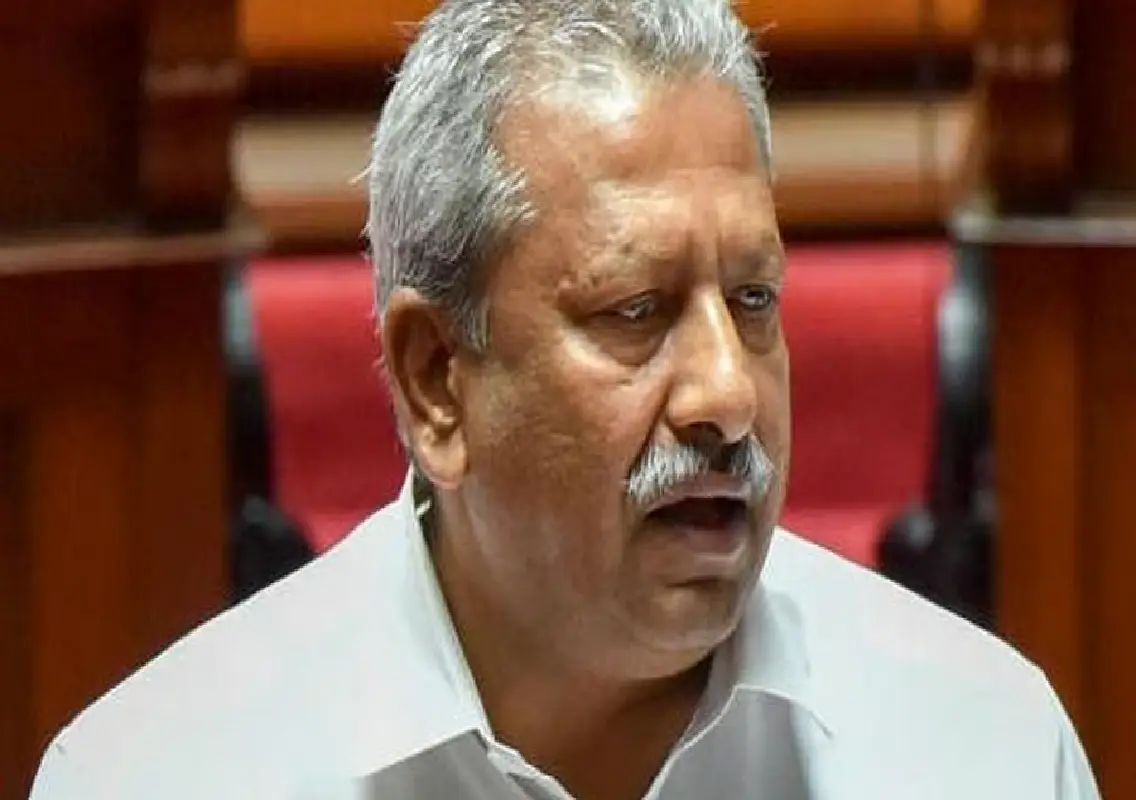
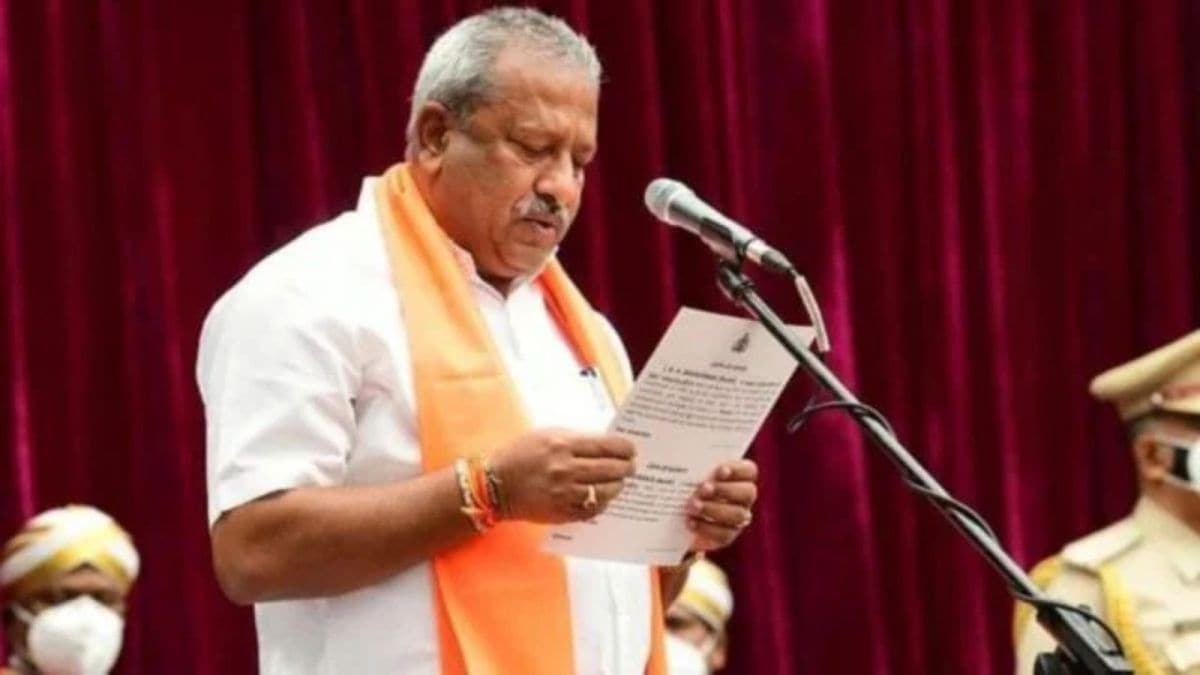
In a significant political development, senior Bharatiya Janata Party (BJP) leaders in Karnataka have scheduled a meeting with the Governor to discuss the contentious Hate Speech Bill, amid rising debates over its implications on free speech and law enforcement. The meeting comes after widespread discourse among political parties, civil society groups, and legal experts regarding the scope, enforcement, and potential consequences of the proposed legislation. BJP leaders stated that the discussion aims to clarify concerns, present party perspectives, and explore ways to ensure that the bill is implemented in a balanced and fair manner.

According to party sources, the delegation will highlight the importance of safeguarding citizens from inflammatory or harmful speech while simultaneously ensuring that fundamental rights, including freedom of expression, are not unduly restricted. Leaders emphasised that the party seeks to engage constructively with the Governor to ensure that the legislation aligns with constitutional provisions and does not lead to misuse or arbitrary enforcement. The meeting is expected to cover both procedural aspects of the bill and specific clauses that have drawn criticism from opposition parties and civil rights groups.

The Hate Speech Bill, proposed by the state government, aims to curb speech that could incite communal tension, social discord, or violence. Proponents argue that the legislation is necessary to maintain public order, prevent riots, and protect vulnerable communities from targeted verbal attacks. Critics, however, have raised concerns over potential overreach, ambiguous definitions, and the risk of stifling dissent or political debate. This divergence in perspectives has intensified discussions in political, legal, and social spheres, prompting the BJP to seek direct engagement with the Governor.

Officials from the BJP delegation have emphasised that their recommendations will focus on striking a balance between preventive measures and individual liberties. They plan to suggest precise definitions for terms such as “hate speech,” “incitement,” and “communal tension” to prevent ambiguity in enforcement. By doing so, the party aims to ensure that ordinary citizens, activists, and journalists are not inadvertently penalised while targeting only those who deliberately spread harmful messages.

The delegation is also expected to propose the establishment of an independent oversight body to monitor complaints and adjudicate cases of alleged hate speech. Such a body would act as a neutral arbiter, ensuring transparency, timely resolution, and fair treatment of all parties involved. BJP leaders argue that this mechanism could prevent misuse of the law for political or personal vendettas and reinforce public confidence in the system.

Another key point likely to be raised during the meeting is the use of technology and social media monitoring to detect hate speech. BJP leaders have suggested guidelines for ethical surveillance that respect privacy while enabling authorities to take preventive action. Experts consulted by the party emphasised that clear protocols are necessary to avoid overreach and maintain trust between citizens and the state.

The delegation has also indicated plans to recommend periodic reviews of the bill’s implementation. By assessing the law’s effectiveness and societal impact over time, policymakers can make necessary adjustments, address loopholes, and ensure that the legislation remains relevant. BJP leaders argued that such dynamic review mechanisms are essential in an evolving social and digital landscape where communication platforms constantly change.

Civil society representatives are expected to be included in consultations to provide independent perspectives on the bill. BJP leaders have emphasised the importance of dialogue with activists, legal experts, and community leaders to ensure that the legislation respects diverse viewpoints and protects marginalized communities. Including multiple stakeholders in the review process is seen as a way to enhance legitimacy and accountability.

The party is also likely to address concerns about the bill’s potential impact on political discourse. Leaders have assured that they will seek clear exemptions for legitimate criticism of policies, governance, and public officials, thereby safeguarding democratic debate. By clarifying these boundaries, BJP officials aim to prevent the law from being used to suppress dissent while maintaining its core objective of preventing communal tension.

Finally, BJP leaders have reiterated their commitment to fostering communal harmony and national integration. They emphasised that the Hate Speech Bill is a tool to prevent violence and maintain social cohesion, not a means to curb legitimate expression. The upcoming meeting with the Governor is expected to be a crucial step in shaping a law that achieves these objectives while protecting fundamental freedoms, ensuring fair enforcement, and promoting public trust in governance.

BJP leaders have stated that their delegation will also seek clarification on enforcement mechanisms, safeguards against misuse, and avenues for citizens to challenge any perceived violations. The party emphasised that while supporting measures to curb hate speech, it is equally important to ensure transparency, accountability, and judicial oversight in the implementation of the law. By engaging in dialogue with the Governor, BJP leaders aim to contribute to a more balanced and constitutionally sound legislative process.Spewing hate, slurring Muslims: an unchecked decade-long diatribe by Bharatiya  Janata Party? | SabrangIndia

Political and Social Implications

The proposed Hate Speech Bill has already triggered intense debate across Karnataka, with political parties, activists, and media commentators weighing in on its potential impact. BJP leaders’ decision to meet the Governor underscores the high stakes involved, as parties seek to influence the legislation before it is finalised. The meeting is expected to shape both public perception and political narratives surrounding the bill, particularly in the context of upcoming elections and heightened attention to issues of communal harmony and social justice.

Opposition parties have criticised the bill for vague language and potential infringement on civil liberties, arguing that enforcement could be selective or politically motivated. BJP leaders, while acknowledging the importance of protecting citizens from hate speech, have indicated that they will urge the Governor to consider mechanisms that prevent misuse and ensure the law is applied impartially. Legal experts consulted by the party are expected to advise on amendments or clarifications that balance public safety with constitutional freedoms.

Civil society groups and media organisations have closely monitored the discussions, emphasising that public opinion will play a critical role in shaping the legislative process. BJP leaders’ proactive engagement with the Governor reflects an effort to participate constructively in policymaking while also positioning the party as responsive to concerns regarding both public safety and free speech. The delegation is expected to present detailed arguments, case studies, and examples of similar legislation in other states or countries to support their stance.

The Governor’s office, for its part, has stated that it will consider inputs from all stakeholders before providing guidance or assent to the bill. Officials emphasised that consultations with political parties, legal experts, and civil society representatives are standard practice in legislative review, ensuring that the proposed law is robust, fair, and constitutionally compliant. BJP leaders’ meeting is a key part of this consultative process, providing an opportunity to influence the final shape of the legislation.This "Hate Speech" Bill by Karnataka Govt drafted to Target Majority won't  stand in courts & neither would the Governor sign it.
Looking Ahead

In a significant political development, senior Bharatiya Janata Party (BJP) leaders in Karnataka have scheduled a meeting with the Governor to discuss the contentious Hate Speech Bill, amid rising debates over its implications on free speech and law enforcement. The meeting comes after widespread discourse among political parties, civil society groups, and legal experts regarding the scope, enforcement, and potential consequences of the proposed legislation. BJP leaders stated that the discussion aims to clarify concerns, present party perspectives, and explore ways to ensure that the bill is implemented in a balanced and fair manner.

Following the meeting, it is anticipated that the BJP will issue a statement summarising its recommendations and positions regarding the Hate Speech Bill. Observers expect that the party may propose specific amendments or safeguards to prevent arbitrary enforcement, clarify definitions, and protect the rights of individuals while addressing societal concerns about inflammatory speech. The dialogue with the Governor is seen as a pivotal moment in the legislative process, with implications for law, governance, and political strategy in Karnataka.

Legal experts have noted that the final form of the bill could serve as a precedent for other states considering similar legislation, highlighting the importance of careful deliberation and balanced provisions. BJP leaders’ engagement underscores the role of political actors in shaping policy, ensuring that diverse viewpoints are considered, and promoting a legislative framework that upholds constitutional values while addressing pressing social challenges.

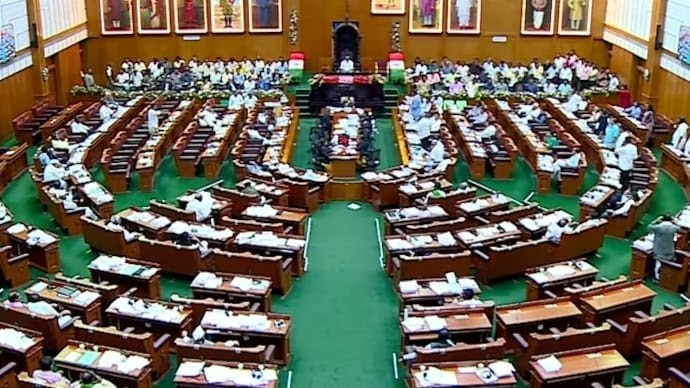
The meeting also comes at a time when public awareness and debate around hate speech, freedom of expression, and online discourse have intensified. BJP leaders are expected to emphasise the need for clear guidelines, transparent enforcement, and public consultation, ensuring that the law protects citizens without curtailing legitimate expression. Civil society groups are likely to continue monitoring developments closely, advocating for safeguards and clarity in implementation.Cong govt tables Hate Speech Bill in Karnataka Assembly - India News Stream
In conclusion, the BJP delegation’s meeting with the Governor on the Hate Speech Bill represents a crucial step in the state’s legislative process. By engaging directly with the constitutional authority, the party aims to balance the objectives of public safety and free speech, provide constructive recommendations, and contribute to the creation of a fair and effective law. Observers across political, legal, and civil society spheres will be closely watching the outcomes of this interaction, which could have significant implications for Karnataka’s approach to regulating speech and maintaining communal harmony.

Follow: Karnataka Government

Also read: Home | Channel 6 Network – Latest News, Breaking Updates: Politics, Business, Tech & More

Major Hope Update: 2,000 PG Medical Aspirants Check Provisional Results of Second Round

The Karnataka Postgraduate (PG) medical admissions process has entered a critical phase with the announcement of provisional results for the second round of seat allotment. Authorities confirmed that candidates who had participated in the second round of counselling can now access their provisional allotment results on the official portal. The announcement marks a pivotal moment for thousands of aspiring doctors across the state, who are awaiting confirmation of their seats in various postgraduate courses, including MD, MS, and diploma programs in government and private medical colleges.

Authorities have also emphasised the role of mentoring and guidance for candidates during this transitional phase. Senior faculty members and college coordinators have been instructed to provide support to students in completing documentation, understanding upgradation options, and navigating the fee payment process. This personalised assistance ensures that candidates can complete all formalities accurately and avoid errors that could delay their admission.

Candidates have been advised to maintain copies of all submitted documents and receipts as proof of compliance. In case of discrepancies or technical issues during verification, having complete records will facilitate quicker resolution and prevent complications. Authorities noted that meticulous record-keeping is essential for a smooth admission process, particularly in a competitive environment where multiple candidates vie for limited seats.

The state health department has also scheduled helpline sessions and online support forums to answer queries related to allotment, verification, and seat acceptance. These platforms are designed to provide real-time assistance, reduce confusion, and ensure that all candidates have equal access to guidance irrespective of their location. Officials emphasised that timely support can prevent errors and enhance confidence among aspirants navigating the process.

Furthermore, candidates who are considering upgradation are encouraged to carefully assess the availability of preferred courses and colleges before making decisions. Authorities warned that accepting an upgraded seat is final, and the previous allotment will be automatically cancelled. This precaution ensures clarity and prevents disputes regarding seat ownership or eligibility during subsequent rounds of counselling.

Finally, the health department reiterated the importance of adhering to deadlines and official communications. Candidates are urged to monitor notifications, complete all formalities promptly, and maintain open communication with college authorities. By following these guidelines, aspirants can secure their allotted seats, transition smoothly into their postgraduate programs, and focus on the academic challenges ahead.

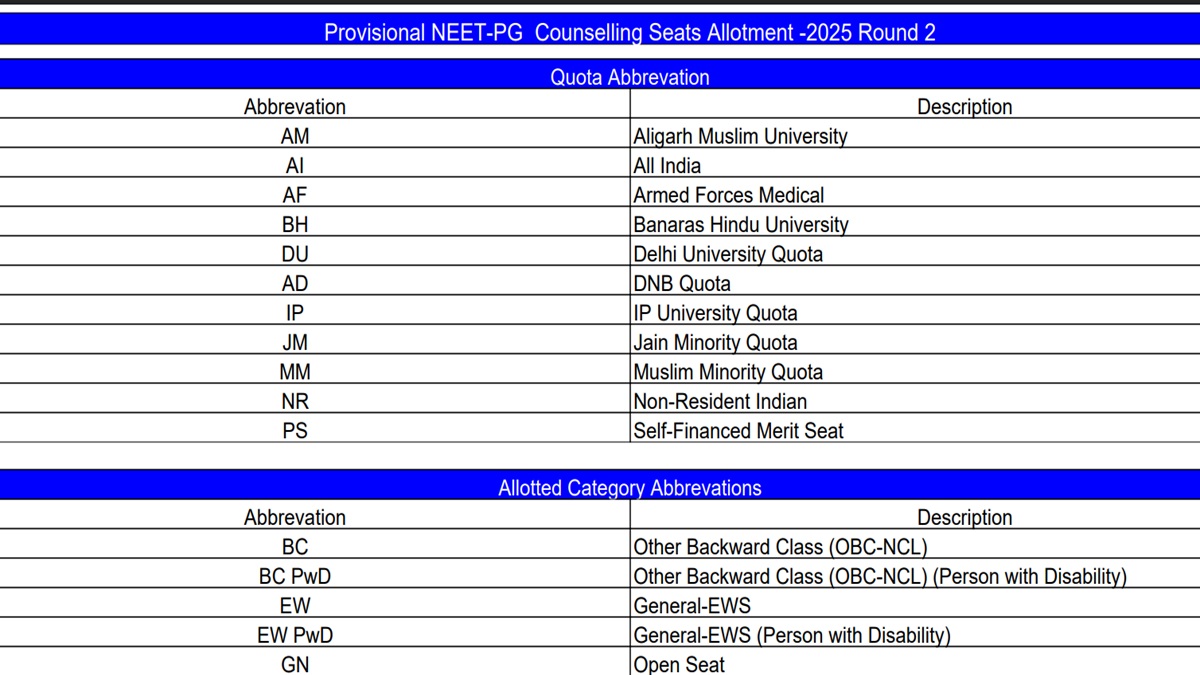
NEET PG 2025 Counselling Round 2 Provisional Seat Allotment Result Released,  Final Allotment Soon at mcc.nic.in | Education News - Jagran Josh

Officials emphasised that the provisional results are intended to provide candidates with preliminary information regarding seat allotment and to allow time for verification and rectification of any discrepancies. Candidates have been advised to review their allotment carefully, confirm eligibility, and complete any required documentation within the stipulated time frame. Authorities noted that this step is crucial for maintaining transparency, ensuring compliance with admission regulations, and preventing future disputes.

The state health department highlighted that the second round of counselling primarily accommodates candidates who either did not secure a seat in the first round or opted for upgradation. The provisional results reflect careful consideration of merit, reservation quotas, and candidate preferences submitted during counselling. Authorities underscored that the process is governed by rules established under the Karnataka Postgraduate Medical Education regulations and adheres to directives issued by the Medical Counselling Committee (MCC) and the state government.

Candidates expressed a mixture of relief and anticipation following the announcement. For many, the provisional results are the culmination of months of preparation, rigorous examinations, and strategic decision-making regarding course preferences and college selections. Aspirants who have been allotted seats now face the next critical step: document verification, fee payment, and confirmation of admission to ensure their enrollment is finalised within the deadlines prescribed by the authorities.

Verification and Confirmation Process

The state health authorities have clarified that provisional allotment is subject to verification of documents, including academic certificates, identity proof, caste and reservation certificates, and other relevant credentials. Candidates are required to present original documents at designated medical colleges for verification, failing which the provisional allotment may be rendered invalid. Authorities emphasised the importance of adhering strictly to the verification schedule to avoid disqualification or loss of allotted seats.

Medical colleges participating in the second round of PG admissions have been instructed to establish dedicated verification committees to streamline the process. These committees will cross-check candidate credentials, resolve discrepancies, and ensure that all candidates meet eligibility criteria. Officials noted that proactive coordination between the state health department and individual colleges is critical to prevent errors and facilitate a smooth admission process.

Candidates are also advised to pay attention to deadlines for tuition fee payment and submission of other mandatory forms. Authorities have provided detailed guidelines for online and offline payment procedures to ensure clarity and avoid last-minute issues. Officials highlighted that completing the fee payment within the prescribed window is essential to convert provisional allotment into confirmed admission.NEET PG round 2 allotment result released at mcc.nic.in, here's direct link  to check | Hindustan Times

The provisional results include information about allotted course, college, category, and applicable quota. Candidates have been advised to review the details meticulously and report any discrepancies immediately to the designated helpline or college authorities. Authorities emphasised that timely reporting of issues is crucial for rectification before the final allotment is published.

Upgradation and Choice Options

The second round of PG medical counselling also allows for upgradation options for candidates who have already been allotted a seat in the first round. Candidates opting for upgradation can express their preference for higher-ranking colleges or preferred courses. Authorities clarified that upgradation is subject to merit, availability of seats, and compliance with reservation policies. Those who accept the upgraded seat must surrender the previous allotment, while those who do not secure an upgrade will retain their earlier allotment.

Health officials reiterated that the counselling process is designed to balance merit-based selection with reservation and quota requirements. Categories such as Scheduled Castes, Scheduled Tribes, Other Backward Classes, and persons with disabilities are accommodated according to state and central guidelines. Authorities assured candidates that the allotment mechanism is transparent, equitable, and governed by established rules to prevent bias or irregularities.

The provisional results also provide candidates with an opportunity to address minor discrepancies before final confirmation. These may include errors in personal details, misclassification under quota categories, or technical issues in document upload. Authorities encouraged candidates to report such issues promptly through official channels to ensure corrective measures are implemented efficiently.

Implications for PG Medical Aspirants

The announcement of second-round provisional results is significant for candidates seeking advanced medical education and specialised training. Securing a PG seat not only represents academic achievement but also opens the door to career advancement, professional recognition, and opportunities in government and private healthcare institutions. Authorities emphasised that completing the admission process promptly ensures that candidates can commence their academic programs without delay.

Many candidates expressed relief at the transparency of the provisional results system, noting that the detailed reporting and verification mechanisms enhance trust in the counselling process. For candidates who faced rejection in the first round, the second round provides a renewed opportunity to secure admission, alleviating anxiety and enabling focused preparation for the next steps in their medical careers.NEET PG Counselling: MCC Releases Provisional Result for Round 2 NEET PG  Counselling 2024; Download Here

Authorities have also underscored the importance of compliance with reporting and verification schedules to avoid complications in future rounds of counselling. Candidates are advised to maintain communication with designated helplines, monitor official notifications, and adhere to guidelines provided by both the state health department and participating colleges.

The provisional results are accompanied by clear instructions regarding timelines for document verification, fee payment, and acceptance of seats. Authorities stressed that candidates should read all communications carefully and act promptly to ensure successful completion of the admission process. Failure to comply with prescribed procedures could result in forfeiture of the allotted seat, causing unnecessary delays and complications in academic progression.

Looking Ahead: Final Allotment and Commencement

Following the completion of verification and rectification processes, the final allotment results are expected to be published within a few days. Authorities have urged candidates to remain attentive to official notifications and prepare all required documents in advance. Successful confirmation of admission will allow candidates to commence their postgraduate studies in accordance with the academic calendar of respective colleges.

Officials also highlighted that the completion of the second-round allotment process will set the stage for subsequent rounds, if any, to fill vacant seats or accommodate late applicants. Authorities emphasised that the structured, phased approach ensures equitable distribution of seats and maximises opportunities for deserving candidates.

For medical aspirants, securing a PG seat represents the culmination of years of rigorous study, competitive examinations, and careful planning. The provisional results of the second round offer both clarity and direction, enabling candidates to move forward confidently. Authorities reiterated their commitment to transparency, fairness, and efficiency throughout the counselling and admission process.

Health officials reiterated that the counselling process is designed to balance merit-based selection with reservation and quota requirements. Categories such as Scheduled Castes, Scheduled Tribes, Other Backward Classes, and persons with disabilities are accommodated according to state and central guidelines. Authorities assured candidates that the allotment mechanism is transparent, equitable, and governed by established rules to prevent bias or irregularities.

The provisional results also provide candidates with an opportunity to address minor discrepancies before final confirmation. These may include errors in personal details, misclassification under quota categories, or technical issues in document upload. Authorities encouraged candidates to report such issues promptly through official channels to ensure corrective measures are implemented efficiently.

In conclusion, the announcement of provisional results for the second round of PG medical admissions marks a critical milestone for candidates, colleges, and state authorities. Through meticulous verification, clear guidelines, and proactive support, the system aims to ensure that deserving candidates gain access to postgraduate medical education while maintaining the integrity and credibility of the counselling process. Candidates are urged to complete all required steps diligently to secure their admission and embark on the next phase of their professional medical journey.

Follow: Karnataka Government

Also read: Home | Channel 6 Network – Latest News, Breaking Updates: Politics, Business, Tech & More
GBA Following Employee Protests on E-Khata Rejections: Bold Review, 1 Transparent Action

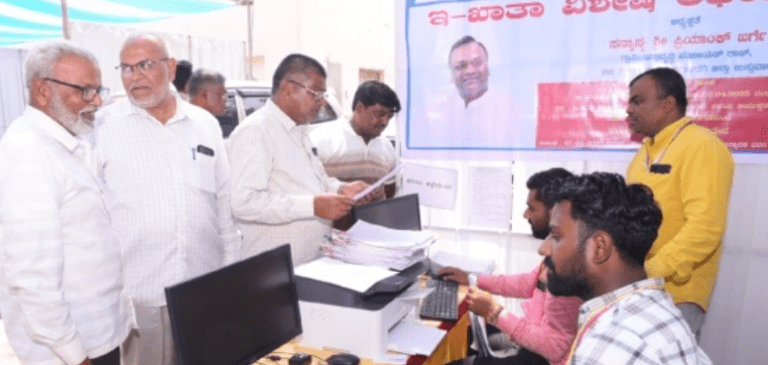
In a decisive response to ongoing employee protests, the Greater Bengaluru Area (GBA) administration has announced a comprehensive audit of rejected e-Khata applications, aiming to ensure transparency, fairness, and accountability in the property documentation process. The move comes after several municipal employees and citizens raised concerns about alleged discrepancies and delays in the approval of e-Khata applications, which are essential for property registration, building permits, and accessing various civic services. The decision reflects the administration’s intent to address grievances systematically and reinforce trust in the e-Khata system.

Officials have also emphasised the role of citizen feedback in enhancing the audit process. Property owners whose applications were rejected are encouraged to provide detailed inputs, including copies of submitted documents and notes on any issues faced during submission. This participatory approach is expected to help the audit team identify recurring challenges, refine evaluation criteria, and improve the overall efficiency of the e-Khata system.

To ensure accountability, the GBA has set up a monitoring committee that will oversee the audit’s progress and report findings to senior municipal authorities. The committee will meet regularly to review pending cases, assess corrective actions, and ensure that rejected applications are processed in a timely manner. This layer of oversight is intended to prevent delays, maintain transparency, and reassure both employees and citizens of fair treatment.

The administration has also indicated that lessons learned from the audit will be integrated into training modules for municipal staff. Employees will receive guidance on identifying common errors, managing portal-related challenges, and assisting applicants effectively. This proactive focus on capacity building aims to reduce future rejections due to procedural lapses and enhance the overall reliability of the e-Khata system.

Legal experts involved in the process have suggested that clear documentation of audit outcomes could serve as a reference for resolving future disputes. By maintaining a record of rejected applications, corrective actions, and revised guidelines, the municipal authorities can create a robust framework that safeguards both employees and property owners. This initiative is expected to reduce litigation and reinforce trust in digital governance mechanisms.

Finally, the GBA has reassured the public and municipal staff that the audit is intended to strengthen confidence in the e-Khata system rather than penalise employees. Officials reiterated that the process is corrective and constructive, aiming to create a transparent, efficient, and citizen-friendly framework. By addressing employee grievances and improving service delivery, the administration hopes to enhance Bengaluru’s reputation as a model city for digital municipal governance.

GBA officials explained that the audit would cover applications rejected in the past twelve months, with a focus on identifying errors, procedural lapses, or technical glitches. The audit team will comprise senior municipal officers, legal advisors, and IT specialists tasked with reviewing each rejected application in detail. According to officials, the initiative aims to create a transparent framework, allowing applicants to understand the reasons for rejection and providing a mechanism to rectify mistakes where necessary.GBA to audit rejected e-khata applications after employees protest - The  Hindu

The e-Khata system, implemented digitally to streamline property documentation, has been widely adopted across Bengaluru for its efficiency and ease of access. However, the recent surge in complaints has highlighted challenges such as technical errors, incomplete submissions, and unclear guidelines that have led to unwarranted rejections. Employees’ protests have brought attention to the operational difficulties faced by staff responsible for processing applications, as well as the inconvenience caused to property owners awaiting approvals.

Municipal employees had staged demonstrations demanding clearer guidelines, enhanced training, and a review of the rejected applications to ensure fairness. Protestors argued that several rejections were due to minor technical errors rather than substantive issues, which caused unnecessary delays and frustration among citizens. Responding to these concerns, the GBA has committed to a thorough audit and corrective measures, signalling a shift toward a more accountable and user-friendly system.

Audit Mechanism and Oversight

The GBA has outlined a structured audit mechanism that will involve cross-verification of submitted documents, re-evaluation of technical submissions, and consultations with legal and technical experts where necessary. Each rejected e-Khata application will be assessed to determine whether the rejection was justified based on municipal regulations or due to preventable errors in processing. Officials emphasized that the audit would not only address immediate grievances but also improve systemic efficiency and reduce future errors.

Senior officials have also indicated that a grievance redressal mechanism will be strengthened alongside the audit. Applicants whose submissions were rejected will be given an opportunity to correct errors or provide additional documentation before final decisions are made. By integrating this feedback loop, the administration hopes to build confidence among citizens and employees alike, ensuring that the e-Khata system remains transparent, accountable, and efficient.

The audit is expected to be completed in phases, with periodic progress reports shared with municipal authorities and the public. Officials assured that any anomalies or systemic flaws identified during the process will be rectified promptly, and employees will receive additional training where necessary to prevent recurrence of similar issues. Legal experts involved in the review will also ensure that decisions align with existing property and municipal regulations.

Employees’ unions have welcomed the decision, noting that the audit validates their concerns and demonstrates administrative responsiveness. Union leaders stated that the protests were not intended as a confrontation but as a means to draw attention to operational inefficiencies and support employees in performing their duties effectively. They emphasised that the audit could serve as a model for addressing employee grievances while maintaining service delivery standards.

Citizens who had experienced delays or rejections expressed cautious optimism about the initiative. Many highlighted that timely approvals of e-Khata applications are crucial for property-related transactions, access to building approvals, and legal recognition of ownership. The audit is therefore expected to benefit both municipal staff and property owners, creating a more reliable and accountable system.

Technology and Training Challenges

Officials acknowledged that a significant portion of the rejected applications was linked to technical issues within the e-Khata portal. System errors, incorrect uploads, or mismatched data entries often resulted in automatic rejection, frustrating both employees and applicants. The audit will review these technical challenges comprehensively, with IT teams identifying patterns and proposing system improvements to minimise future errors.GBA officials deliberately rejecting e-khata applications? - Public TV  English

Training gaps among municipal staff processing e-Khata applications were also cited as contributing factors. The administration plans to implement targeted training programs for employees to ensure that they can accurately assess applications, guide applicants effectively, and manage technical anomalies without unnecessary delays. This dual approach of system refinement and staff training is expected to enhance the credibility and efficiency of the e-Khata process.

The GBA has further committed to enhancing communication channels with applicants. Dedicated helplines, online chat support, and email correspondence systems will be strengthened to ensure that citizens receive timely guidance regarding application procedures and correction of errors. Officials emphasised that improving communication is critical to building trust in the digital documentation process and reducing the frustration that leads to protests.

Legal and Policy Implications

Legal advisors involved in the audit will ensure that rejected applications comply with property laws, municipal regulations, and relevant notifications. By conducting a comprehensive review, authorities aim to prevent legal disputes arising from improper rejections and strengthen the procedural integrity of the e-Khata system. Corrective measures may include revoking unjust rejections, updating guidelines, and revising procedural manuals to reflect lessons learned from the audit.

Policy analysts have noted that the audit could serve as a case study for other cities adopting digital property documentation systems. Bengaluru’s approach—combining employee feedback, technical review, and legal oversight—demonstrates a commitment to responsive governance and participatory problem-solving. The initiative highlights the importance of balancing technological adoption with human-centric policy implementation, ensuring that digital reforms do not inadvertently disadvantage citizens or employees.

Authorities have also indicated that post-audit, regular monitoring mechanisms will be established to track the accuracy and fairness of future e-Khata approvals. Continuous evaluation, coupled with employee feedback and system audits, is expected to create a sustainable process that reduces errors, enhances transparency, and maintains public confidence in municipal services.

Broader Impact and Employee Relations

The audit initiative is expected to have broader implications for employee morale and citizen engagement. Municipal employees have expressed that acknowledgment of their concerns boosts confidence and encourages diligent work. By addressing the root causes of protests, the administration reinforces a culture of accountability, responsiveness, and collaboration between staff and management.

Public participation is also likely to increase as a result of the audit. Clear guidelines, improved portal functionality, and transparent rejection criteria may encourage more citizens to engage with the e-Khata system, facilitating legal recognition of property and improving access to municipal services. Officials stressed that successful resolution of current grievances can serve as a foundation for expanding digital governance initiatives across other civic services.

The GBA administration has urged patience from citizens as the audit progresses, emphasising that thorough review is essential to maintain fairness and procedural integrity. Authorities have assured that applications will be re-evaluated promptly, and any systemic flaws will be rectified to prevent recurrence. Citizens are encouraged to cooperate with the process and provide necessary documentation to expedite reviews.GBA not finding space for e-khata seva kendras - Public TV English

Finally, the e-Khata audit reflects Bengaluru’s ongoing efforts to modernise municipal governance while remaining responsive to employee and citizen concerns. By combining technology, human oversight, and legal review, the administration aims to strengthen the credibility and functionality of property documentation services. Officials reaffirmed their commitment to transparency, accountability, and continuous improvement, signalling a forward-looking approach to urban governance in India’s rapidly growing metropolitan context.

Follow: Karnataka Government

Also read: Home | Channel 6 Network – Latest News, Breaking Updates: Politics, Business, Tech & More

Heightened Vigilance: 2,000 Police Patrols to Ensure Safety During Bengaluru New Year Celebrations

In preparation for the upcoming New Year celebrations, Bengaluru Police have announced plans to deploy additional two-wheeler patrols across the city to strengthen law and order and ensure public safety. The move comes amid growing concerns over traffic congestion, road accidents, and potential law-and-order challenges during the festive season. By increasing mobility and rapid response capacity, police officials aim to manage crowds, monitor hotspots, and maintain a secure environment for citizens enjoying year-end festivities.

In addition to patrolling, Bengaluru Police have planned special drives to check for drunken driving and reckless riding during the New Year celebrations. Two-wheeler patrol units will be stationed near pubs, party zones, and major intersections to conduct spot checks and enforce traffic laws strictly. Officers have been trained to handle confrontations calmly while ensuring that offenders are dealt with according to the law, reinforcing both safety and accountability on city roads.

Community volunteers and resident welfare associations are also being roped in to assist the police during peak celebration hours. Two-wheeler patrols will coordinate with these volunteers to manage crowd dispersal, provide directions, and identify areas requiring additional supervision. This partnership between law enforcement and citizens is expected to enhance situational awareness and reduce the likelihood of incidents, particularly in densely crowded areas.

Police authorities have emphasised that families celebrating with children and elderly members should plan their outings carefully and avoid congested areas during peak hours. The two-wheeler patrol units will provide on-ground assistance, guiding pedestrians and ensuring smooth movement near public parks, shopping centres, and celebration venues. Officials stressed that proactive guidance from patrol officers can prevent accidents and ensure that vulnerable groups remain safe during festivities.

The police have also coordinated with local hospitals and emergency medical services to ensure rapid response in case of accidents or health emergencies. Two-wheeler units will act as first responders, providing basic aid and relaying information to nearby hospitals for swift medical attention. This measure is intended to reduce response time and mitigate the impact of accidents or sudden health crises during crowded New Year events.

Finally, Bengaluru Police have requested citizens to use public transport where possible, avoid overloading roads, and adhere to safety guidelines. The two-wheeler patrols will play a crucial role in monitoring traffic flow, assisting commuters, and maintaining order across key city zones. Authorities reiterated that responsible citizen behaviour, combined with active policing, is essential for ensuring a safe, joyous, and incident-free New Year celebration in the city.

The two-wheeler patrols will be deployed strategically in high-traffic areas, public gathering spots, and popular celebration zones, including MG Road, Brigade Road, and the Electronic City and Whitefield corridors. These patrols will enable officers to navigate congested streets more effectively, respond swiftly to emergencies, and assist both pedestrians and motorists. The decision reflects a proactive approach to crowd management and rapid incident response during a time when Bengaluru witnesses increased social activity, public events, and night-time movement.

Police officials emphasised that New Year celebrations often see a spike in alcohol-related incidents, road accidents, and public disturbances. The additional two-wheeler patrols are intended to address these risks by maintaining a visible presence, conducting spot checks, and offering immediate intervention where necessary. The initiative is also aimed at deterring anti-social behaviour, ensuring that revelry remains safe and enjoyable for all residents.

Bengaluru Police Commissioner highlighted that the patrols will complement existing security arrangements, including foot patrols, static checkpoints, and surveillance through CCTV and drone technology. The integrated strategy seeks to ensure that all zones of the city, including residential, commercial, and nightlife districts, are adequately monitored. The two-wheeler units are particularly valuable in congested areas where larger patrol vehicles may face mobility constraints.New Year gift': CM Kumaraswamy presents 911 new patrol bikes to Bengaluru  police

Enhancing Rapid Response Capabilities

The police have explained that two-wheeler patrols significantly enhance rapid response capabilities, allowing officers to reach incident sites faster than conventional vehicles. With a combination of speed, agility, and accessibility, these units can intervene in minor skirmishes, traffic violations, and public disturbances before they escalate into serious incidents. Authorities stressed that timely intervention is critical to preventing accidents and maintaining a secure environment during high-density celebrations.

Patrol officers will also be equipped with communication devices, first-aid kits, and basic emergency tools to provide immediate assistance where needed. This approach ensures that the police presence is not merely symbolic but functional, enabling officers to act decisively in emergencies. Community members are encouraged to cooperate with patrol units, report suspicious activity, and seek assistance for any safety concerns during the celebrations.

Traffic management is a key focus of the enhanced patrol strategy. Bengaluru Police plan to coordinate with the city traffic department to implement temporary diversions, manage congestion at intersections, and facilitate smoother movement during peak hours. Two-wheeler patrols will play a crucial role in monitoring traffic violations, assisting stranded motorists, and guiding pedestrians safely through busy streets. Officials emphasised that the objective is to balance safety with the festive atmosphere, ensuring minimal disruption while maintaining control.

Authorities have also announced that night-time patrols will be intensified, particularly in areas popular with young adults and nightlife enthusiasts. Alcohol consumption, late-night gatherings, and celebratory firecrackers can often lead to risky situations, and the presence of agile two-wheeler units aims to mitigate such hazards. Police officials encouraged revelers to cooperate, follow traffic rules, and avoid dangerous stunts or reckless driving during the celebrations.

Public engagement is being emphasised as part of the safety strategy. Bengaluru Police plan to run awareness campaigns through social media, local news outlets, and community networks, reminding citizens of safety norms, emergency contacts, and the locations of police assistance booths. By combining visibility, proactive enforcement, and public communication, authorities hope to minimise incidents and ensure a secure environment for all celebrants.New Year's Eve: Over 7,000 Security Officials On Stand-By In Bangalore

Addressing Law and Order Challenges

The deployment of additional two-wheeler patrols is also intended to address potential law and order challenges. Celebrations often attract large crowds, which can increase the risk of altercations, theft, and public nuisance. Patrol officers will be tasked with monitoring crowd behaviour, preventing unlawful assemblies, and intervening promptly when situations escalate. The police have indicated that officers will maintain a balance between enforcement and allowing citizens to enjoy festivities, ensuring that interventions are proportionate and situationally appropriate.

The police have also highlighted the importance of intelligence-led patrolling during New Year events. Surveillance data, prior incident reports, and inputs from local communities will guide the deployment of patrol units to areas most susceptible to disturbances. By combining real-time monitoring with mobility, two-wheeler patrols are expected to enhance both preventive and reactive policing, ensuring a comprehensive approach to citywide safety.

Cyber and online safety are additional areas of concern. Bengaluru Police have advised citizens to remain vigilant about online scams, social media threats, and misinformation during the holiday season. Patrol officers will coordinate with cybercrime units to respond to complaints and provide guidance, reflecting the multi-dimensional approach to maintaining safety during large-scale public celebrations.

Authorities also plan to coordinate with private security personnel and event organisers for celebrations hosted in hotels, malls, and recreational venues. Two-wheeler patrols will supplement these arrangements by ensuring swift access to public roads surrounding private events, enabling police to respond promptly to any emergencies that extend beyond the controlled environments of these venues.

Community Cooperation and Awareness

Bengaluru Police have stressed that citizen cooperation is critical for successful law enforcement during New Year celebrations. Residents are urged to report suspicious activity, assist in crowd management, and follow traffic regulations diligently. The deployment of additional two-wheeler patrols is intended to supplement public vigilance, ensuring that all segments of society can participate in festivities safely. Authorities emphasised that proactive community engagement enhances both policing effectiveness and public trust.

The Commissioner also highlighted that first-time celebrants, tourists, and out-of-town visitors should be mindful of local traffic norms, peak congestion timings, and emergency procedures. Informational signage, helplines, and social media alerts will be deployed to guide citizens in navigating busy areas safely. The presence of two-wheeler patrols in combination with these support systems is expected to create an organised and controlled festive environment.

Additionally, police officers have been trained to handle emergencies involving firecrackers, crowd surges, and minor injuries. Equipped with basic first-aid kits, communication devices, and rapid reporting mechanisms, the two-wheeler units will provide frontline assistance before backup units arrive. This preparedness ensures that response times are minimized and that minor incidents do not escalate into larger public safety concerns.

The police also announced contingency measures for extreme scenarios such as medical emergencies, traffic accidents, and unplanned gatherings. Coordination with ambulances, hospitals, and disaster response units will complement the efforts of patrol officers, ensuring a multi-layered safety net for all citizens during New Year celebrations. Officials emphasised that the two-wheeler units will be central to executing these contingency plans effectively.

Preparing Bengaluru for Safe Festivities

The enhanced patrol strategy reflects a proactive and comprehensive approach to public safety. Bengaluru Police have reiterated their commitment to ensuring that citizens can celebrate the New Year without fear or disruption. The two-wheeler patrols are expected to increase visibility, provide rapid intervention, and instill confidence among residents and visitors alike. Officials also encouraged organisers of public events to maintain safety standards, coordinate with law enforcement, and facilitate smooth crowd movement.8,500 cops to be deployed for New Year celebrations in Bengaluru | Bangalore  News - The Indian Express

In conclusion, the deployment of additional two-wheeler patrols represents a significant step toward maintaining law and order in Bengaluru during New Year celebrations. By combining mobility, rapid response, public engagement, and strategic intelligence, police authorities aim to create a secure and enjoyable environment for all. Citizens are urged to cooperate, follow guidelines, and celebrate responsibly, ensuring that the festive spirit is preserved while safety remains paramount.

Follow: Karnataka Government

Also read: Home | Channel 6 Network – Latest News, Breaking Updates: Politics, Business, Tech & More

Degree Students’ Future by CUK Kalaburagi: Critical Appeal, 1 Strategic Move

The Central University of Karnataka (CUK), Kalaburagi, has issued a formal appeal to degree students across the region, urging them to participate in the upcoming Common University Entrance Test (CUET). The university emphasised that appearing for CUET is a strategic step for students seeking admission to postgraduate programs and other advanced courses at central and participating universities nationwide. Officials stated that CUET offers a unified platform that ensures fair assessment, transparency, and equal opportunities for all aspirants, regardless of their academic backgrounds.

CUK Kalaburagi has also highlighted the long-term benefits of appearing for CUET in terms of academic exposure and networking. Students who participate in the test gain opportunities to interact with peers from diverse educational and regional backgrounds, broadening their perspectives and fostering collaborative learning. Such exposure, officials noted, is invaluable for postgraduate studies where critical thinking, discussion, and exchange of ideas play a central role in academic success.

The university has urged students not to delay registration or preparation, emphasising that timely action is key to ensuring eligibility and a smooth application process. Faculty members have been advised to monitor student progress, provide mentorship, and identify those who may require additional support. This proactive engagement is intended to maximise student participation and ensure that no eligible candidate misses the opportunity due to procedural challenges or lack of awareness.

CUK authorities have also called upon parents and guardians to actively support students during the CUET preparation phase. Encouragement, guidance, and a supportive home environment are critical in helping aspirants manage study schedules, practice tests, and stress. The university emphasised that parental involvement can boost confidence and motivation, contributing significantly to better performance in a high-stakes national examination.

In addition, the university is leveraging digital platforms to reach students in remote areas. Online workshops, video tutorials, and virtual counselling sessions have been planned to provide comprehensive guidance, regardless of geographical limitations. This ensures that students from rural or underserved backgrounds have equal access to preparation resources, enabling a level playing field for all aspirants.

Finally, CUK Kalaburagi reiterated that CUET is more than an examination; it is a gateway to higher education, career opportunities, and personal growth. By encouging degree students to participate and providing robust support mechanisms, the university is fostering a culture of academic ambition, preparedness, and strategic decision-making. Officials expressed optimism that these efforts will empower students to achieve their educational goals and succeed in competitive national-level programs.

Violation of UGC norms alleged in CUK recruitment process - The Hindu

CUK authorities highlighted that the entrance test is designed to streamline admissions and create a standardised evaluation system for students from diverse educational boards. They encouraged students who have completed their undergraduate degrees to register for the CUET, underscoring that this initiative aligns with national educational reforms aimed at simplifying and standardising admission procedures. The university has also set up dedicated help desks and counselling services to guide students through the application process and clarify doubts regarding eligibility, syllabus, and test schedules.

The university pointed out that CUET scores are increasingly being recognised by central and state universities as well as other institutions offering specialised programs. By taking the test, students enhance their prospects of admission to reputed universities while gaining exposure to a competitive and merit-based evaluation process. University officials stressed that CUET is not merely an examination but a gateway to higher education opportunities that can shape students’ academic and professional trajectories.

Officials also noted that students from Kalaburagi and surrounding districts often face challenges related to access, awareness, and guidance for national-level tests. By actively reaching out and urging participation, CUK seeks to bridge this gap and ensure that local students are not left behind in the increasingly competitive academic landscape. The appeal reinforces the university’s commitment to supporting students in making informed decisions for their educational future.

Preparing for CUET: Guidance and Support

CUK Kalaburagi has announced several initiatives to assist students in preparing for CUET. Orientation sessions, online webinars, and study materials will be made available to help aspirants understand the exam pattern, question types, and scoring system. Faculty members have volunteered to provide mentorship and guidance, focusing on areas where students traditionally face challenges. These efforts aim to ensure that candidates are well-prepared and confident while appearing for the test.

The university also emphasised the importance of time management, consistent study routines, and practice tests in preparing for CUET. Students are encouraged to familiarise themselves with the exam interface, attempt mock tests, and revise core subjects thoroughly. By following structured preparation strategies, the university believes that students can optimise performance and improve their chances of securing admissions to prestigious programs.

CUK authorities highlighted that appearing for CUET offers long-term benefits beyond admission. The examination process exposes students to a competitive and structured evaluation system, enhancing their analytical, problem-solving, and time-management skills. Such exposure is expected to prepare students for academic challenges in postgraduate programs and professional environments, giving them an edge in their future careers.PROSPECTUS 2025-2026 CENTRAL UNIVERSITY OF KARNATAKA KALABURAGI

The university has also stressed the importance of maintaining mental wellbeing during preparation. Workshops and counselling sessions are being organised to help students manage stress, build confidence, and approach the examination with a positive mindset. Officials noted that holistic support is essential for success, as academic performance is closely linked with mental health and motivation.

The Central University of Karnataka (CUK), Kalaburagi, has issued a formal appeal to degree students across the region, urging them to participate in the upcoming Common University Entrance Test (CUET). The university emphasised that appearing for CUET is a strategic step for students seeking admission to postgraduate programs and other advanced courses at central and participating universities nationwide. Officials stated that CUET offers a unified platform that ensures fair assessment, transparency, and equal opportunities for all aspirants, regardless of their academic backgrounds.

Ensuring Inclusivity and Awareness

CUK Kalaburagi has taken special measures to ensure that students from remote and rural areas have access to accurate information about CUET. Notices have been sent to affiliated colleges, and outreach programs are being conducted to guide students on registration procedures, eligibility criteria, and examination logistics. The university’s approach aims to reduce disparities in awareness and provide equal opportunities for all degree holders to participate in the national-level entrance test.

The university also encouraged faculty members and college authorities to actively mentor students and provide personalised guidance. By creating a supportive ecosystem within degree colleges, CUK hopes to empower students to approach CUET confidently and increase participation from underrepresented communities. The initiative reflects a proactive approach to bridging gaps in access and knowledge for competitive higher education pathways.

CUK officials highlighted that the CUET score is a reliable and widely recognised metric for assessing academic potential, allowing universities to select candidates based on merit rather than subjective or inconsistent evaluation criteria. Students who perform well in CUET gain access to multiple universities and programs, expanding their choices and increasing the likelihood of aligning admissions with career aspirations.

Strengthening Academic and Professional Prospects

The university emphasised that CUET serves as a stepping stone for students aspiring to pursue specialised academic programs, research opportunities, and professional careers. By taking the test, students enhance their academic portfolio and demonstrate preparedness for advanced studies. CUK officials noted that performance in CUET can also boost confidence and provide clarity in career planning, as students gain insight into competitive evaluation processes at the national level.

CUK Kalaburagi has assured students that guidance and support will continue throughout the admission cycle. Dedicated help lines, FAQs, and counselling sessions will assist students in understanding application procedures, document submission, and university choices based on CUET scores. The university stressed that proactive engagement is crucial to ensure that eligible students do not miss opportunities due to lack of awareness or guidance.CUK Kalaburagi appeals to degree students to take CUET - The Hindu

In conclusion, CUK Kalaburagi’s appeal to degree students underscores the university’s commitment to academic excellence, accessibility, and student empowerment. By promoting participation in CUET, the institution aims to provide equitable opportunities for higher education while fostering preparedness, confidence, and informed decision-making among students. Officials reaffirmed that the university will continue to support students at every stage, ensuring that the journey from undergraduate education to postgraduate studies is smooth, transparent, and merit-based.

The call to appear for CUET also aligns with broader national initiatives to standardise higher education admissions and promote meritocracy. Through this proactive appeal, CUK Kalaburagi is not only enhancing student prospects but also contributing to the development of a competitive, skilled, and academically capable workforce for the future.

CUK’s initiative has been positively received by students, parents, and faculty alike, who acknowledge the significance of guidance and structured support in navigating national-level entrance examinations. The university’s outreach and preparatory efforts are expected to result in increased participation and better performance, benefiting students across Kalaburagi and neighbouring regions.

By emphasising preparation, inclusivity, and awareness, CUK Kalaburagi is ensuring that degree students are not only informed about CUET but also equipped to leverage it as a tool for academic and professional advancement. The institution’s strategic approach serves as a model for other universities aiming to empower students through national-level competitive examinations, demonstrating the transformative impact of guidance, encouragement, and structured support.

Follow: Karnataka Government

Also read: Home | Channel 6 Network – Latest News, Breaking Updates: Politics, Business, Tech & More
Bold Step: 1 Progressive Policy Brings Relief for Women in KSRTC

In a landmark decision, the Karnataka State Road Transport Corporation (KSRTC) has issued a circular granting paid menstrual leave to its female employees, effective from January 2026. This progressive policy is being hailed as a significant step toward workplace inclusivity, gender sensitivity, and recognition of women’s health needs. KSRTC, one of the largest state-run transport organisations in India, employs thousands of women across its administrative, operational, and frontline services, making this move highly impactful and a potential model for other public and private institutions.

The circular outlines that all female employees of KSRTC will be eligible for a specified number of days of paid leave during their menstrual cycle. The initiative comes after months of internal discussions and consultations with health experts, women’s welfare groups, and employee representatives. KSRTC officials have emphasised that the policy is intended to create a supportive work environment, reduce absenteeism due to discomfort, and ensure that women can perform their duties without facing stigma or stress related to natural health processes.

According to KSRTC sources, the move reflects a broader commitment to employee welfare and gender equality. Female employees have long voiced concerns over the lack of adequate provisions for menstrual health in workplace policies, and this new initiative directly addresses those concerns. By formally recognising menstrual leave, KSRTC acknowledges the physiological and psychological challenges women face and positions itself as a forward-thinking employer in the public sector.

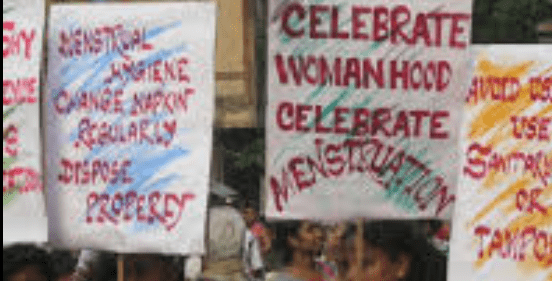
The decision has been welcomed by women employees across KSRTC, with many describing it as a recognition of their basic rights and dignity. Staff members expressed that menstrual discomfort often affects concentration, productivity, and overall wellbeing. Paid leave, they said, will not only provide necessary relief but also reduce anxiety associated with taking informal leave or hiding health-related challenges at work. The policy is expected to improve morale and strengthen trust between employees and management.KSRTC issues order granting menstrual leave to women staff across 4  transport corporations

Policy Details and Implementation

The circular specifies that female employees can avail a designated number of paid menstrual leave days each month, with the option to use these days discreetly. The policy is structured to maintain confidentiality and prevent any potential stigma or bias in the workplace. HR departments across KSRTC depots and offices have been instructed to implement the scheme effectively and sensitively, ensuring smooth integration with existing leave structures.

Health experts consulted during the policy formulation highlighted that menstrual cycles can involve severe discomfort, pain, and fatigue, impacting women’s productivity. They stressed that supportive workplace policies, such as menstrual leave, are crucial for employee wellbeing and retention. KSRTC’s move is being viewed as a response to growing global recognition of the need to accommodate women’s health in professional environments, aligning with progressive practices seen in several countries.

Union representatives welcomed the circular and said it represents a positive dialogue between management and staff. They noted that the policy addresses a long-standing gap in employee welfare measures and sets a precedent for other state-run institutions to follow. Discussions are ongoing about raising awareness among male colleagues and supervisors to ensure understanding and acceptance of the policy without any discrimination or bias.

The KSRTC initiative is part of a broader global trend towards acknowledging gender-specific health needs at work. Several countries, including Japan, Indonesia, and South Korea, have long had provisions for menstrual leave, while Indian corporate entities have also started experimenting with similar policies. By formally adopting such a measure in the public sector, KSRTC reinforces its commitment to progressive human resource practices and inclusivity.

Societal and Cultural Implications

The introduction of paid menstrual leave in KSRTC carries wider social and cultural implications. In many workplaces, menstruation is still considered a taboo topic, leading to discomfort, secrecy, and unnecessary absenteeism. By institutionalising menstrual leave, KSRTC is challenging entrenched societal norms and promoting open dialogue around women’s health. This move could contribute to normalising conversations about menstruation in professional and public spaces, gradually reducing stigma.

Women’s rights activists have applauded KSRTC for this initiative, describing it as a model for other government departments, public sector undertakings, and private organisations. They argue that recognising the physiological needs of women at work is a critical step toward achieving gender equality and fostering respectful workplaces. Activists also emphasised that menstrual leave should be accompanied by broader measures such as access to hygienic facilities, health check-ups, and counselling to ensure holistic support for female employees.Women's Commission writes to CS of Karnataka; Menstrual leave case moved to  21st Jan

From an organisational perspective, experts note that paid menstrual leave can enhance overall efficiency and employee retention. When women are supported during their menstrual cycles, it reduces presenteeism—where employees are physically present but unable to perform optimally due to discomfort. Such measures signal that management values the wellbeing of employees, leading to higher job satisfaction and loyalty.

KSRTC’s human resources department has already begun planning awareness campaigns and training sessions for staff at all levels to ensure smooth adoption of the policy. Information materials, workshops, and FAQs are being developed to clarify eligibility, leave procedure, and confidentiality protocols. These steps are aimed at creating an informed and supportive workplace culture where women can comfortably utilise their menstrual leave without fear of judgement.

The policy also includes provisions to monitor implementation and gather feedback from employees after the first few months. Management has expressed willingness to make adjustments based on practical experiences, ensuring the system works fairly and efficiently. Such proactive measures indicate KSRTC’s commitment to not just issuing circulars but fostering a meaningful and sustainable change in workplace culture.

Health and Gender Equity Perspectives

Medical experts have highlighted that menstrual leave is not merely a welfare measure but a matter of gender equity. Many women experience varying levels of pain, fatigue, and emotional stress during their cycles, which can interfere with professional responsibilities. By providing official leave, KSRTC is recognising these biological realities and contributing to gender-sensitive organisational policies. Experts also recommend complementary measures such as flexible scheduling, health awareness sessions, and counselling support to maximise the benefits of such policies.

Educational institutions and other public sector units may also view KSRTC’s initiative as a benchmark. By successfully implementing paid menstrual leave, KSRTC demonstrates that accommodating women’s health is feasible, non-disruptive, and beneficial to both employees and organisational outcomes. The initiative is being closely watched by other state departments and transport corporations as a potential model for replication.

The circular has also been widely discussed on social media and news platforms, with many praising KSRTC for its progressive stance. Commentators have highlighted that recognising menstruation as a legitimate workplace concern is a step forward in promoting gender equality and creating inclusive workplaces in India. The positive response underscores public support for policies that address biological and social realities rather than ignoring them.

By initiating paid menstrual leave, KSRTC sets a precedent for integrating women’s health into standard employment practices. The policy sends a strong message that government-run organisations can lead in fostering gender equity, prioritising employee wellbeing, and promoting a culture of respect and dignity. Observers hope that this initiative will encourage more public and private institutions to follow suit.Karnataka approves paid menstrual leave Grants one day paid off every month  to women aged 18–52, giving 12 annual leaves across govt, private sectors |  Bhaskar English

Preparing for Implementation

In preparation for the policy’s launch in January 2026, KSRTC has instructed regional offices and depots to coordinate closely with HR teams to ensure clear communication to all employees. Guidelines are being developed for leave application, confidentiality, and reporting procedures, with emphasis on ease of access and minimal bureaucratic hurdles. The corporation is also consulting with employee representatives to address concerns and ensure a smooth rollout.

Officials stress that this measure reflects KSRTC’s broader commitment to progressive human resource management and employee-centric policies. Paid menstrual leave is expected to enhance morale, improve workplace satisfaction, and demonstrate that the organisation values health, dignity, and equity. By taking this step, KSRTC positions itself as a pioneer among state-run enterprises, promoting a model of inclusivity that others can emulate.

The introduction of paid menstrual leave by KSRTC is widely regarded as a transformative step for workplace culture in Karnataka. It acknowledges a basic health need, promotes gender equality, and strengthens the corporation’s image as a progressive and responsible employer. For female employees, it promises comfort, dignity, and recognition, marking a milestone in the evolution of employee welfare policies in the state.

This initiative reinforces the notion that organisational policies can be both compassionate and practical. By recognising the challenges associated with menstruation, KSRTC has demonstrated that thoughtful, gender-sensitive measures can improve employee wellbeing without affecting operational efficiency. The policy is set to create a supportive environment where women can contribute fully while managing their health responsibly.

As January 2026 approaches, KSRTC’s female employees are preparing to benefit from this pioneering policy. The announcement has generated optimism, strengthened trust in management, and sparked broader conversations about women’s health and workplace rights. The move is expected to inspire other public and private institutions to re-evaluate their policies, making menstrual leave a standard consideration for female employees across sectors.

By integrating paid menstrual leave into its HR framework, KSRTC has set an example of how large state-run organisations can lead in gender-sensitive policy-making. This initiative demonstrates that addressing biological realities with empathy and foresight benefits not only employees but the institution as a whole. KSRTC’s move is being celebrated as a landmark step in building inclusive workplaces that respect health, dignity, and equality for all.

Follow: Karnataka Government

Also read: Home | Channel 6 Network – Latest News, Breaking Updates: Politics, Business, Tech & More

Christmas: 1 Heartwarming Call to Compassion

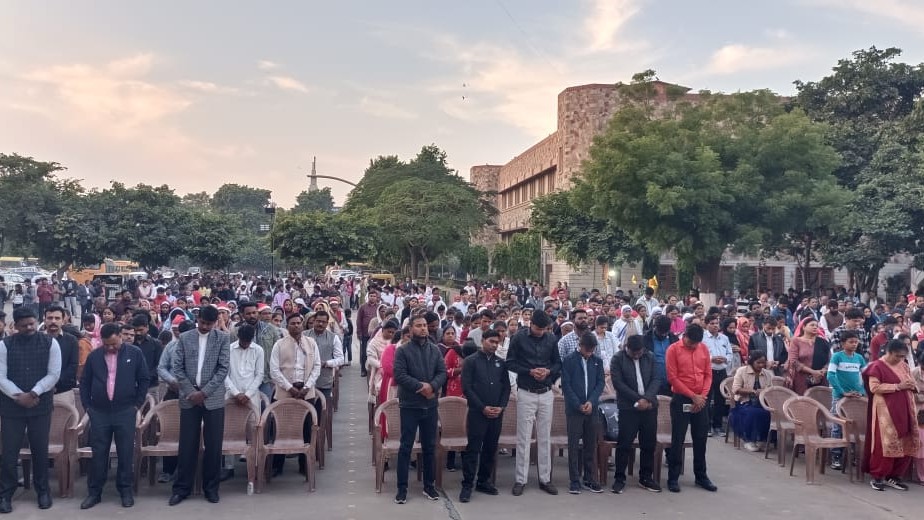
Bishop of Bengaluru has delivered a stirring message ahead of Christmas, emphasising the festival as a time of solidarity with the poor and marginalised. Speaking during a pre-Christmas gathering, the Bishop highlighted that the celebration is not merely about lights, gifts, and festivities, but fundamentally about extending empathy, care, and support to those in need. He urged communities to embrace the true spirit of Christmas by sharing resources, time, and kindness with people who are struggling, reinforcing the moral and spiritual values that underpin the festival.

Extending Compassion: The Spirit of Giving

The Bishop elaborated on how Christmas, as a festival, provides a unique opportunity for communities to foster a culture of giving. He noted that in times of social and economic disparities, the celebrations should focus on bridging gaps rather than accentuating differences. Highlighting the role of churches and local organisations, he encouraged structured programs that reach out to the homeless, impoverished, and marginalised sections of society. According to him, these acts of solidarity not only provide immediate relief but also instil a sense of belonging and hope among those who often feel forgotten.

He stressed that giving should extend beyond material aid, emphasising emotional and social support. Simple gestures such as spending time with the elderly, visiting hospitals, or mentoring underprivileged youth can significantly enhance the spirit of Christmas. The Bishop explained that solidarity involves active engagement and presence, reminding communities that empathy is not measured solely by monetary contribution but by genuine human connection. These actions, he said, are vital in cultivating a society rooted in compassion.

Strengthening Community Bonds

The Bishop highlighted that Christmas provides an opportunity to strengthen social bonds within communities. Festivals often bring together diverse groups, transcending economic and social divides, and the spirit of solidarity ensures that celebrations are inclusive. By organising communal meals, charity drives, and cultural events that invite participation from all societal sections, churches and communities can foster shared responsibility. Such initiatives, he explained, nurture mutual respect and understanding, reinforcing the idea that joy multiplies when shared.

He drew attention to how youth engagement is crucial during the festive season. Young people, according to the Bishop, possess energy, creativity, and idealism that can be channelled into meaningful service. Encouraging schools, colleges, and youth groups to organise volunteer programs during Christmas can cultivate a lifelong habit of community service. The Bishop stressed that instilling a sense of responsibility in the younger generation is essential to creating sustainable social impact and ensuring that the ethos of solidarity continues beyond the holiday season.

Addressing Poverty with Practical Action

The Bishop urged that the church’s role in alleviating poverty should be practical and sustained, rather than symbolic. He explained that while donations and charity drives are helpful, long-term engagement with marginalised communities can create lasting change. Initiatives such as skill development programs, educational support, and health awareness campaigns can empower individuals and reduce dependency, reflecting the true essence of compassionate outreach. Through sustained effort, he said, Christmas can become a catalyst for meaningful social transformation rather than a one-time act of generosity.

He also highlighted the importance of awareness and education among the more privileged segments of society. Often, people fail to grasp the daily struggles of the poor, which can lead to indifference or apathy. The Bishop encouraged educational programs within parishes and schools that sensitise participants to social realities. By fostering empathy and understanding, he said, communities can approach giving with mindfulness and intentionality, ensuring that their support addresses real needs effectively.

Celebrating Inclusion and Equality

The Bishop’s message emphasised that Christmas is a time to celebrate inclusion and equality. He explained that the festival’s core message resonates with the idea that every life has value and deserves dignity, irrespective of economic status, caste, or religion. Solidarity, he noted, requires acknowledging inequality and taking active steps to reduce its impact. Organising events that bring together diverse communities not only provides material support but also builds a culture of acceptance and mutual respect. This, according to the Bishop, is central to celebrating the spiritual dimension of Christmas.

He drew attention to the importance of localised initiatives that respond to community-specific needs. For instance, rural areas may require support with basic amenities like clean water and food security, while urban populations may face challenges related to homelessness and mental health. The Bishop emphasised that understanding the context of need allows communities to provide targeted and effective assistance. Such discernment ensures that acts of solidarity remain meaningful and impactful.

Bishop of Bengaluru has delivered a stirring message ahead of Christmas, emphasising the festival as a time of solidarity with the poor and marginalised. Speaking during a pre-Christmas gathering, the Bishop highlighted that the celebration is not merely about lights, gifts, and festivities, but fundamentally about extending empathy, care, and support to those in need. He urged communities to embrace the true spirit of Christmas by sharing resources, time, and kindness with people who are struggling, reinforcing the moral and spiritual values that underpin the festival

Fostering Interfaith Collaboration

Another key aspect of the Bishop’s message was fostering interfaith collaboration during Christmas. He noted that solidarity transcends religious boundaries and that engaging with other faith communities enhances social cohesion. Joint initiatives with organisations and volunteers from different religious backgrounds can broaden the reach of charitable work and promote harmony. By demonstrating that empathy and service are universal values, he said, Christmas can serve as a model for inclusive community action across the year.

The Bishop also reflected on the importance of humility in giving. He urged that acts of charity should be conducted with discretion, focusing on the needs of recipients rather than seeking recognition. By framing generosity as a spiritual discipline, he highlighted that Christmas provides a moment to practice selflessness and cultivate moral responsibility. Humility in service, he explained, deepens the personal and communal significance of solidarity.

Engaging Families in Compassionate Practices

He further encouraged families to incorporate acts of giving into their holiday traditions. Sharing time and resources with neighbours, participating in community service, or supporting underprivileged children can instil values of empathy from an early age. The Bishop pointed out that family involvement ensures that the ethos of solidarity is passed down, creating a culture where compassion becomes an integral part of everyday life rather than a seasonal practice.

He underscored that the act of giving fosters reciprocal benefits. While recipients gain material and emotional support, donors experience spiritual fulfilment and a sense of purpose. This dual impact strengthens the social fabric, encouraging continued engagement with charitable and community-oriented activities beyond the festive season. The Bishop emphasised that true celebration involves both joy and responsibility, and that a community thriving on mutual support exemplifies the highest ideals of Christmas.

The Role of Churches and Institutions

The Bishop called upon churches and religious institutions to serve as facilitators of solidarity, using their resources and networks to reach those in need effectively. By coordinating donations, volunteer efforts, and awareness programs, institutions can ensure that support is organised and sustainable. He highlighted examples of parishes that had implemented consistent community support initiatives, demonstrating that institutional involvement can significantly amplify the impact of individual acts of charity.

Finally, the Bishop’s message was a call to reflection and action. He reminded the faithful that celebrating Christmas meaningfully involves looking beyond personal celebrations and engaging with society’s most vulnerable. Acts of solidarity, when combined with empathy, humility, and sustained commitment, transform the festive season into a living expression of faith. For him, this approach ensures that Christmas is not merely a ritualistic celebration but a festival of compassion, inclusion, and human connection.

The Bishop noted that in a world often dominated by consumerism, it is crucial to remember the vulnerable and the disadvantaged. He encouraged parishes, families, and individuals to actively engage in charitable acts, from distributing food and clothing to offering shelter and companionship to the lonely. By framing Christmas as a feast of solidarity, the Bishop stressed that the season should inspire practical compassion and community engagement, making the celebrations meaningful not only for oneself but for society at large.News | Catholic Connect

A Call for Action and Reflection

In his address, the Bishop also spoke about the broader social responsibilities of the Christian community, pointing out that true observance of Christmas involves listening to the needs of others and responding with generosity. He highlighted examples of local initiatives, including food drives, support for orphanages, and assistance to the elderly, which serve as models for communal solidarity. The message was clear: Christmas is a call to live out faith through tangible action, fostering inclusion and social justice.Love for the poor is hallmark of faith, pope says in first exhortation |  USCCB

The Bishop concluded by urging reflection on personal attitudes toward giving and sharing, reminding the faithful that even small acts of kindness can have a significant impact. He emphasised that the essence of Christmas lies in recognising shared humanity and responding with compassion, thereby making the festival a meaningful occasion for both givers and recipients. Through this message, the Bishop sought to inspire a season marked not only by celebration but by empathy, solidarity, and collective responsibility.

News | Catholic Connect

Follow: Karnataka Government

Also read: Home | Channel 6 Network – Latest News, Breaking Updates: Politics, Business, Tech & More

1 Heartfelt Gift Unites Bengaluru and Ayodhya Through Faith

In a gesture steeped in devotion and cultural meaning, a Bengaluru-based man has donated a traditional Thanjavur painting of Sri Ram to Ayodhya, turning a deeply personal act of faith into a moment of wider spiritual resonance. The donation has drawn attention not only for its religious significance but also for the way it symbolically connects two regions of India through shared belief, artistic heritage, and reverence for tradition. The act has been widely viewed as an offering of devotion rather than a transfer of property, reflecting values of surrender, gratitude, and continuity.

The painting, crafted in the classical Thanjavur style, depicts Sri Ram in a calm and composed form, embodying righteousness, compassion, and moral strength. Created using traditional techniques involving gold foil, natural pigments, and intricate embossing, the artwork represents centuries-old craftsmanship passed down through generations. Such paintings are often treated as sacred icons in households, forming part of daily worship rather than mere decoration.

According to people familiar with the matter, the donor had preserved the painting for several years, maintaining it with ritual care and reverence. The decision to donate it to Ayodhya was not impulsive but evolved over time, guided by a belief that sacred art ultimately belongs in spaces where collective devotion can flourish. For the donor, offering the painting to a city so closely associated with Sri Ram’s life was seen as an act of fulfilment and spiritual completion.

The donation has also inspired reflection on the role of individual initiative in preserving India’s rich artistic and devotional heritage. While institutional efforts are crucial, acts like this demonstrate that personal faith and responsibility can keep traditions alive in meaningful ways. By choosing to share a sacred painting with a wider community of devotees, the Bengaluru donor has ensured that the artwork continues to serve its original spiritual purpose, allowing it to inspire reverence and contemplation among generations beyond his own household.

For many observers, the gesture underscores the enduring power of devotion expressed through art. In an age dominated by material accumulation and rapid urbanisation, such selfless acts remind society that cultural and spiritual continuity often depends on personal commitment. The journey of the Thanjavur painting from Bengaluru to Ayodhya symbolizes a connection that transcends geography, blending artistry, faith, and tradition into a living testament of India’s shared heritage.

The handover was conducted following traditional religious practices, underscoring the sanctity of the act. Prayers and rituals accompanied the donation, transforming it into a ceremonial offering rather than a formal transaction. Those present during the occasion described it as emotionally moving, marked by a sense of humility and quiet devotion rather than celebration.

The gesture has resonated with devotees across Bengaluru, many of whom see it as a reminder that even in a rapidly modernising urban environment, expressions of faith remain deeply rooted. The city, often associated with technology and growth, continues to nurture spiritual traditions that find expression through personal acts of devotion such as this one.Press Release: Press Information Bureau

Cultural observers note that the donation reflects a broader tradition within Indian society, where individuals contribute to religious and cultural spaces not for recognition but as part of a lifelong spiritual journey. In this context, the painting’s journey from a private home in Bengaluru to Ayodhya represents a transition from personal worship to shared devotion.

The act has also sparked conversations around the responsibility of individuals in preserving and sharing cultural heritage. While institutions play a crucial role in conservation, individual choices often determine whether traditions remain living practices or become static relics. This donation, many believe, exemplifies how personal faith can actively sustain artistic and spiritual legacies.

As word of the donation spread, it evoked admiration and reflection among devotees and art enthusiasts alike. Many described it as a quiet yet powerful reminder that devotion expressed through giving can transcend regional boundaries and speak to a shared cultural consciousness.

Thanjavur Art, Sacred Craft, and Spiritual Meaning

Thanjavur paintings hold a distinctive place in India’s artistic and devotional traditions. Originating in Tamil Nadu and flourishing under royal patronage centuries ago, the art form is renowned for its opulence, durability, and spiritual symbolism. Typically portraying Hindu deities, saints, and mythological scenes, these paintings are created with an intent that goes beyond aesthetics, serving as objects of worship and contemplation.

Art historians explain that the process of creating a Thanjavur painting is both meticulous and ritualistic. A wooden base is prepared and layered with cloth, natural adhesives, and limestone paste to create raised surfaces. Gold foil is then applied, followed by carefully mixed natural pigments that give the painting its characteristic depth and brilliance. Each stage requires patience and skill, reflecting the sacred purpose behind the art.

The depiction of Sri Ram carries profound spiritual significance. Revered as the embodiment of dharma, duty, and compassion, Sri Ram’s image is often associated with moral clarity and inner strength. A Thanjavur painting of Sri Ram thus becomes a focal point for devotion, symbolising ideals that guide personal and collective life.

Traditionally, many such paintings were commissioned for temples and public worship spaces. Over time, they also became part of household shrines, where families integrated them into daily rituals. The donation of a household Thanjavur painting back to a major spiritual centre can be seen as a return of sacred art to a shared devotional space.

Ayodhya, deeply intertwined with the narrative of the Ramayana, offers a context where the painting’s spiritual resonance is magnified. Devotees visiting the city seek connection with Sri Ram’s legacy, and the presence of a Thanjavur painting adds a layer of artistic and regional diversity to that experience. It allows visitors to engage with a southern Indian art tradition within a northern spiritual landscape.Department Of Posts Transports A Priceless Thanjavur Masterpiece Of The  Divine Shri Ram From Bengaluru To Ayodhya -

Cultural commentators have highlighted the importance of such exchanges in reinforcing India’s pluralistic heritage. When art travels across regions through acts of devotion rather than commerce, it fosters unity through shared values. The Bengaluru-to-Ayodhya journey of the painting thus becomes symbolic of cultural continuity across linguistic and regional boundaries.

The donation has also renewed interest in Thanjavur art among younger generations. Art educators and cultural groups in Bengaluru have noted increased curiosity about traditional painting techniques and their relevance today. They view this moment as an opportunity to encourage learning and appreciation of classical crafts that risk being overshadowed in a fast-paced, digital age.

Beyond its artistic value, the painting represents faith-driven preservation. Unlike museum displays that emphasise historical context, sacred placements allow art to remain part of living tradition, continuously engaged through prayer and ritual. This dynamic relationship between art and devotion is central to understanding the significance of such donations.

For custodians in Ayodhya, receiving the painting is both an honour and a responsibility. Ensuring its preservation while allowing devotional access requires careful balance. Those involved have indicated that the painting will be placed in a setting that respects its sanctity, craftsmanship, and spiritual intent.

Personal Faith, Cultural Continuity, and Collective Meaning

The Bengaluru man’s decision to donate the painting has been widely interpreted as an expression of faith shaped by a sense of cultural responsibility. In a time often marked by material accumulation, the act of parting with a cherished and valuable possession for spiritual reasons stands out as a reaffirmation of traditional values centred on giving and humility.

Sociologists observe that such gestures often emerge from a desire to contribute to something larger than oneself. By offering the painting to Ayodhya, the donor aligned his personal devotion with a collective spiritual experience shared by millions. This transformation of a private object into a communal symbol reflects a deeply ingrained cultural ethos.

The response to the donation has been largely positive, with many seeing it as an example of how individuals can actively participate in preserving heritage without institutional mediation. It underscores the idea that cultural continuity depends as much on personal choices as on formal conservation efforts.

Religious scholars have reflected on the symbolism inherent in the act. Sri Ram’s life and teachings emphasise sacrifice, duty, and service. Donating a sacred representation of Sri Ram to a place central to his legacy is seen as an embodiment of these very principles, reinforcing the moral narrative associated with the deity.

Those close to the donor suggest that the act was guided by introspection rather than external influence. The absence of any desire for recognition has been highlighted as central to the gesture’s sincerity. In this sense, the donation is viewed not as a public statement but as a personal milestone in the donor’s spiritual journey.

At a broader level, the story illustrates how art continues to serve as a bridge between regions, generations, and belief systems. As India navigates rapid social and technological change, such acts remind society of the enduring relevance of tradition and the ways it can adapt without losing its essence.Ayodhya Ram Lalla Thanjavur Painting by Smt. Mangalam Srinivasan. We have  always seen Thiruvasi (Prabhavali) in metal. Oneday somebody will make gold  Kavach for the Thiruvasi, so we have made Thiruvasi with

For Bengaluru, the gesture adds another layer to its identity as a city that harmonises modern aspirations with deep-rooted cultural practices. For Ayodhya, it represents the ongoing flow of devotion from across the country, reaffirming its place in the collective spiritual imagination.

As the Thanjavur painting of Sri Ram finds its new home in Ayodhya, it carries with it more than gold and pigment. It embodies faith, history, craftsmanship, and emotion, woven together through an act of giving. The journey from a Bengaluru household to a sacred city stands as a quiet yet powerful reminder that devotion, when expressed through selfless action, has the ability to unite hearts across distance, time, and tradition.

Follow: Karnataka Government

Also read: Home | Channel 6 Network – Latest News, Breaking Updates: Politics, Business, Tech & More

1 Chilling Turn in a Case That Shook Bengaluru: Explosive Verdict

Follow: Karnataka Government

Also read: Home | Channel 6 Network – Latest News, Breaking Updates: Politics, Business, Tech & More

1 Night of Violence Leaves Rajajinagar in Mourning: Shocking Tragedy

A chilling incident in Bengaluru’s Rajajinagar locality has sent shockwaves across the city, after a bank officer was shot dead allegedly by her estranged husband, exposing once again the deadly consequences of unresolved domestic conflict. The crime, which unfolded in a residential neighbourhood, has sparked widespread outrage, grief, and renewed conversations around domestic violence, mental health, and the warning signs often ignored until it is too late. The victim, described by colleagues as disciplined and resilient, was attempting to rebuild her life after marital separation when violence caught up with her in the most brutal form.

According to police officials, the woman was employed as an officer with a nationalised bank and was living separately from her husband due to prolonged marital discord. Preliminary investigations indicate that the accused had been nurturing resentment over the separation and was allegedly unwilling to accept the breakdown of the marriage. On the day of the incident, he reportedly confronted her in Rajajinagar, leading to a fatal escalation that ended with him firing at her at close range. She succumbed to her injuries on the spot, leaving residents stunned by the sudden eruption of violence in what is usually considered a relatively calm area.

Eyewitnesses in the locality recalled hearing loud arguments followed by gunshots, triggering panic among residents. Several people rushed out of their homes only to find the woman lying motionless, while the accused attempted to flee or remained at the scene in a state of shock, depending on differing early accounts. Police teams arrived promptly after receiving emergency calls, cordoned off the area, and began forensic examinations. The firearm used in the crime was recovered, and the accused was taken into custody for questioning.

The incident has left neighbours deeply unsettled. Many said they were aware that the couple had marital issues but never imagined it could escalate to murder. Residents described the victim as reserved and focused on her career, often leaving early for work and returning late in the evening. Her sudden and violent death has cast a long shadow over the community, with several residents expressing fear and helplessness over how private disputes can spill into public spaces with devastating consequences.

Senior police officers stated that a detailed investigation is underway to reconstruct the sequence of events leading up to the shooting. Initial findings suggest that the accused had been attempting to contact the victim repeatedly despite the separation. Investigators are examining call records, messages, and prior complaints, if any, to determine whether there were warning signs that could have warranted earlier intervention. The case has been registered under relevant sections of law, including murder, and police have indicated that they will seek stringent punishment.27,400+ Man Shooting Gun Stock Photos, Pictures & Royalty-Free Images -  iStock

The killing has reignited concerns about the safety of women, particularly those navigating separation or divorce. Legal experts point out that estranged partners often pose a heightened risk when emotions like jealousy, control, and perceived loss dominate decision-making. Despite increased awareness, many women hesitate to report harassment or threats, fearing social stigma or escalation. In this case, it remains unclear whether the victim had sought legal or police protection, a detail investigators are still verifying.

As news of the incident spread, colleagues from the banking sector expressed shock and sorrow. Several described her as hardworking and dedicated, noting that she had recently taken steps to stabilise her personal and professional life. For them, the tragedy is not just a personal loss but a stark reminder of how workplace professionals, particularly women, continue to face threats that extend far beyond office walls.

Investigation, Motive, and Unanswered Questions

The investigation into the Rajajinagar murder is focusing heavily on motive, planning, and access to the firearm. Police sources indicate that the accused’s ability to procure and carry a gun raises serious questions about licensing, background checks, and enforcement. Authorities are probing whether the weapon was legally owned or illegally acquired, and whether there were lapses that allowed the accused to carry out the attack with such ease.

Initial interrogation suggests that the accused was emotionally unstable following the separation and had been fixated on reconciliation, which the victim reportedly resisted. Investigators believe this refusal may have triggered anger and a sense of loss of control, culminating in the violent act. Psychologists note that such cases often involve possessive behaviour masked as emotional attachment, which can quickly turn dangerous when boundaries are asserted.

Police are also examining whether the accused had stalked or followed the victim in the days leading up to the incident. CCTV footage from nearby streets and residential buildings is being analysed to track his movements. Digital evidence, including messages and social media activity, is expected to play a crucial role in establishing intent and premeditation. If proven, this could strengthen the prosecution’s case and highlight the need for early intervention mechanisms in similar situations.

The legal process ahead is expected to be closely watched. Advocates emphasise that swift and decisive action is essential not only to deliver justice but also to send a strong message against domestic violence escalating into homicide. Delays or procedural lapses, they warn, can undermine public confidence and discourage victims from seeking help. The police have assured that the case will be investigated thoroughly and expeditiously.

Women’s rights groups have reacted strongly to the incident, calling it a preventable tragedy. Activists argue that society often underestimates the risks faced by women who leave abusive relationships. They stress the importance of support systems, including counselling, legal aid, and protection orders, particularly during periods of separation when tensions are high. The Rajajinagar killing, they say, underscores the urgent need for coordinated responses involving law enforcement, families, and community networks.

The Rajajinagar shooting has intensified debates around domestic violence and women’s safety in urban India. Bengaluru, often seen as a progressive city, continues to report cases where personal relationships end in extreme violence. Experts argue that urban anonymity, combined with social pressure and emotional isolation, can exacerbate conflicts rather than resolve them.Pistol Shot Recorded at 73,000 Frames Per Second

As Bengaluru grapples with yet another violent crime rooted in domestic conflict, the Rajajinagar case stands as a grim reminder of the human cost of unresolved abuse and obsession. It highlights the urgent need for systemic responses that prioritise prevention, protection, and accountability. For now, a neighbourhood mourns, a family grieves, and a city is left asking how many warning signs were missed before one life was lost forever.

The case has also drawn attention to mental health support for individuals undergoing marital breakdown. While accountability for the crime remains paramount, experts point out that unresolved psychological distress, when combined with access to weapons, can lead to catastrophic outcomes. They advocate for mandatory counselling and monitoring in cases involving threats or aggressive behaviour, especially when separations turn contentious.

For the victim’s family, the focus now is on mourning and seeking justice. Relatives described her as a determined woman who chose independence over an unhappy marriage. They have demanded the strictest possible punishment for the accused, stating that no explanation can justify the loss of a life. Their grief reflects the pain experienced by countless families affected by domestic violence-related crimes across the country.

Broader Concerns on Domestic Violence and Urban Safety

The Rajajinagar shooting has intensified debates around domestic violence and women’s safety in urban India. Bengaluru, often seen as a progressive city, continues to report cases where personal relationships end in extreme violence. Experts argue that urban anonymity, combined with social pressure and emotional isolation, can exacerbate conflicts rather than resolve them.

Criminologists note that firearm-related domestic killings, though less common than other forms of violence, represent a particularly alarming trend. The presence of a gun drastically increases the lethality of domestic disputes, leaving little room for intervention once violence erupts. This incident has renewed calls for stricter monitoring of firearm ownership and more robust enforcement of existing regulations.

The role of bystanders and communities has also come under scrutiny. While neighbours often sense tension or conflict, many hesitate to intervene, viewing domestic disputes as private matters. Social workers stress that community awareness and willingness to report threats or escalating behaviour can save lives. Creating neighbourhood-level support and reporting mechanisms, they argue, could help identify high-risk situations earlier.

Police officials have reiterated the importance of reporting harassment, threats, or stalking, especially in cases involving estranged partners. They urge individuals to seek legal remedies such as restraining orders and to alert authorities if they feel unsafe. However, activists counter that awareness alone is insufficient without ensuring that complaints lead to timely and effective protection.

The incident has also sparked conversations within workplaces about employee safety beyond office premises. Some organisations are now discussing whether employers can play a role in offering support or guidance to employees facing domestic issues. While such measures cannot replace law enforcement, they may provide an additional layer of awareness and assistance.8 Essential Tips for Shooting a Shotgun – Texas Gun Club

As Bengaluru grapples with yet another violent crime rooted in domestic conflict, the Rajajinagar case stands as a grim reminder of the human cost of unresolved abuse and obsession. It highlights the urgent need for systemic responses that prioritise prevention, protection, and accountability. For now, a neighbourhood mourns, a family grieves, and a city is left asking how many warning signs were missed before one life was lost forever.

Follow: Karnataka Government

Also read: Home | Channel 6 Network – Latest News, Breaking Updates: Politics, Business, Tech & More