Kannada cinema is witnessing heightened excitement as superstar Sudeep prepares for the release of his much-anticipated film Mark, a project that has generated sustained buzz across the industry and among fans. Known for his commanding screen presence and versatility, Sudeep’s association with the film has raised expectations to a significant degree. The actor, who enjoys a loyal following beyond Karnataka, is returning to the big screen with a role that is being described as intense, layered, and emotionally demanding. With promotions gradually picking up pace, Mark is being positioned as one of the most significant Kannada releases of the season.
Sudeep’s career trajectory has been marked by constant reinvention, and Mark appears to continue that tradition. Industry observers note that the film arrives at a time when Kannada cinema is increasingly attracting national attention, and a strong performance from a star of Sudeep’s stature could further strengthen that momentum. While details of the storyline have been closely guarded, early indications suggest that Mark blends commercial elements with a strong narrative core, a balance that Sudeep has mastered over the years. This careful positioning has contributed to the growing anticipation surrounding the release.
According to sources associated with the production, Mark explores themes of identity, power, and consequence, placing Sudeep’s character at the centre of a complex moral landscape. Unlike conventional action-driven roles, the film reportedly places equal emphasis on emotional depth and character development. This approach aligns with Sudeep’s recent choices, which have favoured substance alongside scale. Fans, meanwhile, are eager to see the actor in a role that challenges him while still delivering the larger-than-life moments he is known for.
The production of Mark has not been without challenges. From scheduling constraints to high expectations attached to the project, the team has navigated a demanding journey to bring the film to completion. Insiders reveal that Sudeep was deeply involved in the creative process, offering inputs on character arcs and key sequences. Such involvement is not new for the actor, who has often taken an active interest in shaping his films beyond performance alone. This hands-on approach has contributed to the perception of Mark as a carefully crafted project rather than a routine star vehicle.
Kannada Superstar Sudeep
As the release date approaches, promotional activities have begun to intensify. Teasers and promotional material have sparked widespread discussion, with fans dissecting every frame for clues about the narrative and character dynamics. The restrained yet impactful promotional strategy appears designed to build intrigue without revealing too much, a move that has largely been appreciated. Social media conversations reflect a sense of cautious optimism, with many expressing confidence in Sudeep’s ability to deliver yet another memorable performance.
The release of Mark also comes at a moment when Kannada cinema is negotiating its place in a rapidly changing entertainment ecosystem. With streaming platforms offering audiences a constant flow of content, theatrical releases are under pressure to offer something distinctive. Films anchored by strong performances and immersive narratives are increasingly seen as best suited for the big screen experience. In this context, Mark is being viewed as a film that relies on mood, scale, and performance-driven storytelling, elements that are expected to resonate more powerfully in theatres than on smaller screens.
Trade analysts are watching the film’s opening closely, as it may set the tone for upcoming star-led Kannada releases. Advance interest among exhibitors and distributors suggests confidence, particularly in single-screen theatres where Sudeep’s fan base traditionally ensures strong footfalls. At the same time, multiplex audiences are expected to assess the film on narrative strength and word of mouth. This dual audience dynamic makes Mark an important case study in how contemporary Kannada films can bridge mass appeal with evolving viewer sensibilities.
The film has also sparked conversations around the responsibility that comes with stardom. Sudeep’s choice of roles over the years has often reflected an awareness of his influence, and Mark is no exception. By engaging with themes that reportedly question power structures and personal choices, the film positions itself as more than just entertainment. Such narratives, when carried by popular actors, have the potential to spark wider public discussion, reinforcing cinema’s role as both a cultural and social mirror.
As the release date draws closer, the sense of anticipation is accompanied by reflection on Sudeep’s journey itself. From his early days to becoming one of the most recognisable faces in South Indian cinema, his career has been defined by persistence and adaptability. Mark arrives as another chapter in that journey, carrying the weight of expectations but also the promise of something meaningful. For audiences and the industry alike, the film represents a moment of collective curiosity, one that will soon find its answer on the silver screen.
Sudeep’s fan base, known for its passionate support, has played a crucial role in amplifying the buzz around Mark. Fan clubs across Karnataka and beyond have been actively organising promotional events, celebrating the actor’s journey, and counting down to the release. This organic enthusiasm underscores Sudeep’s enduring popularity and the emotional connection he shares with his audience. For many fans, Mark is not just a film but a moment that reaffirms their faith in the star’s choices.
From an industry perspective, Mark is seen as a litmus test for mid-budget, content-driven films led by established stars. While big-scale spectacles have dominated recent box office conversations, there is growing interest in films that combine strong storytelling with star power. Mark appears to occupy that space, making its performance closely watched by producers and distributors alike. A successful run could encourage similar projects, reinforcing the idea that audiences are receptive to nuanced narratives.
The supporting cast of Mark is also expected to play a significant role in shaping the film’s impact. Though the focus remains firmly on Sudeep, reports suggest that the film features well-etched supporting characters who contribute meaningfully to the narrative. This ensemble approach reflects a broader trend in Kannada cinema, where strong writing and character-driven storytelling are gaining prominence. If executed well, this could add depth to the film and enhance its overall appeal.
Music and background score, crucial elements in shaping audience experience, are said to be integral to Mark. While details about the soundtrack remain limited, early impressions suggest a score that complements the film’s tone rather than overpowering it. Sudeep’s films have often benefited from memorable music that enhances key moments, and expectations are high that Mark will follow suit. A well-received soundtrack could further boost the film’s reach and recall value.
The film’s technical aspects have also drawn attention. Cinematography, production design, and editing are reportedly aligned with the film’s thematic ambitions, aiming to create an immersive viewing experience. Industry insiders point out that Mark reflects a growing emphasis on technical finesse in Kannada cinema, where visual storytelling is increasingly being prioritised. Such attention to detail could help the film stand out in a competitive release calendar.
Beyond its immediate box office prospects, Mark holds significance for Sudeep’s evolving career narrative. Over the years, he has balanced mainstream appeal with experimental choices, carving out a unique space for himself. Mark appears to be another step in that direction, reinforcing his reputation as an actor willing to take calculated risks. For Sudeep, the film represents an opportunity to reaffirm his relevance in an industry that is constantly evolving.
Highly Anticipated Film ‘Mark’
The timing of the release is also noteworthy. With audiences gradually returning to theatres in larger numbers, there is renewed optimism about the theatrical experience. A film led by a star like Sudeep has the potential to draw crowds, particularly if word of mouth is positive. Distributors are reportedly confident about the film’s prospects, banking on the actor’s draw and the curiosity surrounding the project.
Critical reception will play a crucial role in shaping Mark’s journey. Given the expectations attached to the film, reviews are likely to be closely scrutinised. Observers note that Sudeep’s performances often generate strong critical responses, particularly when the material allows him to explore emotional and psychological nuances. If Mark delivers on these fronts, it could enjoy sustained interest beyond its opening weekend.
The broader cultural impact of Mark is another aspect worth considering. Films led by prominent stars often influence trends in storytelling, performance styles, and even audience preferences. A successful Mark could encourage filmmakers to explore complex themes within a commercial framework, challenging the notion that mainstream cinema must rely solely on formulaic elements. In this sense, the film’s reception could have implications beyond its immediate success.
As anticipation builds, Sudeep has maintained a measured presence in public interactions, focusing on the film rather than hype. His statements emphasise teamwork and faith in the story, reflecting a confidence that comes from experience. This restrained approach has resonated with many, reinforcing the perception of Mark as a film that lets its content speak for itself.
For the Kannada film industry, Mark represents both continuity and change. It draws on the star power of one of its most recognisable faces while signalling a commitment to meaningful storytelling. This combination is increasingly seen as essential for sustaining audience interest in a crowded entertainment landscape. The film’s performance could therefore offer valuable insights into evolving audience tastes.

As the countdown to release continues, expectations remain high but grounded. Fans hope for a film that lives up to the promise suggested by its promotions, while industry watchers await indicators of its commercial and critical trajectory. In many ways, Mark embodies the current moment in Kannada cinema, where ambition, experimentation, and tradition intersect.
Ultimately, Mark is more than just another release in Sudeep’s filmography. It is a project shaped by experience, expectation, and a desire to push boundaries within familiar frameworks. Whether it emerges as a defining success or a stepping stone to future ventures, the film has already succeeded in capturing attention. As audiences prepare to watch Sudeep step into yet another compelling role, Mark stands poised to leave its mark on Kannada cinema and its ever-evolving narrative.
A pregnant woman was brutally killed in Karnataka in what the police have described as an honour killing linked to her inter-caste marriage, leaving the State shaken and reigniting painful debates around caste, consent, and violence. The attack, which occurred in full view of family members, also left her husband and in-laws seriously injured. The incident has once again exposed the deadly consequences faced by couples who defy entrenched social hierarchies, even decades after legal and constitutional safeguards were put in place to protect individual choice.
According to police accounts, the woman, who was in an advanced stage of pregnancy, had married a man from a different caste against her family’s wishes. The marriage, solemnised legally, had reportedly triggered long-standing resentment and hostility from sections of her natal family. Despite attempts by the couple to rebuild their lives away from opposition, the hostility culminated in a violent attack that claimed her life and left others wounded.
Investigators say the assailants allegedly ambushed the couple and their family members using sharp weapons. The woman succumbed to her injuries on the spot, while her husband and other relatives were rushed to hospital with serious wounds. Medical officials confirmed that while the injured are out of immediate danger, they remain under observation due to the severity of the assault.
The killing of a pregnant woman has intensified public outrage, with civil rights groups describing the crime as particularly heinous. Activists argue that the act represents not only an assault on a woman’s right to choose her partner but also violence against an unborn child. The brutality of the attack has evoked strong emotional responses across the State, cutting across political and social lines.
Police officials stated that multiple suspects have been identified and that special teams have been formed to track down those involved. Preliminary investigations indicate that the attack was premeditated, with assailants allegedly lying in wait. Officers said sections related to murder, attempt to murder, and provisions under special laws dealing with caste-based atrocities have been invoked.
The incident has once again drawn attention to the persistence of honour killings in parts of Karnataka and other States, despite repeated assurances from authorities that such crimes will be dealt with sternly. While the number of reported cases may fluctuate, the underlying social attitudes that condone or justify such violence continue to pose a serious challenge.
For the victim’s husband, the trauma extends beyond physical injuries. Friends and relatives describe him as devastated, struggling to comprehend the loss of his wife and unborn child. The couple had reportedly been hopeful about their future, viewing the pregnancy as a new beginning despite social resistance. That hope was violently extinguished in a matter of moments.
Neighbours and local residents expressed shock, noting that while opposition to inter-caste marriages is not uncommon, such extreme violence remains deeply disturbing. Some admitted that subtle social pressure and ostracism against inter-caste couples is still prevalent, even if it rarely surfaces openly. The incident, they said, reflects what happens when such hostility is allowed to fester unchecked.
The killing has also raised questions about the effectiveness of protective mechanisms for couples facing threats. Although legal remedies and police protection schemes exist, activists argue that many couples either lack awareness or hesitate to approach authorities due to fear of escalation or social stigma. In this case, it remains unclear whether the couple had sought official protection prior to the attack.
As news of the crime spread, it sparked widespread condemnation from political leaders, women’s organisations, and social reform groups. Many demanded fast-track trials and exemplary punishment for those responsible, warning that leniency would only embolden perpetrators of similar crimes.
Caste, Control, and the Deadly Cost of Defying Tradition
The murder of the pregnant woman has brought the issue of caste-based violence back into sharp focus. Despite constitutional guarantees of equality and freedom, caste continues to exert a powerful influence over personal relationships in many parts of the country. Inter-caste marriages, while legally protected, are often seen by conservative families as a challenge to social order and honour.
Sociologists point out that honour killings stem from a desire to control women’s autonomy. Women who choose their partners defy not only caste norms but also patriarchal expectations of obedience. Violence, in such cases, becomes a means of enforcing conformity and reclaiming perceived lost honour. The fact that the victim was pregnant underscores the extent to which control overrides compassion.
In Karnataka, several cases of violence linked to inter-caste relationships have been reported over the years. While some have resulted in convictions, many others have faced delays due to prolonged trials, witness intimidation, and social pressure. Activists argue that inconsistent enforcement weakens deterrence and sends mixed signals to society.
Legal experts note that the Supreme Court has repeatedly held honour killings to be among the rarest of rare crimes, deserving the harshest punishment. Guidelines have also been issued directing State governments to establish preventive, remedial, and punitive measures. These include identifying vulnerable couples, providing protection, and taking swift action against those issuing threats.
However, implementation remains uneven. In rural and semi-urban areas, social hierarchies often operate parallel to formal law enforcement systems. Informal councils, family elders, and community pressure continue to influence decisions, sometimes with fatal consequences. Victims often find themselves isolated, with little support beyond a small circle of allies.
Women’s rights activists argue that the burden of social transgression falls disproportionately on women. Even when both partners belong to different castes, women are more likely to be targeted, punished, or killed. The Karnataka incident reinforces this grim reality, where the woman bore the ultimate cost of defying norms, despite the marriage being legal and consensual.
The role of families in perpetuating violence is another troubling aspect. Honour killings are rarely acts of sudden rage; they are often planned and executed with collective approval. This complicity makes detection and prevention difficult, as silence and justification shield perpetrators. Breaking this cycle requires not just policing but sustained social reform.
Education is frequently cited as a long-term solution, yet incidents like this show that education alone is insufficient without attitudinal change. Experts stress the need for community-level engagement that challenges caste prejudice and promotes acceptance of personal choice. Without such efforts, laws remain reactive tools rather than preventive shields.
The involvement of multiple assailants in the attack also highlights the normalisation of violence in enforcing social norms. When killing is viewed as a corrective action rather than a crime, the moral compass of a community is deeply compromised. Addressing this requires confronting uncomfortable truths about societal complicity.
The Karnataka case has also sparked renewed calls for better data collection on honour-based crimes. Activists argue that underreporting masks the scale of the problem, allowing authorities to underestimate its urgency. Transparent data, they say, is essential for targeted interventions and accountability.
As investigations continue, the focus remains on ensuring that the case does not fade into obscurity. Past experience shows that public outrage often subsides, leaving victims’ families to navigate a slow and painful justice process. Sustained attention, advocates argue, is necessary to ensure meaningful outcomes.
Justice, Protection, and the Road Ahead
In the aftermath of the killing, attention has shifted to the question of justice and systemic reform. Police officials have assured swift action, stating that arrests will be made and that the case will be pursued rigorously. Senior officers have emphasised that crimes rooted in caste prejudice will not be tolerated and that the law will take its course.
Legal experts stress the importance of a fast-track trial in this case, given its brutality and social significance. Delayed justice, they argue, risks retraumatising survivors and eroding public confidence. The injured husband and in-laws, once recovered, are expected to play a crucial role as witnesses, making their protection a priority.
The incident has also renewed focus on preventive mechanisms for inter-caste couples. Several activists have urged the government to strengthen protection cells, improve outreach, and ensure that police respond proactively to threats. They argue that protection should not be conditional on repeated complaints but activated at the first sign of danger.
Mental health support for survivors and affected families is another area often overlooked. The psychological impact of such violence can be long-lasting, affecting not just individuals but entire families. Counsellors and social workers have called for trauma-informed care to be integrated into victim support systems.
Policy analysts suggest that honour killing cases should trigger mandatory social intervention, including counselling for families issuing threats. While punitive action is essential, they argue that addressing underlying attitudes requires dialogue, education, and, in some cases, mediation. However, such measures must never replace accountability for violent acts.
The role of local governance structures has also come under scrutiny. Community leaders and elected representatives are being urged to take a clear stand against honour-based violence. Silence or ambiguity, activists warn, can be interpreted as tacit approval. Public condemnation from influential figures can play a significant role in shaping attitudes.
The Karnataka government has faced renewed pressure to demonstrate zero tolerance toward caste-based violence. Opposition parties and civil society groups have demanded concrete steps rather than statements. These include monitoring known hotspots, ensuring witness protection, and conducting awareness campaigns that affirm the legality and legitimacy of inter-caste marriages.
For many young couples across the State, the incident has reinforced existing fears. While legal protections exist on paper, the reality of social hostility makes exercising personal choice risky. Some couples have reportedly postponed marriage or chosen to leave their hometowns, highlighting the chilling effect of such crimes.
At a broader level, the killing challenges the narrative of social progress. While urbanisation and education have transformed many aspects of life, deep-rooted prejudices persist. The contradiction between constitutional ideals and lived reality remains stark, particularly for those who challenge traditional boundaries.
The death of a pregnant woman for choosing her partner is not merely a crime against an individual; it is an indictment of societal failure. It raises uncomfortable questions about how much autonomy women truly possess and how far society has come in dismantling caste hierarchies.
As the investigation unfolds, the hope among many is that this case becomes a turning point rather than another statistic. Exemplary punishment, combined with preventive reform, could send a powerful message that honour has no place in violence and that love is not a crime.
Ultimately, justice in this case will be measured not only by convictions but by change. Change in how threats are addressed, how families are held accountable, and how society responds to couples who dare to choose for themselves. Until then, the memory of a life lost, and a future denied, will continue to haunt Karnataka’s conscience.
The Chief Minister of Karnataka is set to launch a series of major development works in Vijayapura district in January 2026, signalling a renewed push toward infrastructure expansion, social welfare, and regional balance. The announcement has generated anticipation across the district, which has long sought accelerated development to match the pace of the State’s more urbanised regions. Officials describe the proposed launches as part of a broader vision to strengthen northern Karnataka’s economic and social foundations, with Vijayapura positioned as a key growth centre.
According to government sources, the Chief Minister’s visit is expected to include the inauguration and foundation stone laying of multiple projects spanning roads, water supply, education, healthcare, and urban development. These works are intended to address long-standing gaps in basic infrastructure while also creating momentum for future investments. For residents of Vijayapura, the announcement carries emotional weight, as many projects have been pending for years due to funding delays and administrative hurdles.
District administrators have begun preliminary preparations, coordinating with various departments to ensure readiness ahead of the visit. Officials say the focus is not merely on ceremonial launches but on showcasing tangible progress and timelines. The Chief Minister is expected to interact with local representatives, officials, and beneficiaries, reinforcing the government’s emphasis on inclusive and region-specific development.
Vijayapura, historically significant and culturally rich, has often featured in discussions on regional disparity within Karnataka. While it has seen gradual improvement in recent years, challenges remain in areas such as irrigation coverage, employment generation, and urban infrastructure. The upcoming development works are being framed as a decisive intervention aimed at accelerating growth and improving quality of life.
Political observers note that the timing of the visit, early in 2026, is significant. It aligns with the government’s mid-term review of its development agenda and reflects an effort to demonstrate measurable outcomes. By focusing on districts like Vijayapura, the administration appears keen to underline its commitment to balanced development rather than concentrating resources in already-developed urban centres.
Local elected representatives have welcomed the announcement, describing it as an opportunity to bring long-awaited projects to fruition. Several leaders pointed out that sustained engagement from the State leadership is crucial for districts like Vijayapura, which require coordinated efforts across departments. The Chief Minister’s presence, they argue, sends a strong message about political will and administrative priority.
Residents, meanwhile, have expressed cautious optimism. While many welcome the promise of development, they also emphasise the need for effective implementation and follow-through. Past experiences have made people wary of announcements that do not translate into timely execution. The administration has sought to address these concerns by stressing that the projects planned for launch are either completed or backed by secured funding and clear execution plans.
The anticipated visit has also prompted discussions on the broader development trajectory of northern Karnataka. Experts argue that sustained investment in infrastructure and human development is essential to unlock the region’s potential. Vijayapura’s strategic location and demographic profile make it a natural hub for growth, provided policy support and investment are aligned.
As January 2026 approaches, expectations are high that the Chief Minister’s visit will mark more than a symbolic moment. For many in Vijayapura, it represents hope that long-standing aspirations for progress and recognition within the State’s development narrative may finally find concrete expression.
Infrastructure and Welfare at the Core of the Development Push
Officials familiar with the proposed programme indicate that infrastructure development will form the backbone of the Chief Minister’s launch agenda in Vijayapura. Key projects are expected to include road widening and upgrading works aimed at improving connectivity within the district and with neighbouring regions. Better roads are seen as critical for facilitating trade, reducing travel time, and enhancing access to education and healthcare services.
Water supply and irrigation projects are also likely to feature prominently. Vijayapura district has historically faced water scarcity, affecting both agriculture and urban life. The planned initiatives reportedly include upgrades to drinking water schemes and progress on irrigation projects designed to improve water availability for farmers. Officials say these measures are intended to stabilise agricultural incomes and reduce dependency on erratic rainfall.
Urban development projects are another major focus. With Vijayapura town expanding, there is growing pressure on civic infrastructure. The Chief Minister is expected to inaugurate works related to sewage systems, stormwater drainage, and urban amenities aimed at improving living conditions. Urban planners argue that such investments are overdue and essential to prevent unplanned growth from undermining the city’s heritage and functionality.
Education and healthcare infrastructure are also part of the development package. Sources suggest that new school buildings, college facilities, and healthcare units may be inaugurated or announced. Strengthening public education and healthcare is seen as a long-term investment in human capital, particularly in districts where access to quality services remains uneven.
Social welfare initiatives are expected to be highlighted during the visit. Officials say that schemes targeting women, farmers, and marginalised communities will be reviewed, with an emphasis on improving delivery and coverage. By aligning infrastructure launches with welfare outreach, the government aims to present a holistic development narrative rather than isolated interventions.
District-level coordination has been intensified in anticipation of the visit. Departments have been instructed to ensure that launched projects are operational or close to completion, reducing the risk of delays after inauguration. This reflects lessons learnt from earlier experiences, where projects launched with fanfare sometimes faced prolonged execution challenges.
Local administrators also see the visit as an opportunity to draw attention to pending demands. Memoranda highlighting district-specific needs are being prepared for submission to the Chief Minister. These include requests for additional funding, policy support, and approvals for future projects. Officials believe direct engagement with the State leadership can help expedite decision-making.
The economic implications of the development works are also being emphasised. Construction activity is expected to generate employment, while improved infrastructure could attract private investment over time. Business associations in the district have expressed hope that better connectivity and civic facilities will enhance Vijayapura’s attractiveness as an investment destination.
However, experts caution that infrastructure alone is not sufficient. They stress the importance of maintenance, governance capacity, and community participation in ensuring that development outcomes are sustained. The success of the January 2026 launches, they argue, will ultimately depend on how effectively projects are managed after inauguration.
The administration appears aware of these challenges and has indicated that monitoring mechanisms will be strengthened. Officials say that periodic reviews and public accountability measures are being considered to ensure that the benefits of development reach intended beneficiaries.
Political Significance and Regional Aspirations
The Chief Minister’s planned visit to Vijayapura carries political significance beyond the immediate development agenda. Northern Karnataka has long featured prominently in discussions on regional imbalance, with leaders and civil society groups calling for greater attention to historically underdeveloped districts. By launching development works in Vijayapura, the government signals responsiveness to these concerns.
Political analysts view the move as part of a broader strategy to consolidate support in the region by demonstrating tangible progress. Development initiatives often play a key role in shaping public perception, particularly when they address visible and long-standing issues. The administration’s emphasis on Vijayapura suggests an effort to reinforce trust among voters who seek evidence of inclusive governance.
Local leaders across party lines have publicly welcomed the announcement, though some have stressed the need for bipartisan cooperation to ensure continuity. They argue that development should transcend political differences, especially in districts that require sustained attention over multiple years. The Chief Minister’s visit is seen as an opportunity to foster such consensus.
The anticipation surrounding the visit has also revived discussions on Vijayapura’s identity and aspirations. Known for its historical monuments and cultural heritage, the district has often struggled to balance preservation with modernisation. Development projects must therefore navigate sensitivities related to heritage conservation, land use, and community interests.
Civic groups have urged authorities to ensure that development works respect the district’s historical character while addressing contemporary needs. They argue that poorly planned infrastructure could harm heritage sites and disrupt local communities. Officials have responded by stating that projects will adhere to regulatory norms and incorporate expert inputs where required.
Youth in the district view the proposed development works through the lens of opportunity. Improved infrastructure and services are seen as essential for creating jobs and reducing migration to larger cities. Students and young professionals have expressed hope that investments in education, connectivity, and urban amenities will open new avenues locally.
Women’s groups have also highlighted the potential impact of development on safety, mobility, and access to services. They have called for gender-sensitive planning, particularly in urban projects and public spaces. Officials say such considerations are being integrated into project designs, reflecting evolving policy priorities.
As preparations continue, expectations are tempered by realism. Residents acknowledge that development is a gradual process and that a single visit cannot transform a district overnight. However, they also believe that visible commitment from the State’s highest leadership can catalyse change by aligning administrative machinery and resources.
The January 2026 visit is therefore being framed as both a milestone and a starting point. It marks progress on projects already underway while setting the stage for future initiatives. For Vijayapura, the hope is that this moment translates into sustained momentum rather than a fleeting spotlight.
In the larger context of Karnataka’s development journey, the focus on Vijayapura reinforces the idea that growth must be geographically balanced to be socially meaningful. By directing attention and resources to districts that have long awaited their turn, the government seeks to reshape narratives of neglect and aspiration.
As the district prepares to host the Chief Minister, the mood is one of guarded optimism. The launches planned for January 2026 carry not only the promise of roads, buildings, and schemes, but also the emotional weight of expectation. Whether this promise evolves into lasting transformation will depend on consistent execution, accountability, and continued engagement long after the ceremonial events conclude.
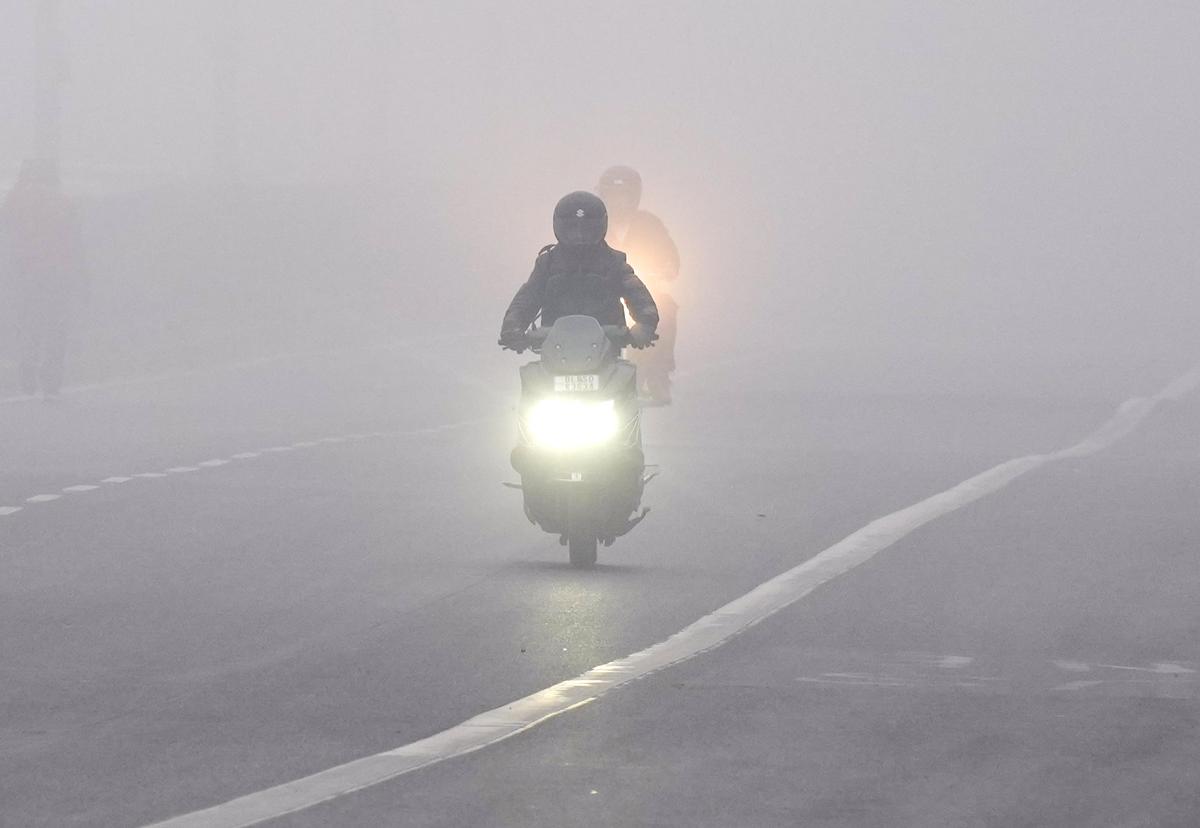
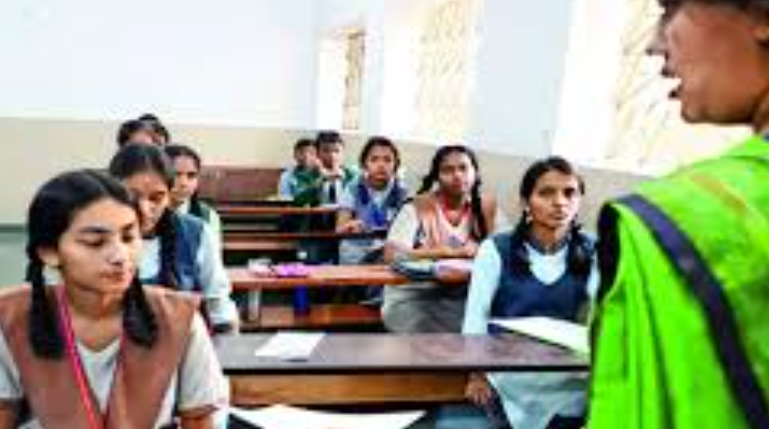
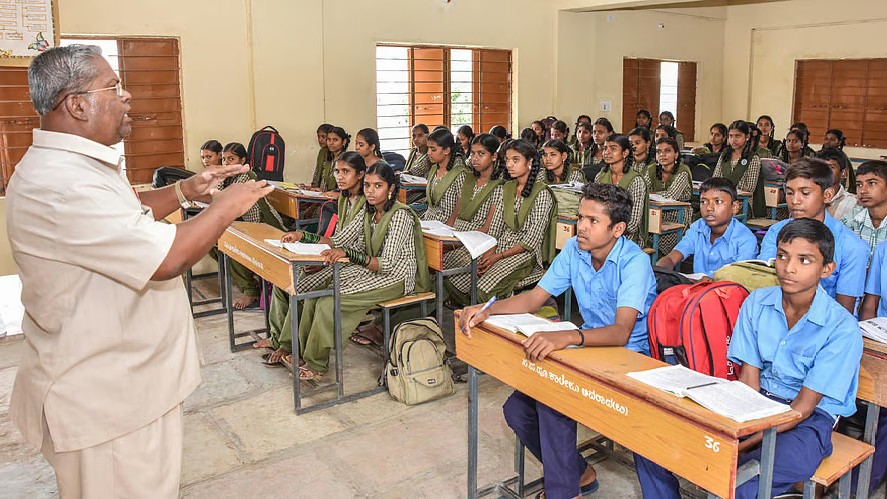
Unusually cold weather conditions have forced the district administration in Yadgir to revise school schedules, prioritising the health and safety of students across government and aided institutions. As temperatures dipped sharply during early morning hours, concerns grew over young children commuting to schools in cold conditions without adequate protection. Responding to these concerns, education authorities announced changes in school timings, a move that has been largely welcomed by parents, teachers, and health professionals.
Yadgir district, located in the northern interior of Karnataka, has been experiencing colder-than-usual mornings over the past few weeks. The chill, accompanied by fog and low visibility in certain pockets, has particularly affected rural areas where children often travel long distances on foot or by bicycle to reach schools. For students from economically weaker backgrounds, exposure to cold weather without proper winter clothing posed an added health risk.
Officials stated that the decision to alter school timings was taken after reviewing weather patterns and receiving feedback from school authorities. Early morning assemblies and classes were identified as potential risk factors, especially for primary school children. The revised schedule allows schools to begin later in the morning, reducing children’s exposure to cold during peak hours.
The change reflects a growing recognition that climate-related factors directly impact access to education. While cold waves are not uncommon in northern Karnataka, recent variations in weather intensity have prompted authorities to take precautionary measures. Health officers advised that prolonged exposure to cold could lead to respiratory infections, fever, and other illnesses, particularly among younger students with lower immunity.
Parents across the district expressed relief at the decision. Many had been worried about sending their children to school before sunrise, especially as several villages reported a noticeable drop in temperatures. Mothers of primary school students said children were reluctant to wake up early due to the cold, often complaining of body aches and coughs. The revised timings, they believe, strike a balance between academic continuity and physical well-being.
Teachers, too, supported the move, noting that attendance had begun to dip during particularly cold mornings. According to educators, students who did attend early classes often appeared lethargic and struggled to concentrate. Delaying the start of the school day, they said, would likely improve classroom engagement and overall learning outcomes during the winter period.
Education department officials clarified that the schedule change is temporary and will remain in effect as long as cold conditions persist. They emphasised that academic calendars would be adjusted to ensure that syllabus completion is not affected. Schools have been advised to optimise teaching hours and, if necessary, extend sessions later in the day when temperatures are more comfortable.
The decision also highlights the administrative challenge of responding swiftly to local conditions. District-level autonomy, officials noted, allows for context-specific decisions that may not be required in other parts of the State. Yadgir’s action underscores the importance of decentralised governance in addressing region-specific issues.
Health, Attendance, and the Reality of Rural Schooling
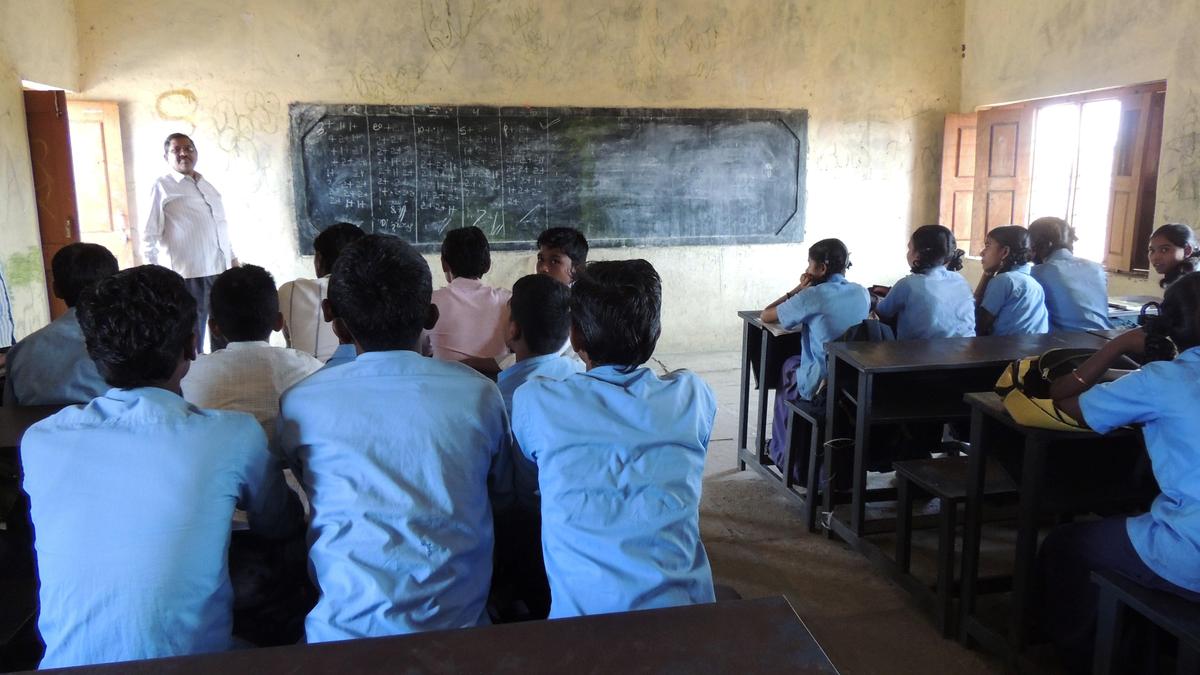
Cold weather poses unique challenges for school-going children in districts like Yadgir, where infrastructure and resources vary widely. Many government schools operate in buildings that offer limited protection from the cold, with open corridors and classrooms lacking insulation. In such settings, early morning exposure can significantly affect children’s comfort and health.
Medical professionals in the district reported a seasonal rise in cases of cold-related ailments among children. Common complaints include sore throat, cold, cough, and mild fever. While not severe, these illnesses can lead to absenteeism and, in some cases, complications if left unattended. Doctors welcomed the decision to revise school timings, calling it a preventive health measure rather than a reactive one.
Attendance patterns have long been a concern in rural schooling. During extreme weather conditions, whether heat or cold, attendance often fluctuates. Teachers explained that when students miss classes due to illness, it creates learning gaps that are difficult to bridge. By adjusting schedules proactively, schools can maintain more consistent attendance during challenging periods.
The issue is further compounded by socio-economic factors. Many families in Yadgir depend on daily wage labour, limiting their ability to invest in winter clothing or protective gear for children. In such households, children often wear thin uniforms that provide little warmth during cold mornings. Delaying school start times reduces the need for early-morning travel in harsh conditions.
Transport is another critical factor. Unlike urban areas, rural Yadgir has limited public transport options during early hours. Children walking long distances or riding bicycles are particularly vulnerable to cold winds. School buses, where available, often begin their routes early to accommodate standard timings. The revised schedule allows transport arrangements to align better with safer travel conditions.
The cold weather-driven schedule change in Yadgir may appear minor, but it carries a larger message about responsive governance. By placing child welfare at the centre of decision-making, authorities have acknowledged that education does not exist in isolation from environmental and social realities.
Ultimately, the success of such measures will be judged not only by academic outcomes but by the trust they build among parents, teachers, and students. In choosing caution over rigidity, Yadgir’s administration has taken a step that reflects care, foresight, and an understanding of the everyday challenges faced by its youngest citizens.
Teachers also highlighted the psychological aspect of cold weather. Young children, especially those in lower primary classes, can experience discomfort and reluctance to attend school during cold spells. A more relaxed morning routine, they believe, helps reduce stress and makes children more receptive to learning.
Education officials noted that similar measures have been adopted in the past during heatwaves, when schools either reduced hours or declared holidays. Cold weather, however, often receives less attention despite posing comparable risks. The current decision reflects a broader understanding of how environmental factors affect student welfare.
Schools have been instructed to monitor student health closely during the cold period. Headmasters were advised to allow flexibility for students showing signs of illness and to discourage outdoor activities during particularly cold days. Morning assemblies, often held in open grounds, have been shifted indoors or shortened.
Parents have also been encouraged to ensure children are adequately clothed and nourished. Some schools have taken the initiative to educate students about simple measures such as wearing layers, covering ears and hands, and consuming warm food where possible. While these steps may seem basic, educators say they can make a significant difference in preventing illness.
Balancing Academic Needs with Child Welfare
The change in school schedule has reignited discussions on how education systems can adapt to environmental realities without compromising academic goals. Critics often argue that reducing or altering school hours affects syllabus coverage. However, education experts counter that learning quality matters more than rigid adherence to timetables, especially when student health is at stake.
District officials reassured parents and teachers that academic targets would be met through careful planning. Schools have been asked to adjust lesson plans, prioritise core subjects, and make effective use of classroom time. In some cases, schools may slightly extend afternoon sessions to compensate for delayed mornings.
The situation also highlights the importance of flexibility in education policy. Uniform schedules across diverse climatic regions may not always serve students’ best interests. Yadgir’s decision demonstrates how local administrations can respond to ground realities while staying within broader policy frameworks.
Teacher associations welcomed the move, noting that it reflects sensitivity to the working conditions of educators as well. Teachers commuting from distant villages also face cold-related challenges, and a later start time eases their travel. Improved teacher well-being, they argue, ultimately benefits students.
However, some parents expressed concern about childcare arrangements for younger children if school starts later. In households where parents leave early for work, schools often serve as a safe space for children. Authorities acknowledged this concern and said schools could allow flexibility on a case-by-case basis, ensuring children are not left unattended.
The episode has also sparked conversations about long-term infrastructure improvements. Experts suggest that investing in better school buildings, including enclosed classrooms and basic heating arrangements, could reduce vulnerability to weather extremes. While such upgrades require funding, they are increasingly seen as necessary in the face of changing climate patterns.
Climate variability has made weather-related disruptions more frequent across regions. Education planners are being urged to incorporate climate resilience into school management strategies. This includes not only schedule adjustments but also disaster preparedness, health awareness, and infrastructure planning.
For students, the revised schedule has brought a sense of relief. Many said they felt more comfortable attending school after sunrise, when temperatures are less harsh. Improved comfort, teachers observed, translated into better participation and attentiveness in class.
As cold conditions persist, the district administration continues to monitor the situation. Officials indicated that any further changes would be communicated promptly, emphasising transparency and coordination with schools. The priority, they said, remains the safety and well-being of children.
The cold weather-driven schedule change in Yadgir may appear minor, but it carries a larger message about responsive governance. By placing child welfare at the centre of decision-making, authorities have acknowledged that education does not exist in isolation from environmental and social realities.
Ultimately, the success of such measures will be judged not only by academic outcomes but by the trust they build among parents, teachers, and students. In choosing caution over rigidity, Yadgir’s administration has taken a step that reflects care, foresight, and an understanding of the everyday challenges faced by its youngest citizens.
A late-night biryani outing meant to be a brief escape from academic stress turned into a terrifying ordeal for four engineering students, who were allegedly abducted and robbed while returning to Bengaluru from Hoskote. The incident, which occurred on the outskirts of the city, has once again raised serious concerns about the safety of students, night-time travel, and policing along highways and poorly lit stretches connecting suburban areas to the city. What began as a casual plan among friends ended in fear, trauma, and lingering questions about security.
According to preliminary accounts, the students had travelled to Hoskote late at night to have dinner, a routine activity for many young people in and around Bengaluru. After finishing their meal, they began their return journey, unaware that they were about to become targets. Somewhere along the way, their vehicle was allegedly intercepted by a group of unidentified men, who forced them to stop under the pretext of questioning or assistance. What followed, the students later told the police, was a harrowing experience involving intimidation, confinement, and robbery.
The students were reportedly threatened and coerced into complying with the attackers’ demands. Valuables including mobile phones, cash, and personal belongings were taken from them. In some accounts, the attackers allegedly forced the victims to transfer money digitally, exploiting the ease of mobile transactions late at night when immediate help is harder to access. After a period of confinement and fear, the students were abandoned on a deserted stretch and managed to find their way back to safety.
News of the incident spread quickly among student circles, sparking anxiety and anger. Many students expressed shock that such an incident could occur on a route frequently used by commuters and late-night travellers. Parents of students studying in Bengaluru voiced concern over the increasing number of crimes targeting young people, particularly those returning late from social outings. For families who send their children to the city with hopes of education and opportunity, such incidents deepen fears about safety beyond campus boundaries.
Police officials, upon receiving the complaint, registered a case and initiated an investigation. Senior officers stated that teams were formed to trace the accused using CCTV footage, mobile tower data, and other technical evidence. They also indicated that patrols in vulnerable stretches would be reviewed and intensified. While officials assured swift action, the incident has reignited criticism that reactive measures often follow crimes, rather than preventive policing being consistently enforced.
The case has also drawn attention to the growing pattern of criminals exploiting isolated roads, late hours, and unsuspecting youth. Engineering students and young professionals, who frequently travel at night due to academic schedules, internships, and social life, are increasingly vulnerable. The Hoskote stretch, despite its popularity for food outings, has long been flagged by locals as poorly monitored during late hours, a concern that has now gained renewed urgency.
For the four students involved, the experience is likely to leave lasting psychological scars. Friends and classmates described them as shaken and fearful, struggling to process how a familiar activity could spiral into danger. While no physical injuries were reported, the emotional impact of abduction and robbery is profound, often manifesting as anxiety, distrust, and fear of night travel. Mental health experts note that such experiences can affect concentration, academic performance, and overall well-being.
Beyond the immediate victims, the incident has unsettled the broader student community. Many are questioning whether casual late-night outings are worth the risk, and whether authorities are doing enough to ensure safe mobility. The episode has also triggered conversations on social media and in college hostels about travel safety, group movement, and the importance of alertness even during seemingly harmless plans.
Police Response, Safety Gaps, and the Anatomy of the Crime
As details of the abduction and robbery emerged, attention quickly turned to how such crimes are executed and why they continue to succeed. Police officials familiar with similar cases explained that criminals often operate in small groups, targeting vehicles with young occupants who appear relaxed and unsuspecting. Late-night hours provide cover, as traffic is sparse and the likelihood of immediate intervention is low.
In the Hoskote incident, investigators are examining whether the attackers followed the students from the restaurant area or randomly intercepted them. The possibility of organised gangs operating along highways and feeder roads is being explored. Police sources indicate that such gangs often rely on intimidation rather than violence, banking on fear and confusion to extract valuables quickly before fleeing.
One major concern highlighted by the case is the lack of consistent night patrols in semi-urban and highway-adjacent zones. While city centres may have visible policing, stretches connecting Bengaluru to nearby towns often fall into jurisdictional grey areas. This can result in delayed response times and reduced surveillance, creating opportunities for criminal activity. Residents and regular commuters have long complained about inadequate lighting and minimal police presence on these routes.
The police response to the incident has included increased patrolling in the Hoskote area and surrounding roads, at least temporarily. Officials have also appealed to the public for information, urging anyone who may have witnessed suspicious activity to come forward. Investigators are particularly focused on tracking digital trails left by forced transactions, which could provide crucial leads.
However, public confidence in such measures remains cautious. Similar assurances have followed previous incidents, only for attention to fade once cases slip out of the news cycle. Student groups and civil society members argue that sustained vigilance, rather than short-term crackdowns, is essential to deter crime. They stress that predictable patrol schedules and visible enforcement are key to restoring a sense of security.
The incident also raises questions about emergency preparedness among young travellers. While many rely on smartphones for navigation and communication, criminals increasingly exploit this dependence. Experts advise limiting digital vulnerability at night, such as disabling certain transaction apps or ensuring emergency contacts are easily accessible. Yet, they acknowledge that responsibility cannot rest solely on individuals when systemic safety gaps persist.
Legal experts point out that abduction and robbery cases carry serious penalties, particularly when victims are unlawfully confined. Swift identification and prosecution of the accused, they argue, are crucial not only for justice but also for deterrence. Delays or weak follow-up can embolden offenders, reinforcing the perception that such crimes can be committed with impunity.
Colleges and universities have also been drawn into the conversation. Some institutions are reportedly considering issuing advisories to students about late-night travel, encouraging group movement and avoidance of isolated routes. While such advisories are well-intentioned, critics argue that they risk normalising unsafe conditions instead of demanding accountability from authorities responsible for public safety.
The Hoskote incident thus exposes a complex interplay of individual behaviour, policing limitations, and urban expansion. As Bengaluru continues to sprawl outward, ensuring safety along connecting corridors becomes increasingly challenging. Without coordinated planning between urban and rural policing units, such gaps are likely to persist.
Fear, Accountability, and the Larger Question of Urban Safety
Beyond the immediate crime, the abduction and robbery of the four engineering students has triggered a deeper conversation about urban safety and the lived reality of young people in Bengaluru. For many students, the city represents freedom, ambition, and opportunity. Yet, incidents like this reveal a parallel narrative of vulnerability, where routine activities carry hidden risks.
Parents of students studying away from home often express a mix of pride and anxiety. While they trust institutions to provide education, they rely on the city’s infrastructure and governance to ensure basic safety. Each such incident chips away at that trust, prompting difficult conversations within families about restrictions, curfews, and constant vigilance. For young adults seeking independence, these concerns can feel suffocating, yet they are rooted in genuine fear.
Women students, in particular, have noted that such incidents reinforce an already pervasive sense of insecurity. Although the Hoskote case involved male students, the broader implications extend across genders. Safety advocates argue that crimes targeting young people contribute to a culture of fear that disproportionately affects women, who already face heightened risk during night travel.
The role of urban planning also comes under scrutiny. Poorly lit roads, lack of emergency call points, and minimal public transport options at night create environments conducive to crime. Experts argue that safety must be integrated into infrastructure planning, rather than treated as an afterthought. Investment in lighting, surveillance, and emergency response systems can significantly reduce crime opportunities.
Public outrage following the incident has led to calls for accountability from local authorities. Residents have demanded explanations for why known vulnerable stretches remain inadequately monitored. Some have suggested the need for joint patrols, involving traffic police, local police, and highway authorities, to ensure comprehensive coverage during late hours.
The psychological impact on the victims cannot be overlooked. Survivors of abduction often experience lingering fear, mistrust of strangers, and reluctance to travel alone. Counsellors emphasise the importance of emotional support and trauma-informed care, particularly for young students who may struggle to articulate their distress. Without support, such experiences can have long-term consequences.
Despite the fear and anger, there is also resilience within the student community. Many have responded by organising discussions on safety awareness, sharing information about risky areas, and advocating for better policing. Such collective action reflects a determination not to retreat into silence, but to demand safer conditions.
Ultimately, the Hoskote biryani outing that ended in abduction is a stark reminder that urban safety cannot be taken for granted. It exposes the fragility of security beyond city centres and the urgent need for coordinated, sustained action. While police investigations may eventually bring the perpetrators to justice, the larger challenge lies in preventing such incidents from recurring.
For Bengaluru, a city that prides itself on being youthful, dynamic, and inclusive, ensuring the safety of its students is not optional. It is a fundamental obligation. Whether this incident leads to meaningful reform or fades into memory will depend on how authorities, institutions, and society respond in the days ahead. For now, four young lives carry the weight of a night that should have ended with laughter, not fear.
Advocates in Shivamogga have written a formal representation to the Chief Justice of India and the Chief Justice of the Karnataka High Court opposing the participation of a sitting High Court judge in a public programme proposed to be presided over by a former minister. The letter, signed by a group of practising advocates, has raised serious concerns about judicial propriety, institutional independence, and the perceived blurring of boundaries between the judiciary and political figures. The development has triggered intense discussion within legal circles, touching upon ethical norms that govern judicial conduct and public perception of impartiality.
According to the advocates, the issue is not merely about attendance at a public function but about the symbolic implications of a sitting judge sharing a platform with a political figure who has previously held executive power. They argue that such appearances, even if ceremonial or academic in nature, risk undermining public confidence in the judiciary. The letter emphasises that the judiciary derives its strength not only from constitutional authority but also from the trust of the people, which must be protected at all costs.
The advocates have reportedly pointed out that Shivamogga, like many other districts, has a politically active social environment where public events often carry implicit political messaging. In such a context, they argue, the presence of a High Court judge at a programme presided over by a former minister could be interpreted as an endorsement or association, regardless of intent. This, they contend, is particularly sensitive at a time when judicial neutrality is under heightened public scrutiny.
The representation to the Chief Justice of India and the Chief Justice of the High Court underscores that the concern is institutional rather than personal. The advocates have clarified that their objection is not directed at the individual judge’s integrity or character. Instead, it is framed as a principled stand rooted in constitutional morality and long-established conventions governing judicial behaviour. They stress that judges are expected to maintain not only actual independence but also the appearance of independence.
Legal practitioners involved in drafting the letter have referred to established codes of judicial conduct, which caution judges against participating in events that may create an impression of closeness with political personalities. They argue that these norms exist precisely to prevent ambiguity and misinterpretation. In their view, even a well-intentioned appearance can have unintended consequences in a society where symbolism often carries more weight than substance.
The issue has sparked debate among members of the Bar across the State, with some supporting the advocates’ stand while others caution against overreacting. Those supporting the representation argue that vigilance by the Bar is essential to preserving the sanctity of the judiciary. They believe that raising concerns through formal channels reflects a healthy institutional dialogue rather than confrontation.
On the other hand, some lawyers have suggested that judges routinely attend academic, cultural, and social programmes without compromising their independence. They argue that as long as the event is non-political in nature and does not involve policy advocacy, participation should not automatically be viewed as problematic. However, even among this group, there is acknowledgement that perception matters significantly in matters involving judicial ethics.
The Shivamogga advocates, however, remain firm in their position. They argue that the presence of a former minister as the presiding figure alters the character of the event, regardless of its stated purpose. In their view, the distinction between active and former political figures does not eliminate concerns, particularly in regions where political affiliations continue to shape public discourse long after individuals leave office.
The development has also drawn attention to the role of the Bar in acting as a watchdog of judicial propriety. Advocates have historically played a crucial role in upholding constitutional values, not only through litigation but also through ethical engagement. By choosing to write to the highest judicial authorities in the country, the Shivamogga advocates signal their belief that such matters must be addressed within institutional frameworks rather than through public controversy.
Judicial Propriety and the Weight of Public Perception
At the heart of the advocates’ objection lies the concept of judicial propriety, a principle that extends beyond strict legality into the realm of ethical responsibility. Judges, by virtue of their position, are expected to remain detached from political and executive influences. This detachment is not merely functional but symbolic, reinforcing the idea that justice is administered without fear or favour. The advocates argue that public appearances alongside political figures, even former ones, risk diluting this symbolism.
Legal experts note that judicial conduct is governed not only by written rules but also by unwritten conventions developed over decades. These conventions recognise that judges occupy a unique space in public life, where even neutral actions can be subject to interpretation. The Shivamogga advocates’ letter reportedly draws attention to this delicate balance, warning that erosion of conventions can gradually weaken institutional safeguards.
The advocates have also highlighted the timing of the proposed programme as a factor contributing to their concern. In an era marked by intense political polarisation and frequent criticism of institutions, they argue that the judiciary must exercise heightened caution. Any action that could be construed as aligning with political actors, they say, provides ammunition for those seeking to question judicial credibility.
Another aspect raised in the representation is the potential impact on litigants. Advocates argue that members of the public who appear before the courts must feel assured that judges are entirely independent of political influence. Even a perception of association can create doubt in the minds of litigants, particularly those involved in politically sensitive cases. This, they contend, strikes at the core of the right to a fair hearing.
Supporters of the advocates’ stance point out that judicial independence is not compromised overnight but through incremental normalisation of questionable practices. They argue that allowing seemingly minor deviations from established norms can gradually lead to greater erosion. From this perspective, the objection raised by the Shivamogga advocates is seen as a preventive measure rather than an accusatory one.
The letter is also understood to emphasise the responsibility of judges to avoid situations that could lead to future controversies. Legal scholars note that public confidence in the judiciary is fragile and must be nurtured through consistent adherence to ethical standards. Even if no actual impropriety exists, the mere appearance of potential conflict can have lasting consequences.
Some senior advocates have noted that the issue reflects a broader national conversation on judicial accountability and transparency. While independence remains paramount, there is growing public demand for clarity in how judges engage with society beyond the courtroom. The Shivamogga episode adds a new dimension to this debate, highlighting the tension between accessibility and detachment.
The advocates’ choice to address the matter through a written representation rather than public protest has also been noted. This approach underscores respect for institutional processes and judicial hierarchy. By placing their concerns before the Chief Justice of India and the Chief Justice of the High Court, the advocates signal their faith in internal corrective mechanisms.
At the same time, the episode raises questions about the absence of clear, uniformly enforced guidelines on judges’ participation in public events. While general principles exist, their application often depends on individual discretion. Some legal experts argue that clearer protocols could help avoid such controversies by providing unambiguous boundaries.
Bar–Bench Relations and the Larger Constitutional Message
The Shivamogga advocates’ representation has inevitably drawn attention to the dynamic relationship between the Bar and the Bench. Traditionally, this relationship is characterised by mutual respect, with advocates playing a crucial role in assisting the judiciary while also holding it accountable to constitutional values. The current episode reflects this delicate balance, where concern is expressed without undermining institutional dignity.
Bar associations across the State have reportedly discussed the issue informally, with opinions divided on whether the objection sets a necessary precedent or risks creating friction. Those in favour argue that the Bar must remain vigilant, especially when ethical questions arise. They see the letter as an affirmation of the legal community’s commitment to safeguarding judicial independence.
Critics, however, caution that frequent objections to judges’ public engagements could create an atmosphere of mistrust. They argue that judges are not expected to remain isolated from society and that interaction with various sections of the public can enhance understanding and empathy. From this perspective, the challenge lies in distinguishing between acceptable engagement and ethically problematic association.
The Shivamogga advocates counter this argument by reiterating that their objection is narrowly focused. They emphasise that the issue is not public engagement per se but the specific context of sharing a platform with a political figure. They argue that such distinctions are crucial and must be recognised to maintain clarity in ethical standards.
The response of the judiciary to the representation will be closely watched. Legal observers suggest that even an internal advisory or clarification could have a significant impact on future conduct. A measured response, they say, could reinforce ethical norms while also addressing concerns raised by the Bar.
The episode also serves as a reminder of the judiciary’s role as a constitutional sentinel. In a democratic framework, the judiciary’s authority rests not on coercive power but on moral legitimacy. Actions that risk undermining this legitimacy, however unintentionally, must therefore be examined with seriousness.
For the advocates involved, the issue transcends the immediate event. They view their representation as part of a broader effort to reaffirm constitutional boundaries at a time when institutional roles are increasingly contested. By invoking the attention of the highest judicial authorities, they seek to reinforce the idea that ethical vigilance is a shared responsibility.
Public reaction to the development has been mixed, reflecting broader societal debates on the role of judges in public life. Some members of the public view the objection as overly cautious, while others see it as a necessary assertion of principle. This divergence itself highlights the complexity of maintaining public trust in institutions.
As discussions continue, the Shivamogga episode may well contribute to a deeper examination of judicial ethics in contemporary India. Whether it leads to clearer guidelines, renewed dialogue between the Bar and the Bench, or simply greater awareness of ethical sensitivities, its significance extends beyond the immediate controversy.
Ultimately, the advocates’ representation underscores a fundamental truth of constitutional governance: institutions endure not merely through authority but through restraint. The judiciary’s strength lies in its ability to command respect by adhering to the highest standards of conduct. In raising their voice, the advocates of Shivamogga have sought to remind all stakeholders of this enduring principle, framing their objection not as dissent, but as an appeal to conscience and constitutional fidelity.
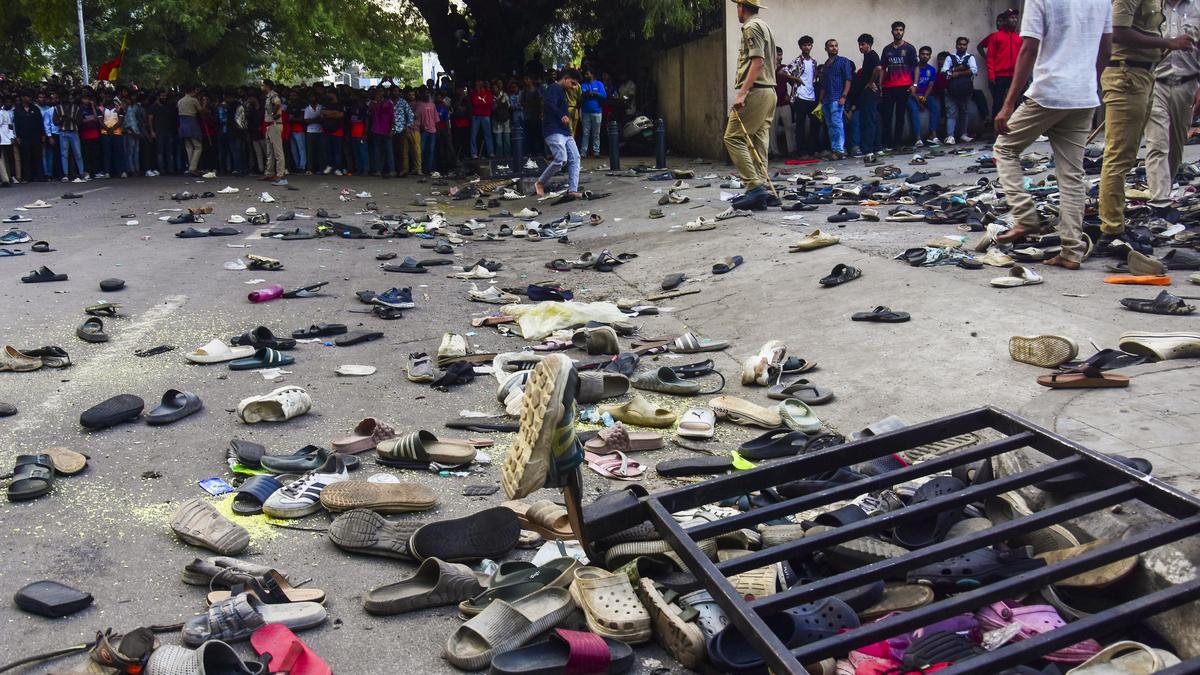
The denial of permission for a proposed cricket match at the M. Chinnaswamy Stadium in Bengaluru has triggered widespread disappointment among fans, players, organisers, and the city’s sporting community. The iconic stadium, long regarded as the heart of cricket in Karnataka, was expected to host the match amid considerable anticipation. However, authorities cited administrative and security-related concerns while refusing clearance, once again highlighting the growing complexities involved in hosting large-scale sporting events in urban centres.
The decision comes at a time when Bengaluru’s cricket calendar has already faced multiple disruptions. Known for its vibrant cricket culture and passionate fan base, the city has repeatedly proven its capacity to host international, domestic, and league-level matches. Yet, the refusal to grant permission has raised questions about coordination between sporting bodies, civic authorities, and law enforcement agencies. For many fans, the decision feels like a missed opportunity to revive live cricketing action at one of India’s most celebrated venues.
Officials involved in the process clarified that the decision was not aimed at undermining cricket or discouraging sporting events. Instead, they stressed that public safety, traffic management, and logistical preparedness were the primary factors behind the denial. With Bengaluru grappling with infrastructure stress, congestion, and heightened security concerns, authorities argued that approving the match without comprehensive arrangements would have posed risks to both spectators and the general public.
Cricket associations and event organisers, however, expressed disappointment, pointing out that preparations had been underway for weeks. According to sources, ticketing strategies, team logistics, and broadcast arrangements had already been planned. The sudden denial not only affects fans who were eagerly awaiting the match but also results in financial losses for organisers, vendors, and ancillary service providers who depend on match-day activity.
The M. Chinnaswamy Stadium has historically been more than just a sports venue. It represents Bengaluru’s identity as a cricketing hub, having hosted memorable matches featuring legendary players and historic moments. Any decision affecting events at the stadium inevitably carries emotional weight. Fans took to public discussions to express frustration, arguing that consistent administrative hurdles risk eroding the city’s reputation as a reliable host for major sporting events.
Authorities, on the other hand, maintain that the decision reflects a responsible governance approach. They argue that past experiences have demonstrated how inadequate planning can lead to crowd mismanagement, traffic chaos, and safety hazards. In recent years, the city has witnessed heightened scrutiny over large public gatherings, prompting officials to adopt a more cautious stance. The refusal, they insist, must be viewed in the larger context of urban management rather than as an isolated anti-sporting move.
Beyond immediate disappointment, the incident has reignited a larger debate on how sporting infrastructure is managed in metropolitan cities. As Bengaluru continues to grow, balancing its status as a cultural and sporting capital with the realities of urban strain has become increasingly challenging. The denial of permission at such a high-profile venue underscores the need for more coordinated, transparent, and long-term planning frameworks for hosting major events.
Security, Logistics, and Administrative Concerns Take Centre Stage
At the core of the decision to deny permission were concerns related to security preparedness and logistical feasibility. Officials familiar with the matter indicated that multiple agencies involved in crowd control and emergency response had flagged limitations. With tens of thousands of spectators expected, ensuring seamless entry, exit, and emergency evacuation was cited as a major challenge under current conditions.
Traffic congestion around the stadium area remains a persistent concern. Located in the heart of the city, the M. Chinnaswamy Stadium is surrounded by busy arterial roads and commercial zones. On match days, traffic diversions often disrupt daily commuters, leading to complaints from residents and businesses alike. Authorities noted that without a comprehensive traffic management plan, allowing the match could have caused widespread disruption.
Law enforcement agencies reportedly raised concerns about deploying adequate personnel. With multiple events and routine policing demands already stretching resources, ensuring foolproof security for a high-profile cricket match was deemed difficult. Officials emphasised that any lapse could have serious consequences, especially given the large crowds and heightened public sensitivity around safety at mass gatherings.
Administrative preparedness also came under scrutiny. Authorities pointed to pending clearances related to fire safety, emergency medical arrangements, and coordination between various civic departments. While organisers argued that these issues could be resolved with additional time, officials countered that last-minute arrangements often lead to gaps that become evident only during emergencies.
The decision-making process, according to sources, involved multiple rounds of review and consultations. Officials stressed that denying permission was not taken lightly, especially given the stadium’s legacy. However, they argued that past incidents across the country have demonstrated the dangers of compromising on safety norms. In this context, erring on the side of caution was seen as the only responsible option.
Cricket administrators have acknowledged the importance of safety but questioned whether the existing system places disproportionate hurdles on event organisers. They argue that with better advance coordination and clearer guidelines, such last-minute denials could be avoided. The lack of a predictable approval framework, they say, creates uncertainty and discourages future planning.
Fans, meanwhile, expressed mixed reactions. While many voiced anger and disappointment, others acknowledged the need for safety. Some argued that the authorities should invest more in infrastructure upgrades around the stadium to ensure that safety concerns do not repeatedly result in cancellations. The recurring nature of such issues suggests systemic gaps rather than isolated administrative lapses.
The denial of permission at the M. Chinnaswamy Stadium serves as a reminder that iconic venues alone are not enough. Effective governance, robust infrastructure, and collaborative planning are equally essential. Whether this moment becomes a turning point or another chapter in a pattern of disruption will depend on the actions taken in the months ahead. For Bengaluru’s cricket faithful, the hope is that disappointment gives way to reform, ensuring that the roar of the crowd returns stronger and safer than before.
The episode has also highlighted the need for better communication. Several stakeholders felt that clearer and earlier communication from authorities could have mitigated disappointment and logistical confusion. Transparent timelines and well-defined requirements, they argue, would help organisers plan more effectively and reduce friction between sporting bodies and civic agencies.
Impact on Cricket Ecosystem and the Road Ahead
The denial of permission for the match has implications that extend beyond a single event. Bengaluru’s cricket ecosystem includes players, coaches, ground staff, broadcasters, vendors, and small businesses that rely on match-related activity. Each cancelled or denied event represents lost income and diminished opportunities for engagement with the sport.
Local businesses around the stadium, including eateries, merchandise sellers, and transport providers, often experience a significant surge in activity during matches. For many, cricket events are a vital source of revenue. The decision has therefore sparked concerns about the economic ripple effects of such cancellations, particularly in a city already facing economic pressures.
For players, especially domestic and emerging talents, matches at venues like the M. Chinnaswamy Stadium offer exposure and experience. Playing in front of large, passionate crowds is an integral part of professional development. Repeated disruptions can affect scheduling, preparation, and morale, particularly for teams operating within tight domestic calendars.
Cricket associations have urged authorities to consider long-term solutions rather than reactive decisions. Suggestions include upgrading surrounding infrastructure, improving public transport connectivity on match days, and creating dedicated event management protocols. Such measures, they argue, would allow the city to continue hosting major matches without compromising safety or civic order.
The incident has also prompted calls for greater collaboration between state authorities, city administrators, and sporting bodies. Experts argue that cities like Bengaluru require integrated event management models that anticipate challenges and address them proactively. This would involve regular coordination meetings, shared responsibility frameworks, and clearly defined accountability mechanisms.
From a governance perspective, the decision reflects the broader tension between urban development and public events. As cities expand, hosting large gatherings becomes increasingly complex. Authorities face pressure to ensure safety while also supporting cultural and sporting life. Striking this balance requires both investment and innovation, areas where Bengaluru still has room to grow.
Public sentiment remains deeply tied to cricket, and the emotional response to the denial reflects the sport’s place in the city’s collective identity. Many fans expressed hope that this setback would prompt meaningful dialogue rather than recurring frustration. There is a growing expectation that authorities and organisers must move beyond blame and work toward sustainable solutions.
In the immediate term, attention is likely to shift to whether alternative venues or revised schedules can accommodate the match. However, the larger question remains unresolved: how can Bengaluru preserve its status as a premier cricketing destination while addressing legitimate safety and administrative concerns?
The denial of permission at the M. Chinnaswamy Stadium serves as a reminder that iconic venues alone are not enough. Effective governance, robust infrastructure, and collaborative planning are equally essential. Whether this moment becomes a turning point or another chapter in a pattern of disruption will depend on the actions taken in the months ahead. For Bengaluru’s cricket faithful, the hope is that disappointment gives way to reform, ensuring that the roar of the crowd returns stronger and safer than before.
The consistently low SSLC results in several districts of the Kalyana Karnataka region have once again drawn the attention of the State education department, policymakers, teachers, and parents. For years, districts such as Kalaburagi, Yadgir, Raichur, Bidar, Koppal, Ballari, and Vijayapura have lagged behind the State average in SSLC pass percentages, reflecting deeper structural and socio-economic challenges. In response, the government has intensified remedial teaching initiatives, positioning them as a critical intervention to bridge learning gaps and restore academic confidence among students from disadvantaged backgrounds.
The focus on remedial teaching is not new, but this year’s approach is being described by officials as more structured, data-driven, and student-centric. Education authorities argue that learning loss caused by prolonged disruptions, combined with first-generation learners, language barriers, and inadequate academic support at home, has widened achievement gaps. Remedial classes are now being viewed not merely as supplementary lessons but as a systematic academic correction process aimed at ensuring that students acquire minimum learning competencies before appearing for the SSLC examination.
Teachers in the region note that many students entering Class 10 struggle with foundational concepts from lower grades, particularly in Mathematics, Science, and English. These gaps often remain unaddressed due to syllabus pressure, eventually resulting in poor performance in board examinations. Remedial teaching programmes aim to reverse this pattern by identifying weak learners early, categorising them based on subject-wise deficiencies, and providing targeted instruction over an extended period.
Education department officials have emphasised that the goal is not only to improve pass percentages but also to ensure that students genuinely understand concepts rather than resorting to rote memorisation. This shift in focus reflects a broader recognition that examination success must be built on strong academic foundations. For a region historically burdened by educational deprivation, remedial teaching is being framed as both an academic necessity and a social responsibility.
At the district level, schools have been instructed to conduct baseline assessments at the beginning of the academic year. These assessments help teachers identify students who require immediate academic intervention. Based on the results, schools prepare remedial teaching plans tailored to the needs of their student population. Officials say this decentralised approach allows schools to design strategies that are sensitive to local realities rather than relying on uniform solutions imposed from above.
Teachers involved in these programmes report that remedial classes are often conducted before or after regular school hours, on weekends, and during holidays. While this increases the workload for teachers, many believe the effort is necessary given the stakes involved. Several teachers have pointed out that students attending remedial sessions show gradual improvement in confidence, classroom participation, and examination readiness.
Despite these efforts, challenges remain. Teacher shortages, high student-teacher ratios, and infrastructural limitations continue to affect the effectiveness of remedial teaching in some schools. In remote rural areas, irregular student attendance due to economic pressures further complicates implementation. Yet, education officials maintain that remedial teaching remains the most viable short-term solution to improve SSLC outcomes while long-term reforms are gradually rolled out.
Strengthening Classroom Foundations Through Focused Intervention
The current remedial teaching strategy in the Kalyana Karnataka region places significant emphasis on strengthening foundational learning. Officials argue that many students fail the SSLC examination not due to an inability to learn, but because they never received adequate academic reinforcement during their formative years. Remedial classes are therefore designed to revisit concepts from Classes 6 to 9, ensuring that students are not overwhelmed by Class 10 syllabi without the necessary background knowledge.
Subject-specific modules have been developed to simplify complex topics and present them in an accessible manner. In Mathematics, for instance, teachers focus on basic arithmetic, algebraic expressions, and problem-solving techniques before progressing to advanced concepts. In Science, emphasis is placed on understanding core principles rather than memorising definitions. English remedial classes prioritise reading comprehension, basic grammar, and vocabulary building, recognising language as a major barrier for many students.
Education officials say that one of the key changes this year is the use of continuous assessment during remedial programmes. Instead of waiting for periodic examinations, teachers conduct frequent short tests to track student progress. This allows for immediate feedback and timely correction of learning gaps. Students who show improvement are gradually integrated into regular classroom instruction, while those who continue to struggle receive additional support.
The role of teachers has expanded beyond conventional classroom instruction. Teachers are now expected to act as mentors, counsellors, and motivators, especially for students facing academic anxiety. Several teachers have observed that students who repeatedly fail internal assessments often develop a fear of examinations, which negatively affects performance. Remedial teaching sessions, conducted in smaller groups, create a less intimidating environment where students feel comfortable asking questions and admitting difficulties.
The government has also encouraged peer learning as part of remedial strategies. High-performing students are paired with weaker learners, fostering collaborative learning and mutual support. Teachers say this approach not only benefits academically weaker students but also enhances leadership skills and empathy among high achievers. Such initiatives are particularly effective in schools where teacher resources are limited.
Digital tools are being selectively used to support remedial teaching, though access remains uneven. In schools with basic digital infrastructure, recorded lessons and visual aids are used to reinforce classroom teaching. However, officials acknowledge that technology cannot replace face-to-face instruction in regions where students lack regular access to devices or stable electricity. As a result, the emphasis remains firmly on teacher-led interventions.
Monitoring mechanisms have been strengthened to ensure accountability. Cluster-level education officers regularly review remedial teaching schedules, attendance records, and student performance data. Schools that demonstrate improvement are encouraged to share best practices with others. Officials believe that such peer learning among institutions can help scale effective models across the region.
Parents are also being drawn into the remedial education process. Schools conduct meetings to explain the importance of regular attendance and academic support at home. In many cases, parents who did not complete formal education themselves are being guided on how to encourage their children’s learning without feeling inadequate. Educators say that parental involvement, even at a basic level, significantly improves student motivation.
Bridging Regional Inequality Through Sustained Educational Support
The emphasis on remedial teaching in the Kalyana Karnataka region must be understood within the broader context of regional inequality. Historically, the region has faced challenges such as poverty, migration, and limited access to quality educational institutions. These factors have collectively contributed to poor academic outcomes, particularly at the secondary school level. Remedial teaching is now being positioned as a corrective measure to address these long-standing disparities.
Education experts argue that improving SSLC results in the region requires sustained intervention rather than short-term solutions. While remedial teaching can address immediate learning gaps, it must be complemented by systemic reforms such as improved teacher recruitment, better school infrastructure, and curriculum relevance. Officials acknowledge this but stress that remedial teaching offers a practical starting point with visible outcomes.
Students who have benefited from remedial programmes share stories of renewed confidence and aspiration. Several students report that they no longer fear subjects they once considered impossible. Teachers say such psychological transformation is as important as academic improvement. For first-generation learners, passing the SSLC examination often represents more than an academic milestone; it symbolises social mobility and personal validation.
District administrations have also been directed to allocate additional resources to schools with consistently poor performance. This includes providing supplementary teaching materials, organising special training sessions for teachers, and arranging residential coaching programmes for high-risk students. Officials say these measures are designed to create an enabling environment where remedial teaching can succeed.
However, concerns have been raised about teacher burnout and sustainability. Conducting extended remedial classes places additional pressure on an already stretched teaching workforce. Teachers’ associations have called for incentives, workload rationalisation, and professional recognition for educators involved in remedial programmes. The government has indicated that it is considering such demands, acknowledging that teacher motivation is critical to the success of any academic intervention.
Another challenge lies in maintaining student engagement over long periods. Remedial teaching requires consistent attendance, which can be difficult for students who juggle household responsibilities or part-time work. Schools are experimenting with flexible schedules and motivational strategies to address this issue. Some have introduced recognition systems to reward regular attendance and academic improvement.
As the SSLC examination approaches, education officials remain cautiously optimistic. Preliminary assessments suggest that students enrolled in remedial programmes show measurable improvement in internal evaluations. While officials refrain from making definitive predictions, they argue that even incremental improvement represents progress in a region where educational advancement has been slow and uneven.
Ultimately, remedial teaching in the Kalyana Karnataka region reflects a broader commitment to educational equity. By acknowledging learning gaps and addressing them systematically, the education department aims to ensure that geography and socio-economic background do not determine academic destiny. Whether these efforts translate into sustained improvement will depend on continued political will, administrative support, and community involvement. For now, remedial teaching stands as a critical step toward restoring hope, confidence, and opportunity for thousands of SSLC students across the region.
Minister of State for Communications and Rural Development, Pemmasani Chandra Sekhar, has undertaken a comprehensive review of the performance of India Post across all Postal Circles, emphasising the need to align citizen-centric services with revenue sustainability. The monthly review process aims to drive modernisation, strengthen financial inclusion, and enable strategic business growth across the postal network.
Strategic Push for Business Growth and Revenue Discipline
During the review, Dr. Pemmasani directed India Post to adopt a proactive, market-oriented approach to business development. He advised outreach to businesses and entities contributing high GST, and called for the creation of Dedicated Marketing Executive teams in every Postal Circle to track leads, conversions, and revenue on a daily basis.
He further urged Circle Heads to leverage regional strengths—including local geography, industrial presence, and commercial potential—to design customised growth strategies that reflect on-ground realities.
Monthly Reviews for Stronger Oversight
The Minister has instituted monthly performance reviews covering all 24 Postal Circles, enhancing the quarterly monitoring framework laid down by Jyotiraditya Scindia, Union Minister for Communications. Personally chaired by Dr. Pemmasani each month, these reviews are intended to:
Detect operational issues early
Enable swift course correction
Ensure consistent achievement of service and performance benchmarks
Focus Areas: Efficiency, Inclusion and Tech-Led Reforms
Discussions during the review centred on:
Operational efficiency in mail and parcel delivery
Financial inclusion through savings and insurance expansion
Logistics growth to support national supply chains
Technology-driven reforms aligned with the vision of Viksit Bharat under Narendra Modi
The Minister highlighted India Post’s unmatched national footprint and called for optimal utilisation of resources to strengthen last-mile delivery while expanding savings and insurance coverage—balancing public welfare with financial prudence across all performance metrics.
Recognition of High-Performing Circles
Dr. Pemmasani commended the Karnataka Circle for strong grassroots performance and successful acquisition of new customers and markets. He also lauded the Northeastern Circle for:
Opening 1.54 lakh new savings accounts
Mobilising ₹276 crore under PLI/RPLI
Implementing structured MSME outreach programmes
These achievements were cited as models for other Circles to emulate.
Serving 1.4 Billion Citizens with Future-Ready Services
Reiterating India Post’s national mandate, the Minister emphasised that serving over 1.4 billion citizens is both a responsibility and a strategic opportunity. He stressed that efficient services, digital integrity, and financial discipline must underpin India Post’s transformation into a self-reliant, future-ready institution capable of sustained growth and expanded regional outreach.
Conclusion The monthly review of Postal Circles reflects a decisive shift toward data-driven oversight, strategic business development, and technology-enabled reforms at India Post. By integrating citizen service delivery with revenue sustainability, the Ministry aims to modernise the postal ecosystem—positioning India Post as a resilient, inclusive, and commercially agile public service institution.
The Indian Navy is set to script a unique chapter in maritime history as INSV Kaundinya, its pioneering stitched sailing vessel, prepares to embark on her maiden overseas voyage on December 29, 2025. The vessel will be flagged off from Porbandar, Gujarat, and sail to Muscat, symbolically retracing the ancient maritime routes that connected India with the Indian Ocean world for centuries.
Reviving India’s Ancient Shipbuilding Traditions
INSV Kaundinya represents a rare revival of India’s ancient stitched-plank shipbuilding tradition, inspired by historical depictions of Indian seafaring vessels. Unlike modern ships, the vessel has been constructed entirely using traditional methods, where wooden planks are stitched together with coconut coir rope and sealed with natural resins.
This indigenous technology, once widespread along India’s coastline and across the Indian Ocean region, enabled Indian mariners to undertake long-distance voyages to West Asia, Africa, and Southeast Asia long before the advent of modern navigation systems and metal fastenings.
A Confluence of Heritage and Modern Naval Expertise
The project to build INSV Kaundinya was executed under a tripartite Memorandum of Understanding between the Ministry of Culture, the Indian Navy, and Hodi Innovations. The initiative reflects India’s broader effort to rediscover, document, and revive indigenous knowledge systems.
The vessel was built by traditional artisans under the guidance of master shipwright Shri Babu Sankaran, supported by extensive research, design validation, and sea-worthiness testing by the Indian Navy in collaboration with academic institutions. Despite being constructed using ancient techniques, INSV Kaundinya is fully seaworthy and capable of ocean-going navigation.
Symbolic Voyage Along Historic Maritime Routes
The Porbandar–Muscat voyage holds deep historical and cultural significance. These waters once formed part of a vibrant maritime network through which Indian traders, monks, and explorers sailed, fostering cultural, commercial, and civilisational exchanges across the Indian Ocean.
By retracing these routes, INSV Kaundinya serves as a floating symbol of India’s maritime legacy, underscoring the nation’s longstanding role as a hub of oceanic trade and navigation.
Named After a Legendary Ancient Mariner
The vessel is named after Kaundinya, the legendary mariner believed to have sailed from India to Southeast Asia in ancient times. His voyages are often cited as evidence of early Indian maritime outreach, trade linkages, and cultural influence across the region. The naming reflects the ship’s mission—to reconnect modern India with its rich seafaring past.
Conclusion INSV Kaundinya’s maiden overseas voyage marks more than a naval sailing—it is a tribute to India’s ancient maritime genius, traditional craftsmanship, and enduring oceanic connections. By blending historical shipbuilding techniques with modern naval validation, the Indian Navy has created a living testament to India’s civilisational heritage. As the vessel sails from Porbandar to Muscat, it reaffirms India’s identity as a timeless maritime nation with deep roots in the Indian Ocean world.