Monday, May 4, 2026
Home Blog Page 205

Taiwan Strait Conflict: Dramatic Shift in US-Japan-China Relations

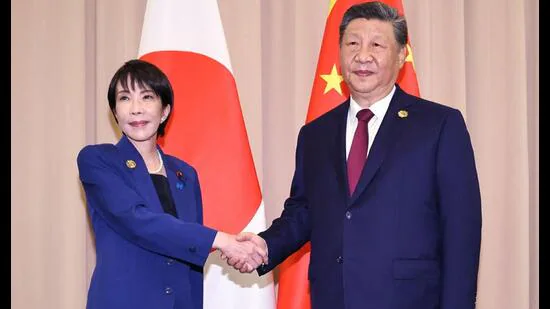
Washington D.C. – China-Japan ties are entering a prolonged period of tension after newly appointed Japanese Prime Minister Sanae Takaichi described a Taiwan Strait conflict as a “survival-threatening situation” for Japan. Beijing seized on the remark to push its narrative and signal regional dominance, even pressing Washington to align with its position. However, beneath the diplomatic rhetoric lies a more complex reality of Japan’s increasing defense spending, strengthened military posture, and continued US competitive policy toward China on the Taiwan issue.

Legal Context of Takaichi’s Remarks

Understanding the recent diplomatic spat requires grasping the context around Takaichi’s statements on a potential Taiwan Strait conflict. Under Japan’s security legislation, declaring a situation “survival-threatening” legally allows the government to activate collective self-defense mechanisms. The controversy stems from Takaichi’s comments regarding a hypothetical scenario of a Taiwan blockade. She stated that if American forces attempted to break the blockade, Japan could use force to work alongside them in the Taiwan Strait conflict scenario. Critically, she was not discussing Japan independently deploying forces or waging war over Taiwan.

Historical Precedent in Japanese Leadership

Takaichi is not the first Japanese leader to articulate such a position on a Taiwan Strait conflict. In 2021, then-Deputy Prime Minister Taro Aso made a similar comment at a fundraising event in Tokyo. The same year, former Prime Minister Shinzo Abe declared that a Taiwan contingency would constitute a Japan contingency. These statements establish a pattern of Japanese political leadership recognizing the direct security implications of any Taiwan Strait conflict for Japanese national interests and regional stability.

China’s Multifaceted Response Strategy

The Chinese response to Takaichi’s Taiwan Strait conflict remarks entailed repeated public admonishment, soliciting other states’ endorsement of its position, curtailing people-to-people ties, economic coercion, and direct threats. While demanding that Takaichi retract her comments, the Chinese side has engaged in a sustained disinformation campaign to shape the global narrative and policy orientation on Taiwan. Chinese commentators have argued that Takaichi’s remarks indicate a desire to revive Japanese “militarism” and pose “a grave threat to peace in the Taiwan Strait and to regional security and stability.”

Beijing’s Post-War Order Narrative

Chinese officials and commentators have contended that the PRC’s sovereignty over Taiwan is an outcome of the post-World War II international order, which must not be undermined regarding any Taiwan Strait conflict scenario. This was the argument that Chinese President Xi Jinping underscored to US President Donald Trump in their recent call. Beijing seeks to frame Taiwan as fundamentally a question of upholding the international order established after World War II, attempting to delegitimize alternative perspectives on the island’s status.

Trump-Takaichi Call and Speculation

Soon after the Xi-Trump call, some observers argued that China was establishing a new dynamic with the US as a partner in promoting its vision of the post-War order concerning the Taiwan Strait conflict. The fact that Trump called Takaichi soon after his conversation with Xi added weight to this perspective. Reporting suggests the Taiwan issue was discussed during the call, although the Japanese government has denied this. Whatever the scope of discussion, believing the US is being co-opted by Beijing into its worldview around the Taiwan issue is foolhardy.

US Economic Priorities Versus Strategic Competition

What is likely occurring is that the Trump administration is interested in sustaining positive momentum in the broader US-China relationship for now regarding the Taiwan Strait conflict dynamics. Trump is clearly keen on easing domestic pressures on the farm sector and arriving at some broader economic agreement. Trump’s recap of the call and Treasury Secretary Scott Bessent’s summary indicate this economic focus. However, this does not mean Trump or the administration does not view the China relationship through a competitive lens. Rather, Washington is prioritizing immediate economic interests while maintaining strategic vigilance.

Beijing’s Crisis Manufacturing Strategy

Beijing is seeking to leverage the moment and gain tangible acquiescence on its position regarding the Taiwan Strait conflict. For this purpose, it will use opportunities presented to manufacture crises and gain concessions. This has been a pattern of Chinese behavior over recent years as it has sought to expand its red-lines, limiting others’ ability to engage with Taiwan. Beijing understands that if the US is seen as shifting and dithering on Taiwan, it will heighten anxieties of America’s regional allies.

Also Read: H-1B Visa Screening: Critical Changes Impact Thousands of Applicants

Japan’s Defense Buildup Accelerates

Trump wants allies and partners to spend more on defense and share greater burden. Consequently, they are committing greater defense spending and capability development. Japan is on track to expand its defense budget to 2% of GDP well ahead of schedule in response to Taiwan Strait conflict concerns. Additionally, Japan is moving ahead to deploy Type 03 Chu-SAM missiles on Yonaguni island near Taiwan. The US has also steadily intensified military drills with Japan, with some exercises reportedly rehearsing joint operational plans for a Taiwan Strait conflict.

Actions Trump Rhetoric in Strategic Balance

These tangible actions impact the balance of power more than words. As much as there is anxiety around US policy regarding the Taiwan Strait conflict, Trump’s administration approved $1 billion in arms sales to Taiwan in November, and days later, weapons worth $11 billion to Taipei. These substantive developments matter much more than diplomatic rhetoric. The combination of increased Japanese defense capabilities, continued US arms sales to Taiwan, and joint military exercises demonstrates that despite economic engagement with Beijing, the strategic competition continues unabated.

The Taiwan Strait conflict remains a critical flashpoint where actions by the US, Japan, and China will determine regional security dynamics far more than diplomatic statements or economic negotiations.

National Herald Case: Critical High Court Notice to Gandhi Leaders

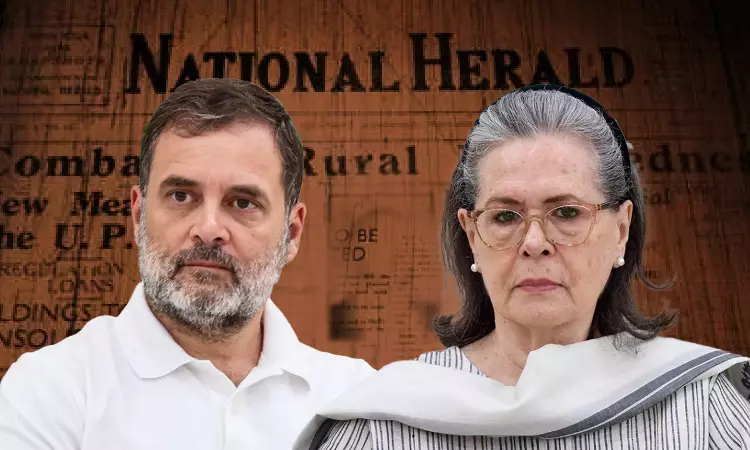
New Delhi – The Delhi High Court has issued notice to senior Congress leaders Sonia Gandhi and Rahul Gandhi in the National Herald case, responding to an Enforcement Directorate plea challenging a trial court decision that refused to take cognisance of the prosecution complaint filed in the money laundering probe. The development marks a significant turn in the long-running case that has political and legal implications for the Congress leadership and the interpretation of money laundering laws.

High Court Proceedings and Representation

Justice Ravinder Dudeja heard submissions from Solicitor General Tushar Mehta, appearing on behalf of the ED, along with responses from senior advocate Abhishek Manu Singhvi, who represented the Gandhis in the National Herald case. The court has scheduled the matter for further hearing on March 12, 2026, allowing time for all parties to prepare comprehensive arguments. The notice also extends to other accused persons connected to the case, indicating the broad scope of the legal challenge.

ED’s Core Arguments on Cognisance

During proceedings in the National Herald case, Mehta argued that the trial court failed to recognize that the relevant court had already taken cognisance of the private complaint made by Dr Subramaniam Swamy. He emphasized that subsequent challenges against this cognisance have been rejected by the Supreme Court. The Solicitor General contended that “the trial court’s order brings PMLA on its head and could have a wider impact on other cases,” highlighting the potential precedential implications of the decision.

Private Complaint Versus FIR Debate

The Solicitor General submitted that the agency’s actions in the National Herald case could not be restricted only to cases where an FIR has been lodged as a predicate offence. He highlighted that in several instances, FIRs may not be registered because the scheduled offence is non-cognisable. Mehta argued that “cognisance taken on a private complaint carries a much higher legal standing than an FIR,” establishing that criminal law can be set in motion by any individual, not just law enforcement agencies.

ED’s Petition Challenges Trial Court Reasoning

The ED’s petition, moved before the high court last week, asserted that the trial court erroneously declined to take cognisance on a pure question of law without any adjudication on the merits of the allegations in the National Herald case. The agency argued that the special judge failed to appreciate that cognisance taken by a competent court on a private complaint constituting the scheduled offence stands on a much higher footing than an ordinary police complaint.

Trial Court’s Original Decision

Special judge Vishal Gogne of the Rouse Avenue court had concluded it was impermissible in law to take judicial note of the chargesheet and summon the Gandhis in the National Herald case. The court’s 117-page order stated that the ED’s case reflected a unilateral overreach of the Central Bureau of Investigation and “an ill-advised out-pacing of the scheme of the PMLA itself.” The trial court reasoned that a prosecution complaint filed under PMLA cannot rest on a scheduled offence arising from a private complaint.

Trial Court’s Legal Interpretation

The trial court’s position in the National Herald case was that prosecution must be based on an offence registered by a law enforcement agency—either through a police FIR or a complaint by a person authorized to investigate the scheduled offence. This interpretation created a procedural barrier for the ED’s prosecution, leading to the current appeal before the high court seeking to overturn this restrictive reading of the law.

Also Read: Delhi Public Transport: CM Announces Massive Budget Boost to Combat Pollution

ED’s “Hall Pass” Argument

The ED asserted that the trial court’s order has given a “hall pass” to a category of money launderers only on the ground that the scheduled offence is reported by a private individual through a complaint to a magistrate in the National Herald case. The petition stated: “The reasoning in the impugned order turns the basic jurisprudence on criminal law in its own head since it is well settled that any person can set the criminal law in motion.”

Understanding Scheduled Offences

A scheduled offence is a crime specifically listed in the schedule of a statute such as the PMLA. These listed offences form the legal basis for invoking the act and prosecuting related activities like money laundering. The interpretation of how scheduled offences can be established—through private complaints versus law enforcement FIRs—lies at the heart of the legal dispute in the National Herald case.

Allegations Against Gandhi Leaders

In its chargesheet filed in April, the ED alleged that Sonia Gandhi and Rahul Gandhi illegally obtained the underlying assets of Associated Journals Limited (AJL), which ran the National Herald newspaper, and acquired crores of rupees as direct proceeds of crime in the National Herald case. The chargesheet named Sonia and Rahul Gandhi as accused No. 1 and No. 2 respectively under sections 3 and 4, which deal with money laundering and its punishment, and section 70, covering offences by companies, of the PMLA.

Potential Consequences and Legal Stakes

The charges in the National Herald case attract a maximum imprisonment of seven years if proved. Beyond the immediate implications for the accused individuals, the case carries broader significance for how PMLA provisions are interpreted and applied. The high court’s eventual decision could establish important precedents regarding the interplay between private complaints, scheduled offences, and money laundering prosecutions, potentially affecting numerous future cases beyond this particular matter.

The National Herald case continues to evolve through multiple judicial forums, with the latest development placing it before the Delhi High Court for critical legal interpretation.

Delhi Online Classes: Alarming Digital Divide Impacts Thousands

New Delhi – The return of Delhi online classes has exposed a widening digital divide, leaving thousands of students from low-income families struggling to access basic education. Following the Delhi government’s directive on December 13 for schools to shift entirely online for students up to Class 5 due to pollution concerns, parents and children across the capital are grappling with connectivity issues, inadequate resources, and inconsistent teaching that threatens their educational progress during crucial foundational years.

Father Abandons Work to Enable Daughter’s Education

Prem Singh, a social worker, was forced to abandon an official trip and rush back home from Bihar after the announcement about Delhi online classes. His is the only phone number registered with the government senior secondary school where his daughter studies in Class 3. Now, the father and daughter have established a new daily routine—every morning, they walk 500 meters to a relative’s house in west Delhi’s Basai Darapur which has an internet connection, as their own home lacks Wi-Fi.

Seven-Year-Old’s Classroom Shrinks to Phone Screen

From sitting in a classroom with fellow students, seven-year-old Pranshi’s school day has transformed into attending Delhi online classes over a six-by-six-inch screen via a link sent by the school. The transition has been far from smooth. “Sometimes, the teacher doesn’t show up for classes and then time is wasted,” Singh said, explaining that all his efforts feel futile when sessions are cancelled. When asked what she misses most about school, Pranshi simply replied: “I can’t meet my friends Ayushi and Pratima.”

Poor Connectivity Prevents Class Attendance

In west Delhi’s Sudhamapuri, 25-year-old Soni Devi faces a different challenge with Delhi online classes. Her six-year-old daughter Bani, a Class 1 student at a Sarvodaya Kanya Vidyalaya, cannot attend classes because of poor internet connectivity. Devi’s phone only has a 4G connection, which she says is insufficient. Her husband Rajeev Kumar, who works at a steel factory in Moti Nagar earning ₹12,000 monthly, refuses to upgrade to 5G. “He doesn’t want to spend on our daughter’s education. I forced him to put her in school,” Devi explained.

Fire Victim Struggles Without Study Materials

The situation is particularly harsh for eight-year-old Ramzan Sheikh, who attends a Municipal Corporation of Delhi school in Rohini’s Sector 5. His house burned down in a fire at the Rithala slum on November 7, destroying all his belongings. “I lost all my books in the fire,” he said. While teachers provided some old books and pens, he still lacks English and Maths textbooks for self-study alongside Delhi online classes. He attends lessons on his father’s phone—a trash collector—but often misses sessions because class messages arrive in Hindi while his Bengali-speaking parents cannot understand them.

Also Read: Delhi Fog Disruption: Severe Travel Chaos Continues for 7th Straight Day

Complete Absence of Teacher Interaction

Some students report that Delhi online classes have meant virtually no real teaching. Charu Akriya, a Class 5 student at an MCD school in Karol Bagh, says her teacher hasn’t interacted with students at all. “We have been having online classes for more than a week now, but do not have any calls or interactions with our teacher. He sends us a photo of some worksheets in the morning, asks us to solve them, and send them back to him. He does not give us any feedback,” the 10-year-old explained. Her father works as a helper in a plywood factory earning ₹10,000 monthly.

Single-Phone Households Miss Classes

Thirty-year-old Archana Dev faces the challenge of owning just one phone in her household. “I have to take it with me to work, meaning my son has been missing his classes. It is anyway difficult for him to pay attention to studies at home, and this is further impacting his studies,” she said. Her eight-year-old son is a Class 3 student at an MCD school in Keshavpuram, representing countless children falling behind during foundational learning years.

Private Schools Experience Smooth Transition

By contrast, students in private schools find Delhi online classes an easy adjustment after the COVID-19 pandemic experience. Twelve-year-old Aarna Shukla, who studies at Dwarka’s Bal Bharti School, sees little difference from physical lessons. “We use the ‘raise hand’ symbol in the online classes whenever we have to ask questions and the teacher answers everyone one-by-one. My classes are from 9 am to 2 pm, including a 20-minute lunch break,” she explained, noting that teachers conduct activities like yoga, dance, and singing to maintain engagement.

Experts Identify Long-Term Solution Needs

The shift to Delhi online classes amid pollution curbs exposes a deep digital divide tying daily education to access to devices, data, and stable internet connections. “The issue which has led to the classes going completely online is a temporary and seasonal concern. The digital divide that exists within the government set-up at both ends—the teachers and the students—will need a long term solution like ensuring sufficient access to digital tools,” said Sayantan Mandal, associate professor at Jawaharlal Nehru University’s Zakir Hussain Centre for Educational Studies.

Government Response Inadequate

MCD did not respond to queries about tracking the effectiveness of Delhi online classes or providing devices and network connections to children from economically weaker backgrounds. Education Minister Ashish Sood stated: “We are ensuring the classes run smoothly in the online mode. Other than that, we have not received any complaints regarding these issue with the internet connectivity in the school.” This response suggests a disconnect between ground realities and official awareness.

The challenges exposed by Delhi online classes demonstrate that children from low-income households face multitude barriers in accessing education and risk falling further behind during crucial foundational years.

Goa ZP Election: Decisive BJP Alliance Victory Wins 31 Seats

0

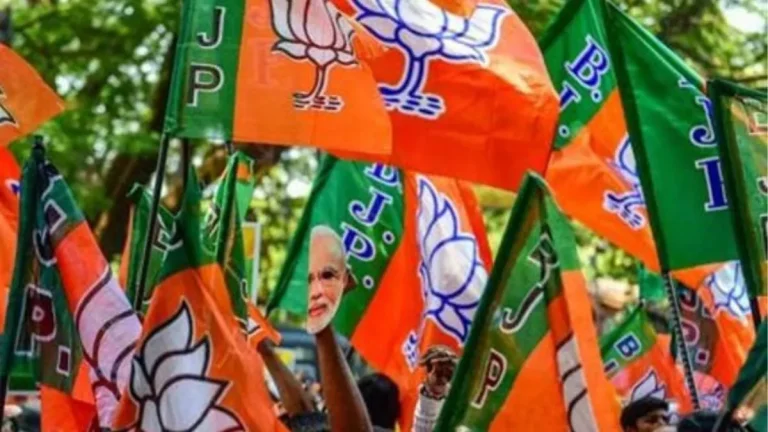
Goa – The ruling alliance led by the Bharatiya Janata Party has secured a decisive victory in the Goa ZP election, winning over 31 of the 50 seats in the zilla panchayat elections held on December 20. The comprehensive win across both North Goa and South Goa district panchayats demonstrates the ruling coalition’s continued dominance in the state’s rural political landscape, with Prime Minister Narendra Modi personally congratulating party workers for the electoral success.

BJP Emerges as Single Largest Party

In the Goa ZP election results announced Monday, the BJP won 29 seats while its alliance partner, the Maharashtrawadi Gomantak Party, secured 3 seats. The alliance had strategically fielded candidates on 43 seats across the state’s two district panchayats. Prime Minister Modi cheered party workers for the victory and thanked the people of Goa, stating that “Goa stands with good governance. Goa stands with progressive politics” in a post shortly after Chief Minister Pramod Sawant announced the results.

Congress and Opposition Performance

The Goa ZP election saw the Congress party win 10 seats, while its alliance partner, the Goa Forward Party, secured one seat. The opposition’s performance fell significantly short of the ruling alliance’s tally. As in the 2020 election, the Aam Aadmi Party won a single seat, maintaining its marginal presence in Goa’s rural politics. The Revolutionary Goans Party, which had previously been in talks with the Congress, won one seat at the Congress’s expense. Independent candidates won four seats across the two district panchayats.

District Panchayat Structure and Voting

Goa has two district panchayats—North Goa and South Goa—with 25 members each, totaling the 50 seats contested in this Goa ZP election. Voting was held on December 20 across the state, excluding municipal areas, with votes counted on Monday. A total of 226 candidates were in the fray, with 111 contesting in North Goa and 115 in South Goa. The counting was conducted across 14 centers, 6 in North Goa and 8 in South Goa, set up by the State Election Commission.

BJP President Declares No Alternative

Goa BJP president Damodar Naik said the Goa ZP election victory meant people recognized there is no alternative to the BJP. Naik emphasized that the results represented the sharpest rebuttal to the Congress, which has previously sought to link BJP victories to the use of electronic voting machines. He highlighted that these elections were held using ballot papers, yet the BJP still won decisively, demonstrating genuine public faith in the ruling party’s governance and policies.

EVM Controversy Put to Rest

Addressing long-standing opposition allegations, Naik stated during the Goa ZP election results announcement: “Many people had made allegations about EVMs… But these elections were held on ballot papers, and yet, we won, which shows that people have true faith in the ruling BJP.” This outcome effectively countered opposition narratives that had attributed previous BJP victories to electronic voting irregularities, as the party achieved similar dominance through traditional ballot paper voting.

Chief Minister Credits NDA Leadership

Goa Chief Minister Pramod Sawant characterized the Goa ZP election results as a victory for the NDA under Prime Minister Narendra Modi’s leadership. Sawant congratulated all victorious leaders and assured them they would work toward development. He thanked Goa’s rural voters for reposing faith in the party and government, adding that the people had clearly rejected the Congress. However, he acknowledged: “We lost some seats due to small margins, and we will rectify this and hope to do better next time.”

Prime Minister’s Response

Prime Minister Modi’s prompt response to the Goa ZP election results reflected the significance the party places on local-level victories. His statement emphasizing that “Goa stands with good governance” and “progressive politics” frames the electoral outcome as a mandate for the BJP’s governance model. The Prime Minister personally thanking party workers and the people of Goa demonstrates the BJP’s focus on maintaining strong grassroots connections even in smaller electoral contests.

Also Read: Maharashtra Local Body Election Results 2025: BJP Dominates Stunning Mahayuti Sweep

Congress Blames Vote Division

The Congress blamed a split in the Opposition’s vote for the BJP’s performance in the Goa ZP election. Congress MLA Carlos Alvares Ferreira explained: “Across Goa, you can see that they have won several seats by narrow margins on account of division. Of course, when there is a good margin, those seats you can say were won decisively. We have to acknowledge that. In other places, wherever it is a victory, it is a vote by division. If you add up the Opposition votes, they would have lost.”

Implications for State Politics

The Goa ZP election results carry significant implications for the state’s political landscape ahead of larger electoral contests. The BJP’s ability to secure over 60% of seats demonstrates its organizational strength at the grassroots level and continued appeal among rural voters. The victory reinforces the party’s position as the dominant political force in Goa, while exposing weaknesses in opposition unity and strategy.

Alliance Strategy Proves Successful

The BJP’s strategic alliance with the MGP proved effective in the Goa ZP election, with the coalition collectively dominating both district panchayats. The partnership allowed the ruling alliance to field candidates strategically across 43 seats, maximizing their electoral footprint. The combined tally of 32 seats (including MGP’s 3 seats) represents a commanding majority that will enable the alliance to control development priorities and resource allocation at the district panchayat level.

The Goa ZP election results affirm the BJP-led alliance’s political supremacy in the state’s rural areas, setting the stage for future electoral contests with renewed momentum and grassroots support.

Chhattisgarh Liquor Scam: Explosive Chargesheet Names Baghel’s Son

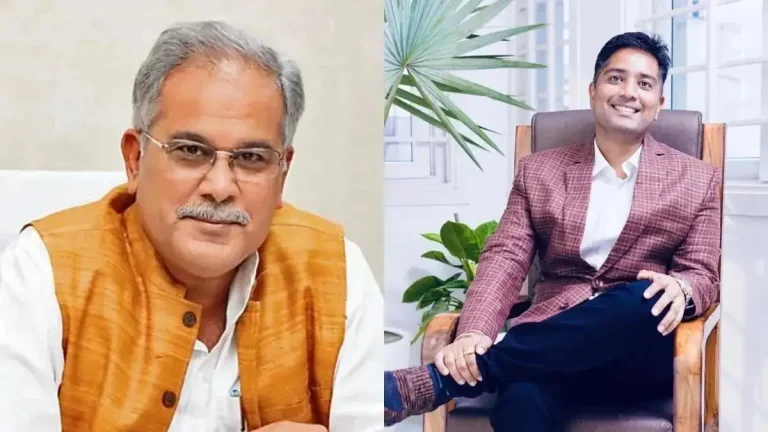
Chhattisgarh – The Anti-Corruption Bureau and Economic Offence Wing have filed a comprehensive chargesheet in the Chhattisgarh liquor scam, alleging that Chaitanya Baghel, son of former Chief Minister Bhupesh Baghel, received between ₹200 crore and ₹250 crore as his share from the massive fraud. The 3,800-page document represents the seventh supplementary chargesheet in a case that has now expanded to an estimated ₹3,500 crore in total proceeds of crime.

Seventh Supplementary Chargesheet Filed

The state police’s ACB/EOW filed its seventh supplementary chargesheet in the multi-crore Chhattisgarh liquor scam before a special court on Monday. The comprehensive document, spanning approximately 3,800 pages, has formally named Chaitanya Baghel as an accused in the alleged scam initially pegged at more than ₹3,000 crore. With this latest filing, a total of eight chargesheets have been submitted in the case, indicating the extensive nature of the investigation and the numerous individuals allegedly involved in the fraud.

Allegations Against Former CM’s Son

According to the chargesheet in the Chhattisgarh liquor scam, Chaitanya Baghel played a key role in establishing, coordinating, and protecting an extortion racket within the excise department during the previous Congress government, which was in office from 2018 to 2023. The ACB/EOW statement quoted the chargesheet as alleging that Chaitanya acted as a coordinator among various officials and ground-level operatives, issuing instructions to maintain the syndicate’s operations across multiple administrative levels.

Network of Officials and Operatives

The chargesheet in the Chhattisgarh liquor scam details Chaitanya’s alleged coordination role among officials including Anil Tuteja, Soumya Chaurasia, Arunpati Tripathi, and Niranjan Das, who reportedly worked in line with the syndicate’s interests at the administrative level. Additionally, he allegedly coordinated with ground-level operatives of the network including Anwar Dhebar, Arvind Singh, and Vikas Agarwal, all named as co-accused. This extensive network suggests a sophisticated operation spanning multiple levels of government and business.

Financial Trail and Share Distribution

The investigation into the Chhattisgarh liquor scam revealed that Chaitanya worked through trusted associates to transfer and manage proceeds collected by businessman Anwar Dhebar’s team, moving the funds to higher levels. Evidence presented in the chargesheet indicates that Chaitanya, along with managing the proceeds of crime at a higher level, received approximately ₹200 crore to ₹250 crore as his personal share. This substantial amount represents a significant portion of the overall fraud, highlighting the alleged scale of corruption.

High-Level Protection Enabled Crime

The probe into the Chhattisgarh liquor scam revealed that high-level protection, policy and administrative intervention, and influence provided to the syndicate by Chaitanya enabled the crime to be perpetrated over an extended period. The chargesheet suggests that without this protection from the highest levels, the systematic extortion and fraud within the excise department could not have continued throughout the Congress government’s tenure. This alleged protection allowed the syndicate to operate with impunity while extracting massive sums.

Escalating Estimate of Total Fraud

The ongoing investigation into the Chhattisgarh liquor scam has led to escalating estimates of the total proceeds of crime. The chargesheet states that the amount involved is estimated to be approximately ₹3,074 crore. However, further investigation suggests the total amount of proceeds of crime generated from the alleged scam could exceed ₹3,500 crore. This upward revision indicates that investigators continue uncovering additional evidence of fraud as they dig deeper into financial records and digital evidence.

Digital Evidence and Current Status

The latest chargesheet in the Chhattisgarh liquor scam details the current status of the probe against accused individuals already arrested, along with digital evidence reports pertaining to all those in custody. This digital evidence likely includes financial transactions, communications, and electronic records that trace the flow of illegal proceeds through the network. The comprehensive nature of the digital evidence strengthens the prosecution’s case against the accused.

Also Read: Assam Congress Controversy: Explosive Claims About 1946 Partition Plot Examined

Political Fallout and Accusations

Beyond the Chhattisgarh liquor scam, BJP president JP Nadda made serious allegations that some insiders in the Congress were involved in facilitating the 2013 Jhiram Ghati Naxal attack, which killed state Congress leaders. Nadda claimed that people from within Congress ranks were involved in getting their own colleagues killed and were in contact with Naxalites. These allegations represent a significant escalation in political attacks against the party.

Bhupesh Baghel’s Response

Hitting back at Nadda’s allegations, former Chief Minister Bhupesh Baghel stated that the BJP’s national president had insulted the martyrs who lost their lives in the Jhiram incident. Baghel demanded that security agencies, including the NIA, should question Nadda and demand proof of his claims. He emphasized that Congress lost leaders in the Naxal attack and accused Nadda of insulting their martyrdom by making collusion allegations.

Implications for Congress Leadership

The chargesheet in the Chhattisgarh liquor scam poses serious political challenges for the Congress party and Bhupesh Baghel’s leadership. The allegations against his son, combined with the massive scale of the alleged fraud during his tenure as Chief Minister, raise questions about governance and oversight during the Congress administration. As investigations continue and more evidence emerges, the political ramifications could extend well beyond the immediate legal proceedings.

The Chhattisgarh liquor scam investigation continues to uncover evidence of systematic corruption, with the latest chargesheet representing a significant development in holding alleged perpetrators accountable.

Bangladesh Visa Services: Shocking Suspension Across 3 Indian Cities

New Delhi – Bangladesh has suspended visa services across three Indian cities indefinitely, citing unavoidable circumstances following a series of protests near diplomatic missions. The unprecedented halt to Bangladesh visa services in New Delhi, Agartala, and Siliguri marks a significant escalation in bilateral tensions between the neighboring countries, affecting thousands of visa applicants and reflecting the deteriorating diplomatic relationship.

New Delhi High Commission Halts Operations

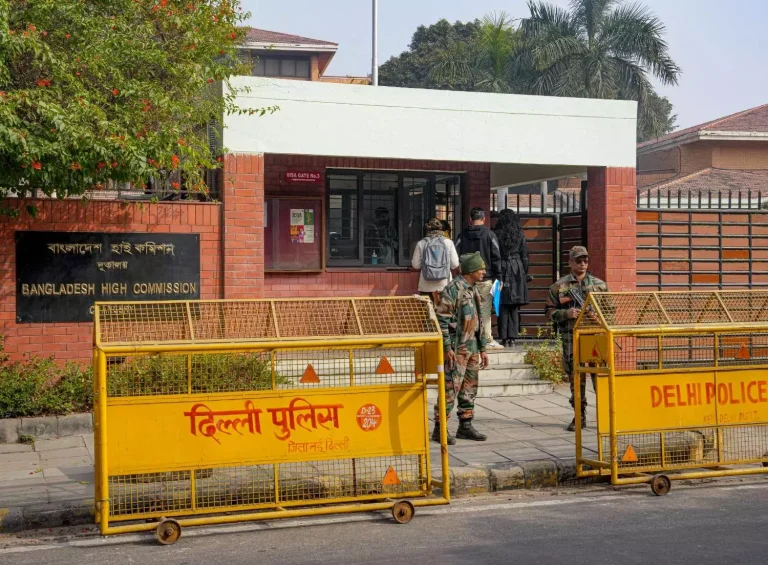
The Bangladesh high commission in New Delhi suspended Bangladesh visa services for an indefinite period on Monday after a small group of protesters gathered near the mission. According to officials, members of Akhand Hindu Rashtra Sena protested in front of the high commission and chanted slogans against Bangladesh. Notices issued by the mission stated that all consular and visa services had been suspended until further notice because of unavoidable circumstances. The suspension affects the primary diplomatic facility handling Bangladesh visa services for applicants across northern India.

Tripura Assistant High Commission Follows Suit

Bangladesh’s assistant high commission in the northeastern state of Tripura announced the suspension of Bangladesh visa services on Sunday following protests outside the mission. The Tipra Motha Party and other groups organized demonstrations that prompted the consular shutdown. Despite the service suspension, staff members of Bangladesh’s assistant high commission in Agartala remain in place, though they are not processing any visa applications. This closure particularly impacts residents of northeastern states who rely on this facility for Bangladesh visa services.

Siliguri Operations Disrupted by Vandalism

Bangladesh visa services offered by a private operator on behalf of Bangladesh in Siliguri, West Bengal, were also suspended following an act of vandalism. The Siliguri facility serves as a crucial access point for applicants from West Bengal and neighboring regions seeking Bangladesh visa services. The vandalism incident reflects the growing tensions spilling over into attacks on diplomatic infrastructure, forcing authorities to prioritize staff safety over routine consular operations.

Anti-India Protests Following Leader’s Death

The suspension of Bangladesh visa services comes amid widespread unrest and demonstrations in Bangladesh that have taken on anti-India overtones following the death of radical student leader Sharif Osman Hadi last week. Hadi, a known critic of India, died while being treated in Singapore after being shot by gunmen in Dhaka. His death triggered massive protests across Bangladesh, with demonstrators directing anger toward India and Indian diplomatic missions, ultimately forcing the suspension of Bangladesh visa services.

Chittagong Mission Under Siege

A large mob attempted to storm India’s assistant high commission in the southern city of Chittagong on December 18, forcing police to use teargas and batons to disperse protesters. Indian visa services were subsequently suspended in Chittagong. The violent attempt to breach the diplomatic mission represented one of the most serious security incidents affecting Bangladesh visa services and bilateral relations. Protests were also organized near India’s missions in Dhaka, Khulna, and Rajshahi last week.

Allegations and Counter-Allegations

For several days, some of Bangladesh’s student leaders and politicians claimed Hadi’s killers had sneaked into India and demanded that New Delhi hand them over. However, Bangladesh Police announced on Sunday that the whereabouts of the assailants are not known, effectively undermining these claims. The accusations contributed to the hostile environment that led to disruptions in Bangladesh visa services and increased security concerns at diplomatic facilities.

India Rejects Security Breach Reports

On Sunday, India rejected reports of a security breach at the Bangladesh high commission in New Delhi as misleading propaganda. The external affairs ministry stated that 20 to 25 youngsters gathered in front of the high commission late on Saturday and shouted slogans in protest against the horrendous killing of Hindu man Dipu Chandra Das, who was lynched after being accused of blasphemy. Police dispersed the protesters, but the incident contributed to Bangladesh’s decision to suspend Bangladesh visa services.

Also Read: Bangladesh Unrest: Shocking Violence Sparks Diplomatic Crisis With India

Diplomatic Disagreement Deepens

Bangladesh’s de facto foreign minister Touhid Hossain contested the Indian side’s stance on the incident and argued that there had been a serious security failure. This fundamental disagreement over basic facts highlights the deteriorating trust between the nations that has resulted in suspended Bangladesh visa services. Bangladesh’s foreign ministry also rejected the depiction of Das’s lynching as an attack on the country’s minorities, further widening the diplomatic rift.

Historical Low in Bilateral Relations

India-Bangladesh ties have reached an all-time low since the collapse of the Sheikh Hasina government amid student-led protests and the subsequent installation of a caretaker administration led by Muhammad Yunus. The recent unrest over Hadi’s death has exacerbated the strains in the relationship, pushing both countries toward unprecedented diplomatic friction. The suspension of Bangladesh visa services represents one of the most visible manifestations of this deteriorating relationship.

Impact on Applicants and Future Outlook

The indefinite suspension of Bangladesh visa services across three major Indian cities affects thousands of applicants including students, business travelers, medical patients, and family members. With no timeline provided for resumption, applicants face uncertainty about their travel plans and commitments. The situation underscores how rapidly bilateral tensions can translate into practical hardships for ordinary citizens dependent on cross-border movement.

The suspension of Bangladesh visa services in New Delhi, Agartala, and Siliguri marks a concerning milestone in India-Bangladesh relations, with no immediate resolution in sight.

Indian Students Bangladesh: Urgent Appeal for PM Modi’s Intervention

Dhaka – The All India Medical Students Association has issued an urgent appeal to Prime Minister Narendra Modi seeking immediate intervention to ensure the safety of Indian students Bangladesh currently facing unprecedented challenges. The plea comes as rising anti-India sentiments and political turmoil have created dangerous conditions for students pursuing medical education in the neighboring country.

AIMSA’s Emergency Appeal to Prime Minister

In a formal letter addressed to Prime Minister Modi, AIMSA highlighted the deteriorating situation affecting Indian students Bangladesh and requested immediate governmental action. The medical body emphasized that it has been receiving serious and distressing communications from students and their families, warning that prevailing circumstances have left many living under unsafe and uncertain conditions. The association stressed that the security of Indian students Bangladesh remains vulnerable, triggering immense fear, anxiety, and emotional distress among both students and their relatives back home.

Distressing Messages from Stranded Students

AIMSA revealed that it has received multiple distressing messages from Indian students Bangladesh, painting a grim picture of their current circumstances. Many students report living in fear as anti-India rhetoric intensifies across the country. The association emphasized that these communications underscore the urgent need for governmental intervention to protect citizens pursuing education abroad. The situation has created widespread panic among families in India who feel helpless watching their children face potential danger in a foreign country experiencing political instability.

Call for Government Protection and Support

The medical body underlined a fundamental expectation: Indian students Bangladesh who pursue medical education abroad do so believing the Indian government will support and protect them during crises. AIMSA urged Prime Minister Modi to coordinate closely with the Minister of External Affairs and Indian missions in Bangladesh to ensure immediate protection for all affected students. The association emphasized that this governmental responsibility extends beyond routine consular services to active crisis management and student evacuation planning if necessary.

Strengthening Embassy Support Systems

AIMSA specifically called for strengthened on-ground support through the Indian Embassy and related missions to protect Indian students Bangladesh. The association recommended establishing direct communication channels between embassy officials and student communities to facilitate rapid response to emerging threats. Additionally, AIMSA stressed the importance of timely, clear, and transparent communication with students and their families to prevent panic and misinformation. The medical body suggested that regular updates from official sources could help alleviate anxiety while ensuring students receive accurate guidance.

Also Read: Bangladesh Unrest: Shocking Violence Sparks Diplomatic Crisis With India

Treatment as Top-Priority Emergency

Emphasizing the gravity of the situation, AIMSA requested that the plight of Indian students Bangladesh be treated as a top-priority emergency. The association argued that safeguarding students’ lives, dignity, and future requires immediate high-level governmental attention and coordinated action across multiple ministries. AIMSA warned that delays in intervention could result in irreversible harm to students caught in deteriorating security conditions.

Context: Bangladesh Political Turmoil

The urgent appeal for protecting Indian students Bangladesh comes amid heightened tensions following fresh waves of protests and anti-India slogans in the neighboring country. The unrest stems from political developments linked to last year’s July Uprising that resulted in the ouster of former Prime Minister Sheikh Hasina. The political vacuum and subsequent instability have created an environment where anti-India sentiment has found expression, directly threatening the safety of Indian nationals studying there.

Osman Hadi’s Death Intensifies Crisis

The situation affecting Indian students Bangladesh intensified dramatically following the killing of Osman Hadi, convenor of Inquilab Mancha and a prominent figure in the July Uprising. Hadi was shot at close range in Dhaka’s Bijoynagar area on December 12 while traveling in a rickshaw. Despite being airlifted to Singapore for advanced treatment, he died on December 18. His death triggered widespread protests in Dhaka, with supporters demanding justice and directing anger toward perceived enemies of the uprising.

National Mourning and Escalating Tensions

Bangladesh’s interim government, led by Chief Adviser Muhammad Yunus, announced a national day of mourning on December 20 following Hadi’s death. However, the mourning period has been accompanied by increasingly volatile protests and anti-India rhetoric, creating a hostile environment for Indian students Bangladesh. The political instability has raised questions about whether the interim government can maintain law and order while protecting foreign nationals.

Implications for Medical Education Abroad

The crisis facing Indian students Bangladesh highlights broader vulnerabilities of students pursuing medical education in countries experiencing political instability. Thousands of Indian students choose Bangladesh for medical studies due to affordability and proximity. However, the current situation underscores the need for comprehensive safety protocols and emergency evacuation plans when host countries face turmoil.

Urgent Need for Diplomatic Action

As the situation continues deteriorating, the appeal from AIMSA represents a critical call for governmental action to protect Indian students Bangladesh. The medical body’s plea emphasizes that immediate intervention, strengthened embassy support, and transparent communication are essential to ensuring student safety. The coming days will test India’s capacity to protect its citizens abroad while managing sensitive diplomatic relations with a neighboring country experiencing profound political upheaval.

The plight of Indian students Bangladesh demands urgent attention from the highest levels of government to prevent a humanitarian crisis affecting young Indians pursuing their educational dreams.

H-1B Visa Screening: Critical Changes Impact Thousands of Applicants

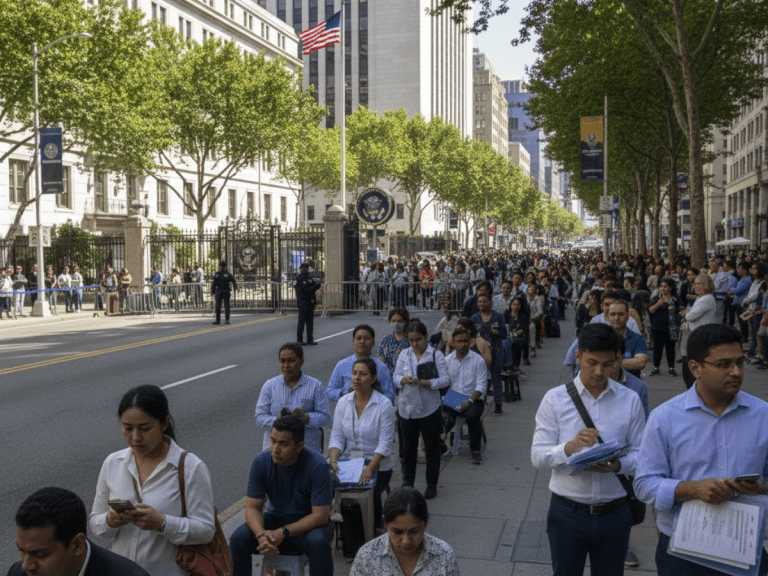
Washington D.C. – The United States has implemented sweeping changes to its H-1B visa screening process, introducing comprehensive online presence checks for all applicants worldwide. This significant policy shift, effective from December 15, aims to address alleged program misuse while strengthening national security measures, but has created immediate challenges for thousands of applicants.

Worldwide Implementation of Enhanced Screening

The Department of State announced the expansion of H-1B visa screening through a worldwide alert, confirming that enhanced online reviews now form part of standard visa processing. The US Embassy in India clarified that this new H-1B visa screening protocol applies globally to applicants of all nationalities seeking H-1B work visas and H-4 dependent visas. Officials emphasized that the expanded vetting targets alleged misuse of the program while ensuring American companies can still recruit highly qualified temporary foreign workers.

Addressing Program Abuse and Security Concerns

According to embassy statements, the enhanced H-1B visa screening directly responds to concerns about program abuse and national security vulnerabilities. The H-1B visa remains extensively utilized by American technology firms, with Indian professionals constituting one of the largest recipient groups, particularly in technology and healthcare sectors. This demographic reality makes the policy changes especially impactful for Indian applicants who rely on these visas for employment opportunities in the United States.

National Security Takes Priority

Indian authorities have acknowledged the fundamental shift in American visa policy. In a written parliamentary response, Minister of State for External Affairs Kirti Vardhan Singh confirmed that the US administration now treats every visa adjudication as a national security decision. This approach reinforces Washington’s position that obtaining a US visa represents a privilege rather than an entitlement, fundamentally changing how H-1B visa screening is conducted and prioritized.

Immediate Impact on Interview Schedules

The new H-1B visa screening protocols have created immediate disruptions for thousands of applicants. Pre-scheduled interviews in India from December 15 onwards were abruptly postponed by several months, leaving applicants in limbo. Those scheduled for mid-December interviews found themselves rescheduled to March or even late May, creating significant professional and personal challenges. Immigration lawyers report that cancellations between December 15 and 26 coincided with both the new social media vetting policy rollout and the US holiday season.

Applicants Stranded Without Valid Documentation

The expanded H-1B visa screening has particularly affected applicants who traveled to India for visa renewals. Thousands find themselves stranded without valid visas to return to their American jobs, creating employment uncertainty and financial strain. Immigration attorneys describe the situation as unprecedented, with one lawyer noting at least 100 clients stuck in India. Employers face difficult decisions about how long they can hold positions for delayed employees, adding another layer of complexity to the crisis.

Social Media Checks Now Standard Procedure

The enhanced H-1B visa screening includes mandatory social media presence reviews, expanding practices previously limited to student and exchange visas. US officials clarify that online presence checks are not entirely new; the State Department has long reviewed social media for F, M, and J visa categories. However, from December 15, this scrutiny now encompasses H-1B workers and their H-4 dependents. Earlier this year, certain visa applicants were required to make social media accounts public to facilitate identity verification and admissibility assessments.

Processing Times Extended Indefinitely

While embassies and consulates continue accepting and processing applications under the new H-1B visa screening framework, applicants face significantly longer processing times. A State Department spokesperson confirmed that embassies now prioritize thoroughly vetting each visa case above all else, even when this approach means extended waiting periods. Applicants are advised to apply early and prepare for delays that could stretch several months beyond previous processing timelines.

Also Read: Epstein Files Release: Shocking Update on Remaining Documents from Justice Dept

Legal Community Raises Concerns

Immigration attorneys have expressed alarm about the H-1B visa screening changes and their consequences. Houston-based lawyers report unprecedented confusion over timelines and outcomes. One immigration attorney characterized the situation as the biggest administrative challenge witnessed in recent years, highlighting uncertainty that affects both applicants and their employers. The legal community continues monitoring developments while advising clients to prepare for extended waits and potential complications.

Future Implications for Indian Professionals

The enhanced H-1B visa screening represents a fundamental shift in US immigration policy that will continue affecting Indian professionals seeking American employment opportunities. As the policy matures, applicants must adapt to more rigorous scrutiny, longer processing times, and greater uncertainty. The changes underscore evolving American priorities around immigration control, national security, and program integrity in an increasingly complex global environment.

The expanded H-1B visa screening marks a significant policy evolution with lasting implications for international workers, American employers, and bilateral professional relationships between nations.

Recent BTS LIVE reveals growing pressure and quiet frustration inside the group in 2025

0

Recent BTS LIVE highlights RM’s honest concerns about support and direction

Recent BTS LIVE became a moment of rare honesty when BTS leader RM spoke openly about the pressures the group has been carrying behind the scenes. During a livestream in December, RM shared his frustration with the management system around the group, saying he wished the agency showed more affection and care toward the members. His words were calm but firm, reflecting emotions that fans rarely hear expressed so directly.BTS RM expresses frustration with HYBE during full group live: "I wish they cared for us more" | allkpop

RM explained that while BTS remains united as a group, the lack of clarity around future plans has been difficult to handle. The absence of a clear comeback schedule has left him restless and mentally exhausted. He admitted that the waiting period has been especially hard, describing the situation as mentally draining and frustrating. His comments did not come across as anger but rather as fatigue built over time.

Other members have previously spoken positively about the company’s efforts, and RM acknowledged that perspective as well. However, he made it clear that from his point of view, emotional support and communication matter just as much as logistics. His comments revealed internal tension, not conflict, but a difference in how support is felt versus how it is intended.

Recent BTS LIVE brings mental health struggles into focus

Recent BTS LIVE also shed light on RM’s personal mental health challenges, something he has addressed carefully over the years. During the livestream, he spoke about severe insomnia and long nights filled with overthinking. These struggles, according to RM, are closely tied to the pressure of expectations placed on BTS as global figures.Netizens divided over BTS RM's candid remarks about HYBE in recent group livestream | allkpop

He went further by admitting that there were moments in the past when the idea of disbandment crossed his mind. This was not presented as a desire to quit, but as a reflection of how overwhelming the industry can be, even for artists at the top. Constant scrutiny, long-term responsibility, and the weight of representing millions of fans can take a serious toll.

RM’s honesty stood out because it avoided dramatization. He spoke in a grounded way, making it clear that these thoughts were part of navigating an intense career rather than a sign of collapse. His openness helped normalize conversations around mental health in the music industry, especially for artists who are often expected to appear endlessly strong.

Despite these admissions, RM reassured fans that the group’s bond remains solid. He emphasized that BTS continues to support one another privately, even during periods when public activity slows down.

Recent BTS LIVE points toward a focused future for the groupRecent BTS LIVE

Recent BTS LIVE was not only about frustration; it also carried a message of long-term confidence. RM confirmed that plans for the future are already taking shape, even if they are not yet visible to the public. He stated clearly that 2026 is expected to be a major year for BTS, with a large-scale project already being prepared.


View this post on Instagram


A post shared by Koreanophiles (@koreanophiles)

This reassurance was important for fans who have been feeling uncertain during the group’s quieter phase. RM’s words suggested that the pause is strategic rather than directionless. While impatience remains, the intention to return with purpose is firmly in place. Also Read: 2NE1 at 26: A Debut Age That Quietly Changed K-Pop Expectations

He made it clear that BTS is not drifting apart, nor losing motivation. Instead, the group is navigating a complicated transition period that requires patience, internal alignment, and recovery from years of nonstop pressure.

Conclusion

Recent BTS LIVE offered a rare and honest look into the emotional reality behind global success. RM’s words reflected exhaustion, resilience, and quiet determination, reminding fans that even the biggest artists carry unseen weight while still moving forward together.

Bangladesh Unrest: Shocking Violence Sparks Diplomatic Crisis With India

West Bengal – The intensifying Bangladesh unrest has triggered a severe diplomatic confrontation with India, forcing the suspension of visa services and sparking massive protests across borders. What began as isolated incidents has rapidly escalated into a multi-faceted crisis threatening regional stability, with minority communities bearing the brunt of escalating violence.

Diplomatic Breakdown Between Neighbors

The Bangladesh unrest reached a critical juncture when the country suspended visa services at its High Commission in New Delhi and missions in Tripura and Siliguri indefinitely. This unprecedented move came after protesters gathered near diplomatic premises, citing security concerns. India responded swiftly by summoning Bangladesh’s envoy and registering strong objections over systematic attacks on minorities and threats to diplomatic missions. The suspension marks a significant deterioration in bilateral relations between the two neighbors.

Kolkata Erupts in Solidarity

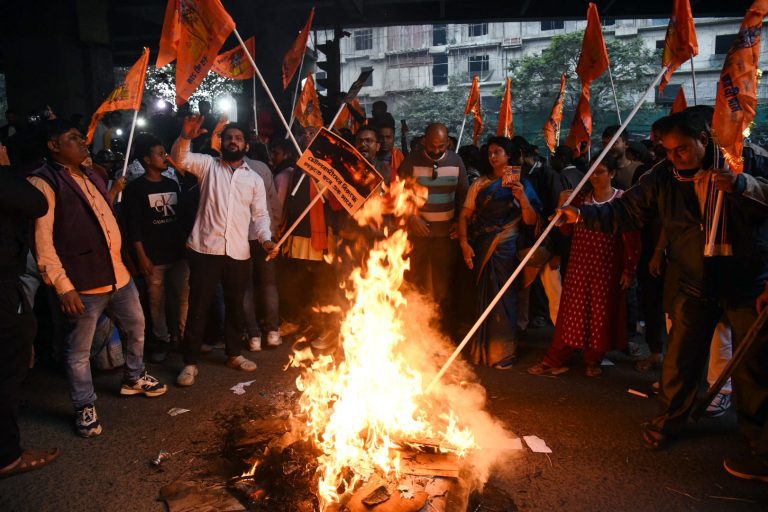
The Bangladesh unrest has spilled dramatically onto Indian streets, with massive demonstrations outside the Bangladesh High Commission in Kolkata. Led by opposition leader Suvendu Adhikari, protesters representing Hindu organizations condemned the brutal violence against minorities. The demonstrations reflected deep public anger, with protest leaders warning of further agitation including potential border blockades. Effigies were burned as thousands gathered to demand justice and protection for persecuted minorities across the border.

The Lynching That Shocked the Region

At the heart of the current Bangladesh unrest lies the horrific murder of Dipu Chandra Das, a Hindu garment worker who became a tragic symbol of lawlessness. Das was beaten by a mob, dragged from his factory, hung, and set ablaze based on unproven blasphemy allegations. Police and Rapid Action Battalion officials revealed the killing was not spontaneous but unfolded over several hours, raising serious questions about law enforcement response. This brutal incident has become the focal point of regional outrage and diplomatic tensions.

Blasphemy Claims Proven False

Investigations into the Bangladesh unrest surrounding Das’s murder have revealed disturbing facts. Authorities found absolutely no evidence that Das made any blasphemous remarks or social media posts. Investigators now believe the blasphemy allegation was vague, unverified, and possibly used as a pretext. A workplace dispute has emerged as the potential real trigger, suggesting the religious angle was fabricated to justify mob violence. At least twelve people have been arrested, including factory supervisors and coworkers who forced Das to resign and pushed him out instead of alerting police—a fatal delay.

Political Assassination Fuels Chaos

The Bangladesh unrest intensified dramatically following the assassination of Osman Hadi, a prominent figure from last year’s July uprising against Sheikh Hasina. Hadi was shot in Dhaka, airlifted to Singapore for treatment, and died days later. His death has triggered nationwide protests and transformed him into a rallying point for radical mobilization. The protest platform Inquilab Mancho, led by Hadi’s associates, has issued a threatening ultimatum to the interim government, warning of a mass movement to topple it if justice is not delivered quickly.

Also Read: Bangladesh High Commission Security: India Rejects Alarming Breach Reports

Media Under Attack

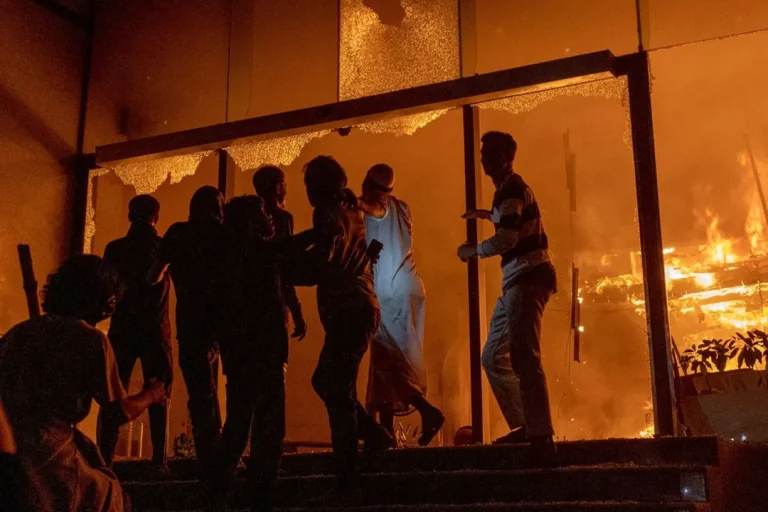
The Bangladesh unrest took an alarming turn when mobs vandalized and torched the offices of major newspapers, trapping journalists inside for hours. Editors condemned these attacks as deliberate attempts to silence the press rather than protests against coverage. The assault on media houses represents a dangerous escalation, threatening press freedom and democratic institutions during an already volatile period.

Minorities Demand Protection

Hindu and other minority communities have staged demonstrations across the country, accusing the interim government of failing to prevent targeted violence. The Bangladesh unrest has deepened fears among minorities who feel increasingly unsafe since Sheikh Hasina’s government fell. Rights groups warn of systematic persecution and growing insecurity, with communities demanding immediate protective measures from authorities.

Elections Amid Chaos

Bangladesh Chief Adviser Muhammad Yunus has reiterated that general elections will proceed as scheduled on February 12, insisting the government is prepared to handle challenges. However, critics question whether free and peaceful polls are possible amid the ongoing Bangladesh unrest characterized by mob violence, political assassinations, and institutional instability. The Inquilab Mancho has even demanded foreign investigative assistance and speedy trial tribunals, reflecting deep distrust in current systems.

Regional Implications

The Bangladesh unrest has evolved from internal crisis to regional concern, straining India-Bangladesh relations at a critical time. With visa services suspended, diplomatic missions threatened, and cross-border protests intensifying, the situation demands urgent de-escalation. The interim government faces mounting pressure from multiple fronts while attempting to maintain stability ahead of elections.

The escalating Bangladesh unrest represents a complex crisis intertwining religious violence, political instability, media suppression, and diplomatic tensions that threaten regional peace and democratic institutions.