Monday, May 4, 2026
Home Blog Page 210

3rd Regional Meeting of Urban Development Ministers of North-Central States Held in Bhopal: India’s Strong plan for Viksit@2047

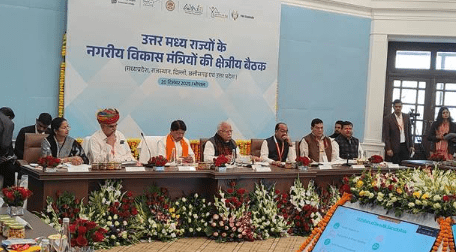
The third regional meeting of Urban Development Ministers of North-Central States was held in Bhopal on December 20, 2025, under the chairmanship of Union Minister of Housing and Urban Affairs Manohar Lal. The meeting marked another key milestone in the Government of India’s structured regional consultation process to accelerate urban transformation in alignment with the vision of Viksit Bharat@2047.


Building on National and Regional Consultations

The regional dialogue builds on the national-level Urban Development Ministers’ meeting held on July 17, 2025 in New Delhi, and follows earlier regional meetings convened in Bengaluru (October 30, 2025) and Hyderabad (November 18, 2025). The Bhopal meeting focused on shared challenges, best practices and opportunities in urban development to chart a coordinated way forward for North-Central States.


Participation from States and Centre

The meeting was attended by Mohan Yadav, Chief Minister of Madhya Pradesh; Kailash Vijayvargiya; Pratima Bagri; Arun Sao; Jhabar Singh Kharra; Arvind Kumar Sharma; and Rakesh Rathore, along with senior officials from the participating State Governments and the Ministry of Housing and Urban Affairs (MoHUA).

Hosted by MoHUA in collaboration with the Urban Development Department, Government of Madhya Pradesh, the meeting brought together ministers, Additional Chief Secretaries and Principal Secretaries from Chhattisgarh, Delhi, Madhya Pradesh, Rajasthan and Uttar Pradesh.


Viksit@2047: From Vision to Action

In his opening remarks, Shri Manohar Lal stated, “India will be Viksit@2047 when every household, village, city and state is Viksit and Atmanirbhar.” He emphasised the need for inclusive, outcomes-driven urbanisation that delivers tangible improvements in quality of life.

On the occasion, the Union Minister released the Swachh Survekshan 2025–26 toolkit and video-launched seven IT platforms of the Government of Madhya Pradesh, aimed at strengthening simple, convenient and citizen-centric service delivery.


Review of Flagship Urban Missions

The Union Minister undertook a comprehensive review of progress under major Central missions:

Swachh Bharat Mission–Urban (SBM-U):
States were urged to adopt dumpsites under the Dumpsite Remediation Accelerator Programme (DRAP) with active political and administrative leadership. Emphasis was placed on time-bound implementation of Swachh Shehar Jodi (SSJ) action plans through strong coordination between mentor and mentee cities.

AMRUT:
Under the Atal Mission for Rejuvenation and Urban Transformation, the focus was on improving on-ground implementation, ensuring quality and sustainability of water and sanitation assets, and maximising reuse of treated wastewater. States were asked to accelerate execution and achieve saturation in tap water supply and sewerage coverage.

Housing for All:
The Minister emphasised completion of under-construction Pradhan Mantri Awas Yojana – Urban (PMAY-U) houses and grounding of PMAY-2.0 projects. Ensuring occupancy of AHP houses and facilitating home loans for beneficiaries were highlighted. The Angikaar campaign will continue till March 2026 to strengthen convergence of benefits and public outreach.

Urban Transport:
Discussions covered the PM-eBus Sewa Scheme, metro network densification, and improving first- and last-mile connectivity to enhance urban mobility.


Collaborative Federal Approach

State Ministers appreciated MoHUA’s collaborative and consultative approach through regional meetings, noting that such platforms enable peer learning, shared solutions and faster reform implementation. Similar regional consultations will be held across other parts of the country to identify region-specific priorities and accelerate India’s urban transformation journey.


Metro Expansion Milestone

As part of the visit, Shri Manohar Lal, along with the Chief Minister of Madhya Pradesh, flagged off a new metro line and undertook a metro ride from Subhash Nagar metro station to AIIMS metro station, reinforcing the Centre-State partnership in advancing sustainable urban transport.


Conclusion

The third regional meeting in Bhopal reaffirmed the Government’s commitment to cooperative federalism, mission-mode implementation and citizen-centric urban governance. By aligning flagship missions, leveraging digital tools and fostering State-Centre collaboration, the consultation set a clear roadmap for building Viksit, Atmanirbhar cities as the foundation of Viksit Bharat@2047.


For more real-time updates, visit Channel 6 Network.

Source: PIB
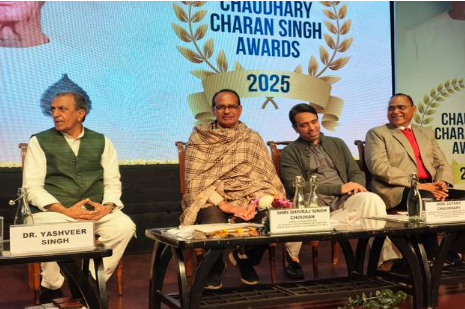
Kisan Samman Ceremony: Shri Shivraj Singh Chouhan Participates in Chaudhary Charan Singh Kisan Samman Ceremony: 2025

Union Minister for Agriculture and Farmers’ Welfare and Rural Development Shivraj Singh Chouhan today participated as the Chief Guest at the Chaudhary Charan Singh Kisan Samman Ceremony, organised by the Kisan Trust at the PHD Chamber of Commerce and Industry, New Delhi. The event celebrated exemplary contributions to agriculture and rural development and paid tribute to the legacy of former Prime Minister Chaudhary Charan Singh, a towering figure in India’s agrarian history.

Union Minister of State (Independent Charge) for Education, Skill Development and Entrepreneurship Jayant Chaudhary attended the ceremony as Guest of Honour.


Honouring Excellence in Agriculture and Rural Service

On the occasion, Shri Shivraj Singh Chouhan released a book and felicitated progressive farmers and institutions for their outstanding contributions. The awards included:

  • Krishi Ratna Award 2025 (Agricultural Advancement) to Devendra Kumar Yadav, Deputy Director General, Indian Agricultural Research Institute

  • Recognition of Fruvatec Private Limited in the Agripreneurship category

  • Kisan Trust Seva Ratna Award to Pratham Education Foundation

  • Kisan Trust Kalam Ratna Award to Harveer Singh

  • Felicitation of progressive farmer Satyawan Sehrawat


Chaudhary Charan Singh: A Symbol of Farmer Welfare

Addressing the gathering, Shri Chouhan described Chaudhary Charan Singh as an ideal statesman whose life embodied truth, humility and unwavering commitment to farmers and rural India. He recalled that Charan Singh believed India’s prosperity flows through the fields of farmers, and highlighted his decisive role in the abolition of the zamindari system, as well as his participation in the freedom struggle inspired by Mahatma Gandhi.

The Minister noted that Chaudhary Charan Singh’s vision of linking food security with employment—ensuring dignified sustenance for the poor—remains profoundly relevant today.


Viksit Bharat – G Ram G Law: A New Path for Rural Development

Shri Chouhan elaborated on the recently passed Viksit Bharat – Guarantee for Employment and Livelihood Mission (Rural), popularly known as the G Ram G Law. He said the law seeks to balance the interests of farmers and labourers, while ensuring visible transformation of villages.

Key features highlighted include:

  • Guaranteed employment increased from 100 to 125 days

  • Large and rising allocations under MGNREGA—₹88,000 crore initially, enhanced to ₹1 lakh crore and further to ₹1.11 lakh crore

  • Shift from unproductive digging work to asset-creating development works

Under the new framework, villages will prepare their own lists of development projects, including construction of schools, drains, roads, culverts and farm roads, ensuring that employment generation and rural development proceed together.


Balancing Farmers’ and Labourers’ Interests

The Minister explained that panchayats will be classified based on development and employment needs, with fund allocation aligned accordingly. The law also accounts for labour engaged in sowing, harvesting and agricultural operations, ensuring a fair and functional balance between agricultural productivity and wage employment.


Lab-to-Land: Bridging Science and Farming

Reaffirming the Government’s commitment under the leadership of Narendra Modi, Shri Chouhan emphasised the Lab-to-Land vision. He announced that scientists will visit farms at least once a year to interact directly with farmers, align research with ground realities and ensure that innovations translate into tangible benefits in the fields.


Action Against Fake Fertilisers and Pesticides

Expressing concern over the sale of fake fertilisers, pesticides and misleading biostimulants, the Union Minister announced that the Government will introduce a new Bill in the upcoming Parliament session to curb such malpractices. He assured that strict laws and stringent action would be taken against dishonest traders to protect farmers’ interests.


Conclusion: Kisan Samman Ceremony

Concluding his address in Kisan Samman Ceremony, Shri Shivraj Singh Chouhan reaffirmed that the Government—guided by the ideals of Chaudhary Charan Singh and under the leadership of Prime Minister Narendra Modi—will remain steadfast in advancing farmer welfare, rural employment and village development. The ceremony stood as both a tribute to a visionary leader and a reaffirmation of India’s commitment to building a Viksit Bharat rooted in strong, prosperous and self-reliant villages.


For more real-time updates, visit Channel 6 Network.

Source: PIB
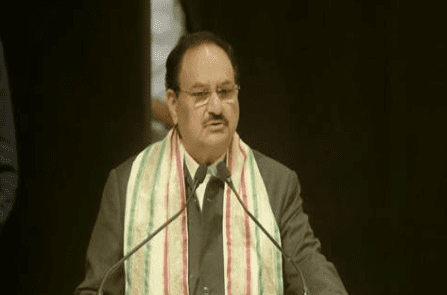
Shri J P Nadda Proudly Addresses 21st Convocation of King George’s Medical University, Uttar Pradesh

Union Minister for Health and Family Welfare Jagat Prakash Nadda today addressed the 21st annual convocation of King George’s Medical University (KGMU) in Lucknow, highlighting a transformative decade for India’s healthcare and medical education landscape. The ceremony celebrated academic excellence and reaffirmed the nation’s commitment to expanding quality healthcare and training across regions.

The event was attended by Anandiben Patel, Governor of Uttar Pradesh; Brajesh Pathak, Deputy Chief Minister and Minister for Medical Education, Medical, Health and Family Welfare, Government of Uttar Pradesh; Pankaj Kumar, Minister of State for Finance, Government of India; Mayankeshwar Sharan Singh, Minister of State for Health and Family Welfare, Government of Uttar Pradesh; and Ajay Kumar Sood, Principal Scientific Advisor to the Government of India.


Celebrating Excellence at KGMU

Congratulating the graduating students, Shri Nadda commended KGMU’s enduring contribution to medical education, research and patient care. He noted the university’s strong national and global standing, citing its 8th rank in the 2025 NIRF rankings and the inclusion of 12 KGMU faculty members among the world’s top 2% scientists, as identified by Stanford University—an achievement that reflects academic rigor and research impact.


A Decade of Expansion in Medical Infrastructure

Highlighting the scale of progress over the last decade, the Health Minister underscored the rapid expansion of premier institutions. “While India had only one AIIMS at the end of the previous century, today there are 23 AIIMS institutions across the country,” he said, pointing to the government’s sustained focus on equitable access to quality healthcare and advanced medical training nationwide.


Call to Graduates: Service, Research and Leadership

Shri Nadda urged KGMU graduates to uphold professional excellence, embrace lifelong learning, and contribute meaningfully to medical education and research. Emphasising ethics, compassion and innovation, he encouraged young doctors and researchers to serve communities while advancing evidence-based practice and scientific inquiry.


Honouring Merit and Achievement

The convocation honoured 81 students and one faculty member for outstanding achievements across multiple categories, including MBBS, BDS, MD/MS, DM/M.Ch., MDS, M.Sc. Nursing, and faculty excellence—recognising distinction in academics, clinical practice and research.


Conclusion

The 21st Convocation of KGMU marked both a celebration of individual achievement and a reflection of India’s broader progress in healthcare education. As the nation expands infrastructure and strengthens research ecosystems, the graduating cohort stands poised to carry forward a legacy of service, scholarship and innovation, reinforcing India’s journey toward accessible, high-quality healthcare for all.


For more real-time updates, visit Channel 6 Network.

Source: PIB
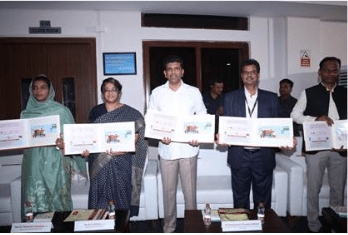
Dr. Sekhar Proudly Inaugurates Andhra Pradesh’s First Gen-Z Transformed Campus Post Office at VIT-AP University: 2025

Union Minister of State for Communications and Rural Development Pemmasani Chandra Sekhar today inaugurated Andhra Pradesh’s first Gen-Z themed campus Post Office at VIT-AP University, Amaravati. The initiative is part of a nationwide programme to modernise campus Post Offices and transform them into contemporary, student-friendly service centres aligned with the aspirations and lifestyles of Gen-Z.


A Milestone in India Post’s Modernisation Drive

The newly inaugurated VIT-AP University Sub Post Office represents a significant step in India Post’s transformation journey, aimed at reimagining traditional Post Offices as future-ready institutions while deepening engagement with students and young citizens. Designed to resonate with Gen-Z sensibilities, the facility blends functionality with creativity, innovation and modern aesthetics.


Distinguished Dignitaries in Attendance

The inauguration ceremony was attended by senior officials and academic leaders, including B. P. Sridevi, Chief Postmaster General, Andhra Pradesh Circle; P. Arulmolivarman, Vice-Chancellor, VIT-AP University; A. Thameem Anasariya, Collector & District Magistrate, Guntur District; Jagadish Chandra Mudiganti, Registrar, VIT-AP University; and Vennam Upender, Postmaster General, Vijayawada Region, along with senior officers of the Department of Posts and faculty members.


Gen-Z Friendly Design and Services

Conceptualised specifically for Gen-Z users, the campus Post Office features a range of new-generation facilities, including:

  • An India Post literature wall

  • Coffee zone and informal seating

  • Foosball table for student engagement

  • Free Wi-Fi and magazine stand

  • Enhanced digital service access

The space has been designed to be welcoming and interactive, encouraging students to engage with postal, banking and insurance services in a relaxed campus environment.


Promoting Financial Inclusion and Digital Awareness

Addressing the gathering, Dr. Pemmasani Chandra Sekhar said the initiative reflects the Department of Posts’ commitment to transforming Post Offices into vibrant, accessible service centres aligned with the evolving aspirations of young citizens. He emphasised that such initiatives will play a crucial role in familiarising students with essential postal, financial and digital services, thereby strengthening financial inclusion and awareness at an early age.


Special Postal Cover Released

On the occasion, the Minister also released a Special Postal Cover titled “VIT: Gen-Z Themed Post Office of Andhra Pradesh”, marking the inauguration and celebrating India Post’s innovative outreach to youth.


Conclusion

The launch of Andhra Pradesh’s first Gen-Z transformed campus Post Office at VIT-AP University underscores India Post’s focus on innovation, inclusivity and customer-centric service delivery. By integrating modern design, digital services and financial solutions within campus ecosystems, the initiative sets a new benchmark for engaging young India and positioning Post Offices as dynamic hubs of everyday relevance.


For more real-time updates, visit Channel 6 Network.

Source: PIB
Cooch Behar Rajbanshi Political Feud – Detailed Analysis of Trinamool Congress Challenge to Bangshibadan Barman and Ananta Roy, Identity Politics, and Governance Lessons in Bengal

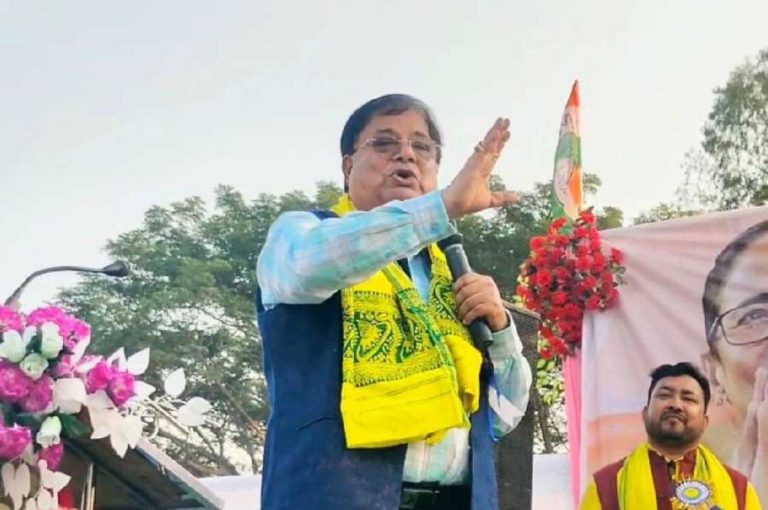
The Cooch Behar Rajbanshi political feud has resurfaced as Trinamool Congress leaders openly challenged the influence of Bangshibadan Barman and Ananta Roy, two prominent figures of the Greater Cooch Behar People’s Association (GCPA). At a public meeting in Dinhata, North Bengal Development Minister Udayan Guha and Cooch Behar MP Jagadish Chandra Barma Basunia accused the duo of double standards and questioned their political clout within the Rajbanshi community.

This confrontation reflects deeper tensions in Bengal’s identity politics, where regional aspirations, caste‑based demands, and mainstream party strategies collide.


2. The Meeting and Statements

  • The meeting, titled “Bhumiputra Samabesh” (sons of the soil gathering), was held in Kismat‑Dashgram, Dinhata subdivision.
  • Udayan Guha challenged Barman’s demand for 25 Assembly seats, daring him to contest and win them.
  • Guha accused Barman of seeking financial gain through demands for 1,000 Rajbanshi‑medium schools, alleging it was a ploy to create jobs for his followers.
  • Jagadish Basunia criticized Ananta Roy’s use of royal symbols, questioning his lineage and legitimacy.
  • Both leaders accused Barman and Roy of enjoying government privileges while simultaneously opposing the Trinamool government.

3. Background of the Rajbanshi Leaders

  • Bangshibadan Barman: Chairman of the Rajbanshi Development Board, long associated with demands for a separate Cooch Behar state.
  • Ananta Roy: BJP Rajya Sabha member, head of another faction of the GCPA, often referred to as “Maharaja” by followers.
  • Both leaders have leveraged Rajbanshi identity politics to mobilize support, but their influence has been contested.

4. Political Context

  • The Rajbanshi community has historically felt marginalized in Bengal’s politics.
  • Demands for a separate Cooch Behar state have periodically resurfaced.
  • Trinamool Congress has attempted to integrate Rajbanshi leaders by offering positions and recognition.
  • Despite this, the community largely supported BJP in the 2019 and 2024 Lok Sabha elections and the 2021 Assembly polls.

5. Government External Links for Assistance


6. Historical Context of Rajbanshi Politics

  • The Rajbanshi community traces its roots to the Koch dynasty of Cooch Behar.
  • Movements for autonomy gained momentum in the 1990s with the formation of the GCPA.
  • Leaders like Barman and Roy have kept the demand alive, though with limited electoral success.
  • Past governments, including the Left Front, often suppressed such movements, while Mamata Banerjee’s government sought accommodation.

7. Cooch Behar Rajbanshi Political Feud: Governance Challenges

The feud reflects:

  • Identity politics vs mainstream governance.
  • Balancing regional aspirations with state unity.
  • Managing factionalism within communities.
  • Preventing vote‑splitting strategies from destabilizing democracy.

8. Global Comparisons

Similar identity‑based political movements exist worldwide:

  • Scotland: Push for independence from the UK.
  • Catalonia (Spain): Demands for autonomy and recognition.
  • Quebec (Canada): French‑speaking population’s autonomy movement.

Cooch Behar’s Rajbanshi politics mirrors these global struggles for identity and representation.


9. Governance Lessons

The Cooch Behar feud teaches:

  • Dialogue is essential between mainstream parties and regional leaders.
  • Symbolic recognition (boards, cultural programs) must be matched with real empowerment.
  • Transparency in resource allocation prevents allegations of financial motives.
  • Inclusive development policies can reduce alienation of marginalized communities.

10. Future Outlook – Rajbanshi Politics in Bengal

India must move towards:

  • Community‑based development boards with accountability.
  • Educational empowerment for Rajbanshi youth.
  • Cultural preservation programs to strengthen identity without separatism.
  • Political inclusion through fair representation in assemblies and councils.

11. Conclusion

The Cooch Behar Rajbanshi political feud is more than a clash between leaders. It reflects the ongoing struggle of marginalized communities to assert identity within Bengal’s political framework. Trinamool’s open challenge to Barman and Roy signals a new strategy: forcing them into independent contests to split opposition votes. Whether this strengthens Trinamool or deepens Rajbanshi alienation remains to be seen. What is clear is that Bengal’s politics cannot ignore the aspirations of its diverse communities, and governance must balance unity with respect for identity.

Also read: Home | Channel 6 Network – Latest News, Breaking Updates: Politics, Business, Tech & More

Naxalbari Leopard Capture at Tea Estate – Detailed Analysis of Human‑Wildlife Conflict, Forest Department Action, and Governance Lessons for Conservation in Bengal

The Naxalbari leopard capture at tea estate has once again highlighted the delicate balance between human settlements and wildlife habitats in North Bengal. On December 20, 2025, forest officials from the Kurseong division successfully trapped a full‑grown male leopard at the Tirrihanna Tea Estate in Naxalbari block, Darjeeling district. The leopard had strayed into the tea gardens, causing panic among workers after several incidents of cattle and poultry being taken away.


2. Naxalbari Leopard Capture at Tea Estate: The Incident

  • Workers reported frequent leopard sightings in the Jabra division of the estate.
  • Over the past two weeks, livestock losses mounted, creating fear among tea pluckers.
  • A memorandum was submitted to the Panighata forest range, requesting immediate action.
  • Forest officials installed a cage in the Jabra division.
  • On Saturday morning, workers heard growls and discovered the leopard inside the cage.
  • The animal was taken away for observation before being released into a core forest area.

3. Forest Department’s Response

  • Officials confirmed the leopard was healthy and would be rehabilitated.
  • The capture was part of a rapid response protocol for human‑wildlife conflict.
  • Forest guards emphasized that relocation is necessary to prevent further panic.
  • The department assured workers that monitoring would continue in the estate.

4. Human‑Wildlife Conflict in North Bengal

  • Tea estates in Darjeeling, Jalpaiguri, and Alipurduar are frequent conflict zones.
  • Leopards often stray into plantations due to shrinking forest cover.
  • Livestock depredation is common, leading to economic losses for workers.
  • Fear of attacks disrupts tea plucking and plantation productivity.

5. Government External Links for Assistance


6. Historical Context of Leopard Encounters in Bengal

  • 2016: Leopard captured in Matigara near Siliguri.
  • 2019: Leopard strayed into Jalpaiguri town, creating panic.
  • 2022: Multiple leopard sightings in Alipurduar tea estates.
  • 2025 Naxalbari incident: Latest in a series of recurring encounters.

These incidents underline the recurring nature of human‑wildlife conflict in tea belt regions.


7. Governance Challenges

The Naxalbari leopard capture reflects:

  • Encroachment on forest land due to expanding tea estates.
  • Insufficient buffer zones between plantations and forests.
  • Limited awareness among workers about wildlife behaviour.
  • Need for rapid response teams in conflict‑prone areas.

8. Global Comparisons

Human‑wildlife conflict is a global issue:

  • Kenya: Lions straying into villages near Nairobi National Park.
  • Sri Lanka: Elephants raiding crops in rural districts.
  • Brazil: Jaguars entering cattle ranches in the Amazon.

India’s tea belt conflicts mirror these global challenges, requiring integrated conservation strategies.


9. Governance Lessons

The Naxalbari incident teaches:

  • Community engagement is vital for conflict resolution.
  • Awareness campaigns can reduce panic among workers.
  • Compensation schemes for livestock losses must be strengthened.
  • Habitat restoration is essential to reduce straying incidents.

10. Future Outlook – Sustainable Coexistence

India must move towards:

  • Eco‑friendly tea estate management with wildlife corridors.
  • Digital monitoring systems using camera traps and drones.
  • Community‑based conservation programs involving tea workers.
  • Integration of conservation with rural livelihoods.

11. Conclusion

The Naxalbari leopard capture at tea estate is more than a wildlife rescue. It reflects the broader challenge of balancing human livelihoods with conservation in Bengal’s tea belt. By strengthening governance, awareness, and habitat protection, authorities can ensure that such encounters are managed safely, preserving both human security and wildlife dignity.

Also read: Home | Channel 6 Network – Latest News, Breaking Updates: Politics, Business, Tech & More

Jalpaiguri Circuit Bench Calcutta High Court Inspection – Detailed Analysis of New Complex, Judicial Expansion, and Governance Lessons for Regional Justice

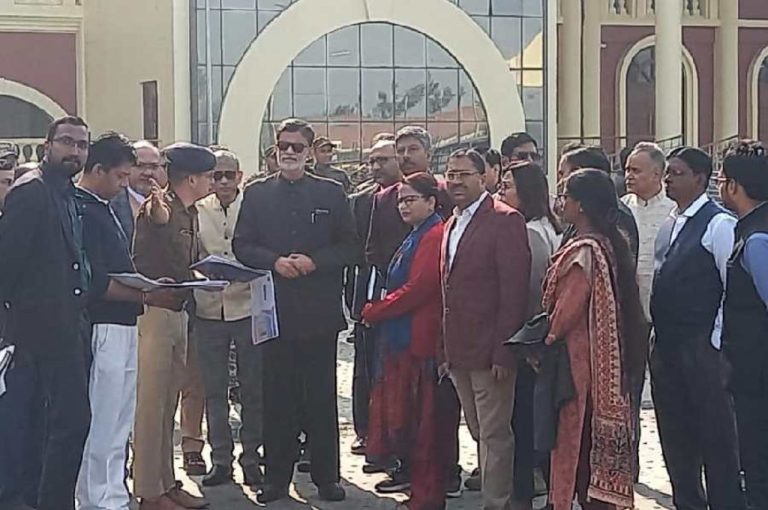
The Jalpaiguri Circuit Bench Calcutta High Court inspection has marked a significant milestone in Bengal’s judicial history. On December 20, 2025, Acting Chief Justice Sujoy Paul, accompanied by four other judges of the Calcutta High Court, visited the newly constructed permanent complex of the Jalpaiguri Circuit Bench. Built on a sprawling 40‑acre plot near Paharpur More, the complex is scheduled for inauguration on January 17, 2026.

This inspection reflects the judiciary’s commitment to expanding access to justice in North Bengal, a region long demanding permanent infrastructure for its circuit bench.


2. Background of the Circuit Bench

  • The Jalpaiguri Circuit Bench was established in 2019.
  • It has been functioning from a temporary building — a bungalow of the Zilla Parishad at Station Road.
  • The state government planned a permanent complex to meet growing demands.
  • The new facility is expected to ease the burden on litigants from districts like Jalpaiguri, Cooch Behar, Alipurduar, and Darjeeling.

3. Jalpaiguri Circuit Bench: The Inspection

  • Justice Sujoy Paul reviewed the infrastructure and facilities.
  • Senior officials of the district administration were present.
  • Judges held meetings regarding the upcoming inauguration ceremony.
  • The inspection also included a visit to the existing circuit bench at Station Road.

4. Demands from the Bar Association

  • Members of the Jalpaiguri Circuit Bench Bar Association urged the Acting Chief Justice to grant permanent status to the bench.
  • They requested inclusion of Malda, North Dinajpur, and South Dinajpur districts under its jurisdiction.
  • Lawyers emphasized that litigants from these districts face difficulties traveling to Kolkata.

5. Government External Links for Assistance


6. Significance of the New Complex

  • Provides modern courtrooms, chambers, and facilities for lawyers and litigants.
  • Symbolizes decentralization of justice in Bengal.
  • Expected to reduce case backlogs by distributing workload.
  • Enhances accessibility for citizens in North Bengal.

7. Historical Context of Circuit Benches in India

  • Circuit benches are established to bring justice closer to remote regions.
  • Examples include:
    • Karnataka High Court benches in Dharwad and Kalaburagi.
    • Bombay High Court benches in Nagpur and Aurangabad.
  • Jalpaiguri’s bench follows this model, ensuring regional representation.

8. Governance Challenges

The Jalpaiguri bench highlights:

  • Need for permanent judicial infrastructure.
  • Coordination between judiciary and state government.
  • Adequate staffing of judges and clerks.
  • Public awareness campaigns to inform citizens about new facilities.

9. Global Comparisons

Judicial decentralization is a global trend:

  • USA: Federal courts established across states for accessibility.
  • UK: Crown Courts spread across regions.
  • Australia: Circuit courts serving rural communities.

India’s circuit bench system reflects similar efforts to balance centralized authority with regional access.


10. Governance Lessons

The inspection teaches:

  • Infrastructure investment is essential for justice delivery.
  • Community engagement strengthens legitimacy of judicial expansion.
  • Regional inclusion reduces inequality in access to courts.
  • Transparent planning ensures smooth inauguration and functioning.

11. Future Outlook – Strengthening Regional Justice

India must move towards:

  • Permanent benches in underserved regions.
  • Digital case management systems to reduce delays.
  • Hybrid hearings combining physical and virtual presence.
  • Judicial outreach programs to educate citizens about their rights.

12. Conclusion

The Jalpaiguri Circuit Bench Calcutta High Court inspection is more than a routine review. It symbolizes the judiciary’s commitment to decentralization and accessibility. With inauguration scheduled for January 2026, the new complex promises to transform justice delivery in North Bengal. If granted permanent status and expanded jurisdiction, the bench could become a cornerstone of regional governance, ensuring that justice is not a privilege of metropolitan citizens but a right accessible to all.

Also read: Home | Channel 6 Network – Latest News, Breaking Updates: Politics, Business, Tech & More

Jalpaiguri Youths Death Investigation – Detailed Analysis of Malbazar Tragedy, Suicide Suspicions, Police Probe, and Governance Lessons for Mental Health Awareness

The Jalpaiguri youths death investigation has shocked the people of North Bengal. On December 19, 2025, two young men were found dead in a rented room in Malbazar town of Jalpaiguri district. Police suspect suicide, but the circumstances surrounding their deaths have raised questions about mental health, social pressures, and governance in small‑town Bengal.


2. The Incident

  • The deceased were identified as Sanjib Barman (20) from Chhoto Salkumar village in Alipurduar district and Anup Roy (21) from Dhupjhora village in Jalpaiguri.
  • They had rented a room at Joy Prakash Pandit’s house in Boyerbusty, ward six of Malbazar town, three days earlier.
  • On Friday night, locals informed police after discovering the bodies.
  • Police suspect suicide by hanging, though the post‑mortem report is awaited.

3. Jalpaiguri Youths Death Investigation: Police Investigation

  • A missing person report had been filed earlier for Barman at Falakata police station.
  • His last location was traced to Malbazar.
  • Police are probing possible causes, including financial stress, family disputes, or social isolation.
  • The investigation will rely on forensic evidence and witness statements.

4. Community Reaction

  • Locals expressed shock at the deaths of two young men in their early twenties.
  • Families are devastated, demanding clarity on whether it was suicide or foul play.
  • The incident has sparked conversations about youth vulnerability in rural Bengal.

5. Governance Challenges

The tragedy highlights:

  • Weak mental health infrastructure in small towns.
  • Lack of awareness campaigns on suicide prevention.
  • Limited counseling services for youth facing stress.
  • Delayed police investigations in sensitive cases.

6. Government External Links for Assistance


7. Historical Context of Youth Deaths in Bengal

  • Bengal has witnessed rising cases of youth suicides linked to academic pressure, unemployment, and social stigma.
  • NCRB data shows Bengal among the states with high suicide rates.
  • Past incidents in Jalpaiguri and Alipurduar highlight recurring challenges in addressing youth mental health.

8. Global Comparisons

Youth suicides are a global concern:

  • Japan: High rates linked to academic and work stress.
  • South Korea: Social isolation and digital pressures contribute to vulnerability.
  • USA: Rising youth suicides linked to mental health crises and substance abuse.

India’s challenge lies in building community‑based support systems in rural and semi‑urban areas.


9. Governance Lessons

The Jalpaiguri tragedy teaches:

  • Need for mental health awareness campaigns in schools and colleges.
  • Community counseling centres in small towns.
  • Training for police officers to handle sensitive cases with empathy.
  • Integration of mental health into primary healthcare.

10. Future Outlook – Preventing Youth Suicides

India must move towards:

  • Digital helplines accessible to rural youth.
  • Peer support groups in educational institutions.
  • Government scholarships and job programs to reduce stress.
  • Collaboration with NGOs for grassroots mental health initiatives.

11. Conclusion

The Jalpaiguri youths death investigation is more than a police case. It reflects deeper issues of mental health, social pressures, and governance gaps in Bengal. While the police probe will determine the immediate cause, the tragedy should serve as a wake‑up call for policymakers, educators, and communities. By prioritizing mental health awareness and support systems, Bengal can prevent future tragedies and ensure that young lives are not lost to despair.

Also read: Home | Channel 6 Network – Latest News, Breaking Updates: Politics, Business, Tech & More

Kankurgachi Oxygen Cylinder Blast Investigation – Detailed Analysis of Godown Licence Probe, Fire Safety Failures, and Governance Lessons for Urban Risk Management

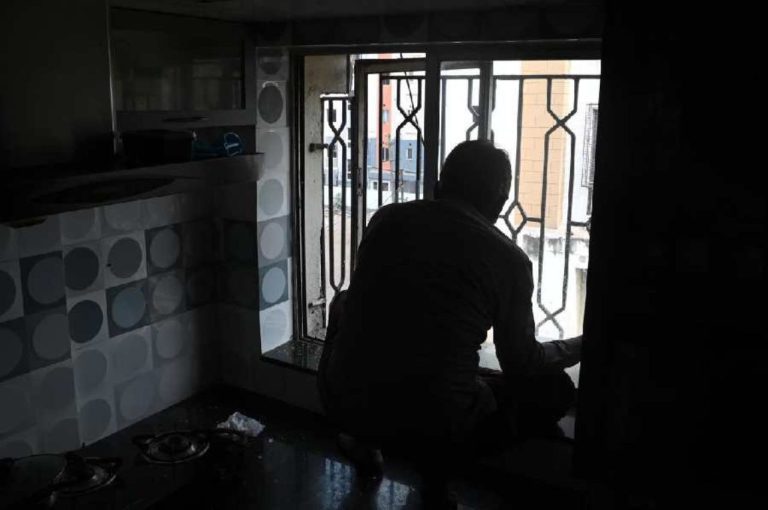
The Kankurgachi oxygen cylinder blast investigation has become a major urban safety issue in Kolkata. On December 18, 2025, a fire at a godown in Ghoshbagan Lane triggered multiple explosions of oxygen cylinders, some of which shot up like missiles and landed on neighbouring terraces. The incident has prompted police and fire authorities to probe whether the godown had valid licences and whether safety norms were followed.


2. Kankurgachi Oxygen Cylinder Blast: The Incident

  • The fire broke out early morning in the godown.
  • Stored oxygen cylinders exploded, causing widespread panic.
  • At least six LPG cylinders were also found inside, kept for reuse.
  • Windows and terraces of nearby buildings were damaged.
  • Fortunately, no fatalities were reported, though the risk was immense.

3. Licence Probe

  • Police from Maniktala station have sought details from the Kolkata Municipal Corporation (KMC) and the state fire services department.
  • Fire officials admitted they have not yet confirmed whether the godown had a valid fire licence.
  • Concerns were raised that godown owners often empty combustible stock during inspections and restock later.
  • The investigation will determine if deliberate negligence was involved.

4. Governance Challenges

The incident highlights:

  • Weak enforcement of fire safety norms in urban godowns.
  • Lack of transparency in licensing processes.
  • Inadequate monitoring of hazardous materials.
  • Delayed accountability in urban safety management.

5. Political and Public Reaction

  • Residents expressed anger at the risk posed to their lives.
  • Civic activists demanded stricter monitoring of godowns storing hazardous materials.
  • Opposition parties criticized the state government for lax enforcement.
  • The incident has reignited debates on urban safety and governance in Kolkata.

6. Government External Links for Assistance


7. Historical Context of Fire Incidents in Kolkata

  • 2011 AMRI Hospital fire: Claimed over 90 lives, exposing hospital safety lapses.
  • 2019 Bagri Market fire: Highlighted poor fire preparedness in commercial hubs.
  • 2025 Kankurgachi blast: Adds to the list of recurring urban fire tragedies.

These incidents show a pattern of negligence and weak enforcement.


8. Global Comparisons

Urban fire safety challenges are common worldwide:

  • Bangkok warehouses: Frequent fires due to poor regulation.
  • Dhaka factories: Repeated tragedies linked to lax enforcement.
  • London Grenfell Tower (2017): Exposed failures in building safety compliance.

Kolkata’s case reflects similar governance gaps.


9. Governance Lessons

The Kankurgachi blast teaches:

  • Need for stricter fire audits of godowns.
  • Mandatory digital tracking of licences.
  • Community awareness campaigns on fire safety.
  • Accountability of officials who approve licences.

10. Future Outlook – Safer Urban Warehousing

India must move towards:

  • Smart monitoring systems with IoT sensors for hazardous storage.
  • Transparent licensing portals accessible to citizens.
  • Integration of fire safety with urban planning.
  • Regular drills and inspections to prevent disasters.

11. Conclusion

The Kankurgachi oxygen cylinder blast investigation is more than a probe into one godown’s licence. It reflects systemic weaknesses in urban safety governance. Unless stricter enforcement and transparency are ensured, Kolkata risks repeating such tragedies. By learning from this incident, authorities can strengthen fire safety, protect citizens, and rebuild trust in governance.

Also read: Home | Channel 6 Network – Latest News, Breaking Updates: Politics, Business, Tech & More

West Bengal Draft Voter List Verification – Detailed Analysis of SIR Publication, Name Deletion Process, Political Reactions, and Governance Lessons for Electoral Transparency

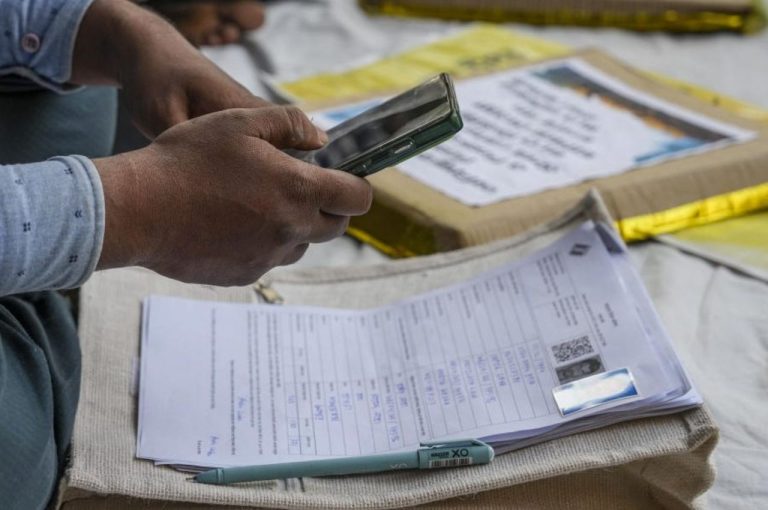
The West Bengal draft voter list verification following the Special Intensive Revision (SIR) exercise is one of the most significant electoral developments in recent years. With the Election Commission of India (ECI) publishing the draft rolls, citizens now face the crucial task of checking whether their names remain on the list or have been deleted. This exercise is not only about ensuring fair elections but also about safeguarding the democratic rights of millions of voters.


2. Background of the SIR Exercise

  • The SIR is a comprehensive revision of electoral rolls conducted periodically.
  • It involves door‑to‑door verification, deletion of duplicate or ineligible names, and inclusion of new voters.
  • In Bengal, the exercise was completed on schedule, unlike other states that requested extensions.
  • The draft rolls are now open for public scrutiny, marking the beginning of the verification and correction phase.

3. Key Figures from the Draft Rolls

  • Total voters in Bengal: Approximately 7.66 crore.
  • Names included in draft rolls: Around 7.08 crore.
  • Names deleted: Nearly 58 lakh, flagged as dead, shifted, absent, or duplicate.
  • Flagged voters for hearings: 1.63 crore, requiring further verification.

These figures highlight the scale of Bengal’s electorate and the challenges of maintaining accuracy in such a vast database.


4. How to Check Your Name Online

Citizens can verify their voter status by:

  1. Visiting the Election Commission of India portal: https://eci.gov.in.
  2. Using the CEO West Bengal portal: https://ceowestbengal.gov.in.
  3. Entering their EPIC number or searching by name and constituency.
  4. Reviewing details such as polling booth, constituency, and voter serial number.

5. Offline Verification

  • Booth Level Officers (BLOs) maintain copies of the draft rolls.
  • Citizens can approach BLOs for assistance in checking names.
  • Booth Level Assistants (BLAs) from political parties may also provide guidance.
  • This ensures that even those without internet access can verify their status.

6. What If Your Name Is Missing?

  • A list of deleted names has been published alongside the draft rolls.
  • Citizens whose names are missing will be called for hearings.
  • Required documents include:
    • Birth certificate
    • Passport
    • Educational qualification certificate
    • Residential certificate issued by state authorities
    • Caste certificate or family register
    • Land or house allotment certificate
    • Any document from before 1987 issued by a bank, post office, or LIC

7. West Bengal Draft Voter List Verification: Political Reactions

  • BJP: Linked the SIR exercise to internal security, alleging infiltration from Bangladesh.
  • Trinamool Congress (TMC): Accused the Election Commission of attempting to delete genuine voters.
  • Congress and Left parties: Called for transparency and fairness in hearings.
  • Civil society groups emphasized the need for citizen awareness campaigns to prevent disenfranchisement.

8. Governance Challenges

The SIR exercise reflects several challenges:

  • Migration: High mobility of workers across states complicates verification.
  • Urbanization: Rapid changes in addresses lead to errors.
  • Illiteracy: Mistakes in forms filled by citizens.
  • Political interference: Allegations of manipulation by parties.
  • Public trust: Citizens fear disenfranchisement if errors are not corrected.

9. Historical Context of Electoral Rolls in Bengal

  • 2002 SIR: Reports of duplication and errors.
  • 2014 Lok Sabha elections: Complaints of missing voters.
  • 2021 Assembly polls: Allegations of irregularities led to stricter monitoring.
  • 2025 SIR: Largest deletion exercise yet, with 58 lakh names removed.

10. Global Comparisons

Countries with advanced voter verification systems:

  • Estonia: Digital ID linked to national databases.
  • Canada: Address verification through utility bills.
  • Brazil: Biometric verification integrated with voting.
  • USA: Ongoing debates over voter ID laws.

India’s manual enumeration makes errors more likely, especially in rural areas.


11. Governance Lessons

The Bengal SIR exercise highlights:

  • Need for stronger verification mechanisms.
  • Transparency through hearings and camps.
  • Accountability of electoral officers.
  • Citizen empowerment through awareness campaigns.

12. Government External Links for Assistance


13. Future Outlook – Smart Electoral Rolls

India must move towards:

  • Digital voter rolls linked to Aadhaar and biometrics.
  • AI‑based error detection in enumeration forms.
  • Online correction portals accessible to rural citizens.
  • Integration with property and census records to prevent duplication.

14. Conclusion

The West Bengal draft voter list verification under the SIR exercise is a landmark in electoral transparency. While the deletion of 58 lakh names has raised concerns, the hearing process offers citizens a chance to restore their voting rights. By combining technology, accountability, and citizen participation, India can strengthen its democracy and ensure that every eligible voter is counted.

Also read: Home | Channel 6 Network – Latest News, Breaking Updates: Politics, Business, Tech & More