Indian equity markets opened on a positive and steady note on Thursday, with benchmark indices showing modest gains in early trade. Strength in banking and financial services stocks helped the Nifty 50 stay comfortably above the 25,850 level, even as broader markets displayed mixed trends with sharp stock-specific action.
As of 10:46 AM IST, the Nifty 50 was trading at 25,854.85, up 36.30 points (0.14%).
Open: 25,764.70
Intraday High: 25,863.95
Intraday Low: 25,726.30
Other key indices showed a mixed but largely supportive tone:
Nifty Bank: 59,150.85 (↑ 0.38%)
Nifty Financial Services: 27,372.30 (↑ 0.44%)
Nifty Next 50: 67,833.55 (↓ 0.36%)
Gains in frontline banking and financial stocks helped offset weakness in select broader market names.
Top Gainers: Strong Momentum in Select Midcaps
Several midcap and small-cap stocks witnessed sharp buying interest, with some counters nearing or hitting upper circuit levels:
TCI Finance (TCIFINANCE) surged 19.94% to ₹16.12, emerging as the top gainer.
Keep Learn (KEEPL EARN) rose 19.74% to ₹2.79, backed by steady volumes.
AWHCL advanced 17.09% to ₹509.80, seeing heavy trading activity.
Bliss GVS Pharma (BLISSGVS) gained 14.28% to ₹165.48.
Arvee Laboratories (ARVEE) climbed 14.25% to ₹240.50, extending its recent upward momentum.
The rally highlights continued appetite for momentum-driven stocks, particularly in the midcap segment.
Top Losers: Profit Booking in Select Counters
On the downside, a few stocks saw notable profit booking in early trade:
TFL declined 9.06% to ₹14.25.
Retail (RETAIL) slipped 9.03% to ₹26.70.
Apex fell 6.47% to ₹284.70.
AMNPLST eased 5.77% to ₹208.36.
Park Hospitals (PARKHOSPS) dropped 5.68% to ₹139.54, despite healthy volumes.
The declines remained stock-specific, with no signs of broad-based selling pressure.
Market Outlook
Market participants remain cautiously optimistic as banking and financial stocks provide near-term support to benchmark indices. Analysts expect range-bound movement with selective buying, driven by sector rotation, stock-specific news flows and global market cues.
While headline indices show stability, traders are advised to remain selective, especially in high-momentum midcap and small-cap stocks.
Conclusion
Early trade on December 18, 2025 reflected a firm but selective market tone, with the Nifty 50 holding above 25,850 on the back of gains in banks and financial services. Strong rallies in select midcaps contrasted with profit booking in others, underscoring the ongoing divergence within the market and highlighting opportunities for stock-specific strategies.
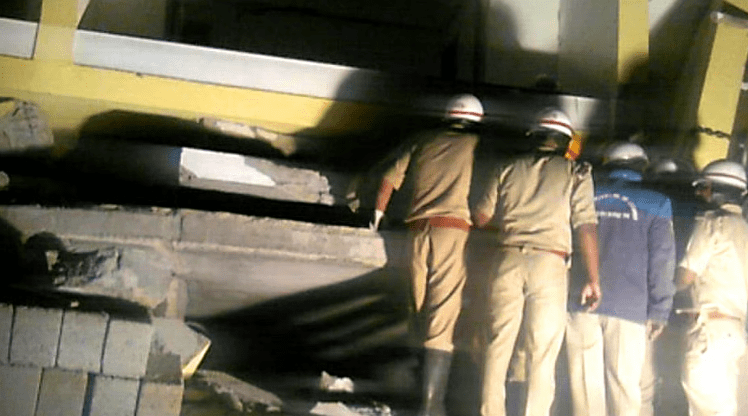
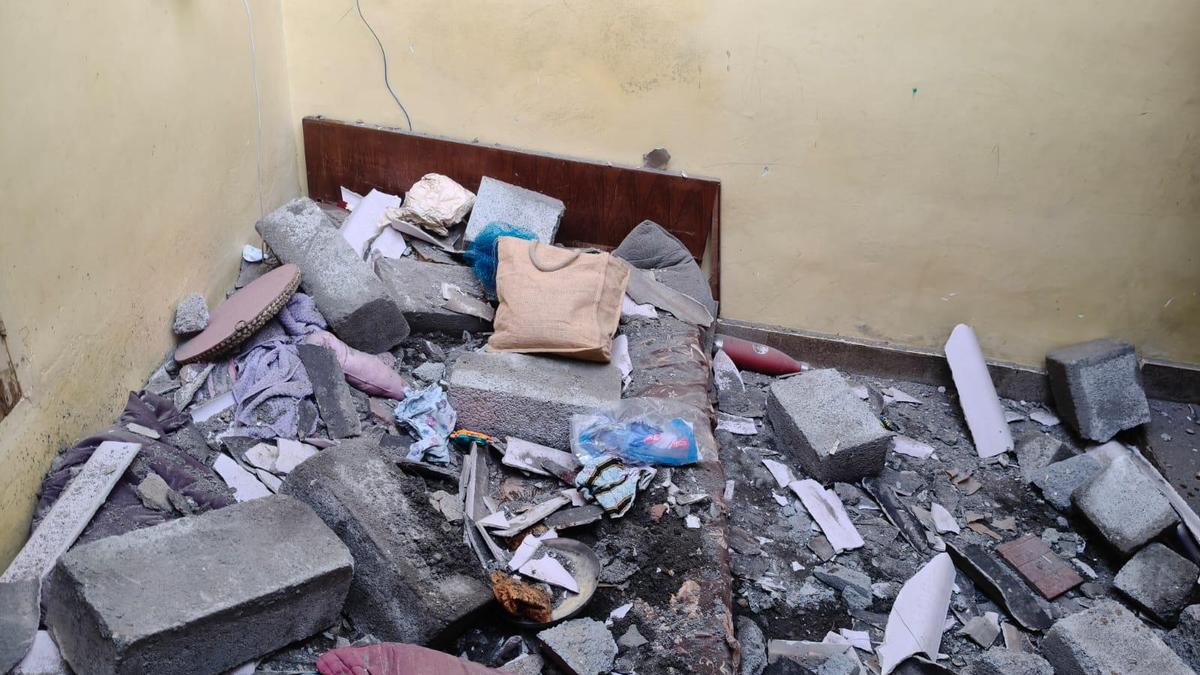
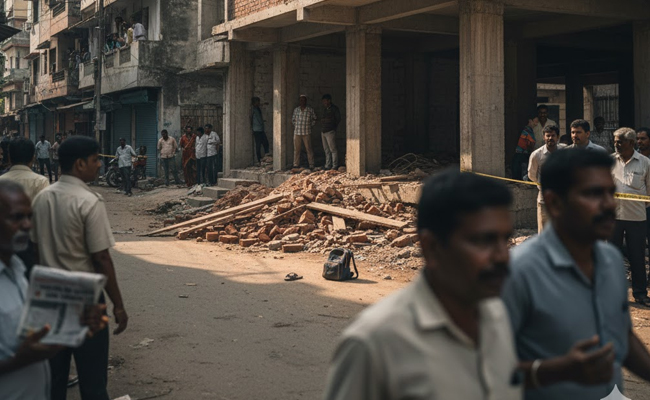
A four-year-old child lost his life in a devastating accident in Bengaluru after bricks fell from an under-construction building, triggering outrage, grief and renewed questions about safety norms at construction sites across the city. The incident, which occurred in a densely populated neighbourhood, has once again highlighted the human cost of regulatory lapses and the vulnerability of children in rapidly urbanising spaces. Residents described the scene as harrowing, with the sudden collapse of bricks turning an ordinary moment into a lifelong tragedy for the family.
The tragedy has also drawn attention to the lack of clear communication between civic authorities and residents regarding ongoing construction activities. Many locals said they were unaware of whom to approach when they noticed unsafe practices at construction sites. This absence of accessible grievance redressal mechanisms often leaves residents feeling helpless, forcing them to live alongside potential hazards until an accident occurs. Urban governance experts argue that empowering citizens through clear reporting channels and swift response systems could play a crucial role in preventing such incidents before they turn fatal.
Questions have also been raised about the frequency and quality of inspections carried out by municipal officials. While regulations mandate periodic safety checks, residents and activists allege that inspections are either infrequent or reduced to procedural formalities. In rapidly developing neighbourhoods, where multiple projects operate simultaneously, this lack of rigorous oversight increases the risk of accidents. Experts stress that inspections must be unannounced, thorough and backed by immediate enforcement powers to ensure compliance.
The incident has prompted calls for mandatory insurance and victim compensation mechanisms linked directly to construction projects. Legal scholars suggest that builders should be required to maintain insurance policies that automatically compensate victims in case of accidents caused by negligence. Such systems, they argue, could provide quicker relief to affected families while legal proceedings continue, reducing the financial burden during periods of grief and uncertainty.
As the investigation continues, the city is left grappling with a familiar yet unresolved challenge. Each construction-related death reignites promises of reform, but sustained change remains elusive. The death of a four-year-old has struck a particularly painful chord, intensifying demands that this not become just another statistic. For many residents, the hope is that accountability in this case will set a precedent, ensuring that safety violations are treated with the seriousness they deserve and that future tragedies are prevented through decisive action.
According to the police, the child was walking along the roadside with a family member when a stack of bricks allegedly fell from an upper level of a building under construction. The impact caused severe injuries, and despite being rushed to a nearby hospital, the child succumbed. Doctors said the injuries were critical and beyond recovery. The death has cast a shadow over the locality, with residents expressing shock and anger at what they described as a preventable incident.
Eyewitnesses said there were no visible safety barricades or warning signs around the construction site. Many claimed that construction materials had been stacked precariously for days, raising concerns that had gone unaddressed. The accident has fuelled public anger, with locals demanding accountability from the builder, contractors and civic authorities responsible for monitoring construction safety.
The Fall of Bricks
The police registered a case and initiated an investigation to determine responsibility. Officials said they were examining whether safety protocols were violated and if negligence played a role. The building owner and contractor are likely to be questioned as part of the inquiry. Authorities have also sought construction permits and safety clearances related to the project to verify compliance with existing norms.
For the grieving family, the loss is immeasurable. Neighbours described the child as cheerful and playful, someone whose laughter echoed through the street. The suddenness of the incident has left the family traumatised, struggling to come to terms with a life cut short due to what many see as sheer negligence. Community members gathered at the family’s home, offering condolences and support amid palpable sorrow.
The tragedy has sparked renewed debate over construction safety in Bengaluru, a city witnessing relentless vertical growth. With hundreds of buildings under construction at any given time, concerns about lax enforcement of safety rules have persisted for years. This incident has brought those concerns into sharp focus, raising questions about whether existing regulations are adequate and, more importantly, whether they are being enforced on the ground.
Negligence Allegations and Safety Lapses Under Scrutiny
Preliminary findings suggest that basic safety measures were either inadequate or entirely absent at the construction site. Residents alleged that the area was not cordoned off and that there were no nets, barriers or warning signs to prevent debris from falling onto public spaces. Such measures are mandatory under building safety regulations, particularly in areas with pedestrian movement.
Civic officials acknowledged that construction safety remains a challenge, especially in congested neighbourhoods where buildings rise close to narrow roads and footpaths. They admitted that monitoring every site consistently is difficult due to manpower constraints but stressed that this cannot excuse lapses that result in loss of life. Following the incident, officials said they would inspect the site and take action based on the findings.
The police are examining whether the incident falls under culpable negligence, which could attract serious legal consequences. Legal experts say that if it is established that the builders failed to follow mandated safety norms, they could face criminal charges. In past cases, such incidents have resulted in fines or temporary shutdowns, but activists argue that penalties are often too lenient to act as effective deterrents.
Urban planners and safety experts point out that construction safety in Indian cities is frequently treated as an afterthought. While building approvals focus on design and zoning compliance, on-site safety during construction often escapes rigorous scrutiny. This gap, they argue, leaves workers and the public exposed to significant risks.
Residents of the area said complaints about the construction had been raised earlier, particularly regarding debris and materials encroaching onto public space. They claim that no effective action was taken despite repeated concerns. This has led to accusations that enforcement mechanisms are reactive rather than preventive, stepping in only after tragedies occur.
Child safety advocates emphasised that children are especially vulnerable in such environments. With limited understanding of danger and unpredictable movement, children are at greater risk near unsafe construction sites. They argue that authorities must treat safety violations near residential areas as serious threats, not minor infractions.
The incident has also raised concerns about the role of contractors and subcontractors, who are often responsible for on-site safety. Experts say that fragmented responsibility allows accountability to be diffused, making it difficult to pinpoint who is at fault. Clearer assignment of responsibility and stricter enforcement, they argue, are essential to prevent such tragedies.
Public Outrage, Accountability Demands and the Way Forward
The child’s death has triggered widespread outrage, both within the neighbourhood and across the city. Residents staged protests, demanding immediate action against those responsible and calling for stricter enforcement of construction safety norms. Many expressed fear that similar incidents could happen again if authorities fail to act decisively.
Civil society groups have urged the government to conduct a citywide audit of construction sites, particularly those located near schools, parks and residential areas. They argue that safety audits should not be limited to paperwork but include physical inspections to ensure compliance with ground-level realities.
The incident has also reignited debate over urban governance and planning in Bengaluru. Critics argue that rapid development has outpaced the city’s ability to regulate and monitor construction activity effectively. As a result, safety often becomes secondary to speed and profit. The tragedy, they say, is a grim reminder of the consequences of prioritising growth without adequate safeguards.
Legal experts have called for stronger penalties for violations leading to injury or death. They argue that fines alone are insufficient and that criminal liability should be enforced more consistently to deter negligence. Families of victims, they say, often face prolonged legal battles with little closure, underscoring the need for faster and more victim-centric justice mechanisms.
The role of civic bodies has also come under scrutiny. Activists point out that municipal authorities have the power to halt unsafe construction but rarely exercise it proactively. Regular inspections, transparent reporting and public access to information about construction safety compliance could improve accountability, they argue.
Psychologists note the long-term impact such incidents have on families and communities. The sudden loss of a child can cause profound emotional trauma, affecting mental health and social stability. Neighbours, too, experience fear and anxiety, especially parents who worry about their children’s safety in shared public spaces.
In response to the incident, officials have promised to review safety protocols and strengthen monitoring mechanisms. Some have suggested the use of technology, such as real-time reporting and geo-tagged inspections, to improve oversight. Whether these measures translate into meaningful change remains to be seen.
Urban safety experts stress that preventing such tragedies requires a collective approach. Builders must prioritise safety, authorities must enforce regulations without compromise, and residents must be empowered to report violations without fear of inaction. Public awareness, they argue, is a crucial component of prevention.
For the family that lost their child, however, policy debates offer little comfort. Their grief stands as a stark reminder that behind every statistic is a human story of loss and shattered dreams. Neighbours say the child’s absence is deeply felt, a silence that underscores the cost of negligence.
As Bengaluru continues to grow skyward, the tragedy raises a fundamental question about the kind of city it aspires to be. Development without safety, many argue, is a hollow achievement. The death of a four-year-old due to falling bricks is not just an accident but a failure of systems meant to protect the most vulnerable.
The incident has left the city grieving and searching for answers. Whether this moment of collective sorrow leads to lasting reform will depend on the actions taken in its aftermath. For now, the loss serves as a painful call to prioritise human life above all else, reminding authorities and builders alike that safety is not optional, but essential.
Medical experts, legal scholars and victim advocacy groups are increasingly calling for the adoption of a neuro-justice framework in motor accident cases, arguing that the current compensation and adjudication systems fail to adequately recognise the complex neurological injuries suffered by victims. As road accidents continue to claim lives and leave thousands with long-term cognitive and psychological impairments each year, specialists say the law must evolve to account for invisible injuries that profoundly alter a person’s capacity to live, work and relate to society.
At the heart of this demand lies the recognition that brain injuries are often misunderstood, underdiagnosed or undervalued in legal proceedings. While visible physical injuries receive immediate attention, damage such as traumatic brain injury, memory loss, executive dysfunction, emotional dysregulation and personality changes are frequently minimised or overlooked. Experts argue that this gap between medical reality and legal recognition results in inadequate compensation and long-term injustice for victims and their families.
Neuro-justice, as proposed by experts, seeks to integrate neuroscientific evidence into legal decision-making. It calls for courts, tribunals and claims authorities to systematically consider the neurological and cognitive consequences of accidents, rather than relying solely on conventional disability percentages or outward physical impairment. Advocates say such a framework would ensure fairer outcomes, particularly for victims who appear physically recovered but remain cognitively impaired.
The issue has gained prominence amid rising awareness of traumatic brain injuries in road accidents. Neurologists point out that even mild or moderate head injuries can have lasting effects on attention, decision-making, impulse control and emotional stability. These impairments may not be immediately apparent but can disrupt education, employment and relationships for years. Yet, in many motor accident claims, compensation is calculated based on loss of limb function or visible disability, leaving neurological harm insufficiently addressed.
Legal experts note that motor accident tribunals often lack the tools and training to assess such injuries. Medical reports may focus on orthopaedic recovery while neurological assessments are either absent or superficial. This results in awards that fail to reflect the true extent of loss suffered by victims. Families, too, bear the burden, as caregivers must adapt to behavioural changes and long-term dependency without adequate financial or institutional support.
The call for neuro-justice is therefore framed not merely as a technical reform but as a moral and humanitarian necessity. Experts argue that justice systems must keep pace with scientific understanding, especially when decisions have lifelong consequences for accident survivors. Recognising neurological injury as a central factor in motor accident cases, they say, is essential to restoring dignity and fairness to the process.
Neurologists emphasise that the brain is uniquely vulnerable in road accidents, even in incidents that do not involve severe external trauma. Sudden acceleration, deceleration or impact can cause the brain to move within the skull, leading to diffuse injuries that standard imaging may not immediately detect. Such injuries can manifest weeks or months later, complicating both diagnosis and legal attribution.
Experts explain that traumatic brain injuries often affect higher cognitive functions rather than basic motor abilities. Victims may struggle with memory, concentration, planning and emotional regulation, making it difficult to resume previous employment or academic pursuits. In some cases, individuals who appear physically capable are unable to manage daily tasks independently, leading to a hidden but profound form of disability.
Psychiatrists add that neurological injuries frequently intersect with mental health conditions such as depression, anxiety and personality changes. These outcomes are not secondary complications but integral aspects of brain trauma. However, legal frameworks often treat mental and neurological consequences as ancillary, resulting in fragmented assessment and compensation.
Medical professionals stress that existing disability evaluation systems are poorly suited to capture cognitive impairment. Percentage-based models tend to prioritise physical loss, such as limb amputation or paralysis, while assigning minimal weight to cognitive deficits. This, experts argue, reflects outdated assumptions about productivity and disability, failing to recognise the central role of cognition in modern life.
Legal scholars point out that motor accident compensation law was designed in an era when physical labour dominated the workforce. In today’s economy, where cognitive skills are essential across professions, neurological impairment can be just as disabling as physical injury. A person unable to process information, regulate emotions or make decisions may be effectively excluded from meaningful employment, even if physically intact.
Another concern raised by experts is the inconsistency in judicial outcomes. Without clear guidelines on evaluating neurological harm, awards vary widely depending on the awareness and discretion of individual adjudicators. This unpredictability undermines confidence in the justice system and leaves similarly placed victims with vastly different outcomes.
Victim advocates recount cases where individuals with severe cognitive impairment were denied adequate compensation because they could walk, speak or perform basic tasks. Families describe the emotional toll of caring for loved ones who are no longer the same person, grappling with impulsivity, aggression or emotional withdrawal that strains relationships and finances alike.
Experts argue that a neuro-justice framework would mandate comprehensive neurological and neuropsychological assessments in motor accident cases involving head injury. Such assessments would evaluate not only structural damage but also functional impairment, providing a fuller picture of the victim’s condition. They say this approach would align legal outcomes more closely with medical reality.
From a policy perspective, advocates argue that recognising neurological injury has broader social benefits. Adequate compensation can support rehabilitation, assistive care and vocational retraining, reducing long-term dependence on public welfare systems. Investing in fair compensation, they say, is both ethically sound and economically prudent.
There is also a call to integrate rehabilitation considerations into compensation awards. Neurological recovery is often a long and uncertain process, requiring sustained therapy and support. Experts suggest that compensation structures should reflect ongoing needs rather than one-time assessments that fail to anticipate future challenges.
Ethicists frame neuro-justice as a matter of equality and inclusion. Ignoring cognitive impairment effectively marginalises individuals whose disabilities are invisible but disabling. A justice system that privileges visible injury, they argue, perpetuates a narrow and outdated understanding of human functioning.
Critics caution that implementing neuro-justice will require careful safeguards to prevent misuse or exaggeration of claims. Experts respond that rigorous assessment protocols and independent evaluations can address such concerns. They emphasise that the goal is not inflated compensation but accurate and fair recognition of genuine harm.
Towards a Fairer and More Humane Legal Framework
Proponents of neuro-justice outline several reforms to bridge the gap between neuroscience and motor accident law. One key proposal is mandatory neurological screening for accident victims reporting head injury or symptoms suggestive of cognitive impairment. This would ensure early identification and documentation, strengthening both treatment and legal claims.
Experts also call for specialised training for judges, tribunal members and legal practitioners. Understanding basic principles of brain injury, cognitive impairment and neuroplasticity would enable decision-makers to interpret medical evidence more accurately. Legal education, they argue, must evolve alongside medical science to ensure informed adjudication.
Another recommendation involves revising compensation formulas to explicitly account for cognitive and neurological loss. Instead of relying solely on physical disability percentages, frameworks could incorporate assessments of functional capacity, employability and quality of life. This would better reflect the lived experience of victims and the long-term impact of neurological injury.
Insurance practices also come under scrutiny. Experts note that insurers often challenge neurological claims, citing lack of visible injury or definitive imaging findings. A neuro-justice approach would encourage evidence-based evaluation rather than adversarial scepticism, reducing prolonged litigation that exacerbates stress for victims and families.
From a policy perspective, advocates argue that recognising neurological injury has broader social benefits. Adequate compensation can support rehabilitation, assistive care and vocational retraining, reducing long-term dependence on public welfare systems. Investing in fair compensation, they say, is both ethically sound and economically prudent.
There is also a call to integrate rehabilitation considerations into compensation awards. Neurological recovery is often a long and uncertain process, requiring sustained therapy and support. Experts suggest that compensation structures should reflect ongoing needs rather than one-time assessments that fail to anticipate future challenges.
Ethicists frame neuro-justice as a matter of equality and inclusion. Ignoring cognitive impairment effectively marginalises individuals whose disabilities are invisible but disabling. A justice system that privileges visible injury, they argue, perpetuates a narrow and outdated understanding of human functioning.
Critics caution that implementing neuro-justice will require careful safeguards to prevent misuse or exaggeration of claims. Experts respond that rigorous assessment protocols and independent evaluations can address such concerns. They emphasise that the goal is not inflated compensation but accurate and fair recognition of genuine harm.
International experience is often cited to support the case for reform. In several jurisdictions, courts increasingly rely on neuropsychological evidence and functional assessments in personal injury cases. Advocates argue that adopting similar practices would strengthen the credibility and compassion of motor accident adjudication.
Ultimately, experts say the push for neuro-justice reflects a deeper shift in how society understands injury and disability. As science reveals more about the brain, the law must adapt to ensure that victims are not left behind by outdated frameworks. Justice, they argue, cannot be blind to neuroscience when lives and futures are at stake.
The call for a neuro-justice framework in motor accident cases is therefore not merely a technical demand but a plea for empathy, accuracy and progress. By acknowledging the full spectrum of injury, the legal system can move closer to its fundamental purpose: delivering justice that is not only lawful, but humane.
India’s mid-year fiscal assessment has flagged renewed concerns over the impact of Goods and Services Tax rate rationalisation on government revenues, even as policymakers continue to defend the reform as necessary for long-term efficiency and simplicity. While rationalisation aims to correct inverted duty structures, reduce classification disputes and improve compliance, early assessments suggest that the exercise could further strain revenues already under pressure from economic uncertainties, compensation cess adjustments and uneven consumption recovery across sectors.
Officials involved in the mid-year review have acknowledged that although GST collections have shown resilience in headline numbers, underlying trends reveal stress points that could widen in the coming months. The rationalisation of rates, especially in sectors where slabs are being lowered or exemptions expanded, is expected to reduce tax inflows in the short term. This has prompted concern within both the Centre and States, which depend heavily on GST as a primary source of revenue for welfare spending and development programmes.
The assessment comes at a time when States are still adjusting to the post-compensation regime. With the assured compensation period having ended, States are now more directly exposed to fluctuations in GST collections. Any policy move that compresses rates or removes higher slabs therefore has immediate implications for State finances, potentially constraining their fiscal space during a period of rising expenditure demands.
Finance officials stress that the intent behind rationalisation is not revenue erosion but structural correction. Multiple GST slabs, overlapping rates and exemptions have long been criticised for complicating compliance and encouraging litigation. However, the mid-year review suggests that sequencing and timing of reforms will be crucial, as premature rate reductions without sufficient base expansion could deepen fiscal stress.
The review has also noted that consumption patterns remain uneven across income groups. While demand for premium goods and services has remained relatively strong, mass consumption segments are still showing signs of fragility. Rate rationalisation affecting essential or widely consumed goods could therefore have a disproportionate impact on overall collections, particularly if volume growth does not compensate for lower tax rates.
Experts observing the assessment argue that GST reform has entered a delicate phase. After years of stabilisation, any major rate restructuring must balance simplicity with fiscal prudence. The mid-year findings indicate that while rationalisation is necessary, its immediate revenue consequences cannot be ignored, especially when fiscal consolidation remains a stated policy objective.
Revenue Pressures and Structural Challenges
The mid-year assessment highlights that GST revenues, though buoyant in aggregate, mask sector-specific weaknesses. Certain sectors that benefited from higher rates or fewer exemptions are expected to contribute less under the rationalised structure. This includes segments where rates are being aligned downward to address inverted duty structures or consumer affordability concerns. Officials caution that unless compliance improves significantly, the revenue loss from these adjustments may not be easily offset.
One of the major challenges identified is the limited elasticity of demand in some sectors. Lowering GST rates does not automatically translate into higher consumption, particularly when households remain cautious due to inflationary pressures and income uncertainties. The assessment notes that expecting volume-led revenue recovery may be optimistic in the current economic climate.
Another concern relates to exemptions. While rationalisation aims to reduce unnecessary exemptions, political and social considerations often result in their expansion rather than contraction. The mid-year review observes that continued reliance on exemptions, especially for politically sensitive goods and services, narrows the tax base and shifts the burden onto a smaller pool of taxpayers, limiting revenue growth.
State governments have expressed unease over the pace and direction of rationalisation. Several States argue that while simplification is welcome, revenue neutrality must be ensured, at least in the medium term. With limited borrowing headroom and growing expenditure on health, education and social security, States fear that declining GST revenues could force spending cuts or higher debt accumulation.
The assessment also flags administrative challenges. Rate changes require system updates, taxpayer education and enforcement adjustments, all of which take time. Transitional issues can lead to compliance gaps, misclassification and disputes, temporarily affecting collections. Officials acknowledge that frequent rate changes, even when well-intentioned, can disrupt compliance momentum.
Another structural issue highlighted is the uneven distribution of GST revenues across States. Consumption-heavy States continue to benefit more, while manufacturing or less-developed States struggle to expand their tax base. Rate rationalisation, if not accompanied by targeted support or compensatory mechanisms, could exacerbate these disparities, raising concerns about fiscal federalism.
From a public finance perspective, the assessment highlights a fundamental tension between reform ambition and fiscal prudence. GST rate rationalisation is widely acknowledged as necessary to correct structural flaws and improve ease of doing business. Yet, the immediate revenue implications cannot be ignored, especially in a context of rising expenditure commitments and limited fiscal buffers.
As policymakers deliberate on the next steps, the mid-year assessment serves as a timely reminder that tax reform is as much about sequencing and execution as it is about intent. Achieving a simpler, more efficient GST regime will require patience, coordination and a willingness to adapt based on evidence rather than ideology.
In the months ahead, the government’s handling of GST rationalisation will be closely watched by States, businesses and investors alike. The challenge lies in ensuring that reform strengthens, rather than weakens, the fiscal foundation of the economy. The mid-year assessment makes it clear that while rationalisation holds promise, its impact on revenues must be carefully managed to avoid deepening fiscal strain.
The mid-year review further points to the impact of rationalisation on local bodies and specific sectors such as small businesses. While lower rates may reduce the tax burden on consumers, they can also compress margins for businesses unable to pass on benefits fully. This, in turn, may affect compliance and reporting, indirectly influencing revenue outcomes.
Economists contributing to the assessment argue that GST’s promise of a broad-based, consumption-driven tax remains valid but incomplete. They note that without sustained efforts to widen the base, reduce evasion and stabilise rates, rationalisation alone cannot deliver both simplicity and revenue adequacy. The review thus frames rationalisation as a necessary but insufficient condition for long-term fiscal stability.
Balancing Reform Ambitions with Fiscal Reality
The mid-year assessment underscores the need for a calibrated approach to GST reform. Policymakers are now faced with the challenge of advancing rationalisation without undermining revenue stability. Officials suggest that phased implementation, supported by robust data analysis, could help mitigate short-term losses while preserving reform momentum.
One of the key recommendations emerging from the review is stronger emphasis on compliance and enforcement. Enhancing data analytics, improving invoice matching and tightening action against evasion could help compensate for rate reductions. The assessment notes that compliance gains have contributed significantly to recent revenue growth and must be sustained to cushion the impact of rationalisation.
Another focus area is communication. Clear and consistent messaging to taxpayers and businesses can reduce confusion and improve compliance during transitions. The review stresses that stakeholders must understand the rationale behind rate changes and their expected benefits, both in terms of simplicity and economic efficiency.
The assessment also calls for closer Centre-State coordination. Given that GST is a shared tax, decisions on rate rationalisation must reflect the fiscal realities of both levels of government. Mechanisms for consultation and consensus-building are seen as essential to ensure that reforms do not disproportionately burden States with weaker revenue bases.
Fiscal experts argue that the timing of rationalisation matters. Implementing major rate changes during periods of economic uncertainty can amplify revenue risks. The mid-year review suggests aligning significant reforms with clearer signs of consumption recovery and income growth, thereby increasing the likelihood that volume effects will offset rate reductions.
There is also recognition that GST reform cannot be viewed in isolation. Broader tax policy measures, including direct tax reforms and non-tax revenue mobilisation, will play a role in maintaining overall fiscal balance. The assessment hints that reliance on GST alone to drive revenue growth may be neither realistic nor desirable.
The mid-year findings have sparked debate within policy circles about the future trajectory of GST. Some argue for accelerating rationalisation to achieve long-delayed simplicity, even at the cost of short-term revenue loss. Others advocate caution, warning that fiscal stress could undermine public spending and economic recovery if revenues falter.
From a public finance perspective, the assessment highlights a fundamental tension between reform ambition and fiscal prudence. GST rate rationalisation is widely acknowledged as necessary to correct structural flaws and improve ease of doing business. Yet, the immediate revenue implications cannot be ignored, especially in a context of rising expenditure commitments and limited fiscal buffers.
As policymakers deliberate on the next steps, the mid-year assessment serves as a timely reminder that tax reform is as much about sequencing and execution as it is about intent. Achieving a simpler, more efficient GST regime will require patience, coordination and a willingness to adapt based on evidence rather than ideology.
In the months ahead, the government’s handling of GST rationalisation will be closely watched by States, businesses and investors alike. The challenge lies in ensuring that reform strengthens, rather than weakens, the fiscal foundation of the economy. The mid-year assessment makes it clear that while rationalisation holds promise, its impact on revenues must be carefully managed to avoid deepening fiscal strain
Ultimately, the debate around GST rate rationalisation reflects the evolving nature of India’s tax system. As the reform matures, balancing efficiency, equity and revenue adequacy will remain a complex task. The mid-year assessment does not dismiss rationalisation but urges caution, signalling that sustainable reform must align ambition with fiscal reality.
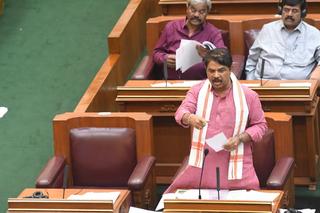
A sharp political confrontation unfolded in Karnataka after BJP leader Chalavadi Narayanaswamy accused State Minister Krishna Byregowda of being involved in an alleged land grab, triggering heated exchanges across party lines and reigniting debates around land ownership, political ethics and transparency in public life. The allegation, made publicly by Narayanaswamy, has drawn strong rebuttals from the Minister, who dismissed the claims as baseless and politically motivated, asserting that the land in question is ancestral property legally held by his family for decades.
The controversy has quickly escalated into a larger political flashpoint, with both sides trading accusations and counter-accusations, and demands emerging for official clarification. While the BJP has sought accountability and explanation from the ruling establishment, the Congress has defended its Minister, terming the allegations a deliberate attempt to tarnish reputations ahead of future political contests. The issue has also drawn public attention due to the emotive nature of land ownership, particularly in regions where disputes over land titles are common and deeply personal.
Chalavadi Narayanaswamy, addressing the media, alleged that the Minister had used his political influence to illegally acquire land, claiming that the ownership history raised serious questions. He demanded that the government clarify how the land was obtained and called for an independent inquiry into the matter. According to Narayanaswamy, public representatives must adhere to the highest standards of integrity, and any doubts regarding land ownership must be transparently addressed.
In response, Krishna Byregowda categorically denied the allegations, stating that the land cited by the BJP leader has been in his family for generations. He asserted that all records clearly establish lawful ownership and accused the opposition of attempting to divert attention from governance issues by indulging in character assassination. The Minister maintained that such allegations are not new in politics but stressed that truth would withstand scrutiny.
The dispute has taken on added significance due to Krishna Byregowda’s position in the Cabinet and his reputation as a senior leader. Supporters argue that his public life has been marked by administrative experience and that the allegations lack substance. Opponents, however, insist that any accusation involving land must be examined carefully, given Karnataka’s long history of land-related controversies involving political figures.
Political analysts note that land remains a sensitive and emotive issue in the State, where disputes often involve overlapping claims, outdated records and complex inheritance histories. Allegations of land grabbing carry strong emotional weight and can influence public perception even before facts are fully established. This has placed added pressure on both the accuser and the accused to substantiate their claims with documentary evidence.
The controversy has also spilled into legislative circles, with BJP leaders indicating that they may raise the issue in the Assembly, seeking official statements and possibly a formal inquiry. Congress leaders, meanwhile, have accused the BJP of lowering the level of political discourse by making unverified claims. They argue that the timing of the allegation suggests a strategic attempt to create controversy rather than a genuine concern for legality.
As the debate intensified, civil society voices called for restraint and due process, urging political leaders to allow facts to emerge through proper channels. They emphasised that allegations alone should not replace institutional mechanisms designed to resolve disputes. The unfolding episode has thus become not just a clash between two leaders but a test of how political disagreements are addressed in the public sphere.
Allegations, Counterclaims and the Politics of Land
Chalavadi Narayanaswamy’s accusation centres on the claim that the land held by Krishna Byregowda was acquired through irregular means, allegedly involving misuse of authority. He questioned the timeline of ownership and suggested that the land’s classification and transfer history warranted closer examination. By raising the issue publicly, Narayanaswamy positioned himself as demanding accountability, framing the allegation as a matter of public interest rather than partisan rivalry.
The BJP leader argued that land-related controversies involving Ministers undermine public trust in governance. He maintained that when individuals holding constitutional positions are accused of impropriety, they must proactively clarify matters to avoid erosion of credibility. Narayanaswamy also urged revenue authorities to verify records and make findings public, asserting that transparency would benefit all parties involved.
Krishna Byregowda, however, rejected these claims outright, stating that the land has been part of his family’s ancestral holdings and has been reflected in official records for decades. He said the family has paid taxes regularly and that there has been no alteration or manipulation of records. According to the Minister, the allegation is rooted in misinformation and deliberate distortion of facts.
The Minister further accused the BJP leader of attempting to politicise personal property matters for electoral gains. He said such tactics distract from substantive policy discussions and governance challenges. Byregowda reiterated that he is prepared to cooperate with any lawful verification process but insisted that the accusation lacks factual grounding.
Congress leaders rallied behind the Minister, describing the allegation as a smear campaign. They argued that land ownership disputes are often complex and that selectively targeting individuals without evidence sets a dangerous precedent. Party spokespersons pointed out that several BJP leaders themselves have faced similar allegations in the past, suggesting a pattern of mutual accusations rather than genuine accountability.
The BJP, on its part, defended Narayanaswamy’s remarks, stating that raising questions is part of democratic oversight. Party leaders said that asking for clarification does not amount to defamation and that public representatives should welcome scrutiny. They insisted that the issue would be pursued until satisfactory explanations are provided.
The controversy has also sparked debate among legal experts, who note that ancestral property claims typically involve detailed genealogical and revenue documentation. They caution against drawing conclusions without examining records, mutations and inheritance patterns. Experts stress that political narratives often oversimplify such matters, ignoring the legal complexities involved.
Observers point out that land disputes are frequently used as political tools, given their emotional resonance and potential to damage reputations. Even when allegations are eventually disproved, the initial impact on public perception can be significant. This dynamic underscores the need for responsible discourse and reliance on institutional verification rather than rhetorical accusations.
Broader Implications and Public Accountability
Beyond the immediate political clash, the controversy raises broader questions about accountability, transparency and the standards expected of public representatives. Allegations of land grabbing strike at the heart of public trust, particularly in a State where land is a critical economic and cultural asset. How such allegations are addressed can shape public confidence in both political leaders and administrative institutions.
The episode has prompted calls for stronger mechanisms to verify and disclose property holdings of elected representatives. Transparency advocates argue that proactive disclosure and easy public access to land records can reduce speculation and misinformation. They suggest that digitisation of records and regular audits could help prevent controversies from escalating into political flashpoints.
At the same time, concerns have been raised about the misuse of allegations as political weapons. Critics warn that unsubstantiated claims can damage reputations irreversibly, even if later disproved. They emphasise the importance of balancing the right to question with the responsibility to ensure accuracy and fairness. In this context, institutional inquiries rather than media trials are seen as essential.
The government’s response to the controversy will be closely watched. Whether revenue authorities initiate verification, or whether the matter remains confined to political rhetoric, will signal how such disputes are handled. A transparent and timely clarification could help defuse tensions, while prolonged ambiguity may allow speculation to persist.
For Krishna Byregowda, the controversy presents both a challenge and an opportunity. By opening records and engaging with due process, he can reinforce his claim of lawful ownership. For Chalavadi Narayanaswamy, the issue tests the credibility of his allegations and his stated commitment to accountability. The outcome will likely influence how both leaders are perceived by the public.
Political analysts note that such controversies often fade unless sustained by new revelations. However, they can resurface during elections, shaping narratives and influencing voter perceptions. The emotive power of land-related allegations ensures that they linger in public memory, regardless of legal outcomes.
Public reaction to the controversy has been mixed. Some citizens have welcomed the demand for accountability, while others have expressed fatigue with political mudslinging. Social discourse reflects a broader desire for leaders to focus on governance and development rather than personal accusations.
As the debate continues, the need for clear facts remains paramount. The resolution of the controversy will depend not on political rhetoric but on documentary evidence and institutional findings. In a democracy, allegations must be tested against facts, and reputations must be protected by truth rather than narrative.
Ultimately, the clash between Chalavadi Narayanaswamy and Krishna Byregowda highlights the fragile balance between political scrutiny and responsible discourse. How Karnataka’s political system navigates this balance will shape public trust in leadership and institutions. The episode serves as a reminder that while allegations can ignite storms, only transparency and due process can bring lasting clarity and closure.
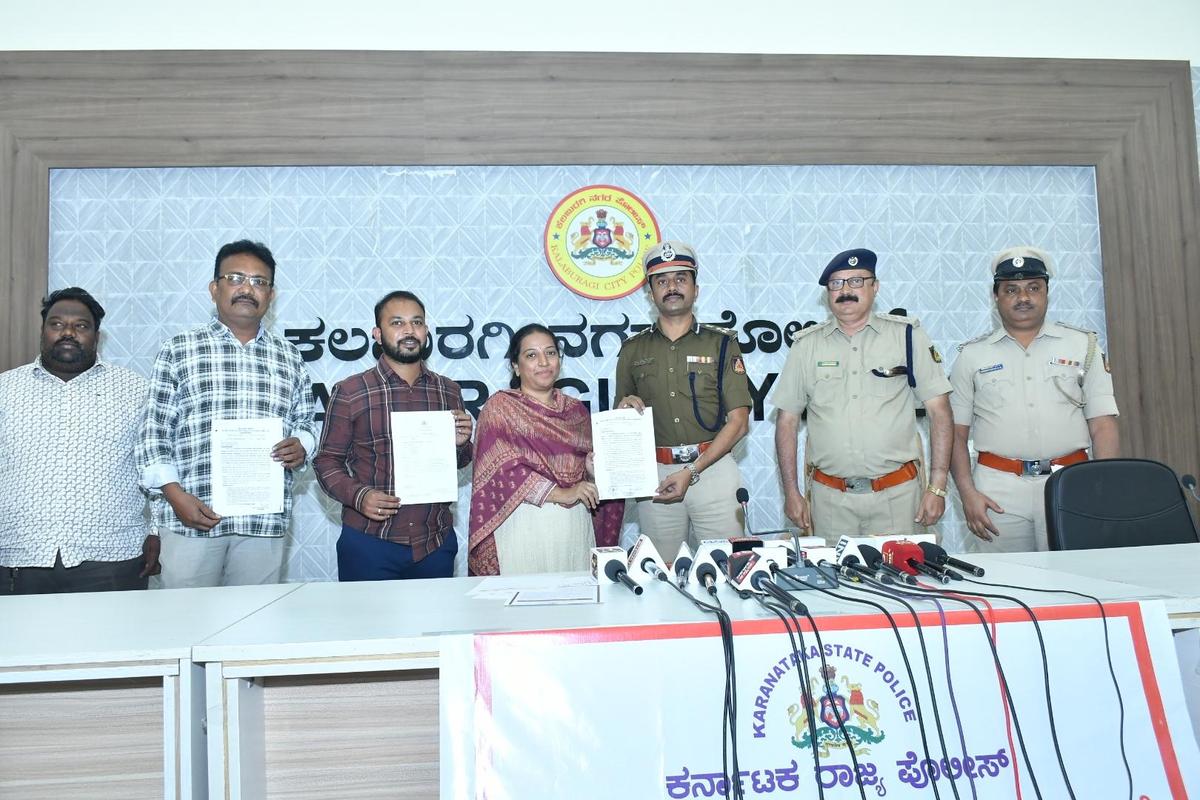
In a significant relief for victims of cyber fraud, authorities in Kalaburagi have succeeded in restoring ₹2.73 crore to the bank accounts of individuals who were cheated through various online scams. The recovery, achieved through coordinated efforts of the cyber crime police, banks and digital payment platforms, has been hailed as a major breakthrough in tackling cyber fraud and rebuilding public confidence in the system. For many victims, the restoration of money represents more than financial recovery; it offers emotional closure after months of anxiety, helplessness and uncertainty.
Officials said the recovered amount pertains to multiple cases reported over recent months, involving phishing scams, fake investment schemes, online job frauds and impersonation crimes. Once complaints were registered, cyber crime teams acted swiftly to trace transaction trails and freeze suspect accounts before the money could be fully siphoned off. The success, they said, underscores the importance of timely reporting and inter-agency coordination in combating digital financial crimes, which have grown in scale and sophistication.
Several victims described the ordeal of discovering that their hard-earned savings had vanished in a matter of minutes. Many had initially assumed recovery was impossible, given the speed at which cyber criminals operate. The restoration of funds has therefore come as a profound relief. Victims recounted sleepless nights, strained family relationships and fear of financial ruin. For them, the police action has not only recovered money but also restored faith in institutional support systems.
Cyber crime officials in Kalaburagi said the recoveries were made possible by immediate action taken after complaints were lodged through official channels. In several cases, funds were frozen within hours, preventing complete withdrawal. Authorities emphasised that early reporting plays a critical role in recovery, as delays allow fraudsters to move money across multiple accounts or convert it into other assets. The success rate in these cases, officials noted, reflects growing expertise within cyber crime units.
The recovered amount also highlights the increasing prevalence of cyber fraud across urban and semi-urban regions. Kalaburagi, like many other districts, has witnessed a rise in online transactions due to digital banking, mobile wallets and e-commerce platforms. While these technologies offer convenience, they also expose users to new risks. Officials said criminals exploit lack of awareness, urgency and trust to deceive victims, often posing as bank officials, government representatives or investment advisors.
District authorities lauded the cyber crime police for their persistence and technical skill. They noted that digital crime investigation requires not only legal knowledge but also advanced understanding of financial systems and technology. The restoration of ₹2.73 crore, they said, sends a strong message that cyber crime is traceable and punishable, countering the perception that online fraudsters are beyond the reach of law enforcement.
Swift Action and Coordination Behind the Recovery
The recovery process began with the registration of complaints from victims who noticed unauthorised transactions or realised they had been deceived. Cyber crime police teams immediately analysed transaction details, identifying beneficiary accounts and transaction routes. Using this information, they issued freeze requests to banks and payment gateways, preventing further movement of funds. Officials said this rapid response is crucial, as cyber fraud typically involves splitting money across multiple accounts to evade detection.
Banks played a key role in facilitating the recovery by promptly acting on freeze and reversal requests. Officials from the banking sector said improved coordination with law enforcement has significantly enhanced their ability to respond to fraud alerts. Dedicated fraud monitoring cells within banks now track suspicious activity and cooperate closely with cyber crime units. This collaboration, they said, has reduced response times and improved recovery outcomes.
Digital payment platforms also assisted by sharing transaction logs and user data required for investigation. Authorities noted that compliance from intermediaries has improved in recent years, aided by clearer regulatory frameworks. This cooperation enabled investigators to reconstruct transaction chains and identify points where money could be intercepted. In several cases, partial withdrawals had already occurred, but remaining balances were successfully secured and returned to victims.
Cyber crime officials explained that the types of fraud involved varied widely. Some victims were lured into fake investment schemes promising high returns, while others fell prey to phishing links that captured banking credentials. Job seekers were targeted with offers requiring upfront payments, and senior citizens were tricked by callers impersonating officials. Despite the diversity of methods, investigators said the underlying pattern of fund movement was similar, allowing them to apply standard tracing techniques.
The recovery process also involved legal procedures, including obtaining necessary permissions and ensuring proper documentation. Officials said care was taken to verify claims and ensure that restored funds reached the rightful owners. This process, while time-consuming, is essential to maintain transparency and prevent misuse. Victims were required to provide identity proofs, transaction records and complaint acknowledgements before funds were credited back.
Senior police officers said the success reflects investments made in training and infrastructure for cyber crime units. Over the past few years, personnel have received specialised training in digital forensics, financial analysis and cyber laws. Dedicated cyber crime police stations and helplines have been established to handle complaints efficiently. These measures, officials said, are beginning to yield tangible results.
The recovery has also boosted morale within the police force. Investigators noted that cyber crime cases can be challenging, with criminals often operating across jurisdictions. Successful recoveries reaffirm the value of perseverance and technical expertise. Officers involved in the cases said the gratitude expressed by victims provided strong motivation to continue improving enforcement efforts.
Awareness, Prevention and the Road Ahead
While celebrating the recovery, authorities have stressed that prevention remains the most effective defence against cyber fraud. Officials pointed out that many victims were unaware of basic digital safety practices, such as not sharing one-time passwords, verifying callers’ identities and avoiding unsolicited links. They emphasised the need for sustained public awareness campaigns to educate citizens about evolving fraud tactics.
Police officials said they plan to conduct outreach programmes in schools, colleges, offices and residential communities. These sessions will focus on common fraud methods, reporting mechanisms and steps to take in case of suspected fraud. Special emphasis will be placed on reaching senior citizens and first-time digital users, who are often targeted by criminals. Authorities believe that informed users are less likely to fall victim to scams.
Victims who received their money back have echoed this sentiment, urging others to remain vigilant. Some admitted that in hindsight, warning signs were visible but ignored due to urgency or trust. Their experiences highlight the psychological manipulation employed by fraudsters, who create panic or excitement to override rational decision-making. Sharing such stories, officials say, can be a powerful tool in raising awareness.
The district administration has also called for stronger safeguards within financial institutions. While acknowledging improvements, officials said continuous monitoring and technology upgrades are necessary to stay ahead of criminals. Artificial intelligence-based fraud detection, real-time alerts and transaction limits are among the measures being explored. Authorities stressed that combating cyber crime requires constant adaptation, as criminals quickly modify their techniques.
Legal experts noted that recovery of funds also depends on the legal framework governing digital transactions. Swift action under existing laws enables authorities to freeze accounts and reverse transactions. However, they cautioned that delays in reporting or jurisdictional complexities can still hamper recovery. Strengthening legal processes and ensuring uniform implementation across regions will be crucial as digital crime grows.
The restoration of ₹2.73 crore has also sparked discussions about victim support beyond financial recovery. Counsellors pointed out that cyber fraud often causes emotional distress, shame and loss of confidence. Victims may hesitate to report incidents due to fear of stigma. Authorities have encouraged victims to come forward without hesitation, assuring confidentiality and support. Building a non-judgmental reporting environment, they said, is essential for effective enforcement.
District officials have described the recovery as a milestone but not an endpoint. They acknowledged that many cases still result in partial or no recovery, especially when reporting is delayed. Nonetheless, each successful case strengthens institutional learning and improves future response. Officials said data from these cases will be used to refine investigation strategies and training programmes.
The broader impact of the recovery extends to public trust in digital systems. As India continues its push towards digital payments and online services, confidence in security mechanisms is vital. Visible successes like this reassure citizens that the system can respond effectively when things go wrong. Authorities believe such confidence is essential for sustaining digital adoption and economic growth.
In the coming months, the cyber crime unit plans to intensify surveillance of emerging fraud patterns. Officials said criminals are increasingly using social media, messaging apps and sophisticated impersonation techniques. Staying ahead will require continuous skill development and collaboration with technology providers. The experience gained from these recoveries will inform future strategies.
For the victims in Kalaburagi, the restoration of ₹2.73 crore marks the end of a painful chapter. Many expressed gratitude towards the police and banking officials who worked tirelessly on their cases. Their relief reflects the human dimension of cyber crime enforcement, where timely action can transform despair into hope. The success stands as a reminder that while cyber fraud poses serious challenges, determined and coordinated efforts can deliver justice.
As digital transactions become an integral part of daily life, the lesson from Kalaburagi is clear. Vigilance, swift reporting and institutional coordination are key to protecting citizens from cyber crime. The recovery of ₹2.73 crore is not just a financial statistic but a powerful affirmation that systems, when used effectively, can safeguard trust in the digital age.
The Karnataka political landscape witnessed fresh turbulence after the Bharatiya Janata Party alleged the existence of a powerful figure, referred to as “Indra”, who is allegedly controlling an illegal transfer racket within the Karnataka Police Department. The Opposition claimed that this shadowy influence has fostered a deep-rooted police–criminal nexus, weakening law enforcement and eroding public trust. Raising the issue both inside and outside the legislature, BJP leaders demanded an immediate probe, questioning who this “Indra” is and how such an alleged system has been allowed to flourish under the present government.
The allegation has triggered sharp reactions, with the BJP accusing the ruling dispensation of shielding vested interests within the police establishment. According to the Opposition, frequent and questionable transfers of police officers have become a tool to reward compliance and punish honesty. They argue that officers refusing to toe certain lines are moved out abruptly, while those willing to cooperate with political or criminal interests are given key postings. The BJP claims this pattern has damaged institutional morale and compromised the independence of the police force.
The controversy erupted following reports and internal complaints suggesting that postings in sensitive and lucrative police positions are allegedly being influenced by intermediaries. BJP leaders alleged that officers are being transferred not based on merit, seniority or public interest, but on their willingness to align with unofficial power centres. The term “Indra”, they claimed, symbolises an all-powerful figure who operates above formal authority, deciding postings and transfers behind the scenes. The Opposition has challenged the government to clarify whether such an individual exists and, if so, why no action has been taken.
Government representatives have dismissed the allegations as politically motivated, stating that transfers are a routine administrative process. They accused the BJP of attempting to malign the police force and create mistrust. However, the Opposition has maintained that their questions are rooted in genuine concern for governance and public safety. They argue that if the government is confident of its position, it should welcome an independent inquiry to dispel doubts and restore credibility.
The issue has resonated beyond political circles, sparking debate among former police officials and civil society members. Many have acknowledged that arbitrary transfers have long been a concern in policing, affecting continuity and effectiveness. While some caution against drawing conclusions without evidence, others argue that repeated allegations over the years point to systemic issues that require serious examination. The BJP has said its intention is not to demoralise the police but to protect honest officers from undue pressure.
As the debate intensified, BJP leaders accused the government of silence and evasion. They pointed out that despite multiple instances of alleged misconduct linked to transfers, no comprehensive reforms have been undertaken. According to them, the existence of an “Indra-like” figure reflects a parallel power structure that undermines constitutional authority. The party has demanded transparency in transfer orders and a clear explanation of the criteria used for postings across the State.
Allegations of a Transfer Racket and Police–Criminal Nexus
At the heart of the BJP’s accusation is the claim that a systematic transfer racket has enabled close ties between certain police officers and criminal networks. The Opposition alleges that officers who comply with illegal demands or turn a blind eye to unlawful activities are rewarded with strategic postings. These include areas known for high economic activity or sensitivity, where control over law enforcement can yield influence and financial gain. According to the BJP, this arrangement benefits criminals while weakening the rule of law.
Party leaders have cited instances where officers were transferred soon after initiating action against influential individuals. They argue that such abrupt moves send a chilling message across the force, discouraging proactive policing. Over time, they claim, this creates an environment where officers prioritise survival over service. The BJP contends that this climate allows criminal elements to operate with impunity, confident that enforcement can be managed through transfers.
Former senior police officials, speaking in general terms, have acknowledged that frequent transfers disrupt investigations and weaken institutional memory. They note that continuity is essential for tackling organised crime and corruption. When officers are moved frequently, cases suffer and accountability becomes diffused. Critics argue that if transfers are influenced by external pressures, the damage is compounded, as the force loses both effectiveness and credibility.
The BJP has also raised concerns about the psychological impact on honest officers. According to them, officers who resist illegal influence face professional stagnation, repeated transfers or postings to insignificant roles. Such treatment, they claim, discourages integrity and encourages conformity. Over time, this erodes the ethical foundation of the police force. The Opposition has urged the government to recognise this as a serious governance issue rather than dismiss it as political rhetoric.
The alleged police–criminal nexus has been described by the BJP as a consequence of this transfer culture. They argue that when postings are influenced by unofficial power brokers, criminals gain indirect control over policing outcomes. This, they say, affects everything from investigation quality to prosecution rates. The party has questioned how law and order can be maintained if officers are compelled to serve interests other than the public good.
The government has countered that existing mechanisms ensure oversight of transfers and that allegations of a nexus are exaggerated. Officials have pointed to internal reviews and administrative checks as safeguards. However, critics argue that without transparency, such assurances offer little comfort. They say that publishing clear transfer policies and reasons for deviations could help address suspicion and rebuild trust.
The debate has also brought attention to the broader issue of police reforms. Experts note that insulating the police from political and external interference has been a long-standing recommendation. Fixed tenures, independent police boards and transparent transfer processes have been proposed repeatedly. The BJP has used the current controversy to reiterate the need for such reforms, arguing that the alleged role of “Indra” underscores their urgency.
Political Fallout and Demands for Accountability
The BJP has indicated that it will continue to press the issue until the government provides clear answers. Party leaders have demanded the constitution of an independent inquiry to investigate the alleged transfer racket. They argue that only an impartial probe can determine whether an “Indra” exists and assess the extent of influence over police postings. According to them, anything short of this would amount to a cover-up.
Inside the legislature, the issue has led to heated exchanges, with the Opposition accusing the government of arrogance and lack of transparency. The ruling party has responded by questioning the BJP’s intentions, suggesting that the allegations are aimed at diverting attention from other political issues. Despite these counter-claims, the controversy has refused to subside, indicating strong public interest.
Civil society organisations have called for restraint and responsibility from all sides. While acknowledging the seriousness of the allegations, they have urged political parties to avoid sensationalism. Some activists have suggested that the focus should remain on systemic reform rather than individual blame. They argue that if transfer irregularities exist, addressing structural weaknesses will yield more lasting solutions.
Public reaction has been mixed but attentive. Many citizens expressed concern over the possibility of compromised policing, noting that trust in law enforcement is essential for social stability. Others cautioned against accepting allegations without concrete evidence. However, there is broad agreement that transparency in police administration is necessary to maintain confidence.
The term “Indra” has itself become symbolic, representing fears of unaccountable power within institutions. Political analysts suggest that the BJP’s framing of the issue is intended to personalise an otherwise complex administrative problem, making it resonate more strongly with the public. Whether this strategy results in policy change remains to be seen, but it has undeniably forced the issue into the spotlight.
For the government, the controversy presents a test of credibility. How it responds may shape perceptions of its commitment to clean governance. A proactive approach, involving disclosure of transfer policies and independent review mechanisms, could help defuse tensions. Conversely, continued denial without engagement may deepen suspicion and prolong political conflict.
As the debate continues, the broader question remains unresolved. Who decides postings within the police force, and on what basis. The BJP’s provocative query about “Indra” has opened a wider conversation about power, accountability and institutional integrity. Regardless of political affiliations, the issue touches on the fundamental relationship between the state and its citizens.
Ultimately, the controversy underscores the importance of trust in public institutions. The police are tasked with upholding law and order, often under challenging circumstances. Ensuring that they function free from undue influence is essential for democracy. Whether the allegations lead to concrete reform or fade into political memory will depend on the actions taken in the coming weeks.
For now, the BJP’s question continues to echo across Karnataka’s political corridors. Who is “Indra”, and does such power truly exist within the system. The answer, many believe, will determine not just the fate of this controversy, but the credibility of governance itself.
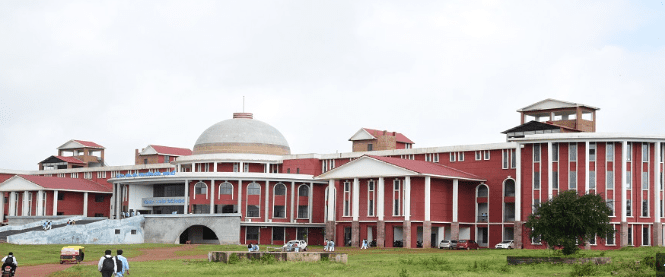
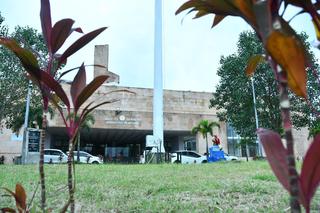
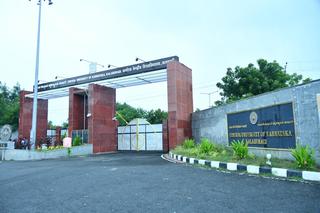
The Karnataka government has announced that a high-level committee will be constituted to examine the recruitment process at Karnataka State Law University and submit its report within two months. The decision follows sustained concerns raised by faculty members, aspirants and legal academics regarding alleged irregularities, procedural lapses and lack of transparency in recent appointments. Officials said the committee will review existing recruitment norms, examine specific complaints and recommend corrective measures to ensure fairness, accountability and institutional integrity. The move is being viewed as a significant intervention aimed at restoring confidence in the functioning of one of the State’s premier legal education institutions.
The announcement comes at a time when the university has been under scrutiny for delays in appointments and allegations that established procedures were not uniformly followed. Several teaching and non-teaching posts have remained vacant, affecting academic schedules and administrative efficiency. Aspirants have complained that recruitment notifications lacked clarity and that selection processes were inconsistent. The government’s decision to set up a committee is expected to provide an independent assessment of these issues and chart a way forward for systematic reform.
Senior officials indicated that the committee will comprise legal experts, senior academicians and representatives familiar with university governance. Its mandate will include examining past recruitment exercises, identifying gaps in policy implementation and suggesting changes to align university practices with broader higher education norms. The two-month deadline, officials said, reflects the urgency of resolving the issue without prolonged uncertainty. The report is expected to form the basis for further administrative or policy decisions by the State.
Faculty members at the university have welcomed the move, saying it could help address long-standing grievances. Some have pointed out that prolonged vacancies have placed additional workload on existing staff, affecting both teaching quality and research output. Others have stressed that uncertainty around recruitment discourages talented candidates from applying. They expressed hope that a transparent review process would lead to clear guidelines and predictable timelines for future appointments.
Students, too, have expressed concern over the impact of recruitment delays. Law students preparing for competitive careers rely heavily on stable faculty support, mentoring and consistent coursework. Student representatives said that disruptions caused by staff shortages have affected classroom engagement and academic continuity. They said the committee’s review should prioritise the academic interests of students alongside administrative considerations.
The government has maintained that the decision to appoint a committee is not intended to cast aspersions on individuals but to strengthen institutional processes. Officials emphasised that universities play a crucial role in shaping future professionals, and any perception of unfairness in recruitment can undermine their credibility. By initiating a structured review, the State aims to ensure that Karnataka State Law University adheres to the highest standards of governance and merit-based selection.
Concerns Over Recruitment Practices and Institutional Impact
Concerns surrounding recruitment at Karnataka State Law University have been building over the past few years, with stakeholders pointing to procedural inconsistencies and lack of timely communication. Aspirants have alleged that selection criteria were not clearly outlined in notifications, leading to confusion and mistrust. Some candidates claimed that interview processes lacked uniformity, while others questioned delays in publishing final selection lists. These concerns gradually escalated, prompting demands for an independent inquiry.
Legal academics observing the situation noted that recruitment controversies can have long-term consequences for academic institutions. They argued that when appointment processes are questioned, it affects not only those directly involved but also the institution’s reputation in the larger academic community. For a specialised university like KSLU, which oversees legal education across the State, credibility is particularly important. Any erosion of trust can impact collaborations, research initiatives and student enrolment.
The committee is expected to examine whether recruitment rules were followed as prescribed and whether deviations, if any, were justified. This includes reviewing the composition of selection panels, adherence to reservation policies and compliance with regulatory frameworks governing higher education. Experts say such a comprehensive review is essential to identify systemic issues rather than addressing complaints in isolation. A structured assessment can help distinguish between procedural errors and intentional lapses.
Another issue likely to be examined is the impact of recruitment delays on affiliated law colleges. Karnataka State Law University plays a coordinating role for numerous law colleges across the State, including curriculum design, examinations and faculty development. Shortages in key academic positions at the university can affect these functions, leading to ripple effects across the legal education ecosystem. College administrators have expressed hope that the committee’s recommendations will strengthen the university’s capacity to fulfil its responsibilities effectively.
Faculty associations have also highlighted the need for clear promotion and career advancement pathways. They argue that recruitment and promotion policies are interconnected and that ambiguity in one area can affect morale across the institution. The committee’s mandate, they hope, will include examining whether existing policies provide adequate clarity and fairness for both new recruits and existing staff. Such a holistic approach, they believe, is necessary for sustainable reform.
From an administrative perspective, officials have acknowledged that recruitment in public universities often involves navigating multiple regulations and approvals. Delays can occur due to procedural complexities, but critics argue that these should not excuse lack of transparency. The committee’s findings may help streamline processes, reducing administrative bottlenecks while ensuring compliance with rules. Observers say this could serve as a model for other universities facing similar challenges.
Road Ahead and Expectations from the Review Panel
As the committee prepares to begin its work, expectations among stakeholders are high. Many hope that the review will not only address past issues but also lay down a robust framework for future recruitment. Transparent timelines, clear eligibility criteria and standardised selection procedures are among the key demands voiced by faculty and aspirants alike. They believe such measures are essential to restore faith in the institution’s governance.
The two-month deadline set for the committee’s report has been described as both ambitious and necessary. Prolonged inquiries, critics argue, often lead to further uncertainty and delay corrective action. By setting a clear timeline, the government has signalled its intent to resolve the matter promptly. However, experts caution that the quality of the review should not be compromised for speed. A balanced approach, they say, is essential to ensure that recommendations are thorough and actionable.
Once the report is submitted, the government will need to decide on the next steps. This could include revising recruitment rules, reconstituting selection committees or, if necessary, revisiting specific appointments. Officials have indicated that any action taken will be guided by the committee’s findings and applicable legal provisions. Transparency in communicating these decisions will be crucial to rebuilding trust among stakeholders.
Students and aspirants are particularly keen on seeing tangible outcomes. Many have invested years preparing for academic careers in law and view university recruitment as a gateway to contributing to legal education and research. They hope the review will lead to a system that rewards merit and provides equal opportunity. Clear communication about future recruitment cycles, they say, would go a long way in reducing anxiety and speculation.
Legal education experts have emphasised that strong universities are foundational to a robust justice system. Faculty quality, academic autonomy and institutional integrity directly influence the calibre of legal professionals produced. In this context, the review of recruitment practices at Karnataka State Law University assumes wider significance. It is not merely an administrative exercise but a step towards strengthening the ecosystem of legal education in the State.
The committee’s work is also expected to examine alignment with national standards and best practices. As legal education evolves, universities must adapt to new pedagogical methods, interdisciplinary approaches and research priorities. Recruitment policies need to reflect these changes, attracting candidates with diverse expertise and innovative perspectives. Stakeholders hope the review will consider these broader trends while framing its recommendations.
There is also anticipation that the committee will recommend mechanisms for grievance redressal related to recruitment. Clear channels for raising concerns, along with time-bound resolution processes, could prevent future disputes from escalating. Such mechanisms would demonstrate the university’s commitment to accountability and responsiveness, qualities essential for any academic institution.
As Karnataka State Law University awaits the committee’s findings, the broader academic community will be watching closely. The outcome of this review could influence how recruitment reforms are approached across other State-run universities. For now, the decision to set up a committee with a defined timeline has been received as a positive and necessary step. Whether it leads to meaningful change will depend on the clarity, courage and commitment with which its recommendations are implemented.
Ultimately, the announcement signals an acknowledgment that recruitment practices are central to the health of academic institutions. By initiating an independent review, the government has opened the door to course correction and renewal. For faculty, students and aspirants connected to Karnataka State Law University, the coming two months carry the promise of clarity and reform. The committee’s report, when it arrives, will be a critical moment in shaping the future of the university and reaffirming its role as a cornerstone of legal education in Karnataka.
The statue of former Union minister B. Shankaranand was unveiled in Belagavi on Sunday amid solemn ceremonies and an outpouring of emotion from political leaders, admirers and residents who remembered him as a towering public figure with deep roots in the region. The unveiling marked a significant moment for the city, which played a central role in Shankaranand’s long political and public life. Leaders cutting across party lines described the statue as a lasting symbol of his contribution to public service, cooperative movements and national politics, as well as a reminder of an era defined by ideological commitment and grassroots engagement.
The ceremony was attended by senior political leaders, elected representatives, members of Shankaranand’s family and citizens from various walks of life. Floral tributes were offered as speakers recalled his journey from local politics to the Union Cabinet. The mood at the venue was reflective, with many highlighting how Shankaranand remained closely connected to Belagavi despite holding high office in Delhi. For several attendees, the unveiling was not merely a ceremonial event but a moment to reconnect with a legacy that shaped the political and social fabric of the region for decades.
B. Shankaranand served as a Union minister during a period of significant national transformation, and his tenure was marked by a focus on cooperative institutions, rural development and economic inclusion. Speakers recalled his role in strengthening cooperative banking and empowering grassroots organisations. They noted that his political style was rooted in accessibility and dialogue, qualities that earned him respect even among ideological opponents. The statue, they said, stands as a testament to values of integrity and service that continue to inspire public life.
Belagavi has long regarded Shankaranand as one of its most influential leaders. Residents who gathered for the event spoke of his efforts to bring development projects to the region and his consistent advocacy for local interests at the national level. Many older residents shared personal anecdotes, recalling how he would visit villages, listen patiently to grievances and follow up on issues long after public meetings ended. Such memories underscored why the statue unveiling carried deep sentimental significance for the community.
The organisers of the event said the decision to install the statue was driven by a desire to preserve historical memory for future generations. In an era where political discourse often moves rapidly from one issue to another, they argued that physical memorials serve as anchors to the past. The statue of Shankaranand, placed prominently in Belagavi, is intended to encourage young people to learn about leaders who combined political ambition with social responsibility. Educational institutions in the area have expressed interest in using the site as a point of discussion on regional political history.
Family members of the late leader expressed gratitude for the gesture, describing it as a reaffirmation of Shankaranand’s bond with the people. They said he had always believed that public office was a means to serve rather than a symbol of power. According to them, seeing citizens gather voluntarily to honour his memory would have been deeply meaningful to him. Their words added a personal dimension to the event, reminding attendees that behind public achievements stood a man guided by personal values and commitments.
A Life Rooted in Public Service and Cooperative Values
Speakers at the event traced B. Shankaranand’s political journey, highlighting his early involvement in public life and his steady rise through the ranks. He was known for his strong organisational skills and ability to build consensus, traits that served him well both in state and national politics. Colleagues recalled that he often prioritised institution-building over short-term political gains, a quality that set him apart in a competitive political environment. His work in strengthening cooperative structures was repeatedly cited as one of his most enduring contributions.
As a Union minister, Shankaranand was associated with portfolios that required close engagement with grassroots realities. Those who worked with him said he believed policy should be informed by lived experience rather than abstract theory. He frequently drew on feedback from farmers, workers and cooperative members while shaping decisions. This approach, they argued, helped bridge the gap between policy formulation and implementation. The statue unveiling served as an opportunity to reflect on this hands-on style of governance, which many felt is increasingly rare.
Several speakers emphasised Shankaranand’s role in promoting cooperative movements as tools for economic empowerment. At a time when access to credit and institutional support was limited for many rural communities, he championed cooperative banks and societies as inclusive alternatives. Leaders from the cooperative sector present at the event acknowledged his efforts in providing policy support and institutional backing. They noted that many cooperatives that thrive today owe their stability to frameworks strengthened during his tenure.
The unveiling ceremony also highlighted Shankaranand’s commitment to democratic values. Speakers noted that he remained accessible to constituents even after attaining national prominence. He was known to maintain regular contact with local leaders and party workers, ensuring that decision-making remained grounded. This approach fostered loyalty and trust, contributing to his long and influential career. The statue, they said, symbolises not just individual achievement but a style of politics rooted in dialogue and accountability.
Younger political leaders attending the event spoke about the relevance of Shankaranand’s legacy in contemporary times. They argued that his emphasis on cooperation, inclusivity and ethical leadership offers valuable lessons in an era of polarisation. By commemorating his contributions through a public monument, they said, society acknowledges the importance of continuity in political values. The statue thus becomes a bridge between generations, linking past experiences with present challenges.
The location chosen for the statue was also significant. Situated in a prominent public space, it ensures visibility and accessibility. Organisers said the intent was to integrate the memorial into the daily life of the city rather than confining it to a secluded corner. Passersby stopping to observe the statue during the ceremony reflected the organisers’ aim of making the tribute a living part of Belagavi’s urban landscape. This visibility reinforces the idea that public service is a shared civic ideal.
Belagavi Remembers and Redefines Its Political Heritage
The unveiling sparked broader conversations about Belagavi’s political heritage and its contribution to state and national leadership. Speakers noted that the region has produced several influential figures who shaped policy beyond local boundaries. Shankaranand’s statue, they argued, adds to this narrative by highlighting the city’s role in nurturing leaders with national impact. The event thus served as both a tribute to an individual and a celebration of the region’s political legacy.
Residents expressed hope that the statue would encourage civic pride and historical awareness. Teachers attending the ceremony suggested that local history often receives limited attention in formal education. Public memorials like this, they said, can spark curiosity and dialogue among students. By learning about Shankaranand’s life, young people may gain insights into the evolution of democratic institutions and the importance of public engagement. Such educational value was cited as a key reason for supporting the installation.
Political observers present at the event remarked on the rare display of cross-party respect. Leaders from different political backgrounds acknowledged Shankaranand’s contributions, setting aside ideological differences. This atmosphere of mutual respect was seen as reflective of the leader’s own approach to politics. Many felt that such moments are important in reinforcing democratic culture, reminding society that public service can transcend party lines. The statue unveiling thus became a symbolic reaffirmation of shared values.
The event also provided an occasion to discuss the challenges facing cooperative institutions today. Speakers drew parallels between Shankaranand’s efforts and current debates on economic inclusion and financial stability. They argued that revisiting his policies could offer guidance in addressing contemporary issues. By linking past achievements to present concerns, the ceremony avoided being purely retrospective. Instead, it positioned Shankaranand’s legacy as a source of ongoing relevance and inspiration.
Members of civil society organisations attending the event highlighted Shankaranand’s engagement beyond formal politics. They recalled his involvement in social initiatives and his support for community-based organisations. Such efforts, they said, demonstrated a holistic understanding of development that went beyond legislative achievements. The statue stands as recognition of this broader contribution, encompassing both political leadership and social commitment.
As the ceremony concluded, citizens lingered at the site, taking photographs and engaging in conversations about the leader’s life. The atmosphere suggested that the unveiling had succeeded in rekindling collective memory. For many, it was an opportunity to reconnect with a period when political leadership was closely tied to personal relationships and community engagement. This emotional resonance underscored why the event was described by organisers as both historic and heartfelt.
The unveiling of B. Shankaranand’s statue in Belagavi ultimately represented more than the installation of a monument. It was an affirmation of values that shaped a generation of leadership and a reminder of the responsibilities that come with public office. By commemorating his life in a public space, the city has chosen to keep alive a conversation about service, integrity and cooperation. As Belagavi moves forward, the statue stands quietly yet powerfully, inviting reflection on the past while inspiring commitment to the future.
Adivasi communities living in and around the Nagarahole forest landscape are set to commence a 15-day padayatra to raise awareness about the Forest Rights Act and assert their long-pending claims over land, livelihood and cultural rights. The march, which will pass through forest villages, taluk headquarters and district centres, is being organised by tribal collectives, rights groups and community elders who say that implementation of the law remains deeply inadequate even years after it came into force. For the participants, the padayatra is not merely a protest but a collective assertion of identity, dignity and historical justice.
Organisers say the decision to undertake a prolonged foot march emerged from growing frustration among Adivasi families over delays in recognition of individual and community forest rights. Many claim that applications filed under the Forest Rights Act have either been rejected without proper reasons or remain pending for years. Elders of the community point out that while the law recognises their historical dependence on forests, administrative processes continue to view them as encroachers rather than rightful custodians. The padayatra aims to bring these concerns into public focus through dialogue, cultural expression and peaceful mobilisation.
Nagarahole, one of the most ecologically sensitive forest regions in the country, is also home to several indigenous communities such as the Jenu Kuruba, Betta Kuruba and Yerava. These communities have lived in close relationship with the forest for generations, relying on it for food, medicine, livelihoods and spiritual practices. Participants in the march argue that conservation policies have increasingly restricted their access to forest resources without providing sustainable alternatives. They say the Forest Rights Act was meant to correct historical injustices, but its promise remains unfulfilled on the ground.
Community leaders involved in the padayatra emphasise that awareness remains a major challenge. Many forest-dwelling families, they say, are still unaware of the full scope of rights guaranteed under the Act, including rights over minor forest produce, community forest resource management and protection against forced eviction. The march will include public meetings in villages along the route, where volunteers will explain provisions of the law in local languages. Folk songs, storytelling and traditional rituals will be used to communicate legal rights in culturally resonant ways.
The padayatra is also intended to serve as a platform for intergenerational dialogue within the community. Younger participants say they are joining the march to reconnect with their heritage and understand the struggles of their elders. Many youth expressed concern that displacement, wage labour and migration are weakening traditional knowledge systems. By walking together through ancestral landscapes, they hope to reaffirm their bond with the forest and strengthen collective resolve to protect it. Organisers believe this shared experience will foster unity and long-term engagement with rights-based advocacy.
Assertion of Rights Amid Conservation Tensions
The Forest Rights Act was enacted to recognise and vest forest rights in forest-dwelling Scheduled Tribes and other traditional forest dwellers who have been residing in such areas for generations. However, Adivasi groups in Nagarahole argue that implementation has been uneven and often influenced by competing conservation priorities. They say that wildlife protection measures have frequently taken precedence over human rights, leading to relocations and restrictions without meaningful consultation. The padayatra seeks to highlight the need for a more balanced approach that recognises indigenous communities as partners in conservation rather than obstacles.
Participants allege that claims under the Act are often rejected on technical grounds, such as lack of documentary evidence, despite the law allowing for oral testimony and community verification. Many elders point out that expecting written records from communities that were historically excluded from formal systems is unreasonable. The march will document such cases through testimonies, which organisers plan to compile and submit to district authorities. They hope this exercise will demonstrate systemic gaps in the claims process and push for more inclusive verification mechanisms.
Another key demand of the padayatra is recognition of community forest resource rights. Activists argue that while individual land titles are important, collective rights over forest management are crucial for sustaining livelihoods and ecosystems. In Nagarahole, community members say they have been excluded from decision-making related to forest management, despite possessing generations of ecological knowledge. The march will call for gram sabhas to be empowered to manage forest resources in accordance with the law, ensuring both conservation and community welfare.
The issue of displacement remains central to the concerns raised by the marchers. Several families recount past relocations from core forest areas, which they say were carried out without adequate rehabilitation. Many relocated households continue to struggle with lack of land, housing and employment. Organisers of the padayatra stress that relocation should be voluntary, informed and accompanied by full recognition of rights. They argue that forced displacement not only violates legal provisions but also fractures social networks and cultural practices tied to specific landscapes.
Environmental scholars observing the mobilisation note that the padayatra reflects a broader national pattern of indigenous communities asserting rights within protected areas. They point out that international conservation discourse increasingly recognises the role of indigenous peoples in safeguarding biodiversity. The marchers echo this perspective, asserting that their traditional practices have sustained forests long before formal conservation laws existed. By foregrounding this narrative, they hope to challenge the perception that human presence is inherently harmful to wildlife habitats.
Building Solidarity and Seeking Accountability
Beyond legal demands, the padayatra is also a call for dignity and recognition. Many participants speak of everyday discrimination faced by Adivasi communities, including limited access to education, healthcare and public services. They say that lack of land rights perpetuates economic vulnerability, forcing families into exploitative labour arrangements. By walking collectively through towns and villages, they aim to make their presence visible and remind society of their continued marginalisation. Organisers believe visibility is a powerful tool in challenging entrenched stereotypes.
The march is expected to draw support from civil society organisations, student groups and environmental activists. Several solidarity meetings are planned along the route, where non-Adivasi supporters will be invited to engage with community narratives. Organisers say such interactions are crucial for building broader alliances and countering misinformation about the Forest Rights Act. They hope that wider public understanding will pressure authorities to act more decisively on pending claims and grievances.
The commencement of the padayatra marks a significant moment for Adivasi communities in Nagarahole. It reflects both enduring grievances and renewed determination to assert rights guaranteed by law. As the marchers set out on foot, carrying memories, hopes and demands, they bring into focus a fundamental question confronting modern conservation and governance. Can the rights of indigenous communities and the protection of forests coexist in a truly equitable manner. For the marchers, the answer lies in recognition, respect and the faithful implementation of the Forest Rights Act.
Women are expected to play a prominent role in the padayatra, reflecting their central place in forest-based livelihoods. Many women participants say they are joining the march to assert rights over minor forest produce, which forms a significant part of household income. They also highlight how restrictions on forest access disproportionately affect women, who bear responsibility for food, fuel and care work. The padayatra will include women-led discussions on gendered dimensions of forest rights, emphasising the need for inclusive implementation.
At the administrative level, march organisers plan to submit memoranda to local and district officials outlining their demands. These include time-bound processing of pending claims, review of rejected applications, recognition of community forest rights and protection against eviction. They also seek regular consultations between forest departments and gram sabhas. While authorities have acknowledged receipt of earlier representations, community leaders say follow-up has been minimal. The padayatra is intended to renew pressure and demand accountability through sustained, peaceful action.
Cultural expression will be a defining feature of the march. Traditional songs, dances and symbols will accompany the walkers, transforming the padayatra into a moving cultural festival. Elders say this is a way of asserting identity and resilience in the face of historical erasure. For many participants, the act of walking through their ancestral regions while publicly celebrating their culture is itself an assertion of rights. It challenges narratives that reduce Adivasi presence to a legal or administrative issue, highlighting its deep cultural and emotional dimensions.
As the padayatra unfolds over 15 days, organisers hope it will leave a lasting impact beyond immediate policy outcomes. They envision it as a process of community education, leadership development and collective healing. By sharing stories of struggle and survival, participants aim to strengthen internal solidarity and inspire future generations to continue the fight for justice. Whether or not immediate concessions are secured, the march is seen as an essential step in reclaiming agency.
The commencement of the padayatra marks a significant moment for Adivasi communities in Nagarahole. It reflects both enduring grievances and renewed determination to assert rights guaranteed by law. As the marchers set out on foot, carrying memories, hopes and demands, they bring into focus a fundamental question confronting modern conservation and governance. Can the rights of indigenous communities and the protection of forests coexist in a truly equitable manner. For the marchers, the answer lies in recognition, respect and the faithful implementation of the Forest Rights Act.


 Nifty Bank: 59,150.85 (↑ 0.38%)
 Nifty Bank: 59,150.85 (↑ 0.38%)
 AWHCL advanced 17.09% to ₹509.80, seeing heavy trading activity.
 Apex fell 6.47% to ₹284.70.