Tuesday, May 5, 2026
Home Blog Page 220

Anxious Passage of Hate Speech Bill Shakes the House: Defiant 3-Hour Debate

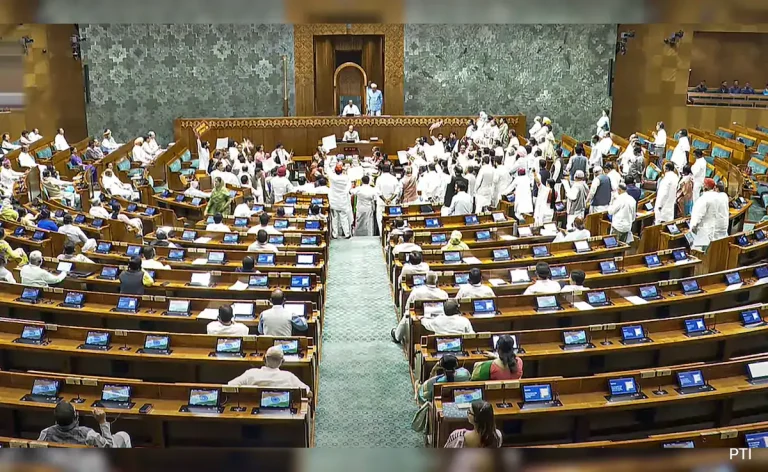
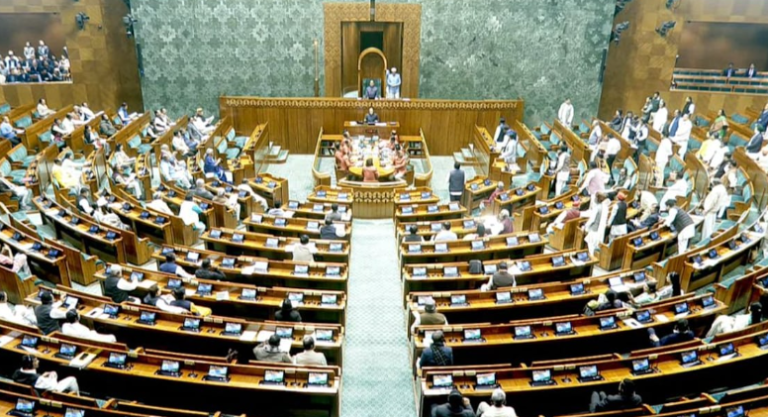
The Legislative Assembly on Tuesday passed the Hate Speech Regulation Bill amid intense debate, vocal protests and a dramatic walkout by the Opposition BJP, which demanded that the proposed law be referred to a House panel for wider consultation. The Bill, introduced by the ruling government as a measure to curb inflammatory speech and protect social harmony, was cleared by a voice vote after repeated disruptions. The Opposition alleged that the legislation was rushed without adequate discussion and warned that it could be misused to curb free speech and target political dissent. The government, however, defended the Bill as a necessary response to rising instances of divisive and inflammatory public discourse.

From the moment the Bill was taken up for consideration, the atmosphere inside the Assembly was charged. BJP members insisted that the proposed law raised serious constitutional concerns and required scrutiny by a select committee. As the debate progressed, slogans were raised from the Opposition benches, accusing the government of attempting to silence critics. Despite appeals from the Speaker for order, the House witnessed repeated interruptions. Eventually, BJP legislators staged a walkout, reiterating their demand for referral to a House panel, even as the ruling party pushed ahead with the passage of the Bill.

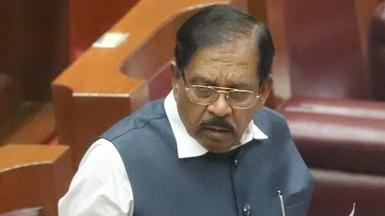
The government argued that the legislation was framed after careful examination of existing legal provisions and judicial precedents. Law Minister, while piloting the Bill, said the objective was not to suppress free expression but to prevent speech that incites hatred, violence or discrimination against individuals or communities. He maintained that existing laws were insufficient to address the evolving nature of hate speech, particularly on digital platforms. According to him, the Bill provides clear definitions and safeguards to ensure that only genuinely harmful speech is penalised.

Opposition members countered this claim, asserting that the definitions in the Bill were vague and open-ended. They argued that terms such as “offensive”, “insulting” and “promoting disharmony” could be interpreted subjectively by authorities, leading to arbitrary enforcement. BJP legislators repeatedly asked why the government was unwilling to send the Bill to a House panel if it was confident about its intent and content. They claimed that bypassing detailed scrutiny undermined democratic norms and legislative transparency.

As tempers flared, the Speaker intervened multiple times, urging members to participate in the debate rather than resort to sloganeering. However, the insistence of the Opposition on referral to a committee and the government’s refusal to delay passage resulted in a stalemate. After the walkout, the ruling party continued the discussion, with its members expressing concern over the growing polarisation in society. They cited recent incidents of inflammatory speeches and online campaigns that had allegedly triggered communal tensions, arguing that the state could no longer afford inaction.Karnataka Legislative Assembly passes hate speech bill - The Hindu

Government Defends Bill as Shield Against Division

The ruling party maintained that the Bill was rooted in the constitutional duty of the state to maintain public order and social harmony. Senior ministers argued that freedom of speech, while fundamental, is not absolute and is subject to reasonable restrictions. They contended that hate speech, by its very nature, erodes the foundations of democracy by fostering fear and hostility. According to the government, the proposed law seeks to strike a balance between individual liberties and collective peace, ensuring that speech does not cross into incitement or discrimination.

Supporters of the Bill pointed out that several countries and Indian states have enacted specific laws or guidelines to deal with hate speech. They argued that the absence of a comprehensive framework often leads to selective application of existing penal provisions. By clearly outlining offences and penalties, the new law, they said, would bring consistency and clarity to enforcement. Government members also highlighted provisions that require prior sanction before prosecution, claiming these safeguards would prevent misuse.

The Bill proposes penalties for individuals found guilty of making statements that incite hatred or violence against groups based on religion, caste, language, gender or other protected characteristics. It also includes provisions addressing hate speech disseminated through digital and social media platforms. The government argued that the rapid spread of misinformation and inflammatory content online has amplified the potential harm of hate speech, necessitating a targeted legal response. Ministers stressed that the law focuses on intent and impact, rather than mere expression of unpopular opinions.

During the debate, several ruling party legislators shared personal accounts of how hate speech had affected their constituencies. They spoke of incidents where provocative speeches had led to tension, disrupted daily life and strained community relations. According to them, existing legal remedies often came too late or were inadequate to prevent escalation. The Bill, they argued, would empower authorities to act swiftly while still adhering to due process.

The Opposition, however, remained unconvinced. BJP leaders accused the government of using emotional arguments to justify what they described as a flawed and potentially dangerous law. They warned that giving the executive greater powers to decide what constitutes hate speech could lead to political vendetta. According to them, dissenting voices, satirists and journalists could be targeted under the guise of maintaining harmony. They reiterated that a House panel review would have allowed experts, civil society groups and stakeholders to provide inputs, strengthening the legislation.Karnataka govt tables Hate Speech Bill in Assembly amid 'nays' by BJP MLAs
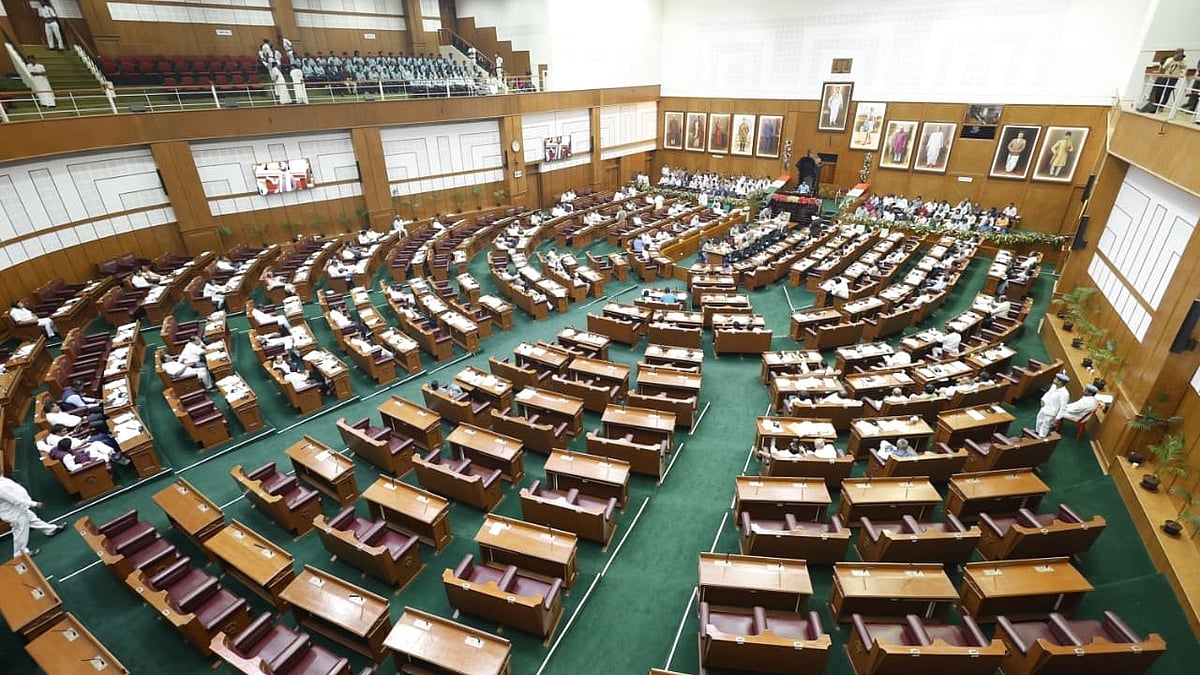
Outside the Assembly, reactions to the Bill were mixed. Civil rights groups expressed concern over the potential chilling effect on free speech. Some activists argued that hate speech should be countered through education, dialogue and enforcement of existing laws rather than new legislation. Others acknowledged the need for stronger measures but emphasised the importance of precise definitions and independent oversight. Legal experts noted that the real test of the law would lie in its implementation and judicial interpretation.

For now, the passage of the Hate Speech Bill amid a walkout reflects the deep divisions that characterise contemporary politics. While the government frames the law as a necessary shield against hatred, the Opposition views it as an instrument of potential overreach. The debate has revealed not just differing legal interpretations but contrasting visions of how a democratic society should confront the challenge of hate speech while preserving its foundational freedoms.


Opposition Warns of Overreach, Demands Wider Scrutiny

The BJP’s decision to walk out was accompanied by a sharp critique of the government’s legislative approach. Opposition leaders told reporters that the ruling party had displayed “undue haste” in passing a Bill with far-reaching implications. They alleged that the government was unwilling to tolerate scrutiny because it feared exposure of the Bill’s shortcomings. According to them, referring the Bill to a House panel would not have delayed justice but ensured a more robust and constitutionally sound law.

Opposition members also questioned the timing of the legislation, suggesting that it was politically motivated. They claimed that the Bill could be used selectively during election periods to silence opposition leaders and activists. BJP legislators pointed to past instances where laws were allegedly misused to harass political opponents. They argued that without strong checks and balances, the Hate Speech Bill could follow a similar path, undermining democratic competition.

Legal commentators aligned with the Opposition noted that hate speech laws often walk a fine line between protection and repression. They stressed that any ambiguity in language could invite constitutional challenges. Some experts suggested that instead of introducing a new law, the government could have focused on better enforcement of existing penal provisions related to public order and incitement. They argued that legislative proliferation without clarity could complicate the legal landscape further.

The government responded by accusing the Opposition of politicising a serious social issue. Ministers said that the BJP’s walkout demonstrated a lack of commitment to addressing hate and division. They argued that the Opposition had ample opportunity to participate in the debate and propose amendments but chose disruption instead. According to the ruling party, the demand for a House panel was a delaying tactic rather than a genuine attempt at improvement.Karnataka govt tables anti-hate speech bill, BJP apprehends 'misuse' |  Bengaluru

As the Assembly session concluded, the Bill’s passage marked a significant moment in the state’s legislative history. Supporters hailed it as a bold step towards safeguarding social harmony in an increasingly polarised environment. Critics warned of potential misuse and erosion of free speech. The divergent reactions underscored the complexity of regulating speech in a democratic society marked by diversity and political contestation.

The Bill will now move to the Legislative Council, where it is expected to face further debate. Whether amendments will be introduced or additional safeguards added remains to be seen. What is clear is that the legislation has ignited a broader conversation about the boundaries of free expression, the responsibilities of the state and the role of law in shaping public discourse. The coming weeks are likely to witness intense scrutiny, both within the legislature and beyond, as stakeholders assess the long-term implications of the new law.

For now, the passage of the Hate Speech Bill amid a walkout reflects the deep divisions that characterise contemporary politics. While the government frames the law as a necessary shield against hatred, the Opposition views it as an instrument of potential overreach. The debate has revealed not just differing legal interpretations but contrasting visions of how a democratic society should confront the challenge of hate speech while preserving its foundational freedoms.

Follow: Karnataka Government

Also read: Home | Channel 6 Network – Latest News, Breaking Updates: Politics, Business, Tech & More

AIBDA Felicitates Shri Pankaj Jain, Secretary, Ministry of Petroleum and Natural Gas, at Grand National Gathering in New Delhi: 17 December 2025

New Delhi | December 17, 2025:

The All India Bharatgas LPG Distributors Association (AIBDA) organised a grand felicitation function in honour of Shri Pankaj Jain, Secretary, Ministry of Petroleum and Natural Gas (MoP&NG), at New Delhi on 17 December 2025. The event marked a historic moment for the LPG distribution sector, bringing together senior government officials, representatives of Oil Marketing Companies (OMCs), and LPG distributors from across the country on a single platform.


Wide Participation from Government, OMCs and LPG Distributors

IMG 20251218 WA0028The glittering ceremony was attended by officials from the Ministry of Petroleum and Natural Gas, senior representatives of Indian Oil Corporation Limited (IOCL), Bharat Petroleum Corporation Limited (BPCL) and Hindustan Petroleum Corporation Limited (HPCL), along with office bearers and representatives of AIBDA and the All India LPG Distributors Federation (AILDF).

More than 250 LPG distributors of Indane, Bharatgas and HP Gas participated in the event, travelling from across the length and breadth of the country, underscoring the national significance of the occasion and the unity of the LPG distributor community.


Ceremonial Opening and Addresses

The felicitation function commenced on a cultural note with a classical dance performance by Ms. Gayatri Seth, setting a graceful tone for the evening.

IMG 20251218 WA0018The Welcome Address was delivered by Mr. P. N. Seth, who extended greetings to the dignitaries and participants and highlighted the importance of constructive engagement between policymakers and the LPG distribution fraternity.

This was followed by the President’s Address by Mr. Kailash Dudani, President, AIBDA, who spoke on the evolving role of LPG distributors in ensuring energy access, last-mile delivery, and consumer satisfaction, while also acknowledging the collective efforts of the association in strengthening dialogue with the government and OMCs.


OMCs and Government Perspective

Mr. Subhankar Sen, Director (Marketing), addressed the gathering on behalf of the Oil Marketing Companies, appreciating the distributors’ role as critical partners in delivering clean cooking fuel to millions of households and sustaining the LPG ecosystem.

In his address, Shri Pankaj Jain, Secretary, MoP&NG, emphatically lauded LPG distributors for their dedicated service to consumers, particularly for ensuring timely delivery of LPG cylinders to households across diverse geographies. He acknowledged the pivotal role played by distributors in keeping kitchens running smoothly and supporting national energy goals.

Importantly, Shri Jain also referred to the pending revision of distributor commissions, assuring the gathering that the matter is under active consideration and in process, which was received with appreciation by the distributor community.


Vote of Thanks and Acknowledgements

The Vote of Thanks was proposed by Mr. D. Samivelu, who expressed sincere gratitude to Shri Pankaj Jain for gracing the function despite his demanding schedule. He also thanked officials of the OMCs, representatives of AIBDA and AILDF, and all dignitaries for their presence and support.

IMG 20251218 WA0022Mr. Samivelu placed special emphasis on appreciating the LPG distributors from across India, who travelled long distances to be part of what he described as a momentous and historic occasion for the LPG trade.

He acknowledged the efforts of Mr. P. N. Seth, Mr. Rajinder Arora, Mr. Satbir Yadav, and the entire Delhi reception team for the excellent arrangements. He also complimented Mr. Kailash Dudani and the entire team of AIBDA office bearers for creating history by organising the first-ever event of its kind, graced by senior officials from MoP&NG and the oil industry, at the invitation of AIBDA.


Conclusion

The felicitation of Shri Pankaj Jain by AIBDA emerged as a landmark event in the LPG distribution sector, symbolising growing collaboration, mutual respect and constructive dialogue between policymakers, oil companies and distributors. The event not only celebrated leadership and service but also reinforced the collective commitment towards strengthening India’s LPG delivery system and ensuring energy security for households nationwide.


For more real-time updates, visit Channel 6 Network.

For more information and official updates, please visit the All India Bharatgas LPG Distributors Association (AIBDA) website.

Delhi BS-VI Ban: Strict Vehicle Entry Restrictions Enforced

0

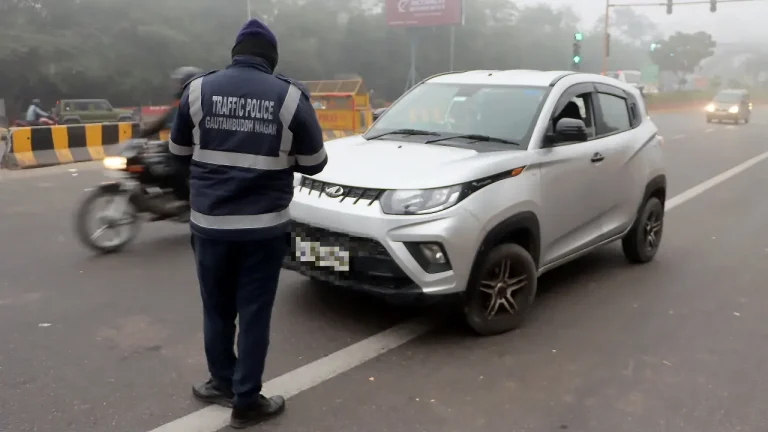
New Delhi – The Delhi BS-VI ban on non-city private vehicles below BS-VI standards came into force on Thursday, December 18, 2025, marking a significant escalation in authorities’ efforts to combat worsening air pollution in the national capital. Simultaneously, the enforcement of the ‘No PUC, No Fuel’ rule began, creating a comprehensive framework to restrict polluting vehicles from entering and operating within Delhi.

Implementation of Delhi BS-VI Ban at Borders

The Delhi BS-VI ban is being enforced through a massive deployment of traffic police personnel across the city’s entry points. According to officials, 580 police personnel have been strategically positioned at 126 checkpoints, including all major borders, to check vehicles entering the national capital. Traffic police are conducting document verification at critical locations such as the Delhi-Noida Chilla Border to ensure compliance with the new restrictions.

The Delhi BS-VI ban specifically targets private vehicles registered outside Delhi that do not meet BS-VI emission standards. This restriction aims to prevent older, more polluting vehicles from contributing to the capital’s deteriorating air quality during the critical winter months when pollution levels typically spike.

No PUC, No Fuel Rule Enforcement

Complementing the Delhi BS-VI ban, fuel pumps across the capital are implementing the ‘No PUC, No Fuel’ rule, refusing to dispense fuel to vehicles without valid Pollution Under Control certificates. This enforcement mechanism employs sophisticated technology, including automatic number plate reader (ANPR) cameras, voice alerts at pumps, and police support to ensure compliance.

The integration of technology with the Delhi BS-VI ban enforcement represents a significant advancement in pollution control measures. The ANPR cameras automatically identify vehicles without valid PUC certificates, triggering alerts that prevent fuel dispensing and notify enforcement personnel of violations.

Transport Department Deployment

Beyond Delhi Police presence, enforcement teams from the Transport Department have been deputed at petrol pumps and border points for effective implementation of the Delhi BS-VI ban. This multi-agency approach ensures comprehensive coverage and reduces the possibility of non-compliant vehicles evading detection.

The coordinated effort between traffic police and transport department officials strengthens the Delhi BS-VI ban enforcement mechanism, creating multiple layers of verification and compliance checking throughout the city.

Exemptions Under Delhi BS-VI Ban

The Delhi BS-VI ban includes several important exemptions to ensure essential services and alternative fuel vehicles are not impacted. Vehicles running on CNG or electric power are exempt from the restrictions, as are public transport vehicles. Additionally, vehicles carrying essential commodities or providing essential services remain permitted to enter the city.

These exemptions under the Delhi BS-VI ban acknowledge the need to balance pollution control with essential civic functions and economic activities. The exemptions also incentivize the use of cleaner fuel alternatives and public transportation.

Construction Material Transport Restrictions

Under GRAP IV restrictions that accompany the Delhi BS-VI ban, vehicles carrying construction materials are prohibited from entering the city. This additional measure targets construction-related pollution, which contributes significantly to dust and particulate matter in the air during periods of poor air quality.

The construction material ban works synergistically with the Delhi BS-VI ban to reduce multiple pollution sources simultaneously, creating a more comprehensive approach to air quality management.

Petrol Dealers’ Concerns About Delhi BS-VI Ban

The Delhi Petrol Dealers’ Association (DPDA) has flagged several challenges in implementing the Delhi BS-VI ban and associated ‘No PUC, No Fuel’ directive. While expressing “whole-hearted support” to Environment Minister Manjinder Singh Sirsa’s pollution control measures, the association highlighted that effective enforcement remains “an extremely difficult and arduous task” unless key concerns are addressed.

Also Read: Delhi Anti-Pollution Measures: Strict GRAP-4 Rules Enforced Now

The DPDA pointed out that Delhi’s residents suffer more from transboundary pollution than from sources within city limits, suggesting that the Delhi BS-VI ban and related “measures confined solely to the National Capital Territory (NCT) of Delhi are unlikely to yield desired results unless uniformly implemented across the entire National Capital Region (NCR).”

Legal and Implementation Challenges

The association raised important legal concerns regarding the Delhi BS-VI ban enforcement at fuel pumps. Refusal of fuel, being an essential commodity, is covered under Section 3 of the Essential Commodities Act, 1955 and the Motor Spirit and High Speed Diesel Order, 1998. The DPDA requested that “refusal of sale has to be decriminalised by the relevant authority” for effective implementation.

The dealers emphasized that petrol pumps are not enforcement agencies and that Delhi BS-VI ban implementation “has to be done by the competent authorities vested with statutory powers.” They expressed concern that petrol pump staff are “never looked upon by customers as an enforcing authority” and that fuel denial could lead to “law-and-order disturbances.”

Technical Infrastructure Concerns

The DPDA highlighted technical issues affecting the Delhi BS-VI ban enforcement, noting that the emission checking system is “obsolete and needs to be upgraded.” The association pointed out there is “no dashboard/live feed provided along with the ANPR cameras installed at retail outlets.”

According to dealers, a true trial run has “never been established,” and previous trial runs yielded “a lot of junk data being transmitted into petrol pumps leading to the failure of the drive.” These technical shortcomings could undermine the effectiveness of the Delhi BS-VI ban enforcement mechanisms.

Government’s Planned Improvements

Environment Minister Manjinder Singh Sirsa has acknowledged the implementation challenges and announced plans for an overhaul of the PUC certificate issuing system. Additionally, the government is developing a carpooling application to reduce emissions and vehicular traffic as part of the broader Delhi BS-VI ban strategy.

Trump Travel Ban: Unprecedented Expansion to 39 Countries

Washington D.C. – President Donald Trump on Tuesday signed a proclamation dramatically expanding the Trump travel ban to include 39 countries with full or partial travel restrictions, nearly doubling the previous list of 19 countries. The significant expansion represents one of the most comprehensive immigration restrictions in recent US history, affecting nationals from nations across Africa, Asia, and the Caribbean.

New Countries Added to Full Travel Ban

The expanded Trump travel ban adds seven new countries to the complete restriction list: Laos, Sierra Leone, Burkina Faso, Mali, Niger, South Sudan, and Syria. Notably, Laos and Sierra Leone had previously been subject to partial restrictions under the earlier version of the Trump travel ban but have now been upgraded to full travel bans, indicating heightened security concerns.

The White House justification for the Trump travel ban expansion centers on what officials describe as “severe deficiencies in screening, vetting, and information-sharing” demonstrated by the listed countries. These deficiencies, according to the administration, pose potential security risks that warrant comprehensive travel restrictions.

Partial Restrictions Extended to 15 Additional Nations

Beyond the full bans, the Trump travel ban proclamation includes 15 new countries facing partial restrictions. These nations are: Angola, Antigua and Barbuda, Benin, Cote d’Ivoire, Dominica, Gabon, The Gambia, Malawi, Mauritania, Nigeria, Senegal, Tanzania, Tonga, Zambia, and Zimbabwe.

The partial restrictions under the Trump travel ban mean that nationals from these countries face specific limitations on certain types of visas or entry categories, though not complete prohibition from entering the United States. The specific nature of these partial restrictions varies by country and visa category.

Homeland Security Recommendations

Homeland Security Secretary Kristi Noem played a crucial role in the Trump travel ban expansion, having recommended that the administration extend the list to between 30 to 32 countries. The final proclamation exceeded even these recommendations, ultimately reaching 39 countries with various levels of restrictions.

The Trump travel ban expansion reflects the administration’s broader immigration enforcement priorities and concerns about national security vulnerabilities. The Homeland Security Department’s assessment focused on countries’ capabilities and willingness to cooperate with US security screening processes.

Palestinian Authority Travel Documents Affected

The Trump travel ban proclamation also applies travel limitations on individuals holding Palestinian Authority-issued travel documents. This addition represents a significant policy shift affecting Palestinian travelers and adds a geopolitical dimension to the primarily security-focused restrictions.

Simultaneously, the Trump travel ban proclamation lifts the ban on nonimmigrant visas for citizens of Turkmenistan, “while still maintaining suspended entry for Turkmen nationals.” This nuanced approach demonstrates that the administration is willing to adjust restrictions based on changing circumstances and cooperation levels.

Exceptions and Exemptions Under Trump Travel Ban

Despite the comprehensive nature of the Trump travel ban, the proclamation includes several important exceptions. Lawful permanent residents, existing visa holders, certain visa categories, and individuals whose entry serves US national interests are exempted from the restrictions.

These exceptions under the Trump travel ban acknowledge that blanket restrictions could harm legitimate US interests and separate families with existing legal status. The exemptions provide administrative flexibility while maintaining the core security objectives of the policy.

Complete List of 39 Restricted Countries

The full list of countries affected by the Trump travel ban includes: Afghanistan, Burma, Chad, Republic of the Congo, Equatorial Guinea, Eritrea, Haiti, Iran, Libya, Somalia, Sudan, Yemen, Burundi, Cuba, Laos, Sierra Leone, Togo, Turkmenistan, Venezuela, Burkina Faso, Mali, Niger, South Sudan, Syria, Angola, Antigua and Barbuda, Benin, Cote d’Ivoire, Dominica, Gabon, The Gambia, Malawi, Mauritania, Nigeria, Senegal, Tanzania, Tonga, Zambia, and Zimbabwe.

This comprehensive Trump travel ban affects nations across multiple continents and represents diverse geopolitical situations, though the common thread cited by the administration remains security and information-sharing concerns.

Immigration Crackdown Context

The Trump travel ban expansion comes as President Trump has intensified his immigration crackdown following a shooting in Washington, DC, that killed one National Guard member and critically wounded another. The shooting suspect, Rahmanullah Lakanwal, is an Afghan national who previously worked with the US in Afghanistan, resettling in Washington state under the Biden administration and then being granted asylum under the Trump administration.

This incident catalyzed the Trump travel ban expansion and broader immigration restrictions. The president has since halted or significantly tightened every legal and illegal form of foreign entry into the United States, complementing his ongoing mass deportation campaign.

Additional Immigration Policy Changes

Beyond the Trump travel ban, other policy shifts include a pause on asylum decisions, a review of cases processed under the Biden administration, and a “reexamination” of certain green-card holders. These measures represent a comprehensive approach to immigration enforcement across multiple categories.

Legal and Historical Context

During his first term, Trump barred travelers from seven majority-Muslim nations from entering the US, a policy that faced numerous court challenges. The Supreme Court ultimately upheld the third version of the Trump travel ban issued in 2017, which restricted entry in varying degrees from Iran, North Korea, Syria, Libya, Yemen, Somalia, and Venezuela.

The current Trump travel ban expansion builds upon this legal foundation while significantly broadening the scope of affected countries and implementing more sophisticated partial restriction mechanisms.

MH-60R Helicopters: Indian Navy Strengthens Western Fleet Power

Goa – Chief of Naval Staff Admiral Dinesh Tripathi on Wednesday commissioned the Indian Navy’s second squadron of American-built MH-60R helicopters, nicknamed ‘The Ospreys,’ significantly strengthening the nation’s maritime capabilities along the western seaboard. The commissioning ceremony at Goa marks a crucial milestone in India’s naval modernization program and enhanced deterrence capabilities across multiple operational domains.

Strategic Importance of MH-60R Helicopters

The addition of MH-60R helicopters represents a transformative enhancement to Indian Navy’s integral aviation capabilities. These multi-role, versatile, and multi-dimensional helicopters will significantly augment operational effectiveness on the Western Seaboard. Admiral Tripathi emphasized that the commissioning marked an important milestone in adding credible capabilities and strengthening deterrence across domains in an increasingly complex maritime environment.

The MH-60R helicopters are manufactured by Lockheed Martin and are recognized globally as Seahawk helicopters. Their world-class sensors, advanced avionics, and potent weapons suite make them invaluable assets for modern naval operations. These capabilities will enhance Maritime Domain Awareness and enable rapid response across critical mission profiles.

Operational Capabilities of MH-60R Helicopters

The MH-60R helicopters commissioned into the Indian Navy are equipped to handle diverse operational requirements. Their primary roles include Anti-Submarine Warfare (ASW), Maritime Strike operations, and Search and Rescue (SAR) missions. The advanced weapons, sensors, and avionics suite make these helicopters versatile and capable assets for addressing both conventional and asymmetric threats.

The 335 Squadron, which operates these MH-60R helicopters, is fully operational from Day One, reflecting the Navy’s commitment to expeditious capability induction and integration. Admiral Tripathi noted with satisfaction that the squadron being commissioned is ready to deploy with the Fleet immediately, demonstrating deep institutional commitment to operational readiness.

Proven Track Record in Operations

Before formal commissioning, the MH-60R helicopters had already proven their prowess across multiple missions. These versatile aircraft participated successfully in Operation Sindoor, TROPEX-25, and the recently concluded Tri-Services Exercise 2025. The helicopter has been fully integrated with fleet operations and has proven its worth on numerous occasions, validating the Navy’s decision to induct these advanced platforms.

Also Read: Trump Travel Ban: Shocking Expansion Adds 7 More Countries to Restricted List

The operational deployment of MH-60R helicopters during these exercises demonstrated their seamless integration with existing naval assets and their ability to operate effectively in complex, multi-domain scenarios. This proven capability ensures that the squadron adds immediate value to India’s maritime security architecture.

Historical Significance of Commissioning Date

Admiral Tripathi highlighted the historical significance of the commissioning date, noting it occurred exactly 64 years after the night of December 17-18, 1961, when Operation Vijay began with ships of the Indian Navy sailing into Goa to liberate it from Portuguese rule. This deliberate scheduling connects modern naval capabilities with India’s proud maritime liberation history.

During Operation Vijay, Naval Aviation played a crucial role, with the erstwhile Vikrant and its integral air wing stationed beyond the horizon, securing the approaches to Goa. The commissioning of MH-60R helicopters on this anniversary symbolizes the continuing evolution of Indian naval aviation capabilities.

Complex Maritime Environment

Addressing the strategic context, Admiral Tripathi described the contemporary maritime environment as more complex and contested than ever before. Shifting geopolitics, fast-moving technologies, and an expanding spectrum of threats—from grey-zone activities to supply chain disruptions at sea—are shaping this new reality.

The MH-60R helicopters provide India with enhanced capabilities to navigate this challenging strategic landscape. Strengthening maritime security and deterrence through platforms like these helicopters is fundamental to safeguarding India’s sea lines of communication and growing national maritime interests.

Commissioning Ceremony Details

The formal commissioning of the MH-60R helicopters squadron took place at Goa with appropriate naval ceremony and protocol. Captain Dhirender Bisht, Commanding Officer (Designate), read out the Commissioning Warrant for the unit. The Commissioning Plaque was unveiled by Chief of Naval Staff Admiral Tripathi in the presence of Vice Admiral Krishna Swaminathan, Flag Officer Commanding-in-Chief, Western Naval Command.

The ceremony brought together senior naval leadership, emphasizing the institutional importance placed on integrating MH-60R helicopters into the fleet structure. The presence of Western Naval Command leadership underscored the strategic significance of these assets for operations along India’s western maritime frontier.

Enhancement to Western Seaboard Operations

The MH-60R helicopters will significantly enhance the Indian Navy’s presence and operational effectiveness along the western seaboard. This region encompasses critical sea lanes, major ports, and approaches to India’s western coastline, making it strategically vital for national security and economic interests.

With the second squadron of MH-60R helicopters now operational, the Navy possesses enhanced capability to monitor, respond to, and control maritime activities in this crucial region. The helicopters’ advanced sensor suite enables superior surveillance and situational awareness across vast ocean areas.

Future of Indian Naval Aviation

The commissioning of the second MH-60R helicopters squadron represents continued investment in cutting-edge naval aviation capabilities. These platforms will serve as force multipliers, extending the reach and effectiveness of surface vessels and providing critical capabilities for multi-domain operations.

The Indian Navy’s statement emphasized that the service will receive a significant fillip in its integral aviation capabilities with this commissioning. The MH-60R helicopters exemplify India’s commitment to maintaining a modern, capable naval force prepared to address 21st-century maritime security challenges.

KISS Student Death: Shocking Murder Over Spilt Dal Revealed

0

Odisha – The mysterious KISS student death case in Bhubaneswar took a shocking turn on Wednesday when police revealed that 14-year-old Siba Munda was murdered by three of his classmates over spilt dal. The revelation contradicts the Kalinga Institute of Social Sciences’ initial claim that the student died after slipping in the hostel bathroom, exposing a disturbing case of violence and subsequent cover-up.

Details of the KISS Student Death Incident

The KISS student death occurred on December 12 when Siba Munda, a resident of Tikargumura village in Keonjhar district, died at KIMS Medical College and Hospital in Bhubaneswar. The 14-year-old was a class 9 student at the prestigious residential institution. Following his death, Munda’s family staged a demonstration with the body outside the Keonjhar collectorate, alleging that KISS authorities concealed facts and failed to provide medical records explaining the cause of death.

Officers from the Infocity police station investigating the KISS student death case revealed that Munda was assaulted and strangled inside a hostel washroom following a dispute over spilt dal. The assault took place inside the washroom, where the victim was allegedly first beaten and then strangled by three of his classmates, all minors.

Police Investigation Findings

The investigation into the KISS student death took a decisive turn when the post-mortem report was analyzed. “The post-mortem report indicated that it was a case of homicidal violence rather than an accidental fall as claimed by the KISS officials,” a police officer stated, requesting anonymity. This revelation completely contradicted the institute’s version of events and exposed the severity of the cover-up attempt.

The three students involved in the KISS student death, all minors, have been apprehended and produced before the juvenile justice board in Khurda district. All three accused have been sent to a correctional home as authorities continue their investigation into the circumstances surrounding the brutal assault.

Family’s Allegations and Complaint

The victim’s father, Raghunath Munda, filed a police complaint that became crucial in unraveling the truth behind the KISS student death. In his complaint, he alleged that KISS authorities contacted him on Friday morning, informing him that his son had fallen sick and was admitted to the hospital. However, they provided no detailed explanation about the circumstances.

Raghunath Munda’s complaint, based on which an FIR was registered, alleged that neither KISS authorities nor KIMS hospital provided medical treatment papers, discharge summaries, or any written explanation regarding his son’s death. He further alleged that no post-mortem examination was conducted before the body was handed over to the family, raising serious questions about the handling of the KISS student death case.

Arrest of KISS Officials

In a major development in the KISS student death investigation, Bhubaneswar Commissioner of Police Suresh Devdutt Singh announced the arrest of eight KISS officials during a press conference. The arrested officials include the institute’s additional CEO Pramod Patra and several teachers who allegedly played roles in concealing the crime.

The KISS student death case has exposed serious lapses in institutional accountability. The eight officials have been charged with intimidating and threatening minor witnesses to conceal the crime, as well as concealment of evidence. These arrests highlight the extent of the alleged cover-up attempt following the tragic incident.

Medical Personnel Under Scrutiny

The investigation into the KISS student death has expanded to include medical professionals. Seven doctors who operated on the boy are currently being questioned by authorities. Their involvement in the case is being examined to determine whether proper medical procedures were followed and whether any attempts were made to conceal the actual cause of death.

Also Read: Trump Travel Ban: Shocking Expansion Adds 7 More Countries to Restricted List

The questioning of medical personnel represents a crucial aspect of the KISS student death investigation, as authorities seek to establish the complete chain of events and identify all individuals who may have been complicit in concealing evidence or providing misleading information.

Institute’s Response and Silence

When contacted regarding the KISS student death case, KISS officials refused to comment on the incident and the detention of three students. The institute’s silence following the revelations and arrests has drawn criticism from various quarters. The lack of transparency that initially characterized the case continues even after the truth has been revealed by investigating authorities.

The KISS student death case has raised serious questions about safety protocols and accountability mechanisms at residential educational institutions across the country.

Child Rights Commission Intervention

The Odisha State Commission for Protection of Child Rights took cognizance of the KISS student death and warned of strict action against the KISS administration if it was found that the child died due to unnatural causes. This intervention by the child rights body added pressure on authorities to conduct a thorough and transparent investigation.

The commission’s involvement in the KISS student death case underscores the gravity of the incident and the need for stringent measures to prevent such tragedies in educational institutions.

Broader Implications

The KISS student death case has sent shockwaves through Odisha’s educational community and raised fundamental questions about student safety in residential schools. The incident highlights the need for robust anti-ragging measures, effective conflict resolution mechanisms, and transparent reporting systems in educational institutions.

The tragic KISS student death serves as a stark reminder of the responsibility educational institutions bear for the safety and well-being of students entrusted to their care. The case demands comprehensive reforms in institutional accountability and student protection protocols.

Telangana Election Results: Big 85% Turnout in Final Phase

Telangana – The Telangana election results are awaited as the state recorded an impressive voter turnout of over 85 percent in the third and final phase of gram panchayat polls held on Wednesday. With counting expected to begin shortly, political parties are closely monitoring the outcome of these crucial rural body elections that witnessed enthusiastic participation across all three phases.

Final Phase Voting Details

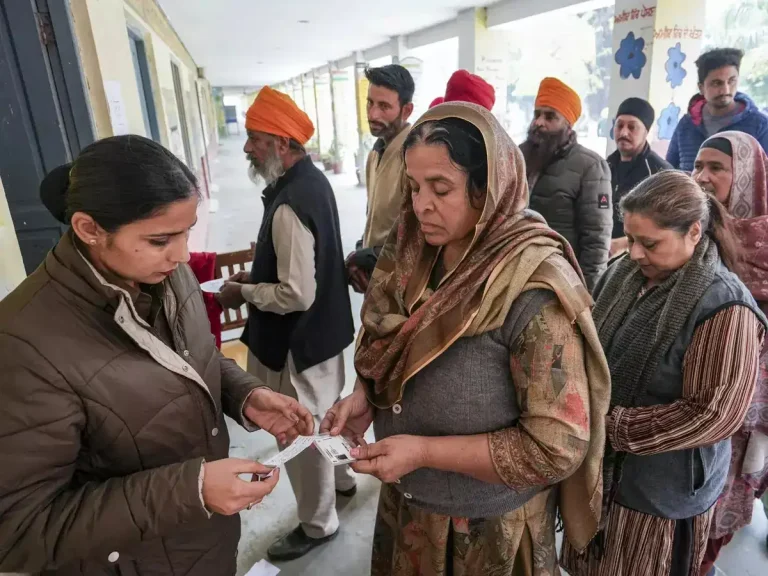
The Telangana election results will emerge from the final phase of voting conducted between 7 am and 1 pm on December 17. The high voter turnout exceeding 85 percent demonstrates strong public engagement in the democratic process at the grassroots level. Officials reported that the voting proceeded smoothly across all designated polling stations with adequate security arrangements ensuring peaceful polling throughout the state.

A total of 53 lakh voters were eligible to exercise their franchise in this final phase across 36,483 polling stations. The extensive polling infrastructure established by election authorities facilitated smooth voting operations, contributing to the high turnout that will shape the Telangana election results.

Candidates and Electoral Contest

The Telangana election results will determine the fate of a massive number of candidates who contested across various positions. According to officials, 12,652 candidates competed for Sarpanch positions, while an overwhelming 75,725 candidates contested for ward member posts. This significant participation reflects the importance of local governance and the competitive nature of grassroots politics in Telangana.

In the final phase specifically, 4,159 gram panchayats and 36,452 wards were notified for elections. However, the Telangana election results for some positions were determined even before polling, with 394 sarpanches and 7,908 ward members elected unanimously, indicating consensus candidates in certain constituencies.

Three-Phase Election Process

The Telangana election results encompass outcomes from three distinct phases of voting conducted across the state. The phased approach was adopted to ensure smooth conduct of elections and proper deployment of security personnel and election staff across all gram panchayats.

The first phase of elections was held on December 11, recording a robust voter turnout of 84.28 percent. This impressive initial turnout set the tone for subsequent phases and indicated strong voter interest in the Telangana election results. The high participation in the first phase demonstrated public willingness to engage in local governance decisions.

The second phase of elections was conducted on December 14, achieving an even higher voter turnout of 85.86 percent. This progressive increase in voter participation across phases suggests growing awareness and enthusiasm among rural voters about the significance of their participation in shaping the Telangana election results.

Total Electoral Scope

The comprehensive scope of these elections is reflected in the total number of gram panchayats and wards that went to polls. A total of 3,752 gram panchayats and 28,410 wards participated in the electoral process across all three phases. These numbers highlight the extensive grassroots democratic exercise that will culminate in the Telangana election results.

The large-scale participation at the gram panchayat level underscores the importance of local self-governance in Telangana’s rural development strategy. The Telangana election results will determine leadership at the most fundamental level of administration, directly impacting rural communities across the state.

Congress Claims Early Victory

As anticipation builds for the official Telangana election results, the Telangana Pradesh Congress Committee (TPCC) president has claimed that Congress-backed candidates are winning the gram panchayat polls. These claims, made before official counting completion, suggest confidence within the Congress party about their performance in rural constituencies.

The TPCC president’s statements indicate that the party has been monitoring trends and receiving feedback from various constituencies. However, the actual Telangana election results will only be confirmed once the official counting process concludes and results are formally declared by election authorities.

Security Arrangements and Peaceful Polling

Election authorities implemented elaborate security arrangements to ensure peaceful conduct of all three phases. The robust security measures contributed to the high voter turnout and smooth electoral process that will now culminate in the Telangana election results. Officials maintained vigilance at polling stations and counting centers to prevent any untoward incidents.

The peaceful nature of voting across all phases reflects mature democratic practices at the grassroots level. This orderly conduct enhances the credibility of the Telangana election results and demonstrates the state’s commitment to free and fair elections.

Counting and Results Timeline

The counting of votes for the final phase was scheduled to begin at 2 pm on December 17, following the conclusion of polling at 1 pm. Election officials have established counting centers across districts to process results efficiently. The Telangana election results are expected to be announced progressively as counting proceeds through the evening and potentially into the following day.

Significance for State Politics

The Telangana election results carry significant implications for state politics, serving as an indicator of public sentiment toward the state government and opposition parties. Performance in gram panchayat elections often reflects ground-level support and organizational strength of political parties in rural areas.

Also Read: SHANTI Bill: Revolutionary Nuclear Energy Law Passes Lok Sabha

These elections provide crucial insights into the effectiveness of government policies and programs at the grassroots level. The Telangana election results will influence political strategies and policy directions as parties assess their rural support base and identify areas requiring strengthened outreach and development initiatives.

Punjab Election Results: AAP Dominates Local Body Polls 2025

Punjab – The counting of votes for Punjab’s zila parishad and panchayat samiti elections concluded on Wednesday, with the Punjab election results showing the ruling Aam Aadmi Party (AAP) securing a commanding lead. The party claimed victories in several zones while maintaining strong leads in others, with Congress emerging as the second-largest party in the local body polls.

Overview of Punjab Election Results

The Punjab election results reflect a significant political verdict as counting progressed throughout Wednesday for elections held on December 14. Officials initially expected complete results by late evening, but the counting process extended into the night, with final tallies anticipated by Thursday morning. The elections witnessed participation from over 9,000 candidates competing for positions across 347 zones of 22 zila parishads and 2,838 zones of 153 panchayat samitis.

AAP Punjab president and Cabinet Minister Aman Arora expressed satisfaction with the Punjab election results, stating that the declared outcomes favor the party. He emphasized that early trends reflected strong public support for the Punjab government’s policies and initiatives implemented over recent months.

Voter Turnout and Electoral Participation

The Punjab election results emerged from polls that recorded a 48 percent voter turnout during the daylong election on December 14. The elections saw a multi-party contest with all major political parties, including the Aam Aadmi Party, Congress, Shiromani Akali Dal (SAD), and the Bharatiya Janata Party (BJP), fielding candidates for the zila parishad and panchayat samiti positions.

The moderate voter turnout indicates varied levels of public engagement across different districts of Punjab, with certain regions showing higher participation rates than others in determining the Punjab election results.

AAP’s Performance Across Punjab Districts

The Punjab election results demonstrated AAP’s strong performance across multiple districts. In Sangrur, AAP candidates secured victories in both Block Samiti and Zila Parishad polls, consolidating the party’s position in this crucial constituency. Notably, AAP’s Harvinderpal Rishi won the Dharamgarh Block Samiti seat from Satauj, the Chief Minister’s village, further cementing the party’s grassroots support.

In Patiala, the Punjab election results showed AAP maintaining a consistent lead throughout the counting process. The party continued its dominance in Ludhiana, leading in both Zila Parishad and Block Samiti polls. AAP also won three Panchayat Samiti seats in Kapurthala, demonstrating the party’s widespread appeal across different regions of Punjab.

In Pathankot, AAP established leads in Bhota Zila Parishad block committee seats, while results from various constituencies showed the party’s organizational strength at the grassroots level. These Punjab election results indicate AAP’s successful strategy of connecting with rural voters and addressing local governance issues.

Congress Party’s Second Position

The Punjab election results placed Congress in the second position, though significantly behind AAP’s tally. The grand old party managed to secure seats across various districts but failed to match AAP’s momentum. Congress had campaigned extensively for these local body polls, highlighting state government failures and promising better governance at the panchayat and zila parishad levels.

Despite its efforts, the Punjab election results suggest that Congress could not translate its traditional support base into electoral victories at the scale needed to challenge AAP’s dominance in rural Punjab.

Also Read: SHANTI Bill: Revolutionary Nuclear Energy Law Passes Lok Sabha

Shiromani Akali Dal’s Performance

The Punjab election results showed Shiromani Akali Dal winning select constituencies despite overall limited success. SAD candidate Bibi Daljit Kaur Bhakna won the Zila Parishad seat from Attari, while Jaswinder Kaur secured victory in Mehal Kalan block. Additionally, an SAD candidate won in Baluana village, demonstrating the party’s pockets of strength in specific regions.

However, SAD workers alleged they were denied entry at counting centers and blamed AAP for “blatant electoral malpractices” along with Congress. These allegations added a controversial dimension to the Punjab election results, though official confirmation of such claims remained pending.

Notable Victories and Key Highlights

Among the interesting aspects of the Punjab election results was the victory of ex-gangster-turned-social worker Gurpreet Sekhon’s group, which won two seats in Ferozepur. This outcome reflects the complex political dynamics at play in Punjab’s local body elections, where individual influence and social work credentials played significant roles.

Results declared for 76 Zila Parishad zones and 1,159 Panchayat Samiti zones by Wednesday night showed AAP’s clear advantage. As counting progressed, results for 675 of the 2,838 Panchayat Samiti seats confirmed AAP leading the tally, reinforcing the party’s strong position in the Punjab election results.

Security Arrangements and Counting Process

Elaborate security arrangements were implemented across Punjab during the counting process. The Senior Superintendent of Police in Patiala confirmed robust security measures to ensure peaceful and transparent counting. The Punjab election results emerged under strict surveillance, with officials monitoring counting centers to prevent any untoward incidents.

Political Implications

The Punjab election results carry significant implications for state politics, serving as a referendum on AAP’s governance since assuming power. The party’s strong performance in rural areas indicates successful implementation of welfare schemes and effective local administration. These outcomes will likely influence strategies for upcoming elections and strengthen AAP’s position as Punjab’s dominant political force.

Goa Nightclub Fire: Luthra Brothers Remanded to Police Custody

0

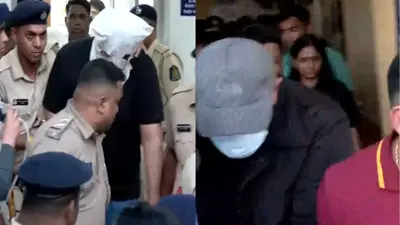
Goa – A Goa court on Wednesday remanded nightclub owners Saurabh and Gaurav Luthra to five days’ police custody in connection with the devastating Goa nightclub fire that claimed 25 lives on December 6. The brothers, accused in the fire at their restaurant Birch by Romeo Lane, were brought to Goa after being deported from Thailand, where they had fled within hours of the tragedy.

Court Proceedings and Medical Plea Rejection

Judge Puja Sardesai presided over the case involving the Goa nightclub fire accused. The Luthra brothers were first taken for medical examination at a primary health centre and then referred to Asilo District Hospital before being produced in court. Their defense counsel submitted special requests for mattresses during custody, citing medical conditions—Saurabh’s spinal cord issue between vertebrae L4 and L5, and Gaurav’s tailbone problem.

However, Judge Sardesai ordered a fresh medical examination for the Goa nightclub fire accused. After reviewing the medical report stating that the duo does not require special medical assistance, the judge rejected their plea. “You had asked for a mattress. The doctors have said that you don’t require it,” Sardesai stated while remanding them to five days’ police custody until December 22.

Details of the Goa Nightclub Fire Incident

The Goa nightclub fire broke out around 11:45 pm on December 6 at Birch by Romeo Lane nightclub in Arpora. The tragedy resulted in 25 deaths, with 20 victims being staffers working in the basement kitchen who were left with no escape route after the fire engulfed the floor above them. Medical reports confirmed that 23 of the 25 victims died due to suffocation, highlighting the severe safety violations at the establishment.

The Goa nightclub fire has exposed multiple regulatory failures and illegal operations. The property where the incident occurred was constructed without a construction license, lacked an occupancy certificate, and did not have necessary permissions including a No Objection Certificate from the Fire Department. A demolition notice had been issued against the property prior to the tragedy.

Flight to Thailand and Deportation

In a controversial sequence of events following the Goa nightclub fire, authorities revealed that even as the fire was gutting the structure, the Luthra brothers booked tickets to Thailand at 1:17 am and flew out at 5:30 am. The lookout notice against them could only be issued 24 hours later, allowing them time to escape to Phuket, Thailand.

The brothers appeared sleep-deprived as they huddled with their lawyers in the courtroom during the hearing on the Goa nightclub fire case. Their swift departure from the country has raised serious questions about accountability and their knowledge of safety violations at their establishment.

Criminal Charges and FIR

The First Information Report filed last Sunday charges the Luthra brothers in the Goa nightclub fire case under multiple sections of the Bharatiya Nyaya Sanhita. These include Section 105 for culpable homicide not amounting to murder, Sections 125(a) and (b) for endangering life and personal safety, and Section 287 for negligent conduct with fire or combustible matter.

The investigation into the Goa nightclub fire has led to the arrest of six people so far. These include four managers: chief general manager Rajiv Modak, 49; gate manager Priyanshu Thakur, 32; bar manager Rajveer Singhania, 32; and general manager Vivek Singh, 27. Additionally, Ajay Gupta, a business partner of the Luthras, and Bharat Singh Kohli, who managed day-to-day operations on behalf of the Luthras, have been arrested.

Defense Claims and Police Investigation

In filings before the Delhi Court, the brothers claimed they were not responsible for daily operations of the club in the Goa nightclub fire case. They stated that the establishment was managed by restaurant managers and blamed “an external third-party performer who brought her own equipment, staff,” arguing that “the legal provisions do not extend the liability” to them. Their bail plea characterized the incident as “purely an accident” with “no criminal intent.”

Also Read: Luthra Brothers Detained Thailand: Critical Updates on Delhi Return Tuesday

Police officials investigating the Goa nightclub fire intend to interrogate the duo concerning operations of clubs and restaurants they run in the state, many allegedly operating illegally. “We will also confront them concerning their claim that they were not involved in the daily operations of the establishment,” a police official stated.

The police have recorded statements of 50 witnesses in the Goa nightclub fire investigation and plan to take the accused to the incident site for reconstruction of events. Cross-questioning of all accused will begin, as each has denied responsibility.

Property Owner Still at Large

Police remain on the lookout for Surinder Kumar Khosla, the property owner in the Goa nightclub fire case. In 2023, Khosla signed a lease and license agreement with Being GS Hospitality Goa Arpora LLP, the company under which the nightclub operated. Saurabh and Gaurav Luthra, along with Ajay Gupta, are listed as partners in the firm. Khosla, a British citizen, is understood to be out of the country currently.

Victim Families Demand Justice

Representatives of the Joshi family, who lost four members in the Goa nightclub fire, pleaded that the court show no leniency for the accused. Advocate Vishnu Joshi stated that families are satisfied with the seriousness shown by Goa police in prosecuting the case. “It is a case where 25 people have lost their lives and 25 families are today without their sole bread earners. We argue that this is a rare case and exemplary punishment be shown,” he stated.

SHANTI Bill: Revolutionary Nuclear Energy Law Passes Lok Sabha

New Delhi – The Lok Sabha on Wednesday passed The Sustainable Harnessing and Advancement of Nuclear Energy for Transforming India Bill, 2025, commonly known as the SHANTI bill, via voice vote amid strong opposition protests. The landmark legislation marks a significant shift in India’s nuclear energy policy by allowing private sector participation in nuclear power generation.

Key Provisions of the SHANTI Bill

The SHANTI bill introduces transformative changes to India’s nuclear energy framework. The legislation proposes granting licenses to private companies to operate nuclear power plants, removing an existing contentious liability clause for suppliers of fuel and technology, and rationalizing payout levels by operators in case of accidents. The primary objective of the SHANTI bill is to boost investments in the nuclear power sector, helping India achieve its ambitious target of 100 GW of nuclear power capacity by 2047.

Union minister for state for atomic energy Jitendra Singh, who introduced the SHANTI bill earlier in the week, defended the provisions during parliamentary debate. The minister emphasized that most security provisions have been retained from the Jawaharlal Nehru-era’s 1962 law on atomic energy, ensuring continuity in safety standards.

Opposition Demands Parliamentary Panel Scrutiny

The passage of the SHANTI bill was marked by intense opposition protest. Opposition members demanded that the legislation be referred to a parliamentary panel for comprehensive scrutiny before being passed. Unable to convince the government, opposition members staged a walkout before the voice vote was conducted.

Congress leader Manish Tewari, who initiated the debate on the SHANTI bill, characterized the legislation as “privatising profit and socialising liability.” He questioned the absence of supplier liability provisions and raised concerns about increased foreign supplier presence if the nuclear sector opens up.

Congress MP Shashi Tharoor dubbed the SHANTI bill as a “dangerous leap into privatised nuclear expansion,” pointing out that the legislation doesn’t allow civilians, non-governmental organizations, or even state governments to sue an operator in case of an accident. Tharoor questioned whether it was a “nuclear bill or an unclear bill,” expressing concerns about public safety and environmental protection.

Removal of Supplier Liability Clause

A controversial aspect of the SHANTI bill involves repealing the Atomic Energy Act 1962 and the Civil Liability for Nuclear Damage Act 2010. The legislation removes a clause in the CLND Act that gave nuclear power plant operators the right of recourse against suppliers in cases where damage resulted from supplier actions, including supply of equipment with defects or substandard services.

Global suppliers of components and fuel had expressed concerns about the previous law allegedly allowing action against suppliers in case of damage. The government proposed completely eliminating this clause through the SHANTI bill to allay their concerns. This section had been a major deterrent for several US companies considering investments in India’s nuclear sector.

Minister Jitendra Singh explained that the SHANTI bill addresses supplier concerns while maintaining operator accountability. “The suppliers’ responsibility will lie with the operator, who is free to have an agreement. Earlier, the word suppliers had a broad definition and as a result, everybody was hesitant to come forward. In the last ten years, we lost out on opportunities,” Singh told the Lok Sabha.

Liability Rationalization and Nuclear Fund

The SHANTI bill rationalizes liability provisions through a graded system. While liability remains capped for operators, full compensation will be ensured through a Nuclear Liability Fund to be established by the Union government. This two-tier approach aims to balance industry concerns with victim protection.

Also Read: PM Modi Car Diplomacy: Remarkable Trend Reshapes International Relations

Singh clarified that the 2010 bill had liability capping, but the SHANTI bill has rationalized it with different grading levels. The nuclear fund mechanism ensures additional compensation beyond operator liability limits.

Private Sector Participation and Investment Rationale

The SHANTI bill permits companies, joint ventures, or entities expressly permitted by the central government to construct, own, operate, or decommission nuclear power plants after receiving appropriate licenses requiring safety authorization on radiation exposure. However, enrichment of nuclear fuel, management of spent fuel, and production of heavy water will remain exclusively with the central government or government-owned entities.

Defending private sector participation enabled by the SHANTI bill, Singh argued that achieving the 100 GW target requires substantial investments beyond government capacity. He highlighted that the department of atomic energy’s budget increased from ₹13,879 crore in 2014 to ₹37,483 crore currently. “If we have to follow a global role for ourselves, we have to follow global strategies. We opened up space. Now we have 300-400 space start ups,” Singh stated.

Currently, India has 8-9 GW of nuclear capacity from 25 reactors, contributing just 3% to the energy mix. The SHANTI bill aims to dramatically scale up this capacity to meet clean energy commitments and support various sectors including health and agriculture.

Indian conglomerates, including the Adani Group, Larsen & Toubro, and Tata Power Ltd, have previously expressed interest in entering nuclear power generation, making the SHANTI bill particularly significant for corporate India.