Wednesday, May 6, 2026
Home Blog Page 255

A Shocking Clash Over Flood and Drought Relief in Karnataka: Revealing 7 Stark Realities

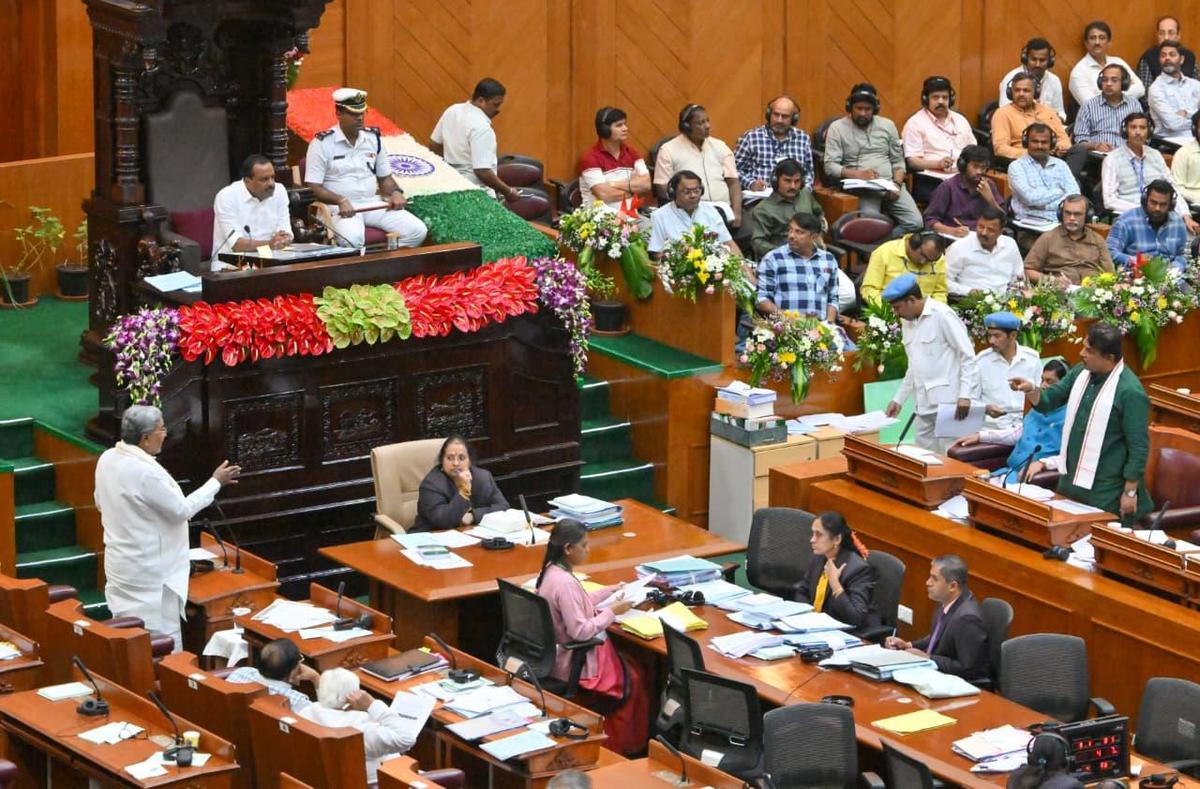
The Karnataka Legislative Assembly was the scene of a heated confrontation this week as ruling and opposition members sparred over the handling of relief measures for flood- and drought-affected regions. The debate, described by observers as one of the most intense in recent sessions, highlighted deep disagreements over the speed, adequacy, and transparency of government support to distressed farmers. Opposition lawmakers accused the ruling coalition of inaction and administrative delays, while government representatives defended their record, citing procedural requirements and resource constraints. The session underscored the complex challenges of disaster management in a state that faces extreme weather events in different regions almost simultaneously.

Officials assured the Assembly that additional verification teams have been deployed across flood- and drought-affected districts to fast-track assessment of damages. These teams are working in coordination with local revenue officers, agricultural extension workers, and panchayat representatives to ensure accurate documentation and timely processing of relief claims. Lawmakers acknowledged the efforts but urged that deadlines be strictly enforced, emphasizing that prolonged delays could exacerbate the hardships faced by already vulnerable farming communities.

The discussion also focused on the adequacy of relief packages for small and marginal farmers. Opposition members highlighted that the current compensation amounts often fail to cover the full extent of crop losses, including costs of seeds, fertilisers, labour, and irrigation. Several lawmakers called for immediate revision of relief norms to better reflect market realities, stressing that fair compensation is essential to prevent farmers from falling into debt cycles or abandoning agriculture altogether. Government representatives indicated that assessments are ongoing and promised to consider adjustments where necessary.

Lawmakers stressed the importance of improved communication channels between administration and farmers. Many rural residents remain unaware of relief processes, eligibility criteria, and timelines, leading to confusion and delays in claiming assistance. Suggestions included dedicated helplines, village-level awareness campaigns, and mobile outreach teams to educate farmers about procedures and documentation requirements. Officials assured that public information efforts are being intensified to ensure that relief programs are accessible, transparent, and efficient.

Insurance delays were another critical issue raised during the debate. Opposition members argued that slow settlements from insurance companies compound financial strain on affected farmers. They proposed integrating insurance processes with government relief mechanisms through pre-verified claims, automated triggers, and joint assessment teams. By streamlining coordination between insurers and government agencies, lawmakers argued, farmers could receive faster and more reliable compensation, helping them recover more quickly from the twin challenges of floods and drought.

Finally, the Assembly discussed preventive and resilience-building measures to reduce vulnerability to future natural disasters. Lawmakers recommended investment in flood management infrastructure, water conservation projects, climate-resilient agricultural practices, and early-warning systems.

They emphasized that immediate relief is only part of the solution, and that long-term strategies must be implemented to safeguard livelihoods, reduce dependency on reactive measures, and strengthen rural communities against recurring climate risks. The session concluded with a commitment to continuous monitoring, policy refinement, and proactive engagement to protect the state’s farming population.

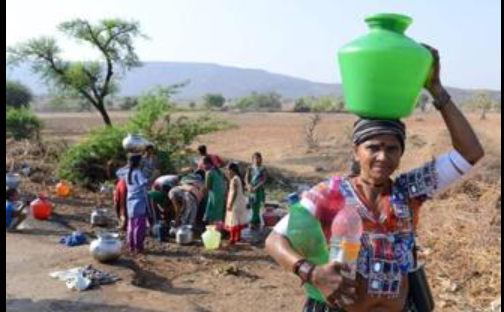
Several regions in Karnataka have been battling the dual challenge of severe floods in some districts and prolonged drought in others. Farmers and local communities have been left struggling with crop damage, water scarcity, and the resulting financial distress. Opposition members claimed that government response has been inconsistent, with relief reaching some areas faster than others. Lawmakers demanded immediate action, highlighting the human cost of delays, including loan defaults, migration of rural populations, and disruption of local economies. The debate reflected a growing frustration among policymakers about systemic inefficiencies in delivering disaster assistance.

Government officials defended their record, stating that relief measures are being processed according to established protocols to ensure fairness and prevent duplication. They noted that field assessments, verification of claims, and allocation of funds take time but are necessary to ensure the right beneficiaries receive assistance. Officials emphasised that balancing multiple crises simultaneously—floods in some areas and drought in others—requires careful planning and resource management. They assured the Assembly that priority is being given to the most severely affected regions and that additional funds have been earmarked for emergency relief.

The discussion also brought to light gaps in the current disaster response framework. Opposition members highlighted cases where affected families reported receiving partial compensation, delays in payment, or lack of awareness about eligibility criteria. They argued that these delays exacerbate economic hardship and stress among already vulnerable communities. Several lawmakers called for a more decentralised system, empowering local authorities to act swiftly in coordination with state agencies. They stressed that timely intervention is critical to prevent loss of livelihoods and ensure sustainable recovery for rural households.Ruling and opposition members spar during debate on flood and drought relief  - The Hindu

Conflict Over Timelines and Adequacy of Relief

One of the most contentious points was the question of timelines for disbursing assistance. Opposition members argued that bureaucratic procedures, including multiple verification steps and departmental approvals, have slowed down the delivery of relief. They warned that prolonged delays could lead to loss of confidence among farmers and further migration from rural areas. Lawmakers urged the government to simplify processes, introduce single-window systems, and delegate decision-making to district authorities to accelerate support. They stressed that speed is as important as accuracy in addressing the urgent needs of disaster-hit populations.

Government representatives countered by emphasising the importance of accuracy and transparency in relief distribution. They noted that hasty disbursal could result in errors, duplication of claims, and misallocation of funds. Officials highlighted that relief measures are being rolled out in phases, prioritising the worst-affected districts first, and that additional teams have been deployed to expedite verification. They also pointed out that coordination between revenue, agriculture, and disaster management departments is being strengthened to ensure smooth implementation. The government asserted that while delays are regrettable, careful planning is essential to maintain accountability.

Opposition members pressed the government on the adequacy of the compensation being offered. They argued that the amounts allocated often do not match the actual losses incurred, particularly for small and marginal farmers. Some lawmakers suggested that relief packages should account for input costs, lost income, and the long-term impact on agricultural productivity. They emphasised that without sufficient financial support, farmers may fall into debt traps, threatening their livelihoods and increasing rural distress. Government officials acknowledged these concerns and indicated that additional funds may be allocated based on ongoing assessments.

The debate also touched upon the role of insurance in mitigating losses. Opposition members argued that delays in insurance claims compound the hardship caused by natural disasters. They recommended closer coordination between insurance agencies and government authorities to ensure timely settlement. Lawmakers proposed joint assessment teams, pre-verified claims, and automatic triggers for compensation based on rainfall or crop damage data. They emphasised that integrating insurance and government relief schemes could significantly enhance the effectiveness of support provided to affected communities.

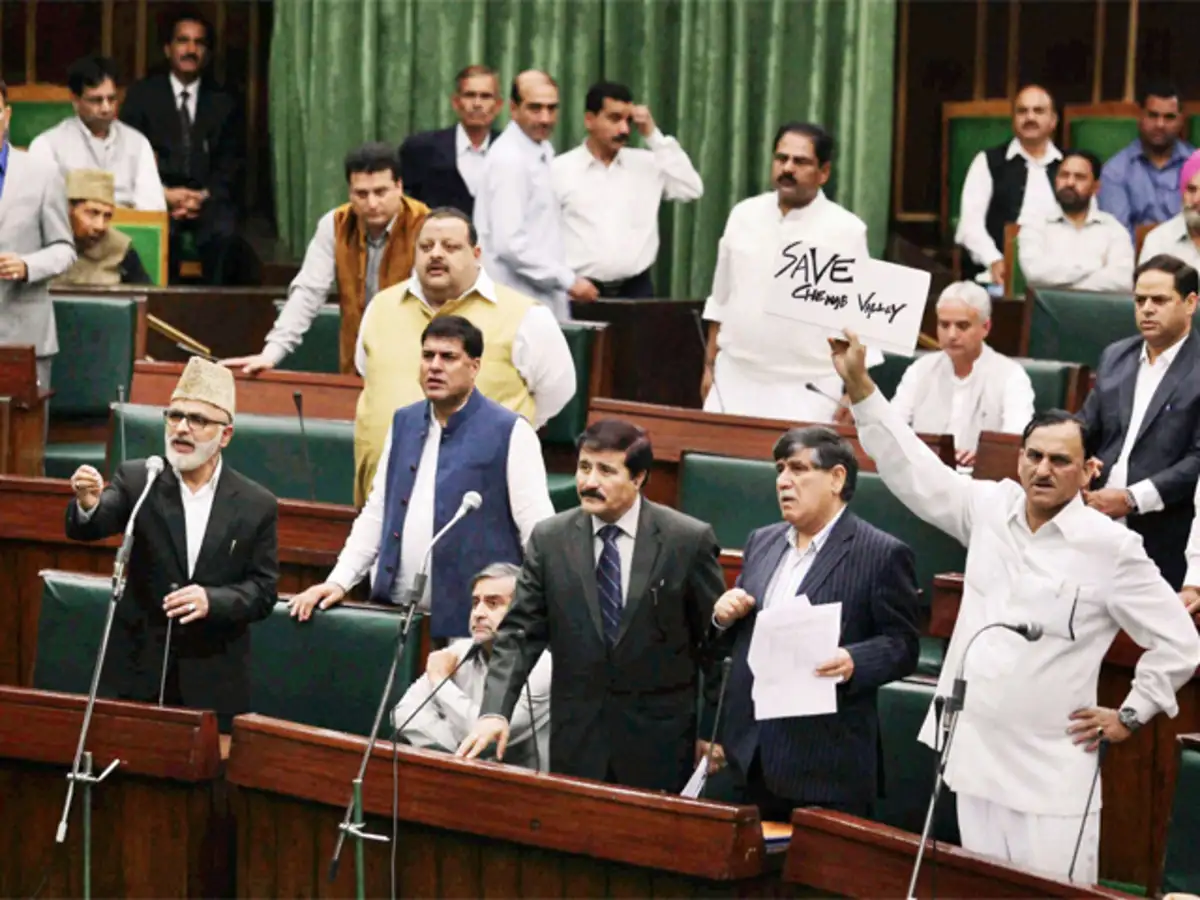
Community representatives attending the session highlighted the human cost of delayed assistance. Stories of families struggling to purchase seeds, pay off loans, or access basic necessities painted a vivid picture of the stakes involved. Lawmakers emphasised that disaster relief is not merely about financial support but also about sustaining livelihoods, preventing rural distress, and enabling communities to recover with dignity. Several members urged the government to prioritise communication with local populations to ensure awareness and prevent misinformation from spreading during crises.Opposition creates ruckus in House over government's 'poor' flood response  - The Economic Times

Calls for Long-Term Policy and Resilience Measures

Several members of the Assembly stressed the need for long-term solutions to mitigate the impact of floods and droughts. They recommended investments in irrigation infrastructure, water conservation projects, and better drainage systems in flood-prone areas. Lawmakers also highlighted the importance of early warning systems, weather monitoring, and training programs for farmers to adopt climate-resilient agricultural practices. The session reflected a consensus that while immediate relief is crucial, building resilience against future natural disasters is equally important.

Discussion turned to the role of local governance structures, including panchayats and district committees, in disaster management. Opposition members suggested empowering these bodies with decision-making authority and emergency funds to act quickly in the aftermath of disasters. They argued that decentralised governance can reduce delays and ensure that assistance reaches the most vulnerable populations efficiently. Government representatives acknowledged the need for stronger local coordination and indicated steps are being taken to involve grassroots bodies more effectively in relief distribution.

The Assembly also debated the transparency and monitoring of relief measures. Lawmakers urged the creation of publicly accessible dashboards or portals to track claims, disbursements, and administrative approvals. Such systems, they argued, would prevent corruption, duplication, and arbitrary allocation of funds. Government officials indicated that digital monitoring initiatives are being explored to improve accountability and allow citizens to track the status of their claims in real time. Transparency was highlighted as a key factor in rebuilding trust with affected communities.Banalata Sen and Manu Gupta: Responding to India's climate paradox of  drought or deluge - The BMJ

Lawmakers from both sides raised concerns about the psychological and social impact of natural disasters on farming communities. Delays in relief, compounded by repeated exposure to adverse weather events, have caused stress, anxiety, and migration from rural areas. The Assembly emphasised that timely assistance is essential not only for economic recovery but also for maintaining social stability. Proposals included counselling support, community engagement programs, and outreach campaigns to address the broader human impact of disasters.

The session concluded with a consensus on the need for stronger disaster management policies, faster disbursal of relief, and enhanced accountability. While differences remained on the specifics of implementation, lawmakers agreed that addressing the immediate needs of flood- and drought-affected populations must remain a priority. The debate highlighted the complex challenges of balancing speed, fairness, and transparency in disaster response, underscoring the importance of coordinated action by government agencies, local bodies, and community representatives to protect livelihoods and sustain agricultural productivity.

Follow: Karnataka Government

Also read: Home | Channel 6 Network – Latest News, Breaking Updates: Politics, Business, Tech & More
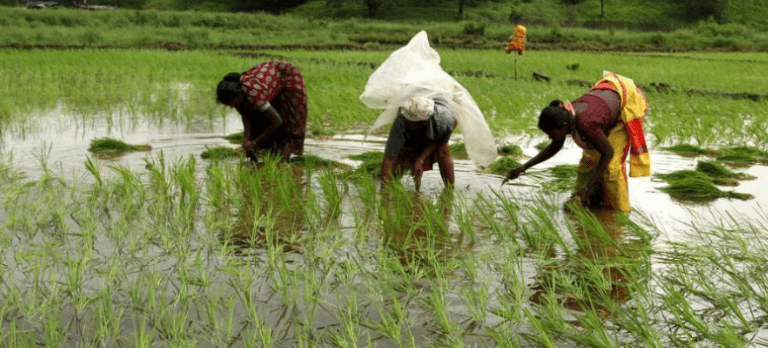
Debate Over Rain -Hit Farmers: Exposing 7 Critical Challenges

The Karnataka Legislative Council witnessed a heated debate this week over delays in providing financial relief to farmers affected by the recent heavy rains. Lawmakers from opposition parties accused the government of bureaucratic inertia, arguing that prolonged delays are causing serious distress to agricultural families who have already suffered crop losses. Government representatives defended the administration, citing procedural formalities and verification processes as reasons for the slow disbursement. The discussion highlighted deep concerns about accountability, timely assistance, and the mechanisms in place to support farmers facing natural calamities. The session was marked by passionate speeches, pointed criticisms, and calls for immediate action.

Farmers in several districts have reported significant crop damage due to unseasonal and heavy rainfall over the past two months. Many have approached local authorities seeking compensation and support, only to face delays in processing their claims. Opposition members argued that the procedural red tape and slow response times are exacerbating the economic and emotional stress on farming families. The debate also touched upon the effectiveness of existing disaster management frameworks, which critics say are not responsive enough during critical periods. Several councillors emphasised that prompt relief is essential to prevent further debt accumulation and distress migration.

Officials indicated that special task forces have been deployed in the most affected districts to expedite field assessments and verification of crop damage. These teams are coordinating with local revenue officers, agricultural extension workers, and panchayat representatives to ensure accurate and timely data collection. The administration stressed that proper documentation is critical to avoid duplication of claims and to ensure that funds are allocated fairly. Councillors acknowledged these efforts but reiterated the importance of speed, urging officials to complete assessments without unnecessary delays.

The Council also debated the adequacy of existing compensation amounts. Many lawmakers argued that the current relief packages do not fully cover the losses incurred by farmers, particularly in cases of complete crop devastation. Representatives from agricultural committees suggested revising compensation norms to reflect current market rates for crops and input costs, including seeds, fertilizers, and labour. They emphasised that fair compensation is necessary to prevent farmers from falling deeper into debt, maintaining both economic stability and confidence in government schemes.

Several members highlighted the need for better communication channels between the administration and the farming community. They noted that many farmers are unaware of the processes required to claim relief, leading to confusion and delays. Suggestions included dedicated helplines, mobile outreach units, and village-level information campaigns to educate farmers on eligibility criteria, documentation requirements, and timelines. Officials assured the Council that such initiatives are being strengthened to make relief measures more accessible and transparent.

Lawmakers also raised concerns about the role of insurance companies in the relief process. They pointed out that delays in insurance settlements often exacerbate financial distress, as farmers cannot access funds promptly. Councillors proposed mechanisms for coordination between insurers and government agencies, such as pre-verified claims and joint assessment teams, to speed up disbursement. They stressed that integrating insurance processes with government relief schemes could significantly improve the effectiveness of support for rain-hit farmers.

Finally, the Council underscored the importance of preventive measures for future rain-related damages. Discussions included the adoption of improved drainage systems, early warning mechanisms, and training programs for farmers on crop management under adverse weather conditions. Members emphasised that while immediate relief is critical, long-term resilience strategies are equally important to reduce vulnerability. The session concluded with a consensus that combining prompt assistance with proactive planning will help secure the livelihoods of farmers and strengthen the agricultural sector against future climatic challenges.

Government officials responding in the Council noted that verification of claims, assessment of damages, and proper allocation of funds require careful processing. They stressed that relief measures are intended to be equitable and accurate, ensuring that compensation reaches the most deserving beneficiaries. While acknowledging the hardship faced by farmers, they argued that hasty disbursal without proper verification could lead to misuse of resources and administrative complications. The government pledged to expedite the process, promising a timeline for approvals and disbursement to reassure affected communities.

The session brought to light longstanding concerns regarding the coverage and adequacy of crop insurance schemes. Lawmakers pointed out that while many farmers are enrolled under insurance programs, delays in assessment and settlement often result in limited immediate support during crises. Opposition members demanded that interim relief measures be provided even before insurance claims are processed. They highlighted cases where families faced financial distress due to loss of harvest, inability to repay loans, and lack of access to temporary food and financial support. The Council agreed that faster intervention mechanisms are necessary to bridge the gap between disaster occurrence and compensation delivery.Govt relief to flood-hit farmers not enough to recover huge losses: Agri  experts | Pune News - The Times of India


Concerns Over Bureaucratic Delays and Verification Processes

Several councillors criticised the complex multi-layered verification procedures required before relief can be granted. Farmers often have to submit multiple documents, undergo field assessments, and wait for approvals from various levels of administration. Critics argued that this delays the actual benefit reaching farmers, while the government defended the necessity of thorough checks to prevent duplication, fraud, and misallocation of funds. Experts present in the Council highlighted that procedural delays are a common bottleneck in disaster relief systems across the country, and suggested reforms to streamline documentation and approvals.

The debate also raised questions about the coordination between different government departments responsible for relief measures. Revenue, agriculture, and disaster management departments were cited as often working in silos, which can slow the disbursement of assistance. Lawmakers suggested establishing a unified command structure or single-window system to oversee and fast-track the delivery of relief. They emphasised that farmers cannot be expected to navigate a labyrinth of offices and procedures during times of crisis. Members of the Council stressed the need for accountability and regular monitoring to ensure timely action.

Opposition members also expressed concern about the transparency of the relief process. They pointed out instances where certain farmers reportedly received compensation faster than others, leading to suspicions of partiality. Lawmakers demanded a public dashboard or portal where beneficiaries and stakeholders could track claims and disbursements. They argued that technology-driven monitoring could help prevent misuse of funds, ensure equitable distribution, and restore trust among the farming community. Government representatives acknowledged the merit of such suggestions and indicated ongoing efforts to digitise records and improve tracking.Rahul Gandhi slams government as farmers sink deeper into debt over  Maharashtra farmer deaths - The Hindu

Farmers’ representatives attending the session highlighted the human impact of delayed assistance. They spoke of families struggling to buy seeds, pay for irrigation, or repay loans due to delayed relief. Many young farmers fear abandoning agriculture due to repeated losses, leading to migration to urban areas for alternative employment. Councillors emphasised that timely relief is not just about financial compensation but about sustaining livelihoods and preventing rural distress. The Council session underscored the social and economic stakes involved in ensuring rapid assistance following natural disasters.


Calls for Policy Reform and Improved Disaster Response: Rain

Several speakers called for long-term reforms to make disaster relief systems more responsive and resilient. Suggestions included pre-approved emergency funds, faster assessment teams, and simplified claim procedures for recurrent natural disasters. Lawmakers stressed that climate unpredictability demands proactive measures rather than reactive responses. The Council debated the role of local governance structures, such as panchayats, in facilitating quicker relief distribution. Many argued that empowering local bodies with decision-making authority and resources could reduce delays and make the process more farmer-centric.

The debate also covered the role of insurance and financial institutions in mitigating the impact of crop damage. Councillors pointed out that banks and microfinance institutions need to coordinate with government schemes to provide immediate loans or advances to affected farmers. Experts suggested that insurance claims and government relief should complement each other, ensuring no farmer is left without support. Some members proposed automatic triggers for compensation based on rainfall and crop monitoring data, reducing reliance on manual assessments and speeding up disbursement.Deficit rainfall in June had little impact on agriculture activities in  Andhra's NTR district, sowing operations pick up pace - The Hindu

Opposition parties warned that recurring delays could erode confidence in government schemes and exacerbate agrarian distress. They highlighted that poor farmers, particularly small and marginal cultivators, bear the brunt of natural calamities and are disproportionately affected by administrative inefficiencies. Several councillors demanded a review of the current protocols and the establishment of a permanent mechanism for rapid response during rain-induced emergencies. They emphasised that the government must prioritise farmers’ welfare over bureaucratic formalities.

Officials defending the administration reiterated that all relief measures are being processed as quickly as possible. They outlined steps already taken to accelerate verification, including deployment of additional teams, digitisation of records, and closer coordination between departments. The government assured that pending claims would be addressed in phases, prioritising the most severely affected regions. Representatives noted that while challenges exist, the administration remains committed to delivering aid efficiently and equitably, maintaining a balance between speed and accountability.

The session concluded with a call for continued vigilance, better preparedness, and policy enhancements to ensure that rain-hit farmers receive timely support in the future. Lawmakers agreed that while immediate relief is critical, structural reforms to streamline processes, improve transparency, and strengthen coordination will have lasting benefits. The Council pledged to monitor implementation closely and demanded periodic updates from the administration until all pending claims are settled. The debate underscored the need for a farmer-centric approach, where policy, administration, and technology converge to mitigate the adverse effects of natural disasters.

Follow: Karnataka Government

Also read: Home | Channel 6 Network – Latest News, Breaking Updates: Politics, Business, Tech & More
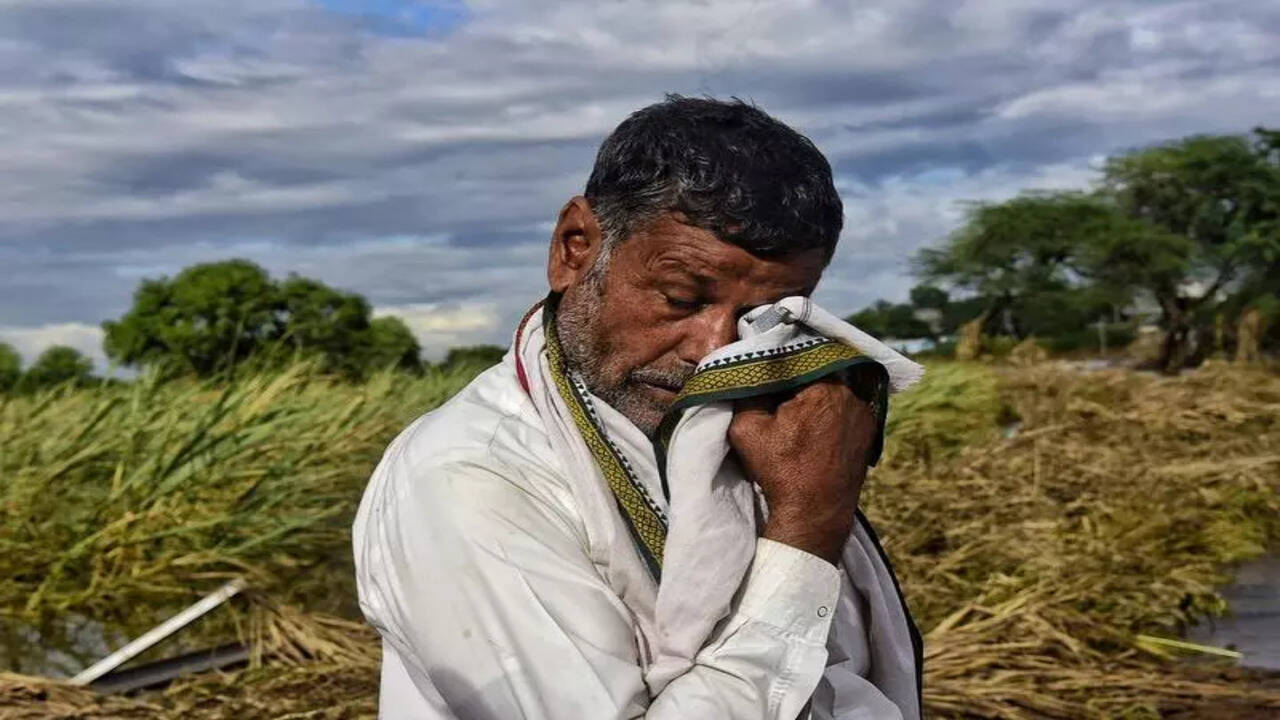
A Supportive Clarification on Devanahalli’s Permanent Agri Zone: Unveiling 7 Key Assurances

The State government has issued a detailed clarification stating that the designation of Devanahalli as a ‘permanent agricultural zone’ will not restrict or interfere with farmers’ rights to sell their land. The statement was released following rising concerns among landowners who feared that the new classification might impose limitations on transactions or reduce the market value of their properties. Officials emphasised that the primary objective of the designation is to protect agricultural activity from unchecked commercial development, not to curtail individual ownership rights. The government assured that farmers retain full freedom to engage in lawful sale or transfer of their holdings.

The clarification comes after several weeks of discussions within local communities, where rumours and misinformation had led to widespread anxiety. Many farmers expressed worry that their land would be locked into a fixed category without scope for monetisation or alternative usage. The government’s response aimed to dispel these fears categorically. Officials stated that ‘agricultural zone’ classification pertains to zoning regulations for development planning and does not affect land titles, ownership status or the legal right to sell. The reassurance is expected to stabilise market sentiment and reduce confusion among buyers and sellers in the region.

Revenue department officials explained that the agricultural zoning initiative was introduced to prevent unregulated real-estate expansion around Devanahalli, especially given its proximity to major infrastructure projects. They noted that unless such zones are preserved, there is a risk of losing agricultural land to commercial hubs and residential clusters without adequate planning. However, they reiterated that zoning restrictions apply to land use conversion for commercial development, not to ownership transactions. Farmers remain free to sell their land, and buyers may opt to use it for agriculture as permitted by current regulations.

Local leaders and farmer associations welcomed the clarification, stating that it provides much-needed relief at a time when misinformation was spreading rapidly. Many farmers had reported receiving speculative offers from brokers claiming that property values would collapse due to the zoning decision. With the official statement now in place, farmers believe they can make informed choices without pressure. Associations have urged the government to continue public outreach efforts to ensure that accurate information reaches all rural households. They emphasised that transparency will help maintain trust and reduce unwarranted panic across communities.Devanahalli: Govt. clarifies that 'permanent agri zone' status will not  affect farmers' rights to sell their land - The Hindu


What the ‘Permanent Agri Zone’ Really Means for Devanahalli

According to planning officials, the ‘permanent agri zone’ label is intended to safeguard fertile land from being converted for non-agricultural purposes without stringent oversight. They noted that rapid development in the surrounding areas has increased demand for land, leading to fragmented planning and environmental stress. The zoning measure ensures that agricultural spaces are retained where possible, helping sustain local livelihoods and ecological balance. However, they clarified that zoning rules are not meant to interfere with the fundamental right of landowners to transfer or sell their property.

Experts in land governance explained that zoning policies worldwide often balance development needs with protection of natural resources. In Devanahalli, officials want to ensure that the region’s farming ecosystem is preserved while still allowing growth in planned areas. They noted that the clarification from the government aligns with standard global practice: zoning determines land use, not ownership rights. This distinction is crucial because misinterpretation often leads to unrest among rural populations. The assurance that farmers can continue to sell their land reassures stakeholders that the policy is fair and consistent.

The government has also stated that any change in land-use classification must follow established legal procedures. If a buyer intends to convert agricultural land for commercial or residential activity, they must apply for conversion under existing laws. Officials emphasised that this process remains unchanged and that the agricultural zoning label merely highlights the areas where stricter scrutiny may apply. Farmers, however, face no change in their ability to sell. Authorities noted that the decision on whether or not to sell remains entirely with the landowner, free from restrictions linked to the zoning announcement.

In outreach meetings held across Devanahalli, officials responded to multiple questions from farmers seeking clarity on the long-term implications of the zoning policy. They assured them that no new permission or clearance is required for the sale of agricultural land under the existing system. Farmers were encouraged to verify any contradictory claims with the local revenue office. Officials noted that misinformation often arises from market speculation and that direct communication channels can prevent confusion. They also highlighted that the government remains committed to protecting both agricultural interests and property rights.

Local representatives have been working closely with the administration to ensure that the clarification reaches even remote hamlets. Pamphlets, village meetings and public loudspeaker announcements have been used to convey the message. Many farmers said that hearing the clarification directly from authorities has eased their concerns. Some noted that they had postponed sales because buyers were using fear-based tactics to negotiate lower prices. With the government’s confirmation, they believe the land market will stabilise. Officials have urged both buyers and sellers to exercise caution and rely on official updates rather than unverified sources.Devanahalli: Govt. clarifies that 'permanent agri zone' status will not  affect farmers' rights to sell their land - The Hindu


Impact on Land Markets, Local Economy and Future Planning

Real-estate observers noted that Devanahalli has become a major investment zone in recent years due to its strategic location near the international airport and major highway networks. As commercial interest in the region grows, agricultural zoning helps bring discipline to development patterns. Experts believe that clarifying farmers’ sale rights will help maintain healthy market activity, preventing sudden dips or spikes caused by misinformation. They expect the announcement to restore confidence among both landowners and developers, contributing to a more stable investment environment.

Farmers in several areas expressed that the clarification allows them to plan their futures more confidently. For some, land sales fund children’s education, medical expenses or new business ventures. Others rely on sales to consolidate smaller parcels into more workable farmland. A restriction on sales, they said, would have severely disrupted their financial planning. The government’s reassurance ensures that farmers continue to retain autonomy over their assets. Many noted that while they support preserving agricultural land, they also value the flexibility to make decisions that best suit their families.

Environmental groups observed that agricultural zoning can help protect green belts around fast-growing urban areas. They noted that as long as farmers’ rights remain unaffected, such policies can strike a balance between ecological preservation and rural freedom. The government has reiterated that the zoning measure is not a development ban but a planning tool to ensure orderly growth. Activists believe that clear communication from the administration will be essential as the region undergoes future land-use discussions. Regular consultations with communities may help prevent misunderstandings similar to the recent concerns.

Revenue officials mentioned that they will continue monitoring land transactions to ensure they comply with legal norms. However, they clarified that monitoring is unrelated to the zoning announcement and is part of regular oversight. They expect that the clarification will reduce the number of disputes and inquiries at taluk offices, where anxious landowners had earlier approached officials seeking explanations. The administration plans to keep information channels open and provide updates whenever necessary to maintain transparency in land governance.

Community elders in Devanahalli highlighted that the episode has revealed the importance of accessible and timely government communication. They noted that fear often spreads faster than facts, especially when policy initiatives are misunderstood. They urged authorities to conduct frequent awareness programs that explain development plans in simple language. Officials responded that both district and taluk administrations will continue efforts to engage local communities. They believe such communication will help ensure smoother implementation of future planning decisions.Devanahalli farmers serve 24-hour ultimatum to govt. to shelve land  acquisition - The Hindu

Economic analysts predict that the long-term impact of the zoning clarification will be positive for Devanahalli’s growth. They expect land markets to stabilise, agricultural activity to remain safeguarded and development to proceed in a more structured manner. They noted that the reassurance protects farmers’ autonomy while still supporting strategic planning goals. The government’s clarification serves as an important step in building trust between authorities and rural stakeholders. As Devanahalli continues to expand as a regional hub, policymakers believe the current balance between regulation and rights will strengthen sustainable growth.

Farmers have welcomed the government’s clarification, noting that it provides them with a sense of security about their financial and personal autonomy. Many stated that the announcement allows them to make informed decisions regarding the sale or retention of their land, without fear of future restrictions. Local markets have already begun to respond positively, with real-estate brokers reporting renewed inquiries from potential buyers. Officials emphasised that transparent communication is key to preventing misunderstandings and ensuring that agricultural zoning achieves its intended purpose without negatively impacting landowners.

The administration has also clarified that any development proposals within the permanent agricultural zone will be subject to standard legal procedures. Developers wishing to convert land for commercial or residential purposes must continue to obtain proper approvals. The distinction between agricultural zoning and ownership rights ensures that while farmers retain control over their property, broader planning goals—such as preventing unplanned urban sprawl—can still be enforced. Officials stressed that this dual approach balances individual rights with the need for strategic regional development.

Local panchayats and village councils have been mobilised to help spread awareness about the clarification. Community meetings, public announcements and informational pamphlets are being used to educate residents on what the permanent agricultural zone entails and what it does not. By directly engaging with local populations, the administration aims to dispel rumours and prevent exploitation by intermediaries or brokers attempting to manipulate the situation. Officials noted that continued community involvement is essential for both compliance and public trust.

Education and advisory services have been suggested to help farmers make better decisions regarding land sales. Agricultural extension officers and revenue officials have been encouraged to provide guidance on legal procedures, valuation, and long-term planning. By offering professional advice, the government hopes to empower farmers to make transactions that benefit them economically while adhering to regulatory frameworks. Such support aims to create a balanced environment where farmers feel confident and informed about the choices available to them.

Finally, officials reiterated that the permanent agricultural zone designation is part of a larger strategy to ensure sustainable land use in rapidly developing regions around Bengaluru. While urbanisation pressures continue to grow, protecting farmland and supporting farmers’ rights remain priorities. The government emphasised that the clarification ensures a fair and transparent approach that respects ownership rights, maintains market confidence, and promotes orderly regional growth. By addressing concerns directly, authorities hope to set a precedent for communication and engagement in future zoning or development initiatives.

Follow: Karnataka Government

Also read: Home | Channel 6 Network – Latest News, Breaking Updates: Politics, Business, Tech & More

Malavalli’s Preparations for the President’s Visit: Elevating 7 Bold Measures

Top officials from the State government and district administration conducted a comprehensive review of the preparations for the President’s upcoming visit to Malavalli, marking one of the most significant high-level assessments the region has witnessed in recent years. The review meeting, held amid heightened anticipation among local residents, explored security arrangements, venue readiness, crowd management and logistical planning. Officials emphasised that the President’s itinerary requires flawless execution and that every department must coordinate seamlessly. The visit is being viewed as an important opportunity for Malavalli to showcase its administrative efficiency, civic capacity and cultural hospitality.

Senior police officers, district officials and representatives from various government departments participated in the review exercise, which lasted several hours. They walked through each segment of the proposed route, ensuring there were no gaps in preparation. Authorities assessed the approach roads, the condition of public spaces and the readiness of local amenities. Special attention was given to areas where large crowds are expected to gather. Officials noted that while standard security protocols apply, additional measures have been put in place given the high-profile nature of the visit. The review reaffirmed the administration’s commitment to delivering a smooth and dignified experience.

The district administration has been working in accelerated mode for the past several days in anticipation of the visit. Departments responsible for public works, lighting, sanitation and water supply have been instructed to complete pending tasks well before the scheduled arrival. Officers were directed to fix potholes, repaint road dividers, clear encroachments and beautify major junctions. The aim is to present Malavalli in its best possible form while ensuring public safety. Authorities noted that the President’s presence is expected to attract visitors from neighbouring areas, adding to the responsibility of maintaining order and cleanliness throughout the town.

Local police have prepared a multilayered security plan in coordination with central agencies. Senior officers explained that the security blueprint includes route-mapping, deployment zones, emergency access points and crowd control barricades. Surveillance systems are being upgraded with temporary CCTV installations at strategic intersections. Police teams will conduct rehearsals to familiarise themselves with movement patterns and communication protocols. Special units have been assigned to monitor sensitive zones and enforce restrictions around the President’s convoy. Officials have assured the public that security arrangements will be strong yet unobtrusive, prioritising safety without causing unnecessary inconvenience to residents.

The review meeting also focused on the cultural and ceremonial components of the visit. Local officials briefed the team on arrangements for traditional performances and welcome protocols that will be part of the President’s itinerary. Discussions covered the responsible groups, timings, and staging requirements for cultural showcases that reflect Malavalli’s heritage. Authorities emphasised the need for synchronisation, punctuality and verified participant lists. They noted that cultural presentations not only highlight regional identity but also contribute to the overall dignity of the event. The final schedule will be aligned with security advisories and the President’s office instructions.President's visit to Malavalli: Top officials review preparations - The  Hindu


Ensuring Seamless Coordination Across Departments

Health officials have been directed to station medical teams at multiple points along the route and at the main venue. Ambulances equipped with emergency support systems will be positioned for rapid response. Additional medical staff will be deployed to handle crowd-related emergencies, especially in areas where footfall is expected to be high. Special temporary aid centres are being set up with essential medicines, first-aid materials and hydration facilities. The administration has emphasised that health precautions are crucial, particularly with changing weather conditions, and that all medical teams must remain on standby until the visit concludes.

Officers from the Public Works Department provided updates on ongoing infrastructure improvements. They briefed the review team on the status of resurfacing works, streetlight repairs and drainage clearance. The administration instructed them to focus on areas that may experience sudden traffic surges, ensuring no blockages or hazards remain. Engineers were asked to conduct final inspections after dark to verify lighting conditions. They stressed that even minor lapses, such as uneven pavements or loose wiring, could disrupt the smooth flow of the President’s convoy. Final touch-ups are expected to be completed within the next two days.

Transport authorities discussed plans for managing traffic during the visit. Diversion routes, no-parking zones, temporary barricades and signboards are being finalised. Officials have been coordinating with local bus operators and auto unions to ensure smooth movement for commuters despite restrictions. Public announcements will be made in advance to help residents plan their travel. Traffic police will be deployed at major intersections to guide vehicles, enforce diversions and assist pedestrians. Authorities aim to minimise congestion and maintain a balance between security requirements and public convenience during the President’s movement through the town.

Sanitation teams have intensified cleaning operations across Malavalli. Workers are clearing garbage, desilting drains, trimming vegetation and washing main roads. Public toilets near gathering points are being repaired, disinfected and stocked with essentials. Additional mobile toilets may be deployed if crowd projections increase. Sanitation officers noted that maintaining hygiene is a priority not only for the event but also for residents who will be out in large numbers to witness the President’s visit. The review committee directed that cleanliness drives continue both before and after the event to ensure sustained public hygiene.

Local representatives and community leaders have been involved in several preparatory discussions. They are coordinating with officials to ensure that residents are well informed about movement restrictions, program timings and safety guidelines. Community groups have offered support for volunteer deployment to guide visitors, assist elderly attendees and help manage queues. Officials believe that community participation will play an important role in reducing strain on administrative staff and improving public experience. The administration has expressed gratitude for the proactive involvement of local organisations, noting that such collaboration strengthens civic preparedness.

Electricity department officials reviewed the status of power supply, backup arrangements and temporary lighting installations. They have been instructed to ensure uninterrupted electricity during the visit, particularly at key event points. Backup generators will be stationed at strategic locations, and power lines have been inspected for faults. Officials have also checked transformer load capacities to prevent outages due to increased demand. They noted that even short disruptions could affect security systems or stage proceedings. The department aims to complete all electrical inspections well before the event to ensure technical stability.

Officials overseeing hospitality and protocol briefed the committee on seating arrangements, reception lines and stage management. They emphasised that all logistical elements must comply with protocol guidelines from the President’s office. Arrangements include reserved seating for dignitaries, accessible areas for senior citizens, and designated zones for the media. Staff have been assigned to manage entry gates, verify passes and coordinate guest flow. The administration reiterated that protocol precision is essential, as deviations could disrupt the schedule or create unnecessary delays. Rehearsals will be conducted to test the sequence of events.President's visit to Malavalli: Top officials review preparations - The  Hindu


Boost in Local Sentiment and Regional Preparedness

The President’s visit has created a palpable sense of excitement in Malavalli. Residents have begun decorating neighbourhoods with flags, flowers and banners, reflecting the town’s enthusiasm. Local businesses are preparing for increased footfall, particularly shops, eateries and transport services. Some establishments are offering discounts, anticipating a surge in visitors from nearby districts. Officials noted that the visit is not merely ceremonial but also an opportunity for Malavalli to draw attention to local development needs. Many hope the visit will highlight issues such as road improvements, civic amenities and tourism potential in the region.

Local schools and cultural groups are rehearsing performances that may be featured during the visit. Students have expressed pride in the opportunity to participate in a national-level event. Teachers and coordinators are managing practice sessions, costume preparation and stage instructions. The administration emphasised that only verified participants will be permitted, and safety guidelines must be followed strictly. Cultural organisers hope to showcase the diversity and vibrancy of Malavalli’s traditions. For many young performers, the event represents a once-in-a-lifetime opportunity to present their art before the country’s highest constitutional authority.

Police officials conducted a preliminary mock drill to test preparedness levels. The drill included convoy movement, emergency evacuation procedures, crowd control simulation and communication checks. Officers evaluated the response time of different teams and identified areas requiring additional reinforcement. They plan to conduct more rehearsals as the event date approaches. The administration noted that such drills are essential to minimise risks and ensure that teams remain alert and synchronised. Lessons from the rehearsal will inform the final deployment strategy, ensuring that all contingencies are anticipated.

Environmental officers reviewed green measures incorporated into the event plan. They encouraged the use of reusable materials, minimisation of plastic waste and placement of adequate dustbins. Tree-heavy zones along the route were inspected to ensure branches do not interfere with security arrangements or power lines. Watering of public gardens has been stepped up to enhance visual appeal ahead of the visit. The administration emphasised that major public events must integrate environmental responsibility, and the President’s visit offers a timely opportunity to reinforce sustainable practices in the community.

Emergency services teams, including fire and disaster management personnel, briefed officials on readiness levels. Fire tenders will be stationed near high-density points along with quick-response units. Disaster management squads have been provided with rescue equipment, communication devices and protective gear. They are prepared to respond to structural issues, crowd-related challenges or weather-related emergencies. The committee stressed that multi-agency coordination is essential, given that unexpected situations can arise in large public gatherings. Teams will operate under a unified command structure to ensure cohesive communication.

Media management was another key aspect of the review. Officials are coordinating with accredited journalists, photographers and camera crews to ensure structured coverage. Designated media zones will be created to prevent overcrowding near the President’s movement areas. Briefing rooms and technical support spaces are being arranged for reporters covering the event. Officials stated that while the visit will attract extensive media attention, coverage must not compromise security or disrupt official proceedings. Media teams will be required to follow specific guidelines, timings and movement protocols.President's visit to Malavalli: Top officials review preparations - The  Hindu

Local vendors and shopkeepers have been briefed about temporary restrictions that may apply on the day of the visit. They were informed about security perimeters, no-vending zones and permissible activity timings. The administration clarified that these measures are temporary and necessary to maintain a secure environment. Vendors were assured that their concerns regarding access, movement and business continuity would be addressed through planned coordination channels. Many shopkeepers expressed support for the arrangements, viewing the visit as an honour for the town and an opportunity for higher visibility.

As the final date approaches, the district administration has intensified monitoring of all ongoing work. Daily review meetings are being conducted to assess progress, resolve bottlenecks and ensure inter-departmental coordination. Officials emphasised that deadlines must be met with precision and that last-minute delays will not be tolerated. The administration has urged all teams to remain vigilant, proactive and responsive. The President’s visit, they stated, is both a responsibility and a moment of pride for Malavalli. With preparations nearing completion, the town is poised to welcome the nation’s highest dignitary with dignity and enthusiasm.

Follow: Karnataka Government

Also read: Home | Channel 6 Network – Latest News, Breaking Updates: Politics, Business, Tech & More
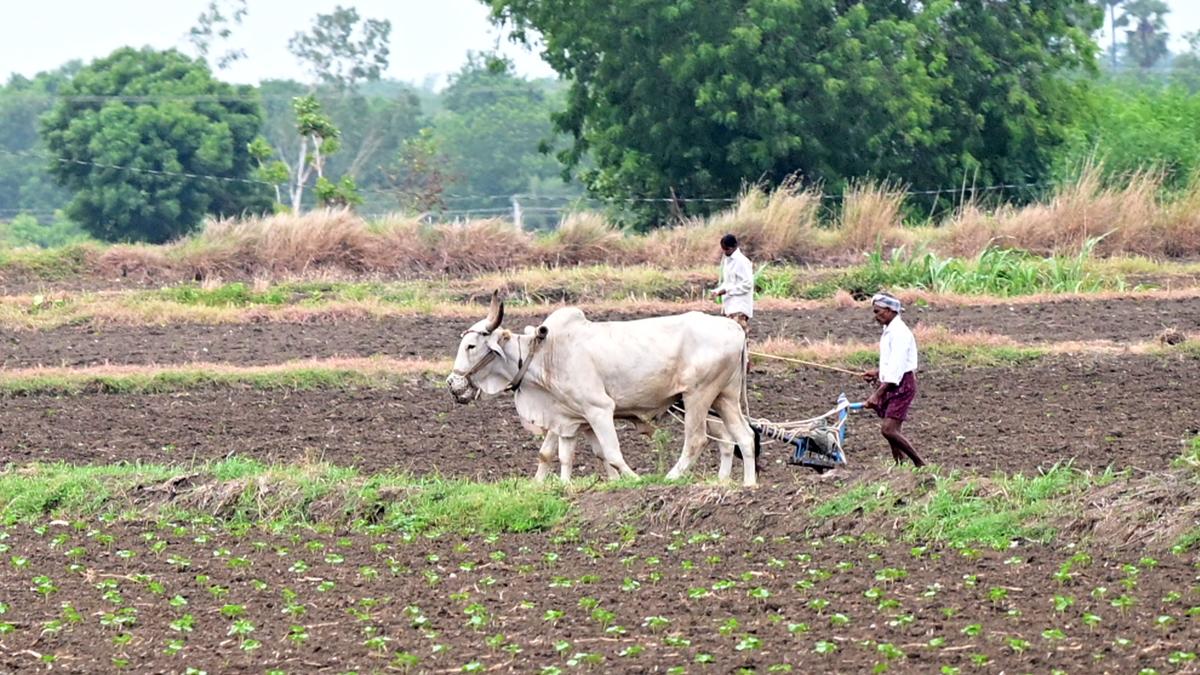
A Reassuring Verdict on Promotion Rights: Defining 7 Bold Principles

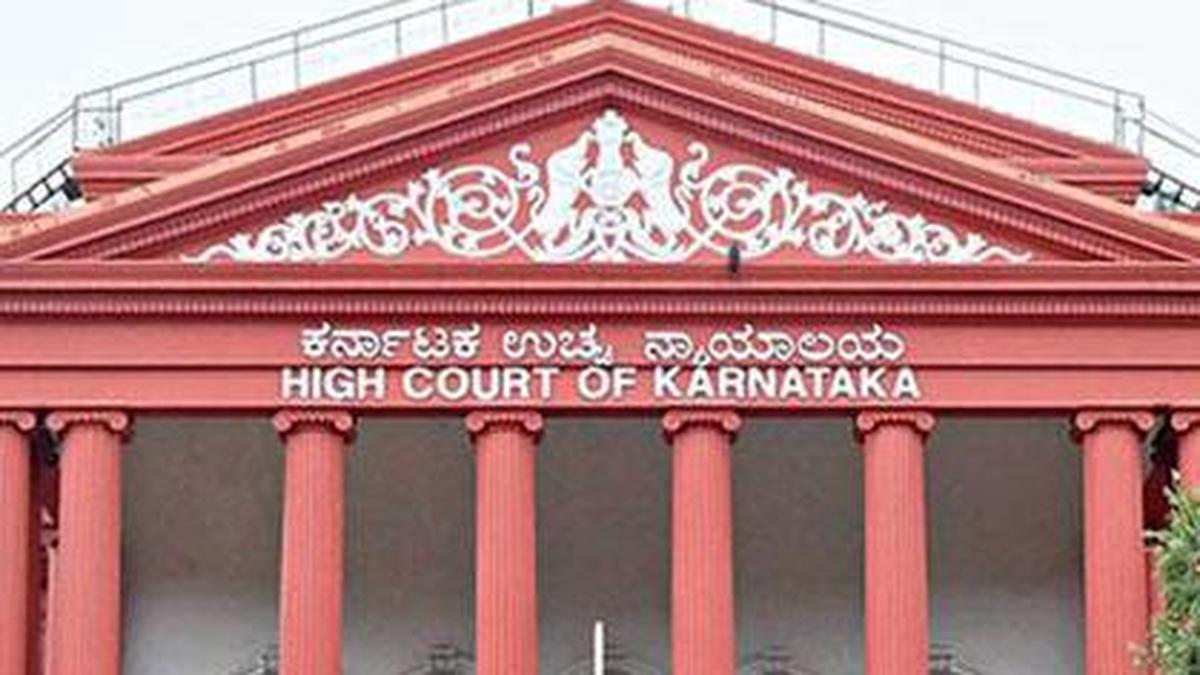
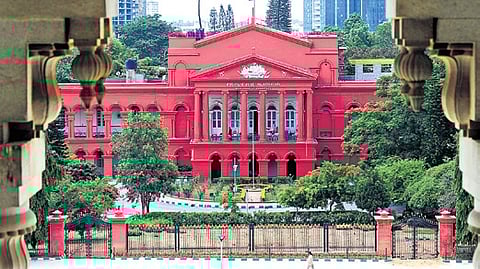
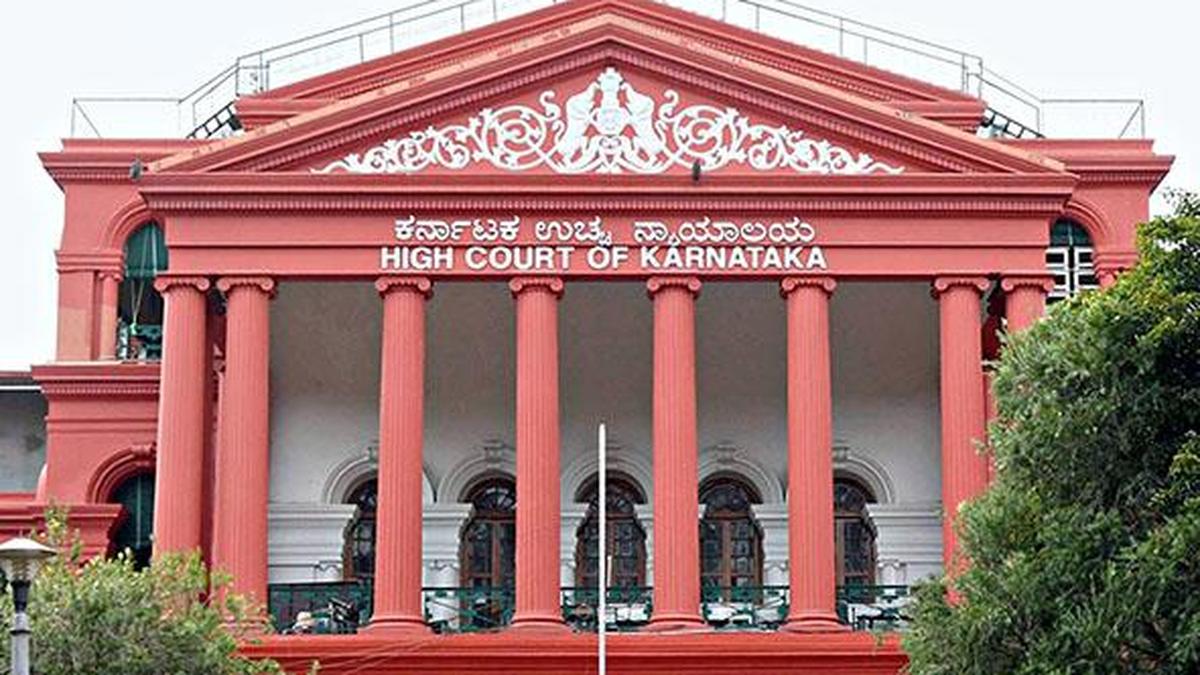
The Karnataka High Court has ruled that the mere contemplation or proposal of a disciplinary proceeding cannot be used as a reason to deny an employee their rightful promotion. The judgment is being hailed as a significant reaffirmation of service jurisprudence, offering clarity on a matter that has long led to disputes between government departments and their employees. According to the court, unless a formal disciplinary proceeding is initiated and communicated, authorities cannot rely on assumptions or pending internal discussions to block an employee’s career progression. The ruling marks a crucial moment in strengthening fairness within public service administration.

The case before the High Court involved an employee whose promotion had been withheld because the department claimed that a disciplinary proceeding was “under consideration.” The employee argued that no formal notice, chargesheet or preliminary communication had been issued. After hearing both sides, the court concluded that contemplation alone, without formal initiation, carries no legal status. The judges emphasised that promotions cannot be stalled indefinitely on vague grounds. This decision aligns with established principles that stress the need for transparency, timeliness and due process in employment-related actions.

Legal experts point out that such delays in promotions often arise from ambiguity in service rules and the absence of clear timelines for initiating disciplinary action. Departments sometimes keep matters pending for months or even years, leading to career stagnation and administrative disorder. The High Court’s ruling reiterates that disciplinary proceedings must be concrete, officially recorded and communicated before they can affect promotions. By distinguishing between contemplation and initiation, the judgment ensures that administrative authorities cannot misuse internal discussions to influence an employee’s prospects.


Strengthening Due Process and Administrative Accountability

The court’s reasoning draws from earlier Supreme Court decisions which held that only a formally initiated disciplinary proceeding—supported by a chargesheet or official memorandum—can justify withholding a promotion. Anything short of this violates the principles of natural justice. The Karnataka High Court noted that service rules cannot be interpreted in a manner that allows authorities to delay promotions based on hypothetical or incomplete actions. The judgment is expected to compel departments to adopt clearer internal processes, preventing them from relying on ambiguity to justify administrative decisions.

Employee unions have welcomed the ruling, arguing that many public servants face psychological and professional distress when departments keep disciplinary matters in limbo. They noted that the lack of communication leaves employees uncertain about their status, affecting morale and productivity. The court’s decision reinforces the idea that employees cannot be subjected to invisible or unofficial actions that restrict their rights. By requiring formal initiation, the judgment provides a safeguard against arbitrary treatment and promotes greater accountability within government offices.Mere contemplation of disciplinary proceeding is not bar for promotion: Karnataka  High Court - The Hindu

Several service law specialists believe the ruling will also reduce litigation. A large number of cases filed before various administrative tribunals involve promotions withheld on the grounds of pending or proposed disciplinary action. The court’s clear articulation of the legal standard is expected to reduce misinterpretation by departments. With better-defined boundaries, administrative authorities may be less inclined to adopt discretionary or inconsistent methods when handling promotion-related issues. This could result in smoother personnel management and fewer disputes reaching the courts.

Some experts also highlight the larger implications for governance. Promotions are closely linked to organisational efficiency and leadership structures within departments. When promotions are stalled without legitimate grounds, it not only affects individual employees but also disrupts succession planning and service delivery. By ensuring that promotions cannot be halted merely on the basis of speculation, the ruling encourages a more streamlined and reliable administrative environment. It reinforces the importance of timely decision-making and clarity in government operations.


Impact on Future Service Disputes and Administrative Discipline

The judgment is also expected to influence how departments approach preliminary inquiries. Often, internal fact-finding exercises precede formal disciplinary proceedings. Departments sometimes use these preliminary stages as justification to stop promotions, leading to long periods of uncertainty. The court has made it clear that unless the inquiry progresses to a formal stage with explicit communication, it cannot be considered grounds for denying advancement. This distinction prevents misuse of preliminary inquiries, ensuring they do not become tools for delaying or avoiding promotions.

From the government’s perspective, the ruling may lead to improvements in administrative procedures. Departments will likely be required to follow stricter timelines while deciding whether or not to initiate disciplinary proceedings. Authorities may need to issue formal notices promptly instead of allowing internal discussions to extend indefinitely. This could result in more structured and accountable service management. Ensuring employees are informed of any formal action against them also supports transparency, a key element of good governance.

The High Court also touched upon the principle that promotions must be processed based on the employee’s record as it stands on the date of consideration. If, on that date, no formal proceeding exists, the employee cannot be penalised for issues raised at a later time. This ensures fairness and prevents retrospective justification for withholding promotions. The ruling reinforces that departments must base their decisions on verifiable facts, not future possibilities. This legal clarity is likely to shape how authorities record, monitor and assess employee performance.

Many retired bureaucrats have commented that the ruling restores a necessary balance between administrative authority and employee rights. They note that while departments must retain the power to discipline employees when necessary, such powers cannot be exercised informally or without due process. The decision ensures that disciplinary mechanisms remain robust while preventing their misuse. It upholds both the integrity of the service system and the dignity of the employees who work within it. This equilibrium is essential for a healthy administrative ecosystem.

The court’s judgment also offers reassurance to employees that their career progression will not be affected by uncommunicated actions. Promotion eligibility has a direct impact on salaries, responsibilities and future prospects. In many cases, promotions delayed unjustly have long-term consequences, including affecting pension benefits. The ruling ensures that employees are not unfairly deprived of their entitlements. It encourages departments to maintain clear records and follow procedural guidelines strictly, reducing the possibility of arbitrary or unexplained delays.

Service tribunals across the country may reference this ruling in similar disputes. Though the judgment is jurisdictionally limited to Karnataka, its reasoning aligns with widely accepted legal principles, making it influential. As administrative litigation often draws from comparable precedents, the Karnataka High Court’s decision may guide other courts addressing similar issues. This cross-referencing strengthens uniformity in service jurisprudence, ensuring that employees across different states receive equal protection under similar circumstances.Promotion can't be withheld on contemplation of disciplinary action: Karnataka  HC

In many government departments, uncertainty around disciplinary proceedings often contributes to workplace tension. Employees may fear that unresolved internal discussions could affect their promotions, transfers or annual evaluations. This ruling aims to eliminate such ambiguity by clarifying that contemplation alone carries no legal consequence. Clear communication and formal action are mandatory before an employee’s career trajectory can be affected. This builds trust between employees and administration, supporting a healthier work environment and a more motivated workforce.

The verdict also emphasises the importance of administrative efficiency. If departments wish to initiate disciplinary action, they must do so decisively and within a reasonable time frame. Prolonged contemplation without initiation reflects poorly on internal processes and creates legal vulnerabilities. By insisting on formal procedures, the court indirectly encourages departments to strengthen internal decision-making protocols. This could lead to better file movement, stricter documentation and improved record-keeping practices, benefiting overall governance.

The ruling reiterates that fairness is a cornerstone of service law. Employees are entitled to know the allegations against them, respond to them and defend themselves appropriately. When departments delay the initiation of proceedings but still restrict promotions, they deny employees these fundamental rights. By drawing a clear boundary, the court safeguards procedural fairness and ensures that disciplinary mechanisms cannot be weaponised. This upholds not only employee rights but also the broader constitutional principles governing public service.

The Karnataka High Court’s judgment also draws attention to the importance of communication in administrative decisions. Authorities must ensure that any disciplinary action is conveyed formally and unambiguously to the concerned employee. Lack of communication creates room for misunderstandings and disputes, burdening both employees and the justice system. The ruling encourages departments to adopt transparent practices, reducing the risk of legal challenges and fostering smoother interactions between staff and administration.

As the judgment becomes widely known, employees awaiting promotions may find renewed confidence in the system. It reinforces the idea that promotions cannot be withheld arbitrarily or indefinitely without a legal foundation. This clarity may lead to better workforce morale, especially among mid-career employees who often face delays. It also motivates departments to act promptly and responsibly in disciplinary matters, ensuring that decisions are based on established processes rather than informal exchanges.Mere contemplation of disciplinary proceeding is not bar for promotion: Karnataka  High Court - The Hindu

The ruling stands as a reminder that the principles of natural justice must guide all administrative actions. By declaring that mere contemplation of disciplinary proceedings is not a valid reason to deny promotion, the Karnataka High Court has provided a strong, reassuring precedent. It supports both administrative integrity and employee rights, ensuring that public service remains grounded in fairness, transparency and due process.

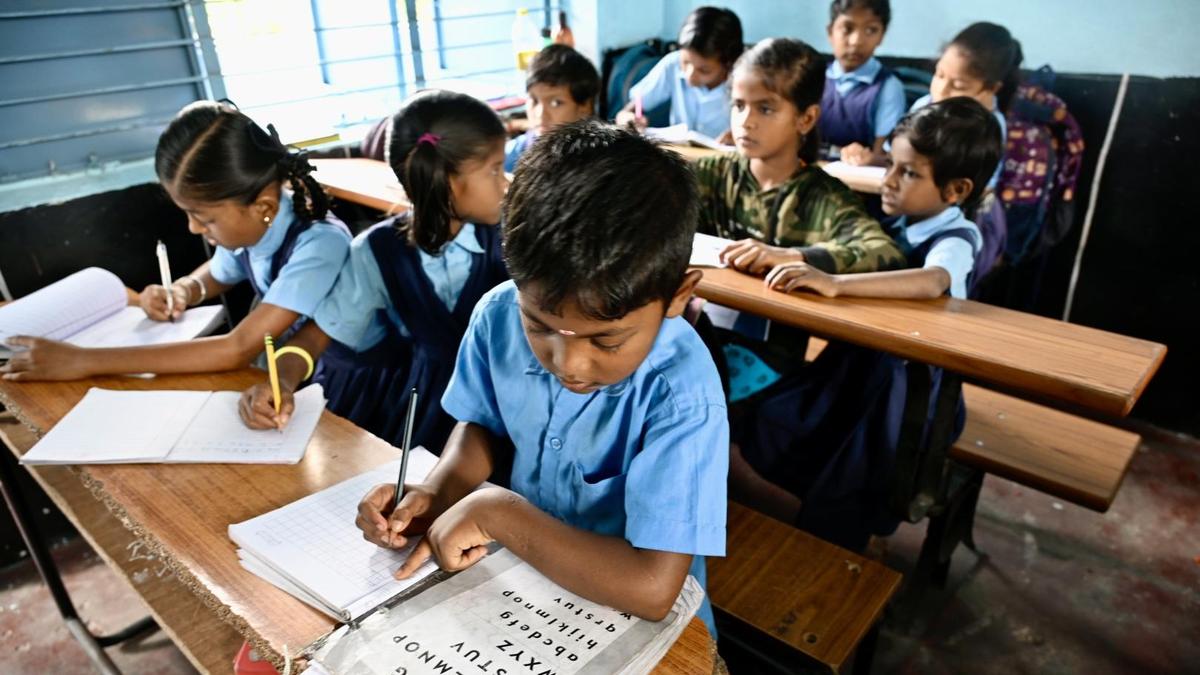
A Hopeful Push to Ease Private School Recognition: Revamping 5 Crucial Rules

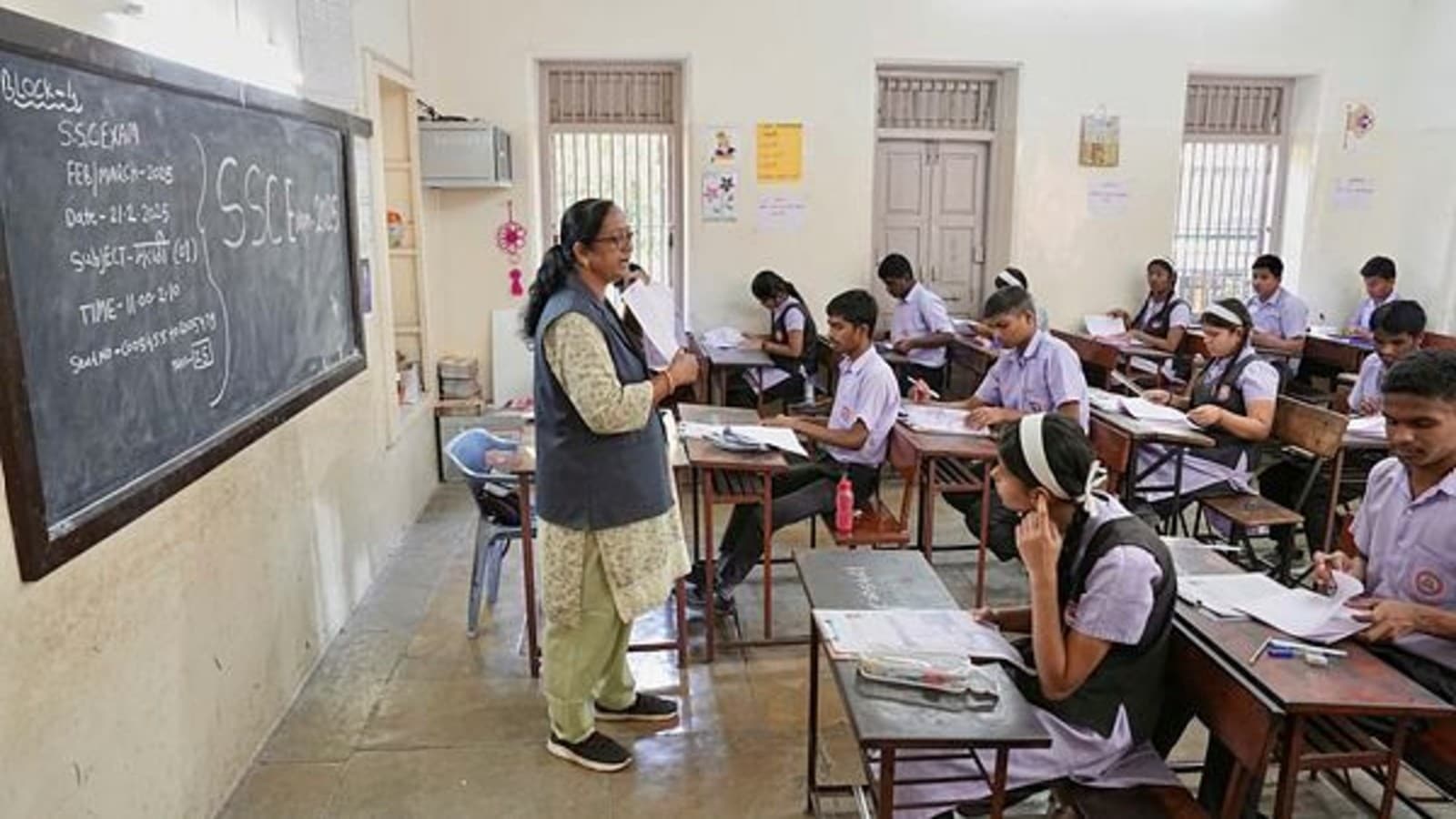
A Parliamentary Standing Committee on Education has begun preparing its recommendations to simplify the rules governing recognition and renewal for private schools across the country. The initiative comes after repeated concerns from school managements and parent groups about the cumbersome and opaque processes they currently face. According to panel members, the primary objective is to make the system more transparent and predictable while maintaining essential quality standards. Once finalised, the recommendations will be submitted to the Ministry of Education for examination and potential policy action that could reshape the administrative landscape for thousands of institutions.

Private schools have long voiced frustration over the layers of paperwork required to obtain mandatory clearances, including infrastructure certifications, staff qualifications, safety compliance and land-related documents. Many institutions argue that varying rules across states make compliance even more complex, especially when guidelines are frequently revised without detailed instructions. The committee is closely examining which parts of the current framework result in unnecessary duplication. Stakeholders have urged the panel to create a system that holds schools accountable without burdening them with procedural barriers that delay renewals and undermine daily operations.

During a series of consultations, the panel engaged with representatives from budget private schools that serve students from low and middle-income families. These schools highlighted how compliance procedures often demand resources they do not have, forcing administrators to devote time away from academic planning. Renewal delays, they noted, can affect fee collection cycles, restrict access to financial support and pause expansion plans. The committee has expressed agreement that smaller institutions may require differentiated compliance systems. Members believe that standards must be upheld, but through processes tailored to the size and nature of the school rather than a uniform and rigid structure.

Many state education departments require private schools to produce similar sets of documents for different agencies, resulting in overlapping verification processes. For example, fire safety audits, building stability certificates and sanitation reports are often demanded by municipal bodies, district authorities and education departments separately. These repetitive procedures increase administrative workload without adding meaningful value to safety or quality oversight. The committee is exploring ways to harmonise these requirements by encouraging better coordination between government departments. Policy specialists have suggested that a unified compliance portal could significantly reduce confusion, allowing schools to submit information once and track approvals seamlessly.Karnataka to form House panel to ease private school recognition rules

In several interactions, the committee also heard that outdated guidelines remain enforced in some states despite new national recommendations under the Right to Education framework. Schools have argued that this mismatch creates uncertainty, especially when different agencies interpret rules differently. Some institutions reported facing multiple inspections within the same year, each assessing the same facilities but using different criteria. The panel is expected to recommend clearer communication channels between central and state authorities to ensure consistency. Members have stated that the goal is not to reduce scrutiny but to make oversight purposeful, efficient and aligned with contemporary educational needs.


Cutting Through Bureaucratic Delays

A significant focus of the committee’s work is addressing the delays that schools face while waiting for recognition or renewal approvals. In some states, applications remain pending for months due to staff shortages, manual verification processes and unclear timelines within departments. Schools say such delays create uncertainty for parents, teachers and lenders, all of whom rely on timely approvals to plan ahead. The panel is assessing whether statutory deadlines should be introduced to ensure faster processing. This could include deemed approval provisions if authorities fail to respond within a fixed timeframe, a proposal already being tested in some sectors.

As part of its review, the committee is also examining safety-related provisions that schools must meet to receive recognition. While members agree that safety must remain a top priority, they also acknowledge that compliance mechanisms need refinement. Schools frequently report confusion over acceptable formats for safety certificates or discrepancies between local authorities’ interpretations of norms. For example, fire department officials in different districts may follow varying checklists. The panel may recommend standardised templates for essential certifications to reduce ambiguity and ensure that safety checks are meaningful and uniform across regions.

Experts invited by the committee have emphasised the importance of separating academic evaluations from administrative compliance. They argue that recognition should not hinge solely on infrastructural factors but also on learning outcomes and teacher development initiatives. Some have suggested the creation of periodic self-assessment modules that schools can complete online, followed by randomised audits to verify accuracy. Such mechanisms, proponents say, would reduce routine paperwork while maintaining oversight. The committee is considering these ideas, noting that a modernised system must balance trust, accountability and innovation in school governance.

Private school associations have also raised concerns regarding the cost of compliance. They note that schools, especially smaller ones, often spend significant amounts on repeated documentation, inspections and legal consultations. For institutions operating on low margins, these costs accumulate quickly and may affect investments in teaching resources or classroom improvements. The panel is expected to study the feasibility of clearer fee caps for inspections and certifications to prevent exploitative practices. Additionally, some members are exploring whether phased compliance options could be introduced for schools with limited financial capacity.

Karnataka to Set Up House Panel to Simplify Private School Recognition Rules


Towards a More Supportive Policy Framework

As discussions progress, the committee has been gathering feedback from parents, teachers and education activists to understand the broader impact of recognition norms on students’ learning experiences. Parents’ groups have noted that delayed renewals sometimes force schools into temporary shutdowns, causing disruptions in academic schedules. Teachers have highlighted that administrative stress trickles down to staff, affecting morale and professional development. The panel acknowledges these concerns and aims to propose reforms that place student welfare at the centre of regulatory design, ensuring that compliance processes do not interfere with educational continuity.

A recurring suggestion from stakeholders is the introduction of a single-window clearance system for private schools. Such a model would integrate multiple approvals—ranging from building safety to sanitation—under a unified administrative framework. Schools would be able to submit their documents digitally, track progress and respond to queries without navigating several agencies. States like Karnataka and Rajasthan have experimented with similar systems for other sectors, showing promising results in reducing delays. The committee is evaluating whether such a system can be adapted nationally for school recognition and renewal.

Teacher organisations have urged the committee to retain stringent standards for qualifications and professional development. They fear that excessive simplification could lead to the appointment of underqualified staff, affecting teaching quality. The panel has reassured them that any reforms will aim to maintain academic integrity. While procedural efficiency is a priority, the committee emphasises that core educational standards—such as teacher training, classroom infrastructure and student safety—will remain non-negotiable. Members believe that streamlining processes should strengthen accountability rather than weaken essential requirements.

Budget private schools have highlighted the need for flexibility in infrastructure norms, especially in urban areas where land availability and building regulations pose challenges. They argue that strict adherence to uniform campus size requirements may be impractical in densely populated cities. The panel is considering whether alternative compliance models, such as vertical infrastructure or shared community spaces, could be recognised as long as they meet safety standards. Such reforms would allow schools to operate effectively while adapting to local constraints.

The committee is also studying recommendations made during the National Education Policy consultations, many of which call for reducing administrative burdens on schools. Some educationists have noted that overregulation can stifle innovation, pushing schools to focus more on paperwork than pedagogy. They argue that simplifying recognition norms aligns with broader national goals of improving learning outcomes and supporting school autonomy. The panel hopes to integrate relevant NEP principles into its final report to ensure that reforms are future-ready and consistent with national priorities.

As the committee prepares its draft report, it continues to consult with state governments, many of which have developed independent systems for school recognition. States have shared insights on challenges they face, including manpower shortages and outdated digital systems. The panel believes that collaborative policymaking will be essential to ensure uniformity without undermining state autonomy. It expects to recommend capacity-building measures for state education departments, which would help streamline inspections and ensure timely processing of applications.

Once submitted, the committee’s recommendations are likely to open discussions within the Ministry of Education on potential amendments to existing rules. While any final policy decisions may take time, the panel’s proposals could mark a significant step towards reforming how private schools interact with regulatory authorities. With tens of thousands of schools depending on yearly approvals, stakeholders hope the upcoming reforms will reduce uncertainty, promote transparency and create an environment where schools can focus more on education and less on paperwork.Private school managements oppose mandatory fire, building safety  certificates for recognition renewal in Karnataka - The Hindu

Once submitted, the committee’s recommendations are likely to open discussions within the Ministry of Education on potential amendments to existing rules. While any final policy decisions may take time, the panel’s proposals could mark a significant step towards reforming how private schools interact with regulatory authorities. With tens of thousands of schools depending on yearly approvals, stakeholders hope the upcoming reforms will reduce uncertainty, promote transparency and create an environment where schools can focus more on education and less on paperwork.

Follow: Karnataka Government

Also read: Home | Channel 6 Network – Latest News, Breaking Updates: Politics, Business, Tech & More
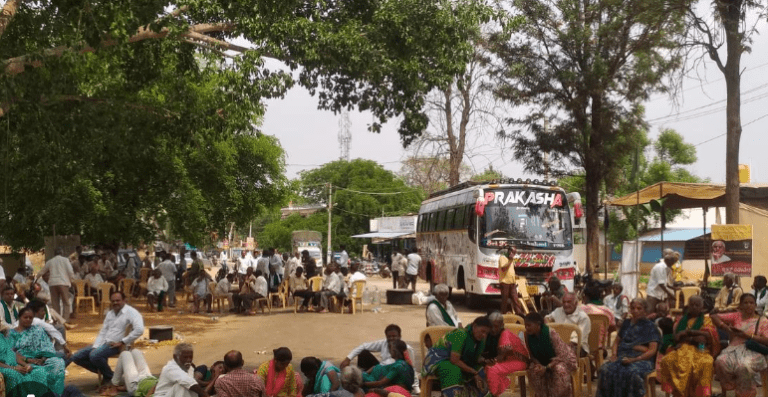
Rift Deepens in Karnataka’s Safari Ban Row: Powerful 18-Point Divide

The ongoing debate around the proposed safari ban in key wildlife zones of Karnataka has opened a sharp divide between tourism stakeholders and farming communities living along the fringes of protected forests. While the tourism sector argues that the ban has disrupted livelihoods and damaged a delicate local economy that depends heavily on wildlife-based travel, farmers insist that safety must come first after a series of alarming encounters with wild animals. The controversy has intensified, with both sides presenting passionate arguments on how best to balance conservation, livelihood, and life-threatening risks.

For tourism operators, the safari ban represents not merely a temporary inconvenience but a severe economic blow. Resorts, jeep drivers, guides, and allied service providers rely on a consistent flow of visitors, especially during peak holiday seasons. Many point out that even short disruptions leave long-term impacts, forcing staff layoffs and financial instability. Travel associations have urged the government to consider structured guidelines rather than outright bans, arguing that regulated tourism actually aids conservation by providing a watchful presence that discourages illegal hunting and encroachment.Safari ban row: Tourism sector wants revival, farmers cite safety concerns  - The Hindu

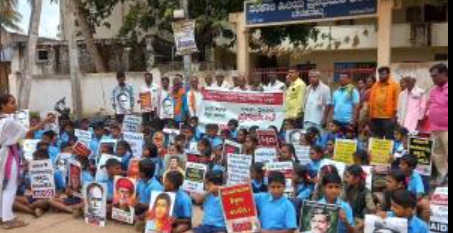
Farmers, however, experience the forest in an entirely different way. For them, wildlife movement is not an attraction but a constant threat. Villages near forest fringes have reported repeated incidents of crop destruction, cattle loss, and nocturnal animal movements that leave families anxious throughout the night. They argue that reviving safaris without addressing the underlying safety issues would only strengthen the focus on tourism while ignoring communities living with danger daily. Their demand is for stronger barricades, early-warning systems, and compensation reforms before tourism activities resume.

The government’s temporary suspension of safaris came after a series of alarming episodes involving wildlife straying close to safari routes, raising fears about visitor safety. Officials insisted the move was precautionary and necessary to assess risk patterns. Tourism bodies countered that such bans should be last-resort measures, implemented only when no alternative exists. They have proposed comprehensive safety protocols, including route redesigning, stricter vehicle limits, and trained emergency response staff to ensure that safaris remain both safe and sustainable.

Tourism Pushes for Revival Amid Economic Strain

Tour operators reveal that the ban has hit small businesses the hardest. Local drivers who depend entirely on safari bookings have been left without income, while homestays near wildlife zones report sharp cancellations. Many worry that if the ban continues, the region may lose its reputation as a prime wildlife destination. They argue that Karnataka’s successful conservation model has grown alongside responsible tourism, with safari fees funding anti-poaching squads and habitat restoration. According to them, completely halting safaris disrupts this symbiotic relationship and weakens conservation funding streams.

Resort owners highlight that they employ large numbers of local youth who now face uncertain futures. Without safari traffic, restaurants, transport services, and craft sellers are experiencing significant losses. Many workers have migrated temporarily to nearby towns seeking alternate jobs. Tourism associations warn that prolonged bans could permanently shift visitor interest to neighbouring states, affecting Karnataka’s long-term tourism profile. They want the government to devise a clear revival plan that includes structured safety guidelines, scientific assessments, and collaborative decision-making with all stakeholders.Safari ban row: Tourism sector wants revival, farmers cite safety concerns  - The Hindu

Wildlife conservationists present a nuanced perspective, acknowledging both sides of the debate. They emphasise that while tourism is crucial for generating awareness and supporting conservation, poorly regulated safaris can disturb animal movement patterns. They argue that the solution lies in balance: stricter monitoring, reduced vehicle density, and scientifically timed safari slots can protect wildlife while supporting livelihoods. They call for detailed ecological studies before reopening routes to ensure that the ban lifts only when accurate data confirms visitor safety and minimal stress on wildlife.

Farmers remain unconvinced that safari regulation alone will solve their challenges. They point out that animal pressure on farmlands has increased in recent years due to habitat shifts, changing food availability, and unexpected wildlife dispersal patterns. Many families have adopted night patrol routines, constructed makeshift fences, and even installed low-voltage wires to protect their crops. Despite these efforts, losses persist. They insist that resuming tourism without addressing these deeper ecological and social issues will only worsen their vulnerability.

Farmers Stress Human Safety and Long-Term Solutions

For the farming community, the central concern is human safety. Several incidents in recent months have involved elephants and leopards entering agricultural fields, causing panic and sometimes injuries. Families living near the forest boundary say they have repeatedly appealed for stronger intervention but feel ignored until tourism is impacted. They want the government to prioritise human-wildlife coexistence strategies such as strengthened solar fencing, forest-frontline staff deployment, and quicker compensation payouts to restore confidence among affected households.

Community leaders argue that the debate should not pit tourism against farming, as both are essential to the region’s identity. Instead, they emphasise the need for integrated planning that considers ecological stress, local livelihoods, and visitor experience simultaneously. They want more involvement in decision-making processes, pointing out that those who live closest to wildlife must have a voice in shaping policy. They note that while tourism may lose income, farmers lose safety and property, making the scale of risk incomparable.

Opposition leaders in the State Assembly used the safari ban row to criticise the government’s wildlife management approach. They argue that frequent bans reflect deeper administrative inefficiencies, lack of predictive monitoring, and inadequate field infrastructure. They have demanded a comprehensive wildlife management audit, focusing on staffing shortages, outdated equipment, and slow response times during emergencies. The government maintains that its decisions are based on scientific advice and that ongoing reviews will address all concerns without compromising public welfare.

Opposition leaders in the State Assembly used the safari ban row to criticise the government’s wildlife management approach. They argue that frequent bans reflect deeper administrative inefficiencies, lack of predictive monitoring, and inadequate field infrastructure. They have demanded a comprehensive wildlife management audit, focusing on staffing shortages, outdated equipment, and slow response times during emergencies. The government maintains that its decisions are based on scientific advice and that ongoing reviews will address all concerns without compromising public welfare.

The Forest Department stated that the safari ban is temporary and will be lifted once risk assessments are completed. Officials clarified that they are conducting field inspections, analysing animal movement patterns, and reviewing safety mechanisms. They also mentioned that new technology-based tracking systems may soon be introduced to improve real-time monitoring. However, tourism bodies say the assessment process must be time-bound to prevent irreversible economic damage. Farmers, meanwhile, argue that assessments must also include human-wildlife conflict mapping beyond the safari routes.

Experts in environmental policy emphasise that wildlife tourism must evolve with changing ecological realities. Karnataka’s forests have seen shifts in animal behaviour due to altered rainfall patterns, forest regeneration cycles, and habitat stress. These changes require new safarimanagement practices. They suggest implementing mandatory guide training, fixed daily vehicle caps, wildlife-first route planning, and community-inclusive conservation programmes. They argue that with the right reforms, Karnataka can become a model for harmonious coexistence between tourism and local communities.Safari ban row: Tourism sector wants revival, farmers cite safety concerns  - The Hindu

At ground level, tensions continue to rise as villagers fear that an early reopening may overlook their concerns. In some pockets, community groups have threatened organised protests if tourism resumes without parallel safety improvements. Local leaders say they support sustainable tourism but not at the cost of rural families’ wellbeing. They want the government to ensure that safety infrastructure, compensation reforms, and conflict mitigation mechanisms are prioritised before welcoming tourists back into the forests.

Tourism advocates insist that shutting down safaris cannot be the long-term solution, because tourism helps keep forests economically relevant and safeguards them against alternative land-use demands. They argue that a well-functioning wildlife tourism sector encourages conservation awareness, attracts research, and generates funds for protection initiatives. They stress that thoughtful regulation, not bans, is the way forward. Their appeals highlight a broader question: how can Karnataka maintain its status as a top wildlife destination without sidelining the concerns of its rural communities?

As the debate intensifies, the government faces the challenge of maintaining credibility with all parties. Officials must respond to the tourism sector’s economic concerns while addressing the safety fears of farmers. The situation demands careful negotiation, transparent communication, and actionable policy reform. With tempers rising, authorities have emphasised that any decision must align with ecological responsibility, community welfare, and scientific data. They are now working to finalise comprehensive guidelines aimed at addressing all stakeholder concerns.

In conclusion, the safari ban row has exposed deep-seated tensions between livelihood needs, ecological realities, and human safety. The tourism industry seeks revival and stability, farmers seek protection and long-term solutions, and conservationists seek a delicate balance between ecological preservation and economic opportunity. The government must now navigate these intersecting interests with clarity and sensitivity. The path forward will determine not only the future of Karnataka’s wildlife tourism but also the well-being of the communities that share their living spaces with the forest.

In conclusion, the safari ban row has exposed deep-seated tensions between livelihood needs, ecological realities, and human safety. The tourism industry seeks revival and stability, farmers seek protection and long-term solutions, and conservationists seek a delicate balance between ecological preservation and economic opportunity. The government must now navigate these intersecting interests with clarity and sensitivity. The path forward will determine not only the future of Karnataka’s wildlife tourism but also the well-being of the communities that share their living spaces with the forest.

Follow: Karnataka Government

Also read: Home | Channel 6 Network – Latest News, Breaking Updates: Politics, Business, Tech & More

Minister Says No Karnataka School Will Be Closed Despite Closure Rumours: Assuring 1- shocking Promise

The Karnataka Education Department found itself at the centre of a heated public debate after discussions around the alleged closure of government schools triggered widespread concern among teachers, parents, and local communities. As rumours intensified, the Minister for Primary and Secondary Education issued a firm clarification, assuring that no school in the State would be shut down under any circumstance. His statement aimed to counter fear, restore confidence, and emphasise the government’s commitment to sustaining public education. Yet, the controversy highlighted deeper anxieties about enrolment trends, infrastructure issues, and the future of rural schooling.

Across districts, the speculation surrounding possible closures had created a sense of urgency among school development committees and gram panchayats. Many communities feared that low-enrolment institutions, particularly in remote areas, might be clubbed or merged, affecting access for children who rely heavily on neighbourhood schools. The Minister’s categorical reassurance came as a relief to rural families, who often struggle with transportation and safety concerns if children must travel long distances. Officials reiterated that strengthening existing schools, not shutting them, remains the primary goal of ongoing education reforms in Karnataka.

The pushback from education groups illustrated how sensitive the issue remains in regions where schools serve not only as learning spaces but also as vital community hubs. Teachers’ associations argued that instead of debating closures, the government should focus on improving staffing, implementing modern teaching tools, and bolstering infrastructure in underserved areas. Many emphasised that closures, even when framed as consolidations, could accelerate dropout rates. The Minister acknowledged these concerns, stressing that any discussion on restructuring is aimed at enhancing quality, not withdrawing access.

A series of meetings held over the past week showcased the extent of anxiety among teachers who felt that their jobs could be threatened If school counts were reevaluated. The Education Department clarified that no employment would be jeopardised, reiterating that the focus is on filling vacancies, improving teacher-student ratios, and ensuring accountability. The message was clear: preserving the existing educational network while enhancing performance is the State’s chosen path. Teachers were urged to cooperate with reforms rather than fear them, as the broader aim is to benefit students.

The debate stemmed in part from earlier discussions on rationalising educational resources in areas with drastically low enrolment. While some officials had informally floated the idea of clubbing certain schools, the Minister emphasised that these conversations were preliminary and had been misinterpreted. No policy had been finalised, nor had any instructions been issued to proceed with closures. He assured that any future decisions would emerge only after detailed community consultations, data analysis, and committee evaluations rather than unilateral department action.Amid heated debate over 'closure of schools', Minister says no school will  be closed - The Hindu

Parents’ associations in several districts expressed relief after the clarification but urged the government to take additional steps to restore trust. They argued that proactive communication is crucial to avoid misinterpretations that cause panic. Many called for village-level awareness meetings to explain the government’s vision for improving learning outcomes. The Minister agreed with the need for transparency and highlighted that strengthening public schooling systems remains essential for educational equity, especially for economically vulnerable families who rely exclusively on government institutions.

In the ongoing session, opposition members used the issue to critique the government’s handling of education-related communication. They accused the department of creating confusion by allowing contradictory statements from field officers. The Minister countered that misleading interpretations had been circulated without context, adding that political opportunism had amplified the controversy. He restated that educational stability is the government’s priority and that the department will focus on constructive improvements instead of allowing rumours to derail policy discussions.

The debate also triggered conversations about Karnataka’s long-term education strategy, particularly the need to revitalise government schools facing declining enrolment due to urban migration and private-sector competition. Experts pointed out that closures should never be the immediate solution. Instead, revitalising teaching methods, introducing digital infrastructure, and fostering community participation can make government schools more attractive. The Minister indicated that upcoming programmes will focus on academic innovation and enhanced support for teachers to make learning environments stronger and more effective.

Teachers’ unions welcomed the Minister’s definitive assurances, but many argued that the root causes behind enrolment drops must still be addressed. They stressed the importance of investing in qualified teachers, continuous training, and improved accountability mechanisms. Other unions demanded that the government take a firm stand against any future suggestions of closure, regardless of enrolment fluctuations. They reiterated that in rural regions, even a small school with few students provides irreplaceable access for children who otherwise might drop out due to distance.

Community Concerns and Educational Realities

In several taluks, local leaders emphasised how schools often act as the backbone of community life, playing roles beyond academics—such as hosting cultural events, health camps, and awareness drives. Any threat of closure disrupts these shared spaces and affects social cohesion. Panchayat representatives urged the government to consider this socio-cultural dimension when planning reforms. The Minister acknowledged that preserving community identity is important, adding that every school carries emotional and historical significance that must be respected during educational planning.

The controversy prompted renewed discussions on the State’s responsibility to uphold the constitutional right to education. Legal experts observed that governments have an obligation to ensure not only access but also proximity to schools, especially for younger children. They argued that even suggestions of closure contradict the spirit of inclusive education. Some cited the need for strong legislative backing to prevent abrupt policy shifts. The Minister reassured lawmakers that the State intends to uphold educational accessibility with unwavering commitment and does not plan to pursue consolidation strategies.Amid heated debate over 'closure of schools', Minister says no school will  be closed - The Hindu

Education activists who have long monitored enrolment trends noted that rural depopulation has affected several districts, leading to smaller class sizes. However, they argued that instead of closing schools, micro-level interventions—such as introducing multi-grade teaching models or community-supported programmes—can help keep schools operational without compromising quality. The Minister confirmed that the department is exploring flexible academic models, particularly for geographically isolated regions, so that learning continues even when enrolment fluctuates.

A section of officials maintained that the Education Department’s new digital attendance and monitoring systems will help diagnose academic weaknesses early without drastic restructuring. They emphasised that real-time teacher performance data, assessment patterns, and enrolment statistics can guide targeted interventions. The Minister noted that improved analytics will allow the government to support struggling schools with tailored measures. This approach, he said, is far more sustainable than merging institutions or withdrawing services in the name of efficiency.

Amid the heated exchanges, voices from urban schools expressed concern that their issues should not be overshadowed by the rural-school debate. They pointed out that overcrowding, infrastructure shortages, and staff vacancies continue to affect city schools. The Minister assured that both urban and rural challenges would be addressed through a balanced strategy. He emphasised that quality enhancement programmes will cover schools across the State, ensuring that no region feels neglected and that all students receive equal opportunities for academic growth.

Teachers involved in school development committees highlighted the need for community-driven reform. They proposed greater local participation in school planning, academic monitoring, and resource allocation. Their argument was that when communities feel ownership, school performance improves naturally. The Minister endorsed this approach, adding that stakeholder involvement is essential for building a resilient education ecosystem. He promised to strengthen programmes that engage parents, volunteers, and local leaders in supporting teaching and learning.

Policy Vision and the Road Ahead

Officials from the department outlined that several new initiatives are already in motion to raise academic standards. These include expanded training programmes for teachers, curriculum enrichment modules, and infrastructure upgrades. They emphasised that long-term solutions will depend on consistent investment and sustained administrative support rather than short-term measures. The Minister assured legislators that every programme will be monitored rigorously to ensure measurable improvements in learning outcomes across grades.

Many lawmakers appreciated the Minister’s strong stand but insisted that clear guidelines be issued to subordinate officials to avoid future miscommunication. They urged the government to document and publish its stance in official circulars for complete clarity. The Minister agreed, stating that detailed instructions would soon be issued to district and block-level officers. This, he said, would prevent ambiguity, reduce panic among teachers and parents, and create a unified understanding of the government’s educational agenda.Government urged to withdraw order allowing merger of low-enrolment schools  - The Hindu

The debate also revived calls for strengthening pre-primary schooling under the Education Department. Lawmakers argued that improving foundational learning is crucial to boosting long-term enrolment in government schools. They suggested integrating anganwadis more closely with primary schools for smoother academic transitions. The Minister noted that discussions are underway to enhance foundational literacy and numeracy programmes, which play a key role in preventing dropouts and building stronger academic pathways for children.

Some members highlighted the importance of modernising schools by introducing digital classrooms, updated laboratories, and improved connectivity. They argued that infrastructure upgrades can significantly enhance student engagement and reverse enrolment decline. The Minister stated that the next budget session will prioritise funding for comprehensive upgrades. He added that special attention will be given to schools that have historically been left behind in development cycles, ensuring equitable growth across educational sectors.

As the session progressed, several representatives emphasised that any meaningful reform must be built on trust between the government, teachers, and communities. They warned that recurring rumours of closures could damage this trust and discourage enrolment further. The Minister reiterated that no school would be closed and that the government intends to build confidence through open dialogue, transparency, and consistent support. He expressed hope that unified efforts would help rebuild faith in public schooling.

In conclusion, the Minister assured the Assembly that Karnataka’s commitment to strengthening public education is firm and that no school will face closure under the current administration. He highlighted that reforms will focus on enhancing quality, improving access, and supporting teachers. While the controversy underscored existing concerns about communication gaps and structural challenges, it also opened the door to constructive discussions on how to build a stronger education system. The government now stands tasked with translating assurances into visible action that benefits every child in the State.

Follow: Karnataka Government

Also read: Home | Channel 6 Network – Latest News, Breaking Updates: Politics, Business, Tech & More

DCM Shivakumar Calls for Change in Liquor Stock Norms at Home: Bold 1-Statement Ignites Debate

The Karnataka winter session opened with a striking and unexpected statement from Deputy Chief Minister D.K. Shivakumar, who voiced support for revisiting the existing norms regarding the permissible quantity of liquor an individual can store at home. His remarks, delivered during an informal interaction on the sidelines of the session, quickly escalated into a political and administrative debate. As the State prepares to handle a wide range of legislative issues in the winter session, this particular subject has emerged as one of the most talked-about topics both within and outside the Assembly.

Shivakumar indicated that the current guidelines, which restrict the amount of liquor that can be legally kept in private residences, may no longer reflect contemporary realities. He argued that enforcement challenges, evolving social practices, and inconsistencies in regulatory interpretation necessitate a fresh look. The Deputy Chief Minister’s stance has raised questions about whether Karnataka is moving toward liberalised norms or simply attempting to streamline an often-criticised regulatory framework.

At present, Karnataka’s excise laws limit the storage of liquor in homes, with penalties imposed on households found possessing stock exceeding the permissible quantity. While the aim has traditionally been to curb illegal resale, hoarding, and tax evasion, critics say the guidelines create confusion, encourage unofficial transactions, and burden enforcement agencies with avoidable raids. Against this backdrop, Shivakumar’s remarks signal a possible policy shift that could have social, economic, and political implications.

A Call That Rekindles an Old Policy Discussion

The discussion around domestic liquor stock is not new to Karnataka, but the Deputy Chief Minister’s public endorsement of revisiting the norms has brought renewed urgency. Shivakumar argued that citizens who legally purchase alcohol for personal use should not fear punitive action. He stated that people often buy liquor during festivals, family functions, celebrations, or while hosting guests, and the existing limits may not reflect the quantities needed for such occasions. According to him, a more realistic and transparent policy would reduce misunderstandings and encourage residents to stay within the law without feeling targeted.

Legal experts agree that ambiguity in excise rules has long been a point of contention. Several citizens have complained that the lack of clarity exposes them to inspections and penalties even when they have bought alcohol legally from licensed outlets. Enforcement officers, on their part, say that contradictory interpretations of the rules often lead to operational difficulties. This gap between the law’s intention and its execution is what Shivakumar says must be addressed.Karnataka winter session: DCM D.K. Shivakumar favours change in norms on liquor  stock at home - The Hindu

However, not everyone views a revision as harmless. Some public health organisations argue that increasing permissible stock limits could indirectly promote excessive consumption. They fear that the move may weaken regulatory surveillance at a time when alcohol-related concerns—such as drink-driving, addiction, and underage access—continue to trouble authorities. They warn that any relaxation must be accompanied by safeguards, awareness campaigns, and stronger monitoring of liquor outlets.

Political Reactions and Divided Opinions

The Deputy Chief Minister’s comments have stirred diverse reactions across the political spectrum. Members of the ruling party have largely supported the idea of revisiting outdated regulations, stating that overly restrictive norms cause more confusion than compliance. They argue that a transparent, citizen-friendly policy could reduce unnecessary friction between residents and authorities, especially during routine checks or festival-season enforcement drives.

Opposition leaders, however, have criticised the timing and intent behind the statement. Some have questioned why the government is prioritising liquor-related regulations at a time when farmers, municipal workers, teachers, and healthcare workers are demanding policy attention. Others suggest that any move to liberalise stock limits could be influenced by excise revenue considerations, especially when the State is navigating financial constraints. They argue that the government must clarify whether such proposals are purely administrative or tied to broader revenue mobilisation strategies.

Political analysts note that alcohol-related policy decisions often invite polarisation. Karnataka has one of the highest excise revenues in the country, and any change in liquor regulation—whether in distribution, pricing, or storage—inevitably triggers debate. Shivakumar’s remark, in this context, is being examined through political, economic, and social lenses simultaneously.

Public Reaction Reflects Both Support and Caution

Across urban and semi-urban pockets of Karnataka, residents have expressed mixed reactions to the Deputy Chief Minister’s suggestion. Many citizens believe that current limits, including restrictions on the number of bottles or litres of liquor allowed at home, are outdated and impractical. They argue that families conducting weddings or festivals often buy liquor in bulk—not for resale, but for hosting relatives and guests. For them, the move to reconsider norms seems logical and timely.

Some residents have shared personal experiences where they were unsure whether the quantities they purchased for family gatherings violated rules. Others highlight that liquor availability is far more open now compared to previous decades, making storage norms appear excessively strict. Several urban households believe that policy clarity would reduce reliance on hearsay, misinformation, or fear of punitive action.Karnataka winter session: DCM D.K. Shivakumar favours change in norms on liquor  stock at home - The Hindu

Conversely, social organisations have cautioned that relaxed norms might inadvertently normalise higher consumption levels. They note that Karnataka already records concerning numbers of alcohol-related medical emergencies and road accidents. For them, any easing of household stock limits must be balanced with education on responsible consumption and stricter monitoring of illegal outlets.

The hospitality sector has shown interest in the debate as well. Restaurants, bars, and caterers often handle large alcohol orders for private functions. Many of them agree that revising norms could help streamline bulk purchases legally, reducing confusion among clients who host events at home or in gated communities.

Administrative Views and Enforcement Hurdles

Excise officials have welcomed the discussion, noting that enforcement becomes challenging when laws are ambiguous. Officers say that during raids, inspections, or festival-season checks, determining whether households violate stock limits often becomes subjective. This can lead to disputes, allegations of harassment, and challenges in ensuring fairness. A clear, updated policy would, they argue, make enforcement cleaner and reduce discretionary interpretations.

Senior officers have stressed that the objective of storage limits was never to police personal consumption, but to prevent illegal retail activities. They say households storing legitimate purchases frequently get caught in the grey area. Revising the rules, therefore, could help agencies focus on actual offenders rather than law-abiding citizens.

Some officers also point out that the digitalisation of liquor purchases—especially through licensed online or app-based systems in certain districts—provides clearer transaction histories. With improved tracking capabilities, they believe the State can afford to modernise storage regulations without compromising control.

Administrative experts, however, caution that a revision must be comprehensive. They argue that simply raising storage limits without addressing parallel issues—such as underage access, homemade liquor circulation, and tax-evasion networks—would be shortsighted. Any policy reset, they say, must be part of a holistic regulatory update.

A Socio-Cultural Debate in the Background

Liquor regulation in Karnataka has always been intertwined with cultural norms, social habits, and political considerations. The State has diverse consumption patterns across regions: urban centres show higher demand for premium spirits, while rural pockets have long-standing traditions involving locally produced beverages. For many families, liquor procurement and storage are closely tied to festivals, life-cycle ceremonies, and community gatherings.

Shivakumar’s remarks have reopened a debate on whether regulations should reflect Karnataka’s changing socio-economic landscape. Younger citizens in particular have expressed that personal freedom, privacy, and modern lifestyles should not be hindered by rigid, decades-old norms. They believe that policy updates must keep pace with evolving cultural practices, especially in cosmopolitan cities like Bengaluru.

On the other hand, cultural conservatives and community activists maintain that any liberalisation must be handled with caution. They warn that rising social acceptance of alcohol could influence youth behaviour and strain families grappling with addiction issues. Their argument emphasises the need for a balanced approach that respects cultural sensitivities while ensuring personal freedom.

Economic Considerations and Revenue Implications

Karnataka’s excise revenue forms a significant component of the State’s finances. Any policy discussions involving liquor inevitably trigger speculation regarding revenue strategies, especially during budget season. While Shivakumar did not explicitly link his remarks to revenue, analysts say that modifying storage norms could influence buying patterns indirectly.

Liberalised limits might encourage bulk purchases from legal outlets, potentially boosting excise collections. Conversely, opponents claim that it may increase household consumption, leading to broader public health costs. Economists remain divided on whether the financial impact of revising storage norms would be meaningful or marginal.

Some observers also believe that the government is signalling a willingness to modernise excise rules more broadly. Over the past few years, Karnataka has been exploring technological tools to track sales, curb illegal distillation, and prevent smuggling from neighbouring states. A review of storage norms could be part of these larger reforms aimed at ease of regulation, reduced friction, and enhanced transparency.Will not allow anyone to take law into their hands, says DK Shivakumar

Legislative Possibility During Winter Session

Although Shivakumar refrained from stating whether a formal proposal would be introduced during the winter session, his remarks have set the stage for potential legislative movement. Several MLAs expressed interest in debating the issue further, citing constituent concerns and enforcement inconsistencies. Given the session’s packed agenda, experts believe that even if no bill is introduced immediately, discussions could shape the groundwork for future amendments to excise rules.

Some legislators have suggested that any amendment must be preceded by a public consultation process involving residents, hospitality associations, enforcement agencies, and public health experts. They argue that a transparent approach would lend legitimacy to whatever policy emerges, reducing public resistance and ensuring smoother implementation.

Conclusion: A Conversation That Is Just Beginning

The debate sparked by Deputy Chief Minister D.K. Shivakumar’s remarks extends well beyond the question of how many bottles one may store at home. It has opened up broader conversations on personal freedom, regulatory clarity, public health, administrative efficiency, and cultural change. As the winter session progresses, the issue is likely to remain in public focus, shaping discussions both inside and outside the Assembly.

Whether Karnataka eventually amends its excise rules or opts for more limited clarifications, the conversation has highlighted the need for laws that reflect contemporary social realities while maintaining responsible oversight. For now, Shivakumar’s statement stands as a catalyst for a policy review that may redefine how the State approaches alcohol regulation in the years to come.

Follow: Karnataka Government

Also read: Home | Channel 6 Network – Latest News, Breaking Updates: Politics, Business, Tech & More
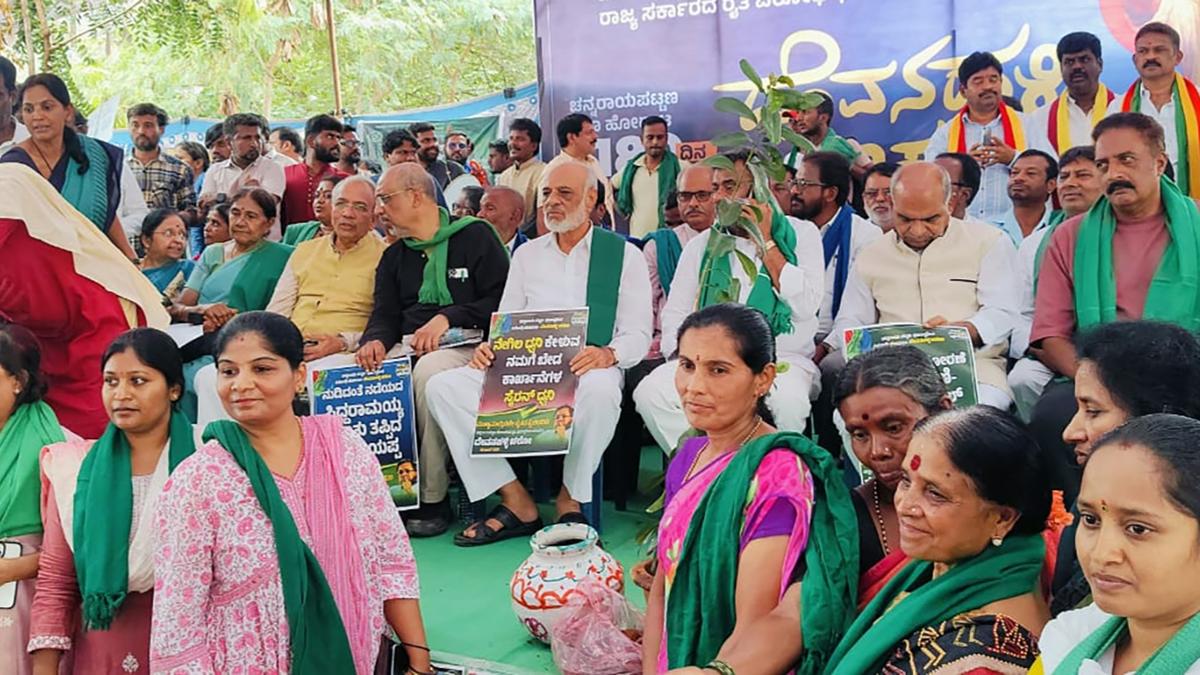
Karnataka HC Recalls Stay on Menstrual Leave for Women Employees: Bold 1-Decision Sparks Relief

The Karnataka High Court has recalled its earlier stay order on the State government’s decision to grant one day of paid menstrual leave every month to women employees. The court has now listed the matter for a full hearing on December 10, when the government will present its detailed arguments in support of the policy. The recall has reopened the debate on menstrual equity, workplace inclusion, and the evolving understanding of women’s health in employment law. For thousands of women employees, the decision has brought renewed hope that the policy may still be upheld after the upcoming hearing.

The policy, initially announced in October, aimed to provide all women employees in State departments and government-linked institutions one paid leave day each month on account of menstruation. However, a petition was filed challenging the circular on grounds of discrimination, potential misuse, and administrative hurdles. Acting on the petition, the High Court had granted a temporary stay. With the stay now recalled, the issue will be heard afresh, ensuring a deeper judicial examination of both the policy’s intent and its operational implications.

A Policy Grounded in Women’s Health Needs

The government has argued that menstrual leave is rooted in public health and labour welfare principles. Officials emphasised that menstrual pain and related symptoms—including cramps, nausea, fatigue, and hormonal fluctuations—can significantly impair productivity and affect employee well-being. The proposal to grant a single day of paid leave each month, they stated, was a thoughtful step toward creating a more inclusive and empathetic work environment for women.

Women’s groups and health advocates strongly support the measure, arguing that such policies help destigmatise menstruation and recognise the biological realities that women navigate. They maintain that menstrual health is an essential component of employee welfare and that formal acknowledgment through leave ensures dignity, comfort, and fairness for women employees. They also note that many countries and private organisations around the world have already adopted similar measures, reflecting a broader global shift toward acknowledging menstrual needs.

Critics, however, have expressed concern that special leave could unintentionally reinforce harmful stereotypes about women’s physical capacity. They fear that employers may hesitate to hire women if menstrual leave becomes mandatory, thereby reversing progress in gender equality. It was these concerns, along with administrative and financial implications, that prompted the initial petition challenging the government order.

Court’s Rationale for Recall of Stay

The High Court, while recalling the stay, remarked that the matter required a deeper and more comprehensive hearing before any interim restriction could be imposed. The bench noted that the State government had not yet fully presented its reasoning, data, and administrative framework behind the policy. It felt that a stay without hearing the government in detail was premature and could undermine a welfare measure aimed at supporting women employees.Karnataka High Court recalls stay on one-day monthly menstrual leave for women  employees; to hear government's arguments on Dec 10 - The Hindu

The judges clarified that recalling the stay does not amount to endorsing the menstrual leave policy, but simply restores the government’s ability to defend it. The court emphasised that questions of discrimination, administrative feasibility, public expenditure, and workplace equality require careful judicial consideration. The upcoming hearing on December 10, therefore, is expected to be a significant moment for both the government and petitioners.

Officials from the Department of Personnel and Administrative Reforms expressed relief at the court’s decision, noting that the stay had created confusion across State offices. While the original circular is not automatically reinstated, the recall ensures that the government’s voice will be heard before any final or interim decision is made. Women employees’ unions have welcomed the development, calling it a step toward recognising workplace fairness.

Debates Around Equality, Inclusivity, and Labour Law

The larger debate around menstrual leave extends beyond Karnataka, touching upon national and global discussions on gender-sensitive labour policies. Supporters argue that workplace equality does not mean treating everyone identically, but rather ensuring that policies reflect the diverse needs of different groups. Menstruation, they say, is a biological reality that only affects women, and acknowledging it helps create a more level playing field.

Opponents, however, claim that the policy could be viewed as a “special privilege,” potentially creating resentment among other employees. Some fear the leave could be misused or that workplaces might face operational disruptions if many employees take leave simultaneously. Others argue that menstrual challenges differ from person to person, making a uniform policy difficult to justify.

Labour law experts have noted that Indian employment regulations already include several gender-specific provisions—such as maternity leave, creche facilities, and safeguards against workplace harassment. They argue that menstrual leave can be seen as an extension of the same framework aimed at creating safer, healthier, and more equitable workplaces for women.

Women Employees Share Their Experiences

Women working in various State departments have shared mixed reactions. Many welcome the policy, saying that menstruation often brings intense discomfort, making it hard to focus on work. They describe situations where they had to travel long distances, attend field duties, or work through physically demanding tasks despite health challenges. Others say that a single day of leave each month would alleviate pressure without affecting productivity.

Some women, however, are cautious about how the policy might affect workplace dynamics. They fear being perceived as less capable or dependable, especially in male-dominated departments. A few also worry about privacy concerns—whether employees would have to disclose personal details when applying for menstrual leave. They suggest that the government must create a sensitive and confidential process to ensure dignity and avoid embarrassment.

Health experts have weighed in, stressing that menstrual symptoms can be debilitating for many women. They point out that medical studies document conditions such as dysmenorrhoea, endometriosis, and hormonal imbalances, all of which can intensify menstrual pain. They argue that recognising these conditions through workplace policy is not only progressive but necessary.Karnataka HC Recalls Stay On Menstrual Leave Policy Just Hours After  Passing It - BW Legal World

Administrative Challenges and Implementation Concerns

Officials within the government acknowledge that implementing menstrual leave across departments requires careful planning. Administrative heads must track leave without compromising privacy, redistribute workload, and ensure continuity of essential services. Budgetary concerns also exist, particularly in departments with large numbers of female employees.

Some senior officers have suggested that the policy could be integrated with existing casual leave or optional leave systems. Others propose digital tracking systems that allow employees to apply confidentially. The government is expected to present detailed models and data during the December 10 hearing to address these concerns.

Petitioners argue that implementing the policy without studying its financial impact is risky. They claim that paid leave costs could escalate, placing strain on departments with limited budgets. They also suggest that productivity may decline if the leave is not monitored properly. However, women’s groups counter that health and well-being must be prioritised and that productivity is likely to improve if employees are healthier and more comfortable.

Political Reactions and Public Debates

Political leaders have responded swiftly to the High Court’s decision, with some hailing it as a progressive move and others calling for caution. Members of the ruling party argue that menstrual leave demonstrates the government’s commitment to women’s welfare and equality. They emphasised that Karnataka has historically taken leadership in health and labour reforms and that this policy aligns with that legacy.

Opposition leaders questioned the financial and administrative feasibility of the policy, arguing that the government must ensure it does not create additional burdens on the workforce. They have called for a detailed cost-benefit study and suggested that the matter requires broad consultation with employee unions, health experts, and legal advisors.

Public opinion remains divided. Social media discussions show strong support from young professionals and women’s rights groups, while others express discomfort with policies that differentiate between employees based on gender.

Experts Anticipate a Landmark Decision

Labour law scholars note that the Karnataka High Court’s final decision could set an important precedent for menstrual leave policies across India. While some private companies already offer menstrual leave, government adoption carries far greater influence and visibility. If upheld, the policy could inspire similar initiatives in other States and prompt national-level discussions.

Experts expect the government to present data demonstrating the health and productivity benefits of menstrual leave. They also anticipate that petitioners will argue that such leave creates gender-based differentiation. The court’s challenge will be to balance constitutional equality with biological realities and labour welfare needs.Karnataka High Court recalls stay on one-day monthly menstrual leave for women  employees; to hear government's arguments on Dec 10 - The Hindu

The December 10 hearing is expected to be extensive, with multiple stakeholders presenting arguments. Legal observers predict that the court may seek clarifications on financial feasibility, administrative guidelines, and potential safeguards against discrimination.

Looking Ahead as December 10 Approaches

As the hearing date nears, women employees across Karnataka are watching closely. Many describe the recall of the stay as a moment of hope, signalling that their concerns will be fully heard in court. They hope the judiciary will recognise the importance of menstrual health and support the government’s welfare-oriented initiative.

The government, meanwhile, is preparing a comprehensive submission that addresses all concerns, from financial implications to operational logistics. Officials are expected to highlight scientific studies, international examples, and the social relevance of menstrual leave.

Whatever the outcome, the debate has already opened a conversation long overdue—one that challenges workplaces to rethink how they support women’s health. The High Court’s final ruling could reshape labour policy not only in Karnataka but across the country, making menstrual health a recognised part of public administration.

Follow: Karnataka Government

Also read: Home | Channel 6 Network – Latest News, Breaking Updates: Politics, Business, Tech & More