Wednesday, May 6, 2026
Home Blog Page 257

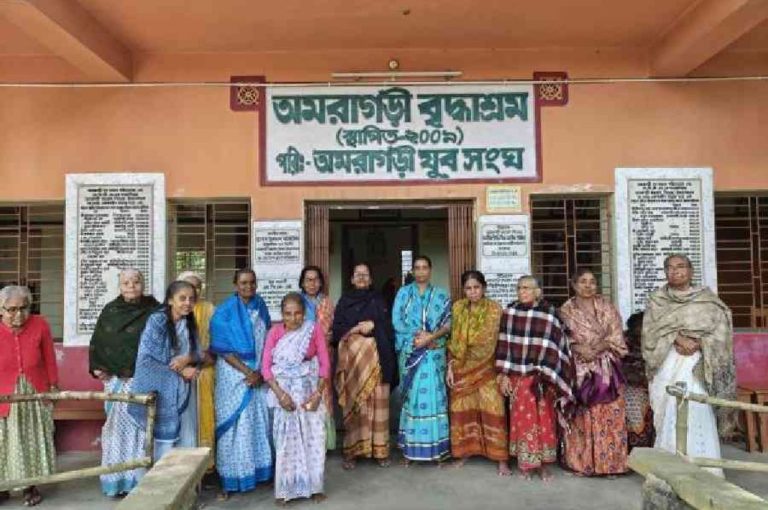
Old Age Home Residents Left Out of Bengal Voter List Revision 2025

The Old Age Home Residents Voter List Revision 2025 controversy has become a defining moment in Bengal’s democratic discourse. On December 8, 2025, reports emerged that dozens of elderly residents in NGO‑run and state‑supported old‑age homes in Howrah, Hooghly, and Jalpaiguri were struggling to participate in the Special Intensive Revision (SIR) of electoral rolls. Despite possessing valid documents and decades of voting history, many were unable to file forms or feared deletion from the rolls.


2. The Human Stories Behind the Numbers

At Ananda Ashram Joutha Paribar in Howrah’s Jaypur block, sisters Usha Paul (70) and Maya Paul (67) lamented:

  • They had voted in Calcutta since their college days.
  • After selling their Behala home in 2021, they shifted to the old‑age home.
  • Despite filing forms online with help, they feared rejection because officials could not physically verify their old address.
  • “Are we not citizens? Why should we suffer so much stress for this exercise?” asked Usha.

At Amragari Briddhashram nearby, Maya Majumdar (80) said she had not filed her form at all: “I am alone. This is my last address. I want to vote, but how can I?”

These voices highlight the emotional trauma of disenfranchisement among the elderly.


3. Old Age Home Residents: The Scale of the Problem

  • Bengal has 29 state‑run old‑age homes and over 30 government‑supported facilities.
  • NGOs estimate at least 200 small homes exist without official records.
  • Over 6,000 elderly people live in these institutions.
  • Many lack digital literacy, booth details, or family support to complete forms.

This reflects the systemic exclusion of vulnerable populations from electoral processes.


4. Governance Challenges

The incident exposes systemic governance failures:

  • Weak outreach by Booth Level Officers (BLOs).
  • No umbrella organization for NGO‑run homes, leaving residents invisible.
  • Digital divide preventing online submissions.
  • Risk of deletion if physical verification fails.

5. Political Fallout

The controversy has political consequences:

  • Opposition parties accused the Centre and Election Commission of negligence.
  • Civil society demanded special provisions for elderly voters.
  • The issue has become a flashpoint ahead of the 2026 Assembly elections.

6. Historical Context: Elderly and Voting Rights in India

India has long struggled to integrate elderly citizens into electoral processes:

  • Past elections saw low turnout among senior citizens due to mobility issues.
  • Postal ballots and proxy voting were introduced but remain underused.
  • Bengal’s case reflects a national challenge of balancing electoral integrity with inclusivity.

7. Broader Implications for Democracy

The incident raises fundamental questions:

  • Can democracy thrive if elderly citizens are excluded?
  • Will governance prioritize compassion over bureaucratic rigidity?
  • How can development balance electoral integrity with human dignity?

8. Recommendations for Reform

Experts suggest:

  • Mobile BLO teams to visit old‑age homes.
  • Special enumeration camps for elderly and disabled citizens.
  • Digital literacy programs in NGO‑run homes.
  • Judicial oversight to prevent arbitrary deletions.

9. Comparative Lessons from Other Countries

Other nations have faced similar challenges:

  • The US introduced absentee ballots for seniors.
  • Germany provides assisted voting in care homes.
  • Canada ensures mobile polling stations in senior facilities.
  • India’s case reflects a global struggle for inclusive democracy.

10. Human Stories: Families in Distress

Families described:

  • Anxiety about losing voting rights.
  • Fear of being branded “untraceable.”
  • Hope for Supreme Court protection.

These stories highlight the human cost of governance failures.


11. Law Enforcement and Accountability

Officials admitted:

  • BLOs should visit old‑age homes with forms.
  • Forms can be uploaded via BLO apps until December 11.
  • Complaints could lead to hearings at returning officer offices in Calcutta.

This reflects the importance of institutional safeguards in democracy.


12. Scientific and Social Impact

Researchers emphasized:

  • Voting participation strengthens mental health among seniors.
  • Exclusion increases loneliness and alienation.
  • Inclusive democracy enhances social cohesion.

This adds a scientific perspective to the crisis.


13. Conclusion: A Test of Governance and Humanity

The Old Age Home Residents Voter List Revision 2025 case is more than a bureaucratic exercise — it is a test of governance, democracy, and humanity. Unless systemic reforms are undertaken, elderly citizens will remain vulnerable, and public trust in institutions will erode.

The controversy underscores the urgency of balancing electoral integrity with compassion, inclusivity, and governance accountability.


🔗 Government External Links

For further reading and official updates, here are relevant government sources:

Also read: Home | Channel 6 Network – Latest News, Breaking Updates: Politics, Business, Tech & More

IndiGo Flight Chaos Leaves Tripura Student’s Body Stranded in Delhi 2025

The IndiGo Flight Chaos Tripura Student Body Stranded 2025 case has become emblematic of the failures in India’s aviation governance. On December 3, 2025, Saptarshi Das, a medical intern at Venkateshwar Medical University in Lucknow, died in a road accident on the Delhi–Lucknow highway. His family’s grief was compounded when IndiGo’s mass flight cancellations left his body stranded in Delhi for days, preventing timely last rites in Agartala.


2. The Accident and Immediate Aftermath

  • Saptarshi and three friends were returning from Lucknow when their car collided with a stationary truck.
  • All four died instantly.
  • Following an autopsy, Saptarshi’s body was released to his family.
  • Plans were made to fly the body to Agartala for cremation.

This reflects the fragility of life and the importance of timely rituals in Indian culture.


3. IndiGo’s Flight Cancellations

IndiGo cancelled thousands of flights nationwide due to pilot shortages triggered by new rest regulations.

  • Flights from Delhi to Agartala were repeatedly cancelled.
  • The family had to return the body to the mortuary multiple times.
  • Hotel bookings and airport trips added to their trauma.

This underscores the human cost of aviation mismanagement.


4. IndiGo Flight Chaos: The Family’s Ordeal

Saptarshi’s mother, Arpita Debsarkar, said:

  • “We were promised flights, but they were cancelled at the last moment.”
  • “We had to shuttle between mortuary, hotel, and airport.”
  • “My son had only three months left to complete his MBBS internship.”

Her words highlight the emotional devastation caused by systemic failures.


5. Governance Challenges

The incident exposes systemic governance failures:

  • Poor foresight in implementing pilot rest rules.
  • Weak regulatory oversight by the Directorate General of Civil Aviation (DGCA).
  • Over‑dependence on IndiGo, creating a fragile duopoly with Air India.
  • Delayed response to passenger grievances.

6. Political Fallout

The controversy has political consequences:

  • Mamata Banerjee blamed the Centre for lack of foresight.
  • She urged passengers to move court for compensation.
  • Opposition parties accused the government of negligence.

The issue has become a flashpoint ahead of the 2026 Assembly elections.


7. Historical Context: Aviation Crises in India

India has witnessed similar crises:

  • Jet Airways collapse in 2019 stranded thousands.
  • Air India faced strikes and operational disruptions in the past.
  • IndiGo’s current crisis echoes these historic failures of aviation governance.

8. Broader Implications for Democracy

The incident raises fundamental questions:

  • Can democracy thrive if citizens remain stranded without remedies?
  • Will governance prioritize aviation safety over corporate profits?
  • How can development balance connectivity with accountability?

9. Recommendations for Reform

Experts suggest:

  • Stronger enforcement of pilot rest rules with phased implementation.
  • Diversification of airlines to reduce duopoly risks.
  • Mandatory compensation policies for passengers.
  • Community awareness campaigns on passenger rights.

10. Comparative Lessons from Other Countries

Other nations have faced similar challenges:

  • US airlines faced mass cancellations during COVID‑19 due to staff shortages.
  • EU mandates compensation under Regulation 261/2004 for flight disruptions.
  • India’s case reflects a national struggle for balancing aviation economics with passenger rights.

11. Human Stories: Passengers in Distress

Passengers described:

  • Families missing weddings and funerals.
  • Business travellers losing critical deals.
  • Patients unable to reach hospitals in emergencies.

These stories highlight the human dimension of governance failures.


12. Law Enforcement and Accountability

Mamata urged:

  • Courts to enforce compensation rights.
  • Centre to devise plans for partial operations.
  • Authorities to prioritize passenger welfare over political agendas.

This reflects the importance of institutional safeguards in democracy.


13. Scientific and Economic Impact

Researchers emphasized:

  • Aviation disruptions affect GDP and tourism.
  • Pilot fatigue rules are essential for safety but need better planning.
  • Over‑reliance on one airline creates systemic risks.

This adds a scientific perspective to the crisis.


14. Conclusion: A Test of Governance and Humanity

The IndiGo Flight Chaos Tripura Student Body Stranded 2025 case is more than a transport issue — it is a test of governance, democracy, and humanity. Unless systemic reforms are undertaken, passengers will remain vulnerable, and public trust in institutions will erode.

The controversy underscores the urgency of balancing aviation safety with passenger rights and governance accountability.


🔗 Government External Links

For further reading and official updates, here are relevant government sources:

Also read: Home | Channel 6 Network – Latest News, Breaking Updates: Politics, Business, Tech & More
Election Commission Appoints Senior IAS Officers as Roll Observers in Bengal SIR 2025

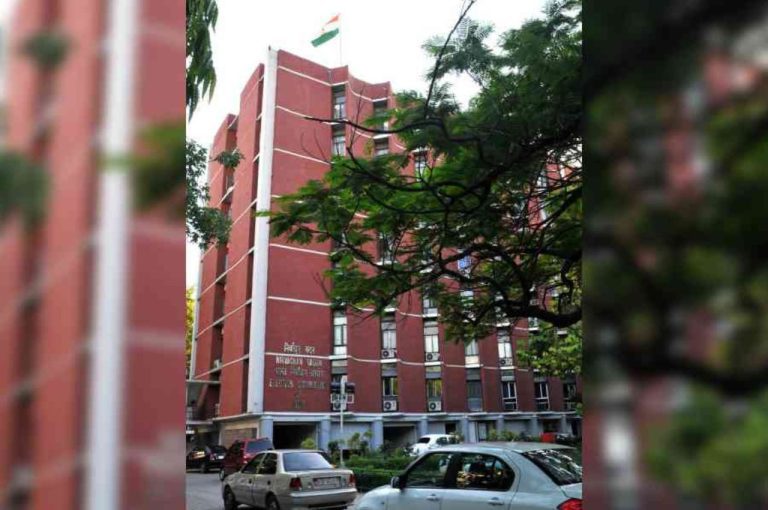
The Election Commission Appoints Senior IAS Officers Bengal SIR 2025 decision marks a significant intervention in Bengal’s electoral process. On December 8, 2025, the ECI announced the appointment of five senior IAS officers from Delhi as special roll observers in Bengal’s divisions. Their mandate is to monitor the Special Intensive Revision (SIR) of electoral rolls, ensuring accuracy and transparency ahead of the 2026 Assembly elections.


2. Background: The Special Intensive Revision (SIR)

The SIR is a voter list update exercise mandated by the ECI.

  • It requires booth‑level officers (BLOs) to distribute pre‑filled enumeration forms.
  • Voters must sign and return these forms to confirm inclusion.
  • The process aims to weed out duplicate, deceased, or shifted voters.
  • In Bengal, the SIR was ordered in late 2025, covering millions of voters across districts.

This reflects the Commission’s attempt to modernize and clean electoral rolls.


3. The Appointment of Senior IAS Officers

The five IAS officers appointed are:

  • Kumar Ravi Kant Singh – Presidency Division.
  • Krishna Kumar Nirala – Burdwan Division.
  • Pankaj Yadav – Jalpaiguri Division.
  • Alok Tiwari – Malda Division.
  • Niraj Kumar Bansod – Midnapore Division.

Each officer is tasked with ensuring that no eligible voter is excluded and no ineligible name is included.


4. Election Commission Appoints Senior IAS: Governance Challenges

The incident highlights systemic governance failures:

  • Irregularities in enumeration forms were detected by the ECI’s IT team.
  • Over 30 lakh voters had linked themselves to parents from the 2002 rolls incorrectly.
  • BLOs and district officials were blamed for errors, intentional or otherwise.
  • The Commission feared that ineligible names could distort electoral rolls.

5. The Role of District Magistrates

By appointing senior IAS officers, the ECI effectively placed district magistrates under scrutiny.

  • DMs serve as district election officers.
  • Their activities will now be monitored by these observers.
  • This reflects the Commission’s determination to avoid errors in the final rolls.

6. Political Fallout

The controversy has political consequences:

  • Opposition parties accused the ruling TMC of manipulating voter rolls.
  • TMC leaders claimed the Centre was weaponizing the SIR to exclude minorities.
  • Civil society debated governance failures in electoral processes.

The issue has become a flashpoint ahead of the 2026 Assembly elections.


7. Historical Context: Electoral Roll Controversies in Bengal

Bengal has long faced challenges in electoral roll management:

  • Past revisions saw BLOs complain of underpayment and overwork.
  • Allegations of political manipulation have been frequent.
  • The current SIR echoes these controversies, highlighting systemic flaws.

8. Broader Implications for Democracy

The incident raises fundamental questions:

  • Can elections be credible if BLOs collapse under workload?
  • Will voter rolls be accurate if frontline staff are demoralised?
  • Does democracy risk losing legitimacy if electoral processes are politicized?

9. Recommendations for Reform

Experts suggest:

  • Staggered timelines for voter roll revision.
  • Hiring additional staff to support BLOs.
  • Improved technology for faster digitisation.
  • Compensation packages for BLO families.
  • Policy reform to recognize BLOs as permanent electoral staff.

10. Comparative Lessons from Other States

Other states have faced similar controversies:

  • Assam’s NRC excluded millions despite decades of residence.
  • Tripura’s refugee politics shaped electoral outcomes.
  • Bengal’s case reflects a national challenge of balancing electoral integrity with human dignity.

11. Human Stories: Families in Distress

Families of BLOs and citizens describe:

  • Sudden collapses from exhaustion.
  • Panic attacks and high blood pressure.
  • Anxiety about punitive action if targets are missed.

These stories highlight the human cost of governance failures.


12. Law Enforcement and Accountability

Observers directed district magistrates to ensure:

  • BLOs are not forced to visit homes more than thrice.
  • No false information is uploaded on the BLO app.
  • Accountability measures are enforced to prevent manipulation.

This reflects the importance of institutional safeguards in democracy.


13. Scientific and Economic Impact

Researchers emphasized:

  • Electoral roll accuracy is vital for democratic legitimacy.
  • Errors can disenfranchise millions or allow duplicate voting.
  • Technology must be leveraged to reduce human error.

This adds a scientific perspective to the crisis.


14. Conclusion: A Test of Governance and Democracy

The Election Commission Appoints Senior IAS Officers Bengal SIR 2025 case is more than a bureaucratic exercise — it is a test of governance, democracy, and human dignity. Unless systemic reforms are undertaken, BLOs and citizens will remain vulnerable, and public trust in institutions will erode.

The controversy underscores the urgency of balancing electoral integrity with compassion for frontline workers and governance accountability.


🔗 Government External Links

For further reading and official updates, here are relevant government sources:

Also read: Home | Channel 6 Network – Latest News, Breaking Updates: Politics, Business, Tech & More

The House of Moksha: 7 Defining Elements Shaping the Evolution of Indian Luxury Perfumery

In the rapidly evolving world of global luxury, only a select few brands manage to distinguish themselves through authenticity, discipline, and a genuine respect for craftsmanship. House of Moksha (HOM) is one such brand—a modern Indian perfumery house built on a foundation of artistic integrity and scientific precision, led by its Founder, CEO, and Creative Director, Ashish Khandelwal.

At a time when the fragrance market is saturated with formulaic, mass-produced scents, House of Moksha stands apart by championing a culture of thoughtful creation. Rather than following transient trends, the brand is guided by a deeper philosophy: true luxury is intentional, meaningful, and rooted in purpose. Under Ashish’s leadership, HOM has emerged as a brand synonymous with refinement—one that respects India’s aromatic heritage while presenting it through a globally relevant, contemporary lens.


A Founder with a Vision Beyond Commerce

Ashish Khandelwal’s journey into the world of perfumery is the result of over 15 years of immersion in olfaction, extraction technologies, and aromatic chemistry, coupled with a sharp entrepreneurial instinct. An alumnus of Delhi University, his academic training in Business Economics and Science equips him with a rare dual perspective—one that balances analytics with creativity, and emotion with engineering.

He entered the fragrance industry with a clear mission:
To elevate Indian perfumery to a global stage through authenticity, excellence, and innovation.

Unlike many who view perfumery as a purely artistic pursuit, Ashish approaches it with structured curiosity. He believes that the beauty of a fragrance lies not in extravagance but in precision—the careful balancing of ingredients, the thoughtful construction of layers, and the ability to evoke emotion with technical mastery. This scientific sensitivity, combined with a deep respect for India’s botanical richness, is what defines House of Moksha.


Building a Brand with Purpose, Not Excess

Since its inception in 2007, House of Moksha has evolved into a brand that champions quality over quantity and storytelling over spectacle. Every detail—from the extraction of essential oils to the structural design of the final formula—is overseen with a level of meticulousness rarely seen in the industry.

Ashish’s philosophy is rooted in a principle he follows closely:
“A creative mind is motivated by the desire to achieve, not by the desire to beat others.”

This belief has shaped House of Moksha’s identity. Its offerings are not rushed, overproduced, or trend-driven. Instead, each scent is the outcome of months—often years—of mindful development, experimentation, and refinement.

The brand’s ethos is built around three core values:

1. Authenticity of Ingredients

HOM celebrates India’s native aromatic treasures—Mysore sandalwood, Himalayan saffron, vetiver—materials that have shaped perfumery for centuries.

2. Scientific Precision

Formulation is not left to intuition alone; it is supported by chemistry, research, and an understanding of how oils evolve over time.

3. Sensory Storytelling

Every fragrance is designed to tell a story—a narrative of emotion, culture, and seasonality—while remaining wearable and modern.


The Winter Collection: A Seasonal Milestone

The launch of the Winter Collection marks an important chapter in the brand’s evolution. Conceived to reflect the richness and contemplative mood of the colder months, this collection captures the warmth, depth, and texture that winter inspires.

Ashish approached the development of the Winter Collection with a singular intention:
to craft scents that feel enveloping yet refined, bold yet balanced, and timeless yet contemporary.

The Winter Portfolio

house of moksha1. Vanilla on the Rocks

A reinterpretation of a global classic. This fragrance brings together creamy vanilla with a clean, modern crispness—resulting in a scent that feels familiar yet elevated, comforting but not heavy.

2. Tobacco Oud

Built around two of perfumery’s most complex notes, this blend merges smoky tobacco with resonant oud to create a powerful winter signature—rich, charismatic, and long-lasting.

3. Scotch & A Smoke

Inspired by quiet winter evenings, this scent replicates the warmth of aged barrels and the subtle smokiness of slow-burning wood. It is bold, structured, and unapologetically confident.

4. Burnt Vetiver

Screenshot 2025 12 09 133829A contemporary tribute to India’s iconic vetiver root, this version adds a burnt, slightly charred nuance that enhances its earthiness. It is refined, green, and perfect for winter sophistication.

Each fragrance in the Winter Collection reflects Ashish’s belief that seasonal perfumery should be purposeful. These formulations are not simply heavier variants—they are expressions designed to complement winter’s emotional and atmospheric landscape.


A Creative Laboratory Driven by Curiosity

Behind every House of Moksha fragrance lies an intimate, hands-on development process. Ashish remains deeply involved in sourcing, experimentation, and formulation. His creative laboratory is a space where:

  • Essential oils are tested at varying concentrations

  • Extraction methods are refined and optimized

  • New accords are constructed through trial, error, and innovation

  • Seasonal inspirations are translated into olfactory form

He is often found experimenting with rare botanicals, studying the behavior of oils in different climates, and fine-tuning compositions to achieve the perfect balance. Creativity, for him, is both an art and a discipline.


Positioning India on the World Map of Niche Perfumery

House of Moksha is more than a fragrance brand—it is a movement toward showcasing India’s ability to compete at the highest echelons of global luxury. With unwavering attention to quality and a commitment to transparency, the brand aims to redefine the consumer’s understanding of Indian perfumery.

Ashish’s long-term vision includes:

  • Expanding HOM’s footprint into international markets

  • Introducing limited-edition capsules that highlight rare ingredients

  • Developing immersive scent experiences for consumers

  • Innovating within new categories while staying grounded in authenticity

Every step of growth is anchored in the same principle: purpose before popularity.


A Message from the Founder

Ashish often speaks about the importance of perseverance and passion in any creative pursuit. His message to aspiring creators, entrepreneurs, and consumers is simple yet profound:

“Be endlessly curious. Excellence is not a stroke of luck—it is the result of science, emotion, and experience coming together. When passion leads, quality always follows.”

This philosophy is the heartbeat of House of Moksha and continues to guide its evolution as a responsible, forward-looking luxury brand.


The House of Moksha Today

Screenshot 2025 12 09 133842

With the launch of its Winter Collection—Vanilla on the Rocks, Tobacco Oud, Scotch & A Smoke, and Burnt Vetiver—House of Moksha enters a new phase, one defined by expansion, deeper brand expression, and a renewed commitment to its founding values. Today, the brand stands at the intersection of heritage and innovation, offering fragrances that are crafted with integrity, worn with intention, and remembered for their impact.

For the discerning consumer, HOM offers more than a product—it offers a story of craftsmanship, a standard of excellence, and an invitation to experience Indian perfumery at its finest through creations that celebrate warmth, depth, and the art of modern scent design.

 Visit: The House Of Moksha website

For more real-time updates, visit Channel 6 Network.

Mocha Café & Bar Returns to Connaught Place With a Bold New Identity: December 2025

New Delhi, December 2025:
The timeless charm of Connaught Place welcomes back one of India’s most loved homegrown café brands—Mocha Café & Bar, now reimagined for a new generation of diners, dreamers, creators, and conversation-seekers.

Mocha has always been more than a café; it has been a state of mind—a cultural space where people gather, slow down, and reconnect with what matters. With its return to CP, Mocha brings a renewed spirit: deeper flavours, warmer spaces, richer experiences, and an atmosphere crafted to feel familiar yet beautifully new.


A New Chapter for a Cult-Favourite Brand

For over two decades, Mocha has shaped India’s café culture with its comforting food, handcrafted beverages, and inviting community energy. In Delhi, Mocha remains a nostalgic emotion for many—a place where friendships began, ideas were born, and memories were created over chai, coffee, and laughter.

This comeback is more than a reopening.
It is a revival of the Mocha spirit—rooted in warmth, elevated in expression, and designed to celebrate the evolving pulse of Delhi.

Riyaaz Amlani, MD, Impresario Entertainment & Hospitality Pvt. Ltd., perfectly captures this vision:
“Mocha is designed to awaken your senses and offer a retreat in the heart of the city. Every Mocha is a feeling—comforting, familiar, and deeply personal.”


A Menu Crafted for Cravings, Comfort, and Curiosity

Mocha’s all-day menu brings together the soul of Indian kitchens, the excitement of global comfort food, and the playfulness of modern café culture. Every dish is layered, flavour-rich, and made to be shared.

SIGNATURE MUST-HAVES

  • Bun Maska & Chai – nostalgic, buttery, warm

  • Keema Ghotala – bold, spicy, melt-in-mouth

  • Korean Garlic Bun – crowd favourite, creamy and indulgent

  • Smoothie Bowls – fresh, vibrant, nourishing

  • Global Omelettes – hearty, fluffy, all-day classics

THE HEART OF THE MENU: MULTICULTURAL COMFORT

  • Dal Makhani cooked low and slow

  • Paneer Tikka Butter Masala rich and velvety

  • Matka Chicken & Murgh Rara, layered with spice

  • Dum Biryanis, aromatic and indulgent

WORLD-INSPIRED CAFÉ FARE

Bowls, baos, burgers, momos, pasta, pizzas, sizzlers, sandwiches, paninis—each prepared with Mocha’s signature warmth.

DESSERTS WORTH DAYDREAMING ABOUT

  • Biscoff Cheesecake

  • Hazelnut Lava Cake

  • Sizzling Brownie

  • Chocolate Avalanche

Desserts that don’t just end a meal—they make it unforgettable.


A Beverage Philosophy That Celebrates Craft

Mocha’s beverage menu is as iconic as its food.

Coffee & Tea, Elevated

Freshly brewed single-origin coffees, Mocha’s signature chai, iced classics, and artisanal blends.

A Curated Alcohol Program

For the first time in Delhi, Mocha CP introduces a refined bar menu featuring:

  • Clarified cocktails

  • Premium spirits

  • Wines curated for pairings

  • Innovative bar bites

The vibe evolves through the day—calm mornings, lively afternoons, vibrant evenings.


Design That Feels Like Delhi, Only Warmer

Mocha CP’s interiors are a poetic tribute to Fluid Lutyens’ Delhi—interpreted through warm tones, modern sensibilities, and handcrafted elements.

WHAT MAKES THE SPACE SPECIAL

  • Soft terrazzo flooring

  • Textured, earthy walls

  • Sculptural lighting inspired by heritage motifs

  • Botanical greens placed with intention

  • Rough stone, terracotta touches, and natural wood

  • Cozy seating in floral, retro-modern fabrics

Every corner feels like a scene—from a quiet nook for reading to a bright table for brunch to a lively spot by the bar for evening cocktails.

The design doesn’t shout.
It embraces.
It welcomes.
It makes you feel at home instantly.


Mocha CP: Created for Delhi’s Rhythm

Whether you walk in with headphones and a laptop, a book and a coffee wishlist, a group of friends, or just your appetite—Mocha adapts to you.

  • Work-friendly mornings

  • Slow, soulful lunches

  • Creative afternoons

  • Romantic twilight hours

  • Buzzing nights filled with laughter, cocktails, and energy

Mocha CP is crafted to be the place you return to, again and again.


An Invitation to Rediscover Mocha Café & Bar, in a Whole New Way

Mocha Café & Bar at Connaught Place is more than a culinary experience—it is a sensory retreat in the city’s busiest district. Here, flavours comfort, drinks uplift, design inspires, and conversations flow effortlessly.

When you visit, you don’t just dine.
You enter a Mocha state of mind.

Come for the food.
Stay for the warmth.
Return for the feeling.

Visit: Mocha Cafe and Bar website

For more real-time updates, visit Channel 6 Network.

Mamata Banerjee Criticizes Voter List Revision Before Bengal Assembly Polls 2025

The Mamata Banerjee Criticizes Voter List Revision 2025 controversy has become a defining moment in Bengal’s political and governance discourse. On December 8, 2025, Chief Minister Mamata Banerjee, during an administrative review meeting in Cooch Behar, lashed out at the Election Commission’s Special Intensive Revision (SIR) of electoral rolls. She argued that the timing of the exercise, just months before the Assembly elections, was politically motivated and aimed at stalling development projects.


2. The Context: Special Intensive Revision (SIR)

The Election Commission periodically undertakes voter list revisions to:

  • Weed out duplicate, deceased, or shifted voters.
  • Ensure accuracy of electoral rolls.
  • Allow citizens to update or correct entries.

In Bengal, the SIR was ordered in late 2025, covering millions of voters across districts. Mamata Banerjee questioned why such a massive exercise was being rushed before elections, calling it an attempt to “weaken democracy.”


3. Mamata Banerjee’s Statement

At the review meeting, Mamata said:

  • “Why must everything be done in such a hurry? Last time, the process took two years.”
  • “I don’t understand how a neutral commission can act so biasedly. Where is impartiality?”
  • She alleged that the SIR was designed to stall development projects.
  • She urged citizens to support BLOs (Booth Level Officers) and BLAs (Booth Level Agents), who were under immense pressure.

Her remarks highlight the intersection of electoral oversight and governance priorities.


4. Mamata Banerjee Criticizes Voter List: Human Cost of the Exercise

Mamata noted:

  • Several BLOs had died due to stress and overwork.
  • Others were hospitalized after collapsing during the exercise.
  • She urged authorities to take their well‑being seriously.

This reflects the human dimension of electoral administration.


5. Governance Response: Development Cannot Stop

Mamata emphasized:

  • Development projects must continue despite electoral exercises.
  • She inaugurated schemes and laid foundation stones for projects across eight districts of North Bengal.
  • She announced “May I Help You” camps from December 12 to assist citizens with documentation for hearings before final roll publication.

This underscores her commitment to governance amid electoral challenges.


6. Citizenship Concerns

Mamata also referred to:

  • Notices issued by Assam’s foreigners’ tribunal to residents of Cooch Behar and Alipurduar.
  • She declared: “Assam has no authority to send such notices to residents of Bengal. I will never allow any detention camp in this state.”
  • She criticized labeling Bengali‑speaking people as “Bangladeshis.”

This reflects the sensitivity of citizenship issues in border districts.


7. Religious Land and Waqf Act

Addressing the Nasya Sheikh (Rajbanshi Muslim) community, Mamata said:

  • The Waqf Amendment Act was a central law.
  • Her government opposed confiscation of religious land.
  • Initiatives had been taken for burial grounds and mosques.
  • Imams and muezzins receive monthly allowances.

This highlights her focus on minority welfare and religious rights.


8. Border Security Concerns

Mamata criticized the Border Security Force (BSF):

  • She referred to the case of Sunali Khatun and her son, allegedly pushed into Bangladesh despite being Indian citizens.
  • She directed state police to remain alert and prevent such incidents.

This underscores the tensions between state governance and central security agencies.


9. Political Fallout

The controversy has political consequences:

  • TMC accused the Centre and Election Commission of bias.
  • BJP defended the SIR as necessary for electoral integrity.
  • Civil society debated governance failures in balancing democracy and development.

10. Historical Context: Electoral Roll Controversies in Bengal

Bengal has long faced challenges in electoral roll management:

  • Past revisions saw BLOs complain of underpayment and overwork.
  • Allegations of political manipulation have been frequent.
  • The current SIR echoes these controversies, highlighting systemic flaws.

11. Broader Implications for Democracy

The incident raises fundamental questions:

  • Can elections be credible if BLOs collapse under workload?
  • Will voter rolls be accurate if frontline staff are demoralised?
  • Does democracy risk losing legitimacy if electoral processes are rushed?

12. Recommendations for Reform

Experts suggest:

  • Staggered timelines for voter roll revision.
  • Hiring additional staff to support BLOs.
  • Improved technology for faster digitisation.
  • Compensation packages for BLO families.
  • Policy reform to recognize BLOs as permanent electoral staff.

13. Comparative Lessons from Other States

Other states have faced similar controversies:

  • Assam’s NRC excluded millions despite decades of residence.
  • Tripura’s refugee politics shaped electoral outcomes.
  • Bengal’s case reflects a national challenge of balancing electoral integrity with human dignity.

14. Human Stories: Families in Distress

Families of BLOs and citizens describe:

  • Sudden collapses from exhaustion.
  • Panic attacks and high blood pressure.
  • Anxiety about punitive action if targets are missed.

These stories highlight the human cost of governance failures.


15. Conclusion: A Test of Governance and Democracy

The Mamata Banerjee Criticizes Voter List Revision 2025 case is more than a political dispute — it is a test of governance, democracy, and human dignity. Unless systemic reforms are undertaken, BLOs and citizens will remain vulnerable, and public trust in institutions will erode.

The controversy underscores the urgency of balancing electoral integrity with compassion for frontline workers and governance accountability.


🔗 Government External Links

For further reading and official updates, here are relevant government sources:

Also read: Home | Channel 6 Network – Latest News, Breaking Updates: Politics, Business, Tech & More

Mamata Blames Centre for IndiGo Flight Cancellations 2025

The Mamata Blames Centre IndiGo Flight Cancellations 2025 controversy has become a defining moment in India’s aviation sector. On December 2, 2025, IndiGo cancelled thousands of flights across the country due to pilot shortages triggered by new rest regulations. Bengal Chief Minister Mamata Banerjee squarely blamed the Narendra Modi government for failing to anticipate the crisis, urging passengers to seek legal remedies.


2. The Scale of Disruption

  • IndiGo cancelled over 2,000 flights since December 2.
  • Tens of thousands of passengers were stranded at airports nationwide.
  • Fares skyrocketed from ₹3,000 to ₹50,000 on some routes.
  • Weddings, business trips, and medical emergencies were disrupted.

This reflects the massive human and economic cost of aviation mismanagement.


3. Mamata Banerjee’s Statement

Speaking at Kolkata airport, Mamata said:

  • “Without planning, so many flights stopped and fares simply skyrocketed.”
  • “Passengers are being mentally tortured.”
  • “Victims have a right to compensation. They should approach the courts.”
  • She accused the Centre of focusing on elections instead of governance.

Her remarks highlight the political and humanitarian dimensions of the crisis.


4. IndiGo Flight Cancellations 2025: Governance Challenges

The incident exposes systemic governance failures:

  • Poor foresight in implementing pilot rest rules.
  • Weak regulatory oversight by the Directorate General of Civil Aviation (DGCA).
  • Over‑dependence on IndiGo and Air India, creating a fragile duopoly.
  • Delayed response to passenger grievances.

5. Political Fallout

The controversy has political consequences:

  • Opposition parties accused the Centre of negligence.
  • Civil society demanded stricter aviation policies.
  • The issue has become a flashpoint ahead of the 2026 Assembly elections.

IndiGo Flight Cancellations 2025


6. Historical Context: Aviation Crises in India

India has witnessed similar crises:

  • Jet Airways collapse in 2019 stranded thousands.
  • Air India faced strikes and operational disruptions in the past.
  • IndiGo’s current crisis echoes these historic failures of aviation governance.

7. Broader Implications for Democracy

The incident raises fundamental questions:

  • Can democracy thrive if citizens remain stranded without remedies?
  • Will governance prioritize aviation safety over corporate profits?
  • How can development balance connectivity with accountability?

8. Recommendations for Reform

Experts suggest:

  • Stronger enforcement of pilot rest rules with phased implementation.
  • Diversification of airlines to reduce duopoly risks.
  • Mandatory compensation policies for passengers.
  • Community awareness campaigns on passenger rights.

9. Comparative Lessons from Other Countries

Other nations have faced similar challenges:

  • US airlines faced mass cancellations during COVID‑19 due to staff shortages.
  • EU mandates compensation under Regulation 261/2004 for flight disruptions.
  • India’s case reflects a national struggle for balancing aviation economics with passenger rights.

10. Human Stories: Passengers in Distress

Passengers described:

  • A bride and groom stranded, forced to greet guests via video call.
  • Business travellers missing critical meetings.
  • Families unable to reach hospitals in emergencies.

These stories highlight the human dimension of governance failures.


11. Law Enforcement and Accountability

Mamata urged:

  • Courts to enforce compensation rights.
  • Centre to devise plans for partial operations.
  • Authorities to prioritize passenger welfare over political agendas.

This reflects the importance of institutional safeguards in democracy.


12. Scientific and Economic Impact

Researchers emphasized:

  • Aviation disruptions affect GDP and tourism.
  • Pilot fatigue rules are essential for safety but need better planning.
  • Over‑reliance on one airline creates systemic risks.

This adds a scientific perspective to the crisis.


13. Conclusion: A Test of Governance and Aviation Policy

The Mamata Blames Centre IndiGo Flight Cancellations 2025 case is more than a transport issue — it is a test of governance, democracy, and accountability. Unless systemic reforms are undertaken, passengers will remain vulnerable, and public trust in institutions will erode.

The controversy underscores the urgency of balancing aviation safety with passenger rights and governance accountability.


🔗 Government External Links

For further reading and official updates, here are relevant government sources:

Also read: Home | Channel 6 Network – Latest News, Breaking Updates: Politics, Business, Tech & More

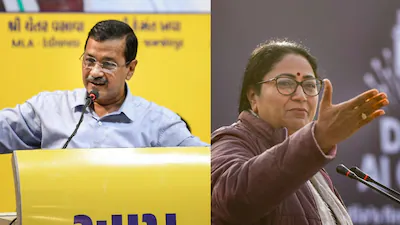
AQI Temperature Remark: Kejriwal Slams CM’s Controversial Statement

New Delhi – Aam Aadmi Party national convenor Arvind Kejriwal has launched a scathing attack on Delhi Chief Minister Rekha Gupta’s controversial AQI temperature remark, questioning the scientific basis behind comparing the Air Quality Index to temperature measurements. The former Delhi Chief Minister’s criticism came after Gupta made statements that have sparked widespread debate about pollution monitoring practices in the national capital.

Kejriwal Questions “New Science” Behind AQI Temperature Remark

In a strongly worded response to the AQI temperature remark made by his successor, Arvind Kejriwal asked, “When did this new science come?” The former Chief Minister expressed incredulity at the comparison between AQI readings and temperature measurements, suggesting that such statements reflected a fundamental misunderstanding of air quality monitoring.

Kejriwal’s critique of the AQI temperature remark focused on what he characterized as an attempt to justify controversial pollution control measures that have come under intense scrutiny from opposition parties and environmental activists.

Allegations of Water Spraying at AQI Monitors

The former Delhi CM claimed that Chief Minister Rekha Gupta had effectively “admitted” that water is being sprayed at AQI monitors to keep pollution readings artificially low. This allegation forms a crucial component of Kejriwal’s criticism of the AQI temperature remark and the broader pollution management strategy.

“First point – The Chief Minister has at least accepted that wherever AQI monitors are installed, water spraying is being done there so that the truth about pollution doesn’t reach the people of Delhi. In other words, a game is underway to hide the data and show ‘clean air,'” Kejriwal wrote in a post on X, formerly known as Twitter.

Scientific Validity of AQI Temperature Remark Questioned

Kejriwal specifically challenged the scientific foundation of the AQI temperature remark, asking for clarification on when such a scientific principle was established. “Second point – When did this new science come about that AQI has now become temperature?” he added in his social media post.

This pointed question highlighted what Kejriwal portrayed as a concerning lack of understanding about air quality monitoring among current Delhi government officials, particularly in the context of the controversial AQI temperature remark.

Also Read: Delhi IRCS Hospital: Stunning Transformation Unveiled in Dilshad Garden

BJP Government Under Fire for Pollution Tactics

Delhi’s BJP government has faced mounting criticism for its methods to tackle rising AQI in the national capital, especially after several videos circulating on social media claimed to show water being sprayed near AQI monitors. These viral videos provided visual evidence that seemed to support Kejriwal’s interpretation of the AQI temperature remark as an inadvertent admission.

The controversy surrounding the AQI temperature remark and associated water spraying allegations has intensified scrutiny of the government’s pollution control strategies, with opposition parties demanding transparent and scientifically sound approaches to air quality management.

Delhi’s Deteriorating Air Quality Situation

Despite the controversy over the AQI temperature remark and pollution control measures, Delhi’s air quality remained firmly in the ‘very poor’ category on Monday, with the AQI staying above 300. This persistent pollution crisis provides the backdrop against which the debate over the AQI temperature remark has unfolded.

Forecasts suggest that pollution levels are likely to deteriorate further and slip into the ‘very poor to severe’ range in the coming days. The 24-hour average AQI stood at 314 at 4 PM, according to the Central Pollution Control Board, compared to 308 at the same time on Sunday.

CM Rekha Gupta’s Original Statement

The controversial AQI temperature remark was made by Delhi Chief Minister Rekha Gupta during a leadership summit on Saturday, when she was questioned about opposition allegations regarding water spraying on air monitors in pollution hotspots to falsify data.

“Tell me, what is a hotspot? A hotspot is an area with the highest pollution levels. Right? What’s the solution? You spray there, you water it. You work to improve the soil. So, you’ll spray only on the hotspot,” Gupta responded, attempting to justify the practice.

The Controversial Temperature Comparison

It was during this explanation that Gupta made the now-controversial AQI temperature remark that has drawn widespread criticism. She compared AQI readings with temperature measurements, stating that watering was the only solution to the pollution problem.

“Does using a monitor bring down the AQI? AQI is like a temperature which you can know from any instrument, so watering it is the only solution which we are also doing,” she stated, creating the AQI temperature remark that Kejriwal and others have seized upon as evidence of confused thinking about pollution control.

Opposition’s Data Manipulation Accusations

The AQI temperature remark has reinforced opposition allegations that the Delhi government is attempting to manipulate pollution data rather than implementing genuine solutions to the capital’s air quality crisis. Critics argue that spraying water near monitoring stations provides temporary localized relief that creates misleading readings rather than addressing systemic pollution sources.

These accusations gained credibility following the AQI temperature remark, which many interpreted as an inadvertent confirmation of practices designed to artificially lower recorded pollution levels.

Scientific Community’s Perspective

Environmental scientists and air quality experts have expressed concern about the AQI temperature remark and the apparent confusion it represents regarding fundamental pollution monitoring principles. The Air Quality Index measures pollutant concentrations in the air, while temperature is a separate meteorological parameter—comparing the two reveals a misunderstanding of basic environmental science.

Political Implications and Public Trust

The controversy surrounding the AQI temperature remark extends beyond technical details to broader questions about public trust in government pollution data and the political will to address Delhi’s persistent air quality crisis through substantive rather than cosmetic measures that might artificially improve monitoring station readings without genuinely cleaning the air residents breathe daily.

Asim Munir CDF Address: Bold Warning to India as Tri-Services Chief

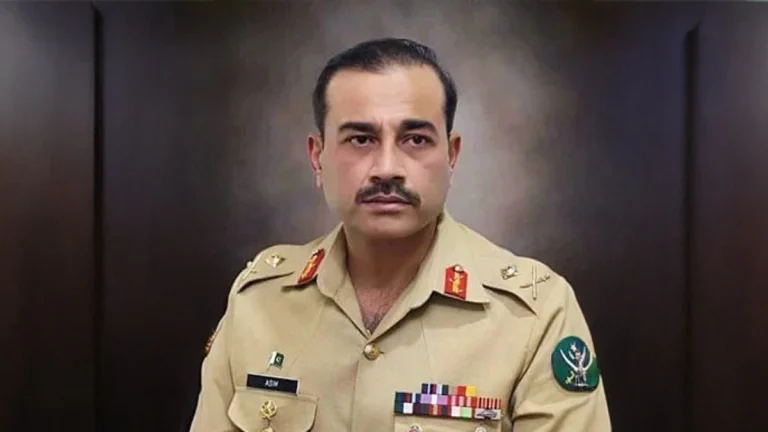
Islamabad, Pakistan – In a significant development marking Pakistan’s military restructuring, Field Marshal Asim Munir delivered his inaugural Asim Munir CDF address after being appointed as the nation’s first Chief of Defence Forces. The historic speech contained stern warnings directed at India, asserting that any future act of aggression would be met with an even more “swift, severe, and intense” response from Islamabad.

Historic Appointment and Guard of Honour

The Asim Munir CDF address was delivered to officers following a ceremonial guard of honour, marking the formal establishment of Pakistan’s unified military command structure. Field Marshal Munir, who now holds the CDF post concurrently with his five-year term as Chief of Army Staff, emphasized the historic nature of this military transformation.

Munir was promoted to field marshal after India inflicted heavy losses on the Pakistani security establishment during Operation Sindoor, making him the country’s second field marshal and the first in over six decades. The creation of the CDF position followed President Zardari’s approval of the Pakistan Army, Air Force, and Navy (Amendment) Bills 2025.

Direct Warning to India in Asim Munir CDF Address

During the Asim Munir CDF address, the Field Marshal issued an unequivocal warning to India, stating, “India should not be in any delusion [as] Pakistan’s response [in case of any aggression] will be even more swift and intense.” This direct messaging underscored Pakistan’s military posture under the new unified command structure.

The warning represents a continuation of Pakistan’s assertive rhetoric toward its eastern neighbor, now backed by the newly integrated tri-services command structure that Munir leads as the inaugural Chief of Defence Forces.

Establishment of Defence Forces Headquarters

A central theme of the Asim Munir CDF address focused on the establishment of the newly-formed Defence Forces Headquarters, which Munir described as “historic.” The Field Marshal explained that this institutional innovation aims to enhance multi-domain operations through the unified system integrating the army, air force, and navy.

The Defence Forces Headquarters represents a fundamental restructuring of Pakistan’s military organization, bringing the three service branches under coordinated leadership while maintaining their individual operational autonomy and organizational structures.

Integration of Three Military Services

The Asim Munir CDF address outlined how the new headquarters would function to create synergy among Pakistan’s military branches. “The Defence Forces’ Headquarters will integrate the operations of the [three] services and will make them compatible. With the synergy of the high command, the three services will maintain their [individual] autonomy and organisational structure,” Munir explained.

Also Read: Modi’s Gifts to Putin: Exquisite Collection Showcases India’s Heritage

This integration model seeks to balance unified command with service-specific expertise, allowing each branch to retain its distinct capabilities while coordinating strategic operations under the CDF’s overall direction.

Response to Growing Security Threats

Highlighting “growing and changing threats,” the Asim Munir CDF address emphasized that integrating all three services under the aegis of the newly-launched Defence Forces Headquarters was the need of the hour. The Field Marshal identified various contemporary security challenges requiring coordinated military responses across all domains.

This portion of the Asim Munir CDF address demonstrated the strategic rationale behind Pakistan’s military restructuring, positioning the new command structure as essential for addressing evolving security environments.

Modern Warfare and Multi-Domain Operations

The Asim Munir CDF address paid significant attention to the evolution of modern warfare, outlining how conflicts have expanded beyond traditional battlefields. “Wars have now expanded to cyberspace, electromagnetic spectrum, space, information operations, AI, quantum computing; [therefore], the armed forces will have to adapt to new requirements of war,” Munir stated.

This forward-looking assessment in the Asim Munir CDF address acknowledged that Pakistan’s military must prepare for technological challenges spanning multiple domains, from cyber warfare to artificial intelligence and quantum computing applications in military operations.

Operation Sindoor as Case Study

Highlighting the resilience of the Pakistani people and the military’s performance, the Asim Munir CDF address praised Operation Sindoor, calling it a “case study” for future conflicts. This reference appeared designed to demonstrate lessons learned that would inform the new tri-services command structure’s operational doctrines.

The mention of Operation Sindoor in the Asim Munir CDF address provided context for his promotion to field marshal and the subsequent military reorganization that led to his appointment as Pakistan’s inaugural Chief of Defence Forces.

Senior Military Leadership Present

The ceremony where the Asim Munir CDF address was delivered attracted senior officers from all three services, underscoring the significance of this military milestone. Air Chief Marshal Zaheer Ahmed Baber Sidhu and Chief of the Naval Staff, Admiral Naveed Ashraf, were among the distinguished attendees.

Their presence at the inaugural Asim Munir CDF address symbolized the unified command structure’s inclusive nature, bringing together leadership from army, air force, and navy under the new Defence Forces Headquarters framework.

Strategic Implications of New Command Structure

The Asim Munir CDF address articulated how the unified command would enhance Pakistan’s military effectiveness through improved coordination and resource optimization. By maintaining individual service autonomy while creating strategic synergy, the new structure aims to maximize operational efficiency across all domains.

This tenth and final reference to the Asim Munir CDF address emphasizes its significance as a foundational statement defining Pakistan’s military future under integrated tri-services leadership, establishing operational principles and strategic direction for the newly created Chief of Defence Forces position.

Future Military Adaptation Requirements

The comprehensive vision outlined in the inaugural address as Pakistan’s first CDF demonstrates Field Marshal Munir’s understanding of contemporary warfare’s complexity, setting the stage for Pakistan’s military evolution in an increasingly technological and multi-domain security environment that demands seamless coordination among all service branches.

Delhi IRCS Hospital: Stunning Transformation Unveiled in Dilshad Garden

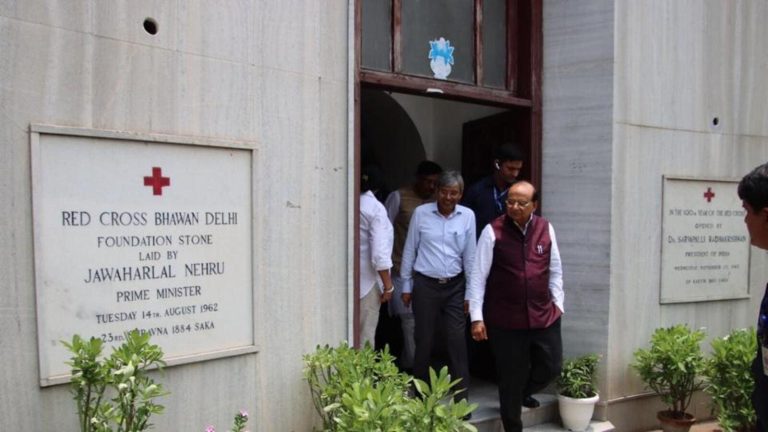
New Delhi – Lieutenant Governor VK Saxena on Monday inaugurated the completely revamped Delhi IRCS hospital located in east Delhi’s Dilshad Garden, marking a significant milestone in healthcare infrastructure development for the capital’s underprivileged communities. The Indian Red Cross Society facility has been transformed from a dilapidated structure into a modern healthcare center equipped with state-of-the-art facilities designed to serve the poorest sections of society.

Collaborative Redevelopment Effort

The redevelopment of the Delhi IRCS hospital was executed through a collaborative effort involving multiple stakeholders committed to improving healthcare accessibility. The Delhi Police Housing Corporation Limited, an organization formed specifically to carry out civil works in police buildings, led the redevelopment project in partnership with the new IRCS managing body.

Corporate social responsibility funding played a crucial role in financing the transformation of the Delhi IRCS hospital, demonstrating how public-private partnerships can effectively address healthcare infrastructure gaps. This multi-stakeholder approach ensured comprehensive planning and execution of the modernization project, resulting in a facility that meets contemporary healthcare standards.

From Dilapidated to Modern: LG’s Vision Realized

Lieutenant Governor Saxena reflected on the dramatic transformation of the Delhi IRCS hospital during his inauguration speech, sharing his initial impressions when he first visited the facility. “Once an iconic facility built by IRCS, which is headed by the President of India nationally and by the LG in Delhi, the hospital is meant to serve the poorest. When I first visited the facility after taking over as the LG, it had a dilapidated crumbling structure with reducing patient footfall,” Saxena stated in a social media post.

The LG’s observations highlighted the urgent need for intervention that eventually led to the comprehensive redevelopment of the Delhi IRCS hospital, transforming it from a neglected structure into a beacon of hope for the community.

Comprehensive Modern Infrastructure

The upgraded Delhi IRCS hospital now features a modern building complex that incorporates all essential healthcare infrastructure elements. Officials involved in the redevelopment confirmed that the facility includes spacious waiting areas designed to provide comfort to patients and their families during their visits.

The improved out-patient department services at the Delhi IRCS hospital have been designed to handle higher patient volumes efficiently while maintaining quality care standards. Similarly, the in-patient department services have been upgraded with modern amenities to ensure comfortable stays for admitted patients requiring extended medical attention.

Advanced Medical Facilities and Services

The redeveloped Delhi IRCS hospital houses a fully equipped laboratory capable of conducting a wide range of diagnostic tests, enabling faster and more accurate medical assessments. Physiotherapy facilities have been incorporated into the complex, providing rehabilitation services for patients recovering from injuries or managing chronic conditions.

Recognizing the importance of family support during medical treatment, the Delhi IRCS hospital includes a cafeteria specifically designed for attendants, ensuring that family members accompanying patients have access to food and refreshments without leaving the premises.

Specialized Focus on Maternity and Child Care

According to the Lieutenant Governor’s official statement, the Delhi IRCS hospital is strategically positioned to become a quality center for maternity and child care services in east Delhi. This specialization addresses a critical need in the region, where access to quality maternal and pediatric healthcare has historically been limited.

The focus on maternity and child care at the Delhi IRCS hospital aligns with national healthcare priorities aimed at reducing maternal and infant mortality rates while improving overall health outcomes for women and children from economically disadvantaged backgrounds.

Also Read: Vande Mataram Debate: Explosive PM Modi Attack on Nehru and Congress

Super-Specialty and Ayush Services

Beyond basic healthcare services, the Delhi IRCS hospital will offer out-patient department consultations by super-specialty doctors, bringing advanced medical expertise to a community that previously had limited access to specialized care. This elevation in service quality represents a significant upgrade from the facility’s previous capabilities.

The integration of Ayush services at the Delhi IRCS hospital reflects a holistic approach to healthcare, combining traditional Indian medical systems with modern allopathic treatments. Comprehensive diagnostic facilities complement these medical services, ensuring that patients receive thorough evaluations and appropriate treatment plans.

Universal Accessibility Features

Demonstrating commitment to inclusive healthcare, the Delhi IRCS hospital campus has been made fully accessible for persons with disabilities. Strategically placed ramps throughout the facility ensure wheelchair users can navigate the complex without barriers, while modern elevators provide vertical accessibility to all floors.

These accessibility features at the Delhi IRCS hospital ensure that individuals with mobility challenges can independently access all medical services without requiring assistance, promoting dignity and autonomy in healthcare seeking.

Community Engagement and Maintenance

During the inauguration ceremony, LG Saxena specifically urged area MLA Sanjay Goyal to ensure active community participation in supporting the Delhi IRCS hospital’s operations. This emphasis on community involvement recognizes that sustainable healthcare delivery requires local engagement and ownership.

The Lieutenant Governor also issued clear instructions to officials responsible for facility management, emphasizing the critical importance of properly maintaining the redeveloped Delhi IRCS hospital. Regular maintenance will ensure that the modern infrastructure and equipment continue functioning optimally, preserving the significant investment made in the redevelopment project.

Impact on East Delhi Healthcare Landscape

The inauguration of the transformed Delhi IRCS hospital represents a major boost to healthcare infrastructure in east Delhi, an area that has historically faced challenges in accessing quality medical services. The facility’s strategic location in Dilshad Garden makes it accessible to large populations residing in surrounding neighborhoods.

By specifically targeting services for the poorest sections of society, the revamped Delhi IRCS hospital fulfills the Indian Red Cross Society’s fundamental mission of providing humanitarian healthcare assistance to vulnerable populations, ensuring that financial constraints do not prevent access to essential medical services.