Wednesday, May 6, 2026
Home Blog Page 258

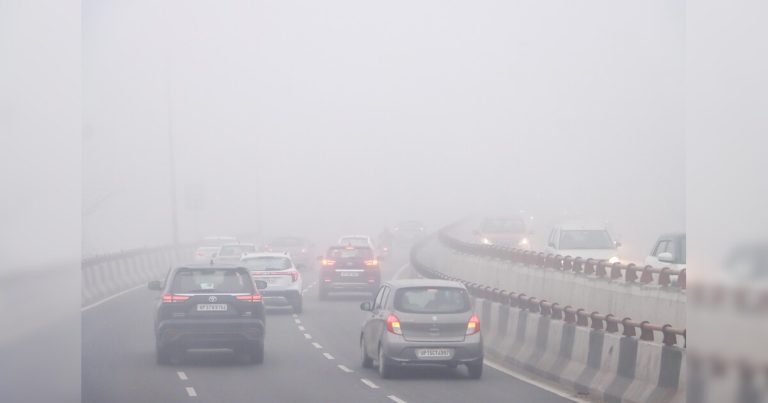
IMD Cold Wave Warning: Critical Alert for Dense Fog from December 9

New Delhi – The India Meteorological Department has issued a comprehensive IMD cold wave warning covering several regions of the country starting December 9, accompanied by dense fog conditions expected to impact daily life and transportation. The weather alert indicates that cold wave conditions will persist over central, eastern, and northern Peninsular India during December 9-12, with Northwest and Western India expected to experience similar conditions from December 10 continuing until December 12.

Widespread Cold Wave Conditions Expected

The IMD cold wave warning encompasses multiple states across different regions of India, signaling a significant drop in temperatures over the coming days. Cold wave conditions are anticipated in Madhya Pradesh, Chhattisgarh, and Odisha during the entire period from December 9-12, creating challenging weather conditions for residents in these central and eastern states.

Punjab is expected to experience cold wave conditions during December 10-12, while Vidarbha and Telangana will face these conditions specifically on December 9-10. The IMD cold wave warning also includes Haryana, Chandigarh, Delhi, north Rajasthan, Madhya Maharashtra, and Marathwada for December 11-12, indicating a progressive spread of severe cold conditions across the country.

Dense Fog Advisory Issued for Multiple States

Accompanying the IMD cold wave warning is a dense fog advisory that will significantly impact visibility during early morning hours. Dense fog is forecast in isolated pockets of Assam and Manipur from December 9-13, creating potential hazards for transportation and daily activities in the northeastern states.

East Uttar Pradesh and Odisha are expected to experience dense fog conditions on December 9 and 10, requiring residents and travelers to exercise extreme caution during these periods. The combination of cold wave and dense fog makes this weather event particularly challenging for affected regions.

Active Weather Systems Influencing Conditions

Several weather systems are currently active and contributing to the IMD cold wave warning conditions across the country. An upper air cyclonic circulation remains positioned over east Bangladesh and neighboring areas, while a Western Disturbance persists over north Pakistan, influencing weather patterns across northern India.

A trough in the easterlies runs along the southeast Bay of Bengal, and the Subtropical Westerly Jet Stream continues over Northeast India with core winds reaching up to 115 knots. These systems collectively contribute to the cold wave conditions prompting the IMD cold wave warning. Additionally, a fresh Western Disturbance is expected to affect the western Himalayan region from December 13, potentially bringing further weather changes.

Temperature Recordings and Trends

Recent temperature recordings demonstrate the severity behind the IMD cold wave warning, with minimum temperatures in the past 24 hours falling below 5 degrees Celsius in many locations across Jammu & Kashmir, Ladakh, Gilgit-Baltistan, Muzaffarabad, and isolated parts of Himachal Pradesh. The plains recorded particularly low temperatures, with Faridkot and Gurdaspur in Punjab registering the lowest at 4.5 degrees Celsius.

Minimum temperatures were markedly below normal in parts of West Madhya Pradesh, Odisha, and Chhattisgarh, validating the necessity of the IMD cold wave warning for these regions. Temperature trends indicate a slight rise of 1-2 degrees Celsius expected over northwest India, Madhya Pradesh, and Gangetic West Bengal, while a fall of 1-2 degrees Celsius is likely over Gujarat and parts of northeast and north Peninsular India.

Also Read: Japan Earthquake: Powerful 7.5 Magnitude Tremor Injures 30, Triggers Tsunami

Andaman and Nicobar Islands Weather Alert

While the IMD cold wave warning primarily focuses on cold and fog conditions in mainland India, the Andaman and Nicobar Islands face different weather challenges. Thunderstorms with lightning and gusty winds of 30-40 kmph are likely over these islands from December 8-10, requiring residents and visitors to remain alert for severe weather conditions.

Critical Fishermen Advisory

In conjunction with the IMD cold wave warning, authorities have issued crucial advisories for fishermen regarding sea conditions. Fishermen are strongly advised not to venture into the Arabian Sea, specifically the Comorin area, from December 8-13 due to unfavorable conditions.

The advisory extends to the Bay of Bengal, including the Gulf of Mannar, southwest and southeast Bay of Bengal, along the coasts of Tamil Nadu, Puducherry, and Sri Lanka during December 8-13. These warnings indicate rough sea conditions that could pose serious risks to fishing and maritime activities.

Regional Impact Assessment

The IMD cold wave warning affects a vast geographical area spanning from the northeastern states to central India and extending to the northwestern plains. The widespread nature of this weather event requires coordinated responses from state governments and local authorities to protect vulnerable populations, particularly homeless individuals and those without adequate winter protection.

Agricultural activities may also be impacted by the IMD cold wave warning, as crops sensitive to cold temperatures could suffer damage. Farmers are advised to take necessary precautions to protect their crops and livestock during this period of severe cold conditions.

Safety Precautions and Preparedness

Residents in areas covered by the IMD cold wave warning should take appropriate precautions, including wearing adequate warm clothing, avoiding unnecessary outdoor exposure during early morning hours when fog is densest, and checking on elderly neighbors and vulnerable individuals. Travelers should plan journeys carefully, allowing extra time for fog-related delays and ensuring vehicles are properly maintained for winter conditions.

The comprehensive nature of this IMD cold wave warning underscores the importance of staying informed through official weather updates and following all safety advisories issued by local authorities throughout this challenging weather period.

Japan Earthquake: Powerful 7.5 Magnitude Tremor Injures 30, Triggers Tsunami

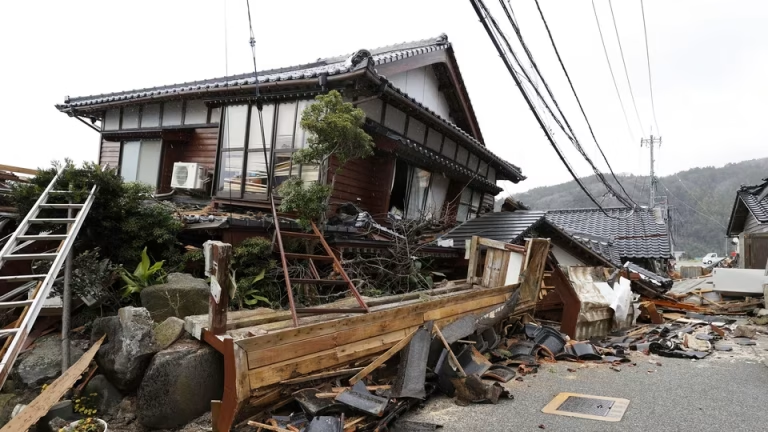
Japan – A powerful Japan earthquake measuring 7.5 magnitude struck the northern region on Monday, injuring approximately 30 people and forcing around 90,000 residents to evacuate their homes. The tremor triggered tsunami warnings along the Pacific coast, with authorities initially warning of waves as high as 3 metres before later lifting all advisories after the threat subsided.

Magnitude and Epicenter Details of Japan Earthquake

The Japan Meteorological Agency reported that the Japan earthquake measured 7.5 magnitude after initially reporting it as 7.6. The epicenter was located 80 kilometres (50 miles) off the Aomori prefecture coast at a depth of 54 kilometres, making it a significant seismic event that impacted large portions of northern Japan.

The agency issued an immediate alert warning that some places could see tsunami waves reaching up to 3 metres (10 feet), prompting urgent evacuation orders for coastal communities vulnerable to the potential threat.

Tsunami Warnings Issued Then Lifted

Following the Japan earthquake, authorities issued tsunami warnings for areas along the northeastern shoreline, cautioning that waves as high as 3 metres could reach vulnerable coastal regions. The Japan Meteorological Agency maintained heightened alert status throughout Monday evening as officials monitored ocean conditions.

By early Tuesday morning, the JMA reduced the tsunami warnings to advisories as the threat diminished. Later, authorities completely removed all advisories, allowing evacuated residents to safely return to their homes and signaling that the immediate danger from the Japan earthquake had passed.

Secondary Tremor Recorded Early Tuesday

The seismic activity continued into the following day when the US Geological Survey recorded another earthquake of magnitude 5.1 early Tuesday morning. This secondary tremor occurred approximately 122 kilometres (76 miles) south of Honcho at a depth of 35 kilometres, demonstrating the ongoing seismic instability in the region following the major Japan earthquake.

While significantly weaker than the initial 7.5 magnitude event, the aftershock served as a reminder of the continued risk and the need for residents to remain vigilant in earthquake-affected areas.

Casualties and Injuries from Japan Earthquake

Japan’s fire and disaster management agency reported that at least 23 people were injured in the immediate aftermath of the Japan earthquake, with the injury count later rising to approximately 30 people according to Prime Minister Sanae Takaichi’s briefing on Tuesday morning.

Most injuries occurred when objects fell during the intense shaking, a common hazard during powerful seismic events. Several people were injured at a hotel in Hachinohe, where the sudden tremor caught guests and staff off guard. Despite the earthquake’s significant magnitude, the relatively low casualty count reflects Japan’s robust building codes and disaster preparedness measures.

Mass Evacuations Across Northern Region

Approximately 90,000 residents were forced to evacuate their homes following the Japan earthquake as authorities implemented safety protocols and assessed potential tsunami risks. The large-scale evacuation demonstrated the effective early warning systems and public response mechanisms that Japan has developed through decades of earthquake experience.

Papers were scattered across office floors in Hakodate, Hokkaido, illustrating the powerful shaking that disrupted daily life throughout northern Japan. The evacuation orders remained in effect until authorities confirmed that tsunami threats had sufficiently diminished.

Also Read: Trump Peace Deals Crumbling: Congo Accuses Rwanda of Truce Violation

Government Emergency Response

Prime Minister Sanae Takaichi announced that the government immediately formed an emergency team to quickly evaluate the extent of damage from the Japan earthquake. The rapid response reflected the nation’s well-established protocols for handling major seismic events.

In her briefing to reporters on Tuesday morning, PM Takaichi confirmed the injury count of approximately 30 people and urged residents in the affected region to closely follow the latest updates from local government offices. The prime minister emphasized the importance of remaining informed as assessment teams continued surveying earthquake-impacted areas.

Historical Context and 2011 Comparison

This Japan earthquake struck north of the area devastated by the magnitude 9.0 earthquake and tsunami in 2011, which killed nearly 20,000 people and destroyed the Fukushima Daiichi nuclear power plant. That catastrophic event remains one of the worst natural disasters in modern Japanese history.

While Monday’s 7.5 magnitude earthquake was significant, it was considerably less powerful than the 2011 event, and the lower casualty count demonstrated improvements in disaster preparedness and building safety standards implemented since that tragedy.

Japan’s Seismic Vulnerability

Japan is one of the most earthquake-prone nations in the world, experiencing tremors at least every five minutes. The country sits in the ‘Ring of Fire’ of volcanoes and deep ocean trenches circling the Pacific Basin, a geologically active zone responsible for approximately 20% of the world’s earthquakes measuring magnitude 6.0 or higher.

This geographic reality means that Japan earthquake events are a constant feature of life in the archipelago nation. The country has invested heavily in earthquake-resistant infrastructure, early warning systems, and public education programs to minimize casualties when major seismic events occur.

Ongoing Monitoring and Recovery

As authorities continue monitoring seismic activity following the Japan earthquake, assessment teams are working to evaluate structural damage and ensure that critical infrastructure remains safe. The complete lifting of tsunami advisories allows recovery efforts to proceed without the additional complication of coastal evacuation orders.

The relatively swift return to normalcy following this significant Japan earthquake demonstrates the resilience of communities repeatedly tested by nature’s most powerful forces.

IndiGo Flight Cancellations: Massive Crisis Blamed on Multiple Factors Amid DGCA Notice

New Delhi – Budget carrier IndiGo Airlines has officially responded to the Directorate General of Civil Aviation regarding the massive wave of IndiGo flight cancellations last week, attributing the crisis to a “compounding effect of multiple factors” that simultaneously impacted the airline’s operations. The aviation regulator confirmed receiving the airline’s explanation and stated it would initiate enforcement action “as deemed appropriate” after examining the communication.

DGCA Receives Official Response on IndiGo Flight Cancellations

The Directorate General of Civil Aviation confirmed on Monday that it had received IndiGo’s detailed response to the show-cause notice at 6:01 pm. The letter was jointly signed by the airline’s chief executive officer Pieter Elbers and chief operating officer Isidre Porqueras, and was described by DGCA as “profusely apologetic” while expressing deep regret for the inconvenience caused to thousands of passengers affected by the IndiGo flight cancellations.

The communication represented the airline’s formal explanation following DGCA’s initial notice issued to Elbers on Saturday, which held him directly accountable for “significant lapses in planning, oversight, and resource management.” The regulator had given the airline 24 hours to explain why enforcement action should not be initiated for violations that precipitated the country’s worst aviation crisis in years, later extending the deadline to 6 pm Monday following a request for a one-time extension.

Multiple Factors Behind IndiGo Flight Cancellations

In its comprehensive response, IndiGo attributed the wave of IndiGo flight cancellations to a combination of interconnected factors that created a perfect storm for operational disruption. The airline cited “minor technical glitches,” schedule changes linked to the onset of the winter season, adverse weather conditions, increased congestion in the aviation system, and the implementation of updated crew-rostering norms under the Flight Duty Time Limitation (FDTL) Phase II framework.

The airline explained that disruptions began building in early December when the confluence of these factors severely impacted IndiGo’s on-time network performance and cascaded into widespread crew unavailability, ultimately resulting in the mass IndiGo flight cancellations that stranded thousands of passengers across the country.

Complexity Prevents Immediate Root Cause Identification

IndiGo emphasized in its response that it was “realistically not possible to pinpoint the exact cause(s)” of the crisis at this stage, given the complexity and scale of its operations. The airline requested additional time to conduct a comprehensive Root Cause Analysis, noting that DGCA’s own procedures allow for 15 days to respond to show-cause notices regarding the IndiGo flight cancellations.

The airline committed to submitting the full analysis once the exercise is complete, suggesting that a thorough investigation would be necessary to prevent similar incidents in the future and better understand the cascading failures that led to the unprecedented IndiGo flight cancellations.

FDTL Implementation Challenges Cited

IndiGo also contended that it had been actively engaging with DGCA regarding challenges in implementing the revised Flight Duty Time Limitation rules and had been seeking variations, exemptions, or extensions to accommodate the transition. The airline suggested that the new crew-rostering norms contributed significantly to the operational challenges that resulted in the widespread IndiGo flight cancellations.

This acknowledgment highlights the ongoing tension between safety regulations designed to prevent crew fatigue and the operational demands of running India’s largest domestic carrier.

Network Reboot Implemented on December 5

On December 5, IndiGo resorted to what it described as the “drastic measure” of “rebooting” its network, implementing massive IndiGo flight cancellations to recover stranded passengers, reduce airport congestion, and reposition crew and aircraft. The airline said this reset allowed operations to stabilize and progressively normalize from December 6 onward.

This strategic decision represented an acknowledgment that continuing to operate under the existing conditions would only compound the crisis rather than resolve it.

Passenger Assistance and Compensation Efforts

IndiGo claimed in its response that it issued timely notifications and provided meals, refreshments, hotel accommodation, and local transport “to the best extent possible” under DGCA’s civil aviation requirements. The airline stated that substantial refunds have been processed for most affected customers impacted by the IndiGo flight cancellations.

The carrier reported that ₹827 crores had already been refunded, with the remainder under process for cancellations through December 15. Between December 1 and 7, the airline arranged for over 9,500 hotel rooms and close to 10,000 cabs and buses for affected passengers.

Operational Recovery Shows Progress

On Monday, IndiGo announced that operations were improving significantly following the crisis. The airline operated 1,650 of its 2,300 scheduled domestic and international flights on Sunday, with plans to increase this figure to 1,800 flights on Monday. “After the recent disruptions, IndiGo has recorded considerable and consistent improvement across the network,” the airline stated.

The carrier reported that its on-time performance had improved to 91% across the network, and all cancellations in Monday’s schedule were executed on Sunday, ensuring advance notifications were sent to customers well before their scheduled departures.

Duopoly Concerns Exposed by Crisis

The continuing crisis exposed the lack of choice for passengers in India’s aviation sector, which has largely become a duopoly between IndiGo and Air India. The embattled low-cost carrier remains the only option in many sectors, making the IndiGo flight cancellations particularly disruptive for travelers with limited alternatives.

Customer Service Efforts Continue

IndiGo reported delivering over 4,500 bags to respective customers and being on track to deliver the remainder within 36 hours. The airline claimed to be assisting over 2 lakh customers daily across various communication channels, demonstrating the massive scale of recovery efforts required following the IndiGo flight cancellations crisis.

Trump Peace Deals Crumbling: Congo Accuses Rwanda of Truce Violation

Cambodia – The Trump peace deals that US President Donald Trump has repeatedly promoted appear to be unraveling, with multiple conflicts reigniting across regions where agreements were recently brokered. Following Thailand’s airstrikes along its disputed border with Cambodia, another Trump-backed peace agreement faces potential collapse as the Democratic Republic of Congo accuses Rwanda of violating the recently signed truce.

Congo Accuses Rwanda of Breaking Commitments

Congolese President Felix Tshisekedi delivered a sharp accusation on Monday, claiming that Rwanda had violated its commitments under the US-brokered peace deal designed to resolve the years-long conflict between the two nations. The Trump peace deals suffered a significant blow when Tshisekedi stated, “Despite our good faith and the recently ratified agreement, it is clear that Rwanda is already violating its commitments.”

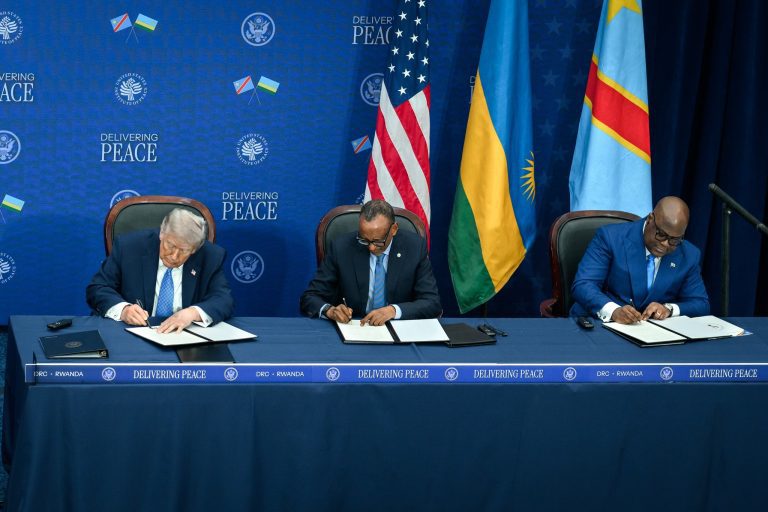
This accusation came just days after President Trump gathered leaders from both countries in Washington to sign the peace treaty, raising serious questions about the durability and effectiveness of the Trump peace deals in maintaining regional stability.

M23 Rebels Advance Despite Peace Agreement

The Rwanda-backed M23 armed group reportedly made a rapid advance threatening the city of Uvira, located near the border with Burundi. The escalation represents a direct challenge to the Trump peace deals, which were intended to bring lasting peace to the conflict-torn region.

In addition to the military advance, the town of Sange was bombed with grenades on Monday, resulting in the deaths of 36 people. These violent incidents occurred despite the recently signed peace agreement, casting doubt on the viability of the Trump peace deals in preventing further bloodshed.

Attacks on Day of Peace Treaty Signing

President Tshisekedi made the explosive claim that units of the Rwandan Defence Force carried out attacks on the very day the peace treaty was signed in Washington. This allegation, if verified, would represent a catastrophic failure of the Trump peace deals and suggest that Rwanda had no genuine intention of honoring the agreement from the outset.

The timing of these alleged attacks raises fundamental questions about the negotiation process and whether the Trump peace deals were built on a foundation of genuine commitment to peace or merely diplomatic theater.

Burundi Condemns Rwandan Provocation

The crisis surrounding the Trump peace deals expanded further when Burundi condemned “the recent provocation by Rwanda, which dropped bombs on Burundian territory” near Cibitoke, a town bordering both Rwanda and the Democratic Republic of Congo. The bombing wounded two people, including a 12-year-old child.

Burundi shares borders with Rwanda to the north and Congo to the west, making it vulnerable to spillover violence from the conflict. Both Burundi and Congo have long alleged that the M23 rebels receive backing from Rwanda, though Rwandan authorities have consistently denied these claims.

Three Decades of Regional Conflict

The region has been plagued by three decades of conflict, and the signing of the peace treaty between Congo’s Tshisekedi and Rwandan counterpart Paul Kagame in Washington had raised hopes that peace could finally prevail. However, the rapid deterioration of the Trump peace deals demonstrates the complexity of resolving deeply entrenched regional conflicts.

The current crisis illustrates that signing ceremonies and diplomatic announcements, while symbolically important, cannot guarantee lasting peace without genuine commitment from all parties and robust enforcement mechanisms.

Also Read: Trump Tariff on India: President Threatens Action Over Rice Dumping

Thailand-Cambodia Border Clashes Resume

The Trump peace deals face similar challenges along the Thailand-Cambodia border, where one soldier was reportedly killed and many injured as Thailand carried out airstrikes across its border with Cambodia on Monday. This violence erupted months after both countries agreed to maintain a ceasefire following the deadliest border clashes in decades back in August.

The resumption of hostilities between Thailand and Cambodia represents another setback for the Trump peace deals, suggesting a pattern of fragile agreements that lack the necessary foundations for sustainable peace.

Trump’s Claims About Settling Wars

Donald Trump has long claimed to have settled eight wars, attributing his success “largely because of trade and tariffs.” The President has used these assertions about the Trump peace deals to gather support for a Nobel Peace Prize nomination, portraying himself as a transformative peacemaker on the global stage.

While his candidacy for the prestigious award did receive significant support, President Trump did not win the 2025 Nobel Peace Prize. The award instead went to Venezuelan democracy activist Maria Corina Machado, who was recognized for her work promoting democratic values.

Questions About Peace Deal Sustainability

The deteriorating situation in both the Congo-Rwanda conflict and the Thailand-Cambodia border dispute raises fundamental questions about the Trump peace deals and their long-term viability. Critics argue that the agreements may have prioritized quick diplomatic victories over the difficult work of addressing underlying causes of conflict.

The rapid violations of the Trump peace deals suggest that more comprehensive approaches, including sustained international monitoring, economic incentives for peace, and mechanisms for accountability, may be necessary to transform fragile ceasefires into lasting peace.

International Community Response Needed

As the Trump peace deals continue to face challenges, the international community must consider how to support meaningful conflict resolution in these regions. The current crisis demonstrates that presidential involvement and high-profile signing ceremonies, while important, cannot substitute for sustained diplomatic engagement and comprehensive peace-building efforts.

The fate of the Trump peace deals will serve as an important test of US diplomatic influence and the effectiveness of using economic leverage to achieve foreign policy objectives in complex, multi-decade conflicts.

Goa Nightclub Fire: Shocking Escape of Owners to Thailand After 25 Deaths

Goa – The devastating Goa nightclub fire that claimed 25 lives has taken a dramatic turn as police revealed that the owners of the establishment fled to Thailand just hours after the tragedy. Saurabh Luthra and his brother Gaurav, Delhi-based businessmen who own Birch by Romeo Lane nightclub in Arpora, boarded a flight to Phuket on Sunday morning, mere hours after the blaze that killed mostly staff members and a family from Delhi.

Owners Fled Hours After Goa Nightclub Fire

According to Goa Police‘s official statement on Monday, the Luthra brothers took IndiGo flight 6E 1073 from Delhi to Phuket at 5:30 am on December 7. The Goa nightclub fire broke out late Saturday night, with police receiving the emergency call at 12:04 am on Sunday. This timing indicates that the owners fled the country within hours of the tragic incident that devastated their establishment.

Police officers visited the Luthra brothers’ residence in Delhi on Monday, only to discover they were not present. Later that day, authorities confirmed through investigation that both owners had already left the country, raising serious questions about their intent and potential culpability in the Goa nightclub fire.

Look-Out Notice Issued After Tragedy

A look-out notice was issued against the Luthra brothers through the Bureau of Immigration on Sunday evening, though by then they had already departed Indian territory. Deputy superintendent of police Nilesh Rane, serving as public relations officer for the Goa Police, provided details about the investigation’s progress.

“The Bureau of Immigration at Mumbai was contacted and it was found that both the accused had taken 6E 1073 flight (New Delhi to Phuket) at 5.30 am on 7th December i.e. immediately after the incident which had taken place around midnight. It shows their intent to avoid police investigation,” Rane stated.

The Goa nightclub fire investigation has now taken on an international dimension, with authorities coordinating with Interpol to apprehend the fugitive owners.

Interpol Coordination for Apprehension

Goa Police have escalated their efforts by engaging with the Interpol Division of the Central Bureau of Investigation to track down and apprehend both Saurabh and Gaurav Luthra at the earliest opportunity. The international manhunt underscores the seriousness of the Goa nightclub fire case and the determination of authorities to bring those responsible to justice.

The coordinated effort between local police, immigration authorities, and international law enforcement agencies demonstrates the complexity of pursuing suspects who have fled across international borders following such a catastrophic incident.

Social Media Statement From Owner

Despite fleeing to Thailand, Saurabh Luthra posted a statement on Instagram on Monday addressing the Goa nightclub fire. “The management expresses profound grief and is deeply shaken by the tragic loss of lives resulting from the unfortunate incident at Birch,” he wrote, offering assistance and support to victims’ families in “every possible form.”

Critics have questioned the sincerity of this statement given that it was posted from outside the country while the owner was evading investigation into the Goa nightclub fire that devastated multiple families.

Victims Include Three Sisters and Family

The Goa nightclub fire claimed 25 lives, with victims primarily being staff members of the establishment. Among the deceased were three sisters—Anita, Kamla, and Saroj Joshi—along with Vinod Kumar, the husband of another sister. Their cremations were conducted in Delhi on Monday, bringing profound grief to their families.

The victims’ profiles highlight the human cost of the Goa nightclub fire, affecting not just employees working at the venue but also patrons who were present during the tragic incident.

Massive Fire at Arpora Nightclub

The Goa nightclub fire broke out at the establishment located in Arpora, a coastal village in north Goa. Initial investigations suggest the blaze possibly started after a cooking-gas cylinder explosion, though authorities are conducting a comprehensive probe to determine the exact cause and fix responsibility.

Goa Chief Minister Pramod Sawant has constituted a four-member magisterial inquiry committee to investigate all aspects of the Goa nightclub fire, including potential safety violations and negligence that may have contributed to the tragedy.

Employee Detained for Questioning

Police detained Bharat Kohli, an employee of the nightclub, in Delhi on Monday. He was subsequently transported to Goa for questioning as part of the ongoing investigation into the Goa nightclub fire. Authorities are interviewing multiple individuals associated with the establishment to piece together the events leading to the tragedy.

Government Crackdown on Romeo Lane Properties

The state’s BJP government initiated a crackdown on Romeo Lane, the chain of upscale restaurants and bars operating in multiple cities across India. Two properties belonging to the chain were reportedly sealed in Vagator and Assagao in Goa, along with a beach shack and another club.

This swift action following the Goa nightclub fire demonstrates authorities’ determination to enforce safety regulations and hold establishments accountable for compliance failures. The sealing of multiple properties suggests potential systemic issues within the Romeo Lane chain’s Goa operations.

Ongoing Investigation and Accountability

As the investigation into the Goa nightclub fire continues, authorities are working on multiple fronts—from tracking down the fugitive owners internationally to examining safety protocols and potential violations at the establishment. The tragedy has raised serious questions about nightclub safety regulations, enforcement mechanisms, and the responsibility of establishment owners to ensure patron and employee safety.

The international escape of the owners has added urgency to calls for stricter monitoring of establishment owners facing serious allegations, particularly in cases involving loss of life.

Trump Tariff on India: President Threatens Action Over Rice Dumping

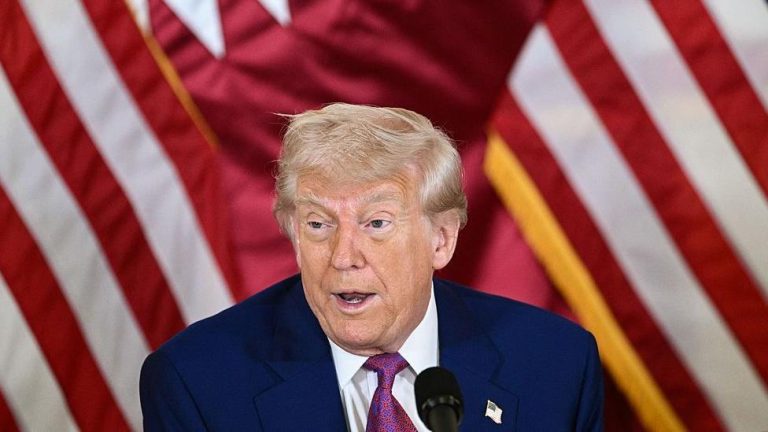
Washington D.C. – US President Donald Trump has signaled his intention to impose a Trump tariff on India, specifically targeting rice imports that he claims are being “dumped” into the American market. The announcement came during a White House meeting on Monday, where Trump unveiled $12 billion in fresh support for American farmers struggling with market pressures.

Trump Accuses India of Rice Dumping

During the roundtable discussion in the Cabinet Room, Trump was presented with a list of countries allegedly dumping rice into the US market. India, Thailand, and China were identified as the primary nations engaged in this practice. The Trump tariff on India emerged as a potential solution to protect domestic rice producers who have faced declining prices due to increased imports.

Rice industry executive Meryl Kennedy, founder and CEO of Kennedy Rice Mills and 4 Sisters Rice, informed the President about falling rice prices affecting American farmers. Kennedy highlighted how imports were challenging domestic producers, prompting Trump to consider immediate action.

Direct Questioning on Indian Rice Imports

The President directed pointed questions at Treasury Secretary Scott Bessent regarding India’s rice import status. “Tell me about India. Why is India allowed to do that? They have to pay tariffs, do they have an exemption on rice?” Trump asked, seeking clarification on existing trade arrangements.

When Bessent attempted to explain that negotiations on a trade deal with India were still ongoing, Trump interrupted, stating firmly, “Yeah, but they shouldn’t be dumping. I mean I heard that from others too. You can’t do that.”

The President’s comments suggest that the Trump tariff on India could be implemented regardless of ongoing trade negotiations, emphasizing his commitment to protecting American agricultural interests.

Promise to Address Indian Rice Dumping

Trump assured attendees that he would “take care” of the alleged dumping of Indian rice into the US market. This statement indicates that a Trump tariff on India specifically targeting rice imports may be imminent, despite the potential diplomatic ramifications.

The proposed measures reflect Trump’s broader approach to trade policy, which prioritizes domestic production and seeks to level what he perceives as unfair competitive advantages held by foreign exporters.

Canadian Fertilizer Also in Crosshairs

Beyond rice, Trump also suggested implementing tariff measures on fertilizer imports from Canada. “A lot of it does come in from Canada, and so we’ll end up putting very severe tariffs on that, if we have to, because that’s the way you want to bolster here,” the President stated.

Trump emphasized that fertilizer production could be expanded domestically, arguing that tariffs would encourage local manufacturing and reduce dependence on Canadian imports. This approach aligns with his administration’s broader strategy of using tariffs as tools to reshape international trade relationships.

Economic Context and Farmer Support

The Trump tariff on India comes amid ongoing economic pressures affecting American agriculture. Farmers, a crucial support base for Trump, have experienced rising costs and market challenges partly linked to previous tariff policies implemented by his administration.

Also Read: Trump Kennedy Center Honors: Shocking Jimmy Kimmel Jab During Ceremony

The $12 billion support package announced during the meeting aims to offset some of these challenges, but industry experts note that tariffs often create complex ripple effects throughout agricultural supply chains.

Ongoing Trade Negotiations Face Obstacles

Both Canada and India are currently engaged in trade negotiations with the United States aimed at stabilizing bilateral trade relationships. However, these discussions have encountered significant difficulties.

Earlier this year, Trump imposed 50% tariffs on Indian goods, citing trade barriers and energy purchase concerns. A US delegation is scheduled to visit India this week for further talks, though officials anticipate no major breakthrough in the immediate future.

The Trump tariff on India for rice dumping would add another layer of complexity to already strained trade relations between the world’s two largest democracies.

Concerns About Inflation and Consumer Prices

Critics of aggressive tariff policies warn that the Trump tariff on India and similar measures could contribute to inflation and higher consumer prices. While tariffs aim to protect domestic producers, they often result in increased costs for importers and, ultimately, consumers.

The agricultural sector particularly feels the impact of retaliatory tariffs, as countries targeted by US trade measures frequently respond with their own tariffs on American agricultural exports.

NAFTA and Broader Trade Policy Review

Trump has also previously raised tariff concerns with Canada, including threats to increase duties on products not covered by the North American Free Trade Agreement. Recent statements suggest his administration may revisit the agreement itself, potentially implementing the Trump tariff on India as part of a comprehensive restructuring of US trade relationships.

As negotiations continue with multiple trading partners, the Trump tariff on India represents the administration’s willingness to use tariffs as primary tools for addressing perceived trade imbalances and protecting American industries from foreign competition.

Abhishek Banerjee Rejects BJP Nandigram Claim 2025

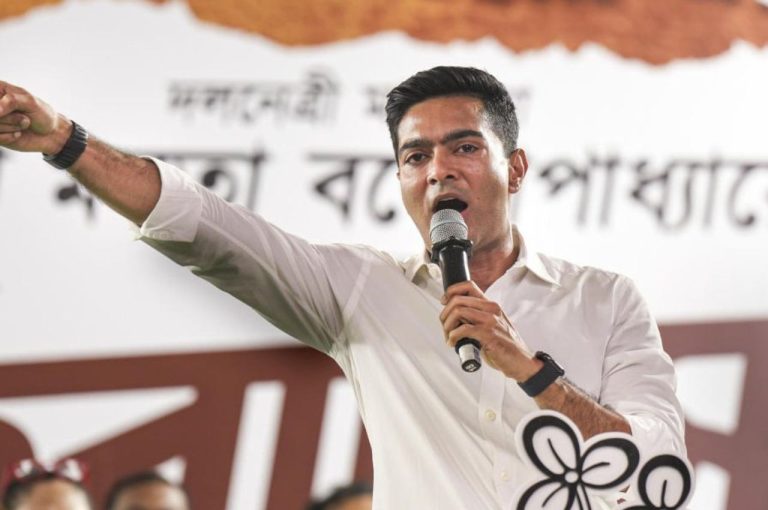
The Abhishek Banerjee Rejects BJP Nandigram Claim 2025 controversy has become a defining moment in Bengal’s political narrative. On December 1, 2025, Abhishek Banerjee, TMC national general secretary, dismissed BJP’s claim that he was preparing to contest from Nandigram as a “manufactured flutter.” His statement underscored the party’s stance that decisions on candidacy are internal matters, not dictated by opposition speculation

2. The BJP’s Allegation

Union Minister Sukanta Majumdar alleged:

  • Abhishek Banerjee was preparing to contest from Nandigram.
  • He was “posting loyal officers” in the district.
  • Contesting from Nandigram was part of Banerjee’s plan to become deputy CM.

Majumdar later retreated, saying: “Wherever Mamata Banerjee contests, we will defeat her.”


3. Abhishek Banerjee’s Response

Banerjee countered:

  • “If the party asks me to contest from Nandigram, I will do that. If the party asks me to contest from Darjeeling, I will do that as well.”
  • He emphasized loyalty to party decisions.
  • He dismissed BJP’s speculation as an “inner wish” of Majumdar.

This reflects the TMC’s strategy of deflecting opposition narratives.


4. Suvendu Adhikari’s Intervention

Leader of Opposition Suvendu Adhikari declared:

  • “Even if Abhishek contests from here, nobody in Nandigram will vote for him.”
  • He framed Nandigram as BJP’s “fortress.”

TMC countered by highlighting its panchayat poll victories in Nandigram, arguing grassroots workers could defeat BJP without top leaders.


5. Historical Context: Nandigram’s Symbolism

Nandigram holds unique importance in Bengal politics:

  • 2007 farmers’ resistance against Left Front’s land acquisition reshaped state politics.
  • Mamata Banerjee and Suvendu Adhikari emerged as faces of the agitation.
  • The movement carried TMC to victory in 2011.
  • Mamata’s narrow loss to Adhikari in 2021 added to the constituency’s symbolic weight.

Nandigram remains a recurring symbol of mandate and muscle in Bengal’s political script. 


6. Governance Challenges

The incident highlights systemic governance issues:

  • Speculation-driven politics overshadowing policy debates.
  • Symbolic battles dominating electoral narratives.
  • Weak communication between parties and citizens on substantive issues.

7. Abhishek Banerjee Rejects BJP: Political Fallout

The controversy has political consequences:

  • BJP seeks to frame Nandigram as its stronghold.
  • TMC emphasizes grassroots strength and dismisses BJP’s claims.
  • Civil society debates the role of symbolism in electoral politics.

8. Broader Implications for Democracy

The incident raises fundamental questions:

  • Can democracy thrive if constituencies become symbolic battlegrounds?
  • Will governance prioritize development over political theatrics?
  • How can parties balance symbolism with substantive policy?

9. Recommendations for Reform

Experts suggest:

  • Focus on development agendas rather than symbolic contests.
  • Transparent communication on candidate selection.
  • Community engagement to reduce speculation-driven politics.
  • Institutional safeguards against misinformation.

10. Comparative Lessons from Other States

Other states have faced similar symbolic battles:

  • Amethi in Uttar Pradesh became a symbol of Congress vs BJP rivalry.
  • Gujarat’s Gandhinagar reflected BJP’s organizational strength.
  • Bengal’s Nandigram mirrors these national trends of symbolic constituencies.

11. Human Stories: Grassroots Voices

Residents of Nandigram expressed:

  • Pride in the constituency’s historic role.
  • Anxiety about being reduced to a political symbol.
  • Hope for development beyond symbolic battles.

These voices highlight the human dimension of political symbolism.


12. Scientific and Economic Impact

Researchers emphasized:

  • Symbolic constituencies often receive disproportionate attention.
  • Development projects may be delayed due to political tussles.
  • Electoral narratives shape investment and governance priorities.

13. Conclusion: A Test of Governance and Symbolism

The Abhishek Banerjee Rejects BJP Nandigram Claim 2025 case is more than a political dispute — it is a test of governance, democracy, and symbolism. Unless systemic reforms are undertaken, constituencies like Nandigram will remain vulnerable to speculation-driven politics.

The controversy underscores the urgency of balancing symbolic battles with governance accountability and development priorities.


🔗 Government External Links

For further reading and official updates, here are relevant government sources:

Also read: Home | Channel 6 Network – Latest News, Breaking Updates: Politics, Business, Tech & More

Suvendu Adhikari Criticizes TMC Over Bengal SIR Malpractices 2025

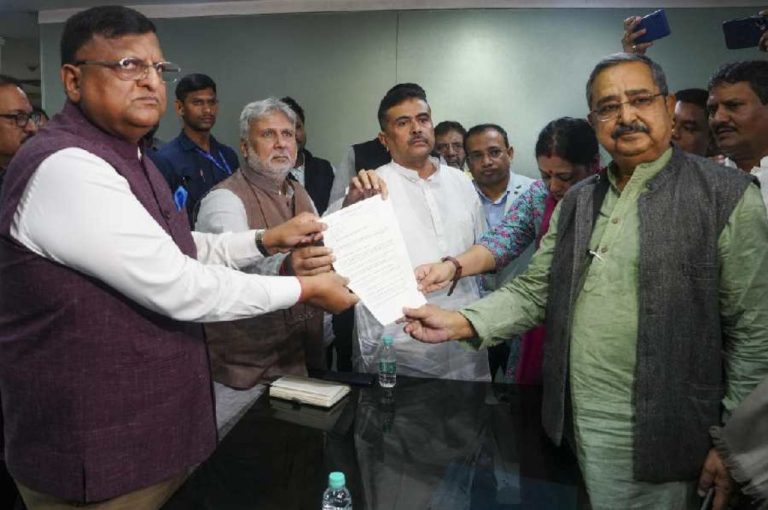
The Suvendu Adhikari Criticizes TMC Bengal SIR 2025 controversy has become a defining moment in Bengal’s political landscape. On December 2, 2025, BJP leader and Leader of Opposition Suvendu Adhikari accused the Trinamool Congress (TMC) of manipulating the Special Intensive Revision (SIR) of electoral rolls. He alleged that the Election Commission of India (ECI) was failing to curb malpractices, thereby undermining democratic integrity.


2. Background: The Special Intensive Revision (SIR)

The SIR is a voter roll update exercise mandated by the ECI.

  • BLOs (Booth Level Officers) distribute pre‑filled forms to voters.
  • Voters must sign and return these forms to confirm inclusion.
  • The process aims to weed out duplicate, deceased, or shifted voters.
  • In Bengal, the SIR was ordered in October 2025, covering millions of voters.

This reflects the Commission’s attempt to modernize and clean electoral rolls.


3. Suvendu Adhikari’s Allegations

Adhikari accused TMC of:

  • Pressuring BLOs to hand over voter forms to party cadres.
  • Preventing BLOs from independently verifying voter identities.
  • Using political influence to manipulate the revision process.
  • Exploiting loopholes to retain fake or duplicate voters.

He claimed the ECI was failing to enforce accountability.


4. The Election Commission’s Position

The ECI defended itself by citing:

  • 99.77% of voters received pre‑filled forms.
  • 70.14% of forms had already been returned.
  • Special care was taken to include vulnerable groups.
  • Allegations of disenfranchisement were “exaggerated.”

This reflects the Commission’s reliance on data to counter criticism.


5. Suvendu Adhikari Criticizes TMC: Governance Challenges

The incident highlights systemic governance failures:

  • Weak enforcement of rules at the grassroots level.
  • Political interference in administrative processes.
  • Delayed response to BLO grievances.
  • Lack of transparency in monitoring voter roll revisions.

6. Political Fallout

The controversy has political consequences:

  • BJP accused TMC of undermining democracy.
  • TMC dismissed allegations as politically motivated.
  • Civil society debated governance failures in electoral processes.

The issue has become a flashpoint ahead of the 2026 Assembly elections.


7. Historical Context: Electoral Roll Controversies in India

India has long faced challenges in maintaining accurate voter rolls:

  • Assam’s NRC excluded millions due to documentation gaps.
  • Past revisions saw BLOs complain of underpayment and overwork.
  • Bengal’s SIR echoes these controversies, highlighting systemic flaws.

8. Broader Implications for Democracy

The incident raises fundamental questions:

  • Can elections be credible if BLOs collapse under workload?
  • Will voter rolls be accurate if frontline staff are demoralised?
  • Does democracy risk losing legitimacy if electoral processes are politicized?

9. Recommendations for Reform

Experts suggest:

  • Staggered timelines for voter roll revision.
  • Hiring additional staff to support BLOs.
  • Improved technology for faster digitisation.
  • Compensation packages for BLO families.
  • Policy reform to recognize BLOs as permanent electoral staff.

10. Comparative Lessons from Other States

Other states have faced similar controversies:

  • Assam’s NRC excluded millions despite decades of residence.
  • Tripura’s refugee politics shaped electoral outcomes.
  • Bengal’s case reflects a national challenge of balancing electoral integrity with human dignity.

11. Human Stories: BLOs and Families in Distress

BLOs described:

  • Sudden collapses from exhaustion.
  • Panic attacks and high blood pressure.
  • Anxiety about punitive action if targets are missed.

These stories highlight the human cost of governance failures.


12. Law Enforcement and Accountability

Observers directed district magistrates to ensure:

  • BLOs are not forced to visit homes more than thrice.
  • No false information is uploaded on the BLO app.
  • Accountability measures are enforced to prevent manipulation.

This reflects the importance of institutional safeguards in democracy.


13. Scientific and Economic Impact

Researchers emphasized:

  • Electoral roll accuracy is vital for democratic legitimacy.
  • Errors can disenfranchise millions or allow duplicate voting.
  • Technology must be leveraged to reduce human error.

This adds a scientific perspective to the crisis.


14. Conclusion: A Test of Governance and Democracy

The Suvendu Adhikari Criticizes TMC Bengal SIR 2025 case is more than a political dispute — it is a test of governance, democracy, and human dignity. Unless systemic reforms are undertaken, BLOs and citizens will remain vulnerable, and public trust in institutions will erode.

The controversy underscores the urgency of balancing electoral integrity with compassion for frontline workers and governance accountability.


🔗 Government External Links

For further reading and official updates, here are relevant government sources:

Also read: Home | Channel 6 Network – Latest News, Breaking Updates: Politics, Business, Tech & More

Election Commission Defends Bengal SIR Amid Disenfranchisement Allegations 2025

The Election Commission Defends Bengal SIR 2025 case has become a defining moment in India’s electoral governance. On December 2, 2025, the ECI submitted an affidavit to the Supreme Court defending its Special Intensive Revision (SIR) of electoral rolls in Bengal. The Commission argued that allegations of mass disenfranchisement were exaggerated and politically motivated, citing data to prove that nearly all voters had been reached.


2. Background: The Special Intensive Revision (SIR)

The SIR is a voter roll update exercise mandated by the ECI.

  • It requires booth‑level officers (BLOs) to distribute pre‑filled enumeration forms.
  • Voters must sign and return these forms to confirm their inclusion.
  • The process aims to weed out duplicate, deceased, or shifted voters.
  • In Bengal, the SIR was ordered on October 27, 2025, covering multiple states.

This reflects the Commission’s attempt to modernize and clean electoral rolls.


3. The Allegations of Disenfranchisement

Trinamool Congress MP Dola Sen petitioned the Supreme Court, alleging:

  • Large‑scale exclusion of genuine voters.
  • Excessive workload on BLOs.
  • Political motives behind the revision.

Her plea sought to quash the directives ordering SIR in Bengal and other states.


4. The Election Commission’s Defense

In its affidavit, the ECI emphasized:

  • 99.77% of existing voters received pre‑filled forms.
  • 70.14% of forms had already been returned.
  • Special care was taken to include vulnerable groups such as the elderly, sick, and persons with disabilities.
  • Allegations of disenfranchisement were “highly exaggerated” and politically motivated.

This reflects the Commission’s reliance on data to counter criticism.


5. Governance and Institutional Role

The ECI directed:

  • BLOs to assist voters in filling forms.
  • Political party agents (BLAs) to monitor the process.
  • District officials to ensure no eligible voter was excluded.

This underscores the institutional safeguards built into the process.


6. Historical Context: Electoral Roll Controversies in India

India has long faced challenges in maintaining accurate voter rolls:

  • Assam’s NRC excluded millions due to documentation gaps.
  • Past revisions saw BLOs complain of underpayment and overwork.
  • Bengal’s SIR echoes these controversies, highlighting systemic flaws.

7. Political Fallout

The controversy has political consequences:

  • TMC accused the Centre of weaponizing the SIR to exclude minorities.
  • BJP defended the process as lawful and necessary.
  • Civil society debated governance failures in electoral processes.

The issue has become a flashpoint ahead of the 2026 Assembly elections.


8. Broader Implications for Democracy

The incident raises fundamental questions:

  • Can elections be credible if BLOs collapse under workload?
  • Will voter rolls be accurate if frontline staff are demoralised?
  • Does democracy risk losing legitimacy if electoral processes are rushed?

9. Election Commission Defends Bengal SIR: Recommendations for Reform

Experts suggest:

  • Staggered timelines for voter roll revision.
  • Hiring additional staff to support BLOs.
  • Improved technology for faster digitisation.
  • Compensation packages for BLO families.
  • Policy reform to recognize BLOs as permanent electoral staff.

10. Comparative Lessons from Other States

Other states have faced similar controversies:

  • Assam’s NRC excluded millions despite decades of residence.
  • Tripura’s refugee politics shaped electoral outcomes.
  • Bengal’s case reflects a national challenge of balancing electoral integrity with human dignity.

11. Human Stories: Families in Distress

Families of BLOs and citizens describe:

  • Sudden collapses from exhaustion.
  • Panic attacks and high blood pressure.
  • Anxiety about punitive action if targets are missed.

These stories highlight the human cost of governance failures.


12. Law Enforcement and Accountability

Observers directed district magistrates to ensure:

  • BLOs are not forced to visit homes more than thrice.
  • No false information is uploaded on the BLO app.
  • Accountability measures are enforced to prevent manipulation.

This reflects the importance of institutional safeguards in democracy.


13. Scientific and Economic Impact

Researchers emphasized:

  • Electoral roll accuracy is vital for democratic legitimacy.
  • Errors can disenfranchise millions or allow duplicate voting.
  • Technology must be leveraged to reduce human error.

This adds a scientific perspective to the crisis.


14. Conclusion: A Test of Governance and Democracy

The Election Commission Defends Bengal SIR 2025 is more than a bureaucratic exercise — it is a test of governance, democracy, and human dignity. Unless systemic reforms are undertaken, BLOs and citizens will remain vulnerable, and public trust in institutions will erode.

The controversy underscores the urgency of balancing electoral integrity with compassion for frontline workers and affected families.


🔗 Government External Links

For further reading and official updates, here are relevant government sources:

Also read: Home | Channel 6 Network – Latest News, Breaking Updates: Politics, Business, Tech & More

India Commences Countdown to the 2nd WHO Global Summit on Strong Traditional Medicine

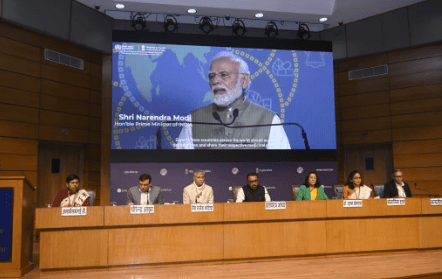
India officially began the countdown to the 2nd WHO Global Summit on Traditional Medicine, with the Ministry of Ayush hosting a Curtain Raiser Press Conference at the National Media Centre, New Delhi. The Summit, co-hosted by the World Health Organization (WHO) and the Ministry of Ayush, will take place from 17–19 December 2025 at Bharat Mandapam, New Delhi, bringing together global leaders, policymakers, and experts from more than 100 countries.


“India Leads the World in Restoring Balance Through Traditional Medicine”: Shri Prataprao Jadhav

Union Minister of State (IC) for Ayush, Shri Prataprao Jadhav, expressed pride in India hosting the Summit, following the success of the first edition held in Gujarat in 2023. He stated that the event represents a major global milestone in mainstreaming traditional medicine for human health, happiness, and well-being, aligned with India’s civilizational ethos — “Sarve Bhavantu Sukhinah, Sarve Santu Niramayah.”

The Minister announced the theme of the Summit:
“Restoring Balance: The Science and Practice of Health and Well-Being.”

He emphasized India’s global leadership in traditional medicine, noting the rising recognition of Ayush systems — Ayurveda, Yoga, Naturopathy, Unani, Siddha, Sowa-Rigpa, and Homoeopathy — as trusted solutions for preventive, promotive, and holistic healthcare.


Dedicated Side Event on Ashwagandha: Bridging Tradition and Evidence

Shri Jadhav announced that the Ministry of Ayush will host a special side event on Ashwagandha, one of India’s most globally researched medicinal plants. The session will highlight:

  • Traditional Ayurvedic knowledge

  • Modern pharmacological and clinical evidence

  • Its adaptogenic, neuroprotective, and immunomodulatory properties

  • Emerging global market opportunities

  • Safety and regulatory considerations

The event, titled “Ashwagandha: From Traditional Wisdom to Global Impact”, will be held from 17–19 December in partnership with the WHO Global Traditional Medicine Centre (GTMC), Jamnagar.


“Summit to Drive Evidence-Based Integration”: Dr. Poonam Khetrapal

Dr. Poonam Khetrapal, Regional Director Emeritus of WHO South-East Asia Region and Senior Advisor on Traditional Medicine to the WHO Director-General, emphasized that the Summit marks a significant moment in global health cooperation.

She stated that participation from over 100 countries will help shape a decade-long roadmap for:

  • Evidence-based integration of traditional and integrative medicine

  • Strengthening research, regulatory frameworks, and safety standards

  • Advancing biodiversity conservation and equitable benefit-sharing

  • Expanding digital health innovations in traditional medicine

Dr. Khetrapal highlighted that billions worldwide rely on traditional medicine and stressed the urgent need to bridge evidence gaps through rigorous science, innovation, and cross-border collaboration.


India–WHO Collaboration Strengthens Global Traditional Medicine Agenda

Shri Jadhav noted that the establishment of the WHO Global Traditional Medicine Centre (GTMC) in Jamnagar reflects growing international confidence in India’s knowledge systems.

He appreciated WHO’s partnership and acknowledged the significant role of media in generating awareness and promoting trust in traditional and integrative medicine.

Senior officials present on the dais included:

  • Vaidya Rajesh Kotecha, Secretary, Ministry of Ayush

  • Shri Dhirendra Ojha, Principal Director General, PIB

  • Ms. Alarmelmangai D, Joint Secretary, Ministry of Ayush

  • Ms. Monalisa Dash, Joint Secretary, Ministry of Ayush

  • Shri Satyajit Paul, Deputy Director General, Ministry of Ayush

The event also saw participation from senior officials, health experts, and media representatives.


Global Delegations Prepare for High-Level Summit

The 2nd WHO Global Summit on Traditional Medicine will feature:

  • Ministerial roundtables

  • Scientific plenaries

  • Innovation showcases

  • Policy dialogues on integrative health

  • Discussions on digital health, biodiversity protection, and sustainable supply chains

The Summit follows the Ambassadors’ Reception (9–10 November 2025), where diplomats were briefed on India’s leadership role and the global significance of the event.


Conclusion

With the commencement of the countdown to the 2nd WHO Global Summit on Traditional Medicine, India reaffirms its commitment to advancing holistic, integrative, and sustainable healthcare. The Summit is expected to deliver landmark outcomes that will shape global health policies, support scientific validation of traditional practices, and strengthen international cooperation for years to come.


For more real-time updates, visit Channel 6 Network.

Source: PIB