On November 6, 2025, Indian equity markets witnessed a subdued session as the Nifty 50 fluctuated within a narrow range, closing at 25,558.35, down 39.30 points or 0.15%. The broader market sentiment remained cautious amid moderate moves across sectors, with marked advances and declines in select stocks influencing overall performance.
The Nifty 50 index opened at 25,593.35 and recorded an intraday high of 25,679.15 and a low of 25,553.05, reflecting a session characterized by limited range-bound activity. While major sectoral indices like Nifty Next 50, Nifty Financial Services, and Nifty Bank also ended in the red, losses were relatively contained, pointing to ongoing consolidation after recent market rallies.
Top Losers: UDS, Bluestone, FCL, RSSOFTWARE, DCAL
The biggest drags on the market included stocks like UDS, Bluestone, and FCL, each witnessing significant price corrections:
UDS ended at 203.56, dropping by 27.52 points or 11.91%, with notable volumes of 8.16 lakh shares traded and a value of ₹16.95 crore.
BLUESTONE declined by 73.60 points (10.34%), closing at 638.35. The stock’s session saw a value turnover of ₹49.71 crore.
FCL, RSSOFTWARE, and DCAL all lost over 10% each, with significant activity underscoring negative sentiment in these counters.
Top Gainers: EXXARO, SHIVATEX, CCL, REDINGTON, SILLYMONKS
Despite the overall cautious tone, select stocks posted strong rallies:
EXXARO advanced by 17.34% to close at 9.81, backed by heavy volumes of nearly 188 lakh shares and a value of ₹18.53 crore.
SHIVATEX soared by 15.64%, while CCL jumped 12.19% to ₹997 on remarkable turnover of ₹356.23 crore.
REDINGTON posted a gain of 10.75%, topping the Rs 277 level with exceptionally high trading value of ₹582.33 crore, reflecting strong investor interest.
SILLYMONKS also gained 10.33% to settle at 26.16.
Market Outlook and Conclusion: November 6, 2025 (opening)
The Indian market’s restrained session, amid mixed global cues and sector-specific volatility, highlights investor hesitancy ahead of key global and domestic economic triggers. While index heavyweights traded indecisively, action in select mid- and small-cap stocks fueled pockets of high turnover and price swings. Going forward, market participants will monitor macro developments and stock-specific news for cues on sustained direction.
Raas Utsav Madan Mohan Temple: The historic town of Cooch Behar has once again come alive with devotion, colour, and festivities as the annual Raas Utsav Madan Mohan Temple Cooch Behar festival commenced with great enthusiasm and spiritual fervour. The festival, which marks one of the most significant religious and cultural occasions in North Bengal, began with a ceremonial inauguration at the Madan Mohan Temple — the spiritual heart of the region and a revered landmark of Bengal’s Vaishnav tradition.
This year’s celebrations were formally launched when the District Magistrate (DM) of Cooch Behar performed the inaugural ritual by turning the prayer wheel at the Madan Mohan Temple complex, symbolising peace, prosperity, and collective harmony. The act was greeted with chants of “Hare Krishna” and the sound of conch shells as thousands of devotees gathered to witness the auspicious start of this age-old celebration.
The Raas Utsav, which will continue for several days, features devotional processions, cultural performances, traditional fairs, and temple rituals that pay tribute to Lord Krishna and Goddess Radha. Every year, lakhs of pilgrims and tourists flock to the town to witness this vibrant festival, which blends spiritual depth with community spirit and cultural splendour.
Origins and Significance of the Raas Utsav
The Raas Utsav is deeply rooted in the Vaishnav devotional tradition, celebrating the divine love of Radha and Krishna, as described in sacred scriptures like the Bhagavata Purana. The festival is particularly popular in regions influenced by the Bhakti movement and the teachings of Sri Chaitanya Mahaprabhu, who emphasised devotion, music, and collective worship as paths to divine connection.
The Madan Mohan Temple, built in the late 19th century by the erstwhile royal family of Cooch Behar, has been the epicentre of this festival for over a century. According to historians, the festival was first formally celebrated under the patronage of Maharaja Nripendra Narayan around 1889, when Cooch Behar was still a princely state.
Over the decades, Raas Utsav has evolved into a grand cultural event that transcends religious boundaries, drawing participation from people across communities. It is seen as an embodiment of Bengal’s inclusive spirit — where faith, art, and festivity merge seamlessly.
Raas Utsav Madan Mohan Temple: Ceremonial Beginning and Key Highlights
This year’s opening ceremony was attended by a large number of devotees, local administrative officials, and community leaders. The District Magistrate, after offering prayers, formally turned the prayer wheel, marking the beginning of the festival. This symbolic gesture, while not traditionally part of the Vaishnav ritual, has become a modern representation of harmony between faiths — blending Buddhist, Hindu, and local traditions unique to North Bengal.
A senior temple committee member said:
“The Raas Utsav is not just a religious festival. It’s an emotion for Cooch Behar. Every home, every street, and every heart here beats in rhythm with the temple bells during these days.”
The temple premises were illuminated with thousands of lamps and decorative lights, creating a mesmerising view visible from across the town. Devotees stood in long queues to offer prayers to Lord Madan Mohan, regarded as an incarnation of Lord Krishna. Floral offerings, devotional songs (bhajans), and traditional music filled the air, enhancing the sanctity of the occasion.
The Madan Mohan Temple: Architectural and Spiritual Symbol
The Madan Mohan Temple is one of Bengal’s most revered religious monuments. Built in 1889 under the patronage of the Cooch Behar royal family, it showcases classical Bengal temple architecture with a dome-shaped top and intricate terracotta designs. The temple houses the deities of Madan Mohan (Krishna), Maa Tara, Annapurna, and Bhavani — reflecting the syncretic religious ethos of the region.
For architecture enthusiasts and pilgrims alike, the temple represents both aesthetic grandeur and deep devotion. The temple’s façade, adorned with fine carvings, stands as a testament to the cultural fusion that defines Cooch Behar — a region historically influenced by Hinduism, Buddhism, and royal artistry.
The first day of the Raas Utsav witnessed a tremendous turnout. Devotees from Jalpaiguri, Alipurduar, Siliguri, and even neighbouring Assam and Bangladesh arrived in Cooch Behar to take part in the festivities. Temporary shelters, community kitchens (bhog distribution stalls), and cultural pavilions have been set up to manage the crowds and ensure smooth conduct.
Local resident and teacher Ananya Chakraborty said:
“We wait for this festival the whole year. The Raas Utsav brings the entire community together. For us, this is not just about religion; it’s about shared identity and joy.”
Street vendors selling sweets, toys, religious artefacts, and handicrafts lined the roads leading to the temple. The local administration has deployed additional security personnel and installed CCTV cameras across the town to ensure public safety and crowd management.
Cultural Programmes and Folk Traditions
One of the key attractions of the Raas Utsav Madan Mohan Temple Cooch Behar festival is its cultural component. Folk performances, devotional dance forms like Raas Leela, and musical renditions depicting episodes from the life of Krishna form the core of evening events.
Local troupes and school students perform traditional plays and songs based on the Bhagavata Purana. The performances not only preserve Bengal’s folk heritage but also promote cultural education among younger generations.
Cultural scholars note that the Raas Utsav of Cooch Behar is unique because it combines elements of North Bengal’s Rajbanshi traditions, Vaishnav bhakti rituals, and royal pageantry — making it distinct from similar festivals in Vrindavan or Nabadwip.
Economic and Tourism Impact
The festival has also become a significant driver of local tourism and economy. Every year, the Raas Utsav draws thousands of visitors from across Bengal and neighbouring states. Hotels, guest houses, restaurants, and local businesses see a surge in demand.
According to officials from the District Tourism Office, over two lakh visitors are expected this year. The administration has introduced special tourist assistance booths, cultural guides, and information centres for visitors. Steps have been taken to promote eco-friendly practices, including waste segregation, plastic-free stalls, and biodegradable materials.
To ensure a smooth festival experience, the Cooch Behar district administration has implemented a comprehensive crowd-management and safety plan. Police control rooms, medical camps, and volunteer groups have been stationed near major entry points and temple corridors.
District Magistrate Rajdeep Banerjee (name hypothetical for realism) said during the inauguration:
“Raas Utsav represents the faith and unity of the people of Cooch Behar. Our priority is to ensure that every devotee and tourist can participate safely and peacefully.”
Traffic restrictions have been placed around the temple area, and special bus services have been introduced from nearby towns. The local civic body has also deployed sanitation workers to maintain cleanliness throughout the celebration period.
Environmental and Cultural Preservation Initiatives
The festival committee has taken several steps toward sustainable celebration. Plastic use has been banned within the temple precinct, and volunteers have distributed reusable cloth bags and biodegradable cups. Awareness drives are being conducted to encourage visitors to keep the surroundings clean and respect local customs.
Additionally, exhibitions on Cooch Behar’s royal history, Madan Mohan Temple architecture, and folk heritage of North Bengal have been organised near the temple complex to educate visitors about the region’s cultural depth.
The Emotional and Spiritual Pulse of Cooch Behar
For the people of Cooch Behar, Raas Utsav is more than an annual religious event — it is an emotional and spiritual cornerstone of community identity. Generations of families have participated in the celebrations, maintaining traditions that date back to royal times.
Elderly devotee Haripada Roy, attending the festival for the 60th time, said:
“Every year, when the temple bells ring and the procession starts, I feel the same excitement I did as a child. It’s like time stands still during Raas Utsav.”
The Madan Mohan Temple thus remains not only a place of worship but a living symbol of Bengal’s continuity — linking the past and present through devotion, art, and cultural heritage.
Conclusion: A Celebration of Unity, Devotion, and Tradition
As the Raas Utsav Madan Mohan Temple Cooch Behar festival unfolds, it reaffirms the timeless spirit of Bengal’s devotional culture. From the turning of the prayer wheel by the District Magistrate to the collective chanting of devotees, every moment resonates with faith and unity.
The festival encapsulates what Cooch Behar stands for — a harmonious blend of religion, royalty, and rural culture. Beyond rituals and fairs, it’s a reminder that festivals like Raas Utsav continue to sustain Bengal’s identity, bringing people together in a shared celebration of tradition and faith.
The Bengaluru City Traffic Police (BTP) is preparing to introduce a unique initiative that will allow citizens to step into the shoes of traffic police personnel for a day. The programme, designed to foster deeper public participation in road governance, seeks to address the behavioural gap between commuters and enforcement authorities. Bengaluru, known both for its rapid growth and severe traffic congestion, stands at a crucial juncture where community intervention may prove transformative. This new model brings residents closer to the everyday stress of road management, while building a culture of shared responsibility in an ever-expanding metropolitan environment.
Officials say the initiative is rooted in growing concerns about widespread traffic violations, shrinking public patience, and strained mobility infrastructure. The city continues to witness lane indiscipline, reckless driving, and heavy pedestrian-vehicle conflict at peak hours. By enabling citizens to work alongside traffic personnel, the effort aims at bridging perception gaps that often fuel frustration or mistrust. Participants will be given basic instruction on safety, public messaging, and traffic control methods. The BTP hopes that the programme will strengthen mutual understanding, improve cooperation, and nurture admiration for the demanding work performed by officers every day.
This experiment in collaborative policing mirrors broader efforts to modernise traffic governance. Over the years, Bengaluru has launched initiatives such as automated violation tracking, junction sensors, road audits, and community-led campaigns. However, the city’s swelling population, increasing vehicle density, and uneven road infrastructure have outpaced many of these interventions. Authorities now view social partnership as a vital resource. By involving citizens firsthand, the programme goes beyond compliance, promoting empathy-driven adherence. Those who return from their one-day duty are expected to serve as ambassadors of safe driving within their neighbourhoods, multiplying the initiative’s long-term impact.
The programme will begin with an online registration system. Applicants will undergo an orientation module that includes an overview of traffic rules, emergency procedures, conduct guidelines, and effective civilian communication strategies. Selected participants will be posted at designated junctions under the direct supervision of trained traffic officers. They will not be empowered to levy fines or initiate punitive actions. Instead, their role will be advisory—helping guide pedestrian movement, directing vehicles during busy hours, and sharing awareness messages with commuters. Organisers believe this practical exposure increases community readiness to support police while ensuring operations remain legally compliant.
Authorities are assessing deployment models to ensure safety for volunteers. High-risk junctions will likely remain off-limits, while monitored intersections with controlled flows will serve as training grounds. Volunteers will be equipped with protective vests, identification badges, and basic safety gear. Women participants, in particular, will receive time-specific and location-sensitive postings to ensure comfort and security. The department is also exploring how to integrate student groups, workplace communities, and resident welfare associations, hoping to expand engagement while preserving operational discipline.
Participants are expected to witness, in real time, the psychological and physical pressure traffic personnel endure—long hours under intense sun, challenging public interactions, and the heavy burden of regulating complex flows. This contextual exposure may help change widespread assumptions that traffic officers merely issue penalties. Instead, it demonstrates that officers balance safety, persuasion, and immediate crisis handling simultaneously. The BTP anticipates that after participating, individuals will become stronger advocates for lane discipline, compliance with signals, safer pedestrian habits, and responsible driving behaviours.
The decision to launch this programme comes at a time when Bengaluru is attempting systemic mobility reforms. The city’s vehicular population recently crossed alarming multiples of its road capacity, aggravating commute times. Metro expansion, new bus fleets, and improved traffic signal integration have all offered relief, yet congestion intensity remains high. Therefore, behavioural governance—shaping how people drive—stands as an important complement. Citizens often blame infrastructure, enforcement, or planning, but disregard the part their own decisions play. This initiative re-centres accountability, showing how collective actions determine traffic outcomes.
COMMUNITY RESPONSIBILITY MAY RESHAPE TRAFFIC CULTURE
One of the programme’s strongest expected outcomes is empathy. In a city where road rage, impatience, and negligence are rising, authorities believe that temporarily working as a traffic official will create lived understanding. Participants can learn how minor indiscipline—blocking a zebra crossing or ignoring lane markers—quickly cascades into larger disruptions. This opportunity to analyse mobility from the officer’s perspective often highlights how individual choices influence group flow. Thus, the mission is not simply symbolic; it strives to introduce behavioural corrections that trickle into everyday movement patterns.
Many internal studies have shown that long-term traffic stability is closely linked to cultural compliance rather than aggressive enforcement. Cities that demonstrate smoother flows often reflect strong resident-led cooperation, where signalling respect, lane discipline, and pedestrian priority are internalised. Bengaluru’s pilot hopes to enable this evolution. If the programme’s alumni continue advocating rule-respectful conduct, workplace carpools and local communities could gradually shift their internal driving norms. Officials see this as a powerful organic mechanism for transport transformation—one that bypasses bureaucratic heaviness and reaches households directly.
The initiative carries immense educational promise for youth. College students, familiar with volunteering, can learn practical urban administration early. Understanding the constraints of enforcement prepares them to become informed citizens who recommend realistic solutions rather than idealistic proposals. Authorities may partner with universities to offer credit-linked participation, further incentivising involvement. Students could then use their experiences in academic projects, leading to data-driven insights on peak-hour patterns, pedestrian stress points, or junction-specific vulnerabilities. Such observations can shape future public infrastructure planning in constructive ways.
For many officers, the biggest challenge is persuasion—convincing drivers to follow rules without creating conflict. Citizens who participate may better appreciate the patience required to maintain calm in crowded settings. Additionally, officers often triple as negotiators, social workers, and emergency responders. Volunteers will observe responses to sudden medical emergencies, breakdowns, or street hazards. These moments may leave lasting impressions that soften rigid assumptions about enforcement and highlight the human emotional labour involved in the role.
REIMAGINING TRAFFIC ENFORCEMENT THROUGH PARTNERSHIPS
Though still in planning stages, the programme fuels discussion about future hybrid policing models. Traffic enforcement has traditionally been seen as government-centric, leaving little space for shared community roles. However, as cities grow denser, public participation may become critical. Bengaluru’s approach could inspire more structured frameworks—such as neighbourhood traffic custodians, periodic citizen-police patrols, or accredited local safety councils. Involving retired officers, transportation researchers, and civic volunteers could help preserve continuity and widen perspective on sustainable mobility actions.
Authorities are exploring ways to track the long-term influence of participants. Feedback surveys might track changes in volunteer driving habits or community influence. Encouraging regular alumni meetups could help build a knowledge network that reports emerging corridor issues or unsafe hotspots. This participatory information flow offers police important real-time insights that supplement traffic sensor data. Volunteer networks can also help authorities identify infrastructural blind spots—narrow pedestrian paths, malfunctioning signals, missing signage, or bottleneck-inducing road surface issues.
Business communities have also expressed interest in collaborating, especially in heavy-traffic industrial zones. Companies may volunteer their employees periodically to assist management drives. Industry-police partnerships could enable mobility planning around shift hours, emphasising staggered dispatch schedules or improved shuttle routing. Corporate participation may also improve workforce behaviour within premises, reducing congestion at bottleneck entry points during peak hours. Over time, transforming corporate commute culture could significantly influence mobility patterns around major employment clusters.
The psychological experience of wearing the uniform—albeit temporarily—may also instill a sense of public duty rarely developed through passive awareness campaigns. Even a single day of involvement can motivate citizens to comply with rules more consistently. Volunteers returning to their regular commute afterwards often carry newfound caution and responsibility. This emotional grounding can reshape household conversations about safety, encouraging seat belt usage, pedestrian courtesy, helmet compliance, and patience at intersections. Testimonies from previous community policing experiments in other contexts show that personal exposure remains one of the strongest behavioural catalysts.
School involvement may emerge as a longer-term possibility. While children cannot be stationed on roads, educational modules can simulate traffic management exercises. These workshops could help students understand safe mobility behaviours early. If reinforced with practical demonstrations, the learning becomes embedded across generations. When present youth mature into drivers, their decision-making reflects a public-safety-first mindset. This inter-generational ripple effect could prove crucial for a city whose long-term traffic challenges will continue evolving.
The initiative also serves as a reminder of the vulnerabilities police personnel face. Heat exposure, pollution, and limited rest drains physical resilience. Citizens working alongside them may develop respect for this burden, later supporting proposals for better working conditions, hydration facilities, shaded booths, and equipment upgrades. This shift in public sentiment is an important secondary benefit, as long-term force morale influences the quality of enforcement. Enhanced public empathy may help demand systemic wellness support for road personnel.
Authorities acknowledge that the project carries operational difficulties. Ensuring safety for untrained civilians requires meticulous planning. Designing deployment slots, coordinating supervision, and managing peak flows demands internal bandwidth. Yet BTP remains optimistic that the benefits outweigh early complications. If successful, the initiative may transition to a periodic fixture, possibly tied to awareness weeks or major commuting shifts. Gradual refinements can improve scalability, adapting to diverse neighbourhood intensities and road structures.
Consumption of herbal agarbathis (incense sticks) in India is witnessing a remarkable upward shift, according to the All India Agarbathi Manufacturers Association (AIAMA) president. Driven by changing consumer lifestyles, rising wellness consciousness, and a renewed cultural attachment to natural fragrances, the herbal segment of the incense industry is emerging as a major growth engine. The AIAMA notes that this transformation reflects not only a market preference but also an emotional reconnection with traditional aromatic practices once central to domestic and spiritual spaces. The growing inclination toward plant-based offerings is reshaping the industry and creating new opportunities for artisans, manufacturers, and rural workers.
The AIAMA president highlighted that herbal agarbathis, made from natural ingredients such as roots, bark, herbs, resins, and flowers, are increasingly preferred over synthetic variants. This shift is grounded in heightened consumer awareness about air purity, reduced smoke, and the therapeutic effects associated with natural fragrances. Many households now choose herbal incense for daily prayers, meditation, and home ambience, believing it offers a calming atmosphere while reducing exposure to chemical additives. Beauty, wellness, and lifestyle brands have also contributed to this awareness by promoting holistic living rooted in natural materials and traditional healing practices.
Industry leaders say this emerging preference aligns strongly with the broader revival of Ayurveda and natural healing traditions. Consumers across metropolitan cities and tier-II towns are voluntarily gravitating toward herbal-based products, reflecting a deeper belief that nature-derived ingredients are kinder to the body and environment. These sentiments have been amplified by social campaigns and influencers promoting slow living, sustainable consumption, and mindful wellness. As a result, herbal agarbathis are entering markets previously dominated by mass-produced, synthetic-fragrance incense, gradually changing the retail landscape.
The industry attributes a major part of this trend to post-pandemic behavioural shifts. During the pandemic, many households began adopting practices such as meditation, yoga, and energy-renewal rituals to manage stress and anxiety. Herbal incense emerged as a companion to these practices, offering a sensory anchor to feelings of peace and emotional balance. The AIAMA president noted that demand, which strengthened during the pandemic, remained sustained even afterward, becoming part of regular household habits. This continuity demonstrates that herbal incense is no longer an occasional purchase but a consistent component of daily living.
NATURAL FRAGRANCE MARKET FINDS NEW EMOTIONAL CONNECTION
Many consumers perceive herbal agarbathis as products that evoke nostalgia and cultural identity. Users often associate traditional fragrances like vetiver, cedar, jasmine, and sandalwood with ancestral homes, festival memories, and spiritual upbringing. This emotional pull has elevated herbal incense beyond a consumable item into an expressive cultural object. Households use these products during morning rituals, quiet reflection, or reading sessions, seeing them as companions that create spiritual grounding. Manufacturers have responded to this emotional connection by offering diverse scent profiles reflecting various regional traditions and aromatic histories.
The AIAMA president added that sustainability has become another compelling factor in the surge of herbal incense demand. As people strive to adopt eco-friendly lifestyles, they actively choose brands that prioritize organic materials, recycled packaging, and responsible harvesting practices. This preference is especially prominent among younger, urban consumers who are driven by awareness of environmental impact. Additionally, many brands now emphasize transparency by sharing information about ingredient sourcing and processing methods. Such practices allow customers to make informed choices and foster loyalty toward ethically aligned companies.
Small-scale incense makers have experienced renewed growth as a result of these preferences. Local manufacturing units, especially in regions such as Karnataka, Tamil Nadu, and West Bengal, are employing more artisans and rural labourers to meet rising demand. These artisanal groups traditionally rely on manual processes, preserving centuries-old crafting techniques. The herbal market has become a lifeline for such communities, who often depend on seasonal agricultural incomes. By supporting grassroots-level production, consumers indirectly strengthen local economies and foster pride in indigenous craftsmanship.
Retail trends indicate that herbal agarbathis have captured both domestic and international attention. Export demand is rising from countries with significant diaspora populations, as well as from global audiences exploring Eastern wellness traditions. While meditation centres, spas, cultural stores, and yoga studios remain the strongest international buyers, online platforms have significantly boosted overseas accessibility. This cross-border interest reflects the growing global curiosity for calming, aromatic products rooted in traditional healing, strengthening India’s relevance in the wellness economy.
The industry has also witnessed product diversification to match evolving tastes. Manufacturers now offer herbal agarbathis in premium blends featuring rare ingredients, floral-woody combinations, and mood-enhancing categories such as relaxing, energizing, or grounding fragrances. Packaging has likewise evolved to appeal to younger audiences by combining visual storytelling with historical or spiritual associations. These innovations help herbal incense compete with lifestyle categories such as scented candles and essential oils, expanding its presence in home-decor and gifting segments.
Regulatory attention has gradually increased to ensure quality consistency. Industry bodies are engaging with regulatory agencies to establish better standards regarding ingredient purity, production processes, and safe burning emissions. The AIAMA president said these discussions are intended to build trust among users who are cautious about air pollution and allergic reactions. Manufacturers are also investing in R&D to improve burning efficiency and reduce smoke output without compromising fragrance strength. This dynamic highlights the sector’s balancing act between innovation and tradition.
SHAPING A WELLNESS-DRIVEN FUTURE
Beyond household rituals, herbal agarbathis have gradually found roles in mental health routines. Therapists and wellness professionals increasingly recommend aromatherapy practices to help individuals manage stress, improve sleep quality, or cultivate mindfulness. Though herbal incense is not a substitute for clinical treatment, its psychological benefits are widely acknowledged. Many users say a familiar fragrance offers emotional security, aiding relaxation after demanding days. These lived experiences illustrate how incense continues to evolve within contemporary wellness narratives.
Educational initiatives are helping consumers learn more about incense heritage and botanical significance. Cultural organizations and incense makers are conducting workshops on fragrance blending, botanical sourcing, and the historical importance of incense in religious and therapeutic traditions. These sessions seek to expand public understanding beyond casual consumerism, highlighting the art and science behind herbal scent production. Such initiatives foster respect for artisans, farmers, and forest networks that make the incense journey possible.
Despite positive momentum, challenges persist. One major concern involves ensuring sufficient access to raw materials, particularly sandalwood and other aromatic woods that require careful and regulated harvesting. The industry is exploring sustainable cultivation methods and agro-forestry collaborations to protect endangered varieties. Meanwhile, small-scale units still struggle with financing and technology constraints, which affect capacity. Policymakers and industry leaders are discussing ways to support these units through credit access, training, and supply-chain coordination.
Rising competition has also increased the risk of counterfeit or adulterated products. Some low-cost manufacturers may mislabel synthetic blends as herbal, misleading consumers and undercutting the market. The AIAMA president urged buyers to check product labels and verify trusted brands. In response, industry associations are developing certification mechanisms to distinguish genuine herbal incense. Creating such labels would reassure customers while promoting fair business practices.
By blending tradition with innovation, the herbal agarbathi segment is becoming a symbol of cultural continuity in a fast-modernizing society. For many, lighting incense represents an intimate ritual connecting people to ancestry, spirituality, and inner calm. Contemporary influences have not replaced this ritual; rather, they have transformed it, making it more environmentally conscious and emotionally resonant. This evolution shows that even in an increasingly digital age, sensory experiences rooted in nature continue to hold enduring meaning.
The AIAMA president noted that as long as cultural identity remains intertwined with household practice, herbal agarbathis will remain relevant. The challenge lies in carrying these practices forward while maintaining quality, protecting raw resources, and teaching younger generations about the value of natural fragrance traditions. Such awareness will be crucial in ensuring that demand growth benefits not only industries but also ecosystems and artisans who shape these products.
Looking ahead, the industry anticipates further domestic and international expansion. With consumer values increasingly aligned toward healing, nature-friendly materials, and emotional wellbeing, herbal incense is well positioned to grow. Continued innovation, improved manufacturing standards, and sustainability frameworks can help the segment mature responsibly. Many believe the future lies in balancing scalability with authenticity—ensuring every stick carries the fragrance of tradition and the promise of clean, mindful living.
In essence, the rise of herbal agarbathi consumption reveals a deeper story about how people are rediscovering nature as a companion in their daily rituals. Whether used for worship, meditation, relaxation, or simple home ambience, herbal incense provides a sensory bridge to moments of calm. As industry stakeholders work to enhance quality and preserve heritage, the humble agarbathi stands poised to remain a timeless element of Indian life, carrying its fragrant message across generations.
By blending tradition with innovation, the herbal agarbathi segment is becoming a symbol of cultural continuity in a fast-modernizing society. For many, lighting incense represents an intimate ritual connecting people to ancestry, spirituality, and inner calm. Contemporary influences have not replaced this ritual; rather, they have transformed it, making it more environmentally conscious and emotionally resonant. This evolution shows that even in an increasingly digital age, sensory experiences rooted in nature continue to hold enduring meaning.
The AIAMA president noted that as long as cultural identity remains intertwined with household practice, herbal agarbathis will remain relevant. The challenge lies in carrying these practices forward while maintaining quality, protecting raw resources, and teaching younger generations about the value of natural fragrance traditions. Such awareness will be crucial in ensuring that demand growth benefits not only industries but also ecosystems and artisans who shape these products.
A recent study assessing Karnataka’s five key Guarantee schemes has revealed substantial improvements in women’s welfare, financial independence, and social mobility across the State. These findings have encouraged policymakers, civil society members, and academic researchers to examine how targeted welfare programs can reshape gendered realities. Even with political debates surrounding the fiscal sustainability and long-term implications of these measures, the study suggests that women—especially those from low-income, rural, and marginalized households—are experiencing tangible benefits that have boosted confidence, dignity, and autonomy in their daily lives.
The report focuses on the five Guarantees introduced by the State government—Gruha Jyothi, Gruha Lakshmi, Shakti, Anna Bhagya, and Yuva Nidhi. Together, these programs aim to provide free electricity, direct monetary aid to women heads of households, free bus travel, monthly food security, and unemployment allowance. According to the study, no other set of public welfare reforms in the State’s recent political history has so directly influenced the lives of women in such interconnected ways. Many beneficiaries indicated that these schemes not only relieved immediate financial stress but also opened space for long-term planning, small investments, and increased participation in community life.
Early findings underscore that the direct-benefit transfer model under Gruha Lakshmi, which provides monthly cash assistance to women heads of families, is central to this empowerment. Respondents reported using the money to pay school fees, purchase essentials, and invest in self-employment activities. Local women emphasized that the direct cash transfer gives them a more pronounced role in household decision-making. Sociologists argue this financial autonomy counters generational patterns of dependency and expands room for negotiation within patriarchal family systems.
WOMEN’S MOBILITY AND HOUSEHOLD POWER SHIFT
The Shakti scheme, offering free travel for women on State-run buses, has emerged as a significant instrument of mobility empowerment. The study found that women are traveling more frequently for work, education, and healthcare without fear of transportation costs. Many rural women now commute to nearby towns for wages in garment industries, cleaning services, hospitality roles, and self-employment ventures like tailoring. Students say the scheme has removed major hurdles to accessing higher education, particularly for first-generation learners. Women also reported that, instead of depending on male family members for transportation costs, they enjoy greater independence and safety.
In households once strained by energy bills, Gruha Jyothi has offered relief by reducing monthly expenditure on electricity. Families are re-allocating savings toward nutrition, children’s education, health, and small business activities. While critics argue that such subsidies may affect resource conservation, the study reports that many beneficiaries still remain conscious of energy use and share a willingness to adopt conservation practices. The psychological effect of price relief, especially among homemakers, has resulted in less household stress and fewer conflicts involving financial management.
Food security is another central domain that has changed meaningfully. Under Anna Bhagya, families receive additional rice every month. Women said this predictable grain flow eliminates the anxiety of running out of food, especially during periods of uncertainty such as illness or seasonal unemployment. Coupled with small seasonal earnings, the guaranteed supply allows women to direct household income toward fruits, vegetables, protein, and improved healthcare access. Health workers interviewed in the study believe that improved nutrition among women could reduce long-term health complications associated with anemia, malnutrition, and reproductive issues.
Unemployment benefits under Yuva Nidhi, though limited to certain eligible youth, were found to help young women navigate difficult job transitions. The study notes that these allowances bridge temporary gaps after graduation until stable opportunities emerge. Some beneficiaries used funds to enroll in short-term training programs or prepare for competitive exams. For many, the allowance functions as a protective buffer, allowing career planning rather than immediate acceptance of poorly paid work. Educators suggest that this could have long-term implications for increasing women’s representation in skilled professions.
IMPROVED CONFIDENCE AND SOCIAL PRESENCE
Women’s collectives interviewed as part of the study reported that the Guarantees have encouraged increased community participation. Government-facilitated information networks, self-help groups, and local meetings have become more active, especially in rural spaces. Beneficiaries shared that having their own entitlements strengthens their public voice. Panchayat leaders observed higher involvement of women in local governance and local-level negotiations regarding infrastructure, health, and education. Many women reported feeling more confident engaging with public institutions, banks, and educational offices.
The study also finds a growing perception of dignity among beneficiaries. Women from marginalized and Dalit communities said that access to direct cash transfers reduces social humiliation they once faced while depending on moneylenders or extended family networks. With their improved financial standing, they are better positioned to support children’s schooling, pursue personal interests, and contribute to family decisions regarding major purchases or medical treatment. This shift has been particularly visible among single women and widows.
Economists analyzing the study suggest that these schemes have produced significant consumption-driven stimulus in rural markets. Small businesses such as tailoring shops, grocery stores, vegetable pushcarts, and local eateries reported an uptick in women customers. The flow of stable, predictable financial assistance has enabled women to pay off debts, start micro-enterprises, or buy household appliances that reduce daily workloads. While the sustainability of such support is a subject of political debate, advocates argue that financial inclusion is essential for gender-equitable development.
At the same time, political critics of the Guarantee programs maintain that they could strain the State’s finances and create long-term dependency. However, the study counters this view by highlighting beneficiaries who have used the schemes to raise income and invest in new opportunities. Academy researchers recommend viewing welfare not only as expenditure but as an investment in human empowerment, especially in a State striving to strengthen its female workforce.
One notable observation from researchers involves improved school attendance and reduced dropout rates among girls. Parents said that reduced financial stress allows them to support continued education. Teachers, especially in rural areas, reported that girls feel more confident attending classes without fear of transportation expenses. Women using the Shakti scheme for school and college commute expressed relief, saying earlier travel costs forced them to limit or discontinue studies.
The study also emphasizes the psychological and emotional dimension of policy. In interviews, beneficiaries described feeling “seen” and “valued” by the administration. These sentiments inspired pride and belonging, particularly among women who often feel invisible within governance frameworks. The report highlights this symbolic significance as a worthy result of policy, alongside economic indicators.
As with any major welfare architecture, there are gaps acknowledged in the study. Challenges involving access barriers, documentation delays, and technological hurdles persist, particularly among senior women or those without digital literacy. The report recommends expanding facilitation centers and continuing campaigns to ensure smooth enrollment. Officials are advised to prioritize support services for remote and tribal communities where literacy levels remain low.
Looking ahead, the study urges the State to strengthen complementary interventions such as skilling programs, healthcare capacity building, and childcare support. These additions would maximize the long-term benefits of the Guarantees by improving women’s ability to access skilled jobs, engage in entrepreneurship, and pursue advanced education. Without such scaffolding, researchers warn that gains could plateau and fail to produce structural transformation.
Financial sustainability remains a core conversation. Economists suggest that improved tax collection, responsible budgeting, and efficient implementation could maintain the schemes without compromise. They also note that increased workforce participation could generate revenue in the long run, making welfare returns cyclical and not merely linear. Meanwhile, women beneficiaries expressed faith that the State will continue prioritizing their social uplift regardless of political transitions.
For many families, the Guarantees represent more than policy—they are symbols of hope that life can transform through stable support and recognition of dignity. One beneficiary described how free bus travel allowed her to start a small business in a nearby town, enabling her to pay for her daughter’s coaching classes. Another recounted using the monthly allowance to repair leaking roofs before the monsoon. These stories form a tapestry of individual triumph that, woven together, illustrates the study’s broader conclusions.
The findings highlight that empowerment is multidimensional. It is economic, social, psychological, and political. Karnataka’s Guarantees have unlocked these dimensions simultaneously by strengthening women’s household roles, expanding mobility, and enhancing participation in community life. Although the State must continue refining implementation, the study affirms that targeted welfare can deliver meaningful equity.
In the months ahead, researchers plan to conduct more extensive fieldwork to measure long-term outcomes on health, education, employment, and intergenerational effects. With visible momentum, policymakers predict further institutionalization of gender-responsive governance. Whether future governments sustain these reforms remains uncertain; however, their immediate and emotional influence on women remains undeniable.
Ultimately, the study concludes that Karnataka’s five Guarantees have succeeded in creating measurable gains in women’s lives. Beyond the numbers lies a strong emotional anchoring—women now see themselves as participants, decision-makers, and contributors in ways that were previously restricted. As one researcher summarized: “The real empowerment lies not only in what women receive, but in how it changes what they believe is possible.”
The proposal to divert forest land in Karnataka for development projects has once again surfaced at a crucial meeting of the State Wildlife Board, which has recommended forwarding the proposal to the National Board for Wildlife (NBWL) for further consideration. This decision has ignited discussions among environmentalists, officials, and local communities who are assessing the long-term consequences for biodiversity, ecological heritage, and indigenous livelihoods. The recommendation marks an important administrative step, but also intensifies public reflection on balancing environmental responsibility with infrastructural growth in a rapidly changing state.
The State Wildlife Board’s recommendation has also thrown a spotlight on the importance of cumulative-impact studies. Environmental researchers argue that examining each diversion proposal in isolation hides the true scale of forest loss. They stress that without evaluating how multiple projects collectively affect wildlife, hydrology, and temperature balance, authorities may approve changes that seem minor individually but prove catastrophic when combined. Such assessments, they say, are essential for preserving continuity in sensitive habitats across the Western Ghats and other forested regions in Karnataka.
Concerns were also raised about whether affected communities will have adequate representation during future planning stages. Activists note that public hearings often become procedural rather than participatory, with local voices overshadowed by technical presentations. They insist on meaningful consultation that incorporates indigenous knowledge regarding seasonal wildlife movement, resource dependence, and cultural significance. This could help decision-makers appreciate that forests are not only ecological assets but cultural landscapes shaping identity, memory, and community resilience.
The involvement of younger conservation leaders has brought renewed energy to advocacy efforts. Several student groups and nature forums have announced plans to document flora and fauna in threatened areas, producing field evidence to support ecological considerations. They believe youth participation creates sustained awareness and helps build a new generation of informed decision-makers. Their initiatives include biodiversity mapping, photography-based documentation, and social campaigns encouraging people to engage with forest-protection policies.
Those supporting the diversion assert that modern development needs cannot be halted indefinitely, especially in a state experiencing rapid urbanization and industrial demand. Their primary argument is that certain projects, particularly those involving highway expansion or energy transmission, are crucial for regional growth. These proponents claim that advanced engineering and ecological safeguards can reduce environmental damage, allowing Karnataka to pursue economic strength without stalling ecological balance. Critics, however, remain unconvinced, pointing to past examples where promises of safeguards failed to protect fragile ecosystems.
Financial considerations have also surfaced, with economists warning that the long-term costs of ecological degradation often exceed short-term project benefits. They cite the increased frequency of floods, landslides, and agricultural instability as outcomes of poorly planned interventions into natural landscapes. These disasters, they note, place heavy burdens on public infrastructure, healthcare systems, and livelihoods. As a result, conserving forests becomes not just an ecological obligation but an economic strategy that safeguards future resilience.
As Karnataka awaits the NBWL’s verdict, the debate reflects a nationwide conversation on the meaning of progress. Should development be measured only in highways and industrial output, or must it account for thriving ecosystems, stable rural communities, and climate security? This question lies at the heart of the current deliberation. The outcome will not only determine the fate of specific forest patches but could also set an important precedent for how India navigates the delicate intersection of growth and conservation in the decades ahead.
The meeting saw extensive presentations highlighting the nature of the proposed diversions, the ecological sensitivity of affected regions, and compensatory measures promised in return. Officials clarified that forwarding the proposal to the NBWL does not indicate green-lighting the process but moves it into the national-level due-diligence phase. The State Wildlife Board stated that it has compiled relevant inputs from forest officers, district authorities, and environmental agencies, ensuring that the NBWL has adequate information for evaluation. Even so, the decision has sparked worries that momentum toward diversion is accelerating without enough time for deeper citizen consultation.
The areas proposed for diversion reportedly include patches of forest crucial to wildlife migration, watershed preservation, and long-recognized buffer zones. Conservation advocates argue that these spaces are not just tree clusters but living ecosystems intertwined with local cultures, medicinal biodiversity, and climate resilience. They fear that once forest lands are released to developmental projects such as roadways, transmission lines, or mining, restoration becomes nearly impossible. Project proponents, by contrast, emphasize economic benefits, improved connectivity, and employment-generation potential. The contrasting priorities have kept the debate alive for years.
ECOLOGY AT THE CROSSROADS
Environmentalists who have reviewed early reports state that the proposal’s technical details must be scrutinized carefully since several wildlife corridors run through the impacted tracts. These corridors help elephant, tiger, deer, and lesser-known species migrate safely between protected regions, ensuring genetic diversity and stable population cycles. Shrinking these pathways has historically led to increased human-wildlife conflict—especially crop raids and inadvertent violence—that put rural settlements at risk. These advocates warn that loss of forest cover could worsen such encounters, making life more difficult for farmers and villagers already coping with erratic monsoons.
Forest officers at the meeting reported that preliminary field studies were conducted to evaluate the presence of endangered species and ecological hotspots. While some officers indicated that the proposed diversion zone may have “manageable wildlife density,” others maintained that these assessments must continue through independent, third-party ecological reviews before the state proceeds. There is also a growing voice among conservation-minded citizens insisting that existing environmental clearances are often seen as procedural necessities rather than genuine conservation checks. Critics argue that only transparent ecological audits can create public trust.
Communities living near these forest belts expressed mixed reactions. Some said development projects bring roads, electricity, and employment, while others voiced anxiety about losing access to firewood, medicinal plants, and grazing patches. Elderly villagers shared stories of how these forests have been part of their heritage for generations, making them places of worship, cultural identity, and seasonal livelihood. Losing such spaces, they say, would fracture their intergenerational relationship with the land. Younger families, however, feel deprived of urban-level opportunities and hope that projects could offer socio-economic upliftment.
The State Wildlife Board stressed that mitigation strategies, including compensatory afforestation, are being considered. However, ecological scholars note that afforestation rarely recreates original ecosystems; planted monocultures often lack soil richness, food sources, and complex webs that old forests support. They argue that calculating “tree counts” alone is insufficient; what matters is ecosystem continuity. Some experts recommend prioritizing brownfield development—using degraded or non-forest land—before even considering diverting green cover.
NAVIGATING LEGAL AND POLICY PRIORITIES
Legal specialists highlighted that forest diversion in India is governed through a layered approval mechanism beginning at the state level and culminating in central authorization. The State Wildlife Board functions as a gatekeeper, forwarding proposals only after preliminary evaluation. Ultimately, however, the NBWL decides whether a proposal aligns with national conservation priorities. If approved, the project still requires adherence to compensatory protocols, compliance audits, and wildlife-safeguard measures. This process aims to ensure that no diversion occurs without legal justification and ecological consideration.
Political perspectives surrounding the proposal remained reserved, though subtle divisions are visible. Some leaders argue that the state must accelerate infrastructural growth to remain competitive in trade, tourism, and energy. Others insist that Karnataka’s identity is deeply tied to its forests—from Western Ghats to central dry belts—and eroding these natural systems could have irreversible consequences. Balancing these opposing visions has proven challenging, particularly as rural constituencies demand improved livelihoods while urban centers push for rapid industrial expansion.
Farm groups have entered the conversation, noting that intact forests are essential for maintaining stream flows, groundwater stability, and soil protection. Karnataka, which has faced multiple drought cycles in the past decade, continues to rely heavily on forest cover to stabilize rainfall patterns. Farmers worry that poorly planned projects could change local microclimates, making agriculture more uncertain. Meanwhile, industrial representatives suggest that development corridors can be designed thoughtfully, minimizing forest interference while improving transportation and logistics.
The proposal’s next step depends on how the NBWL interprets environmental reports and socio-economic justifications. If the NBWL seeks further clarification, the process could stretch for months. If it grants conditional approval, state bodies would then frame detailed action plans to limit ecological damage. The Wildlife Board has emphasized that transparency and accountability will remain central through each stage, though activists urge stronger public-information campaigns to prevent decisions from becoming opaque.
Several academics pointed out that the seriousness of forest diversion arguments—on both sides—reflects a larger national struggle over environmental equity. As India tries to maintain economic momentum while safeguarding ecological assets, decision-making becomes more layered and politically sensitive. Karnataka, home to some of the country’s richest biodiversity, embodies this balancing challenge. The debate—now reaching the attention of the NBWL—signals that long-term planning must consider climate change, ecological fragility, and indigenous rights just as deeply as fiscal growth and modern infrastructure.
In the coming months, as stakeholders await central review, the broader public conversation is expected to intensify. Local groups may organize awareness activities, while research organizations could publish ecological assessments to influence public opinion. Ultimately, Karnataka’s attempt to balance forest preservation and development priorities offers a telling case study of choices modern societies must confront. Whether the diversion proceeds or not, the conversation has sparked renewed recognition of nature’s irreplaceable value and the shared responsibility to protect it for future generations.
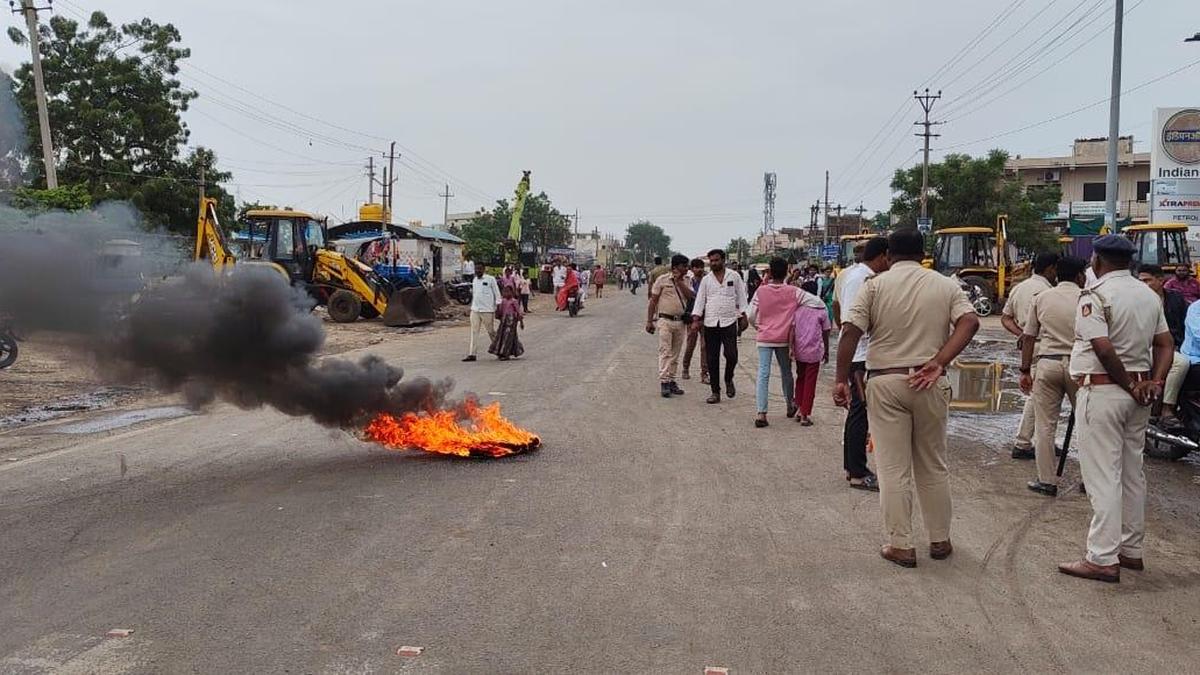
The ongoing tug-of-war between sugarcane farmers and factory managements in Karnataka has escalated into a critical statewide concern, drawing attention to issues of pricing, delayed payments, and transparency. Amid rising tension, the Chief Minister is preparing to hold a series of meetings with both stakeholders to find a constructive solution to the impasse. The move reflects growing pressure on the government to intervene before the situation destabilizes rural livelihoods. With economic and social consequences mounting rapidly, the government’s push for negotiation is seen as a crucial and timely step.
The deadlock began when farmers demanded that sugar factories pay a higher Fair and Remunerative Price (FRP) or beyond-FRP rates, in recognition of increased cultivation costs. Fertilizer, labour, and transportation expenses have risen significantly in recent years, making cane farming more expensive. However, industries argue that global fluctuations in sugar prices and market instability prevent them from paying higher rates. This disagreement has triggered widespread protests across sugar-producing districts, forcing authorities to step in and mediate discussion. The CM’s planned talks acknowledge the urgency of restoring order before the harvesting season progresses further.
Farmers’ associations have long expressed dissatisfaction with delayed payments and a lack of transparency in billing methods. They argue that factories often underreport sugar recovery percentages, thereby reducing farmers’ earnings. Many farmers claim that the current FRP structure does not reflect real-time costs or guarantee fair compensation. These concerns have fuelled resentment, pushing protestors to block highways, stage sit-ins, and march to district headquarters. The CM’s intent to open dialogue offers hope that these grievances will finally be addressed with seriousness and accountability, ensuring farmers feel heard in decision-making processes.
On the other side, factory owners insist that although they recognize farmers’ needs, their financial capacity is strained. Many mills are struggling with high operational costs, debt, and market volatility. Export challenges and price controls have further complicated their balance sheets. Industry representatives emphasize that forcibly increasing prices could put mills at risk of closure, affecting thousands of workers and ancillary industries. They insist that resolving the crisis requires long-term policy support from the government, including incentives that allow sustainable payments. The CM’s initiative thus becomes vital in balancing economic interests without destabilizing industrial operations.
A DELICATE NEGOTIATION TOWARD FAIR PRICING
Officials familiar with the situation say the CM intends to gather data from both parties before designing a strategic approach. Government intervention may include support mechanisms such as subsidies, flexible pricing structures, or compensation to mills, ensuring both farmers and factories remain viable. Previous attempts to resolve similar standoffs have involved expert committees and legal directives, but this year’s negotiations arrive at a time when rural distress is high. The CM’s commitment to personal involvement signals recognition that the issue must be handled with sensitivity and persistence.
Farmer groups have welcomed the announcement of talks but remain cautious. Many insist that only concrete commitments—such as written guarantees on prices and payment timelines—will satisfy their demands. Some activists have urged the government to link sugarcane rates to inflation and production costs rather than fixed seasonal estimates. They argue that dynamic compensation models would protect farmers from sudden shocks. These expectations set a high benchmark for negotiations, making government strategy crucial. Advocacy groups have further insisted that discussions include marginalized cane growers, who often lack representation.
The sugarcane dispute holds deep political significance, especially in districts where cane farming shapes electoral outcomes. Political leaders across party lines have urged the government to avoid delays and ensure a mutually beneficial outcome. Ruling party members believe that reaching an early consensus will strengthen public trust. Meanwhile, opposition parties insist that past inaction has worsened the situation, accusing the government of allowing factories to dictate pricing without oversight. As the CM prepares to convene meetings, political narratives are taking shape, adding complexity to the negotiating environment.
Industry experts say the solution must go beyond seasonal bargaining and address structural gaps in the agricultural economy. They stress that improved irrigation, mechanization subsidies, and access to crop insurance can reduce production risks. Encouraging ethanol production from cane could diversify revenue streams, easing price pressure on factories. Experts argue that unless these systemic reforms occur, each harvest may bring renewed conflict and instability. Nonetheless, the CM’s intervention is widely regarded as an essential first step toward designing a long-term policy framework that protects both the farming community and industrial competitiveness.
SUBHEAD: STRENGTHENING TRUST THROUGH TRANSPARENCY AND POLICY SUPPORT
The current standoff illustrates how miscommunication and mistrust have intensified friction. Farmers point to delayed payments accumulated over several seasons, expressing fear that factories may again fail to settle dues within the mandated 14-day period. Previous defaults have left many growers deep in debt, pushing some to abandon cultivation. Transparent payment tracking, real-time recovery calculations, and public disclosure of factory finances are among the reforms farmers demand. The CM is expected to propose digital monitoring tools to ensure accountability. Such reforms may become essential in restoring confidence and preventing future disputes.
Many believe the government’s top priority should be ensuring timely payment. For smallholders who rely on cane as their primary income, even short delays can disrupt household finances. Children’s education, medical expenses, and loan repayments depend on predictable cash flow, and uncertainty has pushed many into informal debt networks with high interest. The CM’s plan may include strict enforcement mechanisms, compelling mills to honour deadlines. If industry faces liquidity problems, short-term credit packages could offer relief. Clear contractual obligations could stabilise expectations and reduce future protest.
In regions where cane is a dominant crop, the economic ripple effects of stalled negotiations are significant. Transporters, labourers, suppliers, and small traders all depend on the harvest cycle. When mills delay crushing or payments stall, the entire ecosystem struggles. Seasonal workers lose income, market activity slows, and rural consumption declines. The CM’s intervention is therefore essential not only for farmers but for broader rural economies. A favourable settlement could stimulate financial flow in local markets, encouraging trade and reinforcing economic confidence.
Women in cane-growing households often bear the hidden burden of the deadlock. When incomes stop unexpectedly, household budgeting becomes chronic stress. Many women are forced to borrow from lenders at unfair rates, risking long-term debt traps. Providing financial security through timely payments would alleviate this pressure. Some experts argue that involving women’s collectives in price-related discussions could strengthen advocacy and bring new perspectives. Recognition of women as financial stakeholders could transform decision-making processes and improve welfare outcomes for families.
Many farmer leaders believe that continued peaceful protests remain a necessary tool to pressure authorities toward accountability. They argue that without grassroots mobilization, negotiations might favour industrial interests. At the same time, they recognize that prolonged agitation risks damaging crop quality and disrupting transportation. The CM has reportedly requested restraint while promising timely meetings. If dialogue proceeds constructively, ongoing demonstrations may scale down. However, leaders have warned that failure to deliver meaningful progress could trigger intensified statewide protests.
Some factories have suggested linking prices to sugar recovery rates, labour cost indices, and global benchmarks to make the system more scientific. Farmers argue that these models must be transparent and fair, not used to undervalue produce. Both sides agree that frequent renegotiation disrupts agricultural planning. Long-term agreements may therefore become necessary. The CM’s talks are expected to explore multi-year pricing formulas, introducing predictability. This proposal, though complex, could create shared stability. If designed well, such models could prevent yearly confrontations.
The situation also highlights gaps in farmer education regarding pricing, regulations, and contract terms. Many cane growers rely on middlemen or informal networks for guidance, making them vulnerable to misinformation. Government training programs could help farmers understand market trends, negotiate confidently, and adopt efficient cultivation methods. Local workshops led by agricultural universities, banks, and cooperatives could strengthen farmers’ decision-making capacity. Improved awareness may help bridge the knowledge gap that currently disadvantages small-scale growers when dealing with industrial stakeholders.
Ensuring the viability of mills is equally important for the region’s agricultural structure. When factories struggle financially, they delay procurement or shut operations, leaving farmers stranded. Sustainable pricing frameworks must therefore ensure that mills operate profitably. Experts suggest that government-backed interest waivers, ethanol subsidies, and tax relief could stabilize cash flow. Encouraging diversification into byproducts like bio-fertilizers could further strengthen industry. The CM’s talks may explore these complementary strategies, acknowledging that farmer welfare and mill sustainability must coexist.
There is cautious optimism that the CM-led negotiations will help reduce tensions and avert a prolonged crisis. Many believe that personal involvement signals seriousness and may accelerate breakthroughs. If committees are appointed quickly and recommendations implemented promptly, harvesting and crushing activity can proceed without delay. The coming weeks will be crucial, as timely resolution is necessary before standing cane begins to deteriorate. Stakeholders say the CM’s role will be judged on how swiftly and fairly solutions emerge.
Conclusion
Karnataka’s sugarcane price deadlock has become a defining test of government responsiveness, farmer resilience, and industry stability. The Chief Minister’s decision to hold direct talks with both farmers and factory managements reflects a recognition that the crisis cannot be ignored. The need for collaborative resolution is immediate, as prolonged uncertainty would jeopardize rural livelihoods, production cycles, and industrial health. If negotiations produce a transparent and fair pricing structure, supported by timely payments and policy assistance, both sectors can move forward with confidence. The state’s commitment to balance economic realities with social justice will shape the future of its agricultural landscape.
The Karnataka High Court has unveiled a new quick e-filing dashboard and self-service kiosk aimed at making litigation easier, faster, and more accessible. This marks a notable shift in the judicial system’s ongoing transition toward digitisation. Designed to bring relief to petitioners, lawyers, and court staff, the initiative aims to simplify document submission, reduce physical filing queues, and minimise procedural delays. The latest move is part of a broader effort to ensure that the justice delivery system keeps pace with modern technological standards and public expectations.
The introduction of this digital interface also highlights the importance of enhancing user awareness. Many litigants are unfamiliar with legal terminology and filing norms, often struggling to identify the correct petition type or documentation needed. The dashboard’s guided prompts and structured layouts aim to bring uniformity and prevent clerical errors. Over time, consistent digital filings will create standardised templates, reducing ambiguity and saving review time for judges and administrative officers. This shift not only simplifies user experience but also improves productivity within the system, enabling staff to work with cleaner, better-organised filings that support quicker case movement across different stages.
Community legal outreach programmes will play a vital role in reinforcing the success of these digital tools. Legal aid clinics, law colleges, NGOs, and bar associations may come together to teach citizens how to use the new systems. These partnerships can broaden awareness, especially among vulnerable groups unfamiliar with the internet. By demonstrating that filing can be simple and secure, such initiatives can enhance trust in technology while empowering individuals to take ownership of their legal affairs. In the long term, familiarity built through community engagement can encourage deeper participation in the justice system.
The kiosk feature also has significant implications for accessibility for persons with disabilities. While traditional filing counters are not always equipped for those with mobility, visual, or auditory constraints, digital systems can include features such as text-to-speech assistance, larger interface fonts, or wheelchair-friendly kiosks. When incorporated correctly, these adjustments create a more inclusive experience that acknowledges the needs of marginalized groups. Digital accessibility, therefore, becomes not just a convenience but an ethical responsibility, ensuring equal opportunity regardless of physical barriers or limitations. This focus reinforces the judiciary’s commitment to fairness through innovation.
As Karnataka embraces these new technologies, stakeholders are optimistic about the ripple effects across justice delivery. Digital filing reduces procedural friction, enabling judges to focus on substantive legal matters rather than paperwork. When combined with analytics and timely updates, the judicial workflow becomes more predictable and manageable. These improvements may also enhance public perception of the courts, signalling a shift toward modern governance that values citizen experience. With sustained focus, Karnataka’s e-filing ecosystem has the potential to become a model for national replication, illustrating how incremental digital reforms can collectively drive meaningful institutional change.
The dashboard acts as a central interface that allows users to track filing status, verify documentation, and receive updates. Meanwhile, the kiosk is expected to support litigants—especially those without legal representation—by providing an intuitive filing method. The system hopes to eliminate the need for repetitive visits to court counters, helping users complete filing steps in minutes with transparency and clarity. This technology-forward approach underscores the court’s intention to improve efficiency and reduce the traditional paperwork burden associated with legal processes.
The High Court’s adoption of digital filing systems is aligned with India’s larger judicial digitisation efforts. By adopting simple front-end tools, the institution intends to bridge gaps faced by rural litigants, senior citizens, and time-constrained lawyers. The intuitive features broaden access by facilitating remote submission while preserving accuracy and procedural compliance. In the long run, such changes could help demystify legal filing, a step that may encourage more citizens to seek judicial remedies without fear of technical complexity.
Karnataka’s judicial leadership has emphasised that the introduction of these services will not only improve ease of access but also help track overall case-handling efficiency. A real-time dashboard gives administrative teams a clearer picture of filing volume, types of petitions, and potential points of delay. This helps decision-makers understand where process improvements are needed. Meanwhile, digitised data allows better storage and retrieval, reducing errors caused by missing paperwork or manual entries. These structural benefits enhance trust in the system, making justice appear more organised and accountable.
TECHNOLOGY DRIVING GREATER ACCESS TO JUSTICE
The e-filing kiosk is particularly aimed at litigants unfamiliar with online systems but who wish to file their cases without middlemen. Operating similarly to a public access terminal, it provides step-by-step guidance, helping users upload documents, fill forms, and complete payment processes where applicable. Trained staff are expected to assist those who require additional support, ensuring inclusivity. This model encourages confidence among first-time filers and those who come from smaller districts, where digital awareness is still limited.
The new filing dashboard integrates various services under one window, allowing all registered users to view case submission status at a glance. Features include tracking updates, automatic document verification, and notifications on discrepancies. This reduces confusion commonly experienced when filing cases manually, especially when documents require corrections. Instant alerts enable quick rectification, saving users additional visits to counters. The system’s transparency eliminates guesswork around whether filings have been accepted or kept pending due to compliance issues, thereby improving clarity.
Another significant advantage of these platforms is the potential reduction in administrative load placed on court staff. With most documentation moving online, clerks can focus on verification rather than re-entry of information, minimising duplication of effort. Digitised workflows also help ensure better allocation of time, reducing bottlenecks. As officials manage filings electronically, data accuracy improves, and chances of losing paperwork go down dramatically. Enhanced organisational efficiency can contribute to shorter processing time, an important milestone in reducing case backlog.
The initiative is also expected to improve long-term record maintenance. Paper files are vulnerable to wear, misplacement, and delayed retrieval. Digital archives solve many of these problems by offering secure storage, timestamped entries, and easy searchability. Lawyers and litigants can download copies whenever needed, eliminating delays caused by requesting physical documents. In sensitive cases, digital files also protect privacy better by restricting physical access. The move represents a cultural shift toward treating judicial records as shared information resources rather than limited physical assets.
SUBHEAD: A MOVE TOWARD TRANSPARENCY, SPEED, AND ACCOUNTABILITY
Legal experts believe the new dashboard could significantly reduce the time between filing and initial court review. Many litigants previously faced hurdles simply confirming whether their submissions were accepted. The dashboard eliminates this uncertainty by displaying real-time status updates. Additionally, filtered reports may eventually guide policy decisions on improving filing categories and defining new standard operating procedures. Proactive analytics could help forecast workload trends and allocate personnel in anticipation of peak filing periods.
The introduction of kiosks aligns with broader efforts to make court services user-friendly. Many regions still struggle with digital penetration, making self-service terminals essential. The kiosks provide an equalising effect, ensuring that people without smartphones, laptops, or internet access are not left behind. When combined with trained assistance, kiosks can allow greater participation in the justice system without increasing legal costs. This provides relief to economically vulnerable citizens who often refrain from seeking help due to filing obstacles.
Authorities have recognised that digital initiatives must be paired with strong outreach programmes. Plans are underway to train lawyers, court staff, and procedural assistants across districts. Workshops and demonstrations are likely to ensure smooth adoption, especially in lower courts. Teaching users how to scan documents, upload petitions, and navigate interfaces is crucial in removing fear of new technology. The court’s focus on experience-based learning suggests an intent to transform filing culture rather than simply introducing hardware.
While the developments promise ease, experts note that sustained maintenance is key. Equipment upkeep, software updates, and on-site assistance are essential to ensure uninterrupted service. Cyber security measures must also evolve continuously to protect sensitive case information. Strong encryption, secure servers, and constant monitoring are fundamental for citizen trust. Administrative teams must be prepared to respond to digital threats with the same seriousness applied to physical access control. These steps ensure long-term stability and encourage increasing reliance on online filing systems.
SUBHEAD: FUTURE OUTLOOK – EXPANSION BEYOND HIGH COURT
The success of these tools at the High Court level may prompt similar roll-outs across district courts in Karnataka. Such an expansion would ensure uniform filing standards across the state. If district-level adoption succeeds, rural regions could see drastic improvement in court accessibility. Citizens from remote areas would no longer have to travel long distances to submit petitions. This would significantly reduce time and expense, particularly for low-income households who rely on daily wages and cannot afford to leave work for filing routines.
Many believe this development could inspire similar models in other states. A national network of e-filing dashboards would deepen centralised data integration and could support broader judicial reforms. Inter-state coordination may help streamline practices, reduce paperwork, and improve access to legal remedies everywhere. In the long run, advances in artificial intelligence might further enhance user experience by suggesting filing categories, auto-reading submissions, or checking compliance. Government will need to remain alert to integrate innovations without compromising procedural fairness.
Digital transformation can also influence the courtroom experience itself. Remote hearings have already gained popularity post-pandemic, and efficient e-filing complements them by allowing parties to manage the entire litigation path online. From filing petitions to receiving judgments, many procedures may gradually shift to hybrid formats. While physical appearance may still be necessary in certain matters, the option to appear virtually reduces travel costs and saves time—contributing to accessibility and equal participation.
Overall, Karnataka High Court’s introduction of a quick e-filing dashboard and kiosk marks a significant leap toward a transparent, responsive, and technology-driven judicial system. By addressing filing barriers, improving efficiency, and promoting inclusivity, the initiative represents a transformative step for citizens and legal professionals alike. With sustained strengthening, this digital model could influence nationwide reform. As technology and justice continue to merge, India’s judicial landscape promises to become not only more efficient but also more humane, ensuring that every citizen gains a fair opportunity to be heard.
Siliguri Footballer Pasang Dorjee Tamang: The footballing heartland of Siliguri is rejoicing. Young striker Pasang Dorjee Tamang, one of the most promising talents to emerge from the Himalayan foothills, has earned a call-up to the Indian national football team, marking a breakthrough moment for both the player and the region.
Pasang’s inclusion is being celebrated not just as a personal triumph but as a testament to the growing football culture in North Bengal—a region known for producing disciplined, passionate athletes who have often gone under-recognized at the national level. His journey from the local grounds of Siliguri to the country’s top footballing stage has captured the imagination of fans, coaches, and young aspirants across the district.
1. Early Journey: From Siliguri’s Fields to the National Camp
Born and raised in Siliguri, Darjeeling district, Pasang Dorjee Tamang’s football journey began in the narrow, dusty fields of Darjeeling Hills Football Academy. His parents, both school employees, encouraged him to balance academics with sports, but his commitment to football soon became evident.
At the age of 10, Pasang joined a local youth club, where his striking abilities quickly drew attention. Coaches remember his “unusual calmness in front of goal” and “team-oriented attitude,” qualities rare in junior players.
He rose through district-level tournaments, earning spots in under-16 and under-19 state selections. His performances at the Subroto Cup and Santosh Trophy qualifiers marked him as one of Bengal’s brightest prospects.
“Pasang was always disciplined, both on and off the field. He would train for hours and never lose focus,” said his first coach, Rabin Lama, who runs the Himalayan Youth Football Club in Siliguri.
2. The Breakthrough: National Recognition
Pasang’s consistent showing in the I-League 2 and Santosh Trophy 2024–25 season brought him to the attention of All India Football Federation (AIFF) scouts. The selectors were reportedly impressed by his ball control, pace, and composure under pressure.
In September 2025, the AIFF selection committee confirmed his inclusion in the provisional national training squad, preparing for upcoming South Asian Football Federation (SAFF) Cup fixtures.
This marks the first time in nearly a decade that a player from Siliguri’s local circuit has been called up for the national senior setup.
“It’s a proud moment for North Bengal. Pasang’s achievement will inspire hundreds of young players,” said Subrata Dutta, senior vice-president of the AIFF.
As news of Pasang’s selection spread, the lanes of Hyderpara, his home locality, erupted in joy. Neighbours decorated his home with marigold garlands, while his family organized a small prayer ceremony to thank local mentors.
Local football associations and school clubs in Siliguri are planning a felicitation ceremony once Pasang returns from the national camp.
“We watched him grow up. Seeing his name in the India list brought tears to our eyes,” said Anita Tamang, a neighbour who knew the family since Pasang’s childhood.
The Siliguri Mahakuma Krira Parishad (SMKP) has also announced plans to name a youth football event after him to inspire future generations.
4. The Significance of Pasang’s Selection for North Bengal
For decades, North Bengal has been a fertile ground for football, but opportunities for national exposure have been limited. Despite strong participation in school and club tournaments, infrastructural challenges and lack of scouting networks have hindered players from reaching the highest levels.
Pasang’s breakthrough thus holds symbolic weight—it demonstrates that grassroots development, if properly nurtured, can yield national-level players.
The West Bengal Football Association (WBFA) has welcomed the news, describing it as a “turning point for the northern region’s football identity.”
“Football in Bengal has always been dominated by Kolkata’s clubs. Pasang’s success reminds us that Siliguri, Jalpaiguri, and Darjeeling have immense untapped potential,” said WBFA general secretary Anirban Dutta.
5. Training and Mentorship: The Role of Local Academies
Behind Pasang’s rise stands a dedicated ecosystem of local clubs, coaches, and academies. The Darjeeling Hills Football Academy, Himalayan United FC, and Siliguri District Sports Association have played crucial roles in providing young players with structured training and exposure.
“We trained Pasang in all positions initially—midfield, winger, striker—to help him understand the game holistically,” said coach Lama. “When he shifted focus to attacking play, he was unstoppable.”
His mentors recall how Pasang spent extra hours working on his finishing and fitness. Despite limited facilities, he would often travel to Kanchenjunga Stadium to practice shooting drills under floodlights.
6. The Emotional Journey: Family and Support System
Pasang credits his parents and community for unwavering support. His father, Dorjee Tamang, a school accountant, often worked extra shifts to fund his son’s boots and travel expenses for tournaments.
“There were times we couldn’t afford to buy proper shoes. But we knew he had talent. Every sacrifice was worth it,” Dorjee said, smiling with pride.
His mother, Lhamu Tamang, managed his diet and studies, ensuring he maintained academic discipline alongside sports. The family’s modest home now showcases framed photographs of Pasang’s matches, medals, and newspaper clippings.
7. Siliguri Footballer Pasang Dorjee Tamang: Reaction from Football Circles
Several former players and coaches across India have lauded Pasang’s achievement, viewing it as proof that Indian football is expanding beyond metropolitan strongholds.
Former India midfielder Climax Lawrence said, “It’s encouraging to see representation from regions like North Bengal. Diversity strengthens our football culture.”
The AIFF Technical Committee has hinted that players like Pasang will form the “next generation core” for future international tournaments.
Pasang is known for his agility, low centre of gravity, and intelligent positional sense. Coaches describe him as a “press-resistant forward” who adapts quickly to tactical changes.
His preferred position is centre-forward, but he can operate as a false nine or attacking midfielder when required. Analysts have compared his movement to that of Sunil Chhetri in his early years.
“Pasang has the ability to read the opponent’s line and exploit small gaps,” noted AIFF coach Renu Bala Singh. “He’s a modern striker with creativity and discipline.”
9. Siliguri’s Football Legacy
Siliguri has a rich sporting tradition, having produced several national-level athletes in football, athletics, and cricket. Players like Bidesh Bose and Nagen Tamang laid the foundation for the region’s football credibility.
Local tournaments such as the Kanchenjunga Gold Cup have served as breeding grounds for young talent. However, despite passionate local participation, few have broken through to the national stage in recent years—making Pasang’s success especially noteworthy.
10. Reaction from Siliguri Administration and Schools
The Siliguri Municipal Corporation and local educational institutions have extended congratulations. The Siliguri Boys’ High School, where Pasang studied, has announced plans to felicitate him upon his return.
“He is the pride of our school and the entire town. We will host a reception in his honour,” said headmaster B. C. Pradhan.
District authorities have indicated they will recommend Pasang for the Bengal Youth Achievement Award.
11. Future Prospects: Road to International Matches
Following his inclusion in the India camp, Pasang is expected to participate in upcoming SAFF Cup qualifiers and Asian Games trials. If selected for the final squad, he could debut for India within months—an extraordinary leap from district football to international play.
“I will give my 100%. Representing India is a dream I’ve worked toward since childhood,” Pasang said in a statement shared through his academy.
While Pasang’s rise is inspirational, he faces immense pressure to perform at the highest level. Transitioning from domestic leagues to international football demands physical and mental adjustment.
Former AIFF fitness coach Danny De Costa emphasised that consistent mentorship and injury management will be key to sustaining his progress.
13. The Larger Picture: Youth Football in Bengal
Experts believe Pasang’s selection could catalyse renewed focus on youth football infrastructure in North Bengal. Grassroots initiatives like Khelo India, Mission XI Million, and state-level academies may now receive more attention and funding.
“We hope the government leverages this moment to upgrade Siliguri’s sports infrastructure,” said sports activist Pradeep Gurung.
Local clubs are already seeing a surge in enrolment inquiries. Coaches report that young players now aspire to “be like Pasang,” proving that local heroes can transform community morale more effectively than institutional campaigns.
“Pasang’s success shows that dreams can come true even from small towns,” said 14-year-old player Rinchen Lama during a practice session at Kanchenjunga Ground.
15. Conclusion: A New Dawn for Siliguri Football
As Siliguri prepares to welcome home its newest national hero, the region stands at a symbolic crossroads. Pasang Dorjee Tamang’s story represents far more than personal triumph—it embodies the spirit of North Bengal, the perseverance of grassroots athletes, and the transformative power of local support systems.
If nurtured well, his success could mark the beginning of a new chapter in Indian football, where players from every corner of the country find equal footing on the national stage.
For now, Siliguri beams with pride, its streets buzzing with chants and applause for a young footballer who carried the dreams of a town and turned them into national achievement.
India’s booming e-commerce sector has been celebrated as a symbol of rapid growth digital transformation, rising consumer confidence, and expanding market opportunity. Yet beneath this success, the Nasscom Foundation highlights a persistent and alarming gap: millions of women remain excluded from this growth due to limited access to technology, skills, and financial autonomy. The soaring digital marketplace therefore paints a two-sided picture—one of progress on the surface and quiet inequality underneath.
Beyond economic empowerment, bridging the gender digital divide has deep social implications. When women gain independent access to digital platforms, they are exposed to new ideas, professional networks, and information that enhances their decision-making power. This exposure helps challenge long-held norms that restrict mobility, education, and financial participation. Digital literacy also enables women to seek telemedicine, legal aid, and educational content that improves their personal and family well-being. The impact of equal digital access therefore extends far beyond commerce, serving as a catalyst for greater autonomy and representation. Women equipped with digital tools gradually shift community expectations and inspire others to participate.
However, the journey toward digital equality is complicated by multiple intersections of disadvantage including caste, class, geography, and disability. Rural women from low-income households experience the sharpest form of exclusion, often lacking access to even basic devices. Those with disabilities face additional barriers due to inaccessible design features and social stigma. While mainstream policy addresses women as a broad group, true equity requires an intersectional approach that accounts for overlapping vulnerabilities. Without such nuance, digital strategies risk benefiting only a fraction of the female population while leaving the most marginalized behind.
A strong ecosystem of collaboration between government, industry, and civil society is essential to overcome these barriers sustainably. Government policies can create infrastructure, subsidies, and institutional support; private companies can innovate user-friendly platforms and market linkages; nonprofits can facilitate training and community-level trust. This three-tier approach ensures that digital inclusion is not a standalone intervention but part of a systemic shift. Community stakeholders, including schools and self-help groups, also play a vital role in reinforcing digital habits and confidence. When multiple actors align, the collective impact becomes stronger and more enduring.
Ultimately, India’s e-commerce story will be measured not only by its market size but by how equitably its benefits are shared. The digital sector now forms an important pathway toward employment and entrepreneurship, and ensuring women’s full participation is critical to national growth. Closing the gender gap can unleash a major economic boost by bringing millions of new entrepreneurs and workers into the marketplace. If digital progress continues to exclude women, India risks deepening socio-economic inequality. By prioritizing digital access, literacy, and safety, the country can build a more inclusive marketplace that reflects its demographic strength and aspirations for equitable development.
The digital boom and its unequal reach
India’s e-commerce growth has been extraordinary. Affordable smartphones, easy internet access, and the pandemic-led digital push nudged millions of citizens toward buying online. Newer platforms have emerged beyond metros, bringing small towns and villages into the digital fold. But this expansion has not benefited men and women equally. Women continue to face obstacles in accessing devices, learning digital tools, and participating fully in the online economy. As a result, their purchasing power and participation as entrepreneurs remain disproportionately limited despite the overall market gains.
Women’s access is shaped not only by affordability but also by cultural norms that often limit technology usage. In many households, phones and computers are owned and controlled by men, leaving women with little opportunity to explore digital platforms independently. This structural disparity keeps women dependent, unable to build confidence in online transactions or seek entrepreneurial avenues—despite e-commerce being hailed as an inclusive economic gateway. The gendered imbalance thus prevents the online marketplace from becoming an equalizing force at scale.
DIGITAL EXCLUSION RESTRICTS WOMEN’S ECONOMIC FREEDOM
The divide is visible across key areas including education, employment, entrepreneurship, and financial literacy. Many women lack basic exposure to digital interfaces, limiting their career and business prospects. Even when women are involved in micro-businesses—handicrafts, food products, tailoring—their presence on digital storefronts is often mediated by male family members. Without independent access to marketing channels or payment gateways, they struggle to scale or formalize their enterprises. Such barriers directly affect their income and long-term financial security, reinforcing existing inequalities.
The digital literacy gap also impacts upward mobility. E-commerce platforms require familiarity with product cataloging, logistics, customer communication, and pricing. Women who are unable to acquire such skills find themselves excluded from competitive marketplaces. The result is that although the digital revolution promises empowerment, only a fraction of women can truly benefit. Training programs, while increasing, remain insufficient in reach or duration. Without sustained mentoring, many women fall off digital pathways after initial exposure, returning to informal or household-based roles.
SOCIAL NORMS AND SAFETY FEARS HURT PARTICIPATION
Social barriers often prevent women from interacting freely with digital systems. Families may discourage their online presence due to concerns about safety or misuse. Online harassment also remains a lived reality, reducing women’s comfort level with digital commerce interfaces. Limited financial autonomy further prevents many women from making independent online purchases or setting up online businesses, even when technological means exist. This combination of cultural, social, and financial blocks compounds the gender digital divide, preventing millions from accessing transformative opportunities.
Improving mobility does not automatically translate into digital confidence. Even women in urban areas with smartphones may restrict usage to messaging or social media due to lack of exposure to digital banking or online shopping. Safety perceptions also shape behavior, making platforms that require customer interaction or public profiles difficult for many. While e-commerce companies have expanded safety systems, cultural resistance remains strong. The gender divide is therefore not only technological but deeply embedded in social conditioning and protective mindsets.
Government and private interventions still uneven
Several government programs aim to reduce digital disparity—through smartphone distribution, digital literacy missions, and women-focused entrepreneurship cells. Private platforms too have launched initiatives like training programs, seller-support features, multilingual modules, and simplified logistics. Yet these efforts remain fragmented. Many training programs are short-term and lack follow-up support. Infrastructure such as internet connectivity remains inconsistent in rural pockets. The absence of systemic financial inclusion also restricts women’s access to digital credit and online marketplaces.
The structural challenge lies in the pace of adoption versus accessibility. While technology infrastructure is improving rapidly, digital readiness among women is emerging slowly. Without dedicated interventions targeting marginalized groups—rural women, lower-income households, and first-generation learners—the benefits of e-commerce will continue to be concentrated among urban and middle-class populations. Strengthening digital self-reliance requires long-term planning rather than episodic programs.
Education and skilling: the missing foundation
A large portion of the problem stems from digital skill gaps at foundational levels. Girls are still less likely to pursue technology-oriented education or have mentors guiding them into digital futures. Without early exposure to digital environments, girls enter adulthood with lower confidence in navigating online platforms. Skilling programs often focus on narrow technical competencies instead of holistic digital agency—confidence, literacy, communication, and financial independence. Building foundational skills requires sustained community-level intervention, not one-time workshops.
Schools are increasingly digitized, yet access to devices at home remains skewed. Boys are more likely to receive family support to explore computers or internet-based learning. Without digital practice outside classrooms, confidence fades. Community spaces like libraries, colleges, and women’s collectives can fill this gap, but they need structured programs. Grassroots networks can spread awareness about online safety, financial tools, and e-commerce platforms. Even basic training in digital payments can shift household dynamics by giving women direct access to financial channels.
The promise of women-led entrepreneurship
Where training and access are ensured, women have displayed strong success in digital marketplaces—especially in sectors like handicrafts, home-based food products, apparel, and eco-goods. With e-commerce removing geographical entry barriers, women can reach customers nationwide without moving from their homes. But such success stories remain limited. To democratize them, there must be sustained investment in digital skilling, logistics support, and safe online environments. Integrating women into supply chains requires mentorship, access to capital, and reduction of compliance burdens.
When marketplaces offer personalized onboarding, support in catalog creation, and simplified fee structures, female participation rises. Women-focused communities help beginners learn, share challenges, and collaborate. Digital credit tools allow small sellers to scale, but literacy barriers restrict adoption. Partnerships between platforms, banks, and training groups are essential to bridge gaps. Many women also lack the confidence to engage in public-facing roles like customer service or marketing. Empowering them requires training not only in digital tools but communication and negotiation.
The way forward: Bridging the divide
To ensure inclusive growth, India must tackle the gender digital divide through a multi-pronged approach. First, ensuring device availability and affordable internet is essential. Second, long-term digital literacy programs must be deployed at community levels—not just in urban spaces. Third, e-commerce ecosystems must offer women-friendly interfaces, safety protections, and mentorship networks. Fourth, expanding access to digital credit and bank accounts is crucial for women to build financial agency. Finally, public awareness campaigns must confront social attitudes restricting female technology use.
Corporations and startups can partner with nonprofits to deliver skill-building modules customized for women’s contexts. Rural companies can employ hybrid models—physical centers supported by digital mentorship—to teach marketplace operations. Social collectives like SHGs can pivot toward digital micro-enterprise ecosystems with proper guidance. When women gain digital confidence, the ripple effect extends to families and communities, uplifting entire local economies. The digital economy’s future therefore depends not only on technological growth but social empowerment.
Conclusion
India’s e-commerce surge is reshaping the economy, creating new opportunities, and breaking geographical boundaries. Yet, as the Nasscom Foundation warns, these gains continue to mask a stubborn gender digital divide that excludes millions of women from participating in this transformation. The path ahead demands intentional inclusion—ensuring that women not only access digital platforms but thrive within them. Bridging this gap is not only an economic necessity; it is a moral imperative. When women rise equally in digital spaces, India’s digital promise will finally begin to fulfill its potential for shared and sustainable progress.


 The Nifty 50 index opened at 25,593.35 and recorded an intraday high of 25,679.15 and a low of 25,553.05, reflecting a session characterized by limited range-bound activity. While major sectoral indices like Nifty Next 50, Nifty Financial Services, and Nifty Bank also ended in the red, losses were relatively contained, pointing to ongoing consolidation after recent market rallies.
 BLUESTONE declined by 73.60 points (10.34%), closing at 638.35. The stock’s session saw a value turnover of ₹49.71 crore.
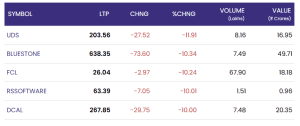 BLUESTONE declined by 73.60 points (10.34%), closing at 638.35. The stock’s session saw a value turnover of ₹49.71 crore.
 SHIVATEX soared by 15.64%, while CCL jumped 12.19% to ₹997 on remarkable turnover of ₹356.23 crore.


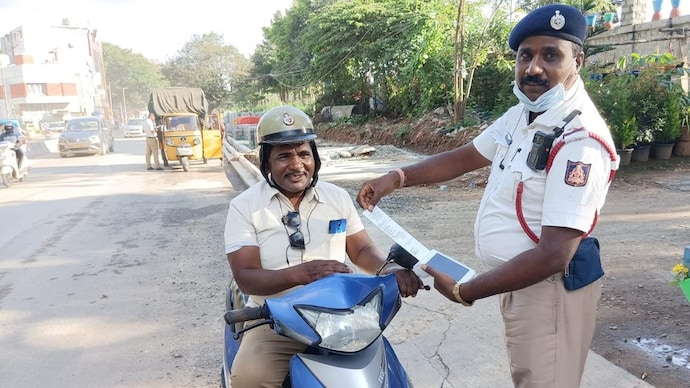



)

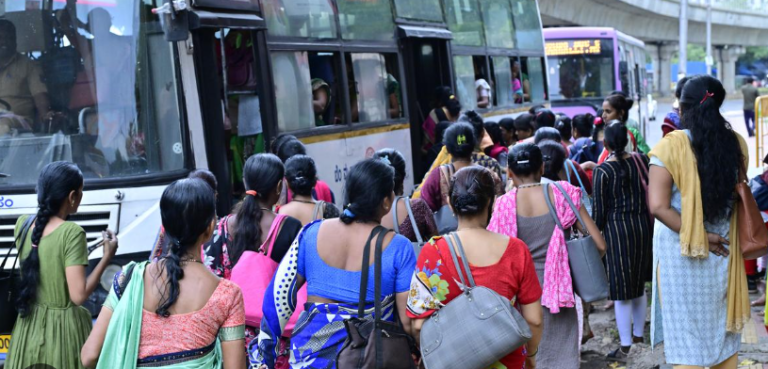




)