Saturday, May 16, 2026
Home Blog Page 344

Free Coaching for Competitive Exams Launched in Raichur: Inspiring 9-Point Push Brings Fresh Hope

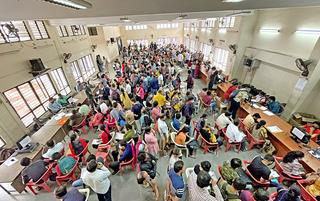
Efforts to expand educational empowerment in Karnataka have taken a significant step forward with the launch of a free coaching initiative for competitive examinations in Raichur. The programme aims to provide structured preparation for students aspiring to secure government jobs through UPSC, KPSC, banking, and other national- and state-level recruitment exams. Officials highlighted that Raichur’s youth have long faced disadvantages due to financial hardship and limited institutional access. By offering coaching at no cost, the district hopes to create equitable opportunities for ambitious learners from rural and economically weak families, enabling them to compete confidently at the national level.

The initiative is designed to bridge longstanding educational disparities, especially in north-eastern districts where aspirants often struggle to access high-quality training centres. For many, travelling to Bengaluru, Hubballi, or Hyderabad is financially impossible, leaving them unable to receive consistent mentorship. Authorities believe the programme will not only reduce social gaps but also strengthen local motivation toward public service careers. The coaching is expected to cover key subjects including history, polity, economics, mathematics, reasoning, and general science, alongside personality development modules. Students will receive carefully curated study material and guidance, helping them build steady exam strategies.Free coaching for competitive exams in Raichur - The Hindu
TRAINING STRUCTURE AND COMMUNITY IMPACT

Early feedback from students and parents has been overwhelmingly positive. Many say the initiative could redefine career aspirations in a district often overshadowed by limited access to formal learning ecosystems. Aspirants noted that free coaching would ease financial pressure on families and enable them to pursue exams rigorously. Classrooms are slated to run on systematic schedules, balancing lectures, weekly mock tests, and targeted doubt-clearing sessions. Mentors involved in the programme believe that continuous evaluation will help identify strengths and weaknesses, allowing students to improve steadily. The initiative is also expected to promote disciplined learning habits essential for competitive success.

The coaching programme is being run through collaboration among district authorities, educational volunteers, and retired faculty members with experience in government service training. Organisers plan to invite guest lecturers, including successful officers who can share preparation methods, interview tips, and insights on handling exam stress. Such interactions are expected to boost morale among students preparing for highly competitive platforms. Officials noted that exposure to real-world experiences provides context to textbook knowledge, helping aspirants understand the administrative landscape. The presence of local mentors ensures personalised guidance, particularly for first-generation learners unfamiliar with the exam process.

One of the programme’s priorities is to include rural youth from diverse socioeconomic backgrounds. Authorities believe that talent is not geographically limited, and many highly capable students simply require guidance and sustained support. To ensure inclusion, outreach campaigns have been started across taluks to inform families about admission procedures. Special attention is being given to encourage participation from Scheduled Caste, Scheduled Tribe, and Other Backward Class communities. Local leaders hope that exposure to structured coaching will cultivate confidence, increasing representation from Raichur in civil services. Previous low participation rates were often attributed to lack of resources rather than interest or aptitude.

The programme’s organisers have committed to ensuring that students receive access to comprehensive study material at no cost. Collections include standard reference books, updated current affairs content, and subject-wise workbooks tailored to exam formats. Aspirants who cannot afford frequent internet access will have access to offline materials and reading rooms. Authorities say this approach eliminates the financial burden associated with purchasing multiple guidebooks or subscribing to online platforms. Students have expressed relief at not having to choose between essential household expenses and educational resources. The initiative is particularly helpful for those balancing responsibilities at home while pursuing rigorous preparation.

Weekly mock tests form a core part of the coaching design, reflecting the evolving pattern of major competitive examinations. Objective-type practice papers and descriptive modules are included to train students for both preliminary and main stages. Evaluation sheets will highlight performance trends, helping students fine-tune exam techniques. Time-management training is integrated into mock tests to simulate real exam conditions. Faculty members say that regular testing helps reduce anxiety and improves confidence. Structured assessment strategies aim to familiarise students with exam pressure, encouraging steady progress. This hands-on approach reinforces the idea that consistent practice is essential for clearing competitive exams.Free coaching for competitive exams in Raichur - The Hindu
ASPIRATIONS RISE AS FUTURE PLANS TAKE SHAPE

Stakeholders say the coaching initiative aligns with broader efforts to empower youth and strengthen public-sector participation. Local NGOs, community groups, and alumni networks have expressed enthusiasm about collaborating. Several officers who hail from Raichur plan to contribute exam-related sessions when schedules permit. These contributions help create long-term mentorship ecosystems, allowing aspirants to seek guidance beyond classroom hours. Organisers also plan to initiate peer-learning groups where students can exchange knowledge and solve practice papers together. Such group learning builds camaraderie and perseverance, both essential qualities for handling the demands of competitive preparation.

Parents attending orientation sessions said the new programme would significantly reduce financial pressure on households already stretched by rising living expenses. Many families had previously taken loans to send children to coaching centres in larger cities. The free local programme allows aspirants to stay close to home, easing emotional strain and enabling them to contribute to family responsibilities. Parents believe that absence of relocation costs will create a healthier learning environment, allowing students to focus solely on their studies. Officials said that greater parental involvement often improves student consistency, boosting overall competitiveness and increasing success rates.

Teachers say another important goal is to improve English proficiency and communication skills, which remain barriers for many rural aspirants. Spoken English modules, interview simulations, and public speaking workshops are being planned to prepare students for personality tests conducted by recruitment boards. Faculty note that well-performing candidates often struggle in the final selection stages due to lack of confidence in communication. To address this gap, tutorial sessions will focus on articulation, clarity, and structured responses. Students are also encouraged to participate in group discussions, improving critical thinking and reasoning abilities. Such training prepares them for interactions beyond examinations.

Alongside academics, emphasis will also be placed on mental health and stress management. Competitive exams involve long preparation cycles, often exceeding a year. Result anxiety can affect motivation, concentration, and emotional well-being. Counsellors associated with the programme will conduct periodic sessions to help students cope with psychological pressure. Students will be guided in building balanced routines that include exercise, meditation, and healthy sleep habits. faculty say that integrating emotional care into learning ensures sustainable effort, preventing burnout. Recognising human dimensions of exam preparation is seen as essential for building strong, confident candidates capable of thriving in demanding professional roles.

Officials monitoring the programme plan to partner with local libraries and educational institutions to expand access to study spaces. Many households do not have environments conducive to studying due to overcrowding or domestic responsibilities. Creating quiet, well-lit reading zones allows aspirants to focus without distraction. Community halls and school buildings may be repurposed to create study hubs during exam season. Volunteers say that shared study environments foster discipline and mutual support. The initiative recognises that infrastructure must complement coaching to enable consistent learning. Expanded access ensures that students are not disadvantaged by household constraints.

Raichur’s political representatives say that free coaching can help at least partially reverse migration patterns among youth who often leave to seek better opportunities. By strengthening local education systems, the district hopes to retain talent and cultivate a new generation of administrators rooted in the region. Graduates who succeed in government services often return to support local governance and development initiatives. Authorities believe that having officers with local perspectives fosters more grounded policymaking. If successful, the programme could transform Raichur into an emerging centre for competitive exam preparation, reducing dependence on metropolitan coaching hubs.

Local educationists argue that such initiatives must be supplemented with technology to remain effective in the long run. They recommend hybrid modules that incorporate smart classrooms and recorded lectures, allowing students to revise topics at their own pace. Officials are exploring partnerships with online platforms to provide supplementary content. Digital infrastructure could also help track student attendance, monitor progress, and generate personalised improvement reports. Aspirants welcomed the suggestion, saying that technology bridges resource gaps and expands learning opportunities. While still in early stages, the effort signals forward-looking planning aimed at creating sustainable educational ecosystems.Top 20 Competitive Exam Coaching in Station Road Raichur - Best Competitive  Exam Classes Station Road Raichur, Raichur - Justdial

In conclusion, the launch of free competitive exam coaching in Raichur marks a transformative moment for students aspiring to enter public service. By delivering structured teaching, mentorship, study material, and emotional support at no cost, the initiative removes persistent financial and infrastructural barriers. Stakeholders believe the programme can nurture a new generation of skilled candidates capable of serving the nation with commitment and professionalism. If executed consistently, the project could significantly improve success rates and catalyse broader social mobility across the region. For now, thousands of families are watching with hopeful anticipation, believing that this opportunity may reshape futures.

In conclusion, the launch of free competitive exam coaching in Raichur marks a transformative moment for students aspiring to enter public service. By delivering structured teaching, mentorship, study material, and emotional support at no cost, the initiative removes persistent financial and infrastructural barriers. Stakeholders believe the programme can nurture a new generation of skilled candidates capable of serving the nation with commitment and professionalism. If executed consistently, the project could significantly improve success rates and catalyse broader social mobility across the region. For now, thousands of families are watching with hopeful anticipation, believing that this opportunity may reshape futures.

Follow: Karnataka Government

Also read: Home | Channel 6 Network – Latest News, Breaking Updates: Politics, Business, Tech & More
Karnataka High Court Rejects Appeal Against Stay on Order Curbing Activities in Public Spaces: Powerful 7-Point Verdict Sparks Public Concern

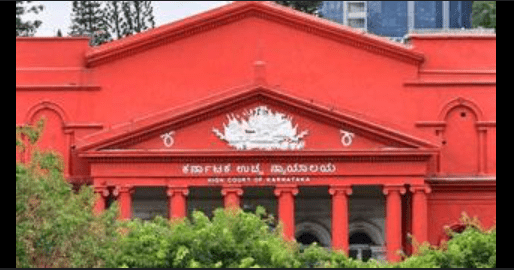
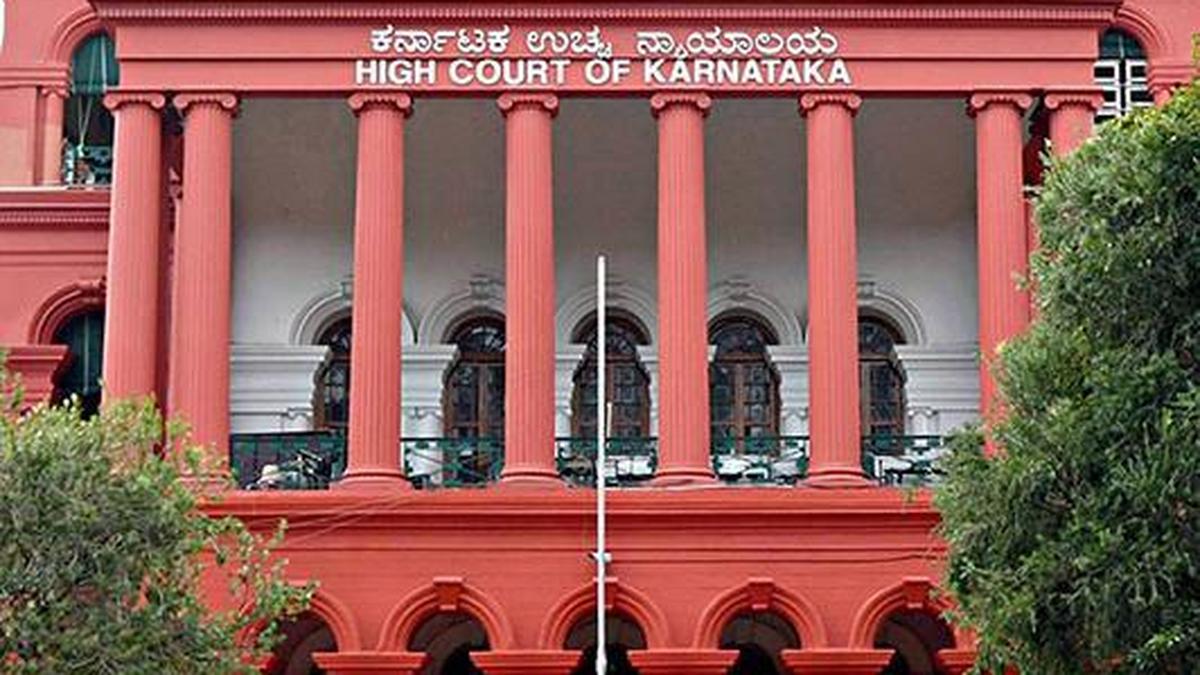
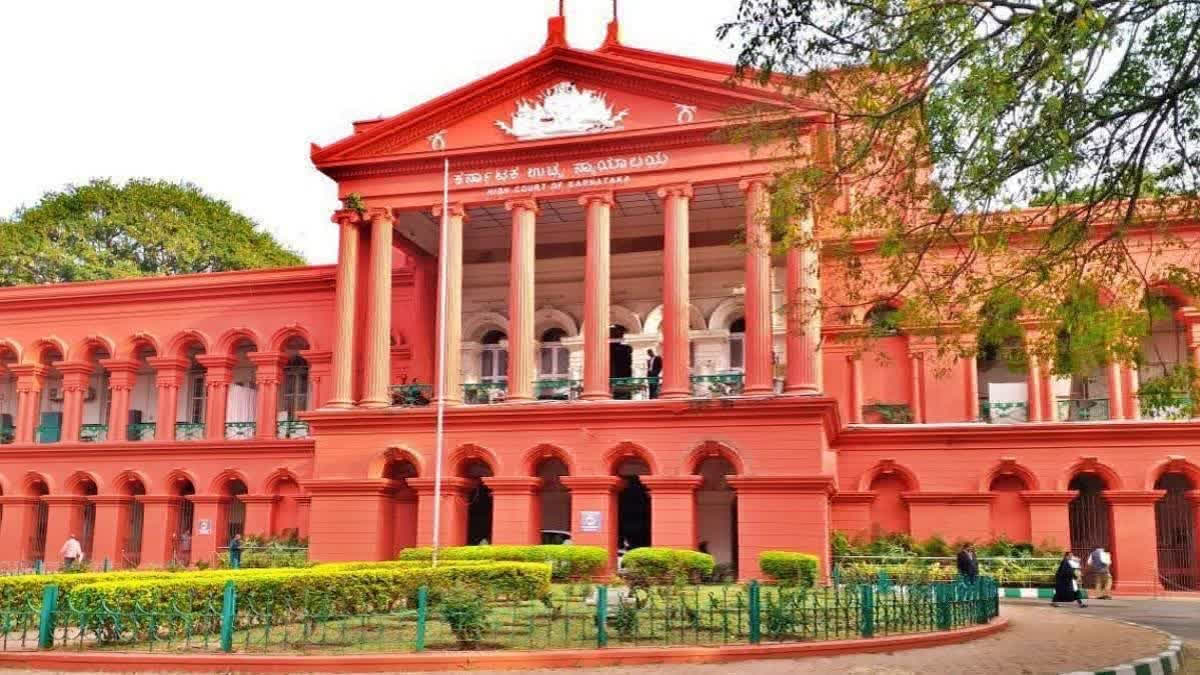
The Karnataka High Court has dismissed an appeal filed by the State government seeking to overturn the interim stay imposed on its earlier order restricting certain activities in public spaces. The original directive attempted to regulate public meetings, religious events, and awareness gatherings in open areas without prior permission. The appeal argued that unrestricted public activities disrupt civic harmony and require tighter regulation. However, the Court upheld the stay, noting that public spaces form a constitutional avenue for expression. The decision has generated widespread debate, with citizens, activists, and legal experts interpreting the ruling through varied political and social lenses.

The original government order was issued reportedly to prevent disruptions during peak city hours and ensure that major public areas were available for transportation and emergency services. Critics contended that the directive covertly attempted to limit public demonstration rights protected under the Constitution. The High Court clarified that any order curbing public expression must balance civic security with the right to assemble peacefully. Since the government failed to establish pressing necessity behind the restrictions, the Court found no immediate grounds to lift the stay. For now, public activities may resume under existing standard police oversight procedures.Karnataka HC rejects appeal against stay on GO curbing activities in public  spaces - The Hindu

LEGAL AND CIVIC ARGUMENTS INTENSIFY

Legal experts observing the case say the High Court’s stance underscores the need for proportionality in administrative action. They argue that curbing public space activities without detailed justification risks undermining free speech. The appeal dismissed by the Court lacked clarity on how public gatherings specifically compromised the city’s operational functioning. Proponents of the stay believe that democratic processes are strengthened when public platforms remain accessible. The Court’s ruling was viewed as a continuation of its earlier opinion: that authorities cannot curtail rights simply based on hypothetical disturbances. Analysts say future litigation must present stronger empirical evidence.

The government argued that the order was intended to streamline city management and safeguard institutions from avoidable conflict during mass gatherings. Officials cited events in the past that allegedly blocked essential mobility and created law-and-order concerns. However, the High Court ruled that such references were anecdotal, not demonstrating imminent threat. During proceedings, petitioners challenging the order maintained that community groups often depend on public spaces to raise awareness about health, education, environmental concerns, and civic issues. Restricting such activities without broad consultation could indirectly silence vulnerable voices and reduce civic accountability.

Petitioners also stressed that permissions for small public gatherings often face bureaucratic hurdles, and abrupt restrictions would disproportionately harm marginalised groups lacking organisational resources. They argued that public spaces serve as cultural and participatory ecosystems through which social discourse thrives. The Court appeared to agree, observing that freedom of public assembly cannot be rendered permission-dependent in ambiguous terms. The judiciary noted that even if regulatory mechanisms were necessary, they must be clear, time-bound, and non-discretionary. Without such assurances, the reviewed order risked arbitrary enforcement. The decision thus preserves existing conditions while awaiting fuller judicial examination.

Civil society organisations welcomed the ruling, calling it a win for democratic practice. They argued that the earlier restriction did not specify what constituted “activities,” leaving scope for overreach by local authorities. Activists highlighted that protecting free assembly is crucial for monitoring governance and amplifying community concerns. They cautioned that governments must avoid framing public participation as a security threat. Instead, civic infrastructure should be strengthened to accommodate safe and organised gatherings. The ruling, they said, reinforces a fundamental principle: public spaces belong to people, and must remain open for peaceful expression unless proven otherwise.

Opponents of the verdict maintain that the stay may complicate crowd management in congested cities like Bengaluru. They point out that several neighbourhoods already suffer traffic overload, pollution, and poor waste management. Allowing unrestricted gatherings, they argue, could worsen urban strain and disturb residents. Some expressed concern that political groups may exploit the ruling to conduct frequent rallies, complicating daily routines. They urged the government to draft a more precise framework outlining permissible activities, capacity limits, and safety protocols. The High Court noted that such proposals were absent from the appeal, contributing to its dismissal.Karnataka High Court Rejects State Appeal Against Stay On Government Order  Curbing Activities In Public Spaces - Amar Ujala Hindi News Live - Karnataka:कर्नाटक  सरकार को फिर झटका, संघ की गतिविधियों पर

BALANCING RIGHTS AND REGULATION

The High Court’s rejection of the government’s appeal highlights its view that regulation cannot come at the expense of fundamental rights. Public spaces facilitate collective identity, enabling celebrations, protests, and cultural exchange. The judiciary observed that any restrictions must align with Article 19, which guarantees freedom of speech and assembly. If authorities have concerns, they must substantiate them with quantifiable evidence rather than speculative narratives. The Court added that public inconvenience alone does not justify blanket curbs. Instead, authorities should adopt calibrated responses that address disruptions while upholding the spirit of democratic expression.

Experts believe that the case reflects broader tensions between administrative control and participatory citizenship. Governments often cite security and mobility issues to justify limitations, while citizens assert their constitutional prerogatives. Urban planners argue that improved public space design—dedicated demonstration points, transport planning, and emergency routes—could reconcile these interests. Without such infrastructural investments, cities repeatedly fall back on regulation, prompting legal friction. The High Court’s decision signals that administrative shortcuts are insufficient and that long-term solutions must incorporate legal nuance, civic sensitivity, and infrastructural foresight to resolve recurring disputes.

Some policy analysts noted that Karnataka has witnessed increasing civic mobilisation over environmental issues, urban governance, cultural rights, and employment. This demonstrates the growing relevance of public spaces as platforms for dialogue. Attempts to prematurely regulate such spaces may unsettle civic trust. The High Court emphasised that public interest cannot be pursued by diluting public voice. Instead, authorities must engage with citizen groups to evolve consensus-based frameworks. Analysts say this approach strengthens accountability, ensuring that public policy reflects realities on the ground rather than top-down mandates. The ruling thus reaffirms participatory civic culture.

Residents of cities where the restrictions would have applied expressed mixed responses. Several welcomed the stay, saying communities often host street-corner conversations, reading circles, and cultural programmes that enrich local life. Others worry that unrestrained gatherings near hospitals, markets, and schools may cause disruption. The Court observed that police and civic authorities could manage such issues through structured permissions rather than broad prohibitions. Local ward committees were encouraged to collaborate with communities, ensuring that events are scheduled responsibly, with sensitivity toward neighbourhood needs. Such engagement-based models may reduce friction in the long term.

Political commentators say the case may influence how future governments draft regulations affecting civic freedoms. They argue that ambiguous orders run the risk of judicial scrutiny and public backlash. Instead, administrators must articulate clear goals, legal foundations, and procedural safeguards. The High Court noted that a consultative approach could have yielded a framework balancing security and rights. The legal fraternity views the ruling as a reminder that governance must align with constitutional ethics. Going forward, the government may be compelled to revisit the order, ensuring that any proposed amendments undergo stakeholder consultation and legal vetting.

Social scientists say the ruling reaffirms that public spaces are vital to inclusive governance. They enable dialogue between strangers, nurture collective identity, and generate shared concerns. When states impose restrictions without transparent justification, they risk eroding civic trust. The High Court’s reasoning reflected this sentiment, noting that democracy flourishes when citizens feel confident expressing themselves outside institutional confines. Legal scholars suggested that community-based oversight could help authorities respond effectively to genuine disturbances. By encouraging citizen participation, such models distribute responsibility and promote shared respect for rights, boundaries, and communal harmony.

The ruling has also brought attention to the issue of how municipalities manage urban spaces. Many civic bodies lack the infrastructure or personnel to effectively regulate large gatherings. Analysts argue that instead of curbing activities, municipalities should expand resource capacity. These efforts may include upgrading public squares, improving sanitation, and enabling digital registrations for events. The High Court noted that administrative shortcomings cannot justify restricting fundamental rights. Stakeholders believe that if cities invest in smart spatial management, they can maintain operational efficiency while protecting public expression. Thus, infrastructure development remains central to future policy reforms.K'taka HC Rejects State Appeal Against Stay On GO Curbing Activities In Public  Spaces

As the ruling continues to attract discussion, public interest groups are exploring the case’s long-term implications. Some say it may strengthen other legal challenges to restrictive government orders. Others worry it could trigger political polarisation around public gatherings. However, legal observers emphasise that the judgment is simply a procedural decision that maintains a temporary status quo until the main petition is resolved. They caution against overinterpretation, noting that the Court has not given a final ruling on the order’s legality. For now, the emphasis remains on proportionality, evidence, and constitutional adherence.

The High Court’s decision invites the government to develop a more refined policy that complements rather than inhibits civic participation. Officials say they will re-evaluate the order, seeking legal consultation. Some legislators argue that regulating public spaces is essential for safety, especially during volatile political periods. Others counter that vague restrictions enable authorities to unfairly target dissent. Experts suggest that future policies must specify criteria for permissions, grievance mechanisms, and appeal processes. A transparent, standardised framework could reduce arbitrariness and cultivate public trust, offering a constructive path forward.

In conclusion, the Karnataka High Court’s rejection of the government’s appeal marks a pivotal moment in the debate over public space regulation. It reaffirms that administrative convenience cannot override constitutional freedoms. While authorities may regulate gatherings to ensure safety, such measures must be precise, justified, and proportionate. The ruling encourages deliberative governance, urging policymakers to balance security with participation. As the case progresses, its outcome will likely shape future civic frameworks, determining how Indian cities navigate the delicate interplay between expression, order, and urban development.

Follow: Karnataka Government

Also read: Home | Channel 6 Network – Latest News, Breaking Updates: Politics, Business, Tech & More
Minister Shivanand Patil Confident of Ending Sugarcane Price Deadlock in Karnataka: Resolute 7-Point Promise Rekindles Hope

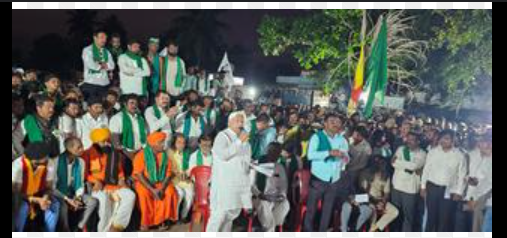
The ongoing standoff between sugarcane farmers and sugar mills over procurement price continues to dominate Karnataka’s agrarian discourse, prompting intense discussions among stakeholders. State Minister for Agriculture and Sugar, Shivanand Patil, has now expressed strong confidence that the deadlock will be resolved soon. He stated that deliberations with industry leaders and farmer unions are approaching consensus. The Minister reassured families dependent on sugarcane—considered the state’s most labour-intensive crop—that the government is working toward a resolution that maintains growers’ financial dignity while balancing operational feasibility for mills. His statement aims to restore trust amid mounting anxieties across rural belts.

Patil emphasized that the government is prioritizing farmer welfare during negotiations, asserting that no solution would be finalised without broad-based consent from unions. Farmers have been demanding a fair and timely payment structure to compensate for rising cultivation costs, transportation charges, and input price escalation. Over recent months, multiple rounds of discussions between government officials and stakeholders failed to reach agreement. The Minister noted that data-based assessment of milling capacity, sugar market logistics, and national price benchmarks are underway. He assured that farmers’ expectations of transparent payment protocols will remain central to decision-making as talks progress.Minister Shivanand Patil confident of ending sugarcane price deadlock in  Karnataka - The Hindu

The dispute revolves around the finalisation of the Fair and Remunerative Price (FRP) and State-Advised Price (SAP). Farmer organisations want mills to honour SAP commitments from previous seasons, arguing that gaps between declared prices and actual payments have left many growers indebted. Mills have resisted, citing market fluctuations, export limitations, and delayed releases from banks. The Minister acknowledged these competing pressures but insisted that price assurance is essential for sustaining sugarcane cultivation. He highlighted that Karnataka ranks among India’s leading sugar producers and that stable procurement conditions are crucial for protecting the livelihoods of thousands of families in sugarcane-growing districts.

FARMER DEMANDS GAIN MOMENTUM

Farmer bodies have intensified their appeals, staging peaceful demonstrations in several districts to demand fast-tracked negotiations. They have stressed that cane cultivation requires year-long labour and heavy water usage; thus price insecurity places immense financial burden on rural households. Many growers say that delayed payments leave them unable to invest in future cycles, forcing dependency on private loans. The Minister acknowledged these concerns and pledged tighter monitoring to ensure accountability. He stated that government intervention would include enforcing payment timelines, increasing field-level support, and equipping agricultural offices with dedicated grievance handling procedures.

Leaders representing farmer groups said that while previous discussions with officials were encouraging, they expect written assurances to ensure compliance from factories. They seek mechanisms that clearly detail instalment schedules, interest penalties for payment delays, and updated procurement transparency. Rural economists argue that strengthening price guarantees will boost agricultural retention, encouraging younger generations to continue farming. The Minister assured that consultations will incorporate regional variations, noting that price needs in Belagavi may differ from Haveri or Mandya. Flexibility will be considered to maintain fairness, while ensuring no district feels disadvantaged under revised frameworks.Minister Shivanand Patil confident of ending sugarcane price deadlock in  Karnataka - The Hindu

The ongoing tug-of-war has raised broader questions about how sugarcane pricing affects Karnataka’s agricultural resilience. Analysts emphasize that sugarcane remains one of the steadiest contributors to rural income, allowing families to invest in education and healthcare. They warn that uncertainty risks pushing farmers toward lower-return crops, affecting food supply chains and state GDP. The Minister stated that the government understands these cascading effects and is committed to sustainable reform that protects economic stability. He indicated that efforts are underway to assess mill recovery rates and improve pipeline efficiency, promoting smoother communication between buyers and growers.

Sugarcane mills, for their part, have reiterated that global sugar price volatility has affected their operations, making it harder to maintain consistent payouts. They argue that without export flexibility and timely subsidies, fulfilling long-term price guarantees becomes challenging. Some mills have advocated for temporary staggered payment structures until export earnings stabilize. The Minister acknowledged these concerns but maintained that payment equity cannot be compromised. He emphasized that mills benefit from farmer labour and are expected to uphold ethical procurement. Policy teams are expected to evaluate export restrictions, fiscal incentives, and debt restructuring models to support mill recovery.

SEEKING BALANCED SOLUTIONS

The Minister said the government may implement reforms combining immediate financial relief with structural upgrades. These may include establishing guaranteed payment windows linked to seasonal milling targets, reviewing taxation frameworks, and incentivising mills that demonstrate compliance. He added that digital platforms could enhance realtime payment tracking, reducing disputes. Farmer unions welcomed the prospect of transparency tools, arguing that previous seasons were marked by unclear communication about dues. Some activists have called for a dedicated sugarcane board to stabilise pricing, ensure timely procurement, and mediate disputes. While the Minister did not confirm the proposal, he acknowledged its relevance.

Experts point out that sugarcane-linked policy must account for climate impacts. The crop is water-intensive, and recent monsoon irregularities have strained farm resources. Many growers contend that pricing must reflect weather-induced losses. The Minister said that drought-affected belts are being evaluated to determine compensation alternatives. Programmes offering irrigation support, water conservation training, and credit subsidies are being expanded to ease operational pressures. These measures aim to align sugarcane pricing with broader sustainability strategies. Agro-analysts say that without climate-conscious design, price reform may fail to secure stable cane production, especially in deficit-prone zones.

Farmers have urged the government to regulate input markets as well, arguing that rising fertiliser and pesticide costs reduce profit margins. They say that better access to low-interest loans and procurement subsidies would help stabilise earnings. The Minister said the government is studying mid-season relief to aid farmers facing sudden market shocks. He noted that strengthening rural banking and linking farmer collectives with cooperative credit networks could minimise reliance on private lenders. Experts say that such models have succeeded in Maharashtra and Tamil Nadu; adopting similar frameworks may help strengthen Karnataka’s rural economy.

Some observers believe that the present standoff reflects longstanding structural deficiencies in the sugar economy. They argue that mills often prioritise liquidity management over farmer payments, relying on late settlements to navigate market volatility. Strengthening regulatory enforcement is therefore essential to protect growers. Activists say that despite existing legal provisions, penalties for late payment are inconsistently applied. If rules are strictly enforced, mills may be quicker to clear dues. The Minister indicated that updated guidelines are being drafted to ensure compliance and guarantee that future disputes are resolved without prolonged mediation, thereby safeguarding farmer morale.

Several rural families have expressed cautious optimism about the Minister’s assurances. They recall past seasons when delayed payments forced them to sell cattle, postpone medical care, or withdraw children from school. Such hardships have deep emotional resonance in farming communities. Many appreciate the Minister’s empathetic tone but hope that promises are fulfilled swiftly. As agricultural incomes fluctuate, timely resolution can prevent distress migration and maintain village stability. Local councils say discussions should invite more granular feedback from taluk-level representatives, ensuring that region-specific challenges are addressed. They stress that decision making must remain participatory and rooted in lived realities. Minister Shivanand Patil confident of ending sugarcane price deadlock in  Karnataka - The Hindu

Livelihood experts note that sugarcane pricing disputes often leave women vulnerable, as they frequently manage household budgets. When payments stall, families struggle to manage expenses related to food, clothing, and education. Women’s collectives have therefore called for dedicated support schemes ensuring timely income. Proposals include direct transfer of a percentage of cane payments to household accounts to protect essential spending. The Minister said he is open to considering these suggestions, emphasising the need for inclusive solutions. Advocates believe that prioritising women in agricultural policies fosters long-term resilience, strengthening social infrastructure in rural districts.

Meanwhile, economic observers say that resolving the price deadlock could bolster Karnataka’s industrial landscape. Sugar mills support energy production through cogeneration and produce allied products such as ethanol. If disputes are settled swiftly, mills could expand into value-added markets, stimulating rural job growth. The Minister said discussions are underway to integrate sugarcane byproduct industries with agro-industrial corridors, promoting diversified income channels. Such growth would require stable agricultural foundations and sustained farmer participation. With supportive policy frameworks, Karnataka could emerge as a competitive sugar-ethanol hub. Farmers hope that these reforms translate into higher income and broader employment opportunities.

Agricultural scientists advise that long-term reform must pair price guarantees with improved crop management techniques. They advocate for training programmes on high-yield varieties, soil improvement, and disease control to boost productivity. The Minister said the government is coordinating with universities to expand field-based knowledge exchange. Data-driven advisory models may help farmers anticipate market behaviour and adjust sowing patterns accordingly. Experts add that integrated pest management could reduce chemical usage, lowering input expenditure. Farmers say such interventions would improve their independence and help them negotiate better rates. These initiatives form part of broader rural development priorities.

The Minister expressed confidence that a final agreement would emerge within upcoming rounds of negotiation. He reiterated that the government’s 7-point promise—including fair pricing, swift payments, mill support, grievance redressal, climate relief, capacity building, and women’s inclusion—would rebuild trust between growers and mills. Though optimism grows, many stakeholders remain watchful. They say that transparent implementation will determine whether reforms become lasting safeguards. For now, discussions continue as farmers await official pricing decisions. The resolution of this deadlock, they believe, will determine whether sugarcane remains a viable and dignified occupation for Karnataka’s rural communities in the years ahead.

Follow: Karnataka Government

Also read: Home | Channel 6 Network – Latest News, Breaking Updates: Politics, Business, Tech & More

Richa Ghosh Siliguri Homecoming Celebration: City Set to Welcome Its World Cup Star with Grand Festivities and Civic Reception

Richa Ghosh Siliguri Homecoming Celebration: Siliguri, the vibrant gateway to North Bengal, is brimming with anticipation as it prepares to welcome home one of its brightest stars — Richa Ghosh, the Indian women’s cricket sensation who played a vital role in India’s recent triumph at the ICC Women’s World Cup 2025. Her return marks not just the homecoming of a world champion, but also the celebration of a dream nurtured on the dusty practice grounds of Siliguri, polished through years of determination and discipline.

As the city prepares for an elaborate civic reception, residents, young cricketers, and officials from across the region are uniting to honour a daughter who has placed Siliguri firmly on the global cricketing map.

According to her father, Manabendra Ghosh, Richa will arrive in Siliguri on Friday morning. “Unless there’s a drastic change in her schedule, she will be home tomorrow,” he said with pride.

The Siliguri Municipal Corporation (SMC), under the leadership of Mayor Gautam Deb, has planned a detailed reception that includes a public felicitation ceremony, motorcade procession, and symbolic honours to commemorate her contribution to Indian cricket.


1. Siliguri Gears Up for a Hero’s Welcome

As soon as the Indian women’s cricket team lifted the coveted World Cup trophy, Siliguri erupted with joy. Firecrackers, drumbeats, and cheers echoed through its streets, particularly in Richa’s neighbourhood in Subhaspally. Now, the same excitement is manifesting in full-fledged preparations for her grand reception.

From early morning, civic workers will decorate key areas like Hill Cart Road, Bagdogra Airport, and Kanchenjunga Stadium with banners and posters bearing Richa’s image. The words “Welcome Home, Champion Richa!” will greet her as she steps out of the arrival terminal.

Mayor Gautam Deb confirmed that a civic felicitation ceremony will be held at the Siliguri Indoor Sports Complex, where hundreds of students, sportspersons, and local residents will gather. The event will include:

  • A formal felicitation with flowers and a silver memento;
  • Cultural performances celebrating women’s empowerment and sportsmanship;
  • Short addresses from sports officials and the Mayor;
  • Richa’s first public speech after her return from the World Cup.

The mayor remarked, “Richa Ghosh is not just a national hero; she’s the pride of North Bengal. Her success has inspired an entire generation of girls to dream fearlessly.”


2. The Journey from Siliguri Nets to the World Stage

2.1 Early Days: A Young Girl with a Big Dream

Richa’s story began in the small but passionate cricketing community of Siliguri. Her father, Manabendra Ghosh, a former club-level cricketer, noticed her interest in the game when she was just six years old. He encouraged her to train at local nets, where she was often the only girl among boys — a challenge that shaped her aggressive, fearless batting style.

She trained under local coaches who quickly recognized her potential. Richa’s raw power, quick reflexes, and natural flair for wicketkeeping made her stand out. She joined the Bengal Under-19 team at just 11 years old, impressing selectors with her consistency.

2.2 Breakthrough to the Indian Team

Her big break came when she represented India at the 2020 ICC Women’s T20 World Cup, where her striking ability caught global attention. Over the next few years, she became a permanent member of India’s lineup, known for finishing innings under pressure.

Her contribution to the 2025 ICC Women’s World Cup, particularly her composed 34 runs in the final, proved instrumental in India’s victory. It was a moment that cemented her place among India’s modern cricket icons.

“It feels surreal,” Richa said after the win. “All those years of practice in Siliguri, all those mornings at the ground — it feels like they’ve led to this day.”


3. Local Response: Pride, Passion, and Preparation

3.1 Community Involvement

The excitement in Siliguri is not confined to the municipal authorities. Residents have taken it upon themselves to turn Richa’s return into a festival. Local clubs, women’s associations, and school cricket teams are preparing garlands, banners, and welcome songs.

Shops and small businesses in the heart of the city are displaying congratulatory messages on their shutters and LED screens. The Siliguri Cricket Lovers’ Association has announced a symbolic 1500-ball cricket marathon to honour Richa’s journey — representing the approximate number of balls she played in professional matches leading to the World Cup.


4. Richa’s Impact on Women’s Cricket in Bengal

Richa’s rise has transformed the perception of women’s cricket in North Bengal. Once considered an unconventional career path, cricket is now emerging as a viable dream for many girls in Siliguri.

Cricket academies across the district — including the Kanchenjunga Cricket Academy and the Siliguri Cricket Association Camp — have reported a spike in new enrollments since India’s World Cup victory.

Local coach Debasis Chakraborty said, “We now have parents coming in with daughters saying they want to ‘be like Richa.’ That’s a massive shift for this region.”

Her success has also caught the attention of the Cricket Association of Bengal (CAB), which is reportedly considering expanding women’s cricket camps in North Bengal to accommodate the surge in interest.


5. Richa Ghosh Siliguri Homecoming Celebration: The Planned Civic Felicitation

The Siliguri Municipal Corporation has collaborated with local police, cultural bodies, and the sports department to organise a structured celebration:

  • Airport Reception: Officials, school students, and local sports teams will greet her with bouquets and traditional drums.
  • Victory Procession: A motorcade from Bagdogra Airport to Subhaspally will include open-top vehicles and citywide flags bearing her photo.
  • Public Ceremony: A grand felicitation at the Siliguri Indoor Stadium, with live cultural programs, dance performances, and a felicitation address by the Mayor.
  • Media Interaction: Richa will interact with reporters and share her thoughts on the win and her hometown.

Mayor Gautam Deb has also proposed that a local sports facility or street be renamed after her, pending municipal approval. “She has brought Siliguri international recognition. It’s only fitting that her name becomes part of the city’s landscape,” he said.


6. National Recognition and Institutional Response

The Board of Control for Cricket in India (BCCI) has praised Richa’s contribution to India’s success, describing her as “a powerhouse of confidence and composure.”
The Ministry of Youth Affairs and Sports has reportedly recommended her name for the Arjuna Award, recognizing her exceptional consistency and match-winning ability.

Her alma mater, Margaret Sister Nivedita School, plans to hold a felicitation assembly and award scholarships in her name for young girls excelling in sports.


7. The Broader Symbolism of Richa Ghosh’s Triumph

7.1 Empowering Women Through Sport

Richa’s story embodies the power of sports in challenging gender barriers. In a region where female athletes often face limited exposure, her success sends a message that persistence and family support can rewrite social expectations.

Her mother, Mousumi Ghosh, said in an interview, “Richa’s achievements are not just her own. They belong to every girl who dreams beyond limits.”

7.2 From Regional Talent to National Pride

Her journey also highlights how regional cricket academies, when nurtured with the right infrastructure, can produce world-class talent. Siliguri’s recognition as a sports hub is growing rapidly, and Richa’s success has accelerated that shift.


8. The Economic and Cultural Ripple Effect

Beyond cricket, Richa’s success has had tangible socio-economic effects.

  • Local Tourism Boost: The planned civic event is expected to draw thousands, giving a push to hotels, eateries, and transport operators.
  • Merchandise Sales: Local shops are selling commemorative posters, jerseys, and memorabilia featuring Richa’s name and image.
  • Brand Collaborations: Reports indicate that regional sports brands are keen to collaborate with her for women’s sportswear endorsements.

These developments underline how individual sporting achievements can generate local economic and cultural impact.


9. The Road Ahead

While celebrations fill the air, Richa’s focus remains steadfast. She is expected to resume training soon for India’s upcoming international fixtures. Insiders from the BCCI women’s team management say that she will play a crucial role in India’s future leadership core.

For Siliguri, the homecoming is just the beginning. Plans are underway to introduce a “Richa Ghosh Cricket Scholarship” to support promising girls from underprivileged backgrounds.


10. What the Homecoming Means for Siliguri

Richa’s homecoming is more than a ceremonial event; it is a historic moment of identity and pride for Siliguri.
It unites every section of society — from schoolgirls waving flags to elderly cricket fans who have followed her journey from local grounds to global glory.

For North Bengal, often overshadowed by Kolkata in sporting circles, this is a moment of recognition and revival. It signals that world-class talent can emerge from any corner of India when nurtured with perseverance and community support.


11. Voices from the City

  • Priya Sen, a young cricketer at the Siliguri Academy: “I’ve never seen so many people excited about women’s cricket. Richa has shown us what’s possible.”
  • Arindam Dutta, sports teacher: “Her rise is proof that talent, when backed by family and coaching, can defy limitations.”
  • A local vendor near Hill Cart Road: “We’ve seen Richa grow up here. Now the entire country knows her name. She’s one of us.”

Conclusion: A Homecoming Written in Glory

As the city decks up in festive colours, Siliguri’s streets will echo with cheers, songs, and pride. The homecoming of Richa Ghosh stands as a testament to the city’s belief in its youth — a symbol of how far talent and determination can travel from small beginnings.

When Richa steps onto her hometown soil again, she will not just be greeted as a champion cricketer, but as the embodiment of Siliguri’s dreams — fierce, humble, and unstoppable.


External Reference Links (Official / Informational)

Also read: Home | Channel 6 Network – Latest News, Breaking Updates: Politics, Business, Tech & More
Delay in Land-Compensation for the Teesta Barrage Project in Jalpaiguri: What the Accounts Team Flagged in North Bengal’s Largest Irrigation Scheme and Why It Matters for Farmers, Land-Losers and Governance

Delay in Land-Compensation for the Teesta: The Teesta Barrage Project, one of North Bengal’s most ambitious irrigation and flood-control infrastructure initiatives, has once again come under scrutiny. The Accounts and Audit Department has reportedly flagged serious delays and inconsistencies in the disbursement of land damage compensations in Jalpaiguri district, where hundreds of residents have been awaiting payments for land acquired or affected by the project.

According to an internal assessment, the delay—stretching in some cases for over a year—has resulted in mounting grievances among landowners and concerns within the state irrigation department about the possible mismanagement of funds and administrative inefficiencies. Officials have cited a combination of bureaucratic red tape, incomplete verification of records, and fund release issues as reasons behind the logjam.

The controversy surrounding the delay in land damage compensation is significant not only because it affects local farmers and residents but also because it highlights deeper structural challenges in large-scale government projects in the region.


1. The Project and Its Importance to North Bengal

The Teesta Barrage Project, located near Gajoldoba in Jalpaiguri district, was conceived to enhance irrigation capacity, mitigate floods, and support agricultural productivity across several districts of North Bengal, including Jalpaiguri, Cooch Behar, and North Dinajpur.

Planned to irrigate over 9.22 lakh hectares of cultivable land, the project has been operational in phases since the 1980s. The barrage plays a crucial role in managing the volatile Teesta River, known for its seasonal flooding and unpredictable water levels.

However, despite decades of operation and extensions, the project has faced repeated challenges — from funding delays and inter-state water disputes to land acquisition hurdles and environmental concerns.

Officials of the West Bengal Irrigation and Waterways Department have described the Teesta Barrage as the “lifeline of North Bengal,” vital for agricultural irrigation and rural economy stabilization.


2. The Core Issue: Delay in Land Damage Payments

The recent concern stems from pending land damage compensation claims under the Teesta Barrage Project, particularly in the Jalpaiguri section. The Accounts team, which reviews fund utilisation and payment records, noted a series of irregularities and delays in processing compensation to affected landowners.

2.1 The Findings

According to the findings (as reported by The Telegraph and corroborated by departmental insiders):

  • Payments for land damages under several project sub-divisions have been delayed for months, with no clear administrative explanation.
  • Some claims are reportedly stuck at the verification stage, awaiting documentation from district-level land and revenue offices.
  • A few payment files were found pending despite fund allocations being made months earlier.

An official familiar with the audit said:

“The review indicated that funds sanctioned for compensation were not fully disbursed due to discrepancies in land ownership records and delayed file clearances at multiple administrative levels.”

2.2 Farmer Grievances

Dozens of landowners in areas near the Teesta canal have expressed frustration over the delay. Many allege that while measurement and survey work had been completed, compensation cheques have yet to reach them.

Local farmers argue that they lost both cultivable land and seasonal crops due to project-related embankment and canal widening works.

One affected farmer from Mainaguri block said:

“We were promised compensation six months ago. Officials measured our plots and marked them for damages, but no payment has come yet. Every time we visit the office, we are told the files are pending approval.”

Such testimonies have added to the growing public pressure on the district administration.


3. Bureaucratic Bottlenecks and Delayed File Movements

3.1 Multi-Layered Approvals

The land compensation process involves multiple departments — Land & Land Reforms, Irrigation, Accounts, and District Treasury. Officials suggest that inter-departmental coordination gaps have been one of the key reasons for the delays.

A senior accounts officer commented:

“Every file has to move through at least five desks. Even a small error in land classification or beneficiary verification can send it back to the starting point. This bureaucratic loop has slowed down disbursal.”

3.2 Lack of Updated Land Records

The absence of updated digital land records in parts of rural Jalpaiguri has further compounded the issue. Many of the affected plots are recorded under outdated cadastral maps, making it difficult to match ownership details with current claimants.

This mismatch has forced officials to conduct re-verification drives, delaying compensation even after approval in principle.

3.3 Audit Sensitivity and Risk Management

Given the large amounts involved, the Accounts Department is cautious about authorising any payments without complete documentation. This cautious approach—though legally sound—has resulted in further delay, as officials fear post-audit objections.


4. The Human Impact: Economic and Emotional Toll

For residents whose lands were affected by canal excavation or embankment strengthening, the delay is more than a bureaucratic inconvenience—it is a financial crisis.

4.1 Impact on Small Farmers

Small and marginal farmers, who rely on seasonal crops, have been disproportionately affected. Many have reported income losses due to construction work during crucial sowing and harvesting periods.

“We cannot cultivate because the canal work damaged our irrigation channels. Without compensation, how do we buy seeds or fertilizers for the next season?” — said a farmer from Dhupguri block.

4.2 Displacement and Social Disruption

In some areas, temporary displacement occurred when embankments were widened, forcing families to relocate to nearby villages. Some have yet to receive rehabilitation support promised under earlier project phases.

The human cost of administrative delay is becoming a point of concern among local NGOs and community organisations. Several have urged the government to expedite payments and publish a district-wise compensation list for transparency.


5. The Official Response: Assurance and Action Plans

Following the audit report, senior officials in the Irrigation and Waterways Department have assured that corrective action will be taken.

5.1 Review Meetings and Deadlines

The Jalpaiguri District Magistrate’s office and the Accounts Department have held joint meetings to review the pending files. A revised deadline for payment processing has been set for early next quarter, officials confirmed.

5.2 Verification Drives

District-level teams have begun re-verification of claimants and land records to remove discrepancies. Officials have also directed that digital records be prioritised to prevent future delays.

5.3 Transparency Measures

A proposal has been floated to publish the status of compensation cases online, allowing affected individuals to track progress. This aligns with the West Bengal Right to Public Services Act, which mandates transparency in government service delivery.


6. Political Reactions: Local Leaders Step In

6.1 Trinamool Congress and BJP Statements

Political parties have been quick to seize upon the issue. Local Trinamool Congress (TMC) leaders have accused the bureaucracy of “neglecting rural farmers,” while BJP representatives in North Bengal have alleged “systematic corruption” and called for a third-party audit.

A TMC district spokesperson said:

“The government is committed to compensating every affected farmer. The delay is procedural and not deliberate.”

In contrast, BJP MLA from Jalpaiguri Sadar said:

“People are suffering because officials are sitting on files. The Teesta Barrage project was meant to empower farmers, not punish them.”

6.2 Administrative Neutrality

District officials have avoided political comment, insisting that the process is being conducted “strictly within administrative rules and audit compliance.”


7. The Broader Picture: Infrastructure Projects and Compensation Delays in Bengal

The Teesta case reflects a larger pattern observed in infrastructure projects across West Bengal and India. According to data from the Comptroller and Auditor General (CAG), over 35% of land acquisition-related compensation cases in the state experience delays beyond the stipulated timeline.

7.1 Common Causes

  • Incomplete land verification.
  • Overlapping land ownership disputes.
  • Delay in fund release from state exchequer.
  • Lack of inter-departmental coordination.

7.2 Lessons for Future Projects

Experts say that the government must invest in digitisation of land records and establish single-window clearance systems for compensation to prevent repeated delays.


8. Voices from the Ground: Frustration and Hope

During field visits, multiple residents of Jalpaiguri’s affected zones expressed both frustration and cautious optimism.

“We have been hearing about compensation for months. But unless the government sets a fixed date, people will lose faith,” said a resident of Belakoba.

Another villager noted,

“The Teesta project gave us water for crops. But now, we only want justice for the land we lost.”

Community leaders have requested the district administration to form local grievance cells and publish a compensation calendar accessible to the public.


9. The Way Forward: What Experts Recommend

Policy experts and economists suggest a few critical steps:

  1. Fast-track digital mapping of affected areas.
  2. Unified compensation portal under the Irrigation Department.
  3. Real-time grievance redressal mechanism for landowners.
  4. Quarterly audit reviews to maintain accountability.
  5. Public disclosure of fund utilisation.

Dr. Soumitra Ray, a public policy expert from North Bengal University, said:

“This issue is symptomatic of weak institutional coordination. If unaddressed, such administrative inertia can erode public trust in state-led infrastructure development.”


10. Conclusion: A Call for Accountability and Efficiency

The delay in land damage payments for the Teesta Barrage Project underscores a recurring dilemma in India’s development paradigm — the gap between policy intent and on-ground implementation.

As audit officials continue to review pending claims and the district administration works toward faster clearances, the spotlight remains on the state government’s ability to ensure transparency, fairness and speed in compensating affected citizens.

The Teesta Barrage, long hailed as the lifeline of North Bengal, must not become a symbol of bureaucratic stagnation. The government’s credibility now hinges on ensuring that every eligible landowner receives due compensation — promptly and transparently.


Delay in Land-Compensation for the Teesta: External Reference Links

Also read: Home | Channel 6 Network – Latest News, Breaking Updates: Politics, Business, Tech & More
BJP Khan Mumbai: Explosive Warning Before Mayoral Polls After NYC Victory

The political landscape of Mumbai has been thrust into controversy following a stark warning from the city’s BJP unit chief. After Zohran Mamdani’s victory in New York City’s mayoral elections, Mumbai BJP chief Ameet Satam declared that attempts to impose a ‘Khan’ on Mumbai would not be tolerated. This BJP Khan Mumbai controversy has emerged as a defining narrative ahead of the crucial Brihanmumbai Municipal Corporation elections, highlighting the intersection of global politics and local identity dynamics in India’s financial capital. BJP Khan Mumbai

Also Read: BJP Khan Mumbai: Explosive Warning Before Polls

Other: Bihar Phase 1 Voting

The timing of these statements is particularly significant as Mumbai prepares for its long-delayed civic body elections. The BMC elections are scheduled for December 5, 2025, after being postponed for several years. The BJP Khan Mumbai debate has already polarised political discourse, with opposition parties condemning the remarks as divisive while the ruling coalition defends them as necessary vigilance.

Zohran Mamdani’s Historic Victory Sets the Stage

Zohran Mamdani, at 34 years old, became New York City’s first Muslim, South Asian, and youngest mayor in a hundred years after winning on a progressive working-class platform. This unprecedented victory resonated across continents, sparking varied reactions in different political contexts. Mamdani’s campaign focused on affordability issues, including free childcare, rent freezes, and free bus services, which appealed to working-class voters across demographic lines.

Mamdani defeated former New York Governor Andrew Cuomo, who ran as an independent, and Republican nominee Curtis Sliwa in a major upset victory. His win represented a significant shift in American urban politics, demonstrating that progressive platforms emphasising economic justice could triumph even in challenging political environments. The victory celebration drew thousands of supporters who saw his election as a breakthrough moment for representation and working-class politics.

The BJP Khan Mumbai Controversy Explained

The controversy erupted when BJP leader Ameet Satam made explicit references to Mamdani’s victory while addressing Mumbai’s political future. Satam stated on social media platform X that he witnessed the surnames of some mayors in international cities changing, and after seeing the Maha Vikas Aghadi’s “vote jihad,” it seemed necessary to stay cautious in Mumbai’s context. His warning about not tolerating the imposition of a Khan on Mumbai sparked immediate backlash from opposition parties.

The term “Khan” in Indian politics carries specific connotations related to Muslim identity, making Satam’s remarks particularly charged in Mumbai’s diverse social fabric. When asked to clarify by the media, Satam said that some people are adopting the path of appeasement to maintain political power, and it is necessary to protect Mumbai from such forces that have previously tried to divide society. This BJP Khan Mumbai narrative frames the upcoming elections as a battle to preserve Mumbai’s character against what the party characterises as demographic and political manipulation.

Political analysts note that this is not the first time such rhetoric has appeared in Mumbai politics. Earlier in September, at the BJP’s Vijay Sankalp Melava attended by Chief Minister Devendra Fadnavis and Union Minister Piyush Goyal, Satam had said that the battle is to keep Mumbai safe. The BJP Khan Mumbai theme has thus been part of a sustained messaging campaign ahead of the civic elections.

sattam mumbaiUnderstanding the BMC Elections Context

The Brihanmumbai Municipal Corporation represents far more than just local governance. The BMC, with a 2025-26 budget exceeding Rs 74,000 crore, is India’s richest civic body, making control over it a major political prize. The corporation manages services for over 12 million residents, oversees massive infrastructure projects, and controls significant patronage networks that can influence state and national politics.

In the previous BMC elections held in 2017, Shiv Sena emerged as the leading party, winning 84 seats, while BJP secured 82 seats and Congress obtained 31 seats. However, the political landscape has transformed dramatically since then. The 2022 split in Shiv Sena between Eknath Shinde and Uddhav Thackeray factions has reshuffled allegiances, with numerous former corporators switching sides. This fragmentation has made the upcoming elections particularly unpredictable and high-stakes.

The BJP Khan Mumbai controversy must be understood against this backdrop of intense competition for civic control. The Eknath Shinde-led Shiv Sena faction is reportedly claiming at least 100 out of 227 available seats in the BMC, potentially triggering internal negotiations within the Mahayuti coalition that also includes the BJP and Ajit Pawar’s NCP faction. These seat-sharing discussions will determine alliance strength heading into the elections.

Historical Context of Identity Politics in Mumbai

Mumbai’s political history has long featured tensions between local identity and cosmopolitan diversity. The city has witnessed various movements emphasising “Marathi Manoos” (Marathi people) rights, particularly championed by parties like Shiv Sena and Maharashtra Navnirman Sena. These movements have historically positioned themselves against perceived outsiders, whether from other Indian states or different communities within Maharashtra.

Control over the BMC has been the subject of fierce contention, often with themes of local Marathi identity against ‘outsiders,’ and Satam’s use of the term ‘Khan’ is viewed as a new-age way of this narrative, trying to create fear among a segment of voters about demographic change and political hold over the city. The BJP Khan Mumbai rhetoric thus represents an evolution of traditional identity politics adapted to contemporary concerns about religious demographics.

This strategy reflects broader patterns in Indian politics where parties invoke identity concerns during electoral campaigns. The terminology and framing may shift, but the underlying appeal to group anxieties about political representation and cultural preservation remains constant. The BJP Khan Mumbai narrative attempts to mobilise Hindu voters by suggesting that Muslim political representation constitutes a threat requiring organised resistance.

Political Reactions and Implications

Opposition parties have strongly criticised the BJP Khan’s Mumbai statements as inflammatory and divisive. The Maha Vikas Aghadi alliance, comprising Congress, Shiv Sena (Uddhav faction), and NCP (Sharad Pawar faction), has accused the BJP of practising hate politics and attempting to communalise the civic elections. They argue that such rhetoric damages Mumbai’s tradition of religious harmony and cosmopolitan culture.

The instant linkage drawn by the Mumbai BJP chief between Mamdani’s victory and a potential political threat in Mumbai indicates an evident sense of vulnerability felt by the ruling coalition ahead of civic body polls. This suggests the BJP Khan Mumbai strategy may stem from concerns about electoral performance rather than genuine demographic threats. Opposition leaders have pointed to this as evidence that the ruling alliance lacks confidence in its governance record.

The controversy has also raised questions about the quality of political discourse in India’s financial capital. Civil society organisations and citizens’ groups have expressed concern that identity-based campaigning could undermine substantive discussion of civic issues like infrastructure, sanitation, housing, and public transportation. Mumbai faces numerous governance challenges that require evidence-based solutions rather than identity mobilisation.

images 39The Broader National Context

The BJP Khan Mumbai controversy reflects wider patterns in Indian politics, where religious identity increasingly features in electoral strategies. Several state elections in recent years have witnessed similar rhetoric, with parties across the spectrum sometimes resorting to identity appeals when facing competitive races. The phenomenon is not limited to any single party, though the specific formulations and target communities vary.

However, the explicit nature of Satam’s statements marks an escalation in Mumbai’s civic politics. Previously, identity appeals in BMC elections were more coded or focused on linguistic identity rather than religious demographics. The BJP Khan Mumbai narrative represents a more direct communal framing that could set precedents for future local elections across urban India.

National political observers are closely watching Mumbai’s civic elections as a potential indicator of broader trends. The city’s diverse population, economic significance, and history of relatively moderate politics make it a crucial battleground. How voters respond to the BJP Khan Mumbai messaging could influence political strategies in other metropolitan areas facing similar demographic diversity.

Expert Analysis and Future Outlook

Political scientists analysing the BJP Khan Mumbai controversy emphasise multiple dimensions worth considering. First, they note that urban elections in India increasingly mirror national political dynamics rather than focusing purely on local governance issues. The nationalisation of local politics means that even civic elections become referendums on broader ideological questions about Indian identity and political direction.

Second, experts highlight how global events and international politics now rapidly influence Indian electoral discourse. Mamdani’s victory in New York, occurring just days before Mumbai’s election-related announcements, demonstrates how interconnected political narratives have become. Social media amplifies these connections, allowing political actors to quickly draw parallels and frame local issues through global examples.

Third, analysts observe that the BJP Khan Mumbai rhetoric may represent calculated political messaging rather than a spontaneous reaction. Political parties extensively research voter sentiments and test messages before deploying them publicly. The consistency and timing of Satam’s statements suggest strategic planning aimed at specific electoral objectives within Mumbai’s complex demographic landscape.

Looking forward, the BJP Khan Mumbai controversy will likely continue dominating headlines as the December 2025 elections approach. Opposition parties are expected to mount coordinated responses emphasising inclusive politics and governance performance. The eventual outcome will significantly impact not only Mumbai’s civic administration but also set templates for political campaigning in India’s major cities.

Untitled design 2025 11 06T180524.565Conclusion: Democracy at the Crossroads

The BJP Khan Mumbai controversy crystallises fundamental questions about Indian democracy’s direction. As the nation’s financial capital prepares for crucial civic elections, the choice between identity-based mobilisation and issue-based campaigning will define Mumbai’s political future. The controversy has already ensured that these elections will be intensely watched both nationally and internationally.

Political reverberations from Mamdani’s win are being felt 12,000 kilometres away in Mumbai, another metropolis wrestling with its own questions of belonging and identity. How Mumbai resolves these tensions will offer insights into whether India’s metropolitan centres can maintain their cosmopolitan character while addressing legitimate governance concerns.

The BJP Khan Mumbai debate ultimately transcends personalities and parties, raising enduring questions about representation, diversity, and democratic values. As voters prepare to exercise their franchise, they face choices that will shape not just civic services but the very soul of their city. Whether Mumbai embraces inclusive politics or succumbs to divisive rhetoric remains the defining question as December 2025 approaches.

BJP Strategic Move: Riding on the 150th Anniversary of ‘Vande Mataram’ to Reignite Nationalism in Bengal

BJP Strategic Move: As India approaches the 150th anniversary of the patriotic hymn “Vande Mataram,” the Bharatiya Janata Party (BJP) is preparing to transform the historic celebration into a powerful campaign for cultural nationalism and ideological outreach in West Bengal.

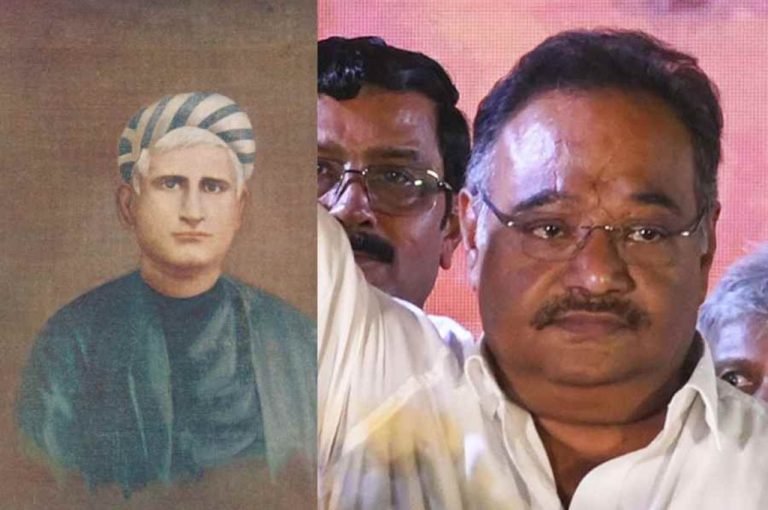
The song, written in 1875 by Bankim Chandra Chattopadhyay and later immortalized in the novel Anandamath, has long symbolized the spirit of India’s independence movement. Now, the BJP aims to re-energize its Bengal base by celebrating the anthem as a “spiritual rallying cry” for unity, pride, and patriotism — themes that have deep emotional resonance in Bengal’s socio-political psyche.


Historical Background: The Song that Stirred a Nation

Vande Mataram” was first published in Bankim Chandra’s literary magazine Bangadarshan in 1882, though it was originally composed around 1875. It became an anthem of resistance during the freedom struggle, particularly after being adopted by the Indian National Congress in 1896 at its Calcutta session.

The hymn celebrates the Motherland as divine, describing her as Durga, Lakshmi, and Saraswati, combining religious devotion with nationalistic fervor. It was later given musical form by Rabindranath Tagore and sung at the Congress session — marking its place as a rallying song for revolutionaries and reformers alike.

The phrase “Vande Mataram,” meaning “I bow to thee, Mother,” transcended literature and became a symbol of India’s awakening consciousness — a cry for liberation that united diverse regions, castes, and languages.


BJP’s Cultural Turn: The Vande Mataram 150 Campaign

In a politically charged environment ahead of the next assembly elections, the BJP is aligning itself with Bengal’s cultural renaissance — positioning “Vande Mataram” as both a cultural emblem and a political tool.

According to party insiders, the BJP plans to launch a year-long commemorative campaign under the banner “Vande Mataram @150: Ek Bharat, Ek Ma” — focusing on historical storytelling, public concerts, academic symposia, and mass cultural gatherings across the state.

These events will be held in collaboration with local educational institutions, art societies, and community organizations. The BJP’s cultural wing, Sanskar Bharati, along with the BJP Yuva Morcha and Mahila Morcha, are leading the preparations.

Party strategists view this as an opportunity to reclaim Bengal’s intellectual heritage, which the BJP says has been “hijacked by political elitism” and “secular distortion.”


BJP Strategic Move: Targeting Bengal’s Youth and Middle Class

With rising discontent among Bengal’s young population over unemployment and migration, the BJP is attempting to channel cultural pride into political consciousness.

Amit Malviya, BJP’s co-in-charge for Bengal, recently hinted at this strategy, saying:

“Vande Mataram is not just a song; it’s an emotion that defines India’s soul. Bengal gave this hymn to the nation, and it’s time the state reclaims its pride.”

Events are being planned at colleges in Kolkata, Howrah, Burdwan, Siliguri, and Midnapore, where youth wings will organize essay competitions, musical recitals, and street performances centered around the theme of “Mother India.”

The BJP’s social media teams are also preparing a digital campaign titled #VandeMataram150, aimed at celebrating Bengal’s cultural contributions and connecting them to the party’s national vision of “Ek Bharat Shreshtha Bharat.”


Historical Symbolism and Political Appropriation

Political observers argue that the BJP’s renewed focus on “Vande Mataram” mirrors its cultural nationalism strategy, which blends history, faith, and politics. The party has used similar symbolic campaigns before — for example, the Ram Janmabhoomi movement and the Sardar Patel Unity Run — to consolidate cultural sentiments under a unified national identity.

In Bengal, however, the move has a deeper context. The state is home to a rich syncretic tradition, but it also has deep divisions along religious and linguistic lines. By invoking “Vande Mataram,” which represents devotion to the motherland in divine form, the BJP is appealing to Hindu cultural consciousness while maintaining a patriotic tone.

Political scientist Dr. Sumanta Banerjee commented:

“This is not just cultural revivalism — it’s cultural politics. By reviving ‘Vande Mataram,’ the BJP is trying to embed its nationalist agenda in Bengal’s cultural bloodstream.”


TMC’s Counter-Response

The Trinamool Congress (TMC) has dismissed the BJP’s campaign as an “attempt to politicize Bengal’s literary heritage.”

A senior TMC leader stated:

“Bankim Chandra’s Vande Mataram belongs to Bengal and to India, not to any one political party. The BJP is using culture as a mask for communal politics.”

The state government is reportedly planning its own official celebration of the song’s anniversary under the Department of Information and Culture, focusing on “inclusive patriotism.”

Chief Minister Mamata Banerjee has in the past quoted both Rabindranath Tagore and Bankim Chandra, emphasizing Bengal’s plural identity and composite nationalism — positioning herself as the custodian of Bengal’s cultural integrity.


Symbolism of ‘Mother’ and Political Messaging

The imagery of the Mother Goddess (Bharat Mata) — central to the song — resonates deeply with Hindu nationalist discourse. BJP leaders argue that Bharat Mata is a symbol of devotion and sacrifice, not of exclusion.

However, secular groups and minority organizations have often expressed concern that religious symbolism in political campaigns can alienate certain sections of society.

Sociologist Prof. Arpita Ray observes:

“For the BJP, invoking Vande Mataram serves dual purposes — it legitimizes cultural nationalism and allows emotional mobilization without overtly religious language.”


Grassroots Mobilization: Temples, Schools, and Community Centers

The BJP’s organizational units in Nadia, Hooghly, and North 24 Parganas have already begun outreach activities through schools and local temples, where they plan to host “Vande Mataram Melas.” These events will feature:

  • Cultural performances of patriotic songs and dances
  • Book exhibitions showcasing Bankim Chandra’s works
  • Talks by historians and spiritual leaders
  • Flag-hoisting ceremonies emphasizing unity and discipline

Party workers are instructed to integrate local icons — such as Rishi Aurobindo, Subhas Chandra Bose, and Sister Nivedita — into the narrative, linking Bengal’s cultural evolution with the BJP’s ideology of “Rashtra Dharma” (national duty).


Linking Heritage to Modern Identity

The BJP’s campaign narrative will highlight how Bengal’s 19th-century renaissance laid the foundation for modern India. Party literature describes Bankim Chandra, Vivekananda, and Tagore as “the spiritual architects of New India.”

“The 150th anniversary of Vande Mataram is not a party event; it’s a national duty,” said BJP MP Sukanta Majumdar. “When Bengal remembers its heroes, it also remembers its responsibility to lead India’s cultural future.”

This positioning is designed to bridge the gap between cultural pride and political loyalty — projecting the BJP as the true heir of Bengal’s historical legacy.


Academic and Cultural Collaborations

In a bid to add intellectual depth to the campaign, the BJP has reached out to universities and cultural institutions to co-host seminars on “The Relevance of Vande Mataram in Modern India.”

Several professors from Jadavpur University, Visva-Bharati, and Ramakrishna Mission institutions are expected to participate, though many have voiced concerns about political influence in cultural spaces.

An internal BJP document seen by sources outlines plans for:

  • Research fellowships on Bankim Chandra’s works
  • Digital archives of “Vande Mataram” manuscripts
  • Translations into 22 Indian languages for wider dissemination

Opposition Concerns: Fear of Cultural Homogenization

Critics argue that by re-framing Bengal’s cultural symbols under a nationalistic lens, the BJP risks homogenizing diverse traditions. Bengal’s unique identity has historically balanced religious diversity and linguistic pride, and critics warn that politicizing its icons may erode that pluralism.

Political commentator Indrajit Basu noted:

“Every time a political party monopolizes cultural memory, it limits the space for dialogue. Bengal’s strength lies in debate and dissent — not uniformity.”


Impact on 2026 Assembly Elections

Analysts see the Vande Mataram 150 campaign as an early soft launch for BJP’s 2026 Bengal assembly strategy.

By celebrating Bengal’s cultural icons and invoking patriotic nostalgia, the BJP aims to connect with first-time voters and middle-class families who feel alienated by ideological polarization.

Party insiders confirm that the campaign will culminate in a massive rally in Kolkata, expected to be addressed by Prime Minister Narendra Modi in 2026 — projected as the “Mother India Maha Sammelan.”


Cultural Revival or Political Appropriation?

The BJP’s campaign raises an important question: Can cultural revival remain apolitical in a state as politically charged as Bengal?

Some argue that political engagement with heritage is inevitable. Others warn that when culture becomes a political battlefield, it risks losing its universality.

“Vande Mataram” once united a nation against colonialism; today, it stands at the intersection of faith, identity, and power.


Conclusion: Bengal’s Soul Between Heritage and Politics

As Bengal prepares to mark 150 years of Vande Mataram, the celebration reflects both the glory of its cultural legacy and the complexity of its modern politics.

For the BJP, the song is a bridge between spiritual nationalism and electoral aspiration. For others, it’s a reminder to keep culture beyond party lines.

Either way, the 150th anniversary of Vande Mataram has reignited conversations about what it means to love one’s country — through history, language, and the eternal invocation:

“Vande Mataram — I bow to thee, Mother.”


🔗 External Reference Links (Official & Scholarly Sources)

Also read: Home | Channel 6 Network – Latest News, Breaking Updates: Politics, Business, Tech & More

BJP Raises Concern Over Birth Certificates in Bengal’s Special Intensive Revision 2025 — Urges Election Commission to Reject Post–June 24 Documents Amid Alleged Voter Roll Irregularities

BJP Raises Concern Over Birth Certificates: The political atmosphere in West Bengal continues to heat up as the Bharatiya Janata Party (BJP) has raised fresh objections regarding the Special Intensive Revision (SIR) of voter lists 2025, urging the Election Commission of India (ECI) to reject birth certificates issued after June 24, 2024. The party claims that these documents are being used “fraudulently” to establish voter eligibility in several border districts, particularly those bordering Bihar and Bangladesh.

The BJP’s latest allegation — linking newly issued birth certificates to “possible voter roll manipulation” — adds another layer to the already contentious SIR process. With elections looming, this has triggered a wave of political confrontations and administrative anxieties.


BJP Raises Concern Over Birth Certificates: What Is the Special Intensive Revision (SIR)?

The Special Intensive Revision (SIR) is a large-scale voter roll verification exercise undertaken by the Election Commission of India (ECI) in states including West Bengal. It involves field verification by Booth Level Officers (BLOs) who cross-check voters’ personal and residential details with supporting documents such as Aadhaar, voter ID, and birth certificates.

The 2025 SIR assumes heightened importance because of West Bengal’s politically sensitive environment, where both ruling and opposition parties accuse each other of voter list manipulation.

While the EC has repeatedly assured transparency, the BJP claims that “mass issuance of birth certificates” after June 24 — particularly in border districts like Malda, North 24-Parganas, Nadia, and Murshidabad — could result in inclusion of non-eligible voters.


BJP’s Allegation: Post–June 24 Birth Certificates Under Scanner

In a formal memorandum submitted to the Chief Electoral Officer (CEO) of West Bengal, a BJP delegation led by Sukanta Majumdar, the party’s state president, alleged that district administrative offices and municipal bodies have been issuing thousands of birth certificates in an “unusually short period.”

“We have credible information that several birth certificates were issued post June 24 with fabricated or backdated entries. These documents are now being used to establish voter eligibility. This pattern indicates a coordinated attempt to influence the SIR process,” said Majumdar.

According to the BJP, the alleged irregularities are concentrated in areas close to Bihar’s border districts, where residents from both sides share close socio-economic and linguistic ties. The party urged the Election Commission to verify the authenticity of such documents before approving voter inclusion.


Districts of Concern: Border Belt Under Spotlight

The BJP specifically named several districts — Malda, North Dinajpur, Murshidabad, and Nadia — as “high-risk zones” for voter list manipulation.

Party sources claim that in some Bihar–Bengal border blocks, municipal offices have issued more than 10,000 new birth certificates between June and October 2024 — a volume they consider “abnormal.”

In Malda, BJP leaders allege that cross-border migration and weak verification mechanisms have created a “favorable environment for fraudulent inclusion.”

Anupam Hazra, BJP’s national secretary, stated:

“We are not against any genuine citizen being added to the rolls, but the surge in freshly issued certificates raises serious doubts. The EC must coordinate with district magistrates and block development officers to ensure no manipulation occurs.”


Election Commission’s Stand

In response to BJP’s complaints, officials from the Chief Electoral Office maintained that all documents submitted under SIR are being verified through multi-layer scrutiny.

A senior EC officer clarified:

“Every document, including birth certificates, undergoes authentication with the issuing authority. The cut-off date for age verification is already fixed under the electoral guidelines, and any anomaly is cross-checked with municipal and panchayat records.”

The EC has also directed district election officers to report weekly updates on suspected fraudulent cases and to ensure digital record matching using the Civil Registration System (CRS) and UIDAI databases.


Ruling Trinamool Congress Reacts

The Trinamool Congress (TMC) dismissed BJP’s allegations as a “pre-election narrative” designed to discredit the voter roll revision process.

TMC spokesperson Kunal Ghosh responded:

“The BJP is trying to politicize an administrative process. Birth certificates are a legitimate proof of age and citizenship under Indian law. If they have evidence of fake certificates, they should produce it before the Election Commission instead of making sweeping accusations.”

He further added that TMC’s government has digitized birth and death records under the e-Pariseva portal, reducing the chance of forgery.


Administrative Verification and Data Cross-Checking

Following the controversy, district magistrates have intensified verification mechanisms. Many districts have started cross-linking local birth certificate data with the State Health Department’s Civil Registration System (CRS) and National Population Register (NPR) to identify duplication or falsification.

An official in Nadia district said:

“We have received directions to review all post-June 24 certificates. Any document lacking matching records in CRS will be flagged for further inquiry.”


Political Implications: Battle for Bengal’s Border Belt

The border districts — particularly Malda, North Dinajpur, and Murshidabad — are electorally significant. These areas have historically witnessed tight contests between the BJP and the TMC, with Muslim and Scheduled Caste populations playing decisive roles.

Political analysts suggest that BJP’s latest move to highlight “fake certificates” is part of its strategy to question the legitimacy of certain voter demographics — especially in areas with cross-border migration history.

Prof. Debabrata Basu, a political scientist from Calcutta University, noted:

“The BJP’s narrative aligns with its larger national discourse around citizenship verification and illegal migration. In Bengal, where the voter base is deeply diverse, such allegations have polarizing potential.”


Historical Context: Citizenship and Electoral Anxiety in Bengal

The tension surrounding birth certificates and voter verification in Bengal cannot be divorced from the broader citizenship debate — one that has intensified since the National Register of Citizens (NRC) exercise in Assam and the passing of the Citizenship Amendment Act (CAA) in 2019.

In border-sharing regions, where families have lived across administrative lines for generations, documentation remains inconsistent. This makes them particularly vulnerable during exercises like SIR, which rely heavily on paper evidence.


The Role of BLOs: Ground-Level Pressure and Accountability

At the heart of the SIR process are Booth Level Officers (BLOs), who are responsible for verifying every household. Multiple reports indicate that BLOs face immense workload and sometimes political pressure from local leaders.

While BLOs are supposed to maintain neutrality, opposition parties have accused some of being influenced by ruling party operatives.

An anonymous BLO from Malda told reporters:

“We are being asked to verify hundreds of forms daily. If someone produces a recent birth certificate, it’s difficult to verify its origin immediately. The verification process is manual and time-consuming.”

Such operational challenges often create space for errors or exploitation, which parties like BJP are quick to politicize.


BJP’s Memorandum to the ECI

In its memorandum submitted to the Election Commission, BJP urged the following:

  1. Immediate halt to accepting birth certificates issued after June 24 until authenticity is verified.
  2. Coordination with Bihar’s state authorities to check for cross-border duplication.
  3. Deployment of central observers in vulnerable districts.
  4. Transparency in BLO assignments, including public disclosure of BLO lists.

The party warned that if these demands are ignored, it may escalate the matter to the Election Commission of India in New Delhi.


Counter-Narratives: Ground Realities and Legal Position

Legal experts argue that the BJP’s demand to reject all post–June 24 birth certificates might not hold legal ground. According to the Registration of Births and Deaths Act, 1969, any individual can request a certificate retroactively if adequate proof exists.

Advocate Sumit Roy, a constitutional lawyer, said:

“The law does not set a cut-off date for issuance. As long as the document is verifiable, it remains valid. The Election Commission cannot reject all certificates issued after a specific date without individual scrutiny.”


Data and Technology Integration: A Double-Edged Sword

With the EC integrating technology into voter verification, birth certificates are now cross-checked through online registries. However, experts warn that digitization gaps, particularly in rural Bengal, could lead to disproportionate exclusion if systemic errors aren’t addressed.

The National Digital Birth and Death Registration System (NDBDRS), recently launched by the Union Health Ministry, aims to centralize records across states. Yet, its coverage in West Bengal remains partial, leaving room for discrepancies that fuel political allegations.


Citizenship, Identity, and the Bengal Voter

Behind the bureaucratic tug-of-war lies a more personal story — the struggle of millions of voters to prove their identity repeatedly. In many rural areas, birth certificates were never issued at the time of birth. Families often apply for delayed certificates during voter or school admissions, creating administrative confusion.

Rina Mandal, a homemaker from Karandighi in North Dinajpur, shared:

“My son’s birth certificate was made last year though he is 18 now. We had no papers earlier. If they reject it, he won’t get a voter ID.”

Such stories underline the human cost of bureaucratic rigidity.


Media and Civil Society Reactions

Several civil society organizations, including Association for Democratic Reforms (ADR) and Human Rights Law Network (HRLN), have called for transparent verification without disenfranchisement.

An ADR statement noted:

“While preventing fraudulent entries is essential, blanket rejection of new certificates can marginalize legitimate citizens, especially in rural and border areas.”


Possible Outcomes and the Way Forward

The Election Commission is now under pressure to balance vigilance with inclusion. A senior bureaucrat hinted that the EC might soon issue fresh circulars detailing procedures for verifying recently issued certificates.

If implemented carefully, this could ease political tensions while safeguarding citizens’ rights. However, any perception of bias could deepen mistrust in the electoral process ahead of 2025’s state-level political cycle.


Conclusion: Balancing Security and Inclusion in Bengal’s Democracy

The BJP’s insistence on rejecting post–June 24 birth certificates reflects the fragile balance between electoral integrity and citizen inclusion. As Bengal prepares for another politically charged year, the issue has evolved into more than an administrative concern — it is a test of the Election Commission’s neutrality and India’s democratic resilience.

Whether the EC can ensure both transparency and fairness will determine not just the credibility of SIR 2025, but also the confidence of millions of voters who depend on these records to claim their most fundamental democratic right — the right to vote.


🔗 External Reference Links (Credible Sources)

Also read: Home | Channel 6 Network – Latest News, Breaking Updates: Politics, Business, Tech & More
Matua Faction Protests Amid Rising Tensions Over SIR 2025

Matua Faction Protests: As West Bengal undergoes the Special Intensive Revision (SIR) 2025 of its voter rolls, a major segment of the state’s social and political fabric — the Matua community — has voiced strong dissent. Members of the community, led by one of its primary factions, launched a hunger strike demanding assurance from both the Election Commission of India (ECI) and the state government that their voting rights will remain intact.

This protest, held in North 24-Parganas, has brought renewed attention to the longstanding citizenship anxieties among the Matuas, many of whom are Namasudra Hindu migrants from Bangladesh (formerly East Pakistan). With the NRC (National Register of Citizens) debate and ongoing SIR verification overlapping, the Matua leadership alleges that the revision exercise could be used to “disenfranchise” genuine Indian citizens.


Who Are the Matuas and Why Their Protest Matters

The Matua community, estimated at around 2.5 to 3 crore people, predominantly resides in districts such as North 24-Parganas, Nadia, South 24-Parganas, and Cooch Behar. The community traces its origins to Harichand Thakur, a 19th-century reformer who advocated social equality and upliftment for Dalit Hindus.

After the Partition of Bengal in 1947, many Matuas migrated from East Pakistan to India, later followed by waves during the 1971 Bangladesh Liberation War. However, due to their migration timeline, several Matua families have faced documentation challenges — particularly with proving legacy citizenship prior to 1971.

This has made them particularly sensitive to exercises like the National Register of Citizens (NRC) and Special Intensive Revision (SIR), both of which involve document verification.


The Hunger Strike: Voices from the Ground

The protest, organized at Thakurnagar, the spiritual and cultural headquarters of the Matuas, drew hundreds of participants. Protesters, many waving saffron flags and portraits of Harichand-Guruchand Thakur, sat on an indefinite hunger strike, chanting slogans like “Vote rights are our birthright” and “No exclusion in the name of verification.”

Boro Maa’s descendants, representing one faction of the powerful Matua Mahasangha, said the protest was not politically motivated but a “fight for survival.”

“We migrated decades ago, we have Aadhaar, ration cards, and voter IDs. Yet every few years we are forced to prove our citizenship again. This is humiliating,” said Shantanu Biswas, one of the community leaders present at the protest site.

Another protester, Sulekha Mondal, said she feared that “if BLOs (Booth Level Officers) make errors during SIR verification, thousands could lose their right to vote.”


Matua Faction Protests: What is the Special Intensive Revision (SIR)?

The Special Intensive Revision 2025 is a statewide exercise initiated by the Election Commission to clean, verify, and update the electoral rolls. BLOs are conducting door-to-door verification, checking identity documents, and ensuring that voters belong to their claimed constituencies.

While the process is aimed at ensuring fair and accurate voter lists, multiple political parties and communities have alleged bias and manipulation. The BJP, Congress, and CPM have already filed complaints over BLO conduct and possible irregularities in the inclusion/exclusion process.

For the Matua community, however, the issue cuts deeper — it connects directly to their citizenship legitimacy and voting rights, two pillars of their socio-political identity.


Matua Political Importance in Bengal

The Matua community is one of the most politically influential voter groups in Bengal, particularly in North 24-Parganas and Nadia districts, where they hold sway over more than 40 Assembly constituencies.

Both the Trinamool Congress (TMC) and the Bharatiya Janata Party (BJP) have actively courted their support in recent elections.

  • The BJP gained a significant foothold among Matuas in the 2019 Lok Sabha polls, largely due to promises of citizenship under the Citizenship Amendment Act (CAA).
  • However, the delay in implementing CAA and continued citizenship-related anxiety have caused disillusionment among several sections of the community.

Mamata Banerjee’s TMC has capitalized on this by positioning itself as the protector of “inclusive citizenship,” assuring that no one will lose their right to vote during administrative revisions like SIR.


Political Reactions

The hunger strike quickly caught political attention.

  • Trinamool Congress spokesperson Kunal Ghosh said,

    “The state government has no role in removing any genuine citizen’s name from the voter list. The Election Commission must ensure transparency, but the Matuas should not fall prey to political misinformation.”

  • On the other hand, BJP MP Shantanu Thakur, who also belongs to the Matua community, defended the protesters, stating:

    “This is not a political protest. Our people are only asking for what is theirs — the right to vote and live without fear. We demand that the EC immediately issue a clarification ensuring no citizen will be excluded.”

  • Congress and CPM also expressed concern, saying that the SIR process must be “error-free” and not driven by “local political pressures.”

Citizenship Anxiety: The NRC and CAA Factor

The Matuas’ fears are rooted in the unresolved CAA-NRC equation. While the BJP has repeatedly promised that CAA (Citizenship Amendment Act) will grant citizenship to persecuted Hindu migrants from Bangladesh, Pakistan, and Afghanistan, its implementation has been indefinitely delayed.

As a result, many Matuas — particularly those who migrated after 1971 — still lack definitive citizenship certificates. The ongoing SIR process, which involves document verification, has rekindled fears that administrative inconsistencies could lead to exclusion from voter rolls, essentially rendering them stateless in electoral terms.

Dr. Pradip Bhowmik, a sociologist at Jadavpur University, explained:

“For marginalized migrant communities like the Matuas, citizenship is not just legal — it’s existential. The fear of losing voter rights is intertwined with identity, belonging, and political recognition.”


Voices of Dissent and Solidarity

Several rights organizations and NGOs have expressed solidarity with the Matua movement. The Association for Democratic Reforms (ADR) issued a statement urging the Election Commission to issue clear guidelines and public assurances to prevent panic among vulnerable communities.

The All India Matua Mahasangha, representing another faction of the sect, also appealed for calm while supporting the call for fairness and transparency in voter verification.

Meanwhile, student groups from Jadavpur University and Presidency University have announced symbolic fasts in solidarity, calling the situation “a reminder of the fragility of marginalized citizenship in India.”


Impact on Bengal Politics

Political analysts suggest that the hunger strike could have electoral implications in upcoming panchayat and Assembly elections. The Matuas’ shifting sentiment has the potential to sway several key constituencies, including Bongaon, Gaighata, Bagdah, and Kalyani.

If unresolved, the issue could undermine the BJP’s Matua base, which was crucial in its 2019 and 2021 performances. Conversely, the TMC may attempt to portray itself as the defender of minority Hindu migrants, consolidating its social justice credentials.


Election Commission’s Response

In response to growing concerns, officials from the Chief Electoral Officer (CEO) of West Bengal stated that the SIR process is “completely neutral and document-based” and that no voter will be arbitrarily removed.

A senior EC official said:

“The Election Commission treats every citizen equally. BLOs are following the same procedure for all households. Complaints, if any, are verified through multiple administrative levels.”

The Commission has also launched awareness campaigns encouraging citizens to use the Voter Helpline App and official portals like https://ceowestbengal.wb.gov.in to check and verify their details independently.


Social Media Response

The hunger strike has triggered widespread discussion across social media platforms. Hashtags such as #MatuaProtest, #RightToVote, and #SIR2025 trended regionally on X (formerly Twitter) and Facebook.

Many users expressed solidarity, while others debated whether the protest was being politically manipulated ahead of elections. Several users shared personal stories of documentation issues, revealing how ordinary citizens struggle to navigate bureaucratic verification systems.


The Broader Debate: Faith, Identity, and Rights

The Matua protest underscores a deeper tension in Bengal’s socio-political landscape — the intersection of religious identity, caste marginalization, and citizenship. While political parties court the community for votes, their core demand remains dignity, stability, and belonging.

Dr. Debanjan Banerjee, political analyst, remarked:

“The Matuas symbolize a larger question: what happens when faith, caste, and legality collide in a post-partition society? Unless these structural insecurities are resolved, protests like this will continue.”


Conclusion: The Road Ahead

The Matua hunger strike has brought to light not only administrative challenges in voter verification but also the emotional and political weight of citizenship in Bengal. As the Election Commission continues its SIR process, it faces the daunting task of balancing accuracy with empathy.

If the EC manages to address the Matuas’ concerns with clarity and transparency, it could restore confidence in the system. But if ignored, the protest might evolve into a larger movement, influencing both voter behavior and electoral outcomes in 2025.

For the Matuas, the struggle is not just about the right to vote — it’s a demand for recognition, respect, and reassurance that their identity as Indians is beyond question.


🔗 External Reference Links:

Also read: Home | Channel 6 Network – Latest News, Breaking Updates: Politics, Business, Tech & More
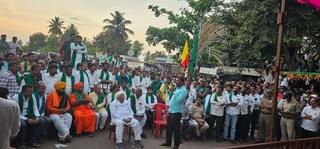
Opposition Raises Concerns Over BLO Bias in West Bengal’s Special Intensive Revision 2025: Allegations of Manipulation, TMC Flags, and Political Influence Stir Controversy

Opposition Raises Concerns Over BLO: As West Bengal’s Special Intensive Revision (SIR) 2025 of electoral rolls continues, the process—meant to ensure transparency and inclusion—has become a new flashpoint between the ruling Trinamool Congress (TMC) and the Opposition parties, primarily the BJP and Congress. Allegations have surfaced that several Booth Level Officers (BLOs), who are responsible for voter verification at the ground level, were seen working from offices decorated with Trinamool Congress flags, raising concerns of political bias and manipulation in the voter roll revision process.

🔹 Background: SIR 2025 and the Role of BLOs

The Election Commission of India (ECI) initiated the Special Intensive Revision across West Bengal to update and verify voter lists ahead of the upcoming elections. BLOs—generally schoolteachers or government employees—are tasked with conducting house-to-house verification of voters, ensuring all eligible citizens are registered while identifying any duplicates or inaccuracies.

However, several Opposition parties have alleged that BLOs in multiple districts, including Murshidabad, Nadia, Howrah, and North 24-Parganas, are functioning in spaces that display TMC flags, festoons, and posters. This, they claim, “compromises neutrality” and could potentially influence the data collection and verification process.

🔹 Allegations of Manipulation

The Bharatiya Janata Party (BJP) submitted a formal complaint to the Chief Electoral Officer (CEO) of West Bengal, demanding an immediate inquiry. The party’s state president Sukanta Majumdar alleged that the BLOs are “working under political pressure,” which could lead to “selective inclusion and exclusion” of names from the voter rolls.

Leaders from the Congress and CPM have echoed similar sentiments. CPM state secretary Mohammad Salim said, “The voter verification process must remain apolitical. If BLOs are sitting under TMC flags, how can the people trust that their names will not be tampered with?”

🔹 TMC’s Response

The Trinamool Congress, however, dismissed the allegations as baseless. Senior leader Kunal Ghosh argued that the Opposition was “trying to discredit the SIR process” ahead of possible electoral setbacks.
“BLOs are appointed by the Election Commission, not the Trinamool Congress. If some offices have party flags nearby, it doesn’t mean manipulation,” Ghosh said.

He added that the TMC had no reason to interfere in the process since the electoral roll verification is being “monitored directly by the Election Commission.”

🔹 EC’s Position and Administrative Response

According to sources from the Election Commission, the CEO’s office has sought reports from district magistrates and block-level officers regarding the allegations. Instructions were reiterated to ensure that BLOs conduct all voter verification work in politically neutral locations such as schools, community centers, or government premises.

The EC has also reminded all political parties and citizens that Section 28A of the Representation of the People Act, 1951 mandates neutrality of election officials during electoral roll-related activities.

An EC official said:

“The SIR is a technical and administrative exercise. We have instructed all BLOs to avoid any premises with political insignia. Any deviation will be reviewed and corrected.”

🔹 Ground-Level Reactions

Reports from Murshidabad and Nadia show a mixed picture. In some blocks, BLOs were seen using public libraries and schools as verification points; in others, they were spotted near local clubs or community centers decorated with TMC banners. Locals in Beldanga said they were “hesitant to visit” certain verification booths fearing “political exposure.”

A 42-year-old resident from Kandi, requesting anonymity, said,

“We just want to check our names. But when we see party symbols around, we feel uncomfortable. It should be neutral.”

🔹 Political Implications

The controversy comes at a time when the SIR process has already been politically charged, with the BJP alleging the inclusion of “infiltrators” and the TMC accusing the Opposition of trying to “delegitimize genuine voters.”

Analysts note that this fresh controversy could deepen the political divide over electoral integrity in Bengal. Dr. Biswanath Chakraborty, political scientist at Rabindra Bharati University, observed:

“The perception of fairness in the voter roll is as important as the actual fairness. Even minor irregularities—real or perceived—can become a political flashpoint in a polarized environment like Bengal.”

🔹 Historical Context: Electoral Sensitivities in Bengal

West Bengal has witnessed repeated disputes over voter rolls, dating back to the 1990s. Allegations of “ghost voters,” “ineligible names,” and “migrants’ inclusion” have often surfaced ahead of elections.
The 2019 Lok Sabha polls and 2021 Assembly elections saw both sides accusing each other of manipulating electoral rolls. The current SIR is being conducted with a January 1, 2025, qualifying date, meaning all voters who turn 18 by that date are eligible for registration.

🔹 Administrative Challenges

Apart from political accusations, administrative challenges have compounded the problem. Booth Level Officers in districts like Malda and Cooch Behar have complained about “inhuman workloads” and lack of logistical support, including delayed payment and insufficient resources.

A BLO from Malda said,

“We have to cover hundreds of households daily, verify documents, and report everything digitally. On top of that, if there’s political tension in the area, our job becomes riskier.”

🔹 Demand for EC Intervention

The Opposition has urged the Election Commission of India (ECI) to deploy Central Observers in politically sensitive districts and to conduct random audits of BLO activities to ensure fairness.
The BJP has further demanded that any BLO found operating under politically affiliated premises be immediately replaced.

The Congress has proposed the creation of a public monitoring cell at the district level, where citizens can report any perceived irregularities anonymously.

🔹 Civil Society Concerns

Several civic organizations, including Association for Democratic Reforms (ADR) and Election Watch India, have expressed concerns about the erosion of voter confidence. They emphasize the need for transparency, accessibility, and non-partisan verification to strengthen democratic participation.

ADR’s Bengal coordinator said:

“The voter roll is the foundation of democracy. Any shadow of doubt over its integrity weakens the democratic process. The EC must ensure complete transparency and neutrality.”

🔹 The Road Ahead

As the SIR continues through November and December, the Election Commission has promised to review all complaints. The final electoral rolls are expected to be published by January 5, 2025.

Political parties, meanwhile, are expected to continue their war of words. For now, the controversy over “BLOs under TMC flags” adds another layer of complexity to Bengal’s already tense political landscape.


Opposition Raises Concerns Over BLOExternal Reference Links:

Also read: Home | Channel 6 Network – Latest News, Breaking Updates: Politics, Business, Tech & More