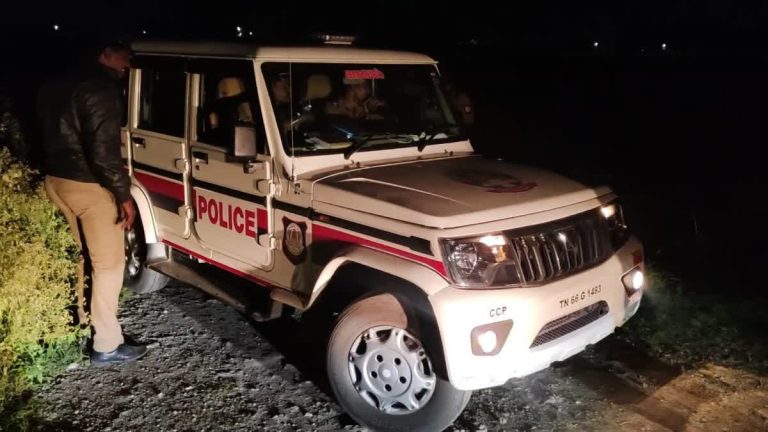
Tamil Nadu – The Coimbatore student rape case has reached a crucial development with the arrest of three accused individuals by the Coimbatore City Police. Police Commissioner Saravana Sundar confirmed that all three suspects were apprehended following an intensive manhunt that involved seven specialized teams. The arrests came after a dramatic encounter where police were forced to use firearms when the accused attempted to escape from custody.
The three individuals arrested in connection with the Coimbatore student rape case have been identified as Guna, Karuppasamy, and Karthik, also known as Kaleeswaran. During the arrest operation in Vellakinaru, located on the outskirts of Coimbatore city, police had to shoot all three suspects in their legs to prevent their escape. The injured accused were immediately transported to Government Hospital Coimbatore for medical treatment.
Details of the Incident
The shocking incident that forms the core of the Coimbatore student rape case occurred on Sunday evening near Coimbatore airport. A female college student became the victim of an alleged abduction and sexual assault by three men. At the time of the attack, the student was inside a vehicle with a male friend, who was also targeted by the perpetrators.
According to official reports, the three accused broke the car window and physically assaulted the male companion before forcibly taking the female student to an undisclosed location. The survivor was then allegedly subjected to sexual assault at this unknown location, marking one of the most disturbing aspects of the Coimbatore student rape case.
Timeline of Events
The attack on the car occurred around 11 PM on Sunday evening. Following the assault, police immediately launched a comprehensive search operation for both the victim and the perpetrators. The survivor was successfully rescued on Monday morning and was promptly provided with medical treatment. The police formed seven dedicated teams to track down the accused in the Coimbatore student rape case, demonstrating the seriousness with which law enforcement approached the investigation.
Police Encounter During Arrest
The arrest operation in the Coimbatore student rape case turned intense when the three suspects attempted to flee from the Vellakinaru area. Police Commissioner Saravana Sundar explained that officers had no choice but to shoot the accused in their legs to prevent their escape. This action resulted in injuries to all three suspects, who were subsequently taken into custody.
The encounter also resulted in injuries to law enforcement personnel. A head constable sustained injuries during the operation to apprehend the accused in the Coimbatore student rape case. This highlights the dangerous nature of the arrest operation and the resistance offered by the suspects.
Medical Treatment and Legal Proceedings
Following their arrest, all three accused in the Coimbatore student rape case were transported to Government Hospital Coimbatore for treatment of their gunshot wounds. The survivor, who endured the traumatic assault, is also currently receiving medical care and support. The legal proceedings in the case are expected to commence once the accused recover sufficiently from their injuries.
The Coimbatore student rape case has generated significant political controversy in Tamil Nadu. The incident has sparked a heated debate about law and order in the state, with opposition parties criticizing the current government’s handling of women’s safety issues. Political leaders have raised concerns about the increasing incidents of sexual crimes against women and children in Tamil Nadu.
Critics have pointed to what they describe as a disturbing pattern where sexual offenders appear to have diminished fear of law enforcement. The Coimbatore student rape case has become a focal point in discussions about government accountability regarding the prevention of sexual crimes and ensuring safety for women across the state.
Broader Implications for Women’s Safety
The Coimbatore student rape case has reignited conversations about women’s safety in Tamil Nadu and across India. The brazen nature of the attack, occurring in a vehicle near a major airport, has raised serious questions about public safety measures. The incident has prompted calls for increased police presence in vulnerable areas and better emergency response systems.
The successful arrest of all three accused in the Coimbatore student rape case demonstrates law enforcement’s commitment to bringing perpetrators to justice. However, the incident also underscores the urgent need for preventive measures to ensure such crimes do not occur in the first place.
Conclusion
The arrests in the Coimbatore student rape case mark a significant step toward justice for the survivor. As legal proceedings move forward, this case will likely influence policy discussions regarding women’s safety and law enforcement protocols in Tamil Nadu. The community continues to rally around the survivor, demanding swift justice and systemic changes to prevent such incidents in the future.
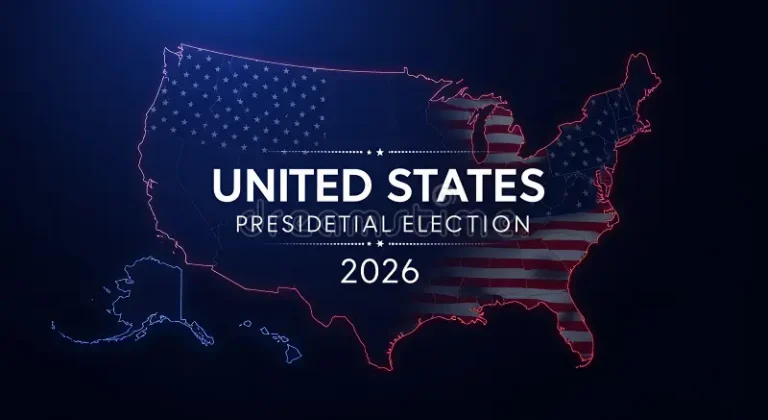
The US election race 2026 is rapidly taking shape as one of the most consequential midterm contests in recent American history. Scheduled for November 3, 2026, these elections will determine control of both chambers of Congress during President Donald Trump’s second term, with all 435 House seats and 35 Senate seats up for grabs. Political strategists from both major parties recognise that the outcome will fundamentally shape the final two years of the Trump presidency and set the stage for the 2028 presidential contest.
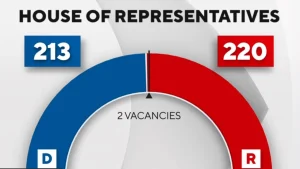
National Republicans have launched aggressive preparations focused on retaining their narrow congressional majorities. Currently holding a 220-215 advantage in the House of Representatives, Republicans can afford to lose only two seats while maintaining control. The Republican National Committee has confirmed plans for an unprecedented “midterm convention” ahead of the races, designed to showcase legislative achievements and mobilize the party’s base. White House officials report extensive involvement in candidate selection and messaging development, representing a significant departure from previous midterm cycles.
Democratic Mobilization and Strategic Countermoves
Democrats face a challenging electoral landscape but are mounting sophisticated campaigns to reclaim congressional power. To win a House majority in the US election race 2026, Democrats need to gain a net of three seats—a mathematically achievable but politically demanding objective. Democratic National Committee Chair Ken Martin has emphasized the importance of maintaining permanent campaign operations, stating that the party will not wait until closer to election day to begin mobilization efforts.
The Democratic Party’s strategy focuses on capitalizing on traditional midterm dynamics, where the president’s party typically loses congressional seats. Current polling data from late October 2025 shows Democrats maintaining a slender two-percentage-point advantage in generic congressional ballot testing, with 45.2 percent supporting Democratic candidates compared to 43.2 percent favoring Republicans. However, political analysts caution that these margins remain within typical polling error ranges, suggesting the US election race 2026 remains highly competitive.
Senate Battleground Taking Shape
The Senate landscape presents unique challenges for both parties in the US election race 2026. Of the 33 regular Class 2 seats and two special elections, Republicans currently hold 20 seats while Democrats defend 13. Democrats face particular vulnerability in Michigan, where incumbent Gary Peters is not seeking reelection, and Georgia, where Senator Jon Ossoff must defend his seat in a state Trump narrowly won in 2024.
Eight senators have already announced retirement plans—four from each party—creating open-seat contests that typically draw competitive primaries. Maine’s Republican Senator Susan Collins faces what analysts consider one of the most competitive races, given the state’s Democratic-leaning electorate. Additional special elections will fill seats vacated by Marco Rubio, who became Secretary of State, and J.D. Vance, who became Vice President, adding further complexity to the US election race 2026 Senate battleground.
Foreign Policy Debates Intensify Political Discourse
Foreign policy considerations are assuming unprecedented prominence in the US election race 2026, breaking from historical patterns where midterm elections focus primarily on domestic economic issues. Multiple international challenges—including ongoing tensions with China, relationships with NATO allies, Middle East conflicts, and immigration policy—have become central campaign themes for both parties.
Republicans are emphasizing President Trump’s “America First” approach, promising to prioritize national interests over multilateral commitments. Campaign messaging focuses on economic nationalism, renegotiating trade agreements, and taking hardline stances on immigration enforcement. GOP strategists calculate that Trump’s foreign policy vision resonates with working-class voters who feel globalization has disadvantaged American workers.
Democrats counter by highlighting the importance of traditional alliances and international cooperation. Their foreign policy messaging emphasizes maintaining NATO partnerships, supporting democratic allies, and addressing global challenges through diplomatic engagement. Democratic candidates argue that isolationist policies would undermine American security interests and economic prosperity, making foreign policy debates a central fault line in the US election race 2026.
Redistricting Battles Add Wild Card Factor
Mid-decade redistricting efforts have emerged as a crucial variable that could significantly impact the US election race 2026 outcomes. Several Republican-controlled state legislatures have pursued or completed congressional map redraws aimed at maximizing partisan advantage. Missouri recently enacted new boundaries transforming a solidly Democratic district into a Republican-leaning seat, while North Carolina Republicans adjusted maps to strengthen their congressional delegation.
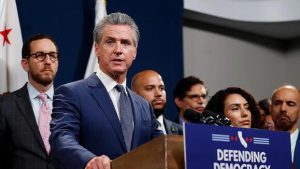
Democrats have threatened counter-redistricting measures in states they control. California legislators drafted plans to eliminate multiple Republican districts, though implementation requires overcoming constitutional hurdles. Virginia announced intentions to redraw congressional boundaries before the midterms, while Illinois and Maryland governors have kept redistricting options open. Legal experts estimate these combined redistricting battles could shift dozens of seats, introducing significant uncertainty into US election race 2026 predictions.
Swing Voter Groups Could Determine Outcomes
Political pollsters have identified several demographic groups that could prove decisive in the US election race 2026. Young Hispanic men, who swung toward Republicans in 2024 by ten percentage points, represent a critical swing constituency that both parties are aggressively courting. Economic concerns, particularly regarding inflation and employment opportunities, appear to be primary motivators for these voters.
Young voters overall, despite traditionally low midterm turnout rates, represent an increasingly significant proportion of the electorate. Recent data suggests younger voters are trending back toward Democrats, though enthusiasm gaps remain concerning for party strategists. The growing gender and education divides continue reshaping coalition dynamics, with college-educated voters increasingly favoring Democrats while non-college-educated voters trend Republican.
Additionally, undecided and low-propensity voters—those who participate inconsistently in elections—could determine narrow races throughout the US election race 2026. Republicans acknowledge they have become “the party of low-propensity voters,” launching specialized mobilization initiatives to ensure supporters turn out even without Trump on the ballot. Democrats face similar challenges activating their coalition in a midterm environment.
Looking Ahead to November 2026
As the US election race 2026 accelerates toward its November 3 climax, both parties face the monumental task of energizing supporters, persuading persuadable voters, and executing sophisticated ground operations across hundreds of competitive districts. The stakes extend far beyond partisan control of Congress, encompassing fundamental questions about America’s domestic priorities and international role.
Primary elections spanning from early 2026 through summer will determine the final candidate fields, with several high-profile contests already generating intense interest. Gubernatorial races in 39 states and territories will further complicate the electoral landscape, potentially reshaping state-level power dynamics that influence everything from redistricting to presidential campaign infrastructure.
The US election race 2026 represents more than a typical midterm referendum on the sitting president. It embodies deeper debates about American identity, economic priorities, and international engagement that will reverberate through subsequent election cycles. As foreign policy debates intensify alongside domestic policy disputes, November 2026 promises to deliver consequential results that reshape American politics for years to come.
The Maharashtra State Election Commission finds itself at a critical juncture as the Supreme Court of India has categorically rejected demands to postpone the Maharashtra local body polls, setting a firm deadline of January 31, 2026, for completion. Despite growing pressures from various quarters seeking delays for cleaning voter lists, the apex court has maintained its unwavering position that democratic governance at the grassroots level cannot be compromised further. This landmark decision brings into sharp focus the delicate balance between electoral preparation and constitutional mandates, while addressing elections that have been stalled since 2022.
The Supreme Court, comprising Justices Surya Kant and Joymalya Bagchi, expressed strong displeasure with the Maharashtra State Election Commission for failing to comply with previous orders and directed that all local body elections must be completed by January 31, 2026, without any further extension. The bench’s stern message underscored the gravity of the situation, emphasizing that constitutional obligations toward grassroots democracy cannot be indefinitely postponed.
The Court had earlier issued an interim order in May 2025 directing the completion of Maharashtra local body polls within four months, which meant by September 2025, but this deadline was missed. The judiciary’s frustration was palpable when Justice Kant questioned state authorities about their inaction, noting that the issues cited for delays were known even when the initial order was passed.
The Scope of Pending Elections
The magnitude of the Maharashtra local body polls is unprecedented in scale and complexity. Elections are pending for all 29 municipal corporations, all 247 municipal councils, 42 nagar panchayats out of 147 town councils, 32 out of 34 zilla parishads, and 336 out of 351 panchayat samitis across Maharashtra. This extensive electoral exercise represents the democratic aspirations of millions of citizens who have been without elected local representatives since 2022.
The delay in conducting these crucial elections has created a significant democratic deficit at the grassroots level, affecting local governance, development projects, and civic amenities across urban and rural Maharashtra. The restoration of elected bodies is essential for ensuring accountability, transparency, and responsive governance at the local level.
Voter List Cleaning Demands Rejected
One of the central controversies surrounding the Maharashtra local body polls involves demands for postponement to facilitate comprehensive cleaning of voter lists. The Maharashtra State Election Commission requested the Election Commission to defer the Special Intensive Revision (SIR) of electoral rolls until January 2026, citing that officials would be occupied conducting local body elections. The SIR process involves complete re-preparation of electoral rolls through house-to-house enumeration.
However, the Supreme Court has made it abundantly clear that such technical processes cannot justify indefinite postponement of democratic elections. The Court’s position reflects a pragmatic understanding that while electoral roll accuracy is important, it cannot override the fundamental right of citizens to elect their local representatives within constitutional timeframes.
Logistical Challenges and Court’s Response
The State Election Commission admitted that while 65,000 Electronic Voting Machines were currently available, another 50,000 were still required and had been ordered. Additionally, concerns were raised about staff shortages, festival schedules, and upcoming board examinations. The petitioners opposing extensions argued that authorities were citing various excuses ranging from festivals to staff shortages to justify delays.
The Supreme Court systematically addressed each concern. The bench rejected pleas for postponement based on board examinations, noting that exams would occur in March 2026, and directed the Chief Secretary of Maharashtra to immediately deploy requisite staff to perform duties as returning officers. The Court also directed the SEC to make necessary arrangements for EVMs and file a compliance affidavit regarding their availability by November 30, 2025.
Delimitation Deadline and Planning Framework
The Supreme Court directed that pending delimitation exercises must be completed by October 31, 2025, with no further extensions, and clarified that delimitation cannot be used as grounds to defer the Maharashtra local body polls. This clear timeline provides certainty to all stakeholders and removes ambiguity about the electoral roadmap.
The Court’s directive establishes a structured framework: delimitation by October 31, 2025, EVM availability confirmation by November 30, 2025, and complete election process by January 31, 2026. This systematic approach acknowledges practical challenges while maintaining firm adherence to constitutional principles.
Historical Context: Why Elections Were Stalled
The Maharashtra local body polls have been stalled since 2022 primarily due to disputes over Other Backward Classes (OBC) reservation in local bodies. The controversy surrounding OBC quota implementation created legal complexities that successive state governments used to justify postponements. However, the Supreme Court’s current stance indicates that while these matters deserve consideration, they cannot perpetually block democratic processes.
The Court emphasized that since elected bodies have prescribed terms, amendments to laws regarding OBC communities can be considered subsequently without indefinitely holding up elections. This pragmatic approach seeks to balance social justice concerns with democratic imperatives.
State Election Commission’s Defense
The Maharashtra State Election Commission attempted to justify delays by highlighting the unprecedented nature of conducting elections for such a large number of municipal corporations simultaneously. The SEC pointed out that the same field staff, including deputy collectors and tahsildars who serve as returning officers, would be required for both local body elections and electoral roll revision, making simultaneous execution impossible.
While these concerns have operational validity, the Supreme Court viewed them as management issues rather than insurmountable obstacles. The bench’s observation that “your inaction speaks of incompetence” reflected judicial frustration with administrative lethargy.
Implications for Democratic Governance
The firm stance on conducting Maharashtra local body polls by January 2026 carries profound implications for democratic governance. Local bodies constitute the foundation of India’s three-tier federal structure, handling crucial functions like urban planning, water supply, sanitation, primary education, and healthcare. The absence of elected representatives for over two years has compromised service delivery and accountability mechanisms.
The Court observed that the constitutional mandate of grassroots democracy through periodical elections to local bodies must be respected and ensured. This observation reinforces the fundamental principle that representative democracy cannot function effectively when elected bodies remain suspended indefinitely.
Final Timeline and Compliance Mechanism
The Supreme Court has established a comprehensive compliance mechanism to ensure adherence to the January 31, 2026 deadline for Maharashtra local body polls. The SEC must submit details of staff requirements to the Chief Secretary within two weeks, who must then provide requisite staff within four weeks. The Court has also stipulated that no prayers for extension will be entertained after October 31, 2025, making this truly a final deadline.
This structured monitoring reflects the judiciary’s determination to prevent further delays. The one-time concession granted to state authorities comes with the explicit warning that no further extensions will be permitted under any circumstances.
Conclusion: Democracy Cannot Wait
The Supreme Court’s decisive intervention in the Maharashtra local body polls controversy represents a crucial affirmation of democratic principles. While technical perfection in electoral preparation is desirable, it cannot justify indefinite suspension of constitutional governance. The January 31, 2026 deadline is non-negotiable, and the Maharashtra State Election Commission must now focus on execution rather than seeking further postponements.
The completion of these long-pending elections will restore democratic legitimacy to local governance, enable effective service delivery, and reconnect citizens with their elected representatives. As the planning reaches its final stages, all stakeholders must prioritize the fundamental democratic right of Maharashtra’s citizens to elect their local governments, ensuring that grassroots democracy is no longer held hostage to administrative or political considerations.
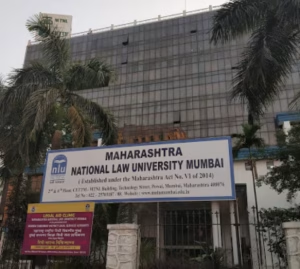
After operating from temporary accommodations for nearly a decade, Maharashtra National Law University (MNLU) Mumbai has finally commenced development of its permanent campus in Pahadi, Goregaon Village. The ambitious project, spanning 35 acres, represents a significant milestone for the institution established in 2014. However, the MNLU Mumbai permanent campus faces mounting environmental concerns related to Coastal Regulation Zone (CRZ) violations and wetland conservation issues, creating a complex legal and ecological battleground.
Since its establishment in 2014 under the Maharashtra National Law University Act VI of 2014, MNLU Mumbai has struggled to secure a permanent location. The university initially shared facilities with the Tata Institute of Social Sciences (TISS) in Chembur, with hostel accommodations in CBD Belapur, Navi Mumbai. In 2017, operations shifted to the Centre for Excellence in Telecom Technology and Management (CETTM) at Hiranandani Gardens, Powai, where the institution continues to function on a leased arrangement.
The allocation of land for the MNLU Mumbai permanent campus in Pahadi, Goregaon Village, was notified by the Maharashtra government in May 2023. This location offers excellent connectivity by air, road, and rail, making it strategically positioned within India’s financial capital. The project gained significant momentum when, on October 3, 2024, the Government of Maharashtra approved Rs 184 crore for establishing a full-fledged residential campus infrastructure.
Project Scale and Development Timeline
The MNLU Mumbai permanent campus project encompasses a substantial 35-acre plot, though some reports indicate the total allocated land may extend to 74.13 acres when considering adjacent developments. According to university officials, preliminary work, including levelling, fencing, and road construction, has already begun at the site. A technical committee formed at the university level has been reviewing architectural proposals, having completed the first round of presentations and shortlisted potential architects.
Vice Chancellor Professor Dilip Ukey has expressed optimism about the project timeline, stating the university hopes to move into the first phase of the MNLU Mumbai permanent campus within two years. This aggressive timeline reflects the urgent need for expanded facilities, as the current temporary premises provide only limited space across four floors, significantly constraining the university’s ability to launch new programs, including the BBA LLB course for which permission has already been obtained.
In June 2025, the Maharashtra cabinet further demonstrated its commitment by sanctioning a stamp duty concession of Rs 186 crore for the project, reducing the financial burden on the university and facilitating faster development.
Environmental Concerns Take Centre Stage
The MNLU Mumbai permanent campus project has encountered substantial opposition from environmental activists and residents who claim the designated land falls within ecologically sensitive zones. In October 2025, activist Zoru Bhathena sent a formal letter of objection to Chief Justice of India Bhushan Gavai and Chief Justice of the Bombay High Court Shree Chandrashekhar, who serve as Chancellor and Pro-Chancellor, respectively, of MNLU Mumbai.
The objectors centre on claims that the plot is a natural wetland, marked on the National and State Wetland Atlas, and therefore protected under environmental regulations. Bhathena has also filed a Public Interest Litigation (PIL) in the Bombay High Court challenging the Brihanmumbai Municipal Corporation’s (BMC) 2023 approval for development activities on a 191.39-hectare plot in Pahadi, Goregaon, which activists claim has been identified as a wetland since 1991 by the Maharashtra Coastal Zone Management Authority (MCZMA).
Environmental activist Sumesh Lekhi has added that original CRZ maps classify portions of the area under CRZ-1, specifically designated as mudflat and mangroves. According to CRZ and Wetland Rules, no development or reclamation is permissible on CRZ-1 wetland plots, making any construction activity potentially illegal.
Legal Proceedings and Government Response
In April 2025, the Bombay High Court issued notices to the BMC, MCZMA, and Konkan Wetland Committee regarding the PIL alleging illegal landfilling on wetland areas in Pahadi Goregaon. While the court refused to grant an interim stay on further landfilling activities, it has initiated a formal inquiry into the matter. The case highlights the tension between development needs and environmental protection in Mumbai’s rapidly urbanising landscape.
The land classification history adds another layer of complexity to the MNLU Mumbai permanent campus controversy. The site was formerly reserved as a natural area under Mumbai’s Development Plan before being reclassified under residential use in DCPR 2034. Environmental activists argue that this administrative reclassification does not negate the land’s CRZ-1 status or its ecological significance as a wetland habitat.
Private developers involved in adjacent plots have countered that the PIL is motivated and constitutes an abuse of legal process. They contend the land does not fall within the CRZ-1 zone except possibly at its fringes, and claim the Wetland Rules do not apply since the area is governed by CRZ 2011 regulations rather than newer wetland protection frameworks.
Campus Requirements and Academic Constraints
The urgency for the MNLU Mumbai permanent campus stems from severe space constraints at the current Powai facility. With only portions of four floors available, the university cannot accommodate growing student numbers or expand its academic offerings. MNLU Mumbai currently enrols students for its flagship five-year integrated BA LLB (Hons.) program through the highly competitive Common Law Admission Test (CLAT), along with specialised LLM programs and other postgraduate courses.
The institution has distinguished itself through innovative programs, including an MA in Mediation and Conflict Resolution, executive LLM courses, specialised LLM programs in Investment and Securities Law (with NISM) and Insolvency Law (with BSE Mumbai). However, these programs require adequate physical infrastructure, libraries, moot courts, meditation centres, and residential facilities that the temporary campus cannot adequately provide.
Stakeholder Perspectives and Future Outlook
Mumbai Suburban District Collector Saurabh Katiyar has stated that if the MNLU Mumbai permanent campus has received proper government permissions, construction can proceed. However, he has indicated he will seek updates on the matter, suggesting ongoing official scrutiny of the environmental concerns raised.
Environmental activists have called upon MNLU to withdraw its development proposal in Pahadi, Goregaon, urging the institution to uphold ecological laws and take necessary steps to protect, preserve, and conserve wetland plots. They emphasise that state environment minister Pankaja Munde had reportedly issued a stay on construction, though the university recently floated an Expression of Interest (EOI) for appointing a project management consultant, indicating plans to move forward.
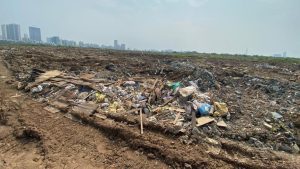
Meanwhile, residents report that although main construction has not commenced, an approach road has been built, and landfilling activities continue at the site, raising concerns about irreversible environmental damage occurring even before legal disputes are resolved.
Conclusion: Balancing Development and Environmental Stewardship
The MNLU Mumbai permanent campus project represents a critical juncture where educational infrastructure needs intersect with environmental protection imperatives. After operating from temporary facilities for over a decade, the university’s requirement for a dedicated campus is undeniable. The Rs 184 crore funding approval and stamp duty concessions demonstrate the Maharashtra government’s commitment to legal education infrastructure.
However, the environmental concerns surrounding the MNLU Mumbai permanent campus cannot be dismissed lightly. Wetlands provide crucial ecosystem services, including flood control, water purification, and biodiversity habitat, particularly important in Mumbai’s vulnerable coastal environment. The ongoing legal proceedings will ultimately determine whether development can proceed, and under what conditions.
As the Bombay High Court examines the evidence and various stakeholders present their arguments, the case may set important precedents for future development projects in ecologically sensitive areas. The resolution will need to balance the legitimate educational needs of Maharashtra’s premier law university with the imperative of protecting Mumbai’s rapidly diminishing natural ecosystems. The outcome of this environmental controversy will significantly impact not only the MNLU Mumbai permanent campus timeline but also broader questions about sustainable urban development in India’s most populous metropolitan area.
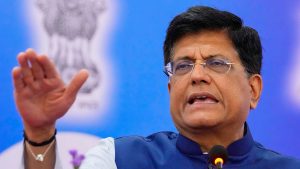
In a decisive move to address Mumbai’s pressing infrastructure challenges, Union Minister and Member of Parliament from Mumbai North, Piyush Goyal, has taken charge of accelerating critical development projects across the metropolis. During a comprehensive review meeting held in Borivali on November 2, 2025, Piyush Goyal directs BMC and other civic authorities to fast-track multiple infrastructure initiatives that promise to transform the city’s connectivity and urban landscape. The minister’s intervention comes at a crucial juncture when Mumbai grapples with traffic congestion, deteriorating road conditions, and the urgent need for modern infrastructure to support its growing population.
The high-level meeting witnessed participation from senior officials of the Brihanmumbai Municipal Corporation, Mumbai Metropolitan Region Development Authority, Maharashtra Housing and Area Development Authority, district collectors from Thane and Mumbai Suburban, police departments, and various other civic bodies. This collaborative approach underscores the government’s commitment to resolving long-standing infrastructure bottlenecks through coordinated action.
One of the primary directives issued when Piyush Goyal directs BMC concerns the immediate resurfacing of three strategically important flyovers in Mumbai. The minister has instructed the Maharashtra State Road Development Corporation to undertake comprehensive resurfacing work on the Aarey, Vakola, and Vikhroli flyovers, which have become significant bottlenecks in the city’s traffic flow. These structures, while vital for connectivity, have deteriorated over time, causing inconvenience to thousands of daily commuters.
The resurfacing directive specifically targets flyovers owned by MSRDC, with instructions to ensure smooth traffic flow on the Western Express Highway. According to the minister’s statement, these three delayed bridge projects will be resurfaced immediately after the monsoon season concludes, following directions from Maharashtra Chief Minister Devendra Fadnavis. The initiative aims to eliminate major traffic bottlenecks that have plagued North Mumbai for years.
The Vikhroli flyover, in particular, has already witnessed significant development. The 615-meter-long and 12-meter-wide structure, which connects Lal Bahadur Shastri Marg in Vikhroli West to the Eastern Express Highway in Vikhroli East, was completed by the BMC’s Roads and Traffic Department by May 2025. This flyover reduces travel time between Vikhroli East and West by approximately thirty minutes, demonstrating the tangible benefits such infrastructure projects deliver to Mumbai’s residents.
Traffic Management and Illegal Signage Control
When Piyush Goyal directs BMC on traffic management, the focus extends beyond physical infrastructure to operational efficiency. The minister has outlined comprehensive measures to decongest the Western Express Highway, which serves as a critical arterial road for Mumbai. His directives include significantly increasing traffic personnel deployment, particularly during peak hours, and implementing strict restrictions on heavy vehicle movement.
A notable aspect of the traffic management strategy involves the identification and regulation of construction-related vehicles. The minister has specifically directed the Mumbai Metropolitan Region Development Authority to ensure that all 108 heavy vehicles used for metro construction work are marked with large, identifiable stickers. This measure aims to distinguish legitimate construction vehicles from unauthorised ones that often contribute to traffic congestion.
The crackdown on illegal signage forms another crucial component of the traffic management initiative. The minister has instructed authorities to take strict action against unauthorised vehicles using fake municipal identifiers. Only BMC’s garbage transport trucks will be permitted during peak hours, while all other heavy private vehicles will face a complete ban during rush hour periods. This systematic approach to traffic regulation promises to bring order to Mumbai’s chaotic roads.
Furthermore, the meeting addressed the persistent problem of illegal dumping and encroachments. Piyush Goyal directs BMC to permanently clear garbage dumping spots across North Mumbai and ensure they remain free from refilling. The minister has warned that truck drivers and individuals involved in illegal dumping or mangrove reclamation will face legal consequences, demonstrating the government’s zero-tolerance approach toward environmental violations.
Mumbai Coastal Road Project: A Game-Changing Infrastructure Marvel
The Mumbai Coastal Road project represents one of the most ambitious infrastructure undertakings in the city’s history, and Piyush Goyal directs BMC to ensure its timely execution. During the review meeting, the minister announced that all major hurdles related to the Coastal Road extension have been cleared, paving the way for rapid progress on this transformative project.
The Coastal Road currently connects Marine Drive in South Mumbai to Worli, where it seamlessly integrates with the Bandra-Worli Sea Link. In subsequent phases, this expressway will extend to Versova, Dahisar, and ultimately to Virar in Palghar district, creating a continuous high-speed corridor along Mumbai’s western coastline. Once completed, the journey from Nariman Point to Virar is projected to take merely thirty-five to forty minutes, representing a revolutionary reduction in travel time that could reshape Mumbai’s urban geography.
The minister confirmed that all critical approvals have been secured, including clearances related to land acquisition, transfer of saltpan lands, and permissions from the Coastal Regulation Zone, Environment Ministry, and Forest Department. These clearances, which often constitute the most challenging aspects of large-scale infrastructure projects, are now in place, enabling swift execution.
The Mumbai Coastal Road Project Phase 2, spanning from Versova to Dahisar, received particular attention during the meeting. Piyush Goyal directs BMC to commence work on this segment within forty-five days, following the awarding of contracts. This phase is crucial for extending the benefits of the Coastal Road to North Mumbai, potentially reducing the load on the Dahisar check post by thirty to thirty-five per cent.
Among the most anticipated projects discussed when Piyush Goyal directs BMC is the Borivali-Thane twin tunnel, a groundbreaking infrastructure initiative that promises to dramatically alter Mumbai’s connectivity landscape. The minister announced that construction of this tunnel is expected to commence within two months, marking a significant milestone in Mumbai’s infrastructural evolution.
This tunnel project holds immense significance for Mumbai’s transportation network. Currently, travel between Borivali and Thane requires navigating through congested surface roads, often taking up to ninety minutes during peak hours. The twin tunnel, once operational, is projected to reduce this travel time to approximately fifteen minutes, representing a six-fold improvement in connectivity.
The tunnel will provide a direct underground link between two critical nodes of the Mumbai Metropolitan Region, effectively bypassing surface-level traffic congestion. This project aligns with global best practices in urban transportation, where underground connectivity solutions have proven successful in managing traffic in densely populated metropolitan areas.
The economic implications of the Borivali-Thane tunnel extend beyond mere time savings. Improved connectivity between these regions will facilitate better integration of residential and commercial zones, potentially stimulating economic activity and real estate development in both areas. The project also represents a significant step toward decongesting Mumbai’s overburdened road network.
Madh-Versova Bridge and Additional Infrastructure Projects
Complementing the major tunnel project, Piyush Goyal directs BMC to expedite work on the Madh-Versova Bridge, another critical connectivity project for North Mumbai. The minister confirmed that work on this bridge has been fast-tracked, with completion expected in the coming months. The Madh-Versova Bridge will provide crucial connectivity between the coastal areas of North Mumbai, benefiting thousands of residents and improving access to employment centres.
The comprehensive infrastructure vision also includes the expansion of Bhagwati Hospital, improvements in sanitation and water supply systems in Gorai and Charkop, and tourism promotion through Sanjay Gandhi National Park. The minister has directed authorities to identify and repair damaged water pipelines in North Mumbai to enhance water quality and pressure, addressing one of the persistent civic grievances in the area.
Additionally, the meeting addressed housing and slum rehabilitation issues. Piyush Goyal directs BMC, along with the Slum Rehabilitation Authority, MMRDA, and MHADA, to coordinate effectively and blacklist developers who fail to deliver promised flats or occupancy certificates on time. This accountability measure aims to protect the interests of homebuyers and ensure the timely completion of housing projects.
Environmental Conservation and Sustainable Development
Environmental protection formed a critical component of the discussions when Piyush Goyal directed BMC on development priorities. The minister emphasised the need for strict enforcement against mangrove destruction and illegal encroachments on ecologically sensitive areas. He instructed the BMC, Slum Rehabilitation Authority, and Forest Department to take immediate legal action against individuals and entities involved in environmental violations.
The directive reflects growing awareness about balancing infrastructure development with environmental conservation. Mumbai’s mangroves serve as crucial ecological buffers, protecting the city from flooding and supporting biodiversity. The minister’s firm stance on preventing mangrove destruction demonstrates the government’s commitment to sustainable urban development.
Furthermore, the meeting addressed waste management and sanitation issues comprehensively. The minister has instructed BMC to conduct cleanliness campaigns through non-profit organisations and hold municipal officers accountable for garbage accumulation in North Mumbai. This approach combines civic participation with administrative accountability to achieve lasting improvements in urban sanitation.
Coordinated Approach and Accountability Mechanisms
A distinctive feature of this initiative, when Piyush Goyal directs BMC, involves establishing robust coordination mechanisms among various agencies. The minister emphasised that BMC, SRA, MMRDA, MHADA, and other relevant authorities must share information and coordinate their actions to prevent non-compliant builders from circumventing accountability by moving between departments.
This coordinated approach addresses a long-standing challenge in Mumbai’s governance landscape, where a lack of inter-agency coordination often allows defaulters to exploit administrative gaps. The establishment of a unified blacklist of non-compliant developers represents a significant step toward ensuring accountability in the construction sector.
The meeting also reviewed the progress of various development projects worth approximately sixty thousand crores undertaken in North Mumbai. These projects include the Lokhandwala DP Road, Malad Development Project, playground development initiatives, identification and development of tourist spots, training programs for self-help groups, special workshops for the fishing community, construction of cultural centres, and parking arrangements in Borivali East.
Conclusion: Vision for Mumbai’s Future
The comprehensive directives issued when Piyush Goyal directs BMC represent a holistic vision for Mumbai’s infrastructural transformation. From immediate interventions like flyover resurfacing to long-term projects like the Coastal Road extension and Borivali-Thane tunnel, these initiatives address both current challenges and future needs. The emphasis on accountability, environmental conservation, and inter-agency coordination demonstrates a mature approach to urban development that balances growth with sustainability.
As Mumbai continues its journey toward becoming a world-class metropolis, such decisive leadership and coordinated action across multiple agencies will prove crucial. The successful implementation of these projects promises to enhance the quality of life for millions of Mumbaikars, reduce travel times, improve air quality through reduced congestion, and position Mumbai as a model for sustainable urban development in India. The coming months will be critical as these ambitious plans transition from directives to ground reality, potentially reshaping Mumbai’s urban landscape for generations to come.
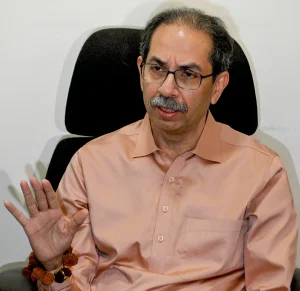
Shiv Sena (UBT) chief Uddhav Thackeray has categorically demanded that Maharashtra local body elections must be conducted only after a comprehensive cleanup of voters’ lists, citing widespread irregularities, including duplicate and bogus entries. The former Chief Minister’s strong stance has positioned him at the forefront of a growing movement demanding electoral transparency and accountability from both the Election Commission of India and the Union Government.
Addressing a press conference, Thackeray refuted allegations of “appeasement politics” from the ruling BJP, emphasising that neither Shiv Sena (UBT) nor other opposition parties have referenced any bogus voter by religion. This clarification comes amid a politically charged atmosphere where Maharashtra local body elections have become a battleground for democratic principles and electoral integrity.
The opposition leader provided district-wise evidence of discrepancies, revealing excessive repeated names, bogus entries, and duplicate voters across major constituencies in Mumbai, Thane, Nashik, and Pune. The magnitude of these irregularities has raised serious questions about the credibility of the electoral process and the preparedness of election authorities to conduct free and fair Maharashtra local body elections.
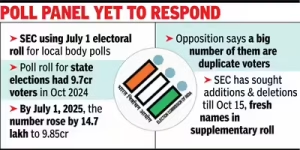
According to data presented by alliance leaders, North Mumbai alone has 62,370 duplicate voters out of a total electorate of 1,739,456 as of July 1, 2025. Even more alarming are reports that voters have been registered at improbable addresses, including the commissioner’s bungalow in Navi Mumbai and public toilets, casting serious doubts on the verification mechanisms employed by election authorities.
The Maharashtra Navnirman Sena submitted documentary evidence to the State Election Commission showing that public toilets (Sulabh Shauchalayas) were listed as residential addresses for bogus voters in the Juinagar area of Navi Mumbai, while the Navi Mumbai Municipal Commissioner’s official bungalow and Nerul suburban railway station were also registered as voter addresses.
Gen Z Voters Being Systematically Excluded
Beyond existing irregularities, Thackeray accused the Election Commission and Union Government of being “scared of Gen Z,” pointing out that young citizens turning 18 after July 1 would be deprived of their voting rights due to an arbitrary cut-off date set for Maharashtra local body elections. This systematic exclusion of first-time voters represents another dimension of the electoral crisis facing Maharashtra’s democratic processes.
The opposition leader questioned why India’s youth, who are creating revolutions globally and asserting their democratic rights, are being denied their constitutional privilege to participate in Maharashtra local body elections. This generational disenfranchisement has become a central talking point in the opposition’s campaign for electoral reforms.
United Opposition Front Emerges
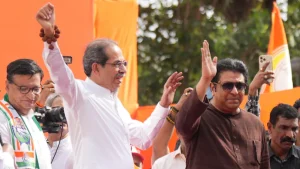
On November 1, 2025, leaders from the Maha Vikas Aghadi (MVA), including NCP (SP) chief Sharad Pawar, Shiv Sena (UBT) president Uddhav Thackeray, MNS chief Raj Thackeray, and Congress leader Balasaheb Thorat, organised ‘Satyacha Morcha’ (Rally for Truth) from Fashion Street in south Mumbai to the Brihanmumbai Municipal Corporation headquarters. This unprecedented unity among opposition parties demonstrates the seriousness with which political stakeholders view the integrity crisis surrounding Maharashtra local body elections.
The opposition coalition had previously met with Chief Electoral Officer S. Chokalingam and State Election Commissioner Dinesh Waghmare on October 14 and 15, 2025, flagging irregularities in voters’ lists and demanding that Maharashtra local body elections not proceed until discrepancies are rectified.
Concerns About the Election Commission’s Technology Platform
Thackeray raised serious concerns about the Election Commission’s Saksham app and its server infrastructure, suggesting that irregularities in the system could facilitate wrongful deletion of genuine voters’ names. He warned that unauthorised access to the application could enable mass manipulation of voter data, potentially excluding legitimate citizens from Maharashtra local body elections while retaining fraudulent entries.
The opposition leader’s scepticism about the technological backbone of electoral management reflects broader concerns about digital security, data integrity, and the transparency of election administration systems.
Legal Challenge and Grassroots Verification Drive
Thackeray announced that Shiv Sena (UBT) and other opposition parties have decided to approach courts seeking rectification of duplicate and bogus entries before the Maharashtra local body elections are conducted. This legal strategy aims to compel election authorities to uphold constitutional mandates for free and fair elections.
Simultaneously, the party has established special verification centres and urged citizens to visit the nearest Shiv Sena (UBT) shakha (branch office) to check whether their names are correctly listed and identify any errors or omissions in the electoral rolls. This grassroots mobilisation represents an attempt to independently audit voter lists and build public pressure for reforms.
Political Accusations and Counter-Narratives
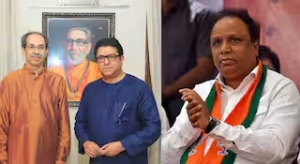
BJP leader and Cultural Affairs Minister Ashish Shelar alleged that Uddhav Thackeray and Raj Thackeray were engaging in appeasement politics by highlighting only Hindu Marathi duplicate voters while ignoring similar issues in other communities. Shelar claimed that the voters’ list used in Lok Sabha elections contained 225,716 duplicate Muslim voters across 31 assembly constituencies, with over 16 lakh such duplicates statewide.
Thackeray responded by emphasising that the opposition’s campaign is religion-neutral and focused entirely on electoral integrity rather than communal politics. He stated that the movement aims to protect democracy itself, not advance any sectarian agenda, making Maharashtra local body elections a test case for transparent governance.
Democracy in Crisis: Opposition’s Central Narrative
Thackeray warned that “democracy is dying before our eyes” and demanded strict action against those responsible for irregularities in voters’ lists, describing the situation as a serious threat to free and fair elections. He drew historical parallels to the Samyukta Maharashtra movement of the 1950s, suggesting that the current crisis demands similar unity and determination from Maharashtra’s citizens.
NCP founder Sharad Pawar characterised the situation as a crisis for parliamentary democracy following the 2024 Maharashtra assembly elections, calling for united action to stop vote rigging. The veteran leader’s participation lends considerable weight to the opposition’s demands regarding Maharashtra local body elections.
The Road Ahead for Electoral Reforms
The standoff over Maharashtra local body elections represents a critical juncture for Indian democracy. The opposition’s demands for comprehensive electoral roll cleanup, inclusion of Gen Z voters, technological transparency, and independent verification mechanisms have struck a chord with citizens concerned about democratic integrity.
However, the Election Commission maintains it cannot modify the existing voter list, creating a standoff over election integrity. This impasse raises fundamental questions about the balance of power between election authorities and political stakeholders, and the mechanisms available to ensure accountability in electoral administration.
As Maharashtra local body elections approach, the resolution of these disputes will significantly impact public confidence in democratic institutions. Whether through judicial intervention, administrative reforms, or political negotiations, addressing the concerns raised by Uddhav Thackeray and the opposition coalition has become essential for maintaining the credibility of Maharashtra local body elections and, by extension, the broader democratic process in India’s second-most populous state.
The eyes of the nation remain fixed on Maharashtra as this electoral drama unfolds, with implications extending far beyond the immediate context of Maharashtra’s local body elections to the very foundations of representative democracy in India.
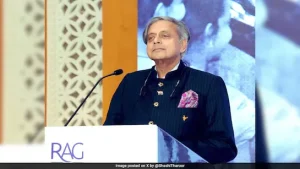
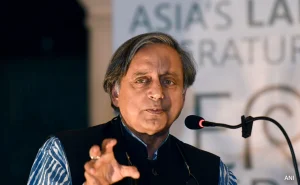
Congress Member of Parliament Shashi Tharoor has ignited a significant controversy within his own party by characterising dynasty politics as a severe danger to Indian democracy, advocating for a shift toward meritocratic leadership selection. In an opinion piece published on the Project Syndicate platform, Tharoor delivered an unflinching assessment of how dynasty politics has permeated every level of Indian governance, cutting across party lines and geographical boundaries.
The Thiruvananthapuram MP’s article, titled “Indian Politics Are a Family Business,” challenges the fundamental structure of political succession in India. His critique focuses on how the Nehru-Gandhi dynasty, spanning from Jawaharlal Nehru through Indira Gandhi and Rajiv Gandhi to current leaders Rahul Gandhi and Priyanka Gandhi Vadra, has reinforced the concept that political authority can be inherited rather than earned. This represents one of the most direct attacks on dynasty politics from within the Congress party itself.
The Nehru-Gandhi Legacy and Dynasty Politics
Tharoor acknowledges that the Nehru-Gandhi family’s influence is deeply connected to India’s independence movement, yet argues this historical significance has simultaneously entrenched the problematic notion that leadership positions are hereditary entitlements. The Congress MP’s observations about dynasty politics extend far beyond his own party, encompassing a comprehensive analysis of hereditary succession across India’s political landscape.
The prominence of dynasty politics in Indian governance is not merely anecdotal. Research examining the 2009 elections revealed that two-thirds of parliamentarians under 45 years of age already had close relatives involved in politics, with younger MPs having predominantly inherited their parliamentary seats, typically from parents. This statistical evidence underscores the systemic nature of dynasty politics in India’s democratic institutions.
Cross-Party Prevalence of Dynasty Politics
Tharoor’s critique of dynasty politics is notably non-partisan. He identifies dynastic succession patterns in numerous regional parties, including the Shiv Sena under the Thackeray family in Maharashtra, the Samajwadi Party led by the Yadav family in Uttar Pradesh, and the Abdullah family’s multi-generational leadership in Jammu and Kashmir. This widespread manifestation of dynasty politics demonstrates that the phenomenon transcends ideological boundaries.
In Tamil Nadu, Tharoor points to the DMK party’s control by Karunanidhi’s family, with MK Stalin serving as Chief Minister and his grandson positioned as successor. Even within the ruling NDA coalition, dynasty politics operates through figures like Chirag Paswan, who succeeded his father Ram Vilas Paswan in leading the Lok Janshakti Party. The pervasiveness of dynasty politics across India’s political spectrum reinforces Tharoor’s argument that this represents a structural challenge to democratic meritocracy.
The Mechanics Behind Dynasty Politics
Why has dynasty politics become so entrenched in Indian democracy? Family names function effectively as political brands, with candidates possessing built-in name recognition requiring less effort to capture voter attention or establish credibility. This brand recognition factor in dynasty politics creates significant advantages for hereditary candidates over potentially more qualified outsiders.
Internal party dynamics play a crucial role in perpetuating dynasty politics, as Indian political parties are predominantly personality-driven organisations where leadership selection processes remain opaque, with decisions concentrated among small cliques or single leaders resistant to disrupting established power structures. These organisational characteristics create self-reinforcing cycles that entrench dynasty politics.
The Scale of Dynasty Politics in India
An investigation revealed that 149 families maintain representation through multiple members in state legislative assemblies, with 11 central ministers and nine chief ministers having family connections to politics. This data illustrates how dynasty politics operates not merely at prominent national levels but throughout India’s governance framework, from village councils to parliamentary chambers.
Across all parties, 70 per cent of female Members of Parliament come from dynastic backgrounds, highlighting how dynastic politics affects gender representation in politics. Even leaders without direct heirs select family members as successors, demonstrating the deeply embedded nature of dynasty politics in India’s political culture. Response to Dynasty Politics Criticism
The Congress party’s reaction to Tharoor’s critique of dynasty politics has been notably muted. Congress leader K Muraleedharan defended the Nehru-Gandhi family, asserting that capable leaders are accepted regardless of family background and that the people’s mandate has elected Nehru-Gandhi family members whose role in Indian politics is “truly incomparable”. This defensive response illustrates the sensitivity surrounding discussions of dynasty politics within the Congress.
Another Congress leader, Udit Raj, contextualised dynasty politics by noting that dynastic influence pervades all sectors in India, including business, judiciary, and entertainment, not just politics. This broader perspective suggests that dynasty politics reflects wider societal patterns, though it does not address whether such practices strengthen or undermine democratic governance.
Political Ramifications of Dynasty Politics Debate
The BJP seized upon Tharoor’s article on dynasty politics to target Congress leadership and the INDIA bloc allies, with BJP spokesperson Shehzaad Poonawalla praising the insights while labelling opposition leaders as beneficiaries of dynastic privilege. This political opportunism demonstrates how debates about dynasty politics become weaponised in partisan competition.
Tharoor’s willingness to challenge dynasty politics represents a pattern of independent thinking that has previously generated controversy. His praise of Prime Minister Modi’s diplomatic engagement and critical assessment of opposition narratives have strained relationships with Congress leadership, raising questions about his standing within the party hierarchy.
The Path Forward: Meritocracy Over Dynasty Politics
Tharoor advocates for fundamental reforms to combat dynasty politics, including legally mandated term limits, meaningful internal party elections, and educational efforts to empower voters to select leaders based on merit rather than lineage. These proposed solutions acknowledge that addressing dynasty politics requires systemic changes rather than individual adjustments.
Tharoor concludes that as long as Indian politics remains a family enterprise, the authentic promise of democracy—”government of the people, by the people, for the people”—cannot be fully realised. This assertion frames dynasty politics not merely as a problematic tendency but as a fundamental obstacle to democratic fulfilment.
Conclusion
Shashi Tharoor’s intervention on dynasty politics represents a significant moment in Indian political discourse. By openly criticising the hereditary nature of leadership selection across parties, including his own, Tharoor has sparked necessary debate about whether India’s democracy can reconcile its commitment to equality with the reality of dynasty politics. Whether his call for merit-based leadership gains traction remains uncertain, but his willingness to confront dynasty politics from within the political establishment marks an important contribution to democratic reform conversations. The challenge now lies in translating this critique into meaningful structural changes that can reduce the influence of dynasty politics in Indian democracy.
The fourth round of negotiations for the India-New Zealand Free Trade Agreement (FTA) officially commenced on November 3, 2025, in Auckland. This series of discussions marks a crucial step toward strengthening economic ties and developing a balanced, comprehensive, and mutually beneficial trade partnership between the two countries.
Steady Progress Towards a Mutual Agreement
This ongoing round, scheduled from November 3 to November 7, builds upon the momentum from previous sessions. Both nations are actively engaging in key areas including trade in goods, trade in services, and rules of origin. The discussions aim to address remaining issues and accelerate the early conclusion of the FTA, reinforcing commitments made during earlier diplomatic exchanges.
High-Level Engagement and Future Outlook
The negotiations follow Prime Minister Narendra Modi’s guidance, emphasizing India’s strategic move to diversify its trade partnerships amid global trade shifts. The negotiations come after Transport Minister Shri Piyush Goyal’s earlier visits to Australia and regional talks, indicating India’s focus on expanding trade agreements with like-minded nations for sustained economic growth.
Significance of the Negotiations
India’s bilateral trade with New Zealand has surged by approximately 49% over the past year, reaching USD 1.3 billion in 2024–25. The proposed FTA aims to further boost this momentum by liberalizing trade in pharmaceuticals, textiles, agricultural products, and technology, while reducing tariffs to foster investment and supply chain resilience.
Moving Towards an Inclusive Trade Framework
Both sides are committed to creating a forward-looking and inclusive trade structure that supports shared prosperity. The upcoming negotiations are expected to clarify final terms, reduce barriers, and deepen economic integration, aligning with India’s broader strategy of diverse trade engagement.
Conclusion
As the fourth round of India–New Zealand FTA negotiations kicks off, optimism is high that both countries will reach a favorable agreement soon. The talks underline India’s resolve to strengthen global trade partnerships and expand its economic reach through strategic, mutually beneficial accords.
India Post Payments Bank (IPPB) has signed a Memorandum of Understanding (MoU) with the Employees’ Provident Fund Organisation (EPFO) to provide doorstep Digital Life Certificate (DLC) services for pensioners under the Employees’ Pension Scheme, 1995 (EPS’95). This strategic partnership aims to make pension verification more accessible, especially for elderly pensioners living in remote areas.
Extensive Postal Network and Advanced Technology
IPPB will leverage its wide network of over 1.65 lakh post offices and more than 3 lakh postal service providers, including Postmen and Gramin Dak Sevaks. Equipped with digital face authentication and fingerprint biometric verification technologies, they will assist pensioners in submitting their Digital Life Certificates from the comfort of their homes, eliminating the need for physical visits to offices.
Cost-Free Service for Pensioners
The Department of Labour & Employment will bear the entire cost of issuing the Digital Life Certificate, ensuring the service remains free for pensioners. This initiative not only enhances convenience but also aligns with the Government of India’s ‘Digital India’ and ‘Ease of Living’ vision, facilitating inclusive service delivery.
Seamless and Secure Verification Process
Pensioners are required to contact their nearest Postman or visit a local Post Office, where they will provide their Aadhaar number and pension details. The process involves Aadhaar-linked face recognition or fingerprint authentication. Upon completion, a confirmation SMS is sent to the pensioner, and the digital certificate can be viewed online the next day at the Jeevan Pramaan portal.
Simplifying Pension Procedures: EPFO
This partnership is a significant step toward digital and financial inclusion, particularly for pensioners in rural and semi-urban areas, ensuring timely pension disbursements and reducing procedural hassles. It highlights the government’s commitment to ‘Ease of Living’ by harnessing postal and digital infrastructure.
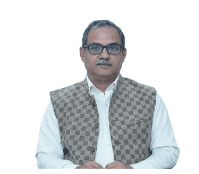
Shri Sanjay Garg, a senior civil servant of the IAS-1994 batch from the Kerala cadre, took charge as Director General of the Bureau of Indian Standards (BIS), the National Standards Body of India, effective from November 1, 2025.
Extensive Administrative Experience: Sanjay Garg
With over 30 years of experience, Shri Garg has built expertise in strategic planning, policy formulation, and implementation across sectors like agriculture, food logistics, defence industry, industrial promotion, finance, and social sectors both at state and national levels.
Prior Roles and Digital Initiatives
Before joining BIS, he served as Additional Secretary of the Department of Agriculture, Research and Education (DARE), and Secretary of the Indian Council of Agricultural Research (ICAR). Notably, he led the digital transformation of research management through IT at these organizations and played a key role in expanding the Kisan Sarathi portal, which links farmers directly to agricultural scientists.
Broader Sectoral Contributions
Shri Garg’s experience extends to managing World Bank projects, promoting and deregulating the defence sector, and other industrial initiatives including the leather industry.
Role as BIS Director General
As Director General, Shri Garg will also serve as President of India’s national committee in the International Electrotechnical Commission (IEC), positioning him as a significant figure in shaping India’s standards framework.

 Also Read:
  Democrats counter by highlighting the importance of traditional alliances and international cooperation. Their foreign policy messaging emphasizes maintaining NATO partnerships, supporting democratic allies, and addressing global challenges through diplomatic engagement. Democratic candidates argue that isolationist policies would undermine American security interests and economic prosperity, making foreign policy debates a central fault line in the US election race 2026.
 The US election race 2026 represents more than a typical midterm referendum on the sitting president. It embodies deeper debates about American identity, economic priorities, and international engagement that will reverberate through subsequent election cycles. As foreign policy debates intensify alongside domestic policy disputes, November 2026 promises to deliver consequential results that reshape American politics for years to come.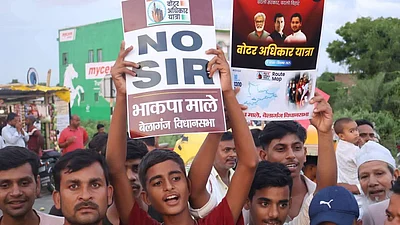
 Also Read:
  Logistical Challenges and Court’s Response
 State Election Commission’s Defense
 Conclusion: Democracy Cannot Wait
 Also Read:
  Legal Proceedings and Government Response
 Conclusion: Balancing Development and Environmental Stewardship
 Also Read:
  Mumbai Coastal Road Project: A Game-Changing Infrastructure Marvel
 Madh-Versova Bridge and Additional Infrastructure Projects
 Coordinated Approach and Accountability Mechanisms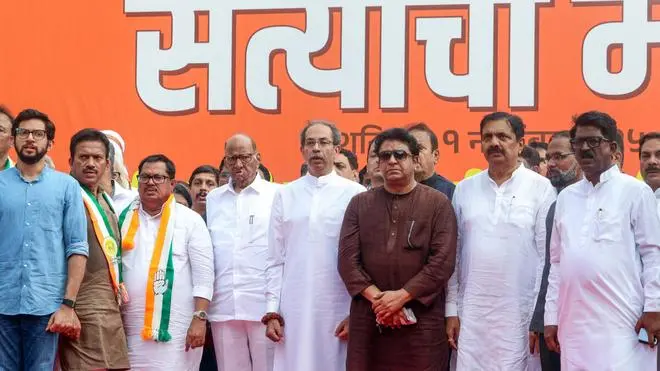
 Also Read:
 Concerns About the Election Commission’s Technology Platform
 Democracy in Crisis: Opposition’s Central Narrative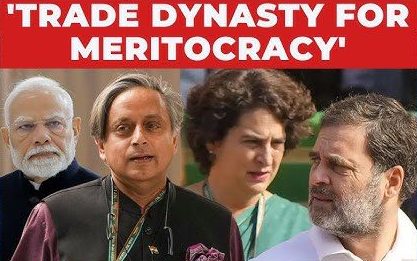
 Also Read:
 The Mechanics Behind Dynasty Politics