Saturday, May 16, 2026
Home Blog Page 356

The Powerful Story Behind Kudremukh’s Wild Elephant Capture: 10 Haunting Hours of a Majestic Tragedy

In the eerie hours before dawn, the dense forests near Kudremukh echoed with the steady hum of vehicles, the low murmurs of forest officials, and the occasional distant trumpet of a creature both revered and feared. For the residents of Chikkamagaluru district, those sounds marked the culmination of a grim saga that had haunted their villages for weeks—a wild tusker, accused of killing two people, was finally captured after an intense overnight operation.

Led by Karnataka’s forest department, the mission unfolded in the rugged terrain between Kalasa and Banakal—regions that form part of the great Western Ghats ecosystem, where man and elephant have long shared a fragile, overlapping existence. The tusker, estimated to be around 35 years old, had reportedly strayed out of deep forest cover late last month and raided crops along with damaging property in nearby settlements. Repeated attempts to drive it back into the wild had failed, and after two fatal encounters, authorities were pressed to act.

For residents of Chikkamagaluru, the capture represented both relief and melancholy—relief from fear, yet grief for the lives lost. The incident once again spotlighted the complex crisis of human-elephant conflicts in Karnataka, a state that houses one of India’s largest elephant populations within shrinking forest corridors. As barriers weaken and boundaries blur, each encounter becomes a test of coexistence—one that neither side emerges from without loss.

According to officials, the elephant was tranquilized around 5:30 a.m. on Sunday after a marathon 12-hour tracking operation coordinated by forest veterinarians, field staff, and anti-depredation squads. Using two trained kumki elephants named Mahendra and Ganesha, the team closed in on the tusker near the outskirts of Kudremukh National Park. The animal, weighing nearly four and a half tons, was darted with a mild sedative around dawn, toppling slowly onto wet grass as the forest filled with stillness. The rescue unit, aided by local police and wildlife conservators, ensured that the tranquilization process prioritized safety and avoided distress.

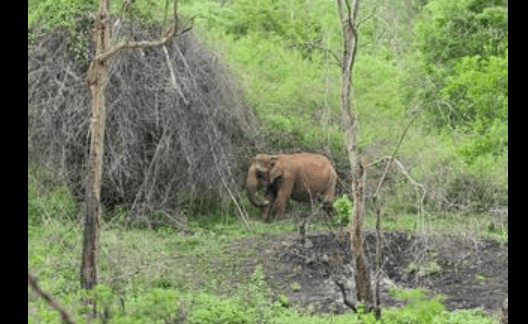
Officials confirmed that the tusker would be temporarily relocated to the Sakrebailu elephant camp for medical evaluation and observation. Decisions on its future—whether release into safer forest ranges or long-term captivity—would depend on behavioral assessment.Wild elephant that trampled 2 men to death captured in Karnataka's  Chikkamagaluru | Bangalore News - The Indian Express
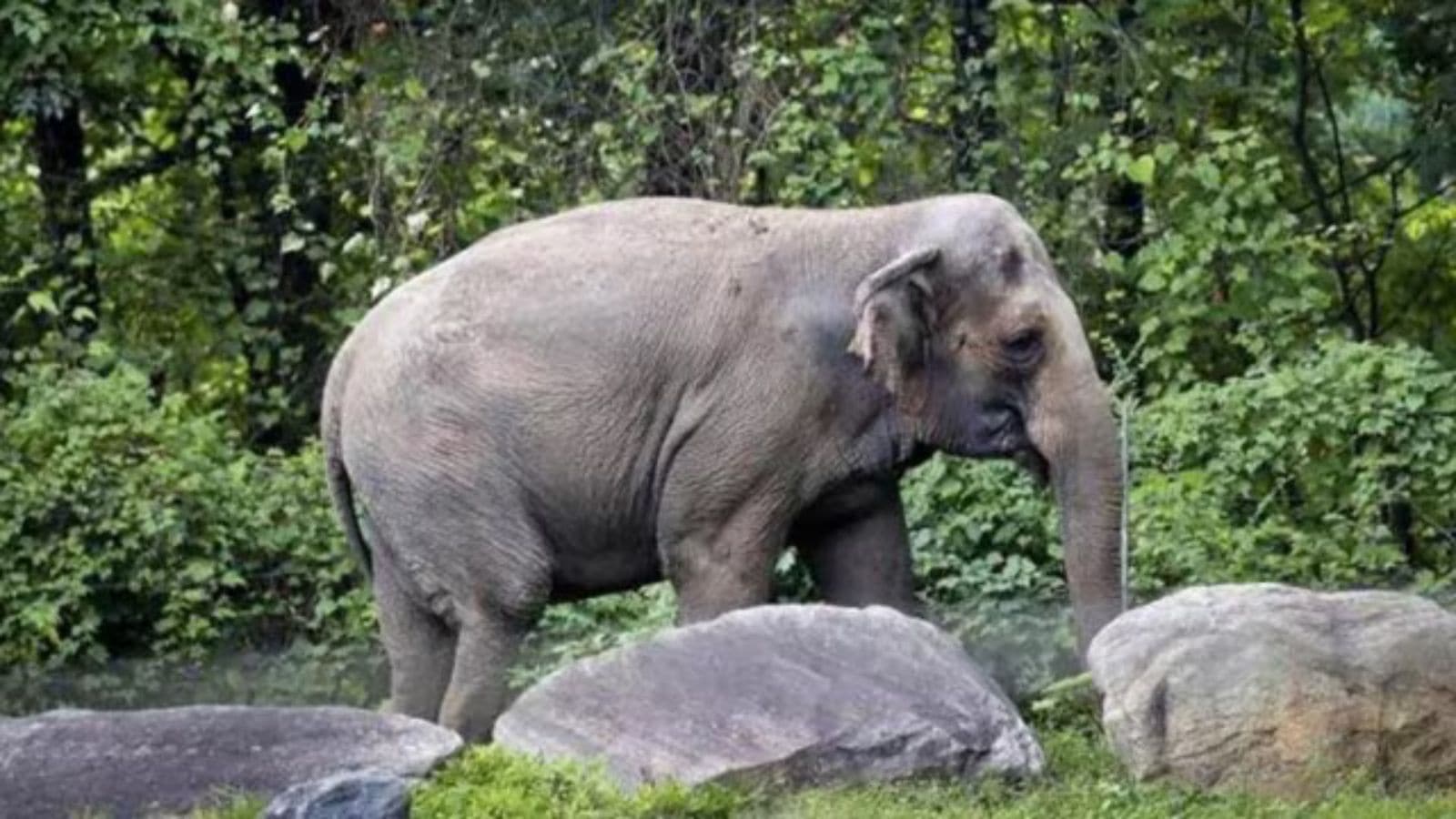

Forest Rage and the Clash at the Edge of Wilderness

Though the drama of capture concluded peacefully, the events leading up to it had been wrought with tragedy. The first victim, a 52-year-old farmer from Mudigere taluk, was killed near his coffee estate while attempting to chase away the elephant that had ventured into plantations one misty dawn. A week later, another incident in Kalasa claimed the life of a daily-wage worker when the tusker, startled by noise, charged unexpectedly near a footpath.

Those deaths triggered fear across local villages. Night vigils became routine, and families avoided walking alone even at midday. Agricultural operations slowed, as repeated elephant raids destroyed paddy and banana patches that sustained livelihoods. “It felt like we were living in siege,” said Basava, a resident of Balehole, describing sleepless nights spent beating tins and lighting fires to scare off wild animals. “We knew it wasn’t the elephant’s fault. But every morning, the worry was the same—who will be the next victim?”

Human-wildlife conflict in this region is not new, but experts say incidents have intensified recently due to expanding monoculture farms, road construction, and loss of connecting forest corridors. Kudremukh and its surrounding ranges historically served as migratory passageways between the Bhadra and Someshwara reserves. As forest patches shrink and human presence increases, elephants often stray, disoriented, into farmlands. The resulting encounters, unpredictable and emotional, endanger both man and beast.

Chief Conservator of Forests (Ballari Circle) Rajesh Naik noted that the department had been monitoring the tusker for more than six weeks through camera traps and field patrols. “Elephants are deeply intelligent. This one displayed unusual aggression, possibly due to injury or isolation from its herd,” he said, adding that the decision to capture was taken reluctantly after repeated mitigation failed. “Every rescue is a last resort, never a victory. We intervene only when human life is at risk.”

The operation itself demanded precision rarely matched outside major protected zones. Over 60 personnel camped overnight, tracking fresh dung trails and broken branch lines illuminated by searchlights. Veterinarian Dr. K. Manjunath, part of the darting team, described the delicate balance between compassion and necessity. “You cannot approach such a massive animal lightly,” he said. “The dosage, wind direction, adrenaline levels—everything matters. A single miscalculation can be fatal for everyone, including the elephant.”

Witnesses recount that as the tranquilizer took effect, the tusker staggered, trumpeted twice, and collapsed gently beside a stream—a moment of both triumph and heartbreak. “It was like watching a mountain kneel,” said a bystander. “We cheered at first, then became silent.”

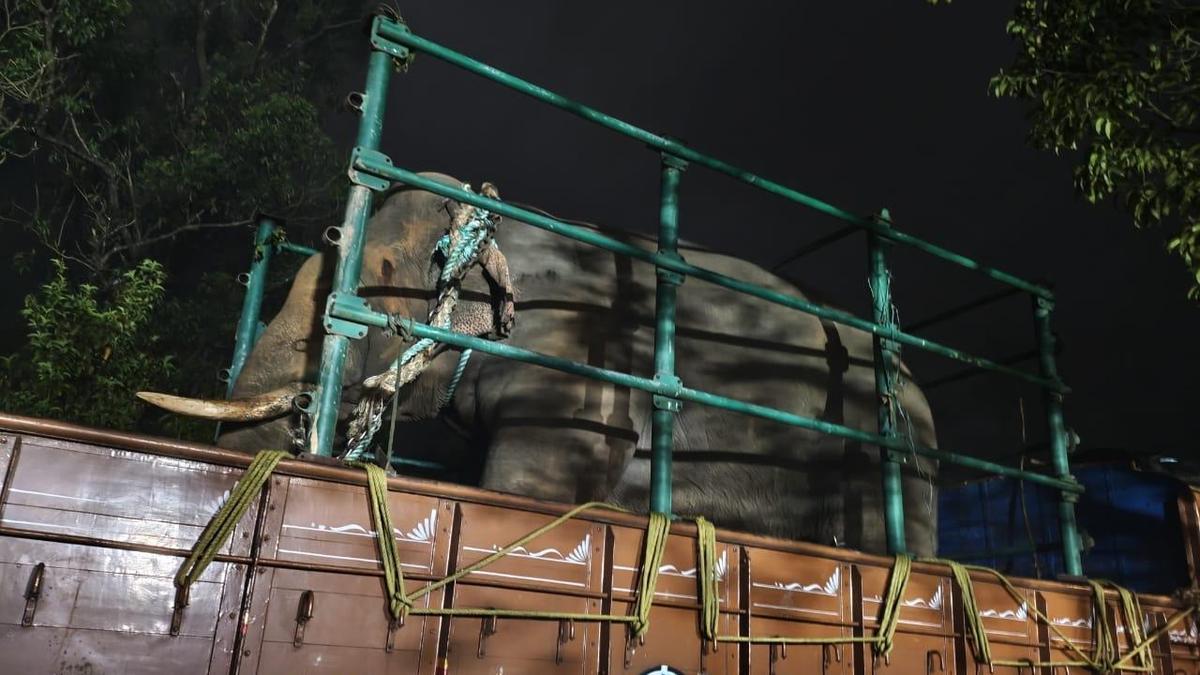
Villagers gathered along forest edges later that morning, watching the massive creature loaded onto a flatbed carrier. Some wept quietly, remembering the deceased, others folded hands in symbolic prayer. For those who had lived through the fear, the sight of the subdued elephant evoked a mix of sorrow and awe—a reminder that the conflict, though episodic, stems from a shared dependence on the same land.


Learning from Conflict: The Path Forward

The Kudremukh capture brings to light a reality Karnataka can no longer overlook—the fragile coexistence between humans and elephants is nearing breaking point. With over 6,000 elephants, Karnataka hosts the nation’s largest population, spread largely across its Western Ghats belt. But the state is also witnessing accelerating land-use change: dense forests fragmented by plantations, highways, and hydropower projects that carve through traditional elephant paths.Tusker that killed 2 persons in Sringeri taluk of Karnataka captured - The  Hindu
Wildlife experts warn that unless long-term conservation planning addresses these displacements, both human fatalities and elephant deaths will continue to rise. “Conflict mitigation cannot rely solely on tranquilization or relocation,” explains Dr. Vidya Chandrashekar, an ecologist specializing in large mammal behavior. “It must focus on habitat integrity. When we reduce forests to islands, elephants are forced to cross the human matrix for survival.”

Government officials recently proposed a comprehensive “Elephant Corridor Consolidation Plan” that aims to link fragmented habitats across Karnataka, Kerala, and Tamil Nadu. The plan includes measures for wildlife overpasses on national highways and voluntary land acquisition for corridor expansion. However, on-the-ground implementation remains slow—often hindered by bureaucratic complexity, local resistance, and competing economic interests.

The Chikkamagaluru incident adds urgency to this conversation. Environmental groups argue that the loss of lives on both sides can be avoided through early warning systems and community sensitization. Low-cost alert networks using motion sensors and mobile notifications have shown promise in districts like Hassan, where villagers receive advance alerts on elephant movements. Community watch groups, too, have helped reduce panic-driven retaliation, offering a model worth replicating in Kudremukh’s peripheries.

Financial compensation, while routinely announced after fatalities or property loss, often arrives too late to rebuild trust. For families grieving under economic strain, the immediate fear is survival. “We accept the money, but what about the next elephant?” asked Saraswati, widow of one of the victims. Her words cut through layers of policy debate, echoing the lived pain of communities pinned between faith and fear.

Meanwhile, forest officers emphasize that compassionate relocation remains crucial to conserving Karnataka’s elephant population without endangering humans. The captured tusker’s future will now depend on health assessments and behavioral review. If found healthy but aggressive, it may be retained for controlled socialization among captive elephants—a measure intended to reduce re-entry into human settlements. Yet many conservationists advocate for rewilding rather than captivity, arguing that most elephants turned aggressive due to habitat pressures should not spend life in restraint.Tusker that killed 2 persons in Sringeri taluk of Karnataka captured - The  Hindu

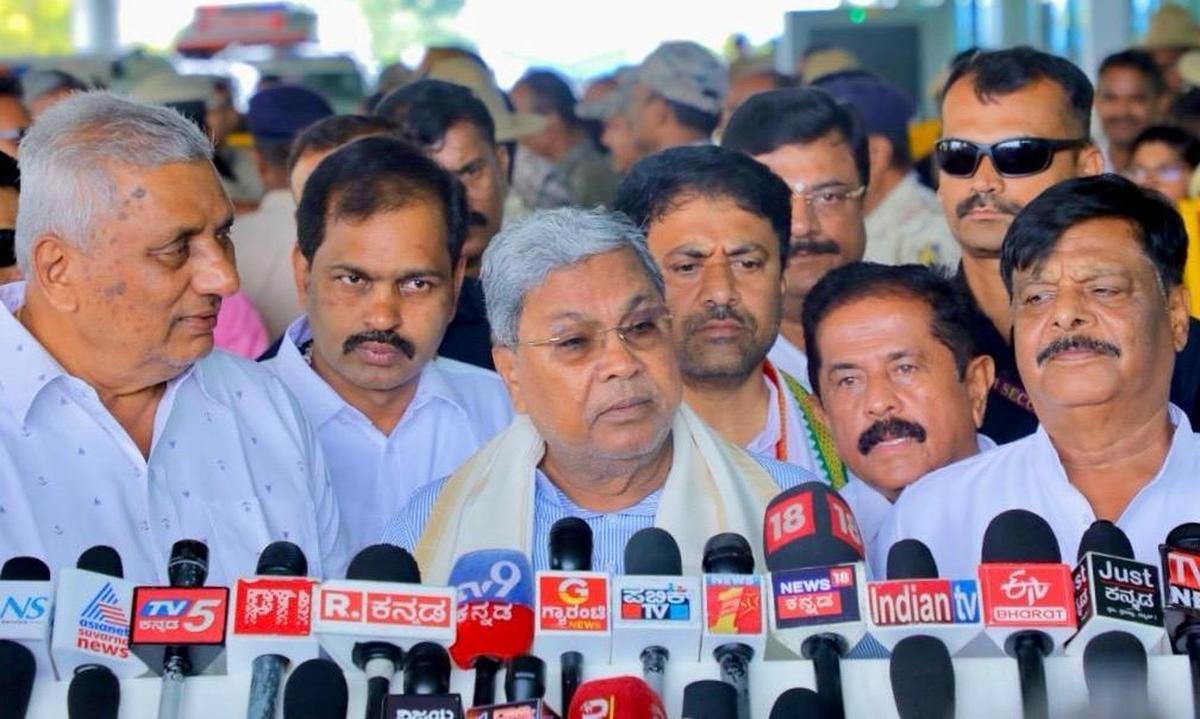
Chief Minister Siddaramaiah, addressing reporters after being briefed on the operation, acknowledged the gravity of human-wildlife confrontation. He assured stronger coordination between the Forest, Revenue, and Rural Development departments to enhance safety and compensation mechanisms. “Every life matters—human or animal,” he said. “Our obligation is to restore balance, not domination.”

For the people of Chikkamagaluru, balance feels like a distant hope. Yet as the tranquilized tusker was lifted from the forest bed, there was a shared, unspoken moment of understanding between watchers and watched—a recognition that neither creature nor farmer desired this outcome. Both were victims of a landscape shrinking faster than it could heal.

As dawn broke fully over Kudremukh, mist settling over tea estates and hills, the convoy rolled slowly toward Sakrebailu camp. The elephant, still under sedation, lay calm—a giant displaced from its world, now dependent on human care. For those who witnessed it, the scene symbolized the complexity of coexistence: majestic power subdued by necessity, tragedy bound with mercy.

Later that day, children from nearby schools visited the site, pointing toward broken branches and massive footprints sunken into mud. Teachers spoke softly about respecting wildlife, about learning harmony. Perhaps that lesson—born from grief—will shape how future generations see the forests, not as boundaries to be conquered but as homes to be shared.


In the grand arc of Karnataka’s human-wildlife history, the capture near Kudremukh will linger as a haunting testament to both resilience and remorse. Ten hours of courage saved lives but also summoned mourning. The forest stands silent now, the echo of the tusker’s trumpet fading into memory—a reminder that every victory wrested from nature carries the ache of what we lose to claim it.

And somewhere, deep within the folds of the Western Ghats, the rest of the herd moves on—quiet, watchful, and perhaps, a little further away.

Follow: Karnataka Government

Also read: Home | Channel 6 Network – Latest News, Breaking Updates: Politics, Business, Tech & More
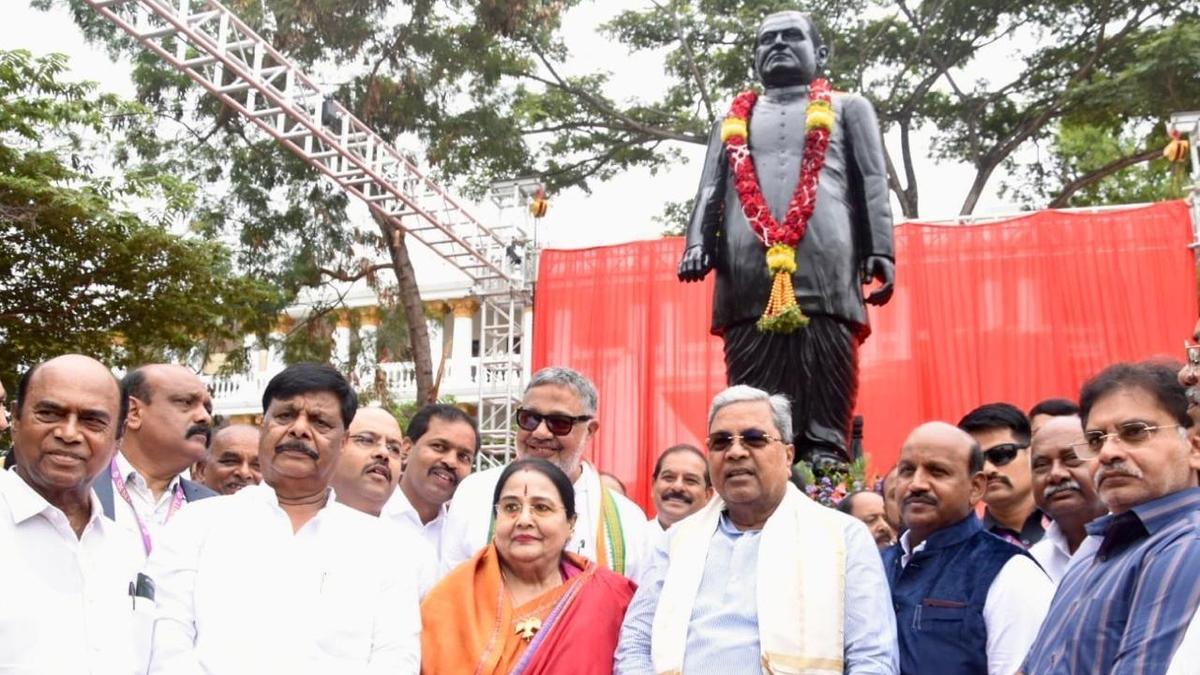
Siddaramaiah’s Grand Tribute to D. Devaraj Urs in Mysuru: 8 Inspiring Echoes of a Visionary Soul

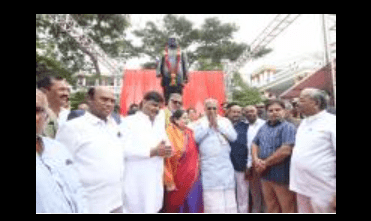
Under the golden November sun of Mysuru, Chief Minister Siddaramaiah unveiled a bronze statue of former Karnataka Chief Minister D. Devaraj Urs, illuminating more than just a city plaza—it rekindled a legacy of equality, inclusion, and empowerment that continues to shape the state’s social fabric. The event, held at the historic Freedom Park grounds, was attended by senior ministers, party leaders, and hundreds of citizens who gathered to honor one of Karnataka’s most transformative leaders.

D. Devaraj Urs, remembered as the architect of social justice and rural upliftment, led Karnataka during a period of decisive change from the 1970s, championing land reforms, backward class empowerment, and welfare-driven governance. His vision transcended politics—it was about restoring dignity to those who had long been marginalized by systemic neglect. For Siddaramaiah, unveiling the statue was deeply personal, not just as a political continuation but as an ideological homage to his own roots in Urs’ movement of equitable development.

As the statue, cast in gleaming bronze atop a granite base, was revealed beneath fluttering flags and floral garlands, applause filled the air. “We stand here today not to remember the past, but to renew the promise that Urs gave to every deprived household of Karnataka,” Siddaramaiah declared in his address, his words reflecting both reverence and resolve. He emphasized that the soul of governance must always rest on compassion, justice, and courage—beliefs that guided Urs and continue to influence Karnataka’s political conscience today.

The timing of the ceremony carried symbolic weight. With Karnataka navigating multiple social and economic challenges—from agrarian distress to urban inequities—the state’s leadership found in Devaraj Urs’ legacy an anchor of principle amid a shifting political landscape. The Chief Minister’s act of homage was thus both a personal gesture and a public reaffirmation—that the ideals of social democracy remain relevant in India’s evolving governance model.

Karnataka CM unveils statue of D. Devaraj Urs in Mysuru - The Hindu


The Legacy of Urs and the Continuum of Reform

Few leaders in post-independence Karnataka have left as indelible a mark as D. Devaraj Urs. Born in 1915 in a feudal family of Mysuru district, he defied convention through empathy, dedicating his life to dismantling the rigid hierarchies that defined rural society. As Chief Minister between 1972 and 1980, Urs spearheaded landmark reforms that altered the state’s socioeconomic foundations—most notably the land reforms that transferred ownership rights to cultivators and tenants long exploited by landlords.

These reforms, though controversial in their time, forged a new Karnataka—one that placed agrarian equity, caste inclusion, and grassroots mobility at the heart of governance. Urs’ policies extended beyond land; he opened doors for education, housing, and representation for communities historically denied access to opportunity. His tenure also cemented Karnataka’s identity as a progressive, welfare-oriented state within India’s federation.

At the Mysuru event, speakers from across the political spectrum acknowledged this pioneering spirit. Opposition leaders attended too, offering rare moments of unity in recognition of Urs’ cross-party legacy. Labor union representatives, educationists, and social justice advocates shared anecdotes of how his policies had changed lives—expanding access to schools, providing loans to rural artisans, and advancing the status of women in governance.

Chief Minister Siddaramaiah, himself a product of progressive politics rooted in Urs’ ideology, underscored the connection. “Had Urs not led the movement for a just Karnataka, many like me would never have found a place in public life,” he noted, receiving a standing ovation. His words alluded to more than gratitude—they marked the transmission of an ideological lineage. In the intricate continuity of Karnataka’s political evolution, Siddaramaiah sees himself not as a successor of power but as a guardian of purpose.

The Mysuru statue project, executed over nine months by renowned sculptor Raghuram Achar and his team, depicts Urs mid-stride, holding a sheaf of papers—a symbol of reform in motion. Standing nearly twelve feet tall, the monument overlooks the people he sought to uplift: farmers, Dalits, and workers. Its location within the civic heart of Mysuru ensures that generations ahead will walk past, learning through sight what history tried to teach through pages.

The ceremony included cultural performances celebrating Urs’ policies that transformed Karnataka’s rural economy. Folk drummers from Mandya and students from art schools in Hassan performed songs and dances inspired by the themes of justice and equality. The atmosphere combined festivity with reflection, reminding citizens that progress, as Urs believed, is not inherited but achieved through moral conviction.

As dawn turned to dusk, Siddaramaiah placed a floral wreath at the base of the statue, joined by senior citizens who once served in Urs’ administration. Each shared stories of grit and idealism from that defining era. The event ended with the crowd singing “Naavu Namma Karnataka,” the state anthem, its chorus reverberating through the courtyard as if in dialogue with the newly unveiled bronze figure.


History’s Mirror and Karnataka’s Present

The unveiling was not just a tribute; it was a mirror held up to contemporary Karnataka. The Chief Minister, in his speech, drew deliberate parallels between the 1970s and today—periods both defined by social churn and economic realignment. Much like Urs, he argued, modern leadership must confront inequality with empathy, not expedience. Addressing farmers, labor unions, and marginalized communities gathered at the site, he reiterated that welfare is not charity but justice institutionalized through policy.

Political analysts interpret the timing of this ceremony as significant in the context of Karnataka’s social narrative. Across recent decades, the state’s governance fabric has oscillated between economic expansion and welfare contraction. While Bengaluru’s global ascent has symbolized modernization, rural Karnataka continues to grapple with disparity. By invoking Urs, Siddaramaiah appears to recenter his government’s narrative on inclusivity—a return to values that prioritize justice over mere growth.

Urs’ policies, though rooted in the realities of his time, retain surprising modernity. His insistence on education as the foundation for equality echoes in today’s digital learning programs and scholarships extending to backward classes. His advocacy for rural credit finds continuity in cooperative banking and state welfare funds. In Mysuru’s ceremony, many saw this resonance—the idea that progress, if genuine, must keep evolving while never abandoning its ethical roots.Statue of former CM D. Devaraj Urs unveiled after a long delay - Star of  Mysore

The day also underscored the emotional connection many Kannadigas still feel with Urs’ memory. For older generations, he remains the leader who liberated them from dependence and gave rural life self-respect. For younger citizens, largely unfamiliar with the 1970s politics, the statue stands as an introduction to a forgotten idealism. Through nostalgia and narrative, the event bridged decades, uniting both the past and present in shared purpose.

Sociologists interpret this renewed focus on Urs as an attempt to reclaim ideological continuity in an era of fragmented politics. “In times of extreme polarization, returning to foundational figures like Devaraj Urs is both symbolic and strategic,” says Dr. Mahesh Gowda, a political commentator from Bengaluru. “It reminds citizens that justice is not partisan—it is the cornerstone of democracy.”

For Siddaramaiah, who has long projected himself as a disciple of progressive politics, this moment was a reaffirmation of faith. Much like Urs, he emerged from humble origins and built his political journey through commitment to empowerment movements. The Mysuru ceremony thus became a convergence of identity and ideology—a living dialogue between two generations of reformists bound by shared conviction.

Government officials accompanying the event confirmed that the new statue site will soon feature an integrated memorial park, including an open-air exhibition on Urs’ life and a digital archive of his legislations and welfare programs. Plans also include establishing a leadership fellowship in his name at the University of Mysore, aimed at nurturing students from rural and marginalized backgrounds pursuing careers in public service.

As night descended upon Mysuru, the statue stood shimmering under soft lights, surrounded by a crowd unwilling to disperse. Many stayed in silent reflection, some offering incense, others capturing photographs to share with families back home. The towering figure of Devaraj Urs appeared almost vibrant in the glow—one hand extended as if still reaching toward the people who once formed the heart of his politics.

Chief Minister Siddaramaiah, before departing, turned once more toward the statue and offered a namaskara. In that brief gesture lay the unspoken bond between past and present—a recognition that history’s greatest strength lies not merely in remembrance but in renewal.

Mysuru to get statue of ex-CM Devaraj Urs


The Mysuru unveiling transcended ceremony; it became a reaffirmation of Karnataka’s moral compass. Devaraj Urs remains more than a chapter in textbooks—he is a continuing idea, breathing through every policy that dares to place justice before privilege. Through Siddaramaiah’s tribute, that idea found new resonance in a world increasingly distant from its social conscience.

The eight feet of bronze now overlooking Mysuru is not just an artifact of pride; it is a reminder of responsibility. It whispers to passersby that real leadership is measured not by longevity or luxury but by the number of lives uplifted by its decisions. And as the crowd dispersed under the fading autumn light, a quiet sense of continuity filled the air—proof that while time moves on, ideals, when true, never fade.

Follow: Karnataka Government

Also read: Home | Channel 6 Network – Latest News, Breaking Updates: Politics, Business, Tech & More
Massive Elephant Relocation in North Bengal: Kurseong Forest Division Shifts 100 Elephants in Day-Long Operation to Reduce Human-Elephant Conflict and Protect Wildlife Corridors

Massive Elephant Relocation in North Bengal: In a landmark wildlife management operation, the Kurseong Forest Division in North Bengal has successfully relocated nearly 100 wild elephants in a single day. The massive operation, which began early on Thursday morning and continued till evening, aimed to prevent human-elephant conflict (HEC) and protect both forest inhabitants and the rural communities living along the fringes of the region’s wildlife corridors.

This large-scale relocation marks one of the biggest coordinated wildlife interventions ever attempted in the Darjeeling and Siliguri foothills — a region frequently affected by crop raids, property damage, and tragic human casualties caused by wandering elephant herds.

According to officials, the operation was carried out from the Tukuriajhar forest range to the Bagdogra forest range, both under the Kurseong Forest Division. The move was undertaken after the herd repeatedly ventured into nearby villages and tea estates, triggering panic among residents.


Why the Elephant Relocation Became Necessary

The Tukuriajhar range had seen a surge in elephant movement due to declining forest food availability, changing weather patterns, and expanding human settlements near the forest edges. As a result, elephants began entering human-dominated landscapes — damaging crops, breaching tea garden boundaries, and endangering human lives.

The Divisional Forest Officer (DFO) of Kurseong, Devesh Pandey, stated that the area had become “unsuitable for sustaining such a large herd” and that moving them to the Bagdogra forest range was essential for both human safety and elephant welfare.

This pre-emptive move is significant because the paddy harvesting season is approaching — a time when elephants are drawn to ripened crops. The relocation before the harvest is expected to mitigate a surge in conflict incidents.

For reference, India records an average of 500 human deaths and 100 elephant deaths every year due to HEC, as per the Ministry of Environment, Forest and Climate Change (MoEFCC).
🔗 Source: MoEFCC – Human-Elephant Conflict Report


Scale and Coordination of the Operation

The day-long mission was a logistical feat that mobilized over 100 forest guards, drivers, wildlife experts, and members of the elephant squad. Nearly 25 vehicles were used, including monitoring jeeps and support trucks. The operation covered an estimated 15–20 km stretch, passing through tea estates, railway tracks, and narrow village paths.

Forest personnel from four ranges — Tukuriajhar, Bagdogra, Panighata, and Ghoshpukur — worked in perfect coordination, guided by real-time communication and drone surveillance. The dedicated Elephant Squad, trained for managing large herds, led the effort under direct supervision of DFO Pandey.

Experts say such successful herd guidance across semi-urban landscapes demonstrates the Kurseong Division’s growing capacity to manage complex wildlife behaviour in human-dominated zones.


Massive Elephant Relocation in North Bengal: How the Operation Was Conducted

  1. Monitoring and Tracking: Forest teams began tracking the herd early in the morning using both ground observation and drone cameras.
  2. Route Planning: The elephants were carefully guided along forest-linked paths avoiding populated tea-garden sectors.
  3. Noise and Scent Cues: Experienced mahouts and ground teams used mild sound cues and deterrents to steer the herd.
  4. Community Coordination: Local villagers and tea estate workers were alerted in advance to remain indoors for safety.
  5. Safe Transition: The herd reached the Bagdogra forest range by early evening without reported injury or panic.

This humane and strategic approach reduced stress on the elephants and ensured smooth relocation — a rare success in Indian wildlife operations.

🔗 WWF-India – Reducing Human-Elephant Conflict


About the Bagdogra Forest Range

The Bagdogra range was selected due to its extensive forest cover and minimal human habitation along the periphery. It is part of the North Bengal Elephant Corridor, one of India’s most important wildlife passages connecting forests from Nepal to Assam.

Bagdogra’s dense vegetation and water availability make it a sustainable habitat for large elephant herds. The area also has better surveillance infrastructure, including:

  • CCTV monitoring systems for tracking elephant movement.
  • Quick Response Teams (QRTs) equipped with vehicles and communication tools.
  • Rescue and rehabilitation units trained in herd management.

🔗 Project Elephant – Wildlife Institute of India Overview


The Human-Elephant Conflict Context in North Bengal

North Bengal’s foothill districts — including Darjeeling, Jalpaiguri, and Alipurduar — are notorious for recurring conflicts between elephants and humans. Fragmented forest patches, encroachment, and tea garden expansion have narrowed elephant corridors, forcing herds to traverse human settlements.

According to state forest data, over 200 people have been killed in elephant encounters in the last five years in North Bengal alone. In return, villagers sometimes resort to aggression or electrocution, leading to elephant casualties — a tragic cycle of retaliation.

The Kurseong relocation operation is thus not just a short-term fix but part of a long-term effort to re-establish ecological corridors and restore forest balance.

🔗 IUCN Elephant Specialist Group Report – India Region


Community Reaction and Local Impact

Villagers and tea garden workers initially expressed concern about the herd’s proximity but later praised the forest department’s efficient handling. Local community protection committees collaborated with rangers to track the herd’s progress and ensure no one ventured into risk zones.

Plantation owners also welcomed the step, citing repeated damage to crops, electric fences, and infrastructure. The Dianjhora Tea Estate and Panighata sector gardens, both near elephant-movement zones, reported frequent incursions before the operation.

By moving the herd before the winter harvest, authorities expect a 40–50 percent reduction in elephant raids and crop loss this season.


Expert Opinions on the Relocation Effort

Wildlife biologists and elephant-behaviour experts hailed the operation as an example of proactive management.
Dr. Arun Majumdar, a wildlife ecologist based in Siliguri, remarked:

“This operation reflects an evolving model of coexistence. Rather than waiting for tragedy, the forest department intervened in time to restore balance.”

However, he also cautioned that post-relocation monitoring is crucial to prevent the herd from returning to human settlements:

“Elephants have long-term memory and strong social bonds. Unless Bagdogra provides consistent resources, they might attempt to return.”

Continuous surveillance, fodder availability, and natural corridor access will determine the long-term success of the relocation.

🔗 UNEP – Human-Wildlife Conflict Solutions


Post-Operation Strategy and Future Steps

The Kurseong Forest Division has implemented several follow-up measures:

  • Continuous monitoring using drones and thermal cameras.
  • Awareness drives in fringe villages about safe behaviour and early reporting of elephant movement.
  • Installation of solar-powered fencing at sensitive entry points.
  • Collaboration with research institutions for elephant census and tracking using GPS collars.

This operation may also serve as a pilot model for other forest divisions in India struggling with HEC, including in Odisha, Jharkhand, and Chhattisgarh.

🔗 Wildlife Protection Society of India – Human-Elephant Conflict Updates


Environmental Significance

Beyond conflict mitigation, this operation underscores the need for ecological integrity in elephant corridors. The movement of herds across North Bengal maintains gene flow, supports biodiversity, and preserves forest regeneration cycles.

By relocating elephants instead of confining them, the forest department demonstrated a compassionate and ecologically sound approach — ensuring that conservation aligns with community safety.

The effort also contributes to India’s commitments under Project Elephant (1992) and the Convention on Migratory Species (CMS), which aim to protect migratory wildlife through habitat restoration and policy cooperation.

🔗 Convention on Migratory Species – India Commitments


Conclusion: A Model for Ethical and Effective Wildlife Management

The relocation of 100 elephants by the Kurseong Forest Division stands as a milestone in India’s wildlife governance history. It demonstrates that human safety and elephant conservation need not be conflicting goals — with planning, empathy, and coordination, coexistence is possible.

Officials plan to monitor the herd over the coming months using drone imaging and ground patrols to ensure that it adapts well to its new home in the Bagdogra forest range.

The operation has drawn attention from wildlife experts nationwide, setting a benchmark for science-based, humane, and large-scale wildlife conflict management.


External References (Authoritative Sources):

  1. Ministry of Environment, Forest and Climate Change (MoEFCC)
  2. WWF-India – Human-Elephant Conflict Mitigation
  3. Wildlife Institute of India – Project Elephant
  4. UN Environment Programme – Human-Wildlife Conflict
  5. Convention on Migratory Species – India
  6. IUCN Asian Elephant Specialist Group

Also read: Home | Channel 6 Network – Latest News, Breaking Updates: Politics, Business, Tech & More

Behind Belagavi’s Food Poisoning Tragedy: 12 Silent Cries of a Frightening Night

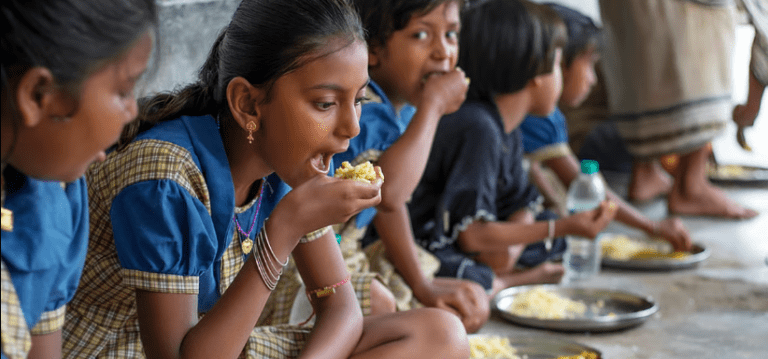
A distressing wave of panic swept through Karnataka’s Belagavi district late Sunday night when twelve young students from a Morarji Desai Residential School were rushed to hospital due to severe vomiting and stomach pain. Authorities suspect food poisoning as the immediate cause, triggering yet another debate over hygiene and safety standards in state-run hostels across the region. As ambulances shuttled between the school and the district hospital, a chilling question resurfaced: how secure are the children entrusted to government care?

The affected students, all between the ages of ten and fifteen, began showing symptoms shortly after dinner at the school mess located in Khanapur taluk. According to initial reports, they had been served rice, dal, and vegetables around 8 p.m. Within an hour, several complained of nausea, while others started vomiting continuously. The warden alerted local health officials, and emergency teams arrived before midnight. The children were quickly shifted to a nearby community health centre before being transferred to the district hospital in Belagavi for observation.

Medical officers confirmed that most students were out of danger by morning, though two required prolonged monitoring due to dehydration. Preliminary assessments pointed to contamination in the food, possibly from improper storage or inadequate washing of ingredients. Samples of the cooked meal and water have been collected for laboratory testing. While official confirmation awaits, suspicion hovers around the perishable items used in preparation under humid conditions. The school administration now faces intense scrutiny from both parents and authorities, as past warnings about kitchen upkeep had remained largely unheeded.

A statement from the district education officer called the incident “deeply unfortunate” and promised immediate corrective steps. For families living miles away, however, reassurance is not enough. Many parents, often from economically weaker backgrounds, send their children to residential schools like Morarji Desai hoping they will receive quality education, proper nutrition, and safety. Sunday’s episode, they say, felt like a betrayal of that trust.12 students of Morarji Desai residential school in Belagavi hospitalised -  The Hindu


A Night of Chaos and the Aftermath of Neglect

The Morarji Desai Residential Schools—established under the state’s Social Welfare Department to uplift students from underprivileged and minority communities—have been regarded as a significant step in educational inclusion. However, this latest episode exposes flaws in the implementation of that vision. Reports suggest that over the last year, at least seven similar incidents of suspected food poisoning have been reported from residential institutions across Karnataka, often linked to inadequate monitoring of hygiene practices.

Witnesses at the Belagavi school describe a chaotic scene. As students began collapsing from discomfort, some teachers and staff scrambled to fetch drinking water while calling emergency services. Ambulances from nearby Khanapur and Kittur were mobilized, and at least five local nurses accompanied the students during transit. Parents reached by early morning, many of whom had traveled overnight from neighboring villages, were seen breaking down outside the hospital ward. Doctors and paramedics worked through the night administering fluids and antibiotics.

One of the attending physicians revealed that bacterial contamination appeared likely. “The symptoms indicate classic foodborne toxicosis—severe abdominal cramps, vomiting, and dizziness within a short time after consumption,” he said, adding that prompt response by the warden and teachers may have prevented fatalities. Although all patients have since been stabilized, hospital authorities have maintained them under observation for 48 hours as a precautionary protocol.

District health officers quickly sealed the school kitchen, collected food residues for laboratory examination, and instructed a sanitation team to disinfect storage areas. Officials from the Food Safety Department, accompanied by district administration representatives, initiated an inspection of nearby educational institutions to check compliance with food safety norms. Early findings have raised concerns about substandard handling and absence of periodic health checks for kitchen staff—a lapse that violates existing residential school policies.

The Deputy Commissioner of Belagavi, Sunil Kumar, visited the hospital Monday morning and ordered a comprehensive inquiry. He instructed immediate suspension of mess contractors involved in procurement until investigation results arrive. “We cannot allow negligence when children’s lives are at stake,” he stated. Meanwhile, Chief Minister Siddaramaiah, who was informed about the incident, directed the Health and Education Departments to submit a joint report within seventy-two hours and ensure such cases are not repeated.

This is not the first warning Karnataka’s education system has faced over food safety. In previous years, multiple hostels and mid-day meal centres reported similar outbreaks, forcing the government to tighten rules on kitchen inspections. Yet, implementation on the ground continues to falter, hampered by staff shortages and poor coordination between local administrations.


Systemic Gaps and the Question of Accountability

The Morarji Desai network of residential schools serves thousands of students from Scheduled Castes, Scheduled Tribes, and Other Backward Classes. Designed to provide holistic care—education, lodging, nutrition, and mentorship—these institutions often become lifelines for rural families. But experts caution that unless safety infrastructure keeps pace with enrolment, the system risks undermining its own purpose. The Belagavi episode, analysts say, highlights several systemic lapses that go beyond one night’s meal.12 students hospitalised after having dinner at school in Karnataka's  Belagavi; food poisoning suspected

Food procurement for residential schools typically involves contracts with local suppliers, chosen through district tenders. However, investigations into similar incidents in recent years have revealed that oversight mechanisms remain feeble, with little enforcement on storage practices or hygiene training. In many schools, kitchens operate with minimal equipment, water scarcity, and absence of temperature control. Perishable goods often arrive late and are stored without refrigeration—especially during monsoon months when humidity accelerates bacterial growth.

A senior official from the Department of Social Welfare acknowledged that inspection schedules are irregular. “We plan routine checks, but resource limitations and distance to remote schools slow the process,” he admitted. “This tragedy highlights the urgency for stricter digital reporting and accountability frameworks.” Educators and independent monitors have urged the government to introduce centralized audits using mobile inspection apps so that deviations can be flagged instantly instead of waiting for physical visits.

Nutrition standards further complicate the picture. The prescribed menu for Morarji Desai schools includes balanced servings of rice, pulses, fresh vegetables, and milk. But suppliers often face logistical constraints in meeting quantity and freshness requirements. Cost pressures occasionally lead to compromises, including mixing of older stock. Combined with overworked kitchen staff and inadequate supervision, these factors create a perfect storm for contamination risks.

Psychologically too, the aftermath of such incidents can be devastating. Students who experience food poisoning within institutional environments often develop anxiety towards hostel meals. Child welfare psychologists note that recurring anxiety can diminish concentration and academic performance. In Belagavi, counselors have been deployed to reassure students and restore confidence. The Department of Education has instructed all residential institutions statewide to hold orientation sessions on food awareness and complaint reporting systems.

Public outrage meanwhile continues to swell. Videos of worried parents waiting outside the hospital and images of medical staff attending to children have spread across social media, evoking both sympathy and anger. For many citizens, this event symbolizes the vulnerability of marginalized students whose families have no financial capacity to seek alternatives. Opposition parties have demanded a legislative debate over monitoring failures, while community organizations have offered to assist in independent inspections.

Chief Minister Siddaramaiah has taken a firm stance, calling for accountability at every level. “Welfare and education programs can succeed only when safety comes first,” he stated in Bengaluru. His office signaled that budgetary allocations for hostel oversight are likely to increase, with emphasis on digital monitoring systems, improved cold storage infrastructure, and regular health audits for cooks and attendants. Yet, those measures will only matter if enforced rigorously and transparently—a lesson underscored by each passing crisis.

At the Belagavi hospital, doctors report that all students are now stable and likely to be discharged within days. However, the memory of that chaotic night will linger long beyond medical recovery. Parents, local activists, and teachers are organizing petitions demanding structural reforms. For them, this is not merely an isolated incident—it is a symptom of deeper neglect within a system meant to uplift children through care and education.

Community leaders in nearby villages echoed those concerns. “These schools were built to give our children dignity,” said a parent from a Dalit farmers’ family. “But what dignity is left when food meant to nurture ends up poisoning them?” The sentiment resonates widely across the rural south, where education is seen as the pathway to equality. Each lapse, therefore, tears not only through health safeguards but through trust itself.12 students hospitalized after suspected food poisoning in Karnataka


In the grander scheme, incidents like the Belagavi food poisoning serve as jolting reminders of the fragile link between social welfare policy and implementation. Karnataka’s ambitious network of residential schools represents hope for thousands, but hope must be sustained through constant vigilance. Health, hygiene, and dignity should not remain checklist items but living principles embedded in every level of administration.

Twelve children survived the night, thanks to quick community response and medical efficiency. Yet, their suffering exposes truths that paper reports too often overlook—that bureaucracy without empathy endangers lives, and that promises without protection breed disillusionment. When the clamour of inquiry settles and normalcy returns to the school’s corridors, one hopes the state’s conscience remains awake.

Because in those silent hospital rooms of Belagavi lies a lesson Karnataka can ill afford to forget: development is meaningless when its children fall victim to preventable neglect.

Follow: Karnataka Government

Also read: Home | Channel 6 Network – Latest News, Breaking Updates: Politics, Business, Tech & More

Karnataka’s Bold Cabinet Shake-Up and the Political Heartbeat Behind It: 11 Strategic Moves of a Decisive Dawn

As Karnataka’s political landscape braces for yet another strategic shift, Chief Minister Siddaramaiah’s impending visit to New Delhi on November 15 has set off waves of speculation across party corridors. The agenda, though officially couched as a consultation with the high command, is understood to center on the long-awaited reconstitution of the State Cabinet. With mounting demands from legislators, internal dissent simmering beneath public calm, and the Congress leadership eyeing electoral balance ahead of 2026, the Chief Minister’s trip is poised to shape not just his government’s complexion but also the party’s trajectory in southern India.

The move comes at a politically sensitive moment. Karnataka, one of the few major states under Congress rule after 2024, remains pivotal to the party’s national strategy. The Chief Minister’s current council of ministers, formed after the 2023 Assembly elections, has been mired in factional discontent—ranging from representation complaints to performance disputes. As the administration marches into its midterm phase, the high command appears ready to recalibrate both faces and functions in pursuit of stability and statewide delivery.

Reports from within the party suggest that senior Congress leaders in Delhi, including organizational heads and policy advisers, have been reviewing performance dossiers of various ministers since September. A string of evaluation meetings has identified areas of overlap, inefficiency, and regional imbalance. Siddaramaiah, known for his pragmatic governance style, has reportedly pressed for freedom to make merit-based decisions. Yet, balancing seniority, caste arithmetic, and coalition comfort continues to test his political acumen.

With whispers of a broad reshuffle gaining momentum, seasoned observers predict that the Chief Minister’s November 15 visit may finalise both additions and exits that could redefine the Congress government’s internal chemistry. The stakes are enormous—not merely in terms of governance but also for preserving cohesion ahead of the coming panchayat and urban body elections, which serve as litmus tests for public sentiment.


Power Equations and the Politics of Balance

At the heart of this development lies a familiar complexity: the Congress’s eternal struggle to balance ambition and accommodation. The current cabinet, comprising 34 ministers including Siddaramaiah and Deputy Chief Minister D.K. Shivakumar, was formed after painstaking negotiations. Yet, within a year, murmurs of dissatisfaction began reverberating from constituencies, particularly among those left without berths. There are also ministers perceived as underperforming or embroiled in controversy, whose continuance may damage the administration’s image if unaddressed.

Party insiders affirm that Siddaramaiah’s upcoming Delhi meeting will address at least three crucial points: regional representation, caste composition, and generational inclusion. Karnataka’s diverse demographic map—spanning Lingayats, Vokkaligas, Dalits, Kurubas, and minorities—requires finely tuned political arithmetic. Since taking the reins, the Chief Minister has faced criticism from younger legislators demanding greater participation and from senior figures seeking recognition of loyalty.

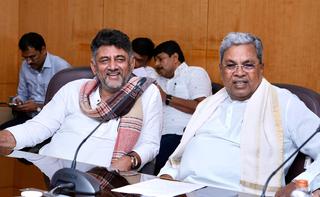
D.K. Shivakumar’s role in this equation adds another layer of intrigue. As Congress state president and deputy chief minister, his influence in appointments remains significant. Both leaders, who have maintained a cordial yet cautiously competitive relationship, are expected to present a joint proposal to the high command. Sources indicate that Delhi’s leadership is insistent on ensuring unity between the two, aiming to prevent any perception of factional dominance. Several observers note that this coordination will determine not only the success of the reshuffle but also the future power-sharing agreement between the Chief Minister and his deputy.

Complicating matters further are impending by-elections and the Congress’s larger mission to retain its urban influence against a resurgent BJP. Bengaluru, the economic hub, remains electorally decisive. The party hopes a rejuvenated cabinet will project dynamism and responsiveness to middle-class needs while also strengthening rural outreach tattered by inflation and employment woes.

Behind the political calculations, administrative imperatives loom large. Departments like Urban Development, Revenue, and Agriculture have faced public criticism over inefficiency and policy stagnation. Siddaramaiah’s recent cabinet reviews have reportedly identified underperforming ministries that might face leadership changes. A reshuffled cabinet could inject both accountability and momentum, signaling to citizens that governance remains the administration’s top priority.

At the same time, the Chief Minister must handle displaced ministers delicately to avoid rebellion. The Congress’s history in Karnataka is rife with factional fallouts triggered by reshuffles—from the 1990s during Veerappa Moily’s tenure to more recent rifts under Siddaramaiah’s previous term. To mitigate such risk, sources suggest a parallel plan to appoint dropped ministers as boards or corporations’ heads—a compromise that preserves ego without hindering reforms.Cabinet reshuffle: Karnataka CM to visit Delhi on November 15 - The Hindu


Delhi’s Hand, Karnataka’s Future

For the Congress high command, the reconstitution represents more than an internal matter—it is a test of its coordination mechanism across states. In recent years, the central leadership has been accused of delayed interventions, often allowing state-level discontent to escalate. The November 15 meeting signals a shift towards real-time policy and personnel evaluation. Insiders classify the session as part of a nationwide performance audit initiated after the 2024 national elections, when the Congress sought to restructure its approach to governance and messaging.

Chief Minister Siddaramaiah’s meeting agenda, officials confirm, will also include discussions on implementing central party directives around youth inclusion and digital governance measures. He is expected to present detailed reports on flagship welfare schemes like the Shakti and Anna Bhagya programs—initiatives that have consolidated mass appeal but face mounting fiscal pressure. Delhi’s leadership reportedly wants assurance that the welfare-driven model remains financially sustainable without compromising developmental projects.

This strategic context makes the reconstitution not merely an exercise in shuffling faces but a structural recalibration of Karnataka’s governance machinery. Expectation runs high that younger legislators—particularly those with clean records and policy competence—may be inducted. Among potential names discussed are emerging figures from North Karnataka, a region where Congress seeks to strengthen its foothold after recent electoral setbacks. The inclusion of technocrats and professionals is also on the cards, a step mirroring national trends within the party towards performance-based politics rather than patronage.

Meanwhile, anticipation grows within the bureaucracy. Secretaries and department heads, long accustomed to certain ministerial styles, await clarity on reporting structures. Administrative insiders believe that portfolios like Housing, Mines, and Tourism may witness critical changes to align with developmental priorities and address corruption perceptions. If executed well, the reshuffle could reenergize decision-making in long-stalled sectors like infrastructure and irrigation.

On the political front, Siddaramaiah’s task extends beyond governance. Managing the emotional pulse of the party in an era of fragmented loyalties requires finesse. The Chief Minister’s own persona—rooted in socialist conviction yet tempered by electoral pragmatism—remains both his strength and vulnerability. While his supporters hail him as an inclusive leader with an eye for grassroots justice, detractors accuse him of centralizing decision-making. The upcoming Delhi consultation will be his opportunity to demonstrate adaptability without losing authority.

In addition to cabinet reshuffle discussions, the visit is expected to include consultations on flagship campaign planning for local body elections scheduled next year. These polls, pivotal in shaping grassroots influence, will test whether the Congress’s welfare policies have translated into long-term public goodwill. The reconstituted cabinet, therefore, will serve dual purposes: administrative refinement and political reinforcement.


Critically, the timing of this move coincides with shifting political winds in South India. Tamil Nadu continues under DMK dominance, while Telangana’s political equations remain uncertain after recent transitions. Karnataka thus emerges as Congress’s southern bastion—a success story the national organization desperately needs to retain credibility. Any turbulence or mishandling here could spill across regional narratives and weaken the party’s voice within coalition discussions at the national level.Cabinet reshuffle: Karnataka CM to visit Delhi on November 15 - The Hindu

Delhi’s political observers note that Siddaramaiah’s visit is also synced with parallel strategy meetings involving other Congress chief ministers and regional heads. These interactions form part of a broader roadmap to project the Congress as a coordinated governance model emphasizing efficiency, transparency, and inclusivity. Karnataka’s cabinet reconstitution, therefore, is not merely local news—it is a chapter in a larger project to redefine Congress relevance in India’s evolving political theatre.

Party veterans predict that the new cabinet composition may carry symbolic weight—perhaps including higher representation for women and younger legislators, both long-standing demands from internal think-tanks. Such inclusions, beyond tactical optics, could rejuvenate public image amid perceptions of inertia. For Siddaramaiah, this also serves as a reminder that leadership longevity, in today’s politics, depends as much on renewal as on stability.

The road ahead, however, is far from smooth. Cabinet reshuffles are often the most delicate of political maneuvers—akin to surgery performed on a standing patient. Each inclusion or exclusion touches personal egos, local loyalties, and regional dynamics. The Chief Minister’s ability to carry everyone along while asserting authority will determine whether the reshuffle ends in consolidation or crisis. In that balance lies not only his legacy but the Congress’s hope of remaining electorally relevant in a rapidly polarizing India.

As November 15 approaches, Delhi’s corridors and Bengaluru’s Vidhana Soudha buzz alike with anticipation. The Chief Minister’s schedule includes back-to-back consultations with the party’s national general secretaries, followed by an audience with senior leadership. He is expected to return within two days, armed with final approval and possibly announcement-ready lists.

For citizens, these behind-the-scenes changes may seem distant from daily concerns, yet their impact will soon ripple into governance outcomes—budget priorities, developmental focus, and administrative accountability. If successful, the reconstitution could mark a fresh dawn for Karnataka’s Congress government, aligning vision with delivery. If mishandled, it could reopen familiar fault lines that have long haunted the party.Cabinet reshuffle: Karnataka CM to visit Delhi on November 15 - The Hindu

In the end, beyond numbers and portfolios, this moment reflects the perpetual rhythm of democracy—a reminder that power, to endure, must evolve. As Siddaramaiah prepares to board his Delhi-bound flight, the air in both capitals hums with expectation. The decisions that await behind closed doors will not just shape a cabinet; they will script the next chapter of Karnataka’s political soul.

Follow: Karnataka Government

Also read: Home | Channel 6 Network – Latest News, Breaking Updates: Politics, Business, Tech & More
How Karnataka’s Forests Are Losing Their Wild Soul: 9 Powerful Echoes of a Vanishing Heart

In a candid statement earlier this week, Karnataka Chief Minister Siddaramaiah expressed deep concern over the increasing sightings of wild animals straying into human settlements. Tigers, elephants, leopards, and even sloth bears have been spotted wandering beyond protected forest ranges—entering farmlands, highways, and in some tragic cases, residential areas. According to the Chief Minister, the reasons go well beyond the usual explanations of deforestation and climate change. In his words, an emerging threat lies in the proliferation of luxury resorts and uncontrolled safari tourism encroaching into sensitive wildlife corridors.

The Chief Minister’s observation, while stark, reflects a growing crisis across southern India. As eco-tourism morphs into high-end commercial ventures, the line between conservation and commodification has thinned dangerously. Karnataka, home to some of India’s richest biodiversity zones including Nagarhole, Bandipur, and Bhadra, now faces the uncomfortable paradox of loving its forests to death. What was once planned as an exercise in environmental awareness has, in many pockets, turned into a race for profit.

Over the past decade, the state’s forest margins have seen an unprecedented boom in resorts and home-stays. Investors, eager to tap into Karnataka’s tourism brand, have built vast facilities along boundaries where wild animals used to roam freely. At first glance, these developments appear harmless—promising employment, visibility, and eco-conscious recreation. But ecologists warn that increasing noise, artificial lighting, and vehicular intrusion are altering animal behavior in subtle yet damaging ways. The Chief Minister’s admission represents a shift: an acknowledgment that even well-intentioned development can destabilize ecological balance when unregulated.

To many environmentalists, the issue is not merely about animals straying; it is a sign of ecosystems signaling distress. Carnivores that once shunned human presence are now growing comfortable near vehicles and cameras. Herbivores that grazed silently within forest interiors now wander into paddy fields in search of food. The frontier between civilization and wildness, once distinct, has begun to blur alarmingly.Resorts and safaris among reasons for wild animals coming out of forests: Karnataka  CM - The Hindu


When the Jungle Sleeps Uneasy

From the hills of Chikmagalur to the swamps of Kabini, Karnataka’s wildlife zones are experiencing rising tension between conservation ideals and commercial realities. For decades, forest departments maintained a careful balance: permitting limited visitor access while ensuring animal habitats remained undisturbed. But the modern tourism boom has rewritten those boundaries. Weekend packages, social media influencers, and year-round safaris have driven relentless demand for wilderness experiences—demand that forests are struggling to absorb.

Consider the Kabini area, once hailed as a model of sustainable tourism. Fifteen years ago, vehicle entries were capped, ensuring silent observation and minimal disruption. Today, local guides claim that in peak seasons, dozens of SUVs line up in convoys, their engines humming while drivers jostle for the perfect tiger photograph. Elephants, once calm at the sound of distant vehicles, now charge unpredictably. Leopards, masters of stealth, retreat deeper, abandoning traditional hunting paths. These are not isolated behavioral shifts; they are indicators of stress in ecosystems pushed beyond capacity.

Wildlife biologists attribute part of this change to the mushrooming of eco-resorts right on buffer zone edges. Many of these establishments, while marketed as sustainable, violate noise and light restrictions. Brightly lit courtyards, music parties, and nighttime bonfires disrupt nocturnal cycles, confusing species that depend on darkness for hunting or resting. Moreover, the movement of tourists across buffer areas—sometimes walking unsupervised or littering trails—adds another layer of disturbance. In extreme cases, wild animals lose their natural fear of humans, a precursor to confrontation and tragedy.

Chief Minister Siddaramaiah has called for stricter enforcement of environmental guidelines governing such facilities. He urged the forest department to review permissions granted in ecologically sensitive areas and to consider relocation or de-licensing of resorts found flouting norms. His stance signals a rare political recognition that conservation cannot coexist indefinitely with aggressive commercialization. Yet, environmentalists warn, regulations alone may not suffice unless public attitudes evolve from thrill-seeking to genuine respect for wilderness.

The deeper problem, they argue, lies in how India imagines its jungles—less as living ecosystems and more as picturesque backdrops for urban anxieties. Forests are increasingly consumed through digital lenses, valued for their visual spectacle rather than ecological function. This shift in perception, while subtle, erodes the very foundation of coexistence between species.


The Price of Proximity: Between Man and Wild

Beyond tourism, changing climate patterns and land pressure compound the problem. Karnataka’s dry zones, once buffered by dense canopies, now face erratic rainfall and water scarcity. For animals, this means reduced natural prey and dwindling waterholes, pushing them toward croplands and human settlements. For villagers on forest fringes, it means sleepless nights, damaged livelihoods, and a constant battle for safety.

In Kodagu and Mysuru districts, elephant incursions have become painfully frequent. Herds that once migrated seasonally now linger near coffee plantations, raiding crops and occasionally destroying houses. Fear and anger simmer within communities that once lived peacefully beside wildlife. Conflicts have escalated from deterrence to retaliation—poisoned fruits, electric fencing, and in worst cases, illegal culling. The Chief Minister, addressing these concerns, emphasized that shrinking forest buffers and careless land use patterns have intensified such conflicts more than ever before.

Government officials now face a dual task: protecting both animals and people from the consequences of intrusion. Karnataka’s forest department has proposed technological interventions—GPS-based tracking collars, drone surveillance, and real-time alerts for farmers. Yet, experts argue that sustainable coexistence demands more than gadgets. It requires restoring what has been lost: habitat corridors that allow free animal movement without forcing contact with humans.Resorts and safaris among reasons for wild animals coming out of forests: Karnataka  CM - The Hindu

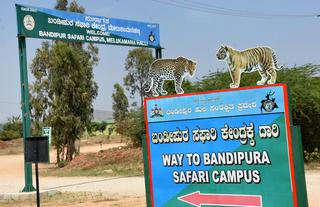
In the Nagarhole and Bandipur belt, proposals are underway to create green bridges—patches of continuous canopy connecting fragmented reserves. Conservationists believe such corridors could reduce accidents on highways cutting through forests, which have claimed dozens of animal lives annually. Simultaneously, efforts to create community awareness programs aim to transform fear into collaboration. Some initiatives encourage fringe villages to participate in forest welfare schemes, turning them into stakeholders rather than adversaries of conservation.

Yet, challenges persist. The political economy of tourism remains deeply entrenched. Resort owners wield influence, arguing that tourism sustains local jobs and government revenue. Balancing this economic incentive with ecological responsibility has become a tightrope act. For many rural youth, employment in resorts or as safari guides represents one of the few viable livelihoods. Any clampdown, they fear, could cost them their financial stability.

That dilemma, officials say, calls for a more equitable model—one where communities directly benefit from conservation outcomes. For instance, eco-cooperatives managed by locals could replace large corporations currently running safari operations. Instead of a handful of resorts monopolizing profits, benefit-sharing could allow residents to sustain incomes while preserving ecological sensitivity. Several experiments in this direction are showing promise. In Dandeli’s Anshi region, for example, forest women’s collectives now run eco-huts powered by solar energy, offering authentic experiences without damaging the ecosystem. Such examples prove that profit and preservation can coexist when guided by restraint.

Still, the larger question lingers: how much human presence can a forest truly bear without breaking? Karnataka’s forest landscapes, though resilient, are not infinite. Exuberant tourism may temporarily enrich local economies but gradually drains the forest’s regenerative pulse. The Chief Minister’s remarks hint at growing awareness of this fragility—a realization that the erosion of wilderness will ultimately harm both livelihoods and legacy.


The Karnataka government is now preparing a regulatory framework specifically targeting eco-tourism boundaries. The draft reportedly includes caps on the number of vehicles allowed daily into tiger reserves, restrictions on private construction within one kilometer of national park limits, and guidelines for sound and light management. There are also discussions about introducing mandatory “quiet hours” around resorts, prohibiting amplified music after sunset.

Such measures, while overdue, highlight the state’s dilemma—balancing prosperity with preservation. Karnataka’s tourism revenue crossed 30,000 crore rupees annually, a significant portion stemming from wildlife zones. Any reduction in access could risk short-term loss. Yet, as the Chief Minister reminded, no amount of revenue can restore a species once extinct or a forest once degraded beyond recovery.

Public sentiment appears divided. Urban visitors, accustomed to comfortable safaris and online bookings, express disappointment at the prospect of stricter norms. Conservationists, however, hail it as a moral imperative. They argue that the idea of wilderness should be about humility, not convenience—to observe nature on its terms, not ours.

Meanwhile, forest officers recount increasing instances of animals adapting to human proximity in unpredictable ways. Leopards spotted near city edges, elephants crossing highways under streetlights, deer grazing by tea stalls—it all signals an imbalance at once eerie and urgent. Each encounter, while thrilling for spectators, underlines how far the wild has retreated to survive among concrete and commotion.

Karnataka now stands at a crucial juncture. Its green expanses, cradle of biodiversity and pride of the south, face a future that hinges on collective discipline. Political declarations like the Chief Minister’s are beginnings, not solutions. True change will depend on whether policymakers, tourists, and local communities can realign their vision—from exploitation to stewardship.

The call is not to abandon tourism but to redefine it. To move beyond luxury into learning, beyond exploitation into empathy. To recognize that forests are not aesthetic playgrounds but living sanctuaries sustaining entire networks of life. If Karnataka succeeds, it might set a precedent for eco-management across India—a blueprint proving that prosperity need not come at the cost of wilderness.Resorts and safaris among reasons for wild animals coming out of forests: Karnataka  CM - The Hindu

But if the warnings remain unheeded, the consequences could be irreversible. Forests may shrink into fragmented archipelagos of green, and the harmony that once bound man and beast will fade into memory. In that silence, the roars that once echoed through the Western Ghats will die down—not from conquest, but from neglect.

And when that day comes, long after the last jeep has driven out and the final camera flash has dimmed, it will not be just Karnataka’s forests that we mourn. It will be the quiet disappearance of the wild heart that once beat within us all.

Follow: Karnataka Government

Also read: Home | Channel 6 Network – Latest News, Breaking Updates: Politics, Business, Tech & More
The Renukaswamy Murder Case Unravels: 17 Shocking Truths of a Heartless Crime

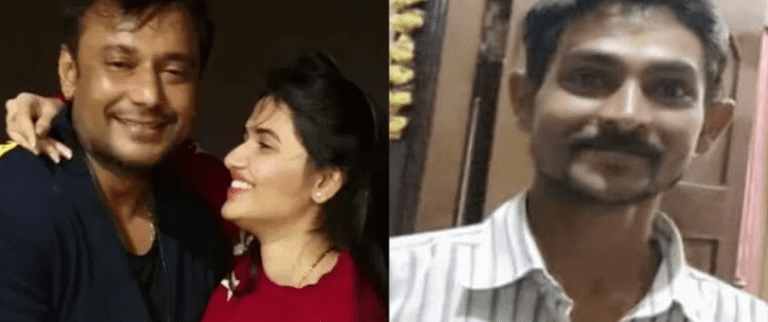
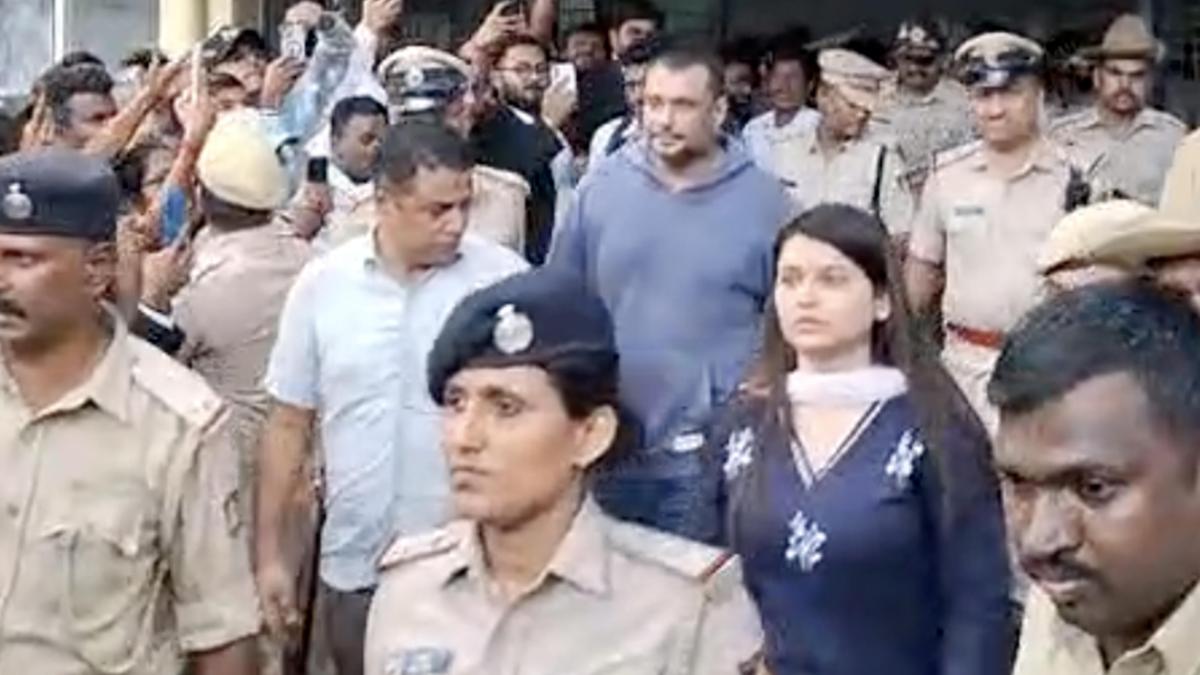
When the Bengaluru police filed the charge sheet in the Renukaswamy murder case, the investigation reached a turning point that stunned even the most seasoned observers of India’s film and criminal justice worlds. Actor Darshan Thoogudeepa, popularly known as “Challenging Star” Darshan, his partner Pavithra Gowda, and 15 associates now face charges of abduction, torture, and murder under sections of the Indian Penal Code. The trial, expected to begin on November 10, has captured the nation’s attention—not just because of its celebrity connections but also due to the sheer brutality and betrayal at its core.

The case began months ago in the industrial hub of Kamakshipalya, Bengaluru, when 33-year-old Renukaswamy, a loyal fan from Chitradurga, was found dead under highly suspicious circumstances. What initially appeared to be a random act of violence soon exploded into a chilling saga of rage, revenge, and a fatal misuse of power. Karnataka Police, piecing together CCTV footage, electronic communications, and human testimonies, claim that the murder was not spontaneous—it was an organized plan nurtured by resentment and executed with precision.

Darshan’s loyal fan base, once a symbol of his massive popularity, now finds itself divided and disillusioned. The star, who had long built his reputation around heroic and virtuous screen roles, now faces allegations that mirror the darkest dimensions of his fictional characters. As the nation watches the upcoming trial, the Renukaswamy case has evolved beyond one man’s fall from grace—it has become a study in how fame, emotion, and vengeance can entwine fatally when moral boundaries fade.Renukaswamy case: Actor Darshan, Pavithra Gowda and 15 others charged with  murder, trial likely from November 10 - The Hindu


The Rise, The Rifts, and a Shattered Image

For over two decades, Darshan had been one of Kannada cinema’s most bankable heroes. His rise from a technician’s son to one of Sandalwood’s highest-paid actors was long celebrated as a story of grit and perseverance. Films like Krantiveera Sangolli Rayanna and Yajamana established him not just as a mass entertainer but as a cultural figure carrying immense influence in Karnataka’s heartland. Fans treated him with reverence, building temples and organizing blood donation camps in his name. To millions, Darshan represented a larger-than-life masculinity defined by loyalty to fans and love for the underdog.

But behind that veneer of heroism, cracks began to form years ago. Reports of temper outbursts, personal disputes, and strained industry relationships surfaced occasionally. His partnership with event organizer and model Pavithra Gowda added a new layer of public scrutiny. Their relationship, often displayed on social media, became both a point of admiration and controversy. When posts allegedly mocking or maligning Pavithra came to Darshan’s attention in early 2024, friends say the actor turned consumed by rage. Police allege that one of those who posted such content was none other than Renukaswamy—a fan who had once idolized Darshan.

According to the charge sheet, the seeds of the crime were sown in mid-May when Darshan allegedly confronted Pavithra about online abuse directed at her. Rather than seeking legal redress, the investigation suggests he chose retribution. Contacts were made, instructions were passed through intermediaries, and soon a group of loyal associates was mobilized. On the evening of June 8, Renukaswamy was allegedly lured from Chitradurga to Bengaluru on the pretext of meeting someone from Darshan’s team. Hours later, his lifeless body was discovered near a drain in Kamakshipalya—bearing brutal injuries that spoke of torture.

When police traced vehicle movements and call records, the emerging timeline pointed directly toward Darshan’s close circle. In a shocking twist, CCTV footage placed two vehicles linked to the actor’s entourage near the scene. Multiple arrests followed in rapid succession, culminating in Darshan and Pavithra Gowda being named primary accused.

As the revelations unfolded, Karnataka’s film fraternity reacted with disbelief. Producers distanced themselves quietly, while television channels devoted round-the-clock coverage to the case. Outside the court, fans gathered in hundreds—some to support their idol, others to demand justice. Regardless of loyalty, the mood was heavy, reflecting how deeply this case wounded the collective psyche of Kannada cinema.Actor Darshan, Pavitra Gowda charged with murder, conspiracy in Renukaswamy  case | Latest News India


The Investigation, The Charge Sheet, and What Lies Ahead

When the Bengaluru Crime Branch submitted its exhaustive charge sheet in October, it ran into hundreds of pages detailing the chronology of the crime. Investigators relied on witness statements, digital trail analysis, and forensic evidence to reconstruct the horrific night. It alleged that Darshan and Pavithra orchestrated the abduction, while others were responsible for physical assault. The motive, according to prosecutors, stemmed from Pavithra’s anger over online posts, coupled with Darshan’s impulse to “teach a lesson.”

The charge sheet painted a gruesome picture: Renukaswamy was allegedly brought to a farmhouse on the outskirts of Bengaluru, where he endured hours of assault before succumbing to his injuries. Postmortem reports confirmed multiple blunt-force trauma marks on the chest and back, consistent with torture. Investigators say that instead of calling for help, the group attempted to conceal evidence—disposing of the body and destroying surveillance footage. Their coordination, police note, was “methodical and chilling.”

Darshan’s defense team, however, maintains that the star is innocent and has been framed through circumstantial manipulation. They insist that no direct evidence links him to the scene of the crime. Legal experts following the case say the trial could extend well into 2026, given the high-profile nature and the number of witnesses involved. Many predict a courtroom showdown marked by emotional testimonies, dramatic confrontations, and intense media scrutiny.

The prosecution, armed with digital records and confessions from some of the co-accused, appears determined to secure conviction under Section 302 (murder) and related provisions. It has already cited over 200 witnesses, including phone service providers, neighbors, and Darshan’s staff members. Each statement brings new nuances: some depict blind loyalty, some fear, and others regret. Observers say the challenge for the prosecution lies not only in proving intent but also in upholding credibility amid celebrity pressure and public sentiment.

Beyond the criminal charge, the case has also reopened debate about accountability in the entertainment world. Should fame grant impunity, or does it carry greater responsibility? For many, Darshan’s fall resonates with a broader question about the line between public adoration and personal ethics.


Cracks in Stardom and the Fear of Consequence

As November 10 approaches, the excitement once surrounding Darshan’s film releases has been replaced by tense anticipation for his court appearance. Social media mirrors the court of public opinion—polarized, restless, and deeply emotional. Hashtags demanding justice for Renukaswamy have trended alongside counter-tags proclaiming Darshan’s innocence. Each new video clip, leaked photo, or rumor fuels debates stretching from film fan clubs to coffeehouse conversations across Karnataka.

Pavithra Gowda, whose glamorous public persona was once admired, now faces public vilification. Her bail petitions were rejected, given the gravity of accusations, and her social media presence vanished soon after the arrests. Legal experts expect her defense to argue coercion and lack of criminal intent, but the stigma, they say, could last longer than any sentence.

Meanwhile, Renukaswamy’s family in Chitradurga continues to struggle with grief and disbelief. His father, a small trader, told local reporters that his son died “for loving a star too much.” The statement has since become symbolic of fan culture’s darker side—where passion sometimes blurs moral distinction. Public memorials in his hometown now serve as silent protests against celebrity arrogance.

Film analysts suggest this case might reshape how the Kannada industry manages its stars. Several production houses have already paused projects involving Darshan, and discussions on mental health, anger management, and public conduct have found new urgency in industry circles. Veteran actors privately express fear that one person’s actions might tarnish years of collective respectability.Darshan assaulted Renukaswamy's genitals: Court frames charges of  kidnapping, murder against Kannada actor - India Today

The social and economic ramifications extend further. Film distributors and theater owners face financial uncertainty, with Darshan’s upcoming releases indefinitely postponed. Kannada cinema, already challenged by streaming dominance, now sees one of its biggest stars sidelined, potentially jeopardizing revenue worth tens of crores. The legal case, therefore, affects livelihoods far beyond the courtroom.

Yet, amid the chaos, one thing is clear: this trial has forced an uncomfortable conversation about how far idolization can distort morality. In a culture where actors are often elevated to demigod status, Renukaswamy’s death underscores the perils of unchecked adulation and reckless authority. His story echoes the failures—not only of a few individuals—but of an ecosystem that blurs reality and fantasy.

As the first day of trial nears, the Bengaluru civil court will tighten security, expecting massive crowds and rolling media presence. Police have already issued advisories restricting public entry and cautioning against provocative demonstrations. Legal observers view the case as a test of India’s judicial resilience—its ability to deliver justice despite fame, emotion, and influence crowding the periphery.

For Darshan, a man who once ruled screens as the epitome of courage and righteousness, the scenes ahead will be starkly different. The lights of the courtroom will replace cameras, and the applause of fans will be replaced by the solemn silence of law. For Pavithra, who once basked in the luxury of significance, the heavy doors of the court will signify an irreversible step into scrutiny.

The Renukaswamy murder case stands as more than a crime report—it is a mirror held up to a society entangled in the duality of devotion and danger. It asks of us uncomfortable questions: When does admiration become obsession? When does love curdle into hatred? And when power shields brutality, who bears the weight of truth?

As the trial proceeds, all eyes will be on the Bengaluru courtroom, but perhaps the real judgment will occur in public consciousness. There, beyond legal verdicts, lies the reckoning of a society that must decide whether fame absolves or magnifies guilt. For now, justice waits—and with it, the memory of a young fan whose blind faith cost him his life.

Follow: Karnataka Government

Also read: Home | Channel 6 Network – Latest News, Breaking Updates: Politics, Business, Tech & More

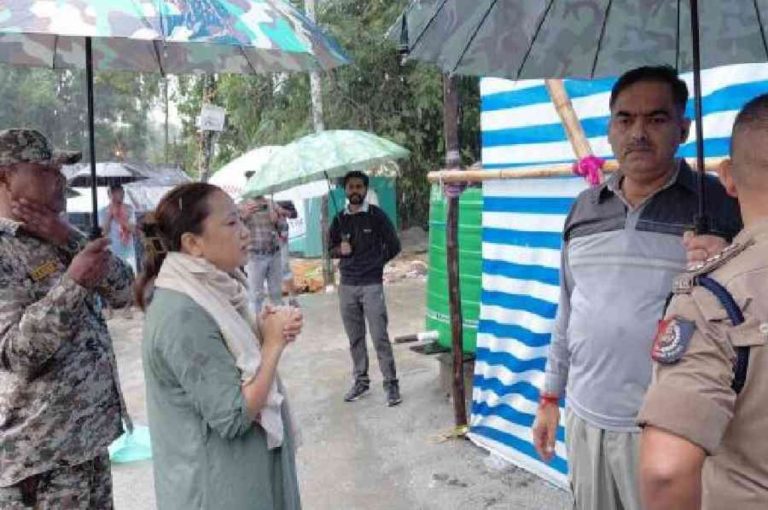
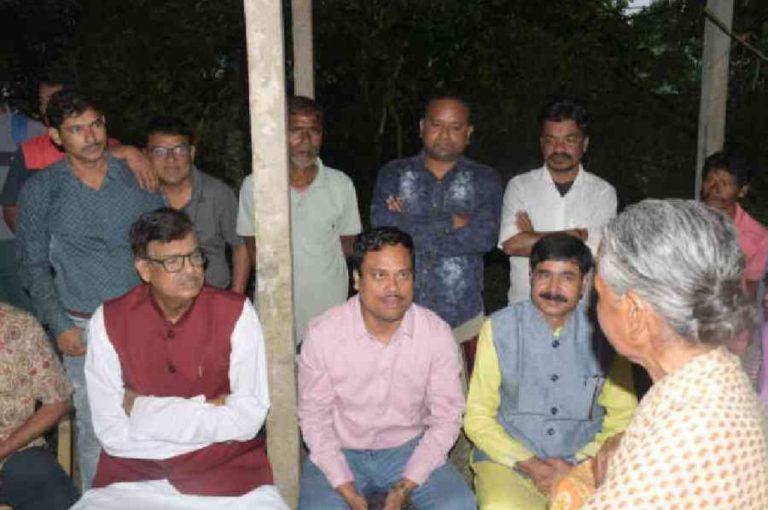
Jalpaiguri Flood Victims Struggle as Identity Papers Washed Away with Homes — West Bengal Flood Crisis Deepens Amid Voter Roll Verification Drive

Jalpaiguri Flood Victims Struggle: The devastating October 2025 floods in Jalpaiguri district have left thousands of families homeless — and many without their crucial identity papers, creating a dual crisis of survival and citizenship. As officials prepare for the upcoming Special Intensive Revision (SIR) of Bengal’s voter list, flood victims are battling both material loss and bureaucratic uncertainty.

What was once a natural calamity has now transformed into a documentation disaster — threatening to exclude genuine citizens from electoral rolls and essential welfare schemes.


Torrential Floods Destroy Homes, Lives, and Legal Identity

Triggered by incessant rainfall and overflowing rivers such as the Jaldhaka, Diana, and Torsa, the Jalpaiguri floods submerged entire villages under chest-deep water. According to local estimates, more than 10,000 people were displaced across Dhupguri, Mainaguri, and Nagrakata blocks.

Families lost not only their houses but also essential documents — voter ID cards, Aadhaar cards, ration cards, land deeds, birth certificates, and school records — that serve as proof of identity, citizenship, and eligibility for state benefits.

“We ran for our lives when the water came rushing in. Everything — from our savings to our papers — floated away,” said Purna Chandra Roy, a resident of Kurshamari village.
“Now they say we need voter IDs to prove who we are. But what proof can we show when the flood took everything?”

Residents recount how they salvaged what little they could — utensils, photos, and livestock — while vital papers dissolved in muddy water. Many say they fear becoming “invisible” in official records.


Identity Crisis Intensifies Ahead of Voter List Revision

As the Election Commission of India (ECI) begins the Special Intensive Revision (SIR) 2025 to update Bengal’s voter list, the flood-hit population faces an unprecedented challenge. Booth Level Officers (BLOs) are required to verify voter identities by visiting homes and inspecting documents. But for thousands in Jalpaiguri, those documents no longer exist.

Local administration sources estimate that nearly 5,000 residents in flood-affected areas have lost some or all of their identification papers. Without valid proof, they may not be able to confirm their voter registration status, raising fears of mass disenfranchisement.

“We will not let any eligible voter be dropped from the rolls,” said a district official. “Duplicate documents are being processed, and verification teams have been instructed to adopt flexibility for flood victims.”

Still, villagers remain anxious. Many fear they may be marked as “non-verified” and excluded from the final electoral roll if the paperwork is not restored in time.


Administrative Measures: Document Recovery Camps and Relief Drives

In response to public distress, the Jalpaiguri district administration has initiated multiple “document retrieval camps” to help flood victims apply for duplicates of their lost identity papers.

At these camps, residents can submit General Diary (GD) copies from local police stations as proof of loss and apply for replacements of Aadhaar, voter ID, and ration cards.

A senior official stated that over 4,000 applications have already been received for re-issuance. The administration has assured that no voter will lose their right due to a natural disaster.

The government has also promised:

  • Simplified re-issue procedures for essential identity documents.
  • Mobile verification units to assist those living in temporary shelters.
  • Extended verification deadlines under the SIR process for disaster-affected residents.
  • Coordination with ECI and state election officials to prevent erroneous deletions from the voter list.

The Human Cost: Survival, Fear, and Uncertainty

Behind the administrative machinery are thousands of human stories filled with pain, fear, and resilience.

In relief shelters across Dhupguri and Mainaguri, families queue for hours to apply for lost documents. Elderly citizens, many of whom had never used digital systems, now depend on volunteers to fill out forms and track applications.

Students lament that the loss of certificates and IDs could affect their education. Daily wage earners and tea garden workers fear being left out of welfare schemes such as Lakshmir Bhandar and PM-Kisan, which require valid ID proof.

“First the flood took our roof, now we fear it will take away our rights,” said Kajal Das, a tea garden worker. “Without ID, we are no one.”


Experts Call for Disaster-Resilient Documentation Systems

Policy analysts have warned that the crisis in Jalpaiguri exposes a deeper vulnerability in India’s identity-based governance.

Dr. Arindam Mukherjee, a political science professor at North Bengal University, noted:

“Natural disasters increasingly overlap with administrative cycles like voter revisions. Without resilient documentation and digitization, vulnerable citizens risk double victimization — first by nature, then by bureaucracy.”

Experts have urged the government to:

  • Digitally integrate all identity records across agencies.
  • Allow biometric or community verification as backup during disasters.
  • Extend deadlines and simplify re-enrollment for flood-hit citizens.
  • Include disaster-affected areas as a priority category in the voter revision process.

Such reforms, they argue, would uphold inclusive democracy and protect citizenship rights even in the face of environmental catastrophe.


Jalpaiguri Flood Victims Struggle: Political and Civic Reactions

Political leaders across West Bengal have demanded special provisions for flood-affected citizens. Local Trinamool Congress (TMC) representatives have requested the Chief Electoral Officer to deploy extra teams for on-ground assistance. Opposition parties have also called for transparency in voter verification to avoid mass exclusions.

Civil society organizations, including local NGOs, have begun mobilizing legal aid and awareness campaigns to help residents file for duplicate documents and ensure they remain on the voter list.


Jalpaiguri’s Road to Recovery: Beyond Relief

As waters recede, reconstruction has only just begun. Roads and bridges remain damaged, agricultural fields are waterlogged, and economic activity is slow to recover. The dual challenge of rebuilding homes and reclaiming identity papers has stretched both administrative capacity and human endurance.

The District Disaster Management Authority (DDMA) has appealed to the state government for additional funds to repair critical infrastructure and assist with document restoration.

Social workers emphasize that restoring identity is as vital as rebuilding houses — because without ID, citizens cannot access compensation, relief funds, or voting rights.


Looking Forward: A Call for Inclusive Governance

The Jalpaiguri crisis is not just a story of floods — it is a warning for all flood-prone regions of India. As climate-induced disasters become more frequent, the state must strengthen systems that preserve and restore citizen identity quickly and equitably.

Whether through cloud-based document storage, community verification, or emergency duplication mechanisms, the future of democracy in vulnerable regions depends on how well governance adapts to crises.

For the residents of Jalpaiguri, rebuilding identity is now inseparable from rebuilding life.

“Our names must not disappear from the records,” said one flood-hit mother quietly. “Because when our names disappear, we disappear too.”


External Links for Reference

Also read: Home | Channel 6 Network – Latest News, Breaking Updates: Politics, Business, Tech & More
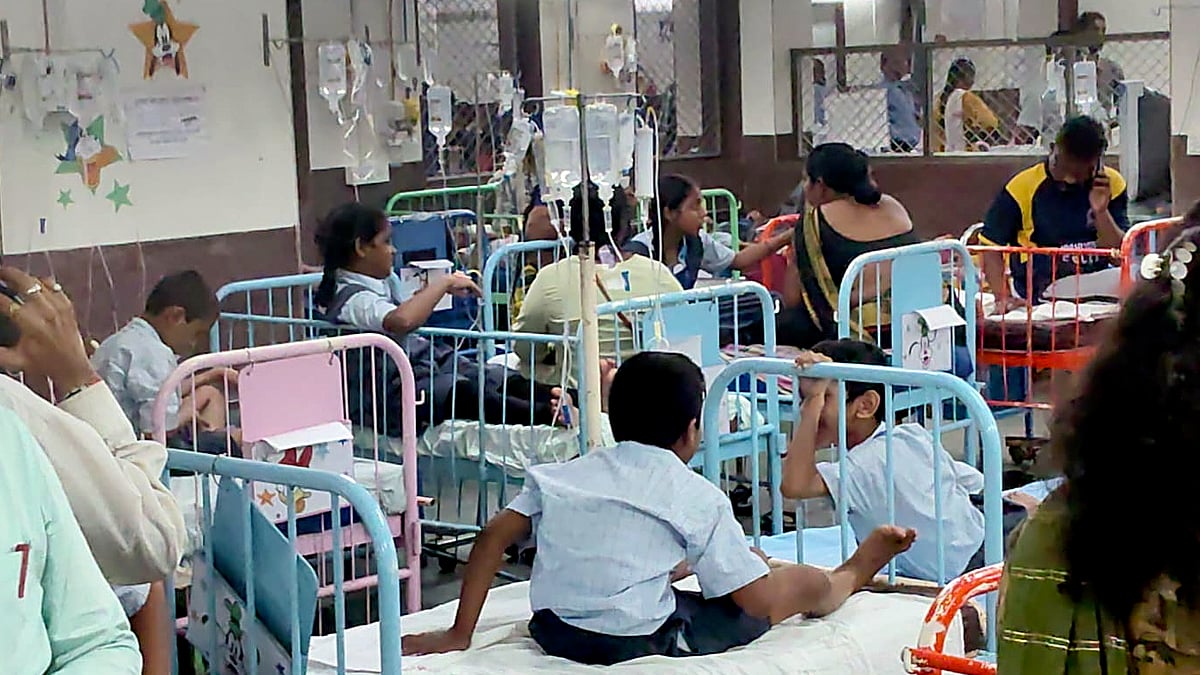
Trinamool Congress Leaders Visit Missing Voters in Cooch Behar Amid Rising Concerns Over Bengal Voter List Errors | Bengal Voter List Controversy Intensifies

Trinamool Congress Leaders: A high-level delegation of Trinamool Congress (TMC) leaders visited several areas in Cooch Behar district on Sunday to meet voters whose names have reportedly gone missing from the latest Bengal voter list, escalating concerns over what the ruling party has termed a “systematic effort to disenfranchise genuine voters” ahead of the upcoming elections.

Trinamool Congress Leaders Meets Affected Voters

Led by senior leaders from the district Trinamool Congress, the delegation visited Tufanganj, Dinhata, and Mekhliganj, where locals claimed that their names, along with those of their family members, had been removed from the electoral rolls without prior notice. Several residents alleged that they had been regular voters for decades, making the sudden deletions both confusing and distressing.

One elderly voter, Purna Chandra Roy, shared, “I have been voting since 1985. This year, my name is gone. Nobody came to verify or inform me. I feel humiliated.” His statement mirrors dozens of similar accounts that have surfaced across the region in recent weeks.

TMC Accuses Election Machinery of Bias

The TMC delegation accused Booth Level Officers (BLOs) and certain Election Commission (EC) officials of negligence and bias, claiming that the removal of legitimate voters could affect election outcomes in key constituencies.

“We are witnessing a targeted attempt to delete names of voters known to support the Trinamool Congress,” alleged a senior TMC functionary during a press interaction. “If the Election Commission claims to be neutral, they must restore these names immediately after verification.”

The leaders submitted a memorandum to the District Magistrate (DM), demanding urgent inquiry and restoration of voter names found missing from the rolls. They also sought disciplinary action against officials found guilty of misconduct.

Voters Express Fear and Anger

Many local residents expressed anger and anxiety over the situation. Some alleged that field verification teams never visited their homes, while others said they had been wrongly marked as “deceased” or “shifted.” In villages like Ghoksadanga and Sitai, several families claimed that at least two to three names per household had vanished from the voter list.

A college student from the area said, “We are educated and still our names have been struck off without reason. What will happen to people in remote areas who cannot even check online?”

Opposition Blames Administrative Lapses

While the TMC has called it an “organized conspiracy,” opposition parties like the BJP and CPIM have blamed administrative lapses and voter apathy. A BJP district spokesperson stated, “The process of electoral verification is ongoing. Instead of politicizing the issue, parties should assist voters to correct errors through official channels.”

However, the Left Front in North Bengal echoed the TMC’s demand for greater transparency, urging the Election Commission of India (ECI) to make the process of addition and deletion publicly accountable.

Election Commission Responds

In response to mounting criticism, district election officials in Cooch Behar clarified that voter verification and corrections were part of the ongoing Special Summary Revision (SSR) 2025, and that no voter would be arbitrarily removed.

“We are following Election Commission guidelines strictly,” said a senior election officer. “If names are deleted, they are done only after field verification. Citizens can apply for inclusion again using Form 6.”

Despite the assurance, local TMC leaders continued to allege large-scale irregularities. The party has now announced plans to deploy booth-level observers to cross-check deletions and help affected voters file re-inclusion requests.

Political Tensions Mount Across North Bengal

The incident has intensified political tensions in North Bengal, a region already known for its volatile electoral landscape. Following the Cooch Behar visit, similar reports have emerged from Alipurduar, Jalpaiguri, and Malda, prompting the TMC to launch what it calls a “Voter Protection Campaign.”

Political observers suggest that this issue could become a major flashpoint in the months leading up to the 2026 Assembly elections.
“Voter list manipulation is not just a bureaucratic error — it’s a political weapon,” said Professor Arindam Mukherjee, a political scientist at North Bengal University. “If a party can influence the rolls, it can influence democracy itself.”

Public Appeal and Next Steps

The TMC delegation concluded their visit by urging citizens to verify their names online and at local election offices before the final publication of electoral rolls. They have also requested the State Election Commission to make the deletion list public, ensuring transparency and accountability.

In a public statement, TMC leaders emphasized that voter disenfranchisement would not be tolerated:
“We will go to every door, every village, and ensure that no genuine voter is denied their right to vote.”

The Election Commission, meanwhile, has promised to open grievance redressal camps across districts to help citizens rectify errors in the electoral rolls.

Impact on Bengal’s Democratic Landscape

The ongoing voter list controversy underscores broader concerns about electoral integrity and institutional accountability in Bengal. With technology-driven voter verification systems being implemented, errors may stem from data mismatches, but the lack of communication between officials and voters has amplified distrust.

Citizens and political parties alike are calling for greater transparency, real-time digital verification, and public access to voter roll revisions to prevent such disputes in the future.

Conclusion

The developments in Cooch Behar highlight the urgent need for electoral reform and vigilance across administrative levels. As West Bengal moves closer to another round of crucial elections, the Trinamool Congress appears determined to frame this issue as a battle for democracy itself — ensuring that every citizen’s right to vote remains intact and unquestioned.


External Links for Further Reading (Authoritative Sources)

Trinamool Congress Leaders: A high-level delegation of Trinamool Congress (TMC) leaders visited several areas in Cooch Behar district on Sunday to meet voters whose names have reportedly gone missing from the latest Bengal voter list, escalating concerns over what the ruling party has termed a “systematic effort to disenfranchise genuine voters” ahead of the upcoming elections.

Trinamool Congress Leaders Meets Affected Voters

Led by senior leaders from the district Trinamool Congress, the delegation visited Tufanganj, Dinhata, and Mekhliganj, where locals claimed that their names, along with those of their family members, had been removed from the electoral rolls without prior notice. Several residents alleged that they had been regular voters for decades, making the sudden deletions both confusing and distressing.

One elderly voter, Purna Chandra Roy, shared, “I have been voting since 1985. This year, my name is gone. Nobody came to verify or inform me. I feel humiliated.” His statement mirrors dozens of similar accounts that have surfaced across the region in recent weeks.

TMC Accuses Election Machinery of Bias

The TMC delegation accused Booth Level Officers (BLOs) and certain Election Commission (EC) officials of negligence and bias, claiming that the removal of legitimate voters could affect election outcomes in key constituencies.

“We are witnessing a targeted attempt to delete names of voters known to support the Trinamool Congress,” alleged a senior TMC functionary during a press interaction. “If the Election Commission claims to be neutral, they must restore these names immediately after verification.”

The leaders submitted a memorandum to the District Magistrate (DM), demanding urgent inquiry and restoration of voter names found missing from the rolls. They also sought disciplinary action against officials found guilty of misconduct.

Voters Express Fear and Anger

Many local residents expressed anger and anxiety over the situation. Some alleged that field verification teams never visited their homes, while others said they had been wrongly marked as “deceased” or “shifted.” In villages like Ghoksadanga and Sitai, several families claimed that at least two to three names per household had vanished from the voter list.

A college student from the area said, “We are educated and still our names have been struck off without reason. What will happen to people in remote areas who cannot even check online?”

Opposition Blames Administrative Lapses

While the TMC has called it an “organized conspiracy,” opposition parties like the BJP and CPIM have blamed administrative lapses and voter apathy. A BJP district spokesperson stated, “The process of electoral verification is ongoing. Instead of politicizing the issue, parties should assist voters to correct errors through official channels.”

However, the Left Front in North Bengal echoed the TMC’s demand for greater transparency, urging the Election Commission of India (ECI) to make the process of addition and deletion publicly accountable.

Election Commission Responds

In response to mounting criticism, district election officials in Cooch Behar clarified that voter verification and corrections were part of the ongoing Special Summary Revision (SSR) 2025, and that no voter would be arbitrarily removed.

“We are following Election Commission guidelines strictly,” said a senior election officer. “If names are deleted, they are done only after field verification. Citizens can apply for inclusion again using Form 6.”

Despite the assurance, local TMC leaders continued to allege large-scale irregularities. The party has now announced plans to deploy booth-level observers to cross-check deletions and help affected voters file re-inclusion requests.

Political Tensions Mount Across North Bengal

The incident has intensified political tensions in North Bengal, a region already known for its volatile electoral landscape. Following the Cooch Behar visit, similar reports have emerged from Alipurduar, Jalpaiguri, and Malda, prompting the TMC to launch what it calls a “Voter Protection Campaign.”

Political observers suggest that this issue could become a major flashpoint in the months leading up to the 2026 Assembly elections.
“Voter list manipulation is not just a bureaucratic error — it’s a political weapon,” said Professor Arindam Mukherjee, a political scientist at North Bengal University. “If a party can influence the rolls, it can influence democracy itself.”

Public Appeal and Next Steps

The TMC delegation concluded their visit by urging citizens to verify their names online and at local election offices before the final publication of electoral rolls. They have also requested the State Election Commission to make the deletion list public, ensuring transparency and accountability.

In a public statement, TMC leaders emphasized that voter disenfranchisement would not be tolerated:
“We will go to every door, every village, and ensure that no genuine voter is denied their right to vote.”

The Election Commission, meanwhile, has promised to open grievance redressal camps across districts to help citizens rectify errors in the electoral rolls.

Impact on Bengal’s Democratic Landscape

The ongoing voter list controversy underscores broader concerns about electoral integrity and institutional accountability in Bengal. With technology-driven voter verification systems being implemented, errors may stem from data mismatches, but the lack of communication between officials and voters has amplified distrust.

Citizens and political parties alike are calling for greater transparency, real-time digital verification, and public access to voter roll revisions to prevent such disputes in the future.

Conclusion

The developments in Cooch Behar highlight the urgent need for electoral reform and vigilance across administrative levels. As West Bengal moves closer to another round of crucial elections, the Trinamool Congress appears determined to frame this issue as a battle for democracy itself — ensuring that every citizen’s right to vote remains intact and unquestioned.


External Links for Further Reading (Authoritative Sources)

Also read: Home | Channel 6 Network – Latest News, Breaking Updates: Politics, Business, Tech & More

Election Commission of India to Publish Voter Deletion Lists During Special Intensive Revision (SIR) to Avoid Controversy and Ensure Transparency in Bengal’s Electoral Roll Process

Election Commission of India to Publish Voter Deletion List: In a significant move aimed at preventing allegations of bias, misinformation, and administrative lapses, the Election Commission of India (ECI) has directed all district election officers (DEOs) in West Bengal to publicly list all proposed voter deletions and enumeration corrections during the ongoing Special Intensive Revision (SIR) of the electoral rolls.

This comes amid widespread political tension in the state, where rival parties have accused each other of attempting to manipulate the voter list. The Commission’s proactive step seeks to bring transparency to the revision process and ensure that no eligible voter is wrongly removed from the rolls.

(Election Commission of India – Official Portal)


Key Directive: Transparency Through Enumeration and Deletion Lists

According to sources within the ECI, a detailed notification has been sent to all district officials, instructing them to maintain separate public lists of:

  1. Names added through Form 6 (new enrolment)
  2. Names deleted via Form 7 (objections or deaths)
  3. Corrections and transpositions through Form 8

Each form will now have a digital and physical record, displayed at the BLO (Booth Level Officer) level and at local offices of the Chief Electoral Officer (CEO), West Bengal.

The Commission emphasized that transparency and traceability are essential to maintaining voter confidence — particularly in politically charged states like Bengal. Officials have been ordered to ensure that these lists are updated daily and accessible to the public.

(CEO West Bengal – Voter Roll Revision Portal)


Avoiding Political Controversies and Restoring Voter Faith

The directive follows recent political uproars in Bengal, where allegations surfaced about arbitrary voter deletions. Several citizens reportedly discovered their names missing from the voter list, sparking fear and anger.
The Commission stated that this measure is aimed at restoring faith in the electoral system and avoiding unnecessary controversies that could undermine the credibility of the revision process.

A senior ECI official explained:

“Our goal is to ensure that the process remains fair and free from manipulation. Every addition or deletion will be backed by documentation, and the lists will be open to verification by any citizen or political party.”

This unprecedented step will also allow party-appointed agents and civil society groups to cross-verify data, promoting a collaborative and transparent approach to electoral roll management.

(National Voters’ Service Portal – Check Your Name in Voter List)


Booth-Level Accountability Strengthened

Under the new system, each Booth Level Officer (BLO) will be directly accountable for maintaining accurate enumeration records. They are required to visit every household within their assigned polling area to verify voter details, collect documentary proof, and update records accordingly.

The BLOs’ work will be reviewed by Assistant Electoral Registration Officers (AEROs), ensuring a multi-layer verification system. The ECI also plans to introduce GPS-enabled attendance tracking for BLOs to confirm that fieldwork is conducted diligently.

This comes after reports of absenteeism and negligence among BLOs during previous revision drives. The West Bengal Chief Electoral Officer’s office has instructed that any failure to comply with the enumeration guidelines may result in suspension or disciplinary action.

(Handbook for Booth Level Officers – Election Commission of India)


Why the SIR Process Matters

The Special Intensive Revision (SIR) is a nationwide exercise conducted periodically to update the electoral roll. It ensures that all eligible citizens are enrolled, deceased individuals are removed, and voters who have relocated are correctly transposed to their new constituencies.

In West Bengal, the 2025 SIR carries special importance because the next Assembly elections are scheduled for 2026. Accurate voter data will determine not only the fairness of the polls but also the credibility of the state’s democratic machinery.

According to ECI data, Bengal currently has over 8.25 crore registered voters, and approximately 5.3 lakh applications for new enrolments or corrections have already been received in the ongoing drive.

(Press Information Bureau – Electoral Roll Revision Details)


Political Reactions: Support and Skepticism

The ECI’s move has received mixed reactions from political parties across Bengal.

The Trinamool Congress (TMC) welcomed the directive, calling it a “necessary step toward restoring voter confidence,” while urging the Commission to ensure ground-level implementation.

“Transparency is always welcome. But we hope that BLOs act impartially and without political pressure,” said Derek O’Brien, senior TMC spokesperson.

The Bharatiya Janata Party (BJP), however, questioned whether such a move would genuinely curb irregularities, arguing that “merely publishing lists” may not be enough if political interference persists at the local level.

Meanwhile, the Left Front described the initiative as “long overdue,” highlighting that citizen participation in voter verification remains low in rural Bengal due to poor awareness.


Public Access to Data: The Digital Revolution

For the first time, the Commission has announced that all deletion and correction lists will also be uploaded to an interactive public portal, allowing voters to check their details online.

Using the EPIC (Electors Photo Identity Card) number or name search, citizens can view their status, file objections, and download forms directly. The platform will also include QR-based verification, where voters can scan codes on notice boards outside BLO offices to view the corresponding deletion records.

This initiative aligns with the government’s push toward Digital India and aims to minimize bureaucratic delays.

(Digital India Programme – Official Website)


Addressing Ground-Level Panic

Recent incidents in districts like Cooch Behar and Malda have revealed how voter roll discrepancies can cause panic. In one case, an elderly man attempted self-harm after discovering his name missing from the electoral register — an event that drew nationwide attention.

Acknowledging such concerns, the ECI’s circular emphasizes the importance of pre-emptive communication. All local election offices have been instructed to hold weekly “voter awareness and verification camps” to assist citizens in resolving discrepancies.

(Government of West Bengal – e-District Services)


Ensuring Fair Implementation: The Role of Civil Society

The Election Commission has also invited non-governmental organisations (NGOs) and civil rights groups to participate in voter education drives. By partnering with academic institutions and local community groups, the ECI hopes to make the process more participatory and less bureaucratic.

Volunteers will be trained to help rural citizens fill out forms, verify details, and use online tools for corrections — a critical step for increasing accessibility in remote areas like the Sundarbans, Darjeeling hills, and Jangalmahal.

(National Election Watch – Transparency Report)


Challenges Ahead: Balancing Transparency and Privacy

While the ECI’s decision has been widely appreciated, experts have also cautioned against potential risks of publicly listing voter deletions. Publishing detailed personal information might lead to privacy violations or targeted political misuse.

To address this, the Commission clarified that only essential voter details (like name, polling station, and part number) will be visible in public listings, while sensitive data (such as Aadhaar linkage or phone numbers) will remain confidential.

Cybersecurity experts have urged the Commission to ensure data encryption and firewall protections, especially as more election-related data moves online.

(Ministry of Electronics & IT – Data Protection Guidelines)


Training and Monitoring Framework for BLOs

In preparation for the revision, the ECI has launched a statewide training programme for BLOs, covering digital data entry, GPS tracking, and form verification. BLOs are also being equipped with tablets preloaded with the ERO-Net app, allowing them to update data in real-time.

District Election Officers have been told to conduct daily field audits and surprise inspections to ensure compliance. Non-performance may result in disciplinary action or suspension.

(ERO-Net – Electoral Roll Management System)


Timeline and Public Scrutiny

The Special Intensive Revision process began on October 25, 2025, and will continue until December 24, 2025. Draft rolls will be published in January 2026, after which the final voter list will be released post verification.

The ECI plans to introduce a grievance redressal mechanism through helpline numbers and email support, enabling citizens to report irregularities or delays.

(Helpline 1950 – National Voter Assistance)


Conclusion: Transparency as the Cornerstone of Democracy

The Election Commission’s latest directive marks a defining moment in India’s democratic journey — blending digital transparency, administrative reform, and citizen participation.

By listing deletions and enumerations publicly, the ECI aims to reinforce trust in the electoral process, prevent misinformation, and empower citizens to take ownership of their voting rights.

For Bengal — a state with a long and politically charged electoral history — this transparency initiative could shape the integrity of the 2026 polls and beyond.

As an ECI official remarked, “Democracy thrives not in secrecy, but in sunlight. And this sunlight begins with transparency in the voter list.”


External Reference Links

Also read: Home | Channel 6 Network – Latest News, Breaking Updates: Politics, Business, Tech & More