Washington D.C. – US President Donald Trump announced on Saturday that he will not hold a Trump Putin meeting until a viable peace agreement is established to end the war between Russia and Ukraine. This declaration represents a significant shift in diplomatic strategy as the conflict approaches its fifth year in February.
The Trump Putin meeting that was previously scheduled for Budapest to advance peace negotiations in Ukraine never materialized. Speaking to reporters aboard Air Force One while heading to Asia, Trump made clear his unwillingness to engage without concrete prospects for a peace agreement.
President Demands Deal Before Talks
“I’m going to have to know that we’re going to make a deal. I’m not going to be wasting my time,” Trump stated firmly, establishing the preconditions for any future Trump Putin meeting. This statement reflects growing frustration with the lack of progress toward ending the Russia-Ukraine conflict despite ongoing diplomatic efforts.
Trump expressed disappointment with the current state of US-Russia relations, despite his historically positive rapport with the Russian leader. “I’ve always had a great relationship with Vladimir Putin, but this has been very disappointing,” Trump acknowledged, suggesting that the anticipated Trump Putin meeting in Budapest fell through due to insufficient progress on substantive peace terms.
Previous Meeting and Diplomatic History
The most recent Trump Putin meeting took place on August 15 in Alaska, where both sides characterized the discussions as productive toward reaching a peace deal to end Moscow’s war with Ukraine. However, the optimism from that Trump Putin meeting has not translated into concrete progress on the ground.
Despite the positive assessments following the Alaska Trump Putin meeting, the war has continued unabated with no clear path to resolution. This lack of progress appears to be the primary factor behind Trump’s decision to postpone further direct engagement with Putin until more favorable conditions exist for a breakthrough.
Ongoing Violence in Ukraine
The urgency for a successful Trump Putin meeting remains high as violence continues across Ukraine. Russian missile and drone attacks overnight into Saturday killed at least four people and wounded 20 others, demonstrating that the conflict shows no signs of abating despite diplomatic efforts.
In the capital city of Kyiv, two people were killed and 13 wounded in a ballistic missile attack during the early hours of Saturday, according to city police. These attacks underscore why any Trump Putin meeting must produce tangible results rather than merely symbolic gestures of engagement.
The Dnipropetrovsk region also suffered casualties, with two people killed and seven wounded, according to acting regional governor Vladyslav Haivanenko. The governor reported that apartment buildings and private homes sustained damage in the strikes, highlighting the continued toll on Ukrainian civilians and infrastructure.
Ukraine’s Strategic Demands
Ukrainian President Volodymyr Zelensky has been actively advocating for measures that would strengthen Ukraine’s position ahead of any Trump Putin meeting. On Friday, Zelensky urged the United States to expand sanctions on Russian oil from targeting just two companies to encompassing the entire sector.
Additionally, Zelensky appealed for long-range missiles that would enable Ukraine to strike targets deep inside Russia, potentially altering the military dynamics that would frame any future Trump Putin meeting. These requests reflect Ukraine’s determination to negotiate from a position of strength rather than weakness.
European Support and Coordination
Zelensky traveled to London for discussions with approximately two dozen European leaders who have pledged military assistance to protect Ukraine from future Russian aggression should a ceasefire eventually emerge from a successful Trump Putin meeting. British Prime Minister Keir Starmer hosted the gathering, which aimed to increase pressure on Putin.
The meeting sought to add momentum to recent measures against Russia, including new sanctions from the United States and European countries targeting Russia’s critical oil and gas export revenues. These economic pressures form an important backdrop to any potential Trump Putin meeting negotiations.
Russian Position on Ceasefire
Russian Foreign Minister Sergey Lavrov made clear in public comments on Tuesday that Russia opposes an immediate ceasefire, complicating prospects for any productive Trump Putin meeting. This stance suggests that significant gaps remain between the positions of the conflicting parties.
Lavrov’s comments indicate that Russia may be seeking to consolidate territorial gains before engaging in serious negotiations, potentially explaining why conditions for a meaningful Trump Putin meeting have not yet materialized to Trump’s satisfaction.
Strategic Implications of Meeting Postponement
Trump’s decision to postpone any Trump Putin meeting until deal prospects improve represents a calculated diplomatic approach. By withholding the prestige and attention that comes with a presidential summit, Trump may be attempting to pressure Putin into making concessions that would enable productive negotiations.
The postponement of the Trump Putin meeting also signals to Ukraine and European allies that the United States will not pursue peace at any cost. This stance may reassure partners concerned about potential US-Russia agreements that could disadvantage Ukrainian interests.
Path Forward for Diplomacy
For any future Trump Putin meeting to occur, significant groundwork must be laid through back-channel diplomacy and preliminary negotiations. Trump’s comments suggest that lower-level officials will need to establish the framework for a deal before the presidents engage directly.
The conditions for a successful Trump Putin meeting likely include agreement on core issues such as territorial arrangements, security guarantees for Ukraine, the lifting of sanctions, and mechanisms for enforcing any peace agreement. Until progress occurs on these fundamental questions, Trump appears unwilling to invest presidential capital in direct engagement.
War Enters Critical Phase
As the Russia-Ukraine war approaches its fifth year in February, the absence of a scheduled Trump Putin meeting reflects the intractable nature of the conflict. Both sides appear committed to their positions, making diplomatic breakthroughs increasingly difficult despite the mounting human and economic costs.
The international community continues watching for signs that conditions might improve sufficiently to warrant a Trump Putin meeting that could genuinely advance peace prospects rather than merely providing photo opportunities without substance.
London, United Kingdom – A devastating Lincoln University shooting was reported on Saturday evening near Oxford, Pennsylvania, leaving at least four people injured during what should have been a joyous homecoming celebration. The incident occurred during homecoming festivities, transforming a festive campus gathering into a scene of chaos and emergency response.
The Lincoln University shooting took place at the historically significant institution in Chester County, disrupting the traditional homecoming weekend that brings together students, alumni, and community members. The attack has shocked the university community and raised concerns about campus safety during large-scale events.
Official Response and Investigation
The Chester County District Attorney’s Office issued an official statement regarding the Lincoln University shooting shortly after the incident. “The Chester County District Attorney’s Office is aware of a shooting with multiple victims that occurred at Lincoln University this evening. Law enforcement has responded to the scene and are actively investigating. Please avoid the area at this time,” the statement read.
The Lincoln University shooting prompted an immediate and comprehensive law enforcement response, with multiple agencies converging on the campus to secure the area, provide medical assistance to victims, and begin the search for the perpetrator. The campus was placed under lockdown as authorities worked to ensure no additional threats existed.
Details of the Attack
Initial reports about the Lincoln University shooting indicated that at least one person was shot on campus during the Homecoming tailgate and yardfest event. However, subsequent information revealed the scope was larger than initially believed, with multiple victims suffering gunshot wounds.
According to emergency response reports, at least four people were hit by bullets during the Lincoln University shooting and were in various conditions. All victims were transported to Christiana Hospital for treatment, though the extent of their injuries and current conditions have not been publicly disclosed by authorities.
The Lincoln University shooting reportedly took place near the school’s football field, an area that would have been crowded with attendees celebrating homecoming festivities. The location suggests the attack occurred in a densely populated area during peak celebration hours.
Timeline of Events
The Lincoln University shooting reportedly occurred just after 9 pm on Saturday evening, with law enforcement responding to emergency calls around 9:15 pm. This rapid response time was crucial in providing immediate medical assistance to victims and beginning the search for the suspect.
Baltimore Pike was shut down following the Lincoln University shooting as law enforcement established a perimeter around the crime scene. This road closure facilitated the investigation while preventing potential interference and ensuring the safety of responding emergency personnel.
Witness Accounts
Eyewitness testimony from the Lincoln University shooting scene provided additional context about the chaotic aftermath. One witness reported seeing another person receiving CPR, suggesting the severity of injuries sustained during the attack. This account underscores the life-threatening nature of the violence that erupted during the celebration.
Local reports following the Lincoln University shooting also suggested that some people were trampled while attempting to flee the gunfire. The panic-induced stampede represents an additional danger that often accompanies mass shooting events, though authorities have not officially confirmed these reports.
As of the latest reports, authorities are actively searching for the suspect in the Lincoln University shooting. Law enforcement has not released any information about a possible motive for the attack or provided detailed descriptions of whom they are seeking. This information gap has left the community anxious and concerned about ongoing safety.
The Lincoln University shooting investigation remains active, with authorities urging students and residents in the area to stay indoors and follow police instructions. This advisory reflects the continued search operations and the potential for the suspect to still be in the vicinity.
Campus Security Measures
Following the Lincoln University shooting, the campus was placed under immediate lockdown to protect students and staff while authorities conducted their investigation. This security protocol is standard procedure following active shooter incidents and helps law enforcement control the situation while searching for suspects.
The lockdown following the Lincoln University shooting required students to shelter in place, a tense situation for those on campus who were unsure about the safety of friends and loved ones attending the homecoming events.
Community Response and Concerns
When news of the Lincoln University shooting broke, social media platforms filled with expressions of concern and prayers for the victims. The incident particularly alarmed parents with children attending the university or participating in homecoming festivities.
“Praying for the shooting victims at Lincoln University,” one community member wrote on social media. Another worried parent posted, “My kids are there,” expressing the immediate fear that gripped families with connections to the university.
One attendee who had left the celebration earlier posted about their close call: “Oh my gosh! Praying for the Lincoln campus. This happened around 9:15. I left around 7:15. Praying the gunshot victims will recover sooner than later.” This comment highlights how many attendees narrowly avoided being present during the Lincoln University shooting.
Broader Context of Campus Violence
The Lincoln University shooting adds to growing concerns about violence at educational institutions, particularly during large gatherings like homecoming celebrations. These events traditionally bring together large crowds in relatively open spaces, presenting security challenges for campus law enforcement.
The incident at Lincoln University follows other recent campus shootings across the nation, contributing to ongoing debates about campus security measures, event safety protocols, and gun violence prevention strategies.
Ongoing Developments
The investigation into the Lincoln University shooting continues with authorities working to identify and apprehend the suspect, determine the motive behind the attack, and piece together the complete sequence of events. Updates are expected as law enforcement gathers more information and processes evidence from the crime scene.
The Lincoln University shooting investigation will likely involve extensive witness interviews, forensic analysis, and review of any available surveillance footage from the campus and surrounding areas.
As Maharashtra prepares for crucial civic elections in 2025, a fierce political confrontation has erupted between the Indian National Congress and the Bharatiya Janata Party over the future governance of Mumbai. The Congress has levelled serious allegations against the BJP, claiming the saffron party intends to divide Mumbai and loot BMC coffers instead of addressing pressing civic issues that affect millions of Mumbaikars daily. This accusation has set the stage for what promises to be one of the most contentious municipal elections in recent history.
The Brihanmumbai Municipal Corporation, with an annual budget exceeding seventy-four thousand crore rupees, represents India’s richest civic body and has become the epicentre of this political storm. The stakes are extraordinarily high, as control over the BMC means authority over critical urban infrastructure, public health systems, sanitation services, and educational facilities that serve Mumbai’s eighteen million residents.
Congress Alleges Polarisation Over Progress
Maharashtra Congress chief Harshwardhan Sapkal has launched a pointed attack on the BJP’s campaign strategy, asserting in public statements that Mumbai becomes unsafe under BJP rule and that the ruling party’s primary objective is to divide Mumbai and loot BMC coffers rather than serve the city’s citizens. This allegation reflects deeper concerns about the BJP’s electoral approach in India’s financial capital.
State Congress spokesperson Sachin Sawant has articulated these concerns more specifically, claiming that the BJP consistently employs polarisation politics during every election cycle. He referenced recent electoral patterns, including rallies and slogans that the opposition characterises as divisive, suggesting these tactics are being replicated in Mumbai ahead of the civic polls. The Congress argues that such strategies divert public attention from substantive civic issues like crumbling infrastructure, inadequate healthcare facilities, and persistent flooding during monsoons.
Mumbai Congress president Varsha Gaikwad has intensified this critique, accusing the BJP of spreading divisive rhetoric even during festive seasons. She has urged Mumbaikars to recognise what she describes as deceptive tactics designed to divide Mumbai and loot BMC resources. Her statements emphasise the need for citizens to focus on genuine civic concerns rather than succumb to polarising narratives.
Infrastructure Crisis Versus Political Rhetoric
The Congress has systematically outlined the critical infrastructure challenges facing Mumbai that they believe should dominate electoral discourse. These include the annual flooding that paralyses the city during monsoons, inadequate desilting of drainage systems, deteriorating conditions in civic hospitals and schools, broken sewage networks, insufficient public sanitation facilities, particularly for women, dangerous potholes that have caused fatalities, massive traffic congestion, and mismanagement of garbage disposal systems.
Sawant emphasised that Mumbai, despite being the nation’s financial capital, suffers from severe civic ailments that require urgent attention. He argued that the true priority should be improving municipal health and easing the daily struggles of ordinary citizens rather than engaging in divisive politics. The Congress maintains that discussions about improving sanitation, infrastructure, and public services should take precedence over polarising campaigns that attempt to divide Mumbai and loot BMC resources.
The opposition party has also raised concerns about the builder-politician nexus, contractor corruption, and what they describe as the BMC’s financial decline under the current administrative arrangement. Since the corporators’ terms expired in March twenty twenty-two, the BMC has functioned under a state-appointed administrator, a situation that opposition parties claim has reduced accountability and transparency in civic governance.
BMC’s Electoral Significance and Political Calculations
The upcoming BMC elections carry immense political significance beyond municipal governance. The corporation’s massive budget and administrative reach make it a crucial stepping stone for state-level political ambitions. The twenty seventeen civic polls witnessed the undivided Shiv Sena securing eighty-four seats, closely followed by the BJP with eighty-two seats, and Congress winning thirty-one seats. The political landscape has transformed dramatically since then, with the Shiv Sena split creating two factions and the Nationalist Congress Party similarly divided.
Current political calculations suggest complex alliance dynamics are emerging. The ruling Mahayuti coalition, comprising the BJP, Eknath Shinde’s Shiv Sena faction, and Ajit Pawar’s NCP, has announced intentions to jointly contest in four municipal corporations within the Mumbai Metropolitan Region, including the BMC. Meanwhile, the opposition Maha Vikas Aghadi faces its own internal tensions, with speculation about individual parties potentially contesting independently in certain constituencies.
The Congress’s allegations that the BJP seeks to divide Mumbai and loot BMC coffers must be understood within this complex political matrix. The opposition parties argue that the ruling coalition’s focus on polarisation represents a strategic calculation to consolidate certain vote banks while diverting attention from governance failures. They contend that this approach undermines the democratic discourse necessary for addressing Mumbai’s genuine civic challenges.
Grassroots Strategy and Electoral Preparations
Political observers note that the BJP has intensified grassroots mobilisation efforts in Mumbai, focusing on booth-level management, voter outreach programs, and engagement with local community issues. The party reportedly aims to secure between one hundred forty to one hundred fifty seats in alliance with the Shinde-led Shiv Sena faction. These preparations reflect the high stakes involved in controlling India’s richest municipal body.
However, Congress leaders argue that such organisational efforts should complement, not replace, substantive policy discussions about civic governance. They maintain that the real test for any political formation lies in addressing Mumbai’s infrastructure deficits, improving public service delivery, and ensuring transparent administration of the BMC’s substantial financial resources. The allegation that certain political forces intend to divide Mumbai and loot BMC assets speaks to fundamental concerns about governance priorities.
The opposition has also highlighted what they describe as the BJP’s pattern of shifting major projects and investments from Maharashtra to other states, particularly Gujarat. Congress leaders cite examples of industrial ventures, infrastructure projects, and government offices allegedly relocated, arguing this demonstrates a broader disregard for Maharashtra’s developmental interests. They suggest similar dynamics could affect Mumbai’s civic development if the wrong political forces gain control of the BMC.
Civic Issues Demanding Immediate Attention
Mumbai faces multiple pressing challenges that require urgent municipal intervention. The city’s drainage infrastructure, despite substantial investments, continues to fail during monsoons, causing widespread flooding in residential and commercial areas. The BMC has spent crores of rupees addressing potholes, yet roads deteriorate rapidly, particularly during the rainy season, creating hazards for commuters and contributing to traffic congestion.
Public health infrastructure in civic hospitals requires significant upgrades to meet the needs of Mumbai’s growing population. Municipal schools need better facilities, resources, and teaching staff to provide quality education. Water supply systems require modernisation to ensure consistent availability across all neighbourhoods. Garbage management remains problematic, with inadequate segregation and disposal mechanisms affecting public hygiene and environmental quality.
The Congress argues that these tangible civic issues should dominate electoral discourse rather than polarising narratives. They maintain that any political party seeking to divide Mumbai and loot BMC resources undermines the city’s developmental prospects and betrays the trust of citizens who depend on effective municipal governance for essential services.
Alliance Dynamics and Strategic Positioning
The approaching civic elections have triggered complex negotiations and strategic repositioning among Maharashtra’s political parties. The Shiv Sena faction led by Uddhav Thackeray and the Maharashtra Navnirman Sena are reportedly exploring seat-sharing arrangements, potentially dividing constituencies based on traditional strongholds. This collaboration between the Thackeray cousins, whose relationship remained strained for nearly two decades, reflects the high stakes involved in these elections.
Within the Maha Vikas Aghadi, tensions have emerged regarding alliance strategies for the BMC polls. Some factions within the Congress have expressed interest in contesting independently, while others advocate maintaining coalition unity to effectively challenge the ruling Mahayuti alliance. These internal deliberations reflect broader questions about organisational strength, voter appeal, and strategic positioning in Mumbai’s competitive political landscape.
The Congress’s allegations that the BJP intends to divide Mumbai and loot BMC coffers serve multiple strategic purposes. They frame the electoral contest as a choice between divisive politics and developmental governance, position the opposition as defenders of Mumbai’s civic interests, and attempt to consolidate support among voters concerned about infrastructure and public services. Whether these arguments resonate with Mumbai’s diverse electorate remains to be determined.
Path Forward for Mumbai’s Governance
As the civic elections approach, Mumbai faces critical choices about its governance trajectory. The city requires leadership committed to addressing infrastructure deficits, improving public service delivery, ensuring transparent financial management, and promoting inclusive development that benefits all residents regardless of community affiliations. The allegations and counter-allegations between political parties reflect competing visions for Mumbai’s future.
The Congress’s central claim that certain political forces seek to divide Mumbai and loot BMC resources highlights fundamental questions about electoral priorities and governance values. Should municipal elections focus on polarising narratives or substantive civic issues? Should political parties emphasise community divisions or collective developmental challenges? These questions extend beyond partisan considerations to address the nature of democratic discourse in India’s urban centres.
Mumbai’s citizens ultimately hold the power to determine which political formation governs the BMC. Their decision will shape not only immediate civic services but also longer-term developmental trajectories for India’s financial capital. Whether voters prioritise infrastructure improvements, public health facilities, educational quality, and transparent governance—or respond to alternative electoral appeals—will become clear when election results are announced.
The political battle over the BMC represents more than partisan competition for administrative control. It reflects deeper tensions about urban governance models, the role of municipal bodies in delivering public services, and the relationship between electoral politics and civic development. As Maharashtra prepares for these crucial elections, the allegations that some seek to divide Mumbai and loot BMC coffers underscore the fundamental importance of choosing leadership committed to serving all Mumbaikars through effective, transparent, and inclusive governance that addresses the city’s most pressing challenges while building foundations for sustainable future development.
Historic Naval Power Projection in Latin American Waters
The United States has initiated one of its most significant military deployments to Latin America in decades, ordering the nuclear-powered super-carrier USS Gerald R. Ford and its accompanying strike group to the Caribbean region. Defence Secretary Pete Hegseth authorised this deployment to enhance capabilities for detecting, monitoring, and disrupting illicit activities threatening American security. This USS Gerald Ford Caribbean deployment represents a dramatic escalation in Washington’s campaign against transnational criminal organisations operating throughout the Western Hemisphere.
The carrier strike group was stationed in Croatia on the Adriatic Sea when the deployment order was issued, meaning the journey to operational waters near Venezuela would require several days. The strategic repositioning transforms the Caribbean into a heavily militarised zone, with the Ford joining an already substantial American force concentration that includes over 6,000 sailors and Marines aboard eight warships currently operating in regional waters.
Unprecedented Military Buildup Targeting Venezuelan Coastline
The USS Gerald Ford Caribbean deployment adds extraordinary firepower to an operation ostensibly focused on counter-narcotics efforts. The carrier could bring nearly 4,500 additional sailors along with nine squadrons of aircraft to the region, creating what military analysts describe as the most formidable American naval presence in these waters since the early 1990s. The Ford measures 1,100 feet in length with a displacement exceeding 100,000 tons, making it the largest warship ever deployed by the United States.
The technological sophistication accompanying this USS Gerald Ford Caribbean deployment cannot be overstated. The carrier utilises electromagnetic aircraft launch systems and advanced weapons elevators that significantly increase operational tempo compared to previous carrier classes. These systems enable the Ford to generate more combat sorties faster and more efficiently than any predecessor, providing commanders with unprecedented flexibility in sustained operations near the Venezuelan coast.
This massive buildup follows a series of lethal strikes against suspected drug-trafficking vessels, with ten boats targeted since early September, resulting in at least 43 deaths. The Trump administration has specifically linked several operations to the Tren de Aragua gang, a Venezuelan prison-origin criminal organisation designated as a foreign terrorist entity. Pentagon officials emphasise that the USS Gerald Ford’s Caribbean deployment aims to dismantle these transnational criminal organisations systematically.
While Washington frames the USS Gerald Ford Caribbean deployment as purely counter-narcotics in focus, the scale and composition of forces suggest broader strategic objectives. President Trump has authorised CIA covert operations in Venezuela and is considering strikes targeting cocaine facilities and trafficking routes inside Venezuelan territory, raising questions about potential regime-change ambitions. The positioning of such overwhelming military capability within striking distance of Venezuela’s northern coastline sends unmistakable political messages to Caracas and the broader region.
Venezuelan President Nicolás Maduro, who faces American narcoterrorism charges, has responded to the USS Gerald Ford Caribbean deployment with defensive measures. Maduro mobilised security forces and civilian militias for exercises along approximately 1,200 miles of Venezuelan coastline, preparing for possible American attacks. The Venezuelan government contends these military operations represent the latest attempt to force Maduro from power rather than legitimate counter-drug efforts.
Recent military activities included flying supersonic heavy bombers near Venezuela’s coast, demonstrating American capability to project power deep into the region. These provocative displays, combined with the USS Gerald Ford Caribbean deployment, create an environment of heightened tension where miscalculation could trigger broader conflict. Regional governments watch nervously as Washington concentrates military assets, suggesting capabilities far exceeding narcotics interdiction requirements.
Regional Diplomatic Consequences and Latin American Reactions
The USS Gerald Ford Caribbean deployment carries profound implications for United States relations throughout Latin America. Countries across the hemisphere view this military escalation with considerable anxiety, recognising that such overwhelming force projection near Venezuela establishes precedents that could affect regional sovereignty norms. The deployment tests diplomatic relationships carefully cultivated over decades, potentially driving some Latin American governments toward alternative security partnerships with China or Russia.
Several Caribbean and South American nations have expressed concerns about the militarisation of waters traditionally governed by cooperative security frameworks. The USS Gerald Ford Caribbean deployment, occurring without extensive consultation with regional partners, reinforces perceptions of American unilateralism. Trinidad and Tobago has endorsed aspects of the American presence while carefully distancing itself from regime-change objectives, illustrating the delicate balance regional governments must strike between security cooperation and sovereignty protection.
Latin American opposition to interventionist policies runs deep, rooted in historical experiences with American military operations throughout the Cold War era. The USS Gerald Ford Caribbean deployment risks reawakening these sensitivities, potentially undermining diplomatic initiatives the United States has pursued to strengthen hemispheric partnerships. Regional organisations, including CELAC and UNASUR, face pressure from member states to condemn what many perceive as aggressive posturing threatening Venezuelan sovereignty.
Advanced Military Capabilities Transforming Operational Landscape
The technological superiority accompanying the USS Gerald Ford Caribbean deployment fundamentally alters the military balance in the Caribbean basin. The Ford accommodates a crew of nearly 4,600 personnel, approximately 20 per cent fewer than previous Nimitz-class carriers due to more efficient automated systems. This efficiency translates into sustained operational capability without the logistical burdens that limited previous deployments.
The carrier’s embarked air wing includes advanced F-35C Lightning II fighters, E-2D Advanced Hawkeye surveillance aircraft, and MH-60R/S helicopters providing comprehensive maritime domain awareness. These assets enable the USS Gerald Ford Caribbean deployment to conduct simultaneous surveillance across vast ocean areas while maintaining strike capabilities against time-sensitive targets. The integration of unmanned systems further extends the operational reach, allowing persistent monitoring of suspected trafficking routes without exposing personnel to unnecessary risk.
The accompanying destroyers—Arleigh Burke-class guided-missile vessels—provide layered defence against air, surface, and subsurface threats while contributing Tomahawk land-attack missiles capable of striking targets deep inland. This combination means the USS Gerald Ford Caribbean deployment possesses capabilities extending far beyond maritime interdiction, encompassing potential land strikes against infrastructure, command nodes, or production facilities in Venezuelan territory.
Trump Administration’s Domestic Political Calculations
The USS Gerald Ford Caribbean deployment serves multiple purposes within President Trump’s broader political strategy. Demonstrating decisive action against drug cartels addresses a key campaign promise while projecting strength to domestic constituencies concerned about border security and narcotics trafficking. The visible military commitment provides tangible evidence of the administration’s efforts to combat the opioid crisis devastating American communities, even as experts debate the effectiveness of supply-side interdiction strategies.
Congressional oversight of the USS Gerald Ford’s Caribbean deployment remains uncertain. Some lawmakers support aggressive counter-narcotics operations, viewing military force as necessary given the scale of trafficking operations. Others question the legal framework authorising lethal force in international waters and express concerns about mission creep toward regime-change objectives. Budget implications also generate debate, as sustained carrier operations require substantial financial resources that could strain defence appropriations already committed to competing priorities worldwide.
Public opinion regarding the USS Gerald Ford’s Caribbean deployment reflects broader divisions about American military engagement abroad. Supporters emphasise the necessity of disrupting drug flows harming American families, while critics warn against open-ended commitments risking entanglement in complex Latin American political conflicts. The administration must carefully manage these tensions to maintain political support for operations that could extend months or years, depending on strategic objectives and Venezuelan responses.
International Law and Rules of Engagement Questions
The USS Gerald Ford Caribbean deployment operates within a complex legal framework governing the use of force in international waters. Strikes against vessels in international waters have resulted in significant casualties without clear attribution to specific criminal organisations before engagement, raising questions about proportionality and due process. International law scholars debate whether counter-narcotics operations justify lethal force absent immediate threats to American vessels or personnel.
The expansion of the USS Gerald Ford’s Caribbean deployment into potentially targeting land-based facilities inside Venezuela would cross significant legal thresholds. Such strikes would constitute acts of war absent Venezuelan consent or United Nations Security Council authorisation. The Trump administration’s legal justification relies partly on designating certain criminal organisations as terrorist entities, thereby invoking authorities traditionally reserved for counterterrorism operations. Critics argue this framework stretches legal boundaries established by international humanitarian law and the UN Charter’s restrictions on the use of force.
Rules of engagement governing the USS Gerald Ford Caribbean deployment remain classified, creating transparency concerns. Human rights organisations demand clarity about targeting procedures, civilian casualty mitigation measures, and accountability mechanisms. The maritime environment complicates these issues, as vessels suspected of drug trafficking often carry crew members who may be coerced participants rather than willing criminals, raising questions about the appropriate use of lethal force.
Economic and Commercial Disruption Across the Caribbean Basin
The USS Gerald Ford’s Caribbean deployment inevitably affects commercial shipping and maritime commerce throughout the region. Heightened military activity raises insurance premiums for vessels transiting Caribbean waters, imposing costs on regional economies heavily dependent on seaborne trade. Port authorities report increased delays as commercial ships undergo additional inspections, disrupting supply chains connecting Latin American exporters with global markets.
Tourism industries across Caribbean islands express concerns that military tensions associated with the USS Gerald Ford’s Caribbean deployment could deter visitors seeking peaceful vacation destinations. The perception of instability, even when actual security risks remain minimal for civilians, influences travel decisions and booking patterns. Regional governments dependent on tourism revenue face difficult choices between supporting American security operations and protecting vital economic sectors.
Fishing communities throughout the Caribbean worry that expanded military operations accompanying the USS Gerald Ford Caribbean deployment will restrict access to traditional fishing grounds or damage marine ecosystems through increased vessel traffic. Small-scale fishermen lack resources to navigate complex military coordination procedures, potentially facing exclusion from waters they have fished for generations. These economic disruptions compound existing challenges facing maritime industries in adapting to climate change and overfishing pressures.
Venezuelan Defensive Preparations and Russian Support
Venezuela’s response to the USS Gerald Ford Caribbean deployment includes bolstering air defence systems and mobilising reserve forces. Maduro claims deployment of thousands of Russian-made surface-to-air missiles across strategic positions, though independent verification of these capabilities remains limited. The Venezuelan military conducts exercises demonstrating readiness to contest American air operations, signalling determination to defend national airspace regardless of technological disadvantages.
Russian and Chinese involvement complicates the strategic environment surrounding the USS Gerald Ford’s Caribbean deployment. Both nations maintain military cooperation agreements with Venezuela, including intelligence sharing, equipment sales, and training programs. The Caribbean deployment risks escalating great power competition in what Washington traditionally considers its sphere of influence, potentially drawing Moscow and Beijing deeper into Venezuelan defence planning.
Long-Term Strategic Consequences for Hemispheric Relations
The USS Gerald Ford Caribbean deployment establishes precedents that will shape Latin American security dynamics for years. The demonstration that Washington remains willing to project overwhelming military force throughout the hemisphere reinforces perceptions of American hegemony, potentially driving regional governments toward diversifying security partnerships. Countries seeking autonomy from the United States’ influence may accelerate cooperation with alternative powers, fundamentally altering the geopolitical landscape.
The success or failure of operations associated with the USS Gerald Ford Caribbean deployment will influence future American military engagement in Latin America. Achieving measurable reductions in drug trafficking could vindicate the approach, encouraging similar deployments elsewhere. Conversely, prolonged operations without clear outcomes may generate political pressure for withdrawal, limiting options for future administrations confronting security challenges in the region. The Caribbean deployment thus represents a critical test of military solutions to complex transnational problems requiring comprehensive strategies addressing root causes beyond simple interdiction.
SSKM Hospital Minor Assault Case: A deeply troubling incident at IPGMER & SSKM Hospital in Kolkata has brought into stark relief the vulnerabilities faced by patients—especially minors—in large public hospitals. On October 22, 2025, a 15-year-old girl visiting the hospital’s Trauma Care Centre was allegedly sexually assaulted by a man posing as hospital staff. The accused, identified by police as Amit Mallick (34), was later arrested and is now facing prosecution under the Protection of Children from Sexual Offences Act, 2012 (POCSO Act).
This incident not only inflicts deep personal trauma but also illuminates systemic gaps in hospital security protocols, regulatory oversight, visitor access control, and institutional accountability—especially in government-run medical facilities where patient volumes are high and resources often stretched.
The Incident: Precisely What Occurred
According to official statements and investigating agencies:
On the day of the incident, the minor was at the hospital with her grandfather visiting the outpatient/trauma care centre. The grandfather is reported to have gone to collect the OPD ticket, leaving the girl briefly accompanied only by him before the incident.
The accused was reportedly wearing a green surgical gown akin to those used by hospital doctors/technicians and introduced himself as a paediatrician to the girl’s grandfather.
He then allegedly escorted the girl to a male washroom or undirected washroom inside the hospital premises and assaulted her. She screamed, leading to intervention; he fled. CCTV footage reportedly captured the movement of the accused with the girl.
Police arrested the accused from Dhapa area in east Kolkata; he was earlier employed as a group-D/contract staffer in another state hospital and had links to SSKM as a former employee.
The hospital administration reportedly issued a show-cause notice to the security agency responsible for gate-entry and verification.
SSKM Hospital Minor Assault Case: Institutional and Security Failures Highlighted
Several frankly alarming failings have come into view:
1. Unauthorized Access and Impersonation
The accused exploited the appearance of legitimacy—wearing a surgical gown and presenting himself as hospital-staff—to bypass security screening. This suggests weak identity checks at entry gates and insufficient verification of visitor credentials or non-staff movement.
2. Vulnerable Physical Spaces
The offence occurred in a washroom adjacent to a diagnostic centre (MRI/CT) in the trauma/OPD block — a high-traffic yet low-monitored zone. Hospital insiders pointed out that the accused seemed to know the layout, which implies familiarisation.
3. Overcrowding and Weak Visitor Surveillance
Large numbers of patients and attendants in the hospital compound appear to have created an environment where unidentified persons can move with relative ease. Hospital staff reportedly indicated that the crowd made supervision difficult.
4. Staffing & Contractual Oversight
The accused had earlier been associated with this hospital but was not on active duty there at the time of the incident. His presence in the premises, in disguise, signals gaps in tracking former employees, vendor staff and credential verification of personnel in the hospital setting.
Institutional Response & Investigation
The law-enforcement and hospital responses have comprised several immediate actions:
A FIR was registered at Bhawanipore Police Station under the POCSO Act for assault on a minor.
Medical-legal examination and DNA tests were ordered for the accused at the Forensic Department of RG Kar Medical College.
Hospital administration announced disciplinary action: show-cause notices to security vendor and review of surveillance systems.
Internal review is underway to identify how the accused entered and moved inside the hospital, and to close access vulnerabilities.
Yet, critics argue that the response is still reactive, rather than addressing the structural and preventive dimensions of hospital safety.
Wider Context: Safety in Public Hospitals
The SSKM incident is not isolated. In August 2024, the rape and murder of a young female doctor at RG Kar Medical College & Hospital triggered nationwide protests. The parallels are clear: high-volume public hospitals, mixed usage zones (wards, diagnostics, OPD, administrative), large visitor flows, and under-resourced security frameworks make for high-risk environments.
Hospitals are meant to be safe for patients, staff and visitors—but evidence suggests safety protocols often lag significantly behind other institutional settings.
Patient Impact and Public Trust
For the teenage victim and her family, the incident is deeply traumatic. The betrayal of trust—within a reputed hospital setting—amplifies the harm. For other patients and guardians, especially minors and women attending public hospitals, the event is likely to raise fear, anxiety and reservations about seeking treatment.
Moreover, the public’s confidence in government health infrastructure is at stake. When safety becomes questionable, service delivery itself becomes compromised.
Government and Legal Framework
Key official frameworks relevant to this case include:
Protection of Children from Sexual Offences (POCSO) Act, 2012 — mandates special procedures for offences involving minors. POCSO Act
Regulations on hospital security standards — although enforcement in public hospitals remains inconsistent.
Health Ministry and state health‐department guidelines for hospital safety and patient protection.
These frameworks require strict monitoring, and deviation carries not just criminal liability but moral and institutional accountability.
Expert Perspective and Policy Imperatives
Security specialists, healthcare administrators and patient‐rights advocates highlight several key reforms:
Access control systems — biometric/ID verification for staff and visitors, wristbands for attendants, restricted zones clearly demarcated.
Real-time surveillance — CCTV with live monitoring, especially in vulnerable zones such as washrooms, corridors and high-traffic interfaces.
Credential checks and audit of staff — including vendor staff and contract personnel, with database of former employees flagged.
Crowd management and zone separation — distinct pathways for OPD, diagnostics, in-patients, non-medical visitors to avoid free movement of guests.
Dedicated security units for minors and vulnerable patients — hospitals must institute patrols, escort services and awareness among staff.
Transparent incident reporting and audit — each hospital must publish safety audits, incident logs and remedial steps to build public trust.
Institutional Accountability and Cultural Change
Ensuring safety demands cultural change in hospital systems:
Prioritising patient dignity and safety as key institutional values—not just treatment volumes.
Empowering whistle-blowers and patient advocates who raise safety concerns.
Holding vendor agencies and hospital management jointly responsible for lapses.
Regular training of all categories of staff—not only medical but housekeeping, security, maintenance—in safety awareness and protocols.
Such cultural shifts cannot be superficial—they require continuous monitoring, resource allocation and strong governance.
Implications for Public Hospitals in West Bengal
Given the high dependence on public hospitals in West Bengal—and the large numbers they serve—the incident at SSKM should prompt systemic reflection:
Are hospital safety systems aligned with best practices?
Is there prioritisation of vulnerable zones (children, women, trauma wards) in security design?
How effectively are security vendors managed, staff screened and visitor movement regulated?
How transparent are hospitals in communicating risks, corrective measures and incident histories to the public?
Concluding Reflections
The assault on a minor inside SSKM Hospital is a grim wake-up call. It highlights how structural vulnerabilities, insufficient oversight, and moments of opportunistic predation within public hospitals can lead to grievous harm. The cost is not only the immediate trauma but the erosion of confidence in public health infrastructure.
Going ahead, the hospital, the state health department and regulatory authorities must ensure swift justice, visible reform and sustained vigilance. For the victim, her family and every patient who walks through those hospital doors, the promise of a safe healing environment must be restored.
Official and Policy Reference Links
Ministry of Health & Family Welfare (GoI) — Official portal for health safety guidelines: https://main.mohfw.gov.in/
Protection of Children from Sexual Offences (POCSO) Act — Department of Women & Child Development, GoI: https://wcd.nic.in/pocso-act-2012
Kolkata SSKM Hospital Minor Assault Case: A shocking incident at Kolkata’s Seth Sukhlal Karnani Memorial (SSKM) Hospital has raised serious concerns about patient safety inside one of West Bengal’s busiest government medical institutions. A 15-year-old girl visiting the Trauma Care Centre for medical treatment was allegedly sexually assaulted by a former hospital employee who gained unauthorized access to restricted areas while posing as a staff member.
The crime has revealed significant gaps in safety protocols, security vetting, and surveillance monitoring within the hospital campus — a place where vulnerable patients should feel protected while receiving essential healthcare.
What Happened at SSKM Hospital
According to police investigations, the accused approached the minor girl and her grandfather, claimed to be a hospital staff member, and misled them. He then allegedly took the girl to a male washroom near the MRI/CT diagnostic block and sexually assaulted her.
Authorities acted swiftly afterward:
The accused was detained and subjected to medico-legal procedures.
CCTV footage confirmed his suspicious movements.
The court remanded him to police custody for further inquiry.
The hospital issued a show-cause notice to the private security agency responsible for entry-point screening.
Hospital Overcrowding and Weak Entry Screening
SSKM is among the most crowded public hospitals in Eastern India. Thousands arrive daily for treatment, resulting in:
SSKM is officially affiliated with IPGMER — a prestigious government teaching and referral hospital, yet its structural vulnerabilities create room for such breaches.
For the minor survivor and her family, the traumatic incident has caused emotional distress and fear. Families visiting hospitals expect:
Safe access to healthcare
Security for minors
Professional conduct by staff
Institutional accountability
However, the incident has shaken public confidence, especially among guardians of young patients.
Public hospitals serve people who have no alternative and no financial privilege. Therefore, ensuring strong protections is not optional — it is a human rights obligation.
Strict punishment for assault within institutional care
Hospitals, under Indian healthcare regulations, are legally compelled to protect vulnerable patients within their premises.
Why Government Hospitals Are Vulnerable
A review of similar past cases reveals recurring issues:
Issue
Impact
Overcrowding
Difficult to monitor unauthorized persons
Limited CCTV real-time supervision
Suspicious movement not detected early
Security outsourced to private agencies
Accountability gaps
Staff identity confusion
Imposters blend with medical workers
Inadequate architectural safety
Risky isolated zones like washrooms
A security-first healthcare framework is necessary to prevent crimes on campus.
Hospital Administration Under Pressure
While SSKM management has promised corrective action, critics accuse the administration of being reactionary, not preventive.
Expected reforms include:
1️⃣ Upgrading entry controls with ID scanning
2️⃣ Monitoring isolated areas through live CCTV
3️⃣ Deploying trained protection units for minors
4️⃣ Ensuring visible, accessible complaint desks
5️⃣ Auditing all staff and contract workers
6️⃣ Secure, supervised routes to washrooms and diagnostics
These changes must be ensured immediately, not after multiple tragedies.
Government Accountability
The State Health Department is now under scrutiny.
Healthcare governance guidelines:
✅ Public safety audit reports
✅ Liability determination of guards and management
✅ Survivor-support funds and counselling
✅ Policies for zero-tolerance in institutional crime
The administration must share findings transparently with the citizens who depend on these hospitals.
A Turning Point for Public Hospital Security
The SSKM case highlights the urgent need for:
🌐 Digital visitor management
🎥 CCTV + human surveillance integration
🛑 Restricted access zones near labs and critical units
🏥 Hospital staff identity protocol enforcement
👮 Specialized healthcare security unit
A hospital should be a healing space, not a place where families fear for their children’s safety.
Conclusion
The alleged assault at SSKM Hospital is a grim reminder of systemic flaws within government-run healthcare institutions in West Bengal and across India. It is not just a police case — it is a wake-up call for health governance.
Every patient — especially minors — deserves:
✔ Safety
✔ Dignity
✔ Protection from harm inside medical campuses
Justice for the survivor must be matched by institutional reform, ensuring no family has to endure such trauma again.
✅ External Government / Authoritative Links Added:
Japan’s new Prime Minister, Sanae Takaichi, made history on October 21, 2025, becoming the country’s first female leader after winning a parliamentary vote. Her ascension marks a pivotal moment for Japanese politics and regional security architecture. Just days into her tenure, Japan’s new Prime Minister confronts an extraordinarily demanding diplomatic schedule that includes crucial meetings with U.S. President Donald Trump and participation in major regional summits in Malaysia and South Korea.
Takaichi, a 64-year-old conservative politician and protégé of the late Prime Minister Shinzo Abe, leads a fragile coalition government that holds only a slim majority in parliament. Her political position, while historic, comes with significant constraints that will shape her ability to implement ambitious policy agendas. The new administration represents not merely a change in leadership but potentially a fundamental shift in Japan’s post-war security posture and regional diplomatic approach.
Accelerated Defence Spending and Military Expansion
Japan’s new Prime Minister has wasted no time signalling her commitment to robust defence policies. Takaichi announced plans to accelerate Japan’s military buildup, bringing forward the target of increasing defence spending to 2% of GDP from 2027 to March 2026. This represents Japan’s most significant military expansion since World War II and marks a departure from decades of pacifist constitutional interpretation.
The defence spending initiative carries substantial implications for regional security dynamics. Takaichi emphasised that military activities from China, North Korea, and Russia are causing grave concerns in the region around Japan, providing justification for the accelerated buildup. Her administration plans to revise Japan’s three key security documents—the National Defence Strategy, Defence Buildup Program, and National Security Strategy—to reflect this more assertive posture.
However, Japan’s new Prime Minister faces practical constraints in implementing these ambitions. Takaichi’s government is two votes shy of a majority in the 465-seat lower house, which will limit how much she can promise on defence spending. Political analysts note that while speeding up the military buildup was anticipated, securing budget approvals for such dramatic increases will prove challenging given her weak parliamentary position.
The Trump Test: Balancing Alliance Demands
The upcoming meeting with President Trump represents Japan’s new Prime Minister’s first major diplomatic test. Takaichi has only a few days to prepare for her first face-to-face talks with Trump, who is known for demanding that allies contribute more to their defence. The meeting carries high stakes for both the bilateral relationship and Takaichi’s domestic standing.
To win Trump’s favour and bolster her standing at home, Takaichi plans to present a package of U.S. purchases, including Ford F-150 pickup trucks, soybeans, natural gas, and a list of potential U.S. investments. This strategy reflects a pragmatic approach to managing Trump’s transactional diplomacy style while addressing concerns about trade imbalances and burden-sharing.
Experts warn that Trump may push Japan’s new Prime Minister for even higher defence spending commitments, potentially requesting increases to 3% or even 5% of GDP—figures that could prove politically impossible given her parliamentary constraints. Michael Green, a former senior U.S. National Security Council official, noted that Takaichi has styled herself as the “Japan First” candidate, but her vulnerability lies in her relative weakness at home. Any overpromises to Trump could create early friction if she cannot deliver concrete results.
Navigating the China Challenge
Japan’s new Prime Minister’s relationship with China presents perhaps her most complex diplomatic challenge. Takaichi holds revisionist views of Japan’s World War II history and is a regular visitor to the Yasukuni Shrine, where convicted war criminals are memorialised—actions that Beijing views as symbolic of unrepentant militarism. This background has already generated significant tension with the Chinese leadership.
Notably, neither Chinese President Xi Jinping nor Premier Li Qiang has publicly congratulated Takaichi since she became prime minister, contrasting sharply with the immediate congratulations extended to her predecessor, Shigeru Ishiba, who held more moderate positions on China. This diplomatic snub signals Beijing’s deep concerns about the direction of Japan-China relations under the new administration.
Chinese academics expect military confrontation between Japan and China to intensify under Takaichi, with disputes over wartime history likely to increase. One Chinese expert dismissed Takaichi’s stated desire to maintain stable ties with China as merely reflecting standard Japanese foreign ministry language rather than genuine policy intentions. The prospect of a one-on-one meeting between Japan’s new Prime Minister and Xi Jinping during regional summits appears remote, though courtesy greetings remain possible.
The loss of the Komeito party as a coalition partner further complicates China relations. The centrist, pacifist Komeito had maintained ties with Beijing and served as a moderating influence on Japan’s China policy. Its departure from the coalition removes this diplomatic channel and constrains options for managing tensions.
Coalition Politics and Domestic Constraints
Japan’s new Prime Minister governs through an unprecedented coalition arrangement that reflects significant political realignment. Takaichi ended a 26-year coalition between the ruling Liberal Democratic Party (LDP) and Komeito, instead allying with the right-wing Japan Innovation Party (Ishin). This partnership unshackles her security ambitions by eliminating Komeito’s pacifist constraints, but it also exposes vulnerabilities.
The new coalition alignment enables more hawkish foreign and security policies than would have been possible under the previous arrangement. Ishin supports constitutional reform and formally establishing the Self-Defence Forces as a national military, overlapping significantly with the foreign and security policies pursued by Shinzo Abe. For Takaichi, Ishin represents an ideal coalition partner ideologically, but the partnership comes with steep political costs.
The fragility of Japan’s new Prime Minister’s parliamentary position will force her to seek opposition support for key legislation. Takaichi will become Japan’s fourth prime minister in five years, taking the helm from a relatively weak position as the LDP has lost its majority in both houses of the legislature over the past two years. This instability raises questions about the longevity of her administration and her ability to implement transformative policies.
Regional Summit Diplomacy
Japan’s new Prime Minister faces an intensive schedule of regional engagement that will test her diplomatic capabilities. Takaichi arrives in Malaysia on Saturday for meetings with Southeast Asian leaders, then returns to Japan to meet Trump before heading to South Korea for the Asia-Pacific Economic Cooperation summit. This rapid succession of high-level meetings provides limited preparation time but offers opportunities to establish her vision for regional cooperation.
The Malaysian summit with the Association of Southeast Asian Nations (ASEAN) leaders represents an important opportunity for Japan’s new Prime Minister to articulate her Indo-Pacific strategy. Southeast Asian nations increasingly find themselves caught between competing U.S. and Chinese spheres of influence, making Japan’s role as a regional security provider and economic partner particularly significant. Takaichi’s ability to offer constructive engagement while managing sensitivities around her nationalist views will be closely scrutinised.
The APEC summit in South Korea presents additional complexities, as Chinese leader Xi Jinping will also attend, with talks with Trump planned. The trilateral dynamics between Washington, Beijing, and Tokyo will play out against the backdrop of escalating trade tensions and military competition. Japan’s new Prime Minister must carefully position herself to maintain alliance solidarity with the United States while avoiding unnecessary provocation of China that could destabilise regional security.
Security Alliance Evolution
Takaichi’s administration signals a fundamental evolution in Japan’s security posture and alliance relationships. Her commitment to constitutional revision and expanded military capabilities represents the culmination of efforts begun under Abe to normalise Japan as a security actor. Takaichi is expected to emulate Abe’s policies, including a stronger military and economy, as well as revising Japan’s pacifist constitution.
The implications for U.S.-Japan alliance management are profound. Trump’s administration seeks greater military burden-sharing from allies, particularly amid rising tensions in the Indo-Pacific and the Taiwan Strait. Japan’s new Prime Minister’s willingness to accelerate defence spending aligns with Washington’s strategic objectives, but practical implementation will depend on domestic political dynamics and fiscal constraints.
Takaichi has stated that a “contingency” in Taiwan would be a crisis for both Japan and the United States, explicitly linking Japanese security to cross-strait stability. This position reflects growing recognition in Tokyo that Japan cannot remain passive if conflict erupts over Taiwan, given its geographic proximity and the presence of U.S. military bases on Japanese territory that would likely be involved in any regional contingency.
Economic Policy and Fiscal Strategy
Beyond security matters, Japan’s new Prime Minister must address pressing economic challenges. Takaichi’s focus on the debt-to-GDP ratio represents a departure from previous governments that prioritised achieving a primary budget surplus. She advocates for strategic deployment of fiscal measures to raise household income, improve consumer sentiment, and boost corporate earnings without raising tax rates.
This economic philosophy, reminiscent of Abe’s “Abenomics,” emphasises fiscal expansion and monetary easing alongside structural reforms. However, some analysts warn that this shift could slow efforts to restore Japan’s fiscal health, particularly when combined with ambitious defence spending increases. Balancing these competing priorities while maintaining public support will test Takaichi’s political skills.
Gender Politics and Representation
The historic nature of Takaichi’s leadership as Japan’s first female prime minister creates complex dynamics around gender equality issues. Despite promising on the campaign trail to increase the number of women in her cabinet to “Nordic levels,” or closer to 50%, she appointed only two female cabinet members. This discrepancy between rhetoric and action has drawn criticism and disappointment from those hoping her leadership would advance women’s representation.
Takaichi has long advocated for traditional gender roles, opposes same-sex marriage, and supports male-only succession to the Japanese throne. Academic observers note that she appears unlikely to prioritise gender equality issues aggressively, though her presence in the nation’s highest office may inspire young women about future possibilities in Japanese politics.
Implications for Indo-Pacific Geopolitics
The emergence of Japan’s new Prime Minister with her explicitly hawkish agenda carries significant implications for the regional balance of power dynamics. Her willingness to accelerate military buildup and adopt more assertive security policies reflects broader trends across the Indo-Pacific as nations respond to perceived Chinese military expansion and assertiveness.
Takaichi’s leadership marks a turning point in Japan’s postwar security policy, with her government’s ideological shift toward assertiveness signalling a break from the cautious pacifism that has long defined Japanese politics. For Washington, this stance aligns with desires for greater burden-sharing and enhanced deterrence capabilities against potential adversaries. For Beijing, however, it reinforces suspicions about Japanese remilitarization and regional intentions.
The regional response to Japan’s new Prime Minister will significantly influence whether her policies achieve their intended deterrent effects or instead accelerate stabilising arms competition. Southeast Asian nations, South Korea, and other regional actors will watch carefully to see whether Takaichi can balance assertiveness with diplomatic engagement, maintaining stability while pursuing enhanced security capabilities.
Looking Ahead: Challenges and Opportunities
Japan’s new Prime Minister stands at a critical juncture in her nation’s modern history. Her ability to navigate competing demands—from Trump’s pressure for higher defence spending, China’s resistance to Japanese military expansion, domestic political constraints, and public expectations for economic improvement—will determine both her political survival and her policy legacy.
The coming months will reveal whether Takaichi can translate her ambitious vision into sustainable policy achievements. Her fragile parliamentary position means she must build a broader consensus than her immediate coalition partners, requiring political skills and flexibility that may not align naturally with her reputation for ideological rigidity. The packed diplomatic schedule offers opportunities to establish credibility on the international stage, but each engagement also carries risks of missteps that could quickly undermine her authority.
For the broader Indo-Pacific region, the Takaichi administration represents a test case for how middle powers navigate increasingly polarised great power competition. Japan’s choices under her leadership will influence alliance dynamics, regional security architecture, and the prospects for maintaining stable deterrence relationships that prevent conflict while enabling prosperity. The stakes for Japan’s new Prime Minister extend far beyond her personal political fortunes to encompass fundamental questions about Asian security order in the decades ahead.
The Ireland presidential election delivered a stunning result as Catherine Connolly, a 68-year-old independent candidate, secured a landslide victory with approximately 63% of the vote. The former barrister and independent lawmaker since 2016 defeated her centre-right opponent, Heather Humphreys of Fine Gael, who garnered just 30% of the votes. This decisive outcome in the Ireland presidential election represents one of the most significant political shifts in the nation’s recent history.
Connolly’s triumph came after a campaign that resonated deeply with Irish voters, particularly younger demographics frustrated with establishment politics. Her opponent conceded defeat before the final count was complete, acknowledging Connolly as “the next President of Ireland” and expressing support for her presidency. The election saw 40 of 43 constituencies reporting before the official declaration, confirming the magnitude of Connolly’s victory.
Unprecedented Coalition of Support
What made this Ireland presidential election particularly remarkable was the broad coalition of left-leaning parties that united behind Connolly’s candidacy. She secured endorsements from Sinn Féin, the Labour Party, the Social Democrats, the Green Party, People Before Profit, and numerous independent legislators. This unprecedented alliance demonstrated a willingness among progressive forces to overcome traditional divisions and support a common candidate who represented their shared values.
The coalition backing Connolly in the Ireland presidential election included prominent political figures who spoke at her campaign launch, emphasising her record on social justice, housing rights, and international affairs. Social Democrats leader Holly Cairns described the victory as a “seismic moment” in Irish history, noting how Connolly’s grassroots campaign grew from humble beginnings into a nationwide movement that captured the public imagination.
Campaign Platform and Key Issues
Connolly’s campaign in the Ireland presidential election centred on several critical issues that resonated with voters experiencing economic hardship and disillusionment with traditional politics. Her platform emphasised economic justice, addressing the housing crisis that has left many Irish citizens struggling with soaring rents and property prices. She consistently advocated for disability rights, climate action, and preservation of the Irish language as cultural heritage.
Her outspoken criticism of international conflicts, particularly regarding Gaza, distinguished her from establishment candidates in the Ireland presidential election. Connolly defended her foreign policy positions, including a controversial 2018 visit to Syria, maintaining that Ireland should uphold its tradition of neutrality and speak truth to power on human rights issues. She has been critical of European Union military spending plans, positioning herself as a voice for peaceful diplomacy.
Voter Frustration and Political Realignment
The outcome of the Ireland presidential election reflects broader international trends of dissatisfaction with centrist politics and establishment parties. Turnout remained below 40% in many constituencies, with an unusually high proportion of spoiled ballots—potentially exceeding one in eight votes—indicating protest against limited choices. Conservative figures had encouraged voters to spoil their ballots after a Catholic candidate failed to secure the necessary parliamentary backing for nomination.
Despite these protests, Connolly’s victory in the Ireland presidential election demonstrated that when presented with a genuine alternative to establishment politics, Irish voters embraced change. Her success built momentum throughout the campaign as she articulated criticisms of government housing policy and connected with citizens feeling left behind by economic policies favouring wealthy interests over ordinary people.
The Presidential Role and Symbolic Significance
While Ireland’s presidency is largely ceremonial without power to shape laws or policies, the office carries substantial symbolic weight. The president represents Ireland internationally, hosts visiting heads of state, and plays an important constitutional role. Connolly will become Ireland’s 10th president and third woman to hold the position, succeeding Michael D. Higgins, who served the maximum two seven-year terms since 2011.
The Ireland presidential election result sends a powerful message to the Irish government about public sentiment. Labour Party leader Ivana Bacik suggested that left-wing parties could examine how to “combine” and “offer a real alternative” in future general elections, viewing Connolly’s success as a potential blueprint for broader political cooperation.
European Context and Implications
Connolly’s victory in the Ireland presidential election occurred amid rising dissatisfaction with centrist politics across Europe. Her critical stance on European Union policies, particularly regarding military spending and foreign affairs, reflects growing debate about Europe’s direction. As an overwhelmingly pro-EU nation, Ireland’s choice of a president who has repeatedly criticised certain EU policies represents a nuanced position—support for European cooperation balanced with scepticism of specific initiatives.
Her emphasis on neutrality and measured foreign policy positions in the Irish presidential election outcome is potentially influential for other European nations grappling with similar debates. The election demonstrates that voters can embrace progressive alternatives while maintaining a commitment to international cooperation and human rights principles.
Looking Forward: A Presidency of Change
As Catherine Connolly prepares to assume office following her commanding victory in the Ireland presidential election, expectations are high that she will use the platform to amplify voices often excluded from national conversations. She has signalled her intention to scrutinise the €330,000 presidential salary, considering how it might serve “the common good” rather than personal enrichment.
Her presidency promises to emphasise inclusion, equality, and social justice while maintaining Ireland’s diplomatic traditions. The unprecedented grassroots movement that propelled her to victory in the Ireland presidential election suggests a desire for leadership that prioritises ordinary citizens over elite interests, challenging establishment politicians to reconsider their approaches.
Conclusion: A Watershed Moment
The Ireland presidential election of 2025 will be remembered as a watershed moment in Irish political history. Catherine Connolly’s landslide victory with 63% of votes represents more than dissatisfaction with the status quo—it signals active embrace of an alternative vision rooted in social justice, economic fairness, and principled international engagement. Her success demonstrates that independent candidates with clear progressive platforms can unite diverse constituencies and overcome establishment advantages.
This Ireland presidential election outcome reverberates beyond Irish borders, offering insights into how disaffected voters across Europe might channel frustration into support for transformative candidates. Whether Connolly’s presidency catalyses broader political realignment remains to be seen, but her historic victory undeniably marks a significant moment in Ireland’s democratic evolution and the continuing transformation of European politics.
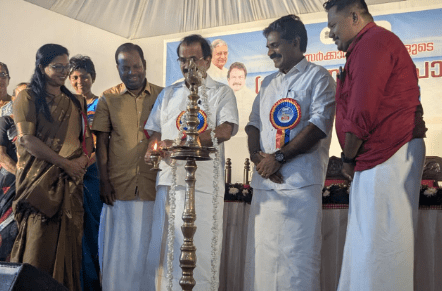
Union Minister of State for Fisheries, Animal Husbandry, and Dairying, Shri George Kurian, inaugurated and led the Fisheries Outreach Program in Njarakkal, Ernakulam, on October 25, 2025. The event focused on promoting awareness and registration under the National Fisheries Development Programme (NFDP), a key initiative to strengthen welfare benefits and technological adoption across India’s fisheries sector.
Empowering Fishers Through NFDP Registration
Addressing the gathering, Shri Kurian underscored the program’s goal of educating fishers and aquaculture workers on the benefits of NFDP registration. The scheme ensures that fishing communities receive access to insurance, financial aid, and modern facilities. He urged all fishers to register under NFDP to avail themselves of the various welfare benefits offered by the Central Government.
Integrated Coastal Development in Kerala
The Minister announced that nine coastal villages in Kerala have been selected for integrated development under a fully-funded Central Government initiative worth ₹2 crore. These model villages will feature fish processing centres, kiosks, and community halls, designed to encourage climate-resilient and technology-driven fisheries. The State Government will play a key role in identifying beneficiary communities and ensuring equitable outreach.
Expanding India’s Global Fisheries Footprint
Highlighting India’s leadership in the global fisheries arena, Shri Kurian noted that the nation is currently the second-largest fish producer and processor worldwide. He called upon fishers and fish farmers to work collectively to position India as the world’s largest fisheries producer. The Minister stressed that the government’s ongoing efforts — including infrastructure upgrades, modern harbour development, and low-interest financing for fisheries cooperatives — have substantially increased productivity and reduced economic risk for fishers.
Strengthening Central-State Collaboration
Commending the Kerala State Government’s collaboration in implementing Central fisheries initiatives, Shri Kurian acknowledged progress made through joint efforts, including harbour redevelopment and financial support for coastal infrastructure. These efforts, he said, reflect the government’s commitment to building a sustainable and inclusive Blue Economy.
Delivering Benefits to the Grassroots
During the event, the Minister personally distributed Kisan Credit Cards (KCCs), NFDP Certificates, and transponders to fishers and fish farmers. He interacted with stakeholders to understand challenges such as fuel costs, marine resource conservation, and market access. The outreach served as a direct communication bridge between policymakers and primary stakeholders, ensuring that policy benefits reach the intended communities efficiently.
Towards a Viksit Bharat 2047 Vision
In his concluding remarks, Shri Kurian invoked the Prime Minister’s vision of “Sabka Saath, Sabka Vikas, Sabka Vishwas, and Sabka Prayas,” emphasizing the collective strength of India’s fishers in realizing the dream of a Viksit Bharat (Developed India) by 2047. He reaffirmed the government’s commitment to supporting cooperatives, empowering fish farmers, and making India’s aquaculture sector globally competitive, socially inclusive, and environmentally resilient.
The second edition of the biannual Naval Commanders’ Conference 2025 concluded successfully on October 24, 2025, at Nausena Bhawan, New Delhi. Held from October 22 to 24, the three-day conference served as a strategic platform for senior naval leadership to deliberate on key issues of operational preparedness, maritime security, tri-service integration, and the path toward a fully Aatmanirbhar Navy by 2047.
Raksha Mantri Commends Operational Readiness
Hon’ble Raksha Mantri Shri Rajnath Singh addressed the Naval Commanders on October 23, commending the Indian Navy for maintaining an exceptional level of operational readiness and a robust deterrent posture. He praised the Navy’s pivotal role in safeguarding national maritime interests, particularly in the Indian Ocean Region (IOR). The Minister affirmed that the Navy’s presence in the region continues to be a source of comfort for friendly nations and a clear deterrent to those attempting to destabilise peace and security.
Highlighting the Navy’s modernization, Shri Rajnath Singh reiterated that “a self-reliant Navy is the foundation of a confident nation.” He emphasized the adoption of cutting-edge technologies, innovation-driven tactics, and autonomous warfare systems to strengthen maritime capabilities. The Raksha Mantri lauded indigenous efforts under iDEX and Make-in-India, which have made the Indian Navy a global example of Aatmanirbharta in defence.
Strategic Deliberations and Integration Goals
Chief of the Naval Staff Admiral R. Hari Kumar opened the conference with a forward-looking address, reinforcing the Navy’s vision of being a “Combat Ready, Credible, Cohesive, and Future-Ready Force.” He acknowledged the evolving global maritime environment and reaffirmed India’s commitment to regional engagement through operational adaptability and technological innovation.
He applauded the Navy’s recent operational advances, joint missions, and contributions to India’s defence diplomacy. The Chief of Defence Staff, General Anil Chauhan, and Chief of the Air Staff, Air Chief Marshal VR Chaudhari, joined discussions on enhancing tri-service integration, resource optimization, and joint operational planning. Cabinet Secretary Shri Rajeev Gauba also interacted with the commanders, strengthening coordination between defence and governance institutions.
Key Releases and Digital Initiatives
As part of the conference, five major naval publications were released, including the Regulations for Naval Armament Service, GeM Handbook, and Foreign Cooperation Roadmap. The highlight was the launch of NIPUN (Naval Intellectual Portal for Unified Knowledge), a one-stop digital platform designed to aggregate knowledge contributions and foster collaboration among naval personnel across strategic, operational, and technological domains.
Sagar Manthan: Thought Leadership at Sea
An event titled Sagar Manthan was organized on the sidelines of the conference on October 22, bringing together naval commanders, maritime experts, and policy leaders to exchange perspectives on global security trends, innovation in naval warfare, and the future of India’s maritime influence. Discussions at Sagar Manthan underscored India’s role as a responsible security partner in the Indo-Pacific and a major force for regional stability.
Conclusion
The Naval Commanders’ Conference 2025 reaffirmed the Indian Navy’s resolve to safeguard national maritime interests through innovation, deterrence, and integration. With its continuing progress under the Aatmanirbhar Bharat initiative and advancements in autonomous and digital warfare technologies, the Navy remains poised to steer India’s maritime strategy into a future defined by self-reliance, operational excellence, and regional leadership.

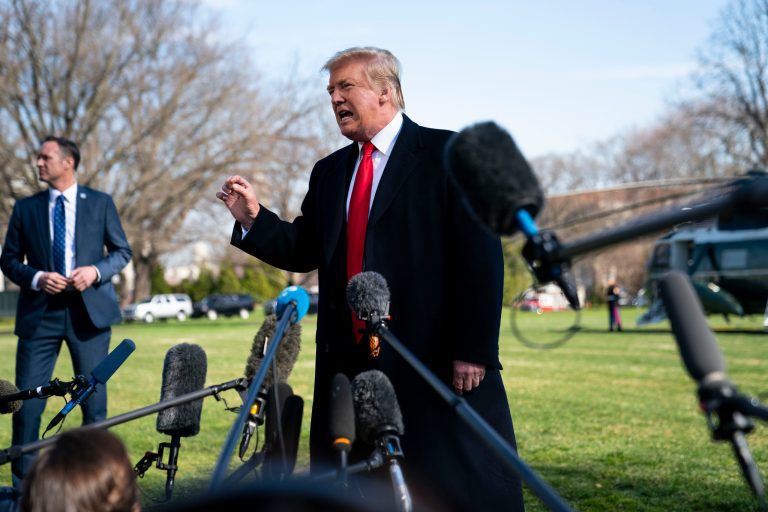

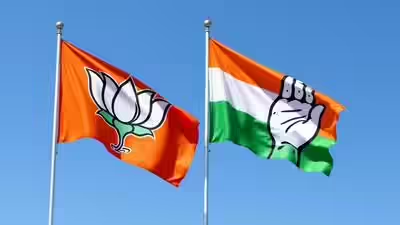
 Also Read:
  BMC’s Electoral Significance and Political Calculations
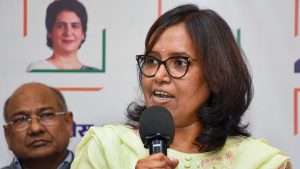 Alliance Dynamics and Strategic Positioning
 Mumbai’s citizens ultimately hold the power to determine which political formation governs the BMC. Their decision will shape not only immediate civic services but also longer-term developmental trajectories for India’s financial capital. Whether voters prioritise infrastructure improvements, public health facilities, educational quality, and transparent governance—or respond to alternative electoral appeals—will become clear when election results are announced.
 Also Read:
 Several Caribbean and South American nations have expressed concerns about the militarisation of waters traditionally governed by cooperative security frameworks. The USS Gerald Ford Caribbean deployment, occurring without extensive consultation with regional partners, reinforces perceptions of American unilateralism. Trinidad and Tobago has endorsed aspects of the American presence while carefully distancing itself from regime-change objectives, illustrating the delicate balance regional governments must strike between security cooperation and sovereignty protection.
 International Law and Rules of Engagement Questions
 Long-Term Strategic Consequences for Hemispheric Relations
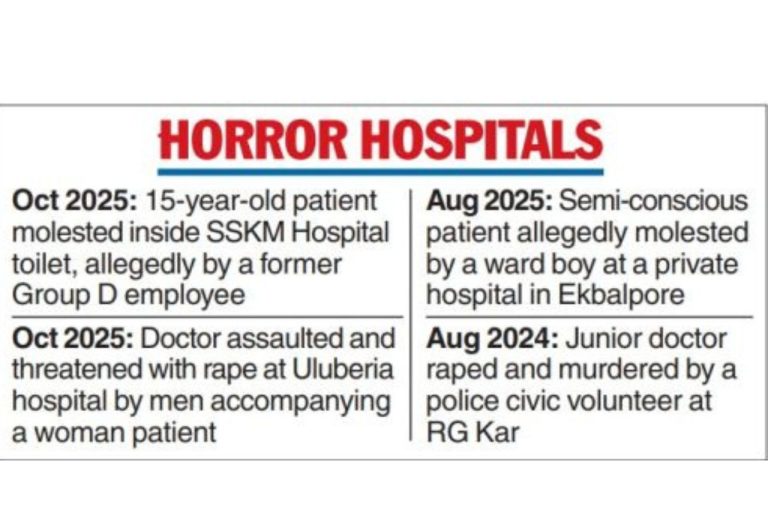
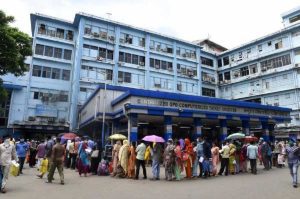
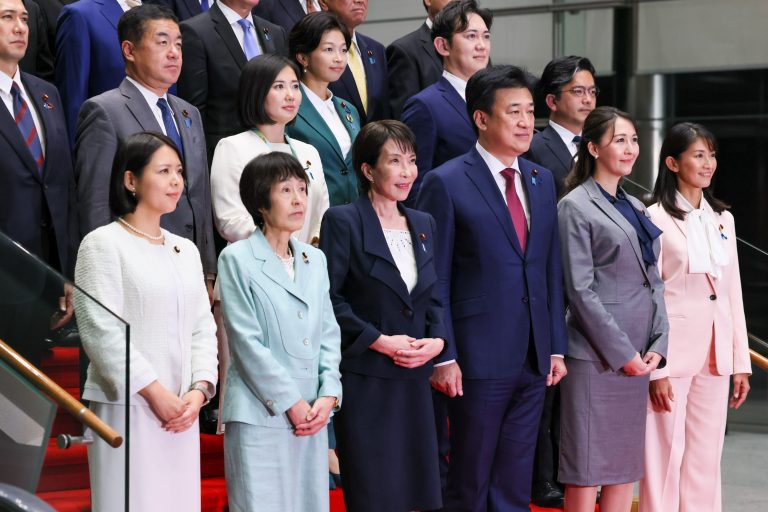
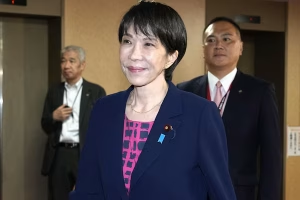 Also Read:
 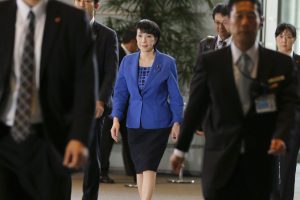 Coalition Politics and Domestic Constraints
 Security Alliance Evolution
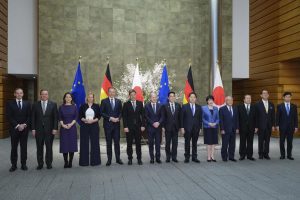 Implications for Indo-Pacific Geopolitics
 Also Read:
 The Presidential Role and Symbolic Significance
 Conclusion: A Watershed Moment