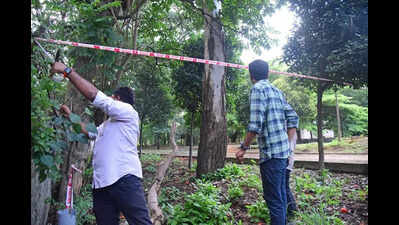
Kolkata Amherst Street Printing Press Fire: A significant fire broke out inside a two-storey building on Amherst Street in central Kolkata, engulfing a printing press and damaging adjacent shops before being brought under control by fire services. The incident, though fortunately without injuries, has revived critical questions regarding fire hazards in the city’s older commercial areas, which remain densely packed with flammable materials and limited evacuation routes.
Kolkata Amherst Street Printing Press Fire: How the Fire Started
According to initial fire department reporting, the blaze began around 8 a.m. inside the printing press unit, where large quantities of paper stock, ink barrels, chemicals and empty oil containers were stored. Such materials rapidly accelerated the flames.
The smoke column rising above the historic neighbourhood was visible from a distance, causing panic among shopkeepers and residents.
Firefighters deployed multiple fire-engines and used advanced breathing equipment due to dense smoke conditions. Adjacent buildings were evacuated as a precaution.
Authorities suspect that a short circuit or improper storage of flammable supplies may have triggered the incident — but the official forensic report is pending.
🏚️ A Vulnerable Commercial Zone
Amherst Street lies in a high-density mixed-use area — shops, small industrial units and residential buildings all stand wall-to-wall. Many structures here are decades old and not fully compliant with updated fire-safety mandates.
Key vulnerabilities in the locality include:
Risk Factor
On-Ground Reality
Narrow lanes
Fire-engine entry becomes difficult
Heavy storage of flammables
Printing & warehouse units nearby
Aged wiring
Susceptible to shorts and sparks
Lack of firefighting infrastructure
Very few accessible hydrants
Shared structures
Fire spreads faster through adjoining walls
Local business owners say they often alert civic authorities about electrical overloading and congested passages, but inspections happen rarely.
💬 Voices from the Neighbourhood
Residents recounted moments of fear as smoke seeped into nearby homes:
“The smoke was so strong that we couldn’t breathe. We rushed out with children, afraid the fire would reach us.”
— Resident of an adjoining building
Shop owners worry about economic loss:
“We have just entered the festive business season — the damage will hit us hard.”
— Small electronics store owner on Amherst Street
🚒 Fire Response Praised — But Systemic Issues Persist
Despite operational challenges, the West Bengal Fire & Emergency Services managed to contain the blaze in time.
Government fire-safety guidance: https://fireandemergencywb.gov.in/home
However, the incident underscores the need for:
✅ Mandatory fire-drills for commercial units
✅ Regular electrical safety checks
✅ Restriction on bulk storage of flammable materials
✅ Clear fire-vehicle access routes
✅ Fire-safety certification and renewal audits for old structures
✅ Awareness campaigns for workers in high-risk businesses
Experts say many small units are unaware of these requirements — worsening vulnerability.
🏗️ Urban Planning Lessons
Urban safety planners argue the blaze is part of a repeated pattern:
Parts of central and north Kolkata have heritage-era infrastructure
Commercial expansion often happens without structural upgrading
Enforcement remains reactive rather than preventive
A recent study on fire preparedness in Indian cities emphasizes that revival and retrofitting projects must prioritize life safety.
Urban safety resources: https://nidm.gov.in/FireSafety
🛍️ Impact on Local Economy
Kolkata’s printing industry has deep roots in Amherst Street and its surrounding hubs. Losses from machinery damage, order delays and shop closures are expected to ripple across the business ecosystem.
Insurance coverage remains unclear as many micro-enterprises reportedly operate without formal fire insurance — an issue flagged repeatedly by business associations.
✅ The Road Ahead
Authorities are now focused on:
Inspecting building’s structural condition
Checking fire-certificate validity
Assessing compliance of nearby units
Holding owners accountable if negligence is proven
Planning fire-hazard mapping for old commercial clusters
The Kolkata Municipal Corporation emphasised that routine safety audits will be increased in areas storing high volumes of combustible goods.
Conclusion
The Amherst Street printing press fire — though controlled swiftly — sends a stark reminder:
A single spark in a congested old-city commercial zone can lead to widespread disaster.
Improvement must begin now through collaborative action:
Government ✅
Businesses ✅
Local citizens ✅
Urban planners ✅
Kolkata’s historical market hubs are economically vital — protecting them means prioritizing fire safety every day.
Union Health and Family Welfare Minister Shri J.P. Nadda delivered the keynote address at the 50th Annual Convocation of the All India Institute of Medical Sciences (AIIMS), New Delhi, on October 25, 2025. The event marked a significant milestone in India’s healthcare journey, celebrating the institution’s enduring legacy of excellence in medical education, research, and patient care.
Decade of Growth in Medical Infrastructure
In his address, Shri Nadda highlighted the transformative progress India’s healthcare and medical education system has achieved in the last decade. He stated that India’s expansion from one AIIMS at the turn of the century to 23 across the country underscores the government’s commitment to regional equity in healthcare. The Minister noted that the number of medical colleges in India has surged from 387 to 819 in the past 11 years, and undergraduate seats have grown from 51,000 to 1,29,000. Postgraduate capacity has also more than doubled, reaching 78,000, with further plans to add 75,000 new seats across levels within the next five years.
India’s Rising Global Standing in Health Indicators
Commending India’s strides in public health, Shri Nadda pointed out substantial improvements in key health indicators. Maternal Mortality Ratio (MMR) fell from 130 to 88, while Infant Mortality Rate (IMR) declined from 39 to 27, as per Sample Registration System (SRS) data. Similarly, Under-5 Mortality Rate (U5MR) and Neonatal Mortality Rate (NMR) dropped by 42% and 39%, surpassing global averages. The Minister also highlighted that TB incidence has fallen by 17.7%, more than double the global average of 8.3%, according to a Lancet report.
AIIMS: Nurturing Future Healthcare Leaders
Shri Nadda commended AIIMS for its continued leadership in advancing medical innovation, education, and clinical excellence, calling it a benchmark institution globally. Addressing 326 graduating students, including 50 Ph.D. scholars and specialists, he urged them to uphold AIIMS’ legacy through compassion, ethical practice, and a pursuit of knowledge. The Minister inspired graduates to contribute significantly to healthcare teaching and research while embracing innovation and interdisciplinary collaboration.
Vision for Ethical and Inclusive Healthcare
The Union Health Minister underscored the importance of empathy and integrity in healthcare delivery. Describing the ongoing healthcare transformation as “accessible, affordable, and available,” he credited schemes such as Ayushman Bharat and Jan Aushadhi Kendras for redefining health equity. Shri Nadda encouraged AIIMS alumni to be catalysts for change in national and global medical ecosystems by driving innovation, supporting public health initiatives, and mentoring future generations of medical professionals.
Convocation Highlights
The 50th Convocation witnessed the conferring of degrees upon 326 graduates, including 50 Ph.D. scholars, 95 DM/MCh specialists, 69 MDs, 15 MSs, 4 MDSs, 45 MSc, 30 MSc (Nursing), and 18 M.Biotech graduates. Seven distinguished doctors received the Lifetime Achievement Award for their exceptional contributions and long-standing service. Prof. V.K. Paul, Member, NITI Aayog, lauded AIIMS for its integral role in shaping India’s healthcare vision and urged graduates to carry the ethos of excellence and compassion into their professional voyage. He reiterated the importance of academia in nation-building, aligning with the vision of ‘Viksit Bharat’.
Conclusion
Shri Nadda’s address at AIIMS reinforced the institution’s role in shaping India’s century of health reforms — empowering new medical professionals to lead the shifts in science, innovation, and compassionate care. The 50th Convocation symbolised not merely academic achievement but India’s broader commitment to equitable, evidence-based, and future-ready healthcare.
HLL Lifecare Limited, a Mini-Ratna Central Public Sector Enterprise (CPSE) under the Ministry of Health & Family Welfare, has affirmed its financial dynamism by paying a record dividend of ₹69.53 crore to the Government of India for the fiscal year 2024–25, marking one of the highest-ever payouts in the company’s history. The dividend reflects HLL’s enhanced performance, accountability, and sustained contribution to India’s healthcare sector.
HLL: A Pillar of Affordable Healthcare
The dividend cheque was handed over to Union Health Minister Shri J.P. Nadda by Dr. Anitha Thampi, Chairperson, in the presence of Smt. Anupriya Patel, Minister of State for Health & Family Welfare; Smt. Punya Salila Srivastava, Union Health Secretary; Shri Hovyeda Abbas, AS&FA; and Shri Vijay Nehra, Joint Secretary, Ministry of Health & Family Welfare. Senior HLL officials, including Shri N. Ajit, Director (Marketing), and Shri Ramesh P, Director (Finance), participated in the ceremony.
Addressing the gathering, Shri J.P. Nadda described HLL as “a reliable hand in the field of medical services,” praising its pivotal role in realising the national vision of accessible, affordable, and quality healthcare. He highlighted that HLL and its subsidiaries, including Amrit Pharmacies, have transformed health service delivery, benefiting over 6.7 crore people and saving more than ₹8,000 crore in out-of-pocket expenses through affordable medicine initiatives.
Strong Financial Growth in FY 2024–25
In FY 2024–25, Company recorded substantial growth across both manufacturing and service operations. Revenue from operations reached ₹4,500 crore — an increase of 20% compared to the previous year. The company’s net worth rose sharply to ₹1,100 crore as of March 31, 2025. On a consolidated basis, including subsidiaries such as HITES, GAPL, and Lifespring Hospitals, the HLL Group achieved a total revenue of ₹4,900 crore, marking a 19% annual growth.
Minister Nadda observed that HLL’s consistent financial and social milestones make it a model enterprise balancing profitability with public welfare. Its integrated business model, leveraging manufacturing efficiency and social responsibility, supports national revenue generation and enhances access to healthcare for all citizens.
Legacy of Service and Innovation
Established on March 1, 1966, HLL Lifecare transitioned from addressing population control challenges to becoming a multi-product, multi-service healthcare innovator. Through projects like Amrit Pharmacies, HLL continues to ensure affordable access to essential drugs and medical products across India while pioneering initiatives in medical devices, diagnostics, and healthcare delivery. As the company celebrates its 60th year, it remains at the forefront of India’s public health ecosystem, poised for greater strides in equity, inclusion, and innovation.
Conclusion
By paying a record dividend and expanding its operations, HLL Lifecare Limited reaffirms its leadership as a responsible CPSE and trusted healthcare partner. Its consistent growth trajectory and impact-driven strategy illustrate the synergy between financial prudence and social purpose, aligning seamlessly with the government’s vision of accessible and affordable healthcare for all.
The Maharashtra Social Justice and Special Assistance Department has announced the release of substantial funds under the Bharat Ratna Dr Babasaheb Ambedkar Social Development Scheme, allocating ₹2 crore to each district across the state. These welfare funds, released ahead of the civic polls, have sparked considerable discussion regarding their timing and potential political implications, as the state prepares for the long-delayed local body elections, expected to conclude by January 2026.
The fund allocation specifically targets the improvement of basic facilities for Scheduled Caste and Neo-Buddhist communities, two demographic groups that constitute a significant portion of Maharashtra’s electorate. With civic elections for 29 Municipal Corporations, 257 Municipal Councils, 26 Zilla Parishads, and 288 Panchayat Samitis scheduled in a three-phase process, the timing of these welfare funds released ahead of civic polls raises important questions about governance, development priorities, and electoral strategy.
Understanding the Babasaheb Ambedkar Social Development Scheme
The Bharat Ratna Dr Babasaheb Ambedkar Social Development Scheme represents one of Maharashtra’s flagship welfare initiatives aimed at uplifting marginalised communities. Named after the architect of India’s Constitution and a champion of social justice, this program focuses on creating sustainable infrastructure and improving living conditions for SC and Neo-Buddhist populations.
The scheme operates on the principle of comprehensive community development, addressing multiple aspects of social infrastructure. The allocated funds are designated for enhancing basic amenities including water supply systems, sanitation facilities, community centres, educational infrastructure, healthcare access points, and connectivity through road construction and improvement projects.
Under this initiative, welfare funds released ahead of civic polls are meant to bridge the development gap that has historically affected these communities. The ₹2 crore allocation per district represents a substantial investment, particularly when multiplied across Maharashtra’s 36 districts, totalling approximately ₹72 crore statewide.
The Electoral Context: Maharashtra’s Delayed Civic Polls
To understand the significance of these welfare funds released ahead of civic polls, one must examine the electoral landscape in Maharashtra. The state’s local body elections have been delayed for nearly three years, with the Brihanmumbai Municipal Corporation’s five-year term having ended on March 7, 2022. Since then, civic bodies have been run by state-appointed administrators rather than elected representatives.
Following a Supreme Court directive issued on May 6, 2025, the Maharashtra State Election Commission received clear instructions to conduct these long-pending elections within four months. The directive was subsequently extended, with the current deadline set for January 31, 2026. The Election Commission has planned a three-phase election process, with Phase 1 covering North and South Maharashtra, Phase 2 encompassing Vidarbha, West Maharashtra, and Marathwada, and Phase 3 focusing on Mumbai, Thane, and Konkan regions.
The local body elections are expected to be completed by October 2025, although Mumbai’s BMC elections may extend into January 2026. This electoral timeline coincides precisely with the announcement of welfare funds released ahead of civic polls, creating a natural connection between development spending and electoral mobilisation.
Political Implications and Strategic Considerations
The release of welfare funds ahead of civic polls inevitably invites scrutiny regarding political motivations. Scheduled Caste and Neo-Buddhist communities represent crucial voting blocs in Maharashtra politics, with their support often proving decisive in close electoral contests. Historical voting patterns demonstrate that these communities, constituting approximately 13% of Maharashtra’s population, can significantly influence outcomes in urban and rural local body elections.
Political analysts observe that fund releases before elections often serve dual purposes: fulfilling genuine developmental needs while simultaneously creating goodwill among target communities. The Babasaheb Ambedkar Social Development Scheme’s emphasis on visible infrastructure improvements—such as community centres, roads, and water supply systems—ensures that beneficiaries can directly observe the impact of government spending.
The timing of these welfare funds released ahead of civic polls suggests a calculated approach to electoral preparation. By announcing funds several months before polling dates, the administration creates sufficient time for project initiation, allowing voters to witness the commencement of development work while maintaining a plausible distance from direct electoral quid pro quo.
Implementation Mechanisms and Accountability Framework
The effectiveness of welfare funds released ahead of civic polls depends critically on implementation mechanisms and transparency in fund utilisation. The Social Justice Department has established district-level monitoring committees responsible for project selection, fund disbursement, and progress tracking. Each district receives specific guidelines for identifying priority projects that address genuine community needs.
The implementation process typically involves multiple stages: community consultation to identify pressing infrastructure gaps, preparation of detailed project reports, approval from district authorities, contractor selection through transparent tendering processes, and phased execution with regular monitoring. This structured approach theoretically ensures that funds translate into tangible developmental outcomes rather than remaining on paper.
However, concerns about implementation quality and timeline adherence are valid, particularly given Maharashtra’s mixed track record with welfare scheme execution. Past experiences with similar initiatives reveal challenges, including bureaucratic delays, contractor inefficiency, cost overruns, incomplete projects, and occasional misappropriation of funds. These issues underscore the importance of vigilant public monitoring and civil society engagement.
Historical Context of Pre-Election Fund Releases
The phenomenon of welfare funds released ahead of civic polls is not unique to this instance or to Maharashtra. Across India, governments frequently announce development packages and fund allocations in the months preceding elections. This pattern reflects both the acceleration of decision-making during electoral periods and the political utility of demonstrating governmental responsiveness to community needs.
Maharashtra itself has witnessed similar patterns in previous electoral cycles. Before the 2017 BMC elections, various welfare schemes targeting different communities received enhanced allocations. Similarly, preceding the 2019 state assembly elections, multiple social welfare programs saw expedited fund releases and implementation timelines.
The critical question is whether these welfare funds released ahead of civic polls represent genuine developmental commitments or merely electoral inducements that may not sustain beyond the polling day. Evidence from past cycles suggests mixed outcomes, with some projects reaching completion and serving communities effectively, while others remain abandoned or partially executed.
Community Impact and Developmental Outcomes
For Scheduled Caste and Neo-Buddhist communities, the ₹2 crore allocation per district could translate into meaningful improvements if implemented effectively. These communities often reside in areas with inadequate basic infrastructure, facing challenges such as unreliable water supply, poor sanitation facilities, inadequate educational infrastructure, limited healthcare access, and substandard housing conditions.
The Babasaheb Ambedkar Social Development Scheme’s focus on basic facility improvement directly addresses these challenges. A well-executed project portfolio might include construction of community halls serving as multi-purpose spaces for education, skills training, and social gatherings; installation of water supply systems ensuring consistent access to clean drinking water; development of sanitation infrastructure including public toilets and drainage systems; establishment of educational support centers providing supplementary learning resources; creation of healthcare access points offering primary medical services; and infrastructure improvements such as road paving and street lighting.
These improvements, realised through the welfare funds released ahead of civic polls, could significantly enhance the quality of life for beneficiary communities, providing lasting developmental benefits regardless of the electoral motivations behind their announcement.
Transparency, Monitoring, and Public Accountability
Ensuring proper utilisation of welfare funds released ahead of civic polls requires robust transparency and monitoring mechanisms. Civil society organisations, community leaders, and concerned citizens play crucial roles in tracking fund deployment and holding authorities accountable for outcomes.
Several monitoring approaches prove effective: establishment of community monitoring committees comprising residents who can observe project implementation firsthand; regular public disclosure of fund allocations, contractor details, project timelines, and completion percentages; use of technology platforms including mobile applications and websites for real-time project tracking; periodic social audits involving independent evaluation of expenditure and outcomes; and accessible grievance redressal mechanisms allowing citizens to report irregularities or delays.
The Maharashtra government’s commitment to transparency in managing welfare funds released ahead of civic polls will significantly determine public perception and trust. Transparent implementation strengthens democratic accountability while reducing opportunities for corruption and mismanagement.
Legal and Ethical Considerations
The release of welfare funds ahead of civic polls raises important legal and ethical questions regarding appropriate governance during electoral periods. India’s Election Commission has established Model Code of Conduct guidelines that restrict certain governmental actions once elections are officially announced. However, these restrictions typically apply after formal election notification rather than during the preparatory period when poll schedules are being finalised.
The current fund release falls into a grey area—announced when elections are imminent but not yet formally notified. This timing allows the government to claim legitimacy for routine developmental spending while critics argue it constitutes indirect electoral influence. The ethical dimension involves whether such announcements serve primarily developmental or electoral objectives, and whether their timing unfairly advantages incumbents.
Comparison with Other State Welfare Initiatives
Maharashtra’s approach to welfare funds released ahead of civic polls can be contextualised by examining similar initiatives in other states. Several Indian states have implemented targeted welfare schemes for marginalised communities, often timed strategically relative to electoral cycles. These comparisons reveal common patterns and distinctive features of Maharashtra’s approach.
For instance, Tamil Nadu’s various welfare schemes for SC communities, Karnataka’s development programs targeting backward classes, and Uttar Pradesh’s infrastructure initiatives for marginalised groups all demonstrate the widespread practice of linking developmental spending with electoral considerations. Maharashtra’s Babasaheb Ambedkar Social Development Scheme distinguishes itself through its specific focus on basic infrastructure and the substantial per-district allocation of ₹2 crore.
Future Implications and Sustainability Concerns
The long-term impact of welfare funds released ahead of civic polls depends on whether current projects receive sustained support beyond the electoral period. A common criticism of election-linked developmental spending involves its lack of sustainability, with projects initiated enthusiastically during campaign periods but neglected once elections conclude.
For the Babasaheb Ambedkar Social Development Scheme to deliver lasting benefits, several conditions must be met: completed infrastructure must receive adequate maintenance funding; initiated projects should continue regardless of electoral outcomes; beneficiary communities need capacity building for managing and maintaining facilities; subsequent budgets should include provisions for scheme continuation; and evaluation mechanisms should assess long-term impact rather than merely tracking expenditure.
The true measure of these welfare funds released ahead of civic polls will emerge not in the immediate pre-election period but in the years following, when sustained commitment to community development becomes evident through maintained infrastructure and continued investment.
Conclusion: Balancing Development and Democracy
The Maharashtra Social Justice Department’s release of ₹2 crore per district under the Babasaheb Ambedkar Social Development Scheme represents a significant developmental investment for SC and Neo-Buddhist communities. While the welfare funds released ahead of civic polls inevitably invite scrutiny regarding electoral motivations, they also present genuine opportunities for addressing infrastructure deficits in marginalised communities.
The key lies in implementation quality, transparency, and accountability. If these funds translate into completed projects that meaningfully improve living conditions, they serve legitimate developmental objectives regardless of electoral timing. Conversely, if they remain largely unspent or result in incomplete projects after elections conclude, they confirm concerns about electoral exploitation of developmental spending.
Citizens, civil society organisations, and media outlets bear responsibility for vigilant monitoring, ensuring that welfare funds released ahead of civic polls actually reach intended beneficiaries and create lasting infrastructure improvements. Only through such accountability can the tension between development imperatives and electoral considerations be resolved in favour of genuine community welfare.
As Maharashtra prepares for its crucial local body elections, the effectiveness with which these welfare funds are utilised will serve as an important indicator of governmental commitment to social justice beyond electoral rhetoric. The legacy of Dr Babasaheb Ambedkar, after whom this scheme is named, demands nothing less than genuine, sustained commitment to uplifting marginalised communities through concrete developmental action.
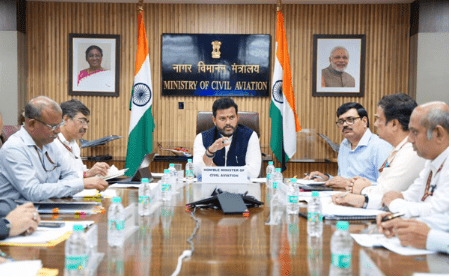
The Ministry of Civil Aviation (MoCA) has reported significant progress in its ongoing participation in the Special Campaign for Disposal of Pending Matters (SCDPM) 5.0, held from October 2 to 31, 2025. The initiative, aligned with the Government’s broader ‘Swachhata’ and Good Governance drive, aims to promote efficiency, cleanliness, and transparency across ministries and departments.
87% Grievance Targets Achieved; 4,988 Files Weed Out
According to the Ministry’s mid-term report, 87% of public grievance redressal targets have already been met. A total of 4,988 physical files have been successfully weeded out, streamlining old records and optimizing work efficiency. Furthermore, 405 cleanliness drives have been conducted out of the targeted 480, highlighting sustained momentum in improving work environments.
Space Optimization and Scrap Disposal Drive Revenue and Efficiency
Through the disposal of scrap, e-waste, and redundant documents, approximately 31,353 square feet of valuable office space has been freed up across Ministry premises. The process has also generated revenue worth ₹81.66 lakh through the sale of scrap materials. These measures not only improve physical conditions but reflect MoCA’s commitment to sustainable resource management.
Leadership Oversight: Minister Rammohan Naidu’s Hands-On Approach
The campaign is being spearheaded by Minister of Civil Aviation Shri Rammohan Naidu, who personally chaired a review meeting on October 9, 2025, with senior ministry officials and heads of attached organizations — including the Directorate General of Civil Aviation (DGCA), Airports Authority of India (AAI), and Bureau of Civil Aviation Security (BCAS). On October 13, he conducted a walkthrough of the Ministry premises, interacting with staff, inspecting libraries and canteens, and encouraging officials to adopt Swachhata (cleanliness) as a personal and professional ethos.
Aiming for a Physically, Digitally, and Mentally Clutter-Free Workplace
Under Shri Naidu’s leadership, the Ministry is moving toward a workplace free of physical and digital clutter. The initiative emphasizes digitization of records to create a paperless office environment and ensure responsible e-waste recycling in line with environmental standards. Moreover, MoCA is promoting organized workflows and minimalistic work practices — reflecting holistic cleanliness not only in spaces but also in mindset.
Progress Aligned With National Governance Reforms
The Special Campaign 5.0, led by the Department of Administrative Reforms and Public Grievances (DARPG), aims to accelerate government efficiency through grievance resolution, file disposal, and clean administrative practices. MoCA’s robust mid-term performance showcases its alignment with Prime Minister Shri Narendra Modi’s vision of transforming Swachhata into a way of life, inspiring ministries to embody transparency, accountability, and sustainability.
Conclusion
The Ministry of Civil Aviation’s proactive participation in Special Campaign 5.0 stands as a model of operational efficiency and workplace transformation. By ensuring cleanliness in both physical and digital domains, promoting employee engagement, and simplifying governance processes, MoCA reiterates its commitment to a clean, transparent, and people-first administration.
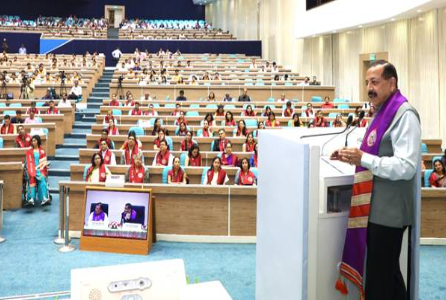
Union Minister Dr. Jitendra Singh underscored the transformative developments in India’s medical education and healthcare infrastructure, emphasizing accessibility, affordability, and innovation as the three defining pillars of progress. Speaking at the 54th Foundation Day and Convocation Ceremony of the University College of Medical Sciences (UCMS), University of Delhi, he lauded India’s achievements in bridging medical knowledge with public service.
Transforming Medical Education in the Last Decade
Dr. Singh highlighted the exponential growth of medical education in India, noting that the number of undergraduate seats has surged from about 45,000 a decade ago to nearly 1.5 lakh today. He attributed this evolution to the expansion of landmark institutions like AIIMS across various states, which have democratized access to quality medical education and opened new opportunities for women and rural aspirants. The Minister said the government’s efforts reflect a national commitment to building a resilient healthcare ecosystem supported by top-notch human capital.
Accessible, Affordable, and Available Healthcare
Describing the reform in healthcare delivery as “three-fold — accessible, affordable, and available,” Dr. Singh credited flagship programs such as Ayushman Bharat and Jan Aushadhi Kendras for strengthening the public health framework. He also commended recent reforms in health insurance that now cover pre-existing diseases, calling it a humane and inclusive transformation that upholds citizens’ right to comprehensive health coverage.
India’s Global Leadership in Life Sciences
The Minister highlighted that India is emerging as a global leader in the life sciences and medical research sectors. He cited the development of the world’s first DNA vaccine for COVID-19 and the HPV vaccine for cervical cancer prevention by the Department of Biotechnology as hallmarks of India’s scientific prowess. Additionally, he mentioned breakthroughs such as India’s indigenous antibiotic ‘Nafithromycin’ and gene therapy for haemophilia, published in the prestigious New England Journal of Medicine, which signify the nation’s advancing capabilities in biotechnology and pharmaceutical research.
AI and the Future of Patient Care
Dr. Singh emphasized the role of Artificial Intelligence (AI) and digital technologies in revolutionizing diagnostic precision and patient care. He stated that AI-driven telemedicine solutions have already demonstrated the potential to enhance communication in regional languages and bring human-like empathy into remote healthcare consultations. “It’s a hybrid model that integrates compassion with innovation,” he said, underscoring the importance of ethical and patient-centered technology adoption.
Collaboration and Future Readiness
Urging medical institutions to collaborate more actively with the private sector, he asserted that the era of “working in silos” is over. He encouraged universities to partner with industry and government laboratories to advance research and clinical trials. He noted that such synergies are vital to maintaining India’s leadership in healthcare innovation and ensuring that the next generation of doctors is equipped to deliver comprehensive solutions for both communicable and non-communicable diseases.
Recognition of Excellence and Institutional Legacy
At the convocation, Dr. Jitendra Singh awarded degrees and medals to meritorious undergraduate and postgraduate students and released a souvenir recounting UCMS’s 54-year journey in medical education and research. The event, attended by leading faculty, students, and government officials, reflected UCMS’s growing contribution to community-based healthcare through partnerships like those with GTB Hospital and other public health programs.
Conclusion
In his closing remarks, Dr. Singh reminded the graduating doctors of their pivotal role in shaping India’s healthcare landscape by 2047, the centenary of India’s independence. He emphasized that this generation of medical professionals holds the key to achieving a self-reliant and globally competitive healthcare system rooted in ethics, innovation, and inclusivity.
A prominent consumer rights organisation has accused the Hubli Electricity Supply Company (HESCOM) of allegedly misusing its tariff review process to impose higher electricity charges on consumers. The group claims that the review, which is supposed to evaluate operational costs and service efficiency, is being exploited to justify arbitrary hikes in electricity tariffs, adversely affecting households, businesses, and small industries across Karnataka.
Consumer advocacy groups have pointed out that HESCOM’s alleged misuse of the tariff review process is part of a broader pattern seen across several utilities in Karnataka. They argue that while utilities claim rising operational costs, evidence often shows inefficiencies, wastage, and delayed infrastructure upgrades that do not justify increased tariffs. The consumer group has called for independent audits to validate cost claims before any hike is approved.
According to the organisation, transparency is a key issue in the tariff revision process. Most consumers lack access to clear, understandable information about how tariffs are calculated, making it difficult for them to challenge proposals. The group has demanded that HESCOM provide simplified reports and public summaries of its financials, operational costs, and proposed increases, allowing ordinary citizens to make informed decisions and submit meaningful objections.
Industry experts note that unchecked tariff hikes could have cascading effects on Karnataka’s economy. Higher electricity costs may increase operational expenses for small and medium enterprises, forcing them to reduce workforce or increase prices for goods and services. This, in turn, could impact consumer spending and overall economic activity, making fair and regulated electricity pricing crucial for the state’s growth and stability.
The consumer group has also highlighted issues with HESCOM’s billing practices, including delayed meters, estimated bills, and frequent discrepancies. They argue that increasing tariffs without addressing these systemic problems effectively penalises consumers for inefficiencies that the utility itself has not corrected. The group insists that tariff adjustments should be linked to measurable improvements in service quality and reliability.
Public hearings organised by the Karnataka Electricity Regulatory Commission (KERC) are expected to become a focal point for consumer advocacy. The groups have announced plans to present detailed objections, cost analyses, and case studies from other states to illustrate how tariff hikes can be unfairly imposed. They hope that KERC will consider these inputs before approving any changes, ensuring that consumers are not exploited.
HESCOM has defended its proposal by citing rising fuel costs, maintenance expenses, and the need to modernise the distribution network. Officials claim that the tariff revision is necessary to maintain service continuity and ensure financial sustainability. However, critics argue that the utility has not adequately addressed inefficiencies in energy distribution, such as high transmission losses and outdated infrastructure, which continue to burden consumers unfairly.
Legal analysts have emphasised that if HESCOM’s tariff hike is implemented without proper justification, citizens may have grounds to challenge it in courts. Past cases in Karnataka and other states have seen courts ordering utilities to roll back unfair tariff hikes and compensate consumers. Such legal interventions underline the need for robust regulatory oversight and accountability in public utilities.
Consumer rights activists are also mobilising public campaigns to raise awareness about the tariff review process. They are encouraging citizens to participate in public hearings, submit objections, and demand transparency in utility operations. Social media campaigns, workshops, and informational materials are being used to empower consumers to engage effectively with the regulatory process.
Experts have stressed that utilities like HESCOM must strike a balance between financial sustainability and public interest. While operational costs may rise due to inflation, maintenance, or technology upgrades, any tariff increases must be reasonable, transparent, and linked to tangible benefits for consumers, such as improved reliability, reduced outages, and better grievance redressal.
The ongoing dispute over HESCOM’s tariff proposal highlights the critical role of regulatory commissions in protecting consumer interests. Ensuring that electricity remains affordable, while allowing utilities to maintain and improve services, is central to Karnataka’s energy policy. The outcome of this tariff review will likely set a benchmark for future utility operations, transparency standards, and consumer protection in the state.
Consumer Group Raises Concerns
The consumer group stated that HESCOM’s recent tariff proposal lacks transparency and does not adequately reflect operational realities or consumer interests. According to the complaint, the utility has reportedly presented inflated expense projections and unverified cost components to regulatory authorities, giving the appearance of increased financial need. Members of the organisation argue that this approach could unfairly burden consumers, particularly those from low-income segments who are already struggling with rising living costs.
Representatives of the consumer group urged the Karnataka Electricity Regulatory Commission (KERC) to carefully scrutinise HESCOM’s submissions and ensure that any tariff revisions are justified, reasonable, and grounded in verifiable data. They stressed that electricity is an essential service, and arbitrary hikes undermine public trust in the power distribution sector.
Alleged Impact on Consumers
According to the organisation, if HESCOM’s proposed tariff hikes are implemented, residential users could see a significant increase in monthly electricity bills, while industrial and commercial establishments may face higher operational costs. The group warned that this could result in ripple effects across the economy, with small businesses potentially passing on increased expenses to consumers and affecting overall economic stability in the region.
Consumer advocacy groups have pointed out that HESCOM’s alleged misuse of the tariff review process is part of a broader pattern seen across several utilities in Karnataka. They argue that while utilities claim rising operational costs, evidence often shows inefficiencies, wastage, and delayed infrastructure upgrades that do not justify increased tariffs. The consumer group has called for independent audits to validate cost claims before any hike is approved.
According to the organisation, transparency is a key issue in the tariff revision process. Most consumers lack access to clear, understandable information about how tariffs are calculated, making it difficult for them to challenge proposals. The group has demanded that HESCOM provide simplified reports and public summaries of its financials, operational costs, and proposed increases, allowing ordinary citizens to make informed decisions and submit meaningful objections.
Industry experts note that unchecked tariff hikes could have cascading effects on Karnataka’s economy. Higher electricity costs may increase operational expenses for small and medium enterprises, forcing them to reduce workforce or increase prices for goods and services. This, in turn, could impact consumer spending and overall economic activity, making fair and regulated electricity pricing crucial for the state’s growth and stability.
The consumer group has also highlighted issues with HESCOM’s billing practices, including delayed meters, estimated bills, and frequent discrepancies. They argue that increasing tariffs without addressing these systemic problems effectively penalises consumers for inefficiencies that the utility itself has not corrected. The group insists that tariff adjustments should be linked to measurable improvements in service quality and reliability.
Public hearings organised by the Karnataka Electricity Regulatory Commission (KERC) are expected to become a focal point for consumer advocacy. The groups have announced plans to present detailed objections, cost analyses, and case studies from other states to illustrate how tariff hikes can be unfairly imposed. They hope that KERC will consider these inputs before approving any changes, ensuring that consumers are not exploited.
HESCOM has defended its proposal by citing rising fuel costs, maintenance expenses, and the need to modernise the distribution network. Officials claim that the tariff revision is necessary to maintain service continuity and ensure financial sustainability. However, critics argue that the utility has not adequately addressed inefficiencies in energy distribution, such as high transmission losses and outdated infrastructure, which continue to burden consumers unfairly.
Officials from the consumer group claimed that past instances of tariff hikes by HESCOM have not always been accompanied by improvements in service quality. Complaints regarding frequent power cuts, delayed grievance redressal, and billing errors remain widespread, further fueling public dissatisfaction. The group argues that any tariff increase should be conditional on demonstrable service improvements and operational efficiency.
HESCOM’s Response
HESCOM officials have responded by stating that all tariff revisions are conducted under the supervision of KERC and follow regulatory guidelines. The utility insists that proposed hikes are necessary to cover rising operational costs, procurement expenses, and infrastructure maintenance. HESCOM has also pointed out that the tariff review process includes multiple stages of consultation and public hearings, allowing consumers to voice objections and feedback.
Despite HESCOM’s assurances, consumer advocacy groups remain sceptical about the process. They allege that technical jargon and complex financial reports make it difficult for ordinary consumers to understand or challenge the proposed tariff increases. The group has therefore called for greater transparency, simplified reporting, and public engagement to ensure that tariff decisions are fair and equitable.
Regulatory Oversight and Public Hearings
The Karnataka Electricity Regulatory Commission is expected to conduct public hearings on HESCOM’s tariff proposal in the coming weeks. Consumer groups plan to actively participate, submitting detailed objections, independent audits, and data analyses to challenge the company’s claims. Observers note that regulatory commissions play a crucial role in balancing the interests of utility companies and consumers, ensuring that electricity pricing remains reasonable while allowing providers to sustain operations.
Experts in public utilities emphasise that tariff-setting should be transparent, data-driven, and subject to continuous oversight. They warn that misuse of review mechanisms could erode public confidence, encourage consumer protests, and even lead to legal challenges against the utility. Ensuring that electricity remains affordable and accessible is considered essential for social equity and economic growth.
The consumer group’s allegations highlight growing concerns about accountability and governance in the state’s power distribution sector. Citizens, civil society organisations, and regulatory authorities are now focused on scrutinising HESCOM’s practices, demanding that the tariff review process be used solely for legitimate operational assessment rather than as a tool for unwarranted price hikes.
Conclusion: The Need for Accountability and Fairness
The controversy surrounding HESCOM’s tariff review underscores the importance of consumer advocacy and regulatory vigilance. As electricity remains a critical service for households and businesses alike, ensuring that tariff hikes are justified, transparent, and linked to tangible improvements is essential. The coming weeks are expected to be pivotal, as public hearings and regulatory decisions will determine whether Karnataka consumers are protected from unfair financial burdens or subjected to arbitrary increases in electricity costs.
The consumer group has vowed to continue monitoring the situation and mobilising public awareness campaigns, urging citizens to participate in hearings and voice concerns. The outcome of this case could set a significant precedent for utility governance in Karnataka, reinforcing the principle that essential services must operate with accountability, transparency, and fairness for the people they serve.
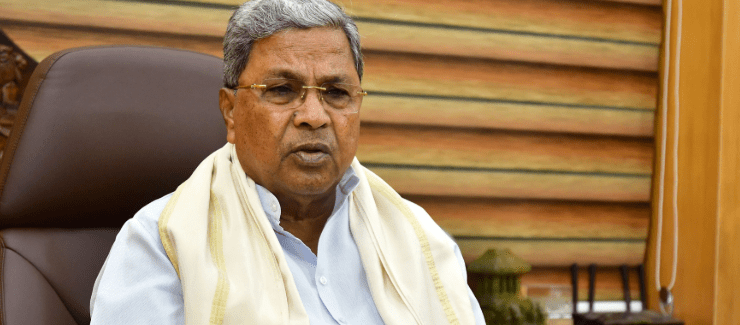
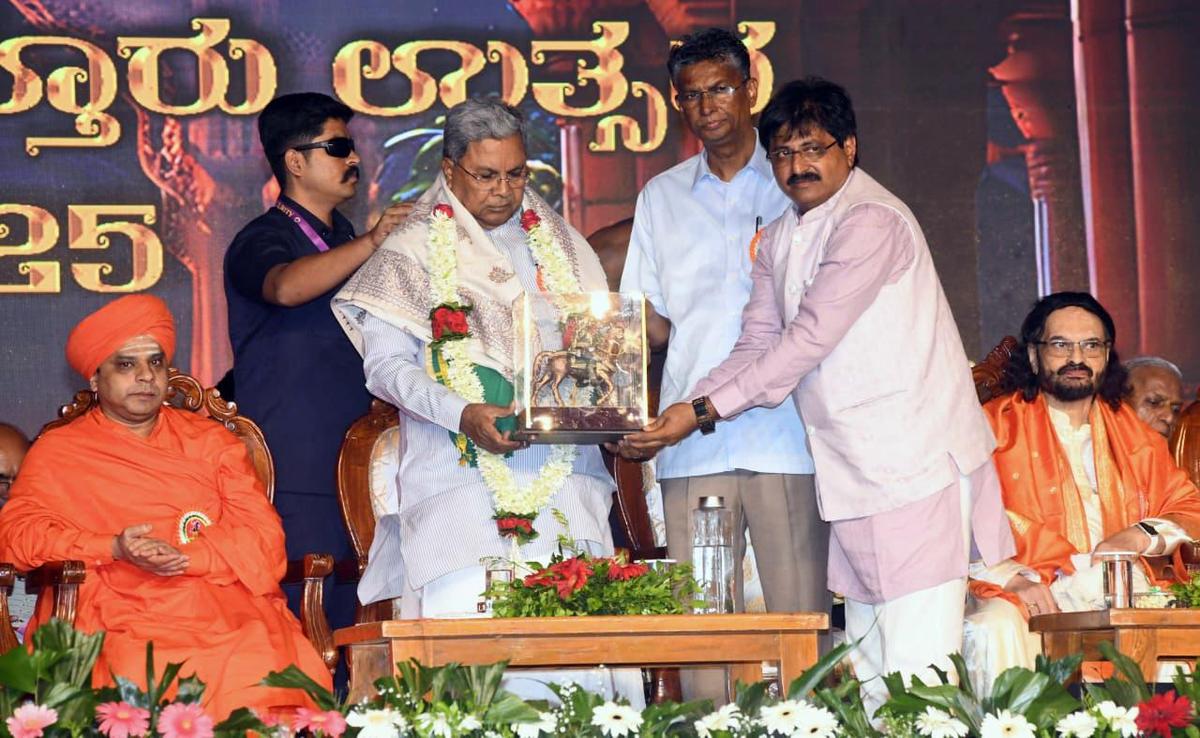
Karnataka Chief Minister Basavaraj Bommai has issued a strong warning to the public against attempts to divide society on the basis of caste, religion, or community. Speaking at a public event in Bengaluru, the CM emphasised that social harmony and unity are essential for the state’s progress and development. He expressed concern over increasing instances where certain groups or individuals are allegedly attempting to create divisions for political or personal gain.
The Chief Minister further elaborated that attempts to divide society are often subtle, using misinformation, rumours, or exaggerated narratives to create suspicion and hostility between communities. He stressed the importance of critical thinking and verification of facts before accepting or spreading any information, particularly on social media platforms, which have become a primary channel for communication among citizens.
Bommai highlighted that youth play a pivotal role in maintaining social harmony. Schools, colleges, and community organisations are being encouraged to incorporate programs on civic responsibility, social ethics, and inter-community dialogue. The government believes that engaging young people early will foster a culture of understanding, tolerance, and resilience against divisive tactics in the future.
The CM also addressed the role of religious and cultural institutions in promoting unity. He called upon leaders from all faiths to actively participate in dialogue and community initiatives that bridge gaps between different groups. Festivals, cultural events, and public forums were cited as opportunities to strengthen inter-community bonds and showcase Karnataka’s diversity as a source of pride rather than division.
Officials from the Home Department informed the CM that a rapid response mechanism has been established to monitor communal tension across the state. The mechanism involves coordination between local police, intelligence agencies, and community representatives to identify potential flashpoints and take preventive action before conflicts arise. Bommai emphasised that early intervention is key to maintaining peace.
In his address, the CM also condemned political attempts to exploit societal divisions for electoral gains. He cautioned that short-term political advantages should never come at the cost of long-term societal cohesion. Leaders who promote divisive narratives risk destabilising communities and eroding public trust in governance, he warned.
Bommai cited recent examples where proactive government measures, community outreach, and prompt law enforcement prevented tensions from escalating. These included mediating disputes, organising interfaith dialogues, and rapidly addressing misinformation. He noted that such efforts demonstrate the importance of collaboration between authorities and citizens in upholding harmony.
Karnataka Chief Minister Basavaraj Bommai has issued a strong warning to the public against attempts to divide society on the basis of caste, religion, or community. Speaking at a public event in Bengaluru, the CM emphasised that social harmony and unity are essential for the state’s progress and development. He expressed concern over increasing instances where certain groups or individuals are allegedly attempting to create divisions for political or personal gain.
Civil society organisations welcomed the CM’s statements, saying that political leadership must be complemented by active community engagement. NGOs and citizen groups are encouraged to implement programs that promote inclusivity, gender equality, and protection of minority rights, contributing to a stronger, more united society.
The CM reiterated that Karnataka’s legal framework provides stringent measures against hate speech, discrimination, and incitement to violence. Citizens were urged to be aware of these laws and use them responsibly to report and prevent acts intended to divide communities. Bommai stressed that justice and the rule of law are fundamental pillars of a cohesive society.
He further urged media organisations to act responsibly, highlighting that sensationalist reporting can exacerbate tensions. Balanced and factual reporting, along with highlighting positive stories of community cooperation, can play a crucial role in reinforcing social cohesion and countering divisive narratives.
Finally, Bommai concluded by emphasising that unity in diversity is Karnataka’s greatest strength. Citizens are encouraged to actively participate in initiatives that promote mutual respect, understanding, and equality. The Chief Minister’s repeated warnings and proposed measures underscore the state’s commitment to creating a safe, inclusive, and harmonious environment for all residents, where attempts to divide society are promptly addressed and mitigated.
CM Stresses the Importance of Social Cohesion
Bommai highlighted that Karnataka has a long-standing tradition of communal harmony and inclusive development. He urged citizens to be vigilant and resist any form of provocation or inflammatory propaganda that seeks to create rifts within society. “Our strength lies in our unity. Attempts to divide people based on caste or religion will only weaken our social fabric and hinder the state’s growth,” he said.
The CM also called upon political parties, social organisations, and community leaders to actively discourage divisive practices. He stressed that leaders must prioritise inclusive policies and focus on welfare measures that benefit all citizens equally, rather than exploiting societal differences for narrow interests. Bommai reiterated that the government is committed to protecting the rights of all communities and ensuring equality before the law.
Government Measures to Promote Harmony
Karnataka’s administration has initiated several programs aimed at promoting social cohesion, including awareness campaigns, youth engagement initiatives, and educational programs emphasising values of tolerance and respect. Officials noted that these programs are designed to counter misinformation and reduce the influence of divisive narratives, particularly on social media platforms.
The CM’s warning comes amid reports of sporadic incidents of communal tension in some districts, though authorities clarified that these have been contained effectively. He assured citizens that the government is monitoring the situation closely and taking necessary steps to prevent escalation. Law enforcement agencies have been instructed to act swiftly against any attempts to incite violence or hatred.
Bommai also addressed the role of media and social platforms, urging responsible reporting and fact-checking to prevent the spread of false information that could trigger societal unrest. “We must ensure that communication channels are used to inform and educate, not to mislead and divide,” he stated.
Public Response and Awareness
Community leaders and civil society groups welcomed the CM’s statement, saying that proactive engagement from the government is essential to maintain peace and stability. Local residents expressed support for initiatives that promote dialogue and mutual understanding across communities. Many also called for increased participation of young people in social programs to strengthen unity from the grassroots level.
Experts on social governance pointed out that Karnataka’s diverse population requires continuous efforts to build trust among communities. They noted that preventive measures, community policing, and awareness campaigns are more effective than reactive policies in curbing societal divisions. Bommai’s emphasis on vigilance and inclusivity aligns with these recommendations.
Political analysts highlighted that the CM’s remarks come at a time when several states are witnessing heightened debates around identity politics. By prioritising unity and social harmony, Karnataka’s leadership aims to prevent polarisation and maintain a stable environment conducive to development and investment.
Bommai concluded his address by appealing to citizens to remain alert but not fearful. He urged everyone to report instances of hate speech, discrimination, or attempts to divide society, and to work collectively towards a state where every individual feels valued and protected.
The Chief Minister’s strong warning underlines the government’s commitment to social cohesion and the protection of Karnataka’s diverse cultural heritage. Citizens and leaders alike are encouraged to uphold principles of equality, tolerance, and mutual respect to ensure that the state continues to thrive in harmony.
The Chief Minister’s strong warning underlines the government’s commitment to social cohesion and the protection of Karnataka’s diverse cultural heritage. Citizens and leaders alike are encouraged to uphold principles of equality, tolerance, and mutual respect to ensure that the state continues to thrive in harmony.
Bommai cited recent examples where proactive government measures, community outreach, and prompt law enforcement prevented tensions from escalating. These included mediating disputes, organising interfaith dialogues, and rapidly addressing misinformation. He noted that such efforts demonstrate the importance of collaboration between authorities and citizens in upholding harmony.
Civil society organisations welcomed the CM’s statements, saying that political leadership must be complemented by active community engagement. NGOs and citizen groups are encouraged to implement programs that promote inclusivity, gender equality, and protection of minority rights, contributing to a stronger, more united society.
The CM reiterated that Karnataka’s legal framework provides stringent measures against hate speech, discrimination, and incitement to violence. Citizens were urged to be aware of these laws and use them responsibly to report and prevent acts intended to divide communities. Bommai stressed that justice and the rule of law are fundamental pillars of a cohesive society.
He further urged media organisations to act responsibly, highlighting that sensationalist reporting can exacerbate tensions. Balanced and factual reporting, along with highlighting positive stories of community cooperation, can play a crucial role in reinforcing social cohesion and countering divisive narratives.
Finally, Bommai concluded by emphasising that unity in diversity is Karnataka’s greatest strength. Citizens are encouraged to actively participate in initiatives that promote mutual respect, understanding, and equality. The Chief Minister’s repeated warnings and proposed measures underscore the state’s commitment to creating a safe, inclusive, and harmonious environment for all residents, where attempts to divide society are promptly addressed and mitigated.
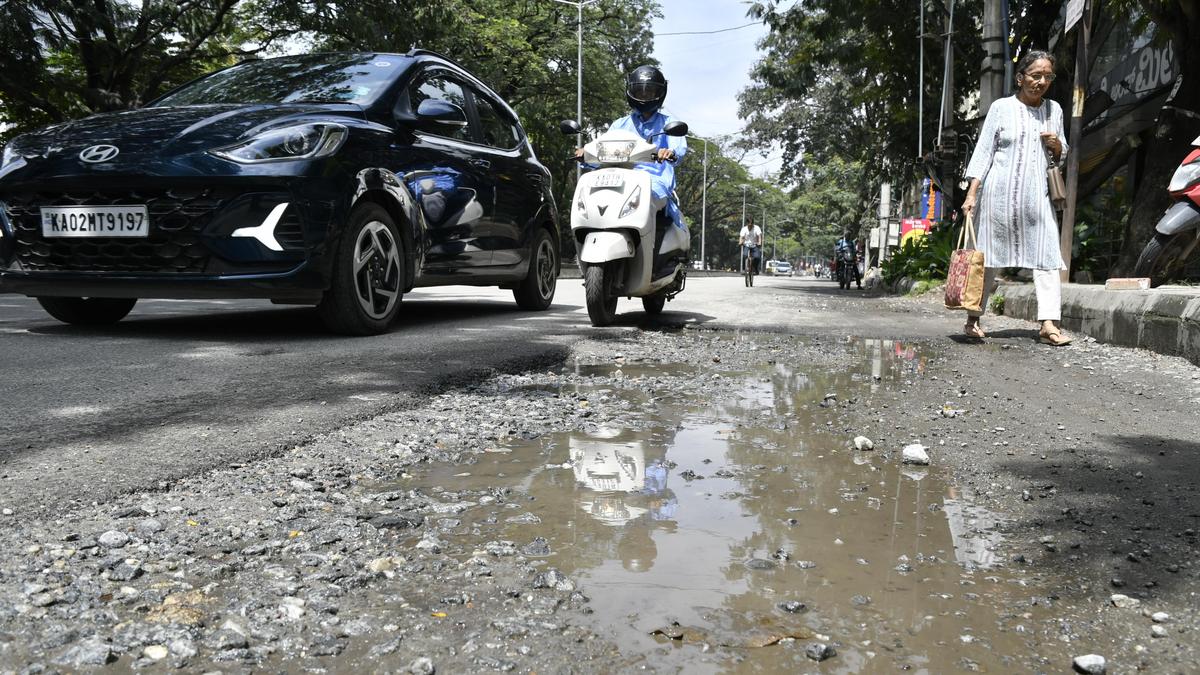
Bengaluru witnessed yet another fatal road accident that has left the city in shock and triggered widespread outrage. A 26-year-old woman, employed at a private firm, lost her life after the scooter she was riding pillion reportedly skidded on a poorly maintained stretch of road. The incident occurred in the early evening hours, highlighting the persistent safety hazards faced by commuters on Bengaluru’s crumbling urban roads. Eyewitnesses claim that the pothole-laden surface and lack of proper drainage were major contributing factors to the accident.
The accident has also reignited debates on road design standards in Bengaluru. Engineers point out that many roads lack proper camber, drainage channels, and surface reinforcement, which are essential to prevent waterlogging and skidding. They advocate for adopting modern urban planning principles that prioritise commuter safety, integrating features like anti-skid surfaces, speed-calming measures, and improved lighting in accident-prone areas.
Local community groups have organised awareness campaigns to educate commuters about navigating poorly maintained roads safely. These include workshops on handling skids, maintaining vehicles, and emergency response in case of accidents. While such measures cannot replace proper infrastructure, they aim to reduce the risk of injuries and fatalities until long-term improvements are implemented.
The tragic death of the 26-year-old victim serves as a stark reminder of the urgent need for systemic reforms in Bengaluru’s road maintenance and urban planning strategies. Civic authorities, government agencies, and citizens must work collaboratively to ensure safe commuting conditions. Without decisive action, the city risks witnessing more preventable tragedies, reinforcing public distrust in municipal governance and urban infrastructure planning.
Officials from the Bruhat Bengaluru Mahanagara Palike (BBMP) confirmed that an immediate inspection of the accident site has been ordered. Engineers and maintenance crews were dispatched to assess the extent of damage to the road, including potholes, surface erosion, and drainage issues. The BBMP has committed to patching the affected section and implementing temporary safety measures such as warning signage and reflective markers until permanent repairs can be carried out.
Urban planners have criticised the reactive nature of road repairs in Bengaluru, noting that the city frequently addresses damage only after accidents occur. They argue that a proactive maintenance schedule, coupled with modern monitoring technology such as satellite imaging and GIS mapping, could significantly reduce road hazards. According to reports, several stretches of arterial roads in the city remain unattended for months, creating high-risk zones for two-wheeler riders and pedestrians.
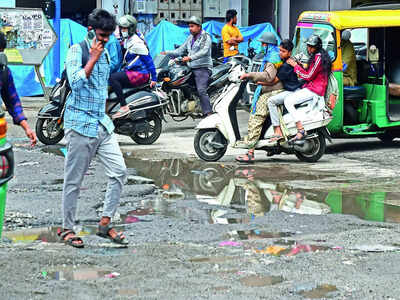
Witnesses at the scene described the accident as sudden and avoidable. Many pointed out that the scooter skidded on water accumulated in a pothole, which had been reported multiple times to local authorities. Residents of the area expressed frustration over the lack of timely response, stating that complaints often go unheeded. They have called for a transparent system to track complaints and provide accountability for delays in repairs.
Traffic police officials stated that additional patrolling and monitoring would be introduced on roads with reported damage, especially during peak hours. They have urged commuters to exercise extreme caution and reduce speeds while navigating poorly maintained streets. Police also highlighted the need for stricter enforcement of helmet laws and two-wheeler safety regulations to mitigate injuries in case of accidents.
The Karnataka State Road Development Corporation (KSRDC) has been asked to coordinate with the BBMP on long-term road improvement plans. Officials emphasised that merely filling potholes is not enough; the city requires complete resurfacing of roads, better drainage systems, and proper street lighting. Experts suggest that integrating technology-driven solutions such as real-time reporting apps and predictive maintenance could prevent future tragedies.
Legal experts analysing the case pointed out that families of accident victims can hold civic authorities accountable under provisions related to negligence. In this case, if it is proven that the BBMP failed to maintain the road despite repeated complaints, the victim’s family could seek compensation. Such legal accountability is seen as a key tool to compel timely infrastructure maintenance.
Public advocacy groups have mobilised to demand greater transparency and citizen participation in road maintenance decisions. They have proposed community-led monitoring of roads, where residents can report hazards in real-time and receive updates on corrective action. Such initiatives aim to bridge the gap between citizens and authorities and ensure that complaints result in prompt remedial measures.
Urban mobility experts have warned that the rapid growth of Bengaluru’s population has outpaced infrastructure development, leading to unsafe conditions for commuters. Two-wheelers, which form a significant portion of daily urban transport, are particularly vulnerable to road hazards. Experts argue that strategic planning, including regular audits of high-traffic zones and maintenance of commuter safety infrastructure, is critical to prevent similar accidents in the future.
Road Conditions Under Scrutiny
City residents have long complained about the deteriorating conditions of Bengaluru’s roads, with potholes, uneven surfaces, and waterlogging posing constant dangers to motorists and pedestrians. In this case, authorities reported that the accident took place on a busy arterial road that has been neglected for months despite repeated complaints from citizens. Experts say such poorly maintained roads significantly increase the risk of accidents, particularly during the monsoon season when water collects in potholes, making them invisible to riders.
Eyewitnesses recounted that the scooter, driven by the victim’s partner, lost control after hitting a deep pothole filled with water. The pillion rider, the deceased, was thrown off the vehicle and sustained fatal injuries. Passersby immediately called emergency services, but despite prompt medical attention, she succumbed to her injuries before reaching the hospital.
Public Outrage and Calls for Action
The incident has ignited widespread outrage on social media and among local citizen groups, who blame municipal authorities for neglecting road maintenance. Hashtags highlighting Bengaluru’s broken roads began trending on Twitter, with citizens demanding accountability and immediate repairs. Residents argue that repeated negligence has turned commuting in the city into a daily hazard, disproportionately affecting two-wheeler riders and pedestrians.
Local councillors and residents’ welfare associations have joined calls for urgent remedial action. They are demanding that the Bruhat Bengaluru Mahanagara Palike (BBMP) conduct thorough inspections, repair damaged stretches, and ensure proper signage and drainage systems to prevent similar accidents. Environmental engineers and urban planners have suggested that a systematic road audit and timely maintenance schedule are crucial for ensuring commuter safety.
Family and Community Response
Family members of the deceased have expressed grief and anger, highlighting the preventable nature of the accident. In an emotional statement, they urged authorities to take responsibility and implement measures to ensure safer roads for all citizens. Community groups have also organised vigils and awareness campaigns to draw attention to road safety issues and demand accountability from the BBMP.
The victim’s colleagues at her workplace have expressed shock and sorrow, describing her as a responsible and cautious rider. Many have emphasised the urgent need for structural improvements in the city’s infrastructure to protect lives, noting that similar accidents have become alarmingly frequent in recent years due to inadequate road maintenance.
Government Response and Safety Measures
In response to public outrage, BBMP officials stated that the accident site has been identified, and immediate repairs would be carried out to fill potholes and improve road conditions. Authorities have also promised a broader review of the city’s road maintenance practices and enhanced monitoring to prevent recurrence. Traffic police have urged commuters to exercise caution, particularly on neglected roads, while infrastructure repairs are underway.
Urban development experts warn that Bengaluru’s rapid growth and unplanned urbanisation have strained the city’s road infrastructure, leading to hazards such as uneven pavements, insufficient lighting, and poor drainage. They emphasise that long-term planning, investment in road quality, and citizen feedback mechanisms are essential to prevent accidents and save lives.
Impact on Commuter Safety Awareness
The tragic death has sparked wider discussions on road safety and commuter awareness. Advocacy groups have called for enhanced rider training, stricter vehicle safety inspections, and awareness campaigns on navigating hazardous road conditions. They argue that while infrastructure improvement is critical, educating citizens on safe riding practices is equally important to minimise accidents.
Legal experts note that the victim’s family may be entitled to compensation due to negligence on the part of civic authorities. Cases like this underscore the accountability of municipal bodies in ensuring safe public roads and could prompt legal reforms or enforcement of stricter standards for urban infrastructure maintenance.
Conclusion: Urgent Need for Sustainable Road Safety
The 26-year-old woman’s death highlights the urgent need for Bengaluru to address its crumbling road infrastructure. Citizens, authorities, and urban planners agree that systemic improvements, timely repairs, and stricter monitoring are critical to prevent future tragedies. The incident serves as a stark reminder that behind every pothole and neglected road stretch lies a potential risk to human life. Only through proactive governance, citizen engagement, and sustained infrastructure investment can the city hope to provide safe and reliable commuting conditions for all its residents.
The public outrage sparked by this tragedy may serve as a catalyst for meaningful change, compelling authorities to prioritise road maintenance, enforce accountability, and ensure that Bengaluru’s roads are no longer silent witnesses to preventable accidents.
The Karnataka High Court has sought detailed clarification from the state government regarding the felling of trees within the iconic Lalbagh Botanical Garden in Bengaluru for the proposed tunnel road project. During a hearing, the bench expressed concern over reports suggesting that ancient trees, some over a century old, could be removed to make way for the infrastructure project. The court has asked the government to provide precise data on the number of trees affected, their age, and the environmental impact assessment conducted prior to project approval.
Officials from the state government have been asked to submit a detailed breakdown of the number and species of trees proposed for removal, along with their estimated age and ecological value. The High Court emphasised that mere assurances of compensatory plantation will not suffice, especially for mature trees that provide critical habitat for birds, insects, and other wildlife. Experts argue that the environmental services offered by century-old trees, including carbon storage and shade regulation, cannot be replaced quickly or fully by saplings.
During the proceedings, environmentalists presented data highlighting that Lalbagh has already experienced stress due to urban expansion, pollution, and earlier construction activities. They warned that cutting even a small number of trees could exacerbate the microclimate effects, reduce air quality, and harm the overall biodiversity of the garden. Legal representatives for citizen groups argued that the project violates principles of sustainable development enshrined in Indian environmental law.
The Public Works Department defended the project by stating that the tunnel alignment has been optimised to minimise tree felling, and the construction will follow strict guidelines to protect the garden’s flora. Officials also assured the court that noise and dust mitigation measures would be implemented during the construction phase. Despite these assurances, the bench sought independent verification, stressing that the government must demonstrate concrete steps rather than general commitments.
Environmental scientists have highlighted that Lalbagh’s trees serve as a carbon sink and play a crucial role in mitigating urban heat islands in Bengaluru. Several species, including native sandalwood, ficus, and banyan trees, are particularly valuable for ecological balance and heritage conservation. Experts argue that the loss of mature trees could have long-term consequences on soil quality, water retention, and local climate regulation, which urban projects often underestimate.
Public sentiment has intensified following media reports and social media campaigns warning of potential ecological damage. Citizens’ forums have called for alternative routes outside Lalbagh that could achieve traffic decongestion goals without compromising green cover. Petitions submitted to the High Court stress that urban development must harmonise with conservation priorities, particularly in areas designated as protected heritage sites.
The proposed tunnel road is part of a larger plan to connect key traffic nodes in the city and reduce congestion along critical corridors. While the project promises faster commutes, urban planners acknowledge the difficulty of reconciling infrastructure needs with ecological preservation. Experts suggest that adopting elevated or underground alignment alternatives outside the botanical garden could address both traffic and environmental concerns.
The High Court has also suggested that the state consider conducting a third-party environmental impact assessment (EIA) to verify claims regarding tree preservation and compensatory afforestation. Such independent audits are intended to ensure accountability and provide an unbiased evaluation of ecological risks before construction proceeds. Petitioners welcomed this suggestion, stating that an impartial assessment could prevent irreversible damage to Lalbagh’s delicate ecosystem.
Local residents have voiced mixed opinions, with some supporting the tunnel for its promise of smoother traffic, while others insist that Lalbagh’s ecological and cultural significance should not be compromised. The debate reflects a larger urban dilemma in Bengaluru, where growing populations and rising traffic pressures conflict with heritage conservation and environmental sustainability. Many citizen groups argue that sustainable urban planning should prioritise green spaces as essential public assets.
Legal experts note that the High Court’s scrutiny may set an important precedent for infrastructure projects in Bengaluru and other urban centres. The case underscores the judiciary’s role in enforcing environmental laws and protecting heritage green spaces, especially when development plans pose potential threats to biodiversity. Observers suggest that the court’s eventual decision could influence how future urban projects are designed, evaluated, and implemented across India.
Meanwhile, environmental organisations have proposed long-term conservation plans for Lalbagh, including tree mapping, biodiversity monitoring, and the establishment of buffer zones around heritage trees. Such measures, they argue, could allow for infrastructure development in the city while safeguarding ecological and cultural assets. As the government prepares its response to the court, all eyes remain on whether Bengaluru’s iconic botanical garden can be preserved amid the pressures of modern urbanisation.
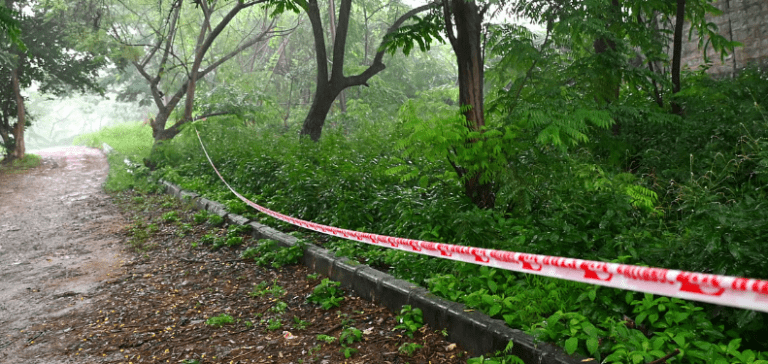
Lalbagh, renowned for its rich biodiversity and historic value, is home to over 1,800 species of plants and several rare flora, many of which are centuries old. Environmentalists have repeatedly flagged the potential ecological damage that the tunnel road could cause, including loss of green cover, disruption of habitats, and long-term impacts on air quality in central Bengaluru. Advocates argued that the city’s increasing urbanisation must be balanced against preserving heritage green spaces that play a critical role in maintaining ecological equilibrium.
Court Demands Transparency from State Authorities
During the proceedings, the High Court questioned the authorities on the rationale behind selecting Lalbagh as part of the tunnel road alignment. Petitioners, representing citizen groups and environmental organisations, claimed that alternative routes were not adequately explored and that the project could lead to irreversible ecological damage. The court directed the government to file a comprehensive affidavit, including details on tree-cutting plans, compensatory afforestation measures, and the environmental clearance obtained from competent authorities.
Officials from the Public Works Department (PWD) and the Karnataka Urban Infrastructure Development & Finance Corporation (KUIDFC) appeared before the bench, asserting that the project aims to reduce traffic congestion in the heart of the city while adhering to environmental norms. They claimed that the alignment was chosen after extensive technical surveys, and any tree felling would be mitigated through a compensatory plantation program in consultation with forest experts. However, the bench expressed scepticism over these assurances, stressing that Lalbagh’s ecological and historical significance requires extra caution.
The Karnataka High Court’s intervention signals the judiciary’s active role in balancing urban development with environmental conservation. Experts suggest that the outcome of this case could set a precedent for future infrastructure projects in Bengaluru and other cities where heritage and ecology intersect with urban planning. The government has been urged to provide transparent, verifiable data and consider citizen and expert inputs before taking irreversible steps that could permanently alter Lalbagh’s landscape.
Environmental experts have pointed out that mature trees cannot be simply replaced, even with compensatory plantations, due to their role in maintaining soil stability, carbon sequestration, and urban microclimates. “A 100-year-old tree provides ecological services that saplings cannot match for decades,” said Dr. Kavitha Rao, a botanist and conservationist. Public opinion has also been vocal, with several citizen petitions urging the government to reconsider the alignment and explore alternative routes outside the botanical garden.
The proposed tunnel road is part of the city’s broader plan to improve traffic flow along the Outer Ring Road and connect key transit points. Officials maintain that the project will reduce congestion and shorten commute times, benefiting thousands of daily commuters. However, the controversy has highlighted the tension between urban development priorities and the preservation of heritage green spaces, raising questions about planning processes and stakeholder consultation.
The High Court has scheduled the next hearing to review the government’s affidavit and has asked that independent environmental experts be consulted to verify the claims regarding tree felling and compensatory measures. Petitioners hope that the court’s intervention will prevent large-scale ecological damage and ensure that Lalbagh’s heritage is preserved for future generations.
Lalbagh Botanical Garden
Activists have also highlighted the broader implications of urban projects on Bengaluru’s green cover. Studies indicate that the city has lost a significant portion of its trees over the past decade due to infrastructure development. Lalbagh, being a protected botanical garden, is seen as a critical ecological and cultural asset, making the court’s scrutiny of government plans particularly significant.
Local residents have expressed mixed reactions. While some support the tunnel road project as a solution to chronic traffic congestion, others argue that no traffic solution should come at the cost of irreparable damage to Lalbagh’s ecosystem. Social media campaigns and petitions are amplifying public voices, urging authorities to consider sustainable alternatives that protect heritage green spaces while addressing urban mobility needs.
The Karnataka High Court’s intervention signals the judiciary’s active role in balancing urban development with environmental conservation. Experts suggest that the outcome of this case could set a precedent for future infrastructure projects in Bengaluru and other cities where heritage and ecology intersect with urban planning. The government has been urged to provide transparent, verifiable data and consider citizen and expert inputs before taking irreversible steps that could permanently alter Lalbagh’s landscape.
As the matter unfolds, environmentalists and citizens remain vigilant, emphasising that Lalbagh is not merely a city park but a living heritage site with ecological, cultural, and historical significance. The court’s orders may determine whether development can proceed without compromising one of Bengaluru’s most treasured green lungs.


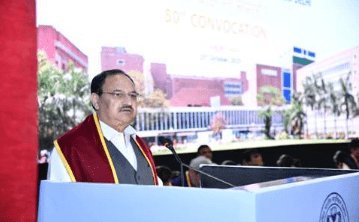
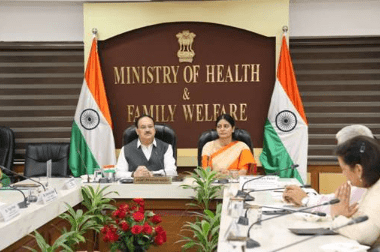
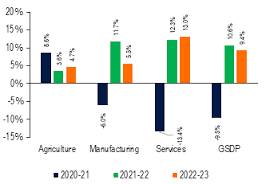 Also Read:
  Implementation Mechanisms and Accountability Framework
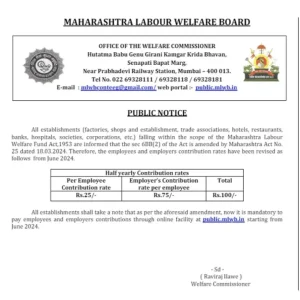 Transparency, Monitoring, and Public Accountability
 Future Implications and Sustainability Concerns