Sunday, May 17, 2026
Home Blog Page 386

India’s HTT-40 Trainer Takes Its Maiden Flight, Marking a Proud Leap in Defence Self-Reliance: Historic Bold Soar

India achieved a major milestone in its defence aviation history as the HTT-40 series production aircraft undertook its maiden flight, marking a crucial step in the country’s pursuit of self-reliance under the “Make in India” initiative. The flight, conducted from Hindustan Aeronautics Limited’s (HAL) facility in Bengaluru, showcased the aircraft’s performance, stability, and safety in a smooth sortie lasting around 30 minutes. Officials from HAL and the Indian Air Force (IAF) hailed the event as a symbol of technological progress and national pride.

The maiden flight of the HTT-40 has generated a wave of pride within India’s defence and aerospace community. Engineers who worked on the project for years described the moment as “historic,” symbolizing perseverance through technical and administrative challenges. HAL officials recalled that there were times when funding constraints and delays nearly derailed progress, but unwavering commitment from the team and strong government backing helped the program regain momentum. The successful flight, they said, is proof that consistent investment in indigenous talent yields world-class outcomes.

Industry insiders note that the HTT-40’s indigenous content is over 70 percent, a significant figure in a sector that has long relied on foreign technologies. Most of the avionics, structural components, and mission systems were developed domestically, with support from Indian suppliers and MSMEs. This approach not only strengthens self-reliance but also ensures that the benefits of defence spending circulate within the national economy, boosting ancillary industries and creating new jobs.

The aircraft’s design philosophy blends simplicity and robustness, enabling it to operate efficiently across India’s diverse climatic zones. The HTT-40 can handle training operations from high-altitude bases to coastal airfields, offering flexibility unmatched by older trainers. HAL’s technical teams have also prioritized ease of maintenance, incorporating modular systems that can be serviced quickly by ground crews. These features make the aircraft particularly suited for continuous flight training operations.

Defence experts point out that the HTT-40 represents more than a training platform—it is a foundation for future indigenous aircraft programs. The knowledge gained through its development, particularly in systems integration and aerodynamic design, is expected to benefit upcoming projects such as advanced jet trainers and light transport aircraft. The Defence Research and Development Organisation (DRDO) has already indicated plans to collaborate with HAL to evolve a next-generation trainer based on lessons from the HTT-40 program.

The maiden flight event itself drew senior officials from the Ministry of Defence, Air Headquarters, and the Directorate General of Aeronautical Quality Assurance. Test pilots who flew the aircraft commended its smooth handling and stability. They noted that the aircraft responded accurately to control inputs, confirming the reliability of its flight control systems. The sortie concluded safely, marking the beginning of a new operational phase where further evaluation flights will assess endurance, fuel efficiency, and training capabilities.

Economic observers highlight that the success of indigenous aircraft like the HTT-40 will also reduce India’s long-term import bills. Historically, the country has spent billions on acquiring basic and intermediate trainers from abroad. By producing its own fleet, India stands to save substantial foreign exchange while gaining full control over maintenance, upgrades, and spare parts. This aligns perfectly with the government’s broader strategy to make India a defence manufacturing hub by 2030.

Beyond its economic and strategic impact, the HTT-40 has also been hailed as a morale booster for young engineers entering the aerospace field. Universities and technical institutes across India have followed the project closely, with several students participating in its research through internships and collaborations. The achievement is expected to inspire a new generation of aerospace professionals, strengthening the country’s talent pipeline in critical defence technologies.

The aircraft’s export potential has drawn attention from several friendly nations that are seeking affordable yet high-performance training solutions. HAL is preparing detailed marketing strategies targeting air forces that require dependable trainers for their pilot induction programs. With government-to-government agreements and defence diplomacy gaining momentum, officials believe the HTT-40 could soon find a place in international markets, much like the Light Combat Aircraft Tejas, which is already being considered for export.

Meanwhile, the IAF is working on integration plans to incorporate the HTT-40 into its training curriculum. The aircraft will be deployed at air force academies and flying training schools across the country. Trainers and instructors are expected to undergo orientation sessions to familiarize themselves with the new systems and cockpit features. Once fully inducted, the HTT-40 will form the backbone of the initial flight training phase for all IAF cadets.

As the aircraft taxied back after its maiden flight, applause broke out among engineers, pilots, and officials who had gathered to witness the event. The moment was not just the culmination of a technological journey but also a reaffirmation of national confidence. The HTT-40 stands as a proud symbol of Indian innovation — built by Indian minds, flown by Indian hands, and destined to train the defenders of India’s skies for decades to come.

The HTT-40 (Hindustan Turbo Trainer-40) is an indigenous basic trainer aircraft designed and developed by HAL for the IAF. It will replace the ageing HPT-32 Deepak trainers that were retired after decades of service. Defence analysts described the maiden flight of the production variant as a defining achievement that reinforces India’s capability to design and produce advanced training platforms domestically.HAL Achieves Landmark Milestone as First Production-Series HTT-40 Trainer  Takes Maiden Flight

A Symbol of Indigenous Innovation and Technical Expertise

Developed entirely in India, the HTT-40 is powered by a turboprop engine and built to meet global safety and training standards. It is equipped with a modern glass cockpit, advanced avionics, and features such as pressurised cabins and zero-zero ejection seats — allowing pilots to train under realistic combat-like environments. The aircraft’s design emphasises reliability, low maintenance, and operational versatility, making it ideal for both ab-initio and intermediate-level flight training.

HAL engineers reported that the aircraft performed flawlessly during its first flight, validating years of intensive testing, simulation, and aerodynamic refinement. The sortie tested major flight parameters including engine response, takeoff and landing characteristics, and in-flight handling. The success has paved the way for production acceleration and delivery schedules under the IAF’s order for 70 HTT-40 aircraft signed earlier this year.

Defence Minister Rajnath Singh congratulated HAL and the IAF teams for the successful flight, calling it a “significant leap towards Atmanirbhar Bharat in the defence aviation sector.” He noted that the project demonstrates the growing synergy between India’s public sector enterprises and military institutions. Singh added that such indigenous developments would not only strengthen national security but also open global export opportunities for India’s aerospace industry.

From Prototype to Production: The Journey of HTT-40: Maiden

The HTT-40 project began over a decade ago as HAL’s ambitious attempt to create a fully indigenous replacement for imported trainer aircraft. The prototype first flew in 2016, following which it underwent rigorous flight trials across various terrains and climatic conditions. Engineers conducted more than 500 test flights to evaluate aerodynamics, engine performance, and pilot training comfort. The series production aircraft, however, incorporates several refinements and upgraded avionics based on feedback from these earlier tests.HAL's first HTT-40 series production aircraft takes maiden flight in  Bengaluru, set to train next-gen air warriors - The Economic Times

HAL’s Chairman and Managing Director, C.B. Ananthakrishnan, described the maiden production flight as a “moment of validation” for Indian design and manufacturing capability. He said the company is now focusing on ramping up production lines to meet delivery timelines committed to the IAF. HAL’s manufacturing facilities in Bengaluru and Nashik are expected to jointly assemble the aircraft, while several private vendors across India will contribute to components and systems, making it a truly collaborative national project.

Officials also revealed that the HTT-40 will be equipped with provisions for future upgrades, including weapon training modules and enhanced digital displays. The aircraft is designed for high maintainability, ensuring reduced downtime and lower lifecycle costs compared to imported counterparts. This makes it a cost-effective yet sophisticated platform suited for the training requirements of modern air forces.

The IAF, which has long relied on imported trainer aircraft such as the Pilatus PC-7, has expressed strong confidence in the HTT-40. Senior officials stated that the aircraft’s performance aligns well with operational requirements, and its local production will ensure a steady supply of trainers without dependence on foreign suppliers. The shift is expected to strengthen India’s defence ecosystem while fostering skill development and indigenous component manufacturing.

The HTT-40’s flight has also ignited optimism in India’s broader aerospace manufacturing sector. Defence analysts believe that the successful transition from design to serial production marks a maturity point for HAL’s R&D capabilities. It demonstrates that the Indian aerospace industry can deliver world-class products that meet stringent military standards. The achievement comes at a time when the government is pushing for greater indigenisation across the armed forces.

In addition to pilot training, the HTT-40 platform holds potential for export markets seeking affordable, reliable, and easy-to-maintain trainers. Several countries in Asia, Africa, and Latin America have reportedly shown preliminary interest in evaluating the aircraft once it enters operational service. HAL has stated that it aims to position the HTT-40 as a competitive alternative to similar aircraft in the global market, enhancing India’s presence in the defence export arena.Maiden flight of HTT-40 series production aircraft - The Hindu

Experts have highlighted that the project’s success underscores the importance of consistent policy support and funding for indigenous R&D. Over the years, HAL overcame multiple technical challenges related to aerodynamics, engine integration, and control systems through innovation and collaboration with research institutions such as the Aeronautical Development Establishment (ADE) and DRDO. The coordinated effort has resulted in a platform that stands as a testament to Indian engineering excellence.

The maiden flight also carries symbolic significance, coming at a time when the IAF is expanding its fleet modernization programs. Alongside advanced fighter jets like the LCA Tejas, the HTT-40 now completes the spectrum of indigenous platforms for pilot training and operational readiness. This alignment ensures that future pilots will be trained entirely on homegrown aircraft, reducing logistical dependency and enhancing mission preparedness.

With production now underway, HAL plans to deliver the first batch of HTT-40 aircraft to the IAF within the next 18 months. The company is also setting up maintenance and training support infrastructure to accompany the rollout. The Ministry of Defence has expressed full support for scaling up manufacturing to meet future demands.

The success of the HTT-40 project not only marks a technological achievement but also represents the confidence of a nation determined to shape its destiny in defence innovation. The maiden flight stands as a proud moment for India’s engineers, pilots, and policymakers — a reminder that self-reliance in defence is not a distant dream but a soaring reality powered by indigenous vision and unwavering determination.

Follow: Karnataka Government

Also read: Home | Channel 6 Network – Latest News, Breaking Updates: Politics, Business, Tech & More

₹135-Crore Windfall: Karnataka Soaps and Detergents Limited Delivers Record Dividend with Pride

Karnataka Soaps and Detergents Limited (KSDL), the manufacturer of the iconic Mysore Sandal Soap, has paid a dividend of ₹135 crore to the state government, marking one of its highest-ever contributions in recent years. The dividend underscores the company’s continued financial strength, driven by strong domestic sales, brand expansion, and growing export demand. The announcement was made following the company’s annual review meeting attended by senior government officials and KSDL’s management team.

Officials from the state government acknowledged that KSDL’s dividend payout is among the highest made by any public sector undertaking in Karnataka this financial year. They emphasized that such financial contributions are vital in supporting welfare programs, rural development schemes, and industrial infrastructure projects. The Industries Minister commended the company’s leadership team for demonstrating how state-run enterprises can remain profitable while upholding quality and heritage values that resonate deeply with the public.

KSDL’s management highlighted that the company has been able to sustain growth despite market volatility by focusing on consumer behavior research and data-driven marketing strategies. The introduction of smaller packaging options and combo offers has helped the brand reach diverse customer segments, including rural and lower-income groups. The company also introduced seasonal campaigns emphasizing traditional festivals and cultural pride, which have significantly boosted sales during key periods.

In an effort to connect more strongly with younger consumers, KSDL has refreshed its advertising campaigns to highlight the natural and Ayurvedic essence of its products. Collaborations with influencers and brand ambassadors have been used strategically to appeal to urban youth who seek authenticity in skincare and personal care products. The move has not diluted the company’s traditional identity; instead, it has reintroduced the Mysore Sandal brand to a new generation of buyers.

Meanwhile, the company’s detergent division has shown steady performance with a rise in demand for environmentally friendly cleaning products. Its “Sandal Detergent Cake” and “Super Power Detergent Powder” continue to perform well in both domestic and institutional segments. With growing awareness of eco-conscious living, KSDL plans to strengthen this category further by introducing plant-based, phosphate-free formulations that meet global sustainability standards.

The government has also urged KSDL to explore joint ventures with private enterprises for modern packaging, logistics optimization, and digital transformation. Officials noted that collaborations with technology-driven partners could enhance efficiency and market agility, helping KSDL compete effectively with multinational brands. The company has already begun exploring AI-based systems to optimize supply chains and manage raw material procurement more effectively.

KSDL’s continued success has been attributed to its dedicated workforce and strong management practices. The company regularly conducts employee training sessions to improve operational skills and maintain product consistency. Senior officials said that a performance-linked incentive system has been introduced to recognize employee contributions, ensuring motivation across all levels of the organization.

Economists observing state-owned enterprises remarked that KSDL stands as a model example of how heritage industries can thrive with innovation and discipline. Unlike many PSUs that struggle with bureaucracy and inefficiency, KSDL has consistently demonstrated adaptability and customer focus. They also noted that the company’s emphasis on branding, authenticity, and sustainable sourcing places it ahead in a market that increasingly values ethical production.

The Industries Department is reportedly planning to replicate KSDL’s success formula across other state-run enterprises by introducing similar professional management structures and accountability frameworks. The goal is to ensure that public sector companies not only generate profits but also contribute to employment, sustainability, and cultural identity. KSDL’s achievements have thus sparked renewed discussions about revitalizing other traditional industries in Karnataka.

Additionally, there are proposals to set up a sandalwood museum and experience center near Mysuru to celebrate the legacy of Mysore Sandal Soap. This project, once approved, will serve both as a tourist attraction and as an educational hub highlighting the history of sandalwood cultivation and the art of fragrance-making. The initiative aims to connect people emotionally with the brand’s heritage while promoting cultural tourism.

As KSDL moves into its next phase of expansion, the company stands as a powerful reminder that legacy and modernity can coexist harmoniously. The ₹135-crore dividend represents not just financial strength but the enduring value of trust, craftsmanship, and identity. Through strategic innovation and deep respect for its roots, KSDL continues to embody the fragrance of Karnataka’s pride—spreading its timeless essence across generations and borders alike.

KSDL Hands Over ₹135 Crore Dividend To Government | BLR POST

Symbol of Karnataka’s Industrial Legacy Shines Again

KSDL, a public sector undertaking under the Department of Industries and Commerce, has remained a proud symbol of Karnataka’s industrial heritage since its inception in 1916. Over the years, it has evolved from a regional soap maker to a global fragrance brand with products available in more than 25 countries. The company’s continued profitability stands out amid challenges faced by several public sector enterprises. Officials said the dividend reflects KSDL’s prudent financial management and its ability to adapt to changing market dynamics.

Karnataka Soaps and Detergents Limited (KSDL), the manufacturer of the iconic Mysore Sandal Soap, has paid a dividend of ₹135 crore to the state government, marking one of its highest-ever contributions in recent years. The dividend underscores the company’s continued financial strength, driven by strong domestic sales, brand expansion, and growing export demand. The announcement was made following the company’s annual review meeting attended by senior government officials and KSDL’s management team.

The Mysore Sandal Soap brand continues to anchor KSDL’s success, with premium variants such as Mysore Sandal Gold and Heritage lines recording strong growth. Additionally, the company has witnessed rising demand for sandalwood-based cosmetics, perfumes, and handwash products, particularly in urban markets. Company executives attributed this success to a blend of traditional quality, brand trust, and modern packaging innovations that appeal to younger consumers.Karnataka Soaps and Detergents Limited pays ₹135-cr dividend to government  - The Hindu

Sandalwood Supply and Sustainable Practices Drive Success

A major factor in KSDL’s consistent performance has been its sustainable access to high-quality sandalwood oil, sourced primarily from government-managed plantations. The company has also invested in new extraction and distillation units to ensure the purity and consistency of its key raw material. Officials mentioned that Karnataka remains the only state with a legally protected sandalwood trade, giving KSDL a unique advantage in maintaining its heritage identity.

The government’s recent initiatives to expand sandalwood cultivation in southern districts such as Mysuru, Chamarajanagar, and Hassan are expected to secure long-term raw material supply. These efforts align with the company’s future expansion plans and reflect a commitment to sustainable industrial growth. Moreover, KSDL has incorporated eco-friendly production processes to reduce carbon emissions and water usage at its Bengaluru and Mysuru facilities.

KSDL’s Managing Director noted that the company’s profitability has been driven by a diverse product mix and a loyal customer base built over generations. He stated that the focus remains on innovation while retaining the authenticity that defines Mysore Sandal products. In addition to soaps and detergents, KSDL’s product portfolio now includes personal care items such as body lotions, talcum powders, and sanitizers, all of which have found steady market traction in the post-pandemic era.

The ₹135-crore dividend will be a significant addition to the state’s non-tax revenue and comes as a boost to Karnataka’s fiscal position amid increased developmental spending. Officials from the Industries Department commended KSDL for maintaining profitability despite fluctuating input costs and competitive pressure from private FMCG giants. They highlighted that the company’s operational efficiency and consistent dividend payouts set an example for other state-owned enterprises to follow.

Market analysts have also praised KSDL’s ability to retain its premium brand perception in a price-sensitive market. Its focus on natural ingredients, heritage marketing, and consistent quality has allowed it to stand apart in the crowded soap and cosmetics industry. Experts believe that the company’s decision to leverage e-commerce platforms and strengthen its retail distribution network has played a pivotal role in expanding its market footprint.

KSDL’s export division, too, has reported robust growth, with increasing demand from regions such as the Middle East, Southeast Asia, and Europe. Officials revealed that the company has signed new trade partnerships to enhance overseas reach, particularly for its sandalwood oil and perfume lines. These developments have contributed significantly to the company’s revenue surge, ensuring a steady inflow of foreign exchange for the state.

The government, while appreciating KSDL’s contribution, has urged the company to continue diversifying its portfolio and explore value-added products derived from natural resources. Plans are also underway to establish a new research and development wing to focus on innovation in fragrance chemistry and herbal skincare products. The initiative aims to position KSDL as a leader in sustainable beauty and wellness solutions.Public Sector Enterprise Karnataka Soaps & Detergents Hands Over ₹135 Crore  To State Government As Dividend From Profits

Looking ahead, KSDL has set an ambitious target to cross an annual turnover of ₹2,000 crore within the next two years, supported by capacity expansion and new product launches. With its legacy rooted in purity and quality, the company continues to balance tradition with modern business strategy. The ₹135-crore dividend not only signifies financial success but also reflects the enduring bond between the people of Karnataka and their century-old heritage brand that still carries the fragrance of sandalwood with pride.

Follow: Karnataka Government

Also read: Home | Channel 6 Network – Latest News, Breaking Updates: Politics, Business, Tech & More
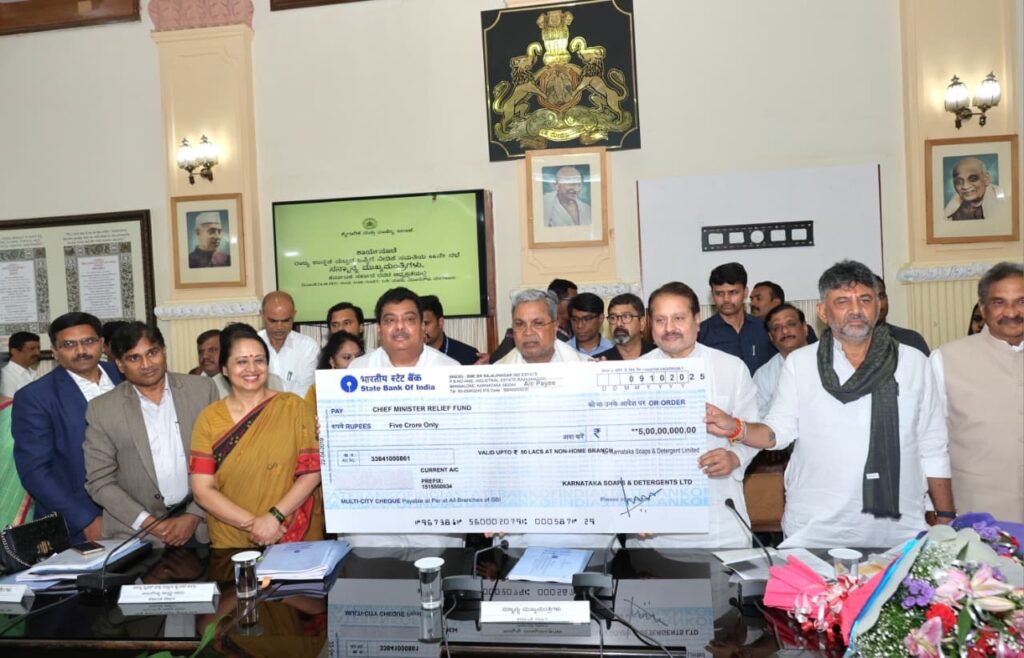
Massive ₹27,607-Crore Boost: Karnataka’s Bold Step to Ignite Industrial Growth

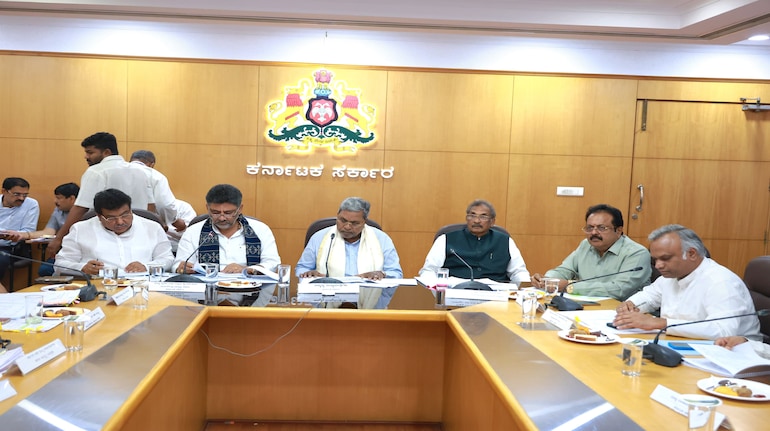
The Karnataka government has approved investment proposals worth ₹27,607.26 crore in a decisive move aimed at driving industrial expansion, job creation, and balanced regional development. The clearances came after the State Level Single Window Clearance Committee (SLSWCC) meeting chaired by Large and Medium Industries Minister M.B. Patil, who noted that these projects will generate thousands of direct and indirect employment opportunities. The approvals reflect Karnataka’s growing reputation as an investor-friendly state with robust infrastructure and progressive policies.

Minister M.B. Patil reaffirmed the state’s commitment to fostering a predictable business environment. He said Karnataka’s success in attracting major investments lies in its blend of transparency, efficiency, and partnership with industry stakeholders. Patil also hinted that a new industrial policy for 2025–2030 is under preparation, which will focus on innovation-driven growth, clean energy integration, and global competitiveness.

As Karnataka looks to the future, the newly approved projects are set to redefine its industrial geography. By bridging the gap between traditional industries and modern technology sectors, the state is crafting a model of growth that balances ambition with responsibility. The ₹27,607.26 crore investment push represents not just economic expansion, but also a renewed promise to create sustainable, inclusive, and future-ready development for every region of the state.

Big Leap Toward Industrial Decentralisation

The approved proposals encompass 48 medium and large-scale projects across key sectors including renewable energy, manufacturing, IT, automobile, and food processing. Officials stated that these projects are strategically distributed across districts to promote industrial decentralisation beyond Bengaluru. Areas such as Chitradurga, Davangere, Ballari, and Tumakuru are expected to witness major developments under this plan. Patil emphasised that spreading industries to tier-2 and tier-3 cities will not only reduce urban congestion but also create sustainable employment opportunities in rural regions, uplifting local economies.

Officials from the Department of Industries noted that the projects cleared under this round represent a balanced mix of new ventures and expansions by existing industries. This ensures both the retention of established investors and the attraction of fresh capital into emerging sectors. Authorities further mentioned that several proposals were pending due to procedural delays, which have now been resolved with the adoption of faster clearance mechanisms introduced by the current administration.

A large segment of the approved investments will go toward infrastructure-driven industries, such as steel, cement, and logistics. These are expected to create a ripple effect on local businesses, transport operators, and real estate. Many of these industries will also rely on locally sourced materials, ensuring that smaller suppliers and entrepreneurs benefit from the surge in industrial activity. This interconnected growth model, officials said, aligns with the government’s objective of achieving “inclusive industrialisation.”

Meanwhile, several global players from Europe and East Asia have expressed interest in partnering with Karnataka-based companies for technology transfer and joint ventures. The state’s strong presence in the electronics and precision engineering sectors has made it a natural destination for such collaborations. Officials added that the Industries Department is actively working to facilitate Memorandums of Understanding (MoUs) between domestic firms and international investors during upcoming global investor summits.

In addition to manufacturing, Karnataka is looking to expand its footprint in knowledge-based industries. Investments in artificial intelligence, robotics, and biotechnology are being encouraged through targeted policy incentives. These measures are intended to attract research-intensive companies to set up laboratories and development centers, further strengthening the state’s innovation ecosystem. The government also plans to establish specialized clusters to promote synergy among technology firms, startups, and academia.

To ensure that upcoming industries have adequate skilled manpower, the government is planning to expand training programs under the “Kaushalya Karnataka” initiative. Collaboration with private industry leaders will help align the curriculum with market needs, focusing on areas like mechatronics, renewable energy systems, and data analytics. This approach aims to equip youth from rural and semi-urban backgrounds with the technical expertise required to work in modern industrial environments.

Financial institutions and industry chambers have also welcomed the announcement, viewing it as a sign of the state’s long-term economic resilience. The Karnataka Chamber of Commerce and Industry remarked that consistent policy clarity and timely project approvals have enhanced investor confidence. They suggested that the next step should involve improving land acquisition processes and upgrading road and power infrastructure to ensure that the approved projects materialize on schedule.

The government’s emphasis on balanced regional development has drawn praise from local representatives in northern Karnataka. For decades, industrialization in the state has been heavily concentrated around Bengaluru and Mysuru. However, new approvals targeting districts like Kalaburagi, Raichur, and Koppal mark a conscious shift toward creating growth corridors in underdeveloped areas. Economists believe this will have far-reaching social benefits, curbing migration to urban centers and uplifting rural livelihoods.

Experts have also underlined the importance of monitoring and evaluating the implementation of these projects. Timely clearances are only the first step; regular follow-up mechanisms must ensure that companies adhere to their commitments in investment, employment generation, and environmental compliance. The Industries Department is expected to introduce a digital dashboard to track project progress and address bottlenecks swiftly.

Minister M.B. Patil reaffirmed the state’s commitment to fostering a predictable business environment. He said Karnataka’s success in attracting major investments lies in its blend of transparency, efficiency, and partnership with industry stakeholders. Patil also hinted that a new industrial policy for 2025–2030 is under preparation, which will focus on innovation-driven growth, clean energy integration, and global competitiveness.

As Karnataka looks to the future, the newly approved projects are set to redefine its industrial geography. By bridging the gap between traditional industries and modern technology sectors, the state is crafting a model of growth that balances ambition with responsibility. The ₹27,607.26 crore investment push represents not just economic expansion, but also a renewed promise to create sustainable, inclusive, and future-ready development for every region of the state.

Karnataka Govt clears investment proposals of ₹27,607.26 cr - The Hindu

In a notable approval, several renewable energy companies received the green light to establish large-scale solar and wind projects, aligning with Karnataka’s vision to lead India’s clean energy transition. The government reaffirmed its commitment to sustainability while balancing industrial growth with environmental responsibility.

Promising Sectors and Employment Potential

The cleared projects collectively promise to generate over 20,000 direct jobs and several times more indirect employment through ancillary units and service sectors. Among the major investments are proposals from multinational firms in the electric vehicle (EV) ecosystem, advanced manufacturing, and agro-processing. According to the Industries Department, such investments will strengthen Karnataka’s industrial base and boost exports from the state.

In addition, domestic companies have pledged significant expansions in textiles, pharmaceuticals, and machine tools. The growing investor interest reflects confidence in Karnataka’s governance framework, skilled workforce, and proactive industrial policies. The government also highlighted its recent digital reforms that simplify approvals, offering investors transparent and time-bound processes under the “Ease of Doing Business” initiative.

Infrastructure and Policy Support Driving Growth

The state’s focus on improving infrastructure — particularly industrial corridors, logistics parks, and power connectivity — has been a major factor attracting investors. Officials cited the Bengaluru-Chennai and Bengaluru-Mumbai industrial corridors as catalysts that will facilitate large-scale industrial clusters and export-oriented units. Further, Karnataka’s dedicated policies for startups, aerospace, and electronics continue to nurture innovation-driven enterprises, helping the state maintain its position as India’s technology capital.

Minister Patil said that the government’s vision extends beyond investments to building a robust industrial ecosystem. This includes skilling programs in partnership with academic institutions and industry bodies to ensure a steady supply of trained manpower for upcoming projects.Karnataka clears Rs 27,607 cr investment proposals creating 8,704 jobs -  The Economic Times

Focus on Sustainable and Inclusive Growth

The government reiterated that all industrial projects would be subject to environmental and social impact assessments to ensure compliance with sustainability norms. Emphasis was also placed on encouraging industries to adopt green technologies, water conservation practices, and waste management systems. The Industries Department is planning to introduce incentives for companies that invest in renewable power usage and circular economy models.

Furthermore, a significant portion of the investment proposals has been earmarked for northern Karnataka, which has historically lagged in industrial development. By focusing on these regions, the government aims to reduce regional disparities and promote equitable economic growth across the state.Karnataka clears investment proposals worth Rs 17,183 crore; expects to  generate 12,500 jobs

Outlook: Karnataka’s Industrial Future Looks Promising

Experts in the field have welcomed the government’s move, describing it as a strong signal to investors amid global economic uncertainties. Industry leaders believe that these approvals will further cement Karnataka’s position as a hub for innovation, manufacturing, and technology-driven industries. The cumulative investments are expected to have a multiplier effect on the economy, enhancing state revenues and creating sustainable livelihoods.

The government’s proactive approach, coupled with continuous reforms, positions Karnataka to attract even higher levels of domestic and international investments in the coming years. As the approved projects begin to take shape, the state is poised to witness a new era of industrial dynamism, blending growth with inclusivity and sustainability.

The government’s emphasis on balanced regional development has drawn praise from local representatives in northern Karnataka. For decades, industrialization in the state has been heavily concentrated around Bengaluru and Mysuru. However, new approvals targeting districts like Kalaburagi, Raichur, and Koppal mark a conscious shift toward creating growth corridors in underdeveloped areas. Economists believe this will have far-reaching social benefits, curbing migration to urban centers and uplifting rural livelihoods.

Experts have also underlined the importance of monitoring and evaluating the implementation of these projects. Timely clearances are only the first step; regular follow-up mechanisms must ensure that companies adhere to their commitments in investment, employment generation, and environmental compliance. The Industries Department is expected to introduce a digital dashboard to track project progress and address bottlenecks swiftly.

Follow: Karnataka Government

Also read: Home | Channel 6 Network – Latest News, Breaking Updates: Politics, Business, Tech & More

Cyber Shield of Hope: 7 Nations Join Hands to Tackle Rising Shocking Digital Threats

In a landmark initiative aimed at strengthening collective resilience against the escalating tide of digital threats, a new not-for-profit forum is set to be launched to address global cyber challenges. The platform, bringing together experts, technologists, and policymakers from seven nations, seeks to promote collaboration, information sharing, and capacity building in cybersecurity. Organizers emphasized that the forum’s mission goes beyond policy dialogue — it aims to foster practical, community-driven solutions that can help protect individuals, institutions, and critical infrastructure from the evolving landscape of cyberattacks.

The rise in data breaches, ransomware incidents, and misinformation campaigns has prompted governments and private sectors worldwide to reconsider the adequacy of existing cyber defences. According to the initiative’s founding members, the not-for-profit model ensures that the forum remains independent of commercial interests while maintaining a focus on public good. It will serve as a platform for collective research, open-source tool development, and public awareness programs. The initiative has been welcomed by cybersecurity professionals, who describe it as a timely and inclusive step towards bridging the gap between policy, practice, and public participation.

The organizational roadmap of the not-for-profit forum is structured around three primary pillars — capacity building, policy collaboration, and public outreach. Under capacity building, the forum plans to design short-term training modules for government employees, educators, and small business owners to help them identify, prevent, and respond to cyberattacks. These modules will be offered both online and in-person, ensuring accessibility across rural and urban regions. The second pillar, policy collaboration, involves consultations with lawmakers and regulators to draft adaptable cybersecurity guidelines. The final pillar, public outreach, focuses on awareness drives, aiming to transform digital literacy from a privilege into a fundamental civic skill accessible to all citizens.

However, implementing such an ambitious framework comes with challenges. Funding remains a significant concern, as the organization intends to operate without corporate profit motives or government dependency. While several philanthropic foundations and global donors have shown interest, sustaining long-term operations will require transparent governance and credible impact measurement. Another major hurdle is the shortage of cybersecurity professionals, particularly in developing nations. The forum plans to address this gap through partnerships with universities and online learning platforms, creating a pipeline of skilled practitioners capable of protecting vulnerable networks and communities.

Experts also point out that cybersecurity governance faces complex jurisdictional challenges. Cybercrimes often transcend national boundaries, making enforcement and cooperation difficult. The forum’s approach — based on dialogue rather than regulation — aims to encourage trust among governments, even when political relations are strained. Organizers argue that cyber threats, by their nature, demand a borderless defense strategy. Collaborative mechanisms, such as joint response task forces and knowledge-sharing hubs, are expected to emerge under the forum’s umbrella, promoting cross-border partnerships that prioritize safety over sovereignty in the digital domain.

Indian experts have played a pivotal role in shaping the initiative’s foundation. Bengaluru-based technologists and think tanks have contributed research on cybercrime trends, phishing patterns, and digital inclusion policies that could serve as templates for other nations. India’s experience in implementing large-scale digital infrastructure projects, such as Aadhaar and UPI, has positioned it as a valuable contributor to global cybersecurity dialogues. The forum aims to leverage this expertise to promote “digital safety by design,” ensuring that technological expansion is matched by robust privacy safeguards and public trust. Policymakers believe that India’s leadership in this domain could reinforce its image as a responsible technology power.

At the same time, international participants have underscored the importance of aligning the forum’s objectives with broader United Nations digital safety initiatives. Representatives from Europe and East Asia have suggested that the organization could act as a bridge between regional cybersecurity strategies and global frameworks. Collaborative exchanges, they say, can enhance information-sharing protocols, emergency response standards, and crisis communication systems. Experts envision the forum as a “moral compass” guiding global digital conduct — one that unites technological advancement with ethical accountability, transcending political divisions to promote shared responsibility in cyberspace.

The forum’s success will also depend on how effectively it engages with citizens beyond policy circles. To this end, the organization plans to launch an annual “Cyber Awareness Week” across schools, workplaces, and community centers. The campaign will feature interactive exhibitions, live demonstrations, and storytelling sessions to simplify complex cybersecurity concepts. Organizers hope such events will demystify digital safety and encourage proactive habits among users. By connecting technical knowledge with relatable human experiences, the forum aims to cultivate a culture of cybersecurity rooted in awareness rather than fear, making safe digital behavior a collective social norm.

Observers have noted that the timing of the initiative aligns with a global turning point in cyber governance. With the rise of artificial intelligence, deepfake technologies, and data-driven misinformation, traditional security frameworks are proving inadequate. The not-for-profit forum’s community-first approach represents a shift from reactive protection to proactive empowerment. Analysts believe that the initiative could influence future digital policy discussions by highlighting the role of education, inclusivity, and ethics in combating online threats. The forum’s model — transparent, decentralized, and humanitarian — may inspire similar movements worldwide that see cybersecurity not as an elite domain, but as a shared human responsibility.


Collaborative Effort to Safeguard the Digital Future


The forum’s founding structure is expected to include a multi-stakeholder board comprising representatives from academia, law enforcement, the technology industry, and civil society organizations. Its initial programs will focus on key issues such as digital literacy, online privacy, cybercrime prevention, and youth awareness. One of its core goals is to ensure that cybersecurity knowledge becomes accessible to smaller institutions, non-profits, and individuals who often lack resources for protection. Organizers have stressed that the forum will not operate as a regulatory body but rather as an enabler, providing expertise and collaboration opportunities to strengthen digital safety networks across sectors.

Dr. Meera Raghavan, a leading cybersecurity expert and one of the forum’s key advisors, stated that the need for a neutral, knowledge-driven body has become more urgent than ever. “Cyber threats today are not limited by geography or politics — they affect everyone, from schoolchildren to multinational corporations,” she said. The initiative plans to host annual conferences, workshops, and community outreach programs to encourage global cooperation. Its inclusive framework is designed to ensure that developing countries, often the most vulnerable to digital exploitation, receive equal representation and support in shaping cybersecurity policies and tools.Nonprofits And Cybersecurity: Why They're Hackers Targets

The not-for-profit forum also intends to collaborate closely with educational institutions to integrate digital safety training into academic curricula. Experts argue that awareness must start at the grassroots level, equipping future generations with the skills to navigate and defend the digital world responsibly. Plans are underway to launch “Cyber Literacy Hubs” in select cities, offering workshops and interactive sessions for students and professionals alike. These hubs will also serve as testing grounds for innovative open-source cybersecurity tools developed through the forum’s research partnerships. Early reports indicate that several universities and think tanks have already expressed interest in joining the initiative.

The initiative’s launch comes at a time when governments and private companies are facing increasing pressure to secure critical digital infrastructure. The rise in ransomware attacks targeting hospitals, energy facilities, and public institutions has revealed major vulnerabilities. Founders of the forum argue that cybersecurity cannot remain confined to specialized agencies but must evolve into a shared social responsibility. They envision the platform as a bridge between experts and everyday users, fostering an ecosystem where knowledge, tools, and ethical practices are freely shared to counter digital threats collectively and sustainably.


Building Trust in the Age of Digital Uncertainty


Trust, transparency, and inclusion will form the foundation of the forum’s guiding principles. The organization’s charter outlines its commitment to protecting human rights in the digital realm while promoting responsible technology use. One of its first projects, titled “Digital Empathy,” aims to study the psychological and social dimensions of online harm, including cyberbullying, identity theft, and misinformation. Experts believe that addressing the emotional and ethical side of cybersecurity is as crucial as deploying technical solutions. The initiative thus seeks to combine technological innovation with human-centered approaches that restore confidence in digital spaces.

Policymakers across several countries have expressed optimism about the forum’s potential to fill a critical gap in global cyber governance. Unlike intergovernmental bodies, the new platform’s not-for-profit model allows flexibility and agility in responding to emerging threats. It can quickly mobilize technical experts, community volunteers, and partner institutions to address real-time crises such as data leaks or cyber fraud outbreaks. The organization also plans to maintain an open-access resource portal containing research papers, security advisories, and best practices — freely available to governments, educators, and the public.Global Forum on Digital Security for Prosperity | OECD

Industry leaders have voiced support for the forum, describing it as a needed balance between corporate responsibility and public interest. Several tech companies are expected to contribute through pro-bono technical expertise and funding for educational programs. “It’s time to reimagine cybersecurity as a public good, not just a corporate service,” said Ravi Deshpande, CEO of a Bengaluru-based cybersecurity firm that has pledged technical resources to the initiative. Analysts suggest that such collaboration between private innovation and social accountability could redefine global cyber resilience efforts, particularly in regions with limited digital infrastructure.

The forum also plans to establish a “Women in Cyber” initiative to encourage gender diversity in the field of digital security. Data shows that women constitute less than 25 percent of the global cybersecurity workforce, despite being equally vulnerable to online risks. By offering mentorship, training, and scholarships, the initiative seeks to empower women to take leadership roles in technology governance and safety advocacy. Founders hope that gender inclusion will not only bring fresh perspectives to the table but also create safer and more empathetic online environments for all users.

Beyond education and advocacy, the not-for-profit platform aims to conduct collaborative research on ethical artificial intelligence and data privacy. As AI systems increasingly influence decision-making in finance, healthcare, and governance, the need for transparency and accountability has become urgent. The forum’s research wing will explore frameworks to ensure AI technologies respect privacy rights and avoid algorithmic bias. Experts emphasize that global cooperation is vital, as unilateral approaches to digital ethics often fail to address the interconnected nature of online ecosystems. The initiative’s inclusive research model could help shape fair and sustainable digital futures.World Cyber Security Forum (WCSF)® | LinkedIn

Cybersecurity analysts view this initiative as a significant milestone in democratizing digital protection. By emphasizing knowledge-sharing over regulation, the forum positions itself as a unifying platform rather than a watchdog. Its success, however, will depend on sustained funding, effective coordination, and genuine international participation. Observers note that as cybercrime grows more sophisticated, the world needs not only stronger laws but also stronger communities. The not-for-profit forum’s launch marks a hopeful beginning toward building such communities — grounded in trust, guided by ethics, and united by a shared mission to safeguard the digital lives of millions worldwide.

Follow: Karnataka Government

Also read: Home | Channel 6 Network – Latest News, Breaking Updates: Politics, Business, Tech & More

15,000 Anganwadi Workers Demand Justice Through Gratuity Bold Reform

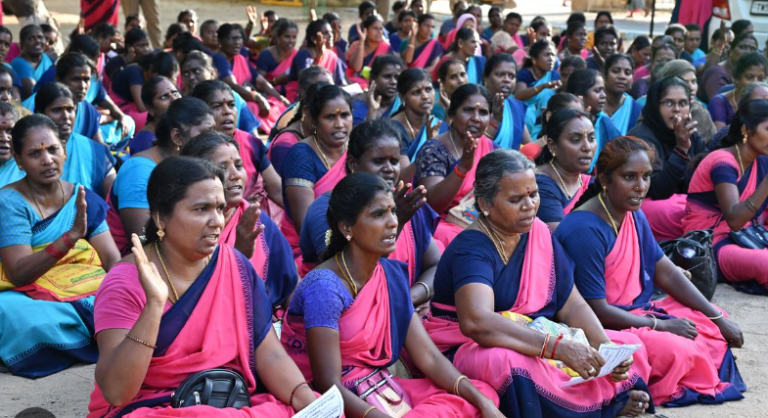
The Karnataka State Anganwadi Workers’ Union has intensified its demand for gratuity benefits for retired employees, highlighting the decades-long service rendered by thousands of women in nurturing early childhood development. Union representatives argue that despite their critical role in implementing government welfare schemes, Anganwadi workers remain excluded from post-retirement benefits. The demand has gained renewed urgency following recent retirements without financial security. Leaders insist that extending gratuity is both a moral and social obligation, essential for recognizing the contribution of workers who have formed the backbone of rural child care and nutrition services.

The union has formally submitted a memorandum to the Women and Child Development Department, seeking parity with other government-supported service categories. According to the memorandum, over 15,000 retired Anganwadi workers and helpers across the state are struggling without a pension or gratuity system. Many of them, union officials say, live in financial distress despite having dedicated over three decades of service. They stress that such neglect undermines the spirit of welfare programs and sends a discouraging message to serving workers. The organization has warned that failure to address the issue could lead to statewide protests in the coming months.


Call for Dignity After Service


Union leaders assert that the existing honorarium and retirement lump sums are grossly inadequate to sustain basic living expenses. They propose a structured gratuity model aligned with central labor laws, ensuring a one-time payment proportionate to years of service. “We work from dawn till dusk, feeding and educating children, but retire with empty hands,” said one worker from Mandya district. Many others echoed similar sentiments, calling the demand a fight for dignity rather than privilege. The union’s appeal has drawn support from several labor rights organizations, who view this as part of a larger movement for informal sector recognition and welfare equity.

The government, while acknowledging the workers’ vital contribution, has yet to take a definitive stance. Officials cite budgetary constraints and administrative complexities in extending gratuity to all retired Anganwadi employees. However, the Women and Child Development Department has reportedly begun preliminary discussions on creating a welfare fund to support aging workers. Sources indicate that the proposal may include state and central contributions, along with social security coverage. Unions, however, remain skeptical until formal notifications are issued, emphasizing that past assurances have often failed to translate into tangible outcomes.

The plight of retired Anganwadi workers has sparked discussions within the legislative corridors as well. Several MLAs, particularly from rural constituencies, have urged the state to act swiftly. They argue that while Karnataka has made progress in women’s empowerment and child welfare, neglecting frontline workers undermines these achievements. Policy experts suggest that introducing gratuity could set a precedent for other states, strengthening India’s Integrated Child Development Services (ICDS) by improving morale and retention. Some even recommend linking Anganwadi workers with pension schemes under the National Social Assistance Programme for broader coverage.Anganwadi - Wikipedia


Decades of Service, Yet Little Recognition


For over 40 years, Anganwadi workers have been instrumental in implementing schemes related to child nutrition, health awareness, and women’s empowerment. Despite their tireless service, they continue to be categorized as honorary workers rather than government employees, leaving them excluded from employment benefits. Retired workers recount years of unpaid overtime, minimal increments, and lack of health insurance. The demand for gratuity, they argue, is an overdue acknowledgment of their unpaid labor and lifelong dedication. “Our retirement shouldn’t mean invisibility,” said a retired worker from Hassan, expressing the pain of being forgotten after years of service.

The state government’s initial response to the demand has been cautious, with officials acknowledging the merit of the issue but stressing the financial implications of implementing gratuity on a large scale. Preliminary estimates suggest that fulfilling the demand could require an outlay of several hundred crores, depending on the formula adopted. Officials from the Finance Department are reportedly examining models used by other states to assess feasibility. The Women and Child Development Department has suggested forming a committee to explore phased implementation, prioritizing workers who have already retired without benefits. However, union leaders argue that further delays will deepen the suffering of aging workers who cannot afford to wait for bureaucratic studies.

Meanwhile, Anganwadi unions across districts have begun coordinating to unify their message and strengthen collective bargaining. Rallies in cities like Mysuru, Belagavi, and Raichur have drawn hundreds of participants, with workers carrying placards demanding “gratuity as a right, not a favor.” At these gatherings, emotional testimonies from retired workers have underscored the urgency of their plea. Many spoke of surviving on meagre savings, relying on community goodwill, or facing medical expenses without support. The gatherings have evolved into symbols of resilience and solidarity, amplifying the workers’ voices beyond administrative corridors and into the broader public consciousness.

Political observers believe that the movement has wider implications for labor relations in Karnataka. With elections on the horizon, parties are likely to court the large network of Anganwadi workers, who hold considerable influence in rural areas. Opposition leaders have already extended moral support, accusing the government of neglecting women who have sustained its welfare schemes for decades. Some legislators have called for immediate interim relief while a permanent policy is framed. The ruling establishment, wary of political backlash, is reportedly considering short-term compensatory grants to demonstrate goodwill while exploring long-term financial planning for gratuity.Just Gratuity Not Enough: Anganwadi Workers | NewsClick

The growing mobilization has also drawn attention from national labor rights bodies, which view the issue as emblematic of India’s informal workforce challenges. Advocacy groups argue that excluding Anganwadi workers from retirement benefits contradicts the principles of the International Labour Organization’s social security standards. They stress that gratuity should be seen not merely as a financial transaction but as a recognition of women’s unpaid care labor that sustains public health and education goals. Economists have noted that even modest pension or gratuity support can yield significant social returns by improving the well-being of workers and reducing dependence on welfare subsidies.

In many rural communities, Anganwadi centers serve as more than child nutrition hubs—they function as safe spaces for mothers, training grounds for young women, and outreach platforms for healthcare and education. Workers often go beyond their assigned roles, handling community mediation, vaccination drives, and school enrollment campaigns. Yet, their pay and benefits remain among the lowest in the public system. The demand for gratuity has therefore come to symbolize a broader call for respect and equality. Social activists argue that recognizing these women through retirement benefits would help correct long-standing gender disparities in India’s informal employment landscape.

Grassroots stories emerging from across the state reveal the stark reality faced by retired workers. In villages of Chikkamagaluru, many continue to live in temporary shelters, surviving on assistance from neighbors and NGOs. Some have pawned jewelry or land to manage medical bills, while others depend on daily-wage labor in old age. These narratives have been documented by independent researchers who highlight how the absence of post-retirement income pushes women back into cycles of poverty. The findings have strengthened public empathy and intensified demands for immediate policy reform. Unions hope such documentation will provide irrefutable evidence of systemic neglect before policymakers.

Within government circles, discussions have begun around creating a welfare corpus fund that could offer gratuity payments through pooled resources. The model, proposed by some bureaucrats, involves a combination of state funding and voluntary community contributions. Officials argue that such an approach can make the initiative financially viable while fostering shared responsibility. Critics, however, warn that depending on voluntary funding could dilute accountability. They emphasize that the state must take full ownership, as Anganwadi workers operate under government directives and implement statutory welfare schemes. Any halfway solution, they caution, may weaken the moral and legal foundation of the demand.

Academic experts have called for a comprehensive reclassification of Anganwadi workers within India’s employment framework. They argue that labeling them as honorary workers is outdated and unjust, given their full-time responsibilities and dependence on state supervision. A policy shift that officially recognizes them as government-linked employees would automatically qualify them for benefits like gratuity and pension. Researchers note that such recognition could also improve program efficiency, as motivated workers tend to deliver better outcomes. They suggest that Karnataka, being a pioneer in social development programs, could lead this reform nationally by setting an inclusive policy precedent.

Public support for the movement has grown through social media and grassroots campaigns organized by women’s collectives. Several civil society groups have begun documenting the living conditions of retired Anganwadi workers, revealing widespread financial hardship. Many depend on their children for survival, while some continue working as domestic helpers to meet daily needs. These reports have increased public sympathy and added pressure on policymakers. Advocates argue that ensuring gratuity would not only restore dignity but also inspire younger workers to view Anganwadi service as a sustainable and respected career path.

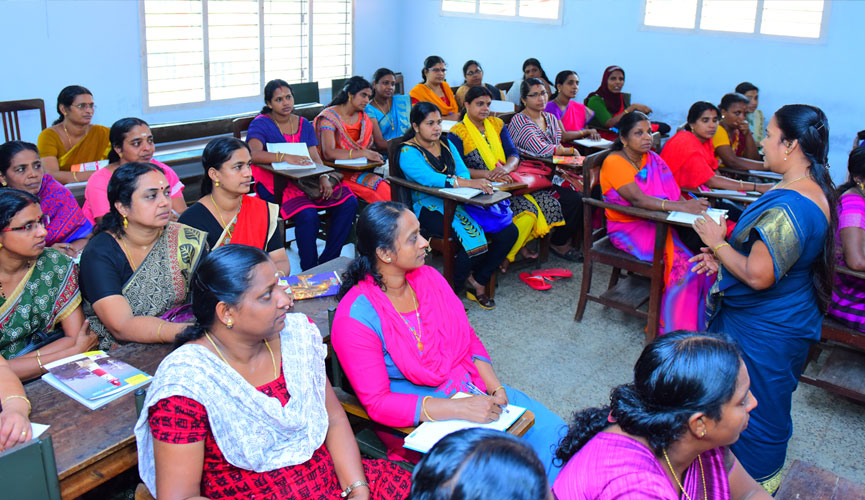
Union leaders are planning statewide rallies and district-level meetings to build momentum for their cause. They have also called on the Chief Minister and Finance Minister to allocate a dedicated budget for retired workers in the upcoming financial year. “This is not charity, it is justice,” declared the state union president at a recent press meet. The organization aims to present comparative data showing how similar schemes operate in other states like Tamil Nadu and Kerala, where welfare measures for Anganwadi workers have seen more structured implementation.Anganwadi Workers' Training Centres

The issue has also resonated within academic and policy circles. Scholars note that Anganwadi centers form the foundation of India’s early childhood development ecosystem, yet workers remain among the most undervalued segments of the social welfare system. Experts emphasize that the lack of retirement benefits deters new recruits and increases turnover. They recommend establishing a tripartite mechanism involving the state, central government, and local panchayats to share financial responsibility. Such a framework, they argue, could ensure sustainability without overburdening any single entity while securing workers’ futures.

If implemented, gratuity for Anganwadi workers would mark a significant milestone in labor rights and women’s welfare. It would recognize the invisible labor that sustains national nutrition and education goals, empowering those who have long operated on the margins of the welfare system. The movement’s outcome will likely influence broader debates on informal sector rights and social protection policies. For now, thousands of retired workers across Karnataka continue to wait, hopeful that their decades of dedication will finally receive the recognition and security they deserve.

Follow: Karnataka Government

Also read: Home | Channel 6 Network – Latest News, Breaking Updates: Politics, Business, Tech & More

Alipurduar District APAS Infrastructure Drive: A Neighbourhood-Focused Push on Local Works Ahead of Assembly Polls

Alipurduar District APAS Infrastructure Drive: The district administration of Alipurduar has initiated a significant infrastructure expansion under the West Bengal government’s flagship scheme “Amader Para Amader Samadhan” (APAS), aiming to deliver thousands of small but visible civil works across neighbourhoods. With the Assembly elections on the horizon, the focus on micro-projects — culverts, drains, street lights, community repairs — reflects a dual ambition: improving local infrastructure and strengthening civic connectivity between residents and administration.

District officials report that more than 20,000 citizen proposals were submitted, some 3,000 micro-projects have already been sanctioned for immediate start, and construction is being fast-tracked with a completion target by year-end. This broad-based roll-out seeks to ensure visible signs of development reach even remote villages in the Dooars region, ahead of the political campaign period.


Alipurduar District APAS Infrastructure Drive: What APAS Seeks to Achieve

Under the scheme:

  • Residents identify infrastructure issues in their immediate surroundings (their “para”).
  • Projects are capped at a certain budget (in Alipurduar approx. ₹10 lakh each) to ensure wide coverage.
  • The district administration implements the works rapidly, aiming for high visibility.
  • Micro-works cater to everyday civic needs rather than large landmark projects — making the impact more direct in people’s lives.

Significance of Timing

The drive’s alignment with the pre-election period is strategic: visible infrastructure improvements prior to polling often translate into voter optimism and government credibility. For Alipurduar — a district with terrain challenges, remotest blocks and resource deficits — such micro-works provide a platform for the administration to demonstrate responsiveness, reach and accountability.


On-the-Ground Realities and Local Response

Villagers in areas such as Kumargram, Kalchini and Falakata have welcomed the initiative:

“We submitted a proposal for solar street-lights and a small drain near the shanties. The acknowledgment came quickly; now we await construction to begin,” said a resident of Kumargram block.

For many flood-affected households, lost documentation and disrupted infrastructure have hindered access to schemes; the inclusion of duplicate-document camps and APAS project listing has revived hope.

Yet, local activation must translate into completed works — the real test lies in execution.


Administrative Mechanism & Budget Details

Key facts from the district rollout:

  • Budget cap per micro-project: ~₹10 lakh.
  • Proposals submitted: ~20,000+ across the district.
  • Sanctioned for execution: ~3,000 projects.
  • Target completion: December 31 (prior to full election campaign).
  • Works include: culverts, street lighting, local school repairs, community drains, minor road patching.

District officials emphasise citizen participation, fast tendering, and monitoring of execution — all aimed at reducing delays in remote blocks.


District Infrastructure Context

Alipurduar’s geography — part of the Himalayan foothills and tea-garden zones — presents unique challenges:

  • Many villages are forest-fringe, remote and vulnerable to floods and erosion.
  • Infrastructure gaps persist: unlit roads, damaged drains, narrow access lanes, ageing school buildings.
  • Traditional large-scale infrastructure often bypasses small-need items; APAS seeks to fill that gap.

In this light, micro-projects hold promise for improving daily life in ways residents genuinely appreciate.


Governance, Monitoring and Citizen Oversight

APAS emphasises community involvement: the project origination is from local residents, and monitoring includes resident feedback, public display of project lists and progress updates. Effective governance requires:

  • Quality supervision of contractors and materials.
  • Maintenance plans post-completion.
  • Equitable distribution across wards and blocks.
  • Transparency of budget and timeline.

These aspects will determine whether APAS evolves into sustained infrastructure improvement or short-term visibility works.


Political Dimensions and Strategic Implications

The timing and scale of APAS rollout carry strategic significance:

  • For the ruling party: visible delivery before elections helps reinforce the government-at-your-doorstep message.
  • For opposition: it provides a target to scrutinise execution, delays or exclusion.
  • For voters: tangible improvements (streetlight, drains) often carry immediate meaning and can shift perceptions.

The micro-infrastructure model may set precedents for how neighbourhood works are leveraged ahead of elections.


Risks, Challenges and What To Watch

Execution risks include:

  • Delay or incompletion of projects.
  • Poor quality work or cost-cutting by contractors.
  • Uneven distribution across blocks.
  • Maintenance neglect undermining benefits.
  • Perception of works being election-oriented rather than part of sustained development.

Tracking progress — especially in remote blocks — remains essential for credibility.


Broader Lessons for Infrastructure Policy

APAS in Alipurduar highlights larger policy insights:

  • Micro-infrastructure is as crucial as large-scale projects in improving quality of life.
  • Citizen-originated works increase ownership, satisfaction and targeting.
  • Rapid tender-to-completion cycles build trust and visibility.
  • Combining relief (post-flood documentation camps) with infrastructure works strengthens outreach.

For mountainous, remote districts, this approach may fill structural gaps in governance.


Voices from the Field

Residents share mixed emotions:

“The drain in front of our house has been fixed after years of waiting.”
“We submitted our proposal days ago — now we wait to see if work starts.”
“The contractor arrived but then delayed — we hope the district monitors it.”

Officials remain optimistic — the district magistrate emphasised that no flood-affected person will be left behind, and all micro-works will have completion reports uploaded publicly.


Implementation Timeline & Future Steps

  • Tendering phase completed for 3,000 projects.
  • Construction commenced in many locations; full district rollout expected by year-end.
  • Post-completion: public lists, expenditure reports, maintenance plans.
  • Further outreach for remaining proposal batches to keep community momentum.

If the rollout succeeds, it may become a model for other districts ahead of the state’s next electoral cycle.


External Links for Further Information

Also read: Home | Channel 6 Network – Latest News, Breaking Updates: Politics, Business, Tech & More
Zoho CEO Urges Indian Talent Abroad to Return and Build a Strong Future on Oct 24

0

Zoho CEO Appeals to Indian Diaspora to Return

Zoho CEO Sridhar Vembu has appealed to Indians living abroad to consider returning to India, highlighting the need for the country’s brightest minds to contribute to building a prosperous future. Speaking in response to research on immigrant contributions in Western economies, Vembu emphasized that Indian talent has long fueled growth abroad and now has the opportunity to support India’s development.Bharat mata needs you": Zoho CEO urges Indian diaspora to return home - Times Topica

Recent data shared by economist Daniel Di Martino indicates that Indian immigrants and their descendants contribute an average of $1.7 million to the US federal budget over 30 years, the highest among all immigrant communities. Acknowledging this, Vembu stated that India has sent its best minds overseas and now must attract some of that talent back.

Zoho CEO Highlights Opportunity for Next Generation

In his post on X, Vembu encouraged the next generation of Indian-origin professionals to explore building their careers in India. He said, “From the migrant perspective, why stay where you are not welcome? Bharat Mata wants you, needs you, and welcomes you! Come home, let’s create a strong and prosperous Bharat.”Zoho CEO Sridhar Vembu urges Indian immigrants to come home: 'Why stay where you are not welcome?' | Trending

Vembu’s appeal focuses on the opportunities offered by India’s fast-growing tech industry and startup ecosystem, suggesting that the country is now better positioned than ever to absorb global expertise. The statement has generated widespread discussion online, with many users agreeing that India presents immense potential for talented professionals to make a meaningful impact.

Mixed Reactions to Zoho CEO’s Call

Vembu’s remarks have sparked both support and constructive criticism. Some users lauded his call, noting that India’s expanding infrastructure and tech sector make it an attractive destination for returning talent. “The opportunity to build India into a global powerhouse is massive right now. With the right ecosystem, many would happily return home,” one user wrote.'I'm not alarmed, it's a sign of...': Zoho CEO Sridhar Vembu on rising talent migration from India - BusinessToday

Others, however, pointed out the challenges that still exist. Infrastructure gaps, bureaucratic hurdles, and quality-of-life issues remain concerns for professionals considering returning. One comment highlighted that “patriotism can bring them home, but policy has to make them stay,” stressing the importance of creating a supportive environment alongside emotional appeals.

Another user noted that many Indians had moved abroad for better career growth and opportunities, and while India is improving, sustaining high-quality work environments will be key to retaining returning talent. Also Read: Park Bom’s Massive Lawsuit Could Make Her the Richest Person Alive, Surpassing Elon Musk

Zoho CEO Emphasizes Role of Talent in National Growth

The Zoho CEO stressed that India’s development depends on leveraging its global talent pool. By attracting Indian professionals back from overseas, the country can accelerate innovation, strengthen its economy, and expand its global influence in technology and business.

Vembu’s call is also part of a broader conversation about brain gain, encouraging skilled professionals to return home and invest their expertise in national growth. Many experts believe that combining international experience with domestic opportunities can help India emerge as a global economic and technological leader.

Conclusion:

The Zoho CEO’s appeal to the Indian diaspora underscores a significant moment for India’s talent landscape. By inviting skilled professionals back home, Vembu highlights the potential to build a stronger, more innovative nation. The success of this initiative will depend on creating an environment that not only welcomes talent but also provides the resources and support necessary for long-term growth and impact.

Satara Doctor Dies by Suicide at 29 Police Officer and Landlord’s Son Booked After Shocking Allegations

Satara Doctor Dies by Suicide, Police Officer Among Two Booked

A 29-year-old Satara doctor dies by suicide after reportedly facing months of harassment and abuse, leading to criminal charges against two individuals, including a police sub-inspector. The tragic incident occurred in Maharashtra’s Phaltan area, where the young doctor worked in a government hospital on a contractual basis.Satara doctor dies by suicide, accuses cop of rape; two booked | Latest News India

According to police reports, she was found hanging in a hotel room in Phaltan on Thursday night. What shocked investigators was a message written on her palm in Marathi, accusing Phaltan City Police Station sub-inspector Gopal Badane of raping her four times and her landlord’s son, Prashant Bankar, of subjecting her to continuous mental and physical harassment for several months.

Satara Superintendent of Police Tushar Doshi confirmed that both the accused have been booked under sections related to rape and abetment of suicide. The police officer has since been suspended, while both suspects are currently absconding. Two special teams have been formed to locate and arrest them.

Satara Doctor Dies After Months of Pressure and Harassment

Further investigation into the Satara doctor dies case has revealed a disturbing pattern of pressure and threats that the victim allegedly faced before her death. Sources claim that she had been under significant police and political influence for refusing to issue false medical fitness certificates for certain arrested individuals.Maharashtra doctor dies by suicide, leaves note on hand alleging rape and harassment by two cops

A cousin of the deceased alleged that she was repeatedly threatened for not preparing falsified medical and post-mortem reports. He stated that the doctor had tried to bring this to the attention of senior officers but received no support. “She was under constant pressure to issue reports declaring accused persons fit or unfit without even examining them,” he said.

Police sources also revealed that the victim had filed a complaint earlier this year with the local Sub-Divisional Police Officer, where she named three police officials, including the suspended sub-inspector. However, officers later claimed that the complaint was of a different nature and not directly linked to her allegations of harassment.

Satara Doctor Dies Probe Ordered, CM Fadnavis Calls for Strict Action

Following public outrage over the Satara doctor dies incident, Maharashtra Chief Minister Devendra Fadnavis has directed the police to take strict action against the accused and initiate departmental proceedings against any officers found involved. He emphasized that such behavior within the police force is unacceptable and must be met with immediate disciplinary measures.Doctor Who Died By Suicide Faced Police Complaint Over "Troublesome" Behaviour

Special Inspector General (Kolhapur Range) Sunil Phulari confirmed that two dedicated teams are currently tracing the whereabouts of the accused. Meanwhile, Dr. Yuvraj Karpe, Civil Surgeon of Satara, stated that the Deputy Director of Health, Pune, has ordered a three-member committee to conduct an internal inquiry into the incident and assess the workplace environment at the government hospital.

Investigators also revealed that the victim had made a phone call to one of the accused, Prashant Bankar, shortly before taking her own life. Chat records recovered from her phone indicate a series of distressing conversations between them, which may serve as crucial evidence in the ongoing probe.

Growing Anger and Demand for Justice

The Satara doctor dies case has drawn nationwide attention, sparking discussions about the safety of women working in government institutions. Social activists and women’s organizations have demanded that the government ensure a fair and transparent investigation while also addressing systemic workplace harassment.If only she had spoken up sooner': Satara police say timely action could have prevented Maharashtra doctor's death | Pune News - The Times of India

The victim’s family has urged authorities to deliver justice swiftly, stating that she had repeatedly voiced her fears and yet was ignored by those in positions of power. The case has also raised questions about the lack of accountability and support systems for government employees facing coercion or exploitation by officials.

Law enforcement agencies across Maharashtra have now been instructed to re-evaluate harassment complaints filed by women employees in recent months. Police officials have pledged to cooperate fully with the internal committee’s findings to ensure justice is served. Also Read: Actor Satish Shah Dies at 74, A Legendary Comic Star Bids Final Goodbye After Kidney Failure

Conclusion:

The Satara doctor dies case is a grim reminder of how institutional pressure and unchecked authority can devastate lives. As the investigation progresses, the demand for justice grows stronger, with citizens calling for accountability and reform. Her death has not only exposed deep-rooted issues within the system but has also reignited conversations about the urgent need to protect women in the workplace.

Actor Satish Shah Dies at 74, A Legendary Comic Star Bids Final Goodbye After Kidney Failure

0

Actor Satish Shah Passes Away at 74 Due to Kidney Failure

Actor Satish Shah, one of India’s most beloved comic actors, has passed away at the age of 74 due to kidney failure. Known for his remarkable roles in both television and films, Shah’s passing marks the end of an era in Indian comedy. His effortless humor, iconic timing, and unforgettable characters made him a household name across generations.Satish Shah Death News: Veteran actor Satish Shah passes away due to kidney failure at 74 | - The Times of India

According to reports, Shah had been undergoing treatment for kidney-related issues for the past few months. Despite the best efforts of medical professionals, his health declined in recent weeks. His family confirmed that he passed away peacefully, surrounded by loved ones.

Born in 1951, Satish Shah was not just an actor but a symbol of light-hearted storytelling. From stage performances to mainstream Bollywood films, his journey reflected both versatility and dedication to his craft.

Actor Satish Shah Remembered for His Timeless Roles in Television and Cinema

Throughout his career, actor Satish Shah delivered performances that left an indelible mark on Indian entertainment. His portrayal of Indravadan Sarabhai in the cult sitcom Sarabhai vs Sarabhai remains one of the most celebrated characters in Indian television history. The witty, sarcastic father with impeccable comedic timing became a pop-culture icon for its unique portrayal of urban family humor.Satish Shah cause of death | Satish Shah dies at 74: Understanding kidney failure and its warning signs | - The Times of India

Apart from television, Shah was a well-known face in Hindi cinema, appearing in more than 200 films. His roles in movies like Jaane Bhi Do Yaaro, Main Hoon Na, Hum Saath Saath Hain, and Kal Ho Naa Ho showcased his ability to balance comedy with emotion. His performances often brought laughter while also carrying a sense of warmth and relatability that audiences cherished.

His colleagues and friends from the industry described him as a “gentle soul with a golden heart.” Many actors, including his Sarabhai vs Sarabhai co-stars, took to social media to express their grief and share fond memories of working with him.

Actor Satish Shah’s Journey From Theatre to Iconic Stardom

Before his rise to fame on television, actor Satish Shah started his artistic journey in theatre, where he honed his craft and developed a strong foundation in performance. He was a graduate of the prestigious Film and Television Institute of India (FTII), where he trained alongside many other legendary actors of his generation.Satish Shah passes away at 74: Fans pay tribute to 'Dilwale Dulhaniya Le  Jayenge' actor | - The Times of India

His big break came with Yeh Jo Hai Zindagi in the 1980s, where his comic timing captured nationwide attention. The show’s success opened doors to several opportunities in film and TV, establishing him as one of the most versatile character actors in the industry.

Even as he gained popularity, Shah remained grounded. He was admired for his humility and his willingness to mentor younger artists. In interviews, he often credited teamwork and writing as the true heroes behind great comedy. His philosophy of humor was simple “make people laugh without hurting anyone.”

Actor Satish Shah’s Legacy in Indian Entertainment Lives On

The passing of actor Satish Shah is being mourned not only by fans but also by the film fraternity that regarded him as an irreplaceable part of Indian comedy. His contribution spanned over five decades, during which he redefined the art of situational humor.Satish Shah Passes Away At The Age Of 74 Due To Kidney-Related Issues:  Reports - Entertainment

Many industry veterans recall his professionalism and kindness off-screen. He was known for arriving early on set, rehearsing meticulously, and encouraging co-actors to explore their own comic instincts. His performances continue to inspire writers and actors who view him as a master of timing and expression. Also Read: Former CIA Official Pakistan India War Assessment Reveals Inevitable Outcome

Streaming platforms have seen renewed interest in his classic shows and movies since the news of his demise, a testament to his lasting influence. For fans who grew up watching him, Shah was not just a performer he was part of their lives, their laughter, and their memories.


View this post on Instagram


A post shared by Bollywood Five (@bollywoodfive)

Conclusion:

Actor Satish Shah’s passing marks a solemn moment in Indian entertainment. His laughter, expressions, and warmth will continue to echo through the decades. While the industry has lost a gem, his legacy will live on through every smile he inspired and every timeless scene he brought to life.

In TN free meals initiative brings new hope to thousands of sanitation workers in 2025

0

In TN free meals initiative: A new chapter for sanitation workers

In TN free meals for sanitation workers has become one of the most talked-about welfare decisions recently announced by the Tamil Nadu government. The initiative, introduced by Chief Minister M.K. Stalin, ensures that thousands of sanitation workers across the state receive free and nutritious meals every day. The move is part of the government’s continuous effort to support those working in difficult and often hazardous environments to keep cities clean and functioning.Sikh Volunteers Prepare Over 30,000 Free Meal Packets In New York - NDTV Food

The government’s decision was welcomed widely by worker unions and civic bodies. It aims not only to meet basic nutritional needs but also to recognize the essential role played by these workers in maintaining public health. This initiative reflects the state’s inclusive approach towards improving the lives of people who form the backbone of urban hygiene and civic maintenance.

In TN free meals program focuses on dignity and health

The free meals program is expected to cover all sanitation workers employed by municipalities, corporations, and local bodies across Tamil Nadu. The government has identified that many of these workers, especially those in smaller towns, struggle with irregular work hours, limited access to food, and rising living costs. Through this scheme, meal centers will be established at key locations, ensuring every worker can easily access hot, healthy food during their shifts.300 Sanitation Workers In Thanjavur Offered Free Meals By This Private Organisation | India News - News18

Officials stated that the meals will include traditional Tamil dishes prepared with attention to nutrition, giving workers a sense of comfort and belonging. The government plans to monitor the quality of food and expand the network of distribution centers depending on the number of workers in each region.

The initiative also highlights Tamil Nadu’s long-standing commitment to welfare schemes that directly benefit marginalized groups. Previous programs, such as Amma Canteens and subsidized food initiatives, have set a strong precedent for addressing hunger and poverty in the state.

In TN free meals drive strengthens social inclusion

Beyond nourishment, the scheme is a step toward social recognition and dignity. Sanitation workers often face stigma despite their vital role in society. By providing free meals as a government-supported entitlement, the state acknowledges their contribution and sends a message of equality and respect.Tamil Nadu Cabinet approves new welfare initiatives for sanitation workers as job privatisation protests continue - Tamil Nadu News | India Today

This initiative aligns with Tamil Nadu’s broader vision of inclusive development, where welfare programs are designed not as charity but as rights-based support. The plan also complements ongoing efforts to improve working conditions, provide medical coverage, and ensure safety equipment for sanitation staff.

Implementation and impact of In TN free meals plan

According to reports, the state will roll out the program in phases, beginning with major cities such as Chennai, Madurai, and Coimbatore. The early phase will focus on identifying high-density work areas where sanitation workers are most active during day and night shifts.Minister GR Anil wants public intervention to ensure food quality in schools

Each local body will coordinate with welfare departments to ensure food availability without interruption. Feedback mechanisms will be created for workers to report any issues related to quality or distribution. Experts believe that, apart from improving nutrition, this initiative could positively influence worker morale, attendance, and health outcomes.

Economists and social experts have noted that such welfare schemes often bring indirect benefits by reducing absenteeism and increasing efficiency in civic departments. When workers are healthy and valued, the entire urban ecosystem functions more smoothly. Also Read: Chennai People Be Ready: Cyclone ‘Montha’ May Bring Heavy Rains and Strong Winds on October 27

 Conclusion:

The In TN free meals initiative is more than just a welfare program it’s a symbol of respect for the people who keep Tamil Nadu’s cities clean and livable. By ensuring every sanitation worker receives a daily meal, the government has taken a step that blends compassion with policy, showing that true progress includes caring for those who work silently for society’s well-being.