Sunday, May 17, 2026
Home Blog Page 387

87 Flood Prone Spots Revealed in Chennai’s New Disaster Plan 2025, GCC Outlines Major Preventive Steps

0

Flood Prone Spots Identified Across Chennai in GCC’s 2025 Disaster Plan

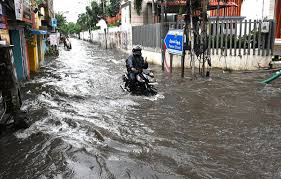
Flood prone spots across Chennai have been officially mapped by the Greater Chennai Corporation (GCC) in its City Disaster Management Perspective Plan 2025, marking a major step toward improved monsoon preparedness. Based on 2024 data, the report identified 87 flood-prone locations including 26 high-risk areas, 27 medium vulnerability zones, and 34 low vulnerability sites.Chennai: GCC volunteers identify flood-prone areas, submit report to TN govt

This is a remarkable improvement compared to 2021, when Chennai had as many as 561 flood-prone locations. By 2023, that number dropped significantly to just 35, showing the impact of continuous desilting, drainage upgrades, and coordination efforts between civic departments. The newly published 2025 plan builds on these achievements with a stronger focus on prevention and resilience.

Flood Prone Spots Mapped Using GIS and Digital Monitoring Systems

To identify flood prone spots accurately, GCC relied heavily on GIS-based mapping and real-time digital tracking systems. These technologies helped the civic body monitor the functioning of stormwater drains and predict potential waterlogging zones.

The plan also integrates data from the Emergency Operations Centre (EOC), ensuring constant coordination between departments during extreme weather conditions. Each zone now has a clear response protocol to minimize the impact of flooding, with detailed guidelines for rescue, relief, and rehabilitation.87 flood-prone spots identified in Chennai Corporation's Disaster Management Perspective Plan 2025 - The Hindu

Officials noted that high-vulnerability areas were identified based on factors like elevation, drainage patterns, population density, and proximity to major waterways such as the Adyar and Cooum rivers. Low-lying zones including Velachery, Saidapet, and Perungudi remain under close observation for preventive action.

Flood Prone Spots Linked to Broader Disaster Risks Including Cyclones and Tsunami

The disaster plan doesn’t just address flooding. It also covers cyclones, tsunami, and other climate-related disasters, classifying high-risk coastal and inland zones. GCC’s comprehensive mapping includes evacuation routes, safe shelters, and inter-departmental responsibilities for emergency communication and logisticsChennai's Climate Action Plan Identifies the Risks for the City and Proposes Mitigations - OpenCity
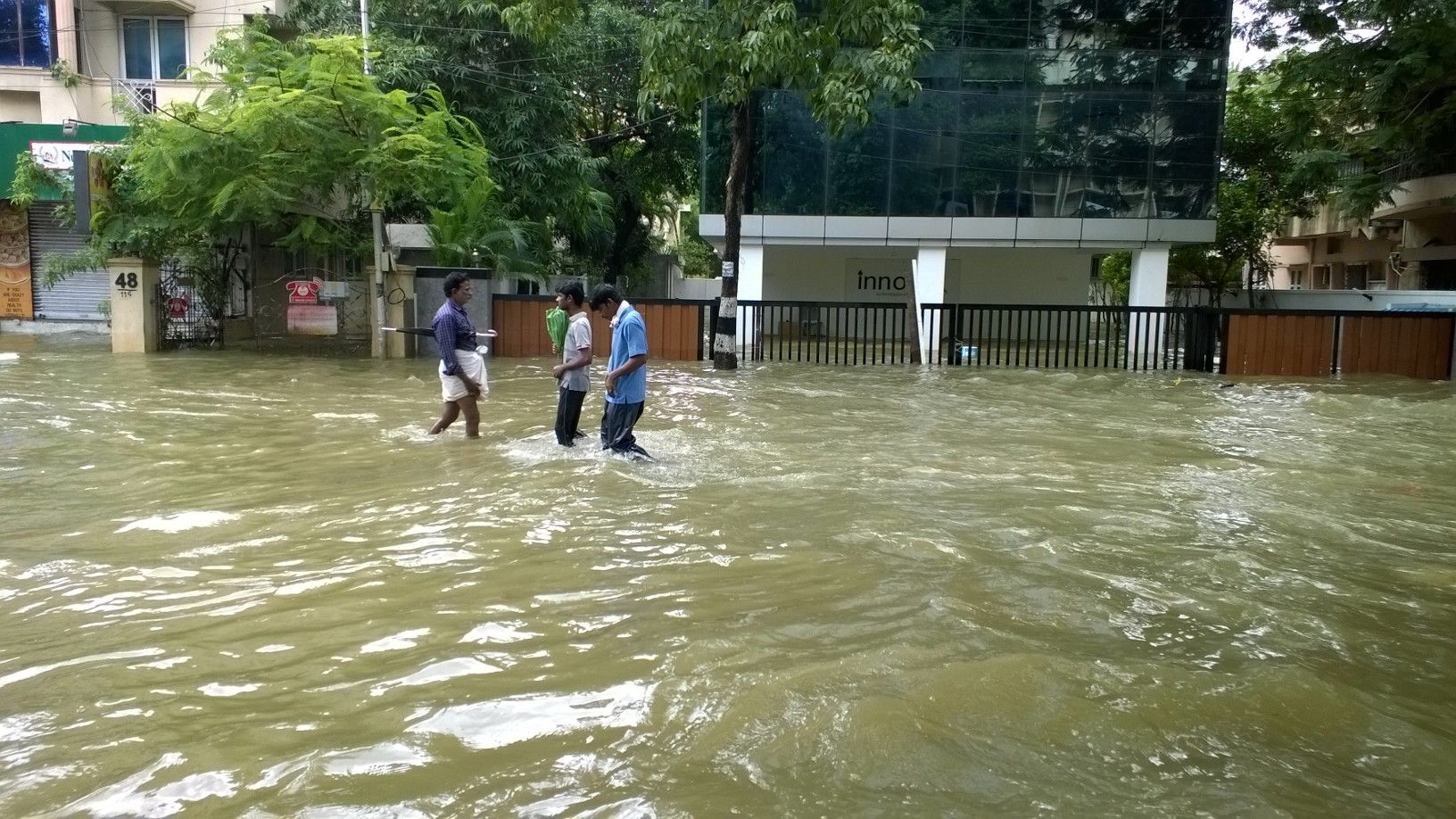
The civic body has enhanced its early warning dissemination system through TN-Alert, a real-time notification platform that provides alerts to residents during emergencies. In addition, awareness drives are being organized in schools, public spaces, and residential associations to educate citizens on how to respond effectively during disasters.

As part of the city’s resilience framework, the plan emphasizes the restoration of water bodies, desilting of canals, and strengthening of pumping stations. These measures aim to maintain water flow and prevent backwater flooding during heavy monsoon rains. Also Read: Chennai People Be Ready: Cyclone ‘Montha’ May Bring Heavy Rains and Strong Winds on October 27

Flood Prone Spots Will Be Continuously Monitored Through 2025

According to the GCC, flood prone spots will undergo continuous real-time assessment throughout the 2025 monsoon season. Advanced sensors and remote data collection systems will help detect blockages, pump failures, or sudden rises in water levels before they escalate into major flooding incidents.Chennai Rains and Waterlogging Datajam - Jan 2024 - OpenCity
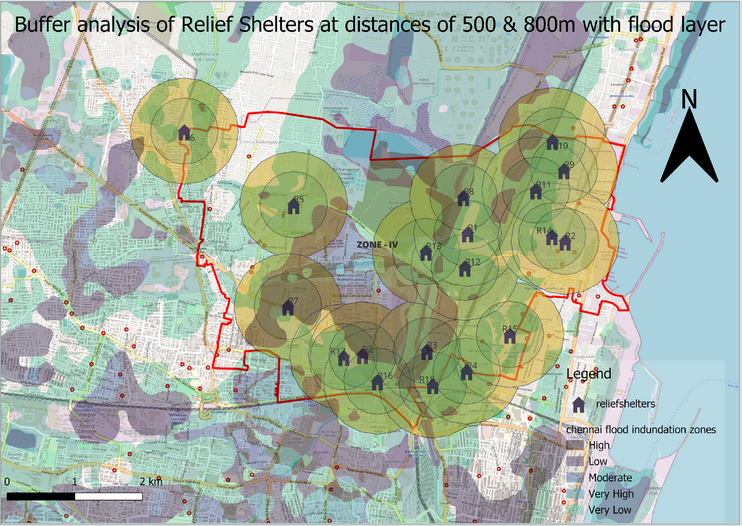
The civic body is also working closely with the Chennai Metropolitan Water Supply and Sewerage Board (CMWSSB) and Water Resources Department (WRD) to improve coordination and ensure smooth functioning of drainage infrastructure.

Moreover, the plan has outlined a strict maintenance schedule for stormwater drains, ensuring they are cleaned before every major rain event. The focus remains on proactive management rather than reactive response a key shift in Chennai’s disaster strategy.


View this post on Instagram


A post shared by Chennai Live (@chennailive1048)

Conclusion:

The flood prone spots report marks an important milestone in Chennai’s long-term flood management vision. With only 87 vulnerable locations now identified compared to over 500 a few years ago, the GCC’s Disaster Management Perspective Plan 2025 demonstrates significant progress. Through digital monitoring, inter-department coordination, and active public awareness, Chennai aims to transform its urban resilience strategy preparing the city to withstand the challenges of future monsoons with greater confidence and efficiency.
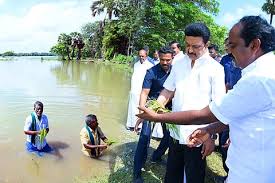
Stalin Inspects Adyar River Mouth Works as Chennai Gears Up for Monsoon Preparedness Drive in 2025

Stalin Inspects Adyar River Dredging Ahead of Heavy Rains

Stalin inspects the ongoing dredging and desilting works at the Adyar River mouth in Chennai, emphasizing the importance of pre-monsoon preparedness to prevent flooding in vulnerable areas. The Chief Minister reviewed the progress made by the Water Resources Department (WRD) and directed officials to ensure the seamless flow of stormwater into the sea during heavy rainfall.Tamil Nadu DCM Udhayanidhi Stalin inspects the work at the mouth of the  Adyar River

During his visit, Stalin was accompanied by senior officials, including Chennai Corporation Commissioner J. Radhakrishnan and WRD engineers. The team briefed him on the measures being implemented to improve water discharge capacity and avoid stagnation in residential zones along the riverbank.

The inspection forms part of a larger flood prevention initiative launched by the state government, focusing on key waterways such as the Cooum, Adyar, and Buckingham Canal.

Stalin Inspects Flood Mitigation Works to Strengthen City Infrastructure

As part of his field review, Stalin inspects other ongoing flood mitigation works in Chennai’s coastal regions. The dredging at Adyar River mouth is being carried out using heavy machinery to remove silt and sand deposits that block natural water flow during rains.

Officials explained that the buildup at the river mouth often restricts the outflow of rainwater, leading to waterlogging in low-lying neighborhoods like Kotturpuram, Saidapet, and Adyar. By deepening and widening the stretch, authorities aim to minimize backflow during high tides and heavy showers.Tamil Nadu CM inspects rain-battered areas, sips tea, interacts with people

The Chief Minister emphasized the need for continuous monitoring during the northeast monsoon. He urged departments to maintain coordination and ensure that all drainage channels remain clear. Special attention is being given to high-risk areas that experienced severe flooding during the 2021 and 2023 monsoons.

Stalin Inspects Site and Reviews Measures for Sustainable Drainage

During the inspection, Stalin reiterated his government’s focus on sustainable solutions rather than short-term measures. He instructed engineers to strengthen embankments, improve stormwater connectivity, and ensure that dredged materials are disposed of without causing environmental harm.

Authorities have been asked to identify and rectify bottlenecks that slow down water movement in the Adyar basin. The WRD has deployed additional workforce and machinery to accelerate the project before the onset of heavy rains.Udhayanidhi Stalin conducts surprise inspection of flood relief centres in  Chennai

The Chennai Corporation has also taken steps to clear stormwater drains across major roads and subways. Officials said that several vulnerable junctions have been mapped for real-time monitoring through the city’s flood management control centre.

Stalin Inspects Coordination Efforts Between Key Departments

Stalin inspects and reviews coordination efforts between the WRD, Greater Chennai Corporation, and disaster management teams. He highlighted the importance of inter-departmental response during emergencies to ensure timely evacuation and relief if flooding occurs.

The Chief Minister also spoke to local residents and assured them of swift action to prevent a repeat of past flood incidents. Residents expressed relief that dredging work had begun early this year, giving them hope for a smoother monsoon season. Also Read: Chennai People Be Ready: Cyclone ‘Montha’ May Bring Heavy Rains and Strong Winds on October 27

Officials stated that similar inspections are planned across other river systems, including Kosasthalaiyar and Kovalam, to assess progress on flood control projects.

Conclusion:

Stalin inspects and reinforces the Tamil Nadu government’s commitment to monsoon readiness, aiming to safeguard Chennai from flooding through timely and sustainable infrastructure work. The Chief Minister’s proactive field visit underlines the administration’s focus on protecting citizens and ensuring the city’s drainage systems remain efficient as the northeast monsoon approaches.

GCC Official Confirms Suspension After Chennai Girl Lands in ICU Following School Assault in 2025

GCC Official Says Headmistress Suspended After Chennai Student Hospitalised

GCC official confirmed the suspension of a headmistress from a Greater Chennai Corporation primary school in Puzhuthivakkam after an 11-year-old girl landed in the ICU due to a severe assault. The incident occurred earlier this month when the Class 5 student was allegedly beaten for spilling ink during class.Cover Designs-Sept 2019 Final.cdr

The child was admitted to Kalaignar Centenary Superspeciality Hospital (KCSH) in Guindy following continuous headaches and nausea. Medical examinations indicated a minor brain hemorrhage. Doctors at KCSH confirmed that the girl is conscious and stable but remains under close observation in the neurology intensive care unit.

GCC Official Notes Inquiry Confirms Assault by Headmistress

According to the GCC official, the internal inquiry revealed that the headmistress, identified as K. Indira Gandhi, admitted to striking the child “for her own good” on October 9. The disciplinary report stated that the student sustained swelling on her hands and legs, which later subsided.Odisha news: 8 students hospitalised after classmates apply Fevikwik to  their eyes in Kandhamal | Today News

However, the child’s parents and classmates shared a more disturbing account. They alleged that the headmistress used a stick so forcefully that it broke during the assault. The girl’s mother noticed swelling in her limbs later that day, while the father recalled that his daughter complained of severe headaches after her hair was pulled.

“When I called the headmistress that night, she admitted to hitting her twice,” said the father. The following morning, he visited the school along with ward councillor JK Manikandan from the DMK, where other students confirmed the incident.

GCC Official Adds Medical Support Provided as Family Faces Loss of Income

After the girl developed recurring headaches, her parents first took her to a nearby health centre before moving her to a private hospital. She remained there for three days, incurring medical bills of around ₹30,000, which councillor Manikandan covered. Despite the discharge, her symptoms persisted, prompting her transfer to KCSH for specialised care.

30 students hospitalised after suspected gas leak at Chennai school - Tamil  Nadu News | India TodayThe father shared that the family lost their daily income due to the hospital stay and is now focusing solely on the child’s recovery. “I just want my daughter to get better,” he said with concern. Hospital sources stated that the CT scan revealed a thin subdural hematoma a form of internal bleeding caused by head trauma.
GCC Official Warns All Schools Against Corporal Punishment

Following the incident, GCC issued a circular to all its schools, strongly reiterating that corporal punishment is strictly prohibited. The district child protection officer and local police have also initiated an inquiry into the case.

“The girl’s health is being closely monitored, and necessary action has been taken against the accused,” said the GCC official. The corporation also confirmed that further disciplinary measures will depend on the outcome of the investigation by child welfare authorities. Also Read: Chennai People Be Ready: Cyclone ‘Montha’ May Bring Heavy Rains and Strong Winds on October 27

The tragic case has sparked widespread concern among parents and education activists, urging stronger enforcement of the ban on corporal punishment in government schools.

Conclusion:

GCC official confirmed that strict action has been taken to ensure such incidents are not repeated. As the young student continues her recovery, the case stands as a serious reminder of the need for compassion and accountability within classrooms. The Greater Chennai Corporation has pledged to monitor schools more closely and protect every child’s right to safety and dignity.

Chennai People Be Ready: Cyclone ‘Montha’ May Bring Heavy Rains and Strong Winds on October 27

Chennai People Be Alert as Cyclone Montha Approaches Bay of Bengal

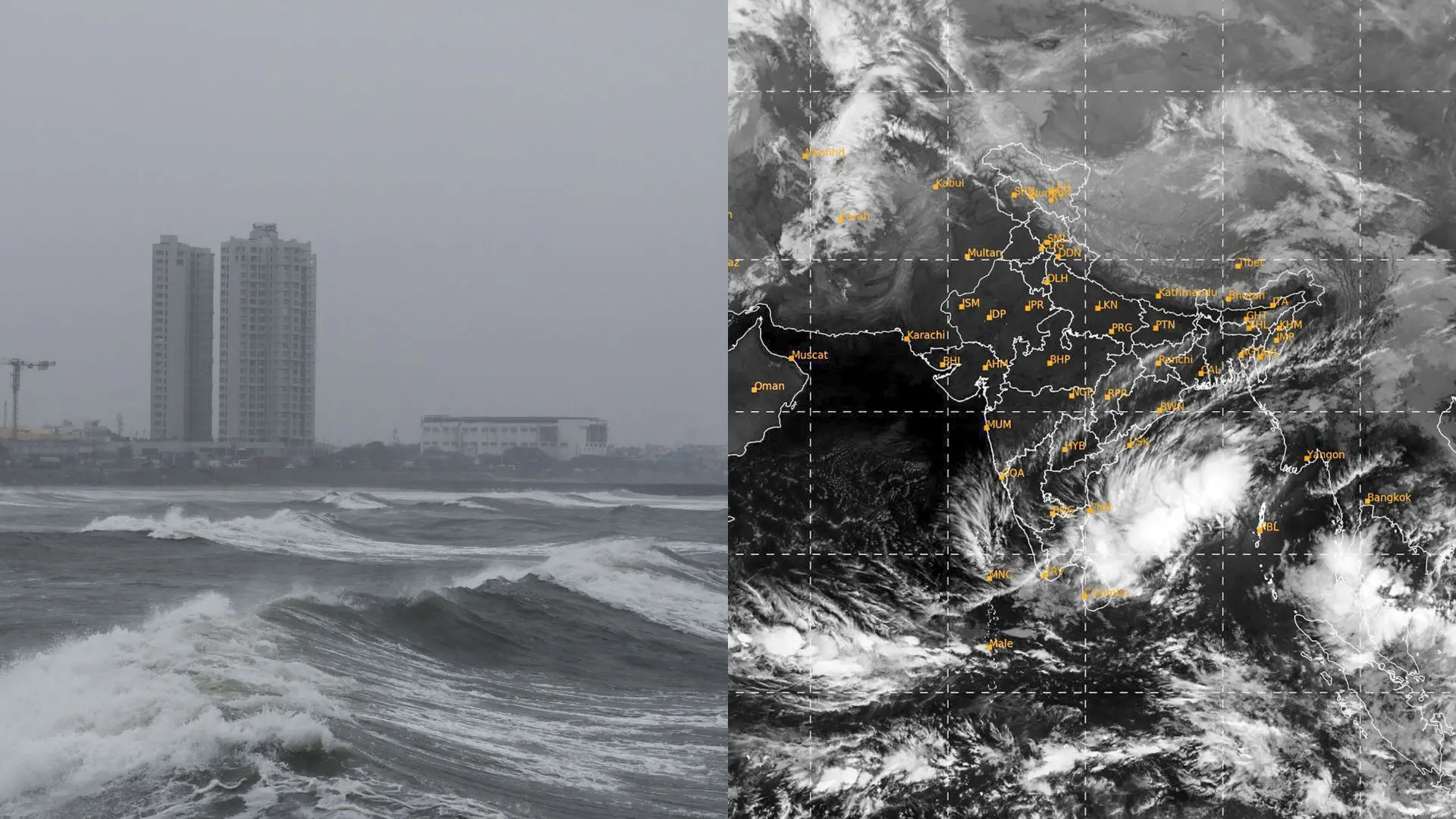
Chennai people be prepared the calm before the storm may soon fade as the India Meteorological Department (IMD) warns of an approaching cyclonic system over the Bay of Bengal. The system, expected to be named Montha, is predicted to bring heavy rainfall, thunderstorms, and gusty winds to Chennai and surrounding districts. IMD has issued an orange alert for October 27, forecasting up to 20 cm of rain within 24 hours.Chennai People Be

The alert covers Chennai, Tiruvallur, Ranipet, and nearby districts. According to IMD, the developing storm could strengthen into a deep depression and eventually evolve into a full cyclonic storm by October 27, marking the first major weather system of the northeast monsoon season.

Cyclone Montha Expected to Intensify and Affect Coastal Regions

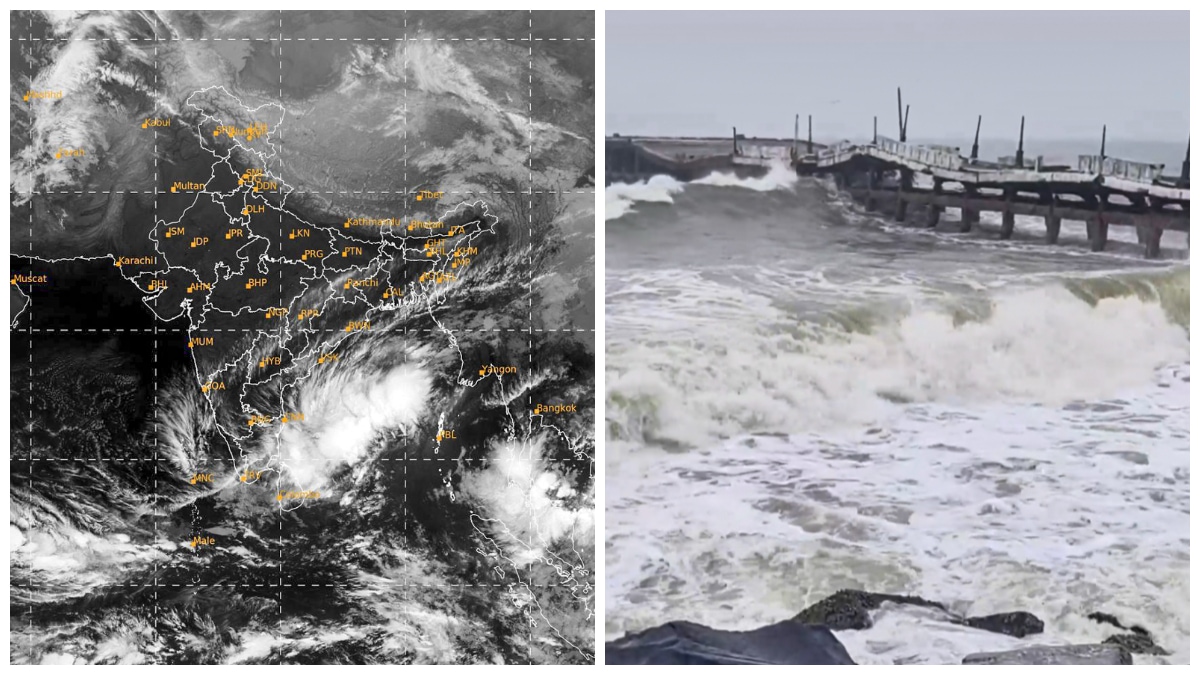
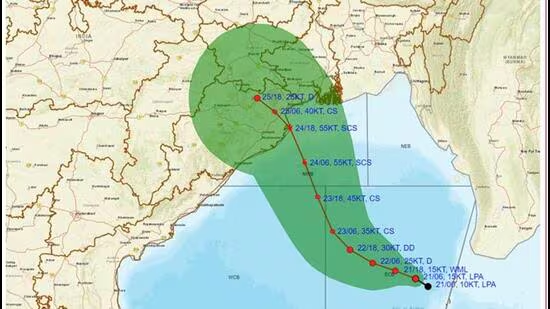
Meteorological experts confirmed that a low-pressure area formed over the southeast Bay of Bengal is now showing strong signs of intensification. By Saturday, it is expected to become a depression, then a deep depression, before turning into a cyclonic storm named Montha. The name, meaning “beautiful flower” in Thai, may contrast the severe weather conditions it brings.Cyclone Fengal highlights: Army, NDRF's rescue ops on in Puducherry, train services resume in Chennai | Latest News India

As per early IMD projections, wind speeds could reach between 65–74 kmph over the sea, accompanied by heavy downpours along the coastal belt. The cyclone’s current movement suggests a possible northward shift toward Andhra Pradesh, but even minor deviations could alter the rainfall pattern for Tamil Nadu.

Chennai People Be Prepared for Heavy Showers and Windy Days

The IMD’s rainfall timeline indicates that showers may begin by October 25 over southern districts like Cuddalore, Villupuram, and Puducherry, before spreading to Chennai, Chengalpet, and Kancheepuram by the 26th. The heaviest rainfall is expected on October 27 when the cyclone reaches peak intensity.

On this day, Chennai may witness continuous downpours, waterlogging in low-lying areas, and power interruptions. Temperatures are expected to drop slightly, ranging between 24°C at night and 30°C during the day. After the 28th, rainfall is likely to reduce gradually, though residual showers may persist over Tiruvallur and Ranipet.Cyclone Fengal Highlights: Cyclonic storm fengal crosses Tamil Nadu and Puducherry coasts, Weakens gradually - India News | The Financial Express

Weather enthusiasts are closely tracking the system. Blogger Pradeep John, known for his regional weather insights, mentioned that Chennai might escape the worst if the system moves further north. However, he also warned that the cyclone’s unpredictable drift could still bring sudden bursts of heavy rainfall. Also Read: Former CIA Official Pakistan India War Assessment Reveals Inevitable Outcome

Chennai People Be Cautious as Authorities Issue Warnings

With the orange alert in effect, Chennai Corporation and disaster management teams are on standby. Fishermen have been strictly advised not to venture into the sea due to rough weather and high waves. Rescue boats, flood pumps, and emergency teams have been positioned in vulnerable zones.Cyclone Fengal live: 12 dead in Sri Lanka, storm heads towards Tamil Nadu coast; Navy on alert | Latest News India

Authorities are also urging residents to stay indoors during peak rain hours and avoid low-lying routes. Power supply systems and drainage lines are being inspected to minimize disruptions.

Public advisories emphasize the importance of preparedness charging devices, stocking up on essentials, and ensuring vehicles are parked safely away from trees and flooded areas.

Chennai People Be Calm but Vigilant During Cyclone Montha

While the developing cyclone is a cause for concern, IMD officials advise citizens not to panic. Weather updates will continue to be shared every few hours. If the cyclone weakens or moves northward, Chennai may experience moderate rainfall instead of severe weather.

The coming days will reveal the exact path and strength of Montha, but as of now, all signs indicate that Tamil Nadu’s coastal districts must stay alert and ready.

Conclusion:

Chennai people be prepared, Cyclone Montha is expected to bring the season’s most intense spell of rain and wind. Though the storm’s path may shift, precaution remains essential. Staying updated with IMD alerts, avoiding unnecessary travel, and keeping safety measures in place will help Chennai navigate this challenging weather safely.

Darjeeling Mha Puja: A Profound Newar Festival of Self-Worship, Cultural Identity, Healing, and Heritage Revival in the Hills

Darjeeling Mha Puja: The crisp autumn air of Darjeeling’s hills once again carries the scent of incense, marigolds and freshly drawn mandalas. Within Newar homes scattered across Kurseong, Kalimpong, Darjeeling town and adjoining areas, the sacred and introspective ritual of Mha Puja — the worship of one’s own self — is being observed with quiet reverence, deep emotion and growing significance amid cultural transition.

Darjeeling Mha Puja

For the Newar community residing in the Indian Himalayas, Mha Puja is more than just a ritual aligned with the Newar New Year (Nepal Sambat). It is a celebration of identity, resilience and self-worth — its meaning expanding every year as younger generations rediscover the importance of cultural belonging in a rapidly changing society.


🌼 Understanding the Core: What Mha Puja Truly Represents

The essence of Mha Puja lies in acknowledging the self as sacred. The body and soul are honoured as vessels of life:

  • “Mha” = Self
  • “Puja” = Ritual worship

Unlike common religious ceremonies that worship gods or ancestors first, Mha Puja reverses the spiritual gaze — urging people to treat their own existence as divine and worthy of care.

“When we honour our body, mind and spirit, we honour our entire connection with the universe,”
— A Newar elder in Darjeeling explained during this year’s celebration.


🎨 The Ritual: Symbolism in Every Step

Inside Newar households, the ceremony takes place in the evening. Each participant sits in front of a mandala — delicately crafted patterns made of rice flour and colours.

The ritual items include:

Item Symbolism
Mandala The individual’s universe
Oil lamp (diyo) Inner strength and enlightenment
Flowers & garlands Purity and grace
Beaten rice and fruits Nourishment and prosperity
Sacred thread/bindu Cycles of life and protection

The head of the family performs the rituals, circles lamps around faces, gives blessings, and places Tika of vermillion and rice on foreheads — wishing clarity and a clean spiritual path.

After the blessings comes the Mha Bhoj, a celebratory feast — featuring Newar delicacies like bara, aalu-tama, chhoila and yomari in some families.


🏔️ A Hill Culture Adapting Through Generations

Darjeeling has been home to Newars since the 1800s — arriving as artisans, traders, administrators and architects during the early colonial days. Today:

  • Many Newar youth study or work outside the hills
  • Nuclear families make rituals harder to maintain
  • Urban pressures shrink time and space for tradition

Yet Mha Puja persists — and is even gaining renewed visibility.

Local Newar organisations now organise:

  • Workshops on Newari cuisine
  • Mandala art competitions
  • Cultural classes on language and songs
  • Heritage storytelling events

Darjeeling Mha Puja

This community-driven revival is ensuring that tradition is not lost to the fast pace of modernity.


Self-Worship as Emotional Wellness

In a world filled with stress, displacement and cultural confusion, the ritual acts as:

  • A mindfulness exercise
  • A reminder of self-love
  • A path toward emotional grounding

Mental health workers in the region acknowledge the role rituals like Mha Puja play as collective healing experiences, especially for marginalised ethnic groups preserving cultural pride.


🧬 Identity in a Multi-Ethnic Hill Region

Darjeeling’s social tapestry includes:

  • Gorkhas
  • Lepchas
  • Bhutias
  • Bengalis
  • Marwaris
  • Newars

Amid identity-based politics and migration challenges, cultural rituals become essential pillars of community self-definition.

Darjeeling Mha Puja

Mha Puja has therefore become:

✅ A symbol of Newar visibility and dignity
✅ A reminder of ancestral knowledge
✅ A way to pass heritage to future generations

“Our children must know that celebrating oneself is the foundation of celebrating our community,”
— A youth cultural worker in Kalimpong shared.


🔔 Connection with Newar New Year

Mha Puja coincides with the start of Nepal Sambat, marking renewal on both personal and time-cycle levels. Families clean their homes, decorate doorways, and perform Halah Bintuna rituals where elders bless younger generations for success in the New Year.

Thus, the festival becomes:

  • Personal purification
  • Family unity
  • Community solidarity

Darjeeling Mha Puja: Challenges and the Road Ahead

Despite rising interest, hurdles remain:

▪ Declining use of Newa language
▪ Ritual simplification due to lack of knowledge
▪ Modern lifestyles overshadowing ancient value systems
▪ Commercial influences replacing deeper meaning

But pride remains strong — and cultural literacy movements are expanding across the hills.


🌍 External Informational Links — Government & Cultural Resources

(No other news channel links included ✅)


🌟 The Essence that Lives On

Mha Puja in Darjeeling’s hills is not merely a ritual performed once a year —
It is a reminder:

  • To love oneself
  • To acknowledge every breath as sacred
  • To root identity deeply in culture
  • To pass on wisdom from ancestors to children

In every mandala drawn, in each lamp lit, lies a message that resonates far beyond religious boundaries:

“Before you celebrate the world, celebrate yourself.”

As Darjeeling’s Newars continue this introspective celebration, Mha Puja stands tall as a symbol of self-respect, cultural pride and spiritual resilience, beautifully illuminating the hills each year.

Also read: Home | Channel 6 Network – Latest News, Breaking Updates: Politics, Business, Tech & More

Park Bom’s Massive Lawsuit Could Make Her the Richest Person Alive, Surpassing Elon Musk

0

Park Bom’s Legal Battle Against YG Entertainment Gains Global Attention

Park Bom, the former 2NE1 member and South Korean singer, is currently at the center of global headlines after filing an unprecedented lawsuit against YG Entertainment, her former agency. Reports suggest that Park Bom is suing the company for an astronomical 100,200,300,400,600,700,000,000,000,000 won, an amount that could make her the richest person in the world, overtaking Elon Musk’s current estimated net worth. The news has sparked wide discussions among fans, financial experts, and the entertainment industry alike, given the extraordinary scale of the claim.Why Park Bom Sued YG Entertainment Founder Yang Hyun-suk Over Unpaid Profits - Bangla news

The lawsuit filed by Park Bom reportedly centers around disputes involving her former contracts, royalties, and intellectual property rights accumulated during her years with YG Entertainment. While details of the legal documents remain confidential, sources close to the matter have indicated that the case involves multiple layers of claims from unpaid royalties to misuse of likeness and potential breaches of contract.

Park Bom, who rose to fame as the main vocalist of 2NE1, one of South Korea’s most successful girl groups, has had a complicated relationship with her former label since her departure. Fans have long voiced their concerns about how her career was managed and how certain controversies may have affected her public image. Now, with this lawsuit, many believe Park Bom is seeking not just financial justice, but also recognition for her contributions to K-pop’s global success.2NE1's Park Bom posts alleged police report against YG Entertainment founder

The staggering lawsuit amount has turned global attention toward South Korea’s entertainment law system, with several legal experts commenting on how such a case could set a precedent for future disputes between artists and agencies.

Park Bom’s Claimed Amount Shocks Fans and Industry Observers

The figure mentioned in the lawsuit 100,200,300,400,600,700,000,000,000,000 won has drawn disbelief and curiosity worldwide. When converted to U.S. dollars, the number would make Park Bom’s potential earnings exceed the net worth of business giants like Elon Musk, Jeff Bezos, and Bernard Arnault combined. While many see this as a symbolic or exaggerated amount meant to highlight the severity of her grievances, it undeniably reflects the magnitude of her case.SHOWBIZ: 2NE1's Park Bom claims YG Entertainment owes her trillions of dollars

Fans across social media platforms have expressed a mix of shock, amusement, and support. Some view it as Park Bom’s bold statement against the longstanding power imbalance between idols and major agencies, while others are waiting to see how YG Entertainment responds to the lawsuit.

Industry insiders suggest that even if the final settlement amount is adjusted, the case itself could bring significant financial and reputational implications for YG Entertainment. The agency, known for managing top-tier artists like BLACKPINK, BIGBANG, and AKMU, has not released an official statement as of now. Also Read: OTT Release Film Update: Dhanush’s Idli Kadai Confirms Digital Premiere After Box Office Success in 2025

What This Lawsuit Could Mean for Park Bom’s Career and Legacy

For Park Bom, this lawsuit marks another turning point in a career defined by both immense talent and personal resilience. After 2NE1’s disbandment in 2016, she pursued a solo path, releasing emotionally driven singles that showcased her unique voice and artistic sincerity. Despite facing public scrutiny and industry challenges, Park Bom has maintained a loyal fan base that continues to support her unconditionally.2NE1's Park Bom sues YG Ent's Yang Hyun Suk, while her current agency claims to be unaware of her ac - MyDramaList News

If the lawsuit concludes in her favor, it could represent not just financial compensation but also a symbolic victory for artists fighting for autonomy and fairness in the entertainment world. Many fans believe that Park Bom’s courage could inspire other idols to speak up about mistreatment and outdated contractual practices still present in parts of the K-pop industry.


View this post on Instagram


A post shared by GAMELANCER (@gamelancer)

Conclusion

Park Bom’s lawsuit against YG Entertainment is more than just a legal dispute it’s a moment that could reshape discussions around artist rights, power structures, and justice in the Korean entertainment industry. While the claimed amount has stunned many, it highlights the deeper issue of how much value artists truly generate for the companies they help build. Whether or not she surpasses Elon Musk in wealth, Park Bom has already made her mark as one of the most fearless and influential figures in K-pop history.

Zhang Qianyi Ties the Knot at 23: A Glimpse into the Beautiful Zhang Family Wedding

0

Zhang Qianyi Begins a New Chapter with Her Marriage at 23

Zhang Qianyi, the youngest daughter from the well-known Zhang family, has officially stepped into a new phase of life as she gets married at the age of 23. Born in 2002, Zhang Qianyi’s wedding on October 23, 2025, has become a topic of celebration across social media, not only because of the ceremony itself but also due to the family’s notable charm and closeness. Her groom, born in 1996, is 29 years old, and the couple reportedly got engaged in 2024 after several years of knowing each other. Both families hail from the same region, either Wenzhou Hongqiao or Hangzhou, adding a sense of hometown warmth to the occasion.Zhang Ruonan's Sister Qianyi Goes Trending for Getting Married - Tonboriday

The wedding marks a special moment for the Zhang family, as the youngest daughter embarks on her journey toward a new life. Known for her grace and resemblance to her eldest sister Zhang Ruonan, Zhang Qianyi’s wedding photos have quickly spread online, drawing attention for their simplicity and elegance. Dressed in a traditional yet modern bridal gown, she looked radiant as she celebrated the event surrounded by family and friends.

Zhang Qianyi’s groom, a 29-year-old professional from the same city, was seen sharing affectionate moments with her during the ceremony. Their engagement in 2024 had already made quiet headlines in their local community, and their marriage now symbolizes a bond built on understanding and shared roots. The couple’s story reflects a modern romance that blends tradition with today’s values, keeping family and culture at its heart.

Zhang Qianyi’s Family Captures Attention with Their Striking ResemblanceZhang Ruonan's Sister Qianyi Goes Trending for Getting Married - Tonboriday

The Zhang family consists of four siblings eldest sister Zhang Ruonan (born in 1996), second sister Zhang Ruoyao (born in 1998), third sister Zhang Qianyi (born in 2002), and the youngest brother Zhang Ente, who is currently 17 years old. Over the years, the family has often drawn attention for their remarkable similarity in looks. Many social media users have commented that “the whole family shares the same face,” highlighting their shared eyebrows, smile, and elegant facial features.

In particular, Zhang Qianyi has been frequently compared to her eldest sister, Zhang Ruonan, who is known for her gentle expression and refined beauty. Their resemblance is so strong that they are often mistaken for twins in photos. Even the second sister, Zhang Ruoyao, gained attention during her wedding last year, where her appearance and confident presence became widely admired online.

The family’s public appearances often showcase their bond and warmth. Despite their growing individual paths with careers, marriages, and studies they continue to support each other. Zhang Qianyi’s wedding, much like her sister’s, became another moment for the family to come together in celebration, reflecting their unity and closeness. Also Read: OTT Release Film Update: Dhanush’s Idli Kadai Confirms Digital Premiere After Box Office Success in 2025

Zhang Qianyi’s Wedding Becomes the Talk of Wenzhou and Hangzhou

The wedding of Zhang Qianyi has been widely discussed among locals and fans alike, not only for its emotional significance but also for the simplicity and elegance of the event. Held in a serene venue believed to be in either Wenzhou Hongqiao or Hangzhou, the ceremony balanced cultural tradition with modern touches. Guests described it as warm and heartfelt, highlighting the couple’s genuine connection and the strong family presence throughout the occasion.Zhang Ruonan's sister's wedding goes viral — gorgeous family steals the  spotlight, Moutai banquet dr - YouTube

Many have also praised the Zhang family for their timeless grace. With three daughters who have now each experienced major milestones, the family has become a symbol of togetherness and modern values rooted in tradition.

The photographs from Zhang Qianyi’s wedding, showing her smiling beside her groom and surrounded by her siblings, have resonated deeply with many who admire family unity. Online, users continue to share their admiration for how naturally elegant and humble the Zhang family appears despite growing public attention.

Conclusion:


Zhang Qianyi’s wedding marks more than just a personal milestone it stands as a celebration of love, family, and heritage. At 23, she begins a new chapter alongside her 29-year-old husband, continuing the Zhang family’s story with grace and pride. As congratulations pour in, her wedding remains a reminder of how family bonds, simplicity, and shared joy can make life’s most beautiful moments truly unforgettable.

Balason River Bridge Reconnects Mirik and Siliguri: New Temporary Structure to Restore Connectivity After Dudhia Collapse

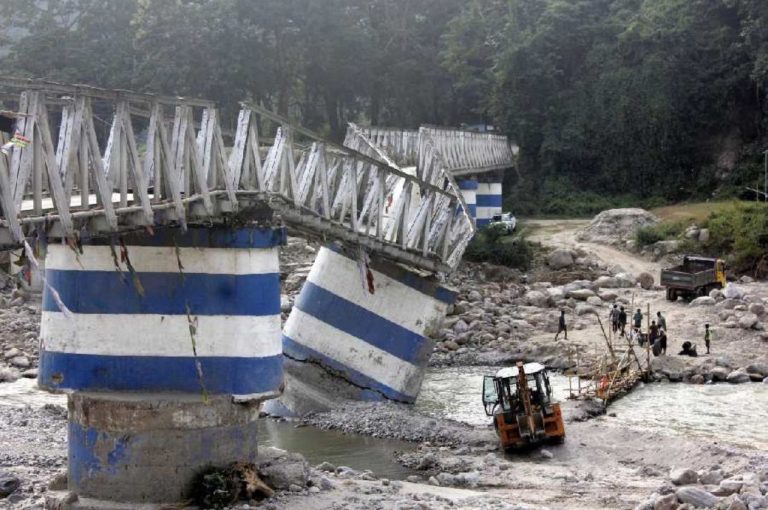
Balason River Bridge Reconnects Mirik and Siliguri: A sense of relief is finally returning to the hills of North Bengal as the temporary Balason River Bridge near Dudhia is set to reopen this weekend, re-establishing the crucial Siliguri–Mirik connectivity that was severed after the collapse of the old iron bridge during heavy floods earlier this month. The disaster had left residents, tourists, workers, transporters and students struggling with costly detours and long delays.

Balason River Bridge Reconnects Mirik and Siliguri

Balason River Bridge Reconnects Mirik and Siliguri: Why This Bridge Matters

The Dudhia route is not just an ordinary road — it is the main lifeline connecting the plains of Siliguri to the hills of Mirik and its surrounding tea estates. When the iron bridge collapsed due to the swollen Balason River, the region essentially became disconnected overnight. Transporters had to take long, fuel-intensive detours, while families reported emergency medical challenges because ambulances needed almost double the time to reach Siliguri hospitals.

Local businesses — especially tea gardens, vegetable producers, tourism and homestays — suffered immediate economic losses as supply chains broke and visitor numbers dropped steeply.


Fast-Tracked Engineering Response

The West Bengal Public Works Department (PWD), following direct instructions from the state leadership, deployed over 100 engineers and labourers in continuous shifts to ensure an emergency bridge solution within days.

The temporary structure is designed as:

70-metre length using heavy Hume pipes placed across the river
10-metre-wide roadway, enough for light-vehicle two-way movement
Crushed rock and boulder reinforcement to secure the carriage platform
Flood-resistance layer for seasonal water surges
Enhanced monitoring teams for quick repair intervention

Engineers are also installing warning systems, barricades, and load-limit boards to avoid misuse.

Officials have clarified that heavy trucks will remain restricted to preserve bridge safety — a strategic measure to prevent any repeat collapse.


Tourism & Trade Recovery Expected

Mirik is a premier travel destination with:

  • Lakeside tourism
  • Tea-garden stays
  • Hiking trails
  • Indo-Nepal border tourism circuits

Balason River Bridge Reconnects Mirik and Siliguri

Tour operators and hoteliers anticipate a 50–70% rebound in tourist movement as soon as the road reopens — especially ahead of the festive-winter tourism boom.

Tea-estate owners are hopeful that:

✔ Perishable leaf transport will improve
✔ Logistic costs will come down
✔ Labour mobility will return to normal
✔ Buyers from Siliguri auctions can resume fast access


Voices From the Ground

Locals say the collapse highlighted how fragile hill connectivity can be:

“We were spending double on petrol just to reach work. This bridge will give us our life back.”

“Tourists were cancelling bookings. Now we can finally breathe.”

Students who travel daily from Mirik to Siliguri colleges also described the restored bridge as a “path back to normal education.”


Risks & Future Plan

While the temporary bridge is a relief, there are clear challenges:

⚠ Possible flooding threat in monsoon
⚠ High maintenance requirement
⚠ Light-vehicle load restriction
⚠ Need for continuous safety inspections

Authorities say the bridge is a stop-gap, while planning for a new permanent high-capacity structure that can withstand major weather events and heavy logistics traffic.


Government External Links for Public Information

Here are official government sites where updates and infrastructure information may be available:

These sources provide public bulletins, travel safety updates, construction progress and contact details.


Conclusion

The restored river crossing is far more than concrete and hume pipes —
it represents hope, mobility and economic revival for thousands of families across the hills.

As traffic begins to flow once again over the Balason River, residents are optimistic. The bridge stands as a reminder that fast government action can prevent long-lasting disruption — but also as a signal that resilient, permanent infrastructure is urgently needed in flood-sensitive North Bengal.

Also read: Home | Channel 6 Network – Latest News, Breaking Updates: Politics, Business, Tech & More

Odisha Cyclone Alert: Urgent Warning Issued as Bay of Bengal Storm Intensifies

Odisha – The Odisha cyclone alert has been officially issued as disaster management teams across the state remain on high alert due to a brewing cyclonic storm in the Bay of Bengal. The system is forecast to bring heavy rainfall to the state starting from October 27, prompting comprehensive preparations across multiple government departments.

Odisha cyclone alert

While the Odisha cyclone alert indicates that the storm is not expected to make a direct landfall in the state, meteorological experts warn it will still cause widespread downpours and gusty winds across coastal and southern districts. This has triggered a coordinated response from state authorities to ensure public safety and minimize potential damage.

Government Preparedness Measures

Revenue and Disaster Management Minister Suresh Pujari provided reassurance regarding the Odisha cyclone alert preparations, confirming that the state machinery is fully equipped to handle the approaching weather system. According to Pujari, the cyclonic storm is expected to impact the coast on either October 22nd or 29th, with multiple departments coordinating their response efforts.

“Odisha is highly vulnerable to natural disasters such as heavy rainfall, flooding, river swelling, and cyclones. We are preparing for an impending cyclonic storm predicted to hit its coast on the 22nd or 29th,” Pujari stated in response to the Odisha cyclone alert. He emphasized that the Health, Water Resources, Energy, and Agriculture departments are fully prepared for the situation.

Relief and Evacuation Arrangements

The Odisha cyclone alert has prompted local administrations across the state, particularly in vulnerable areas, to establish comprehensive relief measures. Arrangements have been made for relief centers, evacuation procedures, and the provision of essential supplies to affected populations.

Minister Pujari urged the public not to panic, emphasizing the state’s readiness to handle the cyclonic situation. “We urge people not to panic as we are fully prepared,” he assured, highlighting the systematic approach being taken in response to the Odisha cyclone alert.

IMD Weather System Tracking

The India Meteorological Department identified a low-pressure area over the southeast Bay of Bengal on October 24, which triggered the Odisha cyclone alert. The meteorological system is following a predictable intensification pattern that has prompted heightened vigilance across coastal regions.

According to IMD projections related to the Odisha cyclone alert, the system is predicted to intensify into a depression by October 25, further strengthen into a deep depression by October 26, and ultimately develop into a cyclonic storm over the west-central and southwest Bay of Bengal by October 27.

Expected Storm Track and Impact

Meteorologists tracking the Odisha cyclone alert situation anticipate that the storm will likely move toward the coast of Andhra Pradesh. However, Odisha’s coastal and southern districts are expected to experience heavy rainfall from October 27 to October 29, necessitating the current alert status.

The IMD has issued a yellow alert for the entire state as part of the Odisha cyclone alert, with some regions bracing for extremely heavy rainfall. Squally weather conditions, with wind speeds reaching 40-50 kmph and gusts up to 60 kmph, are expected along the south Odisha coast starting October 27.

IMD Director’s Assessment

IMD Bhubaneswar Director Manorama Mohanty provided detailed information regarding the Odisha cyclone alert during an official briefing. She confirmed that a low-pressure system has formed south of the Bay of Bengal with clear intensification potential.

“There is a low-pressure system formed south of the Bay of Bengal. It is likely to form into a depression over the southeast and the adjoining Bay of Bengal on October 25. It will also further intensify into a deep depression by October 26. And into a cyclonic storm by October 27,” Mohanty explained regarding the Odisha cyclone alert timeline.

Critical Rainfall Period

Director Mohanty emphasized that Odisha is likely to experience heavy rainfall activity on October 27, 28, and 29 as specified in the Odisha cyclone alert. This three-day period represents the peak risk window when the cyclonic system will be closest to the state’s coastal areas.

The meteorological assessment underlying the Odisha cyclone alert suggests that while direct landfall may not occur in Odisha, the storm’s proximity will be sufficient to generate significant rainfall and wind impacts across vulnerable districts.

Fishermen Advisory and Safety Measures

A crucial component of the Odisha cyclone alert involves strict advisories for the fishing community. Fishermen have been strongly advised not to venture into the sea from October 26 onwards, recognizing the dangerous conditions that will develop as the cyclonic system intensifies.

Director Mohanty specifically warned fishing communities as part of the Odisha cyclone alert protocol, emphasizing the life-threatening risks posed by rough seas and unpredictable weather conditions during the storm’s approach.

Suspension of Fishing Activities

In Thoothukudi, fishing activities were suspended following the cyclone alert, with authorities instructing fishermen to remain safely on shore. Officials have issued urgent directives for fishing boats currently at sea to return to shore immediately under the Odisha cyclone alert guidelines.

Boats already docked have been ordered to avoid setting out under any circumstances until the cyclone threat passes. These precautionary measures aim to prevent maritime accidents and loss of life during the storm period covered by the Odisha cyclone alert.

Public Safety Guidelines

The Odisha cyclone alert includes comprehensive safety guidelines for coastal residents. The public residing in coastal areas has been advised to stay away from the seashore during the storm period and closely follow weather updates issued by the IMD.

Authorities emphasize the importance of monitoring cyclone warnings and remaining informed about changing weather conditions. The Odisha cyclone alert system will continue providing regular updates as the situation develops, ensuring communities have timely information for making safety decisions.

Multi-Departmental Coordination

The response to the Odisha cyclone alert involves seamless coordination among multiple government departments. Health, Water Resources, Energy, and Agriculture departments have all activated their emergency protocols to address various aspects of cyclone preparedness and response.

This integrated approach ensures that the Odisha cyclone alert translates into effective ground-level action, protecting lives and minimizing property damage across vulnerable regions of the state.

Flood-Stricken Tea Garden Workers Forced to Co-exist with Leopards and Pythons in North Bengal

Flood-Stricken Tea Garden Workers: In the Dooars region of North Bengal, the flood-ravaged tea-garden settlement of Bamandanga-Tondu under Nagrakata block in Jalpaiguri district reveals a harsh reality: casual workers and their families, displaced by the October floods, are now living in temporary shelters while facing not only loss of livelihood and homes but also creeping predators—leopards and pythons—moving into the vacated spaces. Amid surviving the disaster, the workers must now confront an escalating human-wildlife conflict.

Flood-Stricken Tea Garden Workers

One family in particular—headed by tea-garden worker Raju Mahali—is emblematic of the crisis. Having lost their hut and many possessions in the flash floods of October 5, 2025, the family is now sheltering in a school-classroom. At night they hear rustling bushes, see tiger-cat eyes in the dark, and find serpent coils near the walls. A calf was taken by a leopard, a python was found in the classroom, and the reality of living unprotected in a wilderness-adjacent estate has hit full intensity.


Flood-Stricken Tea Garden Workers: The Flood Event and Immediate Impact

The flooding of the Bimaljhora stream triggered by heavy rainfall caused rapid inundation of several tea-garden settlements. Worker cottages were swept away, livestock lost, and furniture destroyed. Raju’s family lost their dwelling and all documentation; they moved to the primary school building as a temporary shelter.

Flood-Stricken Tea Garden Workers

While the official relief process began—damage assessment by the block panchayat, inclusion in state housing schemes for displaced tea-garden workers—the interim period has been fraught with uncertainty. The promised reconstruction home has not arrived, and the first month of displacement has exposed them to multitude of vulnerabilities.


Wildlife Incursions and Worker Vulnerability

Tea estates in the Dooars are unique ecological spaces: tea bushes extend into forested belts, plantations border reserve forests, and worker huts sit on fringe zones. This geographical overlap has made human-wildlife interactions frequent. Previous research by the Centre for Wildlife Studies documents high incidence of leopard attacks in tea estates.
In this case:

  • A calf belonging to the family was seized by a leopard.
  • A python of about 12 feet length entered the classroom at midday—children present.
  • Night vigil has become routine for the family; the school classroom lacks protective fencing or lighting.

Worker housing typically lacks predator-proofing: chain-link fences, night lighting, secure cattle sheds. Flood damage further compromised boundaries. The combination of displacement, vulnerability, and predator activity has concentred risk.


Livelihood Loss and Economic Precarity

Tea-garden workers earn low wages, often casual and seasonal. Their assets—livestock, small savings, worker ration cards—make a modest buffer. For Raju’s household: the cows represented both livelihood and financial security through milk sales. Losing housing and facing wildlife threat compounds the economic shock.

The tea industry in the region is under strain: international tea price drops, rising input costs, labour shortages—so worker welfare schemes (housing, medical, safety) are under pressure. Disaster recovery funds for such workers are slow to disburse, and documentation loss (due to flood) makes claims harder.


Displacement, Housing and Psychological Stress

The family’s temporary shelter in the school is neither safe nor dignified. The school is scheduled to reopen soon, leaving them unsure of next steps. Night after night, they hear animal sounds, fear snake enters, cattle are vulnerable, children cannot sleep. The psychological toll includes trauma from the flood, fear of predators, and homelessness.

The absence of formal transitional housing—no fenced site, no lighting, no community protection—makes them dependent on their own vigilance. The state’s housing scheme for tea-garden workers offers relief in theory, but in practice delays and resource constraints undermine effectiveness.


Administrative Response and Gaps

Local panchayat officials say damage assessments are complete; housing allocations will follow. The forest department deployed a cage trap for the leopard—but a bait goat was required and the family could not afford it. The forest team noted that the displaced workers lacked fenced compounds, which increased risk of predator entry.

State housing schemes exist, but the pace of implementation is slow. Housing grant for tea-garden workers – “Banglar Bari” or estate worker housing – is designed for regularisation but often lags. Wildlife mitigation measures remain reactive rather than preventive: once an animal is sighted, action begins—but habitat creep, worker housing near forest edge, and structural vulnerabilities persist.


Broader Context: Dooars Environmental-Labour Challenges

The Dooars landscape represents the interface of plantation economy, forest ecology and climate vulnerability. Worker housing often lies in zones with flood risk and wildlife intrusion risk. Climate change intensifies flash floods. Estate workers are among the most marginalised labour segments.

Wildlife conflict is not incidental: a study found that a majority of human-leopard encounters in tea estates in the region occur when workers or cattle use fringe paths, or when habitat corridors are disrupted. With workers displaced and infrastructure damaged, protective measures weaken further.


Human Stories: Voices from the Ground

Raju’s wife Kunti sits in the dim classroom, recounting: “The children now sleep in my lap; we cannot leave them alone. Last night I heard the python hiss near the blackboard.”
Their eldest daughter Nayna says: “I used to study here, now we live here. I cannot focus; I fear the night.”
Nearby worker Vijay Mandal lost his hut and livestock in the flood. He now stays in a temporary shelter tent with his wife and two small children, recounting how a leopard peered through the kitchen door last week.

These stories highlight the intersection of economic, ecological and social fragility.


Recommendations for Policy & Practice

To address the multi-layered disaster faced by tea garden workers:

  • Provide secured transitional housing in flood- and predator-safe locations.
  • Repair injured infrastructure: lighting, fencing, cattle-walls, drainage.
  • Compensate livestock loss and document replacement.
  • Integrate wildlife mitigation into worker housing plans: vet-scoped enclosures, night guards, community watch.
  • Fast-track housing schemes for tea-garden workers with simplified documentation.
  • Strengthen disaster readiness: early-warning systems for garden settlements.
  • Connect worker welfare with plantation management accountability: estates must maintain habitat-safe buffer zones.

Conclusion

The plight of the displaced tea-garden worker family — seeking shelter in a classroom and wrestling with threats from floods, predators and poverty — encapsulates the vulnerability of rural labour communities in forest-adjacent landscapes. Their story speaks of broken housing, lost livelihoods and the raw tension between humans and wildlife.

As the state and central authorities mobilise relief and reconstruction, the deeper challenge remains: aligning worker welfare, ecological protection and disaster resilience in a region where the natural world and the labour world meet. For Raju, Kunti and their children, the hope lies not just in a new house, but in a peaceful night’s sleep unswayed by fear of leopard footsteps or python coils.


External Links for Reference

Also read: Home | Channel 6 Network – Latest News, Breaking Updates: Politics, Business, Tech & More