Sunday, May 17, 2026
Home Blog Page 388

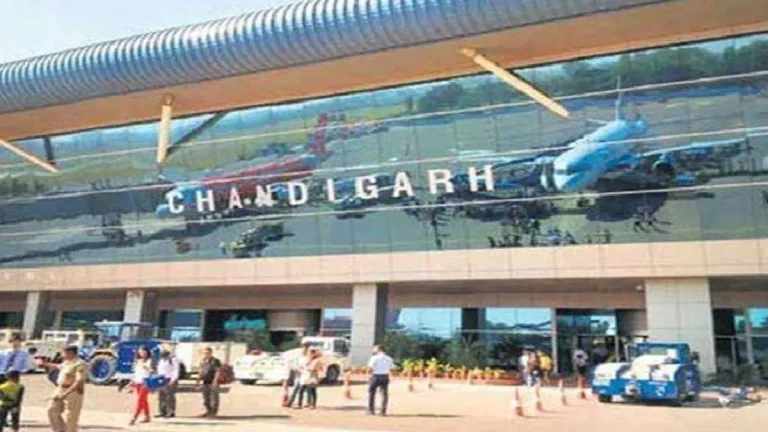
Chandigarh Airport Closure: Big Relief as IAF Announces 2-Phase Operations Plan

0

Chandigarh – In a significant relief to passengers, the Indian Air Force has revised its plans for the Chandigarh airport closure, deciding to observe only a partial shutdown for runway repairs instead of a complete suspension. This development allows flight operations to continue for limited hours, providing much-needed flexibility to travelers during the maintenance period.

The Chandigarh airport closure decision was modified following a crucial meeting held in Delhi on Friday between officers of the civil aviation ministry and the Indian Air Force. The IAF had earlier planned to suspend all civilian flights to and from the airport during the scheduled maintenance dates, but the revised approach balances operational requirements with passenger convenience.

Two-Phase Operational Schedule

The Chandigarh airport closure will be implemented in two distinct phases with different operational windows. As per the revised NOTAM (Notice to Airmen) issued on Friday, the phased approach provides clarity for airlines and passengers planning their travel during this period.

During the first phase of the Chandigarh airport closure, running from October 26 to November 6, flights will operate between 5 am and 12 noon. The airport will remain shut from noon to 5 am the following day, creating a 17-hour closure window daily for maintenance work.

The second phase of the Chandigarh airport closure will extend from November 7 to November 18. During this period, the operational window expands significantly, with flights permitted between 5 am and 11 pm. The airport will remain suspended only from 11 pm to 5 am, representing a much shorter 6-hour closure window.

Runway Maintenance Requirements

The Chandigarh airport closure has been necessitated by critical runway maintenance work. The revised NOTAM issued by the IAF specifically mentions that the closure is necessary for polymer modified emulsion (PME) work on the runway, which is essential for maintaining safety standards and operational efficiency.

During the Chandigarh airport closure periods, only rotary-wing aircraft (helicopters) will be allowed to operate, and even these operations will be subject to prior clearance from relevant authorities. This restriction ensures that runway repair work can proceed safely without interference from fixed-wing aircraft operations.

Domestic Flight Operations Maintained

Despite the Chandigarh airport closure affecting operational hours, most domestic connectivity will be preserved during the limited operational windows. Flights to and from major cities including Delhi, Mumbai, Hyderabad, Lucknow, Chennai, Patna, Jaipur, Bengaluru, and Srinagar will remain operational during Phase 1.

However, the Chandigarh airport closure will significantly impact international connectivity. The two international flights to Dubai and Abu Dhabi in the United Arab Emirates will remain completely grounded during the first phase from October 26 to November 6.

Advanced Technology Installation

Beyond routine maintenance, the Chandigarh airport closure period will be utilized for installing advanced aviation technology. Airport sources confirmed that an advanced Korean-made CAT-ILS-I (Instrument Landing System) will be installed during the closure period.

This new system is expected to significantly enhance flight operations during low-visibility and foggy conditions prevalent during winter months. The timing of the Chandigarh airport closure strategically precedes the winter fog season, ensuring the new system is operational when most needed.

Also Read: Musharraf CIA Claims: Explosive Revelations About Pakistan’s Nuclear Arsenal

Official Confirmation and Updates

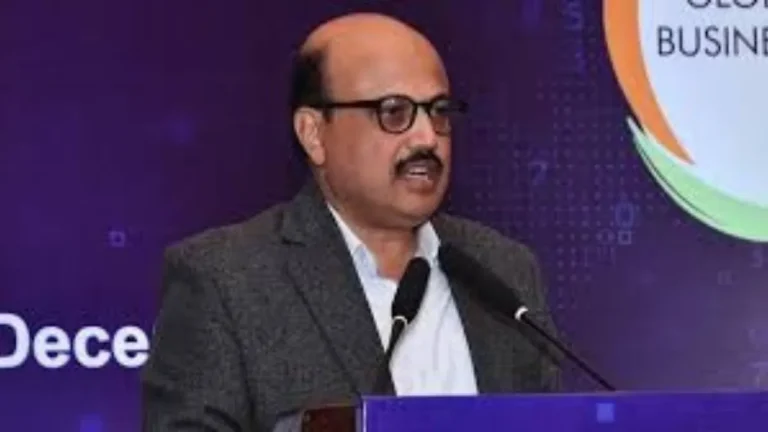
Chandigarh International Airport Limited (CHIAL) CEO Ajay Kumar officially confirmed the revised Chandigarh airport closure plan. “A revised NOTAM has been issued for partial runway closure for repair work from October 26 to November 18. A fresh NOTAM will be released later for the full resumption of flight operations,” Kumar stated.

Regarding flight schedules during the Chandigarh airport closure, Kumar indicated that airlines would issue fresh timings soon to accommodate the revised operational windows. This will allow passengers to plan their travel arrangements according to the limited operational hours.

Airlines to Announce New Schedules

With the Chandigarh airport closure now confirmed on a partial basis, airlines operating from the airport are expected to release revised flight schedules shortly. These new timings will need to fit within the restricted operational windows of 5 am to 12 noon during Phase 1 and 5 am to 11 pm during Phase 2.

Passengers with existing bookings during the Chandigarh airport closure period are advised to check with their respective airlines for updated departure and arrival times. Some flights may be rescheduled, while others might require alternative arrangements.

Historical Context of Airport Closures

The upcoming Chandigarh airport closure is not the first time the facility has faced temporary shutdowns. Earlier in May, during armed conflict between India and Pakistan, flight operations from Chandigarh airport were suspended for several days following intelligence that the neighboring country was attempting to target military installations in the region.

Strategic Importance of the Airport

The Chandigarh airport closure affects a crucial aviation hub serving the Tricity region comprising Chandigarh, Mohali, and Panchkula. The airport handles over 10,000 passengers daily, making it an essential connectivity node for the region.

Inaugurated by Prime Minister Narendra Modi on September 11, 2015, Chandigarh International Airport has grown significantly in importance for both civilian and military aviation. The facility serves as a shared civil-military airport, necessitating coordination between civilian authorities and the IAF for maintenance activities like the current Chandigarh airport closure.

Passenger Advisory

Travelers planning to use Chandigarh airport between October 26 and November 18 should carefully note the restricted operational hours during the Chandigarh airport closure. Early morning and late evening flights are most likely to be affected, with many services potentially being rescheduled to fit within the permitted windows.

Passengers are strongly advised to verify their flight timings directly with airlines and arrive at the airport well in advance during this period to avoid any last-minute complications arising from the Chandigarh airport closure schedule.
Trinamool Congress Infighting in North 24 Parganas: Focus Keyword on Party Feuds as Road Blockades, Clashes Over Posts Raise Concerns Ahead of Electoral Roll Revision in Bengal

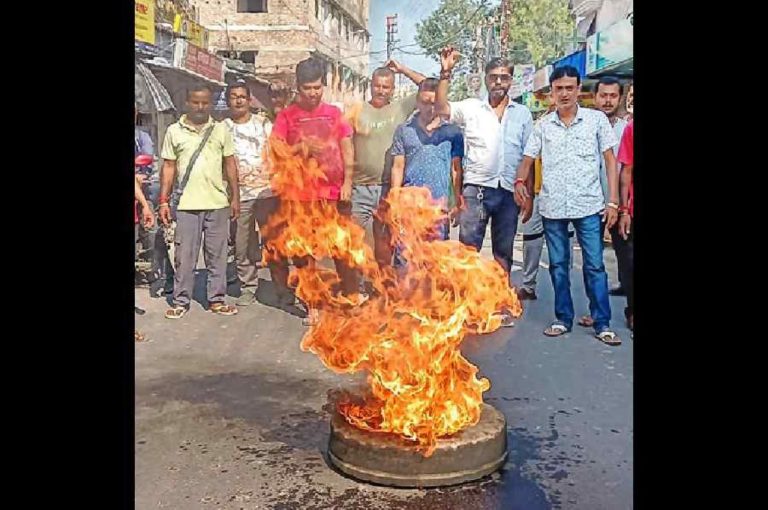
Trinamool Congress Infighting in North 24 Parganas: Internal disputes within the Trinamool Congress (TMC) have escalated in North 24 Parganas, with faction-based protests and road blockades erupting over reshuffled block-level party posts. The tension — emerging just months before the crucial Special Intensive Revision (SIR) of electoral rolls in West Bengal — has raised concerns within the ruling party’s ranks about organisational unity and public perception.

The original report highlighted agitations in Dandirhat and Taki, where local leaders and supporters resisted newly appointed office-bearers, alleging decisions were taken unilaterally without grassroots consultation.


Trinamool Congress Infighting in North 24 Parganas: What Triggered the Conflict?

The conflict began after a sudden revamp of the Basirhat Block Committee.
Local leaders who previously held influence claim they were sidelined in the restructuring.

Key flashpoints include:

Location Incident Trigger
Dandirhat Road blockade Demand for removal of new block president
Taki Town Councillors protest at municipal office Appointment of town committee chief without consensus

Party insiders indicate that supporters of a Zilla Parishad leader blocked roads for hours, demanding the reinstatement of earlier leadership. In Taki, nine councillors united against the newly appointed Town Committee President, accusing him of corruption and absenteeism.


🧩 The Power Struggle Explained

Internal divisions within the TMC in this region have historically centered around:

  • Influence over local resource distribution
  • Candidacy for upcoming elections
  • Control over booth-level mobilisation
  • Shifts in loyalty networks within the party

The reshuffle may have been aimed at strengthening local governance, but instead exposed factional rifts, which opposition parties will watch closely.


⚠ Why This Matters Politically

The timing of this unrest is critical.

✅ West Bengal’s electoral machinery is preparing for voter list verification
✅ TMC will need strong booth-level presence
❌ Internal feud risks weakening ground-level operations

Political analysts warn:

“A divided organisation before voter roll revision can affect not just perception but actual electoral preparedness.”


🚧 Public Disturbance & Governance Image

Road blockades inconvenienced local commuters — bringing attention to these internal disputes. Such public agitation by ruling party cadres weakens TMC’s messaging of efficient governance and unity.

Residents reportedly questioned why public roads should become a stage for intra-party conflict rather than development discussions.


🏛 What the TMC Leadership Might Do Next

To restore order and confidence, the party may need to:

✔ Conduct internal hearings to address leaders’ grievances
✔ Introduce a transparent selection mechanism for district roles
✔ Issue communication to uphold party discipline
✔ Monitor municipalities where governance may be disrupted

Political observers also believe senior TMC leadership may intervene before the dispute snowballs further.


🔍 Long-Term Implications

  • Risk to voter outreach
  • Possibility of defections
  • Opportunity for opposition narrative against TMC
  • Negative psychological effect on grassroots cadres

If tensions remain unresolved, TMC could face difficulties securing loyalty ahead of the 2026 Assembly elections.


✅ Official Government External Links (As You Requested)

These links relate to electoral roll revision, governance systems, and civic processes involved in the underlying issue:


📌 Conclusion

The internal power struggle within the Trinamool Congress in North 24 Parganas is more than a local issue — it reflects a sensitive organisational moment for the party as it prepares for electoral scrutiny. Whether this escalates into a larger crisis or is resolved internally will determine how voters perceive the TMC’s strength and strategic maturity in the months ahead.

Also read: Home | Channel 6 Network – Latest News, Breaking Updates: Politics, Business, Tech & More

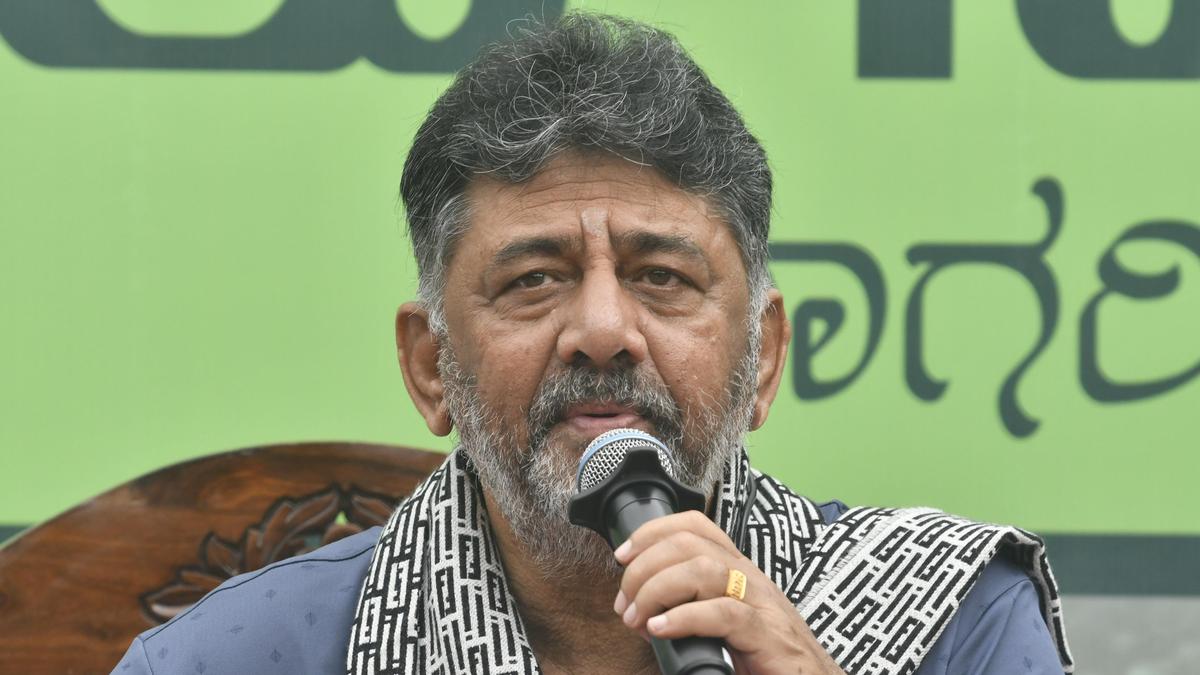
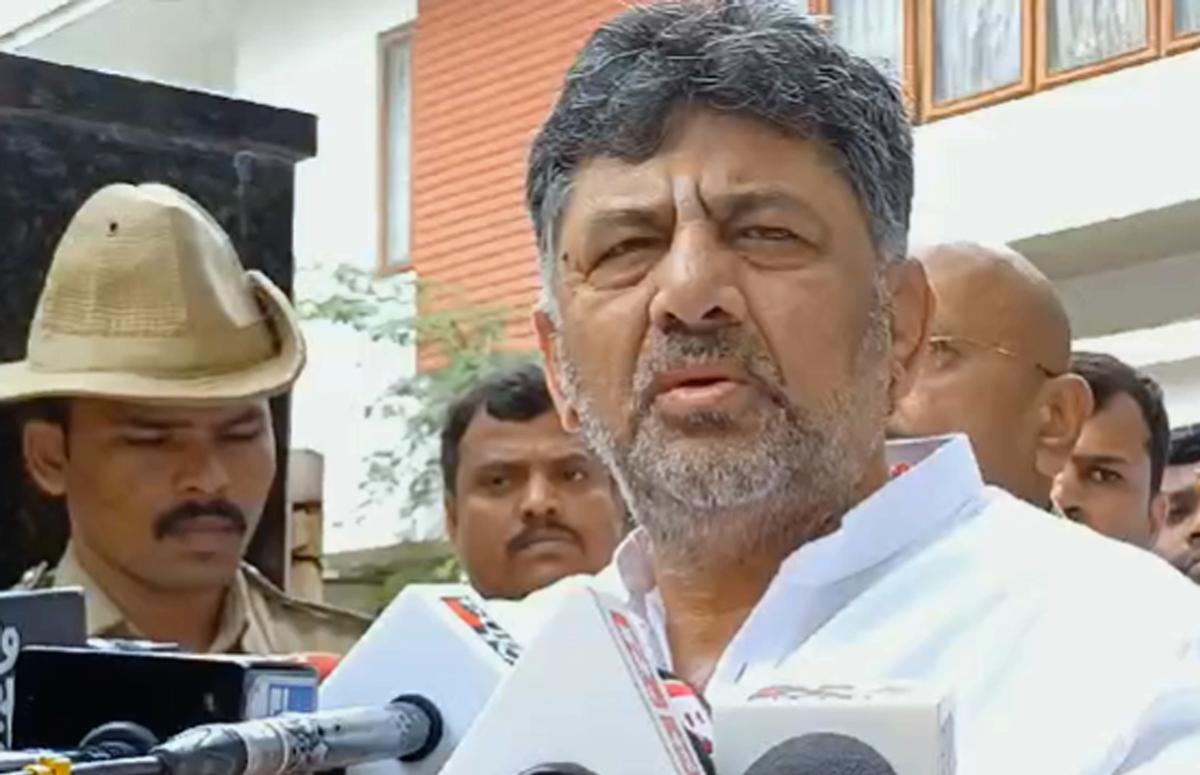
10 Bold Words as D.K. Shivakumar Calls for Discipline in Congress Ranks

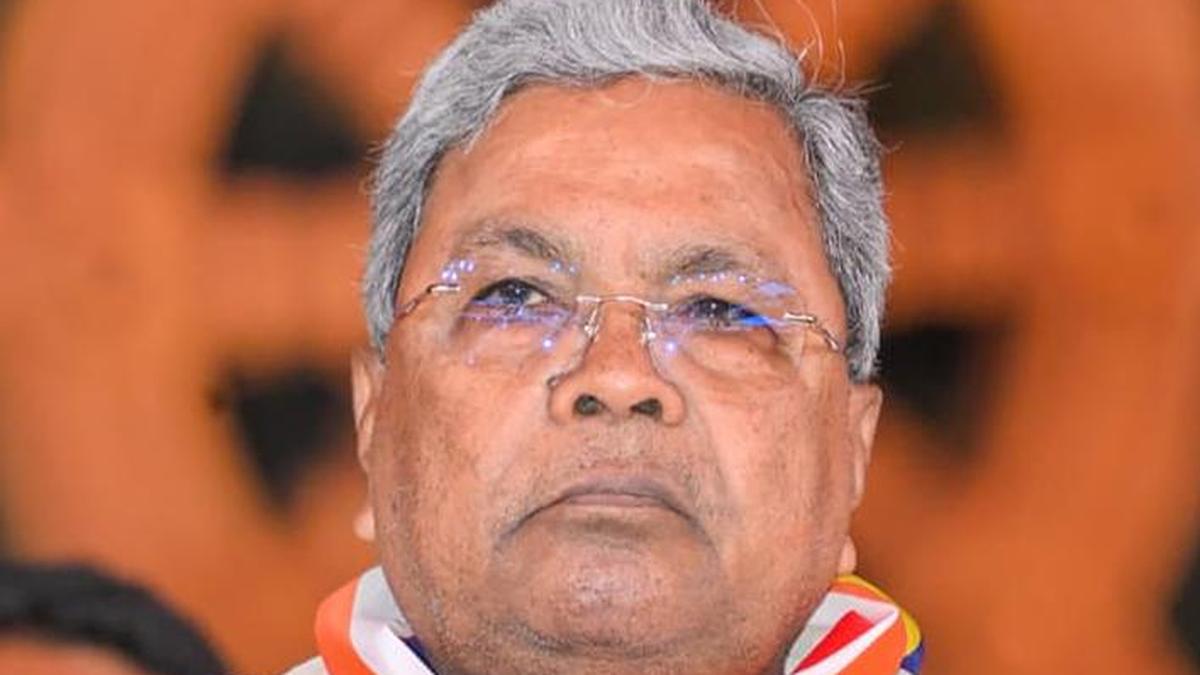
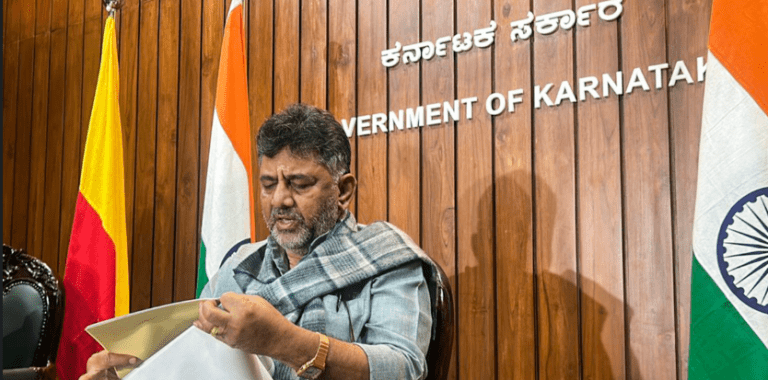
Karnataka Deputy Chief Minister and State Congress President D.K. Shivakumar issued a strong message to party members on maintaining discipline and unity amid growing internal dissent. His warning comes after certain MLAs reportedly demanded disciplinary action against Yathindra Siddaramaiah, the son of Chief Minister Siddaramaiah, over alleged remarks that sparked discomfort within the party. Shivakumar emphasized that the Congress’s organizational integrity must not be compromised by individual opinions or factional disputes. He urged members to adhere to party values, warning that indiscipline would not be tolerated at any level as preparations for upcoming elections intensify.

Some party insiders believe that the growing internal rift, if left unchecked, could weaken the Congress’s organizational strength ahead of future electoral battles. The state leadership is under pressure to balance discipline with inclusivity, ensuring that differing voices are not stifled while maintaining unity. Senior leaders have been asked to mediate between factions and prevent escalation. Observers note that the party’s ability to manage such disputes internally will shape public perception of its governance stability. Maintaining a united front has become a priority as the opposition continues to target the Congress over internal contradictions and leadership challenges.

Several senior Congress functionaries have expressed disappointment over the manner in which internal differences are being aired publicly. They argue that the party’s tradition of internal dialogue and consultation must be upheld, particularly at a time when the government is under scrutiny over policy implementation and performance. A few leaders have also reminded members that the Congress high command has established clear channels for voicing grievances. Any deviation from these norms, they stress, could be construed as defiance of collective leadership. The party’s disciplinary committee is reportedly reviewing statements and incidents to determine whether formal action is warranted.

Political analysts suggest that D.K. Shivakumar’s repeated emphasis on discipline indicates growing concern over potential factionalism. His leadership style, described as assertive yet inclusive, faces the test of reconciling loyalty with internal democracy. Analysts point out that managing ambition among younger MLAs while respecting seniority remains a persistent challenge within the Congress. The leadership must tread carefully to avoid alienating either camp. Intra-party management, they say, is not only a matter of enforcing discipline but also of creating space for legitimate dissent that strengthens the organization rather than divides it.DKS warns partymen to follow discipline; some MLAs seeks disciplinary  action against Yathindra - The Hindu

Meanwhile, supporters of Yathindra Siddaramaiah have defended him, arguing that his remarks have been misinterpreted and blown out of proportion. They claim that his statements were intended as constructive criticism rather than defiance. However, detractors insist that such expressions, coming from a former MLA and the Chief Minister’s son, carry greater weight and must be exercised with restraint. The party’s dilemma lies in balancing accountability with sensitivity, especially when family ties intersect with political roles. Insiders say that a public reprimand or clarification could be issued to defuse tensions without deepening divisions within the ruling camp.

Grassroots workers, too, appear divided on the issue. While some demand strict disciplinary action to preserve order, others feel that younger voices should be allowed to express differing opinions. Local Congress committees have urged the leadership to focus on governance and public welfare rather than internal disputes. Party cadres in several districts have reportedly conveyed that prolonged infighting could demoralize workers and affect upcoming local body polls. The leadership is therefore keen on concluding the disciplinary discussions swiftly, ensuring that the organization’s focus returns to policy delivery and strengthening the party’s base.

Political observers note that the situation offers a glimpse into the larger dynamics of the Congress in Karnataka—balancing generational change, leadership ambitions, and governance responsibilities. The manner in which D.K. Shivakumar and Chief Minister Siddaramaiah jointly handle this episode will serve as a test of their coordination and maturity. Both leaders have publicly downplayed internal differences, emphasizing unity and teamwork. However, behind closed doors, strategic discussions are reportedly underway to ensure smoother coordination among MLAs and ministers. The outcome of these deliberations will likely influence the tone and direction of the party’s internal politics in the coming months.

Background
The issue gained traction after Yathindra Siddaramaiah’s comments regarding internal party functioning and leadership dynamics drew mixed reactions from legislators. Some Congress MLAs perceived his remarks as undermining collective responsibility, prompting calls for disciplinary scrutiny. The controversy surfaced at a time when the Congress is focused on governance delivery and organizational strengthening in Karnataka. D.K. Shivakumar, known for his assertive leadership style, swiftly intervened to contain growing dissent. Political observers view his statement as an attempt to reaffirm authority, prevent factional divisions, and project an image of stability ahead of critical political developments and future electoral battles.

Party Dynamics
Internal discussions within the Congress have reportedly intensified following the exchange of differing opinions among senior leaders and younger legislators. While a few MLAs insist that the party must act firmly against statements that could harm its image, others advocate a conciliatory approach. Party insiders suggest that the leadership is closely monitoring the situation to prevent escalation. Shivakumar’s intervention is seen as a bid to balance assertiveness with inclusivity, ensuring the party remains focused on governance and grassroots mobilization. Observers say his message underscores the importance of collective discipline in maintaining organizational cohesion during politically sensitive times.

MLAs’ Concerns
Several MLAs have voiced concern that unrestrained comments from prominent figures could cause unnecessary distractions. They argue that Yathindra Siddaramaiah’s position as the Chief Minister’s son demands greater caution and responsibility. A few legislators have informally urged the leadership to issue a formal advisory or take corrective steps to uphold internal harmony. However, others feel the matter has been overemphasized and could be resolved through dialogue rather than punitive measures. The party high command has been briefed on the situation, with indications that internal mechanisms for conflict resolution will be prioritized over disciplinary escalation.

D.K. Shivakumar’s Warning and Leadership Message


In his recent address to party functionaries, D.K. Shivakumar urged members to prioritize collective interest over personal opinions. He stressed that Congress’s public image depended on disciplined communication, teamwork, and adherence to party principles. Shivakumar reminded members that internal disagreements should remain within organizational forums rather than reaching the media. His message was clear—discipline and loyalty are non-negotiable. Analysts interpret his statement as both a warning and a reassurance, reinforcing leadership control while signaling unity to party workers. The move aims to prevent internal rifts from overshadowing governance achievements and the party’s political agenda.

Response from Yathindra Siddaramaiah
Yathindra Siddaramaiah has reportedly clarified that his comments were misinterpreted and not intended to create controversy. Sources close to him suggest that his statements reflected internal feedback rather than criticism of the leadership. Supporters argue that his engagement in political discussions is natural, given his role and experience. However, critics maintain that public remarks on internal functioning must be avoided to preserve party decorum. Observers note that Yathindra’s prompt clarification helped ease tensions, though the episode has sparked broader debate about managing generational voices and communication discipline within the Congress organization.

Public and Political Reactions
The incident has drawn reactions from political circles and the public, with rival parties using the episode to highlight internal friction within the Congress. Opposition leaders claim that such controversies reveal underlying tensions between factions led by D.K. Shivakumar and Siddaramaiah. Congress spokespersons, however, dismissed these interpretations, asserting that healthy discussions are part of democratic functioning. Political analysts believe that while the issue may not have lasting political repercussions, it underscores the delicate balance of power within the ruling party. They suggest that managing internal communication effectively will be key to maintaining credibility and cohesion.My son only spoke of ideological successor: CM - The Hindu

Internal Communication and Party Image

Senior Congress leaders have acknowledged the need for better internal communication channels to prevent misunderstandings. Meetings are being planned to reinforce media discipline and clarify protocols for public statements. Shivakumar emphasized that the party’s strength lies in unity and collective accountability, urging members to avoid giving the opposition political ammunition. Analysts note that maintaining message consistency is crucial, particularly as the Congress prepares for upcoming civic and parliamentary elections. The leadership’s current focus is to project confidence, stability, and strong coordination between government and party structures, countering narratives of internal rivalry or leadership divide.

Governance and Organizational Focus
Despite the controversy, both Shivakumar and Siddaramaiah have reiterated their shared commitment to governance and public welfare. Senior ministers emphasize that political stability and delivery of government schemes remain the top priorities. Party workers are being urged to focus on constituency-level activities, welfare program outreach, and strengthening booth-level networks. Observers note that the leadership’s ability to shift attention back to governance performance could help mitigate the impact of internal disagreements. By emphasizing results over rhetoric, the Congress aims to reinforce voter confidence and sustain its administrative credibility in Karnataka.

Expert Opinions
Political commentators interpret Shivakumar’s stern warning as part of broader efforts to consolidate authority within the Karnataka Congress. Experts argue that enforcing discipline at this stage is critical to preventing internal factions from gaining momentum. They note that while open debates can strengthen democracy, public airing of grievances risks undermining organizational stability. The Congress, they suggest, must strike a balance between openness and order, ensuring individual expression does not compromise collective strategy. Analysts further highlight that unity at the leadership level remains vital for navigating both governance challenges and upcoming electoral campaigns.D.K. Shivakumar warns of action against party leaders if they speak on  change of CM, creation of more Dy. CM posts - The Hindu

Conclusion
The recent episode within the Karnataka Congress serves as a reminder of the fine balance between leadership assertion and internal harmony. D.K. Shivakumar’s strong message underscores his determination to uphold discipline and unity within the party ranks. While some legislators seek formal action, the leadership appears inclined toward dialogue and reconciliation. Political observers believe that the Congress’s handling of this matter will influence its organizational credibility and public perception. As the ruling party prepares for future electoral contests, maintaining unity, discipline, and communication coherence will remain essential to sustaining its momentum and political stability.

Follow: Karnataka Government

Also read: Home | Channel 6 Network – Latest News, Breaking Updates: Politics, Business, Tech & More

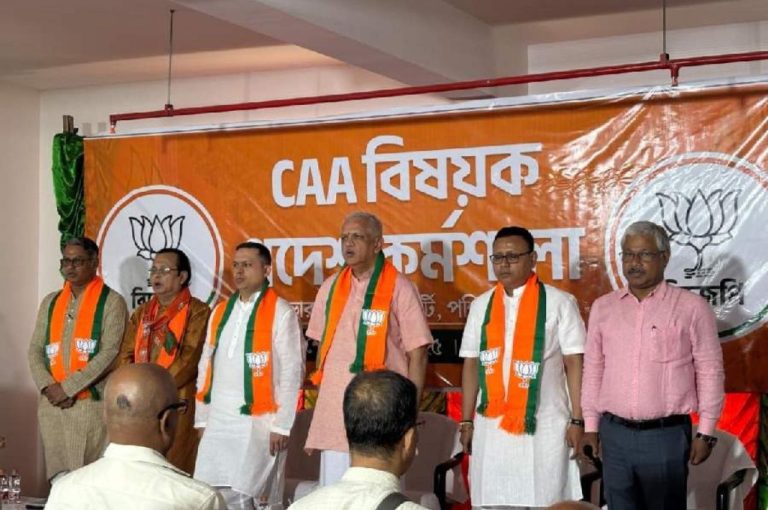
BJP Mobilises Citizenship (Amendment) Act Workshop Ahead of Bengal Electoral Roll Revision: Strategic Push on CAA Camps Linked to Voter List Clean-Up Focus

BJP Mobilises Citizenship: The Bengal unit of the Bharatiya Janata Party (BJP) has launched a significant organisational initiative ahead of the upcoming voter roll revision process in West Bengal — convening a workshop centered on the Citizenship (Amendment) Act, 2019 (CAA) and the logistics of citizenship camps in border districts. This move appears to align party-mobilisation efforts with the state’s impending electoral machinery schedule, notably the Special Intensive Revision (SIR) of electoral rolls.

By training cadre on CAA provisions, application processes, documentation norms and camp management, the BJP aims to enable large-scale outreach among “persecuted minorities” as defined under the Act, particularly in districts adjoining Bangladesh. The party leadership has signalled a dual objective: assisting eligible persons to secure citizenship certificates, and optimising documentation ahead of voter list revision.


Workshop Themes and Organisational Strategy

At the core of the workshop were modules on:

  • Legal eligibility under the CAA for persecuted minorities from neighbouring countries
  • Steps to obtain citizenship certificates, including requisite documentation
  • Planning and execution of citizenship-camps in target districts
  • Coordination of camp data with local leadership and party units
  • Monitoring turnaround times for certificate issuance, with special emphasis on cut-offs preceding the SIR process

According to BJP officials, roughly 700 camps are planned across 17 selected districts, with priority given to border-adjacent regions such as North 24 Parganas, Nadia, Cooch Behar and North Dinajpur. The party envisions an extensive outreach drive, integrating citizenship certification, documentation push and electoral roll readiness.


Linkage to Electoral Roll Revision and the SIR Process

The timing of the workshop is pivotal: the SIR calls for comprehensive verification and clean-up of electoral rolls, adding new voters and removing ineligible entries. Citizenship certification under the CAA becomes relevant in this context, as proof of Indian citizenship strengthens the case for inclusion in the electoral roll.

By assisting prospective citizens in securing documentation before the SIR cut-off, the party’s strategy hints at pre-empting roll verification bottlenecks and ensuring smoother inclusion of eligible persons. In effect, the citizenship camps can be viewed as both humanitarian outreach and electoral documentation drive, especially in politically sensitive border districts.


Demographic Focus: Border Districts & Migratory Communities

Districts earmarked for the initiative feature significant populations of long-settled refugees and cross-border migrants. Factors making them strategic include:

  • High refugee/settler density
  • Historical issues around citizenship status and documentation
  • Impact on electoral demography
  • Political sensitivity around inclusion/exclusion of specific communities

The camps are framed as providing assistance to persons who earlier lacked access or documentation — presenting the outreach as both corrective and inclusive.


BJP Mobilises Citizenship: Political and Opposition Reactions

The ruling state party has responded with caution, framing the workshop and camps as politically motivated. Key criticisms are:

  • Potential use of citizenship and documentation for electoral advantage
  • Risk of communal polarisation under the guise of humanitarian aid
  • Concern about fairness in electoral roll inclusion/exclusion

In turn, BJP officials defend the camps as fulfilling the promise of a “justice and identity-based” outreach — ensuring persecuted persons receive their rightful documentation and access.


Legal and Administrative Dimensions

The Citizenship (Amendment) Act, 2019, provides a legal pathway to citizenship for specified minorities from neighbouring countries who entered India prior to 31 December 2014. For the electoral process, acquired citizenship is a prerequisite for inclusion in voter lists.

From an administrative viewpoint:

  • Certificates must be issued or applications pending before the SIR cut-off, if the individuals are to be verified for voting eligibility.
  • Coordination between citizenship certification authorities and electoral offices becomes critical.
  • Ensuring documentation integrity and preventing fraudulent claims are vital for roll credibility.

Strategic Implications for the Party

For the BJP, this strategy provides multiple benefits:

  • Expanding outreach into new voter segments
  • Building ground-level presence through camp networks
  • Demonstrating organisational capacity in sensitive border areas
  • Strengthening the narrative of protection for persecuted minorities

However, this also comes with strategic risks:

  • If camps fail to deliver documentation timely, the outreach could backfire
  • Overlapping electoral timelines may attract scrutiny from election authorities
  • Opposition mobilisation may intensify, presenting counter-narratives

Broader Electoral Citizenship Context

The initiative must be understood in a wider national frame: many states are revising electoral rolls, verifying citizenship status and dealing with documentation for migrant populations. The interplay of citizenship legislation, documentation access and electoral eligibility is thus part of a larger governance challenge. In border states this becomes more acute, due to cross-border migration, historical refugee movement and demographic sensitivities.


Looking Ahead: What to Watch

Key metrics and milestones to monitor:

  • Number of citizenship-camps held and number of certificates issued
  • District-wise participation and inclusivity of camps
  • Timing of the SIR announcement and readiness of electoral infrastructure
  • Changes in voter roll data post-SIR — inclusion of new citizens, removal of ineligible entries
  • Reactions of other political parties and potential counter-mobilisation

The success or failure of the strategy may influence electoral outcomes, especially in key marginal districts.


Conclusion

The BJP’s workshop on the Citizenship (Amendment) Act, aligned with an ambitious camp-programme and timed just ahead of electoral roll revision, merges citizenship rights, documentation access and electoral mechanics into a single strategic framework. While the stated objective remains humanitarian assistance to persecuted minorities, the electoral implications are unmistakable.

As camps roll out, engagement intensifies and voter lists are revised, the initiative will test the inter-linkage of citizenship policy and electoral mobilisation. West Bengal — with its border geography, refugee demographics and high electoral stakes — is likely to provide a litmus case for how documentation-based outreach merges with political strategy in India’s electoral context.


✅ Government External Links

Also read: Home | Channel 6 Network – Latest News, Breaking Updates: Politics, Business, Tech & More

Election Commission Directive and Teacher Resistance in West Bengal: Thousands of School Teachers Reprimanded for Declining Booth-Level Officer Duties Amid Voter Roll Revision Focus

The Election Commission of India (ECI) and the Chief Electoral Officer – West Bengal (CEO) have entered a high-stakes administrative conflict with the state’s school education system: hundreds of government teachers have received show-cause notices for refusing deployment as Booth-Level Officers (BLOs) ahead of a major electoral exercise. With the state’s electoral machinery gearing up for the next cycle, this roadblock signals a deeper fissure between election duty obligations and foundational commitments to education.


The Importance of BLOs in the Electoral Process

At the core of the electoral system stands the role of the BLO—tasked with ensuring every eligible voter is correctly registered and every ineligible entry removed. Before an election or large-scale revision of rolls (such as the upcoming Special Intensive Revision — SIR), BLOs visit households, verify documentation, and maintain voter lists. Teachers are frequently appointed as BLOs due to their local presence, trust, and administrative visibility.

In a state like West Bengal— with its 8+ crore voters, high mobility, entry of new voters aged 18+, and complex demographic changes—the accurate function of BLOs is critical for electoral integrity.


Schools as Electoral Anchors: Why Teachers Are Called Upon

Teachers are naturally embedded within communities and enjoy recognition, making them convenient BLO candidates. The ECI and state election offices have long relied on them for:

  • Authenticating addresses and verifying age of young voters
  • Ensuring physically challenged and elderly voters are accounted for
  • Maintaining continuity of electoral roll updates year-on-year

However, this utility comes with cost. Many teachers argue that repeated non-teaching duties displace classroom time and undermine educational delivery.


Election Commission Directive and Teacher Resistance: What Triggered the Current Crisis

The timeline of events:

  • Late September: CEO’s office issues directives to teachers across districts to register as BLOs and complete training by a specified deadline.
  • Early October: More than 600 teachers reportedly failed to join or refused to attend BLO training sessions; about 1,000 BLO spots remain unfilled in the state.
  • Show-cause notices issued to non-compliant teachers, warning of disciplinary and legal consequences under electoral law.

Teachers argue that the assignments do not suitably account for single-teacher schools, teaching hours, gender-based safety risks, and overlapping academic responsibilities. The High Court has previously emphasised that BLO assignments should not disrupt teaching obligations—making the situation legally contentious.


Administrative and Electoral Implications

The refusal of teachers to take up BLO duties has wide-ranging implications:

Delay Risks: The programme of SIR depends on timely completion of house-to-house verification and roll games. Delays in teacher mobilisation threaten the electoral calendar.

Human Resource Gap: Replacing teachers requires recruiting alternate staff, training them quickly, and ensuring coverage. This adds cost and complexity.

Electoral Credibility: In politically sensitive states like West Bengal, extended roll revision timelines or missing documentation can fuel allegations of bias or disenfranchisement.

Education vs. Duty Conflict: With teachers juggling classroom instruction and electoral duties, prolonged disruptions may affect learning outcomes and student management.


Teacher Perspectives and Ground Realities

Many teachers express frustration over:

  • Lack of additional compensation or specified service leave for BLO work.
  • Overlap of BLO duty with regular teaching and administrative tasks.
  • Personal safety concerns for field-visits, especially late evening verification rounds.
  • Administrative pressure rather than choice in being selected for BLO duty.

A teacher from a rural block stated:

“Our students expect teaching, but we are torn between verifying electoral rolls and coaching them. It isn’t a trade-off we asked for.”

Women teachers, especially in semi-urban districts, point out the lack of transport and supervision during field-assignments after school hours.


Legal and Regulatory Context

Under the Representation of the People Act, 1951, government employees can be deployed for election-related duties. The ECI’s guidelines for BLOs also specify minimum training and neutrality. Courts have upheld the constitutionality of such deployments—provided they do not significantly interfere with other essential services, like education.


Political and Social Underpinnings

With the next Assembly Elections on the horizon, the accuracy of voter rolls in West Bengal has become intensely political. Parties view the SIR as a potential lever for electoral advantage. A large-scale teacher refusal thus becomes a focal point for opposition narratives about administrative malfunction, and for the ruling project as an issue of compliance and governance.


What Happens Next: Administrative Response & Strategy

State election officials are proceeding with a dual strategy:

  • Engage with teacher unions and education department to negotiate terms, schedules and relief for teaching duties.
  • Simultaneously recruit alternate BLO workforce—panchayat functionaries, retired staff, volunteers—to fill gaps in high-risk districts.

Training sessions are being re-scheduled, and monitoring systems installed to track absenteeism of assigned BLOs. The CEO’s office has stressed zero tolerance for further non-participation.


Recommendations for Harmonising Education & Electoral Duties

To balance electoral requirements with educational commitments, the following are recommended:

  1. Advance scheduling: BLO training and assignments planned in non-teaching hours, holidays or short weekends.
  2. Compensation & recognition: Financial incentives and service credit for teachers assuming BLO roles.
  3. Protection for single-teacher schools: Alternative BLO candidates for schools with single staff.
  4. Safety logistics: Transport, communication and gender-safe arrangements for field verifications.
  5. Monitoring dashboard: Real-time tracking of BLO enrolment, training attendance, district coverage.
  6. Transparent communication: Inform teachers clearly about roles, duty timings, and academic relief measures.

Concluding Reflection

The confrontation between the ECI and teachers in West Bengal reveals how foundational institutions—education and election—intersect. For democracy to function smoothly, voter lists must be accurate; but for society to progress, teaching must proceed unhindered. Resolving this tension requires institutional flexibility, adequate resources, and respect for both commitments.

In the coming weeks, the state’s ability to mobilise its BLO force without disrupting classrooms may determine not only the timeline of the electoral roll revision but also public confidence in how democracy and education coexist.


✅ Official Government External Links

Also read: Home | Channel 6 Network – Latest News, Breaking Updates: Politics, Business, Tech & More

Former CIA Official Pakistan India War Assessment Reveals Inevitable Outcome

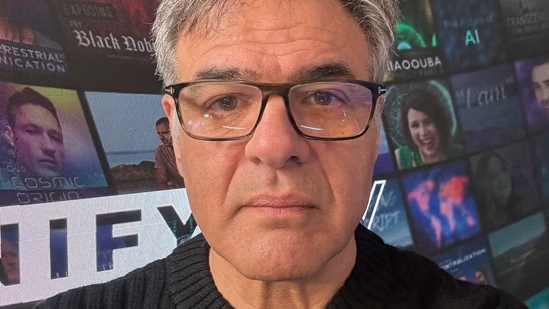
Washington D.C. – Former CIA officer John Kiriakou, who served for 15 years including a stint as chief of CIA counterterrorism operations in Pakistan, has issued a stark assessment about any potential Pakistan India war. According to Kiriakou, Pakistan needs to reach a policy conclusion that nothing beneficial would emerge from conflict with India, emphasizing that Pakistan would inevitably lose in a conventional military confrontation.

“Nothing, literally nothing good will come of an actual war between India and Pakistan because the Pakistanis will lose. It’s as simple as that,” Kiriakou stated in a recent interview. His assessment of a Pakistan India war focuses specifically on conventional military capabilities, setting aside the nuclear dimension that often dominates discussions about South Asian security.

Conventional Military Balance Assessment

Kiriakou’s analysis of a potential Pakistan India war emphasizes the disparity in conventional military capabilities between the two nations. “They’ll lose. And I’m not talking about nuclear weapons—I’m talking just about a conventional war,” he clarified, highlighting the significant advantage India holds in traditional military power.

The former CIA officer’s assessment of the Pakistan India war scenario suggests that Pakistani military leadership should understand this reality and avoid constant provocations. “There is no benefit to constantly provoking Indians,” Kiriakou emphasized, pointing to the futility of military posturing given the conventional imbalance.

Pentagon’s Alleged Nuclear Control

In a startling revelation related to the Pakistan India war dynamics, Kiriakou disclosed that during his posting in Pakistan in 2002, he was told unofficially that the Pentagon controlled Pakistan’s nuclear arsenal. This claim adds a crucial dimension to understanding the Pakistan India war equation and regional nuclear deterrence.

“I was told unofficially that the Pentagon controlled the Pakistani nuclear arsenal and that India did not know about it,” Kiriakou revealed. This alleged arrangement, if accurate, would significantly alter calculations about escalation risks in any Pakistan India war scenario.

Kiriakou expressed doubt that American officials ever informed India about this purported nuclear control arrangement. “I doubt that the Americans ever told India that the control of Pakistani nukes also lies with the US because of the vociferousness with which the Pakistanis have publicly maintained that they control their own nuclear weapons,” he explained.

India’s Resolute Counter-Terror Stance

The former CIA officer’s discussion of the Pakistan India war potential also addressed India’s firm position against terrorism and nuclear blackmail. According to Kiriakou, India has made clear it will not tolerate Pakistan’s nuclear threats and will respond decisively to any terror attacks emanating from Pakistani territory.

India’s actions following terror incidents demonstrate this resolve in ways that shape the Pakistan India war calculus. Kiriakou referenced several significant Indian military operations that have altered the regional security landscape and demonstrated India’s willingness to conduct cross-border operations.

Historical Indian Military Operations

In examining factors that would influence any Pakistan India war, Kiriakou highlighted India’s track record of strong action against terror infrastructure. The 2016 surgical strikes on terror launchpads across the Line of Control marked a significant shift in India’s operational doctrine, demonstrating willingness to conduct precision operations in Pakistani-controlled territory.

The Balakot airstrikes in 2019 represented another escalation in India’s response capabilities relevant to Pakistan India war scenarios. These airstrikes, conducted deep inside Pakistani territory following the Pulwama attack, showed India’s enhanced reach and determination to target terror infrastructure regardless of geographical constraints.

Most recently, Operation Sindoor targeted terror infrastructure, further establishing India’s pattern of decisive responses. These operations collectively demonstrate that in any Pakistan India war scenario, India possesses both capability and political will to conduct offensive operations.

Also Read: Musharraf CIA Claims: Explosive Revelations About Pakistan’s Nuclear Arsenal

The AQ Khan Factor

Kiriakou’s insights into nuclear proliferation also touch upon factors relevant to Pakistan India war dynamics. While working on counterterrorism, his CIA colleague dealt with Abdul Qadeer Khan, the Pakistani nuclear physicist central to Pakistan’s weapons program.

The former CIA officer revealed that the United States could have eliminated AQ Khan using Israeli-style targeted operations, but refrained due to Saudi Arabian intervention. “He had the support of the Saudi government, which wanted him to be left alone,” Kiriakou disclosed, highlighting the complex international dimensions surrounding Pakistan’s nuclear program.

This protection of AQ Khan, despite his role in nuclear proliferation, reflects the geopolitical complexities that would surround any Pakistan India war and international efforts to manage or prevent such a conflict.

Whistleblower Background

Kiriakou’s credibility in discussing Pakistan India war scenarios stems from his extensive CIA experience. He spent the first half of his career in intelligence analysis and the second half in counterterrorism operations, providing him with both strategic and tactical perspectives on South Asian security.

In 2007, Kiriakou became a whistleblower, exposing the CIA’s torture program in a televised interview. This revelation led to legal charges that were later dropped, establishing his track record as someone willing to share uncomfortable truths about classified operations and policies.

Strategic Implications for Regional Security

The Pakistan India war assessment provided by Kiriakou has significant implications for regional stability. His insider perspective suggests that Pakistani military planners understand their conventional disadvantage, which may explain Pakistan’s emphasis on nuclear deterrence and asymmetric warfare through terror proxies.

For India, Kiriakou’s analysis validates the military modernization programs and operational doctrines developed over recent decades. The conventional superiority in any Pakistan India war scenario provides India with options for responding to provocations while maintaining escalation control.

International Mediation Role

The revelations about Pentagon control of Pakistan’s nuclear arsenal, if accurate, suggest that American involvement in managing Pakistan India war risks extends beyond diplomatic mediation to direct control of strategic weapons systems. This arrangement would provide an additional safeguard against nuclear escalation in any conventional Pakistan India war.

However, the secrecy surrounding such arrangements also creates risks, as India’s strategic calculations might differ if Delhi were fully aware of American control mechanisms over Pakistani nuclear weapons. The Pakistan India war scenario thus remains complicated by incomplete information and strategic ambiguity.

Delhi Traffic Police Reunification: Big Administrative Overhaul After 5 Years

0

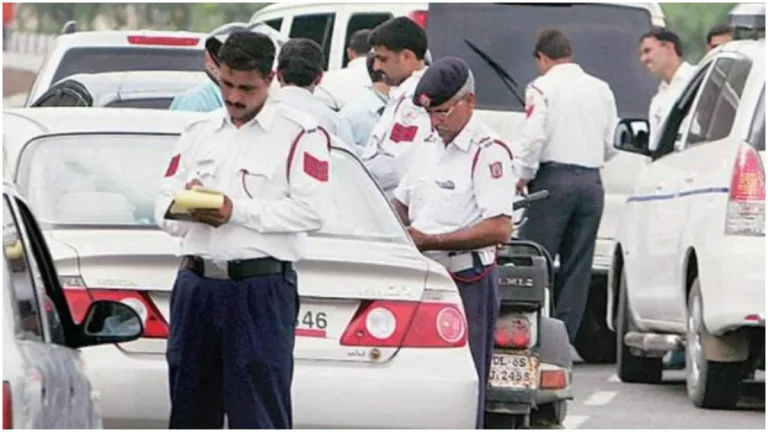
New Delhi – Nearly five years after Delhi Police’s traffic wing was divided into two separate zones, the Delhi traffic police reunification has been officially announced, bringing the unit back under a single command structure. The Delhi government’s home department issued transfer orders on Friday, confirming that the traffic department will once again be headed by one special commissioner-level officer in a move approved by the lieutenant governor.

The Delhi traffic police reunification represents a significant administrative reshuffle aimed at improving coordination and addressing persistent traffic management challenges that have plagued the national capital. This major organizational change reverses a decision made during former commissioner Rakesh Asthana’s tenure in 2020.

Neeraj Thakur Appointed as Special Commissioner

Senior IPS officer Neeraj Thakur from the 1994 batch has been appointed special commissioner of police (Traffic) as part of the Delhi traffic police reunification. Thakur’s appointment effectively ends the dual-zone structure that had been in place since 2020, when the traffic unit was bifurcated with two special commissioners overseeing separate zones.

“It was during Rakesh Asthana’s tenure as commissioner that the traffic unit was bifurcated, with two special commissioners overseeing separate zones. Now, the home department has reversed that decision, restoring unified command,” confirmed a senior police officer familiar with the Delhi traffic police reunification process.

Previous Leadership Reassigned

Until the Delhi traffic police reunification, IPS officers K Jegadesan (1998 batch) and Ajay Choudhary (1996 batch) jointly headed the traffic unit. Under the new administrative order, both officers have been reassigned to different critical positions within the Delhi Police hierarchy.

Jegadesan has been appointed special CP (Protective Security Division) and will also serve as managing director of the Delhi Police Housing Corporation Ltd (DPHCL). Meanwhile, Choudhary will assume the role of special CP (Vigilance Division) with additional charge of Special Police Unit for Women and Children (SPUWAC).

Strategic Objectives Behind Reunification

Officials aware of the Delhi traffic police reunification decision indicated that the move may be strategically aimed at improving coordination and addressing persistent traffic management issues throughout the capital. These challenges range from congestion on arterial and VIP routes to lapses in staff deployment during peak hours and festive seasons.

The Delhi traffic police reunification is expected to streamline decision-making processes, eliminate potential communication gaps between zones, and create a more cohesive approach to managing the city’s increasingly complex traffic situation. With Delhi’s vehicular population continuing to grow, unified leadership could prove crucial for implementing comprehensive traffic solutions.

Comprehensive Administrative Reshuffle

The Delhi traffic police reunification forms part of a broader administrative reshuffle spanning IPS batches from 1993 to 2016. This extensive reorganization includes several other key appointments across various departments within the Delhi Police establishment.

Robin Hibu from the 1993 batch has been appointed special CP (Human Resource Division), while Rajesh Khurana (1994 batch) now heads the Provision and Finance Division. These appointments complement the Delhi traffic police reunification by ensuring experienced leadership across multiple departments.

Also Read: Delhi ISIS Module Bust: Critical Terror Plot Foiled by Police Leads To 2 Arrests

Senior Officers’ New Assignments

Devesh Chandra Srivastava (1995 batch) continues as special CP (Crime) and has been given additional charge of Perception Management and Media Cell. David Lalrinsanga (1995 batch) has been appointed special CP (Operations – PCR and Communication) with additional charge of Special Police Unit For North-Eastern Region (SPUNER).

The Delhi traffic police reunification was accompanied by the appointment of Anil Shukla (1996 batch) to lead the Special Cell while also overseeing the Tech and PI Division. Manish Kumar Agarwal (1996 batch) becomes special CP (Intelligence Division) with additional responsibility for Public Transport Safety.

Mid-Level Leadership Changes

Atul Katiyar (1997 batch) remains special CP (Welfare Division) with added charge of Licensing and Legal Division. The administrative restructuring that accompanies the Delhi traffic police reunification also affects mid-level leadership positions.

Vijay Kumar (2007 batch) will now serve as joint CP (CP Secretariat and OSD to CP/Delhi), while Rajiv Ranjan Singh (2010 batch) becomes additional CP (Eastern Range). These appointments ensure continuity in operational management while supporting the broader objectives of the Delhi traffic police reunification.

Junior Officers’ Appointments

The Delhi traffic police reunification extends to junior officer levels as well. IPS officers Rohit Rajbir Singh (2015 batch) and Vikram K Porwal (2016 batch) have been appointed DCPs in the CP Secretariat for Crime and Administration, respectively. These appointments bring fresh perspectives to various departments while maintaining institutional knowledge.

Expected Impact on Traffic Management

The Delhi traffic police reunification is anticipated to have significant positive impacts on traffic management across the capital. By centralizing command, the department can more effectively coordinate responses to traffic incidents, implement city-wide policies, and allocate resources based on real-time needs rather than zone-specific considerations.

Traffic experts suggest that the Delhi traffic police reunification could lead to better enforcement of traffic rules, more consistent application of regulations across the city, and improved communication between traffic personnel and other police units. The unified command structure may also facilitate faster implementation of technology-driven solutions for traffic management.

Historical Context and Future Outlook

The Delhi traffic police reunification marks a return to the organizational structure that existed before 2020. The previous bifurcation was implemented with the intention of bringing specialized focus to different areas of the city, but the dual-zone system apparently created coordination challenges that outweighed its benefits.

As Delhi continues to grapple with traffic congestion, pollution, and safety concerns, the Delhi traffic police reunification represents a significant administrative commitment to addressing these issues through unified leadership and coordinated action. The success of this restructuring will be measured by improvements in traffic flow, reduced congestion, and enhanced public satisfaction with traffic management in the coming months.

Musharraf CIA Claims: Explosive Revelations About Pakistan’s Nuclear Arsenal

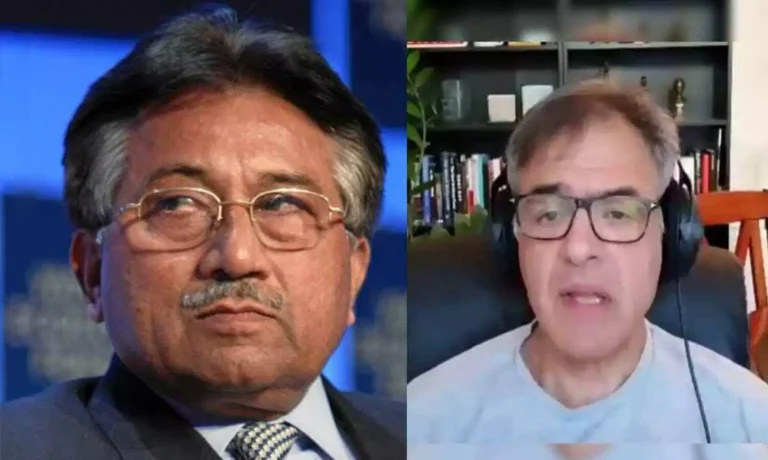
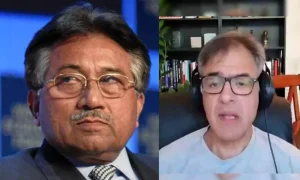
Washington D.C. – Former CIA officer John Kiriakou has made sensational Musharraf CIA claims, alleging that the United States “purchased” former Pakistan president Pervez Musharraf by pumping millions of dollars into the country. In an even more explosive revelation, Kiriakou asserts that Musharraf handed over control of Pakistan’s nuclear arsenal to Washington during his tenure.

These Musharraf CIA claims come from Kiriakou, who served 15 years in the CIA as an analyst and later in counterterrorism operations. His allegations provide an insider’s perspective on US-Pakistan relations during a critical period in South Asian geopolitics and the global war on terror.

US Relationship with Musharraf’s Government

Musharraf CIA claims

According to the Musharraf CIA claims, the United States maintained extraordinarily close relations with the Pakistani military leader’s government. Kiriakou explained the pragmatic nature of this relationship, stating, “The United States loves working with dictators. Because then you don’t have to worry about public opinion and you don’t have to worry about the media anymore.”

The former CIA officer’s Musharraf CIA claims detail how Washington “essentially just purchased Musharraf” through massive financial assistance. “We gave millions and millions and millions of dollars in aid, whether it was military aid or economic development aid,” Kiriakou revealed, adding that American officials would meet with Musharraf regularly, several times a week.

This financial relationship, central to the Musharraf CIA claims, allegedly gave the United States considerable influence over Pakistan’s policy decisions. “Essentially he would let us do whatever we wanted to do,” Kiriakou stated, though he acknowledged that Musharraf also had domestic constituencies to manage.

Nuclear Arsenal Control Allegations

Perhaps the most controversial aspect of the Musharraf CIA claims involves Pakistan’s nuclear weapons. Kiriakou alleged that when he was stationed in Pakistan in 2002, he was told unofficially that the Pentagon controlled the Pakistani nuclear arsenal.

“Musharraf had turned control over to the United States because he was afraid of exactly what you just described,” Kiriakou said, referring to concerns about nuclear weapons falling into terrorist hands. These Musharraf CIA claims, if accurate, would represent an unprecedented surrender of sovereignty over a nation’s strategic nuclear deterrent.

The timing of these alleged arrangements is significant. In 2002, Pakistan faced serious security challenges, including concerns about extremist infiltration of its military and intelligence services. The Musharraf CIA claims suggest that these fears prompted the extraordinary decision to cede nuclear control to a foreign power.

Double Game on Counterterrorism

The Musharraf CIA claims also address Pakistan’s controversial approach to counterterrorism. According to Kiriakou, Musharraf played a “double game,” cooperating with the United States on some fronts while allowing terror activities against India to continue.

“He had to keep the military happy. And the military didn’t care about al Qaeda. They cared about India,” Kiriakou explained in his Musharraf CIA claims. To maintain military support and satisfy certain extremist elements, Musharraf allegedly had to “allow them to continue this dual life of pretending to cooperate with the Americans on counterterrorism while committing terror against India.”

Kiriakou referenced the critical period around December 2001, when the Indian Parliament attack occurred, noting that “India-Pakistan were on the brink of war in 2002.” This context adds weight to the Musharraf CIA claims about Pakistan’s conflicted counterterrorism posture.

Systemic Corruption in Pakistani Leadership

Beyond the Musharraf CIA claims, Kiriakou painted a damning picture of corruption within Pakistan’s political elite. He described Pakistan as “deep buried under corruption,” where leaders lived lavishly abroad while ordinary citizens suffered.

The former CIA officer shared a particularly striking anecdote about former Prime Minister Benazir Bhutto during her exile in Dubai. Kiriakou recalled visiting Bhutto at her “$5 million palace on the Gulf” with another senior officer, where he served as note-taker.

Also Read: India US Trade Deal: Major Breakthrough Announced by Commerce Secretary Rajesh Aggarwal

The Bentley Incident

In a moment Kiriakou described as “Marie Antoinette-like,” Bhutto reportedly exclaimed upon hearing a car arrive: “If he came home with another Bentley, I’m going to kill him!” The “he” in question was her husband, Asif Ali Zardari, who allegedly maintained a collection of luxury Bentley automobiles.

This revelation, while separate from the primary Musharraf CIA claims, illustrates the broader context of elite corruption that Kiriakou observed. “She lives in a $5 million house and he has a collection of Bentleys. Aren’t they ashamed of themselves?” Kiriakou asked rhetorically.

Disparity Between Elite and Citizens

The Musharraf CIA claims and accompanying corruption allegations highlight the stark contrast between Pakistan’s ruling class and its general population. Kiriakou expressed shock at the disconnect: “How can they go back to Pakistan and look the Pakistani people in the face when their people don’t even have shoes and enough food to eat?”

While acknowledging that corruption was a known problem in Pakistan, Kiriakou emphasized that the scale he witnessed exceeded normal expectations. “I understand corruption is a problem there, but that level of corruption? Come on,” he stated.

Strategic Implications

The Musharraf CIA claims raise profound questions about sovereignty, nuclear security, and international relations. If the allegations about nuclear control are accurate, they would represent one of the most significant transfers of strategic authority in modern history.

These revelations also shed light on the complex trilateral relationship between the United States, Pakistan, and India during the early 2000s. The Musharraf CIA claims suggest that while publicly supporting Pakistan as an ally, the United States maintained extraordinary control over sensitive aspects of Pakistani state power.

Historical Context and Verification

The Musharraf CIA claims come from a source with direct access to classified information during the relevant period. However, these allegations remain unverified by official sources, and neither the US nor Pakistani governments have confirmed the nuclear control arrangements described by Kiriakou.

The Musharraf CIA claims nonetheless provide valuable insight into the nature of US-Pakistan relations during a pivotal period in South Asian history and the global war on terror.

India US Trade Deal: Major Breakthrough Announced by Commerce Secretary Rajesh Aggarwal

New Delhi – Commerce Secretary Rajesh Agrawal announced on Friday that the India US trade deal is nearing completion, with both nations making substantial progress in negotiations. The two countries are “converging” on most issues, according to Agrawal, who hinted that a mutually beneficial agreement is imminent.

“I think we are very close,” Agrawal stated, referring to the Bilateral Trade Agreement proposed by Prime Minister Narendra Modi and President Donald Trump on February 13. His optimistic assessment of the India US trade deal comes after months of intensive negotiations between the economic powerhouses.

Timeline and Framework of Negotiations

The India US trade deal discussions were initiated through a joint statement on February 13, which indicated that the first tranche of the proposed BTA was expected to be concluded by fall—a period running from September through November in the United States. While Agrawal confirmed progress, he did not provide specific details about timelines or the exact nature of ongoing negotiations.

A government official with direct knowledge of the India US trade deal revealed that trade negotiators from both sides maintain regular contact to address issues pertaining to non-tariff barriers. The teams are currently finalizing the language of the draft agreement through continuous deliberations via virtual mode.

“The two sides are continuously deliberating through virtual mode,” the official said, adding that there are “no new issues” to pose any hurdle in the negotiations. This suggests the India US trade deal has moved beyond contentious points to focus on technical details.

Key Issues Being Addressed

The India US trade deal negotiations involve resolving complex matters related to non-tariff barriers, market access, and protection of domestic industries. According to officials, both sides remain engaged on the proposed bilateral trade agreement, with India committed to ensuring the accord protects the country’s farmers, fishermen, and micro, small and medium enterprises.

Trade negotiators have been working systematically to iron out language in the draft agreement, ensuring that the India US trade deal benefits both economies while addressing concerns raised by various stakeholders in each country.

Recent Diplomatic Engagement

Agrawal, who serves as the chief negotiator for the India US trade deal, concluded two days of discussions with American officials in mid-October. These talks were described as taking place in a cordial atmosphere that created pathways for constructive and mutually beneficial bilateral trade discussions.

The commerce secretary travelled to Washington on October 15 to join the Indian delegation for trade talks and returned on October 19. This face-to-face engagement has been crucial in advancing the India US trade deal toward completion.

Also Read: Trump Putin Sanctions: Critical 6-Month Timeline Showdown Over Russian Oil

Complementary Economic Relationship

Experts tracking the development of the India US trade deal noted that prospects for an agreement have strengthened following recent policy shifts. Indian refiners’ decision to reduce or stop Russian crude oil purchases following Washington’s sanctions on Russia’s Rosneft and Lukoil has removed a significant obstacle.

Analysts emphasize that both economies are complementary and represent natural trade partners requiring each other for reliable and robust supply chains. This mutual dependence strengthens the case for the India US trade deal and suggests long-term strategic benefits beyond immediate commercial gains.

Commerce Minister’s Cautious Approach

India US trade deal

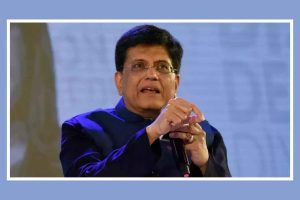
Commerce Minister Piyush Goyal, speaking at the Berlin Global Dialogue in Germany on Friday, confirmed that India is in active dialogue with both the European Union and the United States separately for bilateral trade deals. However, he emphasized India’s measured approach to the India US trade deal.

“We are in active dialogue with the EU. We are talking to the US, but we do not do deals in a hurry and we do not do deals with deadlines or with a gun to our head,” Goyal stated. His comments underscore India’s commitment to securing favorable terms rather than rushing to meet artificial deadlines.

Goyal was in Berlin to participate in the dialogue, a meeting of leaders and German businesses to discuss ways to boost bilateral trade and investments, demonstrating India’s multi-pronged approach to expanding trade relationships.

Previous Disruptions and Tariff Disputes

The India US trade deal talks faced significant disruption after the fifth round of negotiations in late August when President Trump imposed a 25% punitive levy over Russian oil purchases, in addition to a 25% reciprocal tariff on Indian goods. The combined 50% tariff made most Indian goods unviable in the US market.

New Delhi labelled these additional duties as “unfair, unjustified and unreasonable,” creating tension in the India US trade deal negotiations. However, both sides have maintained diplomatic engagement aimed at resolving the dispute, demonstrating commitment to achieving a comprehensive agreement.

Strategic Importance for Both Nations

The India US trade deal represents more than just commercial interests; it embodies a strategic partnership between two major democracies. With global supply chains undergoing restructuring and geopolitical tensions reshaping trade patterns, this agreement could establish a framework for long-term economic cooperation.

For India, the India US trade deal offers access to the world’s largest consumer market and opportunities for Indian businesses to expand their global footprint. For the United States, it provides access to India’s rapidly growing market and positions American companies to benefit from India’s economic expansion.

Path Forward

As negotiations enter their final stages, the India US trade deal appears poised for conclusion despite earlier setbacks. The absence of new contentious issues, combined with regular engagement between negotiators and political will at the highest levels, suggests that an announcement could be imminent.

The successful conclusion of the India US trade deal would mark a significant milestone in bilateral relations and could serve as a model for future trade agreements in an increasingly complex global trade environment. Both nations appear committed to achieving an outcome that balances economic interests with strategic objectives.

J&K Rajya Sabha Polls: Historic Election Delivers Stunning Results Post Article 370

Jammu & Kashmir – The J&K Rajya Sabha polls on Friday marked a historic milestone as the Union Territory conducted its first elections for the Upper House since the abrogation of Article 370. The National Conference emerged victorious in three seats while the Bharatiya Janata Party secured one seat in what turned out to be a nail-biting contest that has sparked allegations of cross-voting.

The J&K Rajya Sabha polls results showed NC’s Chowdhary M Ramzan, Sajjad Kichloo, and G.S. Oberoi winning three seats, while BJP’s Satpal Sharma clinched the fourth seat, defeating NC’s Imran Nabi Dar in a closely watched battle. This historic election has significant implications for the political landscape of the region and the composition of India’s Upper House.

Voting Process and Participation

In the J&K Rajya Sabha polls, 86 of the 88 lawmakers from the Jammu and Kashmir assembly physically cast their votes. Incarcerated legislator from Doda, Mehraj Malik, exercised his franchise through postal ballot, while People’s Conference chief Sajad Lone chose to abstain from voting, later claiming the election was a “fixed match.”

The elections were conducted under three notifications, with seats 3 and 4 going to polls under a single notification issued by the Election Commission of India. For seats 1 and 2, candidates needed a minimum of 45 votes, while for seats 3 and 4, a minimum of 29 or 30 votes each were required.

National Conference Secures Three Victories

The J&K Rajya Sabha polls saw impressive performances from NC candidates. Ramzan, a four-time MLA from Handwara assembly constituency, received 58 votes for the first seat, defeating BJP’s Ali Mohammad. Similarly, Kichloo, a two-time lawmaker from Kishtwar assembly seat, also secured 58 votes for the second seat, defeating BJP’s Rakesh Mahajan.

For the third seat, Oberoi, a longtime NC member who serves as the party’s treasurer, defeated BJP’s Satpal Sharma and secured 31 votes. Chief Minister Omar Abdullah congratulated the winners, stating, “Heartiest congratulations to my colleagues Ch Mohd Ramzan Sb, Sajad Kichloo & Shammi Oberoi on their victory in the Rajya Sabha polls.”

BJP’s Surprising Fourth Seat Victory

The most contentious outcome of the J&K Rajya Sabha polls was the fourth seat, where BJP’s Satpal Sharma managed to secure victory with 32 votes against Dar’s 22 votes. This 10-vote margin has raised serious questions about potential cross-voting, given the assembly’s arithmetic.

The contest for the fourth seat was always expected to be close. In the assembly, the NC has 41 lawmakers, Congress has six, the Peoples Democratic Party three, and the Communist Party of India (Marxist) one. There are seven independents, and the BJP has 28 seats.

Cross-Voting Allegations Surface

Following the J&K Rajya Sabha polls results, Chief Minister Omar Abdullah raised pointed questions about the source of BJP’s extra votes. “There was no cross voting from any of our MLAs so the questions arise – where did the 4 extra votes of the BJP come from? Who were the MLAs who deliberately invalidated their votes by marking a wrong preference number while voting?” he posted on social media platform X.

Abdullah further questioned what pressure or inducement might have influenced voting decisions, challenging those involved to “own up to selling their souls.” The J&K Rajya Sabha polls controversy centers on how BJP secured more votes than its numerical strength in the assembly would suggest.

Also Read: PDP Supports National Conference: Strategic Alliance Shapes Rajya Sabha Polls in Jammu & Kashmir

BJP Dismisses Allegations

The BJP rejected all cross-voting allegations related to the J&K Rajya Sabha polls. Leader of the Opposition Sunil Sharma stated, “We don’t need to buy anyone if they are ready to come to us on their own. NC tried to consolidate the votes on the basis of religion and region.”

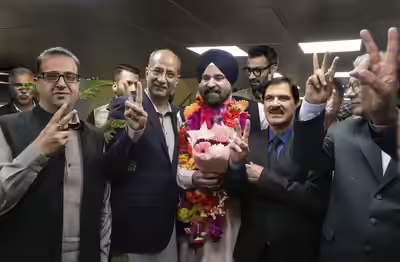
BJP spokesperson Balbir Ram Rattan defended the victory, calling it “a clear reflection of the complete trust that both the people and their representatives have in BJP’s policies.” The party organized flag rallies in Srinagar to celebrate their unexpected success.

Secret Ballot System and Independent MLAs

The J&K Rajya Sabha polls utilized a secret-ballot system where MLAs associated with parties must show their voting slips to respective party agents, but no such requirement exists for independents. This provision created speculation about how the seven independent MLAs voted.

Before the elections, the PDP had pledged support to the NC, and there was speculation that a majority of independents would back the ruling coalition. However, the final results suggested otherwise.

Sajad Lone’s Fixed Match Allegation

People’s Conference chief Sajad Lone, who abstained from the J&K Rajya Sabha polls, made serious allegations about the election’s integrity. “So BJP wins the fourth seat. As predicted, a fixed match. Axis of the evil. NC and BJP,” Lone stated.

He questioned why NC polled 31 votes for candidate 3 when only 29 votes would have sufficed, suggesting a deliberate strategy. “Now mathematically proved. That it was a fixed match,” Lone claimed, asking who cross-voted and whose votes were rejected.

Celebrations Across Region

Following the J&K Rajya Sabha polls results, celebrations erupted outside the assembly with NC workers shouting slogans in favor of party candidates. In Handwara, festivities broke out with people burning firecrackers celebrating Ramzan’s victory. BJP workers also organized celebrations in Srinagar.

Impact on Upper House Composition

The J&K Rajya Sabha polls results, combined with AAP’s Rajinder Gupta winning unopposed from Punjab, have shifted the Upper House balance. The INDIA bloc now holds 133 seats in the 245-member Rajya Sabha, compared to the National Democratic Alliance’s 80 seats.

The historic J&K Rajya Sabha polls represent not just an electoral exercise but a significant political event in the Union Territory’s post-Article 370 journey, with implications for regional politics and national legislative dynamics.