Saturday, December 27, 2025
Home Blog Page 79

DSEL Orders Stray-Dog Audit in All Karnataka Schools: Urgent 6-Point Directive

The Department of School Education and Literacy (DSEL) in Karnataka has issued a sweeping circular instructing all schools and PU-colleges in the State to report stray-dog presence on their premises, as part of a statewide effort to prevent stray-dog infestation near educational institutions. Reacting to a recent verdict by the Supreme Court of India concerning stray-dog menace, the directive aims to delegate responsibility to institutions and local bodies for ensuring student safety and monitoring animal presence. While the move has drawn attention to school safety and sanitation, it has also sparked sharp criticism from animal-welfare groups, raising questions around ethics, practical implementation, and animal rights.

With the circular now in force, school administrators across Karnataka are being asked to conduct immediate surveys, compile data on stray dogs found on school grounds, and submit the numbers to municipal or rural local bodies. The aim is to prompt action — whether sterilisation, relocation, or other humane measures — to manage stray-dog populations. The decision reflects growing concerns over incidents of dog bites, hygiene risks, and public anxiety, especially in campus areas frequented by children and adolescents.

The directive has ignited a complex debate — balancing the need for student safety and public health against the welfare of stray animals and existing laws on animal protection. At its core lies a challenge many Indian cities face: how to manage stray-animal populations humanely while safeguarding public institutions and citizens.


What the DSEL Circular Mandates — Schools, Reporting & Local Bodies’ Role

According to official instructions, every school and PU-college must carry out a count of stray dogs present on campus premises, including hostels, playgrounds, unused buildings, perimeter walls, and other vulnerable zones. Principals and administrators have been asked to document approximate numbers, likely frequency of visits, and any past incidents involving stray animals.DSEL steps in to prevent stray dog infestation in all educational  institutions in Karnataka - The Hindu

Once compiled, these reports must be forwarded to the respective urban or rural local bodies — municipalities, city corporations, or panchayats — which are then expected to coordinate action. The local bodies are to assess the stray-dog presence, plan intervention (such as sterilisation drives, vaccination campaigns, or relocation to shelters), and follow up on periodic reports. DSEL’s circular frames the exercise as preventive and protective, not punitive — emphasising safety, hygiene, and compliance with the Supreme Court’s directives.

In the official communication, emphasis has been placed on proactive prevention: schools are instructed to check boundary walls, ensure no open waste or food scraps that might attract stray dogs, maintain cleanliness, and avoid letting animals roam freely in campuses. In addition, authorities are asked to coordinate with local animal-welfare organisations, municipal dog-control units, and veterinary departments to ensure humane treatment, vaccination, and sterilization drives rather than inhumane culling.

The circular reportedly requests a status report within a defined timeframe — urging institutions to respond quickly, facilitating local bodies to initiate action before schools reopen after vacation or before new academic sessions begin. For boarding schools, hostels, and institutions with large campuses, the directive carries additional weight, since these environments may hold more latent risk given unused buildings, overgrown grounds, or lack of continuous human presence.

DSEL’s order is significant because it extends to all educational institutions in Karnataka — government, aided, and private alike — indicating that the administration considers stray-dog presence on par with other safety and welfare obligations of schools. The circular essentially casts stray-animal control as part of institutional responsibility, underlining that ensuring a safe, healthy campus environment is more than academic infrastructure.


Why the Directive — Health, Safety, Court Order and Public Concern

The DSEL move follows a recent Supreme Court directive mandating action against stray-dog menace in public institutions such as schools and hospitals. Over the last few months, a number of incidents involving stray animals — including dog bites, aggressive behaviour near school gates, and health concerns — have stirred public anxiety. Several parents reportedly urged school authorities to take precautionary steps, citing fear for younger children, particularly in early school hours or during breaks.

Stray dogs are often drawn to open waste, discarded food, or unhygienic garbage — conditions common around campuses, especially in older institutions where maintenance may lag. Over time, unchecked stray-dog presence can compromise hygiene, trigger diseases, spread fear among students and staff, and create liability risks for administrators. By institutionalising stray-dog mapping and involving local bodies, the DSEL aims to systematically address these concerns rather than treating them as sporadic complaints.

Moreover, the directive aligns with growing awareness of public-health standards and institutional accountability. In a state like Karnataka, with thousands of schools across urban and rural areas, uniform compliance can significantly reduce stray-dog related incidents, ensure better hygiene standards, and make campuses safer for students of all ages. For many school-management committees, this mandate may serve as a wake-up call to improve basic maintenance and cleanliness — often overlooked aspects.

By linking the responsibility to local bodies, DSEL also attempts to decentralize animal-welfare efforts, encouraging community-level involvement and better coordination between municipal authorities, veterinary departments, and educational institutions. This could potentially set a model for long-term stray-animal management, combining institutional responsibility, community sensitisation, and humane treatment.

Supreme Court orders removal of stray dogs from schools, hospitals, other  public institutions - The Hindu


Animal-Welfare Concerns and Opposition: The Debate Over Ethics and Relocation

While the directive has been welcomed by many school authorities and parents, it has been strongly opposed by animal-welfare activists and non-government organisations. They argue that such circulars risk paving the way for inhumane practices, arbitrary relocation, and even illegal culling of stray dogs — bypassing constitutional protections under animal-welfare laws.

Activists point out that stray dogs are often victims of poverty, abandonment, and neglect. They express concern that once schools report dog presence, pressure may mount on local bodies to remove animals quickly, without adequate sterilisation or shelter arrangements. Many fear that dogs may be relocated haphazardly to remote areas — subjecting them to starvation, exposure, or further abandonment.

Critics also emphasise that stray-dog control must be approached with compassion, scientific methods, and community involvement — not simply by eviction or displacement. They recommend mass sterilisation and vaccination, waste management, public-awareness campaigns on responsible pet ownership, and infrastructure for shelters. Without these measures, mere relocation may worsen animal suffering and shift the problem elsewhere rather than solve it.

Legal experts supporting animal rights caution that the directive, if interpreted strictly, might conflict with the provisions of the Prevention of Cruelty to Animals Act, 1960 and guidelines laid down by animal-welfare boards. They warn against any action that harms or neglects stray dogs, and insist that any intervention must prioritise humane sterilisation and care.

Some community-based animal shelters have already flagged concerns, citing resource constraints. Shelters in urban centres are often overcrowded; accepting large numbers of relocated dogs from across the State may overwhelm capacity, reduce quality of care, and risk spread of diseases. They urge DSEL and local bodies to plan in advance, ensure funding, and engage public-private partnerships for sustainable animal welfare infrastructure.

Others suggest that instead of relocation, schools could consider creating safe zones, installing boundary fencing, regulating waste disposal, and partnering with local dog-welfare NGOs to monitor stray presence. They argue that stray-animal control should not become a tool for fear-based campus cleaning, but a responsible community-driven effort respecting both human and animal rights.

The debate reflects a broader conflict between public-health demands, institutional responsibility, and animal-welfare ethics — a balancing act that many states in India continue to struggle with.


Implementation Challenges — Practical Realities and Institutional Limitations

The DSEL circular lays down clear instructions, but translating them into action involves several challenges. First, many schools — especially in rural areas — lack the staff, infrastructure, or funding to conduct regular stray-dog surveys, maintain boundary fencing, or coordinate with local bodies. For small PU-colleges or fee-constrained schools, creating a maintenance plan may not be straightforward.

Second, local bodies tasked with action might themselves be under-resourced. Municipalities and panchayats often face budgetary constraints, limited veterinary resources, and lack public shelters. Organising sterilisation drives, vaccinating stray populations, or setting up shelters requires funds, manpower, and logistical planning — efforts that may not be prioritised.Erstwhile BBMP's plans on strays in spotlight now - The Hindu

Third, enforcement and follow-up could be inconsistent. While initial surveys may be done, long-term monitoring, repeated checks, and periodic reporting depend heavily on administrative will, community engagement, and available manpower. Without strong accountability mechanisms, the effort could lose momentum, resulting in patchy implementation.

Fourth, there is risk of social backlash. Some local communities depend on stray dogs for guard functions, especially in insecure rural areas. Removing or relocating dogs without community consent could provoke resistance or trust issues. Additionally, cultural attitudes toward dogs vary across regions — what seems acceptable in one area may cause discomfort in another.

Fifth, animal-welfare obligations require careful handling. Even after relocation or sterilisation, stray dogs need shelter, healthcare, and regular feeding. Without sustainable arrangements, animal suffering might increase. Ensuring such post-intervention care is resource intensive and demands coordination among NGOs, government bodies, and local volunteers.

Finally, there is the challenge of balancing speed and sensitivity. While schools may demand immediate resolution to stray-dog presence, any hasty action — like mass removal — could violate welfare standards. The authorities must thus tread carefully, ensuring humane, scientifically guided, and community-inclusive action.


Voices, Reactions and Societal Debate — Safety vs Compassion

School administrators responding to the circular have expressed a mix of relief and caution. Many principals said they welcome guidelines aiming at student safety and expect cooperation from municipal authorities. One school head remarked that stray-dogs around school gates have long been a concern — after incidents of roaming dogs frightening younger children. Ensuring a controlled campus environment, they feel, will improve attendance, sense of safety, and overall school atmosphere.

Parents too have revealed their anxieties. Several parents told local media they were uneasy about their wards walking to school early morning or during rainy evenings when stray dogs might appear. They supported the directive, hoping that it translates into safer school commutes and reduced health risks. For many, the circular appears as a necessary step to protect children from potential dog bites, infections, or accidents.


Balancing Act: Humane Animal Welfare, Public Health, and Institutional Safety

What emerges clearly from the controversy is that addressing stray-dog menace requires a nuanced, multi-pronged approach — not a one-time circular. Experts recommend a model combining sterilisation, vaccination, waste management, awareness drives, community participation, and transparent shelter systems. Such a holistic framework respects animal rights, ensures public health, and safeguards institutional safety.

Some suggested elements of this balanced approach include:

  • Periodic sterilisation and vaccination drives jointly managed by municipal veterinary departments and animal-welfare NGOs.

  • Maintenance of clean, sealed waste-disposal systems in and around school premises to avoid attracting stray animals.

  • Construction of boundary walls, gates, and fencing in schools and colleges to prevent stray entry.

  • Establishment of community-managed shelters with food, shelter, and medical care for stray animals — possibly funded by local bodies or CSR initiatives.

  • Education campaigns in schools to sensitize students about humane treatment of animals, safe interactions, and responsible reporting.

  • Transparent record-keeping and public disclosure of stray-dog data, action taken, and future plans to ensure accountability and community trust.

Such a comprehensive strategy, animal-welfare advocates argue, preserves dignity for stray animals while prioritising human safety — transforming the problem from eviction-driven to solution-oriented.

Follow: Karnataka Government

Also read: Home | Channel 6 Network – Latest News, Breaking Updates: Politics, Business, Tech & More
40-Company Opportunity Surge Inspires Hope at Belagavi’s JITO Job Fair

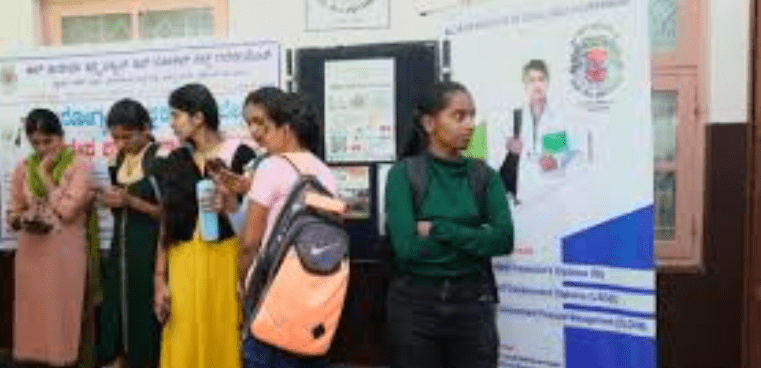
The upcoming JITO National Job Fair 2.0 in Belagavi has stirred a wave of optimism across the region, as nearly 40 company have confirmed participation and over 2,750 young job seekers have already registered. Organised by the Jain International Trade Organisation, the event has quickly evolved into one of the most anticipated employment platforms in North Karnataka. With its scheduled venue at Mahaveer Bhavan in Hindwadi, the fair promises a significant opportunity for fresh graduates, skilled workers, and young professionals hoping to find meaningful career avenues.

The job fair is designed as a space where companies from various sectors can directly meet potential recruits, allowing both sides to eliminate the usual barriers associated with job applications. For many participants, the appeal lies in direct interaction, which helps reduce the uncertainty of online or remote hiring processes. Employers, too, find such events useful, as they can assess communication skills, personality, and technical understanding in real time. This year’s event, running from 9:30 a.m. to 2 p.m., has drawn wider attention due to the rise in youth participation compared to earlier editions.

One of the standout features of JITO’s initiative is its open-door policy for individuals of all communities and educational backgrounds. The organisers emphasise inclusivity, ensuring that no applicant or employer feels restricted by faith, language, or background. This commitment is crucial in a diverse city like Belagavi, where a variety of educational institutions, industries, and professional groups coexist. By welcoming employers and job seekers from all communities, the fair fosters a spirit of cooperation and opportunity that aligns with Karnataka’s broader employment-oriented development goals.

From the corporate standpoint, the participation of over 40 companies reflects a growing confidence in Belagavi’s talent pool. Firms from sectors such as finance, retail, health care, manufacturing, logistics, information technology, and hospitality have shown interest. Many companies are not just offering job placements but also internships and skill-building programmes. These additional opportunities indicate a shift in how employers wish to groom young talent, focusing not only on immediate hiring but long-term workforce development. This shift is also a sign that industries are recognising skill gaps and actively working to address them.

Youth Participation Rises Sharply as Registration Crosses 2,750

These companies understand that internships and training initiatives serve to familiarise young recruits with industry expectations, making future hiring more efficient. In Belagavi, which has become an educational hub over the last decade, thousands of students graduate each year from engineering colleges, business schools, and arts and science institutions. Job fairs like this help bridge the gap between academic preparation and workplace requirements. By creating a platform where students can engage with employers early, the organisers hope to reduce job mismatches and improve overall workplace readiness.Nearly 40 companies sign up for JITO job fair in Belagavi - The Hindu

The sharp rise in registration numbers — crossing 2,750 before the event day — is being viewed as a marker of the region’s growing aspirations. Many applicants come from neighbouring districts such as Dharwad, Bagalkot, Gadag, Haveri, and parts of Goa, turning the Belagavi fair into a catchment area for employment seekers across the region. This year’s turnout is higher than the earlier JITO fair held in the city, suggesting that awareness about employment events and their benefits is increasing among the youth.

For job seekers, the fair offers a unique chance to access multiple companies under one roof. Instead of navigating different hiring portals, waiting for interview calls, or dealing with delays in the hiring pipeline, they can present themselves directly to representatives. Such interactions often lead to faster shortlisting. Many participants view job fairs as environments where they can showcase not only their qualifications but also their confidence, communication skills, and eagerness — qualities that sometimes get lost in résumé-based screening systems.

Youth Participation Rises Sharply as Registration Crosses 2,750

Local organisers attribute this enthusiastic response to both the increasing number of unemployed youth and the growing recognition of skill-matching events. Many young people, particularly fresh graduates, struggle with the gap between academic learning and industry expectations. Events like the JITO Job Fair 2.0 create a space where expectations are clarified and opportunities are made more accessible. Moreover, the simplified registration process and word-of-mouth recommendations have made it easier for students and job seekers to join the fair.

Belagavi also benefits from being one of Karnataka’s significant commercial centres, with a strategic location connecting Maharashtra, Goa, and the rest of Karnataka. This geographical advantage has led to a rise in small and medium enterprises, retail chains, educational institutions, and service-sector opportunities. The region’s youthful demographic adds to the demand for such fairs. Many participants view the job fair not merely as a recruitment platform but as a step in understanding how industries evolve and what skills are currently valued.

From the employers’ side, the job fair serves as a platform to source fresh talent for various roles, including entry-level positions, sales, customer service, HR support, finance operations, manufacturing support, and field service roles. Companies that offer internships often use these programmes to evaluate long-term potential. Several firms look for candidates who are willing to train, adapt, and learn on the job, making job fairs an ideal setting for initial assessments. Many HR professionals attending the event say that such fairs often lead to discovering bright talent they might otherwise miss.

As the event draws closer, organisers have been ensuring smooth coordination. Arrangements for registration counters, interview spaces, company stalls, and waiting areas are being finalised. Volunteers from local educational institutions and the JITO youth wing are helping streamline applicant flow to avoid congestion. This is crucial since high footfall at job fairs often leads to long queues, delays, and communication gaps. The team aims to create a professional environment where both employers and job seekers can interact comfortably and efficiently.

Beyond recruitment, the event is designed to encourage applicants to understand the evolving landscape of employment. Many companies now look beyond degrees, prioritising real-world skills such as problem-solving, digital literacy, communication, adaptability, and teamwork. The job fair is expected to highlight these traits, prompting youth to evaluate their strengths and areas of improvement. For many attendees, it will be an eye-opening experience that pushes them toward self-development.

Employers Look to Bridge Skills Gap Through Internships and Training

One of the most notable aspects of this edition is the emphasis on internships and training opportunities. Employers recognise that many fresh graduates require additional exposure before they fully integrate into corporate workflows. Internships allow companies to shape recruits according to their operational needs while giving youth firsthand experience. This approach benefits both parties: organisations get motivated trainees at early stages, and students gain clarity on career choices and workplace expectations.

Several companies participating in the fair have also expressed interest in launching skill-development programmes tailored to local needs. These initiatives may include short-term certification courses, digital training modules, customer-interaction workshops, and sector-specific skill sessions. As more industries adopt digital tools and data-driven processes, skill development becomes essential for long-term employability. Belagavi, with its growing education sector, stands to benefit greatly from collaborations between companies and institutions.Nearly 40 companies sign up for JITO job fair in Belagavi - The Hindu

The fair is also expected to inspire more young women to join the workforce. Organisers report an increasing number of female registrants this year, reflecting broader shifts in higher education and employment trends. Many companies now actively encourage gender diversity, offering flexible schedules, mentorship programmes, and safe workplace assurances. The presence of women-friendly employers at the fair is expected to motivate more female students and professionals to seek opportunities confidently.

Local business leaders believe that events like these also contribute to the regional economy. When youth secure jobs locally, they contribute to consumer spending, entrepreneurship, and economic stability. Over time, this leads to stronger communities and better opportunities for future generations. Furthermore, when companies hire locally, they reduce recruitment costs and benefit from employees who understand regional culture and languages.

The sense of inclusivity at the JITO fair is also worth noting. Although organised by a Jain body, the event is open to individuals from all faiths and backgrounds. This approach reinforces the organisers’ belief that economic development must remain accessible and inclusive. In a city where multiple linguistic and cultural identities thrive, such openness encourages community harmony and shared growth. The fair therefore plays a social role beyond recruitment, bridging cultural differences and bringing people together through common goals.

Employers Look to Bridge Skills Gap Through Internships and Training

Organisers expect that, on the day of the event, the footfall may exceed initial projections. Last-minute registrations and walk-in candidates are common at job fairs, particularly in areas with high student populations. Many hopefuls may attend simply to observe the process, gather information, or learn from the interview experience. Even if they do not secure a job immediately, such exposure can prepare them better for future opportunities.

As the momentum builds, several training institutes, coaching centres, and skill academies in Belagavi have also shown interest in supporting the fair. Some have offered guidance sessions, résumé-writing workshops, and mock interview practices to help young candidates feel more confident. This ecosystem of preparation reflects the changing mindset around employment, where community organisations, educators, and industry leaders come together to support youth development.

The structure of the fair has been planned to ensure clarity and convenience. Each company will have a designated counter, where representatives will interact with candidates, collect applications, and conduct initial screenings. Some firms may even conduct spot interviews or shortlist candidates for second-round interactions. Those selected for further evaluation will be informed about subsequent procedures, which may include technical assessments, telephonic interviews, or scheduled meetings at corporate offices.Nearly 40 companies sign up for JITO job fair in Belagavi - The Hindu

Job seekers are also encouraged to approach the event with realistic expectations. Not all applicants may secure a job immediately; however, the exposure itself is valuable. Candidates gain insights into which roles suit their skills, how to present themselves professionally, and what additional training they might need. Many participants from past editions have secured opportunities weeks or months after the fair, as companies revisit the collected profiles during recruitment cycles.

Another important aspect of such fairs is that they give companies a clear picture of the talent landscape. HR managers often take note of skill shortages, strengths among youth, and demographic patterns. This feedback can influence their training strategies, campus-recruitment plans, and outreach efforts. For many organisations, Belagavi has become an important centre for sourcing young talent due to its strong educational infrastructure and increasing focus on professional development.

The JITO National Job Fair 2.0 therefore stands not just as a recruitment event but as a symbol of collective aspiration. For the nearly 40 companies participating, it offers an efficient channel to identify promising candidates. For the 2,750 youth registered so far, it represents hope — hope for a better career, financial independence, and stability. For the city of Belagavi, it reinforces its role as a growing employment hub capable of hosting large-scale, meaningful events.

As December 6 approaches, the excitement continues to grow. With strong organisational support, diverse employer participation, rising applicant numbers, and an inclusive vision, the JITO National Job Fair 2.0 is set to become an impactful event for Karnataka’s youth. Whether through direct hiring, internships, training, or guidance, the fair promises to create opportunities that extend far beyond a single day. It marks a moment where preparation meets opportunity, and where collective efforts help propel a new generation toward sustainable careers.

Follow: Karnataka Government

Also read: Home | Channel 6 Network – Latest News, Breaking Updates: Politics, Business, Tech & More
Hanuman Jayanti Procession Held in Srirangapatna Amid Tight Security: Powerful 7-Point Chronicle

The town of Srirangapatna witnessed a large Hanuma Jayanti procession organised by the Hindu Jagran Vedike, drawing thousands of participants, heightened emotions, and substantial police deployment to ensure peaceful conduct. The event, which has often been at the centre of political and communal debates due to the region’s historical sensitivities, unfolded this year with careful supervision from district authorities. The procession began early in the morning, accompanied by cultural programmes, devotional chanting, traditional music, and participants carrying saffron flags through key stretches of the town. Despite its festive nature, the event remained under close security to prevent untoward incidents or violations of restrictions imposed by the administration.

Srirangapatna, known for its layered history and the legacy of Tipu Sultan, has frequently been a focal point of contesting cultural and political narratives. This year’s Hanuma Jayanti procession generated significant attention not only among local residents but also across the State due to ongoing debates around heritage, identity, religious rights, and public order. Authorities had earlier imposed certain movement regulations, issued traffic advisories, and maintained round-the-clock vigilance to ensure safety. As the procession passed through designated routes, police personnel, home guards, and rapid-response units monitored the gathering.

The Hindu Jagran Vedike, which led the procession, characterized the event as a celebration of faith and community strength. Members emphasized that the procession has cultural significance and should be viewed as a peaceful expression of devotion. Participants chanted slogans invoking Hanuman, performed bhajans, and displayed large portraits of deities. Several youth groups and local committees played active roles by organizing cultural displays, managing crowds, and coordinating volunteer activities. Speakers addressing the gathering highlighted themes of unity, tradition, and the symbolic importance of Hanuman as a figure of courage and integrity.


Historical and Cultural Importance of Srirangapatna in the Hanuma Jayanti Debate

Srirangapatna, positioned on the banks of the Cauvery, has long been recognized as both a spiritual and historical centre. It is home to significant temples, including the Ranganathaswamy Temple, alongside structures associated with Tipu Sultan, such as the Darya Daulat Bagh and the Gumbaz. This combination of Hindu and Islamic heritage contributes to its unique cultural narrative while also occasionally creating grounds for ideological conflict. Over the past few years, religious processions in the town have generated discussions about preserving harmony in a region rich with complex historical identities.

Hanuma Jayanti itself carries symbolic and ritualistic relevance among Hindu communities, who view Hanuman as a deity embodying strength, devotion, and protection. In Karnataka, Hanuma Jayanti celebrations vary across regions, with some districts observing it on different dates depending on traditional calculations. The procession in Srirangapatna has gained visibility in recent years due to political groups participating actively and framing it as a cultural reclaiming of spaces they consider historically significant. As a result, the event has come to represent broader discussions about heritage, identity, and social space.

While historians emphasize the syncretic past of Srirangapatna, the growing intensity of religious observances and public mobilizations reflects shifting political dynamics. Cultural scholars point out that festivals such as Hanuma Jayanti increasingly carry dual meanings—devotional and political. This year’s procession thus unfolded with both reverence and heightened scrutiny, particularly as community leaders and authorities sought to prevent distortions of the town’s shared history.Hanuma jayanti procession organised by Hindu Jagran Vedike at Srirangapatna  - The Hindu


Administrative Measures and the Security Framework for the Procession

Recognizing the sensitivities associated with the location, the district administration had prepared a detailed security plan weeks in advance. Senior officials held coordination meetings with police units, municipal representatives, intelligence teams, and local community groups. Additional personnel were brought in from neighbouring jurisdictions to ensure adequate coverage. Barricades were placed on key stretches of the route, surveillance cameras were installed temporarily at junctions, and drone monitoring was deployed to track movement patterns and crowd clusters.

Traffic restrictions were introduced to prevent congestion. Several entry points into the town were regulated, and parking arrangements were assigned on the outskirts to avoid disruption near heritage sites. Medical teams, ambulances, and fire units were also stationed strategically. Officials emphasized that these measures were not meant to inconvenience participants but to safeguard both residents and visitors. The administration maintained that ensuring peace was of utmost priority and urged all organizers to cooperate fully with guidelines.

During the procession, police officers walked alongside the main group, intervening swiftly whenever crowd density increased or when unregulated groups attempted to join. Volunteer marshals supported the police by guiding participants, maintaining discipline, and encouraging adherence to designated routes. The district administration thanked community leaders for their role in keeping the gathering peaceful and orderly.


Stakeholder Reactions and Political Implications

The procession inevitably drew political reactions. Supporters of the Hindu Jagran Vedike asserted that the event reflects the cultural identity of the region and that celebrating Hanuma Jayanti in Srirangapatna symbolizes the reclaiming of historical narratives they believe were marginalized. They argued that religious freedom and cultural pride must be respected without creating unnecessary administrative hurdles. Organizers also stated that this year’s peaceful conduct demonstrates the maturity and discipline of participants.

Opposition voices, however, expressed concerns about the politicization of religious festivals. Several groups and political parties criticized what they described as attempts to reshape the cultural landscape of the town for ideological gain. They argued that Srirangapatna’s heritage should be preserved holistically and that processions should not trigger tensions or create perceptions of polarization. While no major disturbances were reported, critics said the event underscored the need for careful management of public religious activities in historically sensitive towns.

Political analysts note that such processions often become platforms for amplifying narratives related to identity and cultural ownership. With Karnataka witnessing increasing debates over heritage, temple management, historical interpretation, and community rights, events like Hanuma Jayanti in Srirangapatna tend to take on symbolic significance beyond their devotional purpose. They reflect broader political alignments and serve as indicators of shifting power structures within local communities.Hanuma jayanti procession organised by Hindu Jagran Vedike at Srirangapatna  - The Hindu


Community Responses and the Social Atmosphere

Local residents responded to the procession with mixed reactions. While many welcomed the festive spirit and devotional energy, others felt apprehensive about potential disturbances or disruptions to daily life. Shopkeepers near the route reported heavy footfall, with some benefiting from increased sales, while others temporarily closed their establishments due to concerns about crowds. Families, particularly elderly residents, expressed a desire for peaceful celebrations without excessive noise or congestion.

Several youth groups participated enthusiastically, organizing dance troupes, traditional drumming teams, and cultural displays. Women’s groups prepared offerings, coordinated distribution of refreshments, and arranged devotional singing sessions at designated points. The social atmosphere shifted throughout the day, beginning with anticipation in the early morning and transitioning into open celebration as the procession passed through major junctions.

Religious leaders welcomed the peaceful conduct and urged participants to uphold values of harmony, respect, and restraint. They reminded devotees that festivals should reinforce unity rather than contribute to division. Community elders echoed these sentiments, stating that Srirangapatna’s strength lies in its diverse cultural fabric and that future celebrations must preserve this ethos.


Legal and Regulatory Aspects Surrounding the Procession

The district administration issued formal guidelines before the procession, outlining permissible activities and prohibited actions. These included restrictions on loudspeakers beyond certain decibel limits, prohibitions on inflammatory speeches, guidelines on banner placement, and rules preventing the carrying of weapons or provocative imagery. Organizers were required to obtain clearances, submit route maps, and sign undertakings ensuring cooperation with authorities.

Police officials monitored compliance throughout the event. Teams stationed along the route noted that participants largely adhered to guidelines. Intermittent reminders were issued when crowd intensity increased, and police ensured that the procession did not divert into restricted areas, particularly near heritage monuments where preservation norms prohibit large gatherings.

Legal experts observing the event emphasized that maintaining a right balance between freedom of religious expression and public order is essential. They noted that courts have previously weighed in on the need to regulate processions without infringing upon religious rights. In this context, the administration’s measured approach and cooperation from organisers contributed to maintaining legality, orderliness, and safety.


Cultural Experts and Historians Weigh In

Scholars commenting on the procession highlighted the unique intersection of culture, history, and contemporary politics that characterizes Srirangapatna. They stated that the town’s layered past—spanning dynasties, faiths, and architectural traditions—requires sensitive engagement from all communities. According to cultural historians, the increasing visibility of events like Hanuma Jayanti reflects evolving interpretations of heritage and identity.

Experts caution that while celebrating festivals is a longstanding tradition, the narrative framing of such events determines their social impact. They noted that portraying the town solely through singular cultural lenses risks erasing centuries of synthesis that define its identity. Instead, they encouraged communities to celebrate festivals while also acknowledging shared histories. They expressed optimism that peaceful conduct this year may become a model for collaborative celebration in the future.


The Larger Context: Festivals, Identity, and Social Harmony in Karnataka

Across Karnataka, religious festivals increasingly intersect with political conversations and community dynamics. While most celebrations proceed peacefully, some events become flashpoints due to underlying tensions. Srirangapatna’s significance amplifies this pattern, turning routine festivals into widely observed markers of cultural assertion. This year’s peaceful procession is therefore viewed as a positive development amid concerns about polarization.

Sociologists studying these trends explain that public religious events can serve both unifying and divisive functions depending on leadership, messaging, and conduct. Responsible organization, transparency, and cooperation with authorities contribute to maintaining harmony. They added that as society becomes more interconnected, communities should consider how festivals reflect shared values rather than exclusive ownership of spaces.Hanuma jayanti procession organised by Hindu Jagran Vedike at Srirangapatna  - The Hindu


Conclusion: A Peaceful Procession with Wider Implications

The Hanuma Jayanti procession organised by the Hindu Jagran Vedike in Srirangapatna concluded peacefully under substantial administrative oversight, reflecting both strong devotional participation and effective security management. The event highlighted the delicate balance between cultural celebration and the need to maintain public order in historically sensitive regions. It also underscored ongoing debates about heritage, identity, and the role of religious expressions in public spaces.

The successful conduct of the procession demonstrates that with clear guidelines, responsible organization, and cooperative engagement between authorities and community leaders, large gatherings can proceed without disruption. It further reflects how festivals, when celebrated with discipline and sensitivity, can foster community solidarity rather than division. Going forward, stakeholders emphasize the importance of preserving Srirangapatna’s diverse heritage while allowing space for meaningful cultural expression.

The peaceful conclusion offers a hopeful template for future events in the region, reminding communities of the value of mutual respect, cultural coexistence, and shared celebration.

Follow: Karnataka Government

Also read: Home | Channel 6 Network – Latest News, Breaking Updates: Politics, Business, Tech & More
India’s Peaceful Nuclear Vision Delivering Grassroots Benefits: Dr Jitendra Singh: 2025

Union Minister of State in the Prime Minister’s Office Dr Jitendra Singh has said India’s nuclear programme has vindicated Homi Bhabha’s pledge that the country’s atomic capabilities would be used solely for peaceful purposes. Under Prime Minister Narendra Modi, he noted, nuclear science is now driving practical gains in healthcare, clean drinking water and other citizen-centric areas across the country.

Peaceful applications in health and oncology

Dr Singh underlined that early doubts about India’s nuclear intentions have been dispelled by the scale of its welfare-oriented applications, particularly in cancer care. Eleven Tata Memorial cancer hospitals have been sanctioned, of which nine are already functional, and a national oncology grid now links over 300 hospitals with advanced diagnostic and treatment support based on nuclear medicine and radiotherapy technologies. These initiatives, he said, showcase how nuclear research is being translated into life-saving services for ordinary citizens.


Opening the nuclear sector to private participation

The Minister highlighted that, for the first time, the government has opened parts of the nuclear sector to private players through public–private partnerships. Nearly 40 private partners are now associated with atomic energy-based water purification projects, enabling wider deployment of advanced filtration and decontamination systems in rural and semi-urban areas. According to Dr Singh, this reform underscores a policy shift where nuclear science is leveraged as a tool for “a healthier, safer, and more empowered India,” rather than being confined to strategic or power-generation roles.

Odisha as a model for nuclear-linked water purification

Responding to a question on health issues linked to contaminated water in Nuapada and Kalahandi regions of Odisha, Dr Singh said the state has become a model for nuclear-supported water solutions. In Kalahandi district alone, 500 reverse osmosis-based purification units set up with Department of Atomic Energy support are supplying safe drinking water by removing excess salinity and harmful chemical contaminants. Ultrafiltration systems designed to eliminate microbes and pathogens have also been installed in select areas, while similar community units are operational in Khordha, Mayurbhanj and Boudh districts, helping curb water-borne ailments.

Nationwide, non-discriminatory rollout across states

Dr Singh emphasised that the rollout of nuclear-backed purification systems follows a non-discriminatory, need-based approach, independent of the political party governing any state. Beyond Odisha, installations have been implemented in West Bengal, Bihar, Chhattisgarh, Maharashtra, Gujarat, Rajasthan, Tamil Nadu, Kerala, Assam and Karnataka, ensuring that vulnerable populations across the country gain access to safe drinking water wherever public health data justifies intervention. He linked this to the Prime Minister’s call for every citizen to contribute to a Viksit Bharat, stating that protecting citizens’ health is a foundational governmental duty.

Conclusion

Concluding his remarks, Dr Jitendra Singh said this programme, anchored in peaceful objectives since Homi Bhabha’s time, has matured into a powerful engine of national development. From supporting expansive cancer-care networks to delivering clean water solutions in some of the most remote and affected districts, nuclear science is now directly improving lives and reinforcing India’s commitment to responsible, welfare-driven use of advanced technology.

For more real-time updates, visit Channel 6 Network.

Source: PIB

IMAT success boosts Gaganyaan mission readiness, says Dr Jitendra Singh: 2025

Union Minister of State for Science & Technology and Department of Space Dr Jitendra Singh informed Parliament that ISRO’s recent Integrated Main Parachute Airdrop Test (IMAT) marks a major step in preparing for India’s first human space mission, Gaganyaan. He said the successful test has significantly advanced the human‑rating roadmap and supports the target of launching the first crewed mission in the first quarter of 2027.

IMAT and extreme-condition validation

Dr Singh explained that IMAT is a key element in the qualification campaign for the Crew Module’s parachute‑based deceleration system, one of the most critical human‑safety subsystems of Gaganyaan. In the latest test, engineers simulated one of the most extreme descent conditions by deliberately delaying the disreefing sequence between the two main parachutes, creating a highly asymmetric and high‑load environment. The system successfully withstood these stresses, validating its structural integrity and load‑bearing performance under worst‑case conditions and reinforcing confidence in safe crew recovery during re‑entry and splashdown.


Independent oversight and transparency

Addressing questions on checks and balances, Dr Singh said ISRO’s crew module parachute systems and related test data are regularly examined by independent review bodies such as the Design Review Team, the Independent Assessment Committee and the National Advisory Panel for Human Rating and Certification. These multi‑disciplinary groups of experts scrutinise all human‑rating elements to ensure rigorous compliance with safety standards. He added that ISRO has been periodically sharing major test outcomes, including IMAT, and will continue to keep Parliament and the public informed as milestones are achieved.

Crew safety, training and emergency protocols

On crew preparedness, the Minister underlined that astronaut safety is the highest priority for Gaganyaan and that every qualification test feeds directly into system refinement and training updates. Astronauts undergo extensive simulations of emergency scenarios, practice survival procedures for off‑nominal landings, train in the use of emergency survival kits and receive sustained psychological support to ensure holistic readiness. Lessons from IMAT and other tests are being integrated into emergency protocols and survival training so that Gaganyatris are equipped to respond effectively in any contingency.

Risk management and path to 2027 launch

Dr Singh informed the House that ISRO has established a comprehensive risk‑assessment and mitigation framework aligned with global human‑spaceflight norms, overseen by bodies such as the Human Rating Certification Board and the National Advisory Panel. Each successful test, including IMAT, helps reduce overall mission risk by validating hardware, refining recovery operations and strengthening crew, ground and certification processes. He reiterated that with this systematic approach, India’s first manned space mission remains on track for a launch window in the first quarter of 2027, marking a historic milestone in the country’s space journey.

For more real-time updates, visit Channel 6 Network.

Source: PIB

TRAI reviews mobile network quality in Barpeta and Bongaigaon: 2025

TRAI has released independent drive-test findings for Barpeta and Bongaigaon districts in Assam, providing a ground-level picture of mobile network quality across multiple technologies and operators. The assessment, carried out in October 2025, examined both voice and data services to capture the actual experience of users in urban, institutional and rural environments.

Scope and methodology of the drive test

Between 28 and 31 October 2025, test teams covered around 230.8 km of drive routes, eight hotspot locations and 1.1 km of walk tests across Barpeta and Bongaigaon. The study evaluated 2G, 3G, 4G and 5G networks in auto-selection mode, mirroring how subscribers typically use their phones. Measurements were taken using standardised equipment and protocols recommended by the regulator, with results shared with all concerned telecom service providers for corrective action where required.


Voice service performance indicators

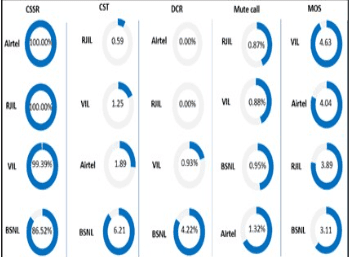
On call setup success rate, Airtel and RJIL achieved 100%, VIL stood at 99.39%, while BSNL recorded 86.52% in auto-selection mode. Drop-call rate was negligible for Airtel and RJIL at 0%, moderate for VIL at 0.93% and relatively higher for BSNL at 4.22%, indicating scope for BSNL to improve network stability in the area. Other key voice parameters such as call setup time, call silence rate, speech quality (Mean Opinion Score) and coverage were also tracked to build a complete view of call experience.

Data speeds, 5G performance and signal strength

For data services, the tests measured download and upload throughput, latency, jitter, packet loss and video streaming delay to understand browsing and streaming quality. On 5G, the network delivered a maximum average download speed of about 231.53 Mbps and maximum average upload speed of 21.43 Mbps during city drives, highlighting the potential of next-generation services where coverage exists. Signal-strength analysis in auto-selection mode showed poor signal on 3.26% of the route for Airtel, 47.09% for BSNL, 3.34% for RJIL and 9.98% for VIL, pointing to pockets where operators—particularly BSNL—may need to densify or optimise coverage.

Locations and real-world usage environments

The assessment spanned key population centres and connecting stretches, including Simlaguri, Bongaigaon, Goraimari, Sorbhog, Borbila Manikpur, Simla, Kayakuchi, Bhawanipur, Kalgachia, Howly, Barpeta, Jania, Tarabari, Sonabari, Barnagar, Byatkuchi and Senbari, among others. Static tests were also conducted at important institutions such as Baosi Banikanta Kakati College, Bongaigaon College, Bongaigaon Engineering College, the Barpeta Deputy Commissioner’s office, Bongaigaon District Court, Fakhruddin Ali Ahmed Medical College and Hospital, Government Higher Secondary School Barpeta and M K College Kaltali, along with a walk test at New Bongaigaon Junction railway station to capture conditions faced by commuters.

Consumer relevance and next steps: TRAI

By publishing these independent drive-test results, the regulator aims to increase transparency on actual service quality and prompt operators to address localised gaps in coverage, call reliability and data performance. Subscribers can refer to the full report on the TRAI website to understand how different operators perform in their area, while service providers are expected to use the findings to fine-tune their networks in Barpeta and Bongaigaon for better user experience.

For more real-time updates, visit Channel 6 Network.

Source: PIB

ICGS Vigraha’s Indonesia Mission Strengthens Indo-Pacific Maritime Partnership: 2025

Indian Coast Guard Ship (ICGS) Vigraha is on an operational visit to Jakarta, Indonesia, from 2–5 December 2025 as part of its overseas deployment to ASEAN countries. The visit aims to deepen cooperation between the Indian Coast Guard (ICG) and the Indonesian Coast Guard agency BAKAMLA through intensive professional engagements, joint drills and people-to-people outreach.

Intensive Operational Engagements in Jakarta

During the three-day stopover, personnel from ICG and BAKAMLA are participating in professional interactions, tabletop exercises, shipboard drills and joint training sessions. These activities are designed to refine standard operating procedures and strengthen mutual understanding of each other’s capabilities, equipment and response mechanisms in real-world situations.


Focus on Maritime Safety, Security and Environment

The engagements prioritise three critical domains: Maritime Law Enforcement, Marine Pollution Response and Maritime Search and Rescue. Both India and Indonesia manage large Exclusive Economic Zones and witness dense maritime traffic, making cooperation essential for tackling illegal, unreported and unregulated fishing, piracy, trafficking, maritime accidents and environmental hazards such as oil spills. A dedicated Passage Exercise (PASSEX) at sea will further enhance operational cohesion, communication protocols and seamanship between the two services.

Building Camaraderie and a Rules-Based Order

Beyond operational drills, the visit includes courtesy calls, ship visits, yoga and sports events and exchanges at maritime training establishments to build trust and camaraderie among personnel. These interactions support India and Indonesia’s shared commitment to a Rules-Based International Order in the Indo-Pacific by translating high-level intent into practical cooperation through routine enforcement, coordinated surveillance and joint response mechanisms along strategic sea lanes.

MoU-Driven Cooperation and Long-Term Partnership

A key pillar of the relationship is the July 2020 Memorandum of Understanding between ICG and BAKAMLA, which institutionalised collaboration in law enforcement, coordinated patrols, search and rescue, pollution response, information sharing and capacity building. Since then, both sides have maintained regular high-level visits, bilateral training exchanges and coordinated operations, with Indonesian officers attending Indian training programmes and ICG ship visits enabling cross-deck learning.

Continued ASEAN Deployment and Regional Impact: ICGS

The presence of ICGS Vigraha in Jakarta signals India’s continued commitment to cooperative maritime security and capability-building with ASEAN partners. After completing its Indonesia leg, the ship will sail to Port Klang, Malaysia, continuing its deployment aimed at enhancing regional engagement, strengthening collaborative response mechanisms and contributing to peace, stability and good order at sea across the wider Indo-Pacific.

For more real-time updates, visit Channel 6 Network.

Source: PIB

3 December 2025: Nifty 50 Ends Flat With Mixed Broader Market Moves

Indian equity benchmarks ended a choppy session on 3 December 2025 with the Nifty 50 closing marginally lower, even as select mid- and small-cap counters witnessed sharp gains and steep losses. The trading pattern highlighted stock-specific action against a backdrop of subdued index-level movement.​

Also Read: 3 December 2025 (Mid-cap): Nifty 50 Slips as Broader Market Sees Stock-Specific Action

Benchmark Index Performance

3 December 2025The Nifty 50 settled at 25,986.00, down 46.20 points or 0.18%, after oscillating between an intraday high of 26,066.45 and a low of 25,891.00. While broader indices like Nifty Next 50 remained under pressure, financial-heavy gauges such as Nifty Financial Services and Nifty Bank managed to close slightly in the green, indicating selective buying in frontline banking and financial names.​



Top Gainers: Pharma and Tech in Demand

Screenshot 2025 12 03 202452On the gaining side, HIKAL surged 13.59% to ₹254 on exceptionally heavy volumes of over 445 lakh shares, generating turnover of around ₹1,097.63 crore and signalling strong institutional and retail interest. ONMOBILE climbed 10.64% to ₹62, while MIDWESTLTD advanced 10% to ₹1,436.10, supported by healthy value participation. TOTAL gained 7.39% to ₹70.31 and ASTEC rose 6.62% to ₹849, reflecting broad-based interest across pharma, technology and specialty-chemicals segments.​

Top Losers: Continued Pressure on Select Counters

Screenshot 2025 12 03 202500Among the laggards, INDO-RE2 continued its slide, dropping 18.48% to ₹0.75 amid elevated volumes, indicating persistent selling pressure in the penny counter. ADANI-RE fell 11.95% to ₹362.40, and PATELRMART declined 10.80% to ₹228.30, both witnessing notable value erosion during the day. GANGAFORGE slipped 7.77% to ₹2.85, while NDGL corrected 7.66% to ₹3,067.30, underscoring ongoing profit booking and risk aversion in select high‑beta small and mid caps.​

Conclusion: 3 December 2025

The day’s trade showcased a cautious undertone at the index level but heightened activity in individual stocks, particularly within pharma, technology and select industrial names. With benchmarks hovering in a narrow range and sharp moves concentrated in a handful of counters, traders are likely to remain stock‑specific, focusing on volume-backed breakouts and avoiding vulnerable, momentum-driven losers.​

For real time stock Updates, visit NSE website.

3 December 2025 (Mid-cap): Nifty 50 Slips as Broader Market Sees Stock-Specific Action

Indian equities remained under pressure on 3 December 2025, with the Nifty 50 trading lower even as select mid- and small-cap stocks recorded sharp moves. Intraday data show a risk-off tone in headline indices, while pockets of sectoral strength and weakness drove stock-specific volatility.​

Also Read: December 2, 2025: Nifty 50 Extends Late Sell-off; Select Smallcaps Weakly Defy Trend

Benchmarks Extend Losses

3 December 2025The Nifty 50 hovered around 25,908.35, down 123.85 points or 0.48%, signalling continued profit booking in frontline stocks. The index opened at 26,004.90, hit a high of 26,066.45 and slipped to a low of 25,891.00, with Nifty Next 50, Nifty Financial Services and Nifty Bank indices also in negative territory, confirming broad-based selling across large caps and financials.​



Strong Gainers in Focus
Screenshot 2025 12 03 112931

Despite the weak index trend, several mid-cap names outperformed sharply. NINSYS gained 14.09% to trade at ₹458 on moderate volumes, while ROUTE rallied 10.49% to ₹738.30, attracting robust value participation. HIKAL advanced 10.05% to ₹246.08, JPOLYINVST climbed 9.05% to ₹1,156, and SPARC added 8.43% to ₹174.60, supported by heavy trading volumes and strong turnover, indicating sustained buying interest from traders and investors.​

Sharp Declines Among Losers

Screenshot 2025 12 03 112939On the downside, INDO-RE2 remained under intense pressure, slipping another 34.78% to ₹0.60, signalling continued weakness in the counter. PATELRMART fell 9.55% to ₹231.50, while GLOBAL, DELTAMAGNT and ADANI-RE declined between 6.46% and 6.61%, reflecting broad selling in select small-cap and real-estate-related plays. Volumes remained moderate, suggesting primarily speculative unwinding rather than large institutional exits.​
Conclusion: 3 December 2025

The session on 3 December underscored a familiar divergence between headline index performance and individual stock moves, with Nifty 50 under pressure but mid-cap and thematic names seeing sharp two-way action. Traders are likely to remain highly selective, focusing on stocks showing strong volume-backed breakouts or steep corrections amid lingering volatility in the broader market.​

For real time stock Updates, visit NSE website.

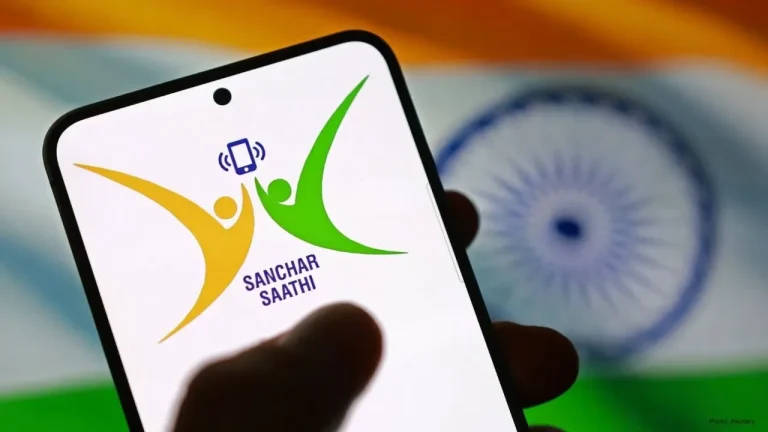
Sanchar Saathi Pre-installation: Shocking Government U-Turn After Backlash

New Delhi – The Ministry of Communications executed a dramatic policy reversal on Wednesday by withdrawing its controversial decision to mandate Sanchar Saathi pre-installation on all smartphones. This abrupt change came just days after the original order sparked widespread criticism from digital rights organizations and opposition political parties concerned about privacy and government surveillance implications.

Original Mandate and Its Rationale

The Department of Telecommunications had issued a directive on Monday, December 1, requiring mobile phone manufacturers to implement Sanchar Saathi pre-installation on all devices beginning March 2026. The government justified this requirement by citing growing concerns over handsets with duplicate or spoofed International Mobile Equipment Identity numbers posing significant threats to telecommunications security infrastructure.

The Sanchar Saathi pre-installation mandate was positioned as a proactive measure to protect citizens from cybersecurity threats and fraudulent activities that exploit vulnerabilities in mobile device identification systems. However, the policy faced immediate resistance from multiple stakeholders who questioned both its necessity and potential implications for user privacy.

Dramatic Surge in Downloads Cited

Following the announcement of mandatory Sanchar Saathi pre-installation, the government observed an unprecedented spike in voluntary app adoption. Officials reported that the application witnessed 6 lakh new registrations recorded in a single day—representing a tenfold increase in uptake compared to typical daily registration numbers.

In its official press release explaining the policy reversal, the Ministry of Communications attributed the decision to withdraw Sanchar Saathi pre-installation requirements to this “increasing acceptance” among users. “Given Sanchar Saathi’s increasing acceptance, Government has decided not to make the pre-installation mandatory for mobile manufacturers,” the statement declared.

This dramatic surge in voluntary downloads apparently convinced policymakers that compulsory Sanchar Saathi pre-installation was unnecessary since users were choosing to adopt the application without coercion.

Current App Usage and Functionality

The Sanchar Saathi application was originally launched in 2023 as a comprehensive portal enabling citizens to report suspicious phone calls and cyber fraud incidents. According to government data, the app currently has 1.4 crore registered users who collectively report approximately 2,000 fraud incidents daily.

This substantial user base and active engagement in reporting fraudulent activities demonstrate the application’s utility in combating cyber crimes. However, critics argued that these positive outcomes did not justify mandatory Sanchar Saathi pre-installation, which they characterized as government overreach into personal device management.

Privacy and Surveillance Concerns

The original Sanchar Saathi pre-installation order drew sharp criticism from digital rights advocates who raised serious concerns about potential government surveillance capabilities and infringement on fundamental user choice. Opposition parties seized on these privacy concerns, characterizing the mandatory installation as a “snooping app” that could enable unauthorized monitoring of citizens.

Congress MP Priyanka Gandhi Vadra specifically labeled the application as a surveillance tool, while other opposition leaders filed adjournment motions in Parliament demanding discussion of the Sanchar Saathi pre-installation policy. These vocal objections created significant political pressure on the government to reconsider its approach.

Digital rights organizations argued that while cybersecurity applications serve important protective functions, mandatory Sanchar Saathi pre-installation represented an inappropriate exercise of government authority that could set dangerous precedents for future technology mandates.

Government Defense of the Application

Despite withdrawing the Sanchar Saathi pre-installation requirement, the government vigorously defended the application itself in its official statement. Officials insisted the app is “secure and purely meant to help citizens from bad actors in the cyber world” with no function beyond user protection.

The Ministry emphasized that even under the original mandatory Sanchar Saathi pre-installation policy, users would have retained the ability to uninstall the application at any time. This provision was intended to address concerns that the mandate would permanently burden users with unwanted software, though critics questioned whether truly voluntary uninstallation would be possible once manufacturers embedded the app at the system level.

Implications for Digital Rights

The swift reversal of Sanchar Saathi pre-installation requirements represents a significant victory for digital rights advocates and demonstrates the power of public pressure in shaping technology policy. The episode highlights growing awareness among Indian citizens regarding privacy implications of government-mandated software and surveillance capabilities.

The controversy surrounding Sanchar Saathi pre-installation also raises broader questions about appropriate boundaries between cybersecurity imperatives and individual privacy rights in the digital age. While governments legitimately pursue measures to protect citizens from cyber threats, mandatory software installation on personal devices represents a particularly intrusive approach that many view as crossing acceptable lines.

Policy Lessons and Future Direction

The government’s experience with attempted Sanchar Saathi pre-installation provides valuable lessons about consultation and consensus-building before implementing major technology mandates. The rapid policy reversal suggests insufficient stakeholder engagement preceded the original directive, resulting in predictable opposition that could have been addressed through more deliberative policymaking processes.

Voluntary Adoption as Alternative

The dramatic increase in voluntary downloads following the Sanchar Saathi pre-installation announcement demonstrates that public awareness campaigns and clear communication about application benefits can drive adoption without coercive mandates. This organic growth in users suggests that educational outreach represents a more sustainable and less controversial approach to promoting cybersecurity tools.

The government’s ultimate decision to rely on voluntary adoption rather than mandatory Sanchar Saathi pre-installation acknowledges that respecting user autonomy while providing effective security tools represents the optimal balance between protection and privacy in democratic societies.