Union Health Minister Shri J P Nadda inaugurated the World AIDS Day 2025 national event at Vigyan Bhawan, reaffirming India’s pledge to end AIDS as a public health threat. The event highlighted India’s outstanding progress in reducing HIV infections and AIDS-related deaths, as well as its global role in supplying affordable medicines.
India’s Progress Against HIV
Shri Nadda outlined major achievements under the National AIDS and STD Control Programme (NACP-V), including a 48.7% decline in new HIV infections and an 81.4% decline in AIDS-related deaths between 2010 and 2024. Mother-to-child transmission fell by 74.6%, with testing coverage rising to 6.62 crore and those on treatment reaching 18.60 lakh. India’s HIV programme results consistently surpass global averages, and viral load suppression now stands at an impressive 97%.
Accelerating Toward 95-95-95 Targets
India’s HIV response outpaces global benchmarks, achieving a 35% reduction in new infections and a 69% reduction in HIV-related deaths, both above international averages. Shri Nadda emphasized that the government is firmly committed to meeting the global 95-95-95 goals by 2030, with community engagement and rights-based healthcare as central pillars.
National Campaigns and Innovation
The Minister launched new multimedia campaigns focused on youth awareness, the elimination of vertical transmission, and ending stigma and discrimination. Programme documents including India HIV Estimates 2025 and the Breakfree virtual platform were released to enhance confidential testing and reach at-risk youth, leveraging technology for greater public impact.
Conclusion: World AIDS Day 2025
World AIDS Day 2025 concluded with a call for collective responsibility to ensure everyone can access high-quality, stigma-free HIV services. With expanded outreach, legal protection, and innovative tools, India is making rapid progress toward ending AIDS by 2030 and strengthening health systems for all.
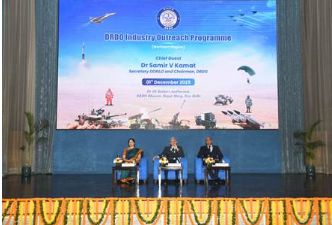
On December 1, 2025, the Defence Research and Development Organisation hosted an Industry Outreach Programme at its headquarters in New Delhi, reinforcing the government’s vision for ‘Aatmanirbharta’ (self-reliance) and a ‘Viksit Bharat’ (developed India). The event convened 220 scientists from 18 DRDO laboratories and 271 leaders from various defence industries, underlining a robust partnership between research and industry players for critical defence technologies.
Event Highlights and Key Participants
DRDO’s outreach covered laboratories across North India and sought active collaboration with industry partners. Secretary, Department of Defence R&D and DRDO Chairman Dr. Samir V Kamat graced the occasion as Chief Guest, while Shri Sanjeev Kumar, Secretary (Defence Production), served as Guest of Honour. A landmark moment of the event was the release of a new procedure for implementing DRDO’s Technology Transfer (ToT) Policy 2025, aimed at accelerating industry participation and innovation in defence manufacturing.
Open House Discussion and Policy Announcements
A central feature of the event was the open house discussion, where DRDO experts, the Secretary (Defence Production), and industry leaders addressed a wide range of queries, concerns, and suggestions. The panel resolved to tackle complex issues pertinent to indigenous defence production involving both public and private sectors. Additionally, the brainstorming session among DRDO corporate directorates and scientists reviewed key policies to enhance the outcomes of domestic research projects for the armed forces.
DRDO Leadership’s Vision
In his address, Dr. Kamat expressed strong confidence in the Indian industry’s growing capabilities. He predicted significant expansion of the indigenous defence ecosystem over the next five years, facilitated by maturing government policies. Opportunities for industry collaboration with DRDO were outlined, particularly for meeting the evolving technological needs of defence and security agencies. Shri Sanjeev Kumar emphasized complete in-house cycles from design to scaled manufacturing as the true path to self-reliance in defence production.
Future Direction and Industry Encouragement
Dr. Chandrika Kaushik, DG (Production Coordination & Services Interaction), highlighted ongoing initiatives for indigenisation and ecosystem development. She noted India’s transformation from a defence importer to an emerging net exporter, advocating for continuous R&D and deeper ties between industry and DRDO for sustained progress in indigenous innovation.
On December 1, 2025, the Secretary of the Ministry of Ayush, Vaidya Rajesh Kotecha, praised two Siddha physicians for their exemplary service after they effectively administered Varmam therapy during a recent flight emergency. Their timely intervention provided clinical relief to a fellow passenger who was experiencing acute giddiness, showcasing the real-world application of traditional Siddha medical expertise.
In-Flight Emergency and Varmam Response
During the flight, the affected passenger remained unstable despite initial first aid by the cabin crew. Responding quickly to the call for medical help, Dr. Elavarasan and Dr. Gowtham applied targeted stimulation techniques described in classical Siddha literature. Within minutes, the Varmam therapy—an ancient touch-based intervention—brought substantial relief and stabilized the individual.
Recognition and Sector Implications
Secretary Kotecha personally acknowledged the physicians in New Delhi, commending their professionalism and quick judgment in crisis. He emphasized that the event demonstrated Siddha Varmam’s supportive potential in integrated healthcare, especially during emergencies. The Ministry highlighted the need for public awareness and structured training in Siddha techniques to expand their utility in mainstream medical practice.
Significance for Siddha and Integrative Healthcare
The Siddha physicians’ calm and effective actions underscore the value of traditional therapies when handled by trained professionals. Such incidents reflect the importance of cross-disciplinary medical knowledge for passenger safety and point to the potential for greater adoption of Siddha interventions in emergency medicine.
In the late afternoon session on December 1, 2025, Indian equities remained under pressure, with the NIFTY 50 closing marginally lower while select mid- and small-cap counters saw sharp moves. The day was marked by heavy buying in WELINV and WOCKPHARMA, even as high-volume selling persisted in names such as MCLOUD and ANIKINDS.
The NIFTY 50 settled at 26,175.75, down 27.20 points or 0.10%, signalling a cautious tone among market participants. The index opened at 26,325.80 and hit an intraday high at the same level, before slipping to the day’s low of 26,124.20. Sectoral indices showed mixed trends, with financials and banks exerting mild pressure while select broader-market stocks outperformed.
Star Performers: Upper Circuit Hits and Strong Gainers
On the gaining side, WELINV and WOCKPHARMA each rallied 20%, locking in at their respective upper circuits with last traded prices of ₹1,422.10 and ₹1,482.00. WOCKPHARMA stood out with exceptionally strong participation, clocking volumes of 131.92 lakh shares and an impressive traded value of about ₹1,876.32 crore, highlighting sustained institutional and retail interest. RETAIL advanced 19.99% to ₹33.13, while CREATIVEYE surged 19.91% and SHRENIK added 16.67%, underscoring bullish momentum in select small-cap counters.
Deep Cut for Select Mid- and Small-Caps
The losers’ list was led by INDO-RE2, which slumped 40.31% to ₹1.54, signalling aggressive profit booking or negative stock-specific developments. MAGNUM slipped 11.01%, while MCLOUD and ANIKINDS declined 10.02% and 10.01% respectively, both falling into double‑digit loss territory. Notably, MCLOUD saw an enormous volume of 1,856.84 lakh shares and a traded value of about ₹533.84 crore, indicating heavy churn and possible repositioning by large market participants. DJML also faced pressure, dropping 9.89% on moderate volumes.
Conclusion: December 1, 2025 (closing)
The closing snapshot of December 1, 2025, captured a market in consolidation, with headline indices edging lower but stock‑specific activity remaining intense. Upper‑circuit moves in WELINV and WOCKPHARMA contrasted sharply with steep declines in MCLOUD, INDO-RE2 and other small caps, reflecting heightened volatility and selective risk-taking. Traders and investors are likely to track sector cues and institutional flows closely in the coming sessions as markets search for clearer direction.
On December 1, 2025, Indian equities witnessed a reversal in momentum as the NIFTY 50 index declined, and several stocks reported substantial losses. Despite the overall negative sentiment, the pharmaceutical sector, led by WOCKPHARMA, showcased resilience and strong buying interest during the noon trading session.
The NIFTY 50 fell to 26,160.55, down by 42.40 points or 0.16%. Other leading indices performed similarly: NIFTY NEXT 50 dropped 12.35 points (0.02%), NIFTY FIN SERVICE lost 96.30 points (0.35%), and NIFTY BANK moved down by 90.65 points (0.15%). The NIFTY 50 maintained an opening and high of 26,325.80, while the session’s low was 26,157.00.
Top Performing Stocks
Despite the broader market weakness, select stocks recorded robust gains. RETAIL rose 19.99%, GLOBALE climbed 19.98%, and DIAMINESQ jumped 16.45%. SHRENIK gained 14.81%. WOCKPHARMA led the value charts with an extraordinary gain of 12.06% and a trading value of ₹534.31 crores, underscoring renewed investor confidence in the pharma sector and institutional buying.
Biggest Losers and High Volume Declines
Market losers were led by INDO-RE2, sinking 40.31%. MOTOGENFIN registered a 9.66% drop, and ANIKINDS fell 9%. EXCELSOFT and ATL-RE declined by 8.73% and 7.22%, respectively. EXCELSOFT stood out with a high trading volume of 95.61 lakhs and significant value, signaling strong selling pressure.
Conclusion: December 1, 2025 (midday)
The midday session reflected heightened volatility across Indian stock markets, as indices retreated but select sectors displayed robust resilience. WOCKPHARMA’s remarkable surge highlighted sectoral strength amid choppy trading, while several small-cap and mid-cap stocks saw sharp declines. Investors remain cautious, watching for further cues in the next session.
On December 1, 2025, Indian stock markets saw a mixed trend with the NIFTY 50 index posting gains, while select stocks registered either sharp hikes or significant declines. The benchmark indices and individual stock performances reflected the volatility characteristic of this week’s trading environment.
The NIFTY 50 closed at 26,274.90, up by 71.95 points or 0.27%. Other major indices also showed positive momentum: NIFTY NEXT 50 gained 199.65 points (0.29%), NIFTY FIN SERVICE rose 89.05 points (0.32%), and NIFTY BANK jumped by 288.30 points (0.48%). During the trading session, the NIFTY 50 touched a high and opening of 26,325.80, with a low recorded at 26,263.20.
Top Gainers in Action
Several stocks delivered standout performances. RETAIL led the rally with a 19.99% surge, followed closely by GLOBALE at 19.98%. DIAMINESQ climbed 15.91%, indicating strong buying interest. SHRENIK and SHEKHAWATI also marked double-digit gains, with SHRENIK up 14.81% and SHEKHAWATI 9.96%. These gains reflect increased trading volumes and positive sentiment for select sectors.
Sharp Declines: Biggest Losers
Conversely, some stocks faced notable selling pressure. INDO-RE2 plunged 40.31%, the steepest decline among tracked stocks. SEPC was down 6.77%, MOTOGENFIN fell 6.20%, while ADVENTHTL and TVVISION slipped 5.73% and 5.66% respectively. SEPC saw especially high trading volumes, indicating significant exit activity from investors.
Conclusion: December 1, 2025 (opening)
December 1, 2025, showcased the dynamic nature of Indian equity markets with broad indices posting mild gains, while disparities between top gainers and losers highlighted sectoral rotation. This volatility signals continued opportunities and risks for investors in the upcoming sessions, warranting close monitoring of both broader benchmarks and individual stocks.
A delayed yet serious food safety grievance has surfaced in the city after a customer filed a formal complaint about finding an insect in a dish served at a popular restaurant nearly five months ago. The incident, which occurred in July, has now entered the public domain following the complainant’s decision to approach authorities citing long pending dissatisfaction, lack of response from the restaurant, and personal hesitation at the time of the incident. Health officers have taken note of the complaint and initiated preliminary inquiry despite the time gap. The case has sparked debate on delayed reporting, consumer rights, and food safety accountability across the hospitality sector.
According to officials, the customer had visited the restaurant with friends and noticed a small insect inside a curry, but chose not to report the matter immediately due to social hesitation and lack of awareness about complaint mechanisms. The individual later tried raising the issue informally with the restaurant, but alleges that their grievance was not acknowledged properly. The incident eventually prompted the customer to file a detailed written complaint with the local health department in December. Authorities are now verifying facts, inspecting the restaurant, and determining whether the delay affects the scope of action. The incident has already triggered discussions among food safety officials about how to handle stale cases and whether rules need strengthening.
BACKGROUND
Food contamination complaints in the city generally occur within hours or days of the incident, enabling authorities to act swiftly. This case stands out due to the five month gap, creating complexities around evidence collection, scientific verification, and responsibility tracing. The complainant explained that the decision to delay came from initial embarrassment and uncertainty regarding the official channels available. Only after reading about other food contamination cases did the individual feel confident to take the issue to officers.
The restaurant in question is a well known establishment in a busy commercial locality and has been operating for over a decade. It draws significant footfall, especially during weekends, making food safety compliance critical. Past inspection reports from the department had rated the establishment as satisfactory, with occasional observations related to hygiene practices and kitchen maintenance. While the restaurant has not faced major complaints previously, some customers online had hinted at inconsistent service quality. However, no formal complaints of contamination had been recorded before this.
Officials acknowledge that delayed reports complicate their enforcement process, but emphasise that consumer trust is built only when grievances are addressed, even if belated. Food safety norms in the state allow investigation into any complaint, but the outcome largely depends on the availability of evidence and the current condition of the establishment. Since contamination incidents cannot be recreated without physical proof, officials typically rely on inspection, verification of food handling processes, and previous records to determine if corrective action is necessary.
STAKEHOLDER VIEWS
Health department officials have reacted cautiously, stating that while the delay limits certain investigative options, they are obligated to evaluate the complaint. Officers visited the restaurant, checked storage areas, reviewed kitchen workflows, and examined pest control records. They also questioned staff members about procedures followed during the time of the alleged incident. Preliminary inspection reportedly found some minor lapses that require improvement, though officials clarified that these do not conclusively relate to the incident from July. A more detailed report is expected soon.
The restaurant management has denied negligence, stating that they maintain strict hygiene standards and undergo regular pest control treatments. They stressed that the delay makes it impossible to verify the claim and expressed concern about potential reputational damage. The management said they are cooperating with the inquiry and hope for a fair assessment. They also urged customers to report issues immediately so that corrective steps can be taken without ambiguity.
Consumer rights groups have taken a different stance, arguing that the delay should not invalidate the customer’s grievance. They believe that fear of confrontation, lack of awareness, and concern for social discomfort often stop people from reporting such incidents promptly. They say this case should serve as a lesson for authorities to create more accessible, non intimidating channels. Some activists have suggested that restaurants must display clear complaint procedures for customers on their premises.
Regular restaurant goers express mixed reactions. While many sympathise with the customer, others question the practical value of filing a complaint after several months. Some feel restaurants should not be penalised for incidents reported much later, as evidence becomes non existent and staff may change. The debate highlights the fragile balance between ensuring food safety accountability and preventing unfair targeting of restaurants.
LEGAL AND REGULATORY CONTEXT
Food contamination cases fall under food safety rules and municipal health regulations. Typically, proof plays a crucial role in determining penalties or warnings. In incidents reported immediately, officers can seize samples, inspect kitchens during the same shift, and track storage conditions. These records enable them to build a strong case. However, when complaints emerge after months, officials can only examine the current state of hygiene and verify documentation such as pest control logs, staff training records, and audit reports.
The law does not specify a strict time limit for complaint filing. This gives consumers the flexibility to voice concerns at any time, but also creates practical challenges for enforcement teams. Actions taken in delayed complaints generally include advisory notices, mandatory hygiene improvements, staff retraining, or repeated inspections rather than heavy penalties. Severe action is possible only if ongoing violations are detected during current inspections.
Legal experts point out that this case could push authorities to consider creating new guidelines regarding time bound reporting, evidence preservation, and documentation requirements. Some argue that restaurants must maintain detailed hygiene logs and digital footage of storage areas to protect both consumers and establishments in cases where delays occur. Others say that strengthening awareness campaigns is more effective than imposing time constraints.
CONSUMER RIGHTS DIMENSION
At the heart of the issue lies the question of consumer confidence. Many customers hesitate to report food safety concerns immediately due to fear of confrontation, lack of trust that restaurants will take the complaint seriously, or reluctance to disrupt social gatherings. The present case demonstrates how such hesitation can escalate into formal complaints long after the incident.
Consumer rights groups stress the need for simplified complaint channels. Suggested measures include digital reporting apps, anonymous feedback options, QR code based systems inside eateries, and awareness posters encouraging customers to speak up. They argue that improved communication can prevent escalations, encourage restaurants to take immediate corrective steps, and reduce the burden on regulators.
Health officers also emphasise that consumer participation is crucial for maintaining hygiene standards in the food industry. Many contamination cases are prevented simply because customers point out unsafe practices on the spot. Authorities want to build an environment where customers feel safe giving feedback without confrontation or fear of embarrassment. They believe better awareness will significantly reduce delayed complaints like the current case.
IMPACT ON THE RESTAURANT INDUSTRY
Following the complaint, several restaurant associations have expressed concern about the impact on the industry. They fear that delayed reporting could lead to an increase in unverified allegations, damaging business reputation. Industry representatives said that while customer safety is paramount, there must be safeguards to prevent misuse. They have urged the government to create balanced guidelines that protect both consumers and businesses.
Some owners worry that such cases fuel negative perceptions of restaurants even when hygiene standards are typically high. They point out that the hospitality sector is already recovering from economic challenges and that any controversy, even without solid evidence, affects customer footfall. Associations have proposed that health officers conduct regular awareness drives in restaurants to educate both staff and customers about hygiene standards and complaint mechanisms.
Despite concerns, the incident has also prompted many restaurant owners to re evaluate their hygiene practices. Some establishments have voluntarily increased the frequency of pest control, improved kitchen monitoring, and tightened documentation to avoid future disputes. A few restaurants have also added clear complaint instructions on menu cards and display boards to encourage immediate reporting.
FOOD SAFETY AND PUBLIC HEALTH PERSPECTIVE
Public health experts say that even if delayed, contamination complaints offer insight into potential structural problems. They highlight that insects in food often indicate broader sanitation issues, poorly sealed storage, or irregular cleaning cycles. While one incident alone cannot determine systemic failure, it helps authorities identify restaurants that may require more frequent inspections.
Experts urge the government to broaden its monitoring strategy. They believe the health department must conduct surprise inspections across high footfall areas, introduce stricter documentation requirements, and adopt scientific testing methods more consistently. They also emphasise the importance of training restaurant staff in food safety, waste management, and personal hygiene. According to them, prevention through education remains the most cost effective strategy.
The current incident, they say, serves as a reminder that food safety is an ongoing responsibility shared by customers, restaurant staff, suppliers, and regulators. Even though the five month delay limits scientific validation, the complaint still contributes to understanding gaps in the system. Public health specialists encourage customers to report issues promptly but also suggest that authorities remain open to addressing delayed grievances to maintain public trust.
CURRENT STATUS OF THE INVESTIGATION
Health officers have completed an initial inspection of the restaurant and are preparing a detailed report. The inquiry includes examination of food storage records, pest control documents, kitchen hygiene logs, waste disposal practices, and staff training history. Officials have issued an advisory asking the establishment to improve certain practices, though they clarified that these relate to current observations rather than the original complaint.
Investigators are interviewing staff members who worked in July to understand whether any lapse occurred around that time. However, officials admit that staff turnover makes this difficult. They also point out that without physical evidence such as preserved food samples, bills, or photographs from the day of the incident, conclusions can only be drawn based on present compliance. The restaurant continues to cooperate with the inquiry.
Authorities expect to submit a final report within the next few weeks. The outcome will determine whether the case results in warnings, mandatory corrective measures, or closure of the complaint with advisory notes. Regardless of the result, the department has indicated that the restaurant will be subject to periodic inspections over the next few months to ensure consistent compliance.
Water scarcity continues to be one of Karnataka’s most persistent challenges, particularly for agricultural communities that depend on timely rainfall and sufficient groundwater. As several regions face declining water tables and irregular monsoon patterns, agricultural experts, political leaders and water management authorities have reiterated that sustainable water use is no longer optional. At various district-level meetings held over the past week, officials appealed to farmers to adopt conservation-oriented practices to reduce wastage, improve water efficiency and ensure the long-term stability of farming livelihoods. Their unified message stressed that the manner in which water is managed today will decide the resilience of agriculture tomorrow.
Background The state’s recurring drought cycles have made traditional irrigation patterns increasingly unsustainable. According to agricultural officers, crops such as sugarcane and certain paddy varieties consume a disproportionately high volume of water, leaving little for other crops or for groundwater recharge. Karnataka has already declared drought in several taluks this year, with tank water levels dropping sharply. These indicators prompted a renewed urgency among officials to encourage farmers to rethink crop choices, irrigation schedules and field-level water distribution. For many, the call for wiser water use is not a short-term reminder but a long-term survival strategy for rural communities.
Stakeholder Views
At recent meetings, farmer associations expressed agreement that water management requires immediate prioritisation but sought greater financial support and technical assistance. Several representatives highlighted that shifting to micro-irrigation systems or drought-tolerant crops is not always economically feasible for small farmers. They urged the government to expand subsidies for drip and sprinkler systems, while also ensuring timely release of drought assistance. Officials, however, maintained that behavioural changes in water use are as important as financial interventions. They emphasised that every farmer, irrespective of land size, must become more conscious of how efficiently water is distributed across fields.
Government Advisory The Department of Agriculture has issued a clear advisory encouraging farmers to rely more on drip irrigation, mulching, rainwater harvesting and soil-moisture monitoring. Officers stressed that small adjustments—such as irrigating fields early in the morning or evening, using narrower channels, or preventing tail-end spillage—can significantly reduce daily water wastage. District administrations have also been asked to revive defunct check dams and step wells, enabling better capture of rainwater during the monsoon. Officials stated that long-term changes in water behaviour must be accompanied by local infrastructure improvements to make these reforms sustainable.
Impact on Crop Planning Farm scientists recommended revisiting conventional crop planning patterns, especially in semi-arid districts. They pointed out that rain-fed pulse crops such as tur and horse gram, or oilseeds like groundnut, require far less water compared to traditional water-intensive crops. Many farmers have already begun shifting to these varieties, particularly in north Karnataka where the monsoon was erratic. Experts believe that if the trend continues, it could not only conserve water but also provide farmers with better resilience against market fluctuations, as demand for drought-resistant crops has grown steadily across the region.
Environmental Impact
Officials warned that unchecked overuse of water has serious ecological consequences, including soil degradation, loss of microbial activity and declining groundwater quality. Many tanks and lakes across Karnataka have become seasonal rather than perennial due to excess extraction and reduced recharge. Environmental groups participating in the awareness campaigns said that the combined effect of climate change and overuse of water could push several agricultural belts into irreversible drought conditions. They urged local panchayats to take water budgeting seriously and treat groundwater as a collective resource rather than an individual entitlement.
Role of Technology Agricultural universities demonstrated how simple technological tools can help farmers track soil moisture, determine appropriate irrigation timings and avoid unnecessary watering. Low-cost mobile sensors, moisture meters and smartphone-based apps were showcased to explain how real-time data allows better water decisions. While the adoption of such tools remains limited in rural areas due to cost and awareness barriers, agricultural officers expressed confidence that younger farmers are increasingly open to digital solutions. They argued that technology will play a central role in ensuring that limited water resources are used efficiently at the field level.
Training Initiatives Krishi Vigyan Kendras (KVKs) across Karnataka have begun conducting workshops that highlight water-efficient farming practices. These training programmes involve on-field demonstrations showing how mulching reduces evaporation, how contour bunds prevent runoff, and how drip irrigation ensures equal distribution. KVK officials reported a rise in participation, particularly from small and marginal farmers who have experienced consecutive years of water shortage. Trainers emphasised that even farms with limited financial resources can adopt basic methods to reduce losses. Officials plan to extend these training sessions through December to reach additional taluks facing drought.
Community-Led Water Management In several districts, community-led initiatives have begun encouraging collective decision-making around water sharing. Farmers in some villages have voluntarily adopted rotational irrigation schedules to prevent excessive extraction from borewells. Local water user associations have been revived to monitor water usage and suggest crop patterns based on available resources. Officials highlighted that such community-driven models often deliver better compliance because farmers see the benefits firsthand. These groups also promote the idea that water conservation is not solely the responsibility of the government but a shared obligation among all who depend on it.
Economic Implications Agricultural economists noted that conservative water use directly impacts production costs. When less water is wasted, farmers spend less on electricity for pumping, incur fewer borewell maintenance expenses and reduce the need for repeated irrigation cycles. They argued that investing in water-efficient farm practices often results in long-term savings. However, they acknowledged that small farmers require initial support to shift practices. Economists urged the government to provide targeted incentives for farmers who adopt water-efficient technologies, similar to how renewable energy initiatives receive budgetary encouragement in other sectors.
Legal and Policy Context The government’s push for wiser water use comes amid ongoing debates over equitable water distribution among river basins. Karnataka has faced prolonged disputes over sharing rivers such as Cauvery and Mahadayi, highlighting the sensitivity around water allocation. Legal obligations require the state to prioritise drinking water, followed by irrigation. Officers said these realities make it imperative for farmers to reduce dependency on heavy irrigation. The government is also considering amendments to encourage groundwater monitoring at local levels, ensuring that extraction remains within sustainable limits and does not lead to further ecological imbalance.
Long-Term Sustainability Plans Officials stated that the broader goal is to integrate water management into Karnataka’s agricultural development strategy. Plans include constructing more minor irrigation tanks, restoring traditional water bodies and promoting millets and other drought-resistant crops. The state also aims to collaborate with agricultural universities to develop varieties that require minimal water. While these interventions will take time, authorities stressed that current efforts must begin at the ground level. They reiterated that sustainability is achievable only when farmers combine modern techniques with traditional conservation wisdom practiced earlier by rural communities.
Irrigation Infrastructure Concerns Several farmers raised concerns about incomplete canal projects and inconsistent water release schedules. They argued that even though officials urge wiser water use, poor infrastructure limits their ability to implement changes effectively. Farmers from command areas of major irrigation projects said they sometimes receive water too late in the season, forcing reliance on borewells. Officials acknowledged these issues and assured that pending works on canals, tanks and lift-irrigation systems would be prioritised. They stated that improving infrastructure is essential for long-term water management and reducing excessive groundwater dependence.
Expert Opinions Water resource experts supported the government’s appeal but stressed that awareness alone is insufficient. They recommended stricter monitoring of groundwater extraction, mandatory water audits for large farms, and incentives for farmers who harvest rainwater at scale. Experts also advocated for the revival of traditional systems such as kalyanis, village tanks and earthen bunds, which historically helped recharge groundwater. They pointed out that modern interventions are most effective when combined with the indigenous systems that earlier communities relied upon for centuries without overexploiting resources.
Climate Change Considerations Scientists warned that climate models predict increased variability in Karnataka’s rainfall patterns. More frequent dry spells, shorter monsoon windows and unpredictable weather events will likely put further strain on water resources. They urged farmers to prepare for this by diversifying crops and avoiding reliance on a single water-intensive crop. Officials said strategies must be adapted to future climate realities rather than historical patterns. With climate change already influencing agricultural output across the state, wiser water management becomes essential for protecting both livelihoods and long-term food security.
Current Status District administrations have begun mapping water-stressed zones and identifying villages where water scarcity is likely to worsen. Officials have also launched awareness drives through radio, farmer meetings and local panchayats. Early reports indicate moderate improvement in water behaviour, with more farmers showing interest in micro-irrigation subsidies. While progress remains uneven across districts, authorities believe that the message is beginning to gain traction. They emphasised that the success of these initiatives will depend on continuous monitoring, consistent support and active participation from farmers.
Implementation Challenges Despite the positive steps, several challenges remain. Limited access to credit, shortage of extension staff, and high installation costs for advanced irrigation systems restrict adoption. Officials acknowledged that without addressing these gaps, the transition to water-efficient agriculture will remain slow. They called for better coordination among the Department of Agriculture, water resource authorities and rural development agencies. Addressing these structural barriers, they said, is essential to ensure that water conservation becomes a widespread and permanent practice rather than an emergency response during drought years.
Conclusion The collective appeal for wiser water use reflects growing concern over the future of farming in Karnataka. With water sources declining and climate patterns shifting, conservation-oriented agriculture has become imperative. Officials, farmers, experts and environmental groups agree that sustainable water management is not merely a policy goal but a survival requirement. The path forward demands a balance of technological innovation, community participation, financial assistance and long-term planning. As Karnataka continues to navigate recurring droughts, the decisions made today on water use will shape the agricultural landscape for generations to come.
An activist has filed a detailed complaint alleging significant overspending by the State Legislature Secretariat, raising concerns about transparency, financial discipline, and the use of taxpayer funds. The complaint, addressed to senior government authorities and oversight bodies, claims that a series of administrative and operational expenses have exceeded reasonable limits without adequate justification. According to the activist, the pattern of expenditure suggests procedural lapses and inadequate checks within the Secretariat’s procurement and approval processes. The allegations have triggered a debate on financial accountability within the legislative institutions responsible for upholding the state’s democratic framework.
Background The State Legislature Secretariat is tasked with administrative support, documentation, logistical arrangements, and financial management for the functioning of both legislative houses. It routinely oversees budgets related to sessions, staff, infrastructure, and member services. The activist’s complaint argues that while annual allocations have steadily increased, the corresponding transparency in spending has not kept pace. Citing recent audit-like observations compiled from public documents, the activist claims that several expense categories appear inflated. This includes hospitality, travel support, temporary staffing, consultancy, and refurbishment. The activist asserts that repeated instances of high-value bills raise questions about procurement norms and internal controls.
Details of the Complaint In the complaint, the activist highlights what they describe as unusually high expenditures on events linked to committee meetings and administrative conferences. They allege that certain payments for catering, vehicle hiring, and venue arrangements were several times higher than market standards. The activist also points to expenditure on digital equipment, claiming that procurement costs appear inflated compared to comparable government purchases. Another section of the complaint questions the Secretariat’s spending on renovation and interior works, alleging inconsistencies between the estimated cost and final billed amount. The activist has requested a full inquiry by the Finance Department and the State’s internal audit wing.
Concerns About Procurement Process A major concern raised in the complaint relates to procurement practices. The activist alleges that several contracts were finalised without adequate competitive bidding or public tenders. They argue that reliance on repeated vendors indicates a lack of diversity and potential conflict of interest in awarding work orders. According to them, the Secretariat’s procurement files, which are partially accessible through transparency portals, reveal instances where purchase orders were finalised within unusually short time frames. This, they claim, suggests that due processes involving comparative quotations, scrutiny of vendor credentials, and price reasonability checks may not have been strictly followed.
Overspending on Infrastructure Improvements The activist’s representation lists multiple instances of infrastructure-related expenditure which they deem excessive. These include refurbishing office spaces, upgrading meeting rooms, and installing new security systems. While acknowledging the need for periodic improvements, the activist argues that the scale and frequency of these upgrades appear disproportionate. They cite examples of high-value furniture purchases, repeated repairs within short intervals, and interior redesign works that were allegedly carried out without clear planning. The activist emphasises that such costs require stronger justification, especially when substantial funds are allocated for the legislature annually.
Hospitality and Event Expenses Another major area of concern highlighted in the complaint pertains to hospitality expenses. The activist alleges that catering costs for official meetings, workshops, and committee gatherings consistently reflect higher-than-average billing. They also point out repeated bookings from the same vendors with minimal cost variation, regardless of event size. According to the activist, these patterns suggest a need for review of vendor selection procedures and verification of delivered services. They argue that public institutions must uphold strict financial discipline, especially in categories where spending can escalate without tangible outputs. The activist has urged authorities to audit event-related payments over recent years.
Staffing and Consultancy Charges The complaint also raises questions about staffing-related expenditures. The activist alleges that payments for outsourced personnel and consultants have grown disproportionately when compared to earlier years. They question whether all hired personnel were essential and whether consultancy reports delivered tangible outcomes. The activist notes that some categories of staffing are recurring, yet the Secretariat has not provided clarity on long-term manpower planning. According to them, excessive reliance on consultants for routine administrative assessments indicates inefficiency and misuse of funds. They have requested an independent review of hiring practices and consultancy assignments.
Travel and Logistics Expenses The activist has included in their complaint an analysis of travel allowances, vehicle hire, and logistics support used during legislative sessions and committee visits. They allege that repeated hiring of private vehicles at higher-than-standard rates suggests non-competitive contracting. The activist also claims that certain travel reimbursements appear inconsistent with regular tariff structures. They emphasise that travel-related spending is one of the largest expenditure categories during legislative activity, making it crucial for authorities to ensure stronger cost-verification mechanisms. The activist argues that public funds must be utilised with strict adherence to rules and market norms.
Lack of Detailed Public Disclosures A key theme in the complaint is the alleged lack of detailed, proactive public disclosures on expenditure by the Secretariat. The activist argues that although annual budget summaries are published, granular data such as item-level spending, vendor lists, comparative quotations, and audit observations are not readily available. According to them, this lack of transparency hinders meaningful public scrutiny. They emphasise that legislative bodies must model best practices in accountability. The activist urges the Secretariat to publish monthly spending statements and vendor details to reinforce public trust and ensure that funds are being used responsibly.
Response Sought from Authorities
The activist has requested the intervention of multiple authorities, including the Chief Minister, Speaker, Finance Department, and internal audit agencies. They argue that an independent, time-bound inquiry is necessary to verify the accuracy of the spending patterns highlighted. The activist has also recommended that the inquiry incorporate third-party audits to avoid conflict of interest. Their representation stresses that oversight institutions must act promptly to prevent the possibility of systemic financial mismanagement. If the allegations are confirmed, they recommend policy-level reforms, disciplinary action, and stricter procurement guidelines.
State Legislature Secretariat’s Stand While the Secretariat has not issued an official response yet, sources familiar with internal procedures suggest that they may release a statement once the complaint is formally acknowledged by higher authorities. Officials indicate that all expenditures are vetted as per government norms and that allegations of overspending must be examined within procedural frameworks. They argue that running a Legislature demands significant operational and logistical support. The Secretariat is expected to cooperate with any inquiry initiated by the government, though it may also defend certain expenses as necessary for smooth legislative functioning.
Political Reactions The complaint has stirred political interest, with leaders from various parties expressing divergent views. Opposition members have demanded a thorough probe, arguing that all public institutions must be held accountable. They claim that previous concerns about administrative spending have gone unaddressed and that this complaint reinforces the need for comprehensive reforms. Meanwhile, ruling party representatives have urged caution, stating that allegations must be verified before drawing conclusions. They argue that the Legislature Secretariat operates under complex administrative requirements and that excessive criticism may undermine institutional functioning without evidence.
Concerns from Civil Society Civil society groups active in governance and accountability initiatives have welcomed the activist’s complaint. They believe that stringent scrutiny of public expenditures is essential to strengthen democratic institutions. Several organisations argue that legislative bodies often escape rigorous audit processes compared to executive departments. They emphasise that transparency in spending not only prevents misuse but enhances public confidence in governance. The complaint, according to these groups, highlights the need for systemic reforms, including mandatory disclosure of procurement data, independent audits, and clear financial guidelines for legislative bodies.
Call for Strengthened Audit Mechanisms Experts in public finance stress the importance of enhancing audit mechanisms within legislative institutions. Though the Legislature has internal administrative independence, they argue that autonomy must not translate into minimal oversight. Specialists recommend empowering audit teams with greater access to files, detailed procurement records, and digital tracking systems. They emphasise that modern audit practices rely on data-driven analysis and continuous monitoring rather than occasional reviews. Strengthening institutional audits, they say, is essential to address the concerns highlighted in the activist’s complaint and to prevent similar issues in the future.
Legal and Administrative Context
Legislative bodies typically operate within a framework that permits certain discretionary expenditures. However, these must adhere to financial rules, procurement norms, and audit requirements. Legal experts note that the activist’s complaint highlights potential procedural bypasses which, if proven, could trigger administrative action under existing regulations. They argue that public institutions must strike a balance between operational flexibility and financial accountability. Failure to do so can erode institutional credibility. An inquiry, therefore, would need to assess not only the financial irregularities but also whether procurement and administrative protocols were followed.
Potential Implications If an investigation confirms irregularities, the implications could be far-reaching. The government may be compelled to reform procurement processes, revise budget allocations, and enforce stricter financial guidelines for the Secretariat. Administrative reshuffles or disciplinary actions may also follow. Beyond immediate consequences, experts argue that the issue could influence broader debates on transparency within democratic institutions. The case may prompt calls for stronger legal mandates on legislative spending and improved public-access systems for financial data. The activist argues that such reforms are essential to ensure responsible use of taxpayer money.
Comparisons with Other States Public policy experts point out that several states have recently tightened expenditure norms for legislative bodies, adopting digital procurement, third-party audits, and enhanced disclosure mechanisms. They argue that Karnataka must adopt similar reforms to ensure efficiency and transparency. The activist’s complaint, they say, provides an opportunity for the state to align its procedures with best practices. By adopting stronger oversight measures, the Secretariat can improve financial integrity and administrative efficiency. Comparisons indicate that transparent procurement systems significantly reduce costs and enhance public trust in legislative institutions.
Conclusion The activist’s complaint has renewed focus on financial accountability within the State Legislature Secretariat. Whether the allegations of overspending are substantiated or not, the case underscores the importance of transparency, robust audits, and adherence to procurement norms in public institutions. As authorities prepare to examine the complaint, stakeholders across political, administrative, and civil society spheres are calling for clarity and fairness in the inquiry process. The outcome of this case could shape future reforms in legislative administration, reinforcing the need for responsible use of public funds and strengthening the integrity of democratic governance.
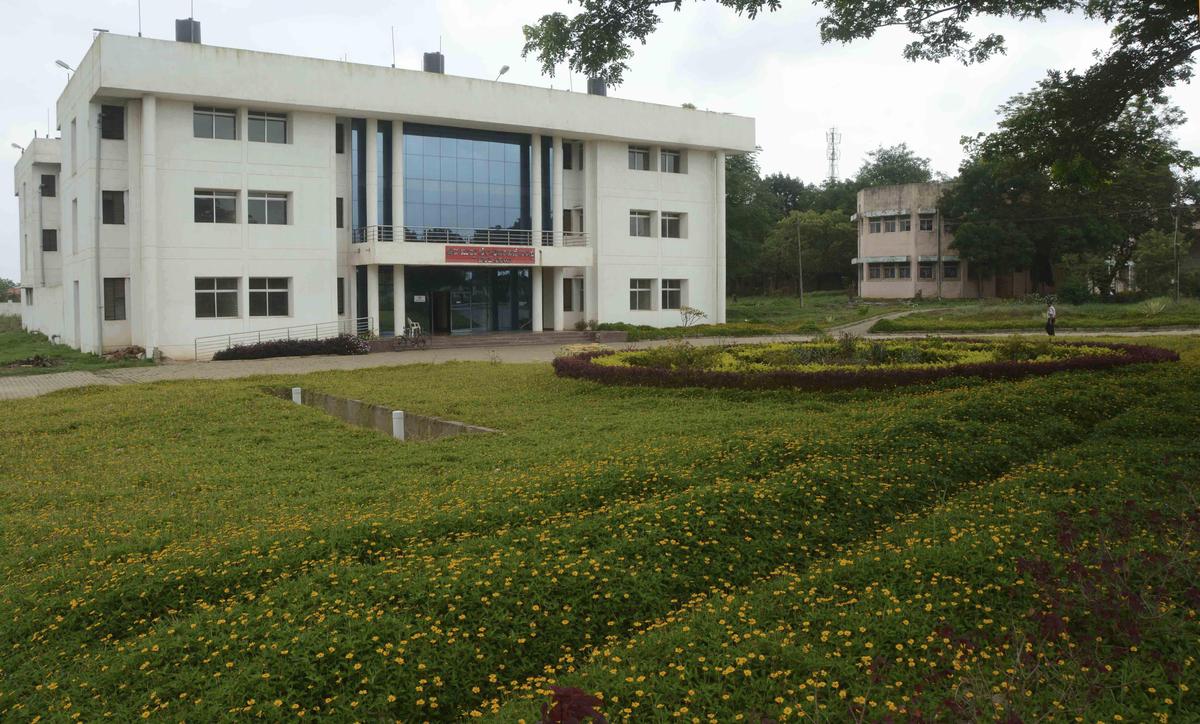
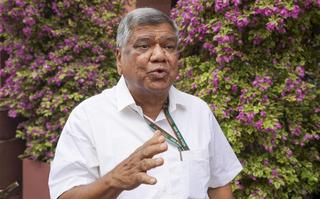
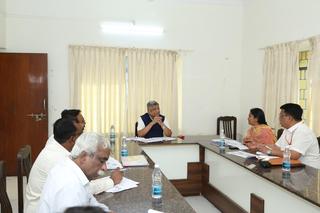
Belagavi, Karnataka — The government has announced a major push to improve urban sanitation and waste management in Belagavi district. Satish Jarkiholi, the Public Works Department Minister, revealed plans to establish two new solid waste management facilities in Belagavi city. The project aims to overhaul existing waste handling mechanisms, reduce environmental pollution, and improve public health and hygiene standards across the region. The announcement has been welcomed by civic bodies, environmental groups, and local residents, many of whom have long complained of irregular garbage collection, open dumping and lack of proper waste disposal infrastructure.
According to the minister, the two proposed facilities will include composting units, waste segregation yards, material recovery centres (for recyclable waste), and modern processing mechanisms to handle both household and commercial waste. He emphasised that the initiative was part of the government’s broader ambition to modernise urban infrastructure in mid-size cities and ensure that they meet rising civic expectations. The facilities, he said, will also be capable of handling biomedical and hazardous waste under regulated conditions, ensuring safer disposal and reduced risk to both people and environment.
Authorities expect the project to be funded through a combination of state-level allocations and central urban development schemes, with implementation to begin in phases over the next 12–18 months. The plan calls for detailed site selection, environmental clearances, community consultations and procurement of necessary machinery. Once operational, the new facilities are expected to significantly reduce unregulated dumping, curb open burning of waste, and improve cleanliness across Belagavi’s residential, commercial, and industrial zones.
WHY BELAGAVI NEEDS IT: Waste Crisis and Public Complaints
Belagavi has seen rapid urban growth, rising population, and expanded commercial activity over the past decade. With that, the volume of solid waste— household garbage, industrial refuse, plastic, biomedical waste, construction debris — has surged substantially. Residents of many localities have repeatedly expressed frustration over irregular garbage collection, overflow of bins, foul smell around dumping zones, stray refuse scattered on streets, and danger of vector-borne diseases.
Local civic bodies have struggled to handle the mounting waste with outdated infrastructure, inadequate staff, and limited processing capacity. A significant portion of waste ends up in informal dumps or along the outskirts of the city — a practice that poses severe risks to soil, groundwater, and public health. Environmental activists warn that such mismanagement could contribute to water contamination, increase in stray animals and pests, and degradation of urban living conditions.
Moreover, biomedical and hazardous waste from hospitals, clinics, and laboratories has often been disposed in ad-hoc manner, raising serious concerns about safety and pollution. The lack of segregation at source means that recyclable, degradable, and hazardous waste end up mixed, complicating disposal and increasing risk of infection or chemical hazard. For many citizens, the announcement of formal facilities has come as long-overdue reassurance that authorities are finally responding to persistent sanitation woes.
DETAILS OF THE PROPOSED FACILITIES AND IMPLEMENTATION PLAN
As per the plan outlined by the PWD Minister, one of the two facilities will be located inside the municipal limits of Belagavi city, aimed at handling household and commercial waste from densely populated zones. This plant will include a material-recovery centre for plastic, paper, glass and metal recyclables; a composting yard for organic waste; and a sanitary landfill for non-recoverable waste. Waste segregation points will be established at source to streamline processing and reduce contamination.
The second facility is proposed to be located at the periphery of the city — catering to bulky waste such as construction debris, industrial residuals, bulky refuse, and hazardous/ biomedical waste. This facility will be designed with proper containment systems, secure storage, incineration or safe disposal mechanisms for hazardous waste, and monitoring systems to prevent environmental leakage or contamination.
Minister Jarkiholi emphasized that both facilities would be equipped with modern machinery — shredders, compactors, balers, composting windrows or tunnels, waste-to-energy readiness infrastructure (if feasible), and waste-processing lines. He added that staff training, use of protective gear, and regular maintenance protocols would be mandatory to ensure efficiency, workplace safety, and compliance with environmental standards.
To finance and manage the project, the state government plans to draw on central allocations under urban development schemes, supplemented by municipal funds and — in certain segments — public-private partnerships. The municipal corporation will coordinate with state agencies to oversee land acquisition (where necessary), environmental clearances, procurement, staffing, and citizen outreach. A project-monitoring unit may be constituted to track implementation milestones, ensure transparency, and handle grievances.
COMMUNITY RESPONSE and Hopes for Cleaner Belagavi
The minister’s announcement has been welcomed by many civic leaders, resident welfare associations (RWAs), and environmental activists. For years, citizens have faced problems of garbage piling up in residential localities, strewn waste along roadside drains, and unsanitary conditions during rainy seasons. Many households — particularly in old city areas and lower-income neighbourhoods — reported poor waste-collection frequency, leading to frustration and health fears.
Local environmental groups called the move “a long-awaited step toward urban renewal.” They highlighted that proper waste management facilities would not only improve cleanliness but could trigger better civic sense, encourage waste segregation at source, reduce use of plastic, and potentially generate local employment through waste-processing, recycling and composting operations. Several activists urged the authorities to pair the new infrastructure with public awareness campaigns, waste-segregation promotions and community participation to ensure long-term success.
Residents from commercial zones, markets, and eateries also expressed optimism. Business owners said that cleaner streets, efficient waste disposal and controlled dumping sites would improve public perception, sanitation, and foot traffic — all vital for commerce. They called for transparent tracking of waste-management fees and insisted that accountability mechanisms be put in place to avoid neglect once the facilities are operational.
Representatives of health and sanitation agencies welcomed the inclusion of biomedical and hazardous waste processing segments. They stressed that regulated disposal would reduce risks of contamination, spread of diseases, and water-borne infections — a serious concern previously in areas where hospital waste was dumped without proper treatment.
CHALLENGES AHEAD: Implementation, Public Cooperation, and Oversight
While expectations are high, experts caution that success will depend on effective implementation, public participation, and sustained commitment. Site selection — particularly for the peripheral facility — needs careful assessment to avoid environmental damage, displacement, or opposition from nearby communities. Environmental impact assessments, community consultations, and transparent land acquisition processes will be essential to prevent future controversies.
Ensuring proper waste segregation at source remains a major challenge. Without conscious participation from households, shops, and institutions, recyclables, biodegradables, and hazardous waste may continue to be mixed, reducing efficiency of processing, increasing health risks, and raising operational burden. Authorities will need to run awareness campaigns, incentivise segregation, enforce penalties for violators, and possibly restructure waste-collection schedules.
Financial sustainability is another concern. Running two full-fledged waste-management facilities — with composting units, recycling centres, hazardous-waste lines, landfill management, staff, equipment maintenance — requires recurring expenditure. Municipal authorities must ensure stable funding, efficient management, and transparent accounting to avoid neglect, corruption or abandonment.
Monitoring and regulation will also be critical. Authorities must maintain records of waste inflows, processing output, environmental impact (air, water, soil), and public feedback. Independent audits and community oversight can help ensure that waste-management operations do not become burdensome or harmful.
ENVIRONMENTAL AND SOCIAL BENEFITS: A Vision for Sustainable Urban Living
If implemented properly, the two new facilities could mark a turning point in Belagavi’s urban management. Household waste, commercial refuse, construction debris, and hazardous waste would be processed systematically — reducing open dumping, littering, and health hazards. Better waste handling could lead to cleaner streets, reduced disease outbreaks, improved drainage, less waterlogging, and enhanced quality of life.
Compost produced from organic waste could benefit urban gardeners, farming families, and peri-urban agriculture, promoting sustainable reuse of waste and reducing dependence on chemical fertilisers. Recycling facilities could generate raw material supply for small industries, encourage local livelihoods in waste-recycling and material reuse, and contribute to circular economy initiatives.
The initiative could also foster social transformation. By institutionalizing waste-management, authorities send a clear message about civic responsibility, environmental ethics, and sustainable living. Residents may become more conscious about consumption, segregation, use of single-use plastics, and environmental impact — encouraging long-term behavioural change.
For the city administration, success could strengthen public trust, demonstrate effective governance, and set a template for other mid-sized cities in Karnataka and beyond. Belagavi could emerge as a model for urban sanitation — combining infrastructure, community participation, regulatory oversight, and environmental sustainability.
LOOKING AHEAD: WHAT TO EXPECT IN THE COMING MONTHS
In the next few months, officials plan to finalise site selection, initiate environmental impact assessments, and begin land-acquisition or leasing where required. Draft blueprints of the facilities are expected to be shared with municipal bodies, resident associations, and environmental groups for feedback.
Simultaneously, public outreach campaigns will begin. Residents will be educated on waste segregation, proper disposal protocols, and participation in the new waste-management system. Schools and colleges are likely to be roped in for awareness programs, and local media is expected to play a role in disseminating information.
Municipal authorities have indicated that trial runs may begin within 12 months — starting with one of the two facilities. Based on performance, capacity and impact, the full-scale system will be phased in. Citizens hope that this plan will address long-standing sanitation problems and build a cleaner, healthier, and more sustainable urban environment.
Experts suggest that success will also depend on timely data publication, transparency in operations, and consistent civic engagement. Periodic reports on waste processed, environmental indicators, public complaints, and corrective actions must be shared to ensure accountability and encourage cooperation.
CONCLUSION: A New Chapter for Waste Management in Belagavi
The government’s decision to establish two modern solid waste management facilities in Belagavi marks a bold commitment to urban sanitation, environmental responsibility, and public health. If carried out with transparency, community involvement, and technical efficiency, this initiative could transform how the city handles waste — moving from ad-hoc disposal to structured, regulated processing and reuse.
Presence of facilities capable of composting, recycling, hazardous-waste handling, and proper landfill disposal offers hope for cleaner streets, healthier citizens, and a sustainable urban ecosystem. The announcement has raised expectations across communities, civic groups, and environmental stakeholders.
However, the road ahead is challenging — requiring coordination among multiple departments, financial discipline, public participation, and long-term commitment. Residents, activists, and experts will need to remain vigilant, engage actively, and hold authorities accountable to ensure that the vision translates into reality.
For Belagavi, this could be a turning point — an opportunity to emerge as a model city where waste is managed responsibly, environment is protected, and urban living is dignified. Success will not just mean cleaner lanes, but a renewed sense of civic pride, sustainable development, and a healthier future for generations to come.





 On the gaining side, WELINV and WOCKPHARMA each rallied 20%, locking in at their respective upper circuits with last traded prices of ₹1,422.10 and ₹1,482.00. WOCKPHARMA stood out with exceptionally strong participation, clocking volumes of 131.92 lakh shares and an impressive traded value of about ₹1,876.32 crore, highlighting sustained institutional and retail interest. RETAIL advanced 19.99% to ₹33.13, while CREATIVEYE surged 19.91% and SHRENIK added 16.67%, underscoring bullish momentum in select small-cap counters.
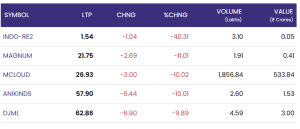 The losers’ list was led by INDO-RE2, which slumped 40.31% to ₹1.54, signalling aggressive profit booking or negative stock-specific developments. MAGNUM slipped 11.01%, while MCLOUD and ANIKINDS declined 10.02% and 10.01% respectively, both falling into double‑digit loss territory. Notably, MCLOUD saw an enormous volume of 1,856.84 lakh shares and a traded value of about ₹533.84 crore, indicating heavy churn and possible repositioning by large market participants. DJML also faced pressure, dropping 9.89% on moderate volumes.
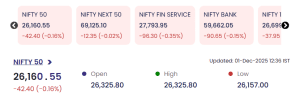 The NIFTY 50 fell to 26,160.55, down by 42.40 points or 0.16%. Other leading indices performed similarly: NIFTY NEXT 50 dropped 12.35 points (0.02%), NIFTY FIN SERVICE lost 96.30 points (0.35%), and NIFTY BANK moved down by 90.65 points (0.15%). The NIFTY 50 maintained an opening and high of 26,325.80, while the session’s low was 26,157.00.
 Despite the broader market weakness, select stocks recorded robust gains. RETAIL rose 19.99%, GLOBALE climbed 19.98%, and DIAMINESQ jumped 16.45%. SHRENIK gained 14.81%. WOCKPHARMA led the value charts with an extraordinary gain of 12.06% and a trading value of ₹534.31 crores, underscoring renewed investor confidence in the pharma sector and institutional buying.
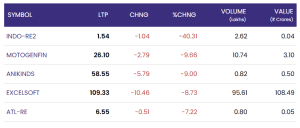 Market losers were led by INDO-RE2, sinking 40.31%. MOTOGENFIN registered a 9.66% drop, and ANIKINDS fell 9%. EXCELSOFT and ATL-RE declined by 8.73% and 7.22%, respectively. EXCELSOFT stood out with a high trading volume of 95.61 lakhs and significant value, signaling strong selling pressure.

 Several stocks delivered standout performances. RETAIL led the rally with a 19.99% surge, followed closely by GLOBALE at 19.98%. DIAMINESQ climbed 15.91%, indicating strong buying interest. SHRENIK and SHEKHAWATI also marked double-digit gains, with SHRENIK up 14.81% and SHEKHAWATI 9.96%. These gains reflect increased trading volumes and positive sentiment for select sectors.
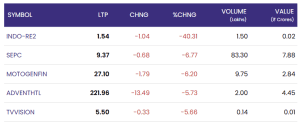 Conversely, some stocks faced notable selling pressure. INDO-RE2 plunged 40.31%, the steepest decline among tracked stocks. SEPC was down 6.77%, MOTOGENFIN fell 6.20%, while ADVENTHTL and TVVISION slipped 5.73% and 5.66% respectively. SEPC saw especially high trading volumes, indicating significant exit activity from investors.