

Sunday, December 28, 2025
Home Blog Page 97

Himalayan Musk Deer Photographed in Bengal After Nearly 70 Years 2025: Neora Valley Biodiversity Discovery, Governance Challenges, Conservation Needs, UNESCO Heritage Proposal, Community Participation, and Policy Reform for Wildlife Protection in West Bengal

The Himalayan Musk Deer Photographed in Bengal After Nearly 70 Years 2025 marks a milestone in India’s conservation history. On December 17, 2024, trap cameras installed by the Wildlife Institute of India (WII) in Neora Valley National Park, Kalimpong district, captured clear images of the elusive Himalayan musk deer. This is the first photographic evidence of the species in Bengal since 1955, when it was last sighted in Singalila National Park, Darjeeling. The rediscovery has generated excitement among wildlife researchers, conservationists, and policymakers.


2. The Significance of the Himalayan Musk Deer

The Himalayan musk deer (Moschus leucogaster):

  • Listed as endangered on the IUCN Red List.
  • Known for its musk gland, historically exploited for perfumes and medicines.
  • Native to high‑altitude forests of the Himalayas.
  • Plays a crucial role in maintaining ecological balance.

Its rediscovery in Bengal underscores the rich but underexplored biodiversity of Neora Valley.


3. The Role of Trap Cameras

The WII installed cameras primarily to study red pandas.

  • Unexpectedly, they captured multiple angles of the musk deer.
  • Images were transmitted directly to WII headquarters in Dehradun.
  • Bengal’s forest department was informed only later, sparking debate over coordination.

This highlights the importance of technology in modern wildlife research.


4. Himalayan Musk Deer Photographed: Governance Challenges

The incident exposed governance gaps:

  • Bengal’s forest department was not immediately informed.
  • Coordination between central and state agencies remains weak.
  • Conservation data often bypasses local authorities.
  • Policy reforms are needed to ensure transparency and collaboration.

5. Voices from the Forest Department

Bhaskar JV, chief conservator of forests (wildlife, north), expressed disappointment:

  • “It is disappointing that the WII has not provided the details to us, even though we are the apex department in the state.”
  • He emphasized the need for urgent habitat assessment.

This reflects the tension between central research bodies and state governance structures.


6. Conservationists’ Perspective

Wildlife researcher Animesh Bose noted:

  • The discovery highlights Neora Valley’s unexplored biodiversity.
  • He urged prioritization of habitat protection.
  • He called for UNESCO recognition of Neora Valley as a world heritage site.

His remarks underscore the global significance of Bengal’s forests.


7. UNESCO Heritage Proposal

Neora Valley was nominated for UNESCO heritage status in 1999.

  • The park hosts multiple Red List species, including Bengal tiger, golden cat, and now musk deer.
  • Recognition would strengthen conservation funding and global awareness.
  • Conservationists argue that rediscovery of musk deer strengthens the case.

8. Historical Context: Musk Deer in Bengal

The last official sighting was in 1955 at Singalila National Park.

  • No photographic evidence existed then.
  • Populations were believed to have vanished due to poaching and habitat loss.
  • Rediscovery after seven decades is a historic conservation milestone.

9. Broader Implications for Democracy and Development

The rediscovery raises broader questions:

  • Can biodiversity survive amid governance gaps?
  • Will rediscovery lead to stronger conservation policies?
  • How can democracy balance development with ecological preservation?

10. Recommendations for Reform

Experts suggest:

  • Detailed census of musk deer populations in Neora Valley.
  • Micro‑habitat conservation plans.
  • Community education on wildlife tolerance.
  • Stronger anti‑poaching enforcement.
  • Integration of eco‑tourism to support livelihoods.

11. Comparative Lessons from Other States

Other states have undertaken similar initiatives:

  • Uttarakhand documented musk deer in Kedarnath Wildlife Sanctuary.
  • Sikkim reported sightings in alpine forests.
  • Bengal’s rediscovery reflects a national trend of rediscovering endangered species.

12. Human Stories: Local Communities

Villagers near Neora Valley described:

  • Surprise at hearing of musk deer rediscovery.
  • Fear of stricter forest entry bans.
  • Hope for eco‑tourism opportunities.

These stories highlight the human dimension of conservation.


13. Scientific Impact

Researchers emphasized:

  • First photographic evidence in Bengal since 1955.
  • Confirmation of musk deer presence strengthens biodiversity records.
  • Calls for urgent habitat assessment and protection.

The findings enrich scientific knowledge and conservation databases.


14. Conclusion: A Test of Governance and Conservation

The Himalayan Musk Deer Photographed in Bengal After Nearly 70 Years 2025 is more than a wildlife rediscovery — it is a test of governance, democracy, and conservation. Unless systemic reforms are undertaken, species will remain vulnerable, and public trust in institutions will erode.

The rediscovery underscores the urgency of balancing biodiversity preservation with community livelihoods and governance accountability.


🔗 Government External Links

For further reading and official updates, here are relevant government sources:

Also read: Home | Channel 6 Network – Latest News, Breaking Updates: Politics, Business, Tech & More

Trap Cameras Capture Purulia Wildlife Thriller 2025: Leopards, Pangolins, Honey Badgers, Rusty‑Spotted Cats, Biodiversity Discoveries, Conservation Challenges, Community Participation, and Policy Reform Needs in West Bengal Forests

The Trap Cameras Capture Purulia Wildlife Thriller 2025 has become a landmark in Bengal’s conservation narrative. Installed by the Human and Environment Alliance League (HEAL) in collaboration with the Bengal forest department, the cameras revealed a breathtaking array of species in Kotshila forest, Purulia. From leopards cuddling in daylight to pangolins and honey badgers prowling at night, the footage underscores Purulia’s rich biodiversity and challenges stereotypes that only the Sundarbans and North Bengal are wildlife hotspots.


2. The Trap Camera Project

The project began in January 2025 and continued until September 2025.

  • Cameras covered 8 sq km of Kotshila forest.
  • The forest itself spans 50 sq km, suggesting even greater biodiversity.
  • Supported by the Duleep Matthai Nature Conservation Trust, the initiative focused on pangolin conservation.
  • HEAL coordinated the project, with Vasudha Mishra as project lead.

The footage was compiled into a three‑minute montage, showcasing Bengal’s hidden wildlife treasures.


3. Species Captured on Camera

The cameras documented a wide range of species:

  • Indian Muntjac (barking deer): sounding alarm calls.
  • Small Indian Civet: searching for food.
  • Leopards: including a rare clip of two cuddling in daylight.
  • Sloth Bear: moving cautiously before sprinting.
  • Honey Badger: first formal documentation in Bengal, known for fearless defense.
  • Indian Pangolin: imperiled by trafficking, briefly appearing.
  • Rusty‑Spotted Cat: among the world’s smallest cats, formally documented in Bengal for the first time.
  • Elephant: partially visible, highlighting megafauna presence.

Each sighting adds to the scientific record of Purulia’s biodiversity.


4. Conservation Significance

The project highlights urgent conservation needs:

  • Pangolins are among the world’s most trafficked mammals.
  • Honey badgers are rare and fearless, requiring habitat protection.
  • Rusty‑spotted cats are vulnerable due to habitat loss.
  • Leopards and sloth bears face human‑wildlife conflict risks.

The findings call for micro‑habitat conservation and detailed census efforts.


5. Trap Cameras Capture Purulia Wildlife Thriller: Governance Challenges

Officials emphasized:

  • Need for comprehensive census of species.
  • Importance of documenting habitats and threats.
  • Requirement of conservation action plans.
  • Integration of community participation in conservation.

Divisional forest officer Anjan Guha formally requested a detailed census and micro‑habitat action plan.


6. Community Participation

HEAL’s executive director Meghna Banerjee stressed:

  • Conservation must include local communities.
  • Raising social tolerance for wild carnivores is essential.
  • Supported by WWF‑India’s Conservation Catalyst Programme.

This reflects a shift toward inclusive conservation models.


7. Historical Context: Purulia’s Wildlife Legacy

Purulia has long been underestimated:

  • Known more for hilly terrain than biodiversity.
  • Past trap cameras documented striped hyenas and Indian wolves.
  • Terrain makes conversion to agriculture difficult, preserving habitats.

The new findings challenge stereotypes and highlight Purulia as a thriving wildlife habitat.


8. Broader Implications for Democracy and Development

The project raises broader questions:

  • Can conservation thrive without community participation?
  • Will biodiversity survive amid trafficking and habitat loss?
  • How can governance balance development with ecological preservation?

9. Recommendations for Reform

Experts suggest:

  • Detailed census of Purulia’s wildlife.
  • Micro‑habitat conservation plans.
  • Community education on wildlife tolerance.
  • Stronger anti‑trafficking enforcement.
  • Integration of eco‑tourism to support livelihoods.

10. Comparative Lessons from Other States

Other states have undertaken similar initiatives:

  • Karnataka uses camera traps for tiger monitoring.
  • Madhya Pradesh documented leopards and wolves in fragmented forests.
  • Purulia’s case reflects a national trend of rediscovering hidden biodiversity.

11. Human Stories: Local Communities

Villagers near Kotshila forest described:

  • Surprise at seeing pangolins and honey badgers documented.
  • Fear of carnivores balanced with pride in biodiversity.
  • Hope for eco‑tourism opportunities.

These stories highlight the human dimension of conservation.


12. Scientific Impact

Researchers emphasized:

  • First formal documentation of rusty‑spotted cat in Bengal.
  • Rare footage of honey badger in Bengal.
  • Confirmation of pangolin presence despite trafficking threats.

The findings enrich scientific knowledge and conservation databases.


13. Conclusion: A Test of Governance and Conservation

The Trap Cameras Capture Purulia Wildlife Thriller 2025 is more than a wildlife documentary — it is a test of governance, democracy, and conservation. Unless systemic reforms are undertaken, species will remain vulnerable, and public trust in institutions will erode.

The project underscores the urgency of balancing biodiversity preservation with community livelihoods and governance accountability.


🔗 Government External Links

For further reading and official updates, here are relevant government sources:

Also read: Home | Channel 6 Network – Latest News, Breaking Updates: Politics, Business, Tech & More
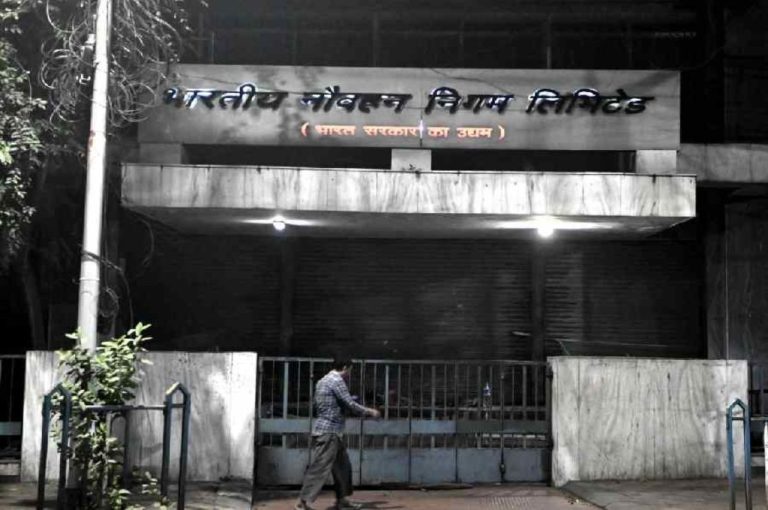
Election Commission Shifts Office of Bengal Chief Electoral Officer Clash with TMC Government 2025: Governance Challenges, Political Fallout, Administrative Autonomy, Financial Implications, Public Trust, and Policy Reform Needs in West Bengal

The Election Commission Shifts Office of Bengal Chief Electoral Officer Clash with TMC Government 2025 controversy has become a defining moment in Bengal’s governance. On November 29, 2025, the Election Commission (EC) approved the relocation of the CEO’s office from the Balmer Lawrie building on N.S. Road to the Shipping Corporation building on Strand Road, Kolkata. The decision, taken without consulting the state government, has triggered political tensions with the Trinamool Congress (TMC), which accused the EC of undermining state authority.


2. Election Commission Shifts Office of Bengal: The Relocation Decision

The EC justified the move citing:

  • Space constraints at the Balmer Lawrie building.
  • Security vulnerabilities at the existing office.
  • Administrative exigency requiring immediate relocation.
  • Approval to hire the 2nd and 3rd floors of the Shipping Corporation building.

The EC also committed to funding IT infrastructure, renovation, and logistics at the new office.


3. Financial Implications

Sources revealed:

  • New office: 18,000 sq ft at ₹85 per sq ft per month.
  • Monthly rent: ₹15.3 lakh (₹1.836 crore annually).
  • Old office: ₹1.8 crore annually plus ₹20 lakh maintenance.
  • Additional ₹50 lakh spent during elections for hiring extra space.

The relocation is expected to reduce long‑term costs while expanding capacity.


4. State Government’s Objection

Officials at Nabanna argued:

  • The CEO’s office functions under the state home department.
  • The EC should have consulted the state before approving relocation.
  • Chief Minister Mamata Banerjee had asked officials to find a state‑owned building.
  • The CM opposed functioning from a central government building.

This reflects a clash between central autonomy and state authority.


5. Political Fallout

The controversy has political consequences:

  • TMC accused EC of bypassing state government.
  • BJP defended EC’s autonomy, framing TMC as obstructive.
  • Civil society debated governance failures in electoral processes.

The issue has become a flashpoint ahead of the 2026 Assembly elections.


6. Governance Challenges Exposed

The incident highlights systemic governance challenges:

  • Balancing central autonomy with state consultation.
  • Preventing politicization of administrative decisions.
  • Ensuring transparency in financial management.
  • Maintaining public trust in electoral institutions.

7. Human Dimension: Staff and Capacity

Officials noted:

  • Over 100 officers and staff will be accommodated at the new office.
  • The old office was too cramped to house existing personnel.
  • Election‑time expansion was costly and inefficient.

The relocation reflects the human need for adequate workspace and efficiency.


8. Historical Context: EC vs State Clashes

India has witnessed similar controversies:

  • EC decisions often clash with state governments during elections.
  • Past disputes in Tamil Nadu and Uttar Pradesh highlight tensions over autonomy.
  • Bengal’s case reflects a national challenge of balancing federalism with electoral integrity.

9. Broader Implications for Democracy

The incident raises fundamental questions:

  • Can democracy thrive if EC decisions bypass state consultation?
  • Will relocation improve efficiency or deepen political mistrust?
  • Does governance risk losing legitimacy if institutions clash publicly?

10. Recommendations for Reform

Experts suggest:

  • Dialogue mechanisms between EC and state governments.
  • Transparent financial audits of relocation decisions.
  • Legal clarity on administrative autonomy.
  • Community outreach to maintain public trust.

11. Comparative Lessons from Other States

Other states have faced similar controversies:

  • Tamil Nadu’s EC decisions sparked political protests.
  • Uttar Pradesh witnessed disputes over voter roll management.
  • Bengal’s case reflects a national struggle for institutional balance.

12. Human Stories: Staff and Citizens

Staff described:

  • Relief at moving to a larger office.
  • Anxiety about political fallout.
  • Hope for smoother election management.

Citizens expressed:

  • Confusion about politicization of administrative decisions.
  • Desire for transparent governance.

These stories highlight the human dimension of institutional clashes.


13. Conclusion: A Test of Governance and Democracy

The Election Commission Shifts Office of Bengal Chief Electoral Officer Clash with TMC Government 2025 is more than an administrative decision — it is a test of governance, democracy, and federalism. Unless systemic reforms are undertaken, institutions will remain vulnerable to politicization, and public trust in democracy will erode.

The relocation underscores the urgency of balancing administrative autonomy with cooperative federalism.


🔗 Government External Links

For further reading and official updates, here are relevant government sources:

Also read: Home | Channel 6 Network – Latest News, Breaking Updates: Politics, Business, Tech & More
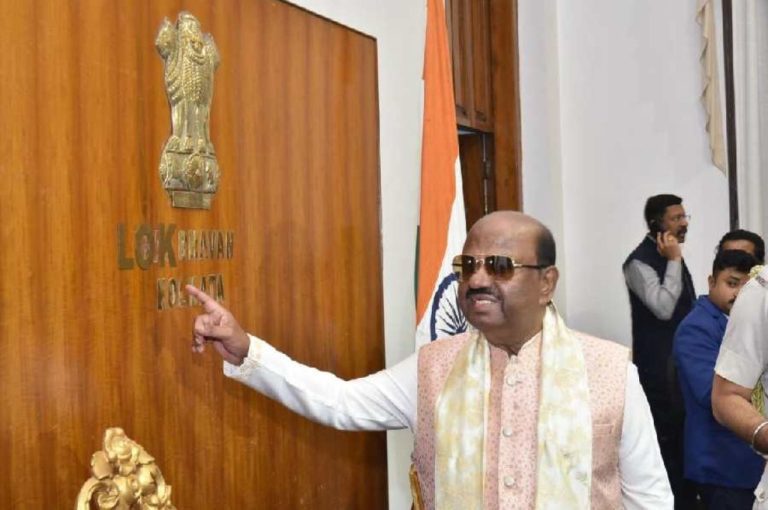
Governor Bose Renames Bengal Raj Bhavan as Lok Bhavan Following Centre’s Directive 2025: Historical Legacy, Governance Challenges, Political Fallout, Symbolic Transformation, Public Perception, and Policy Reform Needs in West Bengal

Governor Bose Renames Bengal Raj Bhavan: The Governor Bose Renames Bengal Raj Bhavan as Lok Bhavan Following Centre’s Directive 2025 event has become a defining moment in Bengal’s political and cultural discourse. On November 29, 2025, Governor C.V. Ananda Bose unveiled the new nameplate at the historic Raj Bhavan in Kolkata, rechristening it Lok Bhavan. This decision followed a Union Home Ministry directive issued on November 25, 2025, mandating that all Raj Bhavans across India be renamed Lok Bhavans.


2. Historical Legacy of Raj Bhavan

Raj Bhavan, built in 1803, was originally known as the Government House.

  • It served as the official residence of the Viceroy of India until 1911, when the capital shifted to Delhi.
  • After Independence, it was renamed Raj Bhavan and became the official residence of the Governor of West Bengal.
  • The building has hosted dignitaries, including presidents, prime ministers, and foreign leaders.

Its renaming marks a symbolic departure from colonial nomenclature.


3. The Centre’s Directive

The Union Home Ministry’s communiqué stated:

  • All Raj Bhavans across India must be renamed Lok Bhavans.
  • Residences of Lieutenant Governors (Raj Niwas) in Delhi, Ladakh, Andaman & Nicobar Islands, and Puducherry will be renamed Lok Niwas.
  • The decision followed recommendations made during the 2024 Conference of Governors.

This reflects the Centre’s push to decolonize institutional names and emphasize people‑centric governance.


4. Governor Bose’s Statement

Governor Bose declared:

  • “Today is a red‑letter day as far as the Governor’s House is concerned, anywhere in India. Now it will not be Raj Bhavan but Lok Bhavan.”
  • He recalled President Droupadi Murmu’s symbolic handover of the Raj Bhavan key to Chief Minister Mamata Banerjee in 2023, calling it the beginning of a “Jana Raj Bhavan” era.
  • He emphasized opening the Bhavan to the public, making it more accessible.

His remarks framed the renaming as a transition from elite colonial heritage to democratic inclusivity.


5. Governance Challenges Exposed

The renaming highlights systemic governance challenges:

  • Balancing heritage preservation with modernization.
  • Managing political fallout from symbolic changes.
  • Ensuring accessibility of historically restricted spaces.
  • Integrating public participation into governance institutions.

6. Governor Bose Renames Bengal Raj Bhavan: Political Fallout

The renaming has political consequences:

  • Supporters hail it as a step toward decolonization.
  • Critics argue it is symbolic, with little impact on governance.
  • Opposition parties question whether renaming distracts from pressing issues like unemployment and corruption.

The issue has become a flashpoint in Bengal’s political debates.


7. Public Perception

Citizens expressed mixed reactions:

  • Some welcomed the renaming as a move toward inclusivity.
  • Others worried about erasing historical identity.
  • Heritage activists called for careful preservation of colonial architecture even as names change.

Their voices reflect the human dimension of symbolic governance reforms.


8. Historical Context: Renaming Movements in India

India has witnessed similar renaming initiatives:

  • Cities like Bombay → Mumbai, Calcutta → Kolkata, Madras → Chennai.
  • Roads and institutions renamed to honor national leaders.
  • The Lok Bhavan initiative echoes these efforts, emphasizing national identity over colonial legacy.

9. Broader Implications for Democracy

The renaming raises fundamental questions:

  • Can democracy thrive if symbolic gestures overshadow substantive reforms?
  • Will accessibility of Lok Bhavans strengthen public trust?
  • Does governance risk losing legitimacy if heritage is politicized?

10. Recommendations for Reform

Experts suggest:

  • Transparent audits of heritage buildings.
  • Community participation in renaming decisions.
  • Legal safeguards against arbitrary erasure of history.
  • Dialogue between Centre and states to reduce political friction.

11. Comparative Lessons from Other States

Other states have faced similar controversies:

  • Uttar Pradesh renamed Allahabad to Prayagraj.
  • Maharashtra renamed Aurangabad to Sambhajinagar.
  • Bengal’s case reflects a national trend of symbolic transformations in governance.

12. Human Stories: Families and Communities

Families visiting Raj Bhavan described:

  • Joy at being allowed entry into previously restricted areas.
  • Pride in seeing colonial heritage reframed as people’s property.
  • Anxiety about whether renaming will truly improve governance.

These stories highlight the human impact of symbolic reforms.


13. Conclusion: A Test of Governance and Democracy

The Governor Bose Renames Bengal Raj Bhavan as Lok Bhavan Following Centre’s Directive 2025 is more than a symbolic act — it is a test of governance, democracy, and heritage preservation. Unless systemic reforms are undertaken, communities will remain skeptical, and public trust in institutions will erode.

The renaming underscores the urgency of balancing heritage, inclusivity, and governance accountability.


🔗 Government External Links

For further reading and official updates, here are relevant government sources:

Also read: Home | Channel 6 Network – Latest News, Breaking Updates: Politics, Business, Tech & More
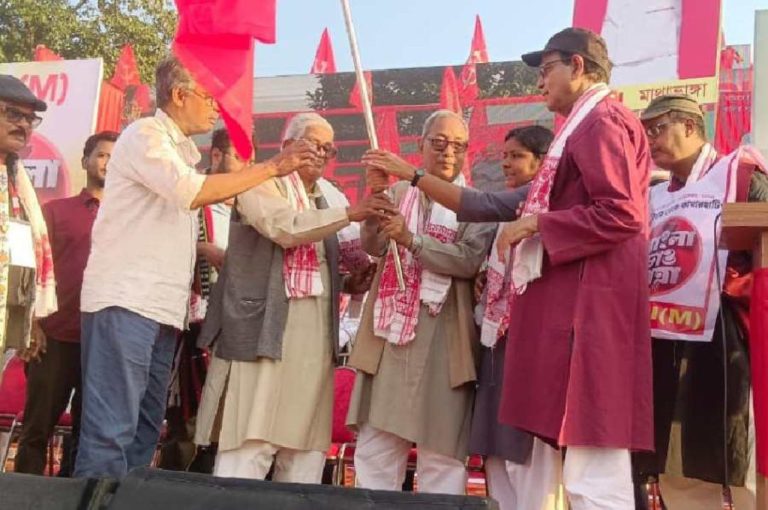
CPM Kicks Off Bengal March with Unity Call in Tufanganj Bangla Bachao Yatra 2025: Political Mobilisation, Governance Challenges, Electoral Integrity, Communal Harmony, Grassroots Revival, and Policy Reform Needs in West Bengal

The CPM Kicks Off Bengal March with Unity Call in Tufanganj Bangla Bachao Yatra 2025 marks a significant moment in Bengal’s political history. On November 29, 2025, the Communist Party of India (Marxist) launched its statewide march from Dolmela Ground in Tufanganj, once considered a Left bastion. The initiative, called the Bangla Bachao Yatra (Save Bengal March), is designed to rekindle grassroots confidence, mobilize workers, and present an alternative to both BJP and Trinamool Congress governance.


2. CPM Kicks Off Bengal March with Unity: Symbolism of Tufanganj

Tufanganj was chosen deliberately:

  • Historically a stronghold of Left politics.
  • Represents grassroots struggles of farmers and workers.
  • Symbolic of the CPM’s attempt to reclaim lost ground.

The march’s launch here signals a return to ideological roots.


3. Md Salim’s Call for Unity

State secretary Md Salim emphasized:

  • “To save people, you must save unity among people.”
  • He warned against divisions along Hindu–Muslim, Bengali–Koch–Rajbanshi–Nepali lines.
  • He accused ruling parties of exploiting temples and mosques for electoral noise.
  • He pledged to strengthen education, culture, villages, and neighborhoods under the red flag.

His rhetoric framed the march as a battle for communal harmony and social justice.


4. Minakshi Mukherjee’s Pledge

CPM central committee member Minakshi Mukherjee declared:

  • “Standing on this soil, we pledge to end corruption, communal riots, and the reign of goons.”
  • She invoked reformers like Panchanan Barma and Abbasuddin Ahmed, revered in Cooch Behar.
  • She called participants “soldiers committed to saving Bengal.”

Her speech reflected youthful energy and ideological conviction.


5. Criticism of BJP and TMC

Speakers strongly criticized:

  • BJP‑led central government for divisive politics and unemployment.
  • Trinamool Congress government for corruption and mismanagement.
  • Both parties were accused of betraying Bengal’s people.

This positions CPM as a third alternative in Bengal’s polarized politics.


6. Governance Challenges Exposed

The march highlights systemic governance failures:

  • Unemployment among youth.
  • Corruption in state institutions.
  • Communal polarization in electoral politics.
  • Weak grassroots confidence in governance.

7. Human Dimension: Workers’ Confidence

Local CPM workers expressed:

  • Joy at seeing red flags return to Dolmela Ground.
  • Renewed confidence in grassroots mobilization.
  • Hope for revival of Left politics.

Their voices reflect the human impact of political mobilization.


8. Historical Context: Left Politics in Bengal

The Left ruled Bengal for over three decades.

  • Lost power in 2011 to Trinamool Congress.
  • Struggled to regain relevance amid BJP’s rise.
  • The Bangla Bachao Yatra echoes historic Left marches that mobilized peasants and workers.

9. Broader Implications for Democracy

The march raises fundamental questions:

  • Can Left politics revive in Bengal’s polarized environment?
  • Will unity across communities counter divisive narratives?
  • Does democracy risk losing legitimacy if corruption and unemployment persist?

10. Recommendations for Reform

Experts suggest:

  • Grassroots mobilization through marches and campaigns.
  • Policy reforms to address unemployment.
  • Transparency measures to curb corruption.
  • Dialogue across communities to strengthen harmony.

11. Comparative Lessons from Other States

Other states have seen similar mobilizations:

  • Kerala’s Left continues to thrive through grassroots campaigns.
  • Tripura witnessed Left decline amid BJP’s rise.
  • Bengal’s case reflects a national struggle for Left relevance.

12. Human Stories: Families and Communities

Families in Cooch Behar describe:

  • Relief at seeing CPM return to their neighborhoods.
  • Hope for protection against corruption and violence.
  • Desire for unity across caste and religion.

These stories highlight the human dimension of political revival.


13. Conclusion: A Test of Governance and Democracy

The CPM Kicks Off Bengal March with Unity Call in Tufanganj Bangla Bachao Yatra 2025 is more than a political event — it is a test of governance, democracy, and communal harmony. Unless systemic reforms are undertaken, Bengal’s communities will remain vulnerable, and public trust in institutions will erode.

The march underscores the urgency of balancing electoral integrity with compassion for marginalized communities and grassroots workers.


🔗 Government External Links

For further reading and official updates, here are relevant government sources:

Also read: Home | Channel 6 Network – Latest News, Breaking Updates: Politics, Business, Tech & More

Mamata Banerjee Meeting in Malda BJP Turf Amid Matua Voter Concerns SIR 2025: Electoral Roll Revision, Governance Challenges, Political Fallout, Community Rights, and Policy Reform Needs in West Bengal

The Mamata Banerjee Meeting in Malda BJP Turf Amid Matua Voter Concerns SIR 2025 controversy has become a defining moment in Bengal’s political landscape. On December 3, 2025, Chief Minister Mamata Banerjee will address a rally in Gazole, Malda, a constituency won by BJP in 2021. The rally comes amid growing anxiety among Matua and Namasudra voters over the Special Intensive Revision (SIR) of electoral rolls, which uses the 2002 voter list as a baseline.


2. The Choice of Venue: Gazole’s Symbolism

Gazole is one of three Assembly constituencies in Malda North — alongside Old Malda and Habibpur — where BJP secured victories in 2021.

  • Gazole sits at the intersection of tribal and Matua belts.
  • Both constituencies are reserved for Scheduled Castes and Scheduled Tribes.
  • Out of Malda’s 12 Assembly seats, BJP won four in 2021, including Gazole.

Mamata’s choice of venue is strategic, aiming to challenge BJP on its own turf.


3. The Matua and Namasudra Concerns

Political analysts note:

  • Many Matua voters migrated after 2002, so their names are absent from old rolls.
  • Communities fear disenfranchisement in upcoming elections.
  • The SIR has triggered anxiety about whether voting rights will be upheld.

Mamata’s rally is expected to reassure these communities of protection under TMC governance.


4. TMC’s Strategy

Party insiders revealed:

  • Mamata will counter BJP’s “divisive narrative.”
  • She will highlight TMC’s commitment to safeguarding minority and refugee rights.
  • Former CPM MLA Dipali Biswas, who briefly joined BJP, has returned to TMC, strengthening local support.

This reflects TMC’s attempt to consolidate marginalized communities.


5. BJP’s Counter Narrative

BJP leaders dismissed Mamata’s visit:

  • They cited the Citizenship Amendment Act (CAA) as proof of commitment to Matua rights.
  • They highlighted tribal representation, including a tribal woman as President of India.
  • They argued that despite Mamata’s rallies, BJP won in 2021.

Their rhetoric frames BJP as the true ally of Matua and tribal communities.


6. Suvendu Adhikari’s Attack

Leader of the Opposition Suvendu Adhikari accused Mamata of:

  • Opposing removal of “illegal infiltrators” from rolls.
  • Blocking fencing along the India‑Bangladesh border.
  • Allowing transborder crimes, including human trafficking.

His remarks reflect BJP’s hardline stance on border security and voter integrity.


7. Governance Challenges Exposed

The incident highlights systemic governance failures:

  • Unrealistic deadlines imposed by EC for SIR.
  • Weak communication with BLOs and communities.
  • Poor technology infrastructure in rural areas.
  • Delayed response to BLO grievances and community protests.

Without reforms, electoral integrity itself is at risk.


8. Human Dimension: Community Voices

Families in Malda describe:

  • Anxiety about losing voting rights.
  • Fear of exclusion from rolls.
  • Hope that Mamata’s rally will bring reassurance.

Their voices reflect the human cost of governance neglect.


9. Historical Context: Malda’s Political Shifts

Malda was once a CPM stronghold.

  • In 2021, BJP gained ground, winning four seats.
  • TMC has historically struggled in SC/ST constituencies.
  • The induction of leaders like Dipali Biswas reflects shifting allegiances.

The rally continues Malda’s legacy of political volatility.


10. Broader Implications for Democracy

The incident raises fundamental questions:

  • Can elections be credible if communities fear disenfranchisement?
  • Will voter rolls be accurate if BLOs collapse under workload?
  • Does democracy risk losing legitimacy if electoral processes are politicised?

11. Mamata Banerjee Meeting in Malda: Recommendations for Reform

Experts suggest:

  • Staggered timelines for voter roll revision.
  • Hiring additional staff to support BLOs.
  • Improved technology for faster digitisation.
  • Compensation packages for BLO families.
  • Policy reform to safeguard refugee rights and community trust.

12. Comparative Lessons from Other States

Other states have faced similar controversies:

  • Assam’s NRC excluded millions despite decades of residence.
  • Tripura’s refugee politics shaped electoral outcomes.
  • Bengal’s case reflects a national challenge of balancing electoral integrity with refugee rights.

13. Human Stories: Families in Distress

Families of BLOs and community members describe:

  • Sudden collapses from exhaustion.
  • Panic attacks and high blood pressure.
  • Anxiety about disenfranchisement.

These stories highlight the human cost of governance failures.


14. Conclusion: A Test of Governance and Democracy

The Mamata Banerjee’s Meeting in Malda BJP Turf Amid Matua Voter Concerns SIR 2025 is more than a political rally — it is a test of governance, democracy, and human dignity. Unless systemic reforms are undertaken, communities will remain vulnerable, and public trust in institutions will erode.

The rally underscores the urgency of balancing electoral integrity with compassion for marginalized communities.


🔗 Government External Links

For further reading and official updates, here are relevant government sources:

Also read: Home | Channel 6 Network – Latest News, Breaking Updates: Politics, Business, Tech & More

CPM Alleges Genuine Voters Denied Forms in East Burdwan Electoral Roll Revision SIR 2025: Governance Failures, Political Fallout, BLO Pressure, Public Trust Concerns, and Policy Reform Needs in West Bengal

The CPM Alleges Genuine Voters Denied Forms in East Burdwan Electoral Roll Revision SIR 2025 controversy has become a defining moment in West Bengal’s political discourse. On November 29, 2025, CPM leaders accused booth‑level officers (BLOs) of failing to distribute voter enumeration forms to genuine electors during the Special Intensive Revision (SIR). They alleged BLOs were working under political pressure from Trinamool Congress leaders, undermining the integrity of the electoral process.


2. The Special Intensive Revision (SIR): What It Means

The SIR is a voter roll update exercise mandated by the Election Commission of India (ECI).

  • BLOs must verify voter identities against the 2002 electoral roll benchmark.
  • Families without proper linkage risk exclusion.
  • Aadhaar is accepted only as identity proof, not citizenship proof.
  • Normally, the process takes 18–24 months.
  • In 2025, the EC compressed it into two months, sparking chaos.

This hurried timeline has become the root of the crisis, with BLOs collapsing under workload pressure and communities fearing disenfranchisement.


3. CPM Alleges Genuine Voters Denied

CPM district secretariat member Apurbo Chatterjee declared:

  • BLOs were too afraid to lodge complaints due to threats to their “life and job.”
  • BLOs were handing over forms to ruling party agents instead of voters.
  • Trinamool booth‑level agents (BLAs) collected filled‑in forms, undermining authenticity.
  • The process risked generating electoral rolls full of fictitious names.

Their rhetoric framed the SIR as a political weapon rather than an administrative exercise.


4. District Administration’s Response

District magistrate Ayesha Rani, also the district electoral officer, countered:

  • Nearly 100 percent of forms had been distributed.
  • BLOs uploaded data showing 99.97 percent coverage.
  • Parties were asked to submit specific objections with elector details.
  • Without evidence, allegations could not be acted upon.

This reflects the administration’s insistence on procedural compliance.


5. Governance Challenges Exposed

The incident highlights systemic governance failures:

  • Unrealistic deadlines imposed by EC.
  • Weak communication with BLOs.
  • Poor technology infrastructure in rural areas.
  • Delayed response to BLO grievances and deaths.

Without reforms, electoral integrity itself is at risk.


6. Human Dimension: BLOs in Fear

Families of BLOs describe:

  • Sudden collapses from exhaustion.
  • Panic attacks and high blood pressure.
  • Anxiety about punitive action if targets are missed.

Their plight is deeply personal and emotional, affecting communities across Bengal.


7. Political Fallout

The controversy has political consequences:

  • CPM consolidates support by portraying itself as defender of democracy.
  • TMC accuses CPM of making baseless allegations.
  • BJP also raised similar concerns in other districts.

The issue has become a flashpoint ahead of the 2026 Assembly elections.


8. Historical Context: Electoral Roll Controversies

India has witnessed similar controversies:

  • Assam’s NRC excluded millions due to documentation gaps.
  • Past revisions saw BLOs complain of underpayment and overwork.
  • Bengal’s SIR echoes these controversies, highlighting systemic flaws.

9. Broader Implications for Democracy

The incident raises fundamental questions:

  • Can elections be credible if BLOs collapse under workload?
  • Will voter rolls be accurate if communities feel betrayed?
  • Does democracy risk losing legitimacy if electoral processes are politicised?

10. Recommendations for Reform

Experts suggest:

  • Staggered timelines for voter roll revision.
  • Hiring additional staff to support BLOs.
  • Improved technology for faster digitisation.
  • Compensation packages for BLO families.
  • Policy reform to safeguard voter rights and community trust.

11. Comparative Lessons from Other States

Other states have faced similar controversies:

  • Assam’s NRC excluded millions despite decades of residence.
  • Tripura’s refugee politics shaped electoral outcomes.
  • Bengal’s case reflects a national challenge of balancing electoral integrity with refugee rights.

12. Human Stories: Families in Distress

Families of BLOs and community members describe:

  • Sudden collapses from exhaustion.
  • Panic attacks and high blood pressure.
  • Anxiety about disenfranchisement.

These stories highlight the human cost of governance failures.


13. Conclusion: A Test of Governance and Democracy

The CPM Alleges Genuine Voters Denied Forms in East Burdwan Electoral Roll Revision SIR 2025 is more than a bureaucratic exercise — it is a test of governance, democracy, and human dignity. Unless systemic reforms are undertaken, BLOs and communities will remain vulnerable, and public trust in institutions will erode.

The controversy underscores the urgency of balancing electoral integrity with compassion for frontline workers and respect for community sentiments.


🔗 Government External Links

For further reading and official updates, here are relevant government sources:

Also read: Home | Channel 6 Network – Latest News, Breaking Updates: Politics, Business, Tech & More
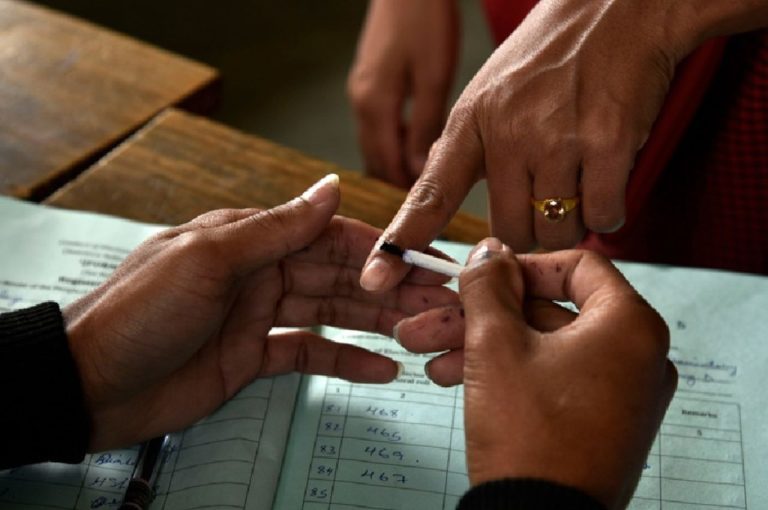
Warning on Shady Voter Data as EC Appointed Observers Flag Lax BLOs During Bengal SIR 2025: Electoral Roll Revision Controversy, Governance Failures, Political Fallout, Public Trust Concerns, and Policy Reform Needs in West Bengal

The Warning on Shady Voter Data as EC Appointed Observers Flag Lax BLOs During Bengal SIR 2025 controversy has become a defining moment in West Bengal’s democratic process. On November 29, 2025, Election Commission observers raised alarm over irregularities in the Special Intensive Revision (SIR) of electoral rolls. They warned that Booth Level Officers (BLOs) were failing to mark dead, absent, shifted, and duplicate voters correctly, thereby risking the integrity of the draft rolls.


2. The Special Intensive Revision (SIR): What It Means

The SIR is a voter roll update exercise mandated by the Election Commission of India (ECI).

  • BLOs must verify voter identities against the 2002 electoral roll benchmark.
  • Families without proper linkage risk exclusion.
  • Aadhaar is accepted only as identity proof, not citizenship proof.
  • Normally, the process takes 18–24 months.
  • In 2025, the EC compressed it into two months, sparking chaos.

This hurried timeline has become the root of the crisis, with BLOs collapsing under workload pressure and communities fearing disenfranchisement.


3. Warning on Shady Voter Data: Observers’ Warning

Special observer Subrata Gupta and 13 other officials flagged:

  • BLOs were keeping forms without uploading them on the BLO app.
  • Dead, absent, shifted, and duplicate voters were not being marked.
  • Opposition parties alleged ruling party cadres pressured BLOs to hand over forms.
  • Around 7.03 crore forms digitised out of 7.65 crore distributed, but progress was slower than expected.

Their warning reflects the systemic risks of rushed electoral exercises.


4. Governance Challenges Exposed

The incident highlights systemic governance failures:

  • Unrealistic deadlines imposed by EC.
  • Weak communication with BLOs.
  • Poor technology infrastructure in rural areas.
  • Delayed response to BLO grievances and deaths.

Without reforms, electoral integrity itself is at risk.


5. Human Dimension: BLOs in Fear

Families of BLOs describe:

  • Sudden collapses from exhaustion.
  • Panic attacks and high blood pressure.
  • Anxiety about punitive action if targets are missed.

Their plight is deeply personal and emotional, affecting communities across Bengal.


6. Political Fallout

The controversy has political consequences:

  • BJP accused TMC of manipulating voter rolls by inserting ineligible names.
  • TMC accused EC of acting under BJP’s instructions.
  • Civil society debated governance failures in electoral processes.

The issue has become a flashpoint ahead of the 2026 Assembly elections.


7. Historical Context: Electoral Roll Controversies

India has witnessed similar controversies:

  • Assam’s NRC excluded millions due to documentation gaps.
  • Past revisions saw BLOs complain of underpayment and overwork.
  • Bengal’s SIR echoes these controversies, highlighting systemic flaws.

8. Broader Implications for Democracy

The incident raises fundamental questions:

  • Can elections be credible if BLOs collapse under workload?
  • Will voter rolls be accurate if frontline staff are demoralised?
  • Does democracy risk losing legitimacy if electoral processes are rushed?

9. Recommendations for Reform

Experts suggest:

  • Staggered timelines for voter roll revision.
  • Hiring additional staff to support BLOs.
  • Improved technology for faster digitisation.
  • Compensation packages for BLO families.
  • Policy reform to recognise BLOs as permanent electoral staff.

10. Comparative Lessons from Other States

Other states have faced similar controversies:

  • Assam’s NRC excluded millions despite decades of residence.
  • Tripura’s refugee politics shaped electoral outcomes.
  • Bengal’s case reflects a national challenge of balancing electoral integrity with human dignity.

11. Human Stories: Families in Distress

Families of BLOs and community members describe:

  • Sudden collapses from exhaustion.
  • Panic attacks and high blood pressure.
  • Anxiety about disenfranchisement.

These stories highlight the human cost of governance failures.


12. Law Enforcement and Accountability

Observers directed district magistrates to ensure:

  • BLOs are not forced to visit homes more than thrice.
  • No false information is uploaded on the BLO app.
  • Accountability measures are enforced to prevent manipulation.

This reflects the importance of institutional safeguards in democracy.


13. Conclusion: A Test of Governance and Democracy

The Warning on Shady Voter Data as EC Appointed Observers Flag Lax BLOs During Bengal SIR 2025 is more than a bureaucratic exercise — it is a test of governance, democracy, and public trust. Unless systemic reforms are undertaken, BLOs will remain vulnerable, and public trust in institutions will erode.

The controversy underscores the urgency of balancing electoral integrity with compassion for frontline workers.


🔗 Government External Links

For further reading and official updates, here are relevant government sources:

Also read: Home | Channel 6 Network – Latest News, Breaking Updates: Politics, Business, Tech & More
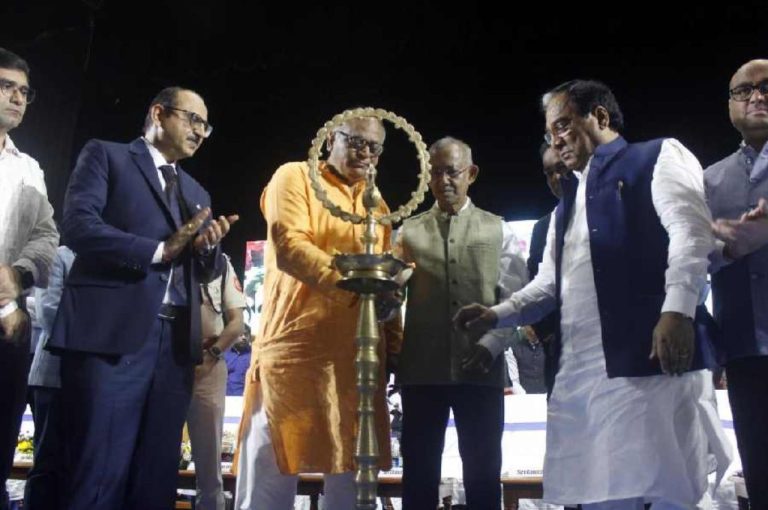
3 North Bengal Districts to Draw Investments MSME Minister’s Big Prediction 2025: Darjeeling, Jalpaiguri, and Kalimpong Industrial Growth, Tourism Potential, Governance Challenges, Job Creation, and Policy Reform Needs in West Bengal

The 3 North Bengal Districts to Draw Investments MSME Minister’s Big Prediction 2025 has become a defining moment in West Bengal’s economic roadmap. On November 29, 2025, Chandranath Sinha, the state MSME and textiles minister, announced that Darjeeling, Jalpaiguri, and Kalimpong are expected to attract investment proposals worth ₹3,129 crore in the coming year. His statement, delivered at the Synergy and Business Facilitation Conclave in Siliguri, reflects the government’s ambition to transform North Bengal into a hub of tourism, horticulture, floriculture, and real estate.


2. The Investment Breakdown

According to Sinha:

  • Darjeeling: ₹1,523 crore.
  • Jalpaiguri: ₹1,442 crore.
  • Kalimpong: ₹164 crore.
  • Total: ₹3,129 crore.

These investments are expected to generate around 10,000 jobs, offering hope to youth and entrepreneurs in the region.


3. 3 North Bengal Districts to Draw Investments: Sectors of Growth

The minister highlighted four key sectors:

  • Tourism: Homestays, hotels, and eco‑tourism projects.
  • Horticulture: Expansion of fruit and vegetable cultivation.
  • Floriculture: Commercial flower farming for domestic and export markets.
  • Real Estate: Housing and commercial complexes in Siliguri and surrounding areas.

These sectors reflect the unique strengths of North Bengal’s geography and culture.


4. Governance Innovation: Synergy Conclaves

Sinha emphasized that the state government is bridging “critical gaps” faced by MSME entrepreneurs by organizing synergy events across Bengal.

  • These conclaves bring together investors, entrepreneurs, and government officials.
  • They provide platforms for networking and policy dialogue.
  • They aim to reduce bureaucratic hurdles and improve ease of doing business.

This reflects a new model of governance innovation.


5. Infrastructure Development

The MSME roadmap includes:

  • Two industrial parks over 72 acres in Jalpaiguri, with 40 units already operational.
  • A common facilitation centre for household appliances and home textiles in Kalimpong.
  • A wooden furniture manufacturing centre in Naxalbari block, Siliguri.

These projects aim to create industrial clusters and boost local employment.


6. Strategic Role of Siliguri

Siliguri Mayor Gautam Deb noted:

  • Siliguri is the gateway to the Northeast.
  • Adequate land availability makes it attractive for hotel chains and industrial projects.
  • The chief minister is keen to accelerate development in North Bengal.

Siliguri’s strategic location positions it as a logistics and investment hub.


7. Human Dimension: Voices from the Ground

Local entrepreneurs expressed optimism:

  • Homestay owners welcomed government support.
  • Farmers saw opportunities in horticulture and floriculture.
  • Youth hoped for job creation in industrial parks.

Their voices reflect the human impact of investment promises.


8. Historical Context: North Bengal’s Economic Struggles

North Bengal has long faced challenges:

  • Limited industrialization compared to South Bengal.
  • Dependence on tea, tourism, and agriculture.
  • Political unrest in Darjeeling hills affecting stability.

The new investment roadmap seeks to reverse decades of underdevelopment.


9. Broader Implications for Democracy and Development

The announcement raises broader questions:

  • Can investment promises translate into real jobs?
  • Will governance reforms reduce bureaucratic delays?
  • How can development balance heritage preservation with modernization?

10. Recommendations for Policy Reform

Experts suggest:

  • Transparent monitoring of investment proposals.
  • Community participation in tourism projects.
  • Integration of smart technology in industrial parks.
  • Policy reforms to replicate North Bengal’s model across India.

11. Comparative Lessons from Other States

Other states have undertaken similar initiatives:

  • Gujarat’s industrial corridors.
  • Himachal Pradesh’s eco‑tourism projects.
  • Sikkim’s horticulture and floriculture exports.

Bengal’s case reflects a national trend of regional development through sectoral specialization.


12. Human Stories: Families and Entrepreneurs

Families describe:

  • Easier livelihoods through homestay tourism.
  • Farmers diversifying into floriculture.
  • Youth finding jobs in industrial parks.

These stories highlight the human dimension of economic growth.


13. Challenges Ahead

Despite optimism, challenges remain:

  • Ensuring timely completion of projects.
  • Preventing corruption in land allocation.
  • Balancing environmental sustainability with industrial growth.
  • Addressing political tensions in Darjeeling hills.

14. Conclusion: A Model for Inclusive Governance

The 3 North Bengal Districts to Draw Investments MSME Minister’s Big Prediction 2025 is more than an economic forecast — it is a model for inclusive governance, sustainable tourism, and industrial growth. By integrating modern amenities with cultural identity, Bengal has created a blueprint for regional transformation.

Unless systemic reforms are undertaken, challenges will persist. But the investment roadmap underscores the urgency of balancing development with dignity.


🔗 Government External Links

For further reading and official updates, here are relevant government sources:

Also read: Home | Channel 6 Network – Latest News, Breaking Updates: Politics, Business, Tech & More
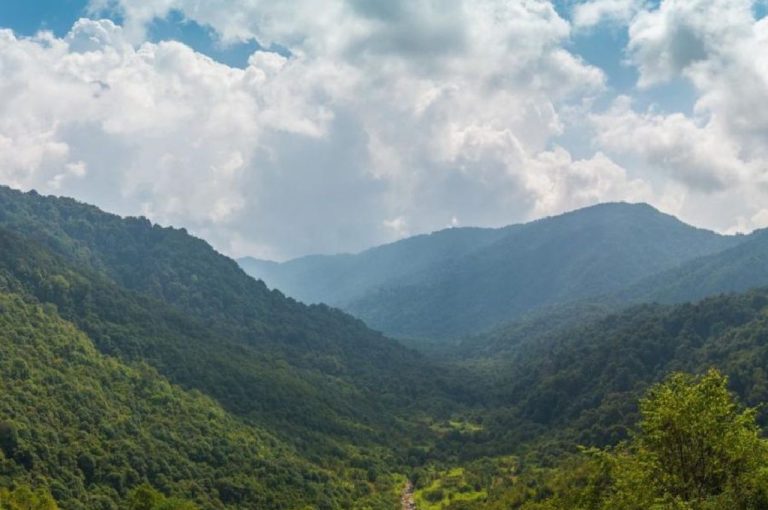
Drones to Surveil Hill Forests and Boost Wildlife Protection in North Bengal 2025: Technology in Conservation, Governance Challenges, Community Participation, Tourism Implications, and Policy Reform Needs in West Bengal

The Drones to Surveil Hill Forests and Boost Wildlife Protection in North Bengal 2025 initiative marks a transformative moment in India’s conservation journey. On November 29, 2025, the West Bengal forest department announced the deployment of drones in the hill forests of Singalila, Senchal, and Neora Valley, following the successful use of drones in Jaldapara National Park. This decision reflects the growing reliance on technology to safeguard biodiversity, prevent poaching, and respond to emergencies.


2. The Success Story of Jaldapara

Jaldapara National Park, spread over 216.51 sq km, became the testing ground for drone surveillance.

  • Four drones were deployed in 2024.
  • They proved effective in tracking elephants, gaurs, and one‑horned rhinos.
  • During floods, drones helped locate and rescue rhinos swept into the Torsa river.
  • No poaching incidents were reported in the past year.
  • Timber smuggling was significantly curbed.

This success inspired the expansion of drone surveillance to other hill forests.


3. Expansion to Hill Forests

Encouraged by Jaldapara’s results, the forest department will now deploy five drones each in:

  • Singalila National Park (Darjeeling district).
  • Senchal Wildlife Sanctuary (Darjeeling district).
  • Neora Valley National Park (Kalimpong district).

These areas are ecologically sensitive, home to endangered species, and vulnerable to illegal activities.


4. Governance Innovation: Community Policing Through Technology

Officials emphasized that drones are not replacing traditional methods but complementing them.

  • Foot patrols and elephant‑back patrols remain essential.
  • Drones provide real‑time monitoring of inaccessible terrain.
  • Internet‑linked drones allow live tracking of wildlife.
  • Immediate action can be taken if unusual activity is detected.

This reflects a new model of governance innovation, where technology integrates with community‑based conservation.


5. Drones to Surveil Hill Forests: Wildlife Protection Impact

Drone surveillance enhances protection by:

  • Monitoring wide river stretches and grasslands.
  • Detecting poacher movements.
  • Preventing timber smuggling.
  • Tracking straying wildlife during floods or emergencies.

The initiative positions North Bengal as a leader in technology‑driven conservation.


6. Human Dimension: Voices from the Ground

Local foresters expressed enthusiasm:

  • They highlighted drones’ ability to scan large areas quickly.
  • They praised real‑time monitoring of rhinos and elephants.
  • They noted reduced risks for frontline staff.

Community members welcomed the initiative, seeing potential for eco‑tourism and livelihood opportunities.


7. Historical Context: Conservation in Bengal

West Bengal has long been a hub of conservation:

  • Jaldapara and Gorumara are famous for one‑horned rhinos.
  • Singalila is known for red pandas.
  • Neora Valley hosts rich biodiversity, including Himalayan black bears.

The drone initiative continues this tradition, linking heritage with modern innovation.


8. Broader Implications for Democracy and Development

The initiative raises broader questions:

  • Can technology strengthen democracy by improving transparency in conservation?
  • Will eco‑tourism reduce economic vulnerability in hill districts?
  • How can governance balance heritage preservation with modernization?

9. Recommendations for Policy Reform

Experts suggest:

  • Institutionalize drone surveillance as a permanent conservation tool.
  • Expand funding for eco‑tourism and community participation.
  • Integrate digital platforms for global outreach.
  • Collaborate with universities for research on biodiversity.
  • Policy reforms to replicate similar models in other states.

10. Comparative Lessons from Other States

Other states have experimented with similar initiatives:

  • Sikkim uses drones for snow leopard monitoring.
  • Karnataka deploys drones for forest fire detection.
  • Bengal’s case reflects a unique blend of heritage, technology, and governance.

11. Human Stories: Wildlife Rescues

One of the biggest successes came on October 4, 2025, when floods swept eight rhinos into the Torsa river.

  • Drones tracked each rhino.
  • Forest teams tranquilized and rescued them safely.
  • Officials described it as a rare coordinated operation in Bengal’s history.

These stories highlight the life‑saving potential of technology.


12. Tourism and Community Impact

Drone surveillance also benefits tourism:

  • Tourists can witness safer wildlife experiences.
  • Eco‑tourism packages may include drone‑assisted safaris.
  • Communities benefit from increased tourist inflows.

This positions North Bengal as a global eco‑tourism destination.


13. Conclusion: A Model for Inclusive Governance

The Drones to Surveil Hill Forests and Boost Wildlife Protection in North Bengal 2025 initiative is more than a conservation project — it is a model for inclusive governance, sustainable tourism, and heritage preservation. By integrating technology with traditional methods, Bengal has created a blueprint for holistic development.

Unless systemic reforms are undertaken, challenges will persist. But the drone initiative underscores the urgency of balancing heritage, tourism, and governance innovation in West Bengal.


🔗 Government External Links

For further reading and official updates, here are relevant government sources:

Also read: Home | Channel 6 Network – Latest News, Breaking Updates: Politics, Business, Tech & More