New Delhi – India relief Sri Lanka efforts intensified on Saturday as the country dispatched search and rescue teams along with relief materials including food items, tents, and blankets to help people affected by Cyclone Ditwah. The devastating storm killed 153 people across Sri Lanka, with another 200 reported missing, prompting immediate humanitarian response from India as a first responder in the Indian Ocean region.
External affairs minister S Jaishankar announced the India relief Sri Lanka mission on social media, detailing the comprehensive aid package being delivered through multiple channels. An Il-76 transport aircraft of the Indian Air Force carried two urban search and rescue teams comprising 80 personnel from the National Disaster Response Force and nine tonnes of relief materials to Colombo as part of Operation Sagar Bandhu.
NDRF Teams Deploy Specialized Equipment
The search and rescue teams central to the India relief Sri Lanka operation comprise 80 personnel and four specially trained dogs. These teams possess specialized humanitarian assistance and disaster relief equipment and are led by PK Tiwary, commandant of the 8th Battalion of NDRF. Their expertise in urban search and rescue operations proves crucial for navigating the cyclone-devastated areas.
NDRF’s DIG(Operations) Mohsen Shahedi explained that the India relief Sri Lanka teams are equipped with inflatable boats, hydraulic cutting and breaching tools, communication gear, medical first-aid kits, and other specialized humanitarian assistance and disaster relief equipment. This comprehensive toolkit enables them to handle various emergency scenarios in the flood-affected regions.
Multi-Platform Aid Delivery System
The India relief Sri Lanka mission utilized multiple platforms to ensure swift delivery of assistance. Another C-130J transport aircraft of the IAF carried 12 tonnes of humanitarian aid to Colombo, demonstrating the scale of the response. Meanwhile, Indian Navy warships INS Vikrant and INS Udaygiri, which were already in Sri Lanka for an international fleet review, delivered 6.5 tonnes of rations and other essential relief items on Friday.
The total 27 tonnes of relief materials delivered through the India relief Sri Lanka operation include food items, tents, tarpaulins, blankets, hygiene kits, and ready-to-eat meals. This diverse array of supplies addresses both immediate survival needs and longer-term shelter requirements for affected populations.
Helicopter Operations Enhance Rescue Capabilities
The India relief Sri Lanka mission mobilized four helicopters to assist with search and rescue operations. Two Chetak helicopters from aircraft carrier INS Vikrant, with Sri Lankan air force personnel on board, successfully rescued several people in cyclone-hit areas. This joint operation exemplifies the collaborative approach between Indian and Sri Lankan forces.
Two Mi-17 helicopters of the IAF reached Sri Lanka on Saturday evening to bolster the India relief Sri Lanka search and rescue efforts. These helicopters also carried essential humanitarian supplies and personnel to support relief operations. The aircraft will work closely with Sri Lankan authorities for ongoing search and rescue missions, according to the Indian high commission in Colombo.
Ground Operations and Rescue Coordination
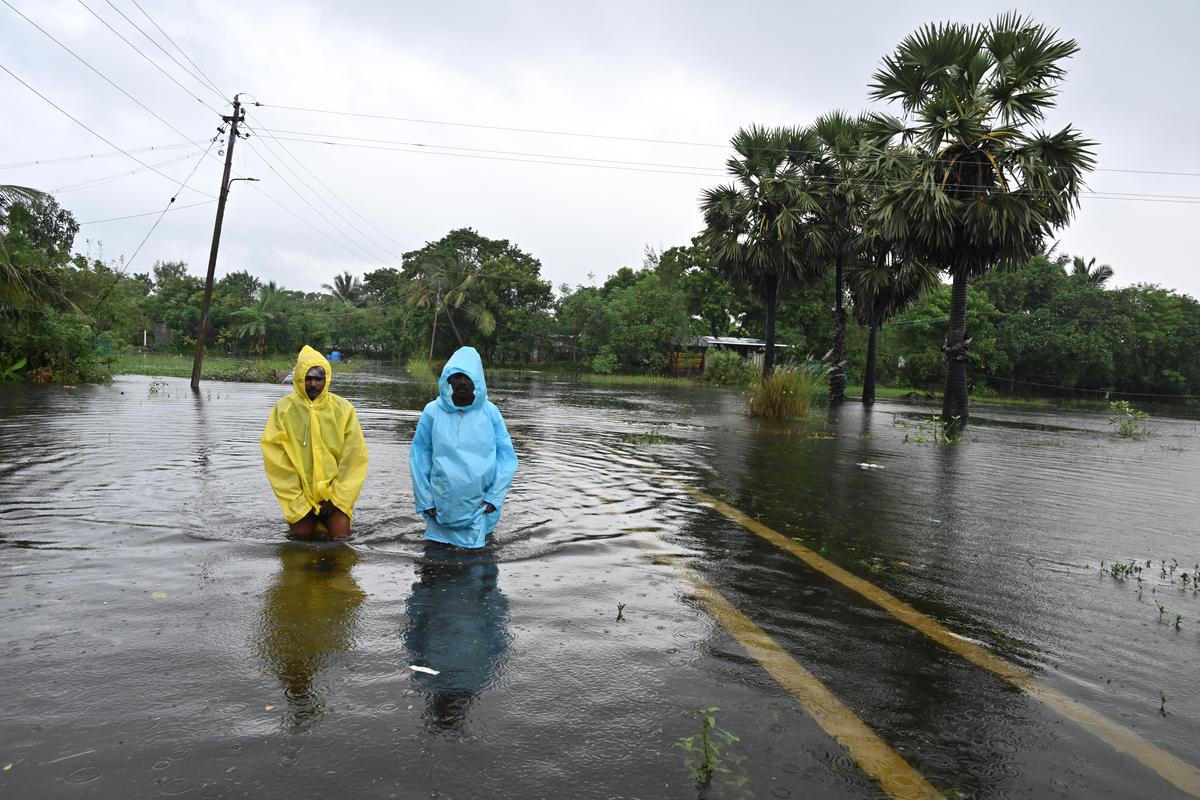
People familiar with the India relief Sri Lanka operation reported that NDRF teams have started relief and rescue work in Kochchikade, located in Sri Lanka’s western province, which is one of the most severely inundated areas. The teams have established contact with people trapped in different locations and have begun evacuation procedures.
The India relief Sri Lanka coordination involves continuous monitoring by NDRF headquarters in collaboration with the India Meteorological Department, National Disaster Management Authority, state governments, the Ministry of External Affairs, and other agencies. This ensures a seamless response both domestically and internationally.
Domestic Preparedness Maintained Simultaneously
While conducting the India relief Sri Lanka mission, the country maintained robust domestic preparedness. Fourteen NDRF teams were positioned in vulnerable coastal districts of Tamil Nadu, including Villupuram, Chengalpattu, Tiruvallur, Nagapattinam, Tiruvarur, Thanjavur, Pudukkottai, and Mayiladuthurai. Additional teams were earmarked for Puducherry, with ten more teams being sent from Pune and Vadodara to Chennai.
Evacuation Support for Stranded Citizens
The India relief Sri Lanka operation extended to helping stranded Indian citizens. The Indian high commission established an emergency help desk at Colombo’s Bandaranaike International Airport to assist citizens amid reports of special evacuation flights. Indian citizens at Sri Lankan airports or anywhere in the country needing assistance can contact the emergency number +94 773727832.
Acting high commissioner Satyanjal Pandey met stranded Indians at Bandaranaike airport and assured them of all possible assistance. The mission is making all efforts to provide assistance to stranded Indian passengers and facilitate their travel back to India.
Congress MP Shashi Tharoor confirmed speaking with Indian high commissioner Santosh Jha about constituents from Thiruvananthapuram unable to leave Colombo due to lack of flights. He reported reassurance that the Indian Air Force would organize evacuation flights.
Cyclone Impact and Regional Response
Torrential rains and floods triggered by Cyclone Ditwah affected almost 44,000 people in Sri Lanka. Many were moved to state-run welfare centers after their homes were destroyed in week-long heavy rains. The India relief Sri Lanka response reflected the nation’s established position as the first responder to natural disasters in the Indian Ocean region, demonstrating regional solidarity during times of crisis.
New Delhi – A Delhi-based gangster deported from Thailand was apprehended by the Special Cell on Wednesday after authorities coordinated his deportation from Southeast Asia. The suspect, allegedly involved in more than 20 cases of murder, attempted murder, and extortion, had been evading law enforcement since January after fleeing India using a fraudulent passport. The arrest marks a significant breakthrough in tracking down criminals who attempt to establish international operations.
Deputy commissioner of police (special cell) Amit Kaushik confirmed that Harsimran alias Badal alias Simran, 38, had been on the run since the beginning of the year after leaving India on a passport obtained under a fictitious identity. The gangster deported from Thailand was apprehended at Delhi airport on November 26 following his deportation by Thai authorities.
Initial Investigation and Arms Act Case
The case involving the gangster deported from Thailand began when Harsimran was first booked last year in an Arms Act case. The investigation gained momentum after his associate Mahender Singh was arrested in connection with a 2010 murder case. During interrogation, Mahender provided crucial information that the weapons recovered from him had been supplied by Harsimran, establishing a direct link to the fugitive gangster.
This disclosure prompted investigators to intensify their efforts to locate and apprehend the gangster deported from Thailand, who by then had already fled the country using forged documentation. The Arms Act case became the foundation for building a comprehensive dossier on Harsimran’s criminal activities spanning two decades.
Fraudulent Passport and International Escape
During the investigation, authorities discovered that the gangster deported from Thailand had secured a passport in the name of Rajesh Singh, a resident of Gorakhpur, using forged documents. Deputy commissioner Kaushik revealed that Harsimran allegedly flew to Bangkok from Lucknow in January 2025 using this fraudulent passport, successfully evading initial security checks.
The use of fake identity documents allowed the gangster deported from Thailand to slip through immigration controls and establish himself in Southeast Asia. This sophisticated approach to evading law enforcement demonstrated the level of organization and resources available to the criminal network.
Continued Criminal Activities from Abroad
Even while operating internationally, the gangster deported from Thailand continued his criminal activities targeting individuals back in India. In February, Harsimran was accused of threatening witnesses in cases pending against him and demanding Rs 50 lakh as protection money. This brazen attempt to intimidate witnesses and extort money led to another FIR being registered in Mukherjee Nagar, adding to his growing list of offenses.
Police records indicate that the gangster deported from Thailand had been evading court hearings in several of the 23 cases registered against him over the past two decades. This extensive criminal history spanning multiple serious offenses made his capture a priority for law enforcement agencies.
Once the fake passport was identified, the Ministry of External Affairs revoked the document and a look out circular was issued for the gangster deported from Thailand. Central agencies launched a coordinated effort to track his movements across multiple countries. Investigators successfully traced his travels between Thailand, Dubai, and Azerbaijan, where he allegedly attempted to travel onward to the United States through human traffickers.
The multi-country tracking operation required extensive coordination between Indian and international law enforcement agencies. The gangster deported from Thailand had created a complex travel pattern designed to evade capture and establish new criminal networks abroad.
Connection to International Criminal Network
According to investigators, the gangster deported from Thailand had been attempting to establish himself as an international gangster in coordination with alleged criminal Goldy Dhillon, who is suspected to be operating from Europe. Officers revealed that Dhillon had arranged the forged identity and facilitated Harsimran’s illegal travel routes through Dubai and eastern Europe.
This international criminal collaboration demonstrated the evolving nature of organized crime, with gangsters seeking to expand their operations beyond national borders. The network allegedly provided logistical support, fraudulent documents, and safe passage routes for the gangster deported from Thailand.
Final Capture in Bangkok
The gangster deported from Thailand made a critical error when he returned to Bangkok earlier this month to extend his business visa. He was detained by local Thai authorities after Delhi Police shared a comprehensive dossier detailing his criminal history and ongoing cases. The cooperation between Indian and Thai law enforcement proved instrumental in securing his arrest and deportation.
Thai authorities acted swiftly upon receiving information about the gangster deported from Thailand, detaining him before he could flee to another jurisdiction. The successful deportation represents effective international police cooperation in combating transnational organized crime.
Current Status and Ongoing Investigation
Police confirmed that the gangster deported from Thailand has been arrested in a 2024 Arms Act case, with further investigation currently underway. Authorities are examining his international connections, financial transactions, and potential accomplices both in India and abroad. The arrest is expected to provide crucial leads in dismantling the broader criminal network that facilitated his escape and international operations.
Washington D.C. – The Trump administration has implemented a comprehensive Trump visa asylum suspension, halting all asylum rulings and stopping visa issuance for travelers using Afghan passports. The dramatic policy shift comes days after a shooting near the White House killed one National Guard member and left another critically injured, prompting immediate questions about immigration vetting procedures and national security protocols.
The Trump visa asylum suspension represents one of the most significant immigration policy changes in recent months, affecting potentially thousands of applicants and travelers. The move follows the suspected gunman’s identification as Rahmanullah Lakanwal, whose background as an Afghan national who worked with US forces during the Afghanistan War has become central to the administration’s rationale for the sweeping restrictions.
Suspect Details and Criminal Charges
Investigators continue working to determine why Lakanwal opened fire on troops deployed under President Donald Trump‘s crime-control mission in Washington, DC. Officials confirmed that the suspect, who now faces charges including first-degree murder, was taken into custody shortly after the attack. US attorney Jeanine Pirro’s office noted that he has also been charged with two counts of assault with intent to kill while armed, with indications that additional charges will follow.
The incident that triggered the Trump visa asylum suspension occurred when Lakanwal, 29, allegedly attacked National Guard members stationed in the capital. The shooting’s proximity to the White House and targeting of military personnel elevated concerns about security screening processes for immigrants and asylum seekers.
Presidential Response and Policy Declaration
Donald Trump labeled the shooting a “terrorist attack” and blamed the Biden administration for allowing entry by Afghans who worked with US forces. His response went beyond condemning the specific incident, extending to broader immigration policy pronouncements that contextualize the Trump visa asylum suspension within a larger strategic framework.
The president declared that he will “permanently pause migration from all Third World countries.” Trump framed this dramatic expansion beyond the initial Trump visa asylum suspension as necessary for national security, stating that “Only REVERSE MIGRATION can fully cure this situation.” The term “Third World” is largely seen as an offensive designation that originated during the Cold War, initially coined for countries that remained non-aligned with both the US or the Soviet Union, and is often used pejoratively for countries in Asia and Africa.
Suspect’s Path to United States
Understanding how Lakanwal entered the country provides context for the Trump visa asylum suspension. The suspect entered the United States in 2021 through Operation Allies Welcome, a Biden-era program that resettled Afghans following the US withdrawal from Afghanistan. He worked with the CIA during the Afghanistan War before seeking refuge in America.
Lakanwal applied for asylum during the Biden administration, but his claim was approved this year under the Trump administration, according to an organization assisting evacuated Afghans. This timeline has become politically significant in discussions surrounding the Trump visa asylum suspension, with the administration emphasizing the need for enhanced vetting regardless of when applications were submitted.
Suspect’s Life in Washington State
Lakanwal lived in Bellingham, Washington, with his wife and five children, according to his former landlord Kristina Widman. Neighbor Mohammad Sherzad described him as polite and quiet, noting that he spoke little English. These descriptions paint a picture of someone who appeared to be integrating into American life, raising questions about what factors might have led to the violent incident that precipitated the Trump visa asylum suspension.
Immigration Services Implementation Details
The head of US Citizenship and Immigration Services, Joseph Edlow, announced on social media that the agency has halted all asylum rulings as part of the Trump visa asylum suspension “until we can ensure that every alien is vetted and screened to the maximum degree possible.” This indefinite pause affects asylum seekers from all countries, not just Afghanistan.
Separately, Secretary of State Marco Rubio announced on Friday that the State Department has suspended visa issuance for all individuals traveling on Afghan passports. This measure complements the broader Trump visa asylum suspension by specifically targeting Afghan nationals seeking to enter the United States through any visa category.
Broader Immigration Crackdown Context
The administration has used the incident to promise a wider crackdown on legal immigration beyond the immediate Trump visa asylum suspension. The measures include a pause on entry from what Trump described as certain “Third World” nations and a comprehensive review of Afghans and other migrants already residing in the United States. Some of these steps build on initiatives rolled out earlier in Trump’s second term.
The Trump visa asylum suspension represents a significant escalation in immigration enforcement, extending beyond illegal border crossings to encompass legal pathways including asylum claims and visa issuance. The administration’s approach signals a fundamental shift in how the United States processes immigration applications, with security considerations now dominating policy decisions across all categories of entry.
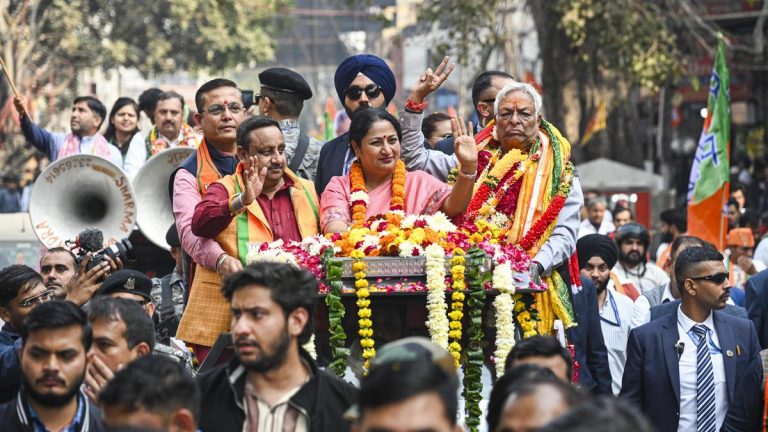
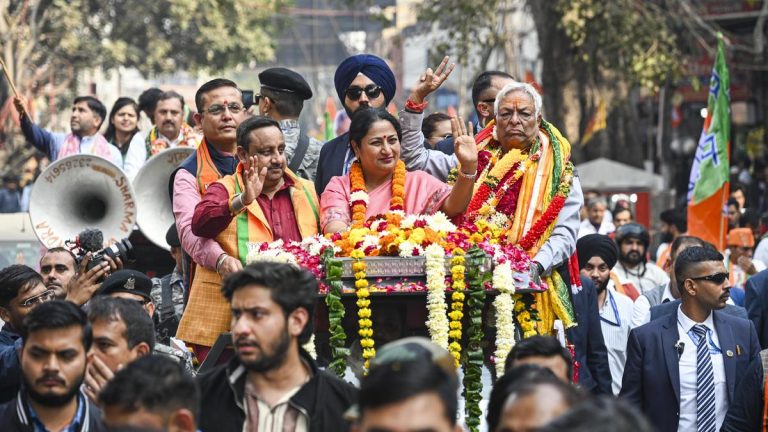
New Delhi – Polling for the Delhi MCD bypolls in 12 wards will take place on Sunday from 7:30am to 5:30pm, with 51 candidates competing for seats across the capital. The results will be announced on December 3, providing crucial insights into voter preferences following the Bharatiya Janata Party‘s strong performance in the assembly elections earlier this year. The election represents a significant test for all major political parties in the national capital.
According to the Delhi State Election Commission, the Delhi MCD bypolls will be conducted at 580 booths across 143 polling stations. The bypolls will cover the wards of Greater Kailash, Shalimar Bagh B, Ashok Vihar, Chandni Chowk, Chandni Mahal, Dichaon Kalan, Naraina, Sangam Vihar A, Dakshin Puri, Mundka, Vinod Nagar, and Dwarka B, representing diverse constituencies across the city.
Reasons Behind Ward Vacancies
The Delhi MCD bypolls became necessary after eleven seats fell vacant when their councillors were elected to the Delhi Assembly. Among those elected was chief minister Rekha Gupta, who previously represented the Shalimar Bagh B ward. The transition of councillors to assembly positions created these vacancies that now require fresh elections to maintain representation in the Municipal Corporation.
The Dwarka B seat presents a unique case in the Delhi MCD bypolls, having remained vacant since 2024. This ward became empty after its former councillor Kamaljeet Sehrawat was elected to Parliament from West Delhi, creating a longer-term vacancy that will finally be filled through these bypolls.
Gender Representation in Candidate Pool
Among the 51 contestants participating in the Delhi MCD bypolls, 26 are women, reflecting significant female participation in the electoral process. The BJP has fielded eight women candidates, the Aam Aadmi Party has nominated six, and the Congress has put forward five female contestants. This gender distribution demonstrates the parties’ efforts to ensure diverse representation in civic governance.
The ward formerly represented by Chief Minister Rekha Gupta will witness a direct contest between Anita Jain of the BJP and Babita Ahlawat of AAP in these Delhi MCD bypolls, making it one of the most closely watched battles.
Current Municipal Corporation Composition
An MCD official revealed that the corporation currently comprises 116 BJP councillors, 98 from AAP, 15 from the Indraprastha Vikas Party, 8 from Congress, and one independent member. Of the 12 vacant wards being contested in the Delhi MCD bypolls, the BJP previously held nine seats, while AAP controlled Chandni Chowk, Dakshinpuri, and Chandni Mahal. This distribution indicates the BJP’s dominant position that it seeks to maintain.
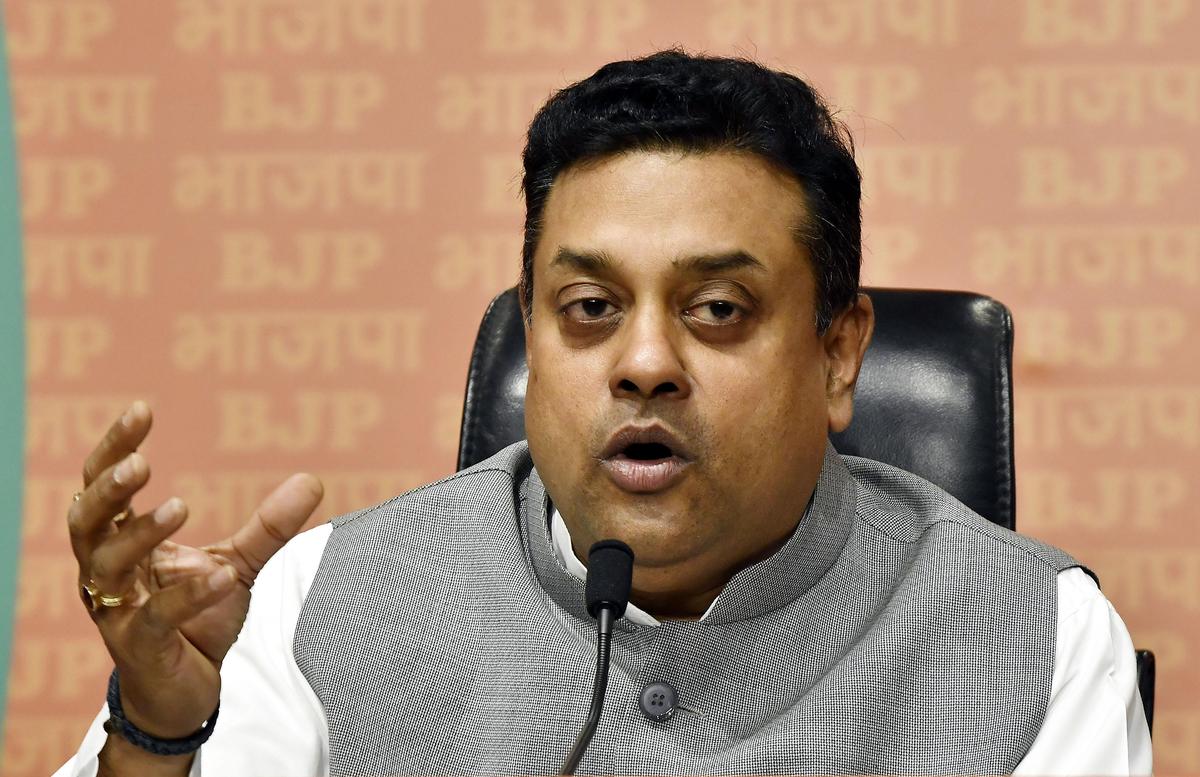
All major parties have expressed optimism about their performance in the Delhi MCD bypolls. Delhi BJP spokesperson Praveen Shankar Kapoor stated, “BJP is all prepared and confident for tomorrow’s MCD by-polls. People expect performance from us, and we will deliver. So we expect a grand win in this election on the basis of our Delhi government’s and MCD’s performance.”
AAP leaders also asserted their expectations to win a majority in the Delhi MCD bypolls. Party officials stated, “Public feedback shows clear dissatisfaction with BJP and a demand to restore AAP’s accountable governance. We expect to win a majority of these seats because residents have seen a steep decline in cleanliness, sanitation, and basic civic services over the past nine months.”
Pre-Election Developments and Congress Strategy
The Delhi MCD bypolls witnessed a significant development on Saturday when AAP’s former two-time MLA Rajesh Gupta joined the BJP, claiming he was not valued in his party. Delhi AAP president Saurabh Bharadwaj responded that Gupta was seeking a councillor ticket for his wife, which the party could not offer.
The Congress also expressed confidence in making gains during the Delhi MCD bypolls. Delhi Pradesh Congress Committee president Devender Yadav said voters were disillusioned with both BJP and AAP. “We are fully prepared for the MCD bye-elections, and in the last month, the Congress workers have worked hard day and night in all the 12 wards. People are looking at Congress as an alternative for the future,” he stated.
Transport and Technology Arrangements
For the Delhi MCD bypolls, the State Election Commission has implemented comprehensive transport and technology arrangements. DTC bus services will start at 3:00am, while Delhi Metro services will begin at 4:00am on both polling and counting days. Night bus services on 28 routes will continue uninterrupted, and the last metro will depart at 11:30pm from all terminal stations.
Voters participating in the Delhi MCD bypolls can use the “Nigam Chunav Delhi” mobile app to check real-time queue status, locate polling stations, view candidate details, and search for their names on the electoral roll. The app also offers wheelchairs, assistants, and pick-up and drop-off services for voters requiring assistance.
The commission has redesigned the Voter Information Slip with a new QR code for BLO authentication and extended home voting facilities for disabled voters and those above 80 years of age, ensuring inclusive participation in these crucial Delhi MCD bypolls.
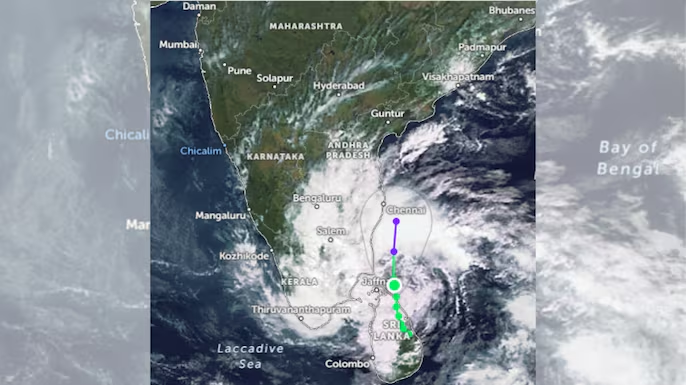
Tamil Nadu – Heavy rainfall accompanied by strong winds is expected to lash coastal regions as Cyclone Ditwah Tamil Nadu prepares to impact the state and Puducherry on Sunday. The India Meteorological Department has issued a red alert for several parts of the state, warning of extremely heavy rainfall in some locations. The cyclonic storm is currently moving parallel to the Tamil Nadu-Puducherry coastline, positioning itself as a significant weather threat requiring immediate attention and precautionary measures from residents.
The severity of Cyclone Ditwah Tamil Nadu has prompted authorities to issue urgent advisories asking people to stay indoors, avoid coastal areas, and follow guidance from local officials. Fishermen have been explicitly warned not to venture into the sea in affected zones as dangerous conditions persist in the Bay of Bengal region.
Chennai Airport Operations Severely Disrupted
The impact of Cyclone Ditwah Tamil Nadu on transportation infrastructure became evident when Chennai Airport announced the cancellation of 47 flights scheduled for Sunday evening. The cancellations included 36 domestic flights and 11 international services, significantly disrupting travel plans for thousands of passengers. Among the domestic services affected, 18 flights were scheduled to depart for Madurai, Tiruchi, Thoothukudi, and Salem, while another 18 were due to arrive in Chennai from these destinations.
The precautionary flight cancellations reflect the aviation sector’s response to Cyclone Ditwah Tamil Nadu and the anticipated severe weather conditions. Airlines and airport authorities prioritized passenger safety over operational schedules, recognizing the potential hazards posed by the approaching storm system.
Storm’s Current Position and Movement Pattern
According to the latest bulletin from the India Meteorological Department, Cyclone Ditwah Tamil Nadu continued to move nearly northwards at approximately 5 kilometers per hour over the past six hours. The storm remained positioned roughly 80 kilometers east of Karaikal in Puducherry, maintaining a threatening proximity to the coastline throughout Saturday evening.
The meteorological department predicted that Cyclone Ditwah Tamil Nadu would continue moving northwards along the north Tamil Nadu-Puducherry coasts over the next 24 hours. As the system progresses, it is expected to remain over the southwest Bay of Bengal at a closest distance of approximately 50 kilometers from the coastline during early Sunday morning hours, decreasing further to about 25 kilometers later in the evening.
Regional Meteorological Forecasts and Warnings
The Regional Meteorological Centre in Chennai has issued comprehensive forecasts regarding Cyclone Ditwah Tamil Nadu’s impact across various districts. Heavy to very heavy rain is anticipated in several locations, with extremely heavy rainfall possible in one or two areas within Cuddalore, Nagapattinam, Mayiladuthurai, Villuppuram, Chengalpattu, Puducherry, and Karaikal districts.
Light to moderate rain from Cyclone Ditwah Tamil Nadu is likely across many parts of the state and the Puducherry-Karaikal region, accompanied by the possibility of thunderstorms and lightning in isolated spots. Several other districts including Thanjavur, Tiruchirappalli, Chennai, Kancheepuram, Tiruvallur, and Ranipet may experience heavy showers. Additionally, a few pockets in Vellore, Dharmapuri, Dindigul, and Theni could also witness significant rainfall.
Extended Impact Across Neighboring States
The influence of Cyclone Ditwah Tamil Nadu extends beyond state boundaries, affecting weather patterns in neighboring regions. According to the latest meteorological updates, most parts of coastal Andhra Pradesh-Yanam region and Rayalaseema are likely to receive light to moderate rain, with heavy to very heavy showers in some places and extremely heavy rainfall in isolated patches.
Kerala is also expected to feel the effects of Cyclone Ditwah Tamil Nadu, with light to moderate rain predicted in many areas and heavy rain forecast for a few locations on Sunday. The storm’s reach demonstrates the widespread nature of this weather system and its capacity to influence conditions across multiple states.
Telangana Weather Outlook
In Telangana, the peripheral effects of Cyclone Ditwah Tamil Nadu are expected to bring light to moderate rain in some parts of the state. Heavy rain is predicted in certain isolated areas, though the impact is expected to be less severe compared to the coastal regions directly in the storm’s path.
Safety Measures and Public Advisory
As Cyclone Ditwah Tamil Nadu approaches its closest point to the coastline, authorities have intensified their safety advisories. The red alert status indicates the highest level of weather warning, signaling potentially life-threatening conditions. Residents in affected areas have been urged to remain indoors and avoid unnecessary travel, especially to coastal regions where storm surge and high waves pose significant dangers.
The movement of Cyclone Ditwah Tamil Nadu at 7 kilometers per hour northward necessitates continuous monitoring and adherence to official guidance. Emergency response teams remain on standby to address any situations arising from the severe weather conditions expected throughout Sunday.
The BLO Dies of Cardiac Arrest in Murshidabad Khargram During SIR 2025 as Family Blames Workload incident has become a defining moment in West Bengal’s governance and electoral politics. On November 29, 2025, 56‑year‑old Zakir Hossain, a primary school teacher serving as a Booth Level Officer (BLO), collapsed at home while uploading voter enumeration data late at night. His family alleged that the extreme workload of the Special Intensive Revision (SIR) of electoral rolls triggered his cardiac arrest.
2. The Special Intensive Revision (SIR): What It Means
The SIR is a voter roll update exercise mandated by the Election Commission of India (ECI).
BLOs must verify voter identities against the 2002 electoral roll benchmark.
Families without proper linkage risk exclusion.
Aadhaar is accepted only as identity proof, not citizenship proof.
Normally, the process takes 18–24 months.
In 2025, the EC compressed it into two months, sparking chaos.
This hurried timeline has become the root of the crisis, with BLOs collapsing under workload pressure and communities fearing disenfranchisement.
3. BLO Dies of Cardiac Arrest in Murshidabad: Zakir Hossain’s Final Hours
Family members recounted:
He developed breathing difficulties and chest pain around 3 a.m. while uploading data.
He was rushed to Khargram Block Hospital but declared “brought dead.”
Relatives said he had been panicked, sleepless, and unable to cope with computer work.
His sister noted: “He was not taking food and worked till late at night.”
His death reflects the human cost of bureaucratic rigidity.
4. Family’s Allegations
Relatives blamed the workload:
They said he repeatedly requested exemption from SIR duties.
He was juggling teaching responsibilities with BLO tasks.
He suffered insomnia and respiratory problems due to stress.
Neighbours confirmed he often spoke of his inability to cope.
Their voices highlight the emotional toll of governance failures.
5. Political Fallout
The tragedy sparked political confrontation:
Trinamool Congress accused the Election Commission of imposing “inhuman” workload.
TMC MPs in Delhi declared: “His hands are soaked with blood. It is because of him that all the deaths occurred.”
BJP leaders countered by blaming TMC for politicizing BLO deaths.
Civil society debated governance failures in electoral processes.
The issue has become a flashpoint ahead of the 2026 Assembly elections.
6. Governance Challenges Exposed
The incident highlights systemic governance failures:
Unrealistic deadlines imposed by EC.
Weak communication with BLOs.
Poor technology infrastructure in rural areas.
Delayed response to BLO grievances and deaths.
Without reforms, electoral integrity itself is at risk.
7. Human Dimension: BLOs in Fear
Families of BLOs describe:
Sudden collapses from exhaustion.
Panic attacks and high blood pressure.
Anxiety about punitive action if targets are missed.
Their plight is deeply personal and emotional, affecting communities across Bengal.
8. Historical Context: BLO Deaths During SIR
Zakir Hossain’s death was not isolated:
Four BLOs have died since the SIR began on November 4, 2025.
Two are suspected to have committed suicide due to workload stress.
Others suffered cerebral attacks linked to enumeration duties.
The pattern reflects repeated negligence in protecting frontline workers.
9. Broader Implications for Democracy
The incident raises fundamental questions:
Can elections be credible if BLOs collapse under workload?
Will voter rolls be accurate if frontline staff are demoralised?
Does democracy risk losing legitimacy if electoral processes are rushed?
10. Recommendations for Reform
Experts suggest:
Staggered timelines for voter roll revision.
Hiring additional staff to support BLOs.
Improved technology for faster digitisation.
Compensation packages for BLO families.
Policy reform to recognise BLOs as permanent electoral staff.
11. Comparative Lessons from Other States
Other states have faced similar controversies:
Assam’s NRC excluded millions despite decades of residence.
Rajasthan and Gujarat have experimented with staggered voter roll updates.
Bengal’s case reflects a national challenge of balancing electoral integrity with human dignity.
12. Human Stories: Families in Distress
Families of BLOs and community members describe:
Children dropping out of school due to financial hardship.
Women struggling to feed families without wages.
Elderly BLOs unable to cope with workload stress.
These stories highlight the human cost of governance failures.
13. Conclusion: A Test of Governance and Democracy
The BLO Dies of Cardiac Arrest in Murshidabad’s Khargram During SIR 2025 as Family Blames Workload is more than a bureaucratic exercise — it is a test of governance, democracy, and human dignity. Unless systemic reforms are undertaken, BLOs will remain vulnerable, and public trust in institutions will erode.
The tragedy underscores the urgency of balancing electoral integrity with compassion for frontline workers.
🔗 Government External Links
For further reading and official updates, here are relevant government sources:
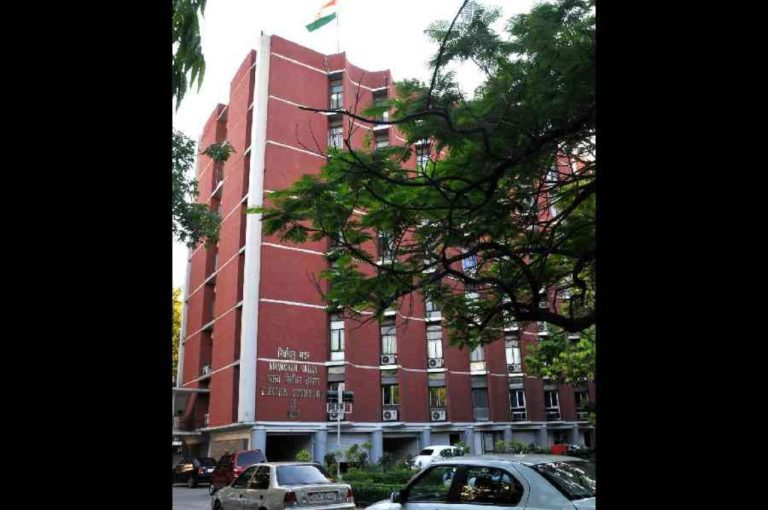
The ECI Appoints Special IAS Observers for Bengal SIR 2025 to Monitor Voter List Revision controversy has become a defining moment in West Bengal’s governance and electoral politics. On November 29, 2025, the Election Commission of India (ECI) appointed 12 senior IAS officers of the Bengal cadre as electoral roll observers for the ongoing Special Intensive Revision (SIR) of voters’ lists. This move came after rising tensions, allegations of manipulation, and reports of threats to Booth Level Officers (BLOs).
2. The Special Intensive Revision (SIR): What It Means
The SIR is a voter roll update exercise mandated by the Election Commission.
BLOs must verify voter identities against the 2002 electoral roll benchmark.
Families without proper linkage risk exclusion.
Aadhaar is accepted only as identity proof, not citizenship proof.
Normally, the process takes 18–24 months.
In 2025, the EC compressed it into two months, sparking chaos.
This hurried timeline has become the root of the crisis, with BLOs collapsing under workload pressure and communities fearing disenfranchisement.
3. ECI Appoints Special IAS Observers: Appointment of 12 IAS Observers
The EC appointed 12 IAS officers to monitor the SIR across Bengal.
Smita Pandey (2005 batch): Burdwan East, Burdwan West, and Birbhum.
Tanmoy Chakraborty (2006 batch): Murshidabad and Malda.
Randhir Kumar (2006 batch): North 24‑Parganas and North Calcutta.
C. Murugan (2007 batch): South 24‑Parganas and South Calcutta.
R. Arjun (2010 batch): Cooch Behar, Alipurduar, and Jalpaiguri.
Bengal’s case reflects a national challenge of balancing electoral integrity with human dignity.
12. Human Stories: Families in Distress
Families of BLOs and community members describe:
Sudden collapses from exhaustion.
Panic attacks and high blood pressure.
Anxiety about disenfranchisement.
These stories highlight the human cost of governance failures.
13. Conclusion: A Test of Governance and Democracy
The Election Commission Appoints Special IAS Observers for Bengal SIR 2025 to Monitor Voter List Revision is more than a bureaucratic exercise — it is a test of governance, democracy, and human dignity. Unless systemic reforms are undertaken, BLOs will remain vulnerable, and public trust in institutions will erode.
The EC’s intervention underscores the urgency of balancing electoral integrity with compassion for frontline workers.
🔗 Government External Links
For further reading and official updates, here are relevant government sources:
Malavalli, Karnataka — Government officials conducted an extensive site inspection in Malavalli as preparations intensify for the President’s proposed visit to the town in December. The inspection aimed to evaluate security arrangements, traffic management, civic amenities, and protocol logistics to ensure a smooth and safe visit. Local authorities, district administration, police officials, and representatives from multiple departments participated in the survey, focusing on both high-profile and public engagement aspects of the visit.
The proposed visit is expected to include interactions with local leaders, residents, and community groups, highlighting the town’s achievements, cultural heritage, and ongoing development projects. Officials emphasized that careful planning and coordination are critical to avoid disruptions, ensure public safety, and facilitate meaningful engagement during the visit.
SECURITY MEASURES AND LOGISTICS
Security remains a top priority in preparation for the President’s visit. The inspection included a thorough assessment of potential access points, parking areas, crowd management strategies, and emergency evacuation routes. Police officials reviewed surveillance systems, proposed deployment of personnel, and coordination protocols between central and state security agencies.
Barricades, metal detectors, and other screening mechanisms are expected to be installed at strategic locations to ensure controlled entry. Authorities also discussed contingency plans for medical emergencies, crowd surges, and other unforeseen events. Traffic management strategies, including diversions, temporary restrictions, and parking arrangements, were reviewed to minimize disruption for residents and commuters.
The administration is working closely with central security agencies to ensure that all protocols are in line with national standards for visits by high-ranking dignitaries. This includes communication systems, intelligence monitoring, and coordination with local authorities for rapid response if required.
CIVIC PREPARATIONS AND INFRASTRUCTURE
Officials also assessed civic amenities to ensure that the town presents a clean and organized environment during the visit. Road conditions, signage, street lighting, and sanitation facilities were evaluated to provide a comfortable experience for both the President and visiting public.
Temporary arrangements, such as seating areas for residents, media zones, and visitor information points, were planned to enhance public engagement and manage crowds effectively. The inspection also included identification of potential areas for public interactions, including cultural performances and community gatherings.
Authorities emphasized that public participation is central to the visit’s success. Measures are being taken to ensure that local residents can engage with the President in a structured and safe manner while avoiding overcrowding or safety risks.
CULTURAL AND COMMUNITY ENGAGEMENT
Malavalli is known for its rich cultural heritage, and organizers are planning events that showcase local traditions, arts, and community initiatives. Officials reviewed venues for cultural performances, exhibitions, and presentations that may accompany the visit.
Local leaders and representatives of community organizations were consulted to coordinate participation and ensure that programs are inclusive, respectful, and representative of the town’s diversity. Such engagement aims to highlight grassroots development, celebrate cultural achievements, and provide a platform for citizen interaction with national leadership.
Authorities are also considering involving schoolchildren, local artists, and volunteers to actively participate in welcoming ceremonies, ensuring that the visit resonates positively with residents across different age groups and backgrounds.
ENVIRONMENTAL AND PUBLIC SAFETY CONSIDERATIONS
Environmental concerns were a key part of the site inspection. Officials evaluated potential noise levels, crowd impact on local surroundings, and measures to prevent littering or damage to public spaces. Temporary installations are being designed to minimize environmental disruption while ensuring functional effectiveness.
Medical teams and emergency services were briefed on disaster preparedness and first aid arrangements. Hospitals, ambulance services, and local health officials have been coordinated to handle any emergencies. Authorities stressed that public safety, medical readiness, and environmental management are integral components of the visit’s planning process.
The inspection also included evaluation of emergency exit routes, fire safety mechanisms, and accessibility for differently-abled citizens, ensuring compliance with safety standards and inclusive participation.
COORDINATION BETWEEN DEPARTMENTS
The site inspection involved multiple government departments, including police, public works, urban planning, health, and cultural affairs. Coordination among these departments is crucial for smooth execution of the visit and to address any operational challenges proactively.
Officials discussed communication strategies, chain-of-command protocols, and real-time reporting mechanisms to respond promptly to any situation. Coordination meetings have been scheduled regularly to track progress, review readiness, and finalize arrangements across all sectors.
Authorities emphasized that interdepartmental collaboration ensures efficiency, reduces redundancy, and enhances accountability in managing large-scale visits by national dignitaries.
MEDIA AND PUBLIC COMMUNICATION
The administration is preparing guidelines for media coverage and public information dissemination. Media personnel will be provided designated zones, briefings, and access credentials to ensure organized coverage while maintaining security and protocol standards.
Public announcements and notifications are planned in advance to inform residents about traffic diversions, timings, and safety measures. Social media updates, public notices, and community outreach programs are being coordinated to ensure that citizens are aware of the schedule and prepared for the event.
Officials highlighted that transparent communication and clear guidelines are critical to preventing confusion, ensuring smooth logistics, and maintaining public confidence in the event management process.
EXPECTED IMPACT ON THE LOCAL COMMUNITY
The President’s visit is expected to boost morale among residents and provide national recognition for Malavalli’s achievements. Community leaders hope that the visit will bring attention to local development projects, infrastructure initiatives, and cultural programs.
Business owners, vendors, and hospitality providers are anticipating increased economic activity due to the influx of visitors and dignitaries. The visit also offers an opportunity for civic organizations to showcase their initiatives, interact with national leaders, and receive guidance on further community development programs.
Authorities have assured that every effort is being made to ensure that the visit is smooth, safe, and beneficial for the town’s residents while highlighting Malavalli’s cultural, social, and developmental achievements.
CONCLUSION: STRATEGIC PLANNING FOR A SUCCESSFUL VISIT
The site inspection ahead of the President’s proposed visit to Malavalli reflects the government’s commitment to meticulous planning, safety, and community engagement. Authorities are focused on balancing security requirements with public accessibility, ensuring that residents can participate meaningfully in the visit.
Coordination among multiple departments, deployment of emergency services, and careful evaluation of civic amenities aim to create a seamless experience for both the President and local citizens. Environmental, safety, and cultural considerations are being prioritized to ensure that the visit leaves a positive and lasting impact.
As preparations continue, local officials, residents, and community organizations are collaborating closely to make the event a success. The visit is seen as an opportunity to strengthen civic pride, highlight Malavalli’s development trajectory, and reinforce the importance of national leadership engaging directly with communities across Karnataka.
Authorities have reiterated their commitment to transparent communication, efficient logistics, and strict adherence to safety and protocol standards. With continued planning and cooperation, the President’s visit to Malavalli is poised to be a well-organized, impactful, and celebrated event, emphasizing the town’s strategic, cultural, and social significance in the state.
Local residents expressed a mixture of excitement and curiosity ahead of the President’s proposed visit. Many villagers and urban dwellers alike view such a high-profile event as a rare opportunity to have direct interaction with national leadership. Community leaders have emphasized that the visit is not only ceremonial but also a chance to highlight local achievements and developmental needs. Residents living along the proposed route have been advised to cooperate with authorities regarding temporary relocations, roadblocks, and safety protocols to ensure a smooth passage of the presidential convoy.
Small business owners and vendors in Malavalli are gearing up to capitalize on the increased footfall and media attention expected during the visit. Food stalls, local crafts, and souvenir vendors have been preparing displays that showcase the town’s culture and entrepreneurship. Authorities have assured that commercial activity will be monitored and managed to avoid overcrowding while allowing locals to benefit economically from the event. Officials are also coordinating with local chambers of commerce to ensure fair participation and adherence to safety norms.
Education and civic organizations in the region are planning to involve students and volunteers in cultural presentations and citizen engagement programs. Schools have been briefed on the possibility of performances, flag hoisting ceremonies, and participation in welcome events. Volunteer groups are being trained to assist in crowd management, information dissemination, and emergency response. The inclusion of youth and civic participants aims to instill a sense of civic pride while promoting responsible engagement with large-scale public events.
Environmental concerns continue to be a focus for authorities. With the anticipated gathering of thousands, officials are taking precautions to minimize litter, noise, and disruption to local flora and fauna. Temporary waste management stations, portable toilets, and designated rest areas have been planned to maintain cleanliness and hygiene. Local environmental groups are also being consulted to ensure that the visit does not adversely affect surrounding natural habitats or compromise the town’s green spaces.
Finally, officials underscored the importance of clear communication channels between government departments, security agencies, and local stakeholders. Regular briefings, real-time monitoring, and contingency planning are being emphasized to respond effectively to any situation that arises. The collaborative approach aims to balance ceremonial grandeur, public participation, and safety, ensuring that the President’s visit to Malavalli is remembered as a well-organized, impactful, and positive experience for the town and its residents.
Chikkamagaluru — A leopard was shot dead in Tarikere, Chikkamagaluru district, sparking outrage among wildlife conservationists and local residents. The incident occurred early in the morning when the animal reportedly strayed into a human habitation, leading to panic among villagers. While authorities claimed that the decision to shoot was made to prevent immediate threat to human life, wildlife experts have raised concerns over the measures taken, highlighting the need for humane conflict resolution and adherence to forest protection laws.
Tarikere, located in the coffee and spice-rich hills of Chikkamagaluru, is part of a region known for its rich biodiversity and frequent interactions between humans and wildlife. Leopards are known to inhabit forested patches and often venture into agricultural and residential areas in search of food, particularly in regions where natural prey populations have declined.
CIRCUMSTANCES LEADING TO THE INCIDENT
According to local reports, the leopard entered the outskirts of a village in Tarikere, creating panic among residents. Some villagers reported that domestic animals had gone missing in the preceding days, raising fears of leopard attacks. In response, forest officials and local authorities were alerted to the presence of the wild animal.
Eyewitnesses stated that attempts were made to tranquilize the leopard, but the animal became aggressive and reportedly attacked nearby livestock. Fearing human casualties, the officials ultimately decided to shoot the leopard. The incident has prompted a debate over the appropriate handling of wildlife encounters and the need for preventive measures to minimize human-wildlife conflict.
The forest department confirmed the killing of the leopard and stated that an investigation into the incident is underway. The carcass has been sent for post-mortem examination to determine age, health, and possible reasons for its unusual movement into inhabited areas.
HUMAN-WILDLIFE CONFLICT IN TARIKERE
Tarikere and surrounding areas have a long history of human-wildlife interactions. Leopards, wild boars, and elephants occasionally stray into agricultural and residential zones, leading to conflicts that threaten both human safety and wildlife survival. Deforestation, habitat fragmentation, and encroachment into forest areas have intensified these encounters in recent years.
Farmers report frequent crop damage caused by wild animals, particularly leopards preying on livestock and domestic poultry. Villagers have expressed frustration over the lack of timely response mechanisms to prevent such conflicts, emphasizing that early warning systems and containment measures could reduce the need for lethal action.
Conservationists argue that human expansion into forested areas, combined with declining prey populations, forces leopards to enter villages in search of food. They stress that addressing these root causes is crucial to preventing similar incidents in the future.
REACTIONS FROM CONSERVATIONISTS AND ENVIRONMENTALISTS
The shooting of the leopard has drawn criticism from wildlife experts and environmental groups. Many have condemned the killing, emphasizing that leopards are a protected species under the Wildlife Protection Act, 1972, and should only be harmed as a last resort.
Experts suggest alternative conflict mitigation measures, such as tranquilization, relocation, and community awareness programs. They argue that lethal measures, while addressing immediate threats, can have long-term ecological consequences, including disruption of territorial dynamics and increased human-wildlife tensions.
“Every leopard plays a crucial role in maintaining the ecological balance,” said a wildlife conservationist. “We need to focus on coexistence strategies rather than resorting to killings, which can create a false sense of security and worsen the problem over time.”
FOREST DEPARTMENT’S RESPONSE
The Chikkamagaluru Forest Department defended the action, stating that the decision to shoot the leopard was made to protect human life. Officials emphasized that all standard protocols were followed and that attempts to use tranquilizers had failed due to the animal’s aggressive behavior.
Authorities have assured that they will conduct a thorough review of the incident to ensure compliance with legal provisions and to evaluate preventive measures for the future. They also plan to engage with local communities to raise awareness about human-wildlife coexistence and emergency response protocols.
The forest department highlighted ongoing initiatives to monitor wildlife movement using camera traps, GPS tracking, and patrolling in areas prone to human-wildlife conflict. These measures are intended to minimize encounters and ensure the safety of both humans and animals.
COMMUNITY CONCERNS AND LOCAL IMPACT
Local residents expressed mixed reactions to the incident. While some villagers supported the forest department’s action, citing fear for personal safety, others expressed sadness over the death of a majestic animal that has long been part of the region’s natural heritage.
Farmers highlighted the economic impact of human-wildlife conflict, noting that livestock losses and crop damage contribute to financial hardship. They have requested the government to implement preventive measures, such as secure livestock enclosures, early warning systems, and community training programs.
Villagers also called for compensation mechanisms for losses caused by wildlife, emphasizing that coexistence requires both safety measures and economic support for affected communities.
LEGAL AND ECOLOGICAL IMPLICATIONS
Leopards are listed under Schedule I of the Wildlife Protection Act, 1972, granting them the highest level of protection. Unauthorized killing of leopards can lead to legal consequences, including fines and imprisonment. The post-mortem examination and investigation by the forest department will determine if the killing adhered to legal and procedural standards.
From an ecological perspective, the loss of even a single predator can impact the local food chain and biodiversity. Leopards play a vital role in controlling populations of herbivores and smaller carnivores, maintaining ecological balance in forested and semi-urban areas. Conservationists stress the importance of protecting apex predators to sustain healthy ecosystems.
Legal experts also emphasized the need for clear guidelines for handling wildlife encounters in human settlements. They recommend standardized protocols for tranquilization, relocation, and emergency response to avoid unnecessary fatalities.
Eyewitnesses at the scene described tense moments as the leopard wandered close to residential areas. Many villagers reported hearing growls and seeing the animal prowling near homes and agricultural fields before authorities arrived. “We were terrified. Children and elders had to be kept indoors,” said one resident. “It was a frightening experience, and we hope the authorities take measures so such incidents do not recur.”
Forest officials have stated that rapid response teams are being trained to handle such wildlife encounters more effectively in the future. This includes the use of non-lethal deterrents such as sound-based warning systems, safe enclosures for livestock, and emergency notification protocols. Officials stressed that minimizing human-leopard conflict requires both preventive planning and community cooperation.
Environmentalists highlighted that leopard deaths due to human-wildlife conflict can disrupt local ecosystems. Leopards serve as apex predators, controlling populations of deer, wild boar, and smaller carnivores. The sudden removal of such predators can lead to overpopulation of prey species, resulting in ecological imbalances that further affect agriculture and natural habitats.
The incident has sparked renewed calls for stricter enforcement of forest protection laws. Conservation groups are advocating for awareness campaigns that educate villagers about coexisting safely with leopards, reporting sightings responsibly, and avoiding provocative actions that may escalate dangerous encounters.
Finally, authorities have indicated plans to assess the surrounding forests for habitat connectivity and prey availability. By ensuring that leopards have access to sufficient natural food sources and safe corridors, officials hope to reduce the frequency of human encounters and create a safer environment for both wildlife and residents.
STRATEGIES FOR HUMAN-WILDLIFE COEXISTENCE
Experts suggest that coexistence strategies are crucial for minimizing future conflicts. Measures include securing livestock, using noise and light deterrents, creating buffer zones between forests and human settlements, and promoting community vigilance.
Relocation programs for problem animals can provide a humane alternative to lethal measures. These programs involve capturing animals and moving them to suitable forest habitats, ensuring that they can survive without posing a threat to humans.
Community education programs play a critical role in fostering coexistence. Residents can be trained to recognize signs of wildlife presence, report encounters promptly, and implement preventive measures. By empowering communities, authorities can reduce fear and encourage responsible behavior in human-wildlife interfaces.
PAST INCIDENTS AND PATTERNS
Chikkamagaluru district has witnessed several leopard encounters in recent years, with incidents of leopards entering villages, tea estates, and coffee plantations. While most cases have been resolved through monitoring, tranquilization, or relocation, there have been instances of attacks on livestock and occasional human casualties.
These incidents reflect the broader trend of human expansion into wildlife habitats, leading to habitat fragmentation and reduced prey availability. Conservationists emphasize that addressing habitat degradation and preserving natural prey populations are essential to mitigating human-leopard conflicts.
Authorities are increasingly adopting technology-driven monitoring, including GPS collars and camera traps, to track wildlife movement and anticipate potential conflicts. Such proactive measures aim to reduce the need for reactive measures, including lethal interventions.
FUTURE MEASURES AND PREVENTION
The forest department is expected to enhance surveillance in areas prone to leopard sightings. Increased patrolling, community awareness programs, and rapid response teams are planned to prevent future incidents.
Experts recommend collaboration between forest officials, local governments, and community organizations to implement long-term strategies. This includes mapping high-risk zones, maintaining corridors for wildlife movement, and promoting habitat restoration.
Government agencies are also exploring the use of technology, such as mobile apps for reporting sightings and drones for monitoring forest edges, to improve response times and minimize human-wildlife interactions.
CONCLUSION: BALANCING SAFETY AND CONSERVATION
The killing of a leopard in Tarikere highlights the complex challenges of human-wildlife coexistence in rapidly developing regions. While protecting human life remains paramount, wildlife conservationists stress the need for humane and legal methods to manage conflict situations.
Proactive measures, including community engagement, habitat preservation, technological monitoring, and relocation programs, are essential to reduce such incidents. Authorities, residents, and conservation groups must work together to balance public safety with ecological sustainability, ensuring that majestic predators like leopards continue to thrive in their natural habitats while minimizing risks to human communities.
The incident serves as a reminder of the delicate balance between development, human habitation, and wildlife preservation, emphasizing the importance of planning, education, and adherence to conservation laws in maintaining harmony between humans and nature.
Bengaluru — In a stern warning to the West Bengaluru City Corporation, a local MLA has demanded immediate and strict action against the creation of bogus property accounts on government land. The directive comes amid rising concerns that fraudulent documentation and illegal property registrations are encroaching upon public land, threatening urban planning, governance, and civic resources. Residents, civic activists, and municipal authorities have expressed alarm at the scale of the problem, calling for robust verification mechanisms, strict enforcement, and punitive measures to prevent further misuse of government land.
The issue gained public attention after multiple cases of illegal property accounts were uncovered in various wards under the West Bengaluru City Corporation. In these instances, individuals or groups allegedly created fake property records, claiming ownership of plots that legally belong to the government. The MLA, addressing municipal officials, emphasized that such fraudulent activities not only compromise civic planning but also erode public trust in governance systems.
SCOPE AND SCALE OF THE PROBLEM
Government land, which includes plots allocated for public infrastructure, parks, educational institutions, and utility services, has increasingly become a target for illegal property claims. Bogus property accounts often involve falsified documents, unauthorized subdivisions, and forged approvals, making detection and rectification challenging.
Officials estimate that hundreds of fraudulent accounts may exist across the West Bengaluru jurisdiction. These accounts can have serious repercussions, including illegal construction, encroachment of public spaces, and disruption of planned development projects. In some cases, such activities have led to disputes between residents, government authorities, and developers, creating administrative hurdles and legal complications.
The MLA highlighted that the situation demands urgent corrective measures, warning that failure to act promptly could result in long-term damage to the city’s urban planning and public infrastructure. “Government land is meant for public use and civic development, not for private gain through illegal documentation,” the MLA asserted during the meeting with municipal officials.
RESIDENTS AND CIVIC ACTIVISTS RAISE ALARMS
Local residents and civic activists have voiced strong concerns regarding bogus property accounts. Many citizens reported encountering unauthorized structures on government land, often accompanied by fraudulent property records. These illegal developments not only obstruct civic services but also compromise the aesthetic and environmental integrity of neighborhoods.
“People are exploiting loopholes in the system to claim government land as their own,” said a resident leader. “This affects legitimate homeowners, public amenities, and overall urban planning. Authorities must act decisively to identify fraudulent accounts and penalize those responsible.”
Civic organizations have proposed measures such as public notices, verification drives, and community reporting mechanisms to prevent the creation of new bogus accounts. They emphasized the need for transparency, accountability, and citizen participation in monitoring the use of government land.
WEST CORPORATION RESPONSE AND MEASURES
The West Bengaluru City Corporation acknowledged the concerns and assured that measures are being taken to investigate and rectify fraudulent property accounts. Municipal officials stated that verification teams have been deployed to cross-check property records, assess land use compliance, and identify irregularities.
Authorities highlighted ongoing coordination with revenue and land record departments to verify the authenticity of property documentation. Cases involving discrepancies are being flagged for further investigation, with legal action planned against individuals or entities found guilty of creating or using bogus property accounts.
The corporation also confirmed plans to implement stricter property registration protocols, including enhanced digital verification, mandatory document authentication, and periodic audits. Officials emphasized that these measures are aimed at preventing recurrence and safeguarding public land from future exploitation.
LEGAL IMPLICATIONS AND ENFORCEMENT
Creating bogus property accounts on government land is a criminal offense under Indian law, subject to penalties including fines, imprisonment, and forfeiture of illegal gains. The MLA stressed that enforcement must be swift and uncompromising to deter fraudulent activities and maintain public trust.
Legal experts suggest that prosecution of offenders, coupled with administrative measures such as cancellation of fraudulent accounts, serves as an effective deterrent. Coordination between municipal authorities, revenue officials, and law enforcement agencies is essential to ensure that fraudulent property claims are investigated thoroughly and resolved in accordance with the law.
Public awareness campaigns are also being recommended to educate citizens about the legal consequences of creating or using bogus property accounts, as well as the proper channels for property registration on government land.
IMPACT ON URBAN PLANNING AND INFRASTRUCTURE
Illegal property claims on government land have far-reaching consequences for urban planning and infrastructure development. Plots designated for schools, hospitals, parks, and public utilities may be encroached upon, delaying planned projects and reducing public access to essential services.
Urban planners highlight that fraudulent property accounts can create administrative bottlenecks, complicate land acquisition processes, and result in prolonged legal disputes. In turn, this affects citizens’ quality of life, increases project costs, and slows down sustainable urban development initiatives.
The MLA emphasized that ensuring proper land use and eliminating bogus property accounts is critical for maintaining Bengaluru’s reputation as a well-planned, livable city. He urged municipal authorities to prioritize the protection of public land and enforce strict compliance with urban planning regulations.
TECHNOLOGICAL SOLUTIONS AND VERIFICATION MECHANISMS
To address the challenge of bogus property accounts, experts have recommended leveraging technology for verification and monitoring. Digital land records, geotagging of government plots, and real-time property tracking systems can help detect irregularities efficiently.
Blockchain-based property registration systems have also been suggested as a long-term solution to prevent document tampering and unauthorized property claims. By creating a secure, immutable record of land ownership and transactions, such systems can enhance transparency and accountability in property management.
The West Corporation has reportedly initiated pilot programs using digital verification tools, including GIS mapping and QR-coded property documentation, to cross-check existing accounts and prevent fraudulent entries. Officials are optimistic that technological interventions, combined with stricter enforcement, will significantly reduce bogus property cases.
CITIZENS’ ROLE AND PUBLIC PARTICIPATION
Active citizen participation is considered crucial in identifying and preventing bogus property accounts. Residents are encouraged to report unauthorized structures, suspicious property claims, and irregular land use to municipal authorities.
Neighborhood committees, resident welfare associations, and civic groups are playing a proactive role by monitoring government land, organizing awareness campaigns, and maintaining records of encroachments. Public vigilance not only helps detect fraud early but also strengthens accountability mechanisms within the municipal framework.
The MLA reiterated the importance of community involvement, urging citizens to cooperate with municipal authorities, participate in verification drives, and support efforts to protect government land for public use.
CHALLENGES IN ADDRESSING FRAUDULENT PROPERTY CLAIMS
Despite ongoing efforts, several challenges hinder the complete elimination of bogus property accounts. These include complex land records, unauthorized intermediaries facilitating fraudulent registrations, and legal disputes that delay enforcement.
Monetary incentives for illegal claims often encourage repeat offenses, making enforcement difficult. Officials also face bureaucratic delays in verifying property records, cross-checking documentation, and initiating legal proceedings.
To overcome these challenges, authorities are advocating for coordinated multi-departmental action, strict timelines for investigation, and fast-track legal mechanisms to resolve property disputes. Strengthening institutional capacity and enhancing transparency are considered critical for long-term solutions.
To overcome these challenges, authorities are advocating for coordinated multi-departmental action, strict timelines for investigation, and fast-track legal mechanisms to resolve property disputes. Strengthening institutional capacity and enhancing transparency are considered critical for long-term solutions.
POLICY RECOMMENDATIONS AND FUTURE INITIATIVES
Experts and civic activists have suggested several policy measures to prevent the creation of bogus property accounts in the future. These include mandatory verification of property documents before registration, integration of land records across departments, and periodic audits of existing accounts.
The use of modern technology, including AI-based fraud detection systems, GIS mapping, and digital databases, can significantly enhance the efficiency and reliability of property management. Training municipal staff, enforcing strict penalties for fraud, and promoting public awareness campaigns are also vital components of a comprehensive strategy.
Authorities are exploring long-term measures to strengthen governance and land management, ensuring that government land remains protected, accessible, and utilized for public welfare purposes.
CONCLUSION: ENSURING ACCOUNTABILITY AND PROTECTING PUBLIC LAND
The MLA’s directive to take strict action against bogus property accounts highlights the urgency of safeguarding government land in Bengaluru. Illegal claims and fraudulent property records not only compromise urban planning but also affect citizens’ access to essential services and public amenities.
Proactive measures by the West Corporation, combined with citizen participation, technological interventions, and robust legal enforcement, are critical to addressing this challenge. Ensuring transparency, accountability, and timely action will help protect government land from misuse, strengthen public trust in governance, and support sustainable urban development.
As municipal authorities intensify verification drives, implement stricter registration protocols, and pursue legal action against offenders, residents remain hopeful that government land will be preserved for its intended purposes. The ongoing initiative underscores the importance of collaboration between elected representatives, civic authorities, and citizens in maintaining the integrity of Bengaluru’s urban landscape.
As municipal authorities intensify verification drives, implement stricter registration protocols, and pursue legal action against offenders, residents remain hopeful that government land will be preserved for its intended purposes. The ongoing initiative underscores the importance of collaboration between elected representatives, civic authorities, and citizens in maintaining the integrity of Bengaluru’s urban landscape.